Myth
Any mold means your home is permanently unsafe.
Fact
Most mold problems are fully manageable with moisture correction and proper remediation.
Palm Build combines certified containment, HEPA filtration, moisture correction, and verification testing to remove mold safely and reduce recurrence risk across Florida and the Carolinas.
Mold Remediation Near Deerfield Beach, Palm Coast, and Charlotte
Most mold calls start with uncertainty: what is growing, how urgent it is, and what treatment is actually necessary. This page is built to answer those questions with practical guidance, not fear. Use the risk assessment, science sections, and service workflow to move from concern to clear action.

Facts Before Fear
People usually search for mold because they are worried about family health, indoor air quality, and rising repair costs. That concern is valid. The right response is not fear-mongering. It is a science-first plan: identify moisture, verify scope, contain correctly, remediate, and prevent recurrence.
Any mold means your home is permanently unsafe.
Most mold problems are fully manageable with moisture correction and proper remediation.
If it is dark-colored, it is always toxic black mold.
Color alone does not identify species. Proper assessment and moisture history matter more.
Spraying bleach solves mold permanently.
Long-term control requires source correction, containment, removal, filtration, and drying.
Palm Build’s mold workflow follows containment, HEPA filtration, source correction, and post-remediation verification principles used across IICRC-aligned projects.
Found Mold?
The most common first instinct — grab bleach and scrub — is the worst thing you can do. Four steps that actually protect your health and your property.
Do not scrub, bleach, or spray anything on visible mold. Disturbing mold releases millions of spores into the air, spreading contamination to previously unaffected areas. Bleach kills surface mold but leaves the root structure alive in porous materials — the growth returns within weeks, often worse than before.
Mold cannot grow without moisture. Identify and stop the water source — fix the leak, repair the pipe, address the condensation, or run a dehumidifier. Without eliminating the moisture source first, any remediation is temporary. Check under sinks, behind appliances, around windows, and in crawl spaces.
Close doors to the affected room. Do not run the HVAC system through that zone — shared ductwork spreads spores throughout the building. If possible, open a window in the affected room to create negative pressure relative to the rest of the home. Keep children, elderly, and immunocompromised individuals away.
Effective mold remediation requires containment barriers, HEPA filtration, negative air pressure, and post-remediation clearance testing by an independent lab. A certified professional follows IICRC S520 protocols — not just painting over the problem. Florida and South Carolina require state-specific mold licenses.
IICRC S520-certified remediation across FL, NC, and SC. We test, contain, and remediate with independent post-clearance verification — so you know the problem is actually solved.
Identify the Problem Early
Early detection of a mold issue can save you thousands in remediation costs and protect your family's health. Here's what to look for in your home or business.
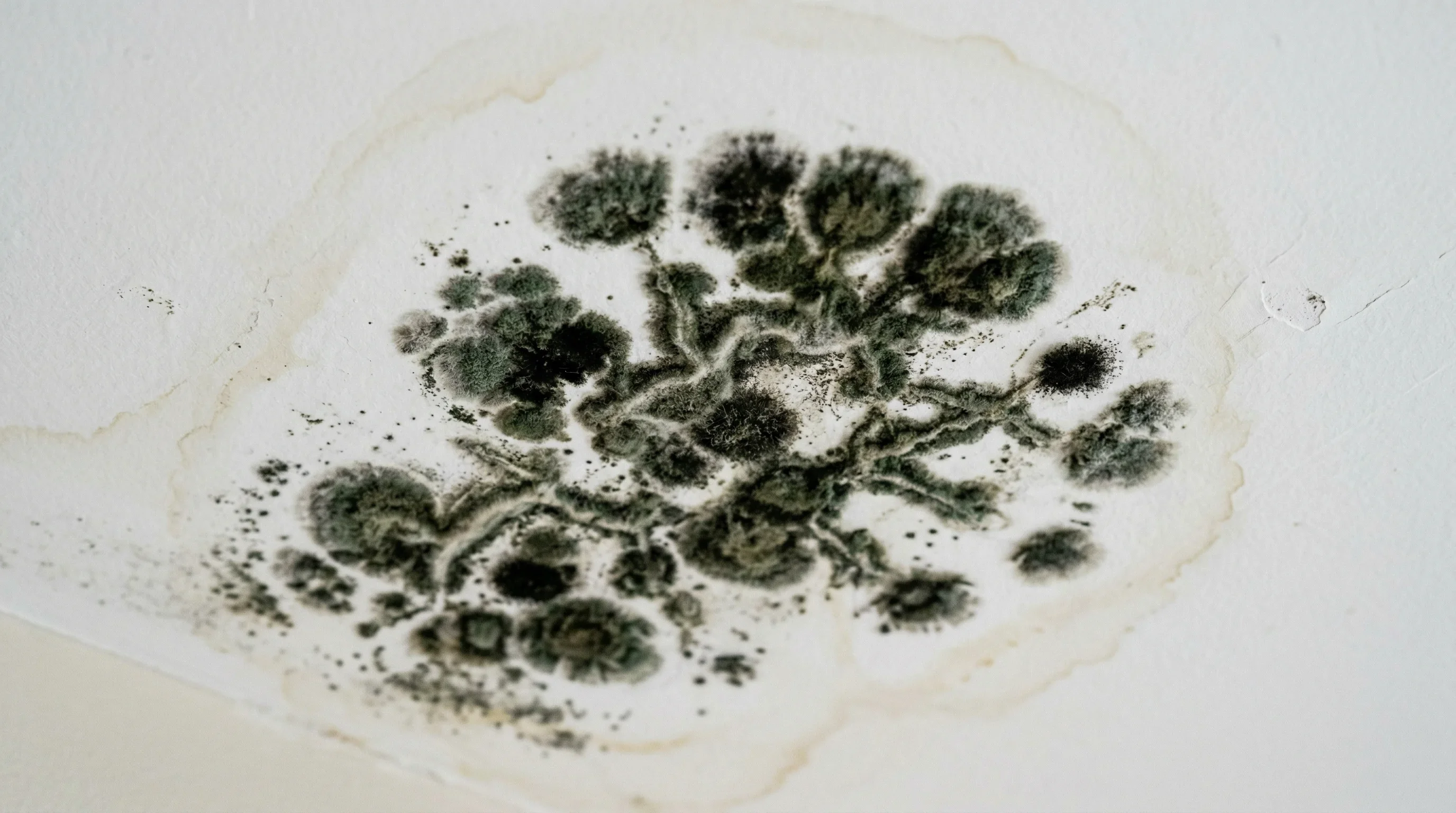
Dark spots, fuzzy patches, or discoloration on walls, ceilings, or floors. Mold can appear black, green, white, or even orange.
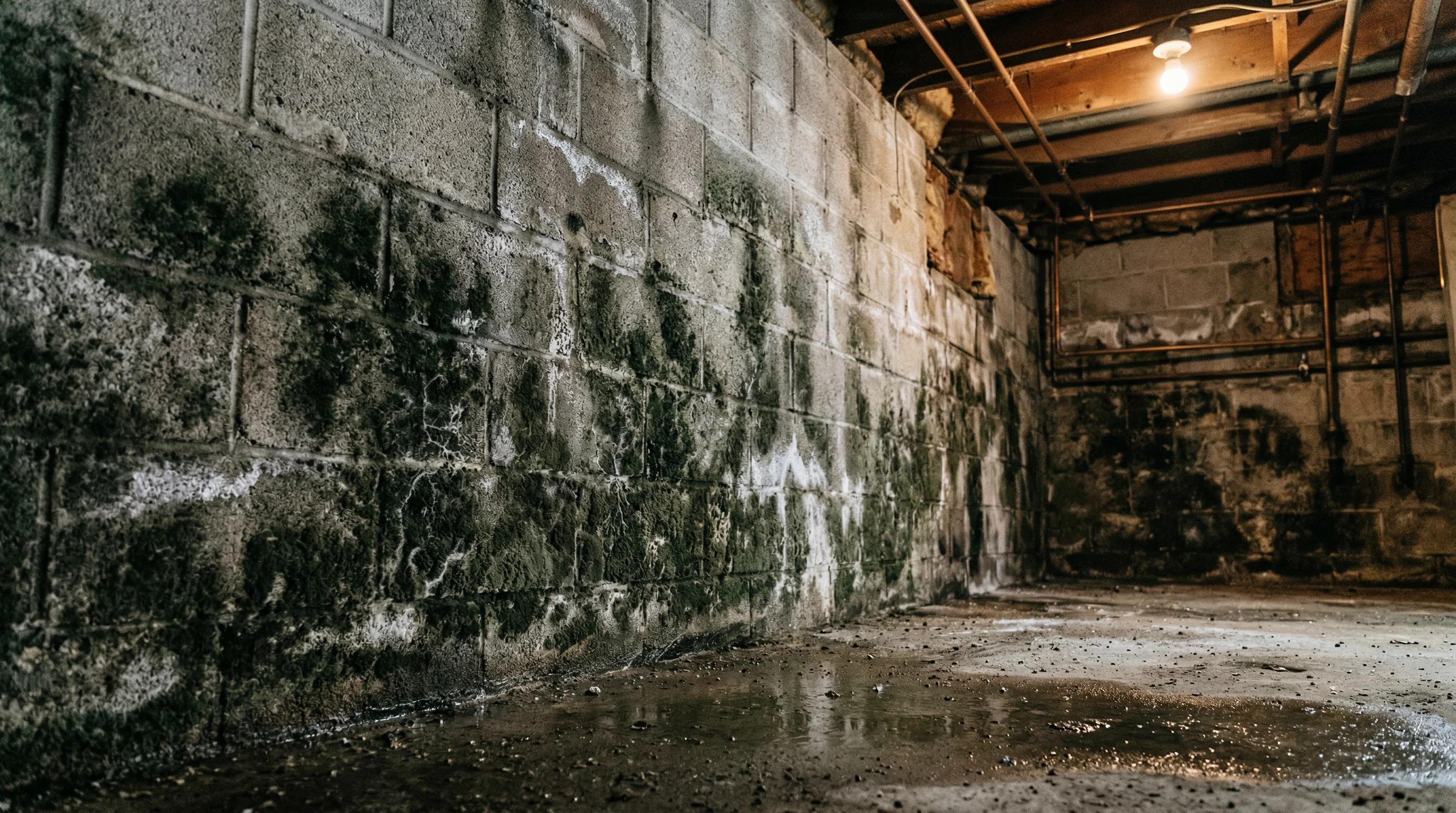
A persistent earthy or musty smell, especially in basements, bathrooms, or areas with poor ventilation.
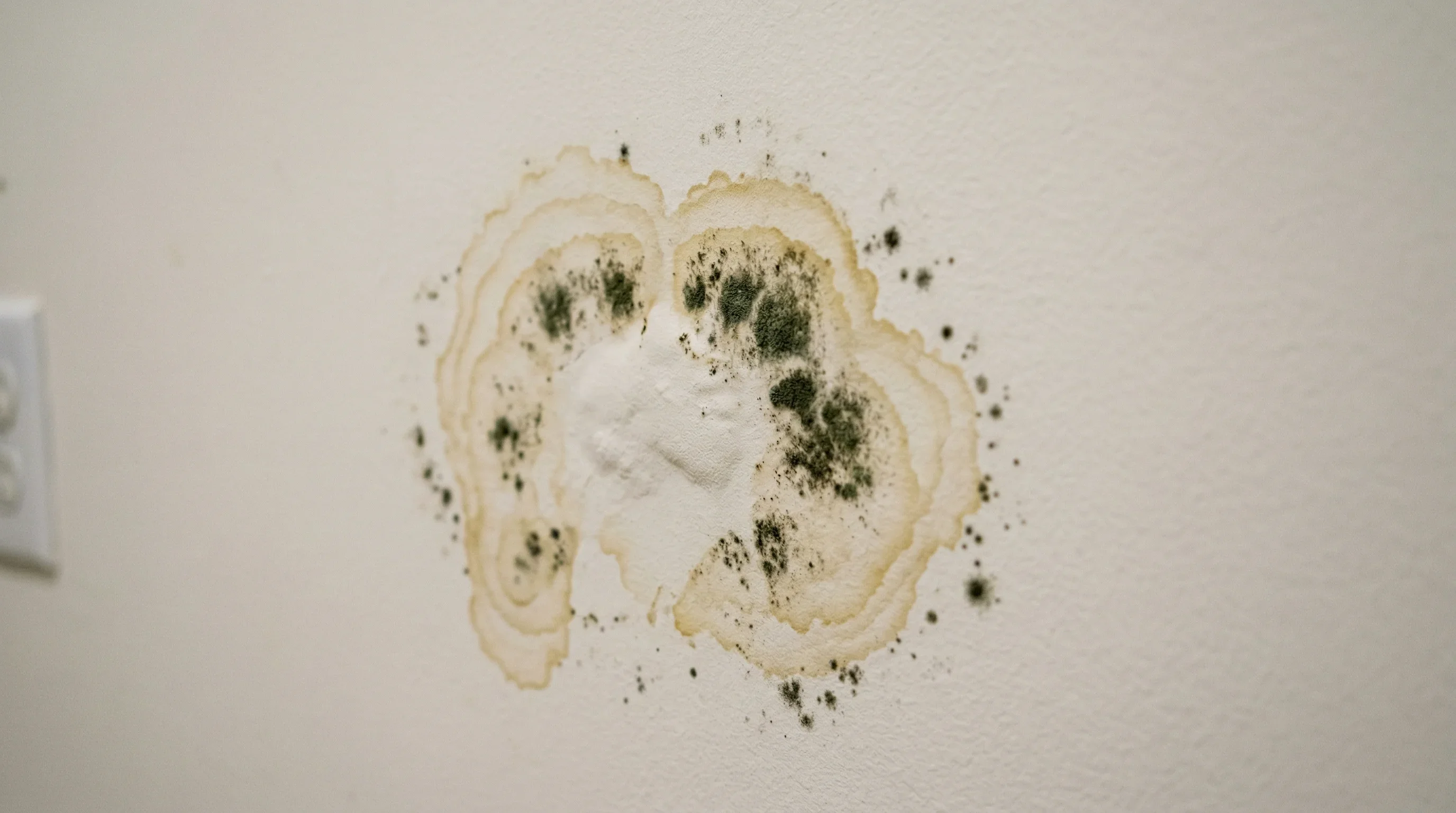
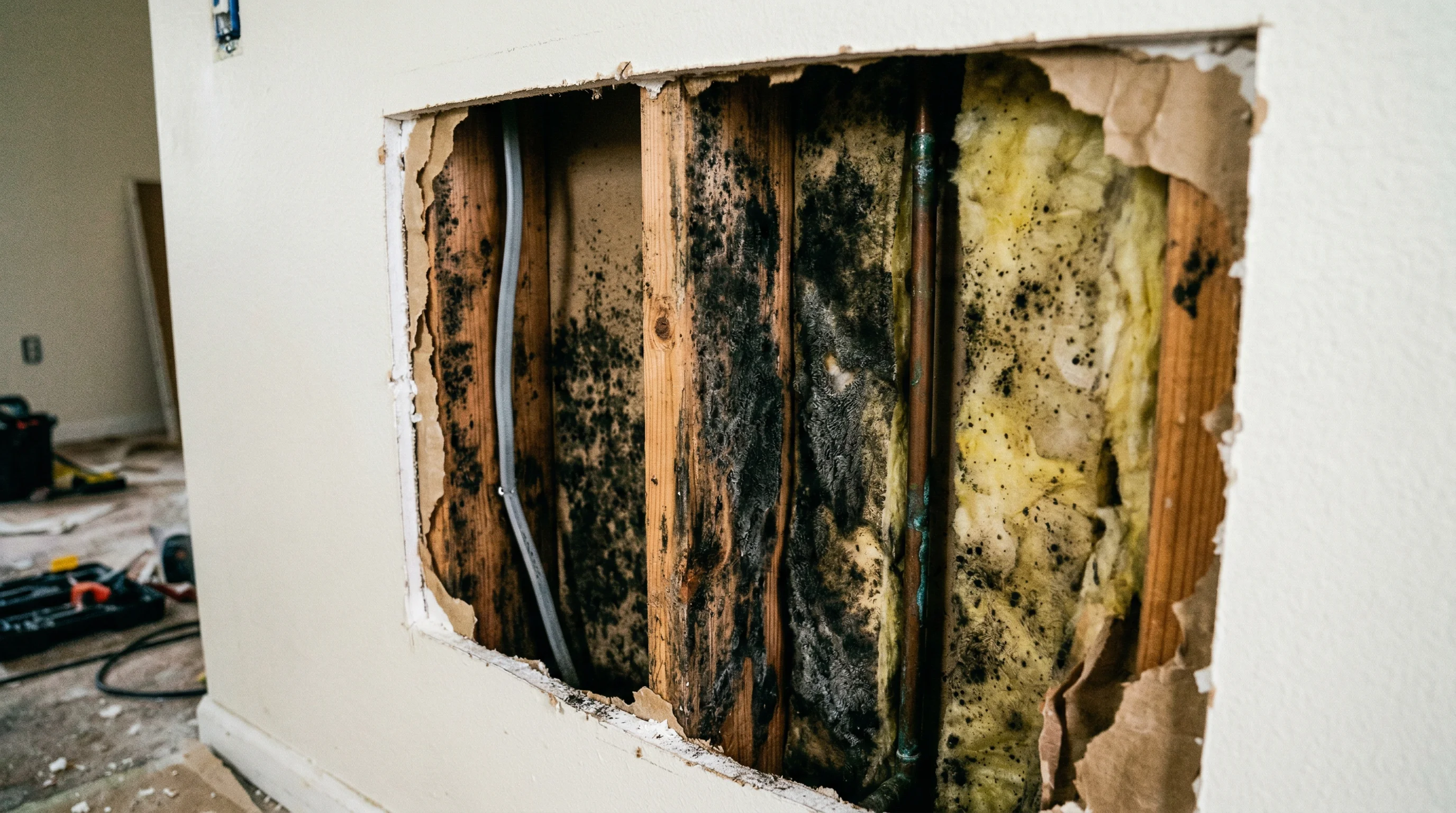
Discoloration or water marks on walls and ceilings often indicate hidden moisture—a prime condition for mold to grow.
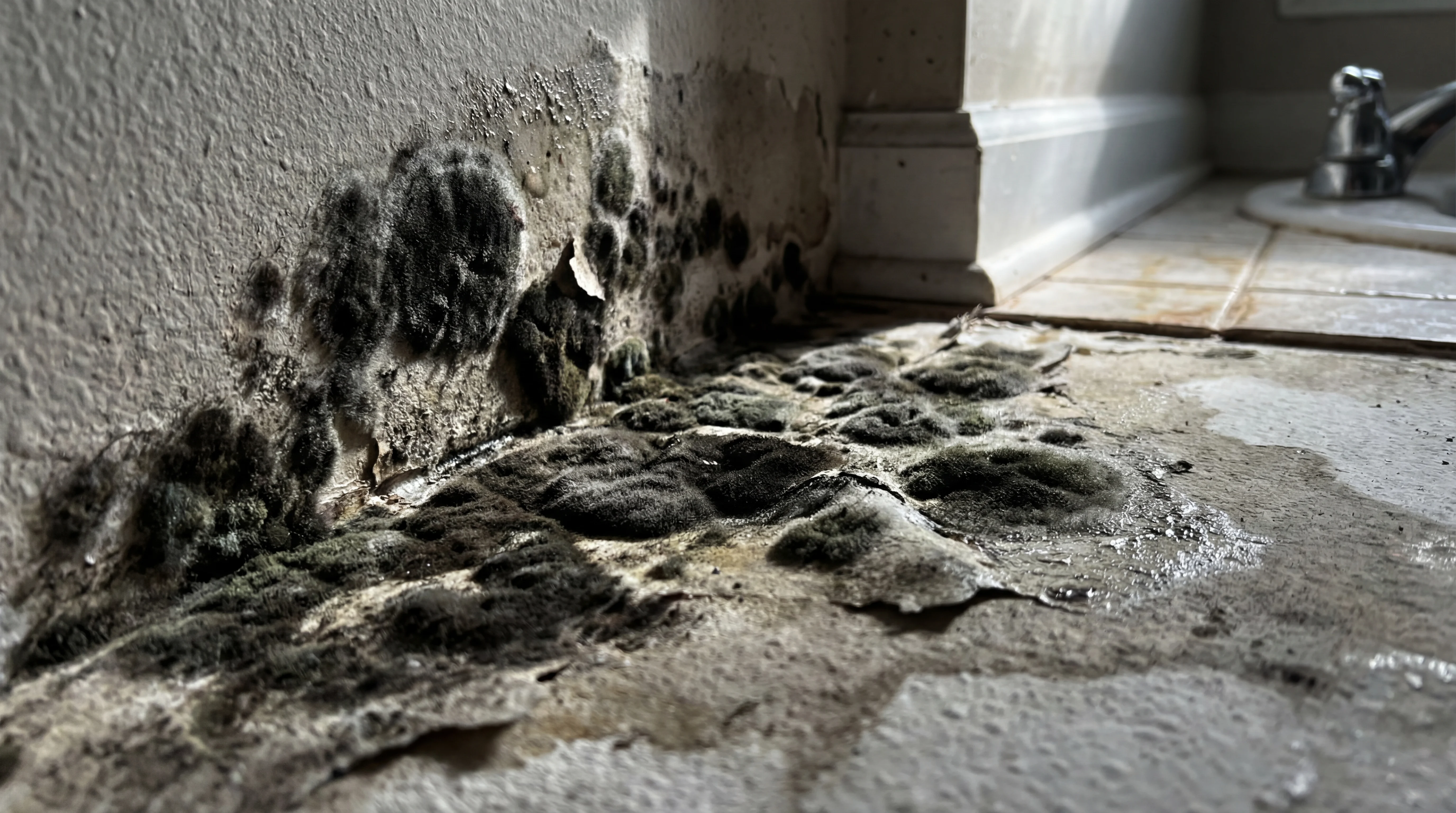
Unexplained allergies, respiratory issues, headaches, or fatigue that improve when away from the property.
Don't wait for a small mold issue to become a mold infested property. Professional inspection can identify hidden problems before they spread.
Most homeowners pay $1,200 to $3,750 for professional mold remediation in 2026, with a national average around $2,300-$2,400. Per-sq-ft pricing typically runs $10-$25 of affected area. Whole-house projects after flooding can reach $10,000-$30,000. See our 2026 mold cost guide for the full breakdown.
Typical project
$1,200 - $3,750
Most residential mold jobs
Per sq ft
$10 - $25
Affected area, not whole home
Whole-house
$10K - $30K
Severe or post-flood scenarios
Project length
1 - 5 days
Most residential remediations
| Pricing tier | Cost | What's typically included |
|---|---|---|
| Standard remediation | $10 - $25 / sq ft | Containment, HEPA vacuuming, antimicrobial treatment, material removal if needed |
| Complex / hidden mold | $15 - $30 / sq ft | Demolition access, wall cavity work, HVAC cleaning, post-remediation verification |
| Minimum project charge | $500 - $1,500 flat | Most contractors have a minimum regardless of square footage (small jobs) |
Why small jobs cost more per foot: Setup costs (containment, HEPA scrubbers, PPE) are fixed whether the affected area is 20 or 200 sq ft.
$500 - $1,000
Usually accessible with smaller containment scope
$500 - $2,000
Tight access; often requires moisture control add-ons
$500 - $3,000
Larger damp zones; hidden growth behind finishes raises cost
$1,000 - $4,000
Often tied to roof leaks; insulation contamination changes scope
$1,000 - $20,000
Demolition and rebuild drives the highest cost variability
$3,000 - $10,000
Specialized cleaning; contamination can affect the entire home
$10,000 - $30,000
Multiple material types removed plus post-project rebuild
Florida
$2,548 ($1,347-$3,778)
Highest US humidity drives recurring mold demand. State licensing required for remediators.
North Carolina
$2,382 / $2,145 avg
Crawl space mold is the dominant local pattern. No state license; IICRC AMRT credential is the standard.
South Carolina
$1,800 - $4,500
Coastal humidity + post-storm projects. No current state license; H.5109 (Feb 2026) proposes one.
Estimate your mold growth risk in seconds
Use our calculator or call for a free on-site assessment with moisture mapping
Mold Science 101
Most indoor mold questions are really moisture questions. Mold spores are everywhere. Active growth starts when moisture remains in place long enough for colonies to establish.
Common indoors and often linked with dust, HVAC systems, and damp materials.
Frequently found after water damage and can spread quickly when materials stay damp.
Often appears on wood, fabrics, and painted surfaces in humid environments.
Less common, usually tied to long-term moisture saturation of cellulose materials like drywall.
Moisture
Leaks, condensation, or humidity above ideal range.
Temperature
Warm indoor conditions accelerate colonization when moisture is present.
Time + Air Movement
Spores spread through airflow and establish when damp conditions persist.
Protect Your Health
Mold damage extends beyond property—it can significantly impact your indoor air quality and health. Mold releases microscopic spores into the air that, when inhaled, can trigger a range of symptoms from mild irritation to serious respiratory problems.
Coughing, wheezing, shortness of breath, and aggravated asthma symptoms
Sneezing, runny nose, red eyes, and skin rashes or irritation
Some occupants report headaches or fatigue in damp spaces; persistent symptoms should be discussed with a licensed clinician.
Developing immune systems are more vulnerable
Weakened respiratory and immune function
Asthma, allergies, or compromised immunity
Evidence-first approach: Palm Build follows containment and filtration practices aligned with EPA and CDC moisture/mold guidance. This content is educational and not medical diagnosis.
Public Health References
Free inspection includes air quality evaluation
Mold species matter for protocol decisions, not for fear. EPA and CDC guidance focus on removing contamination and correcting moisture rather than species labels — but for vulnerable occupants, knowing what you're dealing with helps. See our black mold symptoms and health risks guide and Florida humidity and mold issues.
| Species | Appearance | Where it grows | Concern level |
|---|---|---|---|
Stachybotrys chartarum "Black mold" | Dark greenish-black, slimy texture when wet, dusty when dry | Drywall paper, ceiling tiles, sustained-wet cellulose | High — full containment, respiratory PPE required Macrocyclic trichothecenes (in some strains) |
Aspergillus Common indoor mold | Yellow-green to gray, powdery surface | HVAC systems, dust, damp building materials | Moderate-High — significant for immunocompromised Aflatoxins (some species), aspergillosis risk |
Penicillium Blue-green mold | Blue-green velvet texture, fuzzy growth pattern | Water-damaged carpet, wallpaper, insulation | Moderate — common indoor allergen trigger Various mycotoxins; allergen profile |
Cladosporium Olive mold | Olive-green to brown to black, suede texture | Bathroom surfaces, painted wood, fiberglass duct lining | Low-Moderate — frequent allergy/asthma trigger Allergen but not classified as toxigenic |
Alternaria Outdoor/indoor crossover | Dark green-brown, velvety | Damp window frames, shower stalls, behind wallpaper | Moderate — strong asthma association Significant allergen; mycotoxin in some strains |
Developing respiratory systems; higher rate of mold allergen sensitization
Recommended
Remove from affected areas during remediation; consider air quality testing
Reduced immune response; higher complication risk from respiratory infections
Recommended
Containment + occupant relocation when extensive areas are affected
High risk of invasive aspergillosis and opportunistic mold infections
Recommended
Consult physician before re-occupancy; clearance testing recommended
Mold spores trigger acute respiratory symptoms and asthma exacerbation
Recommended
Temporary relocation during remediation; HEPA filtration at home
EPA and CDC bottom line: If you can see or smell mold, you need to remove it and fix the moisture source — regardless of species. Testing is most useful when scope is unclear or when sensitive occupants need confirmation that remediation worked. Our team can recommend whether testing adds value for your situation.
Unique Tool
Answer a few practical questions and get a risk rating, key factors, and next actions based on your property conditions.
Have you had any water damage in the past 12 months?
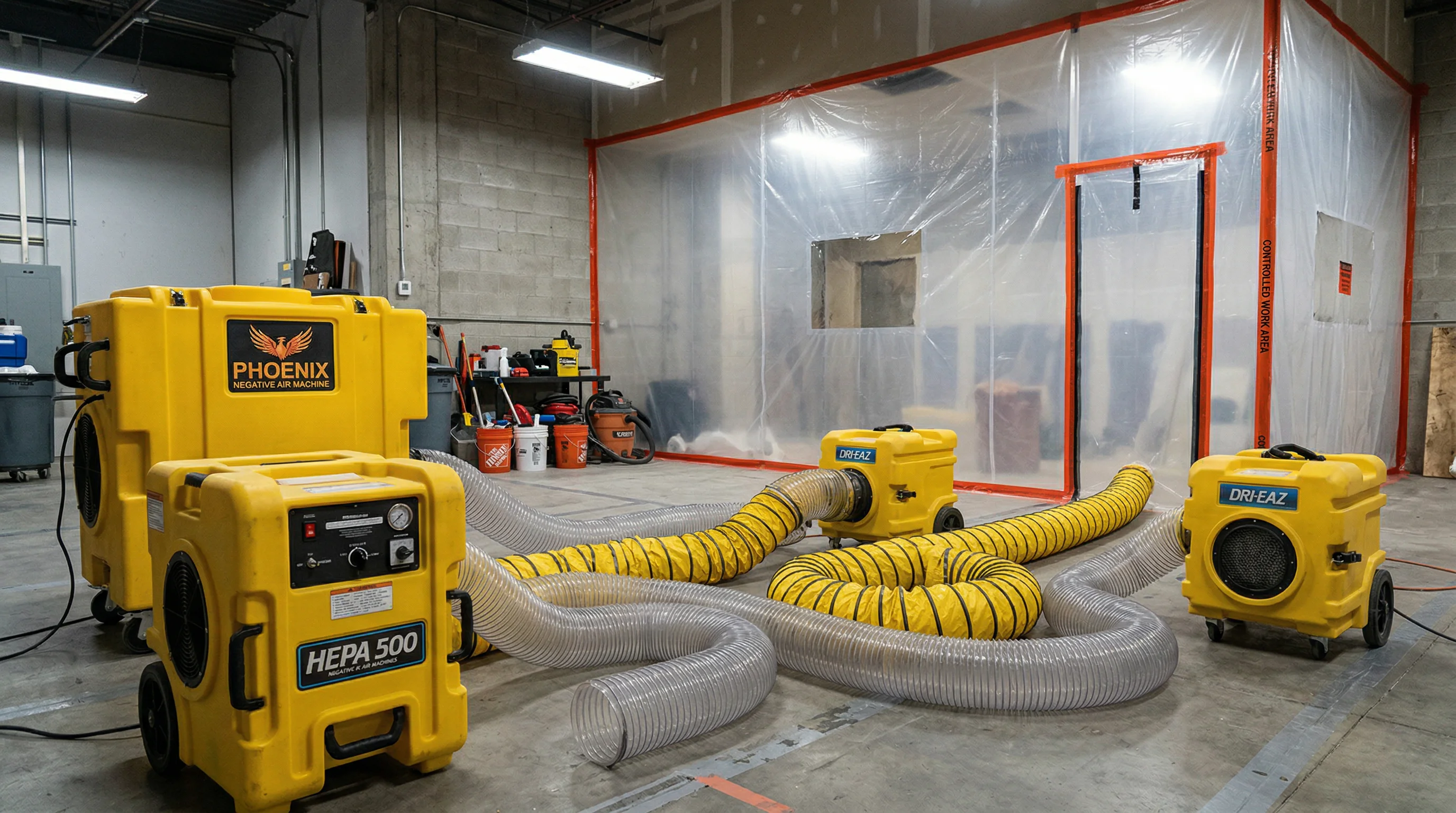
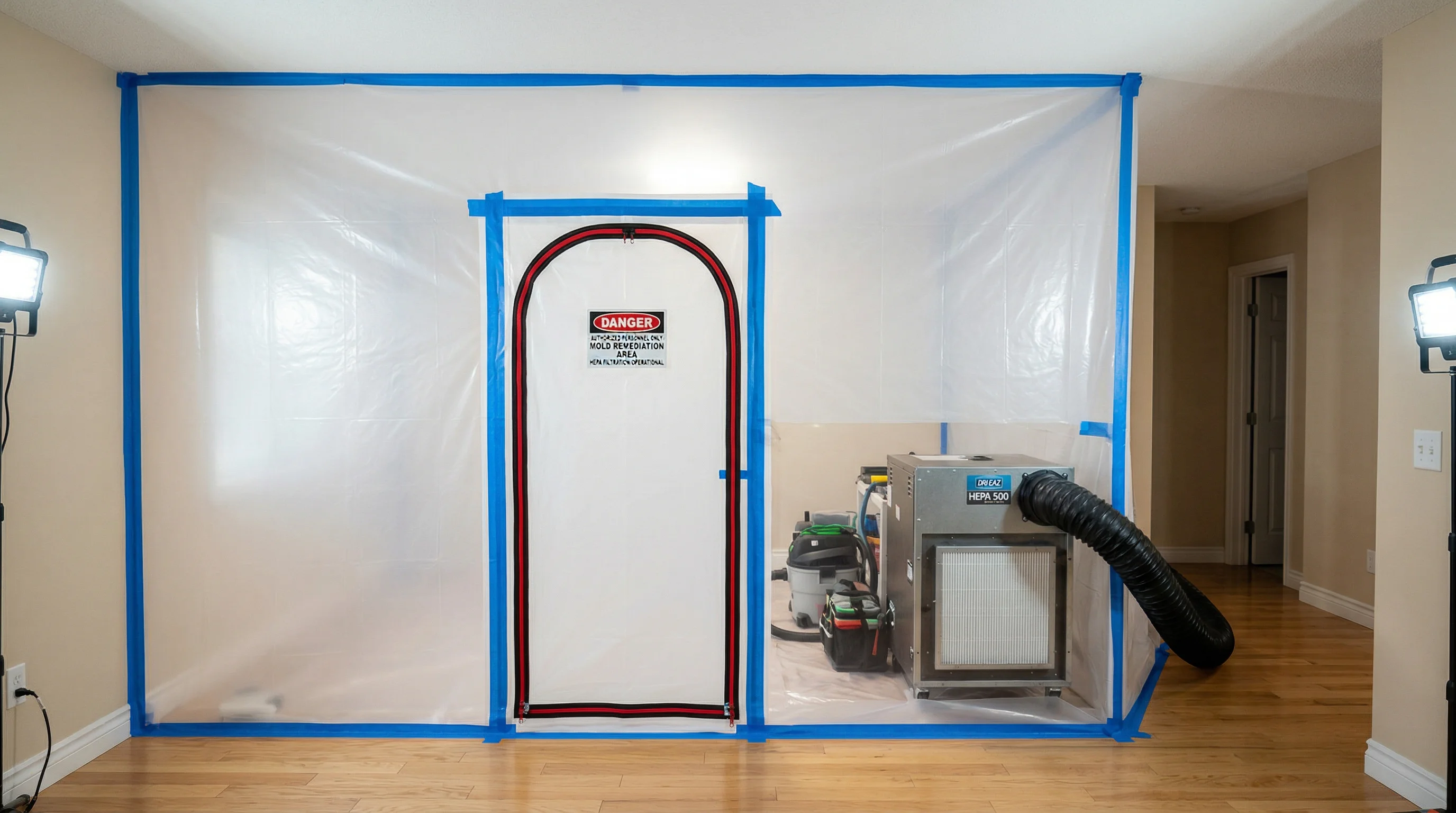
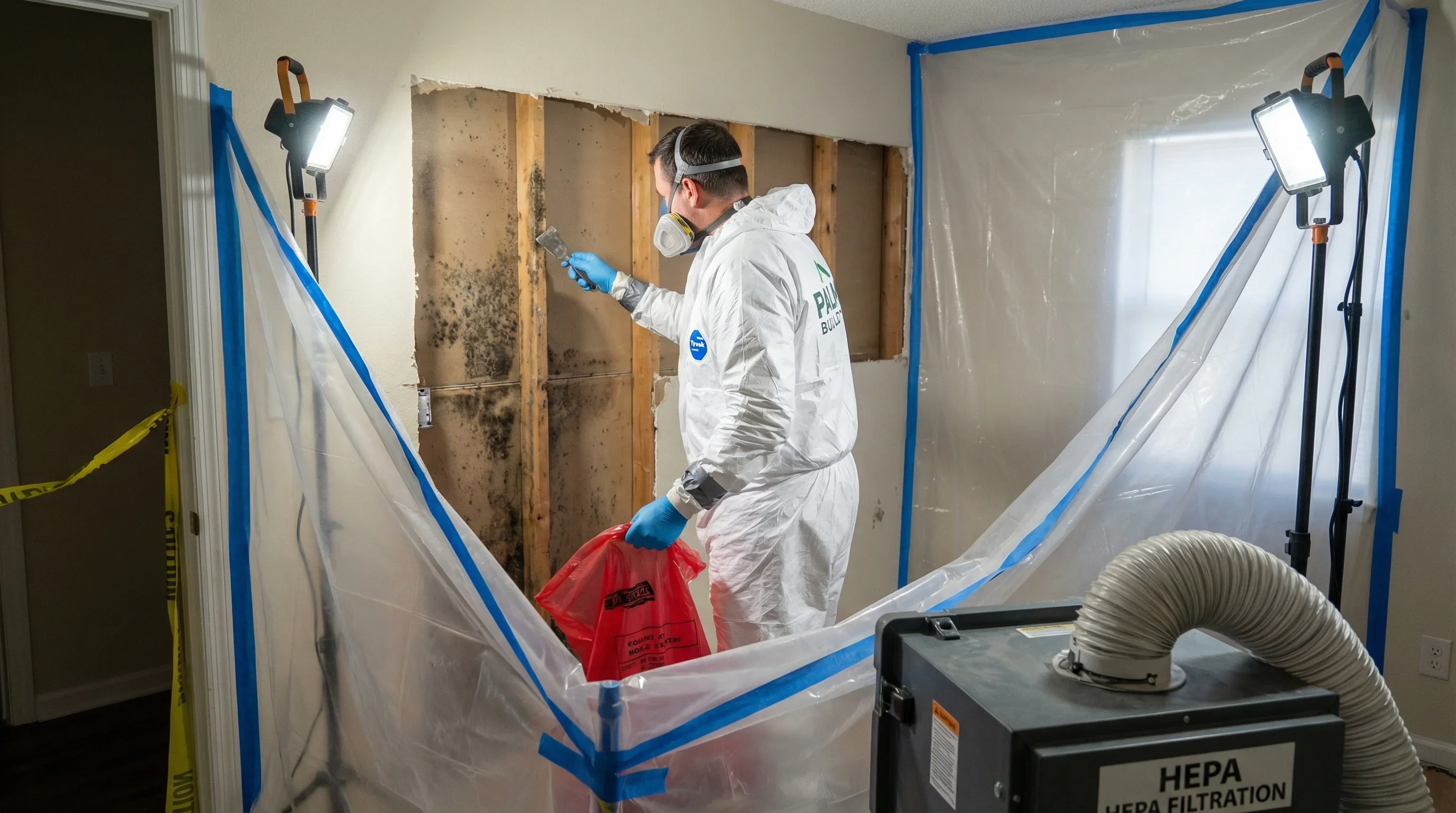
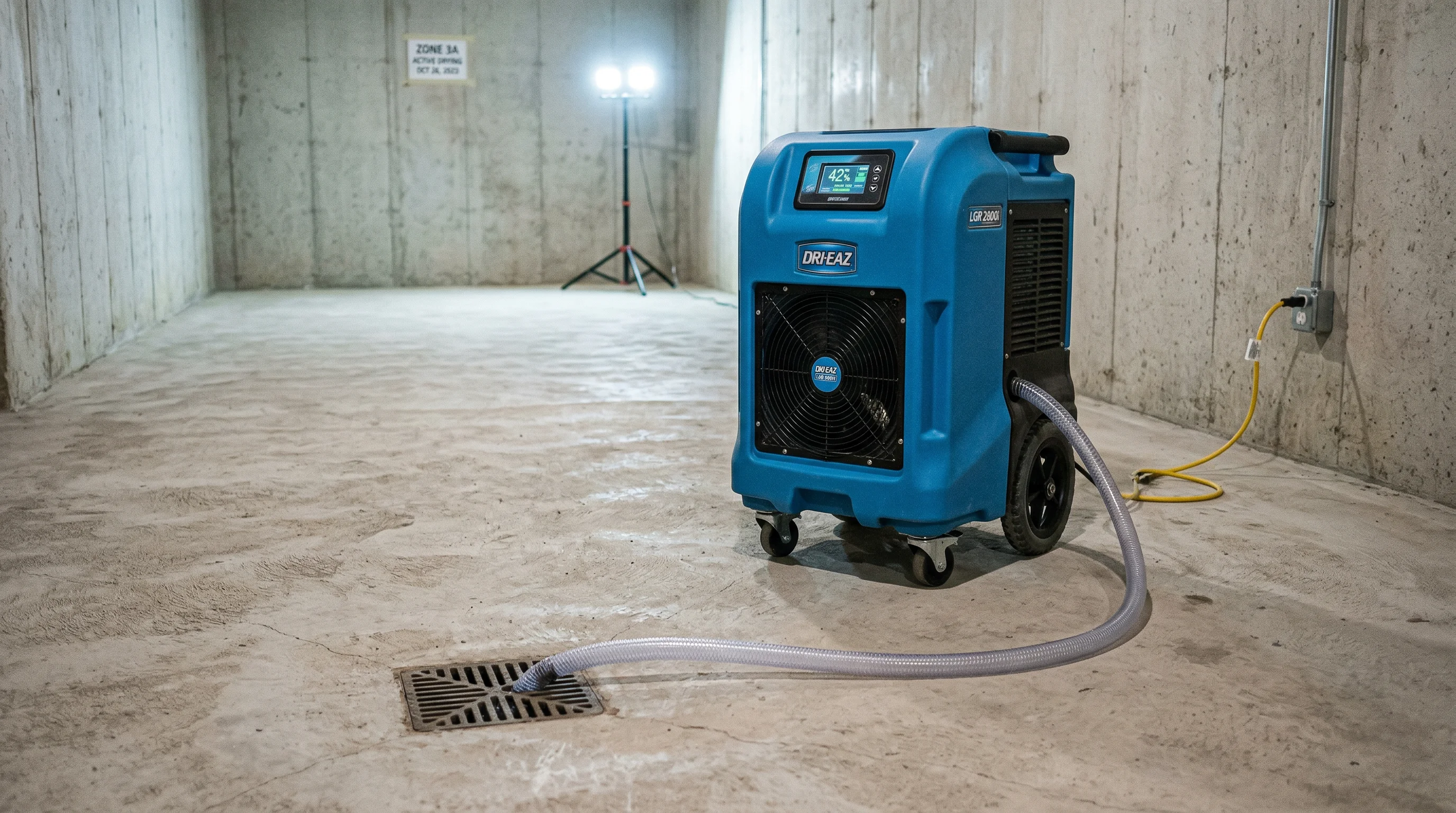
Mold remediation is not just "spraying something." Containment, HEPA filtration, and negative air pressure are the three pillars that prevent cross-contamination and let occupants safely return to the home. Use our equipment calculator for project planning.
| Equipment | Specification | Purpose | When deployed |
|---|---|---|---|
| HEPA negative air machine | 500-2,000 CFM, MERV 17 final filter | Creates negative pressure inside containment so spores stay contained | Sized so containment achieves 4-6 air changes per hour minimum |
| HEPA vacuum | 99.97% efficient at 0.3 microns | Captures spores and debris during cleaning without releasing them back into air | Used on every horizontal surface, structural element, and contents staying in place |
| Thermal imaging camera | 320×240 resolution, 0.05°C sensitivity | Locates hidden moisture behind walls that fuels active mold growth | Initial assessment + verifies moisture source is eliminated before remediation ends |
| Pin-type moisture meter | 0-100% relative scale, ±0.1% accuracy | Measures actual material moisture content to confirm dry-to-standard | Daily during dry-out and at clearance — wood must reach <20% MC |
| Borescope inspection camera | 3-9mm probe diameter, LED illumination | Inspects wall cavities and hard-to-reach spaces without destructive opening | When mold extent is uncertain and demolition needs to be minimized |
Containment scales with affected area. Project cost rises with containment level because setup, PPE, and air-handling complexity all multiply.
Less than 10 sq ft
10-100 sq ft
Over 100 sq ft
What "4 ACH" means in practice: A typical 12'×10' bedroom with 8' ceilings is 960 cubic feet. Achieving 4 air changes per hour requires moving 64 CFM continuously through HEPA filtration. We size every containment specifically so the air inside is being scrubbed faster than outside air can reach the work zone.
When you discover a fungal problem in your home or business, quick action is essential. Our certified team delivers expert assessment and treatment—using advanced techniques and EPA-approved products to safely restore your property.
From the initial inspection to final air quality testing, we handle every step. HEPA vacuums, containment barriers, and antimicrobial treatments ensure complete elimination while protecting indoor air quality throughout the process.
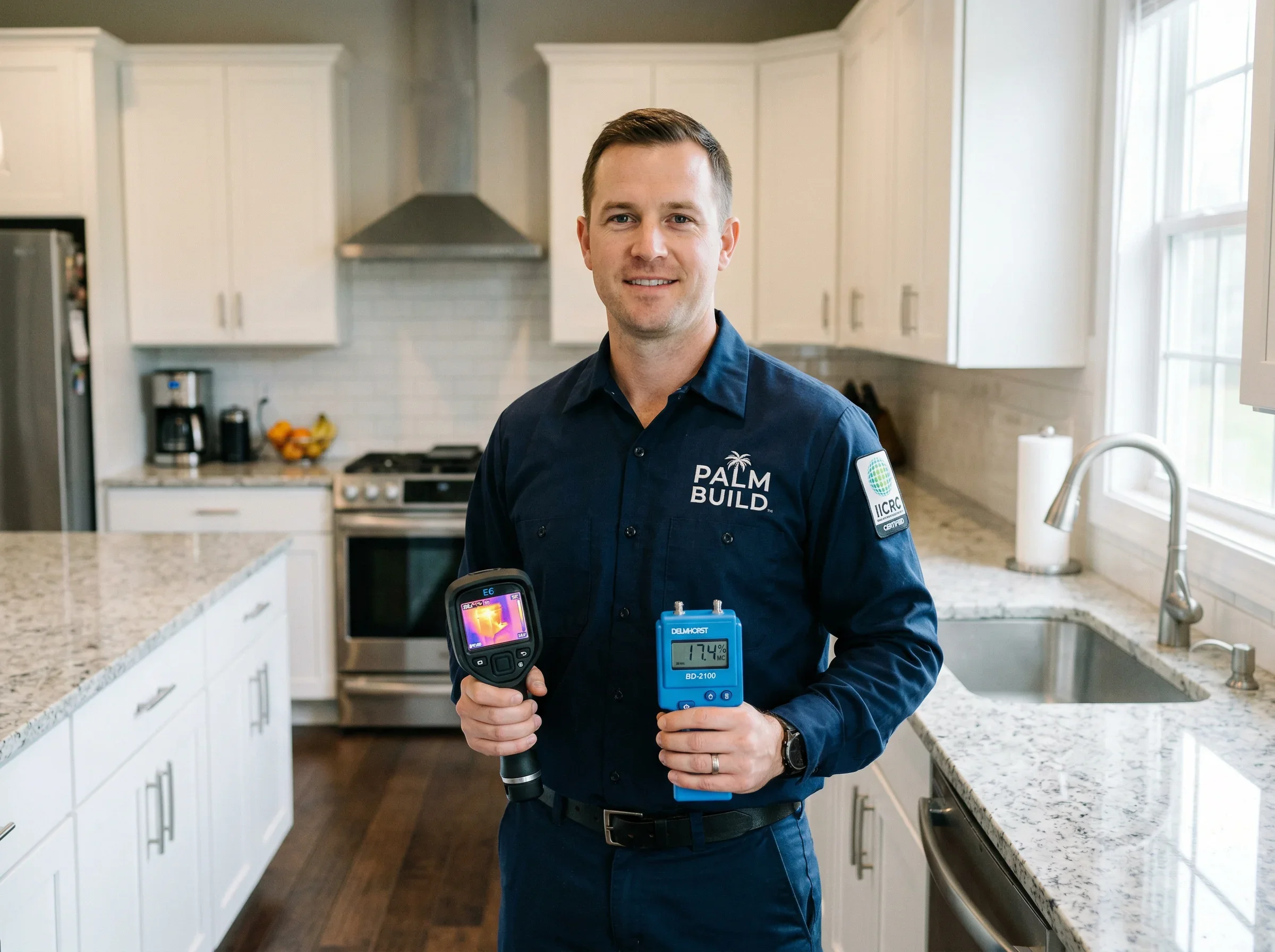
Industry-certified technicians with specialized training in safe treatment protocols and prevention strategies
Using only EPA-registered products for safe, effective treatment
Pre and post-treatment testing ensures complete success
Advanced testing to identify hidden growth and moisture sources
Certified protocols to prevent spore spread during treatment
EPA-approved solutions that eliminate the problem at its source
Address root causes to protect your property going forward
Our Proven Approach
Our comprehensive approach ensures thorough treatment while protecting your health and property. Each step follows EPA guidelines and industry best practices for safe, effective results.
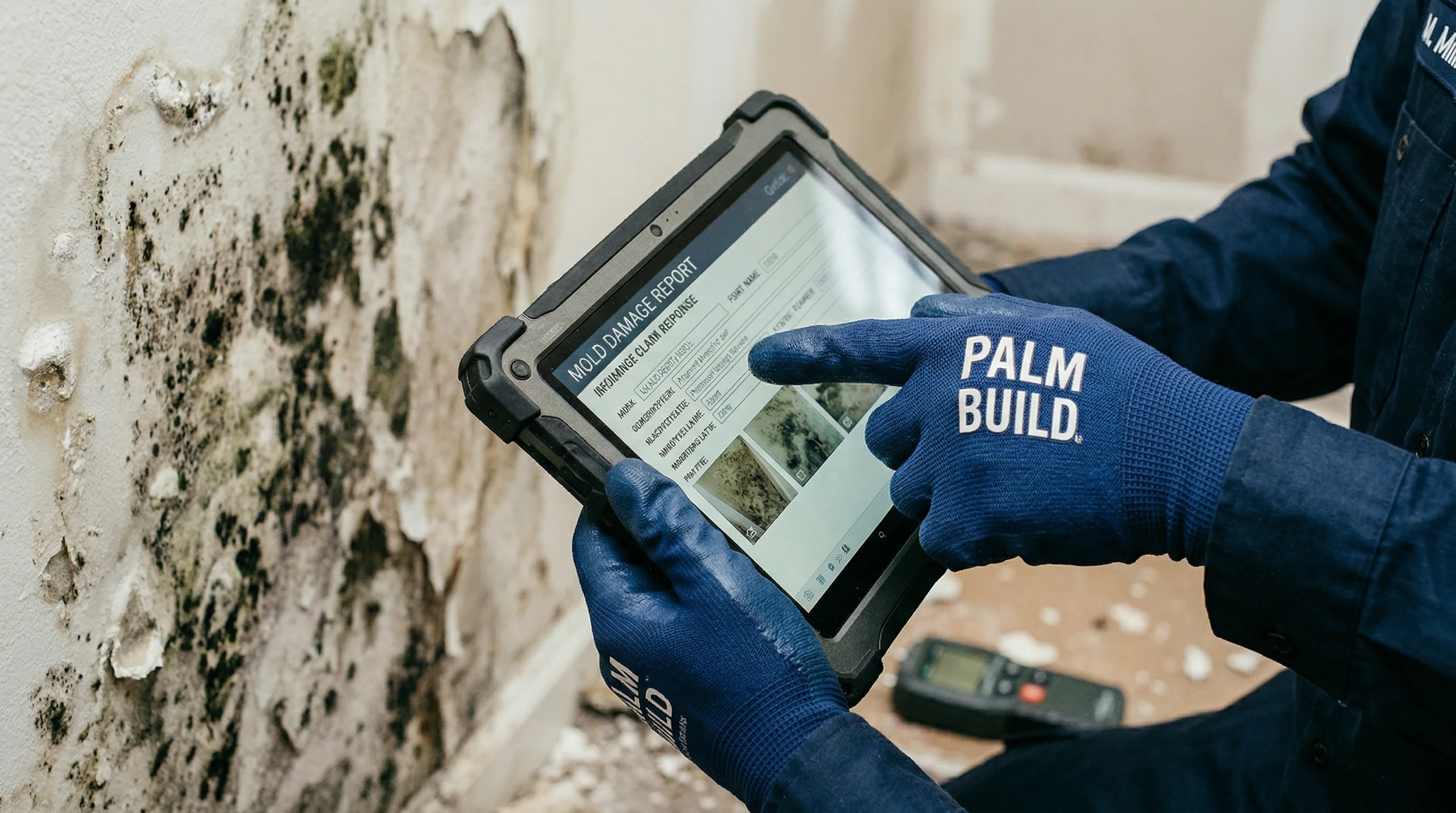
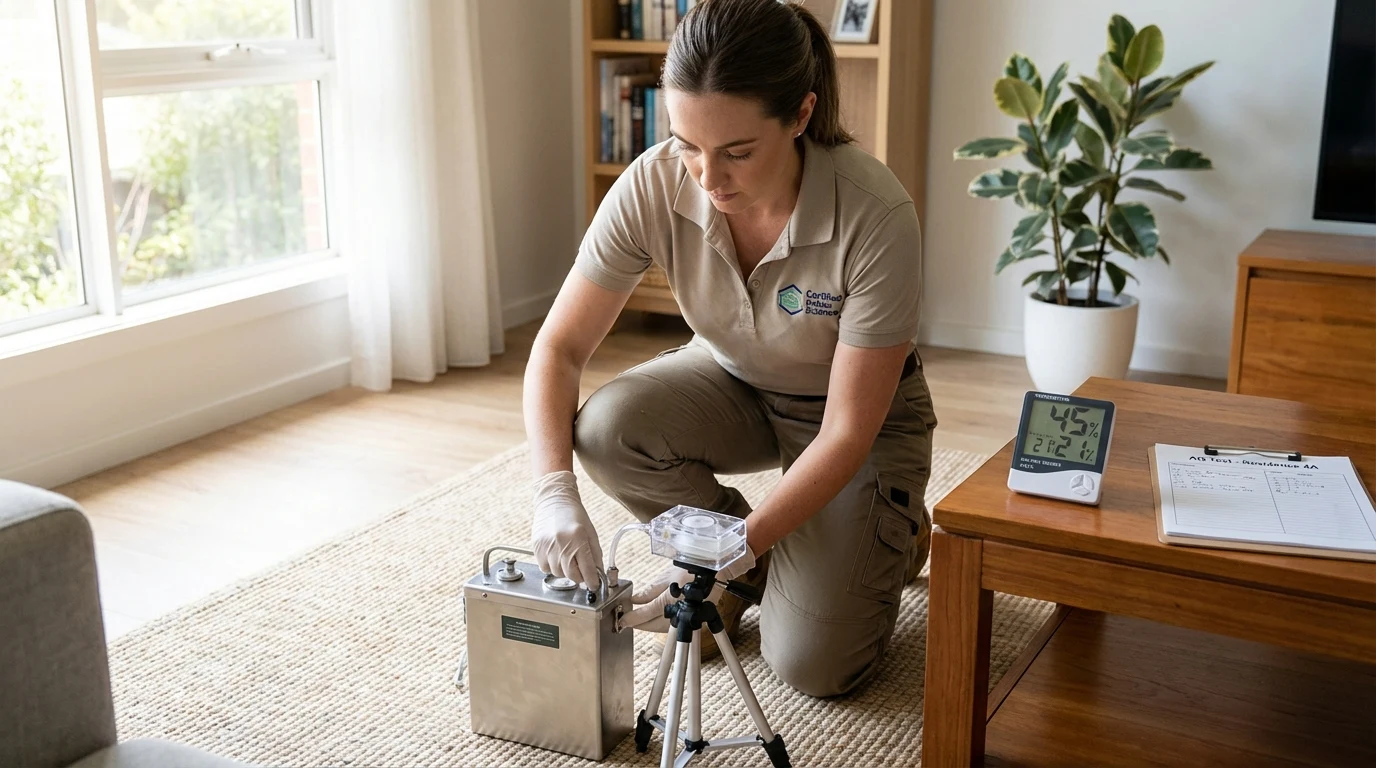
Our certified technicians conduct a comprehensive evaluation using moisture meters, thermal imaging, and air sampling. We identify the extent of the problem and locate hidden growth behind walls or in crawl spaces.
Same-day inspections availableWe establish physical barriers and negative air pressure systems to prevent spores from spreading to unaffected areas. This protects the rest of your home or business during treatment.
Cross-contamination preventionIndustrial HEPA vacuums and air scrubbers capture airborne particles as small as 0.3 microns. This critical step begins restoring healthy indoor air quality before physical removal even starts.
HEPA filtration technologyUsing EPA-approved antimicrobial products and specialized techniques, we safely eliminate contamination from all affected surfaces and materials. Damaged materials are properly disposed of according to regulations.
EPA-compliant methodsPost-treatment air sampling and surface testing confirm successful treatment. We don't consider the job complete until test results verify that spore counts have returned to safe, normal levels.
Third-party lab verificationWe address moisture sources—whether from water damage, HVAC system issues, or poor ventilation—to prevent future problems. Final restoration returns your space to pre-loss condition.
Root cause resolution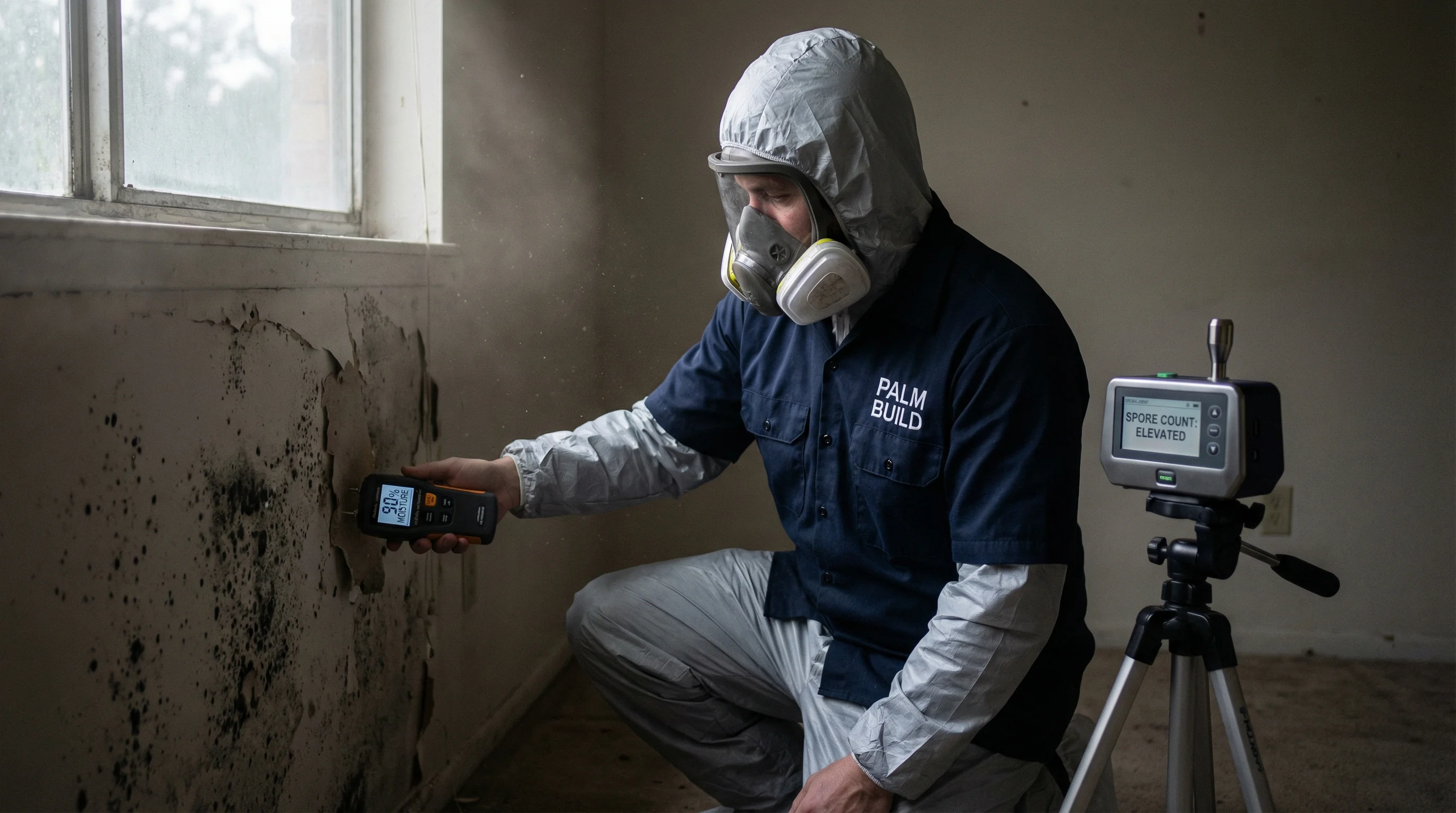
Our IICRC certified technicians bring years of experience to every project. We follow strict protocols to ensure your home or business is safe for occupants.
Air sampling and surface tests identify exactly what we're dealing with—no guesswork.
Physical barriers and HEPA filtration prevent spores from spreading during treatment.
We fix moisture problems—water damage, leaks, humidity—so issues don't return.
Post-treatment testing confirms success before we consider the job complete.
Timeline varies based on severity and affected area size. Minor issues may take 3-5 days; extensive contamination can take 1-2 weeks.
Why Choose Us
When contamination threatens your property and health, you need experts who get it right the first time. Here's what sets our service apart.
State-of-the-art moisture detection and air sampling identifies hidden problems others miss.
Professional barriers and negative air machines protect unaffected areas during treatment.
HEPA filtration captures microscopic particles, restoring healthy indoor air quality fast.
Only EPA-registered products and proven protocols for safe, effective treatment.
We identify and fix the source—whether water damage, humidity, or poor drainage.
We work directly with insurers, providing documentation to maximize your coverage.
IICRC certified technicians with specialized training in safe treatment protocols.
Clear communication throughout—you'll always know what's happening and why.
"The team was incredibly thorough. They found hidden moisture in our bathroom walls that we never knew about. The air quality improvement was noticeable within days."
Michael R.
Miami, FL
Don't let contamination affect your health or property value. Our certified team is ready to help with a free, no-obligation inspection.
See the dramatic difference our professional mold remediation services make. Drag the slider to reveal the transformation.
Need expert mold remediation?
Get a Free EstimatePrevention & Preparedness
Prevention is your best defense. Learn how to protect your home or business, and know what to do if contamination is discovered.
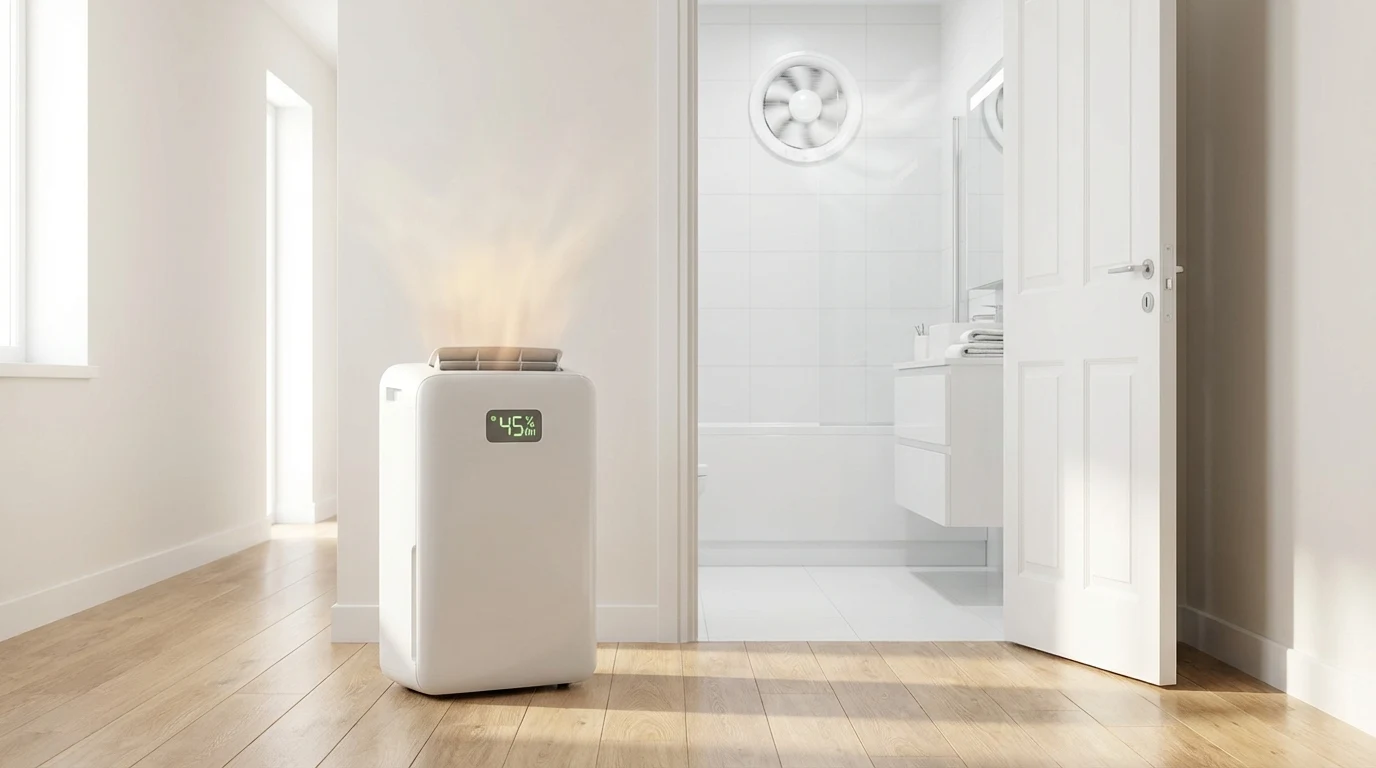
Keep indoor humidity below 60% using dehumidifiers. Check levels with a hygrometer, especially in basements and bathrooms.
Use exhaust fans in bathrooms and kitchens. Make sure your HVAC system has clean filters and drip pans are clear.
Fix leaks immediately—both indoor and outdoor. Water damage can lead to growth within 24-48 hours.
Check crawl spaces, attics, and behind appliances periodically. Catching issues early prevents extensive damage.
Growth can begin within 24-48 hours of moisture exposure
Certain species release mycotoxins that cause health problems
Professional testing identifies hidden contamination
Proper containment prevents spores from spreading
Addressing moisture sources prevents 90% of future issues
Our certified team is ready around the clock to protect your property and health. Fast response limits damage and reduces total remediation costs.
Mold Testing Guide
Testing is a tool, not a substitute for moisture correction and remediation. Use it where it adds decision value and documentation clarity.

Independent post-remediation clearance testing can reduce conflicts and improve credibility for insurance, real-estate, and legal documentation.
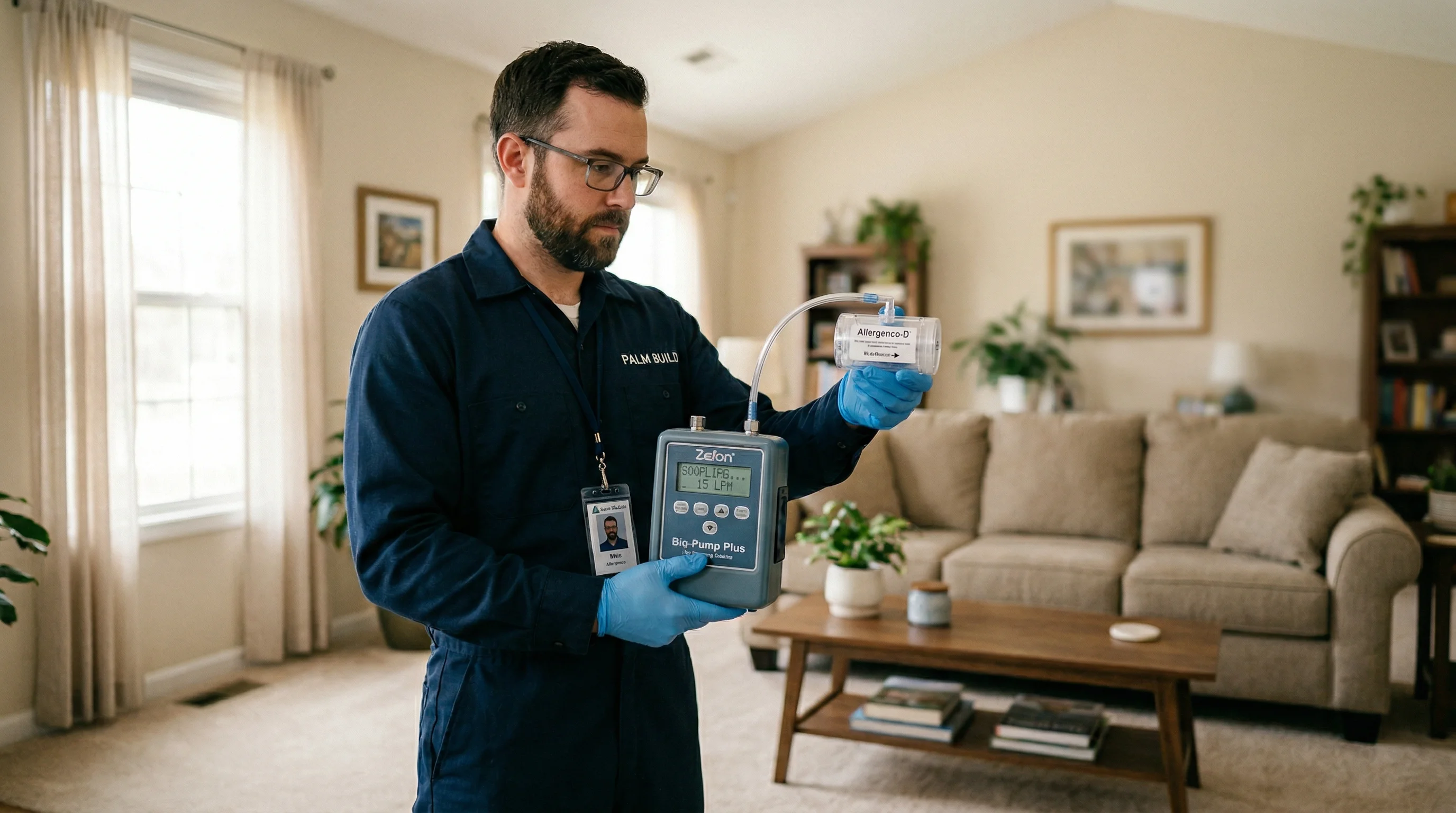
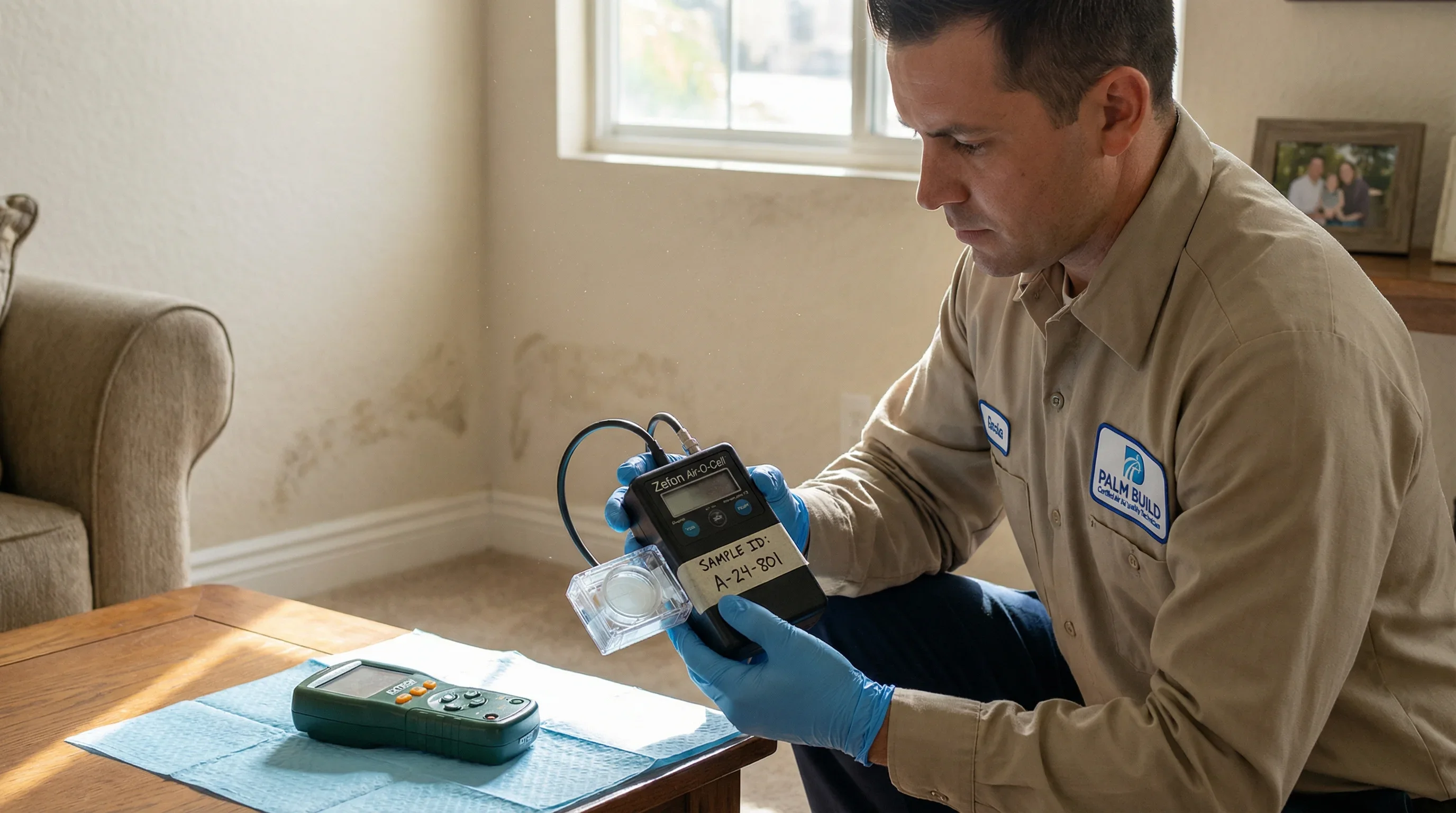
Compares indoor and outdoor spore profiles and helps evaluate airborne burden.
Identifies growth on specific materials when visual confirmation is uncertain.
Material sample analyzed by lab when species confirmation is needed for scope.
Mold testing is a tool, not a default. Sometimes it provides decisive scope information; sometimes it just adds cost without changing the protocol. We outline test options during scope review so you only pay for testing that affects decisions. See the deeper remediation vs removal guide for context.
| Test type | What it detects | When to use | Cost | Lab turnaround |
|---|---|---|---|---|
| Air sample (spore trap) | Airborne spore concentration vs outdoor baseline | When mold is suspected but not visible; also for clearance | $50 - $150 per sample | 3-5 business days |
| Surface tape lift | Identifies mold species on visible surfaces | When mold IS visible and species ID matters for protocol | $25 - $75 per sample | 3-5 business days |
| Bulk material sample | Mold inside building materials (drywall, insulation, etc.) | When demolition extent depends on material contamination | $50 - $100 per sample | 3-7 business days |
| ERMI dust analysis | DNA-level mold profile from settled dust over time | For chronic exposure investigation or sensitive occupants | $200 - $400 per sample | 7-14 business days |
There is no federal "safe" indoor mold spore standard, but the industry uses comparison to outdoor baseline as the most reliable interpretation method. Your lab report should include both indoor and outdoor samples taken at the same time.
Below outdoor baseline
< 500 spores/m³
No active indoor source; outdoor contribution only
Action: No remediation needed; verify moisture control
Slightly elevated
500 - 1,500 spores/m³
Possible minor indoor source or air infiltration
Action: Investigate moisture sources; consider re-test in 30 days
Elevated
1,500 - 5,000 spores/m³
Active indoor mold growth likely
Action: Visual inspection for source; targeted remediation
High
5,000 - 25,000 spores/m³
Significant indoor contamination
Action: Containment + full remediation; clearance test post-work
Critical
> 25,000 spores/m³
Severe contamination; potential health concern for occupants
Action: Immediate Level 3 remediation; occupant relocation
When testing usually does NOT add value
If mold is already visible and the moisture source is identified, testing rarely changes the protocol — you remediate the same way regardless of species. Testing is most useful when the scope is uncertain, when sensitive occupants need confirmation, or for post-remediation clearance. Don't pay for testing that won't change your decisions.
"Done" has a specific quantitative meaning in mold remediation. The IICRC S520 standard and ANSI/IICRC S520 verification protocol use multiple independent criteria to confirm the work succeeded. We document each one before turning the space back over to occupants. See post-storm mold 48-hour window and preventing mold after flooding.
Criterion 1
No visible mold growth, no significant dust, no moldy odor anywhere in the contained area or surrounding spaces. All materials are clean to the touch.
Pass threshold
Zero visible contamination
Criterion 2
Wood structural elements measured below 20% MC. Drywall and other materials at or below dry-standard targets. Moisture source has been confirmed eliminated.
Pass threshold
Wood < 20% MC, drywall < 1% MC above ambient
Criterion 3
Air sample comparison shows indoor spore concentration at or below outdoor baseline. No species are present indoors that are absent outdoors. No "marker" mold species detected.
Pass threshold
Indoor ≤ outdoor; no Stachybotrys or Chaetomium indoors
Criterion 4
Optional final surface check using ATP swabs or fungal-specific markers on hard surfaces in the work area. Confirms cleaning effectiveness at the molecular level.
Pass threshold
ATP relative light units below site-defined target
Third-party clearance: For larger projects or sensitive occupants, we recommend an independent third-party indoor air quality consultant perform the final clearance test. This separates the remediator from the verifier and gives you a defensible record for insurance, real estate transactions, and occupant health documentation.
Insurance Brief
Coverage depends on cause, policy language, and sub-limits. In Florida, many policies apply mold coverage caps, often around $10,000 unless enhanced endorsements are in place.
For full documentation workflows and adjuster coordination, use our insurance process guide.
Coverage depends on the cause of the moisture, not the presence of mold. Most policies cover mold when it results from a covered water peril — and exclude it when tied to gradual leaks or maintenance failures. Sublimits are common. See our deeper guides on water damage coverage and the 2026 Florida insurance crisis.
| Trigger | HO-3 outcome | Sublimit / notes | NFIP flood policy |
|---|---|---|---|
| Sudden burst pipe → mold within 48h | Typically covered as water damage with mold contingent | Subject to mold sublimit ($5K-$10K typical) | Not applicable |
| Appliance leak → discovered later | Sometimes covered if "sudden and accidental" | Sublimit applies; gradual portion often denied | Not applicable |
| Long-term hidden plumbing leak | Usually excluded as maintenance failure | Even if covered, mold sublimit applies | Not applicable |
| Storm flood / surge mold | Excluded | No coverage | NFIP may cover if active flood policy |
| HVAC condensate mold | Sometimes covered if sudden malfunction | Mold sublimit applies; gradual excluded | Not applicable |
| State | Typical sublimit | Endorsements available | Licensing |
|---|---|---|---|
| Florida | $10,000 typical mold sublimit | Buyback endorsements raise to $25K-$50K | State requires mold assessor + remediator licenses (Ch 468 Part XVI) |
| North Carolina | $5,000-$10,000 typical mold sublimit | Optional endorsements vary by carrier | No state mold license; IICRC AMRT credential is the trust standard |
| South Carolina | $5,000-$10,000 typical mold sublimit | Limited buyback availability post-2023 | No state mold license currently; H.5109 (Feb 2026) proposes one |
Mold licensing rules vary dramatically across our service area. Florida requires state-issued licenses for both assessors and remediators. North Carolina and South Carolina rely on IICRC certification as the trust standard. Knowing the difference protects you from unqualified contractors.
Florida regulates mold-related services through Chapter 468, Part XVI. Both mold ASSESSORS and mold REMEDIATORS must hold separate state licenses. Unlicensed practice is prohibited and subject to enforcement.
How to verify
Verify any contractor at MyFloridaLicense.com before signing
Palm Build credentials
Palm Build holds active Florida mold remediator license; assessor relationships in-network for projects requiring testing
NC does not have a state certification program for mold remediation. Per NC State Extension, the responsibility falls on homeowners to vet contractors. The trust standard is IICRC AMRT (Applied Microbial Remediation Technician) certification plus liability insurance.
How to verify
Ask for IICRC AMRT cert + general liability insurance + references
Palm Build credentials
Palm Build technicians hold IICRC AMRT and WRT certifications; full general liability + workers comp coverage
SC currently has no state mold license requirement. SC DHEC general indoor air quality guidance applies. House Bill H.5109 (introduced February 2026) proposes a certification framework for assessors and remediators — not yet law.
How to verify
Same as NC — IICRC credentials + insurance + references
Palm Build credentials
Palm Build holds same IICRC AMRT credentials and works with SC properties under the same protocol standards as FL
Regional Risk Lens
Regional climate and building patterns shape moisture behavior. Prevention plans should match local conditions, not generic checklists.
Real Palm Build mold remediation work — bathrooms, attics, crawl spaces, HVAC systems, commercial properties. Every project follows IICRC S520 protocols with containment, negative air, and post-remediation verification.
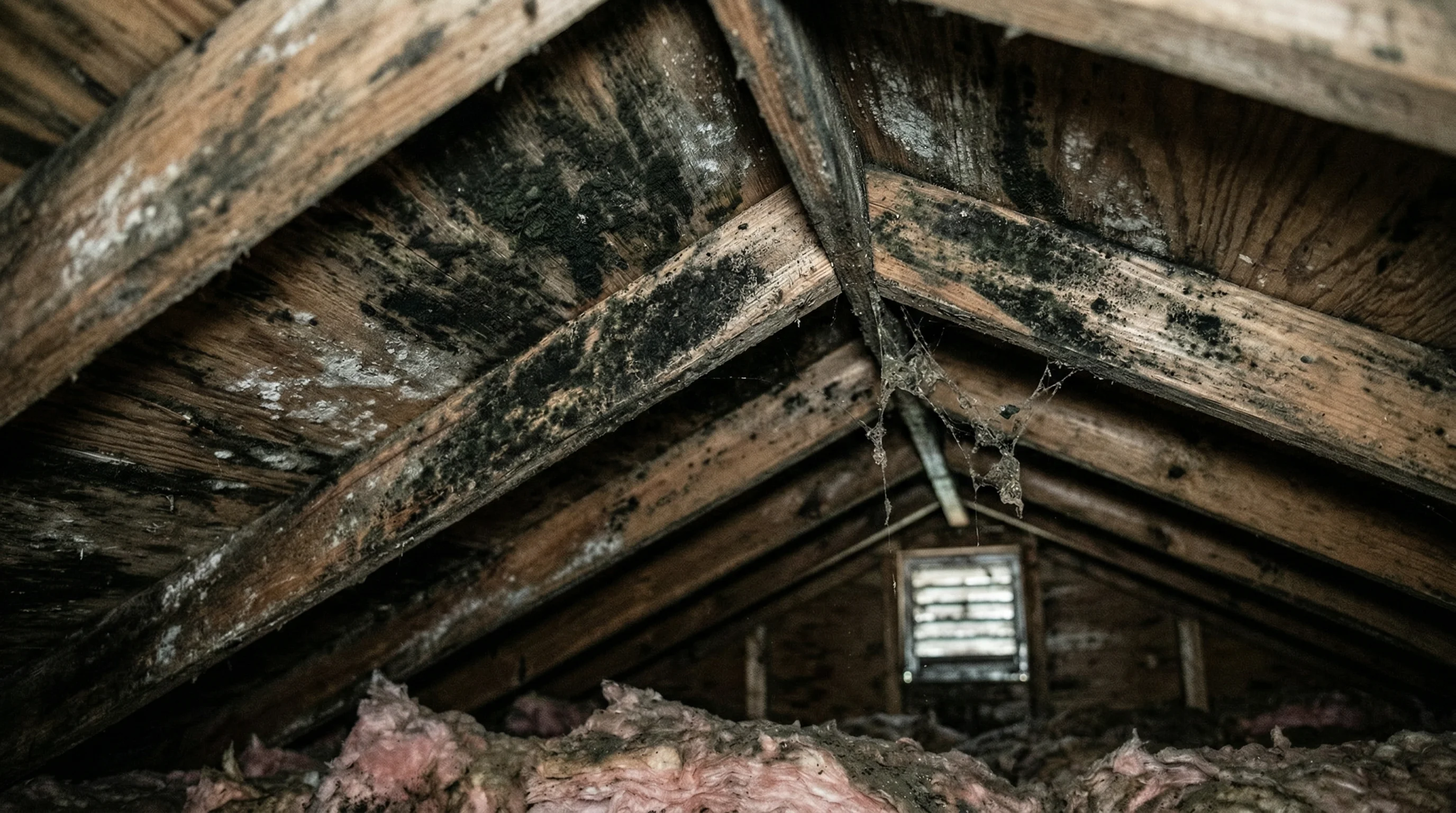
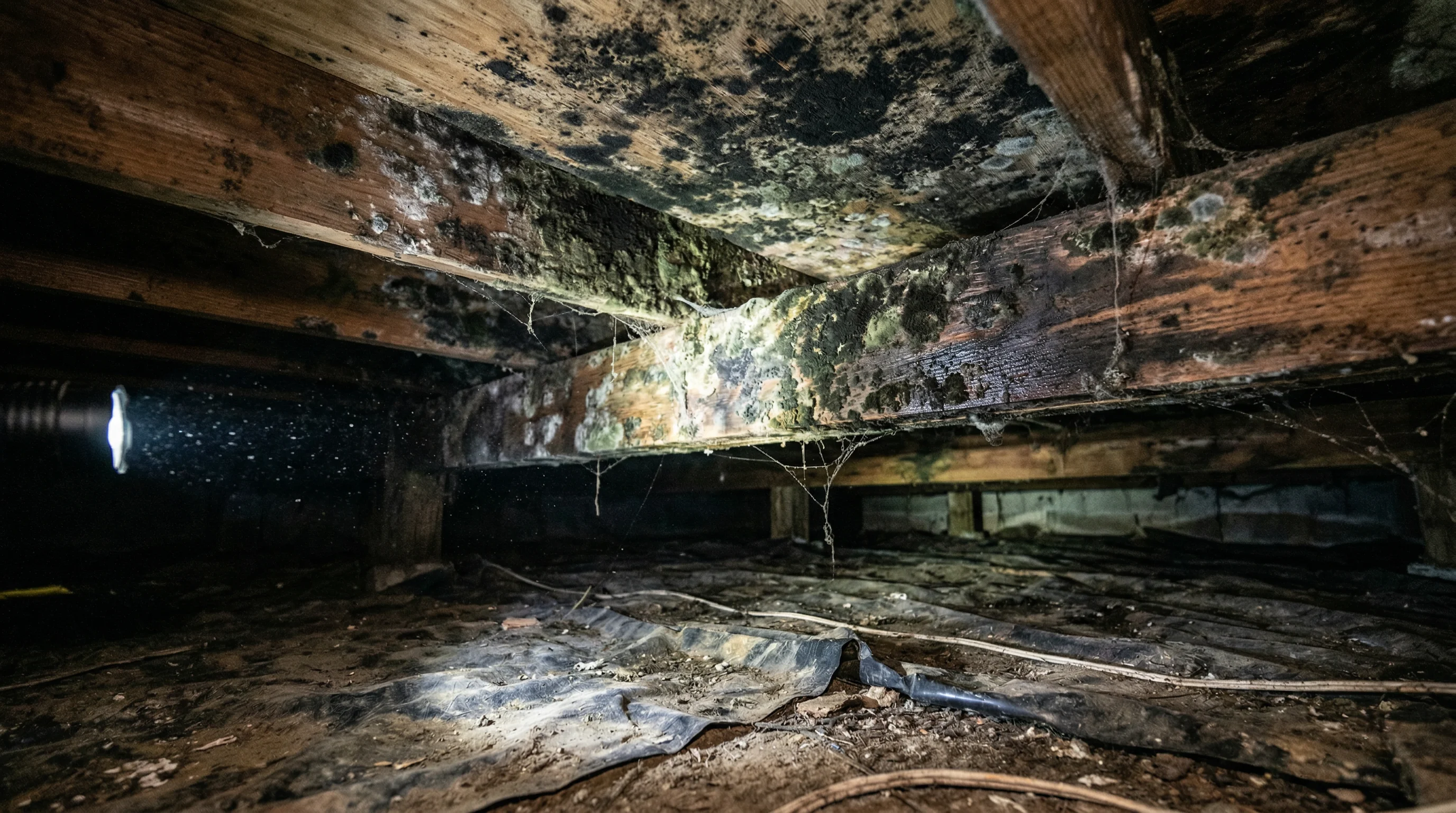
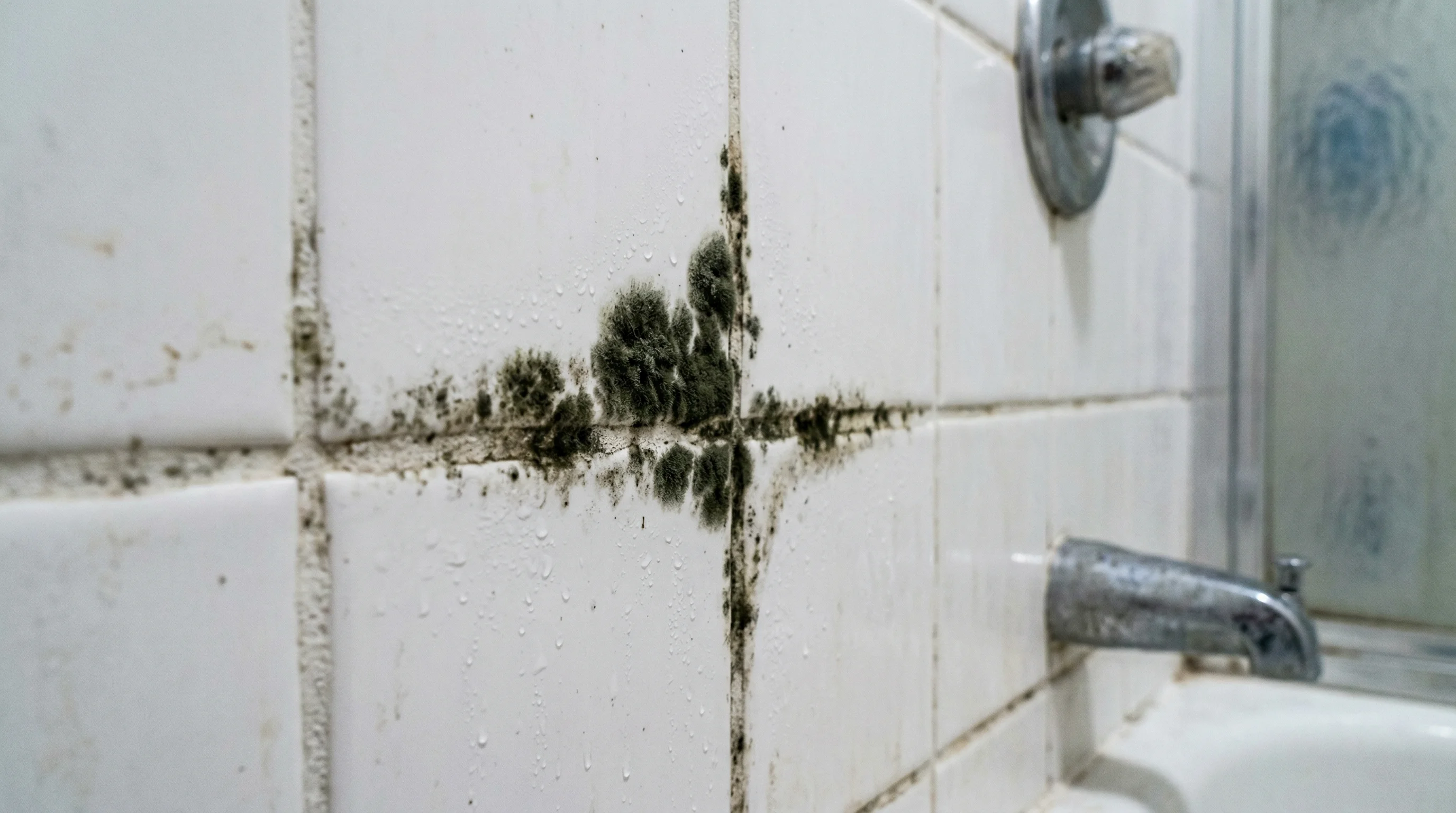
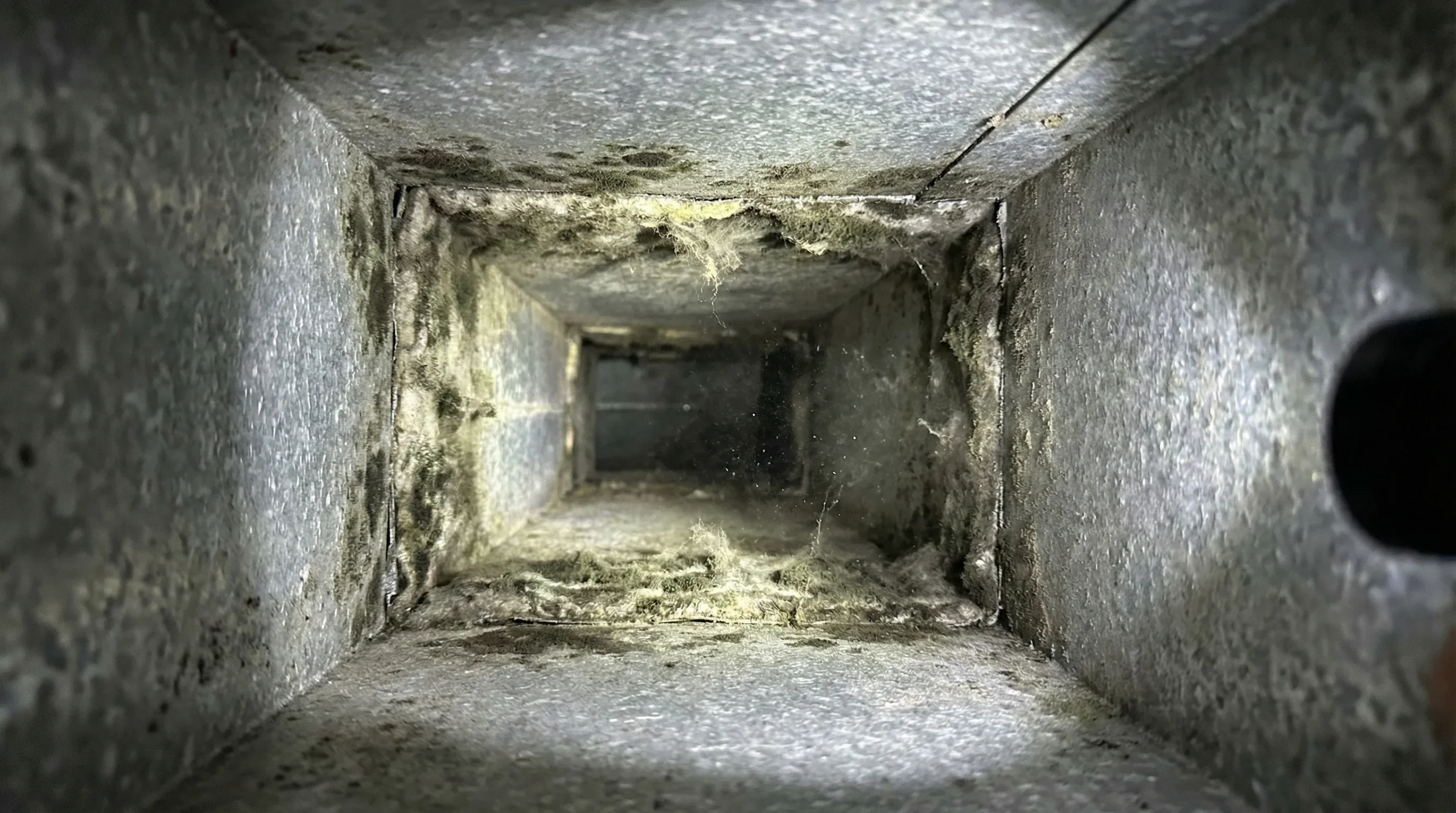
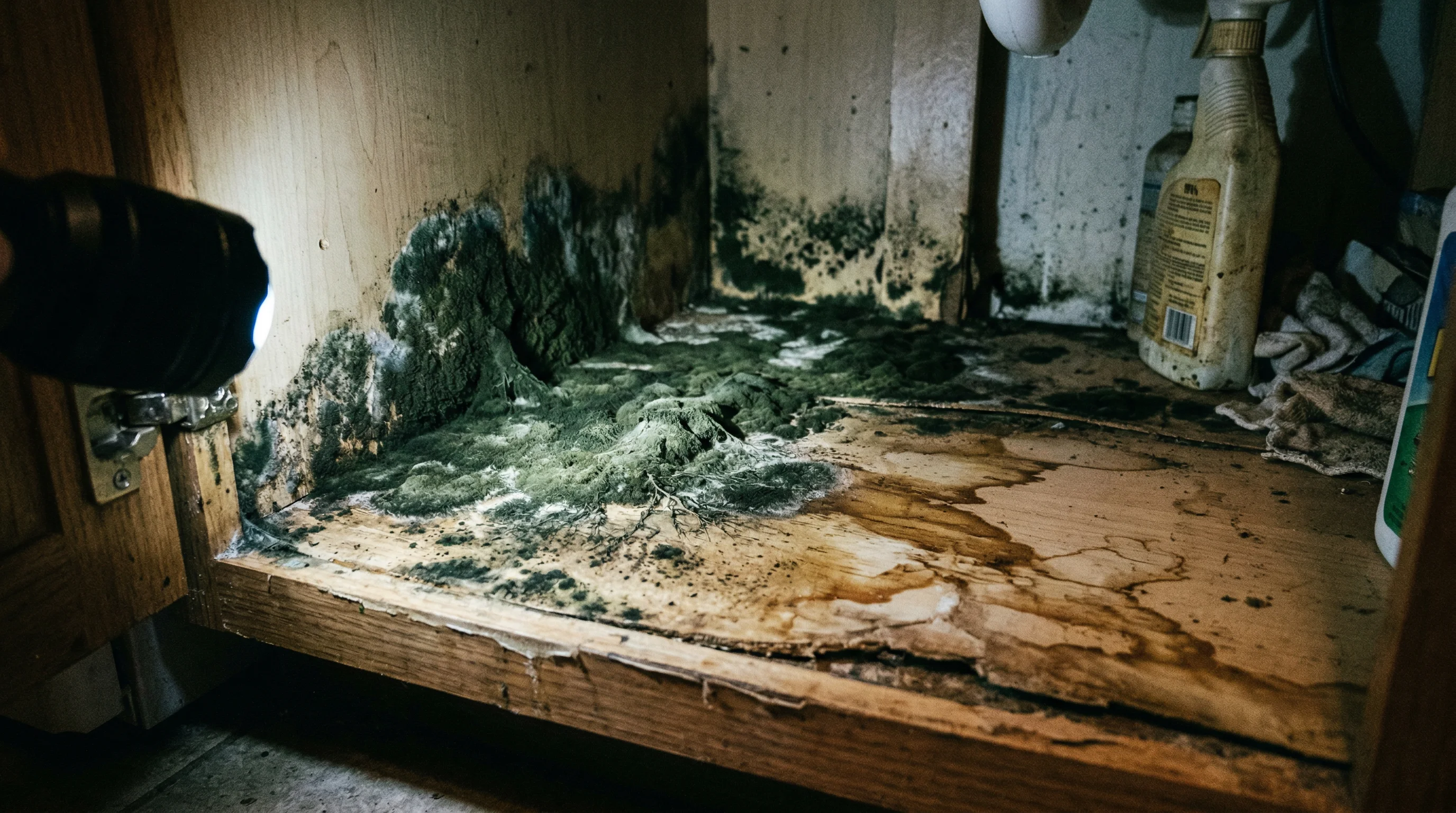
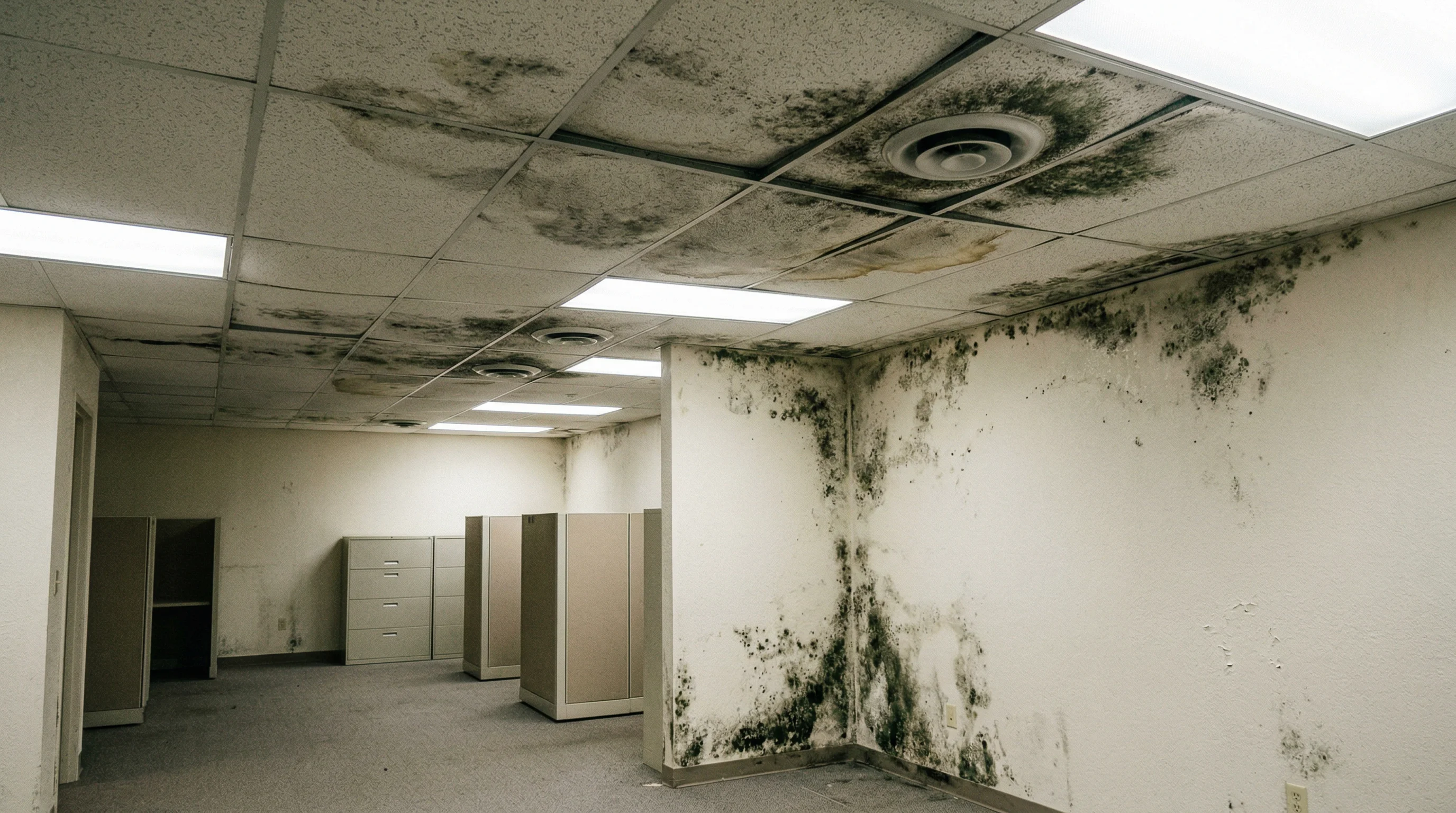
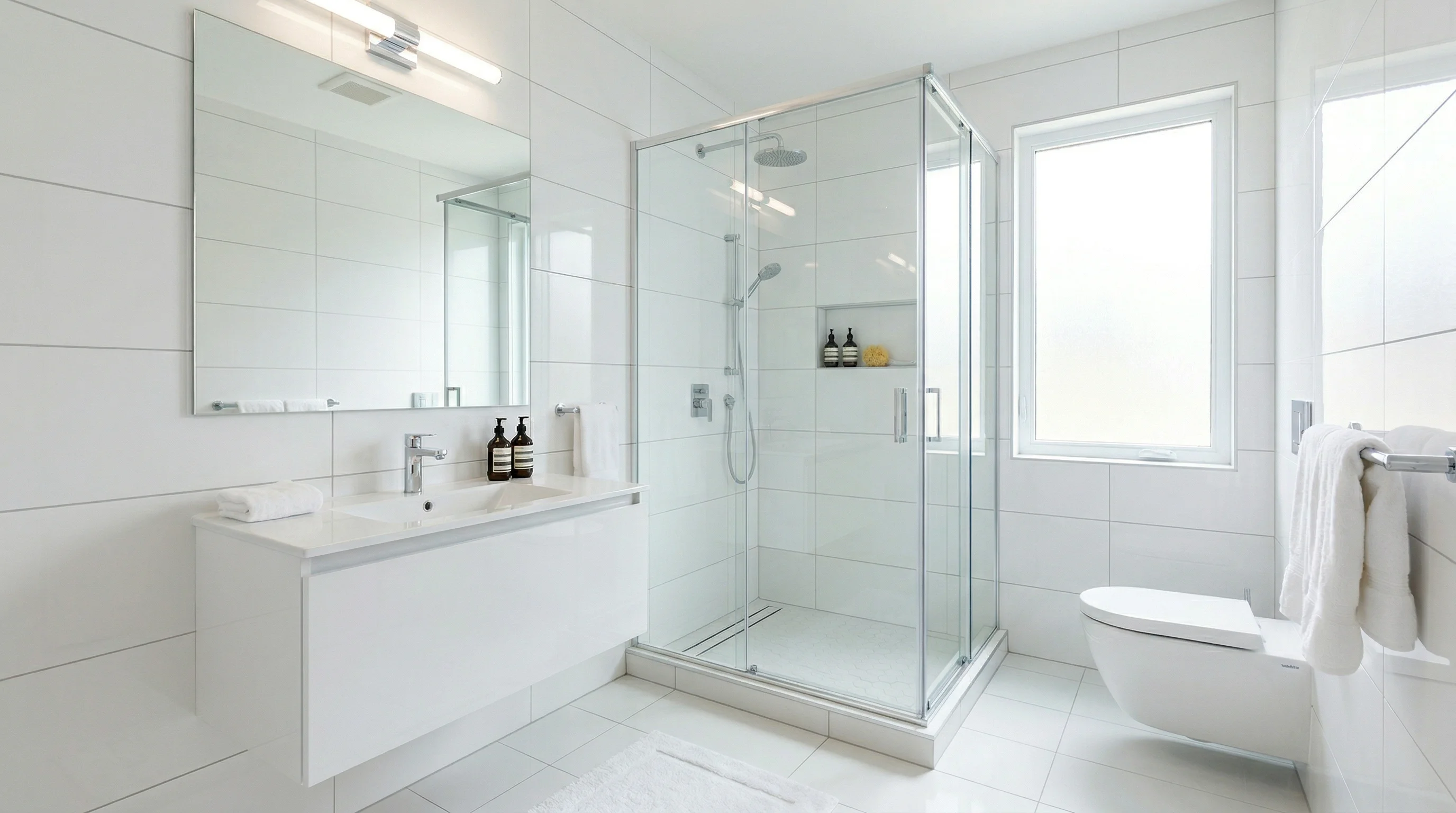
Six dedicated service paths under our mold remediation program. Each follows the same IICRC S520 standard with location-specific protocols for the dominant cause and access constraints.
Stachybotrys identification, full containment, HEPA air scrubbers, and post-remediation verification protocols.
Common cost
$1,500 - $6,000 typical
Air sampling, surface testing, ERMI dust analysis. Pre-remediation scope or post-remediation clearance.
Common cost
$300 - $1,000 inspection
Most accessible mold scenarios. Tile grout, caulk, vanity cabinets, under-sink plumbing, and ventilation fixes.
Common cost
$500 - $1,500 typical
Roof leak source correction, sheathing remediation, insulation removal, and ventilation system repair.
Common cost
$1,000 - $4,000 typical
Coordinated water + mold protocol when the 24-48h window has passed. Insurance integration with the original water claim.
Common cost
Combined with water claim
Phased commercial protocols with occupant safety planning, after-hours work, and tenant communication.
Common cost
By project scope
Local Service Pages
Tier 4 · Local office
Tier 2 · Local office
Tier 4 · Local office
Tier 4 · Local office
Tier 4 · Local office
Tier 1 · Local office
Tier 4 · Local office
Tier 1 · Local office
Tier 1 · Local office
Tier 3 · Local office
Tier 2 · Local office
Tier 2 · Local office
Tier 3 · Local office
Tier 1 · Local office
Tier 2 · Local office
Tier 2 · Local office
Tier 3 · Local office
Tier 4 · Local office
Tier 3 · Local office
Tier 4 · Local office
Tier 2 · Local office
Tier 1 · Local office
Tier 4 · Local office
Tier 1 · Local office
Tier 1 · Local office
Tier 4 · Local office
Tier 3 · Local office
Tier 1 · Local office
Tier 3 · Local office
Tier 4 · Local office
Tier 4 · Local office
Tier 3 · Local office
Tier 4 · Local office
Tier 3 · Local office
Tier 4 · Local office
Tier 2 · Local office
Tier 2 · Local office
Tier 2 · Local office
Tier 2 · Local office
Tier 2 · Local office
Tier 3 · Local office
Tier 3 · Local office
Tier 2 · Local office
Tier 4 · Local office
Tier 3 · Local office
Tier 3 · Local office
Tier 4 · Local office
Tier 4 · Local office
Tier 4 · Local office
Tier 4 · Local office
Tier 4 · Local office
Tier 4 · Local office
Tier 3 · Local office
Tier 4 · Local office
Tier 1 · Local office
Tier 2 · Local office
Tier 3 · Local office
Tier 2 · Local office
Tier 2 · Local office
Tier 2 · Local office
Tier 3 · Local office
Tier 2 · Local office
Tier 4 · Local office
Tier 4 · Local office
Tier 3 · Local office
Tier 4 · Local office
Tier 4 · Local office
Tier 2 · Local office
Tier 2 · Local office
Tier 2 · Local office
Tier 3 · Local office
Tier 2 · Local office
Tier 1 · Local office
Tier 3 · Local office
Tier 4 · Local office
Tier 4 · Local office
Tier 1 · Local office
Tier 4 · Local office
Tier 3 · Local office
Tier 2 · Local office
Tier 4 · Local office
Tier 3 · Local office
Tier 4 · Local office
Tier 4 · Local office
Tier 2 · Local office
Tier 3 · Local office
Tier 2 · Local office
Tier 4 · Local office
Tier 1 · Local office
Tier 4 · Local office
Tier 3 · Local office
Tier 1 · Local office
Tier 3 · Local office
Tier 4 · Local office
Tier 2 · Local office
State-Specific Guides
Moisture behavior and building risk are regional. Use these pages for Florida, North Carolina, and South Carolina-specific workflows.
Florida
State-specific guidance for humidity control, post-storm mold risk, and high-moisture building assemblies across South Florida.
North Carolina
Regional guidance for Charlotte and surrounding markets with crawl space moisture, seasonal swings, and attic ventilation concerns.
South Carolina
Coastal and inland mold response guidance for moisture-prone structures, rapid containment, and claim-aligned documentation.
Practical Mold Decision Framework
Most remediation mistakes happen when urgency and uncertainty collide. Owners hear conflicting advice, receive dramatically different scopes, and have limited time to protect occupants, property value, and insurance timelines. This framework helps you evaluate projects in a structured way so every decision ties back to building conditions, not fear language. If a proposal cannot clearly explain moisture source, containment boundaries, and verification criteria, it is incomplete regardless of price.
Before discussing species names or product selection, the first job is environmental control. That means stopping active leaks, controlling humidity, and limiting spore movement with containment and filtration. If source moisture is still active, cosmetic cleaning will not hold.
Reliable remediation scope comes from combined evidence: visible conditions, moisture readings, odor mapping, and where needed, focused testing. The goal is not to make results sound dramatic. The goal is to identify what must be removed, what can be cleaned, and what can remain safely in place.
Remediation should end with clear confirmation that spaces are clean, dry, and stable. Depending on project type, this can include third-party clearance testing, final moisture documentation, and rebuild handoff notes. Verification protects both occupants and project timelines.
Ask how containment boundaries will be established, how negative air will be maintained, what moisture targets define dry status, and what objective criteria trigger project closeout. Ask who performs post-remediation verification and how documentation is delivered for insurance or property recordkeeping. Teams that can answer these precisely usually run cleaner projects with fewer callbacks and less scope drift.
For multi-unit properties and commercial spaces, ask how occupied zones are protected while work continues nearby. Containment strategy and communication cadence are as important as demolition speed. Strong project leadership is visible in how well adjacent occupants are protected and how clearly daily progress is documented.
Post-Remediation Operations
Successful remediation is the midpoint, not the finish line. Recurrence prevention comes from operating habits: humidity tracking, ventilation discipline, envelope inspection, and immediate response to leaks. The schedule below is designed for owners who want practical actions they can assign to household members, facility teams, or property managers.
Weekly
Walk bathrooms, kitchens, laundry areas, attic access points, and crawl space entries. If musty odor returns, investigate immediately before finishes conceal conditions.
Monthly
Confirm bathroom and kitchen exhaust airflow, clean filters, and inspect condensate lines and drain pans. HVAC moisture failures are a common recurrence driver in both homes and commercial suites.
Quarterly
Review roof penetrations, flashing lines, and grading/drainage behavior around the structure. Preventing intrusion outside often eliminates recurring interior mold symptoms.
After major storm or leak event
Begin extraction and dehumidification immediately, then verify moisture levels before rebuilding. Fast response during the first 24-48 hours dramatically reduces secondary mold growth risk.
Keep a simple moisture and maintenance log with dates, readings, leak events, and corrective actions. If a future loss occurs, that record helps separate sudden incidents from long-term maintenance allegations. It also gives restoration teams faster context so they can scope more accurately on day one.
Decision Matrix
Not every mold signal has the same urgency. The goal is to avoid two expensive mistakes: overreacting to minor isolated conditions, or delaying when moisture is actively spreading. Use this triage lens to decide your next action. If you have visible growth after a recent water event, persistent musty odor with unknown source, or occupant respiratory irritation that repeats in the same area, schedule professional assessment quickly. Those patterns often indicate hidden moisture and expanding scope.
Related Restoration Paths
Mold losses overlap with water, structural repairs, claims handling, and contents strategy. Use these connected guides to keep scope, timing, and documentation aligned.
Mold often follows unresolved water events. Coordinate extraction, drying, and mold prevention early.
Crawl spaces are a common moisture reservoir. Address vapor barriers, ventilation, and structural moisture risk.
Understand coverage triggers, documentation standards, and claim workflow for mold-related losses.
Coordinate multi-structure or high-severity mold and moisture events with phased execution controls.
For offices and facilities, align occupant safety, remediation scope, and continuity timelines.
After clearance, complete rebuild work with moisture-aware material choices and installation sequencing.
Mold-affected belongings, furniture, and stored items can often be cleaned and restored with proper antimicrobial treatment.
Mold-damaged clothing, rugs, and upholstery need specialized fabric cleaning to remove spores and musty odor.
Next Step
Share your mold risk factors, symptoms, or recent water events. Palm Build can inspect, contain, remediate, and document your project from first visit through verification.
This guide is educational and not medical advice. For symptom diagnosis, consult a licensed medical provider. For property conditions, use qualified mold assessment and remediation professionals.
What mold remediation companies actually do, step by step: inspect, contain, HEPA-filter, remove, clean, dry, and verify — what each phase looks like and why crews do it.
12 min read
Black mold exposure symptoms, who is most at risk, and what to do next. CDC-backed steps, DIY vs pro thresholds, remediation costs, and prevention tips.
10 min read
Mold removal cleans what you see. Mold remediation fixes the source — IICRC S520 containment, HEPA filtration, structural drying, and moisture control to stop regrowth.
11 min read
Palm Build Tools
These tools help you evaluate moisture timing, mold risk, equipment intensity, and visual clues before you commit to the next inspection or remediation step.
Estimate environmental mold-growth risk after leaks, humidity events, crawl-space issues, or hidden water intrusion.
See how wet time, humidity, and hidden cavities affect whether the problem is still a drying conversation or a remediation one.
Understand when containment, HEPA filtration, and a heavier equipment footprint are normal parts of a disciplined plan.
Upload visible spotting, staining, or bubbling surfaces for a structured photo-based triage summary.
Expert answers about professional treatment, health concerns, prevention, and what to expect during the process.
Our comprehensive process includes six key steps: (1) Thorough inspection and air quality testing, (2) Containment setup to prevent spore spread, (3) HEPA air filtration to capture airborne particles, (4) Safe removal using EPA-approved products, (5) Cleaning and sanitizing affected areas, (6) Addressing moisture sources to prevent regrowth. Our IICRC-certified specialists follow EPA guidelines throughout to restore healthy indoor air quality.
Still have questions about the treatment process?
Our certified team assesses conditions, contains affected zones, remediates safely, and addresses moisture causes to reduce recurrence risk.
Thorough inspection and air quality assessment
EPA-compliant removal protocols
Serving Florida & North Carolina
Stop problems from returning
Need help right now? Call us.
24/7 live dispatch — average answer time under 30 seconds