Humidity control
35-55% RH
Dial-in RH prevents mold regrowth, wood warping, paper cockling, and metal corrosion. Every storage bay has a dedicated dehumidifier with continuous logging — we can pull the RH history for any item on demand.
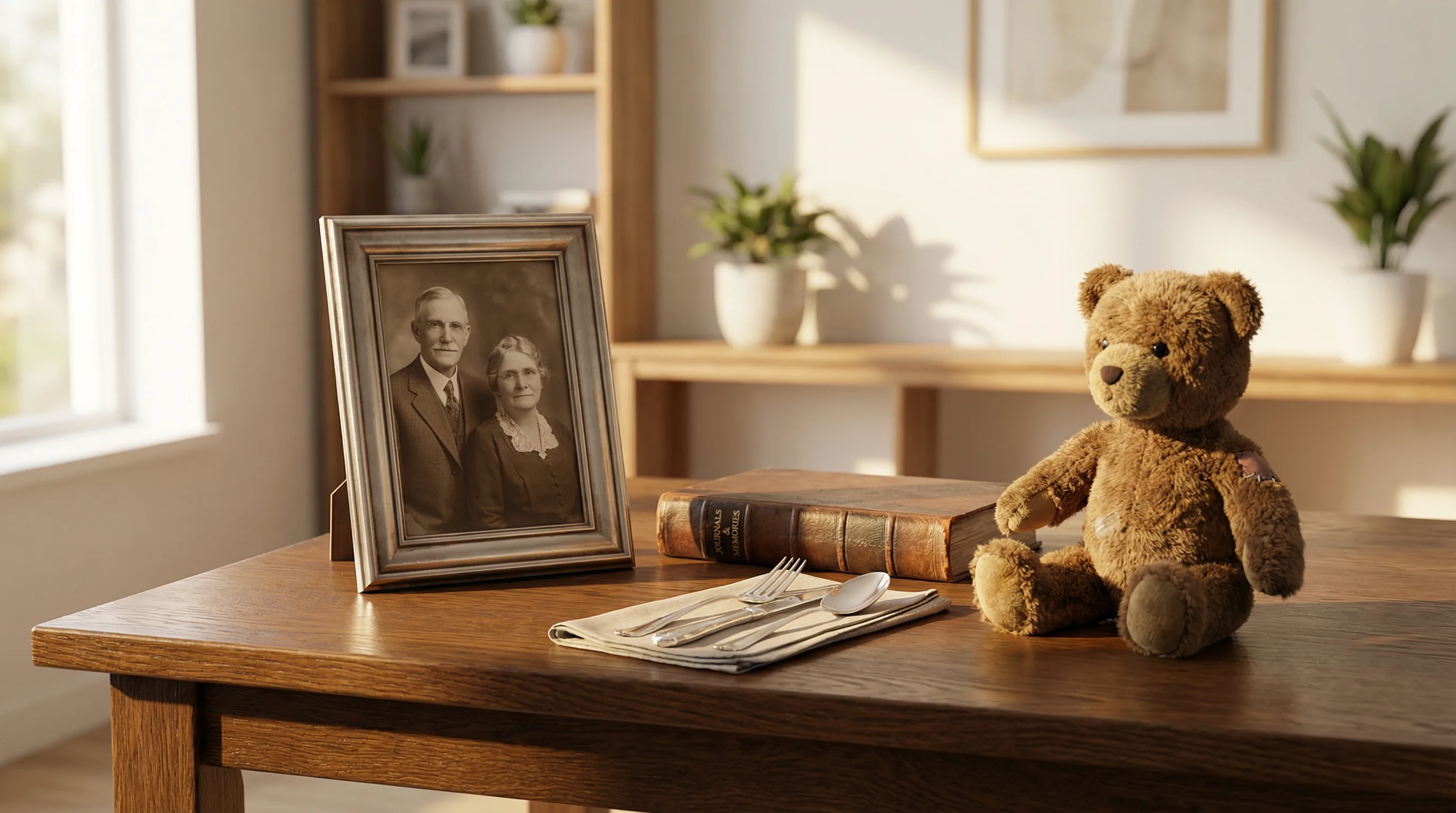
After water, fire, or mold damage, your personal belongings aren't necessarily lost. Our contents restoration specialists carefully inventory, pack, clean, and restore your possessions — saving what insurance can replace, and what it can't.
We Understand
After a fire or flood, it's not just the building that's damaged. It's the wedding album in the closet, the grandmother's china, the children's artwork on the refrigerator. These aren't just "things" — they're the threads that connect your life.
Here's what most people don't know: far more can be saved than you'd ever expect. With professional contents restoration and fast action, we routinely save items that homeowners had already written off as lost. Damaged doesn't mean destroyed.
We'll walk you through what can be saved, how the process works, and what to expect from start to finish. No pressure — just honest guidance.
The First 6 Hours
Recovery rates are highest in the first six hours. Four moves you can make before any professional arrives — each one buys back recoverable items.
Power off and unplug any wet electronics from a dry distance. Ventilate if there's smoke. Evacuate immediately if there's any structural concern, soot in the air, or sewage exposure. Belongings can wait — people cannot.
Move dry items into another room or onto a tarp. Lift wet items off the floor onto blocks, foil, or plastic sheeting so they aren't sitting in standing water. Don't stack wet items — air circulation matters in the first hour.
Photograph every room, every drawer, and every visible item before moving anything. Wide shots first, then close-ups of damage. This is your insurance scope baseline — adjusters reward thorough pre-pack documentation with faster, fuller settlements.
Don't wait for the adjuster's first appointment to start triage. Every hour without professional action drops recovery rate — soot bonds, mold blooms, and corrosion sets. A contents specialist can begin pack-out and stabilization while the rest of your claim is still being scheduled.
24/7 dispatch across NC, FL, and SC. We can begin pack-out and stabilization before your adjuster's first appointment is even scheduled.
The 72-Hour Window
Recoverability is a function of time. Here's what crosses the salvageable line at each interval — and what we can still save when you call early.
Still Recoverable
What's Now At Risk
Surface contamination only — no chemical bonding yet, no mold growth, no corrosion.
Still Recoverable
What's Now At Risk
Soluble inks bleed on paper. Untreated metals begin oxidation. Damp electronics begin internal corrosion.
Still Recoverable
What's Now At Risk
Mold colonies establish on damp upholstery, drywall-adjacent textiles, and untreated wood. Soot starts bonding to substrates on heat-affected items.
Still Recoverable
What's Now At Risk
Mold growth becomes structural. Cat 2 water now treated as Cat 3. Heat-set soot on porous surfaces becomes far harder to lift.
Still Recoverable
What's Now At Risk
Most untreated soft goods and saturated porous materials cross the salvageable line. Replacement becomes more economical than restoration for low-value items.
Speed is the single biggest variable in how much of your stuff comes home. Even items at the 72-hour mark can be stabilized if they reach climate-controlled storage before they cross into the unrecoverable zone.
Start Pack-Out Now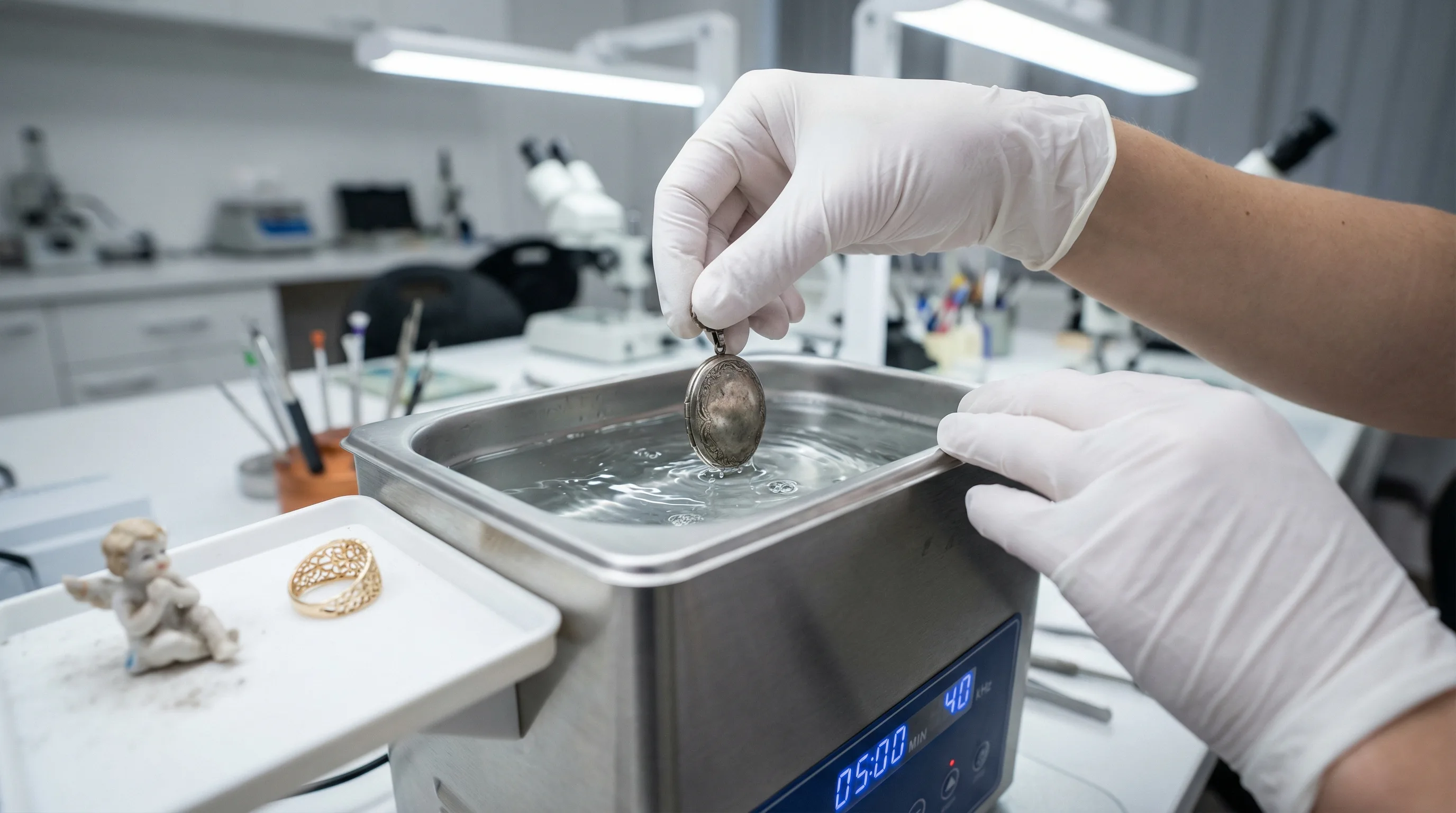
More Than You Think
Professional contents restoration saves far more than most people expect. Here's what our teams restore every day.
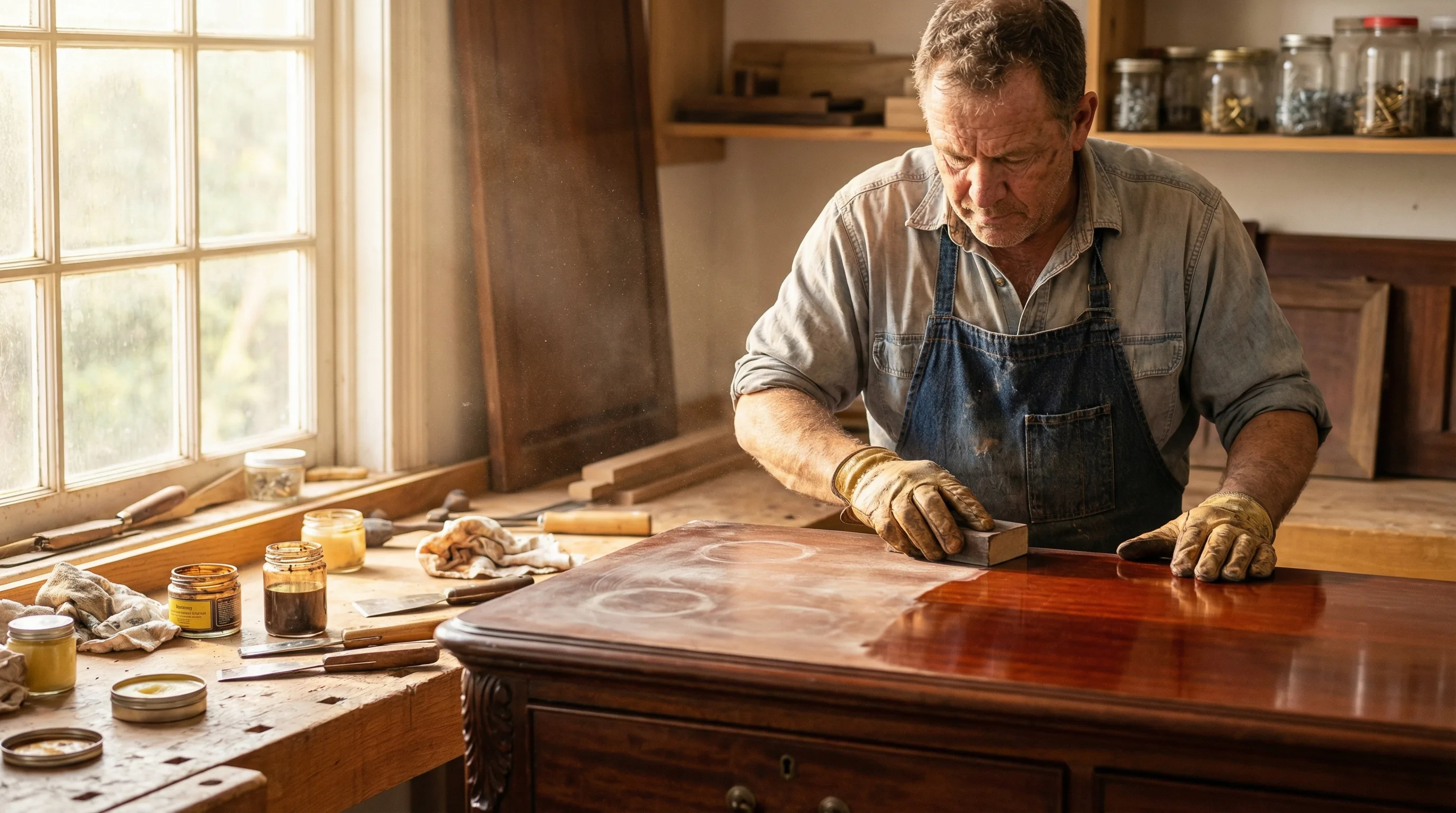
Wood, upholstered, leather, and antique pieces — cleaned, dried, refinished, and deodorized.
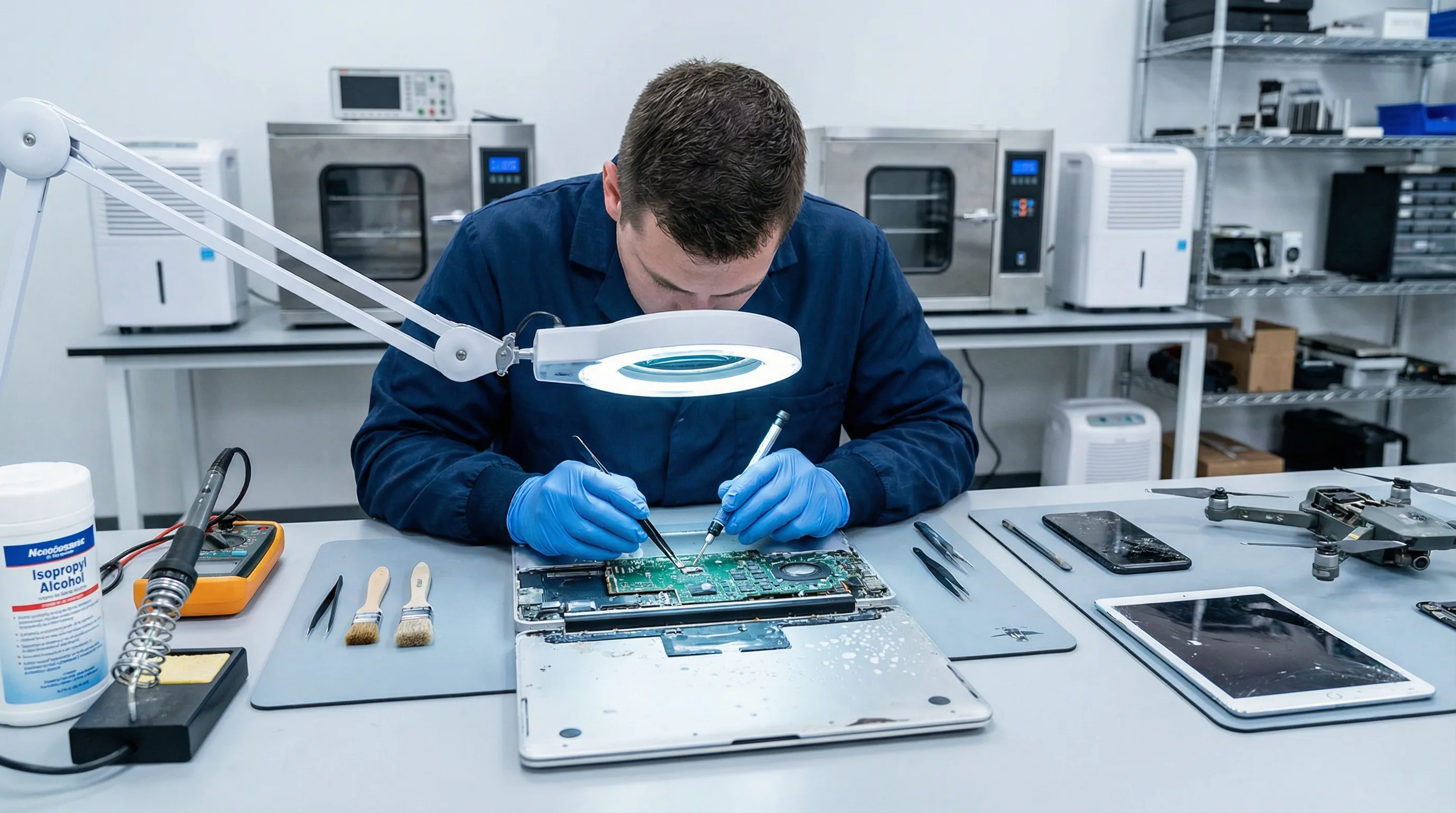
Computers, phones, TVs, and appliances — professional drying and data recovery.
Papers, legal records, books — freeze-dried and preserved.
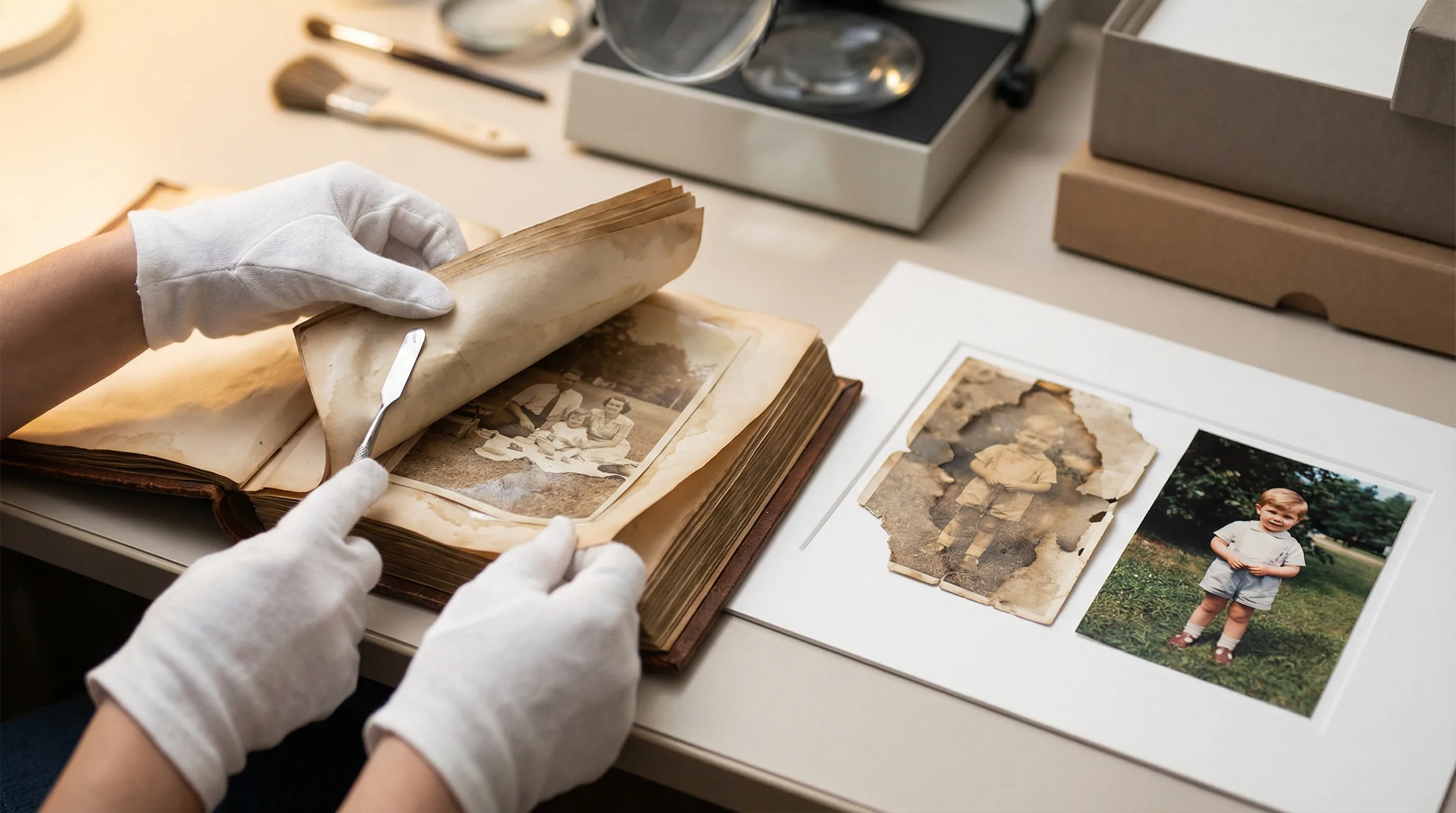
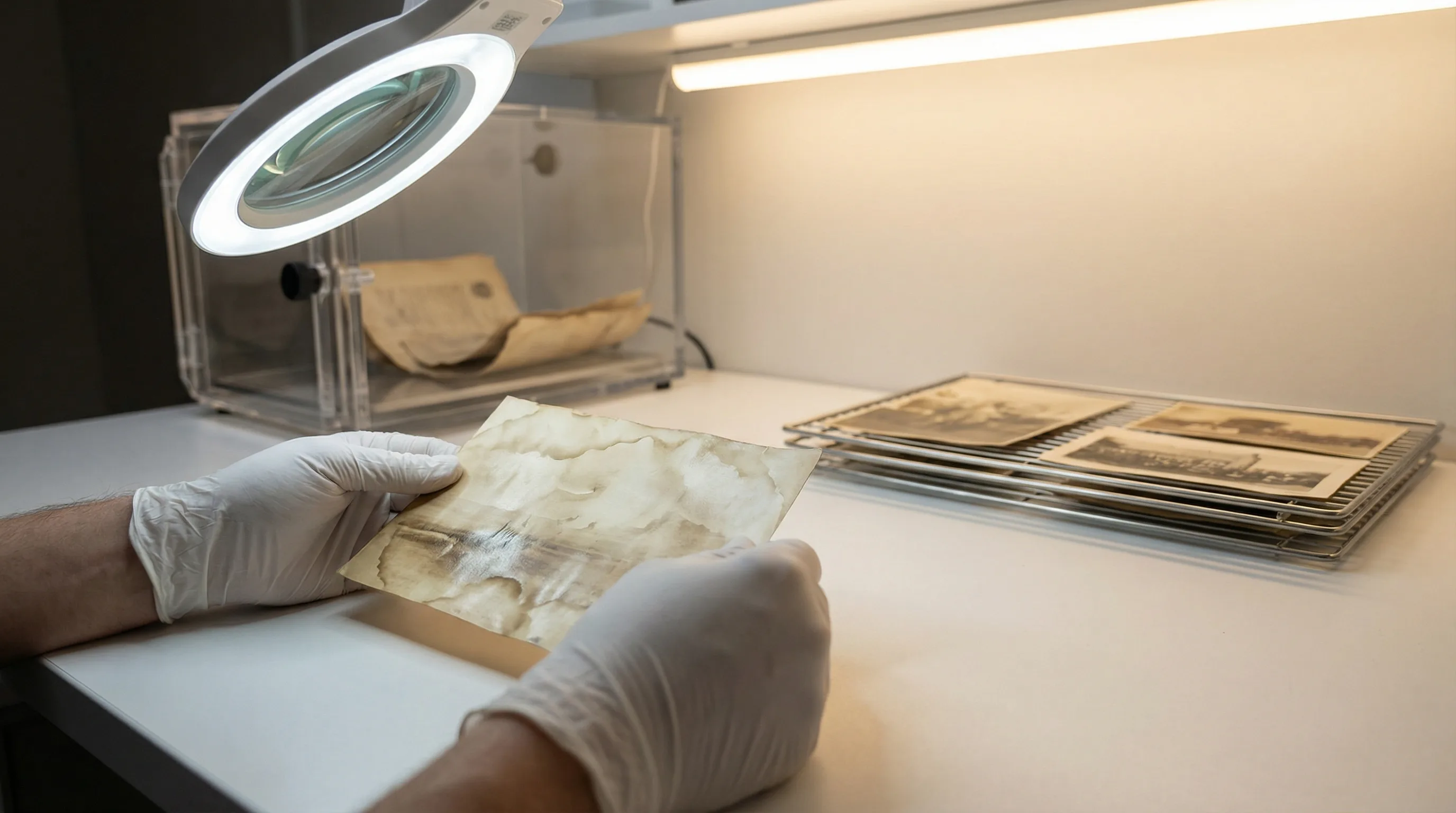
Family photos, albums — carefully separated, dried, and digitally preserved.
Garments, bedding, curtains — professional cleaning restores 90%+ of fabrics.
Dishes, cookware, appliances — cleaned, sanitized, and safety-tested.
Paintings, sculptures, heirlooms — museum-grade conservation techniques.
Guitars, pianos, horns — specialist restoration by instrument type.
Realistic Recovery Rates
Recovery rates from real Palm Build contents projects in NC, FL, and SC — assuming action begins inside the 48-hour window. The "throw it all out" instinct is almost always wrong.
| Item Category | Clean Water (Cat 1) | Contaminated Water (Cat 2/3) | Smoke & Soot | Direct Heat / Char | Mold Exposure |
|---|---|---|---|---|---|
| Solid Wood Furniture | 90–95% | 70–85% | 85–95% | 40–70% | 70–90% |
| Upholstered Furniture | 70–85% | 15–35% | 60–85% | 20–45% | 10–30% |
| Electronics (powered off) | 60–85% | 40–70% | 50–80% | 20–50% | 60–80% |
| Paper Documents | 85–95% | 70–90% | 60–85% | 20–55% | 50–75% |
| Photographs | 85–95% | 60–85% | 70–90% | 30–60% | 40–70% |
| Clothing & Textiles | 90–98% | 85–95% | 90–98% | 40–70% | 70–90% |
| Fine Art & Paintings | 70–90% | 50–80% | 60–85% | 30–60% | 40–70% |
| Ceramics, Glass & Stone | 95–99% | 90–98% | 90–98% | 70–90% | 95–99% |
| Metals (cookware, jewelry) | 95–99% | 90–98% | 90–98% | 85–95% | 95–99% |
| Books & Bound Materials | 80–95% | 60–85% | 70–90% | 30–55% | 40–70% |
Request a contents restoration assessment before the non-salvageable designation is finalized. Most carriers will honor it because restoration costs less.
When disaster damages your home, the structure is only part of the story. Your furniture, photos, documents, electronics, and irreplaceable keepsakes deserve specialized care too. Our contents restoration team saves, cleans, and restores personal belongings damaged by water, fire, smoke, or mold—using IICRC-certified techniques that salvage far more than most homeowners expect.
Specialized equipment and trained technicians restore what matters most to your family
Trained specialists in textile, document, and electronics restoration
Ultrasonic cleaners, freeze-dry chambers, and Esporta wash systems
Your belongings stay protected while your home is being repaired
Every item photographed, inventoried, and tracked through the process
Four clear steps take your belongings from disaster-damaged to beautifully restored. Every item is tracked and documented from the moment we arrive.
We walk through your property and document every affected item—furniture, photos, electronics, clothing, and keepsakes.
Items are carefully packed, labeled, and transported to our climate-controlled restoration facility.
Specialized cleaning, deodorizing, and repair techniques bring your belongings back to pre-loss condition.
Restored items are delivered back to your home and placed exactly where they belong—ready for you.
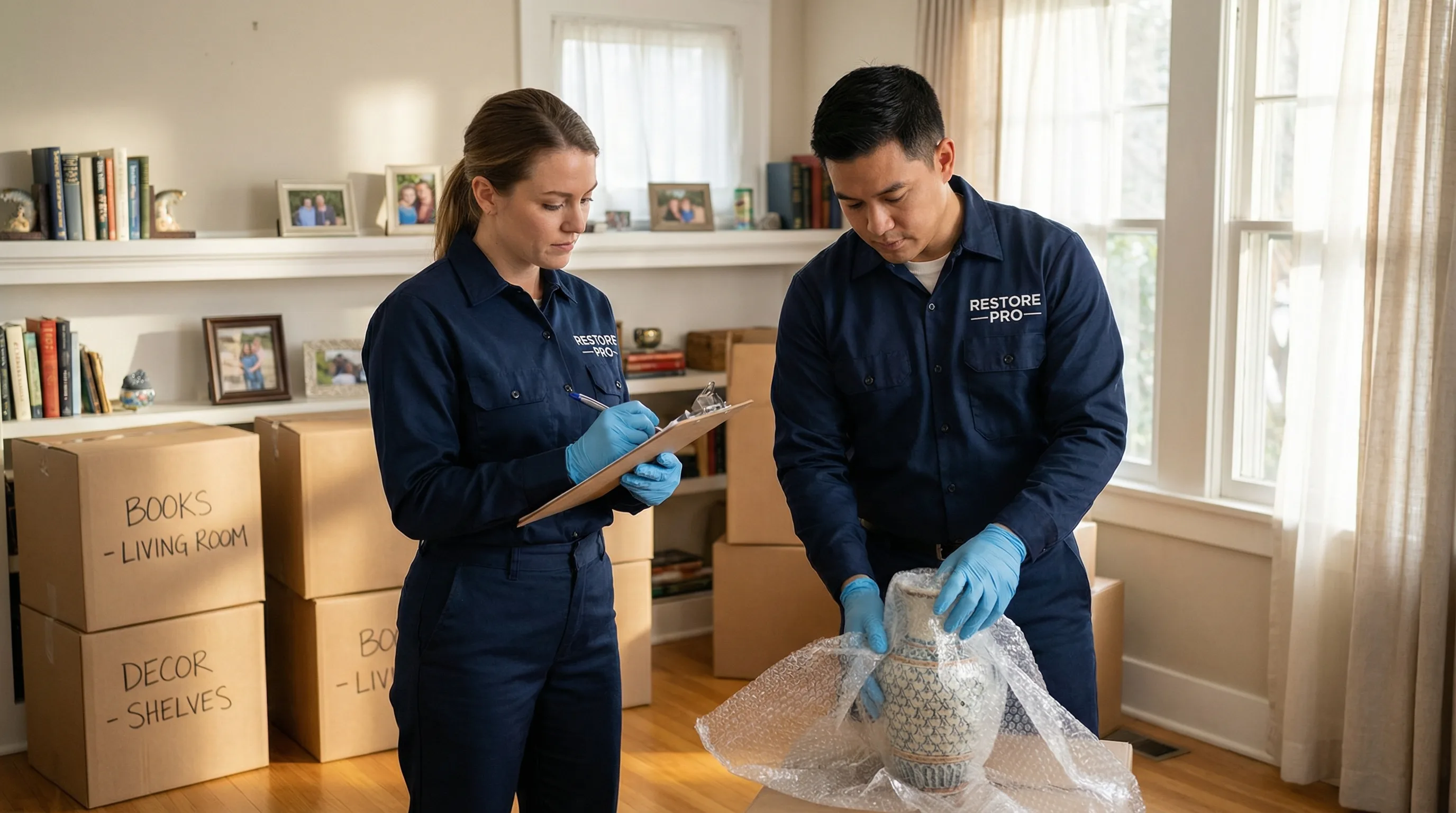
From the antique china to your child's favorite stuffed animal—we treat every item with the same professional care and attention.
Every item is barcoded, photographed, and tracked in our system
Different materials require different approaches—we have them all
Your belongings stay safe in ideal conditions throughout the process
Items returned to your home and placed exactly where they belong
After a disaster, your first instinct may be to start throwing things away. But with professional care, the vast majority of your belongings can be saved—often looking and feeling like nothing ever happened.
Professional techniques salvage items homeowners assume are lost. Smoke-damaged furniture, water-soaked documents, even fire-exposed electronics—our specialists recover what seems impossible.
Restoration is almost always cheaper than full replacement. Insurance companies prefer it, and you keep the items that actually matter to your family.
Some belongings can never be replaced at any price—wedding albums, family heirlooms, children's keepsakes. We understand what these items mean to you.
Every item photographed, inventoried, and tracked from pack-out to delivery. Your insurance company receives detailed records that support your claim.
Your items stay safe in our monitored facility while your home is being repaired. No additional damage from construction dust, humidity, or temperature swings.
We handle the entire process from start to finish—packing, transporting, cleaning, restoring, and returning. You focus on your family.
You'd be amazed at what professional restoration can save. From smoke-damaged clothing to water-soaked family photos, we've brought back items that families thought were gone forever. One call can make all the difference.
See how specialized techniques transform items that seem beyond saving. These are the kinds of results our team delivers every day.
Think something can't be saved? Let our specialists take a look.
Request a Free AssessmentIf your home has just been damaged, these steps can dramatically increase how much can be saved. Read them now and act quickly.
Time is critical
Salvage rates drop significantly after 48 hours. The sooner you act—and the sooner we arrive—the more of your belongings we can save.
Your instinct will be to start clearing out. Resist it. A professional assessment can determine what's salvageable—and the answer is usually far more than you'd think.
Turning on a water-damaged device causes short circuits that destroy components permanently. Leave everything off and unplugged until a specialist can assess it.
This sounds counterintuitive, but placing wet photographs in clean water prevents them from sticking together and becoming permanently fused. We can separate and restore them.
Place soaked papers, books, and documents in your freezer or in plastic bags with ice. Freezing stops deterioration immediately and gives us time to properly restore them.
Soot smears and sets when wiped, making it harder to remove. If you must clean, use only dry chemical sponges with gentle dabbing motions—never rub.
Every hour of delay reduces what can be saved. Our team responds around the clock because we know that fast action is the single biggest factor in salvage success.
Don't wait until morning. Don't start cleaning up on your own. Call us right now and we'll guide you through exactly what to do while our team heads your way. Every minute counts.
Don't throw anything away until assessed
Keep wet electronics powered off
Place wet photos in clean water
Freeze soaked documents and books
Never rub soot—dab with dry sponge only
Call (888) 245-5155 immediately
Most homeowners pay $3,500 to $18,000 for professional contents restoration in 2026, with whole-home pack-outs running $35,000 to $150,000+. The real price driver is not square footage — it is the decision between on-site cleaning and full pack-out, how many high-value items need specialty care, and how long items stay in climate-controlled storage while the structure rebuilds.
Avg household contents claim
$8,500
Typical 2026 mid-loss total
Salvage rate (fast response)
90%+
IICRC S200-aligned handling
Typical turnaround
2-4 wks
From pack-out to pack-back delivery
| Service type | What it includes | 2026 price range |
|---|---|---|
| On-site cleaning Best for: Small scopes, Cat 1 water, light smoke, occupied homes | In-place cleaning of furniture, textiles, and hard surfaces with HEPA vacuums, surface extractors, and ozone treatment | $1,200 - $5,500 typical |
| Full pack-out Best for: Cat 3 water, heavy smoke, >40% of home affected, unoccupied rebuild | Inventory, barcoded pack-out, climate-controlled storage, material-specific cleaning, pack-back delivery | $4,500 - $25,000+ |
| Hybrid (selective pack-out) Best for: Mixed-severity losses and partial-structure rebuilds | High-value and porous items packed out, hard surfaces and fixed furniture cleaned on-site | $2,800 - $12,000 typical |
Each category uses different equipment, consumables, and specialist labor. A fine-art oil painting and a waterlogged filing cabinet of records both go into the same claim, but the per-item cost spread is 100x. Here is what drives the delta.
Wood, upholstered, leather, antiques - dry-cleaning, refinishing, injection drying
Per-item range
$200 - $4,000 per piece
Laptops, TVs, audio, appliances - desiccant drying, ultrasonic circuit board cleaning
Per-item range
$150 - $3,500 per device
Esporta wash, CO2 dry-cleaning, ozone deodorization, wet cleaning
Per-item range
$4 - $18 per garment
Specialty conservators, surface cleaning, varnish stabilization, climate storage
Per-item range
$500 - $15,000+ per piece
Vacuum freeze-drying, gamma sterilization, digital scanning, reprinting
Per-item range
$5 - $75 per document
Inventory, climate-controlled warehouse, barcoded tracking, pack-back delivery
Per-item range
$1,200 - $8,000 typical
| Project size | Low | Expected | High |
|---|---|---|---|
| Partial room (under 50 items) | $1,500 | $3,000 | $5,500 |
| Single room (50-150 items) | $3,500 | $6,500 | $11,000 |
| Multi-room (150-400 items) | $7,500 | $14,000 | $28,000 |
| Whole-home mid-loss (400-800 items) | $14,000 | $32,000 | $65,000 |
| Whole-home / large loss (800+ items) | $35,000 | $75,000 | $150,000+ |
Ranges cover inventory, pack-out labor, 2-8 weeks of climate-controlled storage, material-specific cleaning, and pack-back delivery. Specialty items (art, instruments, firearms, scheduled jewelry) price separately.
Florida
$2,800 - $38,000 avg
Coastal humidity forces longer climate-controlled storage; electronics and paper carry a 15-25% handling premium. Scheduled personal property is scrutinized more aggressively post-2024 reforms.
North Carolina
$2,200 - $28,000 avg
Winter freeze events drive burst-pipe contents losses; moderate humidity keeps pack-out cycles shorter. Carriers typically pay Xactimate mid-range on itemized contents lists.
South Carolina
$2,500 - $32,000 avg
45+ tropical landfalls 1851-2024 drive hurricane pack-out demand; SC carriers often require documented chain-of-custody for contents over $5,000.
Florida coastal humidity, NC winter freeze events, and SC hurricane exposure each create different contents-claim patterns. Carriers in all three states accept IICRC S200 documentation as the baseline for itemized contents manifests.
Get a contents-claim estimate in 60 seconds
Request a free on-site inventory walkthrough with itemized scope
Interactive Tool
Select your damage type and explore which items can typically be restored. More can be saved than you think.
Select a category above to see salvageability details for each item
Professional Assessment Required
This guide provides general salvageability information. Final determination always requires hands-on professional assessment.
Not sure about your items?
Get a free professional assessment
The single biggest decision in contents restoration is where the work happens — in your home or in a climate-controlled facility. The answer is never "whichever is cheaper." It is a function of contamination, scope, chain-of-custody, and the family's living situation. Here are the eight factors professionals weigh on every assessment.
On-site when
Less than 20% of the home affected, contents contained to one or two rooms
Pack-out when
More than 40% of the home affected, or contents intermingled with demo debris
On-site when
Cat 1 clean water, light dust, minimal soot
Pack-out when
Cat 3 black water, heavy smoke/soot, mold, biohazard, sewage exposure
On-site when
Unoccupied home, vacation property, or unaffected wings the family can use
Pack-out when
Occupied home with kids, pets, or medical needs — contents work needs to happen off-site
On-site when
Small claims where chain-of-custody is not required by the carrier
Pack-out when
Claims with scheduled personal property or carrier-required custody documentation
On-site when
Fastest path back to normal — days, not weeks
Pack-out when
Slower but more thorough; allows demo and rebuild to proceed unblocked
On-site when
Everyday household goods and fixed furniture
Pack-out when
Art, antiques, jewelry, firearms, instruments, collectibles — always climate-stored
On-site when
Stable home environment still protecting humidity-sensitive items
Pack-out when
Failed HVAC, coastal humidity spike, or active moisture intrusion during the rebuild
On-site when
Homeowner retains possession throughout the project
Pack-out when
Carrier, attorney, or public adjuster requires barcoded transfer + warehouse logs
Most losses do not fit neatly into a single tier. Palm Build's standard assessment walks every factor with the homeowner before any boxes are opened — the right answer is usually a phased hybrid deployment.
The Process
From the moment we arrive to the day your belongings return home, every step is documented, careful, and transparent.
We evaluate every item and categorize: save, clean, or document for replacement. High-value and sentimental items are flagged for priority treatment.
Each item is photographed, barcoded, carefully wrapped, and boxed. Every piece receives an inventory number linking to a master tracking list.
Items are transported to our secured, climate-controlled facility where temperature and humidity are maintained to prevent secondary damage.
Specialized techniques match each item type: ultrasonic cleaning for jewelry, freeze-drying for documents, Esporta wash for textiles, controlled drying for furniture.
Art goes to conservators, electronics to certified techs, instruments to luthiers. Each specialty item gets expert attention from the right professional.
Every restored item is inspected against pre-loss condition photos. You review and approve results before the final step.
Cleaned, restored items return home. Furniture goes back where it belongs, boxes are organized by room, and your inventory checklist confirms everything is accounted for.
This is where contents claims get disputed — and where they get paid. Every carrier audit, every public-adjuster review, every attorney deposition comes back to the same question: can you prove where every item was at every stage? Here is the 7-step process we run on every pack-out.
Before a single box is opened, two technicians walk every affected room with a time-stamped video camera. We narrate condition, location, and damage indicators room-by-room. That recording is the anchor for everything that follows — it establishes the pre-pack-out state that any carrier, attorney, or adjuster will reference later.
Every item — every item — gets a unique barcode sticker linked to a tablet-based inventory record. We photograph each item from multiple angles, log its condition, material, and approximate value, then tag it with a location code so we know exactly which room and which corner it came from. For a mid-loss home that's 400-800 records built in a day.
The tablet data syncs to a master manifest in cloud storage. Before we move anything, that manifest goes to the adjuster for review and approval. This is the document carriers use to validate the claim — no manifest, no clean claim path. The manifest lists item, condition, location, restoration plan, and whether the item is flagged as scheduled personal property.
Items are wrapped in acid-free paper, bubbled as needed, and loaded into food-grade corrugated boxes with RH-stable liners. Each box has its own barcode that links to the range of item barcodes inside. We load trucks in inventory order, not room order, so climate-sensitive items (electronics, art, paper) ride in conditioned cargo zones.
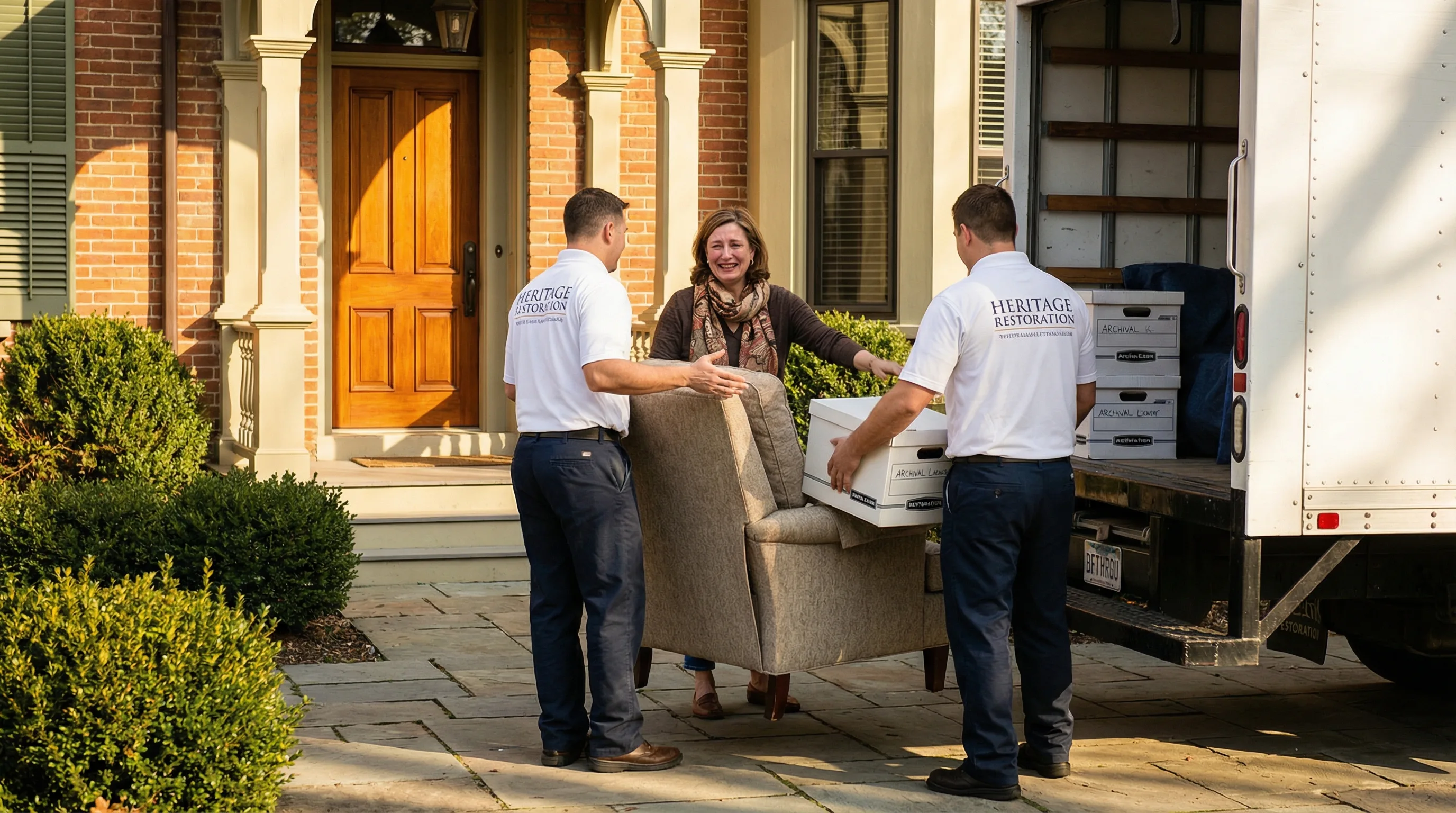
Trucks arrive at the climate-controlled warehouse and every box is scanned on arrival. Intake staff cross-check the barcode range against the master manifest — if a box comes up missing or short, we trace it back to the site before moving on. Intake discrepancies are logged and the carrier is notified same-day. This is the step that stops contents from disappearing in transit.
Each item is scanned when it leaves storage for cleaning, scanned again when it enters its specialty bay (ultrasonic, Esporta, freeze-dryer, conservator), and scanned one more time when it returns to storage. That creates a full audit trail of where every item was, when, and what was done to it. Adjusters and public adjusters both request this log on any disputed claim.
When the structure is ready, we deliver items back in inventory order. The homeowner signs a delivery receipt against the manifest — every item, every box, confirmed present and placed. Anything not returned (true total loss items) is documented on the receipt with reason codes. The signed receipt closes the chain of custody and becomes part of the final claim file.
Contents claims without documented chain-of-custody are the single most common reason for partial denials. When a homeowner says "I had a $4,000 watch in that drawer" but no manifest exists, the carrier is free to pay the depreciated HO-3 minimum or nothing. A proper manifest backed by photo inventory + barcode tracking + warehouse logs converts disputed items into paid items. See the Insurance & Valuation section below for how carriers actually score contents claims.
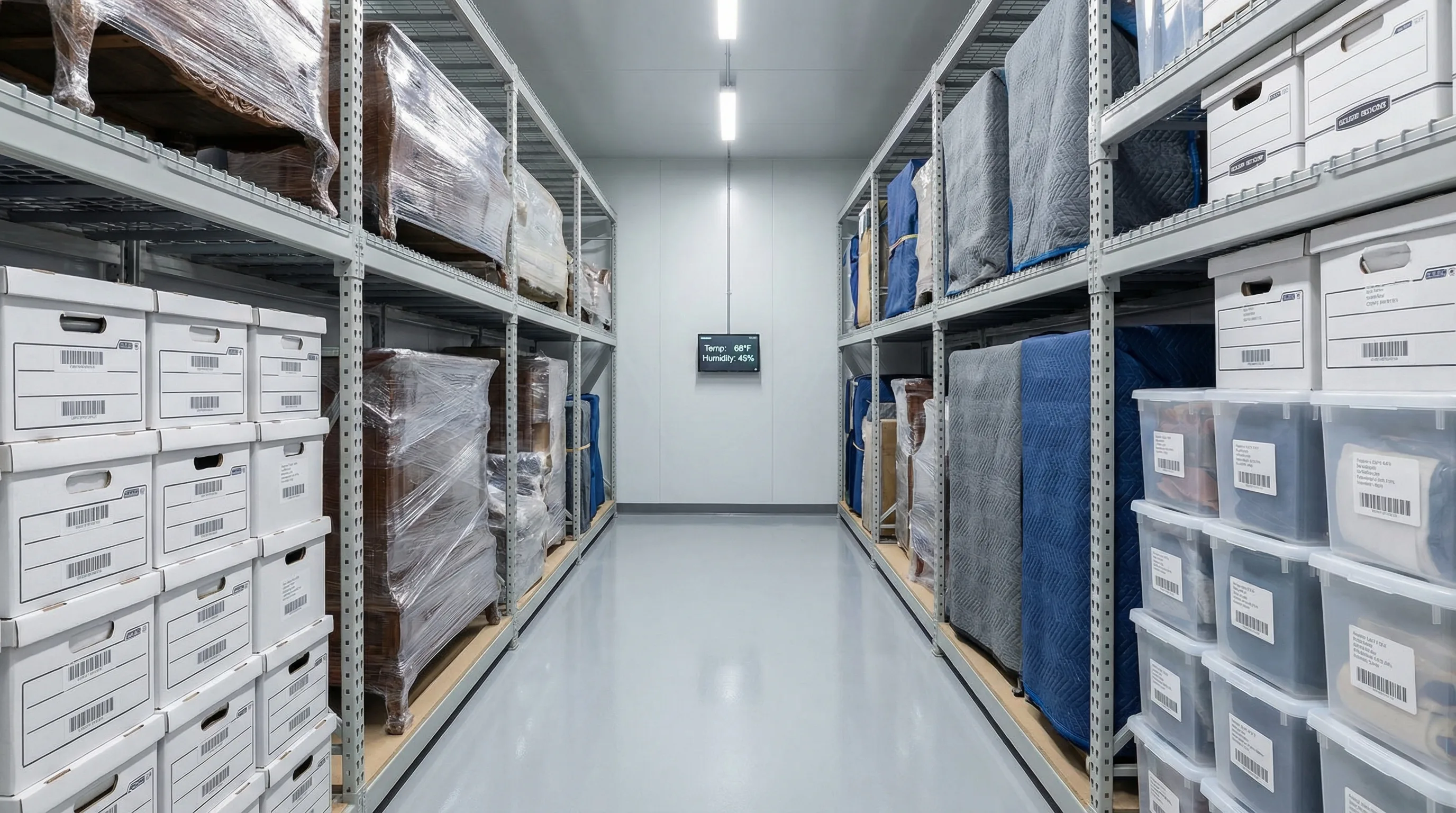
A pack-out only works if the storage environment is actively protecting your items while cleaning and rebuilding happen. "Storage unit" and "climate-controlled restoration warehouse" are completely different things. Here is what separates a proper contents warehouse from a self-storage unit.
When contents leave a damaged home, they are in a fragile state. Water-exposed items are still partially wet. Smoke-damaged items are still actively outgassing VOCs. Mold-exposed items may have spores that will bloom in the wrong conditions. A commercial self-storage unit with ambient temperature and humidity will make all of those problems worse — sometimes catastrophically. A restoration-grade warehouse actively arrests secondary damage while cleaning bays work through the inventory.
The five conditions below are baseline for any contents restoration facility that expects to hold scheduled personal property, high-value art, or humidity-sensitive items for more than 72 hours. Missing any one of them is a disqualifier.
35-55% RH
Dial-in RH prevents mold regrowth, wood warping, paper cockling, and metal corrosion. Every storage bay has a dedicated dehumidifier with continuous logging — we can pull the RH history for any item on demand.
65-75 degF
Stable climate prevents adhesive failure in antique furniture, photographic emulsion degradation, and freeze-thaw cycling on water-affected items. HVAC zones are independently monitored.
IPM protocol
Integrated Pest Management with perimeter sealing, insect monitoring traps, and quarterly inspection. Textiles and paper are the two highest-risk categories and receive targeted monitoring.
FM-200 + sprinkler
Clean-agent suppression for art and electronics bays; traditional wet sprinkler for general warehouse. Paired with 24/7 monitored smoke detection — no single-point failures.
24/7 monitored
Access-controlled entry with individual PIN logs, interior camera coverage on every bay, and alarm monitoring. Contents are logged in and out by staff barcode — every movement leaves a record.
Typical duration
2-12 weeks
Matches structural rebuild timeline
Storage pricing
Included in pack-out
Weekly rates apply beyond rebuild timeline
Mid-project retrieval
24-48 hours
Priority items returnable during rebuild
Storage beyond the standard rebuild timeline is billed at weekly rates and is almost always reimbursable under policy ALE (Additional Living Expenses) or contents coverage. Extended-storage decisions are made jointly with the adjuster, not unilaterally.
Trust & Transparency
We know it feels overwhelming to watch strangers handle your personal belongings. Here's exactly what to expect — and why you can trust the process.
Every item photographed and barcoded with unique inventory number
Fragile items individually wrapped with professional packing materials
Boxes labeled by room and contents category
High-value and sentimental items flagged for priority treatment
Complete chain of custody from your home to our facility and back
Digital inventory accessible to you throughout the process
Temperature and humidity maintained to prevent secondary damage.
Alarm systems, surveillance, authorized-only entry.
Your items stored together, labeled, and easy to locate.
Need something during storage? We can locate and return specific items.
We're happy to walk you through every step before anything happens. Your comfort and trust matter more than speed.
Specialized Techniques
Different damage requires different expertise. Here's how our teams approach each type.
Industrial dehumidifiers and air movers for large-scale drying of furniture, structural contents, and textiles.
Sound-wave cleaning for delicate items, jewelry, and small electronics — removes contaminants without abrasion.
Kills bacteria from contaminated water exposure, preventing health hazards and secondary damage.
Vacuum sublimation for water-damaged documents and photographs — preserves ink, paper fibers, and images.
One loss can include wood, leather, electronics, and silk in the same room — and each needs a completely different cleaning protocol, a different specialist, and a different piece of equipment. Here are the eight material categories we handle daily and the exact methods we deploy for each.
Controlled dry-cleaning + refinishing
Solid hardwood is remarkably resilient — the enemy is uncontrolled moisture loss that splits joinery. We stabilize items in humidity-controlled chambers at 50-55% RH, then clean, deodorize, and refinish only what the original maker would recognize. Veneers and inlays get hand-applied dry cleaning.
Equipment
Desiccant drying chamber, pH-neutral solvents, French polish / shellac, UV-cure topcoats
Turnaround
7-21 days
Cost
$200 - $2,400 per piece
Hot water extraction + ozone deodorization
Upholstered pieces need deep cleaning of both face fabric and cushioning, then controlled drying to prevent mildew in internal padding. Heavy smoke-damaged pieces move to sealed ozone chambers for 24-72 hours to break down residual VOCs and odor molecules at the source.
Equipment
Commercial hot-water extractors (180-220 degF), low-moisture encapsulants, ozone chambers
Turnaround
5-12 days
Cost
$300 - $1,800 per piece
Desiccant drying + ultrasonic circuit cleaning
Never power on a wet or smoke-exposed device — that's where most losses turn permanent. We open every device, flush residual contaminants, ultrasonic-clean the circuit boards and connectors, then verify function on a bench before returning. Data recovery is handled by a partnered cleanroom lab for drives too damaged to boot.
Equipment
Sealed desiccant cabinets, 40 kHz ultrasonic baths, HEPA-filtered workbenches, ESD-safe stations
Turnaround
3-10 days
Cost
$150 - $3,500 per device
CO2 dry-cleaning, wet cleaning, or ozone
The Esporta wash system recovers 90%+ of soft contents to food-grade cleanliness — even items that look completely ruined by heavy soot or Cat 3 water. Delicate or vintage textiles move to CO2 dry-cleaning. Heavily contaminated items receive ozone-only treatment before a final wet-clean pass.
Equipment
Esporta wash system, liquid CO2 solvents, CFR-approved detergents, ozone chambers
Turnaround
5-14 days
Cost
$4 - $18 per garment
Specialty conservator partners
Oil paintings, pastels, watercolors, and mixed-media originals go to our credentialed conservator network — not a general-purpose restoration shop. Surface dust is removed under microscope before any solvent touches the canvas. Varnish layers are stabilized or selectively removed; retouching is reversible and documented for the claim.
Equipment
Microscopes, surface-tension solvents, varnish stabilizers, archival backing, climate chambers
Turnaround
14-90+ days
Cost
$500 - $15,000+ per piece
Vacuum freeze-drying + fumigation
Wet paper cannot simply be air-dried — it cockles, stains, and grows mold. Industrial vacuum freeze-drying sublimates ice directly from frozen fibers, preserving legibility and binding integrity. Mold-exposed records go through gamma sterilization before return. Every page is re-inventoried against the original manifest.
Equipment
Industrial freeze-drying chambers, gamma-radiation sterilization, archival interleaving
Turnaround
14-60 days
Cost
$5 - $25 per document
Photo-specific wash + reprinting
Photographs need immediate separation before emulsion layers fuse. We bathe items in distilled water to rinse contaminants, then air-dry between archival interleaves. High-res scanning captures damaged originals as digital files, and heirloom prints are reproduced on archival paper so the family keeps both the original and a restoration-grade copy.
Equipment
Distilled water baths, photo interleaving, high-resolution scanners, archival reprint stock
Turnaround
10-30 days
Cost
$12 - $75 per photo
Conditioning + deodorization
Leather purses, jackets, belts, and furniture absorb odor molecules deep into the grain. We clean the surface with pH-balanced saddle soap, condition the hide to restore suppleness, then run the item through an ozone chamber to break down residual smoke molecules. Untreated leather that sat in Cat 3 water is usually a total loss.
Equipment
Saddle soap, lanolin conditioners, ozone chambers, controlled-humidity drying
Turnaround
7-21 days
Cost
$80 - $950 per piece
Protocols here are baseline only. Every item gets a pre-clean assessment — some antiques need conservator-only handling, some electronics are not safe to open, some textiles cannot survive wet cleaning. The inventory walkthrough identifies exceptions before any work begins.
Ultrasonic cleaning is the single most effective way to remove smoke, soot, and fine particulate from complex hard surfaces — but it only works on the right materials. Here is exactly how it works, what it cleans, and where hand-cleaning remains the better choice.
Ultrasonic transducers vibrate a stainless-steel tank at 40,000 cycles per second. Those vibrations create microscopic vapor bubbles in the cleaning solution. When the bubbles collapse, they implode with enough localized energy to dislodge contaminants from any surface the liquid can reach — including pits, threads, and internal cavities a brush cannot touch.
The bath is never plain water. Smoke and soot removal uses mildly alkaline detergents (pH 9-11) with surfactants that break up protein-based residue. Jewelry uses ammoniated solutions for brilliance. Electronics use isopropanol-based solutions that flash off without residue. Wrong solution + right frequency = ruined item.
Lower frequencies (25-28 kHz) produce larger, more aggressive bubbles for heavy grease and industrial contamination. 40 kHz is the restoration sweet spot — effective on soot and smoke residue without being aggressive enough to erode delicate metalwork. Precision cleaning of optics and fine jewelry moves up to 80-120 kHz.
Jewelry (gold, silver, platinum)
Rings, chains, earrings, bracelets, watches
Electronics casings & connectors
Phone bodies, circuit boards, connectors, hardware
Dishware & flatware
Fine china, crystal, silver flatware, glassware
Metal fixtures & hardware
Door knobs, cabinet pulls, faucets, light fixtures
Small figurines & collectibles
Porcelain, glass, metal trophies, coins
Optical parts
Camera lenses, eyeglass frames, microscope parts
Solid wood furniture
Water absorption causes swelling and joint failure
Fabric & upholstery
Fibers trap solution and dry unevenly
Paper, books, documents
Pulps immediately on contact with liquid
Oil paintings & artwork
Pigments and varnish dissolve in solvent baths
Leather goods
Prolonged submersion destroys the grain
Porous stones & ceramics
Unglazed surfaces absorb cleaning solution
| Metric | Ultrasonic (40 kHz) | Hand cleaning |
|---|---|---|
| Cleaning uniformity | Reaches every recessed surface and internal crevice | Depends on technician skill; complex shapes often miss spots |
| Damage risk | Non-contact — no brush abrasion or scratching | Risk of scratching soft metals and fine details |
| Labor time per item | 2-8 minutes (automated cycle) | 5-25 minutes (manual detail work) |
| Cost per item | $8 - $45 | $15 - $90 |
| Odor/smoke removal | Effective on hard surfaces; not for porous items | Not effective on smoke penetration |
| Works on porous items | NO - damages wood, paper, leather, upholstery | YES - appropriate for all porous materials |
Typical ultrasonic cycle cost runs $8-$45 per item with a 2-8 minute cycle. A single household fire-damage claim can cycle 300-800 small hard-good items through ultrasonic baths over 3-5 days — a volume that would take 2-3 weeks of manual labor to match.
Irreplaceable Memories
Some things can't be replaced at any price. The birth certificate, the handwritten recipe card, the only photo of your grandparents together — these carry a weight that goes far beyond paper and ink. That's why we treat every document and photograph as if it were our own.
Vacuum freeze-drying is the gold standard for water-damaged paper. By freezing wet documents immediately and then slowly evaporating moisture through sublimation, we preserve paper fibers without additional warping, sticking, or mold growth.
Every document and photo we restore is digitally scanned at high resolution, creating backup copies that can never be damaged again. This dual approach — physical restoration plus digital preservation — means your memories are protected twice.
Even decades-old family photographs can be rescued. Wet photos are carefully separated in water baths, dried under controlled conditions, and scanned. Digital color correction can restore faded or stained images.
Irreplaceable items go first. Family photos, legal documents, children's artwork, letters from loved ones — these get VIP treatment from the moment we identify them.
Practical Recovery
The #1 Rule
Never power on wet or smoke-damaged electronics. Turning on a water-exposed device causes short circuits that destroy what could otherwise be saved. Unplug everything, and call a professional before attempting anything.
We open each device, inspect for corrosion, moisture, and soot damage before determining restorability.
Circuit boards and connectors are cleaned with specialized solutions that remove contaminants without further damage.
HEPA-filtered drying chambers remove moisture slowly and completely from internal components.
When a device can't be physically saved, we prioritize recovering your data — photos, documents, financial records.
We're honest about replacement: if cleaning costs more than a new device, or if safety is in question, we'll tell you.
Real Palm Build contents work — pack-outs, specialty cleaning, climate-controlled storage, and pack-back delivery across Florida and the Carolinas. Every project follows IICRC S200 Contents Processing protocols with barcoded chain-of-custody.
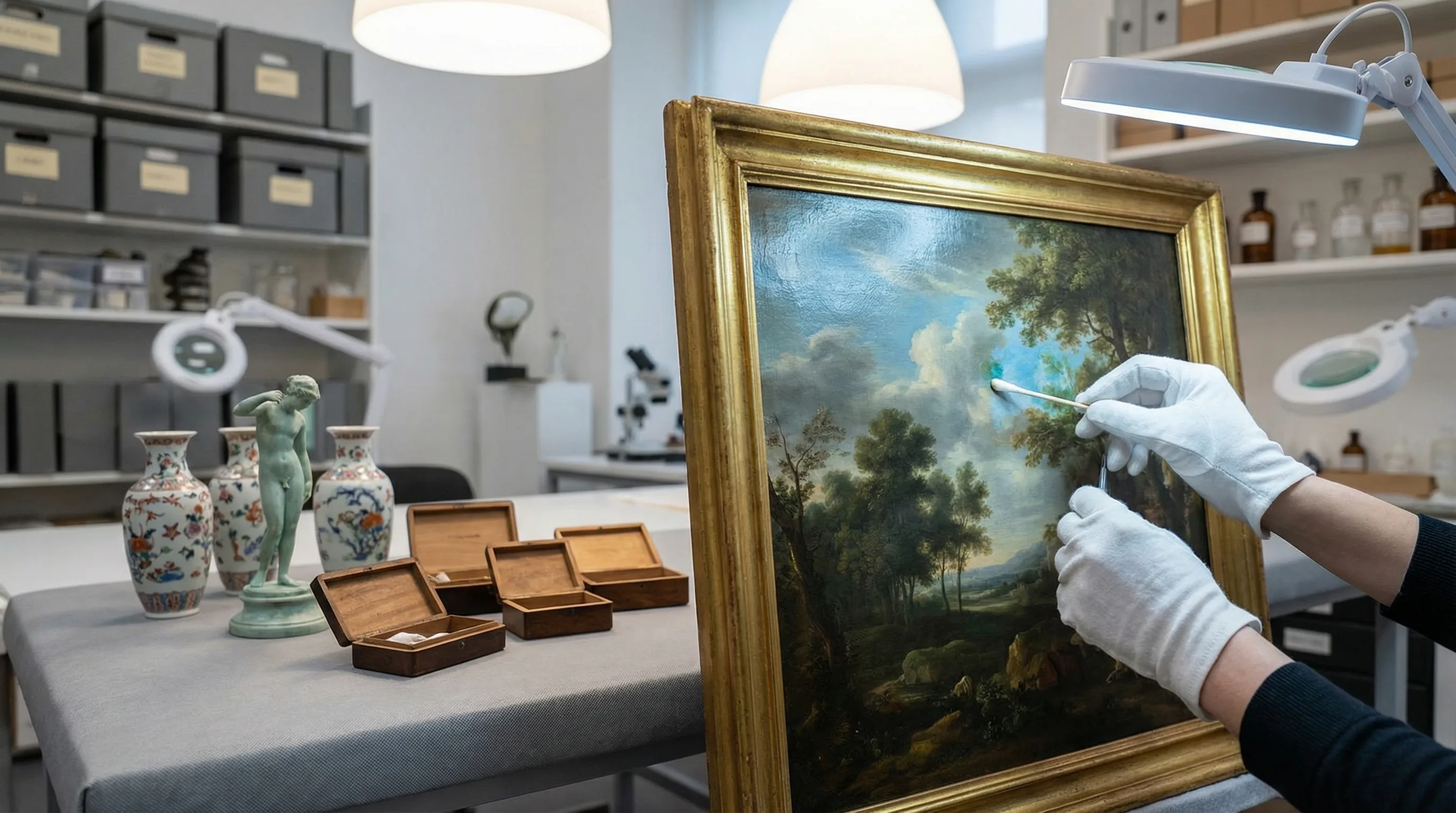
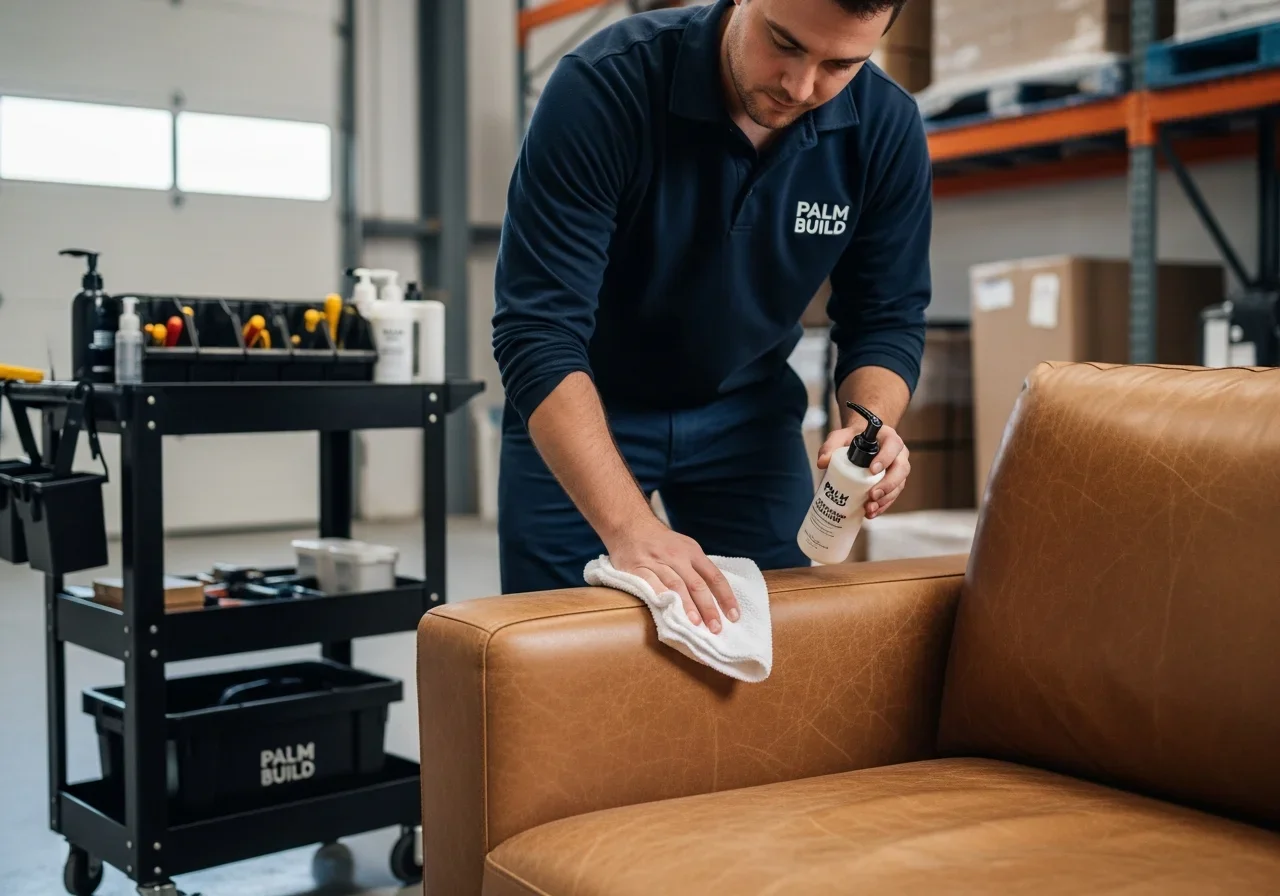
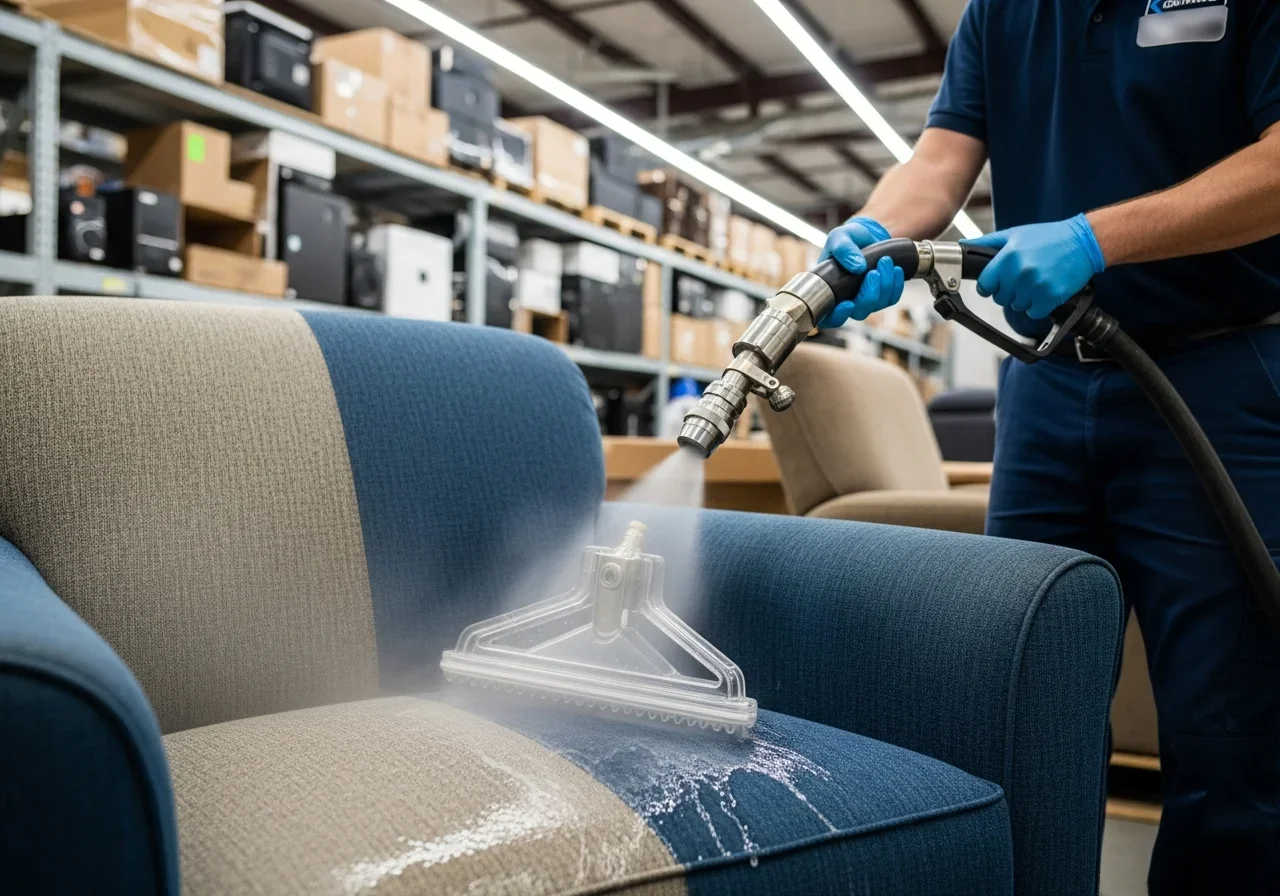
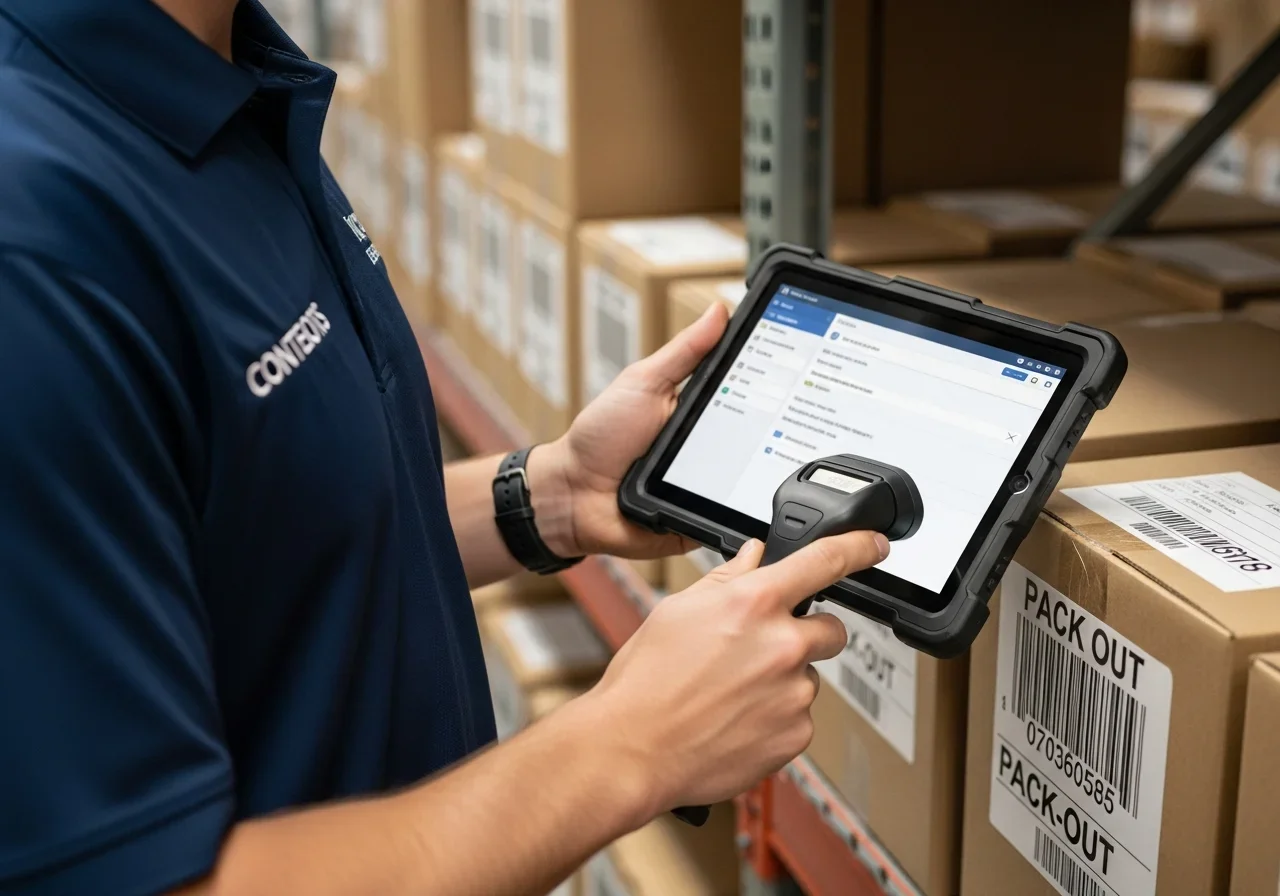
Contents damage patterns are regional. A Charlotte homeowner sees mostly burst-pipe and basement flooding loss; a Fort Lauderdale homeowner sees mostly hurricane, humidity-driven mold, and HVAC condensate loss. Matching your contents coverage, scheduled personal property riders, and pack-out readiness to your actual exposure is a Year-1 decision, not a post-loss scramble.
| Risk type | Florida | North Carolina | South Carolina | Handling notes |
|---|---|---|---|---|
| Humidity damage (electronics, paper, leather) | Very high | Moderate | High | FL requires climate-controlled storage within 24 hours on every loss |
| Hurricane contents loss | Very high | Low (coast) | Very high | FL/SC require NFIP flood policy for contents loss from surge; HO-3 does not cover |
| Sewer backup contents loss | Moderate | Moderate | Moderate | Requires separate sewer backup endorsement in all three states |
| Mold-related contents damage | Very high | Moderate | Moderate | FL state-licensed mold pros required; FL HO-3 often sub-limits mold to $10,000 |
| Fire contents loss (smoke + soot) | Moderate | Moderate | Moderate | Typically covered; carriers scrutinize ACV depreciation on non-restored items |
| Theft during displacement | Low-mod | Low-mod | Low-mod | Barcoded chain-of-custody neutralizes carrier questions about missing items |
#1
In US humidity — contents damage compounds fast
Electronics, paper, and leather need climate-controlled storage within hours. Hurricane exposure drives 40%+ of FL contents pack-outs annually.
40 degF
Charlotte avg winter temp drives burst-pipe contents events
Burst-pipe contents losses peak December-February. Moderate humidity allows shorter storage cycles. NC DOI favors itemized manifests for full RCV release.
45
Tropical landfalls 1851-2024 drive hurricane contents loss
Coastal SC requires NFIP contents rider for full surge protection. Upstate SC sees more burst-pipe and hail-driven roof leak contents events.
Regional differences in carrier expectations, licensing, and post-loss handling matter. FL requires state-licensed mold remediation handling for affected contents; NC DOI prefers itemized manifests for full RCV release; SC coastal carriers often require NFIP flood contents riders. Palm Build operates under all three state frameworks.
Contents claims are paid differently than structural claims. Your dwelling coverage is typically one pool with one set of rules; contents coverage is a separate pool with per-category sub-limits, depreciation rules, and scheduled-item exceptions. Understanding the mechanics before the adjuster arrives is the difference between a fully paid claim and thousands of dollars of unreimbursed belongings. Also see our insurance restoration process overview for the full dwelling-plus-contents workflow.
| Term | What it means | Notes |
|---|---|---|
| Replacement Cost Value (RCV) | Carrier pays what it costs to buy a new equivalent item today | Best coverage. Usually requires proof of replacement purchase to release full value. |
| Actual Cash Value (ACV) | Carrier pays the depreciated value — what your used item was worth | Depreciation runs 10% per year on many categories. A 10-year-old sofa may be near zero. |
| Scheduled Personal Property | Individually listed high-value items with their own coverage limits | Required for art, jewelry, firearms, and collectibles above the standard sub-limit ($1,500-$2,500). |
| Sub-limits (standard HO-3) | Per-category caps on unscheduled property | Jewelry often capped at $1,500; firearms $2,500; silverware $2,500; cash $200. Check your declarations page. |
Before a single box is loaded, you (or your restoration company) photograph every affected room, every closet, and every drawer. Time-stamped video is even stronger. High-value items get individual close-ups. This is the foundation — nothing else in the contents claim works without it.
What to say to your adjuster
"I have time-stamped video and photo inventory from before any pack-out began. I can share the cloud folder with your team today."
Walk your declarations page and list every item you have scheduled (art, jewelry, firearms, instruments, collectibles). Those get separate handling on the manifest — different cleaning paths, different storage, different valuation paperwork. Carriers scrutinize scheduled items most aggressively.
What to say to your adjuster
"Here is my list of scheduled personal property. I am providing original appraisals, serial numbers, and photos for each item."
Your restoration company builds a barcoded manifest of every single item going into pack-out, with photos, condition notes, restoration plan, and estimated RCV. Submit the manifest to the adjuster before items leave the home — waiting until delivery to submit is a common source of partial denials.
What to say to your adjuster
"My manifest is attached with 847 line items. Please review and confirm scope before we transport to the warehouse."
Every item on the manifest gets one of three codes: restored (returned to service), total loss (written off), or replaced (new purchase reimbursed). Carriers generally prefer restoration when it costs less — which usually works in your favor since you keep your original belongings. Push back in writing on any line the adjuster wants to depreciate below your manifest.
What to say to your adjuster
"Line items 340-365 were restored to pre-loss condition. I am requesting RCV release on those at the quoted restoration cost, not ACV depreciation."
| Category | Claimed | Paid | Notes |
|---|---|---|---|
| Furniture (wood, upholstered, antiques) | $4,800 | $4,100 | Restoration + partial refinish |
| Electronics (2 TVs, 3 laptops, 1 stereo) | $3,200 | $2,400 | 1 laptop total loss; replaced at ACV |
| Clothing & textiles (Esporta wash) | $1,850 | $1,850 | Full recovery, RCV paid |
| Documents & photos (freeze-dry) | $650 | $650 | All records preserved |
| Kitchenware & flatware (ultrasonic) | $480 | $480 | Full recovery |
| Art — 2 original oils (conservator) | $950 | $950 | Scheduled personal property, appraised |
| Pack-out labor, storage, delivery | $1,200 | $1,200 | Covered under policy mitigation clause |
| Totals | $13,130 | $11,630 |
Spread reflects depreciation on the laptop line item — restored items carried full RCV. Scheduled art paid at appraised value.
Your contents coverage is separate from dwelling. Typical policies provide contents coverage at 50-70% of dwelling limit. That means a $400,000 dwelling policy usually includes $200,000-$280,000 of contents coverage as a pool — more than most homeowners realize they have. Check your declarations page before assuming you are under-insured.
When The Adjuster Lowballs
Adjusters write off recoverable contents every day — usually from inexperience, not from policy. Four moves that consistently change the outcome on a contents scope.
A note before you push: these tactics work because they're factual and procedural, not adversarial. Adjusters are usually on your side once they see the math — most lowballs come from sheer caseload, not bad faith. Frame everything as a request for documentation, not a complaint.
Don't argue — request. Three phrases that almost always work in writing: "I'd like a contents restoration assessment from an IICRC-certified specialist before any non-salvageable designation." "Please document the IICRC standard and the objective criteria being applied to this category." "I'd like to compare the restoration estimate against the replacement scope before we finalize."
Adjusters who default to "total loss" rarely have a specific standard ready when asked. Citing S500 (water), S520 (mold), or S700 (fire & smoke) by name forces an objective conversation. If they can't tell you which standard supports the call — and what criterion was tripped — the lowball usually softens immediately.
Have an IICRC-certified contents restoration specialist (Palm Build qualifies) physically inspect disputed items and provide a written assessment with photos. This puts a credentialed professional opinion on the claim file alongside the adjuster's. Carriers strongly weight specialist opinions when the math favors restoration.
Side-by-side replacement vs restoration estimates with photos of items under treatment. Carriers respond to numbers, not appeals. Most claim revisions happen the day after a savings comparison hits the file — the adjuster's manager almost always re-scopes when restoration is meaningfully cheaper.
Palm Build provides written IICRC-aligned restoration assessments at no cost when you're trying to recover items the adjuster has flagged. Most disputes resolve within a week.
What People Get Wrong
The "throw it all out" instinct costs homeowners thousands every year — and forces carriers to pay replacement when restoration would have been cheaper. Here's what the math actually shows.
Myth
"If it got wet, it's ruined."
Reality
Recovery rates above 90% are common for clean-water exposure when professional drying starts inside 48 hours. Solid wood, leather, electronics (powered off), photos, and most textiles all recover at high rates with the right equipment.
Myth
"Soot-damaged fabric can't be washed back to clean."
Reality
The Esporta wash system uses hydraulic pressure and six-stage chemistry to flush soot from fibers without agitation damage. 90%+ of soft contents — including hockey gear and medical fabrics — return to food-grade cleanliness, even after heavy fire exposure.
Myth
"Electronics that got sprayed are trash."
Reality
Wet electronics that were never powered on after exposure are usually salvageable. We disassemble in HEPA cleanrooms, ultrasonically clean circuit boards, dry thoroughly, and bench-test before reassembly. The cardinal sin is turning the device on while it's still wet.
Myth
"Freeze-dried books look worse than before."
Reality
Vacuum freeze-drying removes moisture by sublimation — water goes directly from ice to vapor, never passing through a liquid phase. That's why pages don't warp, ink doesn't bleed, and bindings don't split. It's the standard the Library of Congress and major archives use.
Myth
"Insurance always pays more if I just replace everything."
Reality
Replacement triggers depreciation negotiation, two-stage payments on RCV policies, and sales tax/disposal liability for the carrier. Restoration is usually 40–70% cheaper and is paid as a clean service invoice. Carriers and homeowners both come out ahead.
Myth
"Pack-out means I lose track of my things."
Reality
Every item is photographed, barcode-tagged, and tracked through a digital chain of custody from the moment it leaves your home. You can request priority retrieval of any single item — laptops, prescriptions, work documents — within 24–48 hours, included with the service.
Myth
"Antique furniture can't survive water exposure."
Reality
Solid wood is one of the most resilient materials we work with. Controlled drying chambers extract moisture slowly enough to prevent cracking, and conservator-grade refinishing returns the piece to pre-loss condition — often improving on it.
Myth
"There's no point starting before the adjuster shows up."
Reality
Mitigation work — pack-out, stabilization, emergency drying — bills as a separate, expedited line item that adjusters expect to see. Waiting for the first adjuster appointment can drop recovery rates by 20%+ on time-sensitive items. Start mitigation immediately, document everything, and let the scope conversation catch up.
Free recoverability assessment within 24 hours. Send photos and we'll tell you honestly what's recoverable, what's marginal, and what to replace.
Five dedicated service paths under our contents restoration program. Each follows IICRC S200 Contents Processing protocols, uses specialized equipment and trained technicians, and connects directly to our climate-controlled storage and pack-back workflow.
The complete pack-out process: barcoded inventory, careful packing, climate-controlled warehouse storage, and organized pack-back when your home is ready.
Common cost
$1,200 - $8,000 typical
Desiccant drying, 40 kHz ultrasonic circuit cleaning, and bench-verified function testing for water or smoke-damaged electronics. Never power on a wet device.
Common cost
$150 - $3,500 per device
Controlled drying chambers, pH-neutral solvents, traditional refinishing, and injection-dried upholstery for wood, antique, and heirloom furniture.
Common cost
$200 - $4,000 per piece
Industrial vacuum freeze-drying, photo-specific wash baths, high-resolution archival scanning, and reprint services for paper records and heirloom photos.
Common cost
$5 - $75 per document
Credentialed conservator network for oil paintings, watercolors, sculptures, antiques, and collectibles. Scheduled personal property handling with full claim documentation.
Common cost
$500 - $15,000+ per piece
Flood water can destroy electronics and documents in hours — but fast, correct action (power off, no heat, professional cleaning) often saves more than you expect.
11 min read
How pack-outs work: inventory, barcoding, climate-controlled storage, and pack-back — and why South Florida humidity makes climate control essential for your belongings.
11 min read
Heirlooms, photos, and documents need a different approach after a disaster. Here is how contents restoration works in Broward's age-restricted 55+ communities.
11 min read
Local Service Pages
Tier 4 · Local office
Tier 1 · Local office
Tier 1 · Local office
Tier 1 · Local office
Tier 1 · Local office
Tier 4 · Local office
Tier 4 · Local office
Tier 2 · Local office
Tier 1 · Local office
Tier 1 · Local office
Tier 1 · Local office
Tier 1 · Local office
Tier 4 · Local office
Tier 4 · Local office
Tier 4 · Local office
Tier 4 · Local office
Tier 3 · Local office
Tier 1 · Local office
Tier 3 · Local office
Tier 4 · Local office
Tier 1 · Local office
Tier 4 · Local office
Tier 1 · Local office
Tier 3 · Local office
Tier 1 · Local office
Tier 1 · Local office
Tier 3 · Local office
Related Restoration Services
Contents restoration works alongside structural mitigation, textile cleaning, and insurance claims. Use these connected guides to coordinate your full recovery.
Water-damaged belongings need fast extraction and drying alongside professional contents cleaning.
Smoke and soot damage to personal property requires specialized deodorization and residue removal techniques.
Mold-affected belongings may be salvageable with proper containment, cleaning, and antimicrobial treatment.
Clothing, rugs, drapes, and upholstery need dedicated fabric-specific cleaning as part of contents recovery.
Proper contents inventory and documentation directly supports your personal property insurance claim.
Storm-damaged belongings require rapid pack-out and preservation before secondary damage sets in.
Palm Build Tools
Photograph damage, estimate costs, check insurance coverage, and plan timelines for contents recovery — no signup, no lead gate.
Photograph damaged contents and get an instant AI triage report with salvageability hints, severity flags, and recommended next steps.
Contents cleaning is part of the overall water damage scope. Estimate how pack-out and restoration fit into your total mitigation and rebuild budget.
ACV vs replacement cost matters most for personal property. Estimate claim-worthiness and understand recoverable depreciation for your contents.
Pack-out, cleaning, and return add weeks to any loss. See how contents restoration fits into the overall project timeline.
Answers about saving your personal belongings after water, fire, or mold damage — from pack-out and cleaning to insurance claims and what can realistically be restored.
More than most people expect. With professional contents restoration and prompt action, salvage rates above 90% are common for water damage when treatment begins within 48 hours. Fire and smoke damage varies more by item type, but solid wood furniture, most clothing and textiles, documents, photographs, electronics (if not powered on while wet), kitchenware, and many personal items can be professionally cleaned and restored. The key factors are material type, extent of exposure, contamination level, and how quickly restoration begins.
Still have questions about what can be saved?
Most people assume their damaged belongings are lost forever. The truth is that professional contents restoration can save far more than you expect — but time is critical. The sooner we begin, the more we can preserve.
Careful inventory and removal
Specialized restoration methods
Climate-controlled facility
Time-critical item preservation
Need help right now? Call us.
24/7 live dispatch — average answer time under 30 seconds