Step 1
Remove cushions and elevate furniture off wet floors
Standing water damages furniture from the bottom up. Place aluminum foil or wood blocks under legs. Remove and separate cushions to promote air circulation.
Contents Restoration Guide
Solid wood furniture is remarkably resilient — even pieces that look severely damaged can often be dried, cleaned, refinished, and returned to pre-loss condition. The key is proper technique and patience.
First-Hour Priorities
Step 1
Standing water damages furniture from the bottom up. Place aluminum foil or wood blocks under legs. Remove and separate cushions to promote air circulation.
Step 2
Rapid drying causes cracking, splitting, and warping. Controlled, slow drying preserves wood integrity. Keep in a ventilated area at room temperature.
Step 3
Soot is abrasive and acidic. Rubbing it into wood or fabric sets permanent stains. Professional dry-sponge cleaning lifts soot without damage.
Step 4
Document the condition and location of every piece. Insurance adjusters need this documentation, and it helps restoration teams prioritize treatment.
Field Visuals
These examples show the conditions and techniques our contents restoration teams use during active projects.
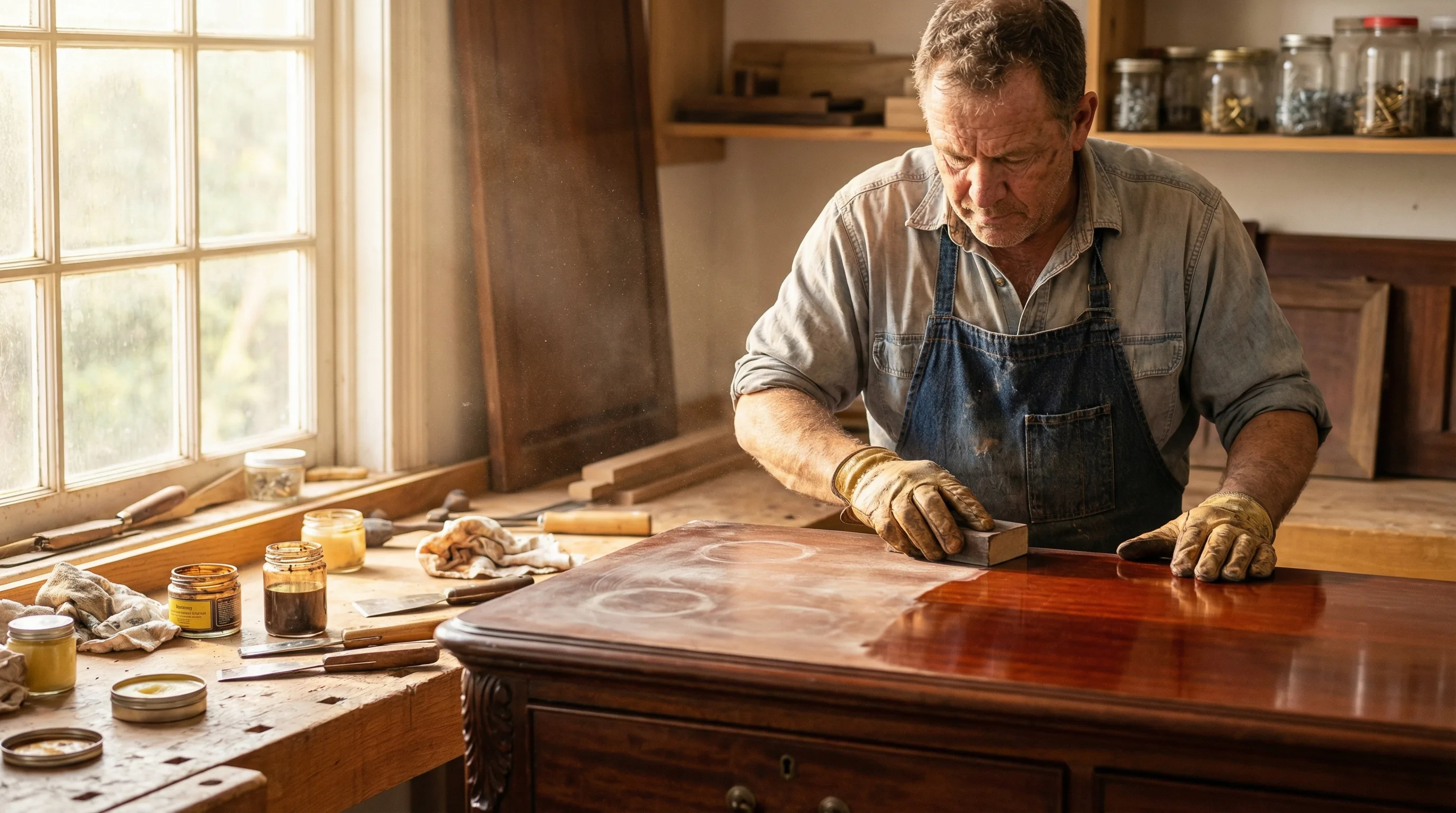
Controlled drying followed by professional refinishing restores water and smoke damaged wood to pre-loss condition.
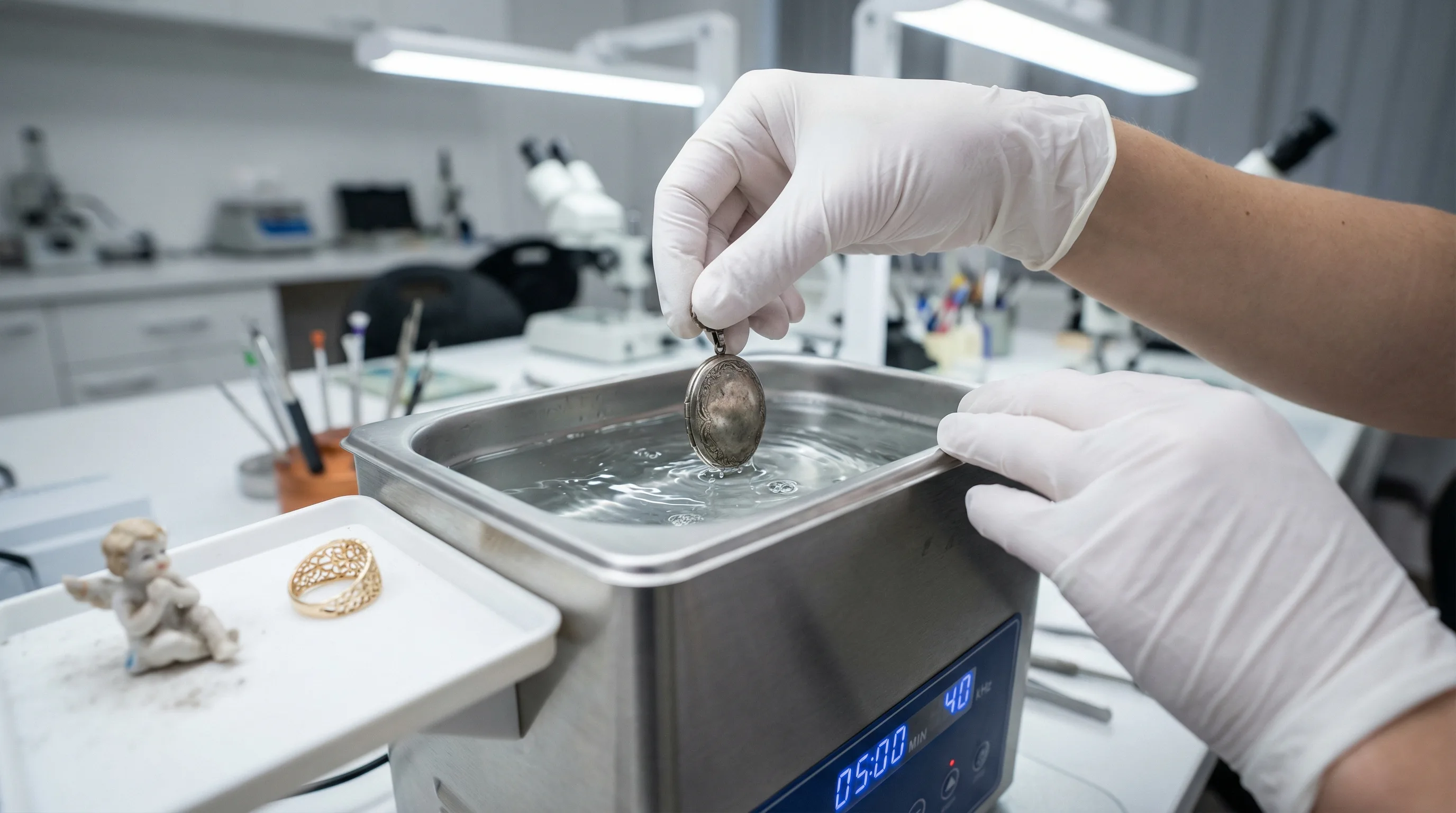
Metal hardware, hinges, and decorative elements are cleaned separately using appropriate techniques for each material.
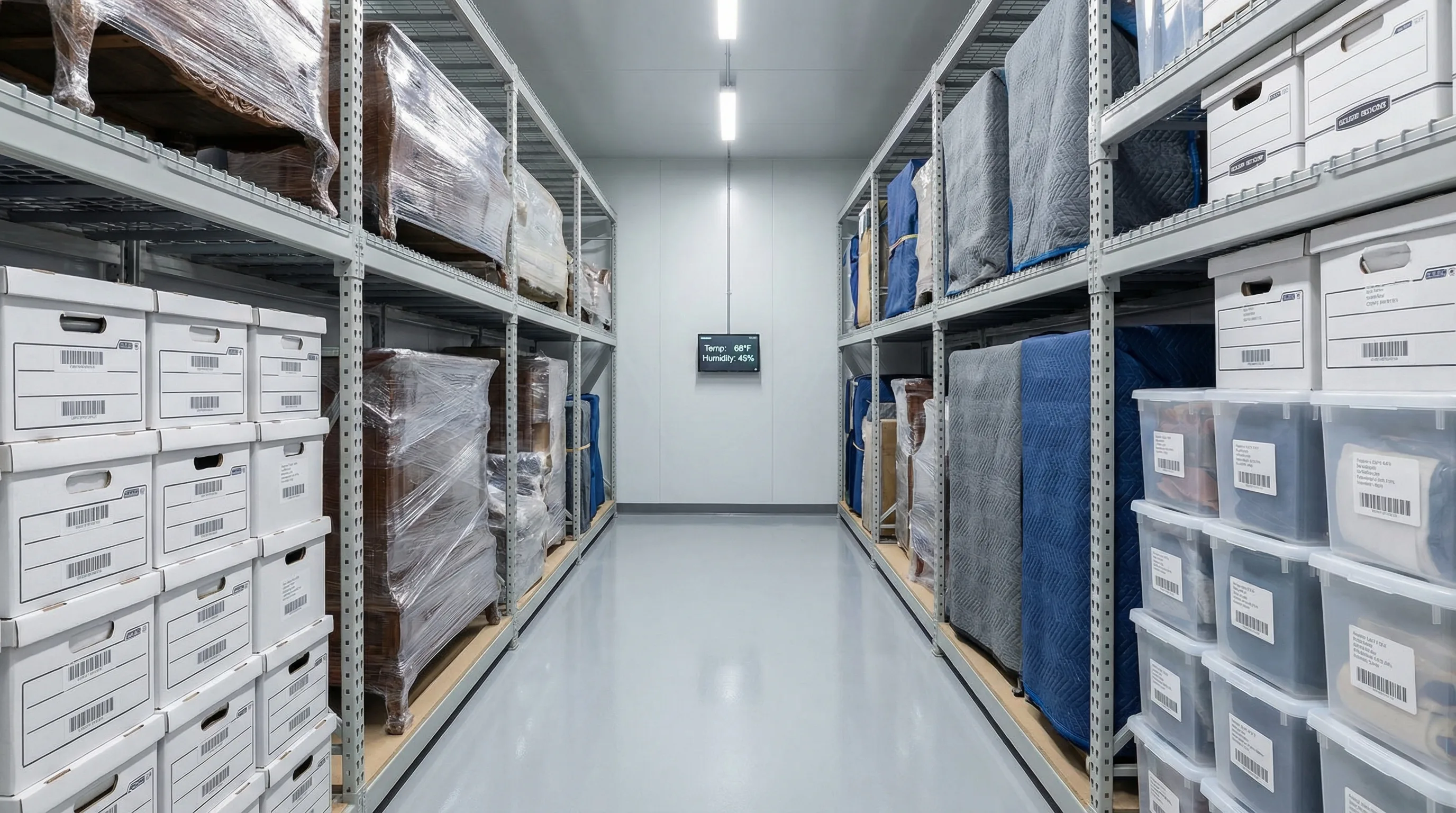
During home repairs, furniture is stored in climate-controlled conditions to prevent secondary damage.
Restoration Process
Each step is documented, tracked, and aligned with insurance requirements to ensure your belongings receive proper care.
Each piece is evaluated for structural integrity, material type, damage depth, and restoration feasibility. Wood species, finish type, and construction method all influence the restoration approach.
Industrial dehumidifiers and air movers are positioned to dry furniture slowly and evenly. Moisture meters monitor progress at multiple points. For valuable pieces, climate-controlled drying chambers maintain precise conditions.
Water stains are treated with appropriate solvents. Soot is removed with chemical sponges and specialized wood cleaning agents. Antimicrobial treatments prevent mold growth. Odor elimination uses ozone or hydroxyl generators.
Once clean and dry, furniture receives appropriate finish work: sanding, staining, sealing, and polishing for wood; professional cleaning, steam treatment, or reupholstering for fabric pieces. Antiques receive period-appropriate restoration.
South Florida
Florida's year-round humidity means wet furniture must be dried under controlled conditions immediately. Uncontrolled drying in humid air can lead to mold growth within 48 hours.
Charlotte, NC
North Carolina's hardwood furniture tradition means many homes contain valuable heirloom pieces. Our technicians are experienced with period-appropriate restoration for antique furniture.
Coastal Communities
Salt air and salt water exposure accelerate metal corrosion on furniture hardware and can damage wood finishes. Prompt freshwater rinsing and professional treatment preserve coastal furniture.
Continue Your Research
Every hour matters when it comes to contents restoration. Call now for immediate assessment and professional care for your personal property.