(888) 245-5155
Call Now 24/7
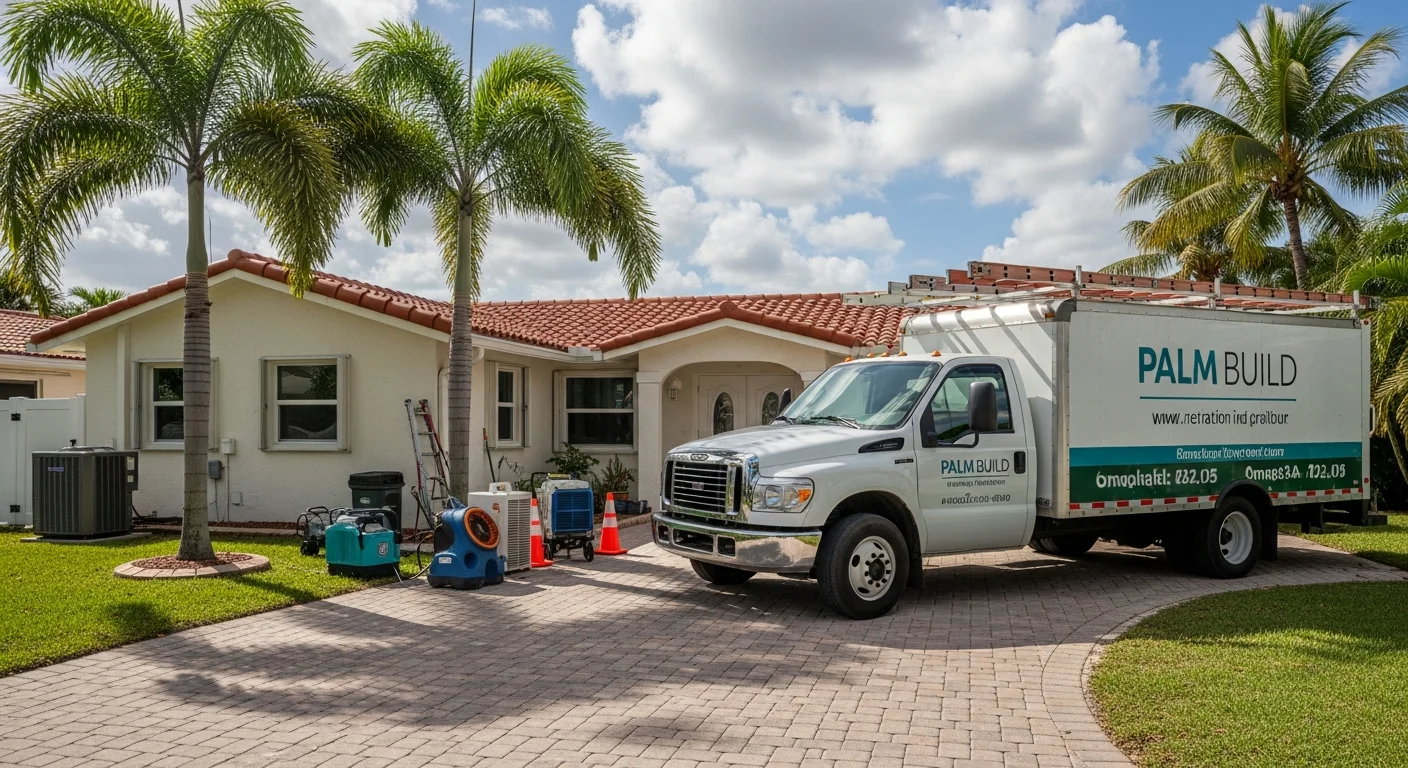
Palm Build restoration truck responding to a water damage emergency at a CBS stucco home in Pompano Beach Florida with palm trees and canal visible in background
POMPANO BEACH FL — 24/7 WATER DAMAGE RESPONSE

Water Damage Restoration in Pompano Beach, Florida

Pompano Beach's 1960s-80s CBS concrete block homes, three converging canal systems, and year-round 70-75% humidity create relentless water damage risk. HVAC condensate overflows are the #1 source of water damage calls in this city. Palm Build's Deerfield Beach team responds in under 15 minutes with truck-mounted extraction, commercial drying, and the insurance documentation Florida carriers demand.

Deerfield Beach — 5 Minutes from Pompano Beach Under 15 min Response IICRC Certified

Under 15 min

Emergency Response

24/7

Dispatch Available

IICRC

Certified Technicians

Pompano Beach Water Damage

Why Pompano Beach Homes Face Unique Water Damage Risks

Pompano Beach's combination of aging CBS construction, converging canal systems, and year-round subtropical humidity creates damage patterns that demand specialized restoration expertise. When the mold clock starts ticking, every minute matters — and Pompano Beach's climate makes that clock run faster than almost anywhere.

CBS Stucco on Slab-on-Grade

1960s-80s

Primary building era

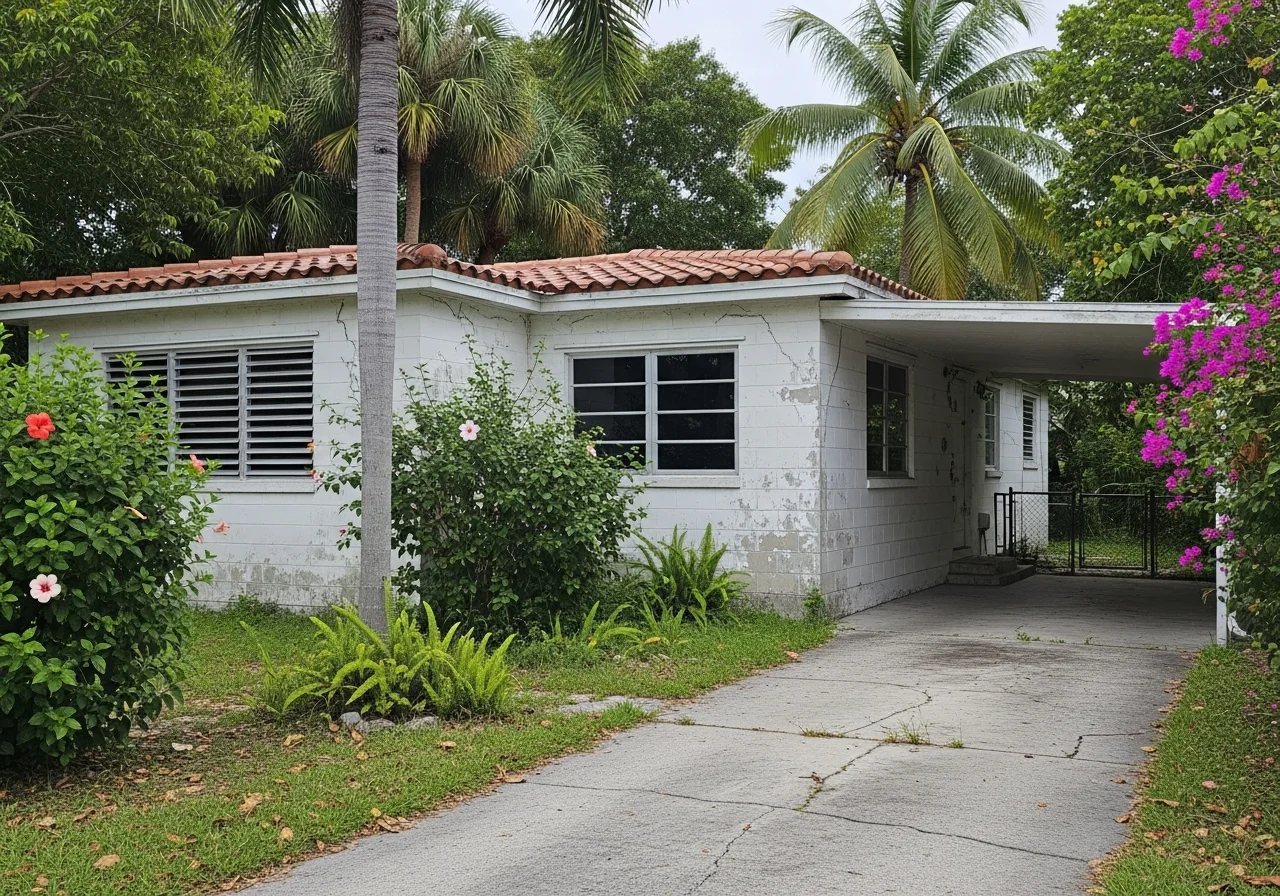
The vast majority of Pompano Beach homes were built between the 1960s and 1980s as CBS concrete block stucco on slab-on-grade foundations with barrel tile roofs. Decades of thermal cycling have created invisible hairline cracks in the stucco that allow water behind wall cavities — feeding mold growth that remains hidden until damage is extensive. Slab-on-grade foundations trap water under floating floors with no crawl space for drainage.

55-61 Inches Annual Rainfall

70-75%

Year-round humidity

Pompano Beach receives 55-61 inches of rain annually — 50% above the national average — with the majority concentrated during the June-October wet season. Combined with 70-75% year-round humidity that regularly spikes above 80% in summer, natural air drying is physically impossible. Mold colonization begins within 24-48 hours on any organic material at these humidity levels, making professional extraction speed critical.

Three Converging Canal Systems

3

Canal systems

The Intracoastal Waterway, Pompano Canal, and Cypress Creek Canal converge in Pompano Beach, creating compound flooding risk found in few other South Florida cities. When tidal flooding coincides with heavy rain, canal systems back up and push water into canal-adjacent neighborhoods — Garden Isles, Avalon Harbor, Harbor Village, and Boulevard Park Isles face this risk during every major storm event.

HVAC: The #1 Damage Source

#1

Damage source

HVAC condensate overflows are the single most common source of water damage calls in Pompano Beach. Air conditioning systems running 10-11 months per year produce enormous volumes of condensate. Clogged drain lines, cracked drip pans, and short-cycling oversized units create standing moisture in air handlers — water that feeds mold colonies distributed through ductwork to every room. Palm Aire's 100+ condo buildings with aging HVAC systems are especially vulnerable.

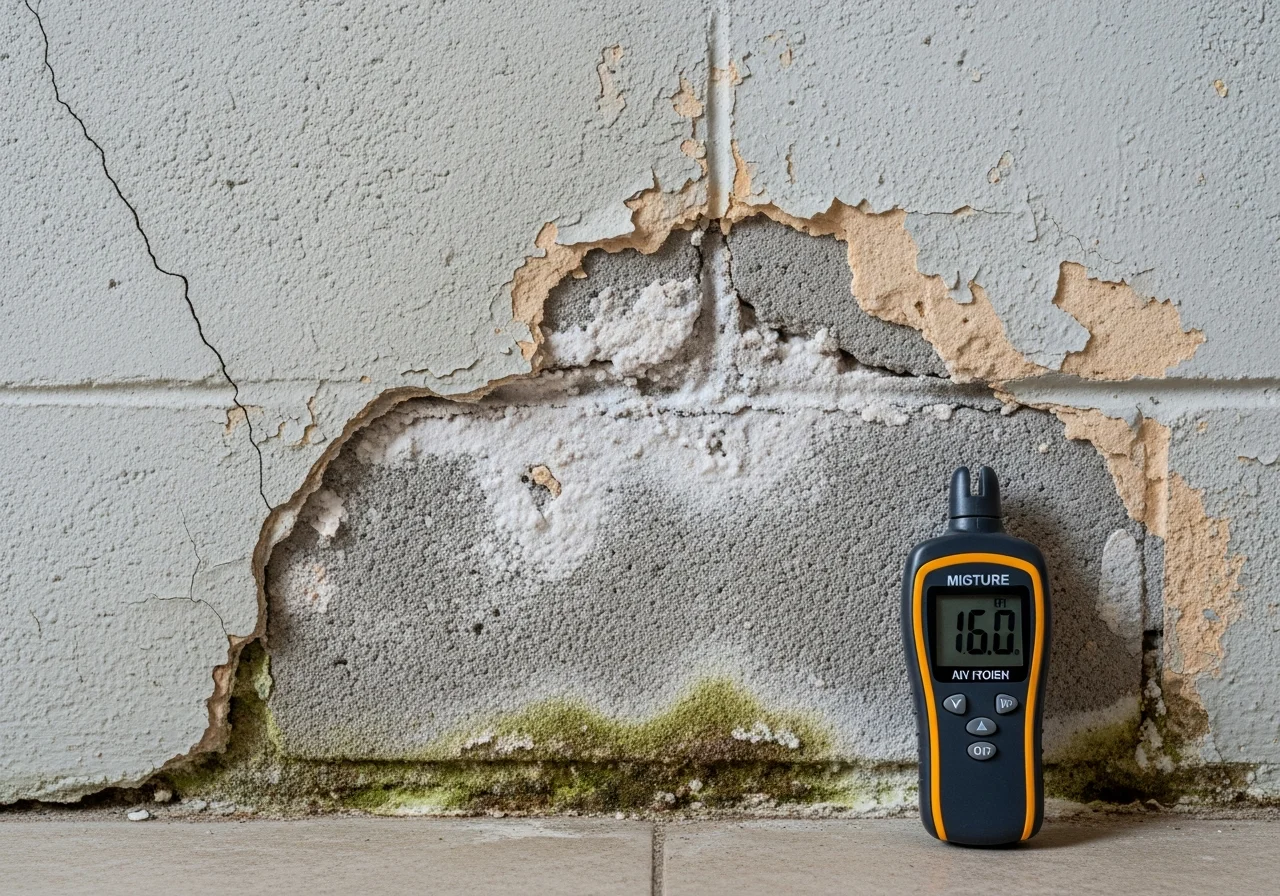
Close-up detail of water intrusion damage through CBS concrete block stucco wall in a Pompano Beach Florida home showing moisture pathways behind exterior finish
CBS stucco walls in Pompano Beach develop invisible hairline cracks from decades of thermal cycling — water penetrates behind the stucco and saturates block wall cavities, feeding hidden mold growth that remains undetected until damage is extensive.

Neighborhood Risk Profiles

Pompano Beach Water Damage Risk by Neighborhood

Every Pompano Beach neighborhood has its own water damage signature — shaped by proximity to canals, age of construction, and elevation. Here is what drives risk in yours.

Palm Aire

Critical
Built: 1970s-1980s Type: CBS/stucco, condo towers

HVAC failures, inter-unit water migration

100+ condo buildings with aging HVAC systems. Inter-unit water migration is the #1 issue — one unit failure floods multiple neighbors below.

Garden Isles

Critical
Built: 1960s-1970s Type: CBS/stucco ranch

Canal flooding, compound tidal/rain events

Canal-front neighborhood facing direct exposure to Pompano Canal overflow. Tidal flooding plus rain coincidence causes repeated damage.

Avalon Harbor

Critical
Built: 1960s-1970s Type: CBS/stucco

Canal overflow, saltwater intrusion

Surrounded by canal waterways. Compound flooding risk during king tides and storm events. FEMA Zone AE.

Harbor Village

Critical
Built: 1960s-1980s Type: CBS/stucco, mixed

Intracoastal flooding, saltwater damage

Adjacent to Intracoastal Waterway. Saltwater storm surge risk. Properties face dual exposure from canal and coastal systems.

Hillsboro Shores

Critical
Built: 1960s-1970s Type: CBS/stucco

Coastal storm surge, salt air corrosion

East of Intracoastal — direct coastal exposure. FEMA Zone VE. Saltwater flooding requires Category 3 remediation protocols.

Boulevard Park Isles

High
Built: 1960s-1970s Type: CBS/stucco ranch

Canal backup, compound flooding

Canal-adjacent neighborhood with aging CBS homes. Flat terrain and inadequate drainage infrastructure worsen flooding during heavy rain events.

Leisureville

High
Built: 1960s-1970s Type: CBS/stucco, 55+ community

Aging plumbing, stucco cracking

Retirement community with original 1960s-70s plumbing and roofing approaching end of life. Barrel tile underlayment failure common.

Old Pompano

High
Built: 1950s-1960s Type: CBS/frame mixed

Oldest housing stock, aging infrastructure

Historic core with some of the oldest residential structures in the city. Original plumbing, outdated drainage, chronic moisture issues.

Cresthaven

High
Built: 1960s-1980s Type: CBS/stucco ranch

Stucco intrusion, HVAC condensation

Mid-century CBS ranch homes with aging stucco exteriors. HVAC condensate issues common. Cypress Creek Canal proximity adds flood exposure.

Collier City

High
Built: 1950s-1970s Type: CBS/frame

Aging plumbing, low elevation

Older housing stock in low-lying areas. Street flooding during heavy rain events. Many homes lack updated plumbing systems.

Heron Bay

Elevated
Built: 1990s-2000s Type: CBS/stucco, planned community

HVAC failures, flat roof systems

Newer planned community with Mediterranean-style homes. Primary risks are HVAC system failures and flat roof ponding in lower structures.

Terra Mar

Elevated
Built: 1960s-1970s Type: CBS/stucco

Intracoastal proximity, aging construction

Waterfront community near Hillsboro Inlet. Salt air accelerates exterior deterioration. Stucco cracks develop faster than inland neighborhoods.
Canal Convergence Zone

Pompano Beach's Canal System and Your Flood Risk

Pompano Beach sits at the convergence of three major canal systems — the Intracoastal Waterway, Pompano Canal, and Cypress Creek Canal. When tidal flooding coincides with heavy rain, these systems back up simultaneously and push water into canal-adjacent neighborhoods. Understanding which waterways threaten your property determines the restoration protocol, timeline, and cost.

Major Waterways Affecting Pompano Beach Homes

Intracoastal Waterway

The eastern spine connecting Pompano Beach to the Atlantic. Hillsboro Shores, Harbor Village, and Terra Mar sit adjacent to this system. Storm surge pushes saltwater into canal-front properties during hurricanes.

Saltwater storm surge

Pompano Canal (C-14)

Runs east-west through central Pompano Beach, connecting the Everglades to the Intracoastal. Garden Isles, Avalon Harbor, and Boulevard Park Isles border this canal. Backs up when tidal flooding coincides with heavy rain.

Compound freshwater/tidal flooding

Cypress Creek Canal (C-14)

Northern boundary canal system draining through Cresthaven and Palm Aire areas. Connects to the broader South Florida Water Management District network. Overwhelmed during sustained rainfall events.

Freshwater flooding

Residential Canal Network

Dozens of finger canals extend from the main systems into residential neighborhoods. Garden Isles, Avalon Harbor, and Boulevard Park Isles have homes directly on these narrow waterways where overflow happens first.

Mixed/brackish flooding

IICRC Water Contamination Categories

The type of water contamination determines the restoration protocol. Pompano Beach's converging canal systems produce all three categories depending on the event.

Category 1 — Clean Water

Most Common

Source: Burst pipes, HVAC condensate, supply line failures, rain through roof

Protocol: Extract, dry, and salvage. Most building materials can be preserved if response begins within 24 hours. The most common category in Pompano Beach.

Category 2 — Gray Water

Frequent

Source: Appliance overflow, HVAC drain backup with biofilm, freshwater canal overflow with sediment

Protocol: Extract, antimicrobial treatment, selective demolition of porous materials. Sanitization required before any drying can begin.

Category 3 — Black Water

Storm events

Source: Saltwater storm surge, canal overflow with sewage, standing water >72 hours

Protocol: Full removal of all porous materials. Structural antimicrobial treatment. Complete rebuild of affected areas. Salt residue continues corroding metals weeks after drying.

Pompano Beach canal system flooding during a major storm event showing elevated water levels near residential homes along the Pompano Canal in Broward County Florida
Pompano Beach's Pompano Canal (C-14) connects the Everglades to the Intracoastal Waterway — when tidal flooding coincides with heavy rain, canal water backs up into residential neighborhoods including Garden Isles, Avalon Harbor, and Boulevard Park Isles.
Our Pompano Beach Process

How We Restore Pompano Beach Homes After Water Damage

Every water damage event is different, but the science follows a proven sequence. Here is exactly what happens when you call Palm Build.

01

Emergency Dispatch

Under 15 Minutes

Call (754) 600-3369 any time. Our Deerfield Beach dispatcher sends a crew with truck-mounted extraction equipment — we reach Pompano Beach neighborhoods in under 15 minutes, including Palm Aire, Garden Isles, Leisureville, and Old Pompano.

02

Damage Assessment

First 2 Hours

IICRC-certified technicians deploy infrared thermal imaging and pin-type moisture meters to map water migration — behind CBS stucco walls, under slab-on-grade tile floors, into HVAC plenums. For canal-adjacent homes, we test for saltwater contamination to determine IICRC water category and protocol.

03

Water Extraction

Hours 2-6

Truck-mounted systems pull hundreds of gallons per hour from the structure. Pompano Beach homes with slab-on-grade foundations trap water under floating floors and at the lowest points — subsurface extraction tools reach moisture that portable units miss entirely.

04

Structural Drying

3-5 Days

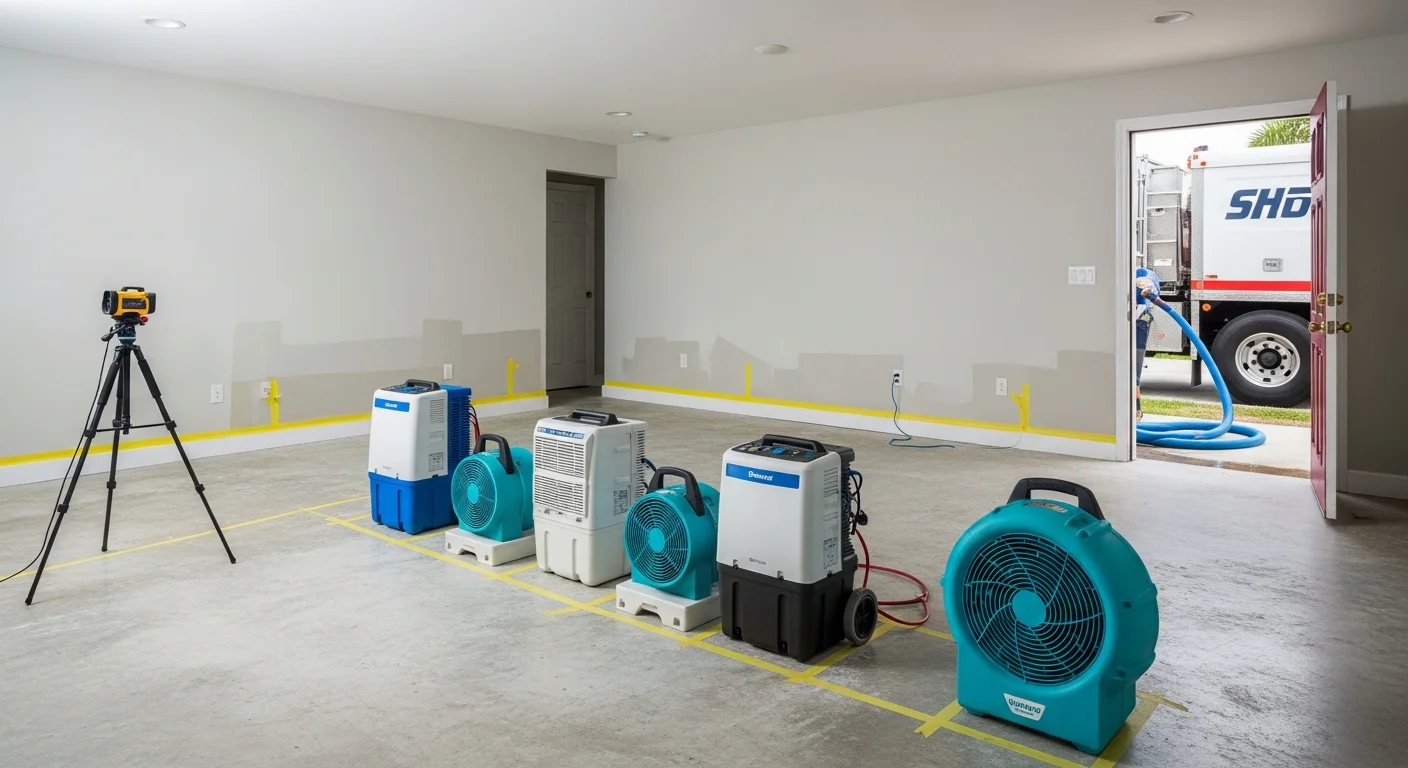
Commercial LGR dehumidifiers pulling 15-30 gallons per day and high-velocity air movers create a controlled drying environment. In Pompano Beach's 70-75% baseline humidity, natural drying is impossible — our equipment creates conditions that would never exist naturally in South Florida.

05

Mold Prevention

During Drying

EPA-registered antimicrobials applied during the drying process. We isolate HVAC systems early — Pompano Beach AC units run 10-11 months per year and will distribute mold spores through every room if not shut down and treated during water damage response.

06

Full Restoration

1-4 Weeks

Drywall, flooring, baseboard, painting, and structural work — all to Florida Building Code standards. For Pompano Beach CBS stucco homes, we match original construction details including stucco textures, barrel tile configurations, and terrazzo floor repairs common in 1960s-80s construction.

Palm Build commercial drying equipment setup with LGR dehumidifiers and air movers in a water-damaged Pompano Beach Florida home

Why Our Pompano Beach Process Works

1

CBS Construction Expertise

We understand CBS stucco intrusion, slab-on-grade moisture dynamics, and Pompano Beach's aging building stock

2

Under 15 Minutes

Deerfield Beach hub to your Pompano Beach home — fastest response in the market

3

Scientific Drying

Daily moisture readings until every material hits dry standard in Pompano Beach's 70-75% humidity

4

Insurance-First Documentation

Photo, thermal, and moisture documentation formatted for FL's strict claims deadlines

Schedule an Assessment

Damage Patterns

How Water Damages Pompano Beach Homes

Pompano Beach's unique combination of aging CBS construction, converging canal systems, and subtropical climate creates damage patterns that require specialized restoration expertise. Understanding the source determines the approach.

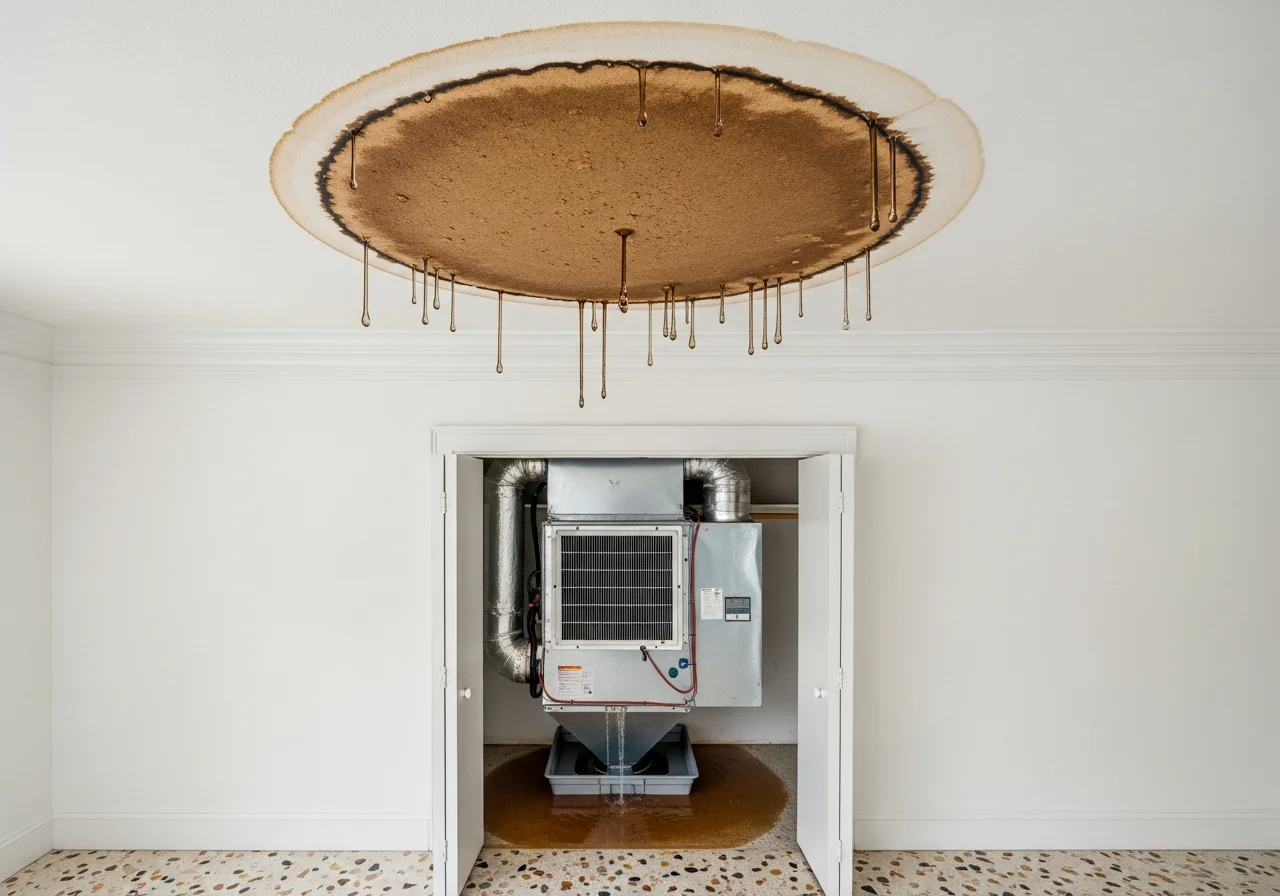
HVAC condensate overflow causing ceiling water damage in a Pompano Beach Florida CBS home showing water staining and drip patterns

HVAC Condensation Overflow

Year-round (peaks May-Oct)

The #1 source of water damage calls in Pompano Beach. AC systems running 10-11 months per year produce enormous volumes of condensate. Clogged drain lines from algae and biofilm, cracked drip pans from thermal cycling, and oversized units that short-cycle create standing moisture in air handlers. This water feeds mold colonies that the ductwork distributes to every room. Palm Aire condo buildings with 100+ aging HVAC systems see inter-unit water migration from a single failure.

Areas: Citywide — Palm Aire condos, Leisureville, Cresthaven Critical
Detail view of water intrusion through aged CBS concrete block stucco wall in a Pompano Beach Florida home showing moisture pathways

CBS Stucco Crack Intrusion

All CBS homes

CBS stucco exteriors develop invisible hairline cracks from decades of thermal cycling — expanding in daytime heat, contracting at night. Water penetrates behind the stucco and saturates the concrete block wall cavity, creating hidden moisture pockets that feed mold growth behind interior drywall. This is the most insidious water damage source in Pompano Beach because it remains undetected until damage is extensive.

Areas: Citywide — especially 1960s-1980s construction High
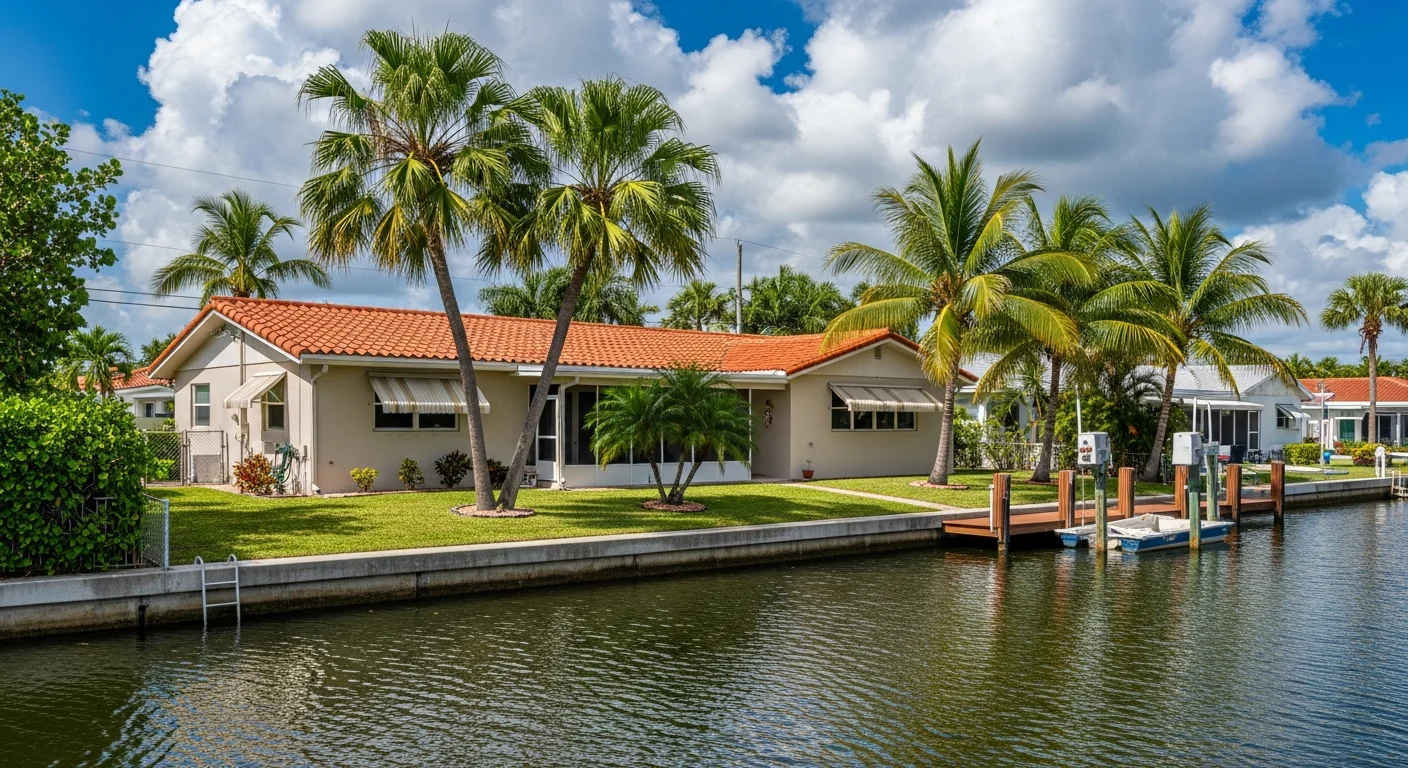
Canal-front CBS stucco home in Garden Isles neighborhood of Pompano Beach Florida showing proximity to Pompano Canal waterway

Canal and Tidal Flooding

June-November (storm season)

Pompano Beach sits at the convergence of three canal systems. When tidal flooding coincides with heavy rain, canals back up and push contaminated water into adjacent neighborhoods. Garden Isles, Avalon Harbor, Harbor Village, and Boulevard Park Isles face this compound flooding risk during every major storm event. Canal flood water is typically Category 2 or 3, requiring aggressive remediation.

Areas: Garden Isles, Avalon Harbor, Harbor Village, Boulevard Park Isles Critical
1960s-era CBS concrete block ranch home in Old Pompano neighborhood showing typical construction style vulnerable to aging plumbing failures

Pipe Failures in 1960s-80s Homes

Year-round

Original plumbing in Pompano Beach homes built during the 1960s-1980s is approaching or past its expected lifespan. Galvanized pipes corrode from the inside, copper develops pinhole leaks from chlorinated municipal water, and supply line connections fail without warning. A single pipe failure can release hundreds of gallons onto slab-on-grade floors where water has nowhere to drain.

Areas: Old Pompano, Leisureville, Collier City, Cresthaven High
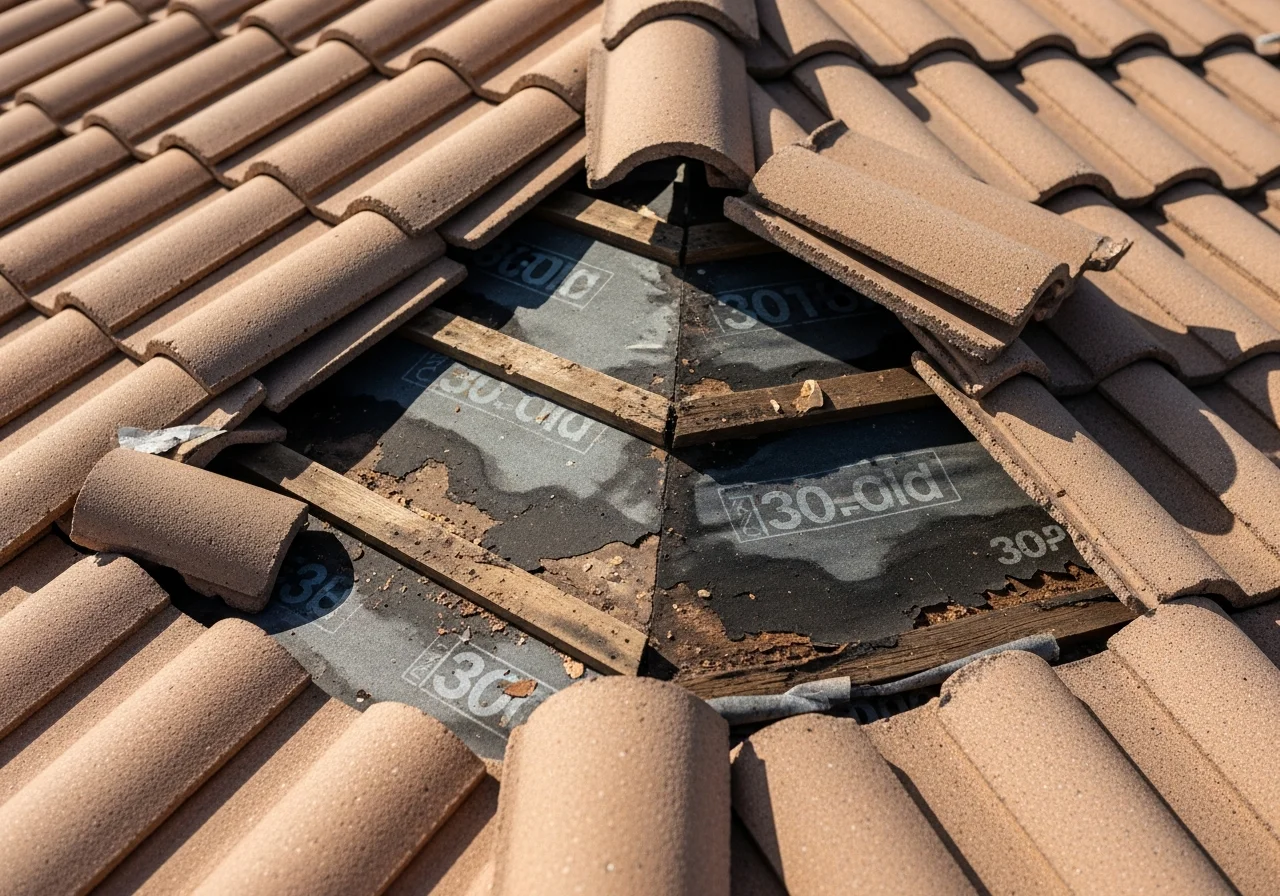
Barrel tile roof on a Pompano Beach Florida CBS stucco home showing deteriorated underlayment and potential water intrusion points

Barrel Tile Underlayment Failure

Worsens during hurricane season

Barrel tile roofs are ubiquitous on Pompano Beach CBS homes. The waterproof underlayment beneath the tiles degrades over 15-25 years, allowing water to penetrate through the tile layer during wind-driven rain events. Tiles themselves may shift during hurricanes, creating entry points. This produces water damage in attic spaces and ceiling cavities that spreads before becoming visible.

Areas: Citywide — all barrel tile roof homes Seasonal Critical
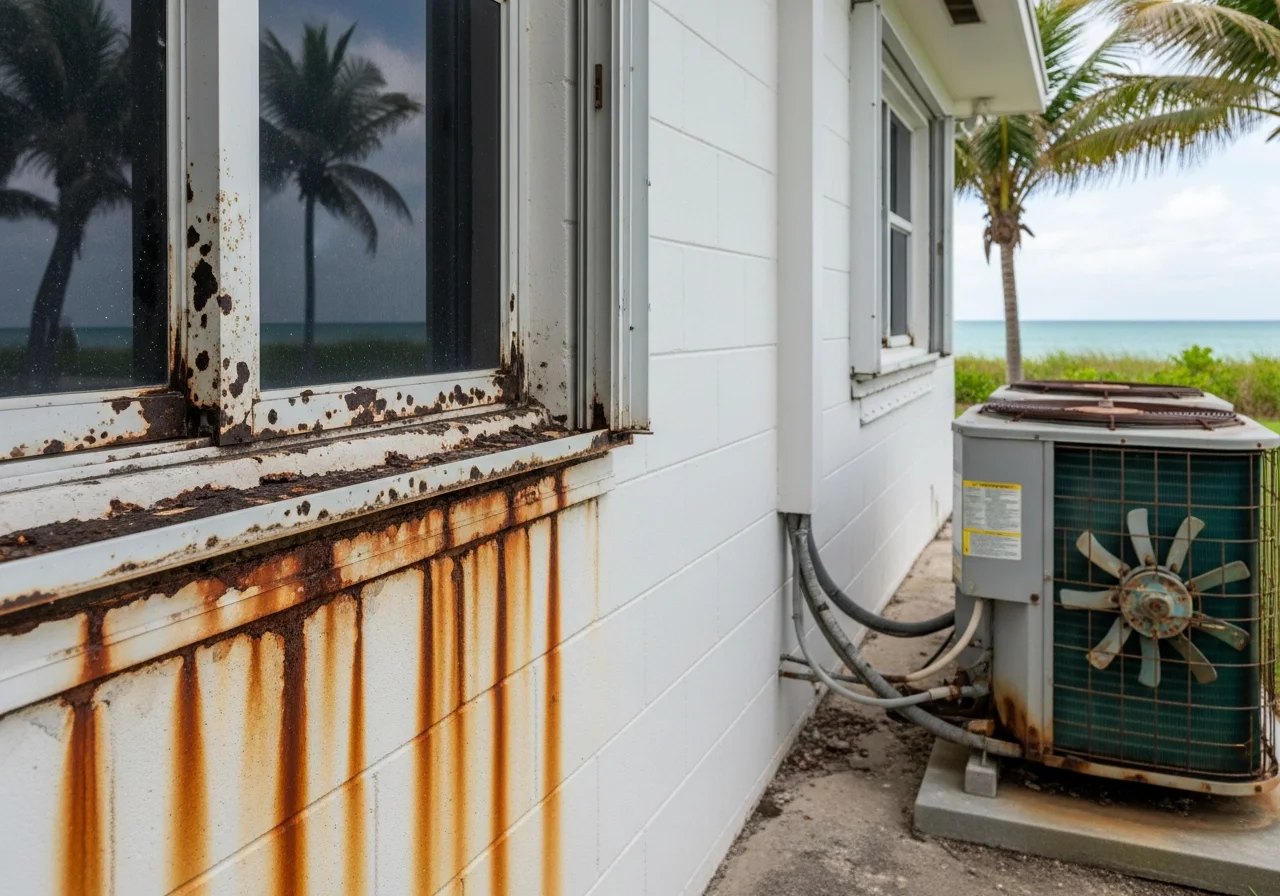
Salt air corrosion damage on exterior metal fixtures of an oceanfront property in Pompano Beach Florida showing accelerated deterioration

Saltwater vs Freshwater Flooding

Storm events

Properties east of the Intracoastal Waterway in Hillsboro Shores and parts of Harbor Village face saltwater storm surge — IICRC Category 3 requiring full demolition of all porous materials. Properties west of the Intracoastal along the Pompano Canal and Cypress Creek face freshwater or brackish flooding. Salt residue continues corroding metals for weeks after apparent drying, making proper identification critical.

Areas: Hillsboro Shores (salt), Garden Isles (fresh/brackish), Harbor Village (both) Event-Dependent

Pompano Beach Pricing

Water Damage Restoration Costs in Pompano Beach

Pompano Beach's CBS construction, specialized labor market, and canal flood exposure mean restoration costs run 25-50% above national averages. Here is what drives the numbers — and why cutting corners in this market costs more long-term.

Damage TypeNational AvgPompano Beach

Standard Water Damage

Burst pipe, appliance failure, single room or zone

$7,500 - $18,000$10,000 - $30,000

Multi-Room Flooding

Major pipe failure, HVAC overflow, multiple rooms affected

$15,000 - $35,000$22,000 - $50,000

Canal/Tidal Flooding

Canal overflow, compound tidal-rain event, contaminated water

$25,000 - $50,000$30,000 - $80,000+

Post-Hurricane Restoration

Wind-driven rain + flooding + roof damage combination

$30,000 - $75,000$40,000 - $110,000+

What Drives Pompano Beach's Higher Costs

Florida Building Code

+15-25%

Broward County enforces strict building code standards. Every repair must meet current code requirements, including wind mitigation and moisture control.

CBS/Stucco Labor

+10-20%

CBS stucco restoration requires tradespeople experienced with concrete block, stucco finishing, barrel tile roof systems, and terrazzo floor repair.

Saltwater Premium

+40-60%

Saltwater contamination from Intracoastal flooding requires full material removal, specialized antimicrobial treatment, and metal corrosion mitigation.

Insurance Documentation

Included

Detailed Xactimate estimates, thermal imaging, daily moisture logs, and photo documentation formatted for Florida carrier requirements — included with every project.

Pompano Beach Damage Calendar

When Pompano Beach Homes Are Most at Risk

Pompano Beach's damage patterns follow a predictable seasonal rhythm driven by rainfall, humidity, and hurricane season. Understanding your risk month-by-month helps you prepare — and react faster when damage strikes.

Tap a month above to see Pompano Beach's seasonal risk profile

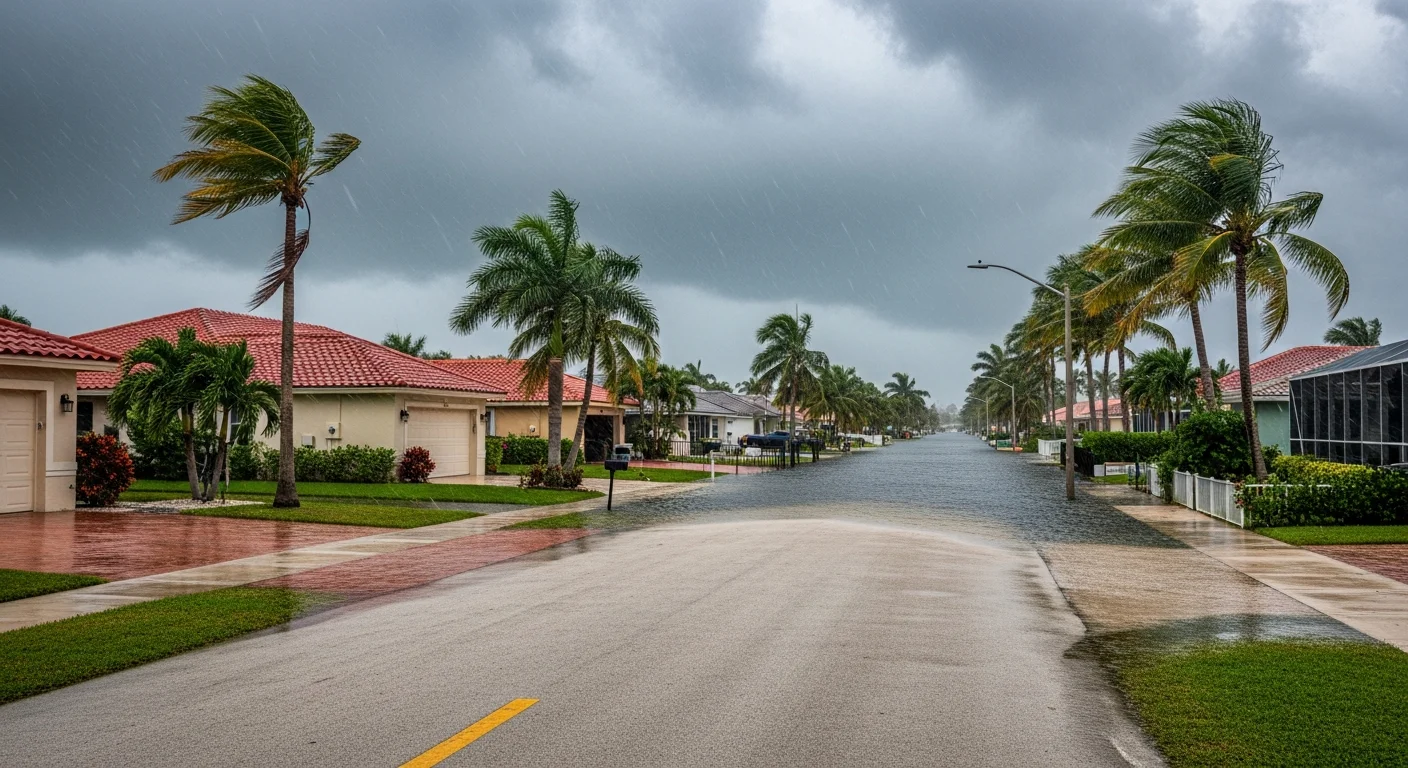
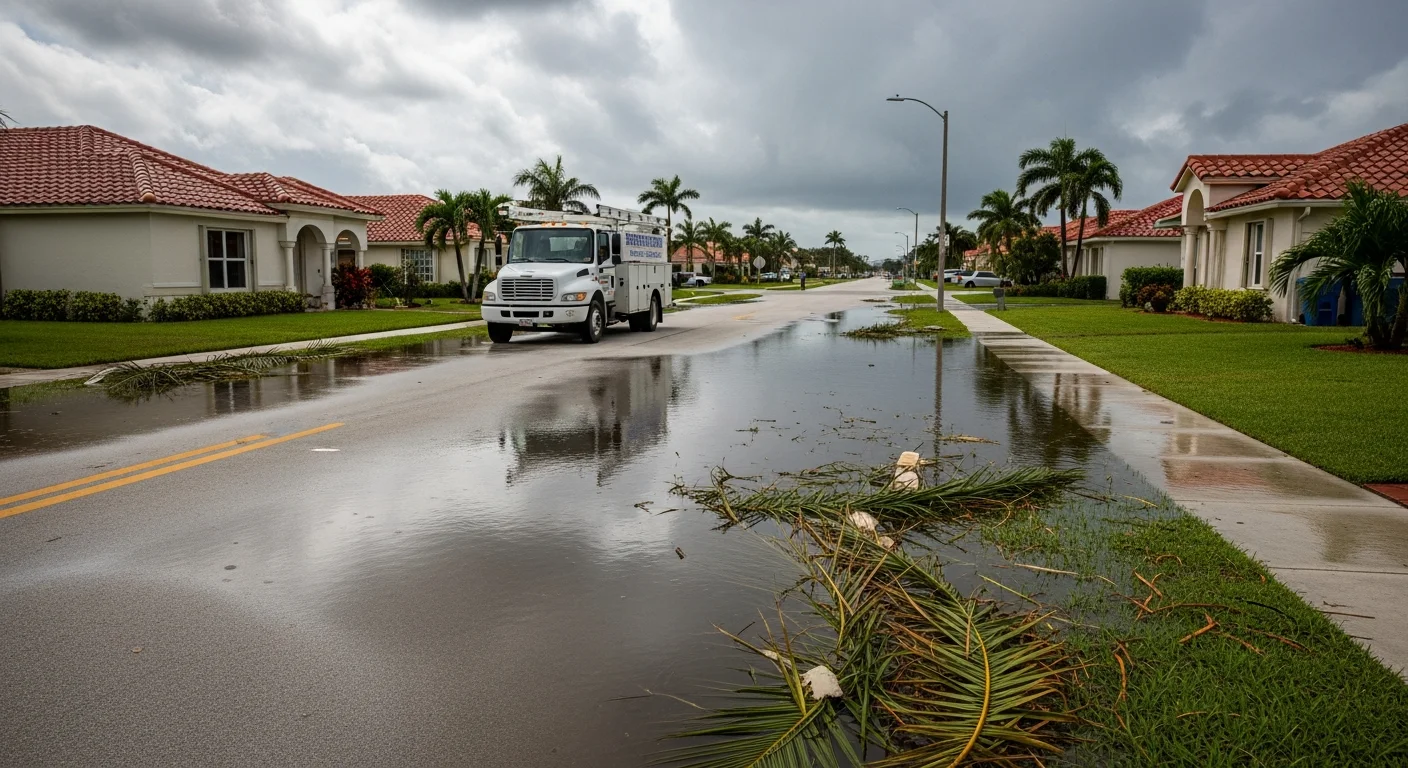
Street flooding in Pompano Beach Florida after a major storm event showing standing water on residential roads near canal neighborhoods
Pompano Beach street flooding during the wet season — the June-October period concentrates 60%+ of annual rainfall while canal systems operate near capacity, creating compound flooding risk in low-lying neighborhoods.
FEMA Flood Zones

Know Your Pompano Beach Flood Zone

Pompano Beach spans multiple FEMA flood zones — from extreme coastal VE zones along Hillsboro Shores to AE zones along the canal system. Your flood zone determines your insurance requirements, your risk exposure, and the restoration protocols we use when your home floods.

Compound Flooding: Pompano Beach's Unique Threat

Pompano Beach faces compound flooding when tidal flooding from the Intracoastal coincides with heavy rainfall that overwhelms the Pompano Canal and Cypress Creek Canal systems. This simultaneous tidal and rain flooding creates conditions where canal neighborhoods flood even when total rainfall alone would not trigger it. Properties in any flood zone should carry flood insurance — standard homeowners policies exclude rising water entirely.

Florida Insurance Guide

Pompano Beach Water Damage Insurance Claims

Pompano Beach homeowners pay an average of $7,683 per year in insurance premiums — among the highest in Florida. Understanding your coverage, deadlines, and documentation requirements before an emergency can mean the difference between a covered claim and an out-of-pocket disaster.

$7,683

Avg Annual Premium

Among highest in Florida

Last Resort

Citizens Property

State insurer with $700K dwelling cap

2-5%

Hurricane Deductible

Of dwelling coverage value

Separate

Flood Insurance

NFIP or private — not in HO-3

1-Year Claim Deadline

Fla. Stat. 627.70132

New property insurance claims must be filed within 1 year of the date of loss. This is a strict notice requirement — miss it, and your claim is barred regardless of merit. This deadline was reduced from 2 years under prior Florida law.

18-Month Supplemental Deadline

Fla. Stat. 627.70132

Supplemental claims (additional damage discovered after initial filing) must be filed within 18 months of the date of loss. Hidden water damage behind CBS stucco walls or under slab — common in Pompano Beach — often requires supplemental claims when concealed damage is uncovered during restoration.

AOB Prohibition — January 2023

SB 2A (2022)

Florida law prohibits Assignment of Benefits on residential policies issued or renewed after January 1, 2023. You cannot sign over your claim to a restoration company. You must coordinate directly with your insurer — Palm Build provides complete documentation to make this manageable.

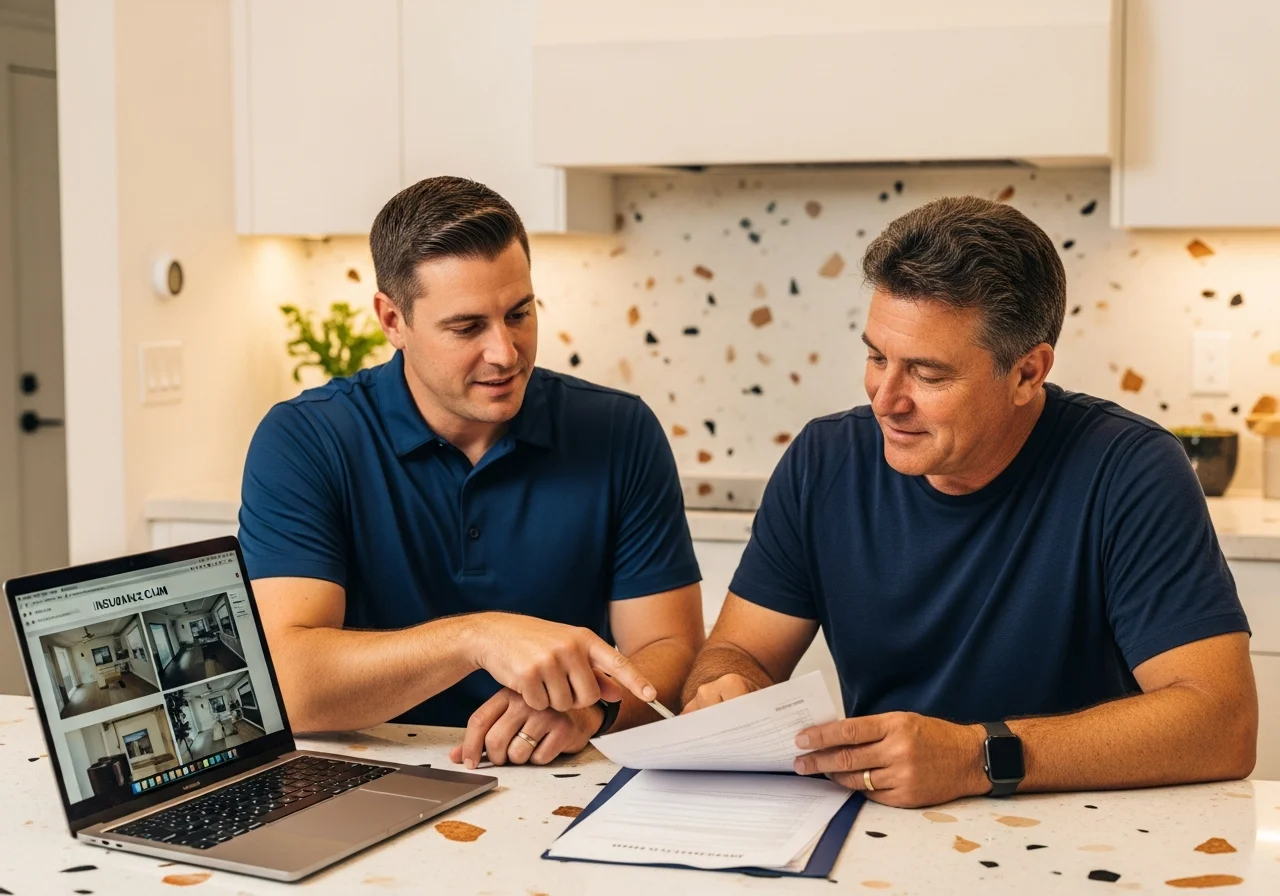
Palm Build insurance claims consultation with a Pompano Beach Florida homeowner reviewing water damage documentation and Xactimate estimates
Palm Build provides complete insurance documentation from day one — thermal imaging, moisture maps, daily drying logs, and Xactimate estimates formatted for Florida carrier requirements.

Hurricane Deductible Warning

Most Pompano Beach policies carry 2-5% hurricane deductibles. On a typical Pompano Beach home, that means thousands of dollars out-of-pocket before coverage activates. Separate flood insurance (NFIP or private) is required for rising water from canal overflow or storm surge — standard homeowners policies exclude it entirely. With average premiums at $7,683/year, review your coverage now.

Our Work in Pompano Beach

Pompano Beach Water Damage Restoration Gallery

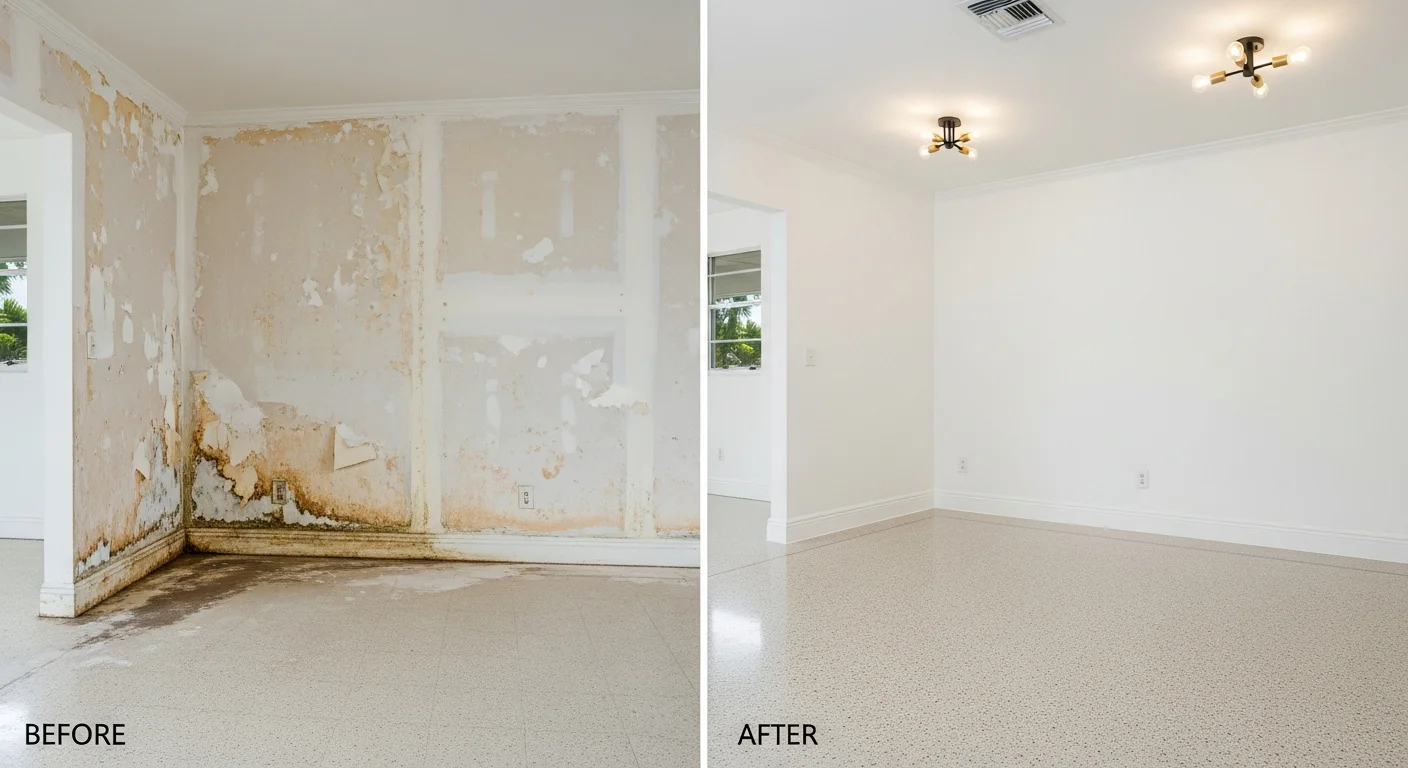
Before and after water damage restoration in a Pompano Beach Florida CBS stucco home showing damaged and fully restored interior
Complete water damage restoration in a 1970s Pompano Beach CBS home — from flood-damaged flooring and walls to fully restored living space.
Palm Build commercial LGR dehumidifiers and high-velocity air movers set up for structural drying in a water-damaged Pompano Beach Florida home
Commercial LGR dehumidifiers pulling 15-30 gallons per day — essential in Pompano Beach's 70-75% baseline humidity where natural drying is impossible.
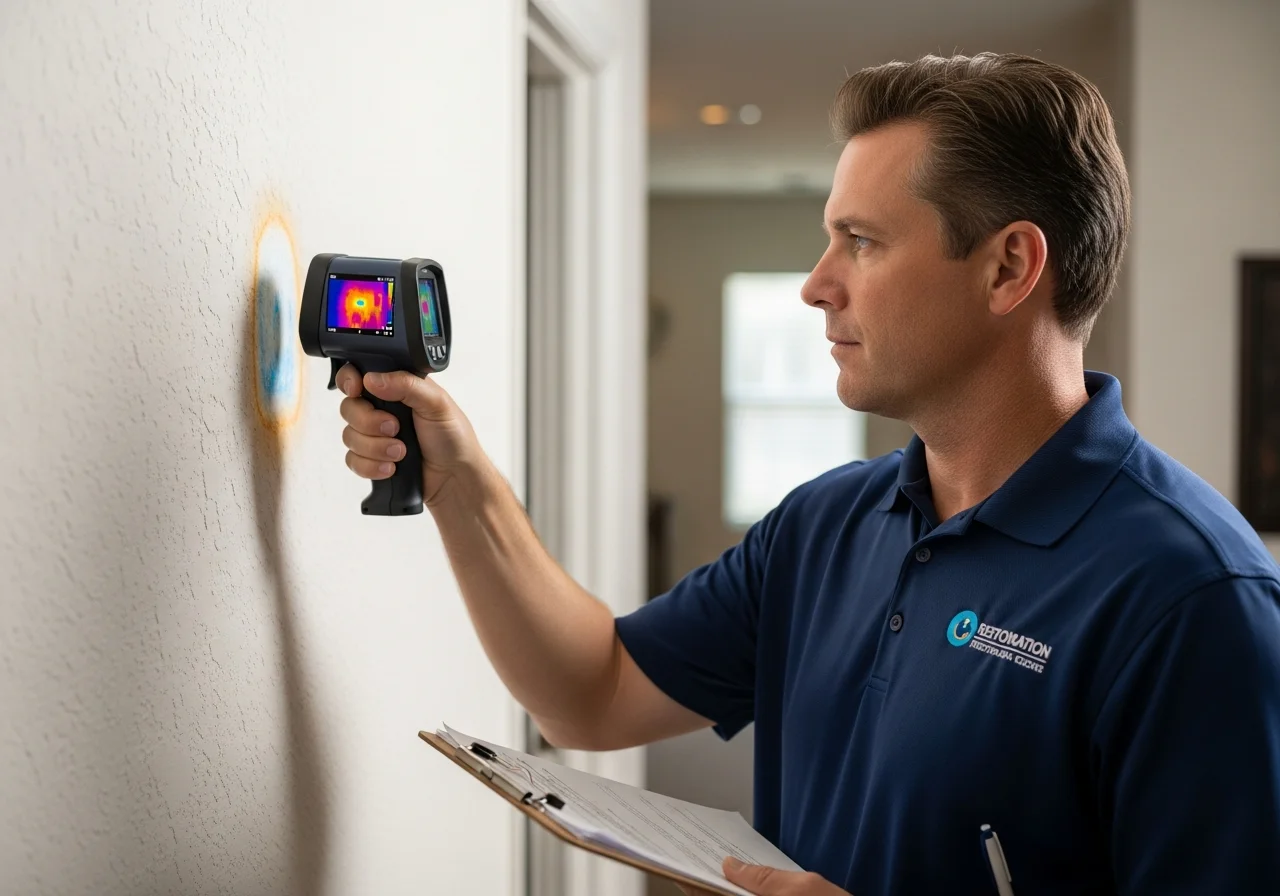
IICRC-certified technician using infrared thermal imaging to detect hidden moisture behind CBS stucco walls in a Pompano Beach Florida home
Infrared thermal imaging reveals water trapped behind CBS stucco walls — invisible to the naked eye but feeding mold growth in the block cavity.
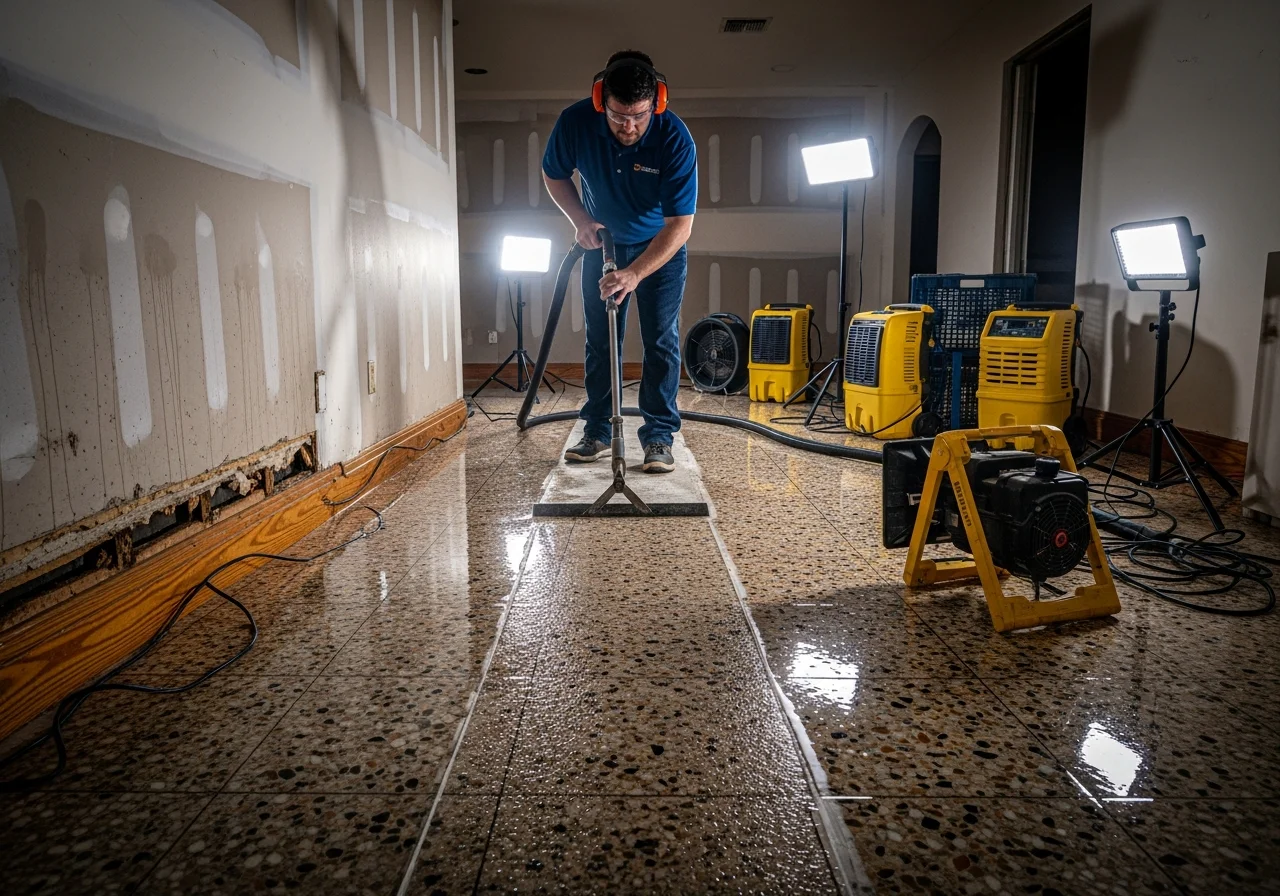
Palm Build technician performing truck-mounted water extraction in a flooded Pompano Beach Florida home with professional equipment
Truck-mounted extraction pulling hundreds of gallons per hour from a slab-on-grade Pompano Beach home — subsurface tools reach moisture that portable units miss.

Why Palm Build

Pompano Beach's Water Damage Restoration Experts

National franchises deploy generic playbooks to every city. Palm Build was built for South Florida — we know Pompano Beach's CBS construction, its canal convergence, its insurance landscape, and the urgency that this climate demands.

Deerfield Beach — 5 Minutes Away

Our South Florida operations hub at 5051 NW 13th Ave in Deerfield Beach is approximately 5 minutes from most Pompano Beach neighborhoods. No competitor in the market can match our response time to the entire Pompano Beach service area — Palm Aire, Leisureville, Garden Isles, Old Pompano.

Under 15-Minute Response

Water damage escalates by the hour. Our dispatch system gets crews rolling immediately — not after a call center routes you. We arrive with fully loaded trucks ready to extract, not assess and schedule a return visit.

IICRC Certified Team

Every Palm Build technician carries IICRC certifications in water damage restoration (WRT), applied structural drying (ASD), and applied microbial remediation (AMRT). We meet the standards Florida insurance carriers require for claim approval.

Insurance-First Documentation

Under Florida's AOB prohibition, you coordinate directly with your carrier. We make that manageable — thermal imaging, moisture maps, daily drying logs, and Xactimate estimates formatted for the adjuster's workflow from day one.

CBS & Stucco Specialists

Pompano Beach's CBS concrete block stucco construction requires restoration teams that understand stucco intrusion patterns, slab-on-grade moisture dynamics, barrel tile roof systems, and Florida Building Code compliance. Generic companies miss the nuances.

Canal System Expertise

We understand Pompano Beach's unique three-canal convergence, the difference between saltwater and freshwater contamination protocols, compound tidal-rain flooding dynamics, and the specific FEMA zones that affect each neighborhood.

Get a Free Assessment

Or call (754) 600-3369 for immediate emergency response

Common Questions

Pompano Beach Water Damage FAQ

How quickly can Palm Build respond to water damage in Pompano Beach?
Our Deerfield Beach operations hub is approximately 5 minutes from most Pompano Beach neighborhoods. We typically arrive in under 15 minutes, 24/7/365. Our trucks carry truck-mounted extraction equipment, commercial LGR dehumidifiers, and air movers — we begin work immediately upon arrival, not after a separate assessment visit.
Why is HVAC condensate overflow such a problem in Pompano Beach?
Pompano Beach AC systems run 10-11 months per year in 70-75% humidity. Condensate drain lines clog with algae and biofilm, drip pans crack from thermal cycling, and oversized units that short-cycle produce standing moisture in air handlers. This water feeds mold colonies that the ductwork distributes to every room. HVAC-related water damage is the #1 source of service calls in Pompano Beach and is often undetected until mold is visible.
How does canal flooding in Pompano Beach differ from a burst pipe?
Pompano Beach sits at the convergence of three canal systems — the Intracoastal Waterway, Pompano Canal, and Cypress Creek Canal. When tidal flooding coincides with heavy rain, canal backups push contaminated water into canal-adjacent neighborhoods like Garden Isles, Avalon Harbor, and Harbor Village. This is classified as Category 3 contamination under IICRC standards, requiring full removal of all porous materials. A burst pipe with clean water is typically Category 1, allowing more materials to be salvaged.
My Pompano Beach home was built in the 1970s — does that affect restoration?
Significantly. Most Pompano Beach homes built between the 1960s and 1980s are CBS concrete block stucco with slab-on-grade foundations and barrel tile roofs. Stucco develops hairline cracks from decades of thermal cycling that allow water behind wall cavities where it is invisible until mold develops. Slab-on-grade foundations trap water under floating floors. Original plumbing in these homes is approaching or past its expected lifespan. We assess stucco integrity and plumbing condition as part of every damage assessment in older Pompano Beach homes.
Does my Pompano Beach homeowners insurance cover water damage?
Most HO-3 policies cover sudden, accidental water damage (burst pipes, appliance failures) but exclude flood damage from rising water — that requires separate NFIP or private flood insurance. Florida law (Fla. Stat. 627.70132) requires claims within 1 year of loss, supplemental claims within 18 months. With Pompano Beach's average insurance premium at $7,683 per year — among the highest in the state — understanding your coverage before an emergency is critical.
What is the difference between saltwater and freshwater flooding in Pompano Beach?
Properties east of the Intracoastal Waterway — Hillsboro Shores, parts of Harbor Village — face saltwater storm surge risk classified as IICRC Category 3. All porous materials must be removed and replaced. Salt residue continues corroding metals for weeks after apparent drying. Properties west of the Intracoastal along the Pompano Canal and Cypress Creek Canal typically face freshwater or brackish flooding during storm events. We test contamination levels on arrival to determine the correct restoration protocol.
How does Pompano Beach's humidity affect water damage restoration?
Pompano Beach maintains 70-75% relative humidity year-round, regularly exceeding 80% during the rainy season (May-October). Natural air drying is impossible at these levels. Professional commercial LGR dehumidifiers pulling 15-30 gallons per day are mandatory to achieve dry standard within the 24-48 hour mold-safe window. Without them, mold colonization is virtually guaranteed on any organic material.
How much does water damage restoration cost in Pompano Beach?
Standard water damage restoration (burst pipe, appliance failure) in Pompano Beach typically ranges from $10,000 to $30,000 depending on the affected area and materials. Complex projects involving canal flooding, HVAC system damage, or mold remediation can range from $25,000 to $80,000+. Pompano Beach's CBS construction, specialized labor requirements, and Florida building code compliance contribute to costs running 25-50% above national averages.

Water Emergency in Pompano Beach?

Our Deerfield Beach team is 5 minutes away. Call now for 24/7 emergency water damage restoration — truck-mounted extraction, commercial drying, canal flood remediation, and insurance-ready documentation from IICRC-certified technicians who know Pompano Beach's CBS construction, canal systems, and climate.

Under 15 min Response IICRC Certified