Neighborhood Contents Risk Profiles
Pompano Beach Contents Damage Risk by Neighborhood
Every Pompano Beach neighborhood has a different contents risk profile — shaped by
proximity to canals, housing age, HVAC infrastructure, and resident demographics. Here
is what threatens the belongings in your home.
Built: 1970s-1980s Type: CBS/stucco, condo towers
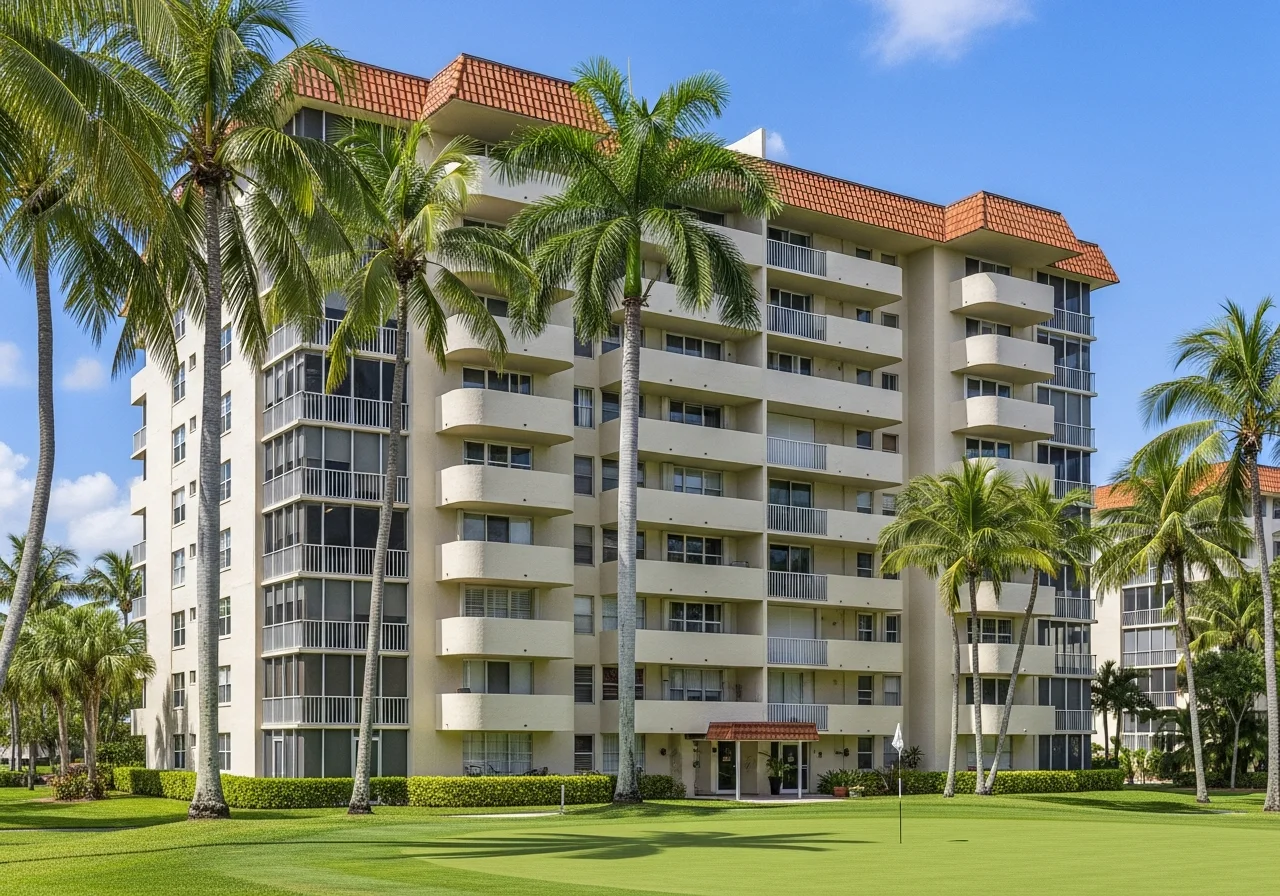
HVAC inter-unit water migration — contents in multiple units damaged simultaneously
100+ condo buildings with aging HVAC systems. One unit failure floods contents in multiple units below through shared ceiling cavities. Furniture, electronics, and personal property on lower floors face water from above with no warning.
Built: 1960s-1970s Type: CBS/stucco ranch
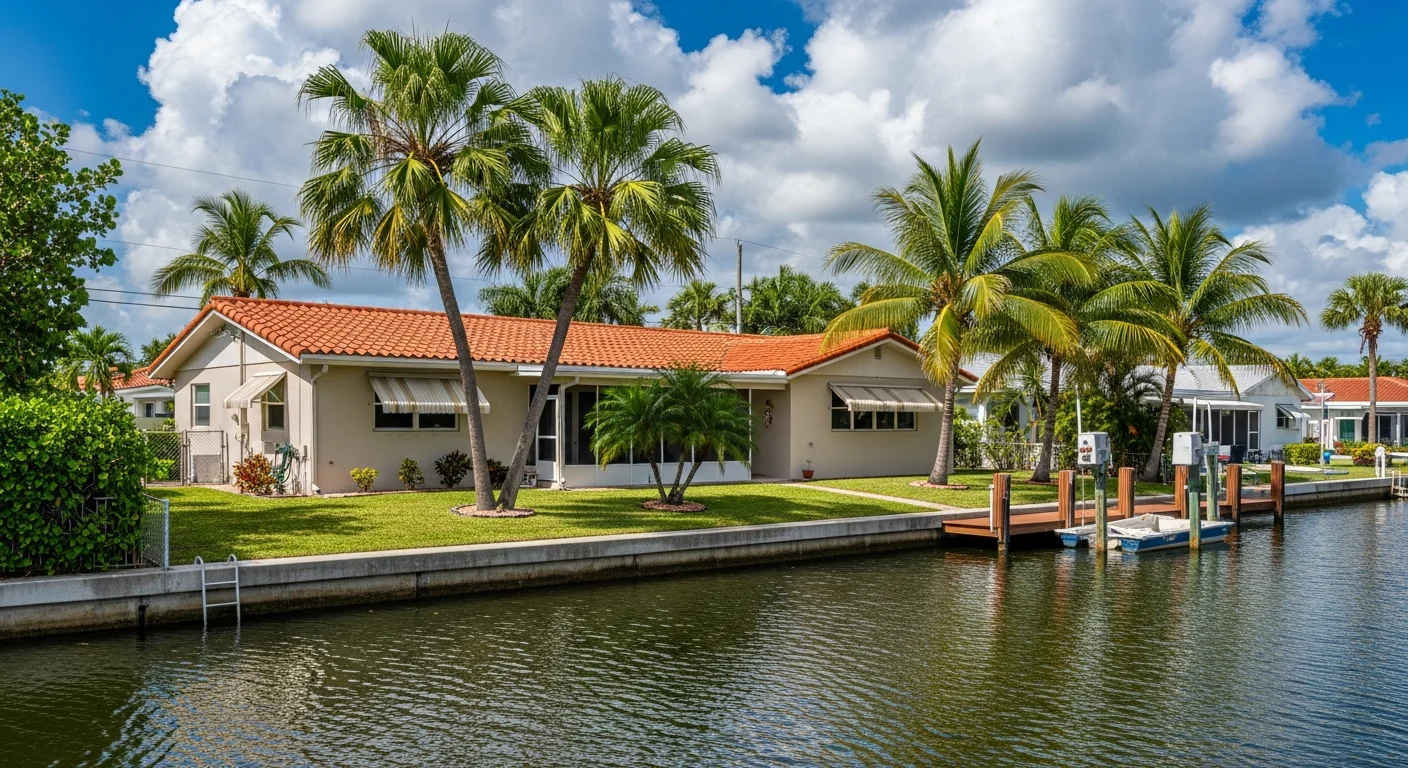
Canal flooding — saltwater contaminates all contents at ground level
Canal-front homes where Pompano Canal overflow pushes saltwater directly into living spaces. All ground-level contents — furniture, electronics, documents stored in cabinets — face salt contamination requiring desalination before any restoration.
Built: 1960s-1970s Type: CBS/stucco
Coastal storm surge — saltwater plus sand contamination of contents
East of Intracoastal with direct coastal exposure. Storm surge carries saltwater and sand through living spaces, contaminating furniture padding, electronics, and document storage. FEMA Zone VE. Contents require Category 3 cleaning protocols.
Built: 1960s-1970s Type: CBS/stucco
Compound canal flooding — contents exposed to contaminated floodwater
Surrounded by canal waterways. Compound flooding during king tides and storms exposes contents to contaminated canal water containing sewage, chemicals, and salt — requiring Category 3 contents cleaning and aggressive mold prevention.
Built: 1960s-1980s Type: CBS/stucco, mixed
Intracoastal saltwater flooding — high-value waterfront contents at risk
Adjacent to Intracoastal Waterway. Higher-value waterfront contents including outdoor furniture, marine equipment, and electronics face salt storm surge. Dual exposure from canal and coastal systems.
Built: 1960s-1970s Type: CBS/stucco, 55+ community
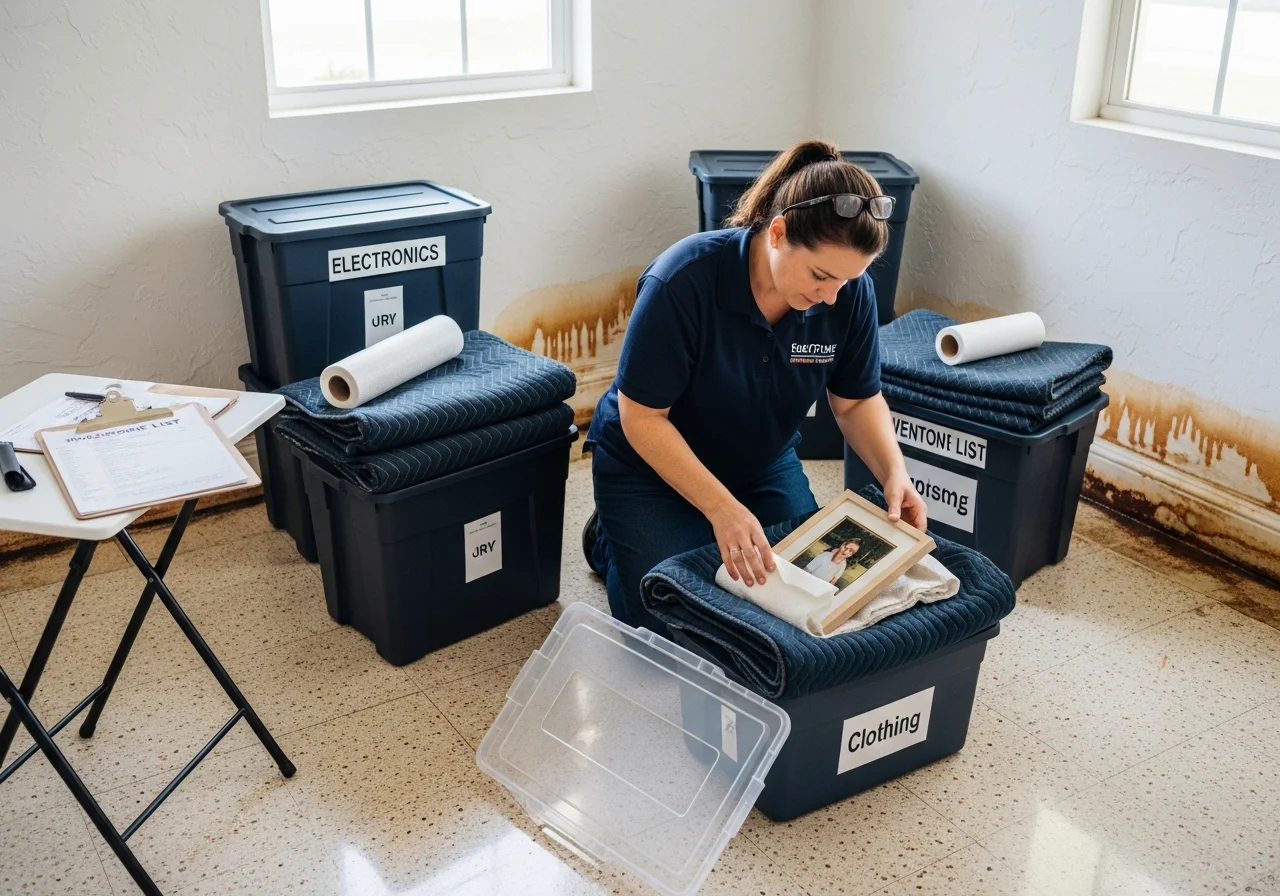
Irreplaceable senior belongings — photos, heirlooms, medical equipment
Retirement community where contents have generational significance. 40-60+ years of accumulated photographs, inherited antiques, handwritten archives, and essential medical equipment. No digital backups. Plumbing and roof failures common in aging structures.
Built: 1950s-1960s Type: CBS/frame mixed
Aging infrastructure — plumbing failures soak furnishings without warning
Oldest housing stock with original plumbing prone to catastrophic failure. Supply line bursts and drain backups soak contents for hours before detection. Chronic moisture creates baseline mold risk on stored belongings.
Built: 1960s-1980s Type: CBS/stucco ranch
HVAC condensation plus Cypress Creek Canal proximity
Mid-century CBS homes with HVAC condensate issues compounded by Cypress Creek Canal flood exposure. Contents face both slow-moisture damage from HVAC and sudden flood events from canal overflow.
Built: 1990s-2000s Type: CBS/stucco, planned community
HVAC failures in larger homes — more contents at risk per event
Newer planned community with larger Mediterranean-style homes containing higher-value furnishings. HVAC systems serve larger square footage, producing more condensate. Single-event contents damage can be substantial in 3,000-5,000 sq ft homes.
Built: 1960s-1970s Type: CBS/stucco
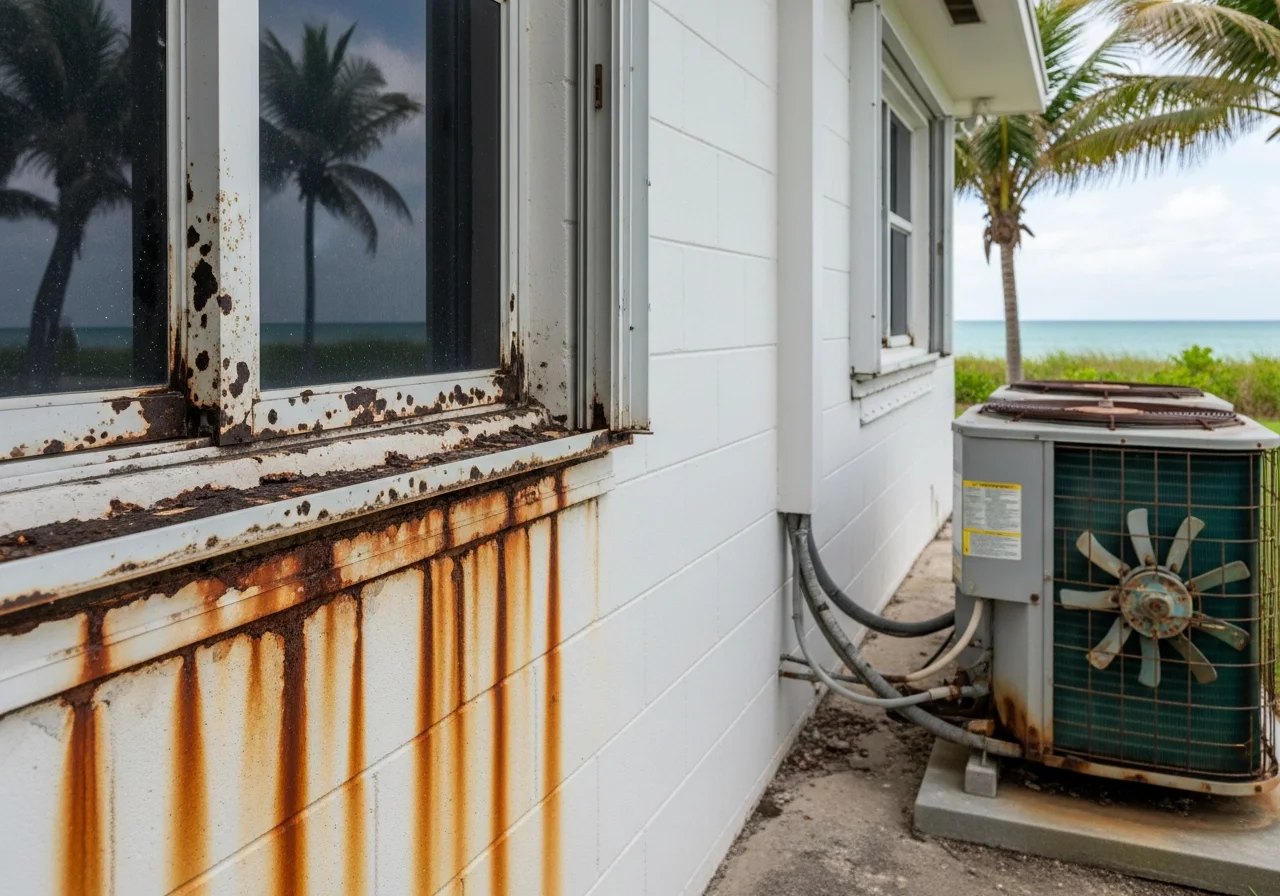
Salt air corrosion — chronic low-level contents deterioration
Waterfront community near Hillsboro Inlet. Constant salt air exposure accelerates deterioration of electronics, metal furnishings, and art even under normal conditions. Any water event compounds existing salt damage.