Quick Answer
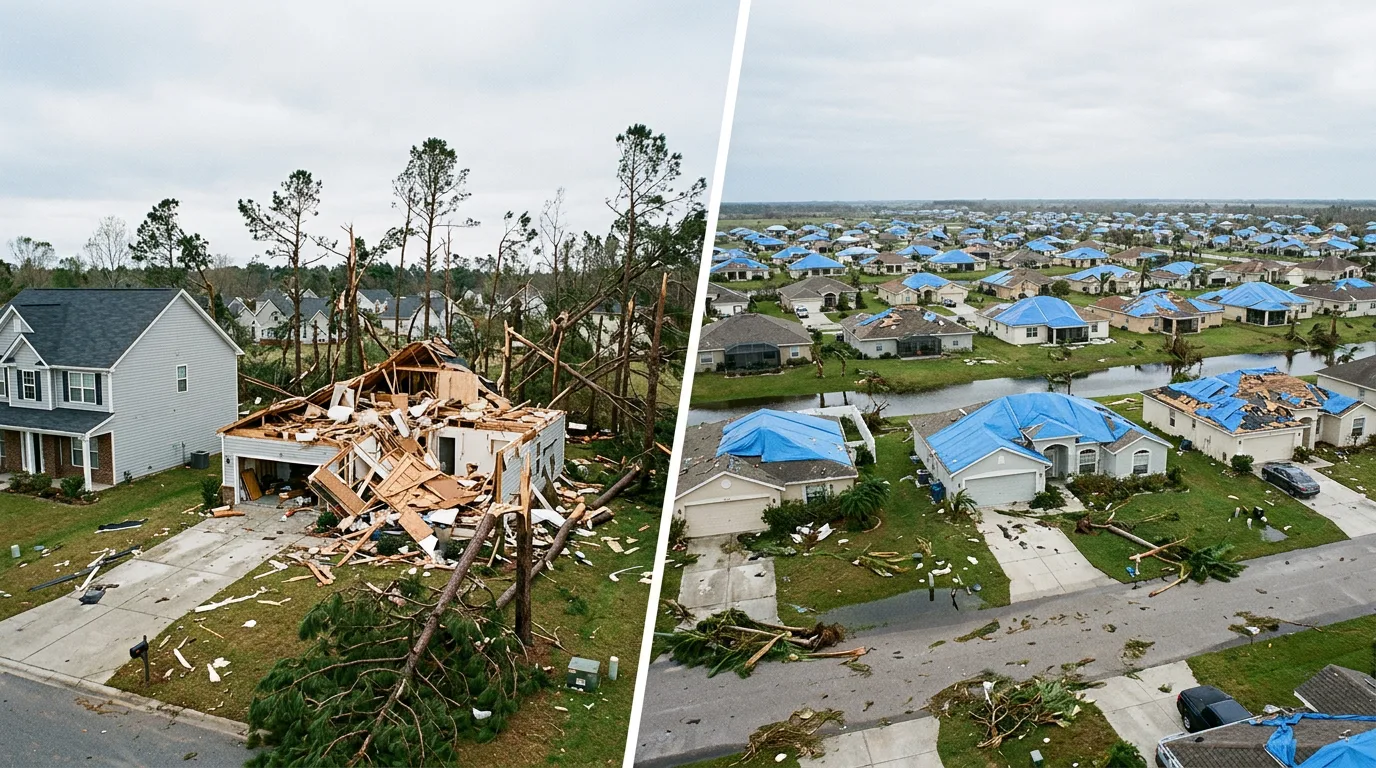
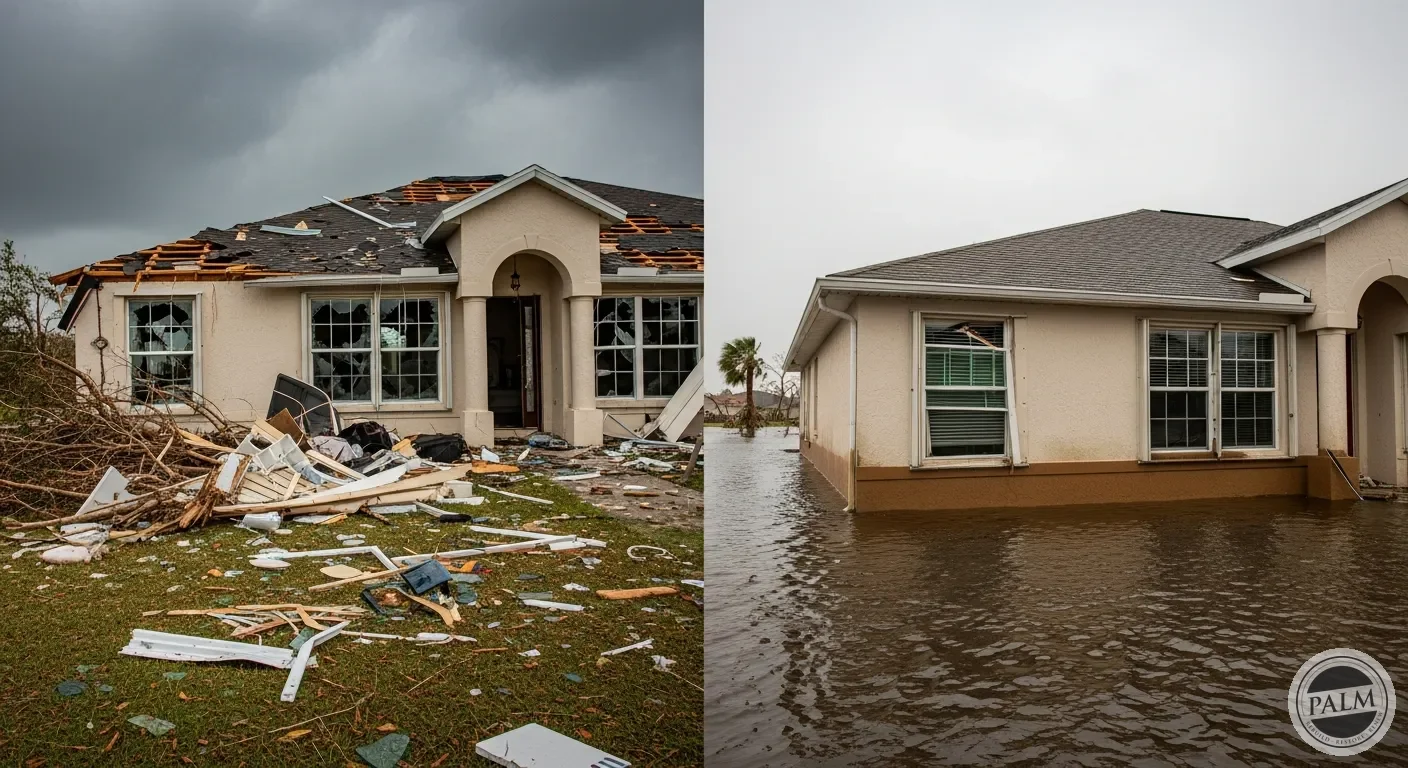
Your homeowners policy typically covers wind damage — torn roofs, broken windows, and wind-driven rain through those openings — but flood damage from storm surge or rising water requires a separate flood insurance policy. When a hurricane causes both, you may file two claims with two adjusters, and the outcome hinges on the documented cause of loss.
Key takeaways
- Your homeowners policy typically covers wind damage (torn roofs, broken windows, wind-driven rain through openings), but flood damage from storm surge or rising water requires a separate flood insurance policy.
- If a hurricane causes both wind and flood damage, you may need to file two separate claims with two different adjusters, and the outcome hinges on documented cause of loss.
- Florida, North Carolina, and South Carolina each have different hurricane and named storm deductible rules, trigger windows, and claim filing deadlines that directly affect your out-of-pocket costs.
- The average NFIP flood claim payment is $82,614, and standard coverage caps at $250,000 for the building, leaving a gap for higher-value homes.
- Drying water-damaged areas within 24 to 48 hours is critical for both mold prevention and insurance documentation. Delays weaken claims.
In most hurricane claims, your homeowners policy covers wind damage, including rain that enters after wind damages the roof or breaks windows. Flood damage from storm surge, rising water, or surface runoff requires a separate flood insurance policy. When a hurricane delivers both, many homeowners end up filing two claims with two adjusters, and the documented cause of loss is what determines which policy pays for what. The average National Flood Insurance Program claim payment is $82,614 (2020 to 2024), flood coverage starts 30 days after purchase, and roughly 29 percent of NFIP claims come from properties outside designated high-risk flood zones. Understanding the difference between wind damage and flood damage insurance coverage before a storm hits can save you tens of thousands of dollars and months of frustration.
Average NFIP flood claim
$82,614
2020 to 2024 average, FEMA FloodSmart
Wind/hail claim frequency
1 in 36 homes
Insurance Information Institute
Flood claims outside high-risk zones
29%
NFIP data, 2014 to 2024
Mold prevention window
24-48 hrs
EPA and CDC drying guidance
How Insurers Separate Wind Damage From Flood Damage
There is no single "hurricane damage" category in insurance. Adjusters look at which force caused the damage first and where the water came from. FEMA's Standard Flood Insurance Policy defines a flood as water inundating two or more acres of normally dry land (or two or more properties) from overflowing waters, rapid surface runoff, mudflow, or shoreline collapse. That definition matters because "flood" does not mean "any water in your house." Wind-driven rain, water pushed into the structure by wind, or rain entering through an opening created by wind damage is not considered flood damage. FEMA explicitly distinguishes between floodwater damage (water rising from the ground up) and wind-driven rain (rain entering through a wind-created opening), noting that wind-driven rain is not covered under a flood insurance policy.
This distinction creates the central tension in almost every hurricane insurance claim. The water in your living room might be covered by your homeowners policy, your flood policy, or both, depending entirely on how it got there. If you are dealing with storm and hurricane damage restoration, accurate documentation of where water entered your home is the single most important factor in determining what gets covered.

The Coverage Split Homeowners Actually Face
Below is a breakdown of how common hurricane damage scenarios are typically classified for insurance purposes. This table maps the cause of loss to the right policy, which is the framework adjusters use to approve or deny specific line items on your claim.
| What Happened | Cause of Loss | Usually Covered By | Key Notes |
|---|---|---|---|
| Shingles peel off, windows break, siding tears away | Wind | Homeowners (or separate wind policy) | Some policies have a separate hurricane or named storm deductible |
| Roof is damaged by wind, then rain leaks in through the opening | Wind, then resulting water intrusion | Homeowners (wind plus interior water) | Florida law explicitly includes interior rain damage when wind first creates an opening |
| Water rises from outside at ground level (storm surge, overflow, runoff) | Flood | Flood insurance (NFIP or private) | Homeowners policies commonly exclude flood; storm surge is treated as flood |
| Garage, crawl space, or first floor takes on storm surge | Flood | Flood insurance | You may still have a separate wind claim for roof and exterior damage at the same property |
| Sewer backs up during the storm | Varies (often excluded without endorsement) | Endorsement-based | Coverage depends on whether backup was a direct result of flooding conditions |
Hurricane damage scenarios and which insurance policy typically applies
What Homeowners Insurance Covers After a Hurricane
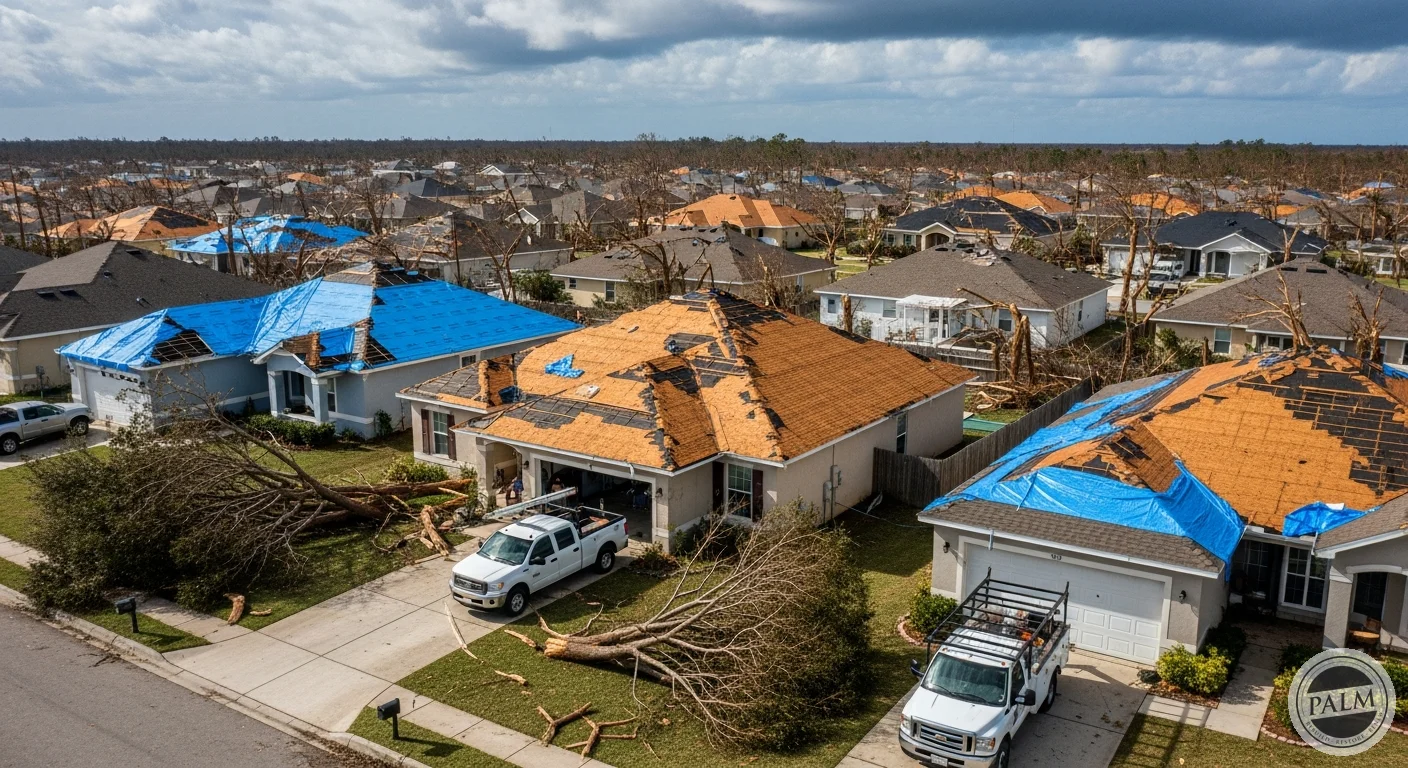
Your standard homeowners policy is designed to cover sudden, accidental damage from wind. After a hurricane, this typically includes roof damage from missing or lifted shingles, broken or shattered windows, torn siding and gutters, structural damage from fallen trees, and interior water damage caused by rain entering through a wind-created opening. The Insurance Information Institute reports that roughly one in 36 insured homes files a property damage claim related to wind or hail each year.
There is an important caveat for homeowners in coastal areas of Florida, North Carolina, and South Carolina: some insurers exclude windstorm and hail coverage from the primary homeowners policy in high-risk zones. If your policy has this exclusion, you need a separate windstorm policy, often through a state wind pool or a specialized coastal insurer. Check your declarations page now, not during a hurricane. If you are not sure what your policy covers, our guide on whether homeowners insurance covers water damage walks through the core rules that apply to all water events.
What Flood Insurance Covers After a Hurricane
Storm surge is flood. This is the single most misunderstood fact in hurricane insurance. When ocean water or bayou water rises and enters your home from the ground up, that is classified as flood damage regardless of the storm that caused it. Your homeowners policy will not cover it. You need a separate flood insurance policy through the National Flood Insurance Program (NFIP) or a private flood insurer.
Three details about flood insurance that homeowners routinely miss until it is too late: coverage limits on a standard NFIP policy cap at $250,000 for the building and $100,000 for contents (contents coverage is purchased separately). The waiting period means flood insurance generally becomes effective 30 days after purchase, so buying coverage when a named storm forms is often too late. And the scope of the problem is far wider than most people think. Roughly 99 percent of U.S. counties have experienced a flood event in the past 20 years, and 29 percent of NFIP claims between 2014 and 2024 came from properties outside designated high-risk flood zones.
| Flood Insurance Reality Check | Current Data | Why It Matters |
|---|---|---|
| Average flood claim payment | $82,614 (2020-2024) | Shows how fast costs exceed typical savings |
| Total NFIP claims paid since 1978 | $87.5 billion | Flood payouts are common at national scale |
| Total NFIP claims filed | 2.7 million+ | The claims process is standardized, not unusual |
| Waiting period after purchase | 30 days (exceptions exist) | Buying flood insurance when a storm forms is often too late |
| Standard building coverage cap | $250,000 | A significant gap for higher-value homes |
| Counties with flood history | 99% in past 20 years | Flood risk is not limited to coastal zones |
| Claims from outside high-risk zones | 29% (2014-2024) | 'Not in a flood zone' does not mean 'no flood risk' |
Flood insurance facts that affect your hurricane claim outcome
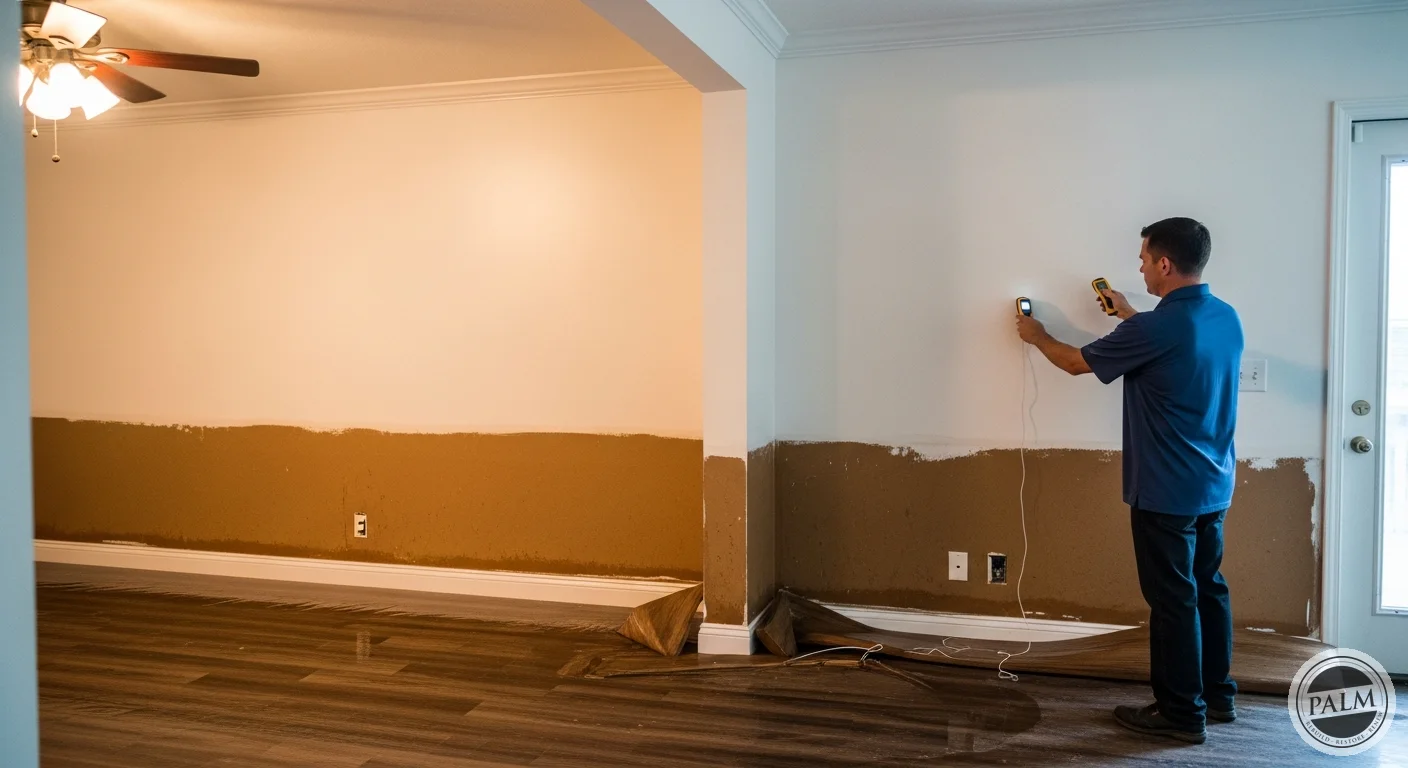
When your home takes both wind and flood damage, which happens in most major hurricanes, you may need to file claims under both your homeowners policy and your flood policy. Each claim will likely have its own adjuster, its own timeline, and its own deductible. Documentation that separates what the wind did from what the rising water did is what keeps both claims moving forward. For homeowners dealing with contaminated standing water or crawl space flooding after a storm, the flood insurance claim typically covers the structural and content damage below the water line.
Florida: Hurricane Deductibles, Triggers, and Claim Deadlines
Florida has some of the most detailed hurricane insurance rules in the country, and they directly affect what you pay out of pocket. A hurricane is defined for insurance purposes as a storm declared a hurricane by the National Hurricane Center. Your hurricane deductible activates when a hurricane warning is issued for any part of Florida and remains active until 72 hours after the last hurricane watch or warning terminates for any part of the state.
Florida insurers must offer hurricane deductible options of $500, 2%, 5%, or 10% of your Coverage A (dwelling limits). On a home insured for $400,000 with a 5% hurricane deductible, you would pay $20,000 out of pocket before insurance covers the remaining wind damage. The hurricane deductible applies on a calendar-year basis, meaning if a second hurricane hits during the same year and you remain with the same insurer, you may have already met part or all of your deductible. If you completed a hurricane preparation checklist before the storm, reviewing your deductible terms should have been one of the first items.
North Carolina: Named Storm Deductibles and Coastal Wind Gaps
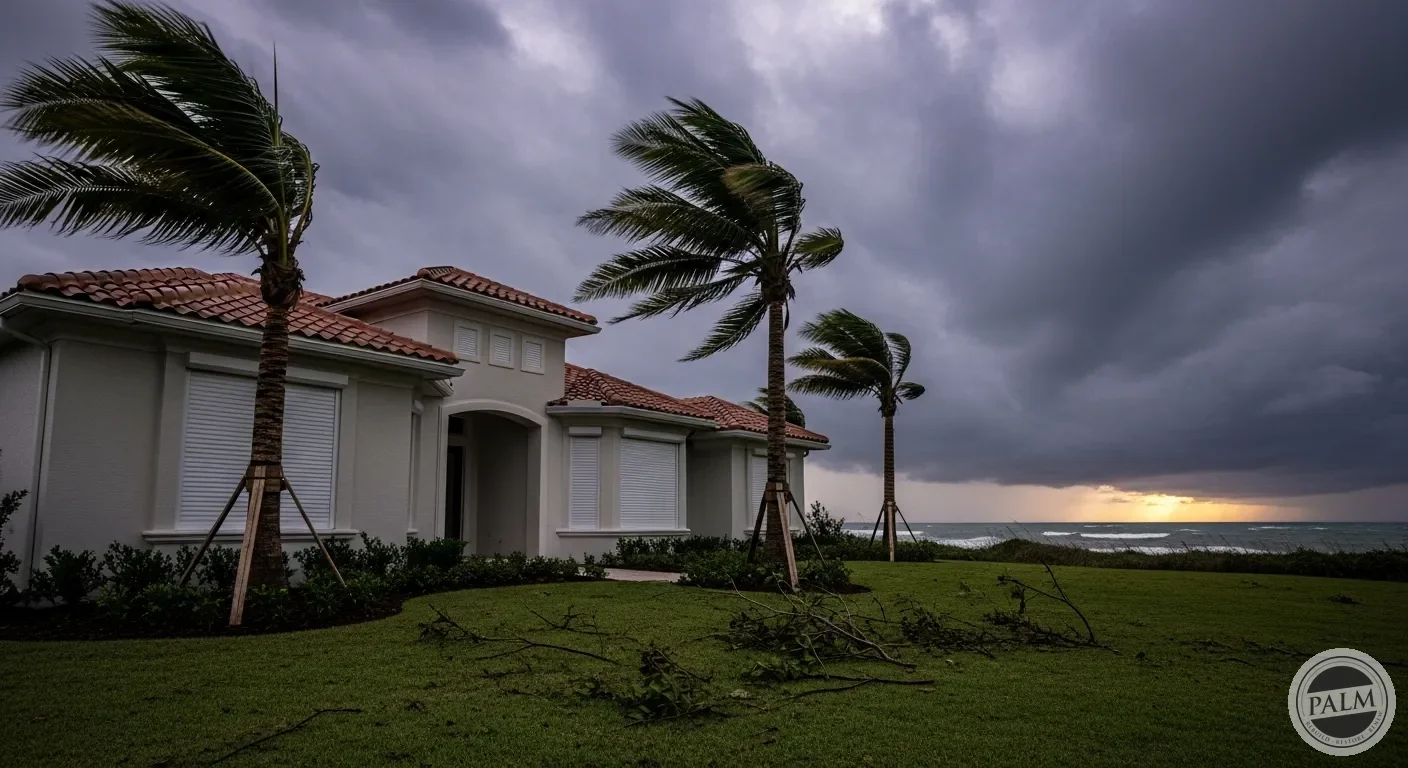
North Carolina uses a named storm deductible rather than a hurricane-specific deductible, and the trigger timing is different from Florida. The deductible activates when an advisory, watch, or warning for a named storm is issued for any part of North Carolina and ends 24 hours after the final watch, warning, or advisory terminates. This is a wider window than what many homeowners expect.
A named storm deductible is typically a percentage of your Coverage A dwelling value. North Carolina's own consumer guidance uses this example: a 2% named storm deductible on a $300,000 home means $6,000 out of pocket before insurance pays. In coastal counties, some homeowners discover that windstorm and hail coverage is excluded from their primary homeowners policy entirely. If that is your situation, you need a separate windstorm and hail policy with its own deductible. This is common in the Outer Banks, Wilmington, and other barrier island communities.
South Carolina: Deductible Disclosures to Check on Your Declarations Page
South Carolina's Department of Insurance has a long-standing regulation focused on consumer protection around percentage-based deductibles. Insurers are required to include specific warning language on policies and declarations pages when a policy contains a separate named storm or wind/hail deductible. They must also provide a worked example showing how the deductible functions and what event triggers it.
If an insurer changes your policy at renewal by implementing or increasing the named storm deductible percentage, you must sign or initial a disclosure acknowledging that you reviewed the example. If you do not remember signing that disclosure, or if the deductible amount on your declarations page surprises you, treat that as a red flag. Call your agent and ask specifically about your named storm deductible trigger, the percentage, and how it applies if both wind and flood damage occur simultaneously.
How to Protect Your Claim When Wind and Flood Both Hit
When a hurricane causes both wind damage and flood damage to your property, the claims process becomes significantly more complex. You may be dealing with two adjusters, two deductibles, and two entirely different coverage timelines. The following steps, taken in order, give you the strongest possible position for both claims. Our guide on how to file a water damage insurance claim covers the general claims process in more detail.
- 1
Make the property safe and stop ongoing damage
Board up broken windows, tarp damaged roof sections, and shut off water if plumbing is compromised. Most policies allow (and expect) reasonable emergency measures to prevent further damage. Avoid permanent repairs until the adjuster inspects, but do not let preventable damage continue.
- 2
Photograph and video everything before cleanup
This is the most important step for dual-peril claims. Photograph the water line on exterior and interior walls (this separates flood from wind-driven rain). Photograph roof damage, broken windows, and exterior structural damage from multiple angles. Document debris patterns that show wind direction. Take wide shots and close-ups. Separate your documentation into wind damage evidence and flood damage evidence because two different adjusters will review two different files.
- 3
Start drying immediately to prevent mold
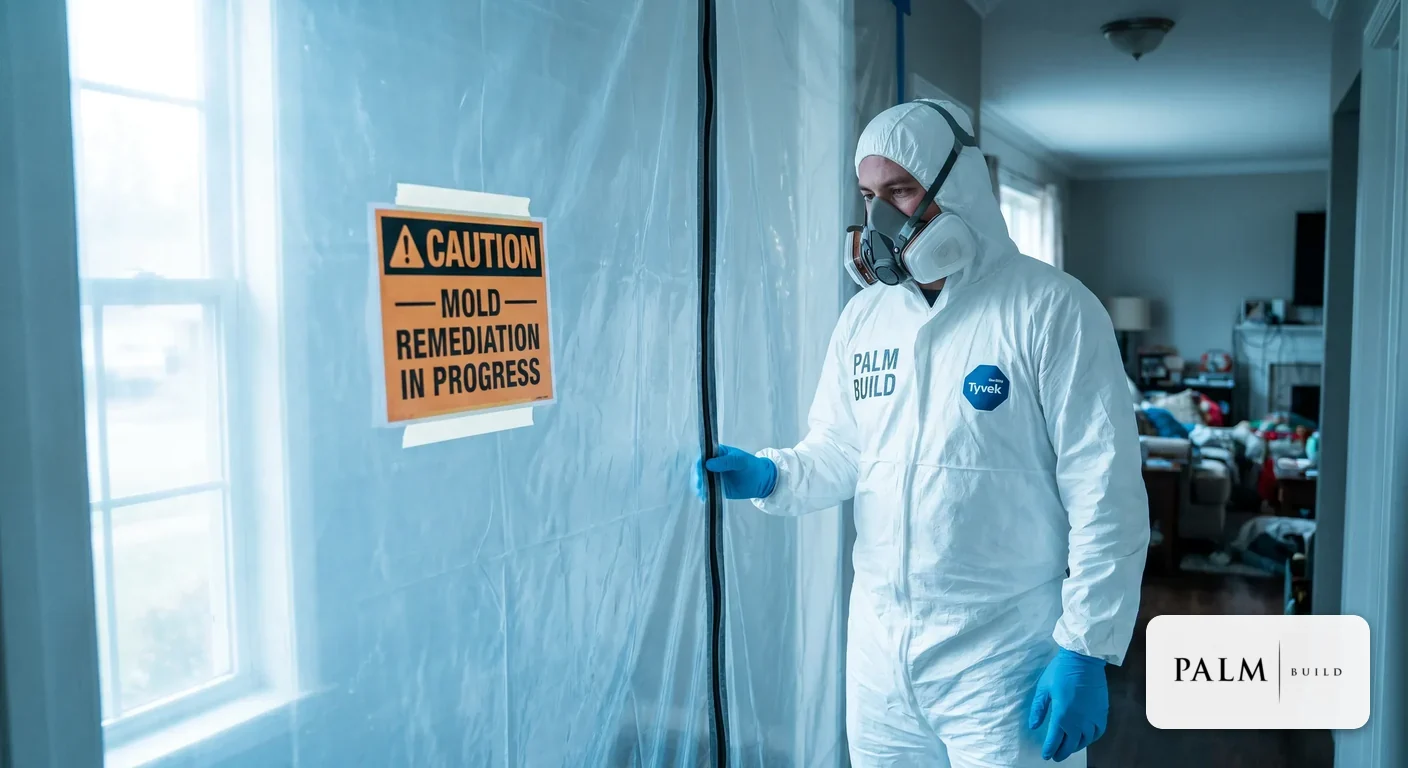
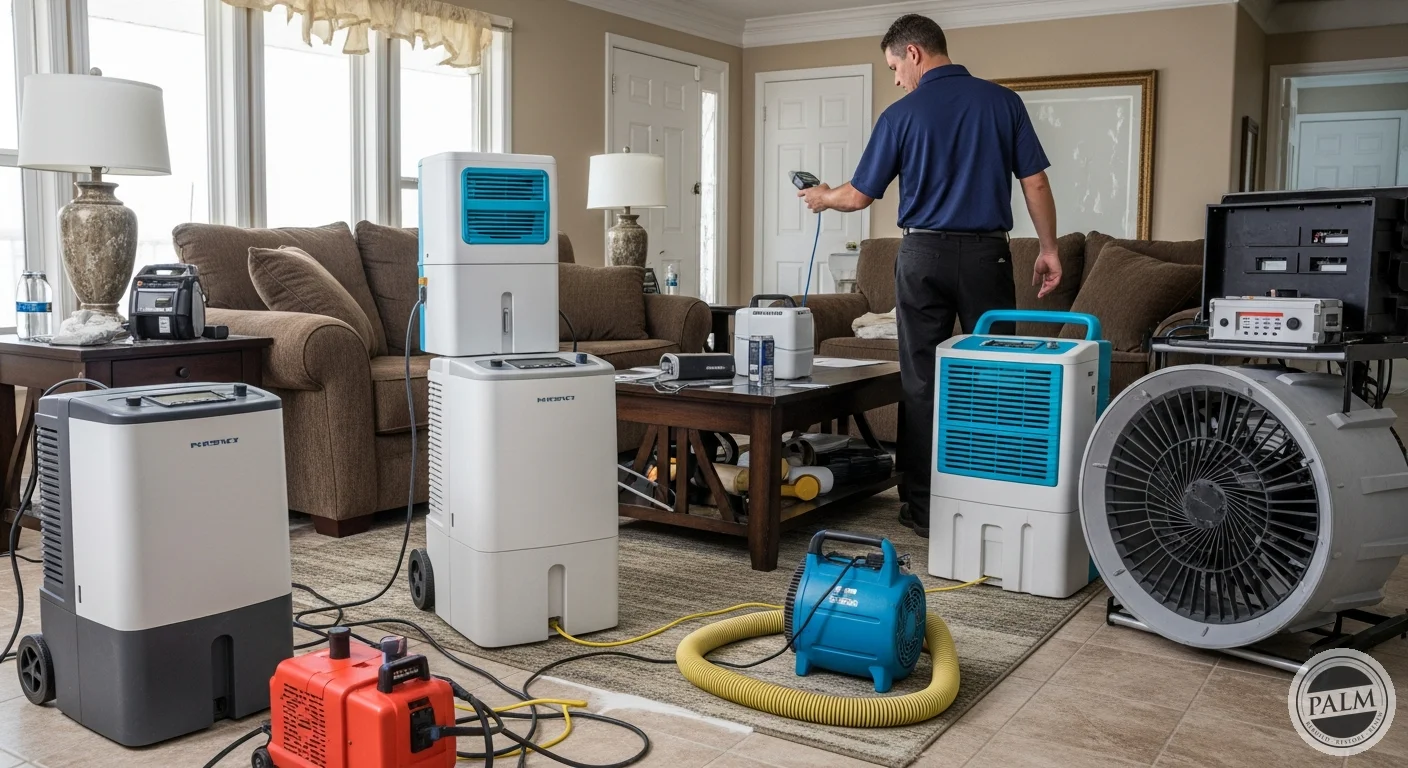
EPA and CDC guidance consistently warn that mold can begin growing within 24 to 48 hours of water exposure. Extract standing water, remove saturated materials that cannot be dried (drywall below the water line, carpet padding, insulation), and get air movers and dehumidifiers running as soon as power is available. This step matters for both health and insurance: adjusters are more likely to deny mold-related costs if you waited days to begin drying. See our guide on how fast mold grows after water damage for the specific timeline.
- 4
File the right claims and keep timelines straight
File your homeowners (wind) claim first with your property insurer. If you have flood insurance, file that claim separately with your NFIP carrier or private flood insurer. Each has its own adjuster, its own inspection schedule, and its own payment timeline. In Florida, remember the 1-year initial claim deadline and the 60-day insurer response requirement. Keep a log of every phone call, email, and adjuster visit for both claims.
- 5
Use a restoration contractor who documents for insurance
A restoration company that understands dual-peril claims can produce the moisture maps, drying logs, scope documentation, and photo evidence that both adjusters need. At Palm Build, our IICRC-certified teams coordinate directly with insurance carriers and produce documentation formatted for the claims process, which reduces friction when two separate policies are in play. Learn more about our insurance restoration process.

Do
- Photograph the water line on walls before any cleanup
- Document exterior wind damage and interior water damage separately
- Start drying within 24 hours, even before the adjuster arrives
- File wind and flood claims separately with the correct carriers
- Keep a dated log of all communications with both adjusters
- Save all receipts for emergency tarping, boarding, and mitigation
Avoid
- Do not wait for the adjuster before stopping ongoing water damage
- Do not mix wind and flood damage evidence in a single claim file
- Do not delay drying because you are waiting on insurance approval
- Do not make permanent repairs before the adjuster inspects
- Do not throw away damaged materials before photographing them
- Do not assume one policy covers everything from the hurricane
Why the First 48 Hours After a Hurricane Matter Most
The insurance question is only half the problem after a hurricane. The physical reality is that damp building materials become a mold problem fast, especially in the humid climates of Florida, North Carolina, and South Carolina. EPA guidance states that if wet or damp materials are dried within 24 to 48 hours, mold will not grow in most cases. CDC disaster cleanup guidance emphasizes the same window.
This is where insurance documentation and physical restoration overlap. The same moisture readings, drying logs, and progress photos that prevent mold growth are the same documentation that supports your insurance claim. A professional restoration team that begins water damage cleanup within that window produces the evidence trail that both your wind adjuster and your flood adjuster need. Delaying restoration does not just risk mold; it weakens both claims. If you are managing the first 24 hours after water damage, every action you take in that period serves double duty.
When Commercial Properties and HOAs Face Dual-Peril Claims
The wind vs. flood insurance split becomes even more complex for commercial properties, condominiums, and HOA-managed communities. Commercial policies may have different deductible structures, and condo master policies often carry their own wind and flood coverage separate from individual unit owner policies. Property managers dealing with large-loss hurricane damage frequently discover that the master policy's wind deductible, the individual unit flood policies, and the building's commercial flood coverage all interact in ways that require professional coordination.
If you manage a commercial property or HOA community in a hurricane-prone area, our commercial restoration and HOA restoration teams are experienced with multi-policy claim coordination and can help document losses in the format that commercial adjusters require.
Storm and Hurricane Damage Restoration
24/7 emergency response for wind, rain, and storm surge damage across FL, NC, and SC.
Water Damage Restoration
Professional extraction, drying, and moisture monitoring for all categories of water damage.
Insurance Restoration Process
How we coordinate with your insurance carrier to streamline documentation and claim approval.
Does Homeowners Insurance Cover Water Damage?
A detailed guide to what standard homeowners policies cover and exclude for water events.
How to File a Water Damage Insurance Claim
Step-by-step walkthrough of the claims process, documentation requirements, and common pitfalls.
Frequently Asked Questions
Is hurricane damage considered flood or wind? +
Is storm surge considered flood damage? +
Does homeowners insurance cover wind-driven rain? +
Does flood insurance cover rain coming in through the roof? +
Do I need to file two claims if I have wind and flood damage? +
How is a hurricane deductible calculated? +
How long does flood insurance take to start after I buy it? +
How fast should I dry my home to prevent mold after hurricane flooding? +
Hurricane damage? We handle both wind and flood restoration.
Our IICRC-certified teams respond 24/7 across Florida, North Carolina, and South Carolina. We document for both wind and flood claims and coordinate directly with your insurance carriers.
Found this helpful? Send it to someone who needs it.