Quick Answer
Yes, homeowners insurance usually covers water damage that is sudden and accidental, like a burst pipe or appliance failure. It typically does not cover flooding, gradual leaks, sewer backups, or mold from delayed cleanup.
Key takeaways
- Homeowners insurance usually covers water damage that is sudden and accidental, like a burst pipe or appliance failure, but not flooding, gradual leaks, or sewer backups.
- Mold coverage is commonly limited and often depends on whether you dried the affected area within 24 to 48 hours of the initial water event.
- Flood damage and sewer backup each require separate coverage that most homeowners do not have by default.
- Documentation quality directly affects claim outcomes: photos, moisture readings, and mitigation receipts support the 'sudden and accidental' narrative adjusters look for.
- Florida, North Carolina, and South Carolina each have different claim filing deadlines and insurer response requirements you need to know.
Homeowners insurance usually covers water damage when it is caused by a sudden, accidental event that originates inside the home, like a burst supply line, a ruptured water heater, or an appliance that unexpectedly leaks. It typically pays for the resulting damage to building materials and belongings (minus your deductible) and may include necessary tear-out to access and repair the failed plumbing. What it usually does not cover is water damage that happens gradually, water that enters as flooding or rising groundwater, and sewer or drain backups unless you purchased a specific endorsement. Mold coverage is commonly limited and often depends on whether you acted fast, since public health guidance consistently warns to dry water-damaged areas within 24 to 48 hours to reduce mold risk.
Water/freeze claim frequency
1 in 67 homes
Insurance Information Institute annual data
Average claim severity
$15,400
National weighted average, 2019-2023
Share of homeowner losses
22.6%
Water damage and freezing as % of losses in 2023
Mold prevention window
24-48 hrs
EPA and CDC drying guidance
The Core Rule: Sudden and Accidental vs. Gradual and Preventable
Most claim outcomes hinge on three facts: where the water came from, how quickly it happened, and whether it looks like maintenance or neglect. Insurers tend to approve claims more often when there is a clear, single "release event" (a burst, rupture, or sudden overflow) and deny more often when there is evidence of long-term moisture, rot, or staining that suggests the homeowner should have noticed sooner.
A practical way to interpret your policy language is to separate "water that damages your home" into two categories: sudden internal releases (more likely covered) versus excluded water types like flood, sewer backup, and groundwater intrusion (more likely excluded unless you bought additional coverage). Standard homeowners policy forms commonly define "Water Damage" exclusions as including flood or surface water, water backing up through sewers or drains, and water below the surface of the ground that seeps through foundations.

Covered vs. Not Covered: Real Scenarios Homeowners Face
The following table maps common water damage scenarios to how adjusters typically classify them. This is not legal advice, and policy language varies, but it reflects the patterns we see across hundreds of claims in Florida, North Carolina, and South Carolina.
| Scenario | Usually covered? | Why it matters |
|---|---|---|
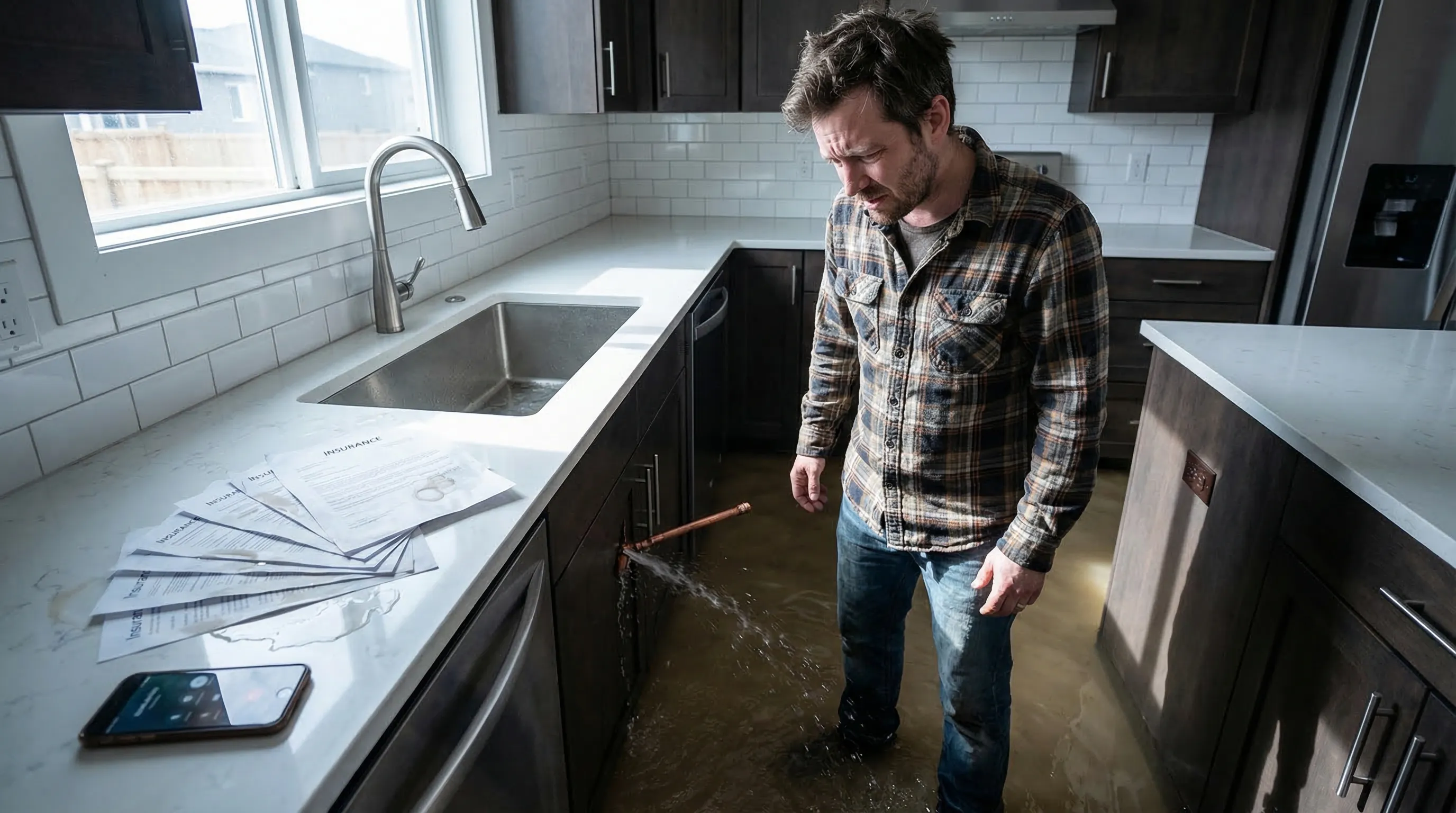
| Pipe burst and flooded the kitchen | Yes, sudden discharge from plumbing | Photograph the break point, standing water line, and affected finishes before any removal |
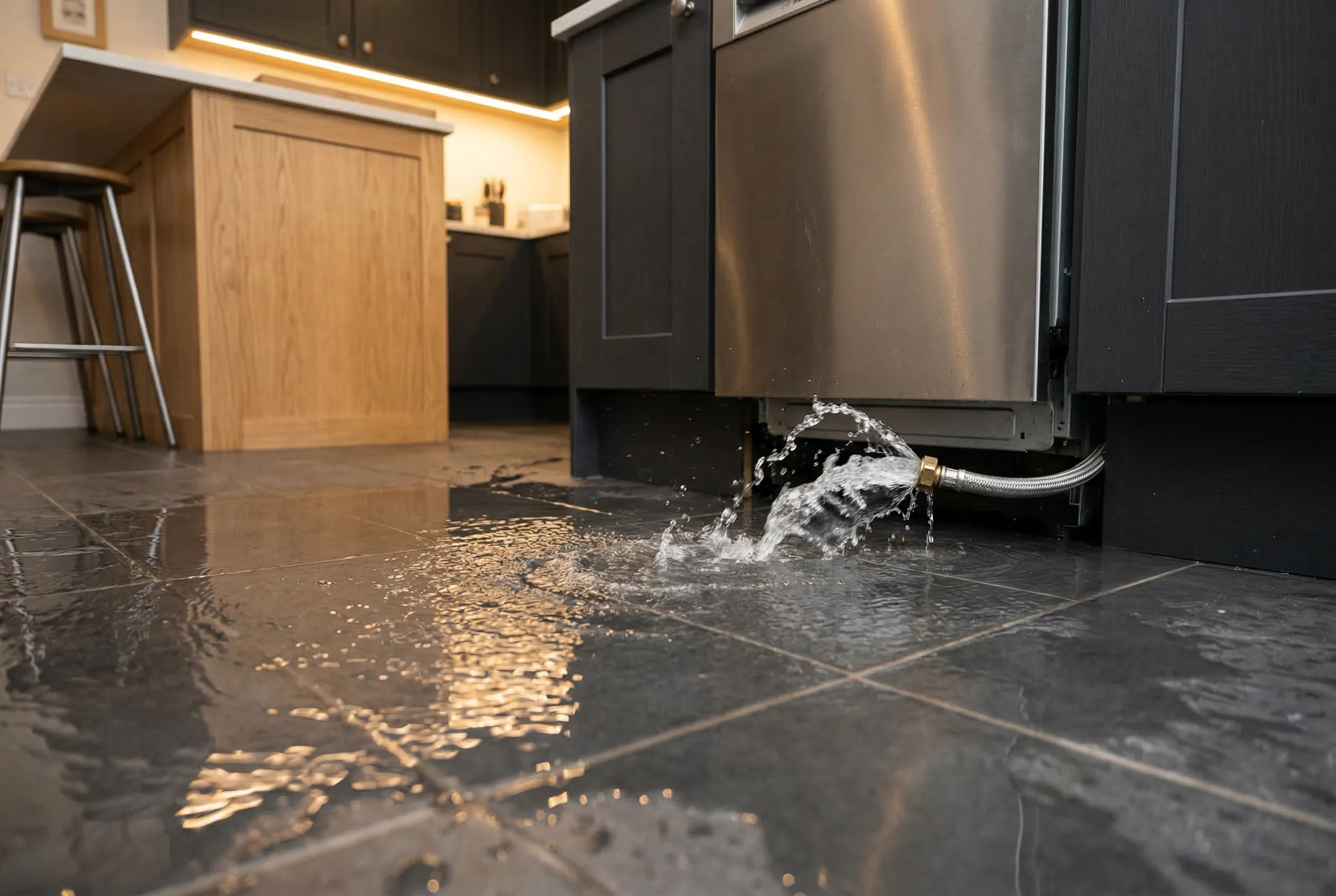
| Dishwasher hose failed overnight | Yes, resulting damage covered; appliance repair often is not | Save model/serial numbers, photos of the hose failure, and a plumber's assessment |
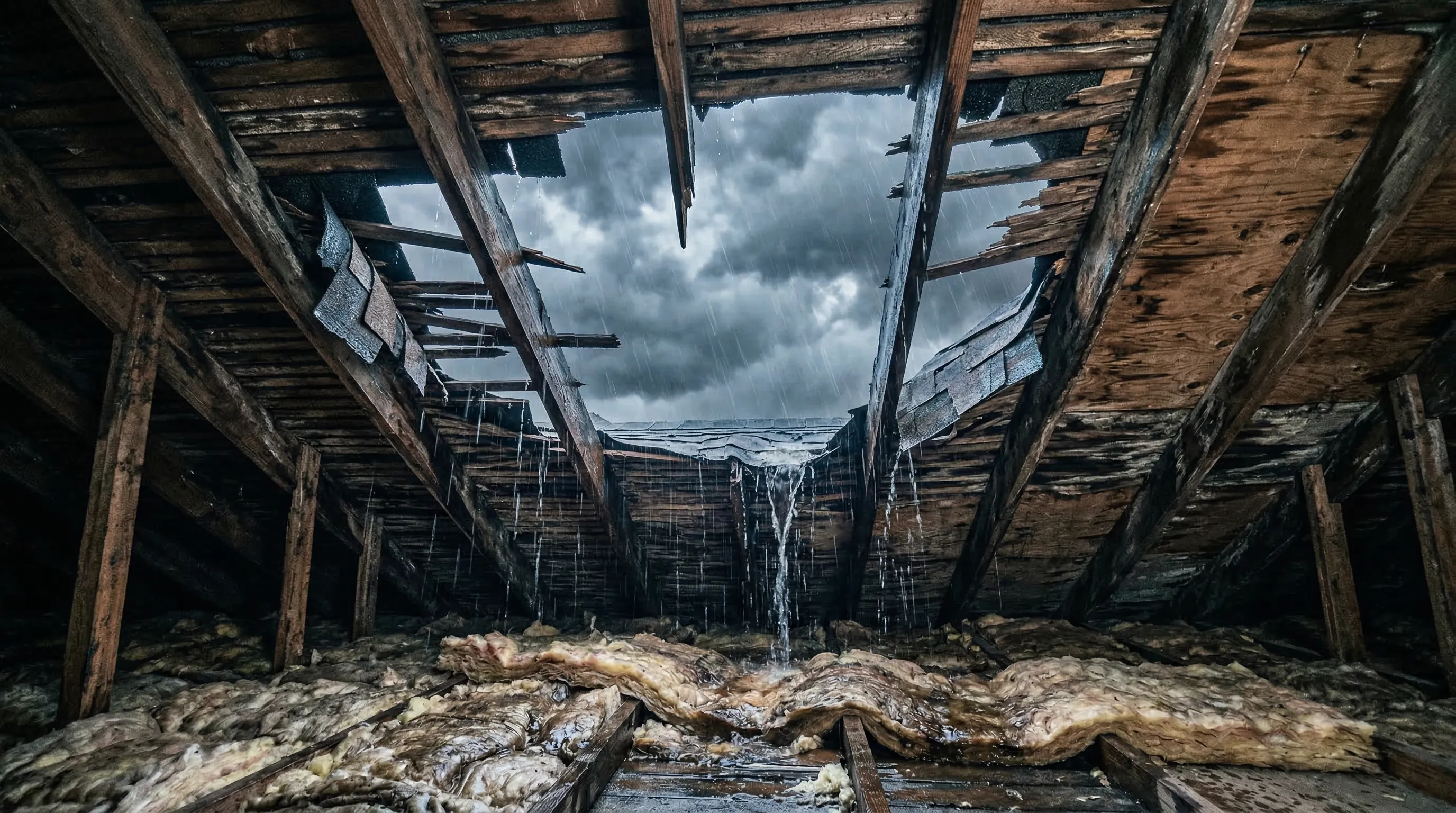
| Roof leak after a storm soaked the ceiling | Often yes, if storm created the opening | Document missing shingles or punctures and the timeline of the storm event |
| Basement flooded from street water | No, requires separate flood policy | Standard homeowners policies exclude flood and surface water |
| Sewer backed up through shower drain | No, unless you have a water backup endorsement | Many policies exclude water backing up through sewers or drains |
| Water seeped through foundation after rain | No, treated as groundwater/maintenance | Foundation seepage and gradual intrusion are commonly excluded |
| Slow leak under the sink discovered months later | No, gradual damage typically excluded | Rot or long-term staining is often used to argue maintenance neglect |
Water damage insurance coverage by scenario
If you are dealing with any of these scenarios right now, start with emergency water damage restoration to limit the spread. For storm-related losses with roof openings, coordinate with storm, wind, and hurricane damage restoration before interior water causes secondary mold growth.
What 'Water Damage' Means in Insurance Language
Interior Sudden Discharge: Pipes, Appliances, HVAC
The most commonly covered water losses come from sudden failures inside the home: a supply line ruptures, a washing machine hose bursts, an HVAC condensate pan overflows, or a water heater tank cracks. In each case, the damage to flooring, walls, and belongings is typically covered, but the repair or replacement of the item that failed (the pipe itself, the appliance, the water heater) often is not covered unless you have a separate warranty or endorsement.
Exclusions That Surprise Homeowners
Three categories of water damage catch homeowners off guard because they feel like they should be covered but typically are not under standard policies.
Usually covered (standard policy)
- Burst or ruptured plumbing supply lines
- Sudden appliance failure (dishwasher, washing machine, water heater)
- Accidental overflow from sinks or tubs
- Wind-driven rain through a storm-created opening
- Frozen pipes that burst during a cold snap
- Emergency mitigation to prevent further damage
Usually excluded (requires endorsement or separate policy)
- Flood, rising water, or surface runoff
- Sewer or drain backup (needs water backup endorsement)
- Groundwater seepage through foundation
- Gradual or slow leaks discovered after long-term damage
- Maintenance neglect (worn caulk, corroded pipes you knew about)
- The broken appliance or pipe itself (only the resulting damage)
Mold and Gradual Damage: Where Homeowners Lose the Most Money
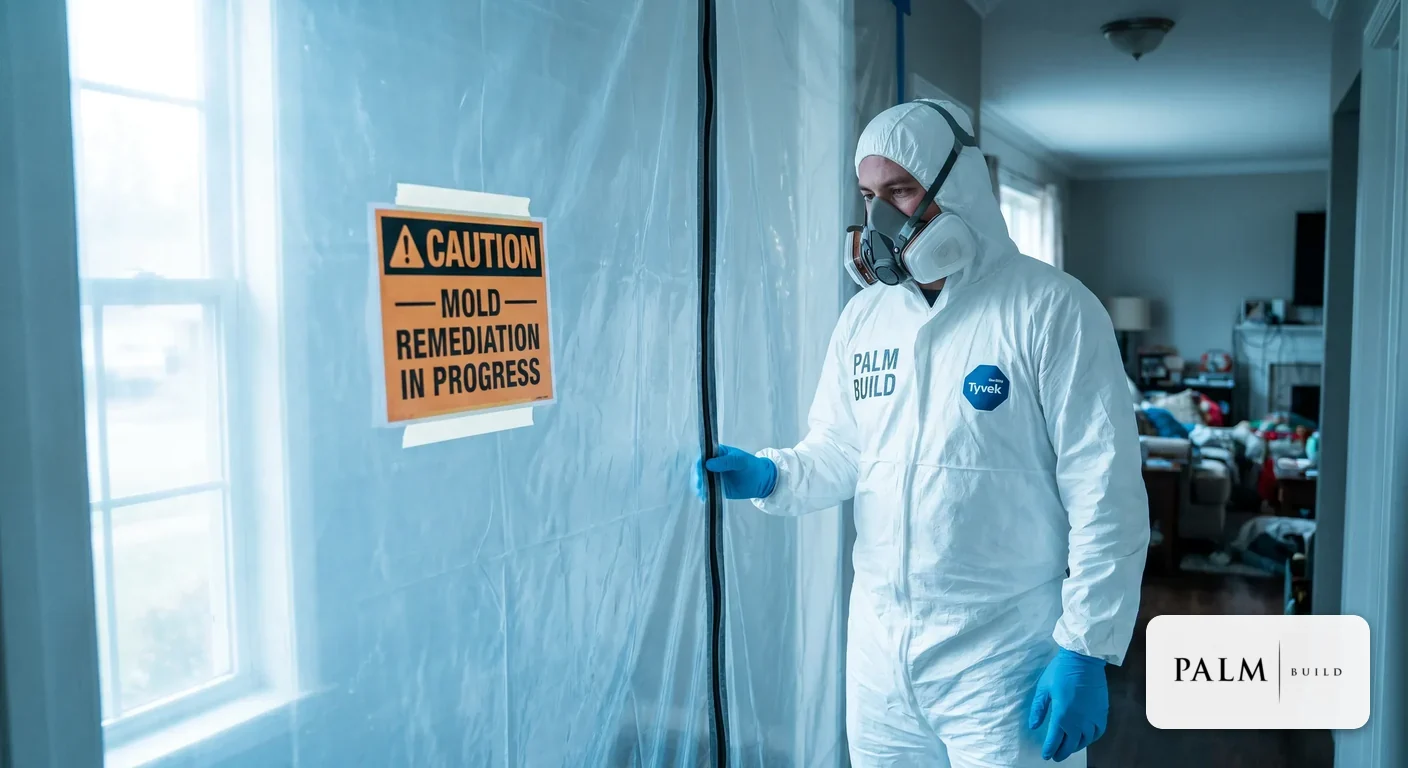
Mold coverage is one of the most disputed areas in water damage claims. Many policies will cover mold remediation if the mold resulted directly from a covered sudden water event and the homeowner acted promptly. But if there is evidence the water sat for an extended period, or if the mold appears related to ongoing humidity or a maintenance issue, coverage is frequently denied or severely limited by policy sublimits.
"If wet or damp materials or areas are dried 24-48 hours after a leak or spill happens, in most cases mold will not grow."
Many policies also contain language excluding damage from constant or repeated seepage, leakage, or humidity that occurs over a defined time window. A widely used exclusion threshold is 14 days or more of continuous moisture, which is one reason late-discovered leaks so often turn into claim disputes. This is exactly where a restoration-first approach helps: fast drying, moisture mapping, and timestamped photos build the evidence that your loss was sudden and that you acted quickly to prevent secondary damage.
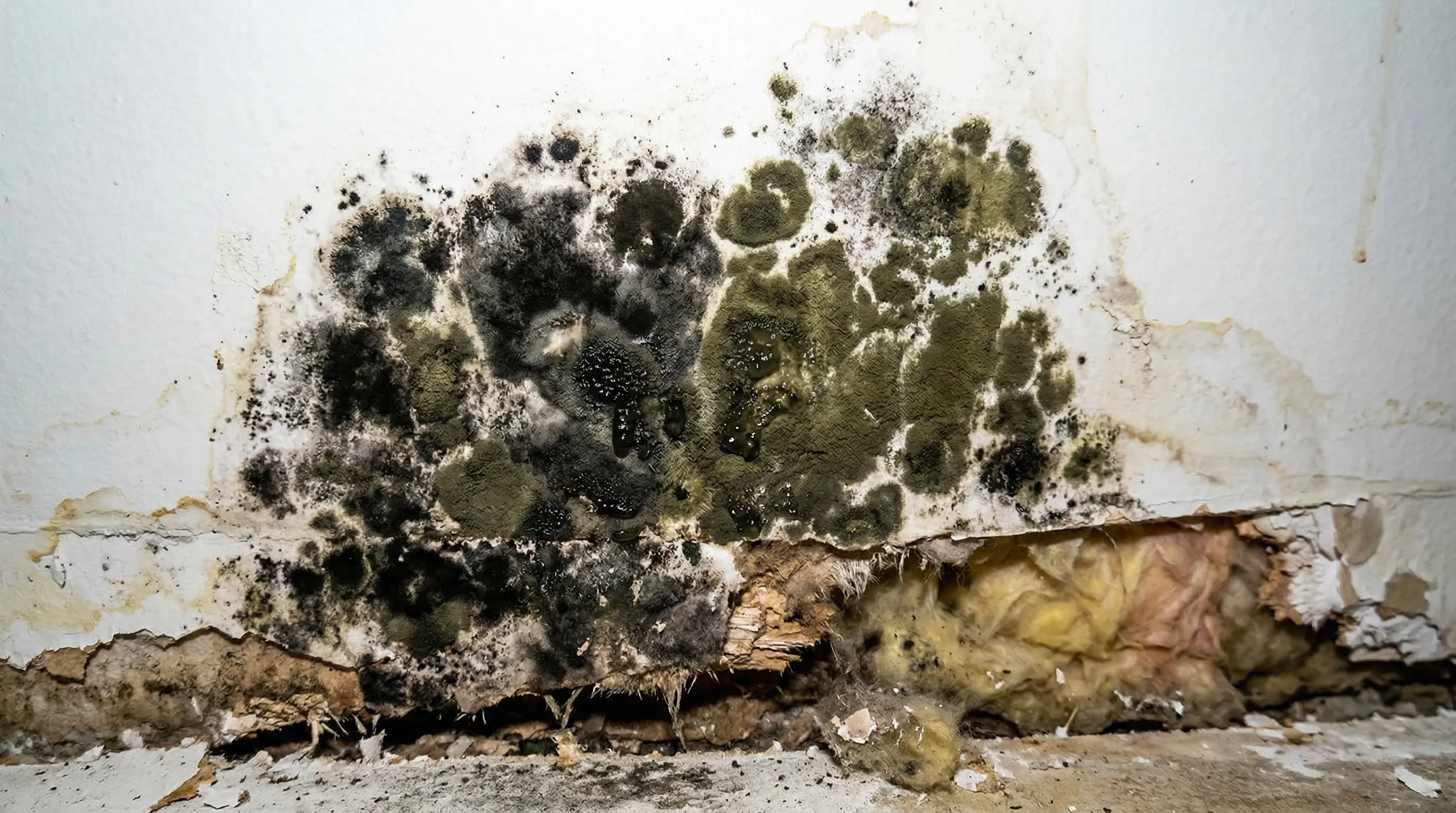
If mold has already developed, you need a dedicated mold remediation scope separate from the water mitigation. Our guide on how fast mold grows after water damage explains why the 24-48 hour window matters so much for both your health and your claim. And because mold coverage has its own rules — separate sublimits, 'limited fungi' endorsements, and state-by-state licensing — see our dedicated guide on whether homeowners insurance covers mold for the full picture.
What to Do in the First 48 Hours to Protect Your Home and Your Claim
The first 48 hours after water damage determine both the physical outcome and the insurance outcome. Adjusters and claim reviewers are more likely to accept the "sudden and accidental" framing when documentation supports it and the homeowner did not delay action. Our insurance claim estimator can help you understand your likely coverage before you file. Here is the sequence that protects both your property and your payout.
- 1
Stop the water and keep the area safe
Shut off the water source if you can safely reach it. If the damage involves electrical systems, do not enter standing water until power is shut off. Move valuables out of the affected area to limit loss.
- 2
Document everything before cleanup begins
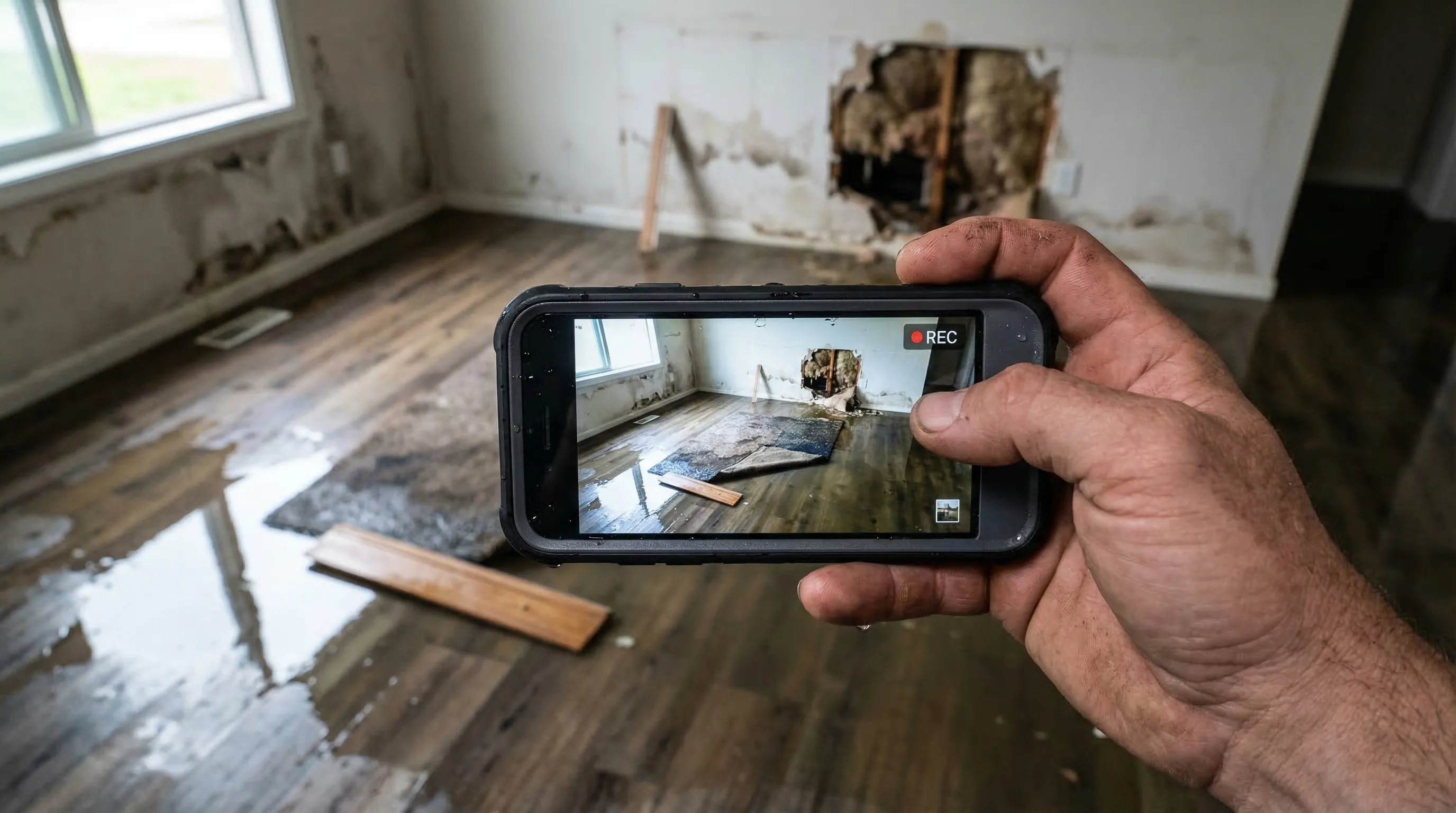
Take photos and video of the water source, the standing water, all affected rooms, damaged materials, and any serial numbers on failed appliances. This evidence establishes the timeline and scope that adjusters will review.
- 3
Notify your insurance company promptly
Call your insurer and ask what documentation they need, whether they require a specific proof-of-loss form, and what their response timeline will be. Keep notes on every call including the date, representative name, and what was discussed.
- 4
Start mitigation immediately
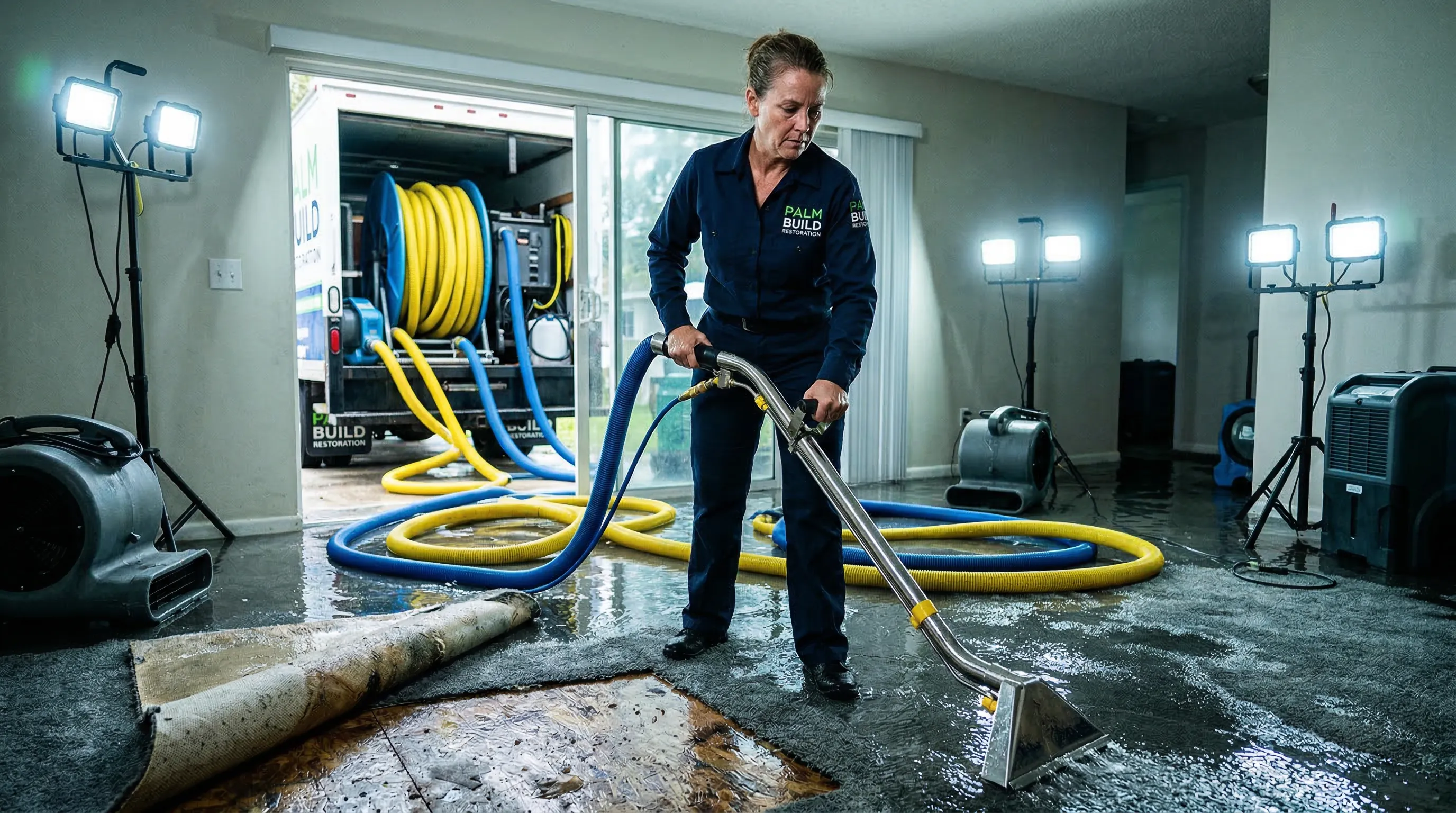
Your policy typically includes a duty to protect property from further damage. Begin water extraction and drying as soon as safely possible. Professional mitigation with moisture mapping and daily logs creates claim-supporting evidence that you acted responsibly.
- 5
Prevent mold by drying within 24-48 hours
EPA and CDC guidance converges on the same window: materials should be dried within 24 to 48 hours to reduce mold growth risk. Delayed drying creates both a health risk and an insurance coverage risk.
For a complete walkthrough of the claim filing process itself, read our step-by-step guide to filing a water damage insurance claim. For hour-by-hour emergency action items, see what to do in the first 24 hours after water damage.
Typical Costs: What Homeowners Pay Even With Coverage
Even when a loss is covered, deductibles and out-of-scope repairs can still leave meaningful out-of-pocket exposure. Understanding these ranges helps you evaluate whether your deductible makes filing worthwhile and where scope gaps might create surprises.
| Cost item | Typical range | Notes |
|---|---|---|
| Water damage restoration (total project) | $1,384 - $6,384 | Often excludes major reconstruction; national consumer dataset |
| National average project cost | ~$3,867 | Useful as an expectation-setter; varies widely by scope |
| Mitigation per square foot | $3 - $7.50/sq ft | Rises with contamination level, demolition, and equipment days |
| Average claim payout (insurer severity) | ~$15,400 | This is claim payout, not necessarily the contractor invoice |
| Mold remediation (if needed) | $10 - $25/sq ft | Often triggered when drying is delayed beyond 48 hours |
Typical water damage restoration cost ranges (national estimates)
For detailed pricing breakdowns, see our water damage restoration cost guide and mold remediation cost guide. If you need help understanding the difference between contamination levels that drive pricing, our guide to water damage categories and classes breaks down the classification system.
Insurance Claim Estimator
Estimate what your policy should pay, your deductible exposure, and potential out-of-pocket costs.
Water Damage Cost Calculator
Get a full cost estimate so you can compare your insurance coverage against likely restoration costs.
Florida, North Carolina, and South Carolina: State-Specific Claim Rules
The core coverage concepts (sudden and accidental vs. flood/backup/maintenance) are consistent across most policies nationwide. But claim filing deadlines, insurer response windows, and consumer protections differ by state, which directly affects how quickly you need to act and what you should expect from your carrier.
Florida: Strict Deadlines and Insurer Response Windows
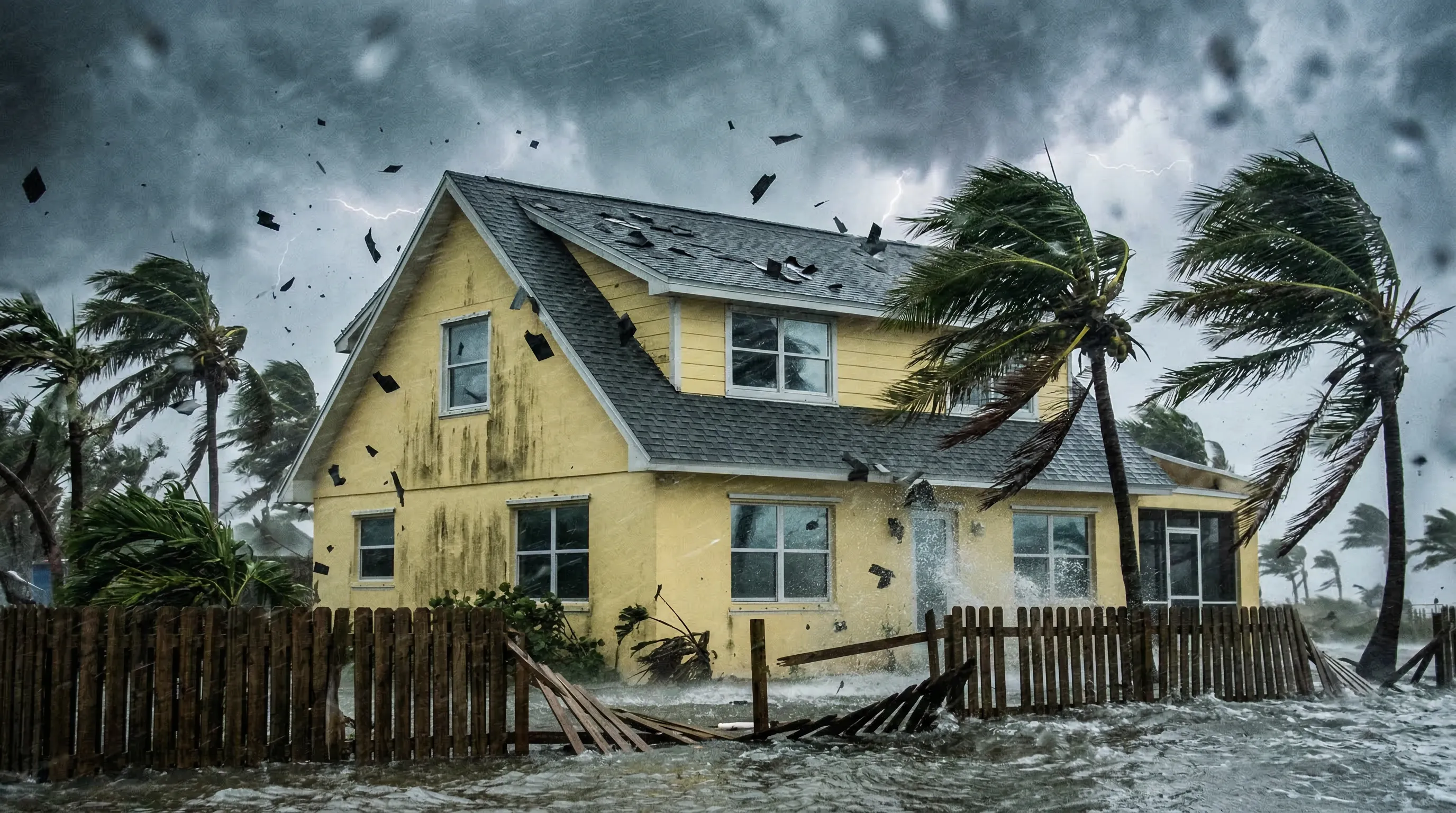
Florida has unusually specific statutory timing for property claims. Insurers must acknowledge claim communications within 7 days and must pay or deny an initial, reopened, or supplemental claim within 60 days after notice of claim. Policyholders face deadlines too: a claim is barred unless notice is given within 1 year after the date of loss, and a supplemental claim is barred unless notice is given within 18 months. Florida's regulator also explicitly notes that standard homeowners forms do not cover flooding, so a separate flood policy is essential for coastal and low-lying areas.
North Carolina: No Settlement Deadline, So Do Not Wait on Mitigation
North Carolina's consumer guidance states that insurers should acknowledge receipt of a claim within 30 days, but notes there is no specific time limit in which a company must settle. This makes it even more important not to wait for claim resolution before starting mitigation. The real risk is secondary damage and a "delay" narrative that adjusters can use to question whether you took reasonable protective action.
South Carolina: Adjuster Contact and Proof-of-Loss Rules
South Carolina's insurance department indicates most policyholders receive contact from an adjuster within 48 hours of reporting a claim. If an insurer requires written proof of loss, they must furnish the blank form. If the form is not furnished within 20 days, the claimant is considered to have complied with proof requirements by submitting written proof within the policy timeframe. Like other states, standard homeowners policies in South Carolina do not cover flood or rising water.
| State | Insurer must acknowledge | Settlement/payment window | Policyholder filing deadline |
|---|---|---|---|
| Florida | Within 7 days | Pay or deny within 60 days of notice | 1 year for initial claim; 18 months for supplemental |
| North Carolina | Within 30 days | No specific settlement deadline | Per policy terms (do not wait to mitigate) |
| South Carolina | Adjuster contact typically within 48 hours | Varies; proof-of-loss form due within 20 days if required | Per policy terms |
State claim filing deadlines and insurer response windows
For claim process coordination, Palm Build's insurance restoration process handles adjuster communication, Xactimate-compatible estimating, and documentation that supports your coverage position.
Optional Coverages That Close the Biggest Gaps
If you discover you are not covered for a water damage scenario that concerns you, talk to your agent about these endorsements before the next loss, not after.
Flood Insurance (NFIP or Private)
The National Flood Insurance Program provides coverage for buildings up to $250,000 and contents up to $100,000. Private flood carriers may offer higher limits and sometimes faster claims processing. If your property is in a FEMA-designated flood zone, your mortgage lender may already require flood insurance. If it is not, you may still want it because roughly 25% of flood claims come from outside high-risk zones.
Water Backup Endorsements
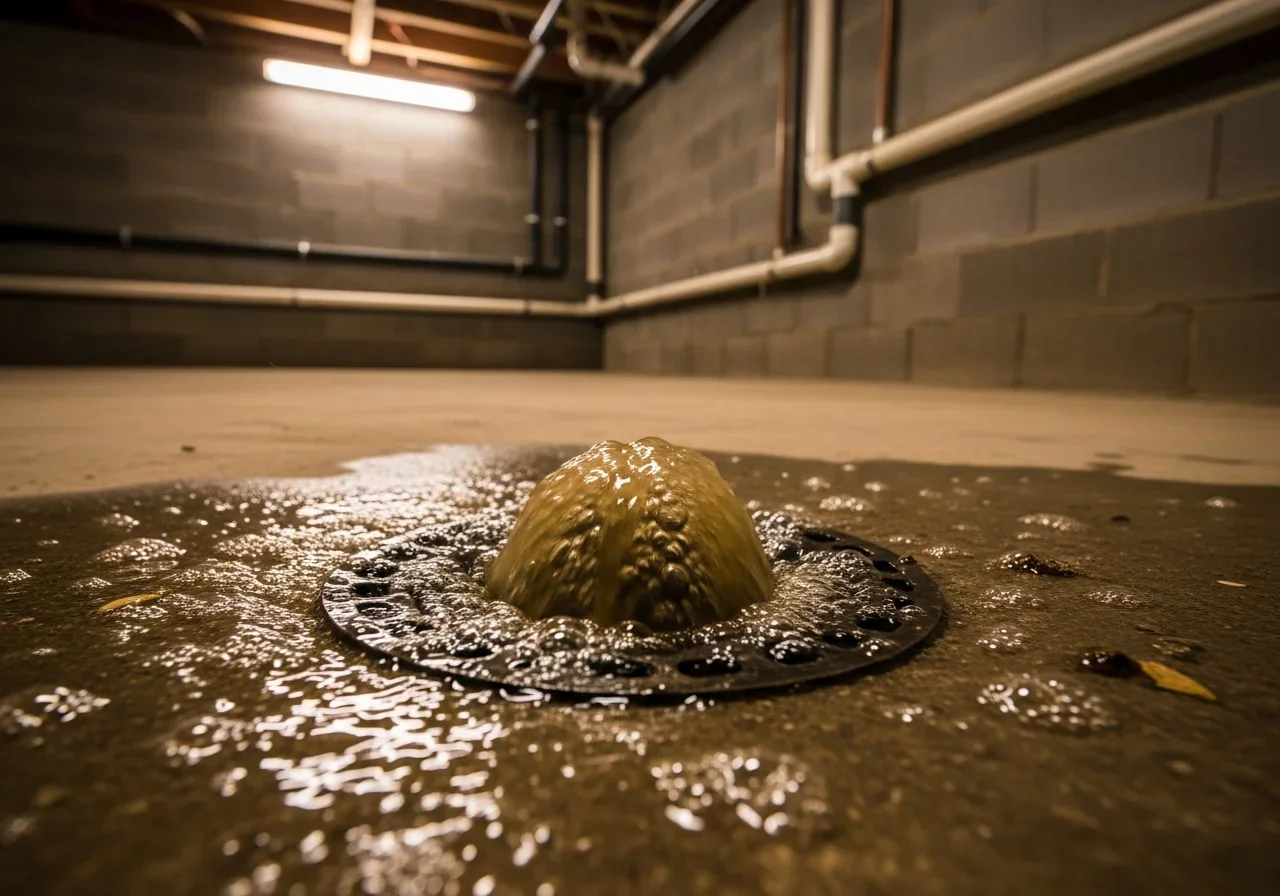
A water backup endorsement covers damage from sewer line backups, drain overflows, and sump pump failures. These events are explicitly excluded from most standard homeowners policies. The endorsement is typically inexpensive (often under $100 per year) and can prevent a costly surprise if your sewer line fails or your sump pump loses power during a storm. If your property has crawl space moisture risk or basement drainage concerns, coordinate this coverage with crawl space cleanup and drying planning.
Key Terms in Your Water Damage Policy
- Sudden and accidental
- The coverage trigger for most water damage claims. Means an unexpected event that was not gradual, anticipated, or caused by lack of maintenance. A pipe that bursts without warning qualifies; a pipe that has been dripping for months likely does not.
- Resulting damage
- The secondary damage caused by the water event (ruined flooring, drywall, belongings). Policies typically cover resulting damage even when the source item (the pipe or appliance) is not covered for repair or replacement.
- Water backup endorsement
- An optional add-on that covers damage from sewer, drain, or sump pump backups. Required because these events are specifically excluded from base homeowners policies.
- Duty to mitigate
- Your obligation as a policyholder to take reasonable steps to prevent further damage after a loss. Starting emergency drying is not optional; it is expected by your insurer and supported as a reimbursable expense.
- ACV vs. RCV
- Actual Cash Value (ACV) pays replacement cost minus depreciation. Replacement Cost Value (RCV) pays the full replacement cost after you complete repairs. Most RCV policies issue the ACV amount first, with the depreciation holdback released after documented repairs are completed.
- Proof of loss
- A formal, sworn statement that documents the facts of your claim, the items damaged, and the amount you are claiming. Some insurers require it; South Carolina law requires insurers to furnish the form within 20 days if they require it.
Related Guides and Next Steps
Water Damage Restoration Services
24/7 emergency extraction, structural drying, and moisture documentation for covered and uncovered losses.
Insurance Restoration Process
How Palm Build coordinates adjuster communication, Xactimate estimating, and claim documentation.
How to File a Water Damage Insurance Claim
The complete step-by-step process for reporting, documenting, and protecting your claim payout.
Water Damage Restoration Cost Guide 2026
Current pricing data to help you evaluate scope, compare bids, and understand what drives costs.
First 24 Hours After Water Damage
Hour-by-hour action checklist covering safety, documentation, and mitigation priorities.
How Fast Does Mold Grow After Water Damage?
The science behind the 24-48 hour window and why it matters for both health and insurance coverage.
How to Choose a Restoration Company
Checklist for vetting contractors: credentials, licensing, insurance, estimate quality, and red flags.
Water Damage Categories and Classes Explained
Understanding the IICRC classification system that drives scope, pricing, and treatment decisions.
Restoration Company vs General Contractor: Who to Call First
When to call a restoration company vs. a general contractor, the difference between mitigation and reconstruction, and state licensing rules for FL, NC, and SC.
Frequently Asked Questions
Does homeowners insurance cover water damage from a leaking pipe? +
Does homeowners insurance cover water damage from rain or a roof leak? +
Is mold covered after water damage? +
Does homeowners insurance cover sewer backup? +
Does homeowners insurance cover flood damage? +
Will insurance pay to replace the pipe or appliance that caused the leak? +
How fast do I need to dry my home to prevent mold? +
How long do I have to file a property insurance claim in Florida? +
Water damage right now? Get help fast.
Palm Build provides 24/7 emergency response with documentation-first mitigation and direct insurance coordination across Florida, North Carolina, and South Carolina.
Found this helpful? Send it to someone who needs it.