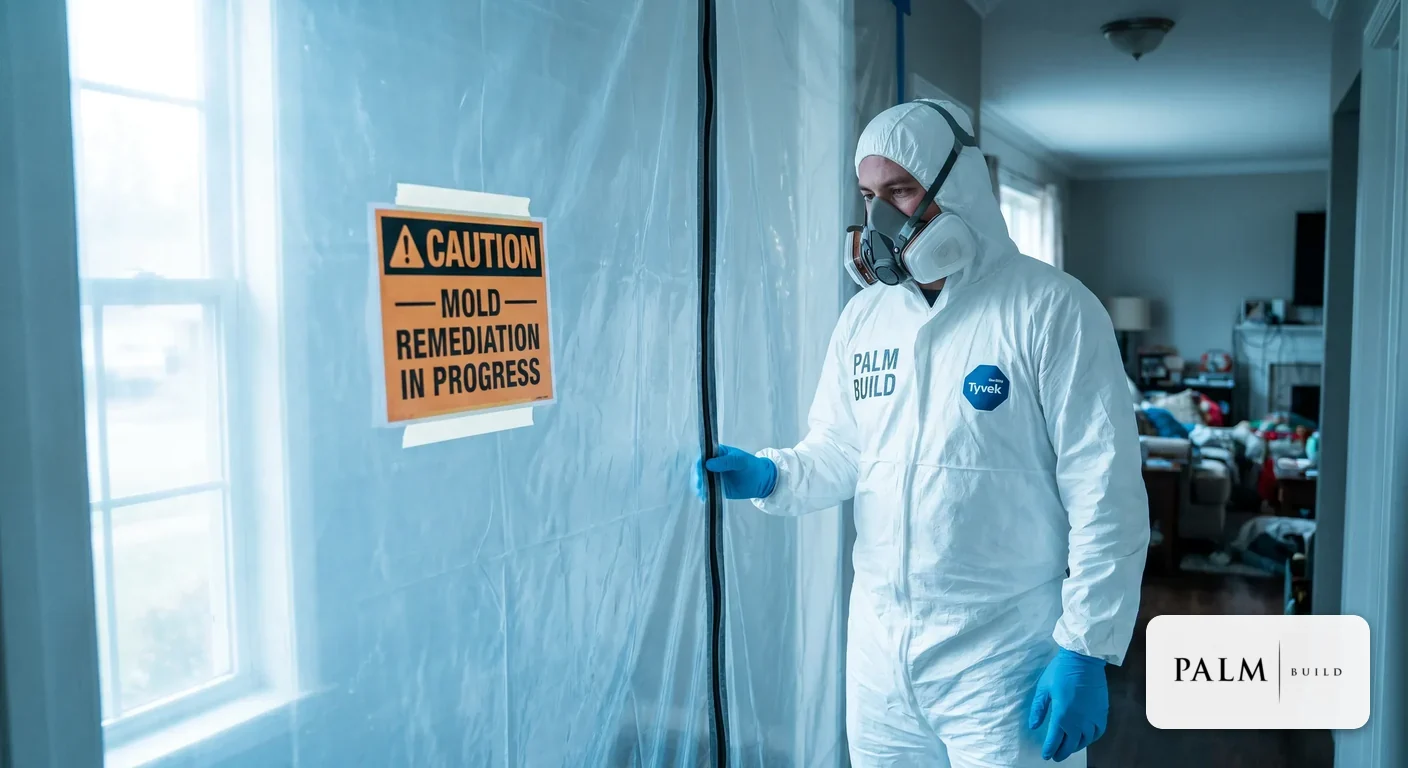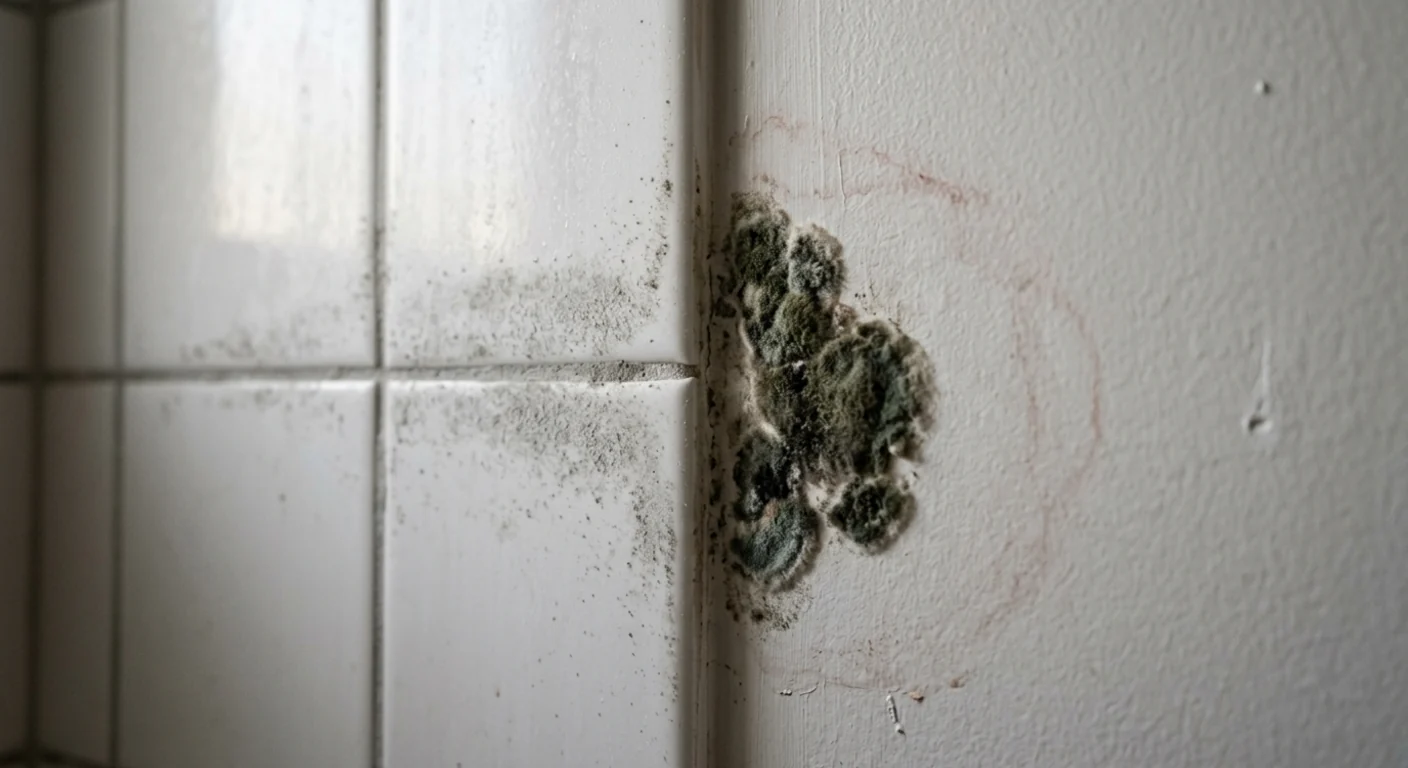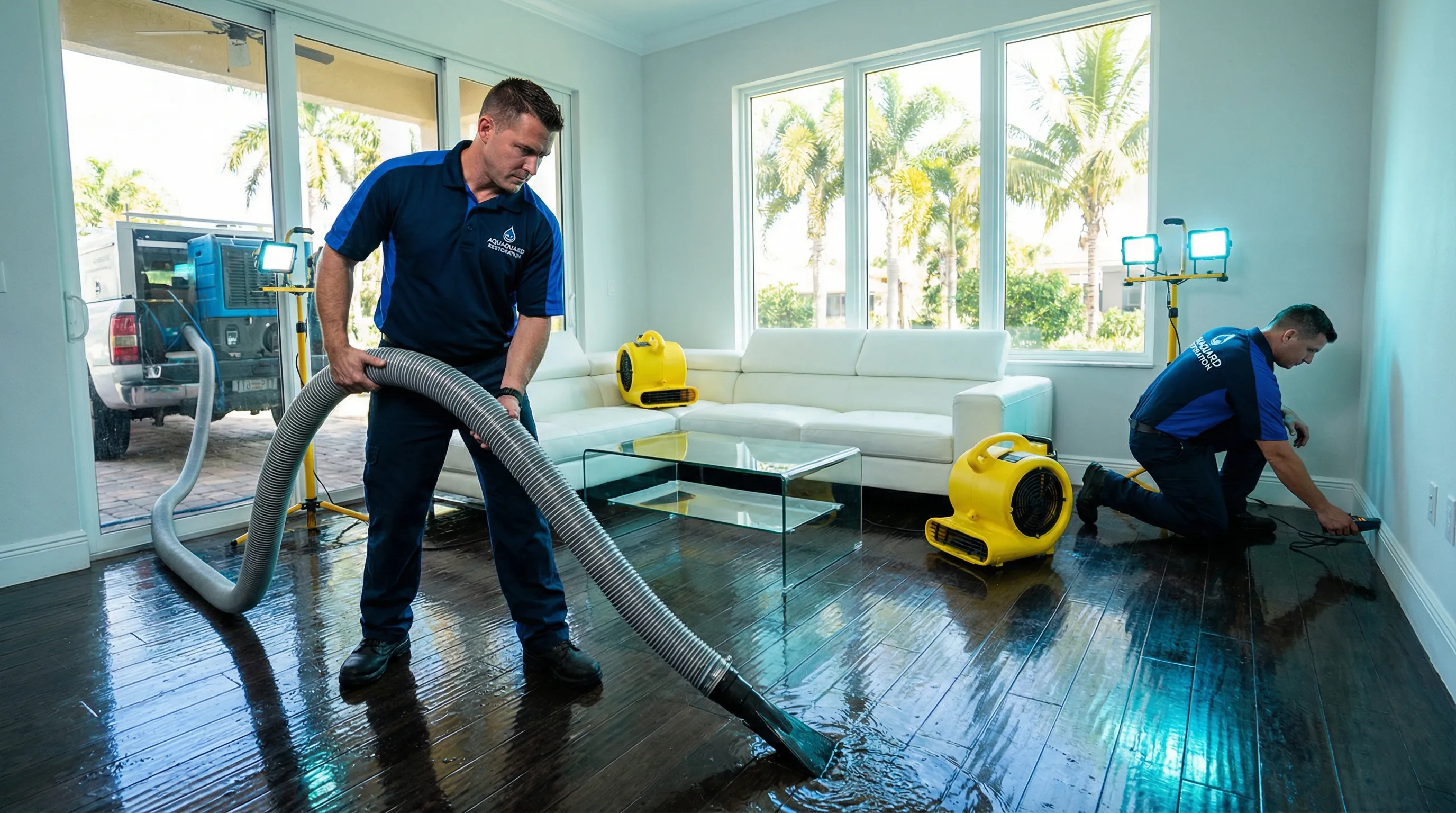
Quick Answer
Water damage restoration costs $1,384 to $6,384 in 2026, with a national average of $3,867. Professional mitigation runs $3 to $7.50 per square foot for extraction and drying, while repairs add $20 to $37 per square foot.
Key takeaways
- Most homeowners pay $1,384 to $6,384 for water damage restoration in 2026, with a national average around $3,867.
- Mitigation (extraction and drying) runs $3 to $7.50 per sq ft, while repair and rebuild costs jump to $20 to $37 per sq ft.
- Water category (clean, gray, or black) is the single biggest cost driver per square foot.
- Acting within 24 to 48 hours can prevent mold growth and significantly reduce total project cost.
- Florida, North Carolina, and South Carolina pricing varies by metro, humidity, insurance rules, and storm exposure.
Water damage restoration in 2026 typically costs $1,384 to $6,384 total, with a national average around $3,867. On a per-square-foot basis, most homeowners see $3 to $7.50 per sq ft for professional mitigation (extraction, drying, and sanitation). If your project also includes repairs like drywall and flooring replacement, estimates can climb to $20 to $37 per sq ft for basic repair scopes. Because mold can begin growing on damp materials within 24 to 48 hours, quick action is one of the most effective ways to control both health risk and total cost.
National average
$3,867
Typical water damage restoration total
Per sq ft (mitigation)
$3-$7.50
Extraction, drying, and sanitation
Mold risk window
24-48 hrs
EPA, CDC, and FEMA guidance
Water Damage Restoration Cost in 2026: National Averages
The first thing to understand about water damage restoration cost is that "restoration" means two different things depending on who you ask. Homeowners use the word to describe everything from the initial emergency dry-out to the finished rebuild. The industry splits it into two distinct scopes: mitigation (stopping and drying the damage) and repair (rebuilding what was lost). The price difference between these two scopes is significant, and confusing them is the most common reason homeowners feel blindsided by their final bill.
| Cost scope | What it includes | 2026 price range |
|---|---|---|
| Mitigation (dry-out) | Water extraction, dehumidification, antimicrobial treatment, moisture monitoring | $1,384 to $6,384 total ($3 to $7.50/sq ft) |
| Repair (build-back) | Demo of damaged materials, drywall replacement, flooring, paint, trim | $20 to $37/sq ft for basic repair scopes |
| Full restoration (both) | Mitigation plus complete repair and reconstruction | Varies widely by scope; $5,000 to $16,000+ common |
Mitigation vs. repair: two different cost scopes
If you need professional water damage restoration that covers both mitigation and rebuild under one roof, working with a full-service restoration company eliminates the coordination headaches of hiring separate contractors for each phase. Use our free water damage cost calculator to estimate your specific project based on damage class, water category, and affected area.
Water Damage Repair Cost Per Square Foot
Per-square-foot pricing for mitigation depends heavily on the water category. Clean water from a burst supply line costs less to extract and dry than contaminated sewage backup, which requires full PPE, biocide treatment, and more aggressive demolition. Here is what the major cost guides report for 2026.
| Water category | Common sources | Cost per sq ft |
|---|---|---|
| Category 1 (Clean) | Broken supply lines, rainwater before contamination, melting ice | $3.00 to $4.25 |
| Category 2 (Gray) | Appliance overflow (dishwasher, washing machine), toilet overflow (urine), sump pump failure | $4.00 to $6.50 |
| Category 3 (Black) | Sewage backup, river flooding, storm surge, standing water over 72 hours | $7.00 to $12.00 |
Mitigation cost per square foot by water category (2026)
What's Included in a Professional Restoration Bill
Understanding line items helps you evaluate estimates and communicate with your insurance adjuster. A professional water damage restoration invoice typically covers six main phases, each with its own cost drivers.
- 1
Emergency response and water extraction
Truck-mounted or portable extractors remove standing water. This is often the fastest phase, but pricing reflects 24/7 availability and rapid dispatch. Extraction alone can range from a few hundred dollars for a small area to $2,000+ for a full floor.
- 2
Structural drying and dehumidification
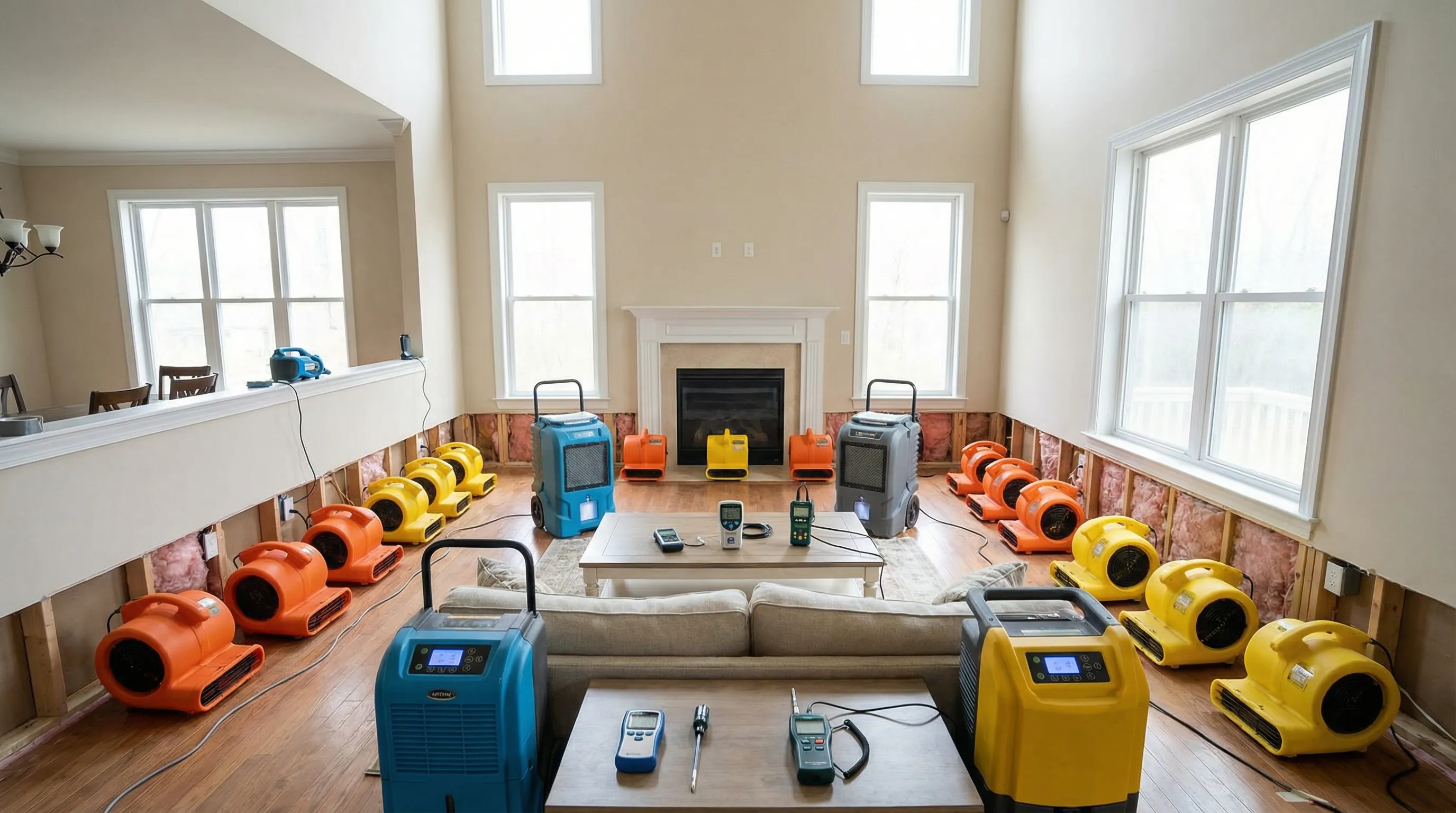
Commercial air movers ($20 to $50/day each) and dehumidifiers ($105+/day for large units) run continuously for 3 to 5 days. A typical mid-size job might require 8 to 12 air movers and 2 to 4 dehumidifiers. Equipment day-count is one of the biggest hidden cost drivers.
- 3
Moisture monitoring and documentation
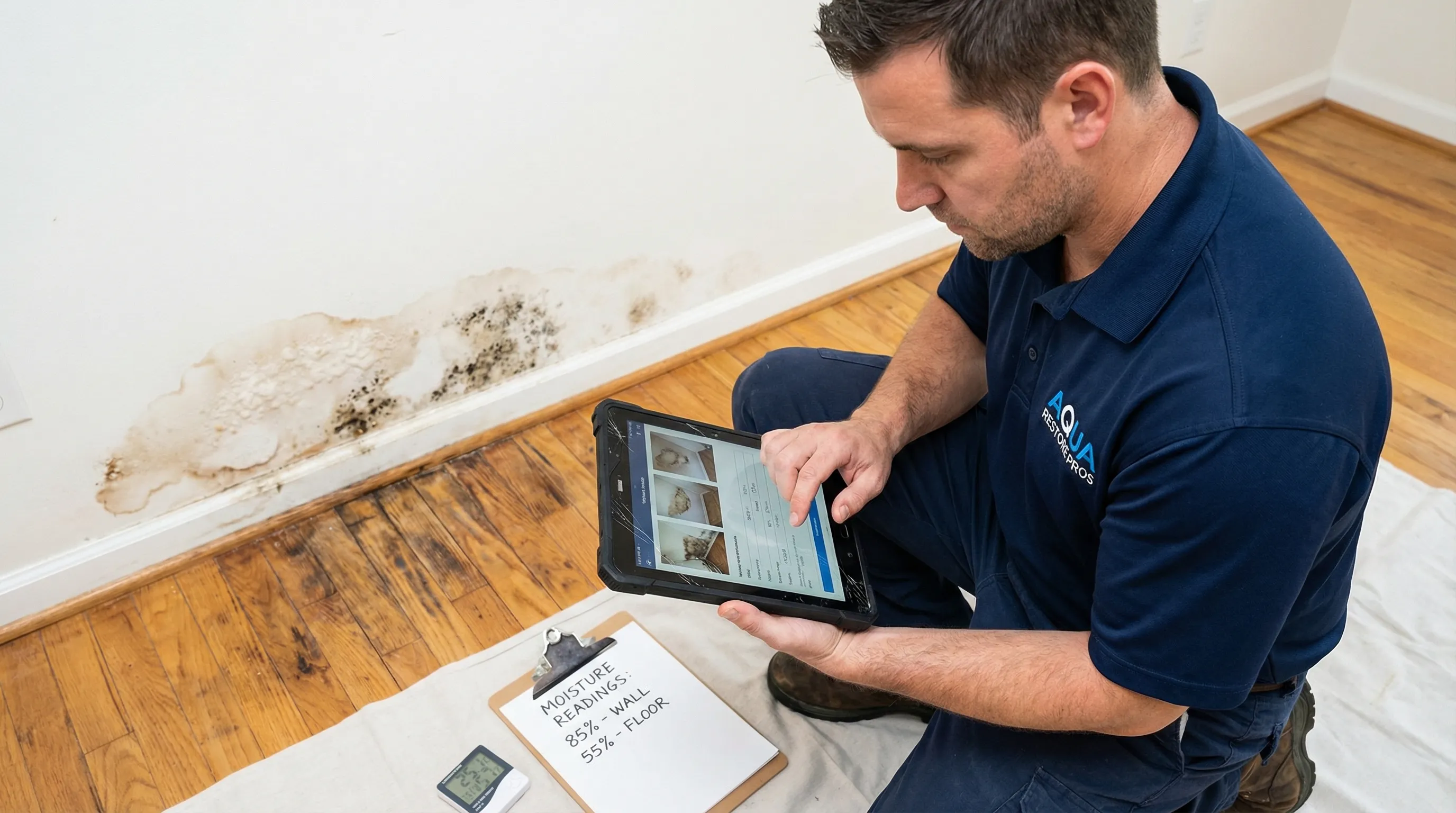
Daily readings with pin-type and non-invasive moisture meters, thermal imaging scans, and humidity logging. This documentation is critical for insurance approval. Technicians track progress until readings hit safe thresholds throughout the structure.
- 4
Antimicrobial treatment and containment
Application of professional-grade antimicrobials to prevent mold colonization. For Category 2 and 3 water, containment barriers and HEPA air scrubbers are deployed. Containment protects unaffected areas from cross-contamination.
- 5
Selective demolition
Saturated drywall is typically cut at the 2-foot flood line (or higher depending on wicking). Carpet pad, baseboards, and insulation in affected walls may be removed. Demo scope depends on materials and water category.
- 6
Contents handling
Furniture, electronics, and personal items in the affected area may need to be moved, cleaned, or stored. Contents pack-out services protect your belongings during the drying and repair process.
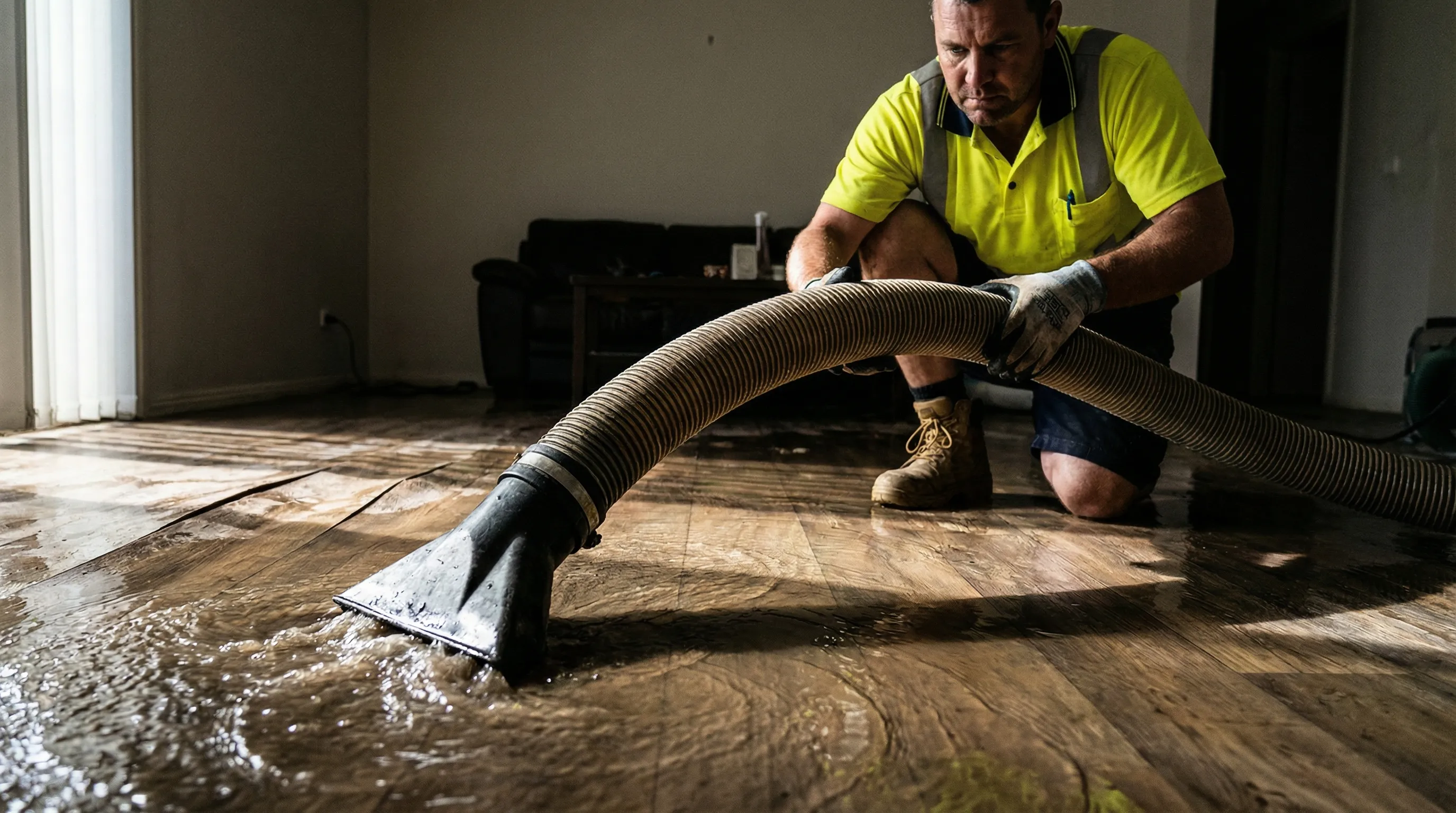
Real Cost Scenarios Homeowners Deal With
National averages are useful starting points, but your actual cost depends on the specific scenario. Here are five common water damage events and what homeowners typically pay, based on ranges reported by major cost publishers.
| Scenario | Typical scope | Estimated cost range |
|---|---|---|
| Supply line burst (under sink or toilet) | One room, clean water, 2 to 3 days drying, minimal demo | $1,000 to $3,000 |
| Washing machine or dishwasher overflow | Kitchen/laundry plus adjacent rooms, gray water, antimicrobial treatment | $2,000 to $5,000 |
| Roof leak during storm | Ceiling and wall damage, possible attic involvement, 3 to 5 days drying | $2,500 to $7,000 |
| Sewage backup | Contaminated black water, full PPE, heavy demo, air scrubbing, contents handling | $7,000 to $14,000+ |
| Storm flooding (multiple rooms) | Category 3 water, extensive demo, long drying cycle, possible structural repair | $10,000 to $25,000+ |
Cost ranges by common water damage scenario
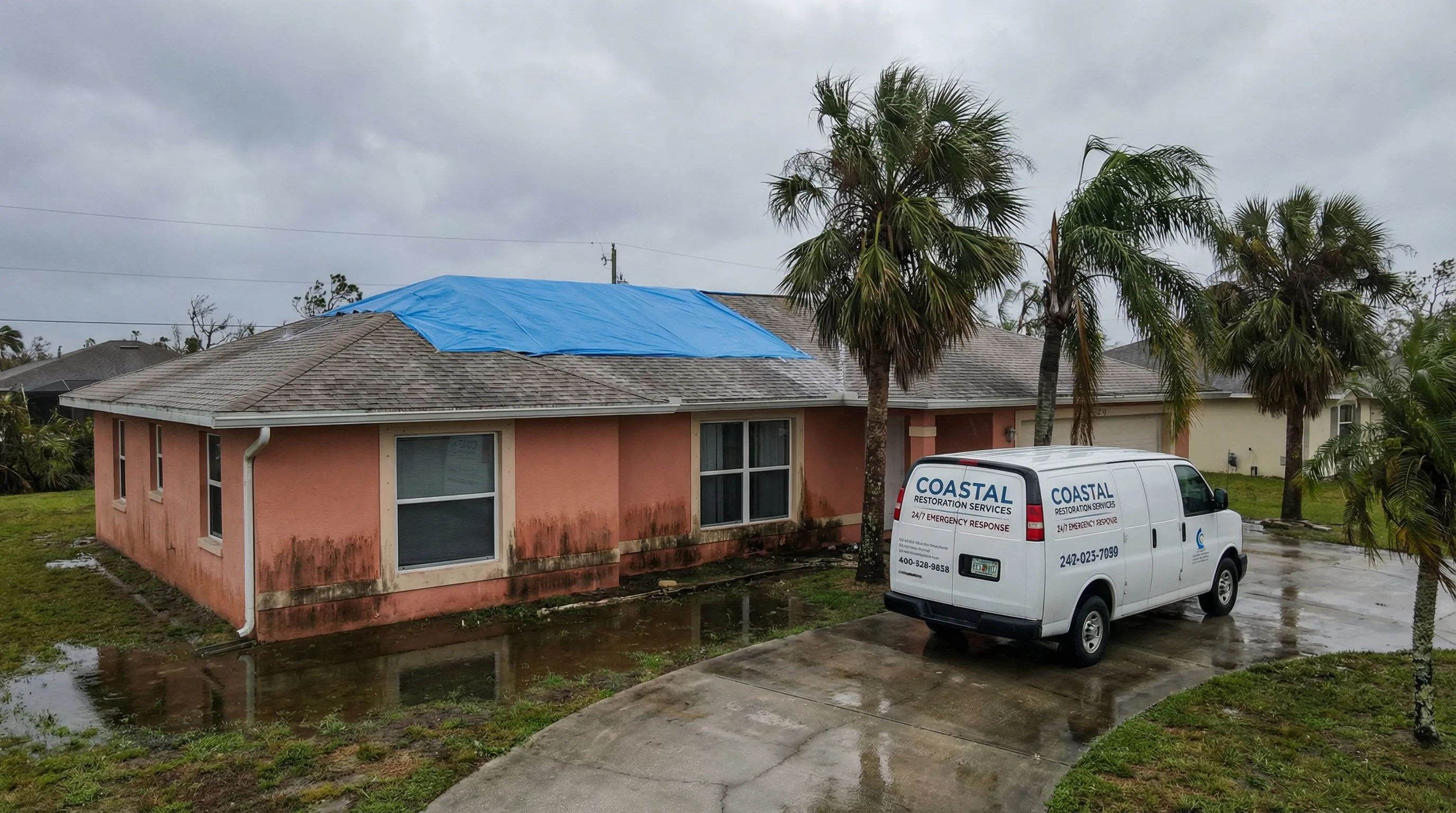
If your water damage resulted from a storm or hurricane, storm and hurricane damage restoration often involves additional scope like emergency tarping, debris removal, and wind damage repair that goes beyond standard water mitigation.
Why Acting Fast Saves Money: The Mold Timeline
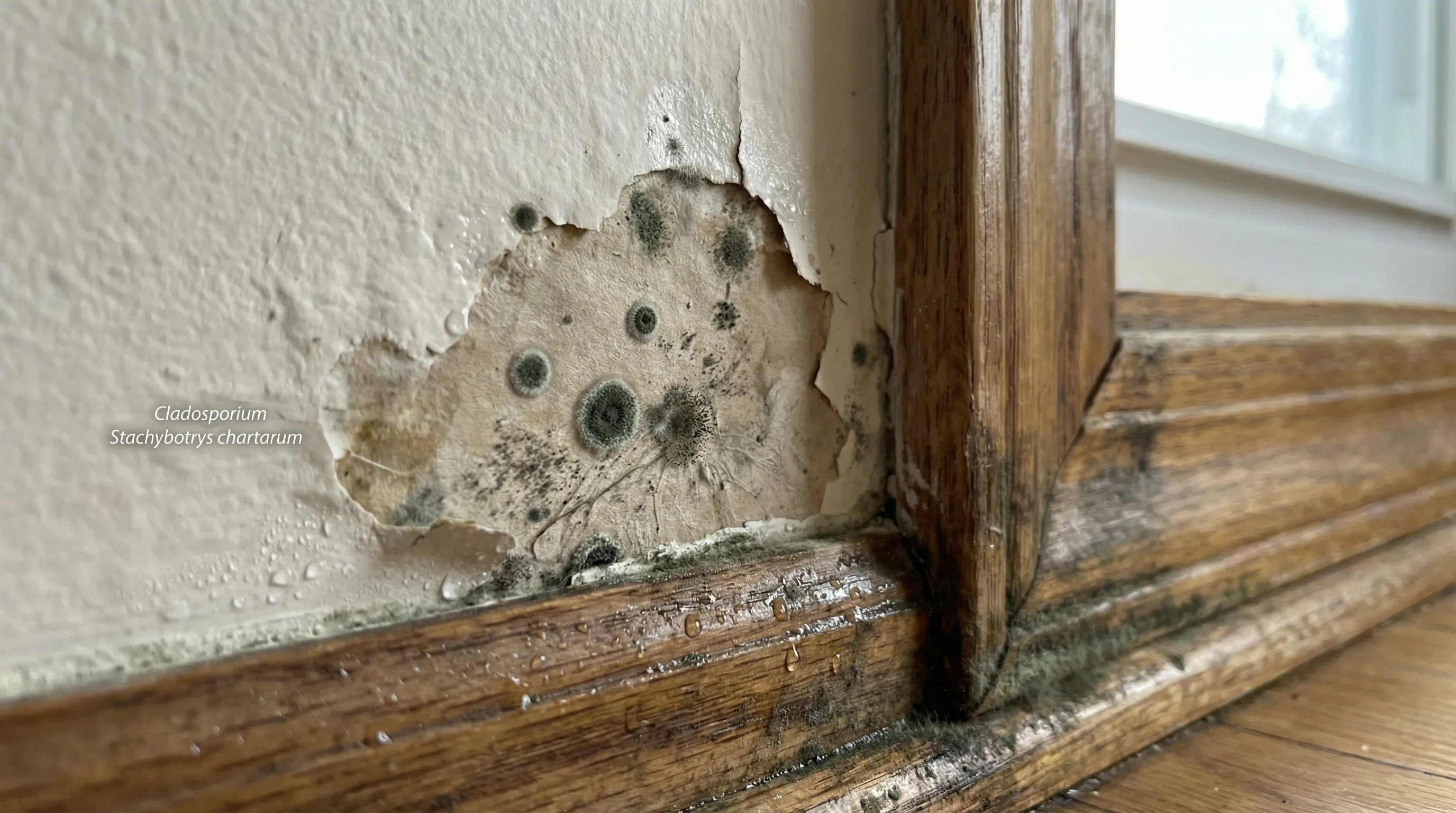
The cost conversation around water damage is inseparable from timing. Mold and microbial risk rise quickly in wet, humid environments, and secondary damage can force additional demolition and mold remediation that doubles or triples your original estimate. Here is the timeline, backed by federal health agencies.
0 to 24 hours
The golden window
Professional extraction and drying within this window gives you the best chance of preventing mold colonization. Our first 24 hours guide outlines the exact sequence. Insurance adjusters view prompt action favorably, and mitigation costs stay within standard ranges.
24 to 48 hours
Mold risk increases significantly
The EPA, CDC, and FEMA all warn that mold can begin growing on damp materials within 24 to 48 hours. In humid states like Florida, this timeline can be even shorter. Delayed action means higher contamination risk.
48 to 72 hours
Secondary damage begins
Structural materials begin to warp and swell. Drywall loses integrity. Clean water can escalate to gray or black water as bacteria multiply. The scope of required demolition increases substantially.
72+ hours
Major cost escalation
Active mold growth is likely. Remediation scope expands to include air scrubbing, containment, and potentially much larger demo areas. Insurance claims may face scrutiny for delayed mitigation. Total costs can double.
How to Get an Accurate Estimate and Avoid Claim Issues
Getting an accurate water damage restoration estimate starts before the restoration company arrives. What you do in the first few hours affects both your insurance claim outcome and the total project cost. Follow this sequence to protect yourself.
- Turn off power to affected areas and stop the water source if safe to do so
- Document all damage with timestamped photos and video before moving or cleaning anything
- Contact your insurance company to open a claim and get a claim number
- Call a professional restoration company for a moisture inspection and drying plan
- Request a written scope of work that separates mitigation from repair costs
- Ask for daily drying reports with moisture readings (your insurer needs these)
- Keep receipts for any temporary repairs or emergency expenses
For a detailed walkthrough of working with insurance after water damage, our guide on the insurance restoration process covers everything from documenting damage to understanding your coverage.
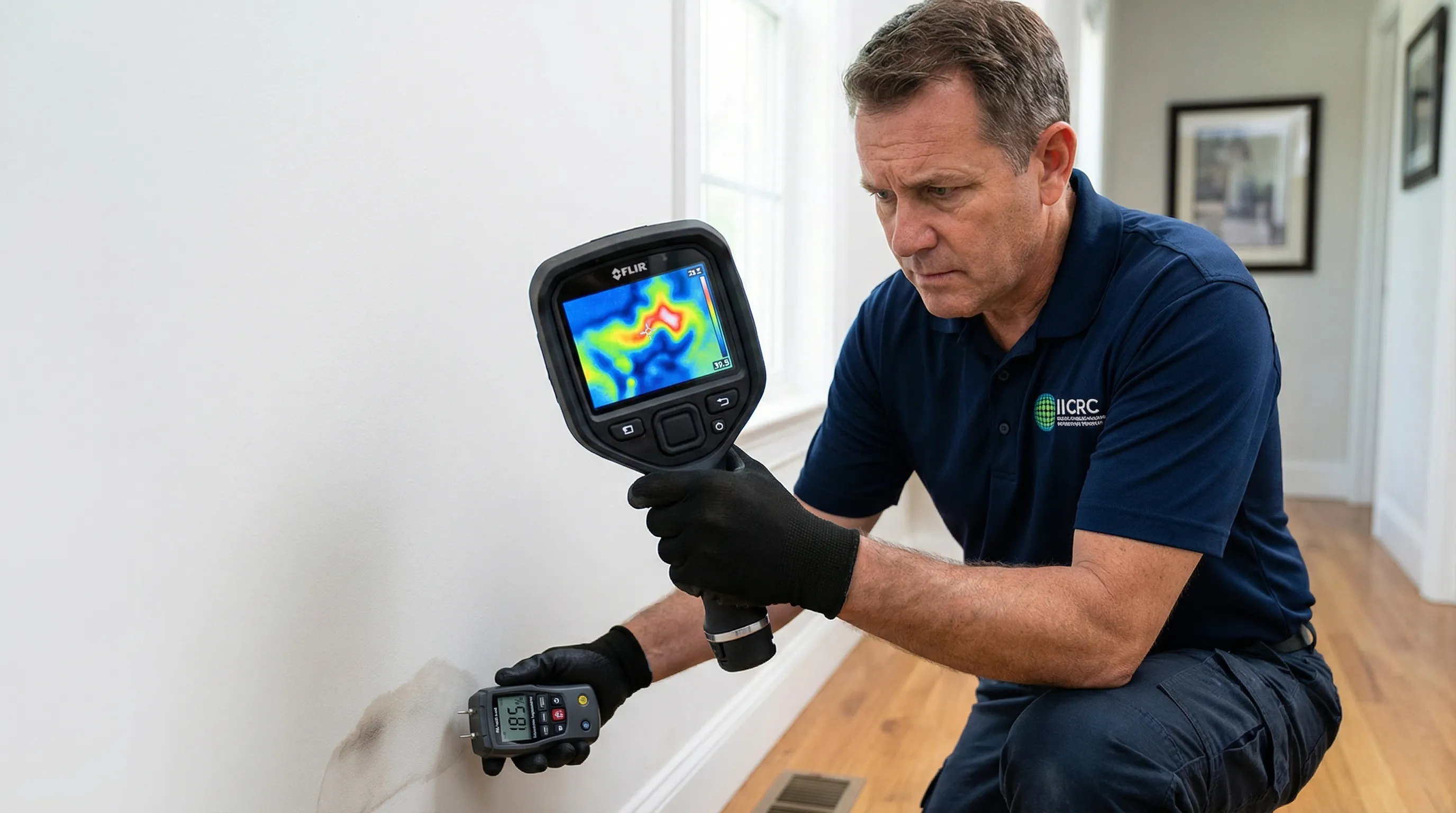
IICRC-certified technicians follow the S500 Standard for Professional Water Damage Restoration, which defines the inspection, documentation, and drying protocols that insurers recognize. Ask any restoration company about certifications, insurance, and documentation standards before signing, and use this how to choose a restoration company checklist to compare options.
Water Damage Cost Calculator
Get a personalized cost estimate based on your damage class, water category, and affected area.
Insurance Claim Estimator
See what your insurance should cover and estimate your out-of-pocket costs before filing.
Florida, North Carolina, and South Carolina Pricing
State and metro-level factors can shift water damage restoration costs significantly. Climate, insurance regulations, licensing requirements, and storm exposure all play a role. Here is what homeowners in our primary service areas should know.
Florida pricing and insurance considerations
Florida is the most humid state in the nation, which means water damage restoration involves longer drying cycles and higher secondary damage risk. Florida ranks #2 nationally for mold-prone homes, so delayed drying almost always means a mold remediation project on top of the water damage. Local cost data varies sharply: Tampa averages $4,606 (range: $1,962 to $7,250), while Orlando reports a lower average around $860 for smaller, mitigation-only scopes. The difference reflects project size and whether repair is included.
- Florida requires a state license for mold assessors and mold remediators (via MyFloridaLicense)
- Florida's 2022 insurance reforms eliminated one-way attorney fees and restricted assignment of benefits (AOB)
- Hurricane season (June 1 to November 30) creates annual spikes in storm damage restoration demand and pricing
- High humidity extends drying timelines and increases equipment day-count costs
North Carolina pricing factors
North Carolina sees regular severe storms and tropical systems that drive water intrusion claims. Charlotte averages $2,328 (range: $1,014 to $4,081), while Raleigh reports a much higher average of $8,407 (range: $1,935 to $14,880) reflecting larger repair scopes. This contrast demonstrates why a local inspection is the only reliable way to price a job. For NC-specific guidance, see our North Carolina water restoration page.
- The NC Department of Insurance advises documenting damage, making only temporary repairs, and contacting the insurer immediately
- Standard homeowners policies generally do not cover flood or rising water damage; a separate NFIP flood policy is needed
- Crawl space moisture issues are common in North Carolina homes and can complicate restoration scope; our crawl space cleanup services address these conditions
- Commercial restoration demand is significant across the Charlotte and Raleigh-Durham metros
South Carolina considerations
South Carolina has significant hurricane exposure statewide, not just along the coast. The SC Emergency Management Division notes that 45 tropical cyclones made landfall on the SC coast from 1851 to 2024, making storm-related water intrusion a recurring driver of restoration demand.
- The SC Department of Insurance states homeowners should protect property from further damage after a loss, and those protection costs are generally covered
- Most claimants receive adjuster contact within about 48 hours of reporting
- Flood or rising water generally is not covered by homeowners policies; a separate flood policy is required
- A February 2026 bill proposes certification requirements for mold assessment and remediation providers in SC (not yet law)
Florida pricing snapshot
- Tampa average: $4,606 ($1,962 to $7,250)
- Orlando average: ~$860 (mitigation-only scopes)
- Highest humidity in the nation extends drying cycles
- State-licensed mold professionals required
- 1-year claim notice deadline
Carolinas pricing snapshot
- Charlotte, NC average: $2,328 ($1,014 to $4,081)
- Raleigh, NC average: $8,407 ($1,935 to $14,880)
- SC state-level estimates: $5,000 to $13,000
- Crawl space moisture is a common complicating factor
- Flood vs. homeowners coverage distinction is critical
Does Insurance Cover Water Damage Restoration?
This is one of the most-asked questions, and the answer depends on the source. Understanding the distinction upfront can save you thousands in unexpected out-of-pocket costs. The general rule across FL, NC, and SC is:
Typically covered
- Burst pipes and sudden plumbing failures
- Appliance malfunctions (water heater, washing machine)
- Accidental overflow from bathtubs or sinks
- Storm damage through roof or windows (wind-driven rain)
- Fire suppression water damage
Typically NOT covered
- Flood or rising water (requires separate NFIP flood policy)
- Gradual leaks from lack of maintenance
- Seepage through foundations or basement walls
- Sewer backup (may require separate endorsement)
- Neglect or failure to maintain plumbing
For a deeper look at coverage types, deductibles, and how to navigate the claims process, see our complete guide to the insurance restoration process. For the step-by-step filing walkthrough with evidence checklists and state deadlines, see how to file a water damage insurance claim. If you live in a condo or HOA, see our HOA water damage responsibility guide for how costs split between the association and individual owners. If you're unsure whether flood insurance or homeowners insurance applies to your situation, that resource breaks down the differences clearly.
If your water damage involved fire suppression water from sprinklers or firefighting, the fire loss and the resulting water damage are typically covered under one claim. Our fire and smoke cleanup services handle both the fire and water scopes.
Frequently Asked Questions
How much does water damage restoration cost in 2026? +
What is the water damage repair cost per square foot? +
How fast can mold grow after water damage? +
Does homeowners insurance cover water damage restoration? +
How long does water damage restoration take? +
What should I do first when I discover water damage? +
Is flood damage the same as water damage for insurance purposes? +
Key Terms to Know
- Mitigation
- The immediate actions taken to stop, contain, and dry water damage. Includes extraction, dehumidification, antimicrobial treatment, and monitoring. Distinct from repair or reconstruction.
- IICRC S500
- The ANSI-accredited standard published by the Institute of Inspection, Cleaning and Restoration Certification that defines procedures and precautions for professional water damage restoration.
- WRT Certification
- Water Restoration Technician certification from the IICRC, indicating a technician has demonstrated knowledge of water damage restoration principles and practices.
- Category 1 / 2 / 3 Water
- IICRC classification system based on contamination level. Category 1 is clean water, Category 2 is gray water with some contaminants, and Category 3 is black water with serious health hazards.
- Class of Water Damage (1-4)
- Classification based on how much water was absorbed by materials. Higher classes (more absorption) require more equipment and longer drying times, directly affecting cost.
- Psychrometrics
- The science of air and moisture relationships, used by restoration professionals to optimize drying conditions by balancing temperature, humidity, and airflow.
Related resources
What to Do After Water Damage in Florida
Hour-by-hour step-by-step guide for Florida homeowners dealing with water damage.
Water Damage from Firefighting: The Hidden Costs
Typical costs ($1K-$6K), mold risk, and insurance documentation for firefighter water damage in FL, NC, and SC.
Water Restoration Services
Our full 24/7 water damage response, from emergency extraction through complete reconstruction.
Mold Remediation Services
Professional mold testing, containment, and remediation when prevention isn't enough.
How to File a Water Damage Insurance Claim
Step-by-step filing guide with evidence checklists, common denial mistakes, and FL/NC/SC deadlines.
Insurance Restoration Process
Navigate your insurance claim with confidence, from documentation to settlement.
Structural Drying Services
Professional dehumidification and drying protocols that protect your structure and your claim.
Reconstruction Services
Full build-back from drywall to finishes after water damage mitigation is complete.
Mold Remediation Cost in 2026
What homeowners actually pay for mold cleanup, by project size and location in the home.
Crawl Space Encapsulation Cost in 2026
Encapsulation, vapor barrier, and moisture control costs in FL, NC, and SC.
Restoration Company vs General Contractor: Who to Call First
When to call a restoration company vs. a general contractor, the difference between mitigation and reconstruction, and state licensing rules for FL, NC, and SC.
Need a water damage restoration estimate?
Our certified crews respond 24/7 across Florida and the Carolinas. Free on-site inspection with moisture mapping and a clear, itemized scope of work.
Found this helpful? Send it to someone who needs it.