Background

EXPERT FABRIC CARE

Textile Restoration: Professional Recovery for Every Fabric

Smoke-damaged wardrobes, water-soaked rugs, and fire-exposed upholstery don't have to be a total loss. Our textile restoration specialists use IICRC-certified techniques and Esporta wash technology to save fabrics most people assume are ruined.

We Understand

Every Fabric Has a Story

The curtains from your first home. The suit from your wedding day. The quilt your grandmother stitched by hand over the course of a winter. These are more than fabric — they carry your life's moments. When disaster strikes, losing them can feel as painful as losing the memories themselves.

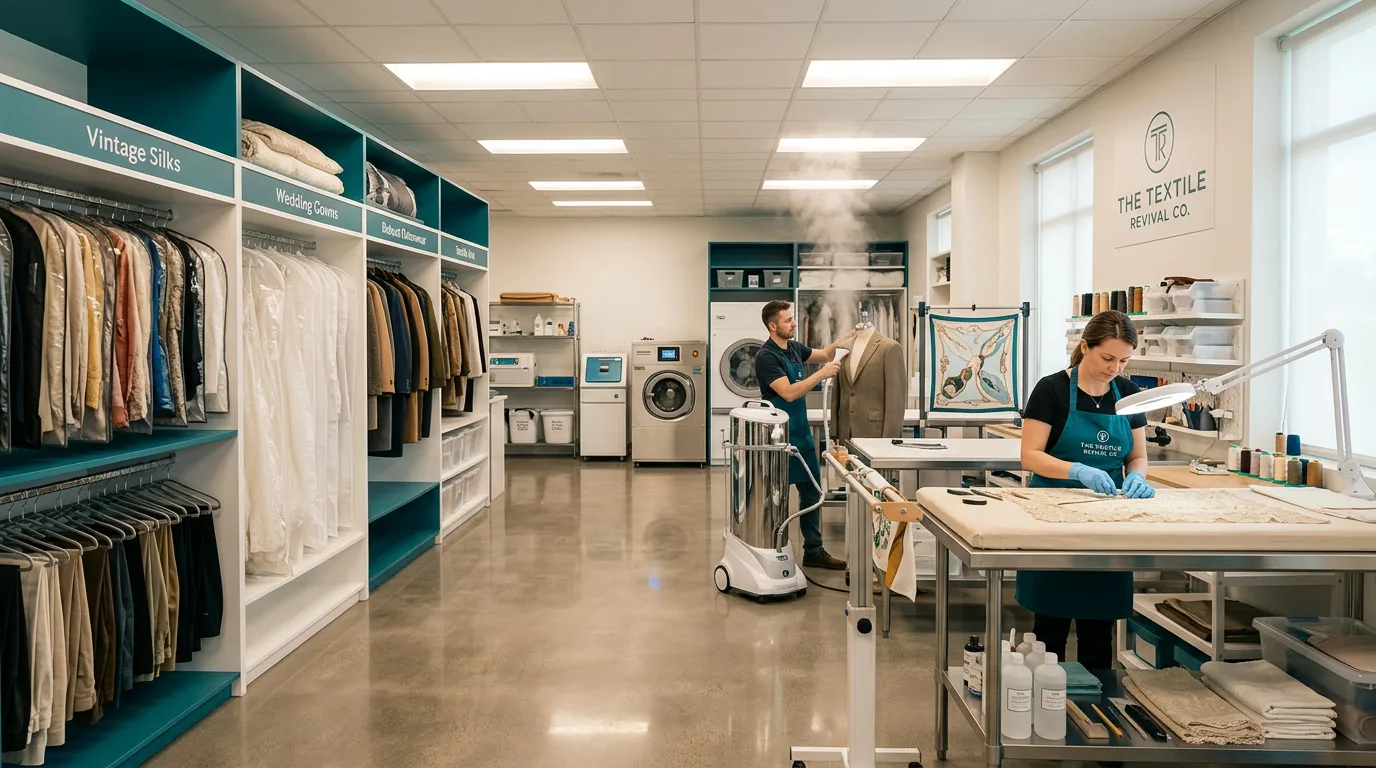
Professional textile restoration can save far more than most people expect. Smoke-saturated wardrobes, water-soaked area rugs, soot-covered drapes — items you might assume are ruined can often be returned to pre-loss condition with the right techniques and equipment. Before you throw anything away, let a specialist take a look.

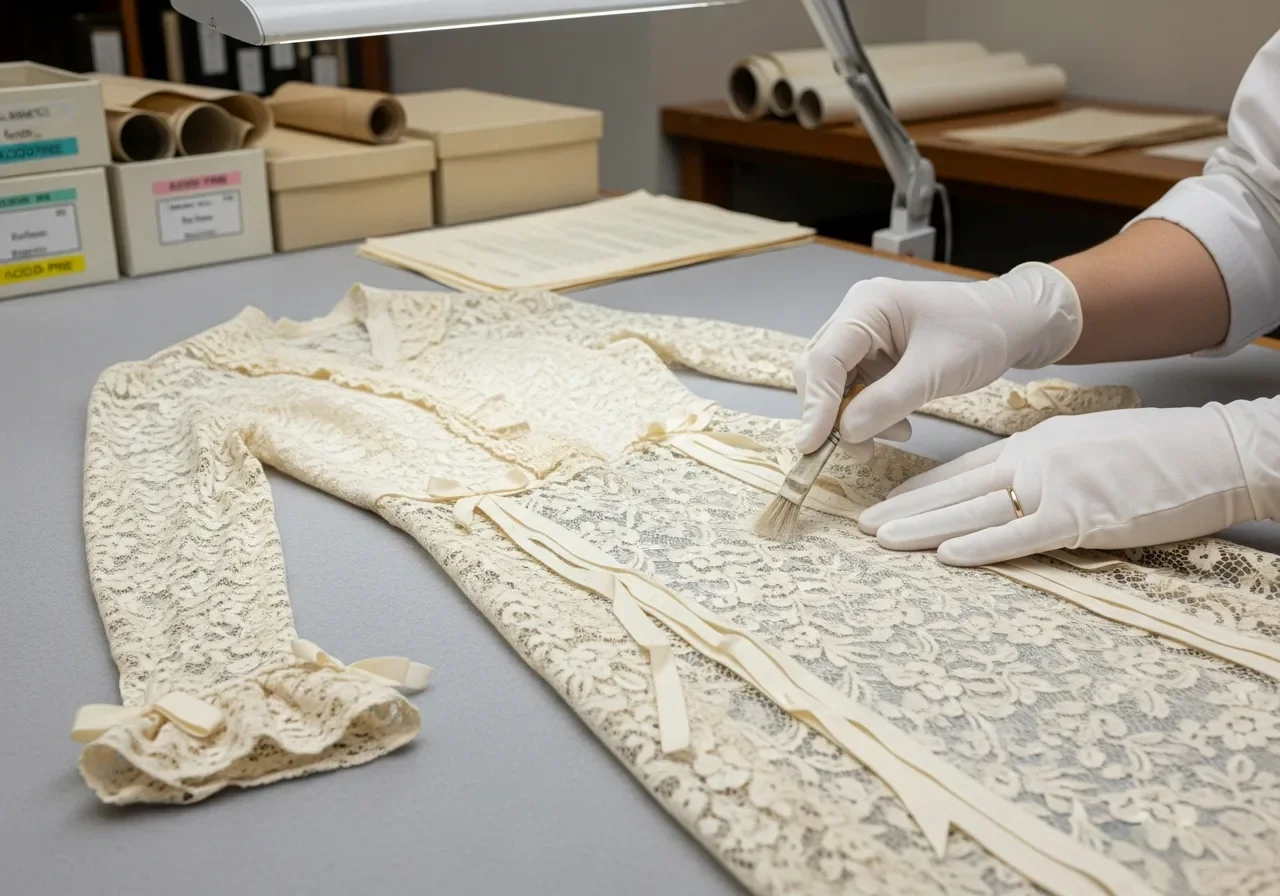
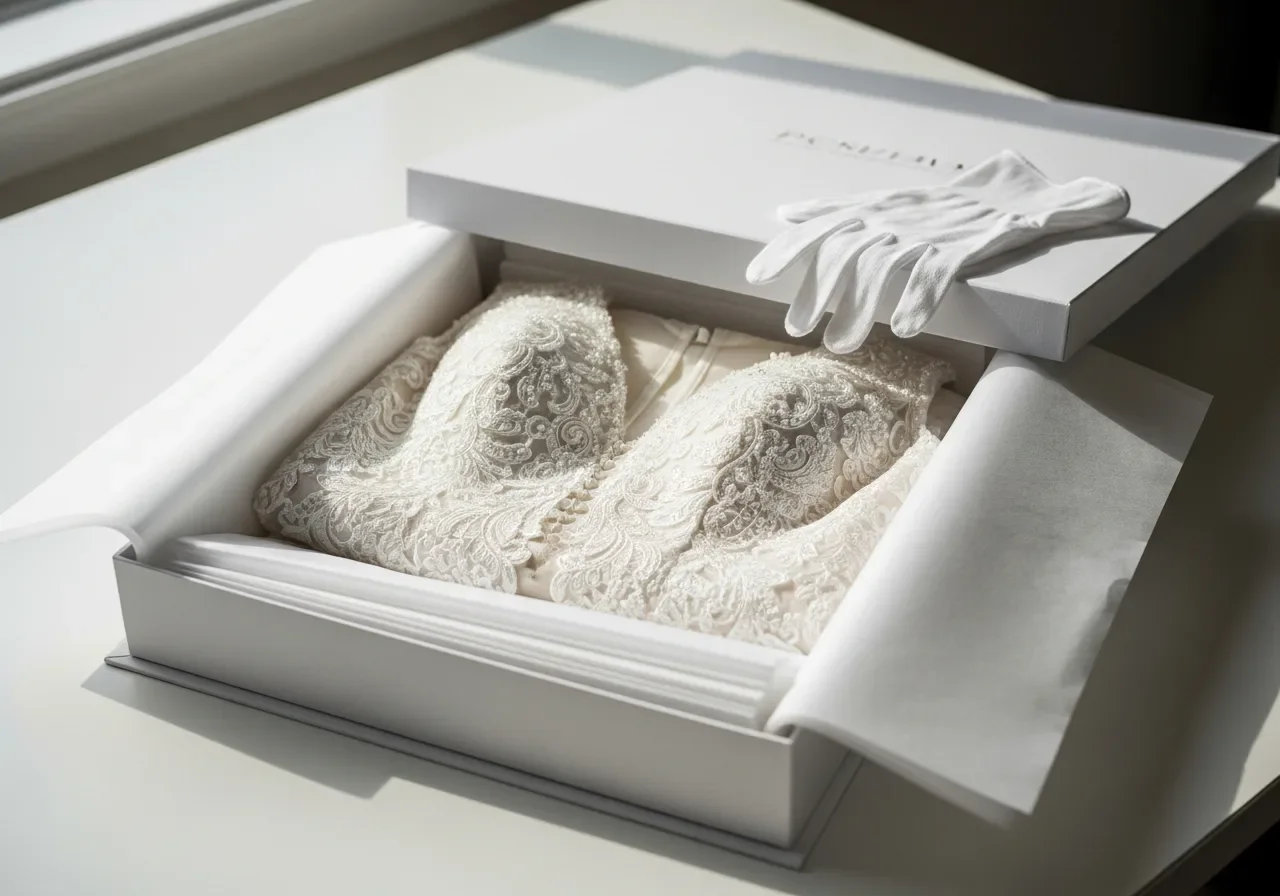
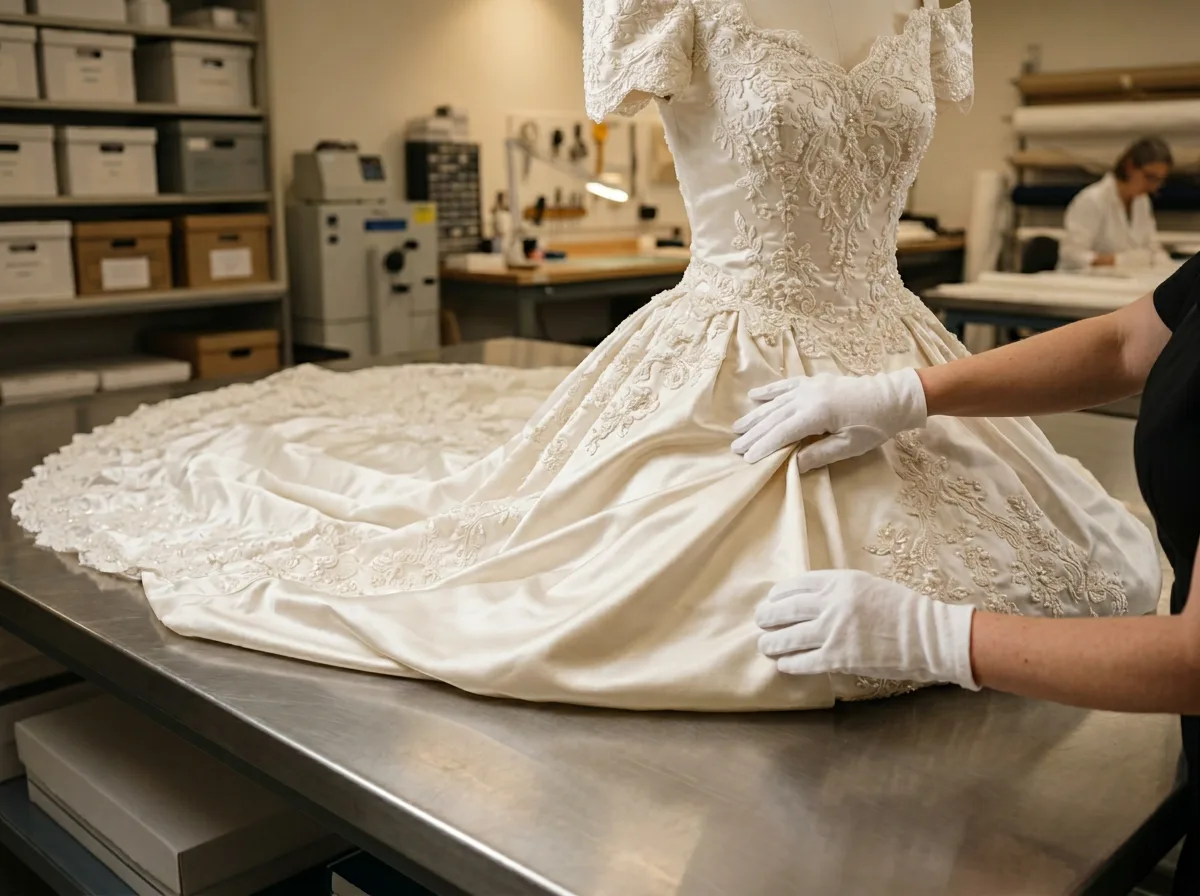
Professional wedding dress preservation and textile restoration

Need to talk about your textiles?

Our team is available 24/7 to discuss your situation and help you understand what can be restored. There's no obligation — just honest guidance.

The First 72 Hours

Protecting Your Fabrics Right Now

Textile recovery rates depend almost entirely on what happens in the first 72 hours. Four steps to maximize recoverability before professional help arrives.

01

Separate Wet From Dry

Move undamaged textiles away from the affected area immediately. Lay wet items flat on clean towels or hang them individually — never pile wet fabrics together. Dye transfer, mold colonization, and fiber weakening all accelerate when wet textiles touch each other.

Isolation prevents cross-contamination
02

Do NOT Machine Wash

Heat and agitation permanently set smoke residue, soot particles, and certain water contaminants into fabric fibers. Do not put anything in a washing machine or dryer until a textile specialist has assessed the damage. What feels like a logical first step actually destroys recoverability.

Washing machines destroy evidence
03

Keep Away From Sunlight

UV exposure fades water-stained and smoke-exposed fabrics irreversibly. Move textiles to a dark, cool room with air circulation. If items are outdoors due to evacuation, cover them with clean sheets or tarps. Sunlight damage compounds on top of the original loss.

UV damage is permanent
04

Call a Textile Specialist

Professional textile restoration uses Esporta wash systems, CO2 cleaning, and fiber-specific protocols that standard dry cleaners cannot replicate. Recovery rates for smoke-damaged textiles drop from 85% to under 40% after 72 hours without proper handling. Time is the difference between restoration and replacement.

72-hour recovery window

Every hour reduces recovery rates

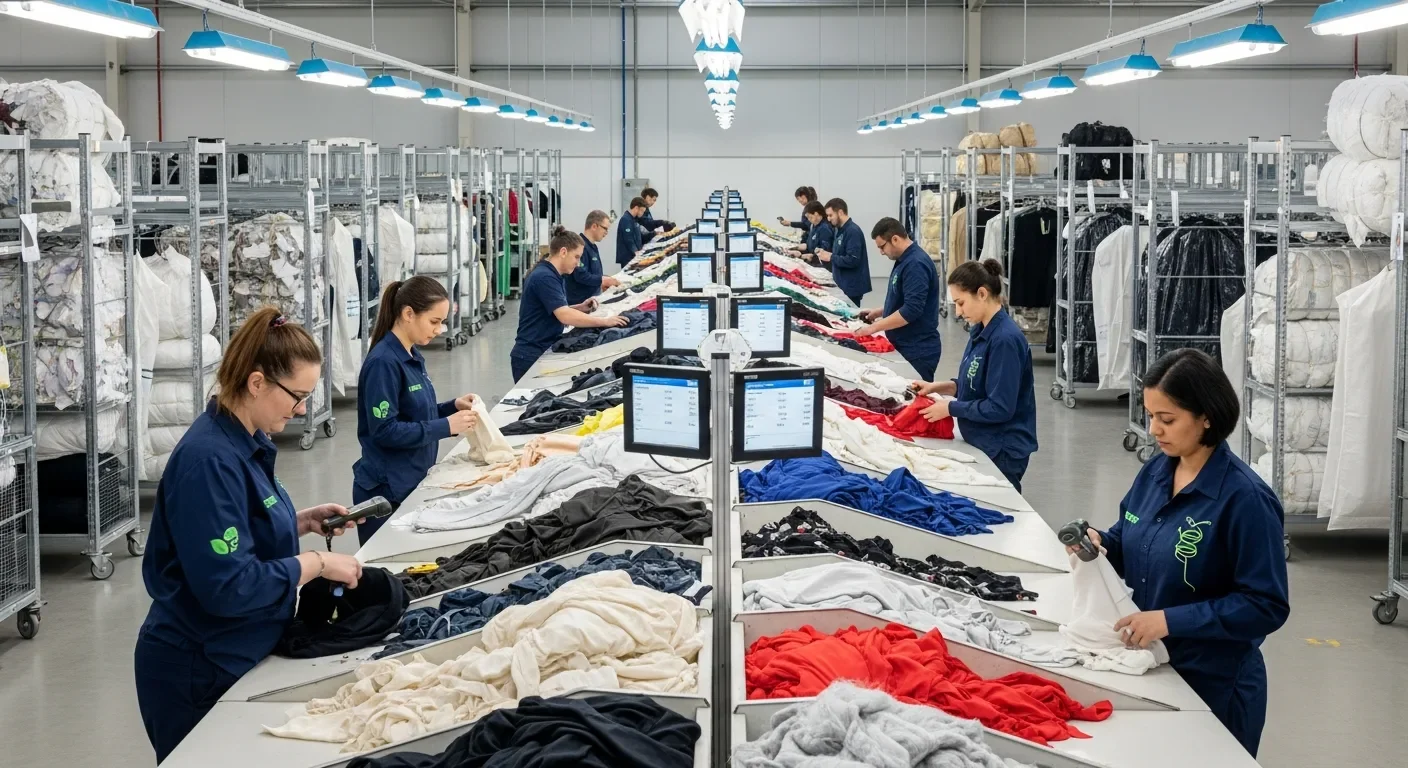
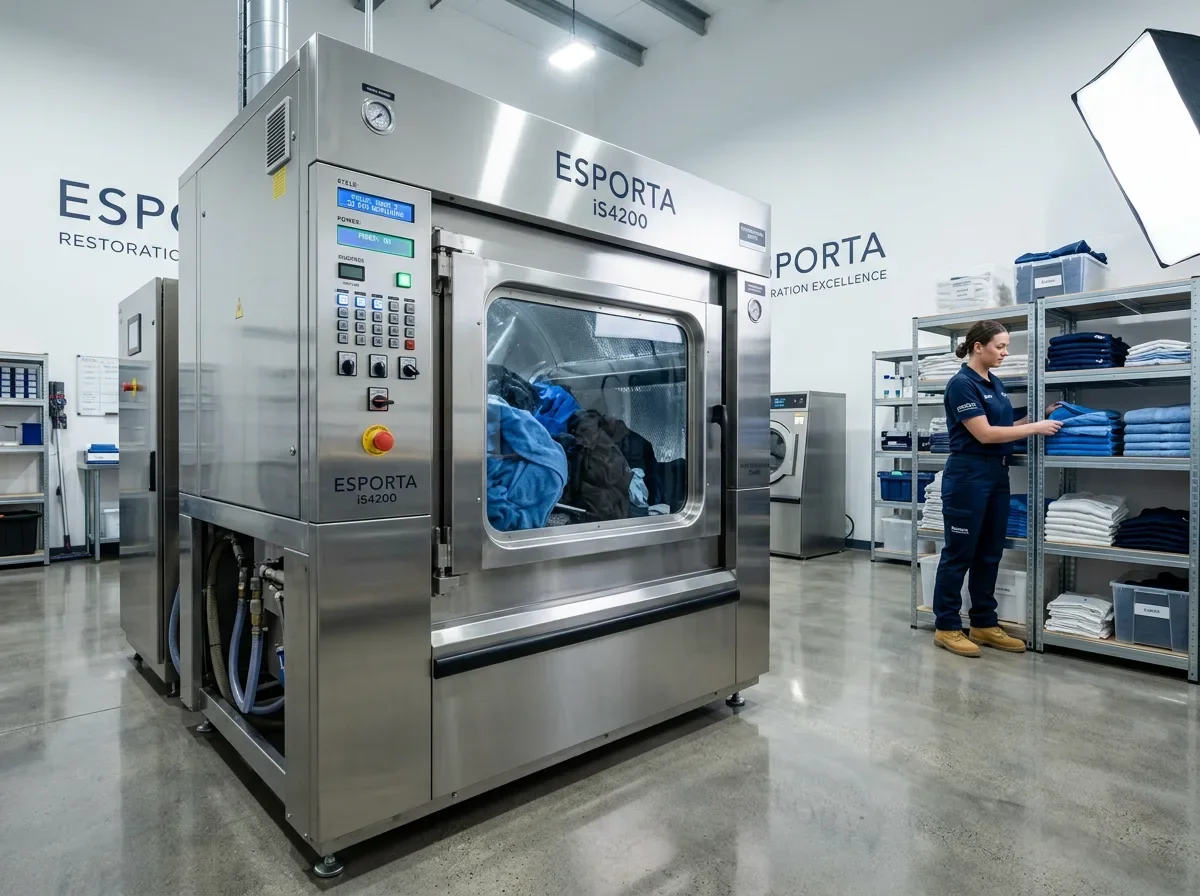
Esporta wash systems, CO2 dry-cleaning, and specialty fabric protocols across FL, NC, and SC. We restore textiles that standard cleaners write off.

Esporta professional textile wash system for fabric restoration

More Than You Think

What Textiles Can Be Saved?

Most people assume the worst after water, fire, or mold damage — but professional fabric restoration technology has advanced dramatically. Items that look and smell beyond hope can often be cleaned to food-grade standards using specialized equipment like the Esporta Wash System. The answer to "can this be saved?" is almost always worth asking.

Clothing & Wardrobes

Suits, dresses, casual wear, uniforms, and outerwear

95%+ recovery rate

Area Rugs

Oriental, Persian, wool, synthetic, and hand-knotted

High success with proper drying

Upholstery

Sofa cushions, chair covers, and furniture fabric

Varies by fabric type

Drapes & Curtains

Blackouts, sheers, valances, and window panels

Excellent with professional care

Bedding & Linens

Sheets, comforters, pillows, and decorative throws

95%+ for washable items

Table Linens

Tablecloths, napkins, runners, and placemats

Very high recovery rate

Specialty Fabrics

Wedding dresses, quilts, tapestries, vintage items

Requires specialized care

Leather & Suede

Jackets, bags, shoes, belts, and accessories

Controlled drying essential
Textile Restoration

Professional Care for Your Fabrics & Textiles

When disaster strikes, your clothing, rugs, upholstery, and drapes deserve specialized attention. Our IICRC-certified textile restoration team uses advanced Esporta wash technology and fabric-specific techniques to salvage items most homeowners assume are ruined—returning them clean, odor-free, and ready to use.

95%+
Recovery Rate
48hr
Priority Service
100%
Full Tracking
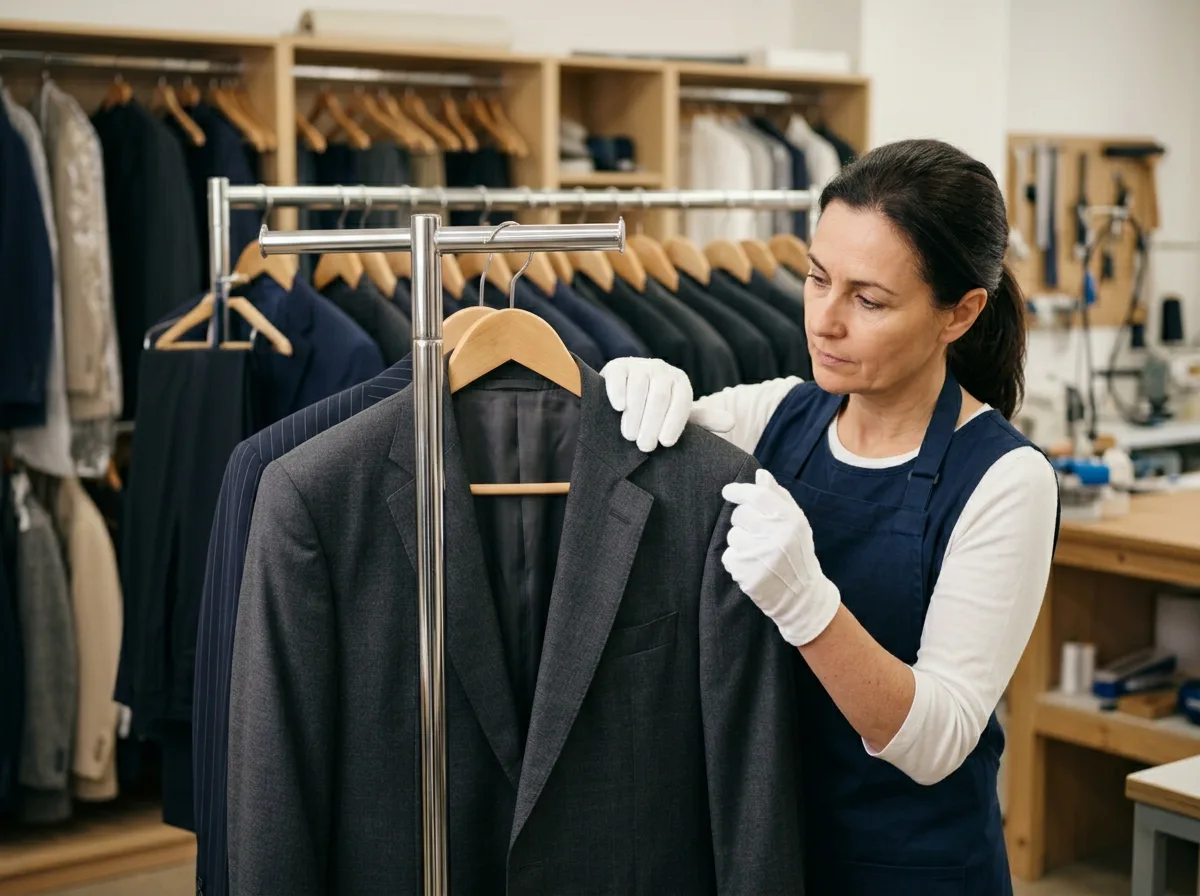
Professional textile restoration technician carefully inspecting and restoring fabrics damaged by water, fire, or smoke

Your Fabrics, Our Priority

Esporta technology and trained technicians restore what matters most to your family

IICRC
Cert

IICRC-Certified

Trained specialists in textile cleaning, restoration, and odor elimination

Esporta Technology

FDA food-grade clean results on smoke, soot, and water-damaged fabrics

Climate-Controlled

Temperature and humidity-managed storage prevents secondary damage

Complete Documentation

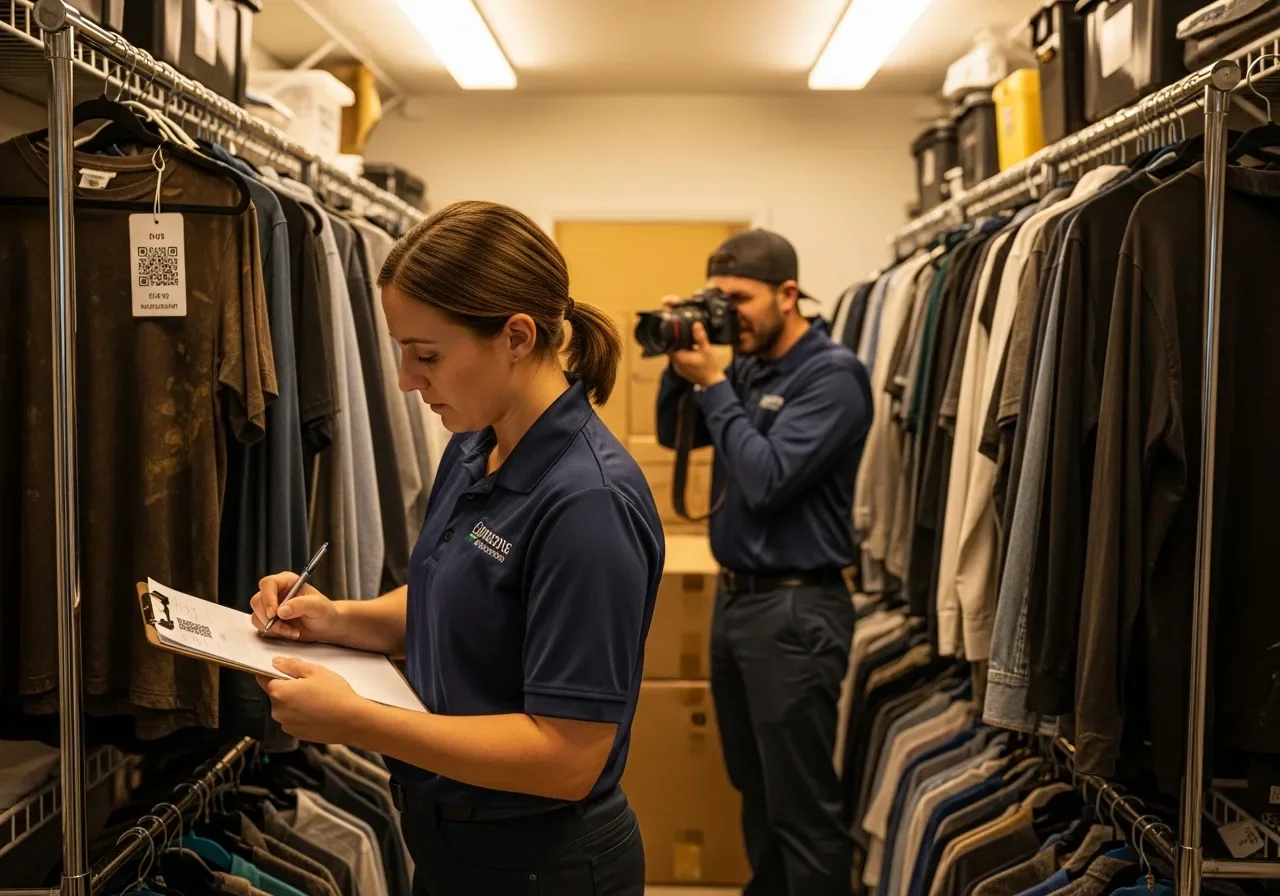
Every textile photographed, categorized, and tracked through the process

Your Textiles Deserve Expert Care. We're Here to Help.

(888) 245-5155
Our Proven Approach

From Damage to Restored — Our Approach

Four clear steps take your textiles from disaster-damaged to beautifully restored. Every item is tracked and documented from the moment we arrive.

01

Assess

We inspect every affected textile—identifying fabric types, testing dye stability, and documenting damage levels for each item.

02

Collect

Textiles are carefully packed in clean materials, labeled, and transported to our climate-controlled restoration facility.

03

Restore

Each fabric receives specialized cleaning matched to its type—Esporta wash for clothing, hand-cleaning for delicates, and deep extraction for rugs.

04

Return

Quality-checked textiles are carefully packaged and delivered back to you—clean, odor-free, and ready to use.

Professional textile restoration team carefully cleaning and restoring clothing damaged by smoke and water

Every Fabric Matters to Us

From delicate silk blouses to heavy wool rugs—we match the right technique to every textile for the best possible results.

Why Our Process Works

1

Fabric-Specific Care

Different textiles require different approaches—silk, wool, cotton, and synthetics each get specialized treatment

2

Dye Stability Testing

Every fabric is tested for colorfastness before cleaning to prevent dye bleeding or fading

3

Climate-Controlled Facility

Temperature and humidity are precisely managed to prevent mildew, shrinkage, and secondary damage

4

Quality Verification

Every textile is inspected before return to ensure it meets our restoration standards

Professional Textile Restoration

Why Professional Textile Restoration Matters

After a disaster, your first instinct may be to throw damaged fabrics away. But with professional care, the vast majority of your textiles can be saved—often looking and feeling like nothing ever happened.

Save Your Entire Wardrobe

Professional techniques save clothing homeowners assume is ruined. Smoke-damaged shirts, water-soaked suits, even soot-covered dresses—our Esporta wash system recovers what seems impossible.

95%+ fabric recovery

Reduce Replacement Costs

Restoration costs a fraction of replacing entire textile collections. Insurance companies prefer it, and you keep the clothing and fabrics that actually matter to your family.

Lower claim costs

Preserve Irreplaceable Pieces

Wedding dresses, heirloom quilts, vintage items, and handmade textiles can never be replaced at any price. We understand what these fabrics mean to you and treat them accordingly.

Priceless protection

Complete Fabric Inventory

Every textile is photographed, categorized by type and condition, and tracked from pickup to delivery. Your insurance company receives detailed records that support your claim.

Full inventory tracking

Proper Storage & Handling

Climate-controlled storage prevents mildew, shrinkage, and dye transfer while your home is being repaired. No additional damage from construction dust or humidity swings.

Protected storage

Full-Service Textile Care

We handle everything from pickup through specialized cleaning to delivery. Clothing, rugs, upholstery, drapes, linens—all returned clean, odor-free, and ready to use.

End-to-end care

Don't Throw It Away — Let Us Assess Your Fabrics

You'd be amazed at what professional textile restoration can save. From smoke-damaged wardrobes to water-soaked Oriental rugs, we've brought back fabrics that families thought were gone forever. One call can make all the difference.

Restoration Results

The Difference Professional Textile Restoration Makes

See how specialized techniques transform fabrics that seem beyond saving. These are the kinds of results our textile restoration team delivers every day.

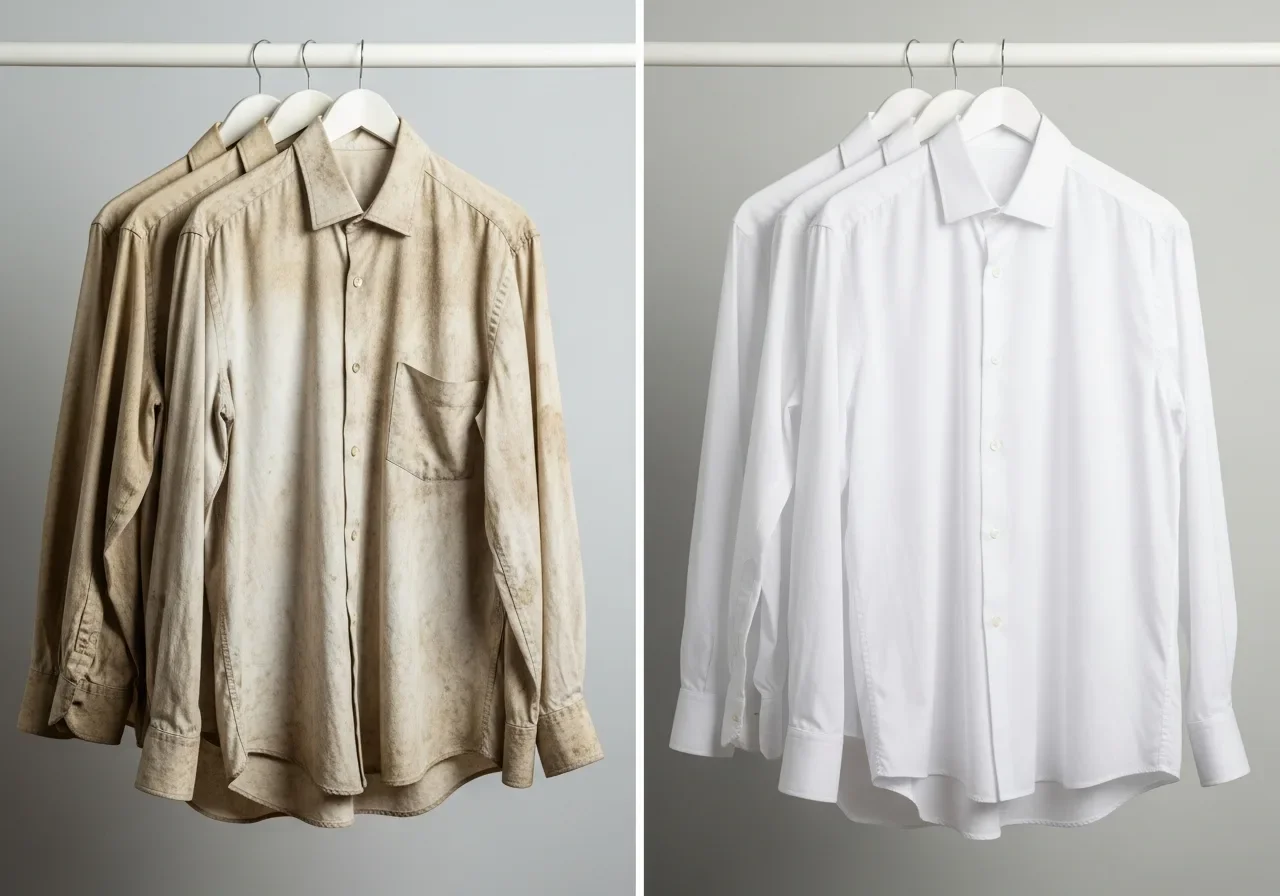
Professional clothing restoration showing Esporta-cleaned garments after smoke and soot damage

Smoke-Damaged Clothing

Before Restoration
  • Heavy soot coating on all garments
  • Embedded smoke odor throughout fibers
  • Discolored and stiff to the touch
  • Homeowner assumed total loss
After Restoration
  • Esporta-cleaned to food-grade standard
  • Odor completely eliminated from fibers
  • Colors restored to original vibrancy
  • Returned pressed and ready to wear
Professional Oriental rug restoration showing color stabilization and fringe cleaning after water damage

Water-Damaged Oriental Rug

Before Restoration
  • Saturated and extremely heavy
  • Dye bleeding between colors
  • Fringe matted and dirty
  • Beginning to develop musty odor
After Restoration
  • Carefully dried and fully restored
  • Colors stabilized and vibrant again
  • Fringe cleaned and straightened
  • Odor-free and supple to the touch
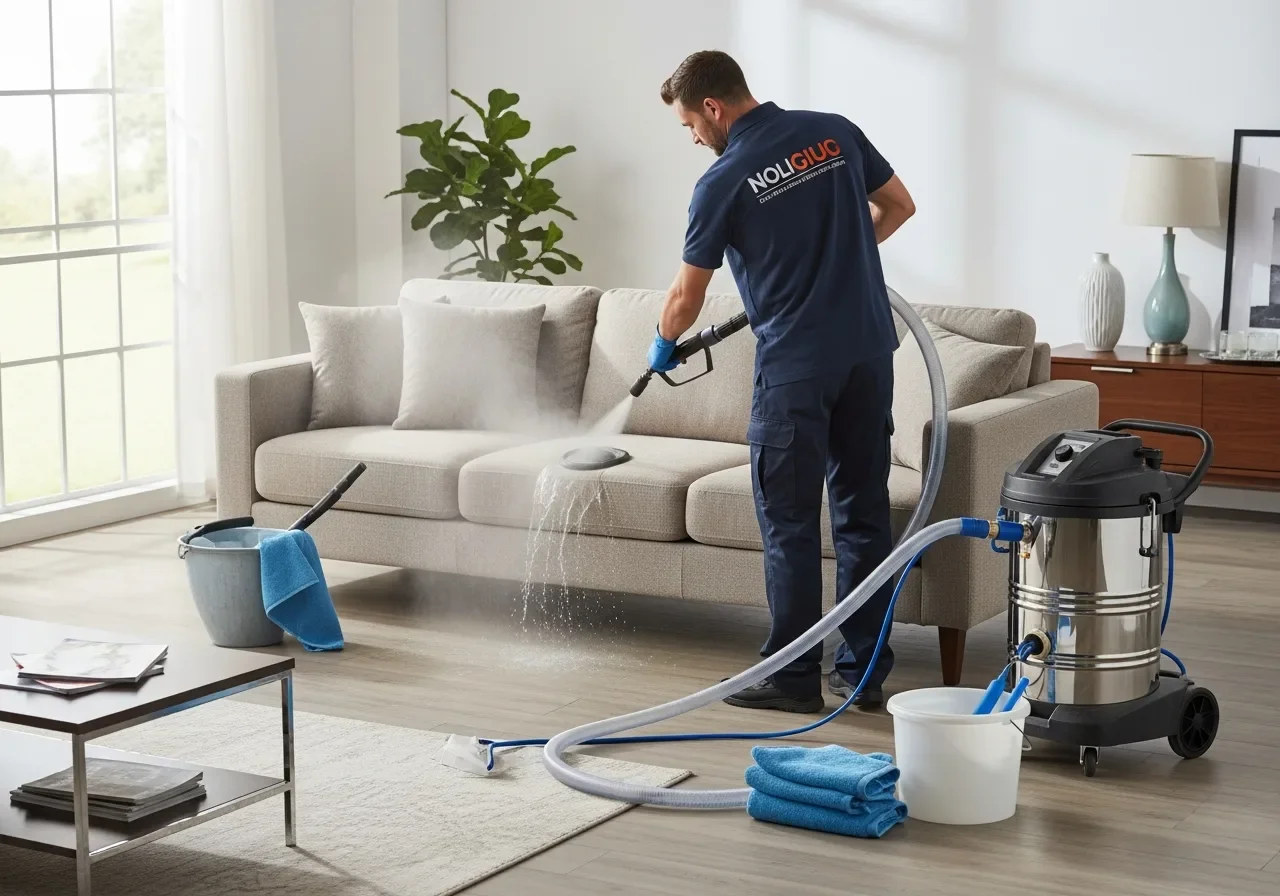
Professional upholstery restoration showing deep-cleaned and deodorized furniture fabric after fire exposure

Fire-Exposed Upholstery

Before Restoration
  • Soot-covered fabric surfaces
  • Smoke odor deeply embedded in cushions
  • Cushions discolored throughout
  • Appeared completely beyond saving
After Restoration
  • Professionally deep-cleaned and refreshed
  • Deodorized completely at the fiber level
  • Original texture and softness restored
  • Returned looking and feeling like new

Think your textiles can't be saved? Let our specialists take a look.

Request a Free Assessment
Emergency Action Guide

What to Do Right Now to Save Your Textiles

If your home has just been damaged, these steps can dramatically increase how much of your clothing, rugs, and fabrics can be saved. Read them now and act quickly.

48-Hour Critical Window

Textile salvage rates drop significantly after 48 hours. Smoke odors bond permanently to fibers, mold begins growing on damp fabrics, and dye transfer becomes irreversible. The sooner you act, the more we can save.

1

Don't machine-wash smoke-damaged clothes

Home washing sets smoke odor permanently into fibers. The heat and agitation bond soot particles to fabric at a molecular level, making professional restoration far more difficult or impossible.

2

Don't hang wet rugs to dry

Heavy wet rugs stretch and distort permanently when hung. The weight pulls fibers apart and warps the backing. Instead, lay them flat on a clean surface or roll them carefully for transport.

3

Keep wet textiles separated

Wet fabrics pressed together cause dye transfer and permanent staining. Colors from one garment bleed into another, creating damage that even professional cleaning cannot reverse.

4

Don't use household cleaners on soot

Household cleaning products often set stains rather than removing them. Soot smears and bonds when treated with the wrong chemicals—making professional restoration harder and less effective.

5

Freeze items you can't treat immediately

Freezing stops mold growth and buys critical time. Place textiles in clean plastic bags and freeze them until professional help arrives. This preserves fabric integrity and prevents further deterioration.

6

Call us 24/7 — every hour counts

Fast professional action is the #1 factor in textile salvage success. Every hour of delay reduces what can be saved. Our team responds around the clock because we know time is critical for your fabrics.

24/7 Emergency Textile Restoration

Don't wait until morning. Don't start washing on your own. Call us right now and we'll guide you through exactly what to do while our team heads your way. Every minute counts for your fabrics.

Quick Reference Checklist

Never machine-wash smoke-damaged clothing

Lay wet rugs flat — never hang them

Keep wet textiles separated to prevent dye transfer

Avoid household cleaners on soot-covered fabrics

Freeze textiles you can't treat right away

Call (888) 245-5155 immediately — every hour counts

Interactive Tool

Which Fabrics Can Be Saved?

Select a damage type and explore fabric categories to see which textiles can typically be restored — and what you should do right now.

Select a category above to see salvageability details for each fabric type

Professional Assessment Required

This guide provides general salvageability information. Final determination always requires hands-on professional assessment of fabric condition, dye stability, and structural integrity.

Not sure about your textiles?

Get a free professional assessment

The Process

How Textile Restoration Works

A systematic, 7-step process designed to maximize recovery while protecting every fabric type with the care it requires.

Professional clothing and textile restoration process
1

Fabric Assessment & Sorting

Identify fabric types, test dye stability, and categorize every textile by the appropriate cleaning method before any treatment begins.

2

Inventory & Documentation

Photograph and barcode every textile item for tracking. This creates a complete record for insurance documentation and chain-of-custody verification.

3

Pre-Treatment

Apply appropriate pre-treatment solutions based on damage type and fabric composition. This loosens contaminants and prepares fibers for deep cleaning.

4

Specialized Cleaning

Esporta wash, dry cleaning, hand washing, or ultrasonic cleaning — the method is selected based on fabric type, damage severity, and manufacturer care labels.

5

Deodorization

Ozone chambers, hydroxyl generators, or thermal fogging eliminate smoke and mold odors at the molecular level — not just masking, but destroying the source.

6

Quality Inspection

Inspect every item against pre-loss photos and cleanliness standards. Items that don't pass are re-treated until they meet our quality benchmarks.

7

Return & Delivery

Restored textiles are carefully packed and delivered back to your home, organized by room and category for easy unpacking.

Five Specialty Cleaning Methods

The Right Method For The Right Fabric

Professional textile restoration is not one machine and one detergent. Different fibers, damage sources, and contamination levels demand different cleaning chemistries — and the savings from picking the right one show up in your final salvage rate. Here are the five methods Palm Build runs in rotation, what each one does at the molecular level, and when it earns its place on the bill.

WATER-BASED

Wet Cleaning

Cost

$8 - $40 / item

Turnaround

2-5 days

Best for

Cotton, polyester, nylon, linen — heavy soiling, smoke particulate, grease

Limits

Wool felts, silk water-spots, rayon collapses

Science behind it

Heated water plus surfactant breaks the bond between soot particles and fiber surface. The Esporta wash system uses controlled hydrostatic pressure (instead of agitation) to push detergent through fabric — that is what lets it process delicate items the home machine would destroy. ATP testing after each cycle verifies bacterial counts under food-prep thresholds.
DRY-CLEAN

Solvent Dry Cleaning

Cost

$15 - $90 / item

Turnaround

3-7 days

Best for

Wool, silk, rayon, structured tailoring, linings, beaded wear

Limits

Heavy water-soluble stains; some smoke residues

Science behind it

Perchloroethylene (perc), hydrocarbon, or modern siloxane solvents dissolve oily soils without water — eliminating shrinkage, dye bleed, and dimensional loss. Industrial dry cleaning at the loss-side recovery facility runs sealed-loop solvent systems that meet EPA Clean Air Act standards. Most wedding dresses and suits exit through this lane, not wet cleaning.

ECO + SMOKE

Liquid CO2 Cleaning

Cost

$30 - $140 / item

Turnaround

4-7 days

Best for

Smoke-saturated fine fabrics, leather pretreatment, environmentally sensitive jobs

Limits

Higher cost; not every facility offers it

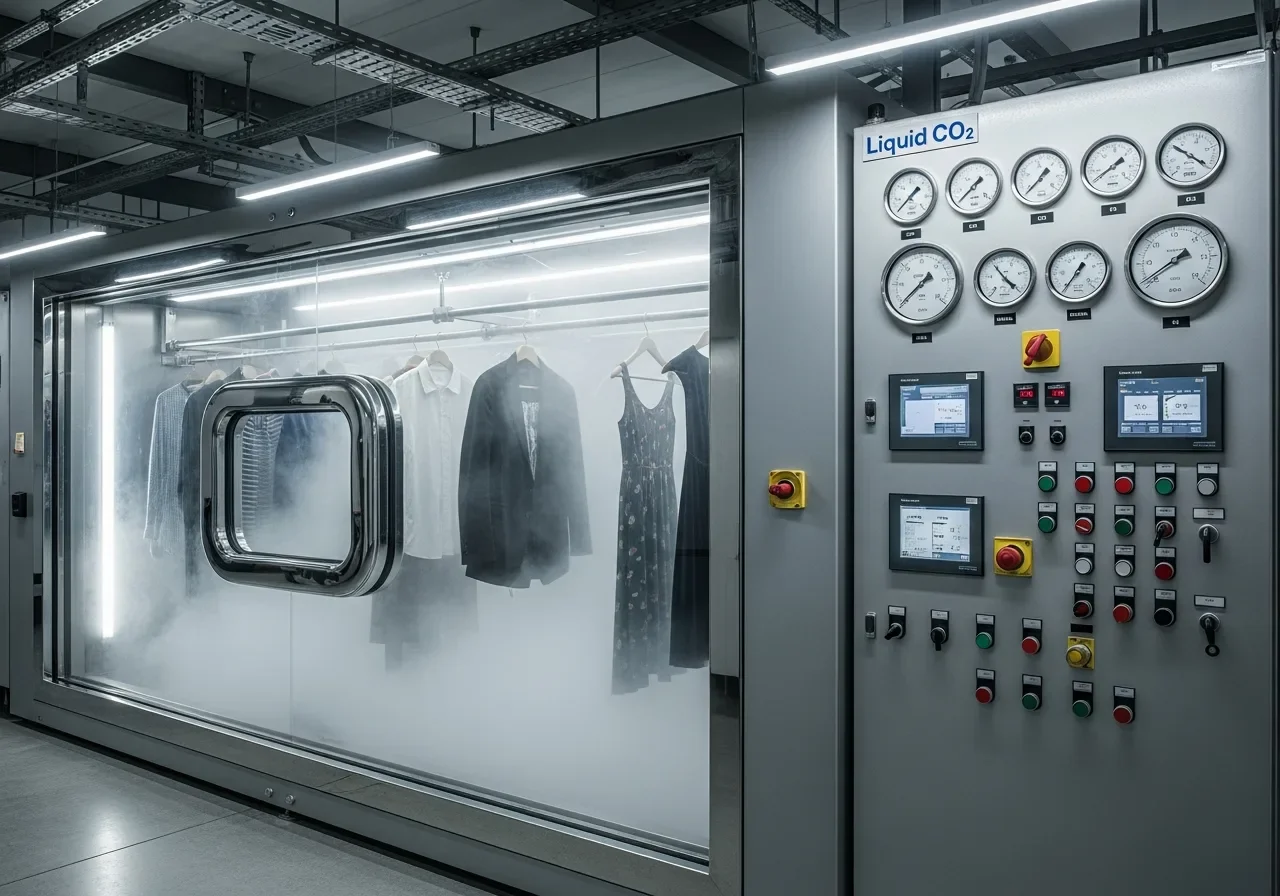
Science behind it

Pressurized liquid carbon dioxide acts as a non-toxic, non-flammable solvent that penetrates fiber cores at room temperature, dislodging smoke particulate without water or heat. CO2 evaporates back to gas during depressurization, leaving zero residue. The technology was developed for museum conservation and is now standard in advanced textile-recovery vaults. Particularly powerful on protein-smoke odor that wet cleaning misses.

DEODORIZATION

Ozone Chamber

Cost

$5 - $25 / item (post-clean finish)

Turnaround

6-24 hours per cycle

Best for

Smoke odor, mold odor, biohazard residue — items already cleaned

Limits

Not a cleaning step; cannot remove visible soiling. Avoid on rubber, latex, certain dyes

Science behind it

Ozone (O3) is an unstable triatomic oxygen molecule. In a sealed chamber, it oxidizes organic odor molecules — including the protein-smoke compounds that survive wet cleaning. Chamber concentrations run between 5 and 50 ppm with controlled humidity and dwell time. The technician monitors O3 with photometric sensors and aerates the chamber back to safe oxygen levels before opening. Ozone is the difference between a "clean" garment and a wear-it-tomorrow garment.

HEIRLOOMS

Ultrasonic Cleaning

Cost

$35 - $300 / item

Turnaround

3-10 days

Best for

Beaded wedding dresses, fragile lace, antique embroidery, jewelry-mounted textiles, military medals

Limits

Slow throughput; only viable for high-value items

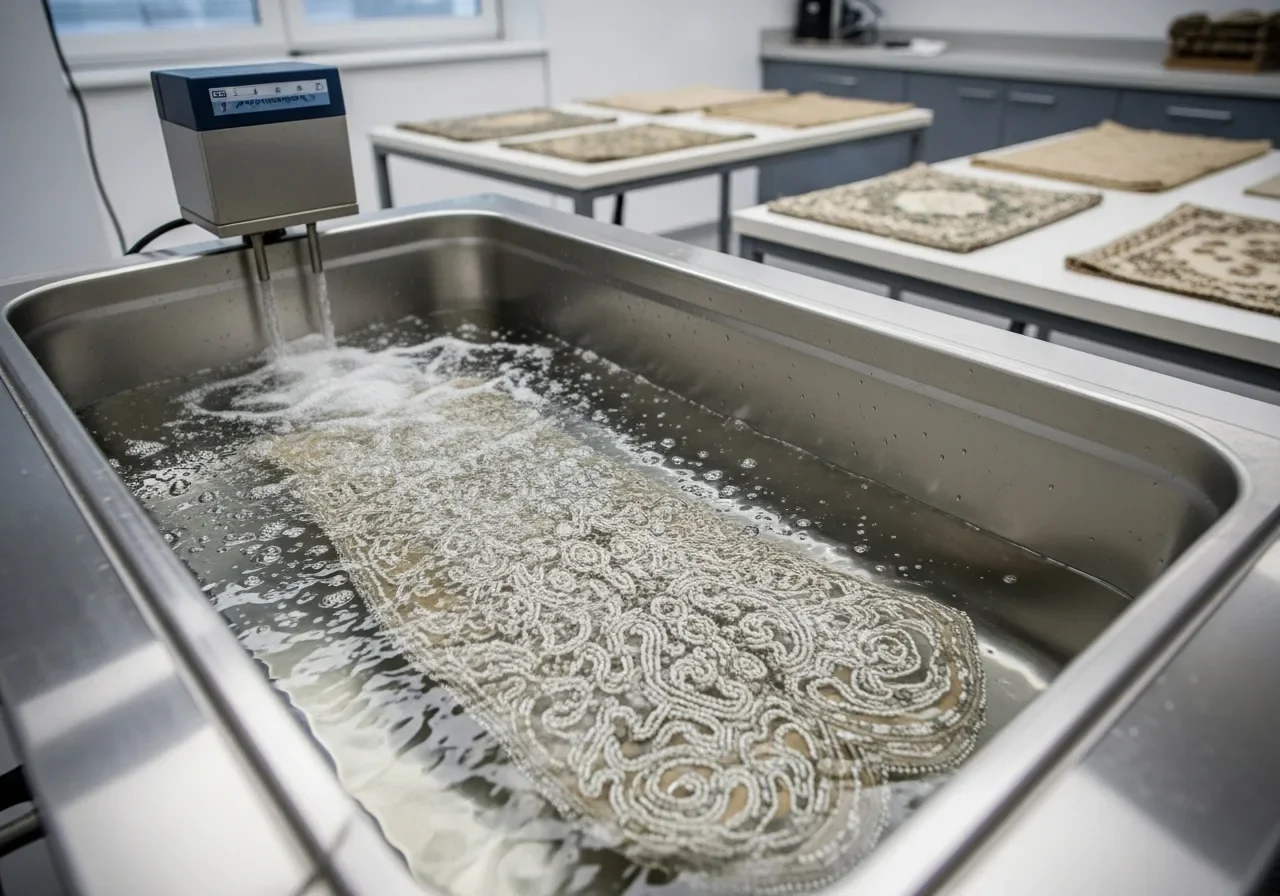
Science behind it

High-frequency sound waves (35-130 kHz) generate microscopic cavitation bubbles in a heated bath. When the bubbles collapse against fiber surfaces, they dislodge soil and contaminant from places no scrubbing or solvent can reach — including underneath sequins, between bead settings, and inside the knot of a hand-tied lace. Conservation-grade ultrasonic baths are used by museums, jewelers, and high-end bridal recovery vaults. This is the closest thing the trade has to molecular-level cleaning.

Side-by-side comparison: which method does what
FeatureWetDryCO2OzoneUltrasonic
Solvent baseWater + surfactantPerc / hydrocarbon / siloxaneLiquid CO2O3 gas (no liquid)Cavitation bath
Best forCotton / poly / linenWool / silk / rayonSmoke + delicateOdor finishingHeirloom + jewelry
Smoke removalStrongStrongExcellentExcellent (odor)Excellent
Mold removalStrongModerateStrongExcellent (odor)Strong
Risk to dyesModerateLowVery lowVery lowVery low
Per-item cost$8-$40$15-$90$30-$140$5-$25$35-$300
Turnaround2-5 days3-7 days4-7 days6-24 hours3-10 days

Most large losses use three or four of these methods in combination. A typical Palm Build project sorts cotton bedding into Esporta, structured suits into solvent dry cleaning, smoke-saturated linens through liquid CO2, then finishes the entire load with an ozone cycle before quality inspection. The bill reflects the methods used — but the salvage rate usually justifies it twice over.

Specialized Techniques

Cleaning Methods by Fabric Type

Different fabrics demand different approaches. Our technicians match the right cleaning method to each textile's fiber composition, construction, and damage type.

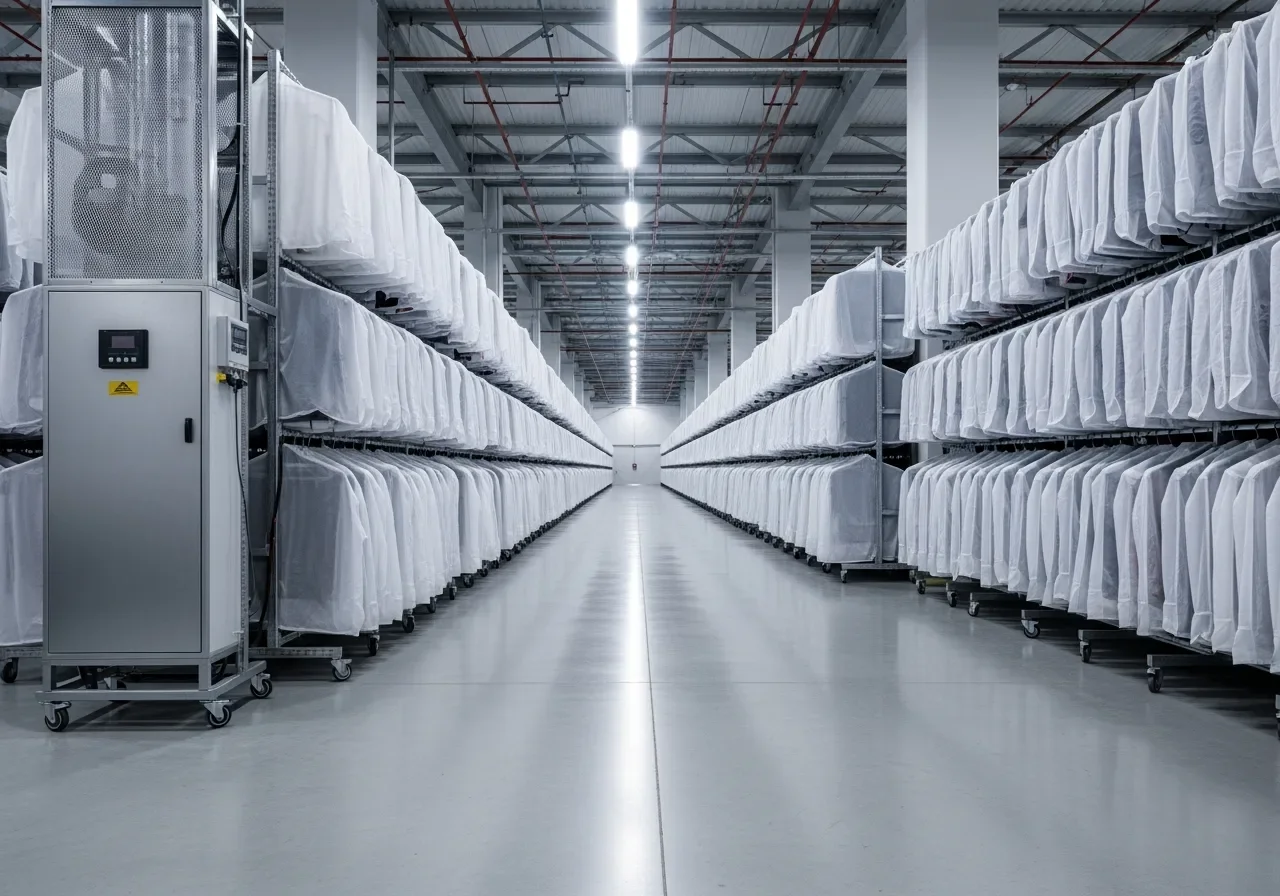
Esporta industrial textile wash system used for fabric-specific cleaning

Esporta Wash System

Industrial-grade cleaning that restores textiles to food-grade cleanliness. Ideal for cotton, wool blends, and durable natural fibers affected by smoke, soot, or contaminated water.

Submersion Washing

Full immersion in pH-neutral solutions for area rugs and heavy textiles. Controlled agitation loosens deep-set contaminants without damaging natural fiber structure.

Steam Extraction

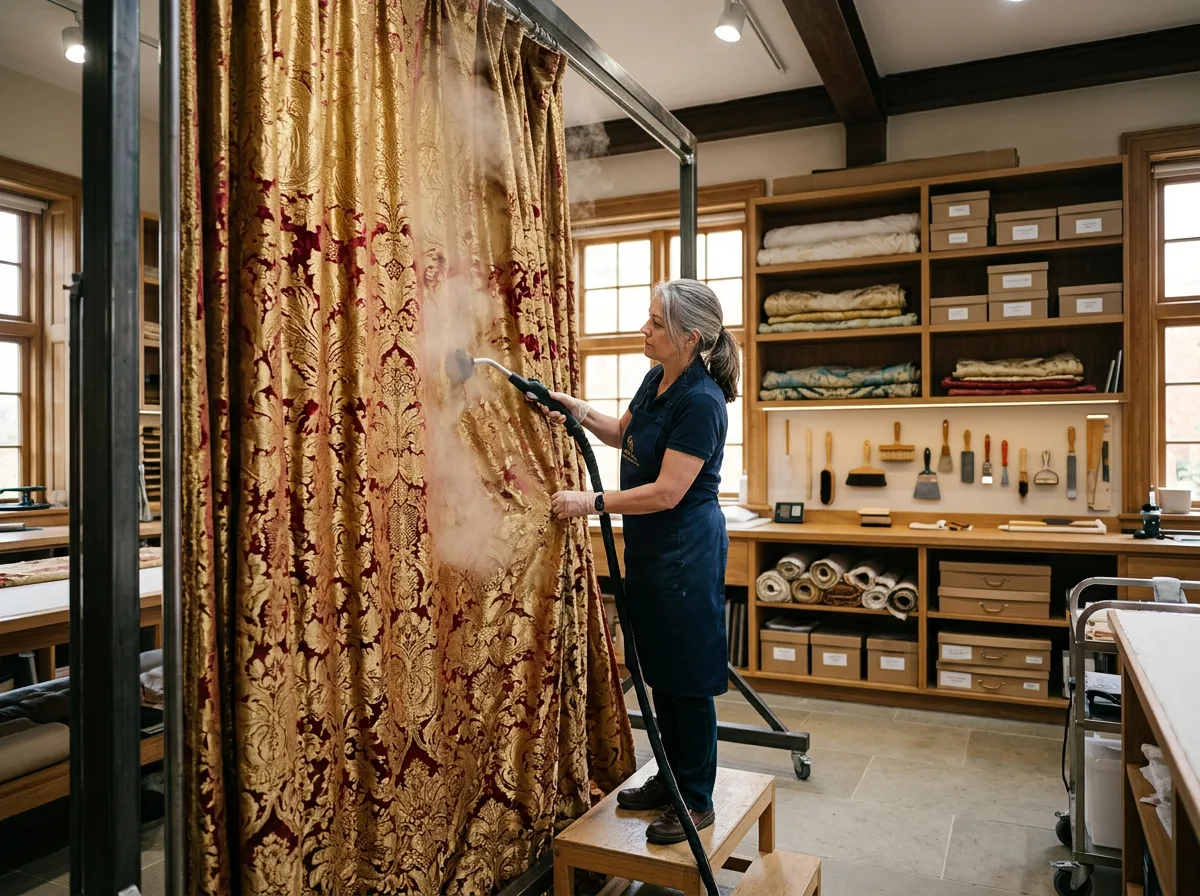
High-temperature steam penetrates cotton and linen upholstery fibers, lifting embedded soot and odor compounds while sanitizing the fabric surface.

Controlled Air Drying

Flat rack and temperature-controlled chambers prevent shrinkage, warping, and fiber distortion that can occur when natural textiles dry too quickly or unevenly.

Fiber-Specific Restoration Protocol

How Each Fiber Type Reacts To Damage

Restoration outcomes are decided at the sorting table, not the wash floor. Eight fiber families dominate residential textile losses — and each one has a recommended cleaning method, a salvage rate that varies by damage source, and a price band that helps you decide whether to restore or replace. These rates reflect Palm Build's project history across Florida and the Carolinas through 2026.

Fiber × damage source restoration matrix (2026 Palm Build benchmarks)
FiberRecommended methodSmokeWaterMoldCost / item
CottonWet cleaning (Esporta) or commercial laundering92%95%78%$8 - $35 / item
WoolCool wet clean with shrinkage controls or solvent dry clean88%74%62%$22 - $140 / item
SilkGentle dry clean or hand wash with silk-safe surfactant84%68%55%$45 - $250 / item
LinenWet clean with low agitation, controlled drying90%88%70%$15 - $80 / item
PolyesterEsporta wet clean — high temperature tolerated95%97%82%$6 - $30 / item
NylonWet clean — avoid prolonged UV exposure during drying93%96%80%$8 - $45 / item
Rayon / ViscoseSolvent dry clean only — wet processing causes dimensional loss78%52%48%$18 - $95 / item
Leather & SuedeSpecialty leather cleaner, slow controlled drying, recondition82%70%58%$45 - $400 / item

Cotton

Wet cleaning (Esporta)

Cotton is the textile workhorse — durable cellulose fibers tolerate hot wash temperatures, agitation, and pH-neutral detergents. Smoke odor lifts well in Esporta cycles. Mold recovery drops sharply once spores penetrate the fiber's hollow core, so rapid response matters most for cotton bedding, towels, and uniforms.

Wool

Cool wet clean

Wool felts under heat and agitation, so wet cleaning happens cool with no mechanical shock. Smoke odor binds tightly to wool's keratin scales — ozone chamber finishing is almost always required. Heavy water exposure causes irreversible distortion if drying is rushed.

Silk

Gentle dry clean

Silk's protein fibers water-spot, dye-bleed, and lose luster on contact with mineralized water. Most silk garments leave the loss site directly into climate-controlled storage and only get cleaned after a dye-stability test. Wedding dresses, ties, and scarves dominate this category.

Linen

Wet clean with

Linen handles water beautifully but creases hard and shrinks if dried with heat. Smoke recovery is excellent because the open weave releases particulate during extraction. Vintage linens (table runners, christening gowns, embroidered samplers) deserve the heirloom protocol regardless of perceived value.

Polyester

Esporta wet clean

Polyester resists water absorption, dries fast, and shakes off most contaminants in a standard wash cycle. Smoke odor holds in trapped fibers though — ozone finishing is the difference between an "ok" result and a wear-it-tomorrow result for athletic wear, school uniforms, and bedding.

Nylon

Wet clean —

Nylon recovers well from clean and gray water and tolerates Esporta cycles. UV light yellows nylon, so finished garments dry indoors on rolling racks. Activewear, hosiery, and tactical/uniform fabrics make up most of the volume here.

Rayon / Viscose

Solvent dry clean

Rayon is the trickiest mainstream fiber. Water collapses the fiber structure, causing shrinkage and color migration. Loss-site triage moves rayon directly to dry-clean processing — never into the same bin as cotton or polyester. Salvage rates jump dramatically when rayon is sorted correctly at intake.

Leather & Suede

Specialty leather cleaner,

Leather is technically a fiber but behaves like architecture — it stretches, cracks, and shrinks based on how fast moisture leaves it. Recovery hinges on the first 24 hours. See the leather deep-dive section below for type-specific protocols (aniline, pigmented, suede, nubuck).

Why these numbers matter: insurance adjusters use restoration salvage rates to validate replacement-cost claims. When a Palm Build technician documents a 78% salvage rate on a cotton wardrobe, that's the number Xactimate references during your contents settlement — not a generic guess. We track these rates per project so the documentation is defensible, line by line.

2026 Textile Restoration Cost Guide

Textile Restoration Cost (2026)

Most textile restoration projects price out at the item level — usually $8 to $45 per garment, with whole-wardrobe losses averaging $3,200 to $9,800. Specialty items like wedding dresses, hand-knotted rugs, and heirloom textiles fall outside the per-item norm and price by complexity. Below: four cost views for different project shapes.

Average single garment

$12 - $45

Smoke or water damaged clothing item

Whole-wardrobe loss (avg)

$3,200 - $9,800

Family of four, smoke event

Salvage rate (Esporta)

92%+

Across cotton, poly, and synthetic loads

Cost by fabric type (per item)

FabricRecommended methodLowExpectedHigh
Cotton & cellulose blendsEsporta wet clean$6$14$35
Wool / cashmereCool wet or solvent dry$22$55$140
SilkSolvent dry / hand wash$45$120$250
Polyester / nylon syntheticsEsporta wet clean$6$15$30
Rayon / viscoseSolvent dry only$18$45$95
Leather / suede / nubuckSpecialty cleaner + recondition$45$165$400

Cost by damage source

Clean water damage

Burst pipe, sink overflow, supply line — Category 1

Per-item range

$3 - $12 / item

Highest salvage rate. Speed matters — within 48 hours, 95%+ recoverable.

Gray water damage

Appliance overflow, washing machine, sump failure — Category 2

Per-item range

$8 - $24 / item

Antimicrobial step required. Salvage rates around 85% for porous fabrics.

Black water / sewage

Sewage backup, river flood, storm surge — Category 3

Per-item range

$18 - $65 / item

Many porous fabrics non-salvageable per IICRC S500. Hard goods triaged.

Smoke / soot exposure

House fire, electrical fire, kitchen grease fire

Per-item range

$10 - $48 / item

Multi-stage: HEPA vacuum, wet/dry/CO2 clean, then ozone finishing for odor.

Mold contamination

Active mildew, post-water-event mold, hidden HVAC mold

Per-item range

$14 - $55 / item

Triage based on penetration depth. Fragments require destructive testing.

Fire / heat / scorch

Direct flame, radiant heat, melted synthetic damage

Per-item range

Variable — destructive in many cases

Charring is irreversible. Fabrics around the perimeter often save fully.

Cost by item type

ItemCost rangeNotes
Single garment (shirt, pants, dress)$8 - $45Per-item, no minimums
Suit / dress jacket / structured outerwear$28 - $90Includes solvent dry clean + press
Wedding dress / formal gown$285 - $1,600Includes preservation box if requested
Drapery panel (per panel, lined)$45 - $180In-place steam or warehouse processing
Area rug (machine-made, 8×10)$210 - $560Submersion wash, dry, return
Hand-knotted Persian rug (8×10)$540 - $1,800Wash pit, hand groom, dry flat
Upholstered chair$165 - $420In-place extraction or pickup
Sofa (3-cushion)$320 - $890Pickup recommended for full restoration
Leather jacket / handbag$95 - $310Includes recondition step
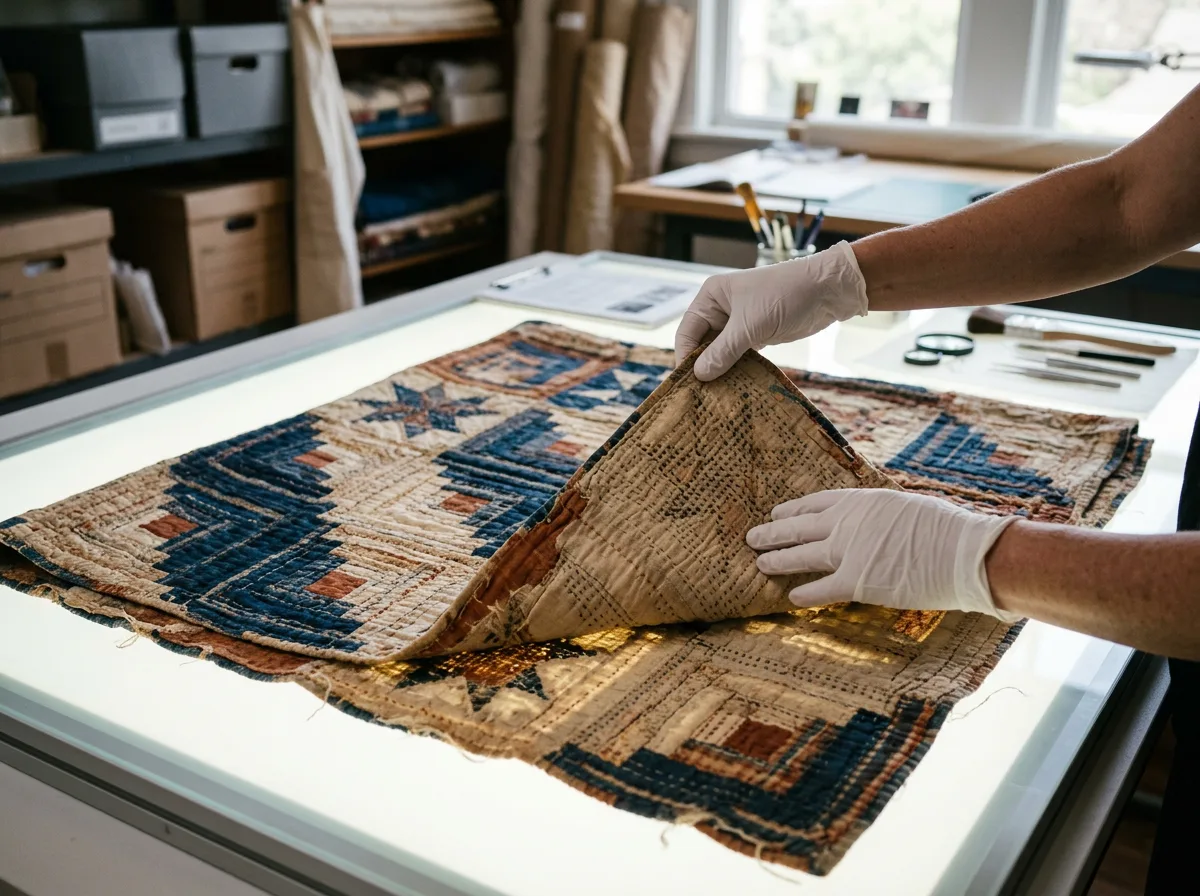
Quilt / heirloom blanket$140 - $625Conservation-grade hand processing

Regional pricing: Florida, North Carolina, South Carolina

Florida

South FL coastal

$3,800 - $11,400 (avg loss)

High humidity slows fabric drying; mold finishing required on most water losses. Hurricane season spikes Cat 3 sewage textile claims.

North Carolina

Charlotte / Triangle

$2,900 - $8,600 (avg loss)

Winter freeze events drive burst-pipe wardrobe losses. Cooler ambient humidity helps drying timelines, lowering ozone-cycle counts.

South Carolina

Statewide

$3,400 - $9,800 (avg loss)

Coastal hurricane exposure plus upstate winter pipe events. Mid-pricing across both extremes.

Get a textile claim estimate

Free assessment, item-by-item inventory, and Xactimate-ready documentation

Request Assessment
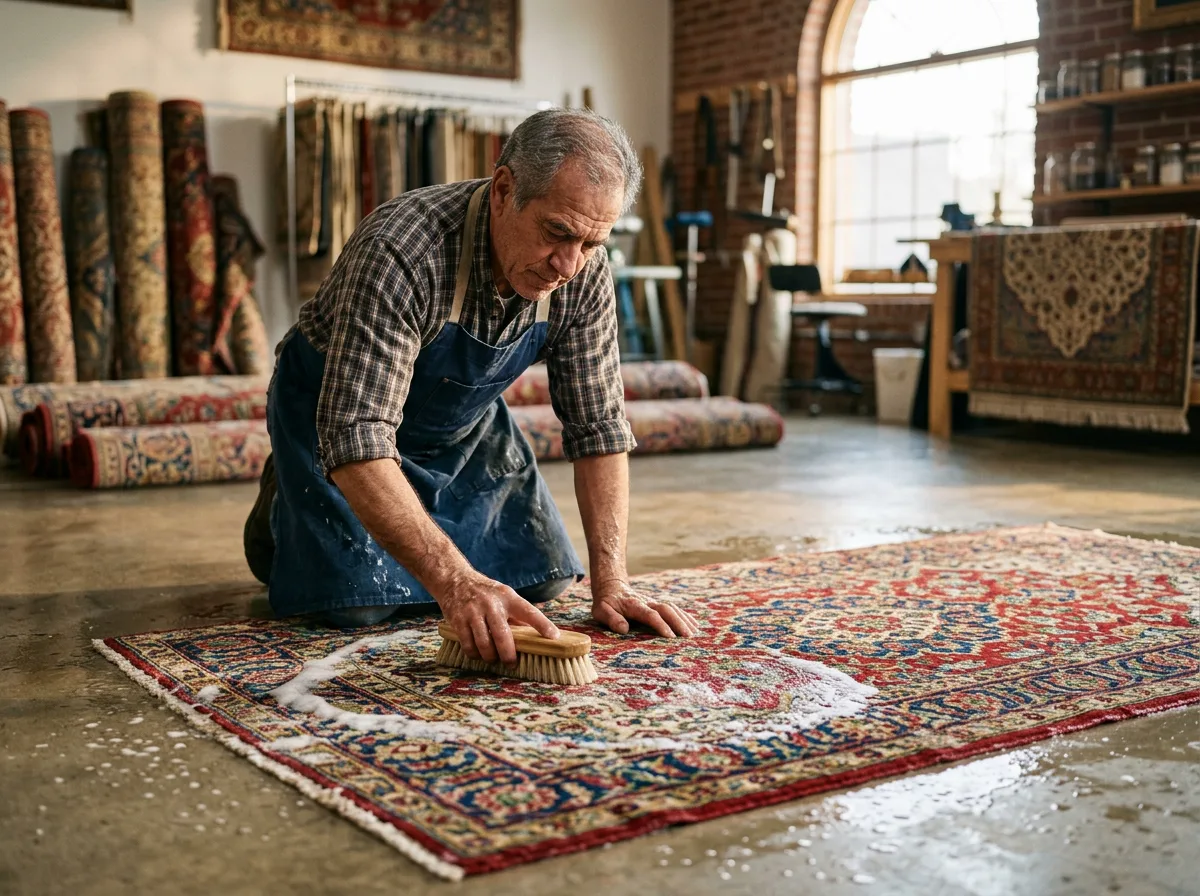
Professional hand washing and restoration of an oriental area rug

Craftsmanship Meets Science

Area Rug Restoration

Oriental and Persian rugs are irreplaceable art pieces — woven by hand, often over months or years. When water, smoke, or mold threatens these treasures, restoration demands both deep textile knowledge and the patience to treat each rug as one of a kind.

Dye Stability Testing

We test every color in every rug before any wet treatment to prevent bleeding or migration of natural and synthetic dyes.

Submersion Hand Washing

Large rugs washed flat with pH-neutral solutions — never machine agitated, preserving fiber integrity and pile direction.

Controlled Flat Drying

Rugs dried on temperature-controlled racks to prevent shrinkage, distortion, and color shifting during the drying process.

Fringe & Binding Repair

Damaged fringe cleaned, straightened, and repaired by hand. Binding edges re-secured to prevent unraveling.

Learn more about area rug restoration
Area Rug Restoration — Specialty Deep Dive

Persian, Oriental & Heirloom Rug Recovery

Area rugs are the highest-value items in most contents losses — and the most commonly mishandled. A misjudged wash chemistry can permanently bleed dyes on a $14,000 Heriz; a rotary brush can shred the foundation of a 19th-century Tabriz in under a minute. Palm Build's rug protocol borrows from museum conservation and traditional Persian wash-pit methods, with modern dye testing and humidity-controlled flat drying.

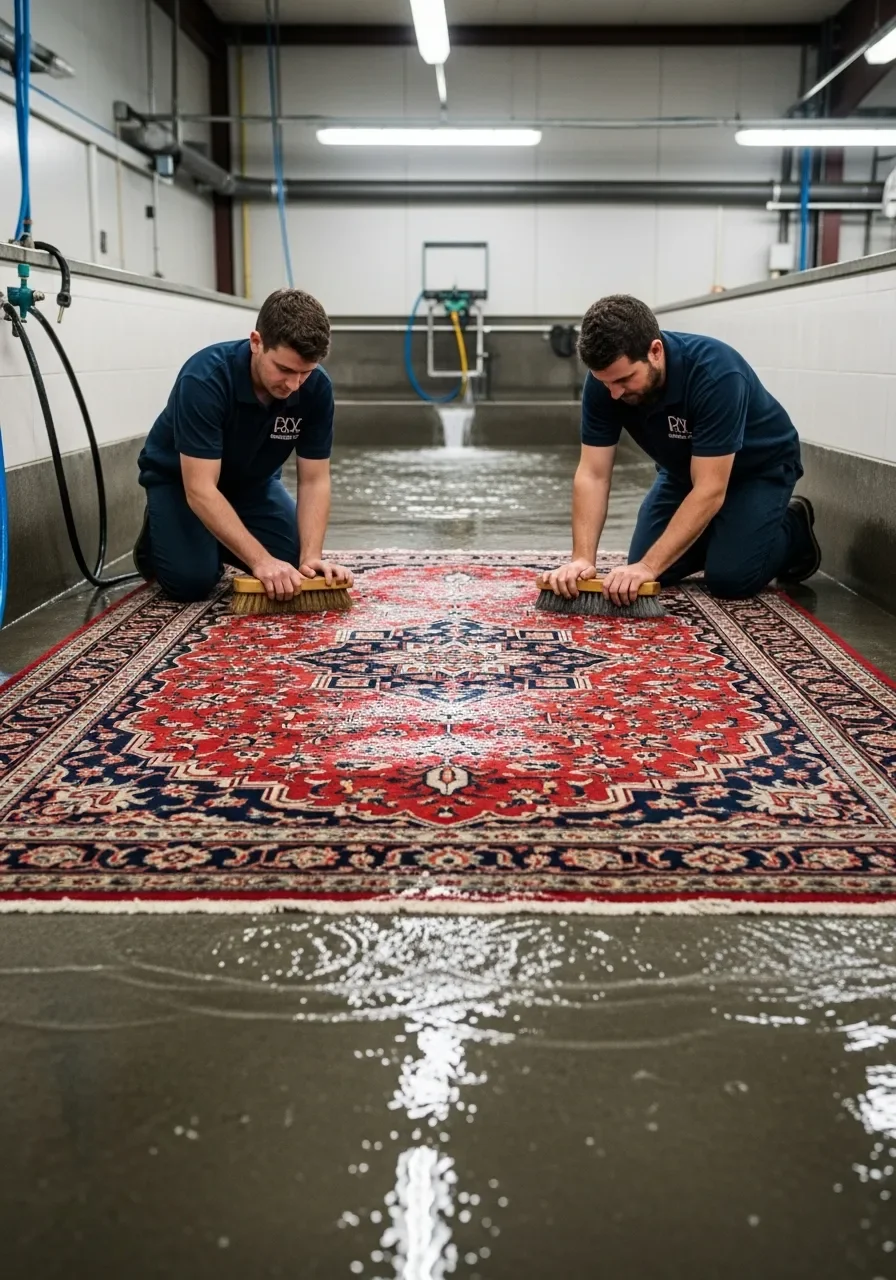
Hand-knotted Persian rug being washed flat in a controlled rug wash facility by Palm Build textile specialists
Wash-pit submersion is the only safe method for hand-knotted rugs. Wool fiber, natural dyes, and hand-tied foundations require water flow without mechanical agitation.

Why rugs are different

Wall-to-wall carpet is replaceable. Area rugs — especially hand-knotted Oriental, Persian, Turkish, Tibetan, and antique European pieces — are not. Each one is a decade-old asset whose value comes from craft, age, dye chemistry, and provenance. Restoration is almost always cheaper than replacement, and almost always preferred by the homeowner. The work just has to be done right.

Palm Build runs three rug paths in parallel. Machine-made synthetic and wool-blend rugs go through the standard wash process — extraction, soak, rinse, flat dry. Hand-knotted rugs (Persian, Oriental, hand-tufted wool) move into the wash-pit lane with hand-grooming and dye stability checks. Antique and heirloom rugs above ~75 years old enter the conservation lane: surface clean, no submersion unless dye tests pass, and consultation with a textile conservator on irreplaceable pieces.

See the full area rug guide

Wash Pit Submersion

Hand-knotted rugs are washed flat in a heated submersion pit with pH-neutral textile soap. Technicians groom the pile by hand with horsehair brushes — never automated rotaries that fracture knots. The process takes a full day and is the gold standard for Persian, Oriental, Tibetan, and Heriz rugs.

Pre-Wash Dry Dust

Before any water touches a rug, technicians dust it on both sides — typically with a compressed-air rug-duster bench that vibrates loose 70-90% of the embedded soil. Skipping this step turns the wash pit into mud and damages the foundation. Every reputable rug plant runs dust first, water second.

Moth & Pest Remediation

Natural-fiber rugs (wool, silk, cotton) are vulnerable to clothes moths, carpet beetles, and silverfish — especially after a damp event. We treat infested rugs in a sealed cold-treatment chamber that kills all life stages without pesticide residue. Combine with regular vacuum maintenance after restoration.

Color-Bleed Prevention

Antique and hand-dyed rugs use natural plant and mineral pigments that bleed under standard wash chemistry. Every rug entering our wash room is dye-tested in a hidden corner before submersion. If colors run, the rug is processed dry-only or with a stabilizing pre-bath that locks dyes in place.

Cost by rug size and construction (full restoration including pickup & return)
SizeMachine-madeHand-knottedAntique / heirloom
2×3 ft (entry / accent)$45 - $120$140 - $360$220 - $520
4×6 ft (small living area)$95 - $250$280 - $720$420 - $980
5×8 ft (standard living)$160 - $420$420 - $1,150$640 - $1,540
8×10 ft (great room)$210 - $560$540 - $1,800$820 - $2,420
9×12 ft (large great room)$310 - $740$680 - $2,260$1,040 - $3,080
12×15+ ft (oversized)$420 - $980$890 - $2,940$1,360 - $4,200

Pad replacement, fringe repair, binding restoration, and hole reweaving are quoted separately. A complete antique rug restoration typically combines wash, repair, and pad — and still comes in well under replacement value for any rug above $2,000.

Irreplaceable Treasures

Specialty & Heirloom Textile Care

Some items cannot be replaced at any price. Your grandmother's wedding dress, a hand-stitched quilt passed down through generations, a vintage textile with decades of history — these deserve the highest level of care.

Wedding Dresses

Hand-treated with museum-grade care. Beading, lace, and embroidery preserved through every step. Post-restoration preservation packaging available to protect your gown for generations.

Heirloom Quilts & Tapestries

Conservative treatment preserves integrity of hand-stitched seams and original patchwork. pH-neutral solutions and archival materials used throughout the entire restoration process.

Vintage & Collectible Textiles

Period-appropriate restoration techniques respect original craftsmanship. Fabric strength assessed before treatment begins. Original character and patina preserved throughout.

Have an irreplaceable textile that needs care?

Our specialists will assess your item and recommend the safest restoration approach.

Wedding Dresses & Heirloom Conservation

White-Glove Care For Irreplaceable Textiles

Some textiles can never be replaced. A wedding dress carries one day; a christening gown carries generations; a great-grandmother's quilt carries an entire family's history. When these items are caught in a fire, water, or mold loss, the restoration goal shifts from utility to conservation — and the methods change with it. This is the lane Palm Build runs for the textiles that matter the most.

Why heirlooms get a different protocol

A 2024 wedding dress and an 1894 christening gown are both delicate — but they fail in completely different ways. Modern bridal silks and synthetics tolerate gentle wet cleaning; vintage natural fibers shed when wet, bleed under standard chemistry, and lose dimensional stability in any agitation. Beading thread on a Victorian gown is usually silk that has aged for over a century — touch it wrong and it crumbles.

Palm Build's heirloom protocol is built around the principle of least intervention. Treat what must be treated. Stabilize what can be stabilized. Document everything else. Conservation is slower and more expensive than standard restoration — but it is the only path that respects the value of the piece.

Wedding dress restoration is one of the most-requested specialty services after a fire loss. Insurance routinely approves it because the alternative — replacing a preserved gown that may not even be replaceable — is a much bigger claim line.

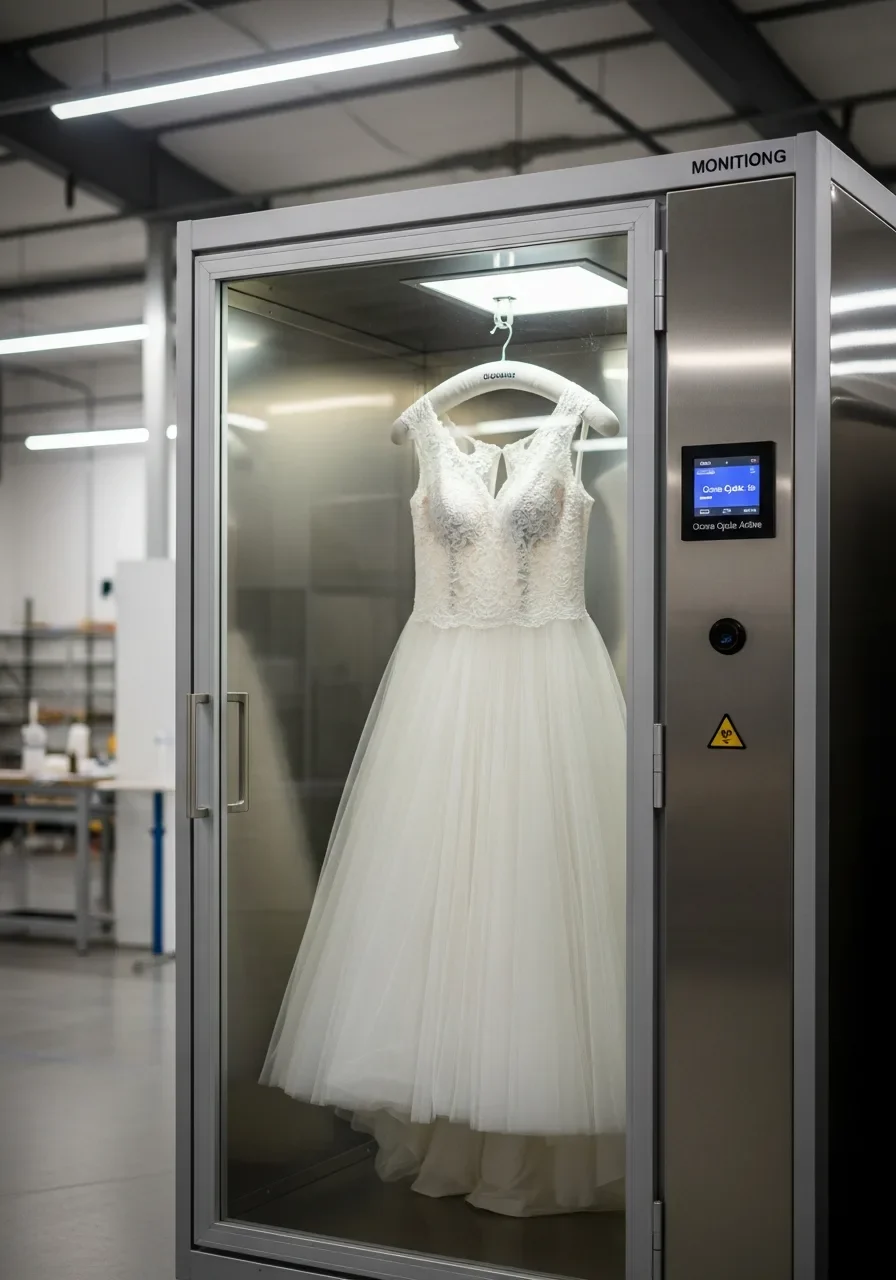
Wedding dress hanging inside a Palm Build ozone chamber for smoke odor restoration
Ozone chamber finishing on a smoke-exposed bridal gown — the final step before preservation packaging.

Detail Inspection First

Every gown is inventoried before cleaning: each bead, button, sequin, lace panel, embroidery thread, and seam is photographed and noted. Loose elements are stabilized. Dye-stability testing happens in a hidden inner seam — never on a visible panel. Nothing touches a wash bath until the inspection report is complete.

Hand Treatment, Not Machine

Wedding dresses, christening gowns, and beaded heirlooms are hand-treated in shallow flat trays. Technicians use bridal-specific surfactants applied with soft brushes — never agitation. Beading is protected with stitched cotton overlays. Cleaning is slow, deliberate, and never rushed for production speed.

Acid-Free Preservation

After cleaning and inspection, the garment is folded with archival pH-neutral tissue (never plastic, which traps moisture and causes yellowing). It's housed in a sealed preservation box rated for 50+ year storage with desiccant and UV-blocking liner. Ready for the attic, the cedar chest, or the back of the closet.

Climate-Controlled Storage

During the restoration window — and indefinitely if requested — gowns and heirlooms hang in a humidity-controlled vault (45-55% RH, 65-72°F). This is the same standard museums use to extend the life of textile collections by decades. Storage is included in restoration pricing for the active project.

Bridal & heirloom service tiers
TierScopeTurnaroundCostBest for
Bridal Restoration (Standard)Smoke, water, or mold cleaning. Stain treatment. Press and final inspection.4 - 6 weeks$285 - $625Modern gowns post-fire-loss, light-soil heritage dresses
Bridal Restoration + Preservation BoxFull restoration plus museum-grade preservation: pH-neutral tissue, archival garment box, oxygen-scavenging seal.5 - 7 weeks$485 - $980New brides preserving wedding day attire, post-loss restoration with long-term storage
Heirloom ConservationVintage gowns 50+ years old. Hand-cleaning, dye stabilization, repair of compromised lace, beadwork, and silk panels.6 - 10 weeks$680 - $1,600Grandmother gowns, vintage christening sets, multi-generational dresses
Museum-Grade ConservationMost fragile pieces. Conservator consultation, controlled humidity work, custom-built mounts. Photographic documentation.8 - 14 weeks$1,200 - $4,800+Pre-1900 garments, historically significant fabric, irreplaceable family heirlooms

Have a wedding dress, gown, or heirloom textile in a damaged property? Time matters more than you think — vintage textiles lose salvageability fast in humid or contaminated environments. Get them out of the structure and into climate-controlled storage within the first 24-48 hours after loss.

Request Heirloom Recovery
Leather Restoration — Deep Dive

Five Leather Types, Five Restoration Protocols

Leather behaves nothing like a woven textile. It is a natural material — collagen fibers stabilized by tanning chemistry — and how you clean it depends entirely on what tannery and finish process produced it. A protocol that saves a pigmented leather sofa will destroy a suede jacket. Here are the five categories that cover almost every leather item Palm Build sees in residential and commercial losses.

Leather type × restoration protocol matrix
TypeFinishCare protocolWater salvageSmoke salvageCost
AnilinePure dyed, no protective topcoatMost absorbent and most fragile. Slow controlled drying. Recondition with pure leather oil. No solvent cleaners.60-72%70-80%$140 - $420 / piece
Semi-AnilineLight protective topcoat over aniline baseSlightly more forgiving. pH-balanced cleaner, soft cloth, leather conditioner. Avoid heat drying.70-82%80-88%$120 - $360 / piece
Pigmented (Protected)Polymer pigment topcoat — most furniture and most automotiveMost water-resistant. Standard pH-balanced leather cleaner works well. Recondition surface only.85-93%85-92%$95 - $280 / piece
SuedeNapped underside of split leatherNo water — ever. Brush-clean only. Smoke odor removed by ozone chamber, never wet. Replace if water-saturated.35-55%60-75%$85 - $260 / piece
NubuckTop-grain leather sanded to a soft napTreat like suede. No wet cleaning. Specialized nubuck brushes and cleaners only. Reseal after restoration.40-58%62-78%$90 - $290 / piece

Slow Controlled Drying

The single most important factor in leather recovery is drying rate. Force-dried leather cracks, warps, and shrinks irreversibly within hours. Palm Build dries leather slowly at 65-70°F with 45-55% relative humidity, sometimes over 5-10 days. The drying lane is monitored daily with moisture meters until equilibrium is reached.

Smoke Odor (Without Wet Cleaning)

Leather is one of the toughest substrates for smoke odor because the porous fiber structure traps protein-smoke compounds. We never wet-clean smoke-damaged leather as the first step. Instead: HEPA vacuum, dry sponge, ozone chamber, then a leather-specific solvent or pH-balanced wipe. Reconditioning happens only after odor verification passes.

Recondition & Re-Dye

Leather loses lipids during cleaning and aging. After restoration, every piece is reconditioned with leather-specific oils and creams that restore suppleness and prevent cracking. For pieces with damaged finish (faded color, dye transfer, scratches), we run a re-dye step using color-matched leather pigment that preserves the original character.

When Replacement Is The Right Call

Not every leather piece can be saved. Mold deep into the lining of a sofa, prolonged Cat 3 sewage exposure on a leather chair, or severe heat damage that shrinks an entire jacket panel — these are replacement scenarios. Palm Build documents non-salvageable items thoroughly with photographic evidence and reasoning so insurance approves replacement claims at full RCV.

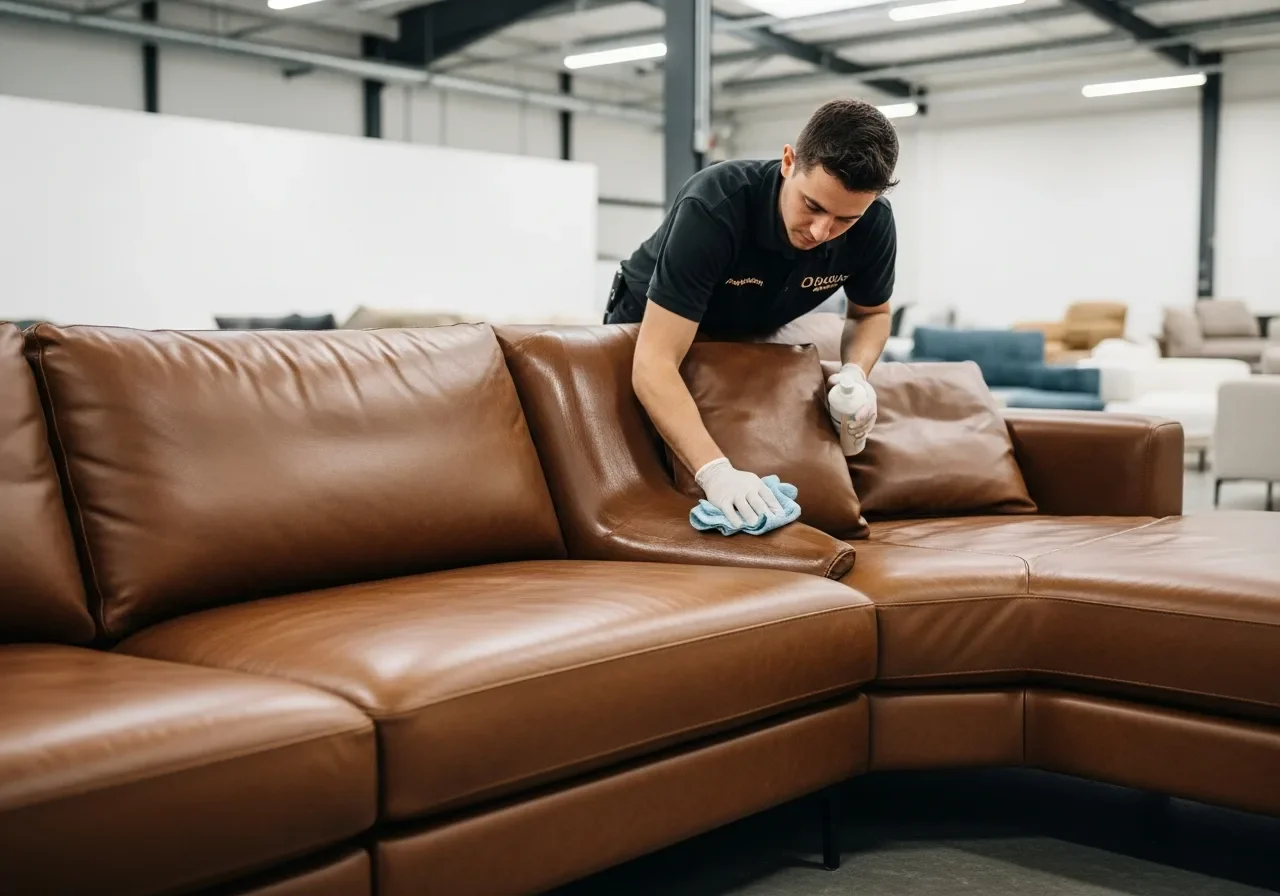
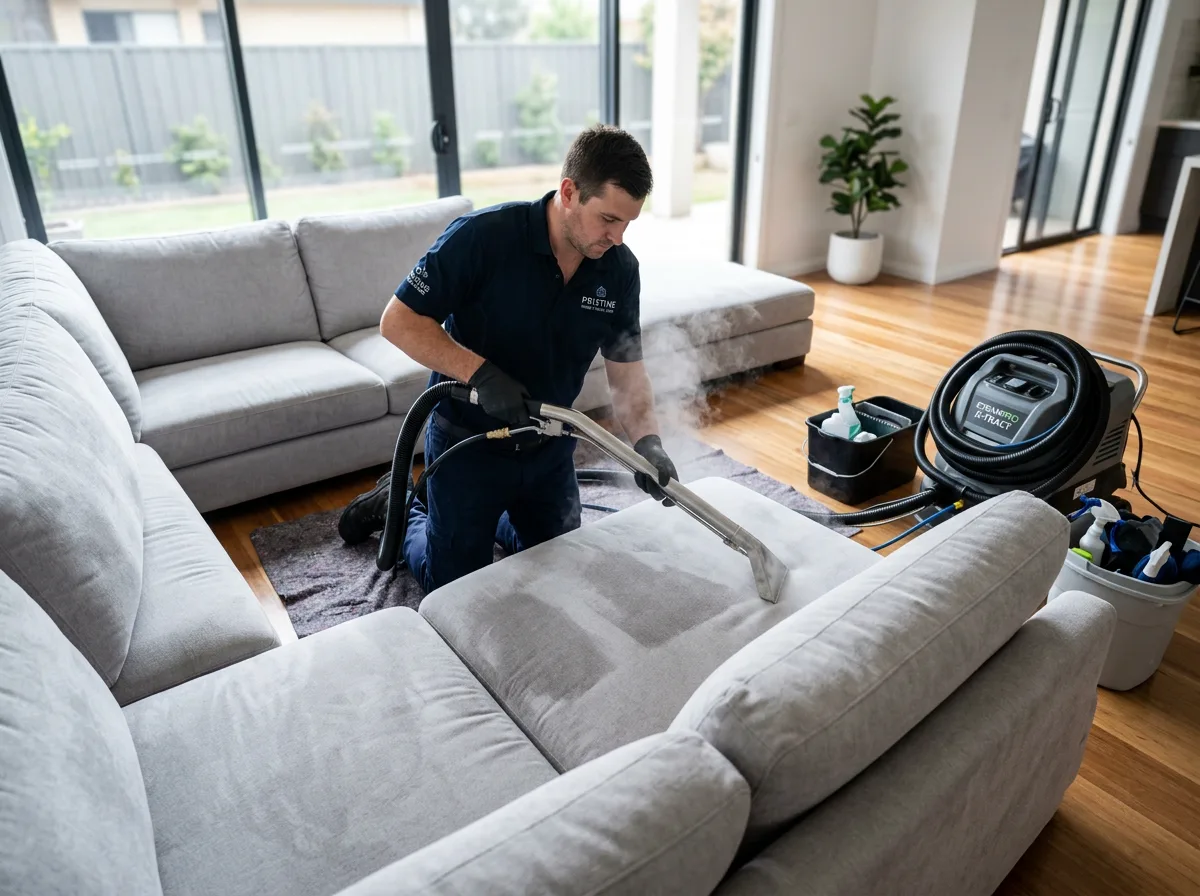
Palm Build technician cleaning and conditioning a leather sofa during furniture restoration
Pigmented leather sofa receiving pH-balanced clean and conditioning treatment.

Common leather items we restore

  • Leather sofas, sectionals, and sectional ottomans
  • Recliners and lift-chairs (pigmented leather, most common)
  • Leather jackets, coats, blazers, and motorcycle gear
  • Designer handbags and luggage
  • Leather shoes, boots, and dress footwear
  • Leather gloves, belts, watch straps
  • Saddles, tack, and equestrian leather goods
  • Automotive interiors and steering wheels (mobile units)
Odor Removal Science

Why Smoke & Mold Odor On Fabric Is So Hard

Cleaning a fabric and deodorizing a fabric are two completely different problems. You can wash a smoke-damaged shirt until the soot is gone and still be unable to wear it — because the odor lives at the molecular level, in places water and detergent can't reach. Real odor removal uses oxidation chemistry, not laundry chemistry. Here's how Palm Build's odor lane actually works, what each method is for, and when something is beyond saving.

Odor source × removal method × expected result
Odor sourceCommon causeMethodExpected result
Wood / paper smokeMost house fires, fireplace overburn, attic firesWet clean → ozone chamber90-98% removal
Protein smoke (kitchen grease)Pan / oven fires, melted plastic in cooking, BBQ firesSolvent dry clean + CO2 → ozone80-92% removal
Synthetic / plastic smokeElectronics, cabling, foam furniture, electrical firesMulti-stage clean + extended ozone cycle70-85% removal
Mold / mildewWater damage, humidity, hidden mold coloniesAntimicrobial clean → hydroxyl finish85-95% removal
Sewage / biohazardCat 3 water events, sewer backup, biohazard exposureDisinfection wash + ozone + replacement triage60-80% on salvageable
Pet / urineLong-term pet exposure, animal hoarding cleanupsEnzymatic treatment + hydroxyl cycle85-93% removal

Why home laundering fails

Smoke molecules embed deep in fabric fibers — far below the surface that detergent and water can reach. Standard washing machines shake the molecules around but rarely remove them. Worse, heat from a household dryer can chemically bond protein-smoke compounds permanently into the fiber. Clothes that "smell better wet" but reek when dry are the textbook symptom.

How ozone actually works

Ozone (O3) is a triatomic oxygen molecule that is highly unstable and aggressively oxidizing. In a sealed chamber at 5-50 ppm, it breaks down volatile organic compounds — including the molecules responsible for smoke odor — into harmless byproducts. The chamber is humidity-controlled (60-80% RH speeds reaction), monitored with photometric sensors, and aerated back to safe O2 levels before opening.

Hydroxyl as the gentler alternative

Hydroxyl generators produce hydroxyl radicals (OH) using UV light and ambient oxygen. They are slower than ozone but completely safe — workers and pets can be in the room. Hydroxyl is the right tool for textiles too sensitive for ozone (rubber-backed rugs, certain dyes, some leather finishes) and for whole-room treatment in occupied homes during the recovery phase.

Thermal fogging — the deep step

Thermal fogging vaporizes a deodorizing compound at high temperature, producing an ultra-fine fog that follows the same path smoke took during the original fire. It penetrates into wall cavities, attic spaces, and the deepest folds of fabric — exactly where surface cleaning misses. Used as a final-stage treatment on heavily smoke-affected textile loads.

When to give up: the realistic edge cases

Most textiles can be deodorized successfully if treated within the first 30 days of exposure. The exceptions are rare but worth naming so expectations stay grounded:

  • Foam-core upholstery heavily exposed to protein-smoke or sewage rarely deodorizes fully — the open-cell foam holds odor molecules permanently. Cushion replacement with frame restoration is usually the right call.
  • Heat-glazed plastic-smoke residues on synthetic carpet near a fire source can chemically bond to fibers in ways no oxidation step reverses.
  • Long-term mold infiltration (months, not weeks) into porous batting or padded interiors typically fails ERMI clearance even after aggressive treatment.
  • Fabric exposed during structure fires above 600°F often suffers molecular damage that cleaning cannot reverse — the fabric is technically intact but the smell is permanent.

Palm Build documents non-salvageable items thoroughly so insurance approves replacement at full value. Trying and failing is not the same as not trying — the documentation still supports the claim either way.

Insurance & Your Textiles

Textile Coverage: What You Need to Know

Understanding how your insurance handles textile claims can save you thousands and eliminate unnecessary stress during restoration.

Contents Coverage

Your textiles fall under contents coverage, typically 50–70% of dwelling coverage. Both ACV and RCV policies cover textile restoration — and insurers prefer restoration over replacement when it costs less.

Restoration vs. Replacement

Professional textile restoration costs a fraction of replacing an entire wardrobe, rug collection, or set of window treatments. Insurance companies actively support restoration because it reduces claim payouts while preserving your original belongings.

Our Documentation

We provide complete photographic inventories, fabric-specific cleaning documentation, Xactimate-ready estimates, and post-restoration verification reports. This level of detail streamlines adjuster review and supports your full claim value.

For a complete guide to the insurance restoration process, visit our Insurance Restoration Process page.

Insurance & Valuation

How Insurance Pays For Textile Restoration

Textile losses are among the most under-recovered claim categories — usually because homeowners don't know what their policy covers, what counts as "scheduled personal property," and how Replacement Cost Value differs from Actual Cash Value on a 6-year-old wardrobe. Palm Build's documentation team works the claim alongside the technicians so your textile recovery is paid in full, not depreciated.

RCV vs ACV

Replacement Cost Value pays the cost to replace items today, no depreciation. Actual Cash Value deducts depreciation for age and wear — a 6-year-old shirt may pay 30 cents on the dollar. Always confirm your policy is RCV; if it's ACV, restoration is almost always more favorable than replacement.

Scheduled Personal Property

High-value textiles (wedding dresses, fur, Oriental rugs, designer pieces) often exceed standard contents sublimits. Schedule them as a rider with appraisal to guarantee full coverage. Without scheduling, your claim caps at the sublimit no matter what the item is actually worth.

Photographic Documentation

Every item Palm Build handles is photographed pre-restoration with condition notes, mid-process during cleaning, and post-restoration for verification. Non-salvageable items get the same documentation with reasoning. This is the file the adjuster actually approves.

Coverage limits & scheduling — what to confirm with your carrier
CategoryDefault coverageScheduling needed?Notes
General clothingWithin standard contents (50-70% of dwelling)No, unless household total > policy contents limitMost policies cover normal wardrobes without endorsement
Wedding dresses & gownsSubject to clothing sublimit (varies by carrier)Recommended above $2,500 retailSchedule for guaranteed RCV plus heirloom rider option
Furs$1,000 - $1,500 sublimit (HO-3 standard)Yes, for any fur above sublimitMandatory schedule for full coverage
Oriental & Persian rugsWithin contents limit unless > $1,500 eachRecommended above $2,500 per rugAppraisal required at scheduling. Update every 3-5 years.
Antique tapestries / heirloom textilesVariable, often capped at appraised valueYes — always schedule with appraisalWithout scheduling, claim caps at depreciated cash value
Designer handbags & coutureSublimit applies (often $2,500-$5,000)Recommended above $5,000 per itemReceipts and authentication required at scheduling

Sample Claim

Charlotte NC house fire — textile recovery breakdown

Family of four, kitchen grease fire that smoked the entire ground floor and second story closets. Adjuster initially scoped textile claim at $4,200. Palm Build's documented inventory and restoration delivered final approved settlement of $17,200.

Total wardrobe item count847 items inventoried
Salvageable items (Esporta + dry clean)791 items
Non-salvageable (Cat 3 contamination)56 items
Restoration line cost$8,420
Replacement line cost (RCV)$4,280
Heirloom conservation (separate scope)$1,640
Pack-out / pack-back / storage$2,860
Total textile claim recovered$17,200

What "Xactimate-ready" means

Insurance carriers across the US use Xactimate as their pricing reference. Palm Build's textile inventory exports directly into Xactimate-compatible line items with:

  • Item-by-item count with category codes
  • Pre-restoration condition photographs
  • Cleaning method and per-item cost
  • Post-restoration verification photos
  • Non-salvageable items with reasoning
  • Pack-out / storage / pack-back time logs
Specialized Textile Restoration Services

Six Dedicated Textile Recovery Lanes

Different textiles need different recovery paths. Each lane below has its own equipment, chemistry, technicians, and quality protocol — and they all run in parallel on the same project. Tap into the one that matches the items you need restored.

Textile Restoration FAQ

Answers about restoring clothing, rugs, upholstery, drapes, and specialty fabrics after water, fire, smoke, or mold damage — including cleaning methods, timelines, and insurance coverage.

FAQ Topics

Fabric Types & Salvageability

Cotton, polyester, nylon, and most synthetic blends tolerate water well and have high salvage rates when dried promptly. Wool and silk are more sensitive — wool felts and shrinks with agitation, and silk water-spots easily — but both can be professionally restored with careful handling. Leather and suede require specialized drying to prevent cracking and staining. The biggest risk factor is not the fabric itself but the water source: clean water damage has the highest recovery rates, while sewage or floodwater contamination reduces salvageability for porous materials.

Still have questions about fabric types & salvageability?

Your Fabrics Deserve Expert Care. We Restore What Others Discard.

Most people assume smoke-damaged clothing or water-soaked rugs are a total loss. With professional textile restoration and fast action, the vast majority of fabrics can be saved — often looking and smelling like new.

Fabric Specialists

Trained in every textile type

Esporta Technology

Food-grade clean results

IICRC Certified

Industry-standard techniques

24/7 Response

Time-critical fabric preservation

Request Emergency Service

Need help right now? Call us.

24/7 live dispatch — average answer time under 30 seconds

(888) 245-5155