01 Mitigation
Emergency dispatch
Crews on-site within hours of the loss. Water extraction, source control, contents protection. Same Palm Build PM assigned for the entire project lifecycle.
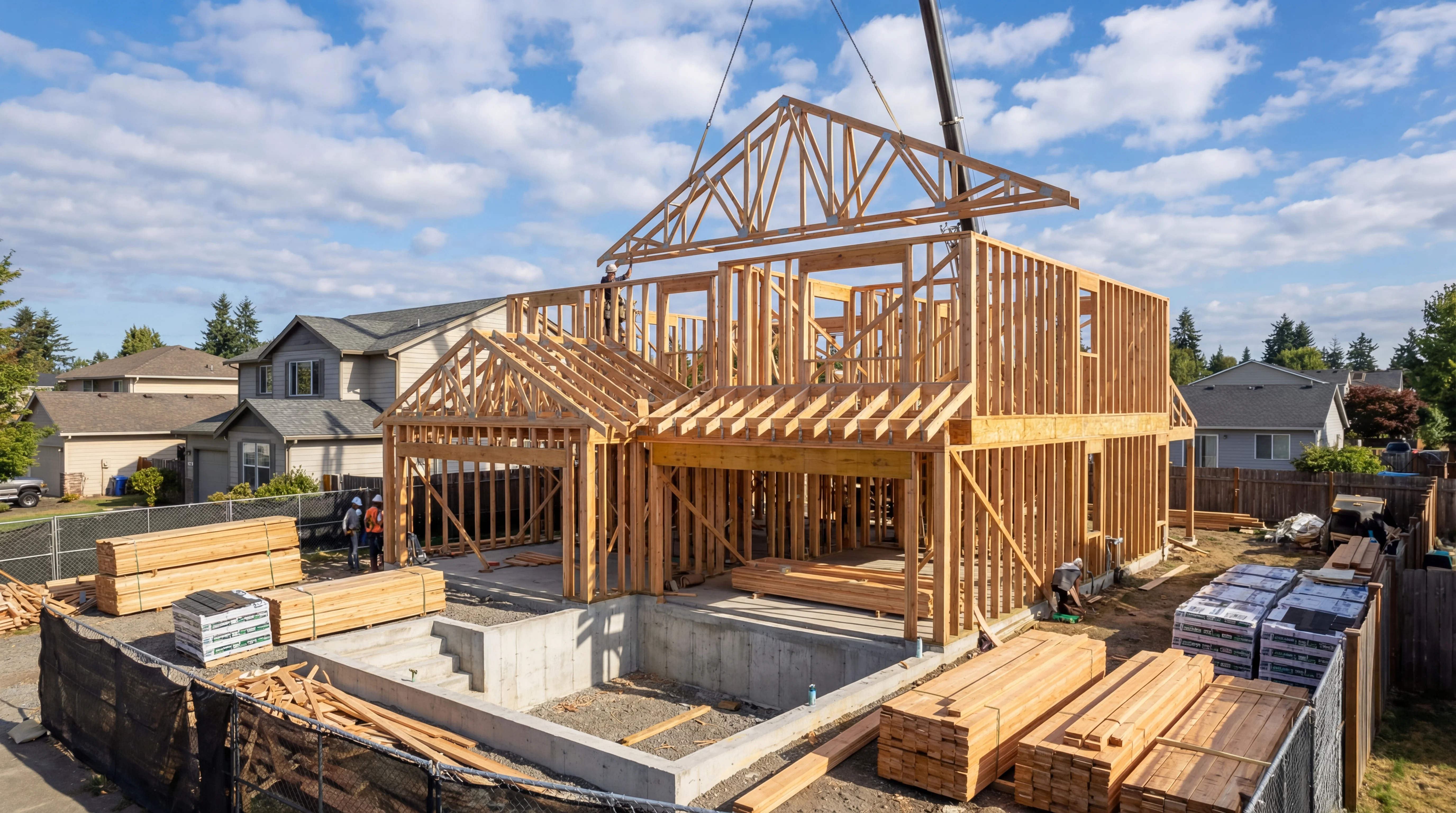
Mitigation-to-rebuild under one roof. Licensed general contractors handle structural framing, drywall, electrical and plumbing rough-in, finishes, permits, and insurance coordination — from emergency call to certificate of occupancy.
From Foundation to Finishes
When fire, water, or storm damage exceeds what repairs can fix, you need reconstruction. Our licensed general contractors handle the complete rebuild — structural framing, electrical and plumbing rough-in, drywall and finishes — and we manage permits, inspections, and insurance coordination from start to certificate of occupancy. Most basic rebuild scopes run $20-$37 per square foot; high-end finishes push that to $50+/sq ft. For active damage events before rebuild, start with water mitigation or fire damage cleanup to stabilize the structure first.
Reconstruction is the most expensive, time-consuming, and disruptive phase of any insurance claim. It is also the phase where most projects go sideways — handed off from a mitigation company to an unfamiliar general contractor, with documentation gaps, scope misalignment, and weeks of calendar slip while paperwork moves between two companies. Palm Build owns both phases. The same project manager who answered your 2 a.m. emergency call signs your final certificate of occupancy. The same Xactimate file your adjuster reviewed during mitigation is the file the rebuild crew uses. There is no second contractor inheriting unknowns.
Our reconstruction service area covers Florida, North Carolina, and South Carolina as primary markets, with extended capability in Georgia, Tennessee, Texas, and New Jersey for multi-state portfolio clients. We carry the state-required general contractor licensing in every primary market — Florida CGC, NC GC license (for projects ≥ $40,000), and SC commercial GC license (for commercial work ≥ $10,000). Every Palm Build PM is trained on Xactimate scope development, IICRC handoff documentation, and the supplemental claim filings that recover withheld depreciation after final inspection.
Get a free reconstruction estimate →Before Reconstruction Begins
The gap between mitigation and reconstruction is where projects go wrong. Four steps to protect your property, your claim, and your timeline before a single board goes up.
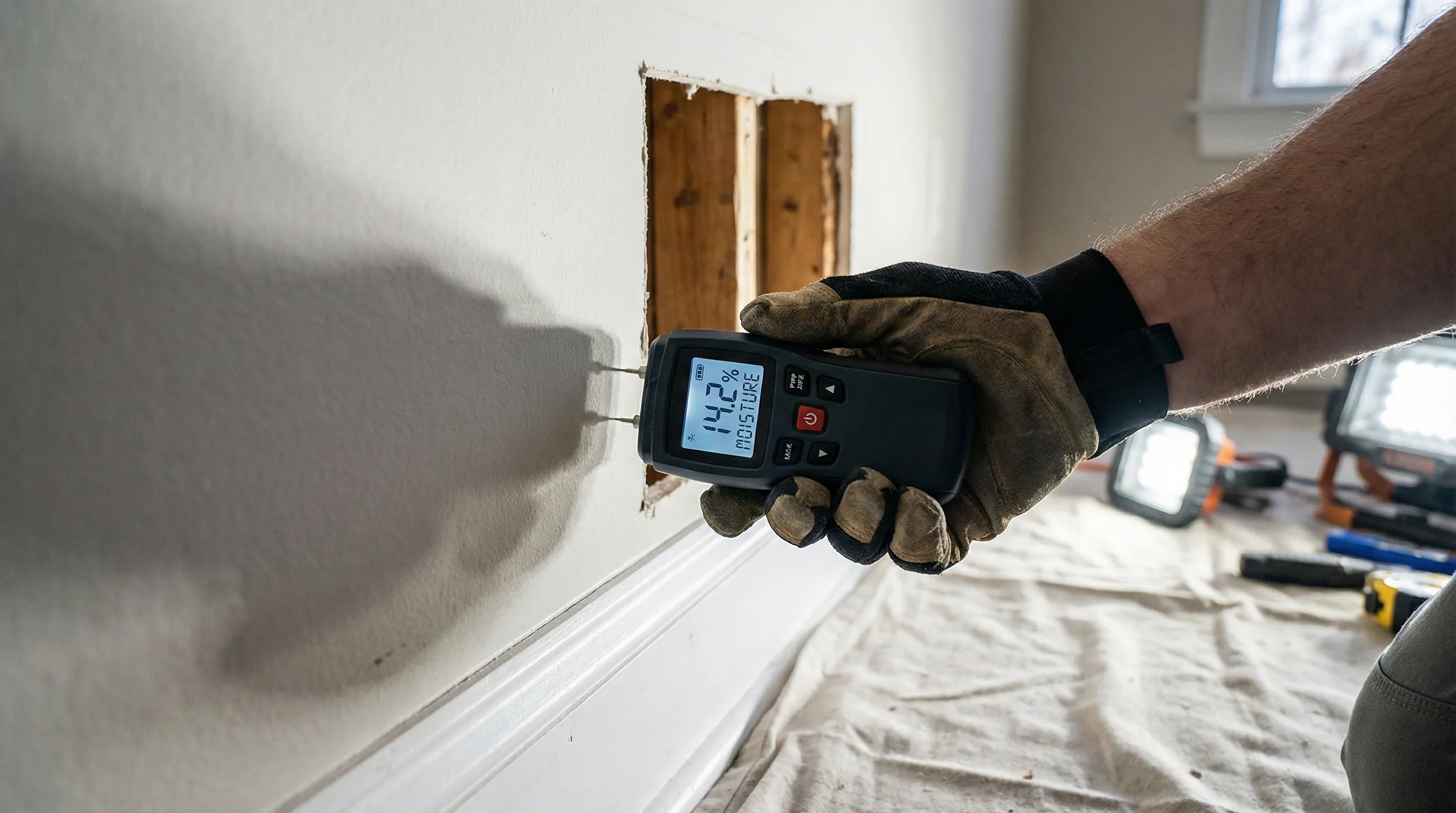
Reconstruction should never start over active damage. Verify that all water has been extracted, structural drying is confirmed with moisture readings below threshold, smoke and soot have been remediated, and any mold has been cleared. Starting reconstruction over residual moisture guarantees callbacks and warranty failures.
Photograph every area that needs reconstruction — framing, subfloor, drywall tear-out lines, damaged electrical and plumbing. Include wide shots and detail shots. This documentation becomes the baseline for your insurance scope and protects you if there are disputes about what was damaged versus pre-existing condition.
Board up any openings, install temporary support where structural members were removed, and protect exposed areas from weather. Unsecured properties during reconstruction attract vandalism, water intrusion from rain, and pest entry. Your insurance carrier expects you to mitigate further damage — failure to secure can jeopardize your claim.
Reconstruction after a loss is not a standard remodel. It requires Xactimate-based scoping, insurance supplement experience, and coordination with the mitigation company that documented the original damage. Choose a firm licensed as both a restoration contractor and a general contractor — the handoff between the two is where most reconstruction projects fail.
Palm Build handles both mitigation and reconstruction under one project manager across FL, NC, and SC — eliminating the handoff failures that delay timelines and inflate costs.
The biggest reason insurance rebuilds go sideways is the handoff between mitigation and reconstruction. Two separate companies. Two scopes. Two PMs. Documentation gaps. Moisture the second crew never measured. Mold that grows in the calendar gap. Palm Build owns both phases under one license, one PM, one Xactimate file.
Crews on-site within hours of the loss. Water extraction, source control, contents protection. Same Palm Build PM assigned for the entire project lifecycle.
IICRC S500-aligned drying with daily moisture mapping. Air movers, dehumidifiers, daily readings logged. Insurance documentation built in real time.
The handoff most projects fail. Drywall < 1% above ambient and wood framing < 15% MC verified before any rebuild work starts. No moisture, no rebuild — measured, documented, signed off.
Same crew that completed mitigation handles selective demo. Xactimate scope already approved. No second contractor inheriting unknowns. No re-walking the loss.
Framing, rough-in, insulation, drywall, trim, paint, flooring. Licensed sub-trades coordinated by your PM. Inspection gates managed end to end.
Punch list, certificate of occupancy where required, depreciation released to your insurance. One company, one signature, one warranty.
The Restoration Sequence
Reconstruction is the final phase of a loss — but it only goes smoothly when the steps before it were done right. Palm Build owns all three, so documentation, moisture verification, and scope flow continuously instead of breaking across three different companies.
A standard general contractor is great for a planned remodel. But when your home is damaged by water, fire, or storm, you need a contractor who understands insurance scope, IICRC standards, moisture verification, and the entire mitigation-to-rebuild lifecycle. Palm Build is both — a restoration specialist and a licensed general contractor.
| Capability | Restoration Contractor (Palm Build) | Standard GC (Remodel-only) |
|---|---|---|
| Insurance claim expertise | Xactimate scope, supplemental filings, depreciation recovery | Most GCs have never filed an insurance scope |
| IICRC S500 / S520 compliance | Industry standards for water and mold work | Not part of GC training or licensing |
| 24/7 emergency dispatch | Active loss response within hours | Standard business hours, project-based scheduling |
| Moisture verification gate | Pinless meters, daily mapping, dry standard verification | Begins work when scheduled — no moisture re-test |
| Xactimate documentation | Line-item scope your carrier already recognizes | Bid-style estimates, often misaligned with carrier scope |
| Direct mitigation handoff | Same crew, no calendar gap, no scope re-walk | Inherits work from a different company weeks later |
| Mold prevention coordination | Antimicrobial, containment, HEPA filtration during demo | Not equipped for biohazard or microbial work |
| Licensed general contractor for rebuild | Palm Build is both — restoration AND licensed GC | GCs hold this license, but not the restoration specialty |
| Permit and inspection management | Pulls permits, schedules inspections, manages corrections | Standard GC scope |
| Certificate of occupancy delivery | Final inspection through CO release | Standard GC scope |
The key insight: most restoration companies can do mitigation but hand off rebuild to a separate GC, and most general contractors can do rebuild but have never seen the inside of an insurance scope. Palm Build is licensed for both — you get one contractor who handles the 24/7 emergency call AND pulls the permit AND delivers the certificate of occupancy.
Read the full comparison guideChoose a restoration contractor when
A standard GC may be fine when
Comprehensive Rebuild Scope
Reconstruction is not a single trade — it is the coordination of every building discipline needed to return your property to pre-loss or better condition. Here is what our licensed general contractors manage from start to finish.
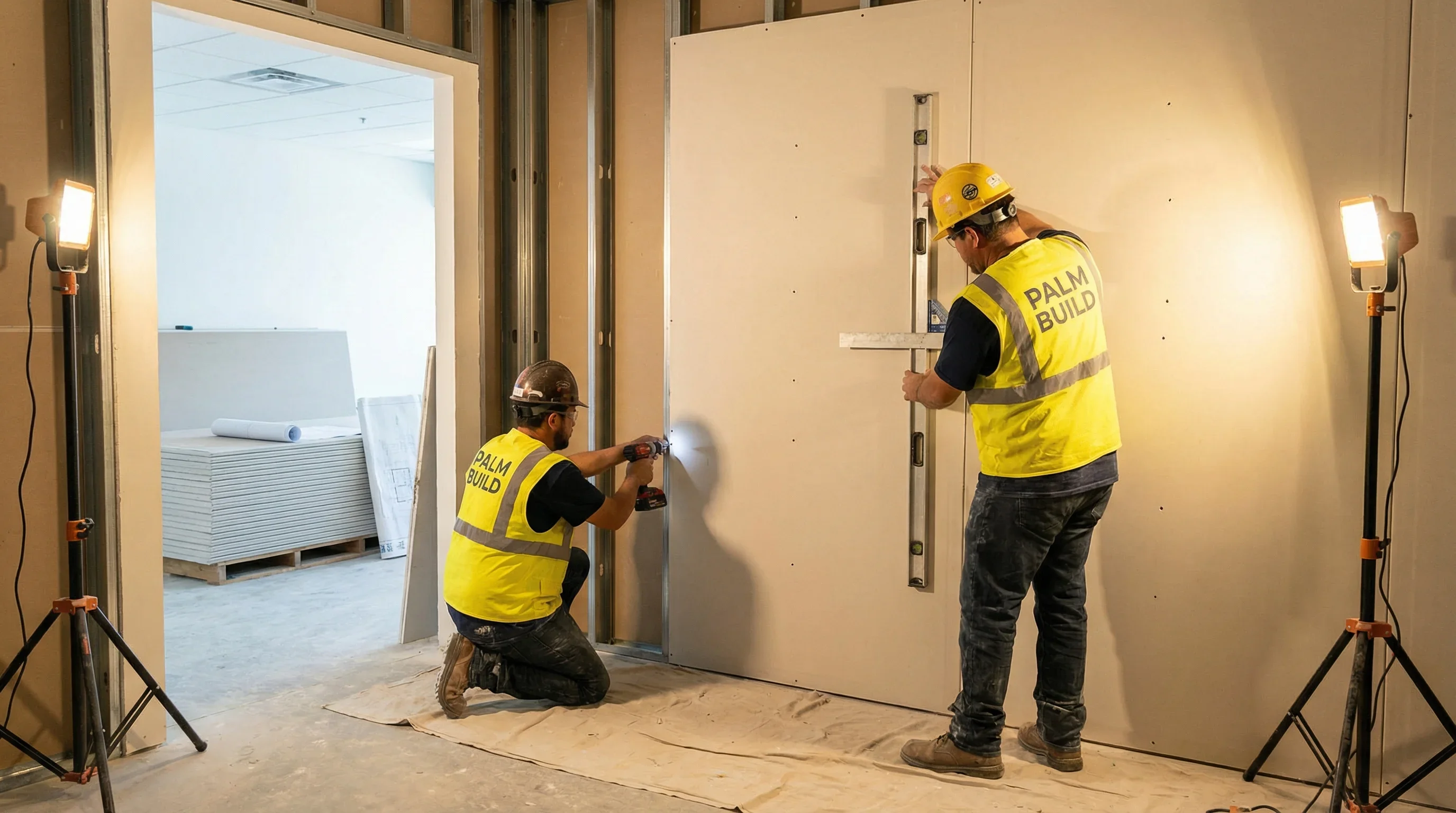
Complete drywall installation, taping, mudding, and finishing. Matching existing textures or upgrading to smooth finishes throughout affected areas.
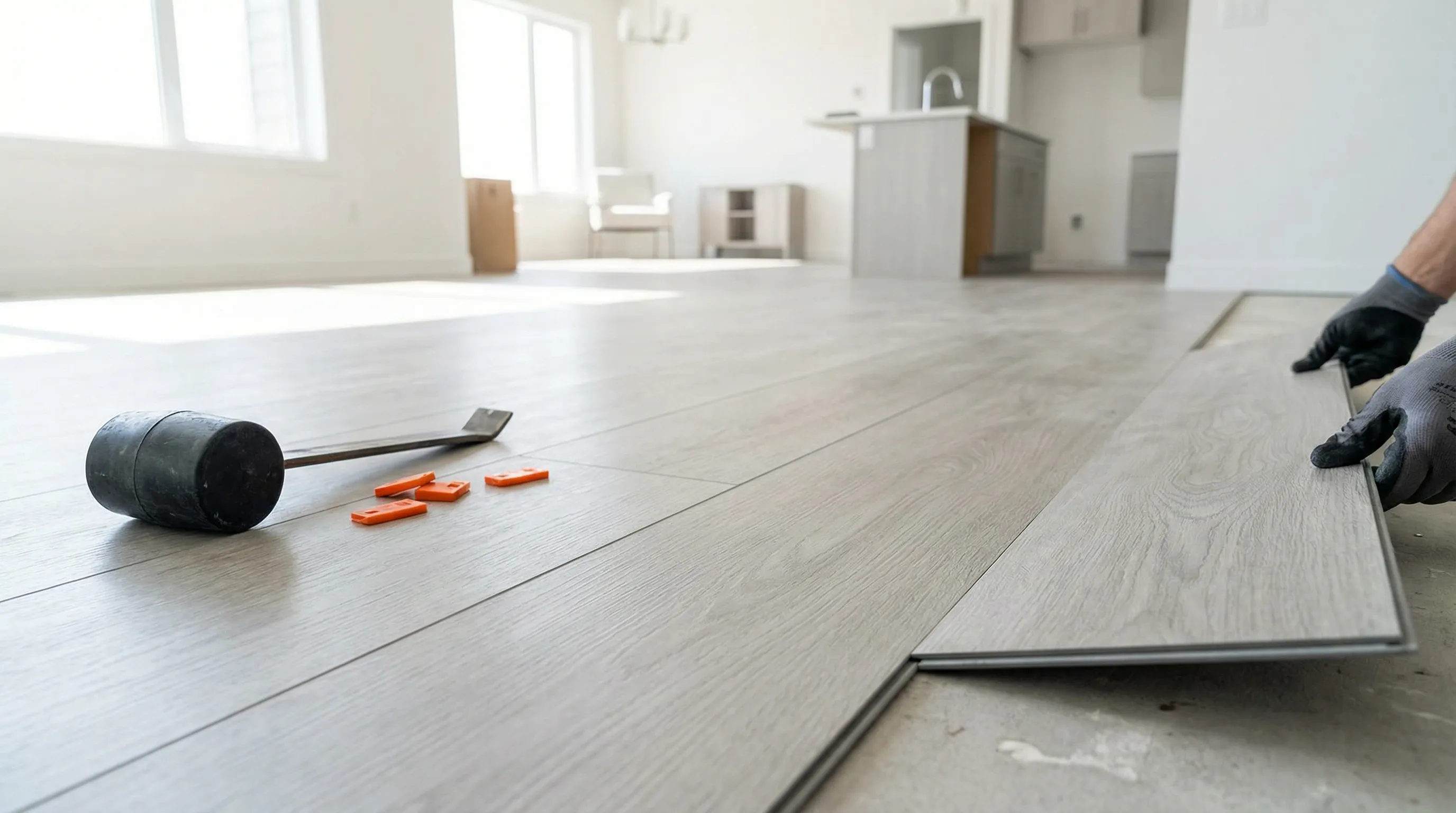
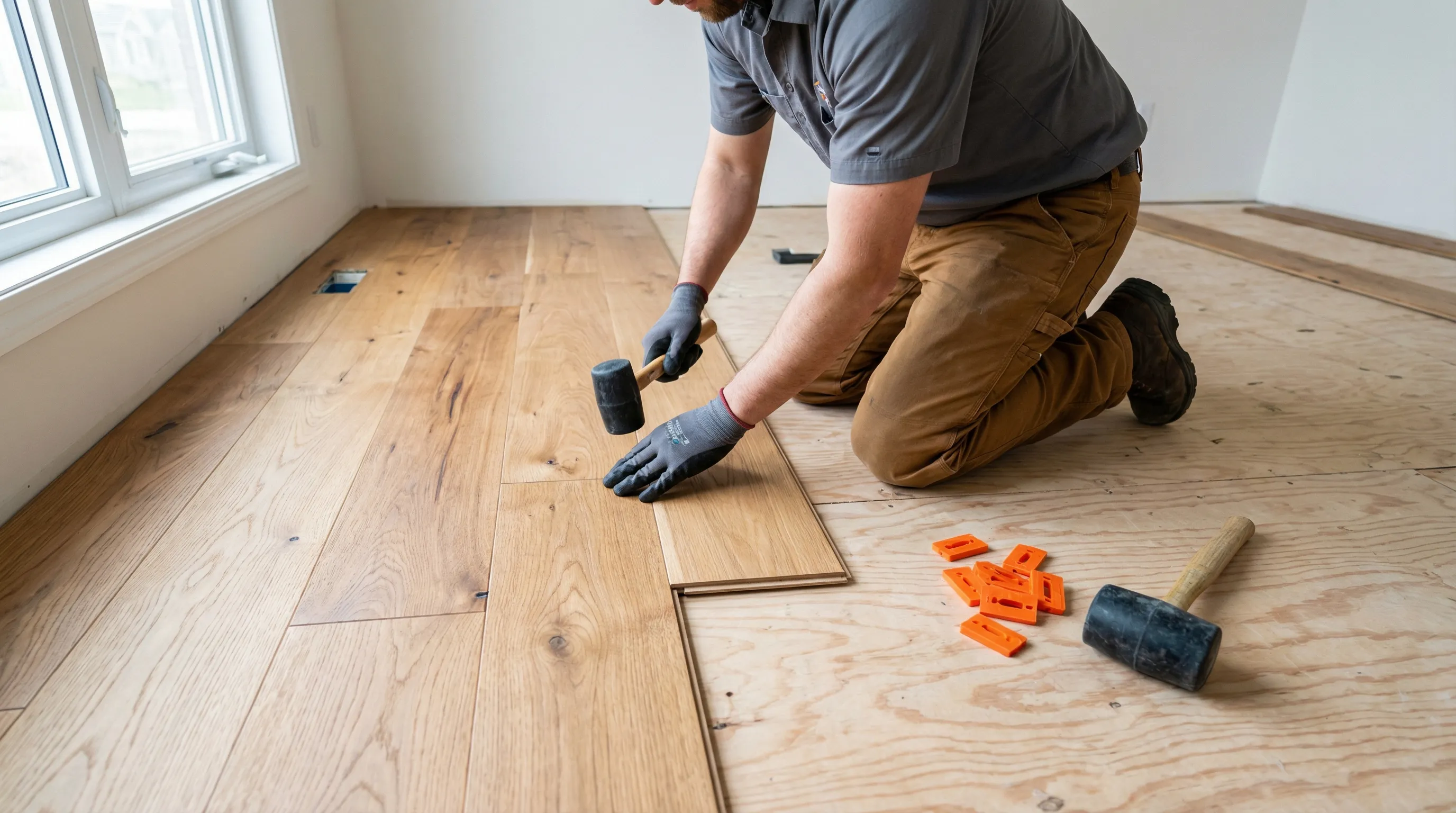
Hardwood, tile, carpet, and luxury vinyl plank installation. Subfloor repair and leveling when damage extends below the surface.
Interior and exterior painting, trim work, crown molding, and baseboards. Color matching or full refreshes to bring spaces back to life.
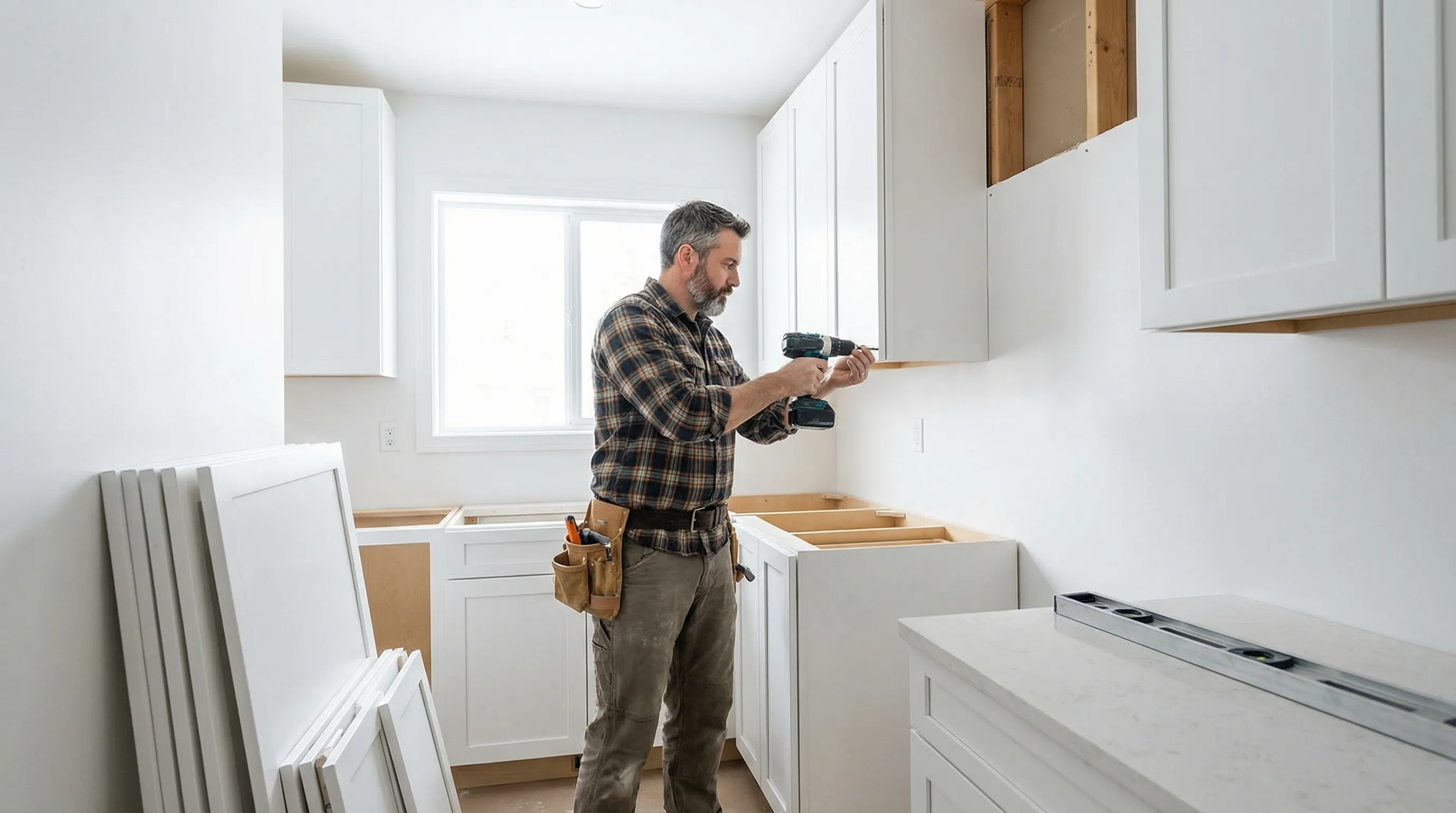
Kitchen and bathroom cabinet replacement or refacing, countertop installation in granite, quartz, or laminate. Custom or stock options available.
Licensed electricians and plumbers handle rewiring, fixture replacement, pipe repairs, and code-compliant upgrades required after damage.
Load-bearing wall repair, floor joist replacement, header installation, and structural reinforcement. Engineering assessments when required.
Shingle replacement, decking repair, flashing, and underlayment. Full roof replacement when storm or fire damage is extensive.
Impact-rated window installation, entry and interior door replacement, frame repair, and weatherproofing to meet current building codes.
Ductwork repair or replacement, unit servicing, and system upgrades. Ensuring air quality and efficiency after smoke, water, or mold damage.
Your reconstruction scope depends on the type and extent of damage. We develop a detailed scope of work with your insurance company before any rebuild begins, so you know exactly what is covered and what to expect.
Every rebuild follows the same seven-phase sequence, with municipal inspection gates between most steps. Phases 2 through 5 cannot proceed without passing the prior inspection — this is what protects you from rework and warranty disputes years later.
The sequence matters because each phase locks in the work below it. Drywall covers the rough-in. Trim covers the drywall edges. Flooring transitions to the trim base. If any prior phase was skipped, rushed, or done out of order, the rework cost compounds at every step above. Palm Build PMs schedule each phase with the inspection gate in mind, not around it, and we never close walls until the inspection passes — no exceptions.
Selective removal of unsalvageable drywall, flooring, insulation, and trim per Xactimate scope. Site protection, dust control, debris haul-out. Existing structure exposed for inspection.
Coordination
Coordinated with mitigation team to capture all wet materials
Inspection Gate
Inspector visit not required, but documented photos for insurance
Replace damaged framing members, sister joists where required, install hurricane straps in coastal jurisdictions, verify load paths. Engineered solutions where the loss touched structural elements.
Coordination
Structural engineer review for load-bearing repairs
Inspection Gate
FRAMING INSPECTION required before rough-in begins
Licensed electricians and plumbers replace damaged wiring, panels, fixtures, and pipe runs. PEX, copper, or PVC depending on existing system. Code-compliant box placement and load calculations.
Coordination
Two separate sub-trades scheduled in sequence
Inspection Gate
ROUGH-IN INSPECTIONS (electrical, plumbing, mechanical) — all must pass
Batt, blown-in, or spray foam insulation installed per local energy code requirements. Vapor barriers where climate zone requires. R-value targets verified against original assembly.
Coordination
Energy code compliance check
Inspection Gate
INSULATION INSPECTION required before drywall
Hang moisture-resistant board in wet areas (green board) or mold-resistant board (Dens-Armor Plus / PURPLE) where indicated. Three-coat tape and mud, sand, prime. Texture matched to existing finish.
Coordination
Drying time between coats — most rigid timeline
Inspection Gate
No formal inspection — homeowner walkthrough recommended
Install base, casing, crown molding. Primer plus two finish coats of low-VOC interior paint. Set kitchen and bath cabinetry, install hardware, integrate countertops where part of scope.
Coordination
Finish carpenter, painter, cabinet installer in overlap
Inspection Gate
No inspection — quality walkthrough by PM
Install LVP, engineered or solid hardwood, porcelain tile, or carpet per spec. Transition strips, baseboard reinstall where needed. Final punch list, deep clean, certificate of occupancy where required.
Coordination
Final cleaning, contents move-back if applicable
Inspection Gate
FINAL INSPECTION + Certificate of Occupancy where permits required
Reconstruction timelines depend on project size, finish complexity, and how quickly permits and inspections move. These ranges reflect typical Palm Build project days for each phase once mitigation is complete and the rebuild scope is approved.
| Project size | Demo | Rough-in | Drywall | Finish | Total |
|---|---|---|---|---|---|
Single room (≤ 200 sq ft) Bedroom drywall + paint + flooring after a Cat 1 supply line burst | 1-2d | 1-2d | 4-7d | 3-5d | 1-2 weeks |
Bathroom rebuild Full bath gut and replace after sustained leak — tile, vanity, toilet, plumbing rough-in | 1-2d | 3-4d | 5-8d | 6-10d | 2-4 weeks |
Multi-room / single floor (200-800 sq ft) Kitchen + adjacent dining + powder bath after dishwasher overflow | 2-4d | 4-6d | 7-12d | 8-14d | 4-6 weeks |
Full floor (800-1,800 sq ft) Entire main level rebuild after Cat 2 sewage backup affecting all rooms | 4-6d | 6-10d | 10-16d | 14-21d | 6-10 weeks |
Whole-home rebuild (1,800-3,500 sq ft) Full residential structure rebuild after fire — all phases including structural framing | 7-10d | 10-15d | 15-25d | 21-35d | 8-16 weeks |
Major commercial (3,500+ sq ft) Multi-tenant commercial building or large hospitality property reconstruction | 10-21d | 15-30d | 21-40d | 30-60d | 12-26 weeks |
Day counts represent active work days per phase, not calendar weeks. Inspection windows and material lead times are not included.
Carrier turnaround on supplemental scope changes is the most common delay source
Varies by jurisdiction; coastal FL counties and historic districts run longest
Custom cabinetry, specialty tile, hurricane-rated windows require 4-12 week orders
June-November tropical activity in FL/SC can stall framing and roofing work
Re-inspection scheduling and rework time. Rare on Palm Build jobs but possible
Reconstruction by Damage Type
The scope of reconstruction varies significantly depending on what caused the damage. Understanding what to expect helps you plan, communicate with insurance, and set realistic timelines.
Water damage reconstruction typically involves drywall replacement, insulation, flooring, and baseboards. Subfloor repair is common with prolonged exposure. Mold clearance testing is required before walls can be closed.
Typically includes:
Fire reconstruction is typically the most extensive. Structural framing, electrical systems, insulation, and drywall throughout affected areas. Smoke-affected materials that appear undamaged often require replacement. Significant code upgrades are common.
Typically includes:
Storm reconstruction often combines exterior and interior work. Roof replacement, window and door upgrades, siding, and interior water intrusion repairs. Florida properties frequently require wind mitigation compliance and impact-rated materials.
Typically includes:
Mold remediation removes contaminated materials — drywall, insulation, flooring, and sometimes framing. Reconstruction replaces everything that was removed. Post-remediation clearance testing must pass before rebuild begins.
Typically includes:
Most basic rebuild scopes run $20-$37 per square foot in 2026 — drywall, flooring, paint, trim, and standard fixtures replaced like-for-like. High-end finishes push that to $50+/sq ft. Whole-home rebuilds after major loss range $50K to $250K+. The biggest cost variables are scope (how much was damaged), finish tier (builder grade vs designer), structural involvement (was framing affected), and regional labor rates. Insurance typically pays the like-for-like number; any upgrade differential is on you. See our 2026 cost breakdown for the full per-scope guide.
These ranges represent reconstruction only — the rebuild phase after mitigation has stabilized the structure. Mitigation costs (extraction, drying, antimicrobial) are billed separately and typically run $3-$7.50 per sq ft. Combined mitigation + reconstruction projects routinely total $5,000 to $80,000+ depending on category, contamination level, and structural exposure.
Per sq ft (basic rebuild)
$20-$37
Drywall, paint, flooring, trim
Per sq ft (high-end)
$32-$50+
Hardwood, tile, custom cabinetry
Whole-home rebuild
$50K-$250K+
Major loss reconstruction
| Scope | What it includes | 2026 price range |
|---|---|---|
| Drywall only repair | Patch, tape, mud, texture match, paint single area | $400 - $1,800 |
| Single room rebuild | Demo, framing repair, drywall, paint, trim, flooring (≤200 sq ft) | $4,000 - $10,000 |
| Multi-room rebuild | Connected rooms, electrical/plumbing rough-in if needed (200-800 sq ft) | $10,000 - $45,000 |
| Whole-floor rebuild | Full level reconstruction, kitchens or baths often included (800-1,800 sq ft) | $30,000 - $120,000 |
| Whole-home rebuild | Major loss, all phases including structural work, permits, inspections | $50,000 - $250,000+ |
$20 - $25 / sq ft
Standard drywall, builder flat paint, laminate flooring, stock cabinets, basic chrome fixtures
Best for
Rental properties, investment rebuilds, like-for-like insurance restoration
$25 - $32 / sq ft
Moisture-resistant drywall, washable matte paint, LVP flooring, semi-custom cabinetry, brushed nickel fixtures
Best for
Most owner-occupied homes, insurance rebuilds with modest upgrades
$32 - $50+ / sq ft
Mold-resistant drywall, designer paint, hardwood/porcelain tile, custom cabinetry, premium fixtures
Best for
Luxury homes, full upgrades during insurance reconstruction
Florida
$24 - $42 / sq ft
Hurricane code requirements add framing/structural cost; permit complexity in coastal counties; year-round construction season
North Carolina
$20 - $36 / sq ft
GC license required ≥ $40K projects; winter freeze season triggers burst-pipe rebuilds; suburban growth adds permit wait times
South Carolina
$22 - $38 / sq ft
Commercial GC license required ≥ $10K; coastal humidity favors moisture-resistant materials; tropical landfall risk
Regional pricing reflects labor rates, code requirements, and material availability in 2026. Local on-site assessment is the only reliable way to price your specific rebuild.
Multi-room water damage rebuild after a Cat 2 dishwasher leak on the second floor. 850 sq ft affected across kitchen, dining room, and adjacent powder bath. Mid-range finishes, moisture-resistant drywall, LVP flooring throughout, semi-custom cabinetry replacement.
Demo & Framing
$3,800
Drywall & Paint
$8,400
Flooring & Trim
$11,200
Cabinetry
$9,650
Total project
$33,050
~$39 / sq ft · all phases · 5 weeks
Get your rebuild range in 60 seconds
Free on-site scope walk and Xactimate estimate
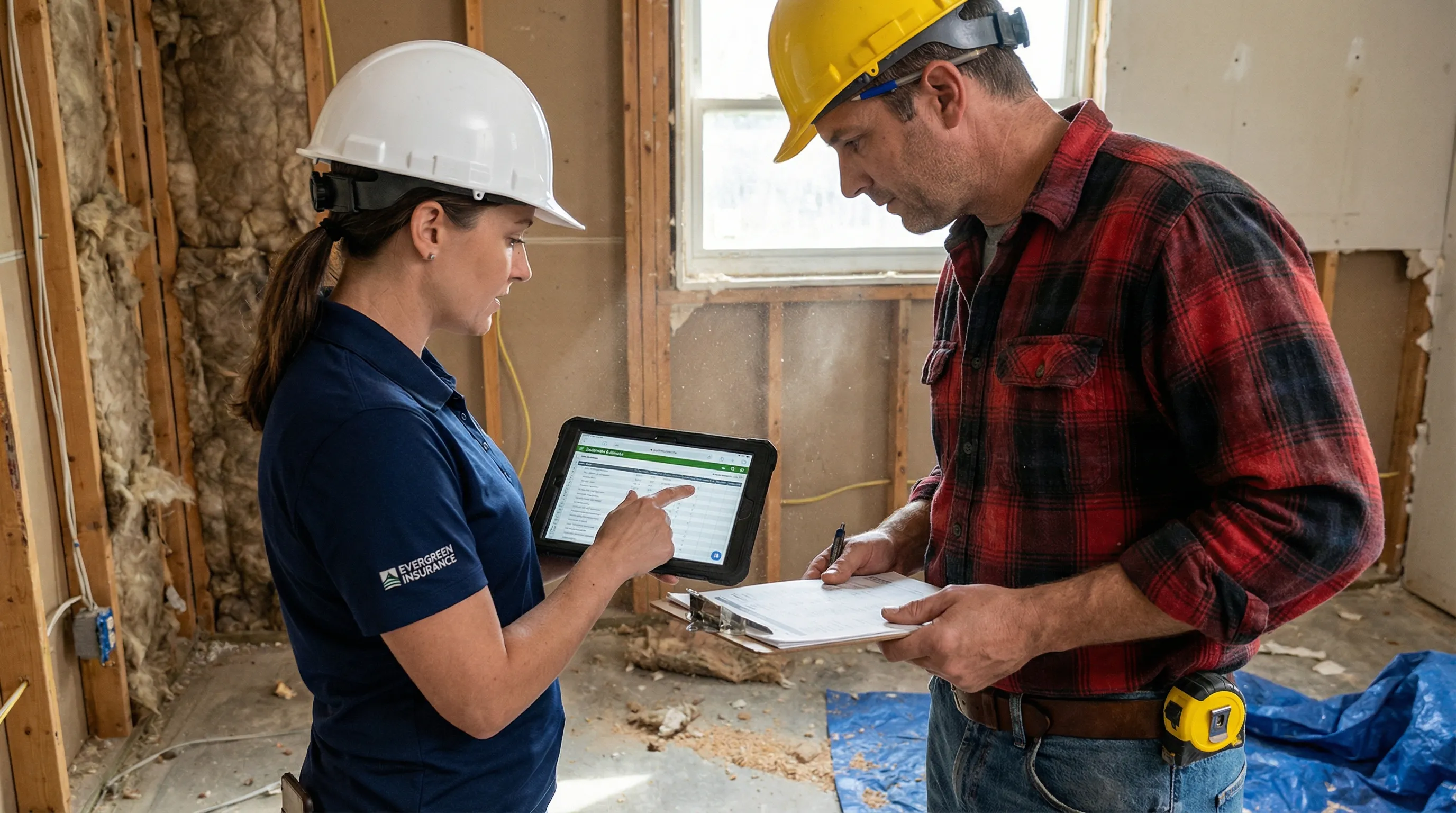
Material selection affects rebuild cost, durability, and how the property holds up against the next loss event. After a water or fire claim, this is your chance to upgrade to moisture-resistant assemblies — your insurance covers like-for-like, and you cover any upgrade differential.
Three principles guide every Palm Build material recommendation: (1) match the existing assembly for the like-for-like insurance scope unless the homeowner upgrades; (2) choose moisture-resistant or mold-resistant products in any space that has experienced a wet event, even if the original was standard drywall; (3) document every material change in the Xactimate scope so the carrier sees exactly what was installed and why. The tables below show typical 2026 pricing and the trade-offs that matter for each category.
| Type | Moisture resistance | Cost | Lifespan | Best for |
|---|---|---|---|---|
| LVP (Luxury Vinyl Plank) | Excellent — fully waterproof | $3 - $7 / sq ft | 15-25 yrs | Most insurance rebuilds, kitchens, baths, basements |
| Porcelain Tile | Excellent — fully waterproof | $8 - $20 / sq ft installed | 50+ yrs | Bathrooms, mudrooms, high-end kitchens |
| Engineered Hardwood | Moderate — humidity-tolerant | $8 - $16 / sq ft installed | 20-40 yrs | Living rooms, bedrooms, formal dining |
| Solid Hardwood | Poor — avoid wet areas | $10 - $22 / sq ft installed | 50-100 yrs (refinishable) | High-end main living spaces above grade |
| Carpet | Poor — replace after wet events | $3 - $7 / sq ft installed | 8-12 yrs | Bedrooms, comfort zones, budget rebuilds |
Where: Bedrooms, living rooms, dry interior walls
Lowest cost, easy to work with
Where: Bathrooms, kitchens, laundry rooms, basements
Wax-impregnated paper resists moisture absorption
Where: Areas with prior mold history, coastal humidity zones, finished basements
Fiberglass facing instead of paper — no food source for mold
Where: Garage walls, ceilings between units, stairwells
5/8" thickness with glass fibers, code-required in many assemblies
| Tier | Cost | Finish | Use | Notes |
|---|---|---|---|---|
| Builder Flat | $25 - $40 / gal | Matte, no sheen | Investment properties, ceilings, low-traffic areas | Low cost, hides imperfections — but not washable |
| Washable Matte / Eggshell | $45 - $65 / gal | Low sheen, washable | Living rooms, bedrooms, hallways | Most popular for interior walls — clean without burnish |
| Satin / Semi-Gloss | $50 - $75 / gal | Mid to high sheen | Trim, doors, kitchens, bathrooms | Durable, scrubable, moisture-tolerant |
| Designer / Premium | $75 - $120 / gal | Various, low-VOC | High-end rebuilds, color-critical projects | Color depth, single-coat coverage, low VOC for occupied spaces |
$60 - $200 / linear ft
Construction: MDF or particleboard with thermofoil or laminate
Best for: Builder-grade rebuilds, rentals, like-for-like insurance scope
$150 - $400 / linear ft
Construction: Plywood box, real wood doors, soft-close hardware
Best for: Most owner-occupied rebuilds — balance of cost and quality
$500 - $1,200+ / linear ft
Construction: Solid wood throughout, dovetail joints, made to spec
Best for: High-end kitchens, custom layouts, premium upgrades
Reconstruction licensing thresholds vary dramatically across our service area. Florida requires state-certified CGC licensing for most structural work. North Carolina triggers at $40,000. South Carolina triggers at just $10,000 for commercial work. Hiring an unlicensed contractor on a triggering project can void your insurance claim and invalidate any warranty.
Why this matters more for insurance reconstruction
When work triggers state licensing thresholds, insurance carriers can deny coverage or claim subrogation if the contractor was unlicensed. Always verify licensing on the official state portal — license numbers on a business card are not enough. Palm Build licensing is verifiable on each state board's official lookup.
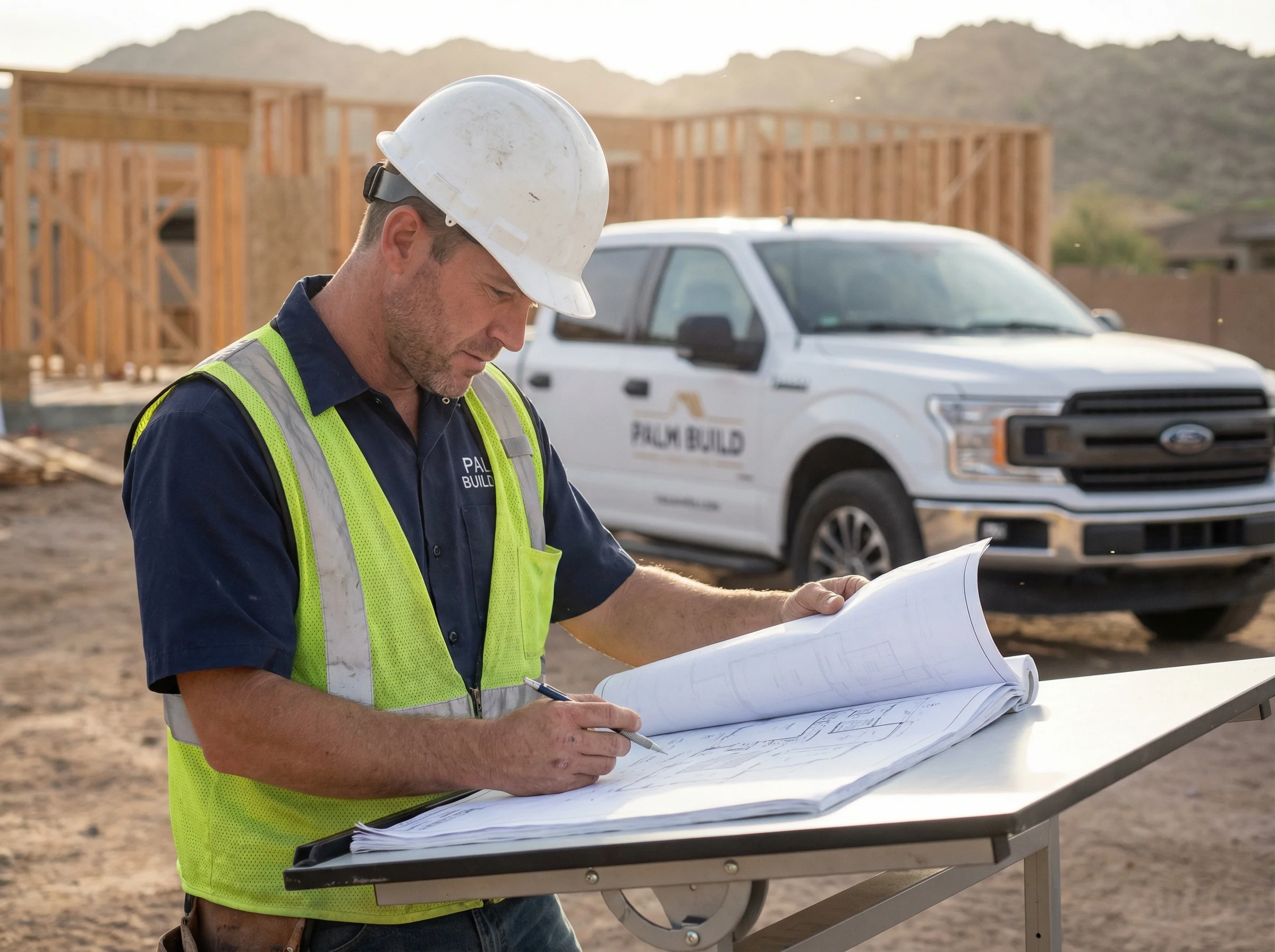
The Florida Department of Business and Professional Regulation (DBPR) issues state-certified Certified General Contractor (CGC) licenses required for most residential and commercial structural work. The exam covers business and finance, project management, and technical knowledge. Experience requirements include four years of supervisory construction experience or equivalent education plus experience. General liability insurance and bonding required.
How to verify
Verify any contractor at MyFloridaLicense.com before signing — search by license number or company name
Palm Build credentials
Palm Build holds active Florida CGC licensing with general liability and workers comp coverage. Verifiable through MyFloridaLicense.
The NC Licensing Board for General Contractors requires a state-issued GC license for any project valued at $40,000 or more. Classifications include Building, Residential, and Public Utilities, with Limited (≤$750K), Intermediate (≤$1.5M), and Unlimited license tiers. Working capital requirement around $30,000 for Limited tier. Exam, financial statements, and references required. Using an unlicensed contractor on a triggering project can void your insurance settlement.
How to verify
Verify at the NC Licensing Board for General Contractors portal (nclbgc.org) — search by name or license number
Palm Build credentials
Palm Build holds active NC General Contractor license. Charlotte office (378 Crompton Street) is the operational base for NC and SC reconstruction work.
The SC Contractor's Licensing Board requires a commercial general contractor license for any commercial project exceeding $10,000 in regulated classifications. Residential work requires separate licensing through the SC Residential Builders Commission for any residential building or specialty contracting. The lower threshold means more SC projects trigger licensing than in NC. Bonding and financial documentation required for both pathways.
How to verify
Verify at LLR.SC.gov (SC Department of Labor, Licensing and Regulation) — separate searches for commercial and residential boards
Palm Build credentials
Palm Build holds applicable SC licensing for both commercial GC work and residential reconstruction. Same Charlotte office serves Upstate SC and Coastal SC markets.
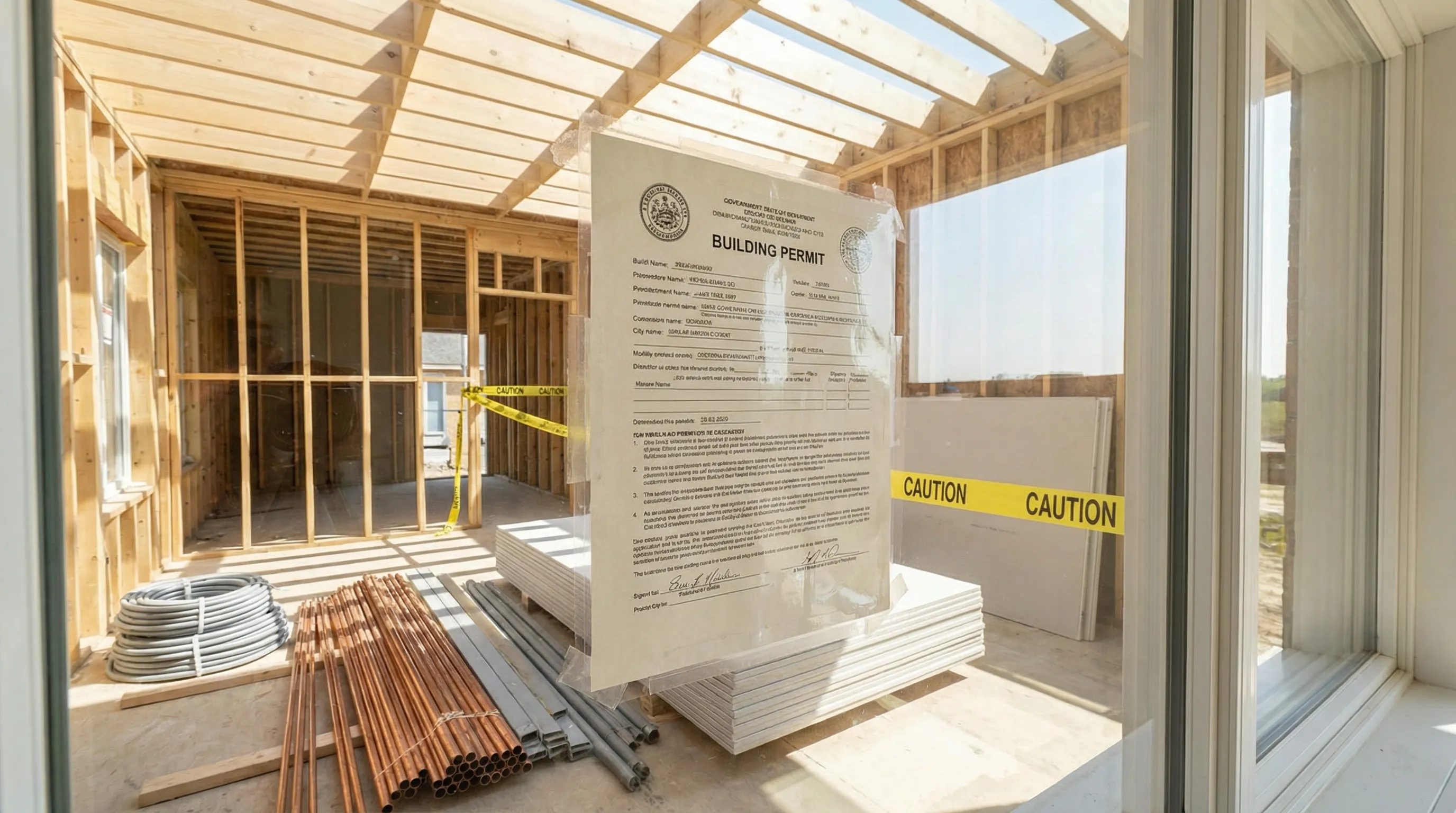
Most reconstruction work triggers permit requirements that protect you, your insurance settlement, and your future resale. Palm Build pulls the permit, schedules every inspection, and manages corrections through final certificate of occupancy. You never have to call the building department.
| Work type | Permit required? | Notes |
|---|---|---|
| Structural framing repair | Yes | Always required when load-bearing members are touched |
| Electrical rough-in or panel work | Yes | Separate electrical permit, licensed sub-trade |
| Plumbing rough-in | Yes | Separate plumbing permit, fixture count required |
| Roof replacement (FL coastal) | Yes | Wind code compliance documentation required |
| Window/door replacement (FL coastal) | Yes | Impact-rated products and flashing inspection |
| Drywall + paint only (no structure) | Sometimes | Varies by jurisdiction; usually no for cosmetic-only repair |
| Flooring replacement only | No | Cosmetic — no permit needed unless subfloor structural repair |
| Cabinet replacement | No | Cosmetic unless plumbing/electrical relocation |
After framing repair, before walls close
Load paths, fastener schedule, hurricane straps where required
After wiring runs, before insulation
Box placement, wire gauge, GFCI/AFCI protection, panel work
After pipe runs, before insulation
Pressure test, drain slope, vent stack tie-ins
After ductwork or equipment installation
Duct sizing, equipment clearance, condensate routing
After insulation installation, before drywall
R-value compliance, vapor barrier where required, no compressed batts
All work complete, before certificate of occupancy
GFCI testing, smoke/CO detector function, all systems operational
2-6 weeks
Coastal counties (Broward, Palm Beach, Miami-Dade) often longest. Hurricane wind code review adds time.
1-4 weeks
Mecklenburg County and Wake County run faster than smaller jurisdictions. Historic districts add review steps.
2-5 weeks
Coastal commercial work has longest queue. Upstate residential typically faster.
Fix: Move box, schedule re-inspection (~3-5 days)
Fix: Add blocking, photo document, re-inspect
Fix: Locate leak, repair, re-test on next visit
Fix: Loosen and re-fluff, re-inspect (often same week)
Fix: Replace receptacle, document, re-inspect at final
We track every inspection in our PM system and resolve corrections within the same business day whenever possible.
Insurance Coordination
Reconstruction is often the most expensive portion of an insurance claim. Proper documentation, accurate estimates, and proactive supplement management ensure you receive the coverage your policy provides. Our team handles insurance coordination throughout the rebuild process.
We write reconstruction estimates in Xactimate, the same software insurance companies use. This eliminates format disputes and speeds up approval because adjusters review scope in their native platform.
Hidden damage is common during reconstruction — opening walls often reveals additional issues. We document supplemental damage with photos, moisture readings, and detailed line items, then submit for additional coverage.
When rebuilding triggers code upgrades — updated electrical panels, impact-rated windows, or structural reinforcement — your policy may include ordinance and law coverage. We identify these items and file for reimbursement.
Insurance typically pays actual cash value upfront and withholds depreciation. After reconstruction is complete, we submit documentation to recover the withheld depreciation so you receive the full replacement cost.
For a detailed guide to the insurance claims process — from filing to final payment — visit our dedicated insurance resource.
Insurance Restoration GuideRepair vs. Rebuild
Sometimes damage goes beyond what repairs can fix. Here are signs that reconstruction may be the right solution for your property.
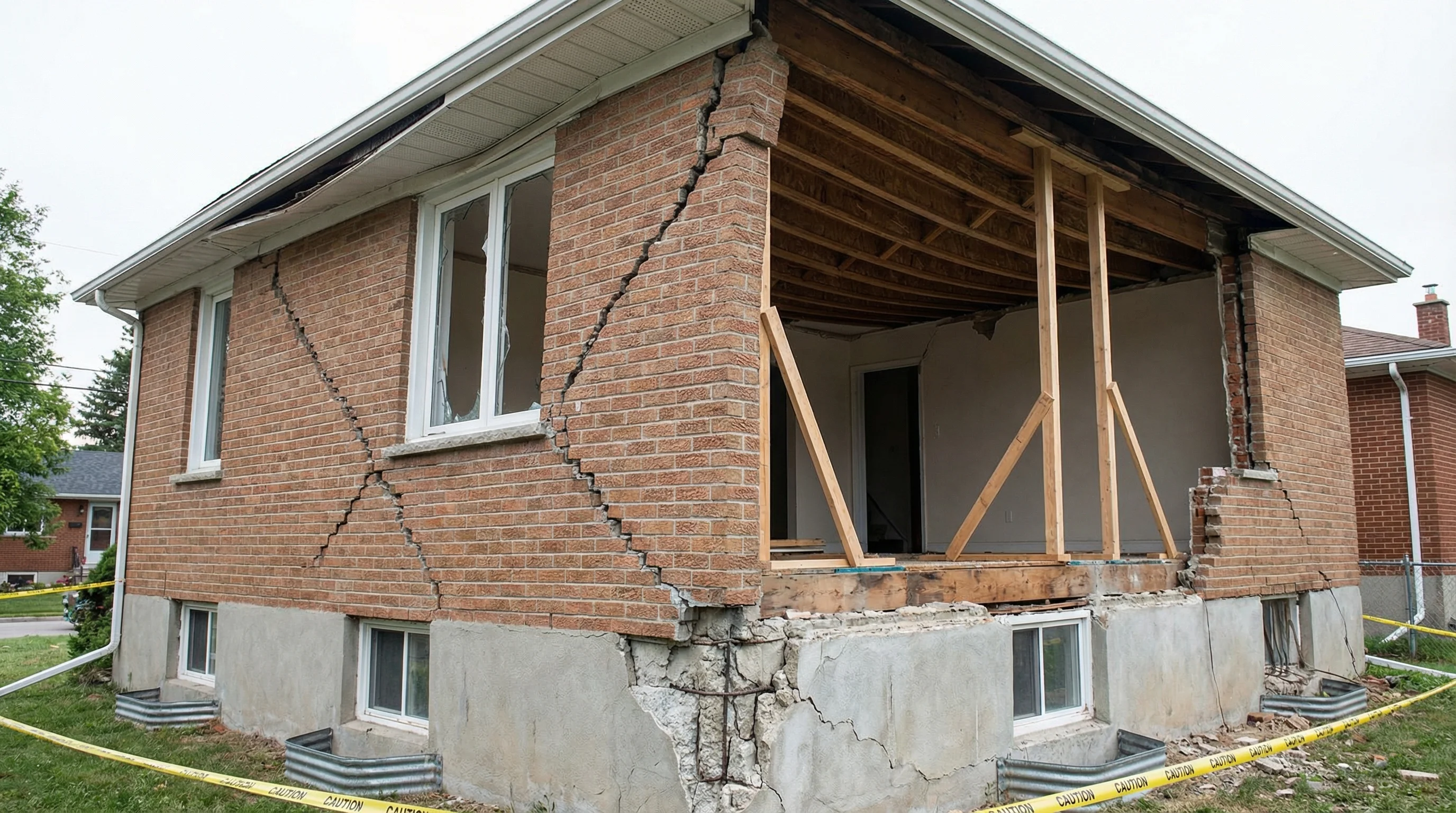
Compromised load-bearing walls, foundation damage, or framing that cannot be repaired safely.
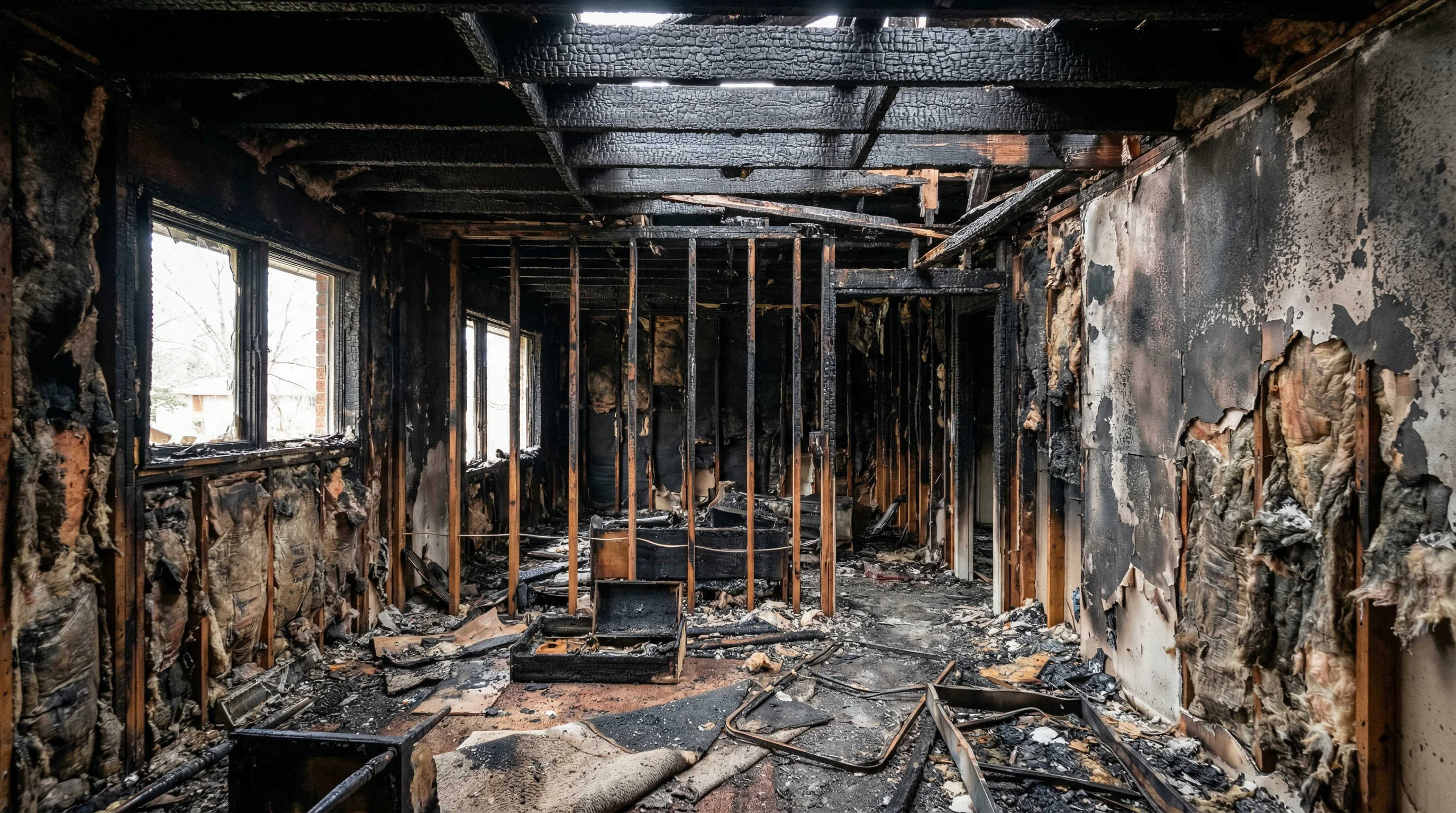
Fire damage beyond surface cleaning—charred structural members, compromised electrical, or total loss areas.
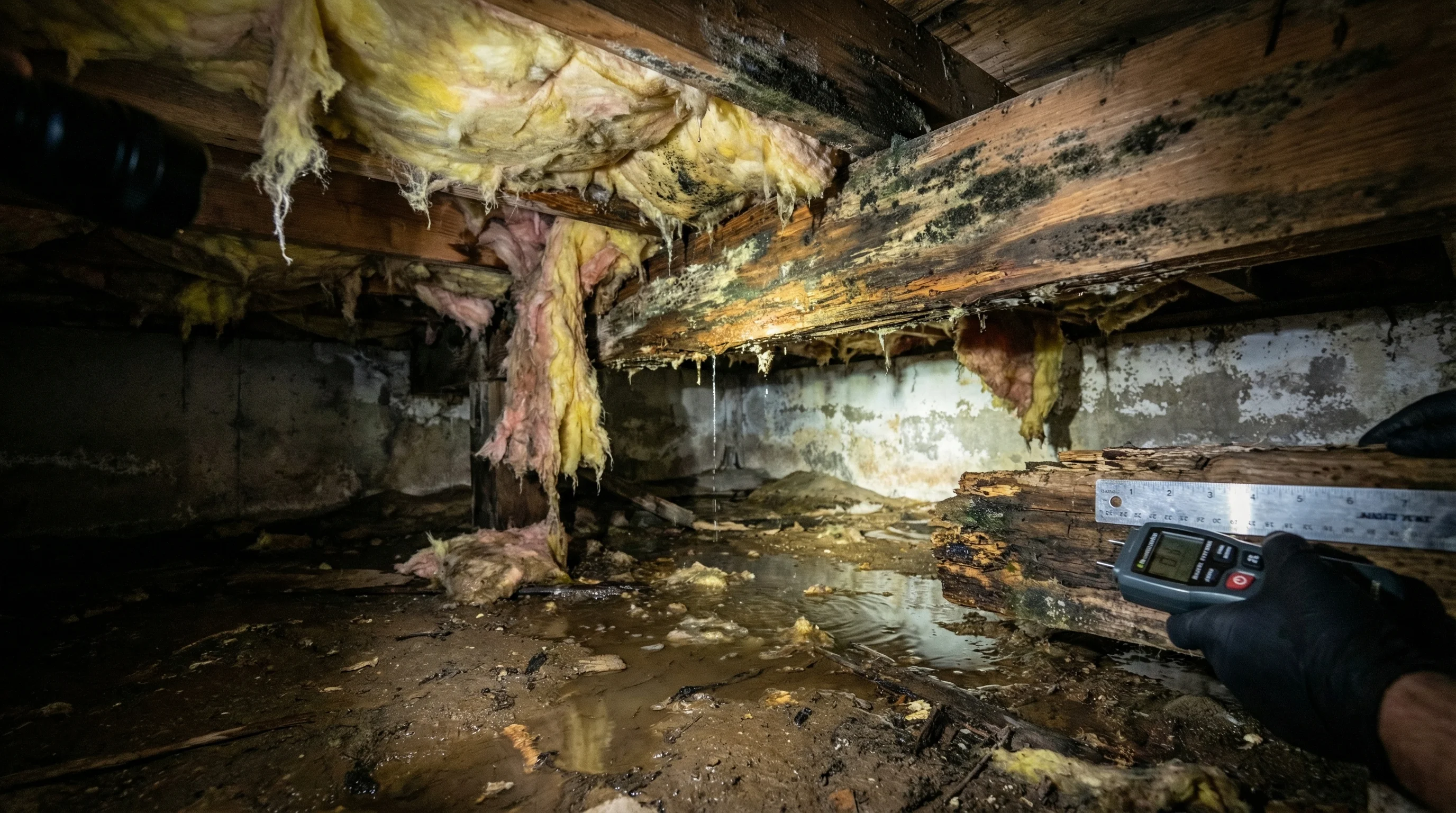
Water intrusion causing irreparable damage to structure, insulation, or building systems.
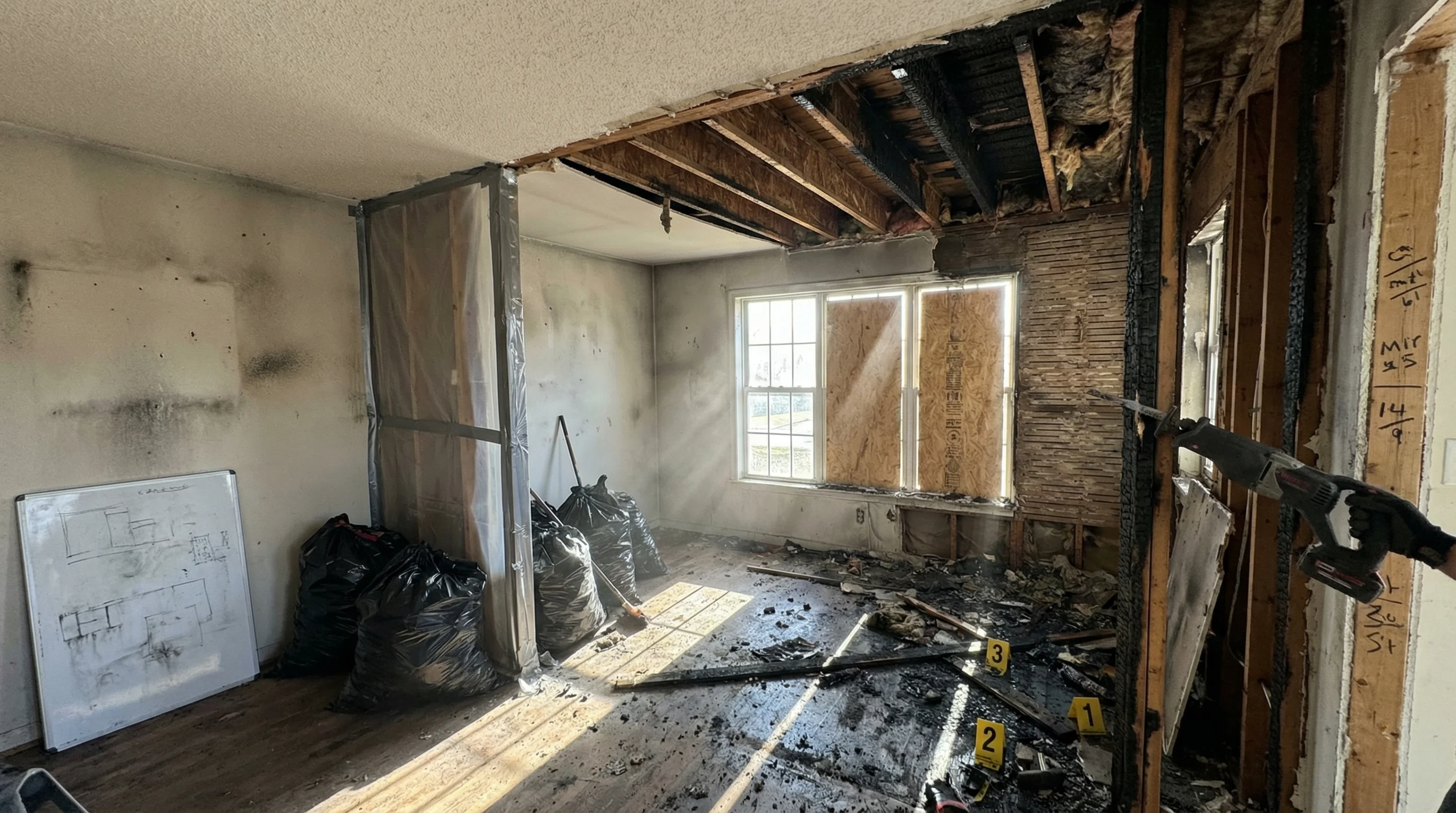
When damage triggers code requirements that make repairs more expensive than rebuilding.
Not sure if you need repairs or reconstruction? We provide free assessments to help you understand your options. Our team will evaluate the damage and explain what's required to restore your property properly.
Reconstruction Assessment
Select your situation to understand what reconstruction involves.
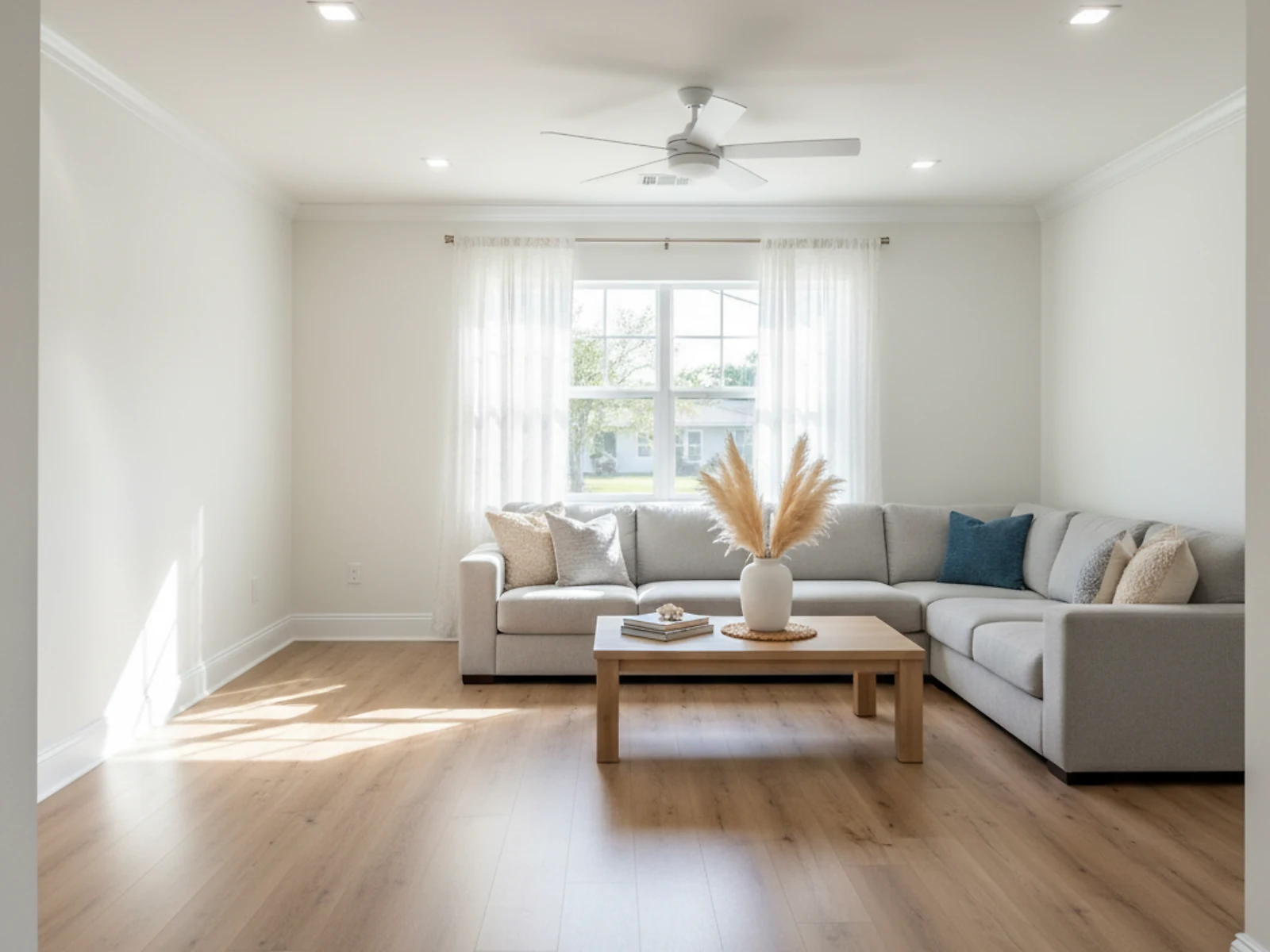
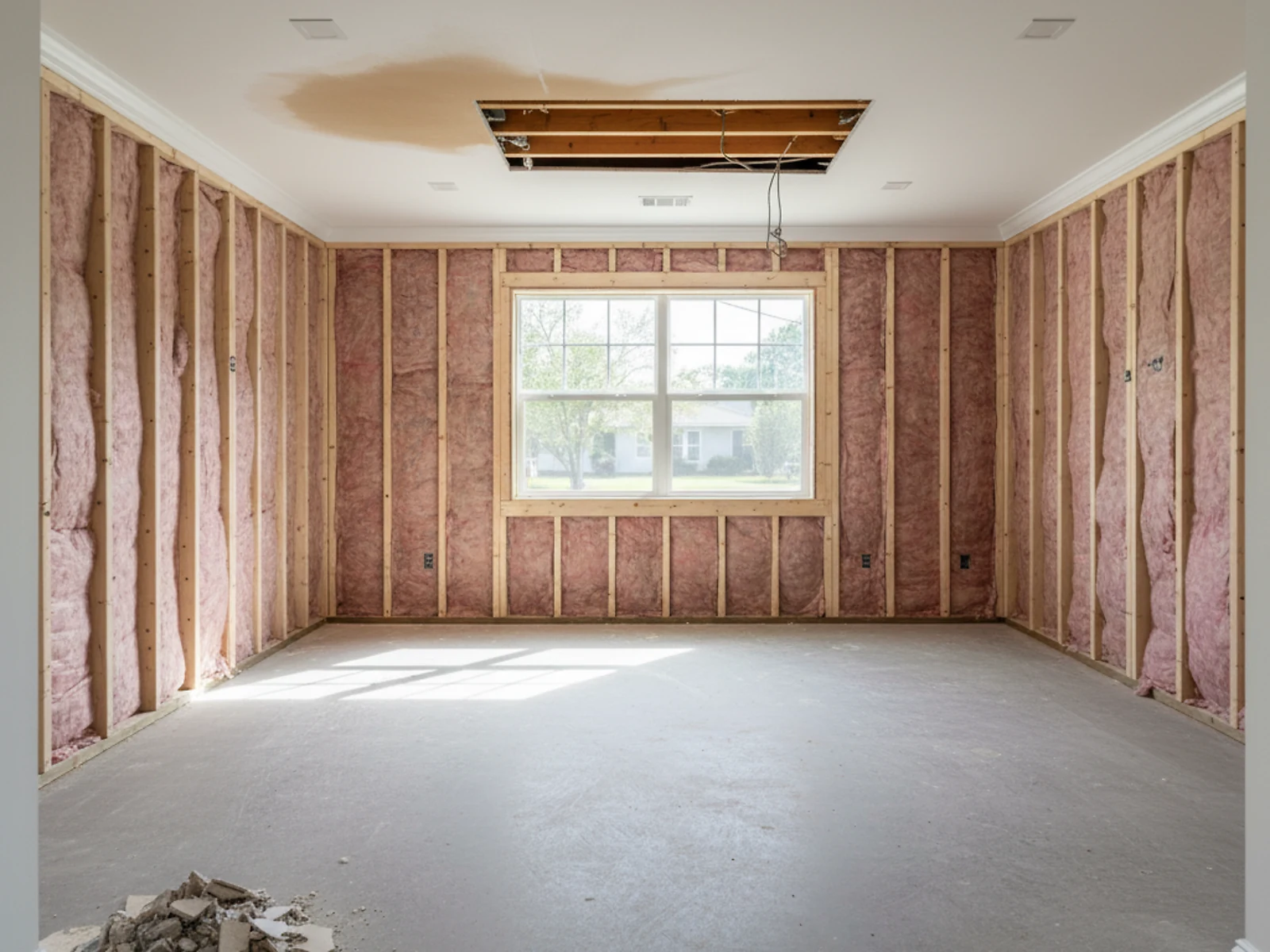
Real Palm Build reconstruction projects — slide the handle to reveal the same room from demolition through finished, insurance-documented rebuild.
 Before After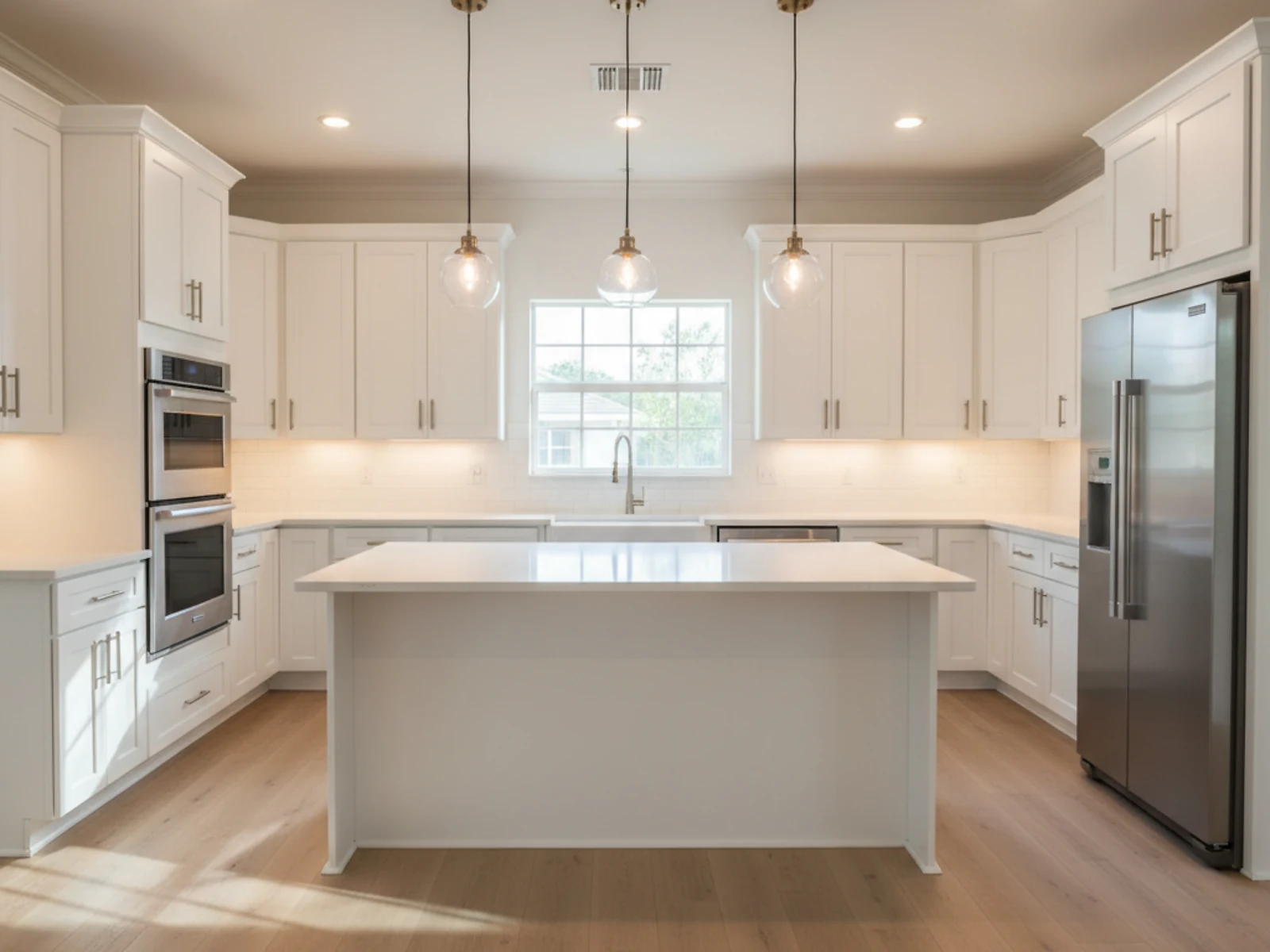
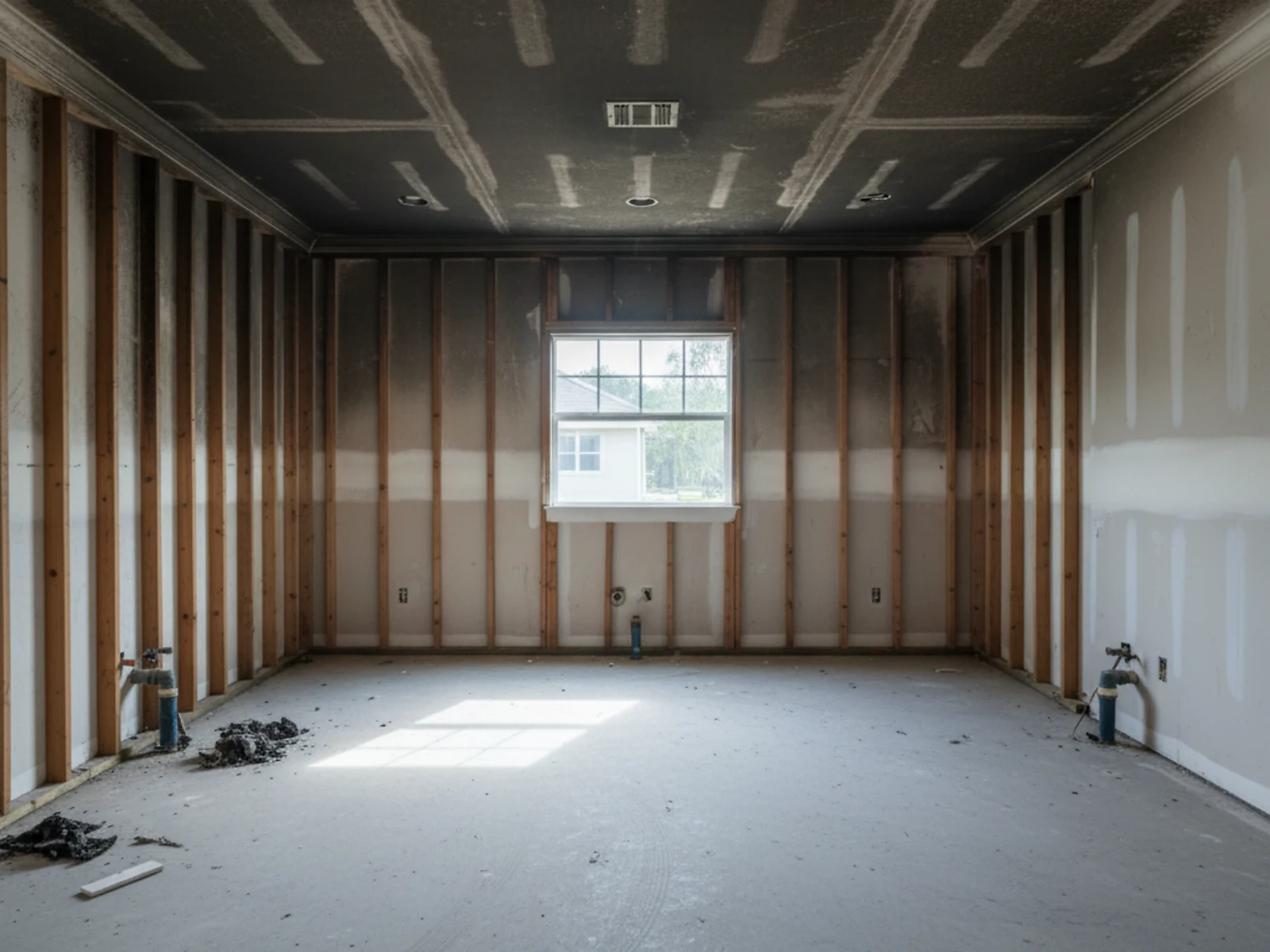 Before After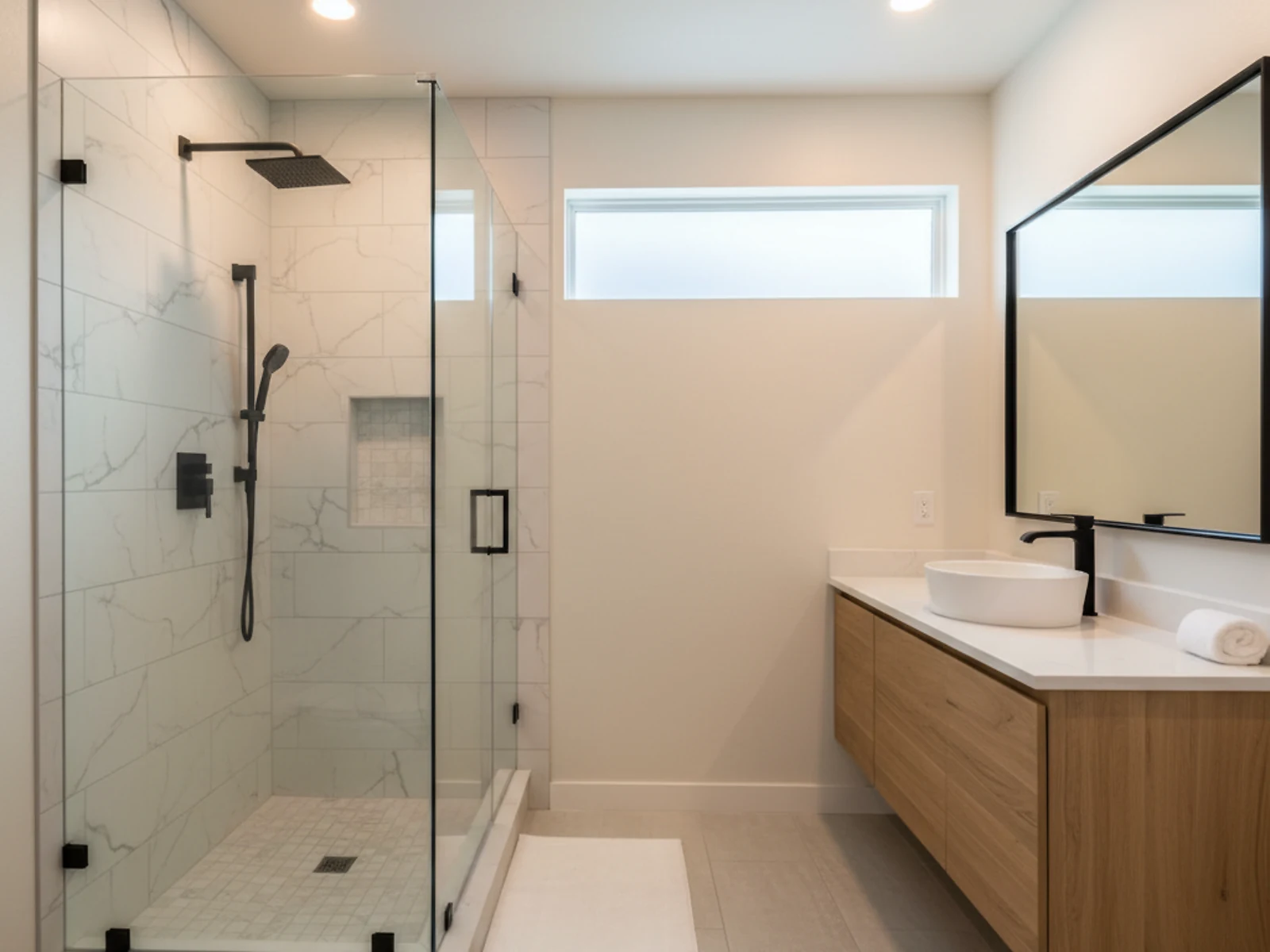
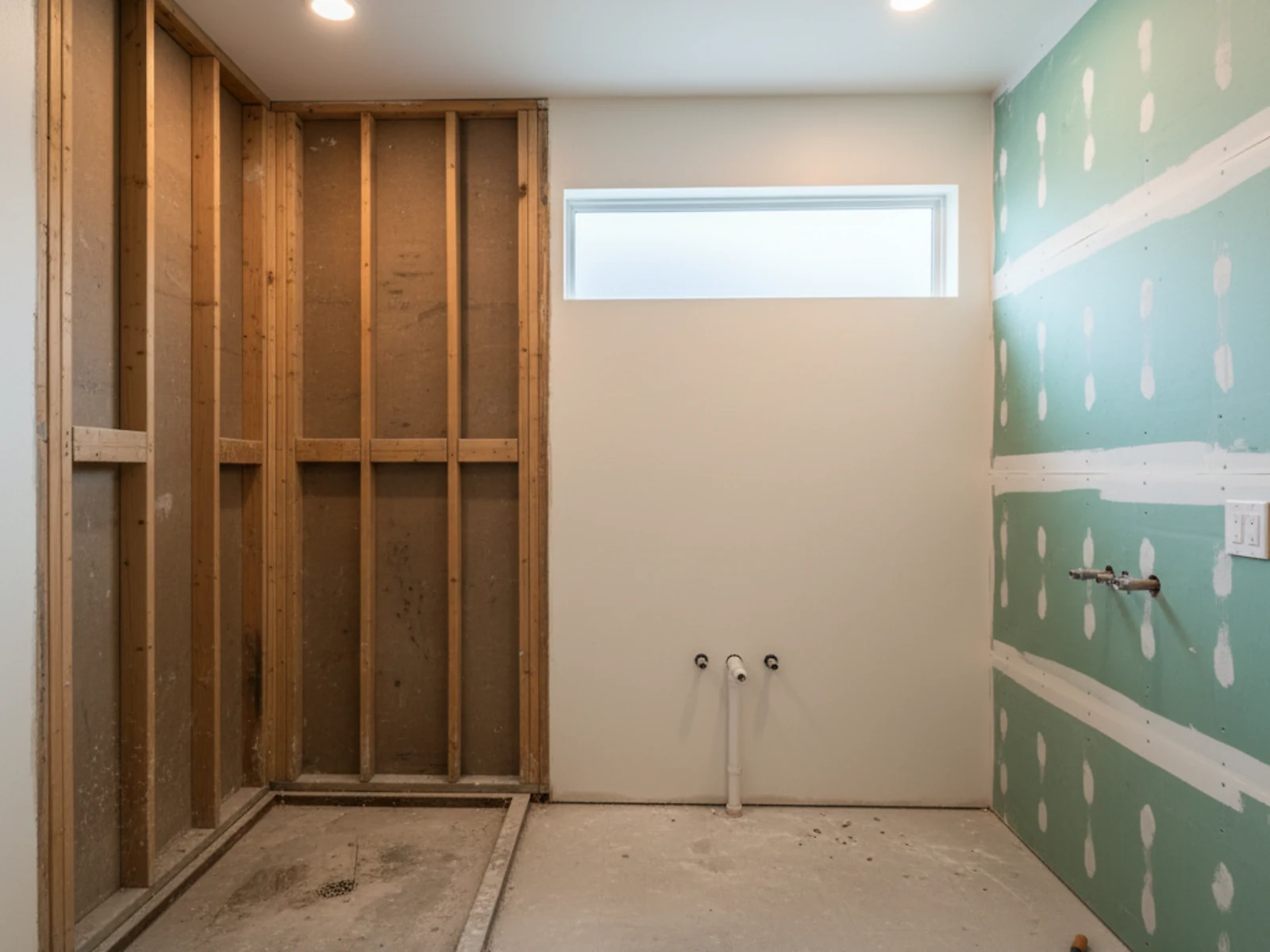 Before After
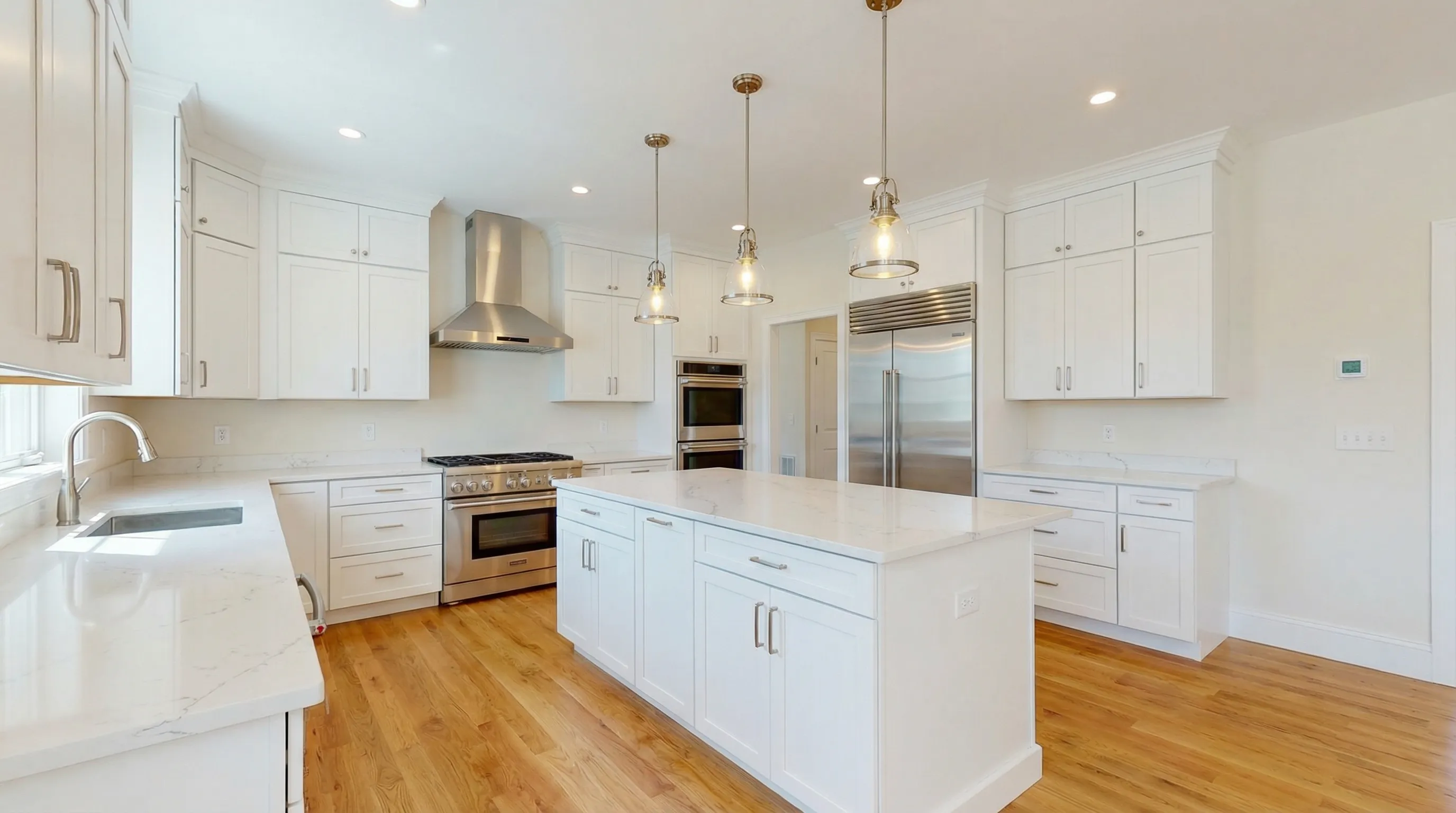
 A look at Palm Build reconstruction projects across FL, NC, and SC — from framing and rough-in through finished kitchens, baths, and living spaces. Every job documented phase-by-phase for insurance and quality control.
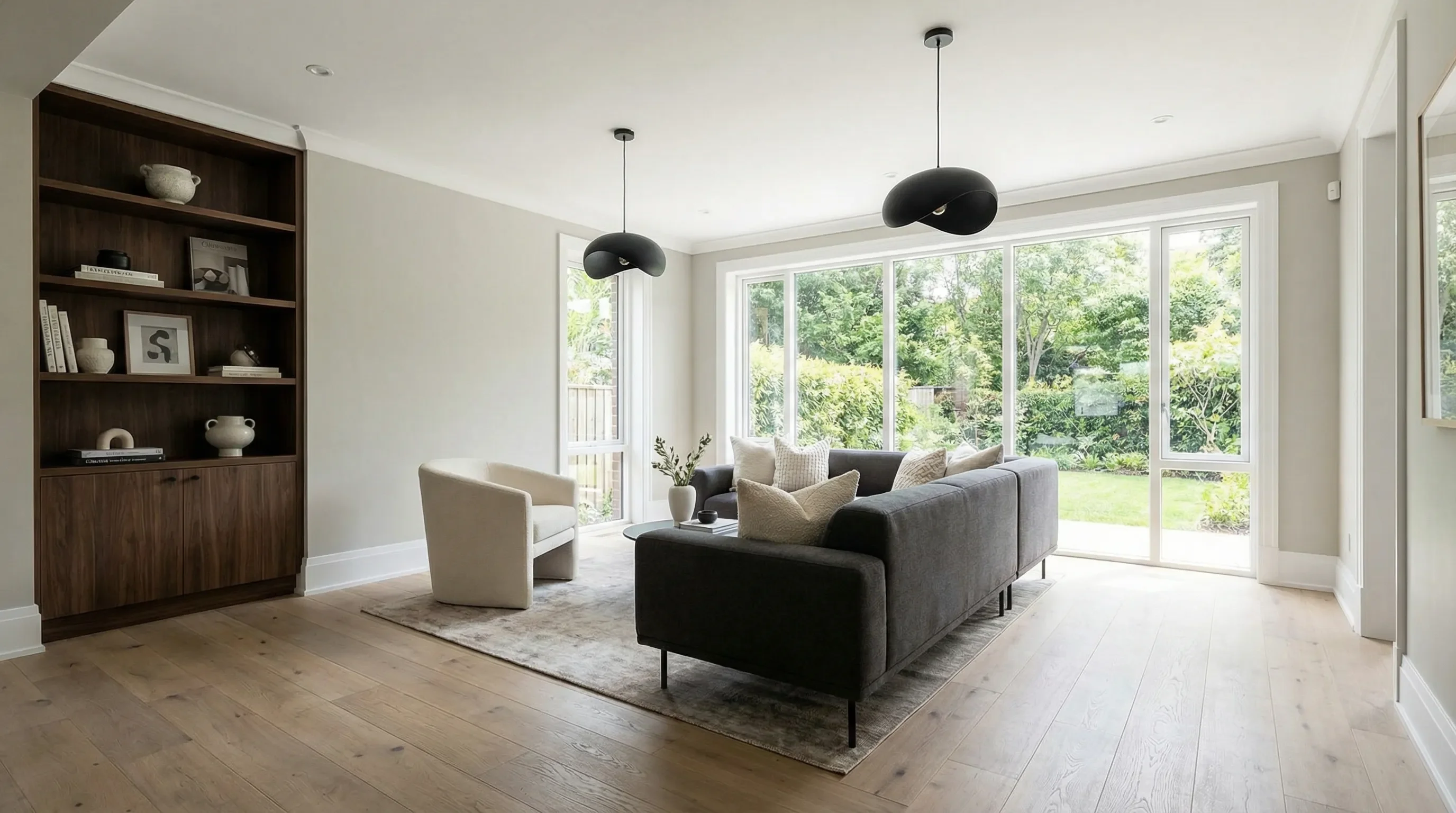
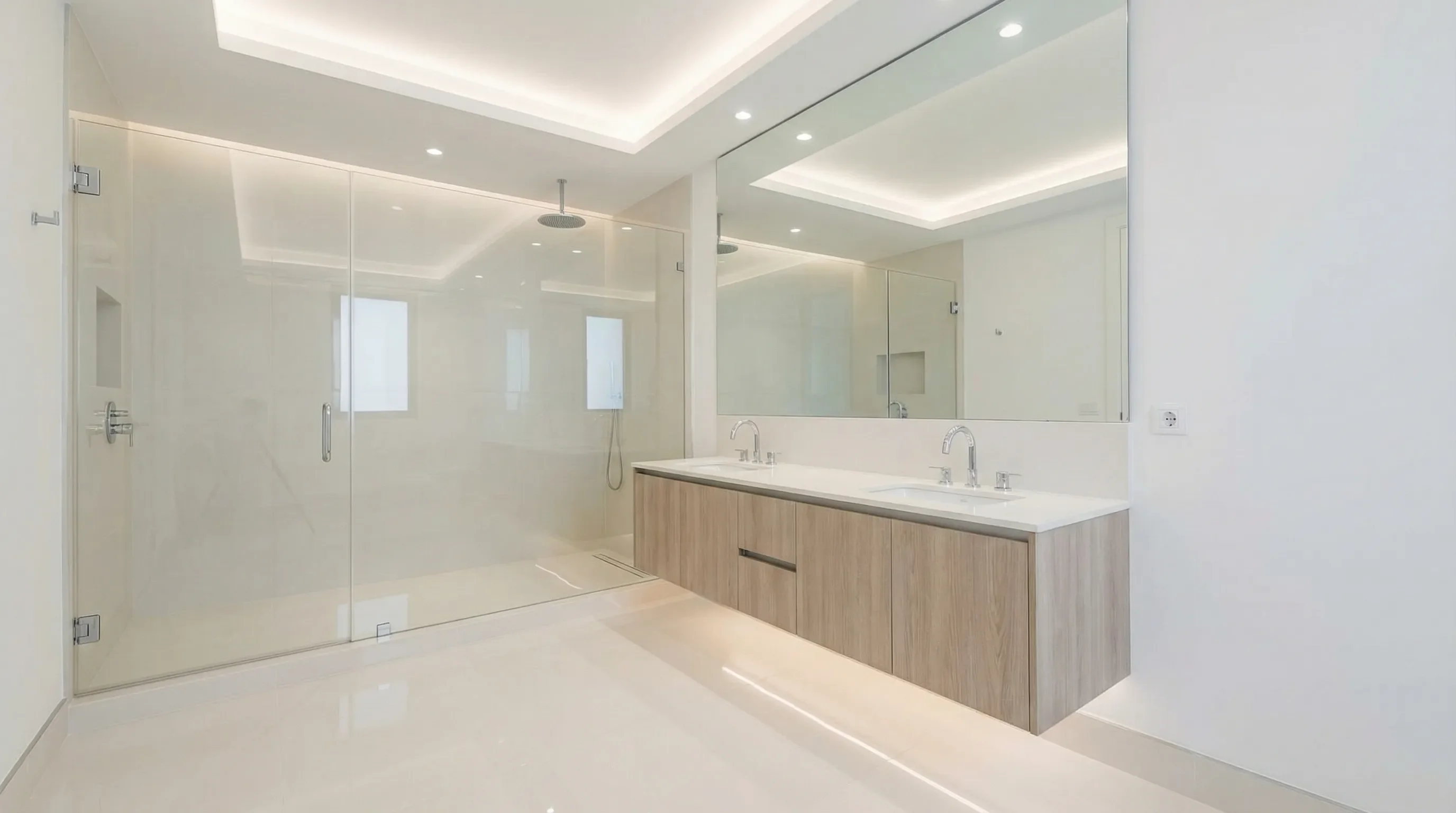
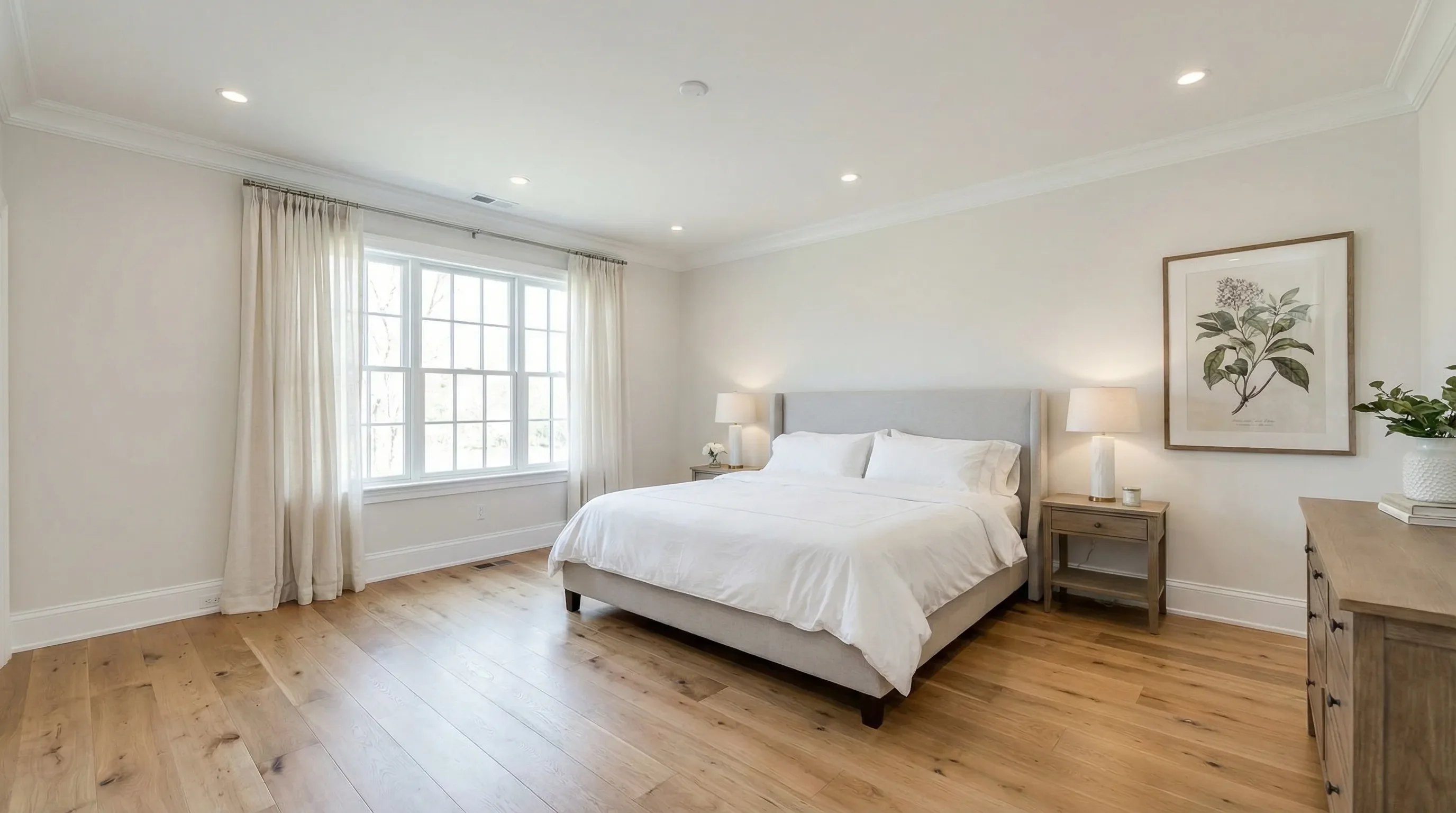
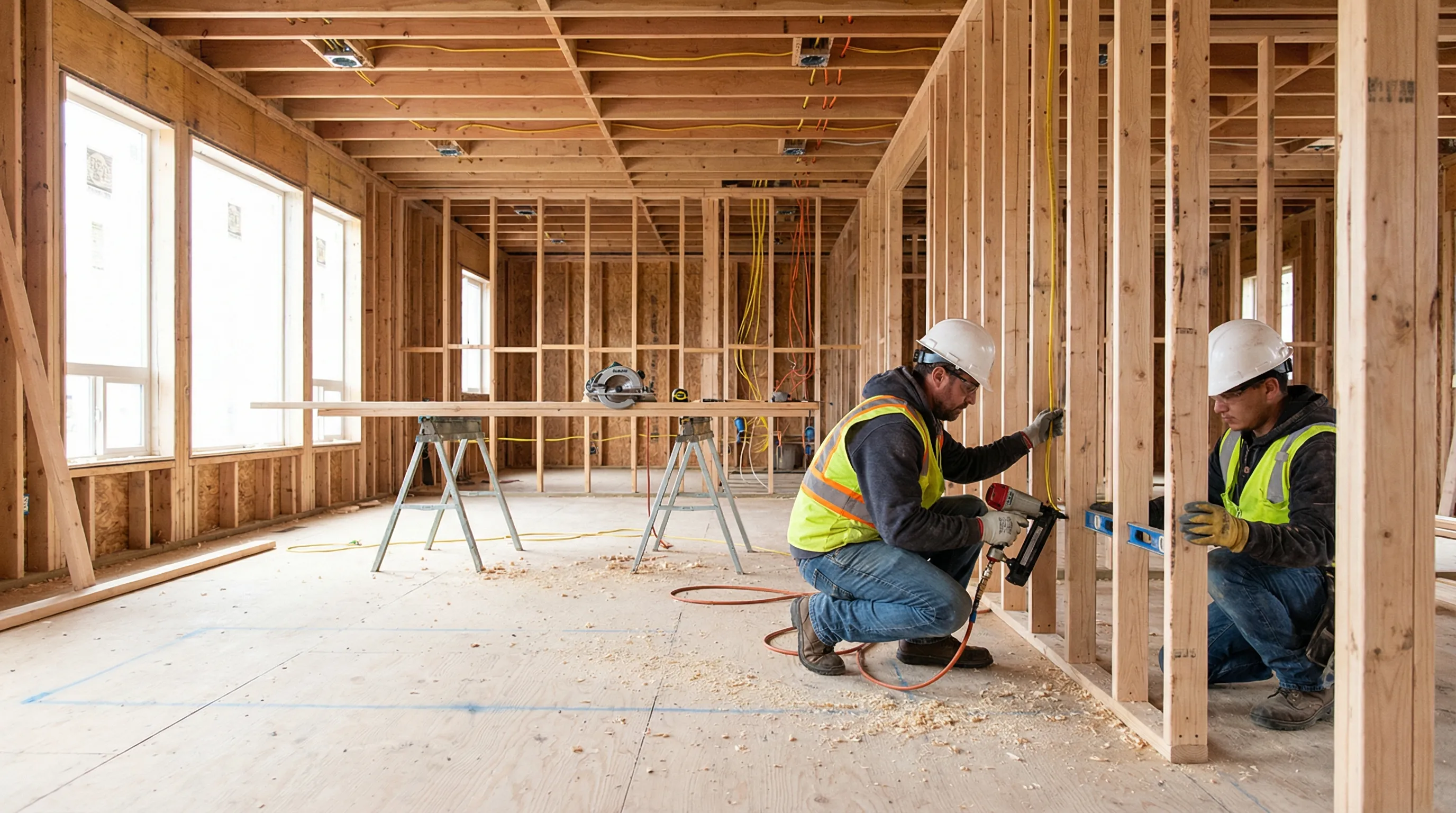
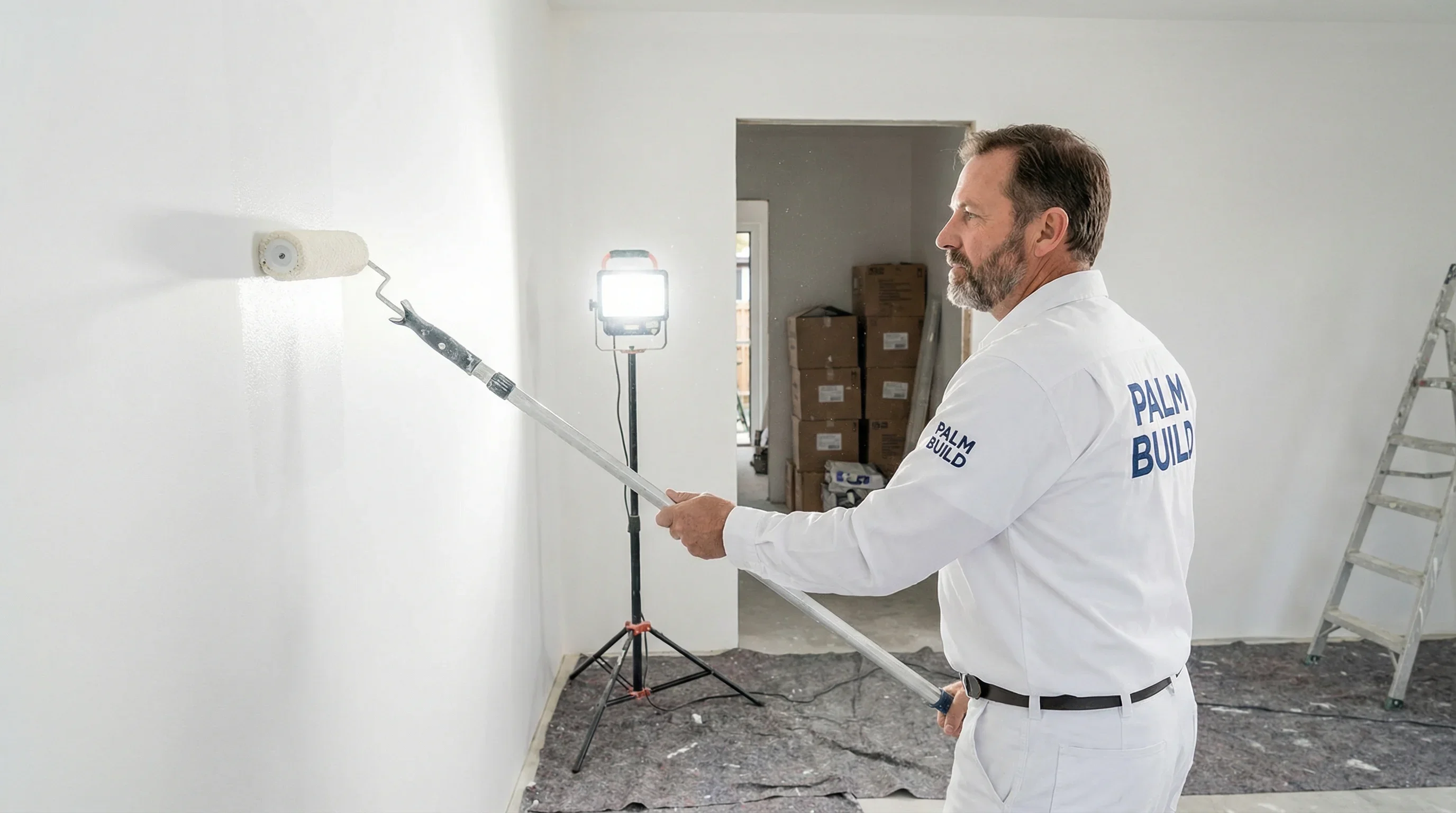
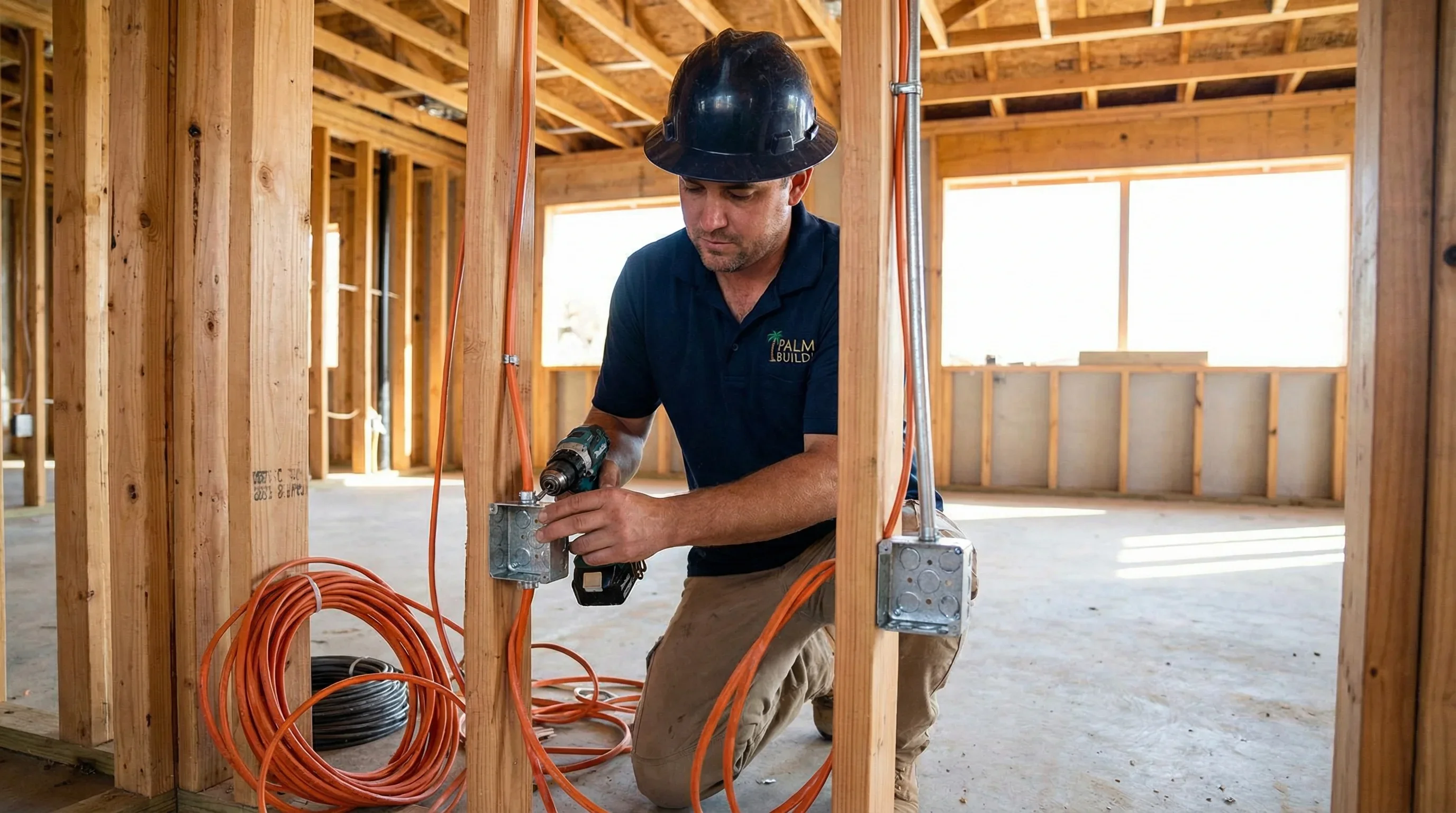
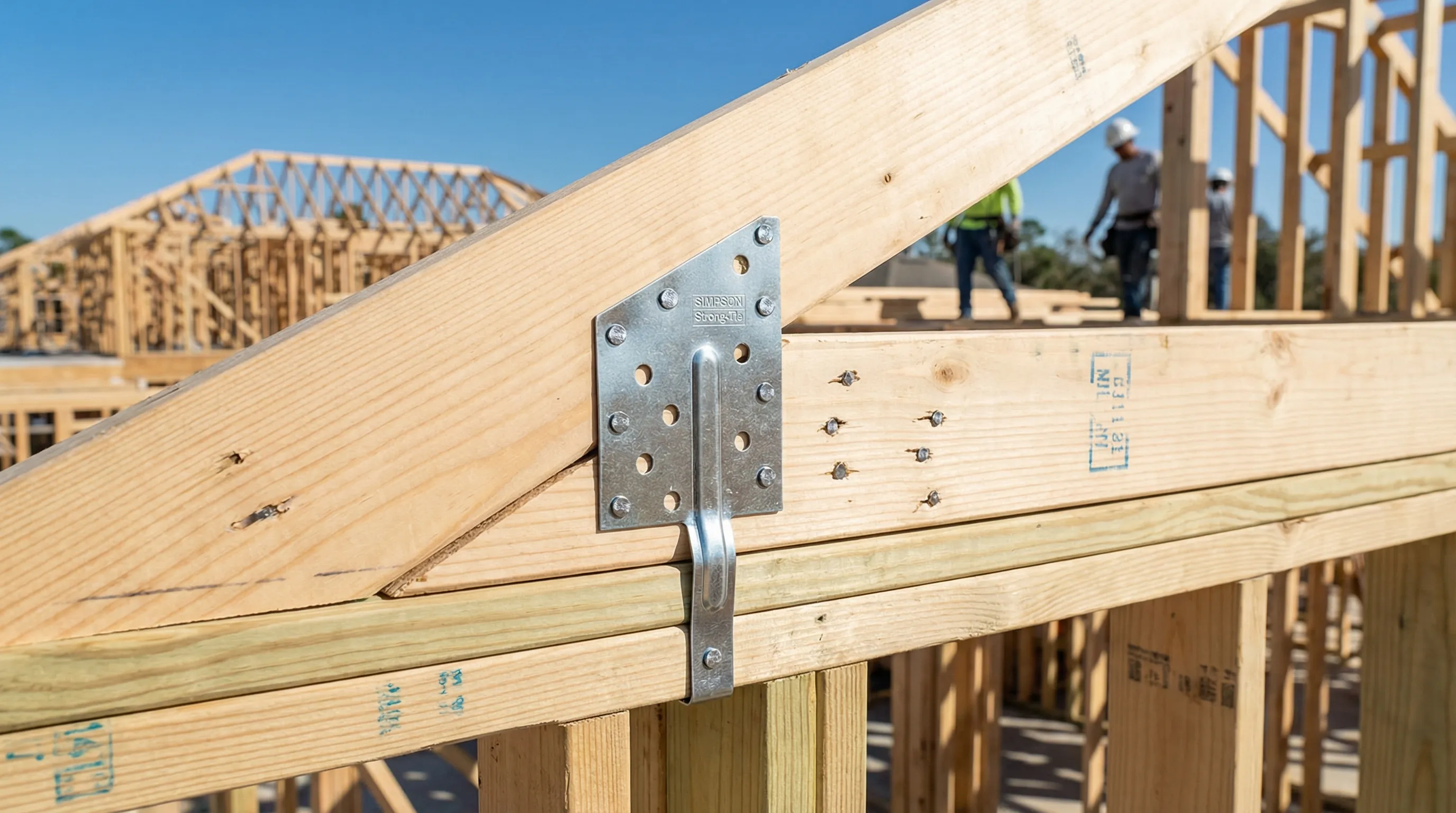
Five common assumptions about insurance reconstruction that cost homeowners time, money, or their entire claim. Here's what's actually true.
Myth
"My insurance carrier requires me to use their preferred contractor"
Truth
False. You have the legal right to choose your own contractor in every state we serve. Insurance "preferred vendor" programs are voluntary — carriers may try to steer you toward their network, but they cannot require it. Choosing your own contractor often gives you a better rebuild and stronger documentation in the claim file.
Myth
"Permits will slow my reconstruction down for months"
Truth
Mostly false. Most jurisdictions in our service area issue residential reconstruction permits in 1-4 weeks. Coastal Florida counties run longer due to wind code review. Skipping permits to "save time" creates a much bigger problem at resale (unpermitted work flagged on inspection) and can void your insurance settlement. We pull every permit and manage the inspection sequence in parallel with rebuild work.
Myth
"Any general contractor can handle insurance reconstruction"
Truth
False. Most GCs are great at planned remodels but have never opened an Xactimate file or filed an insurance supplement. Insurance reconstruction requires understanding scope alignment, depreciation withholding, supplemental documentation, and the IICRC standards that drive carrier expectations. Restoration-specialty contractors (like Palm Build) handle hundreds of these per year — your average GC handles zero.
Myth
"Reconstruction always takes months — there is nothing I can do"
Truth
False. Single-room rebuilds finish in 1-2 weeks. Full bathrooms in 2-4 weeks. The biggest delays come from insurance approval lag, permit queues, and material lead times — not crew speed. Choosing a contractor who pre-files Xactimate scope, pulls permits early, and orders long-lead materials at scope approval keeps your timeline tight. Calendar gaps are the enemy, not active work days.
Myth
"Insurance will cover any upgrades I want during the rebuild"
Truth
False. Insurance covers "like kind and quality" — materials similar to what existed before the loss. If you want to upgrade from laminate to quartz countertops, from carpet to hardwood, or from builder-grade to designer fixtures, you pay the cost difference. Reconstruction is the right time to upgrade because labor is already on-site, but the upgrade differential is your responsibility. Some policies include Ordinance or Law coverage for code-required upgrades — those are usually covered. We help you understand the line between covered like-for-like replacement and out-of-pocket upgrades before any decisions are made.
Myth
"Once the depreciation check arrives, my reconstruction is fully funded"
Truth
False. Insurance pays Actual Cash Value (ACV) upfront, which deducts depreciation from the replacement cost. The withheld depreciation (Recoverable Depreciation) is only released after you complete the work and submit signed completion documentation. Most homeowners are surprised by this gap. We file the recoverable depreciation paperwork on your behalf as soon as work passes final inspection, and we coordinate with your mortgage lender if escrow draws are required. Underestimating cash flow during the rebuild is one of the most common reasons projects stall mid-stream.
Myth
"A licensed handyman can do everything a general contractor can"
Truth
False — and dangerous for insurance reconstruction. Handyman licenses (where they exist) cap project value, prohibit structural work, and exclude permitted electrical, plumbing, and mechanical work. NC requires a GC license for any project ≥ $40,000. SC requires a commercial GC license ≥ $10,000. Florida requires a state-certified CGC for most structural work. Hiring an unlicensed contractor on a triggering project can void your insurance settlement and invalidate any future warranty claim. Always verify licensing on the official state board portal before signing any reconstruction contract.
Detailed Guides
Explore detailed guides for each reconstruction trade and the cost reference. Every link leads to a focused breakdown of what to expect, how it works, and what to ask before you sign.
Complete guide to drywall restoration after water, fire, or mold damage. Texture matching, moisture verification, and professional finishing.
Read guideHardwood, tile, carpet, and LVP replacement after damage. Subfloor assessment, material selection, and seamless installation.
Read guideFraming, load-bearing wall repair, joist replacement, and structural reinforcement. Engineering assessments and code compliance.
Read guideFull room rebuilds for the two most complex spaces in a home. Plumbing, electrical, cabinetry, tile, and fixtures coordinated end to end.
Read guideNavigating the insurance side of reconstruction — scope agreements, supplements, code upgrades, depreciation recovery, and payment timelines.
Read guide2026 reconstruction cost reference: $20-$37/sq ft basic, $32-$50+/sq ft high-end finishes. Scope, finish tier, and regional pricing tables.
View cost tablesRelated Restoration Services
Reconstruction follows mitigation. These connected services show how damage response, cleanup, and rebuild work together as a continuous process.
Water damage mitigation that transitions seamlessly into reconstruction. One team from extraction to rebuild.
Fire damage cleanup, smoke odor removal, and reconstruction of fire-damaged structures.
Emergency storm response, roof tarping, and full reconstruction after hurricane and wind damage.
Mold removal and the reconstruction that follows — replacing everything remediation removes.
Navigate the claims process with proper documentation, scope alignment, and carrier coordination.
Commercial property reconstruction with expedited timelines to minimize business interruption.
Reconstruction after a major fire or flood is its own phase — not a continuation of cleanup. How scoping, permits, and pre-loss matching drive the rebuild.
11 min read
A large-loss claim is not just a bigger version of a routine job. TPA assignment, program management, documentation depth, and timelines all change — here is how.
11 min read
Not sure who to call? Learn the key differences between restoration companies and general contractors for water, mold, fire, and storm damage with costs.
12 min read
Palm Build Tools
Estimate costs, timelines, insurance scope, and equipment requirements before reconstruction begins — no signup, no lead gate.
Most reconstruction follows water damage. Estimate mitigation and rebuild cost ranges to set expectations before your adjuster meeting.
Reconstruction is the longest phase of any loss. See realistic durations for demolition, rough-in, finishes, and inspections.
Supplements, recoverable depreciation, and scope alignment matter most during rebuild. Estimate claim complexity and what to document.
Understand drying equipment requirements before reconstruction begins — incomplete drying leads to failed inspections and mold callbacks.
Reconstruction Across South Florida
From our Deerfield Beach headquarters, Palm Build rebuilds concrete-block stucco (CBS), slab-on-grade homes and condos across Broward and Miami-Dade — the only two counties in Florida's strictest building-code tier. We carry the Florida-certified general contractor (CGC) licensing and the HVHZ experience these rebuilds require.
Broward and Miami-Dade are Florida's two High-Velocity Hurricane Zone counties — rebuilds are engineered for roughly 170–175 mph design wind, with hurricane straps and a verified load path.
HVHZ reconstruction uses impact-rated windows and doors carrying Florida/Miami-Dade Product Approval (NOA), tested to TAS 201/202/203 large- and small-missile standards.
In a FEMA flood zone, repairs ≥ 50% of a structure's value trigger full current-code compliance. Florida policies auto-include Ordinance-and-Law at 25% of dwelling — we document code upgrades for that coverage.
Reconstruction service areas in Florida
Local Service Pages
Tier 4 · Local office
Tier 2 · Local office
Tier 1 · Local office
Tier 1 · Local office
Tier 1 · Local office
Tier 2 · Local office
Tier 2 · Local office
Tier 1 · Local office
Tier 2 · Local office
Tier 2 · Local office
Tier 4 · Local office
Tier 4 · Local office
Tier 2 · Local office
Tier 1 · Local office
Tier 1 · Local office
Tier 1 · Local office
Tier 1 · Local office
Tier 4 · Local office
Tier 4 · Local office
Tier 2 · Local office
Tier 2 · Local office
Tier 2 · Local office
Tier 2 · Local office
Tier 2 · Local office
Tier 2 · Local office
Tier 4 · Local office
Tier 4 · Local office
Tier 3 · Local office
Tier 1 · Local office
Tier 2 · Local office
Tier 2 · Local office
Tier 2 · Local office
Tier 2 · Local office
Tier 2 · Local office
Tier 3 · Local office
Tier 4 · Local office
Tier 2 · Local office
Tier 2 · Local office
Tier 2 · Local office
Tier 2 · Local office
Tier 1 · Local office
Tier 4 · Local office
Tier 1 · Local office
Tier 2 · Local office
Tier 2 · Local office
Tier 3 · Local office
Tier 2 · Local office
Tier 1 · Local office
Tier 1 · Local office
Tier 3 · Local office
Tier 2 · Local office
Start Your Rebuild
Whether you need a single room rebuilt or a complete structural reconstruction, our licensed team manages the entire process — permits, insurance, materials, and every detail through final walkthrough.
Answers about property reconstruction after damage, the rebuild process, insurance coordination, and what to expect from start to finish.
Our reconstruction services cover everything needed to rebuild after water, fire, storm, or mold damage: structural framing, drywall, flooring (hardwood, tile, carpet, LVP), painting, cabinetry and countertops, electrical and plumbing restoration, HVAC repairs, roofing, and window and door replacement. We handle the complete rebuild from permits to final walkthrough.
Still have questions about reconstruction services?
Our licensed contractors handle complete reconstruction from permits to final inspection. We manage insurance coordination, code compliance, and every detail of your rebuild.
Structural to finishes
Xactimate estimates
Commercial and residential
We handle the paperwork
Need help right now? Call us.
24/7 live dispatch — average answer time under 30 seconds