May 12, 2026 16 min read
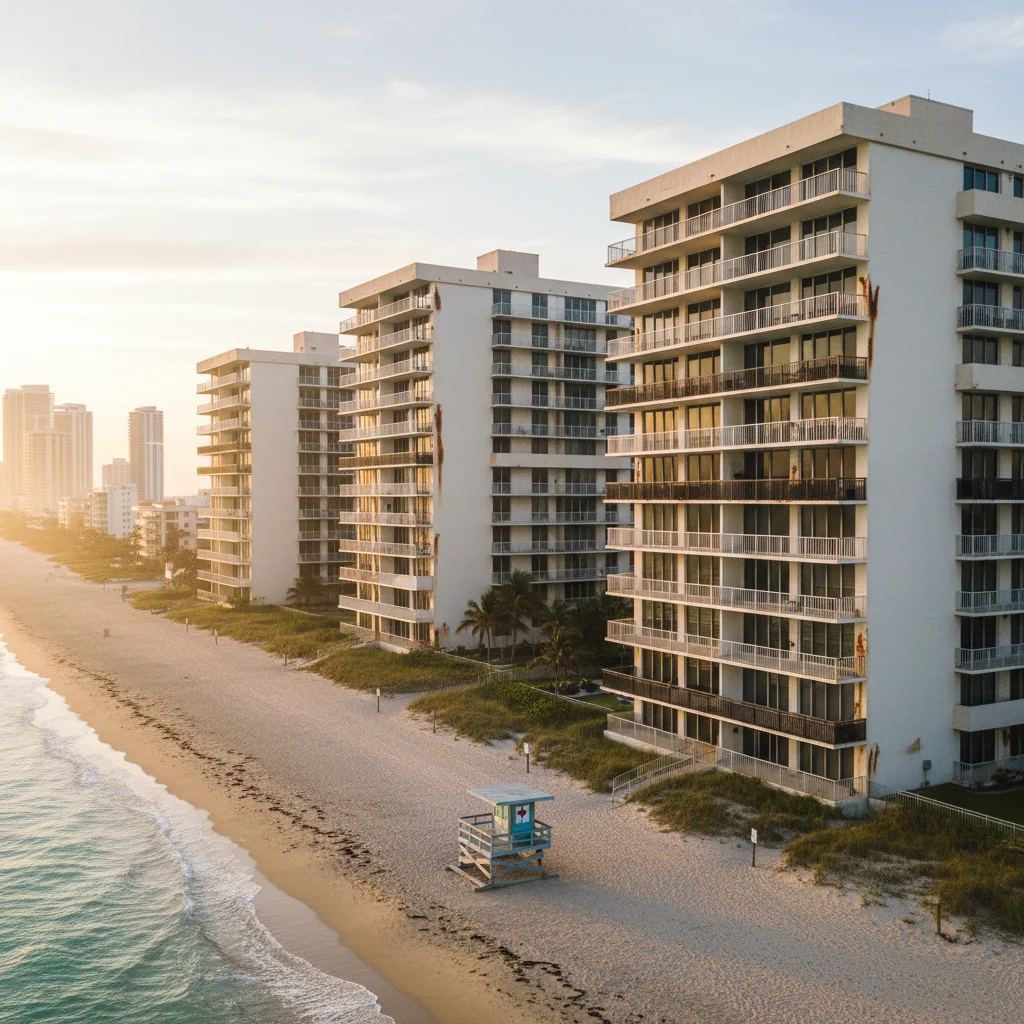
South Florida Condo Water Damage Crisis
South Florida condo water damage is rising in aging towers after Surfside. Learn what unit owners, boards, and buyers should know about SB 4-D and SIRS.
Read article
Restoration Insights
Deep-dive guidance on emergency response, documentation, mitigation, and reconstruction - built for owners, managers, and adjusters who need clarity fast.
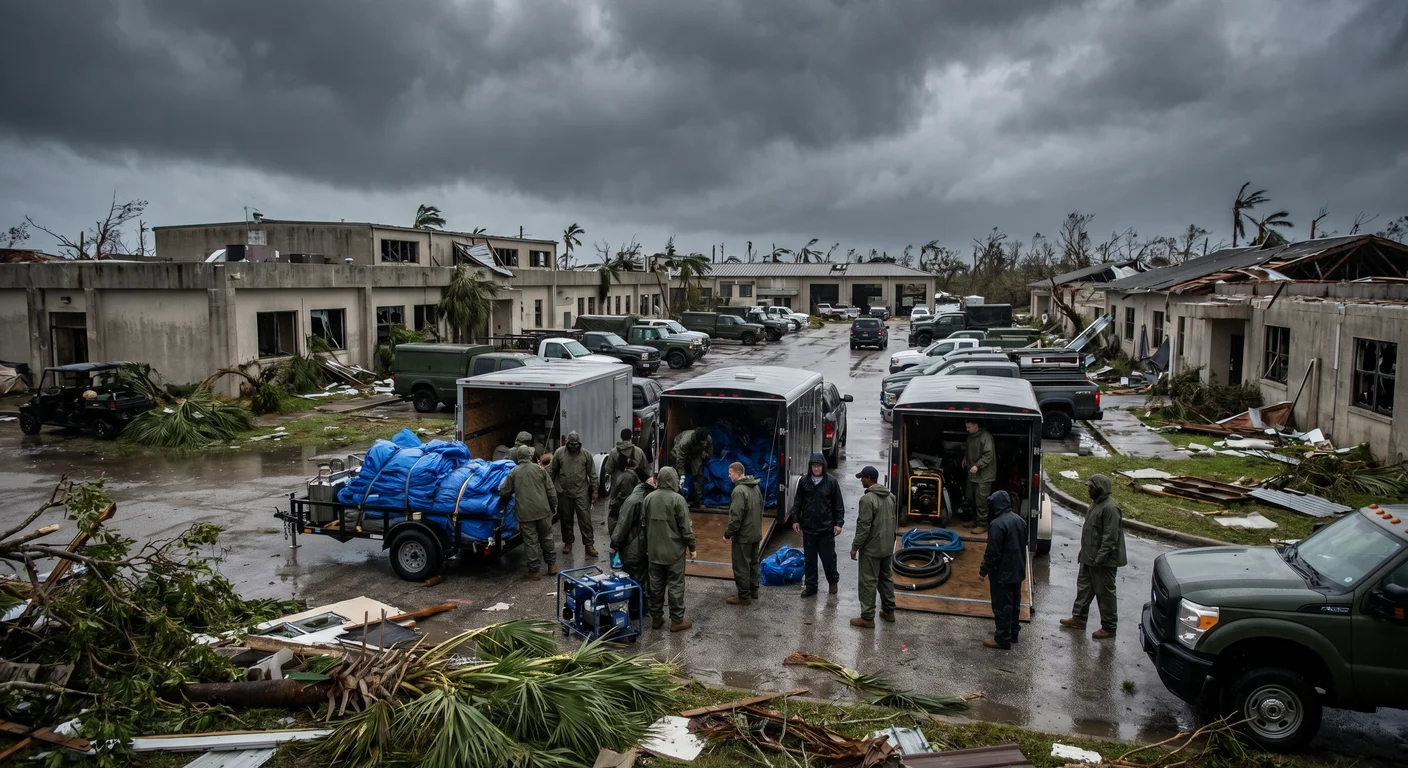
When a hurricane becomes a large-loss event, the first 72 hours set the outcome. Here is exactly how CAT crews stage, triage, and mobilize at scale across South Florida.
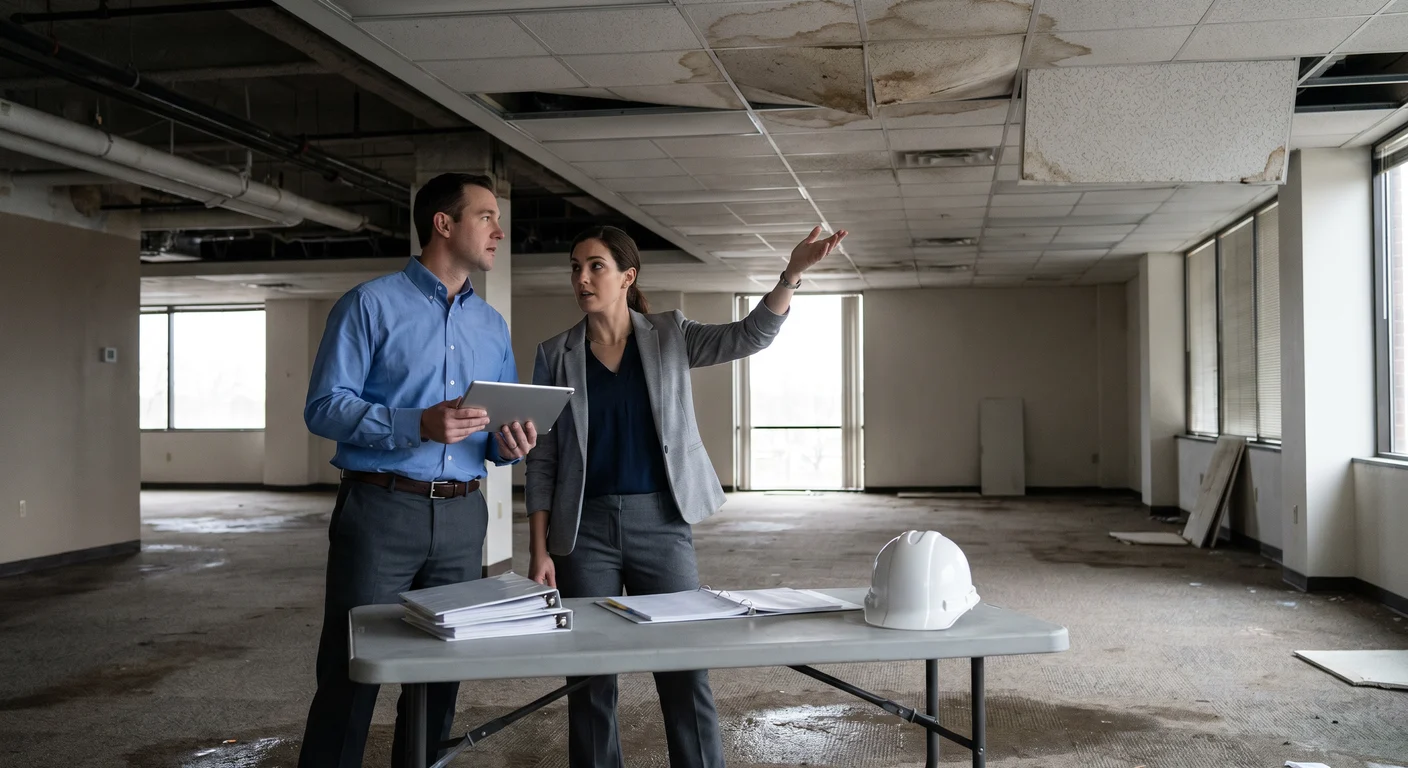
A large-loss claim is not just a bigger version of a routine job. TPA assignment, program management, documentation depth, and timelines all change — here is how.

Flood water can destroy electronics and documents in hours — but fast, correct action (power off, no heat, professional cleaning) often saves more than you expect.

Heirlooms, photos, and documents need a different approach after a disaster. Here is how contents restoration works in Broward's age-restricted 55+ communities.
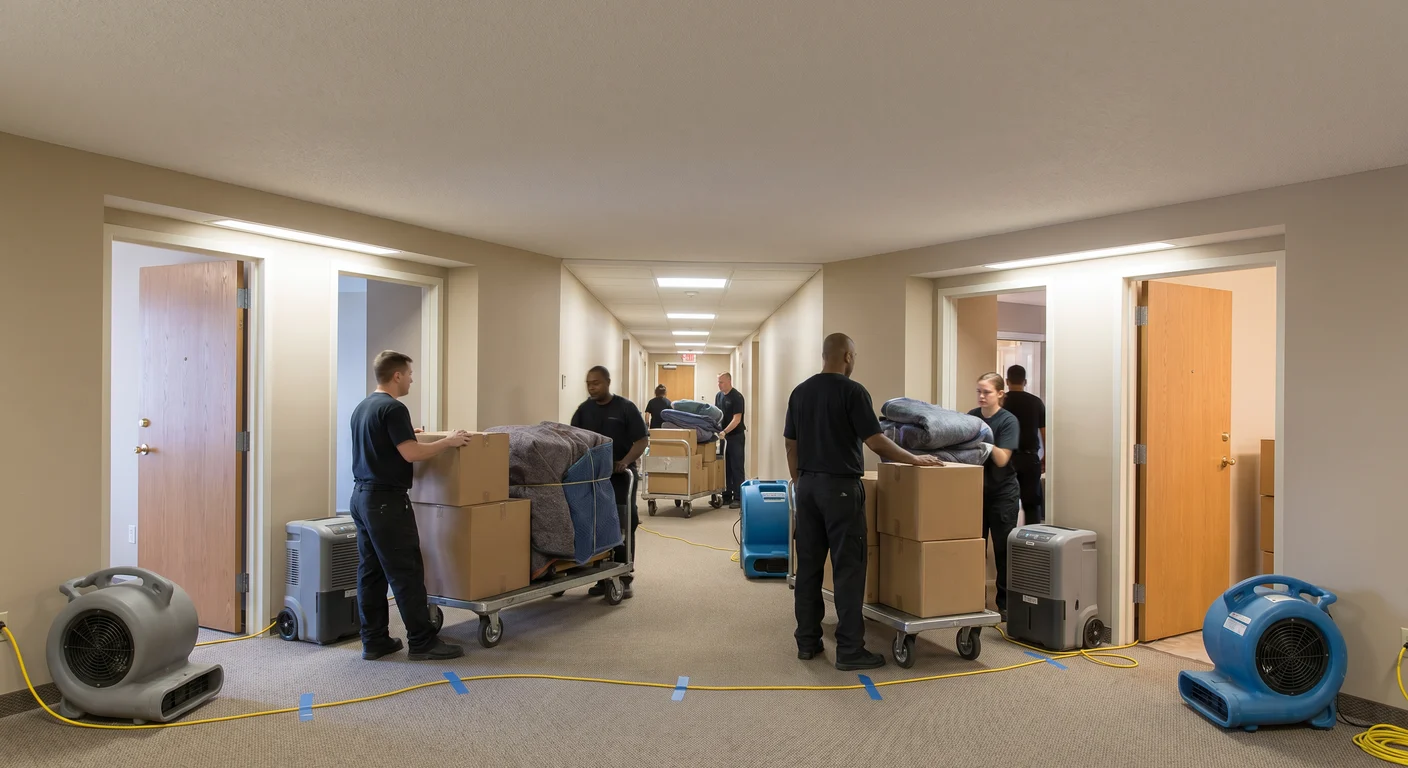
Multi-unit condo cascades demand parallel pack-outs, unit-by-unit inventory control, and climate-controlled storage across every affected floor while the structure dries.
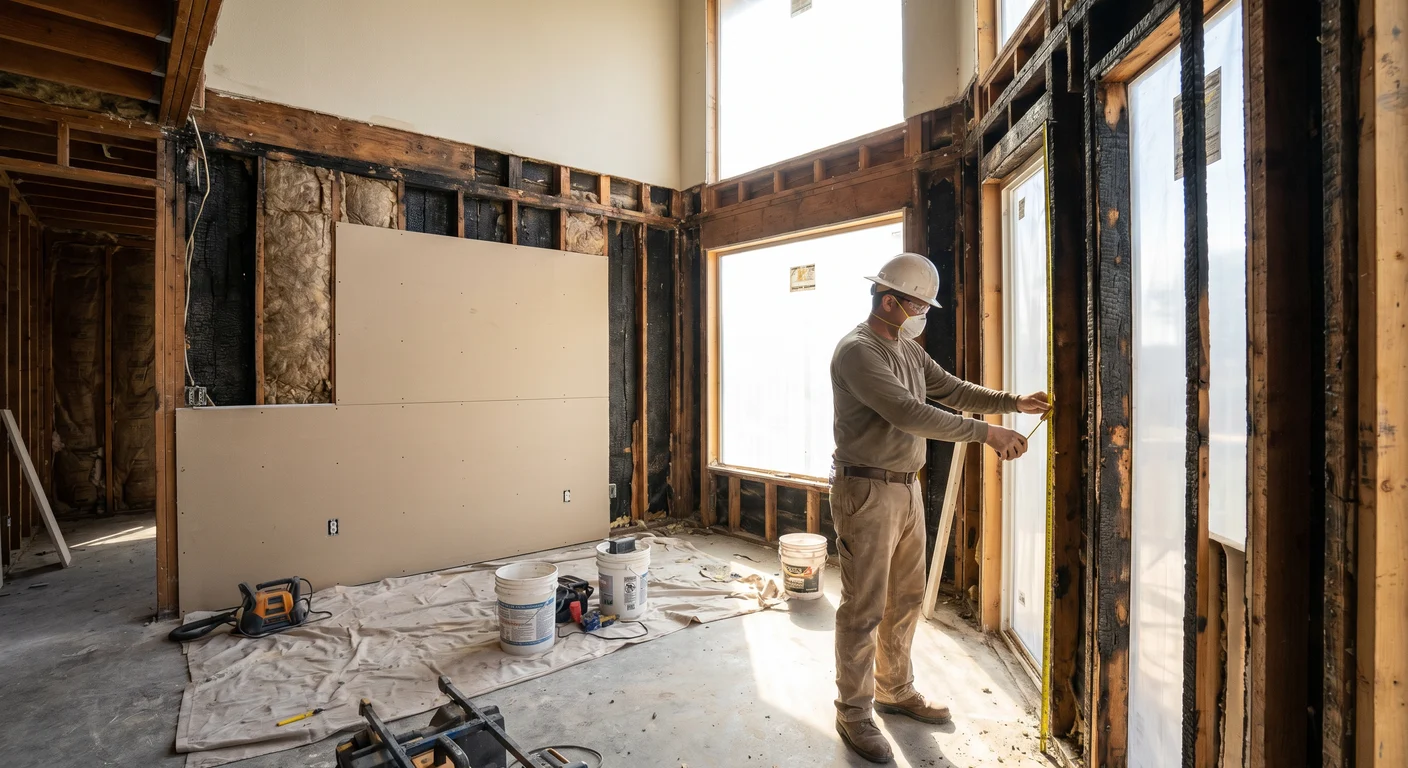
Reconstruction after a major fire or flood is its own phase — not a continuation of cleanup. How scoping, permits, and pre-loss matching drive the rebuild.

How pack-outs work: inventory, barcoding, climate-controlled storage, and pack-back — and why South Florida humidity makes climate control essential for your belongings.
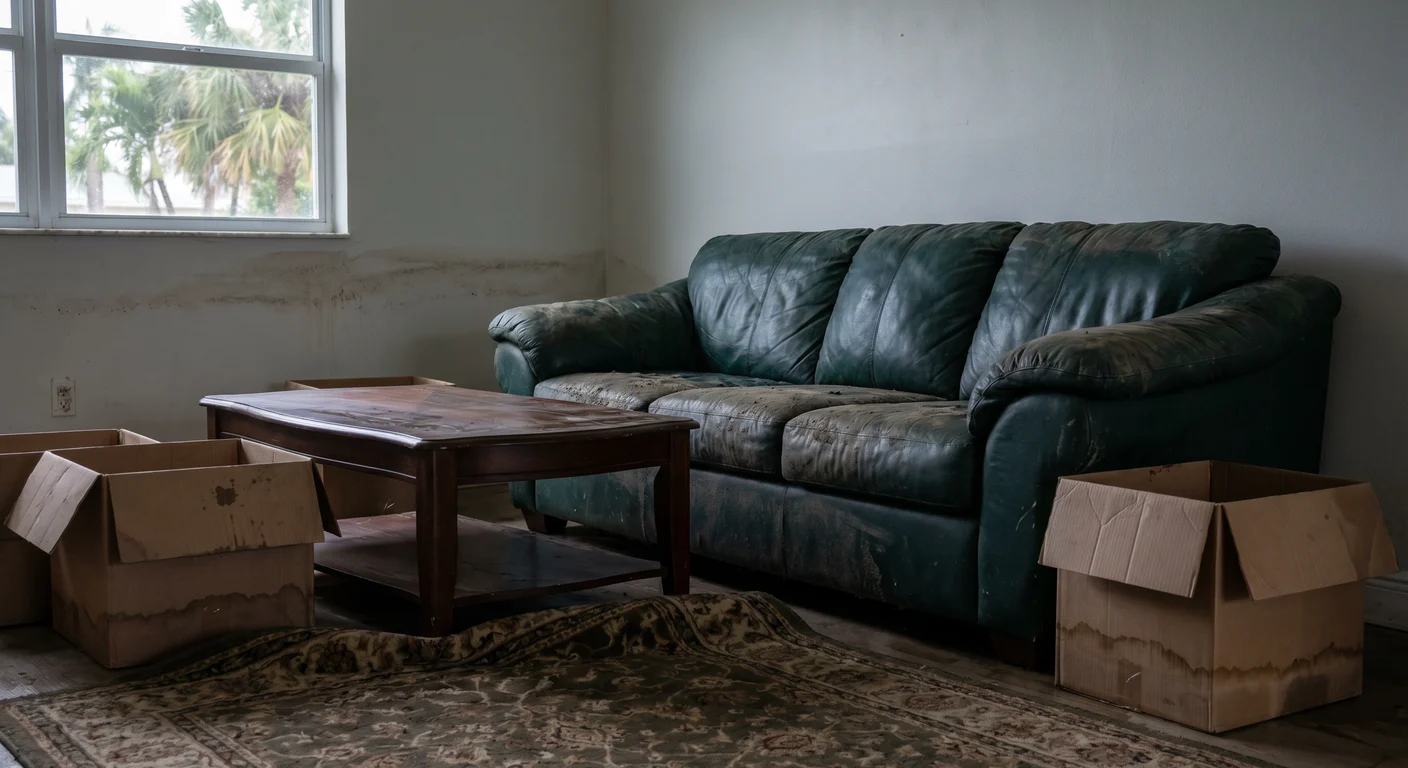
Saltwater and Category-3 floodwater attack belongings differently. Here is what is typically salvageable, what is likely a loss, and why speed matters most on the coast.
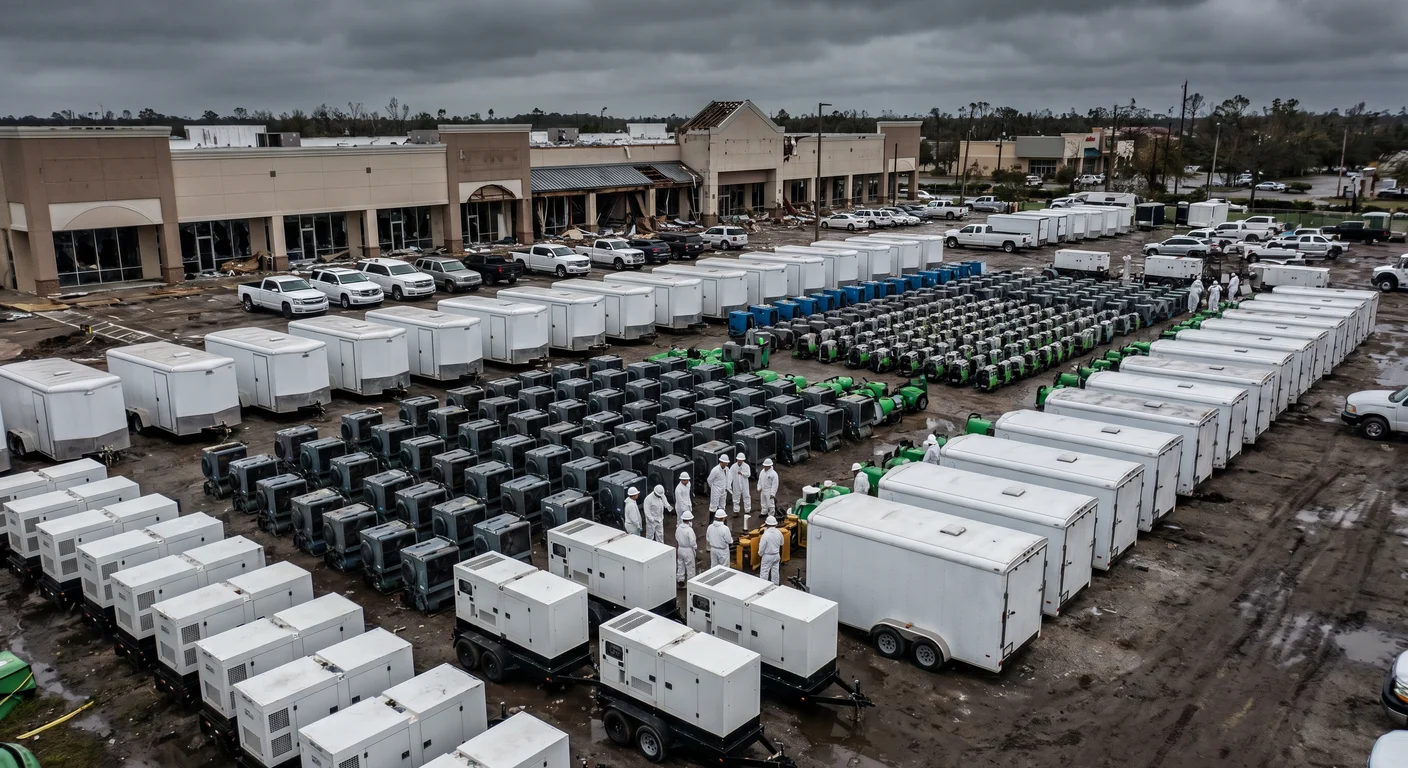
Large-loss isn't just a dollar figure — it's scope, speed, and infrastructure. Learn what triggers CAT-crew deployment and TPA coordination in South Florida.
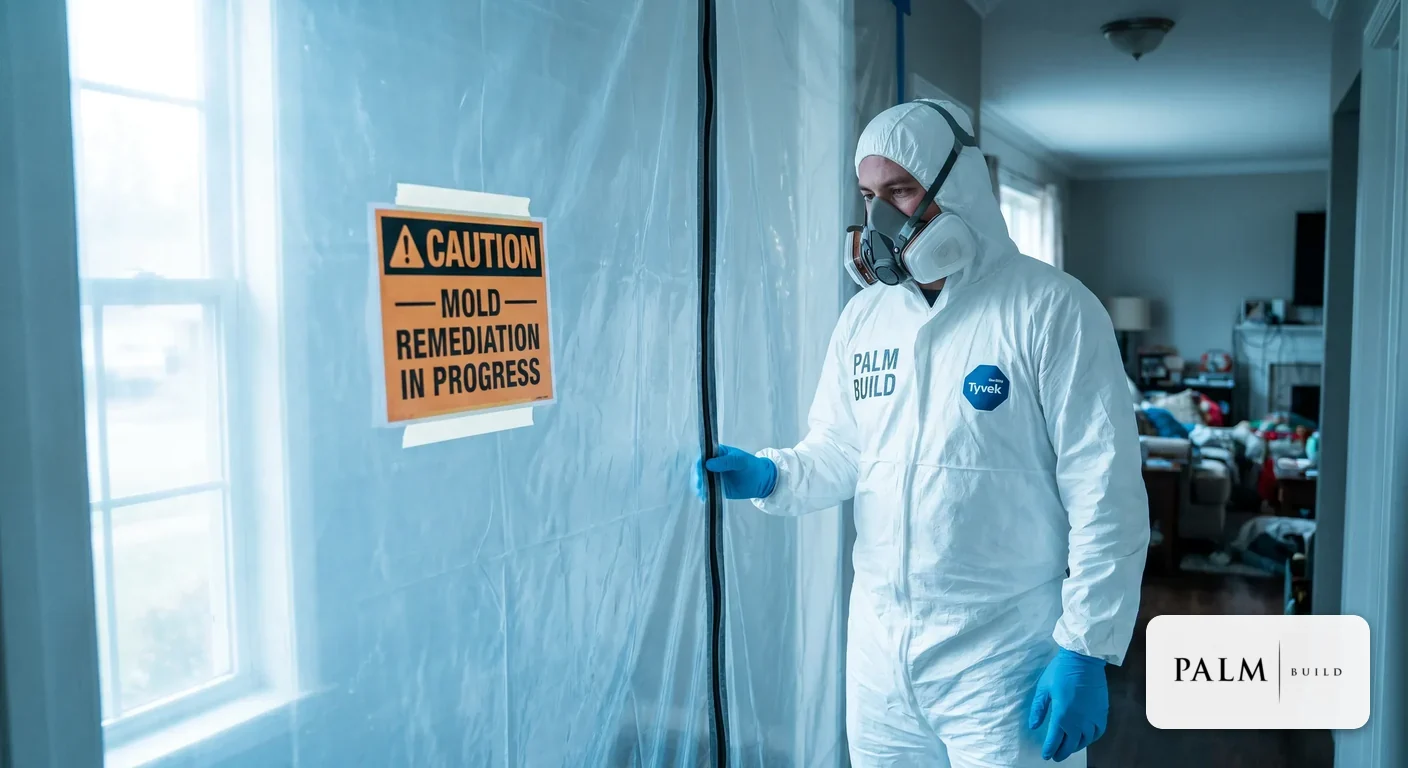
What mold remediation companies actually do, step by step: inspect, contain, HEPA-filter, remove, clean, dry, and verify — what each phase looks like and why crews do it.

Homeowners insurance covers mold only after a sudden covered peril, and a fungi sublimit often caps it. See covered vs. denied cases, costs, and FL/NC/SC rules.
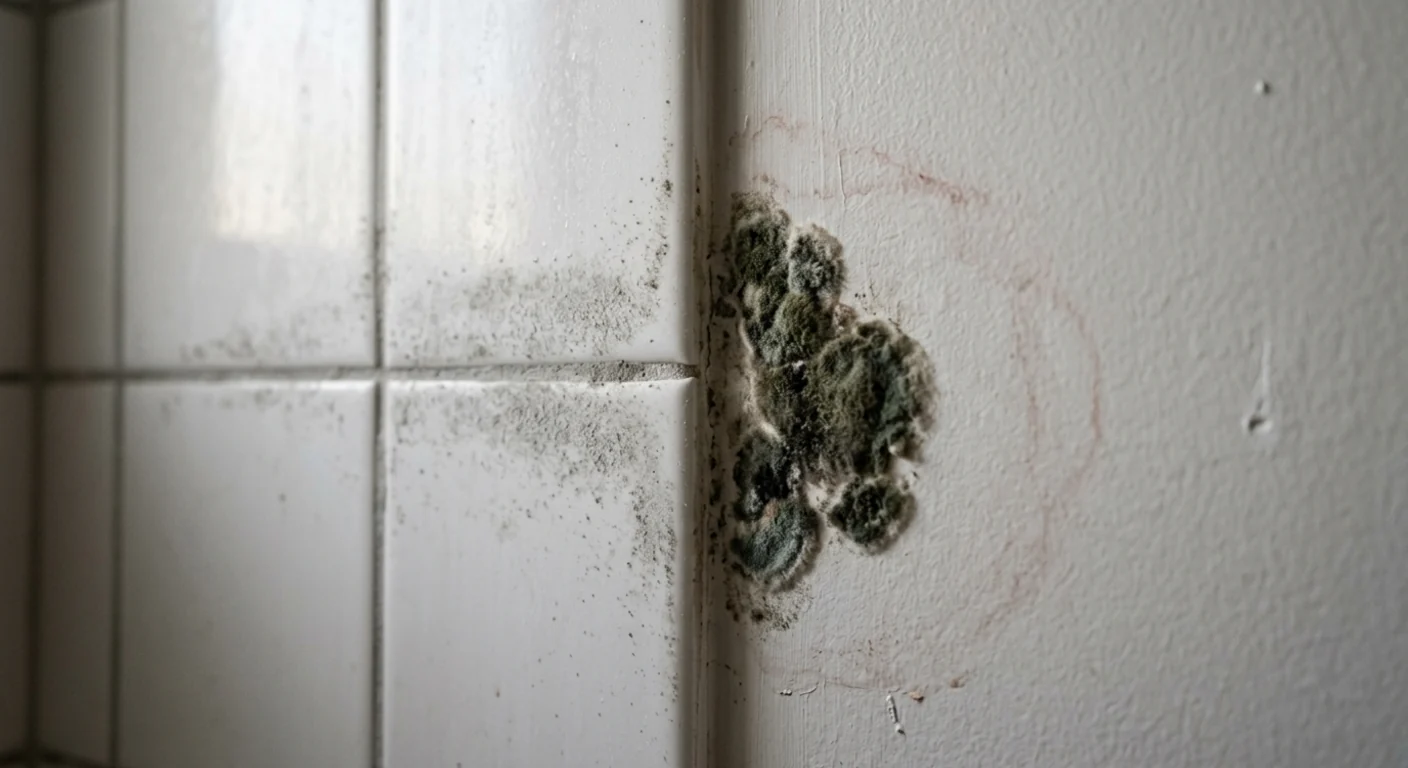
Mold vs. mildew isn't two organisms. The EPA calls mildew flat, surface-stage mold. See what tells them apart, why color and smell mislead, and when to call a pro.
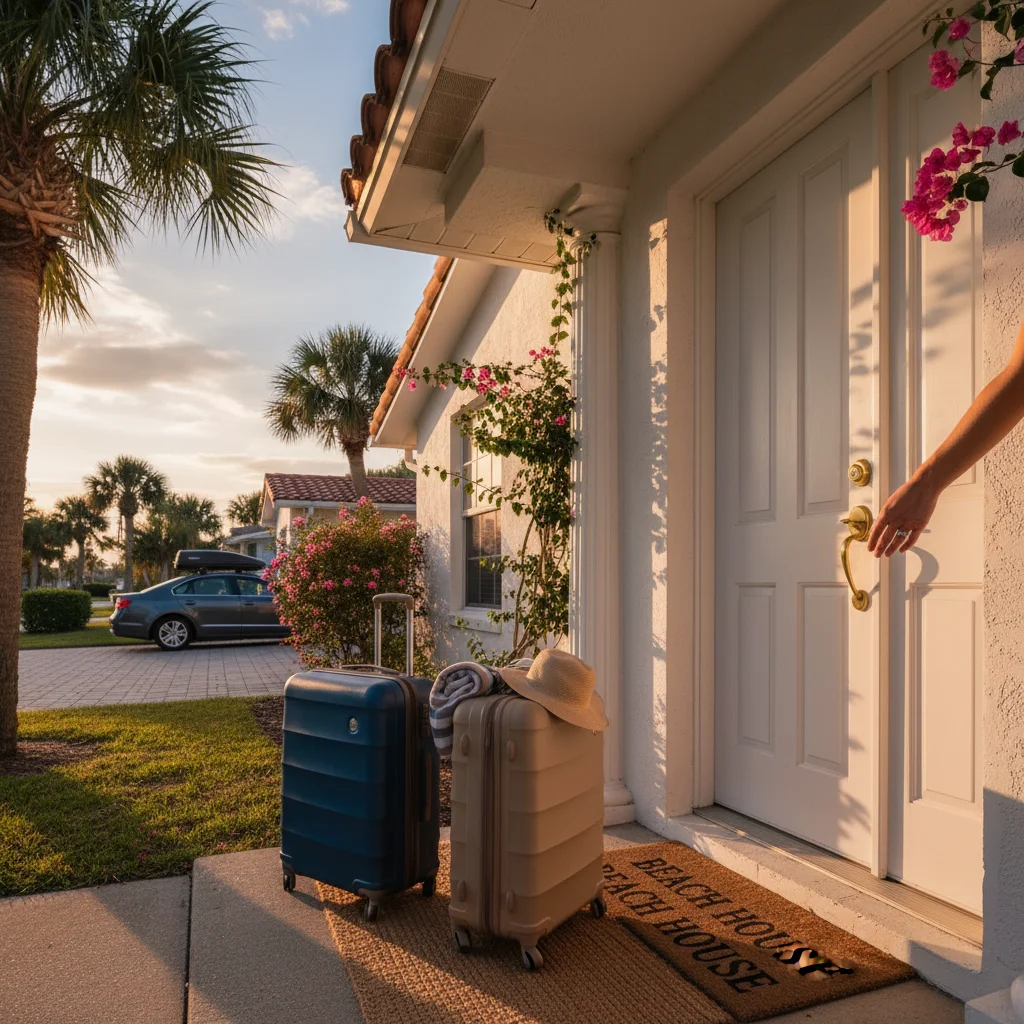
The pre-vacation checklist that keeps your FL, NC, or SC home dry — shutoff valve, smart sensors, hurricane-season prep, and the 14-day insurance rule.
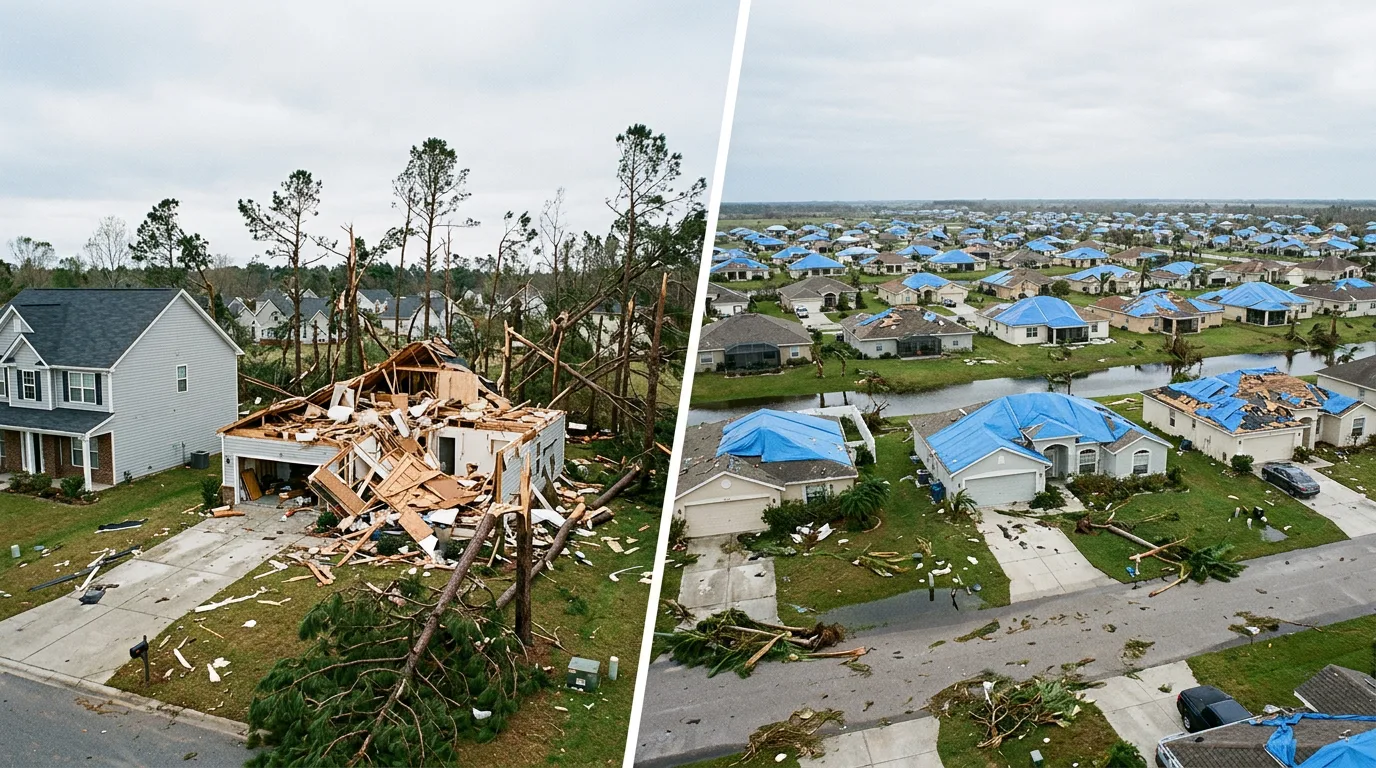
Tornado vs hurricane damage: how deductibles, payouts, and restoration timelines differ — and which one applies when a hurricane spawns a tornado in FL, NC, or SC.
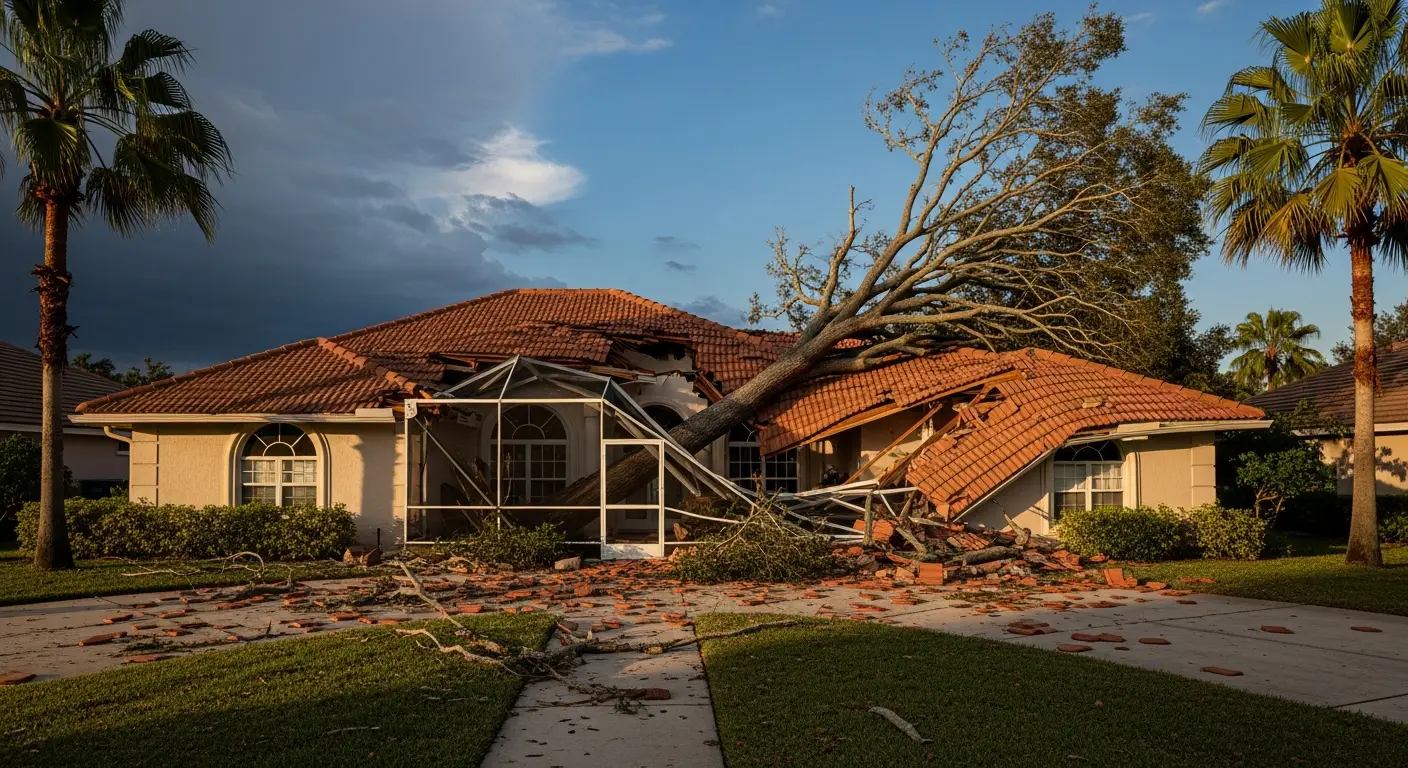
Step-by-step playbook for the first 72 hours after a tree falls on your roof — safety, mitigation, documentation, and the FL/NC/SC tree damage insurance claim rules.
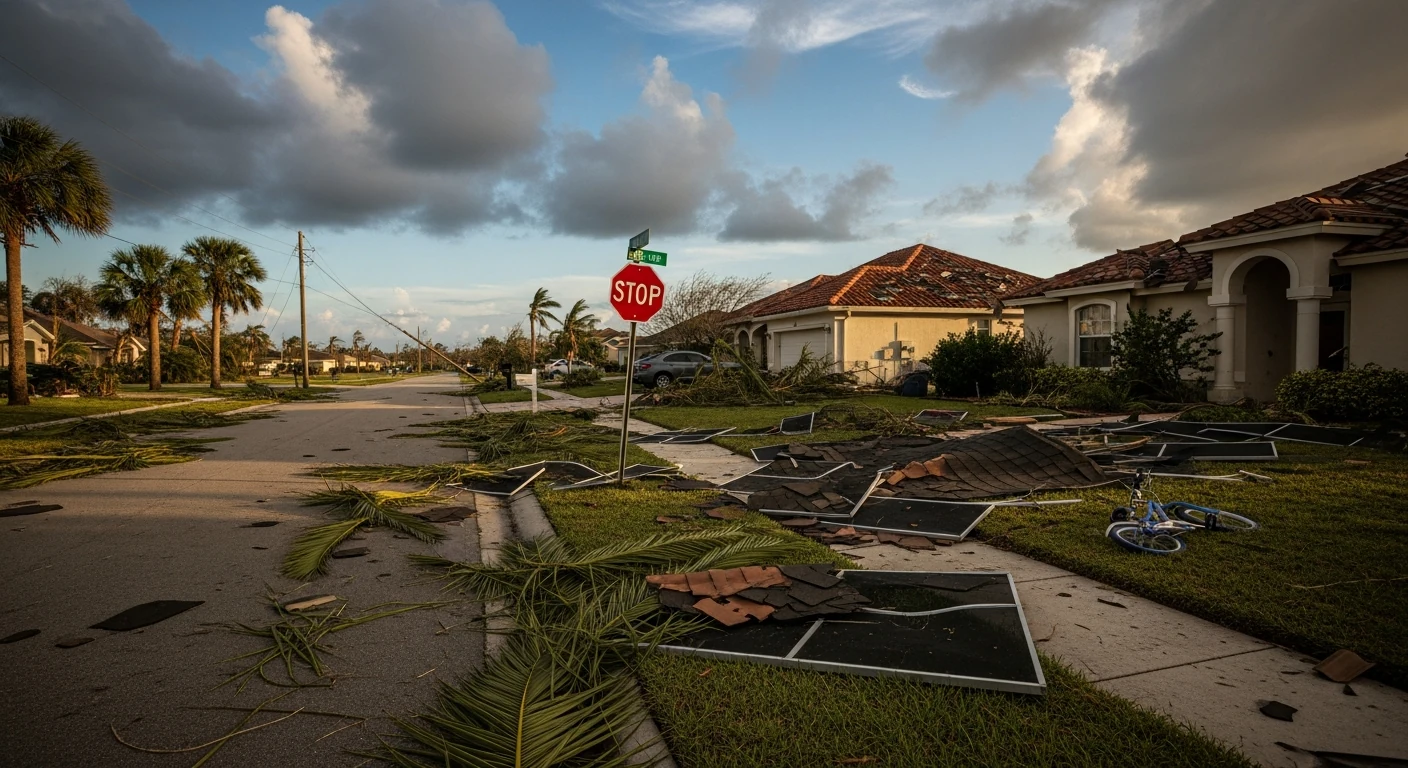
Spot storm chaser red flags, avoid contract traps, and verify contractors after a hurricane in Florida, North Carolina, and South Carolina.
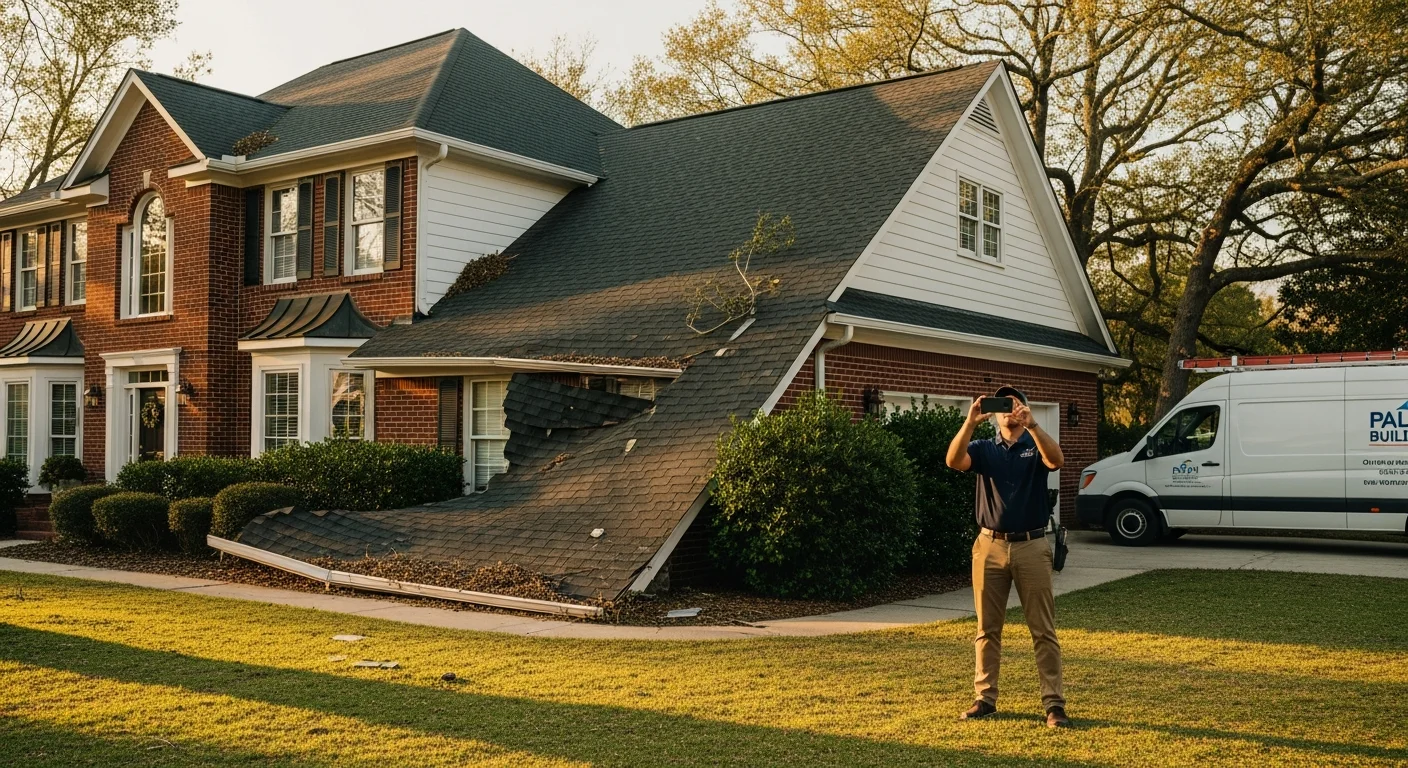
Spot wind and hail damage on shingles, flashing, and gutters with a fast inspection checklist, photo guide, and FL/NC/SC claim-deadline rules.
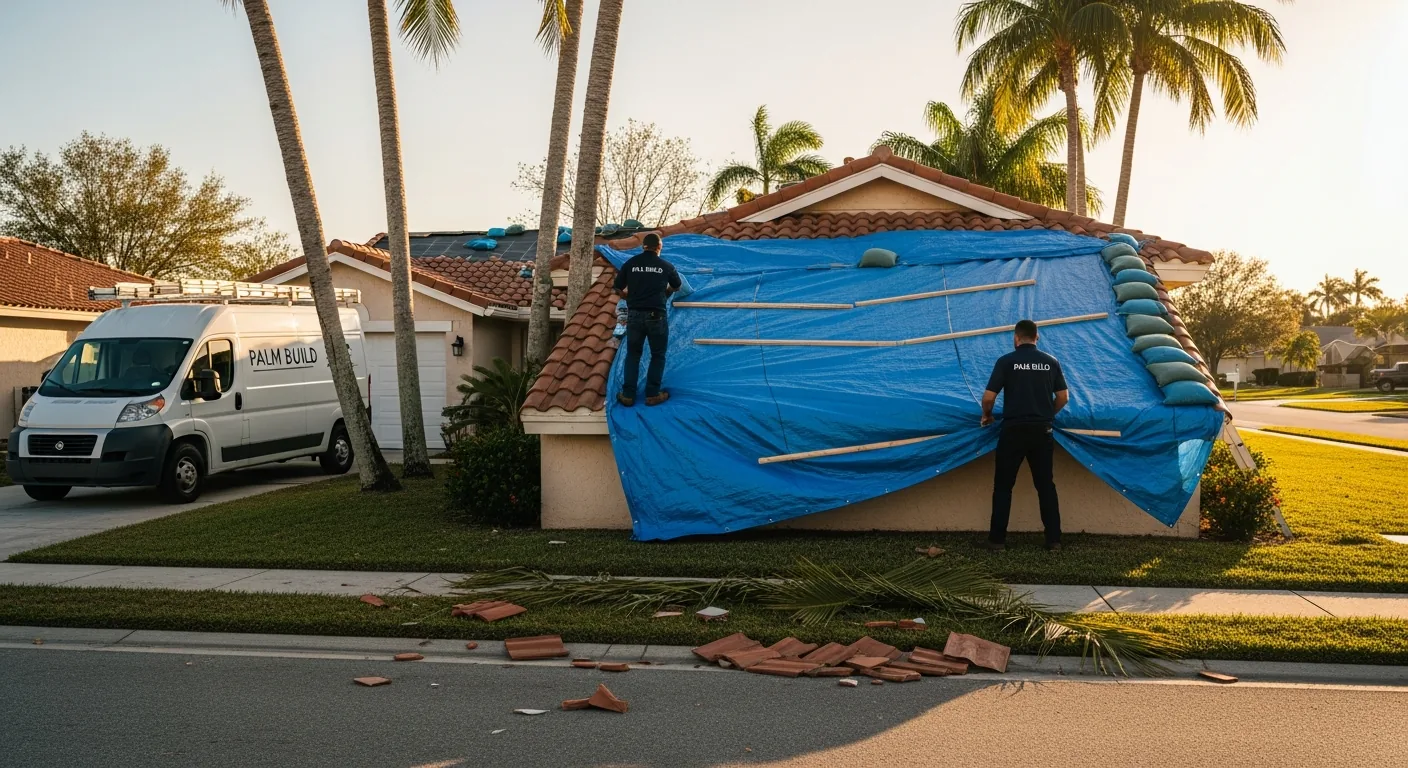
Emergency roof tarping costs $150–$3,300 (often around $450). Step-by-step process, timeline, safety rules, and FL/NC/SC insurance documentation guide.
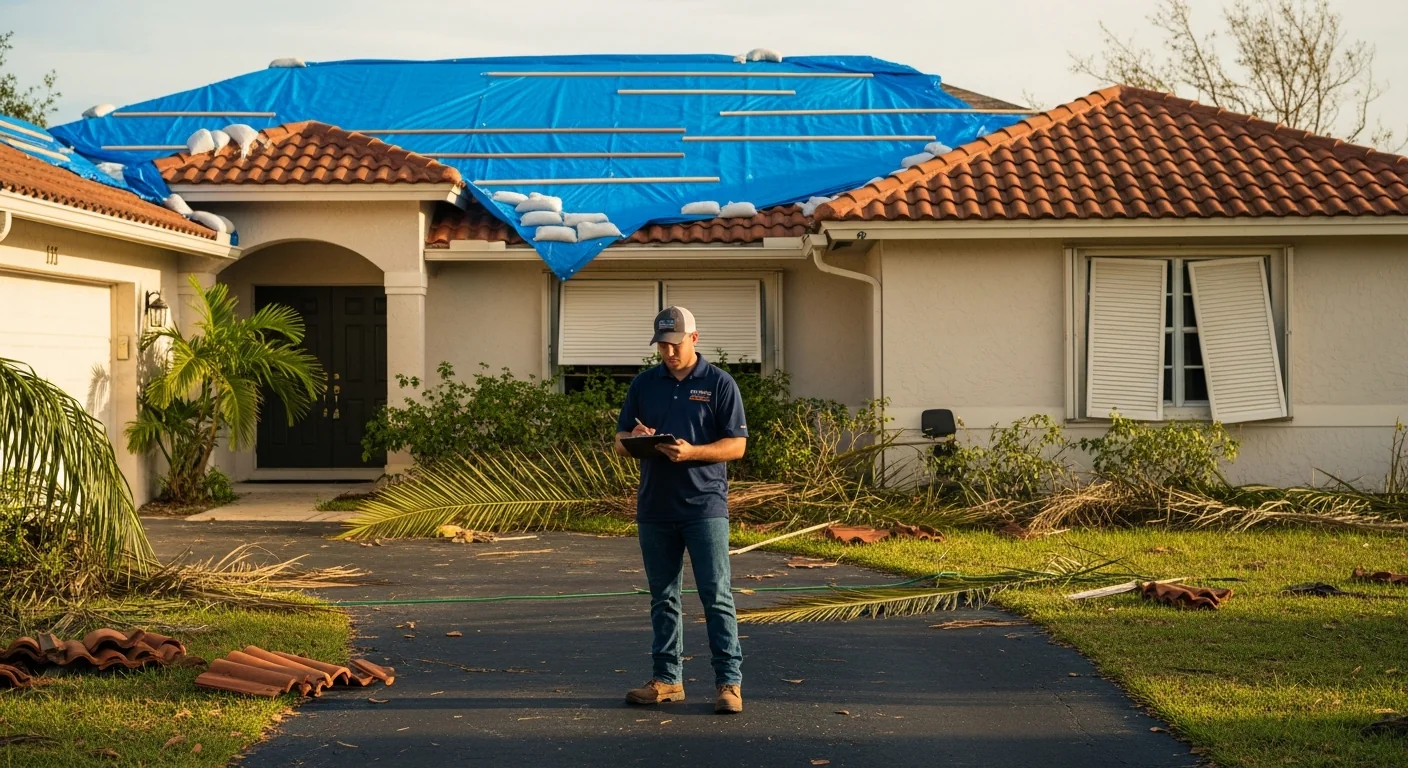
Step-by-step storm damage claim guide for Florida, North Carolina, and South Carolina. Documentation checklists, adjuster scripts, deadlines, supplements.
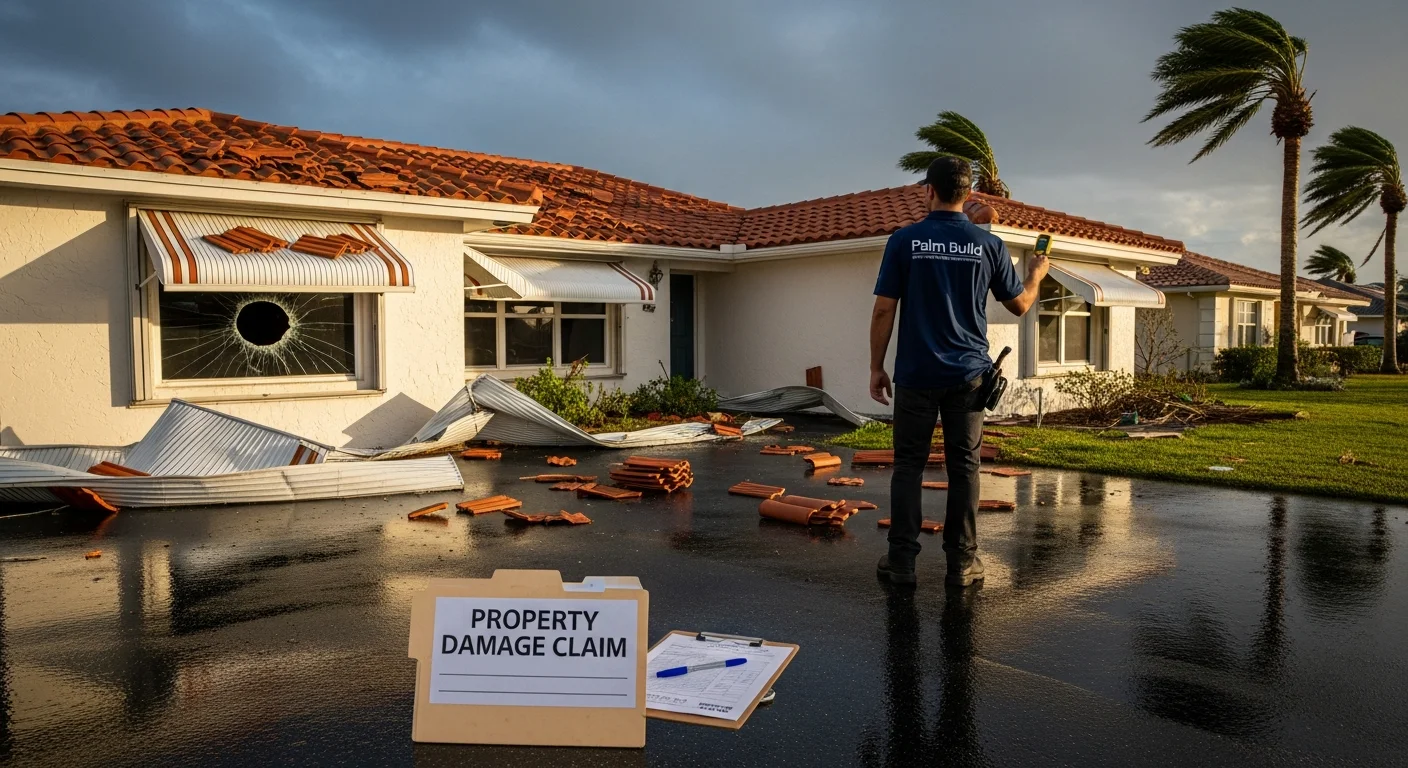
Step-by-step Florida Citizens claim guide: deadlines, hurricane deductibles, the $3,000 Managed Repair cap, and what to do if you're denied.
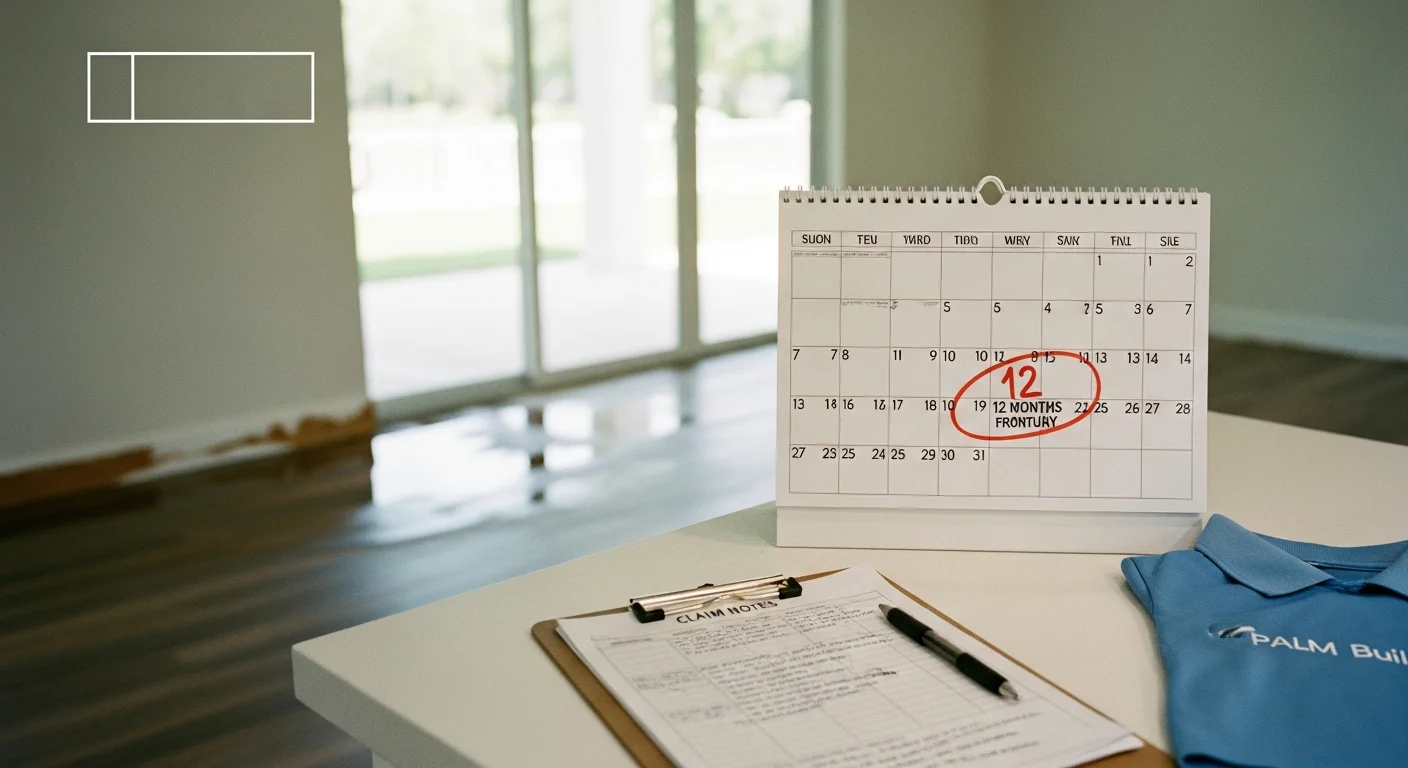
Florida law gives you 1 year to report water damage and 18 months for supplemental claims. Here's how the clock starts and how to protect your payout.
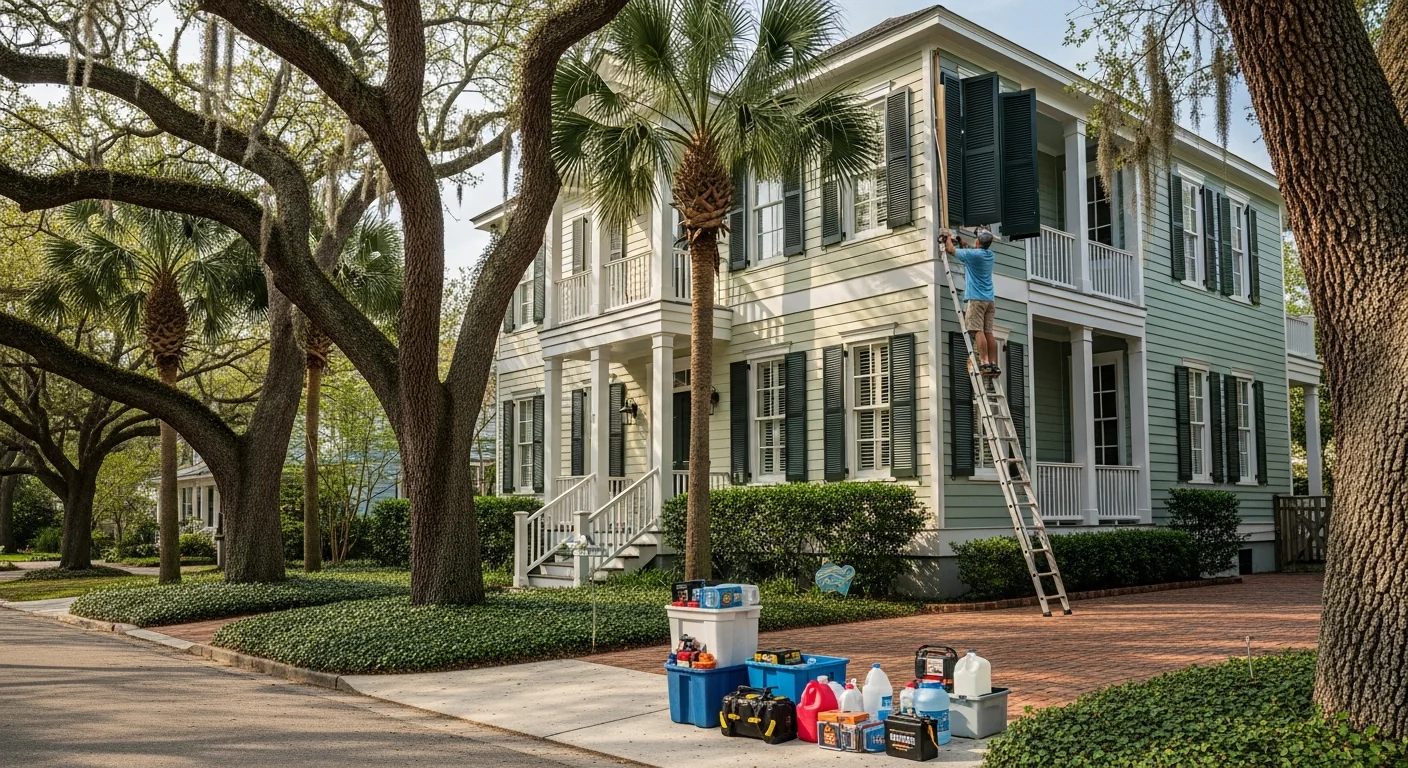
South Carolina hurricane prep made simple: Know Your Zone, flood insurance timing, home hardening costs, watch vs warning, and what to do after damage.
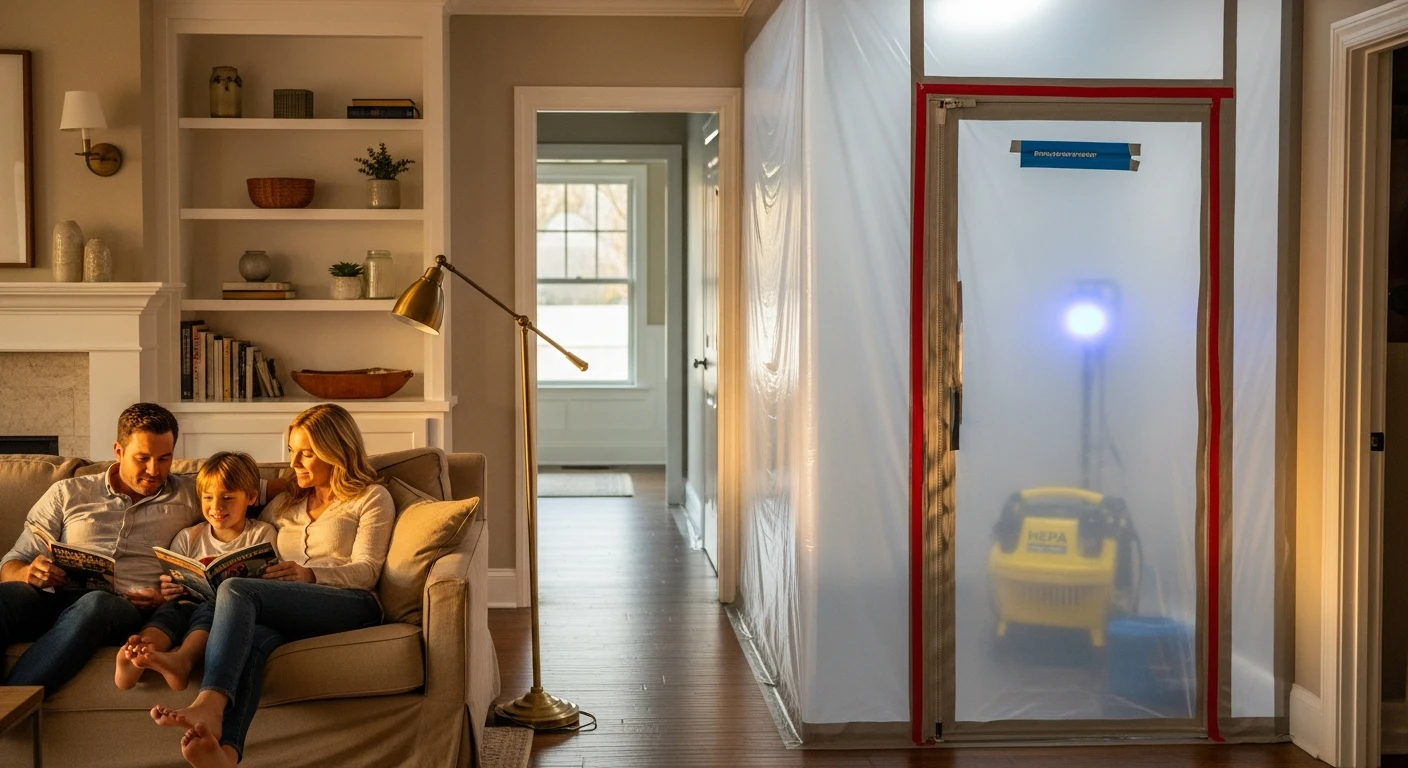
Most people can stay home during small, well-contained mold remediation, but asthma, COPD, or widespread mold often means relocating. Timelines, costs, FL/NC/SC notes.
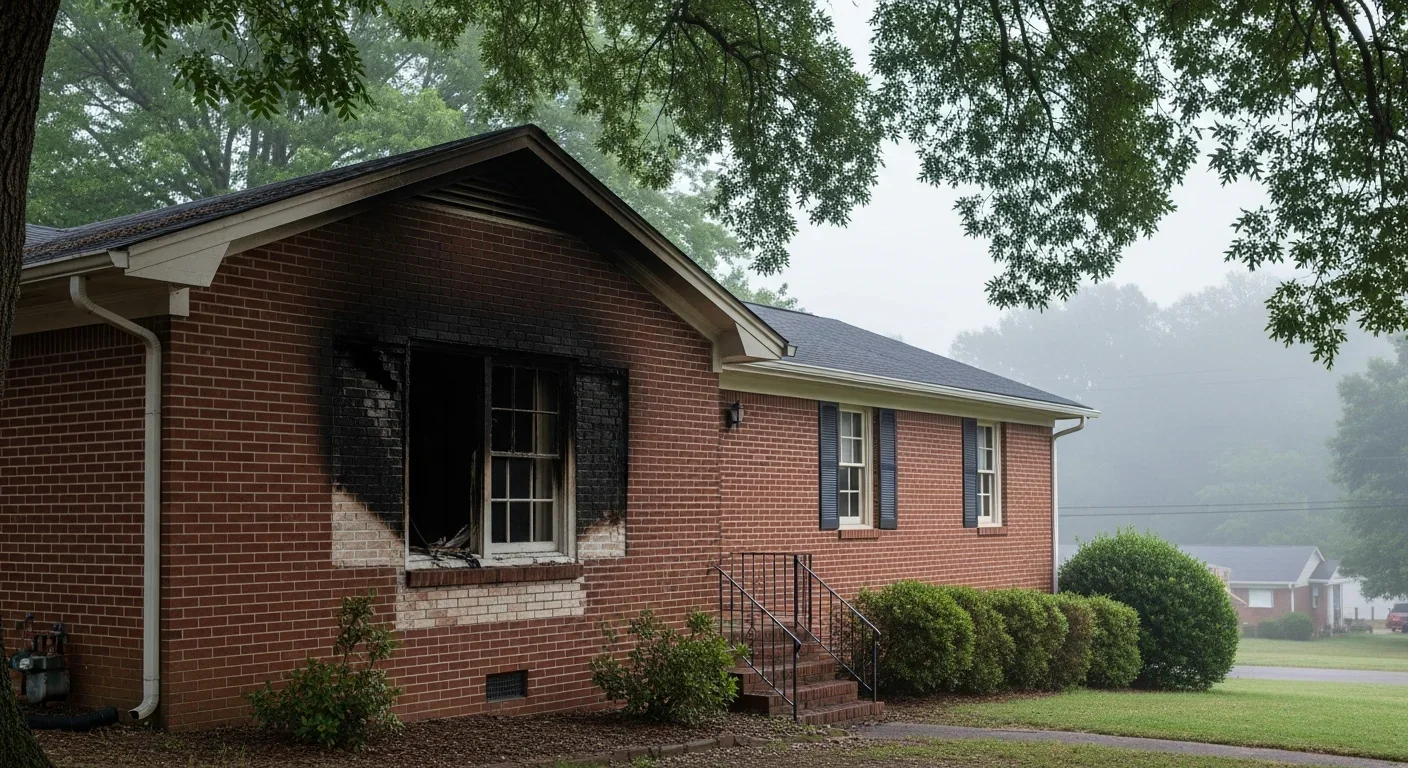
Rock Hill's brick ranches, Catawba humidity, and aluminum-wiring electrical create smoke damage that surface cleaning can't solve. IICRC S700 protocol guide.
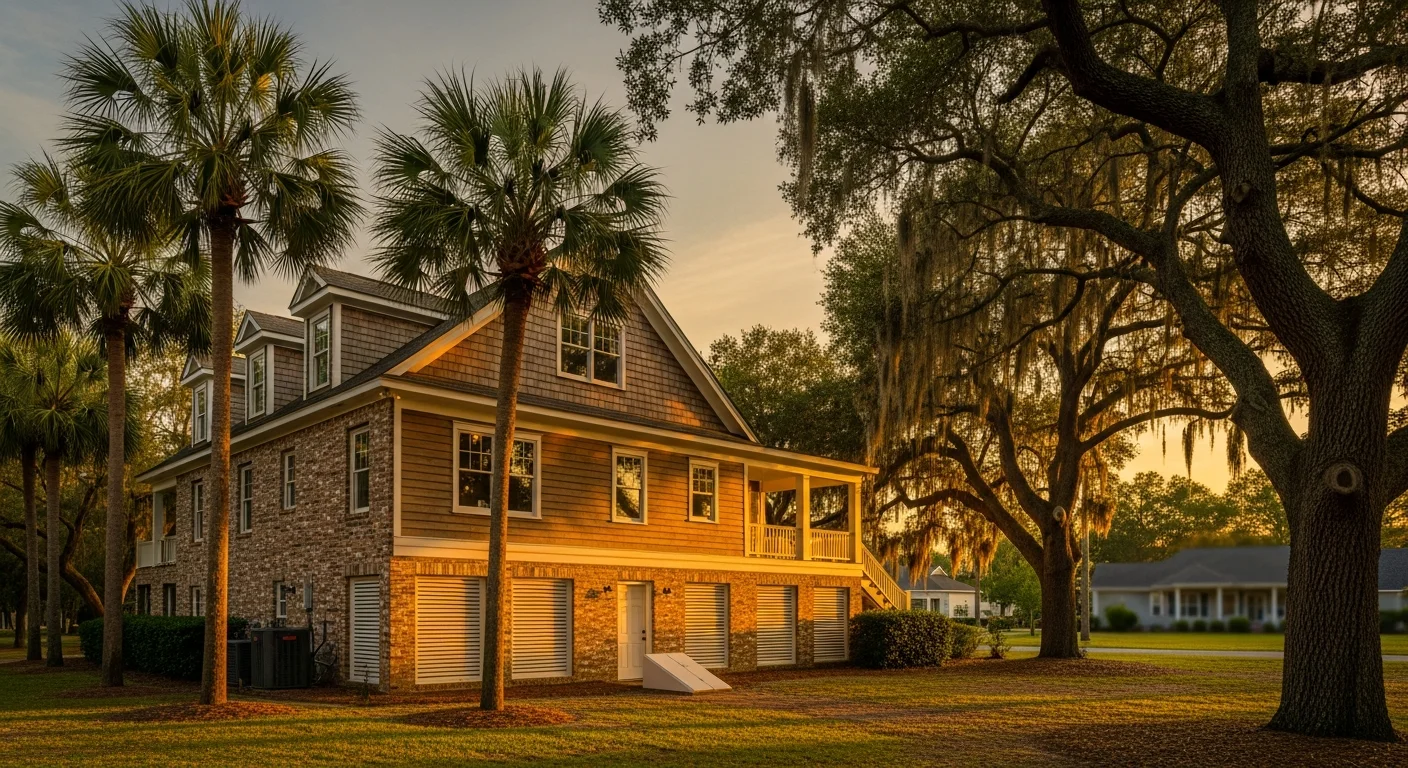
SC crawl space problems vary by region. Learn Lowcountry flooding, Upstate clay issues, encapsulation costs, SC building codes, insurance coverage, and solutions.
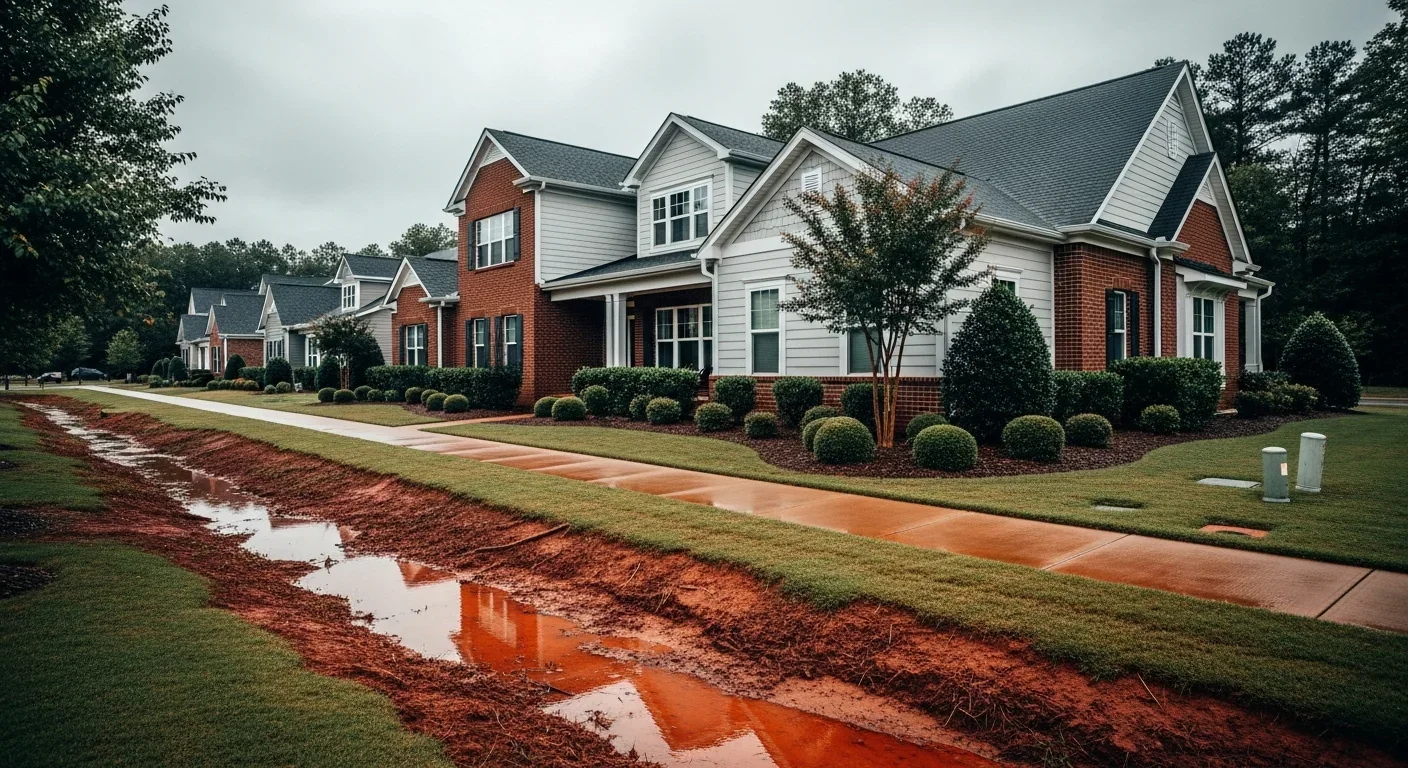
Indian Land is the fastest-growing Charlotte-metro suburb — but it's in SC, eliminating most Charlotte-licensed restoration firms. SC LLR rules and flood context.
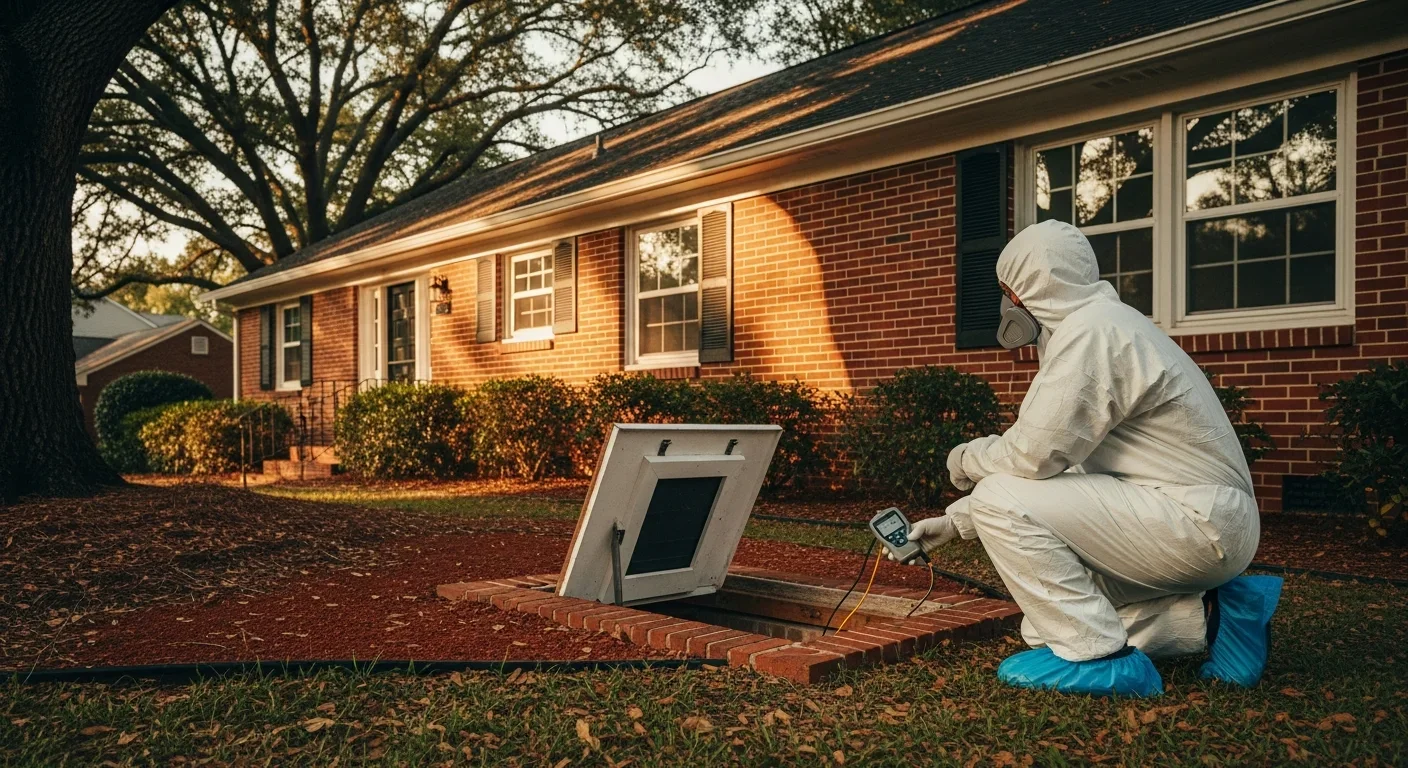
Honest cost breakdown for Raleigh mold remediation — square footage brackets, IICRC S520 categories, hidden cost drivers, and why NC's unlicensed quotes mislead.
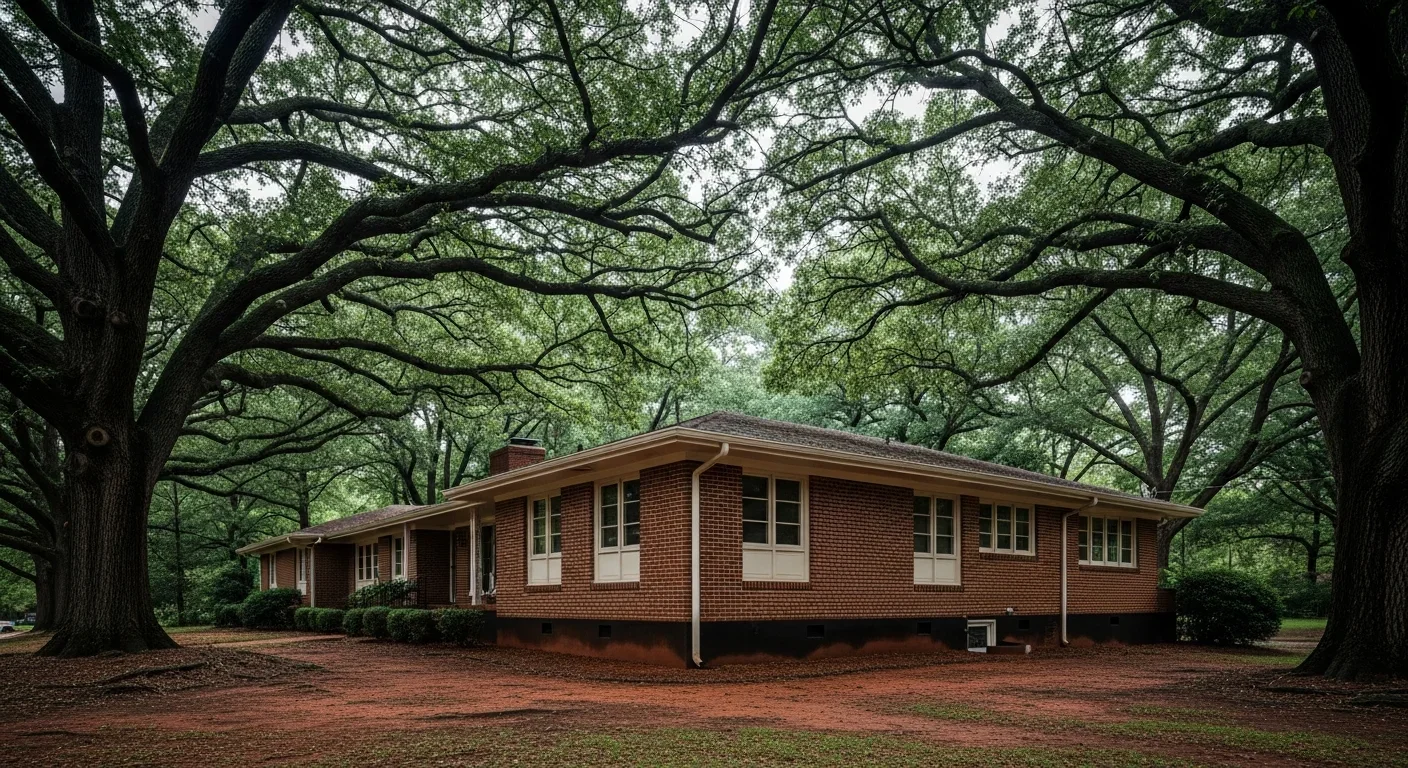
Charlotte's red clay, vented crawl spaces, and oversized HVAC create the highest mold-risk housing in the Southeast. IICRC S520 protocol and NC claim guide.
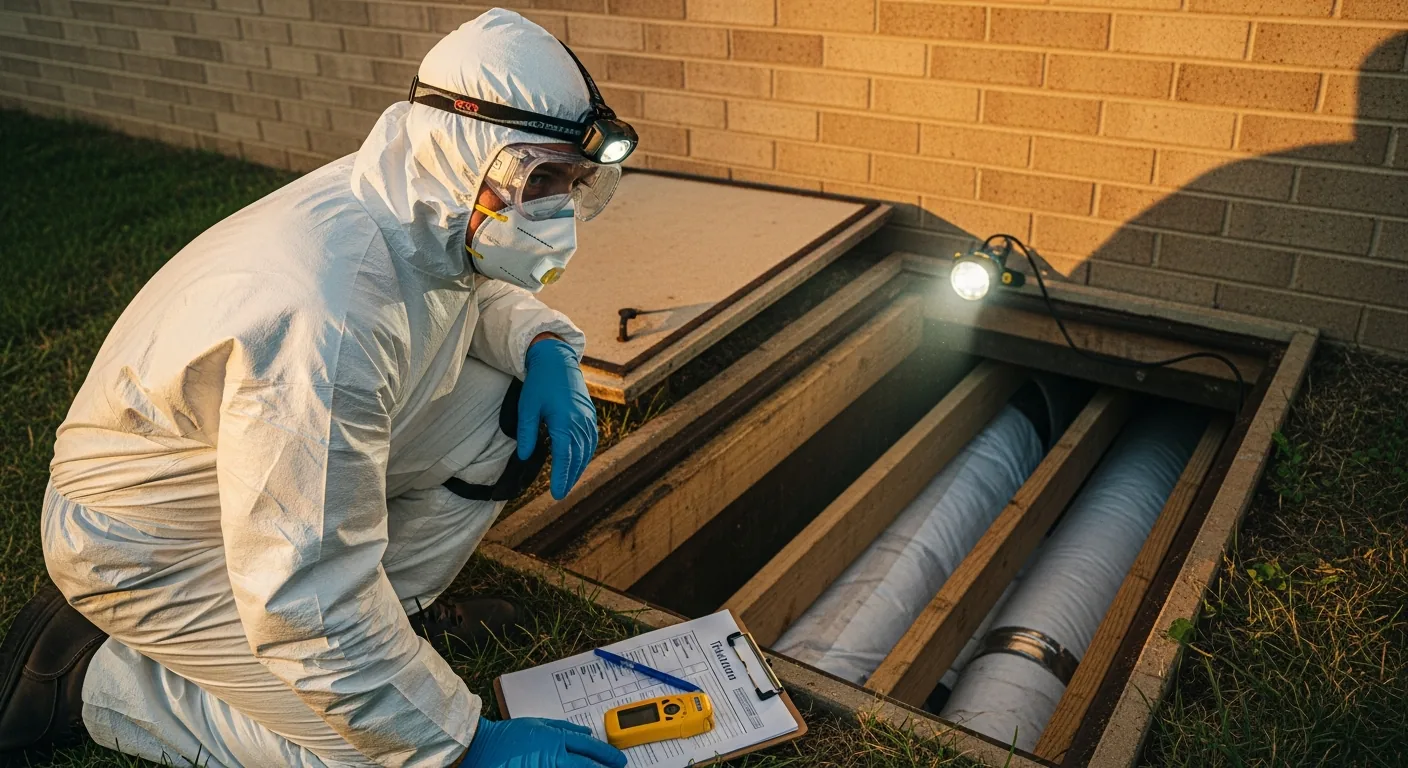
Use this free DIY crawl space inspection checklist to spot moisture, mold, pests, and structural damage early. FL, NC & SC-specific guidance included.
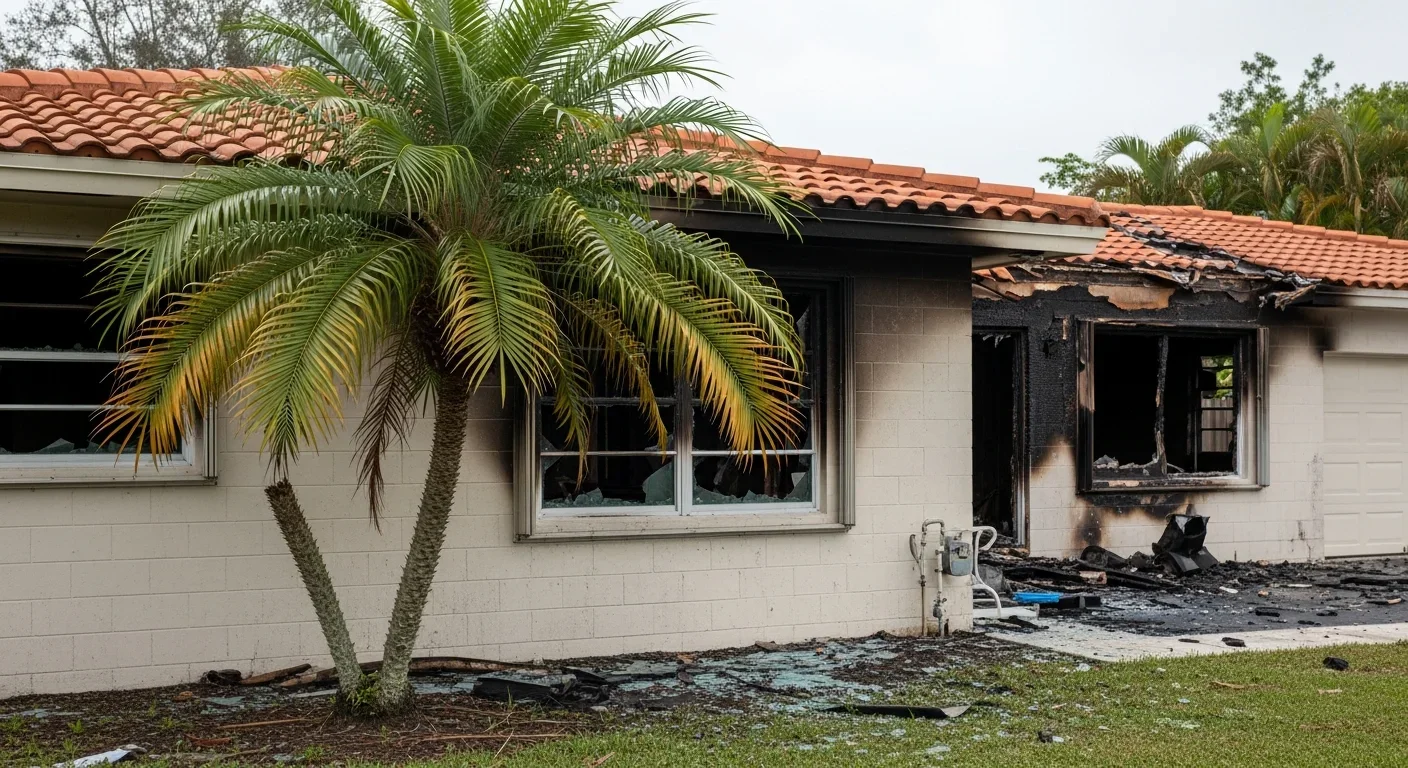
Coastal CBS-block homes, 55+ condos, and salt-corroded electrical make Deerfield Beach fire damage uniquely complex. FL claim deadlines and IICRC S700 inside.
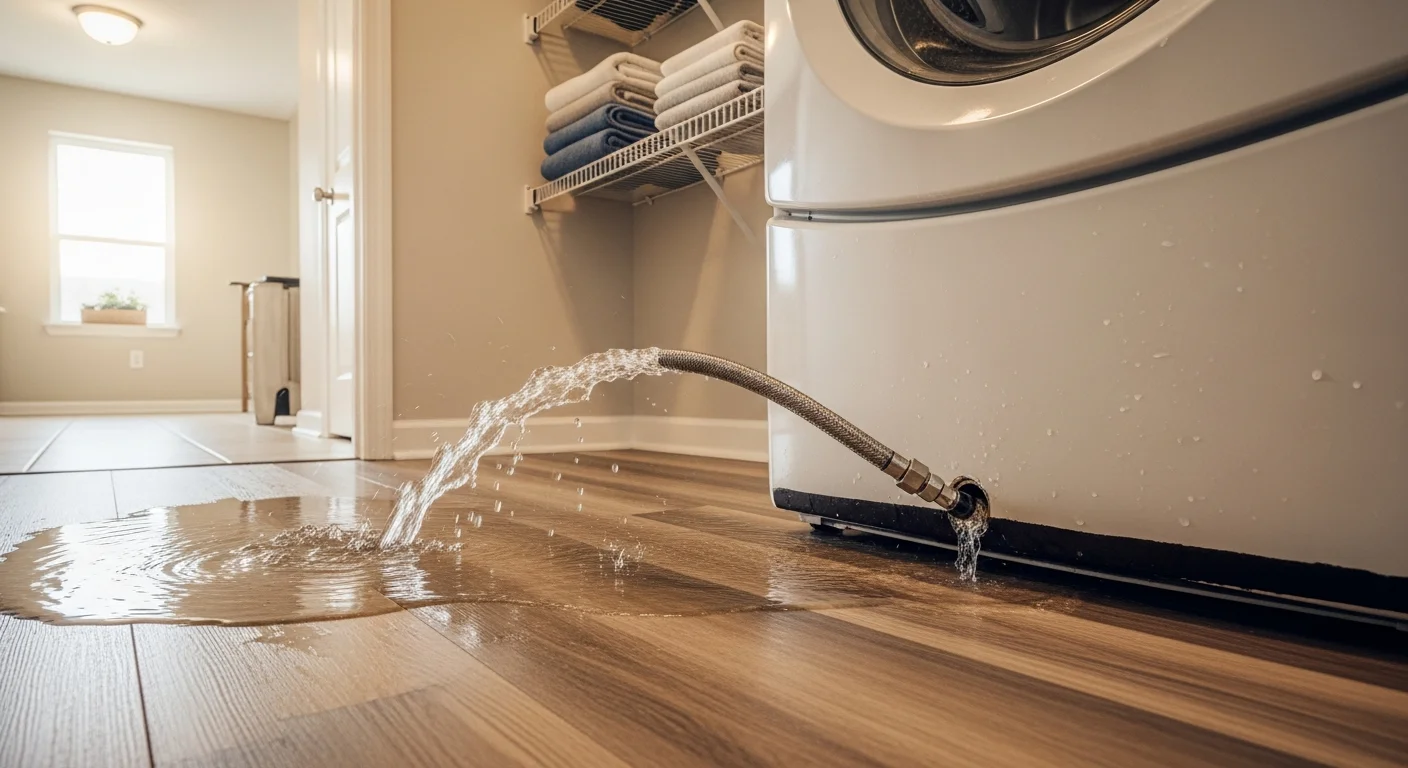
Stop the leak, beat the 24–48 hour mold window, and understand real costs for washing machine, dishwasher, and water heater leaks across Florida, NC, and SC.
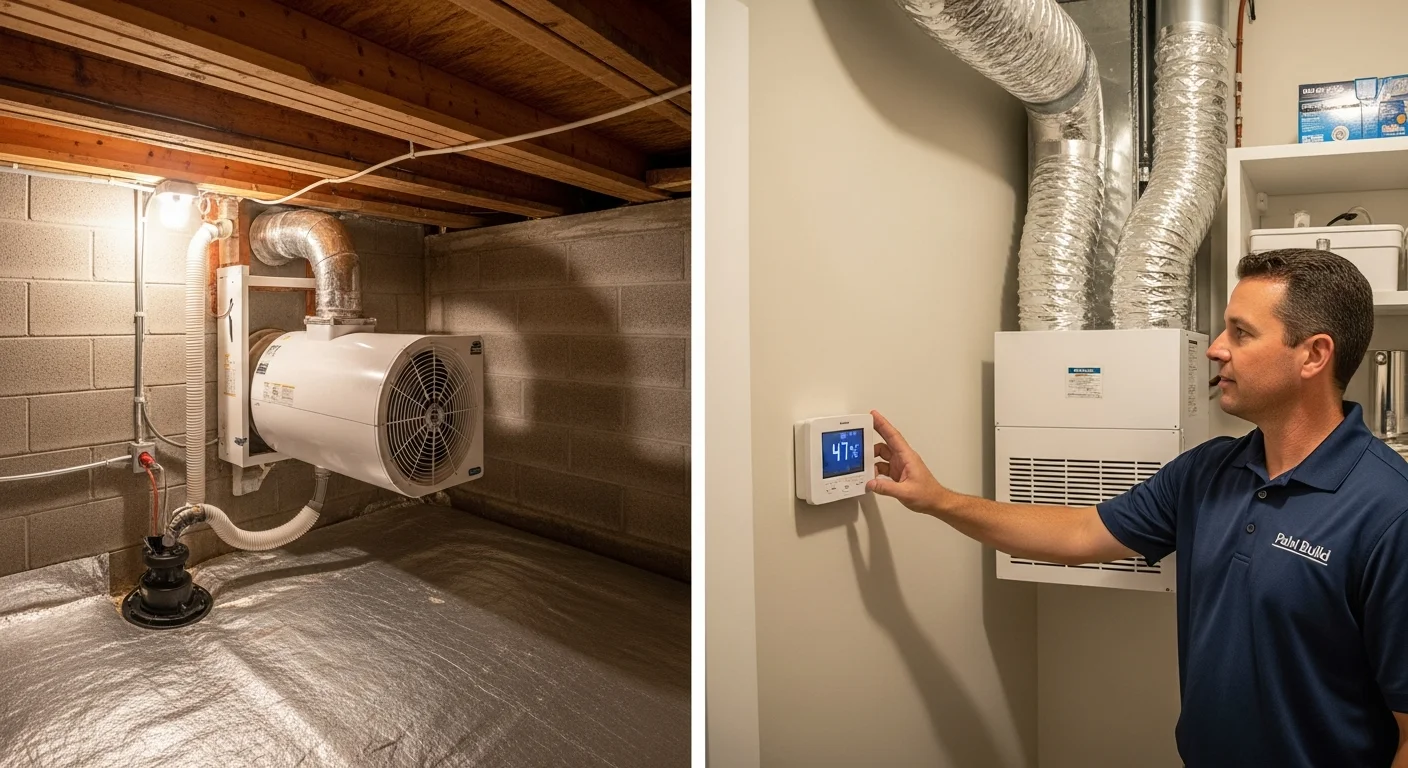
Compare crawl space vs. whole-house dehumidifiers: costs, sizing, and when you need both. Expert guidance for Florida, North Carolina, and South Carolina homeowners.
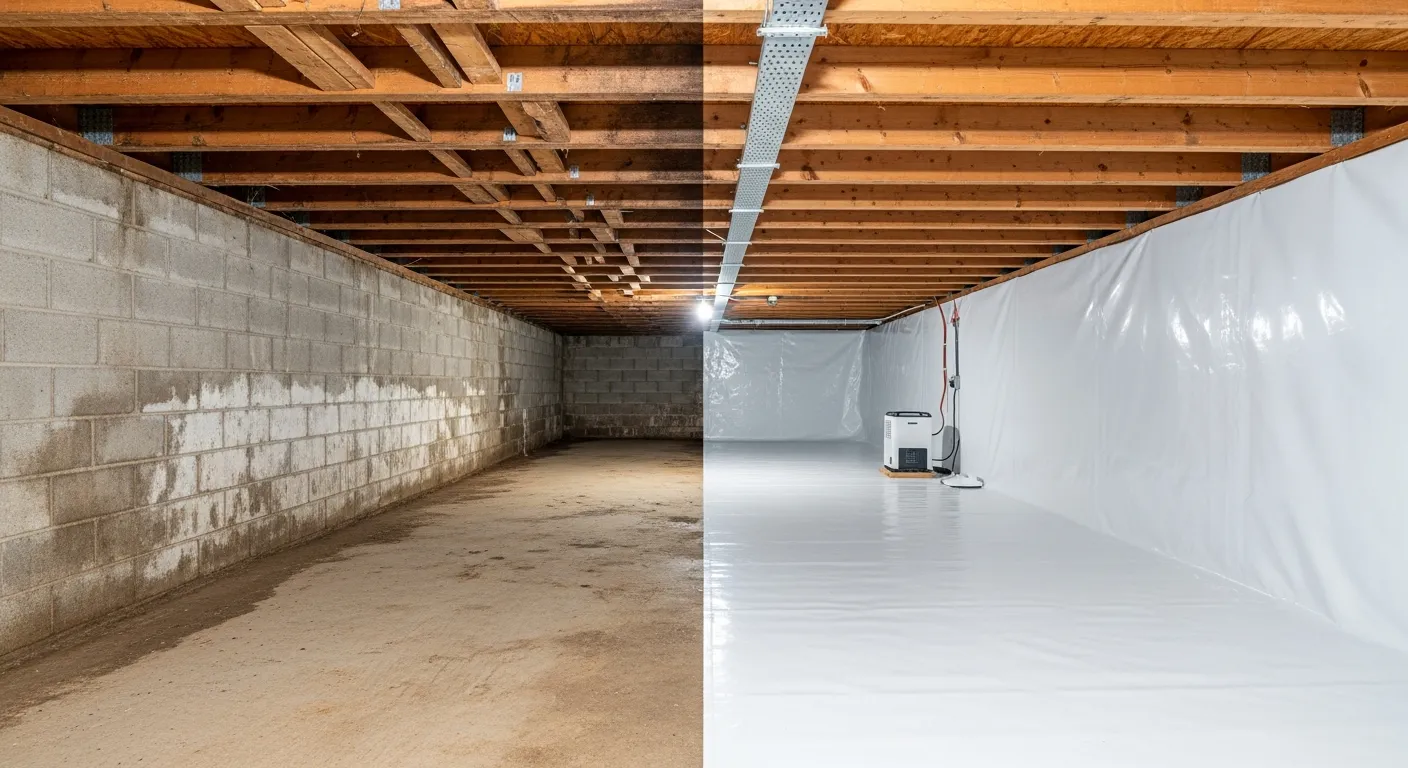
Is crawl space encapsulation worth it? Real pros, cons most sites skip (radon, combustion safety, trapped moisture), and payback math for FL, NC & SC homes.
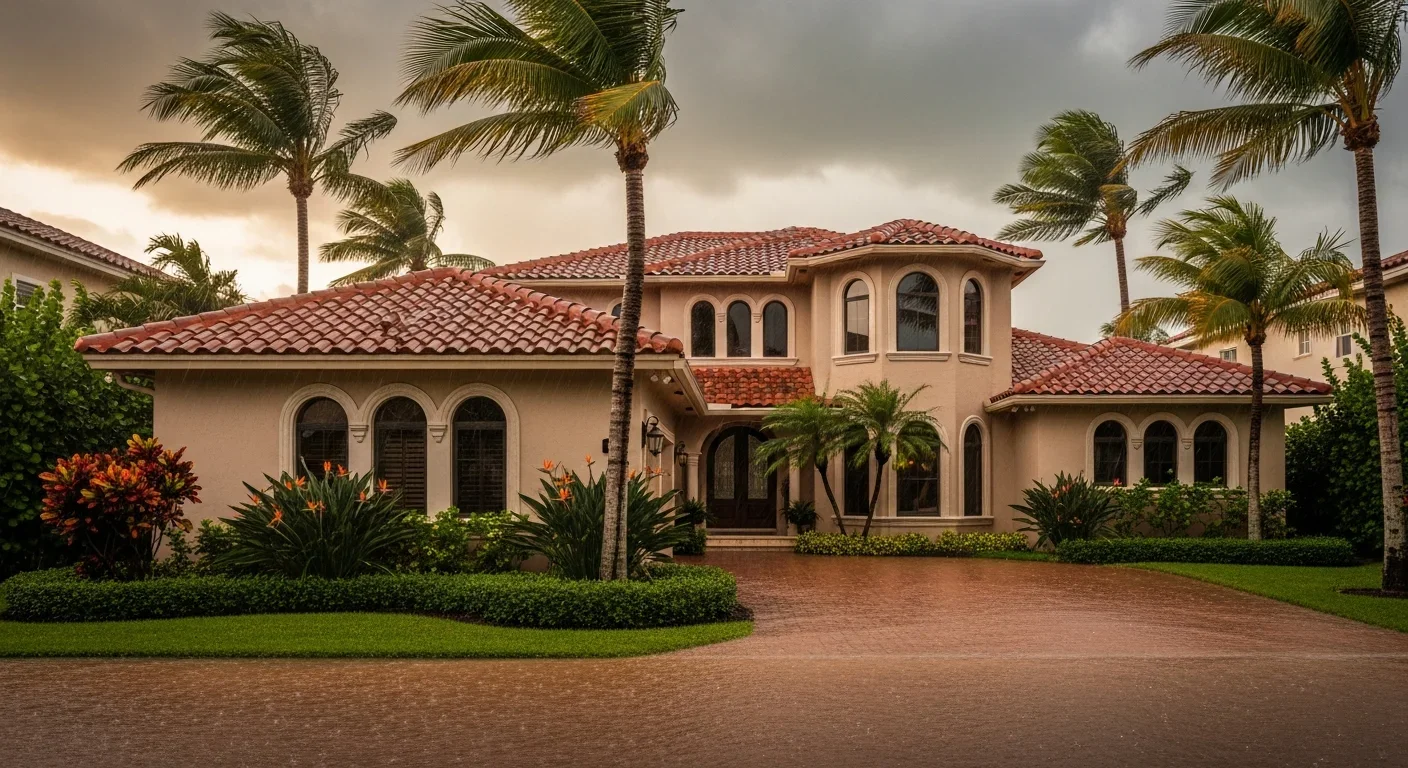
Fort Lauderdale's stucco, slab foundations, humidity, and canal flood exposure make the 48-hour mold window tighter than anywhere else in Florida.
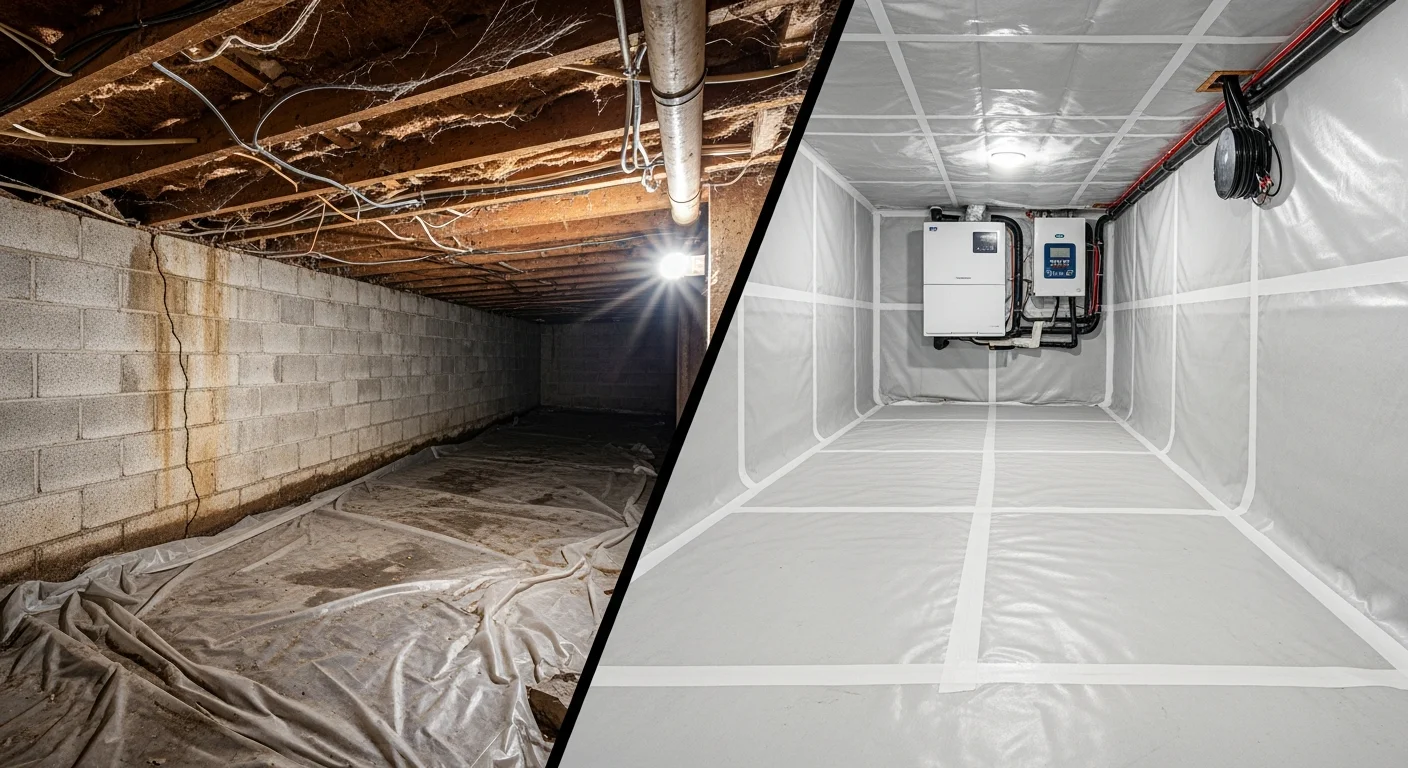
Vapor barrier or full encapsulation? Compare costs ($1.35–$2.00 vs $3–$10/sq ft), timelines, and decision rules for FL, NC, and SC crawl spaces.
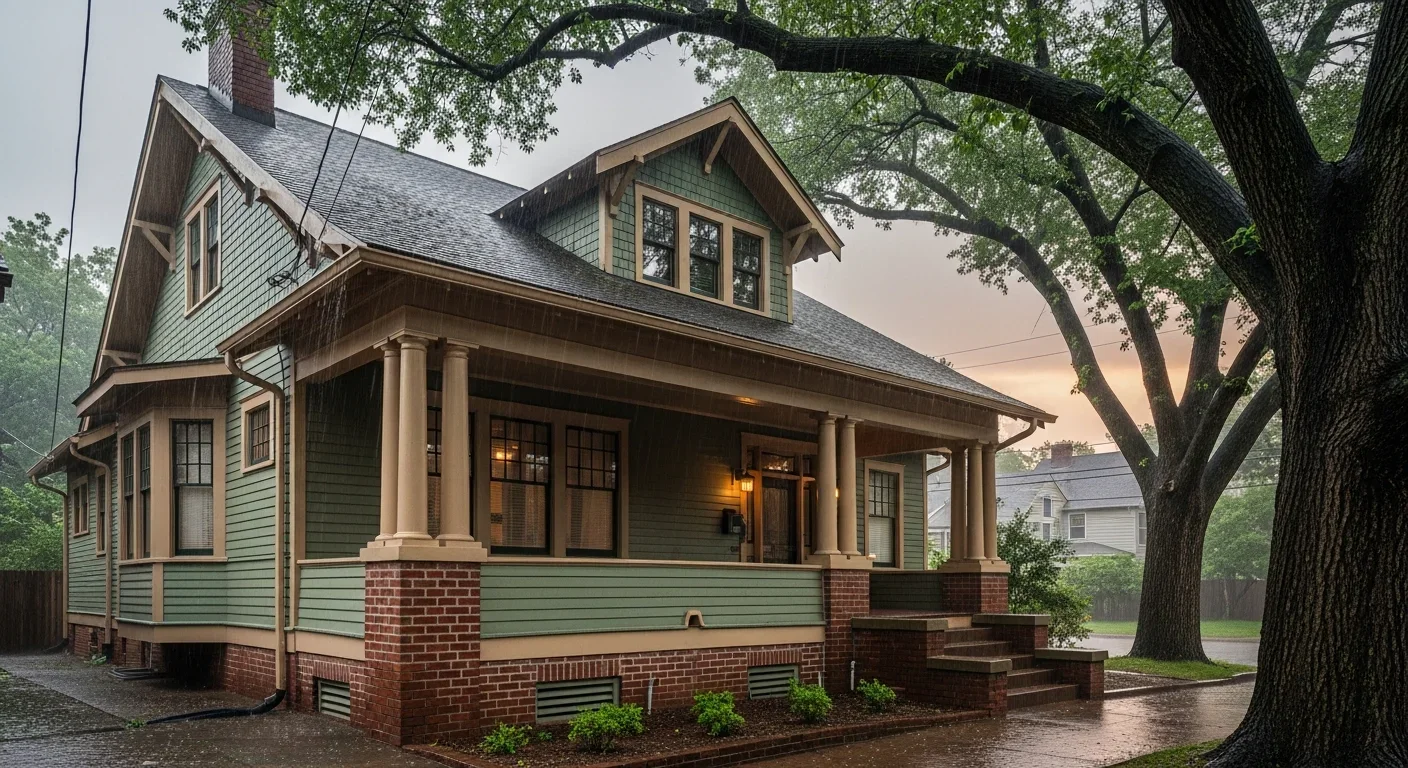
Charlotte water damage risks vary by neighborhood, from Briar Creek flooding to Ballantyne slab leaks. Learn the first 24-hour cleanup steps that matter.
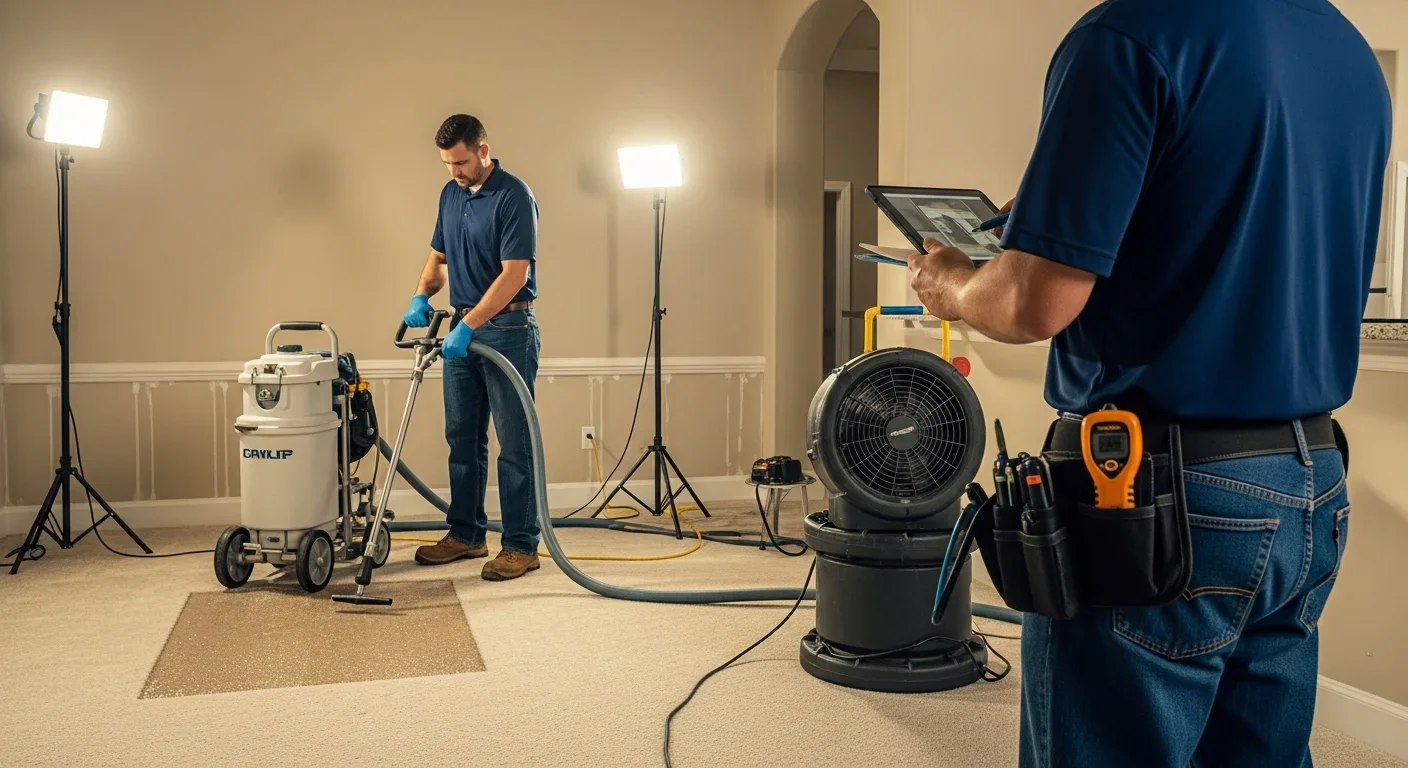
Not sure if you should DIY water cleanup or call a pro? Use this decision matrix, cost comparison, and the EPA 10 sq ft mold rule to decide fast.
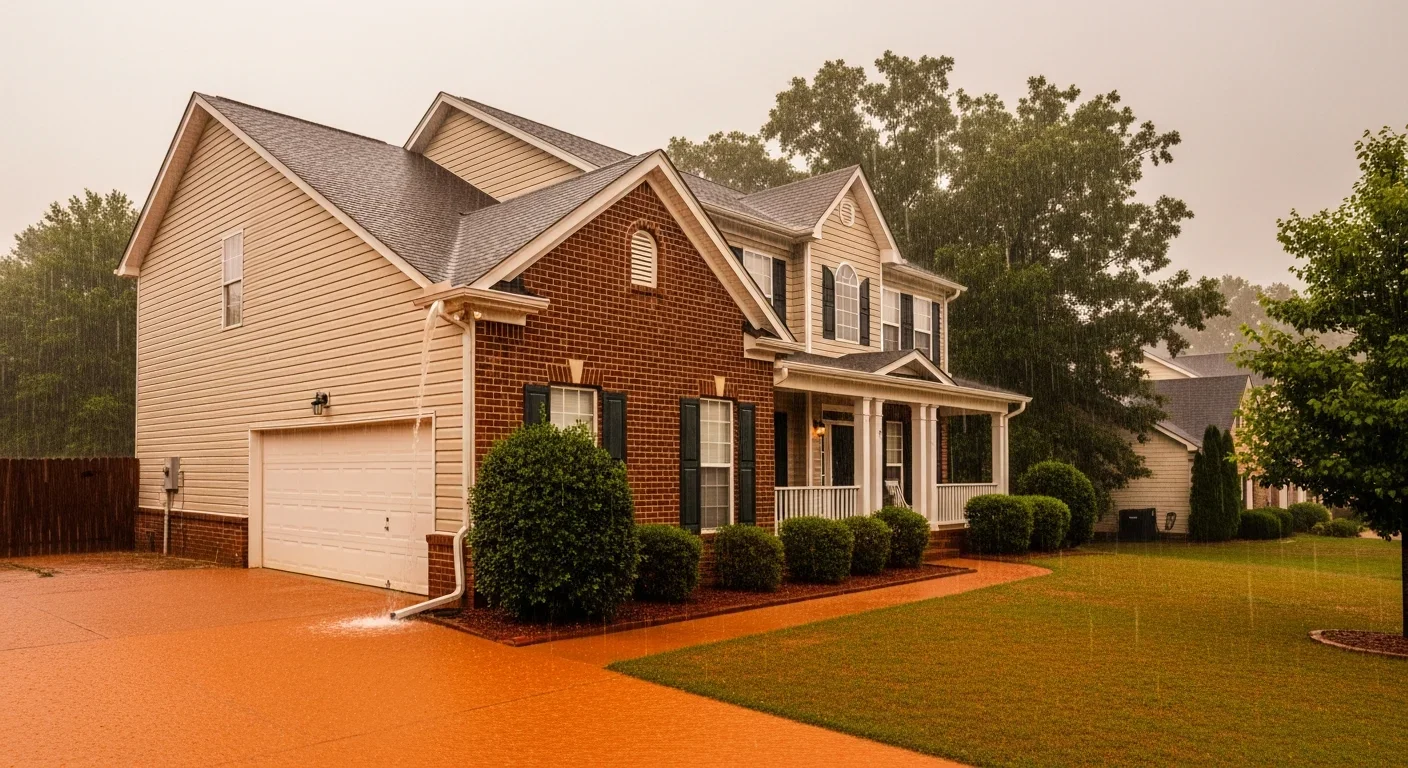
Fort Mill grew 37% since 2020 — red clay soils, Catawba flood risk, and aging crawl spaces make water damage especially unforgiving for York County homeowners.
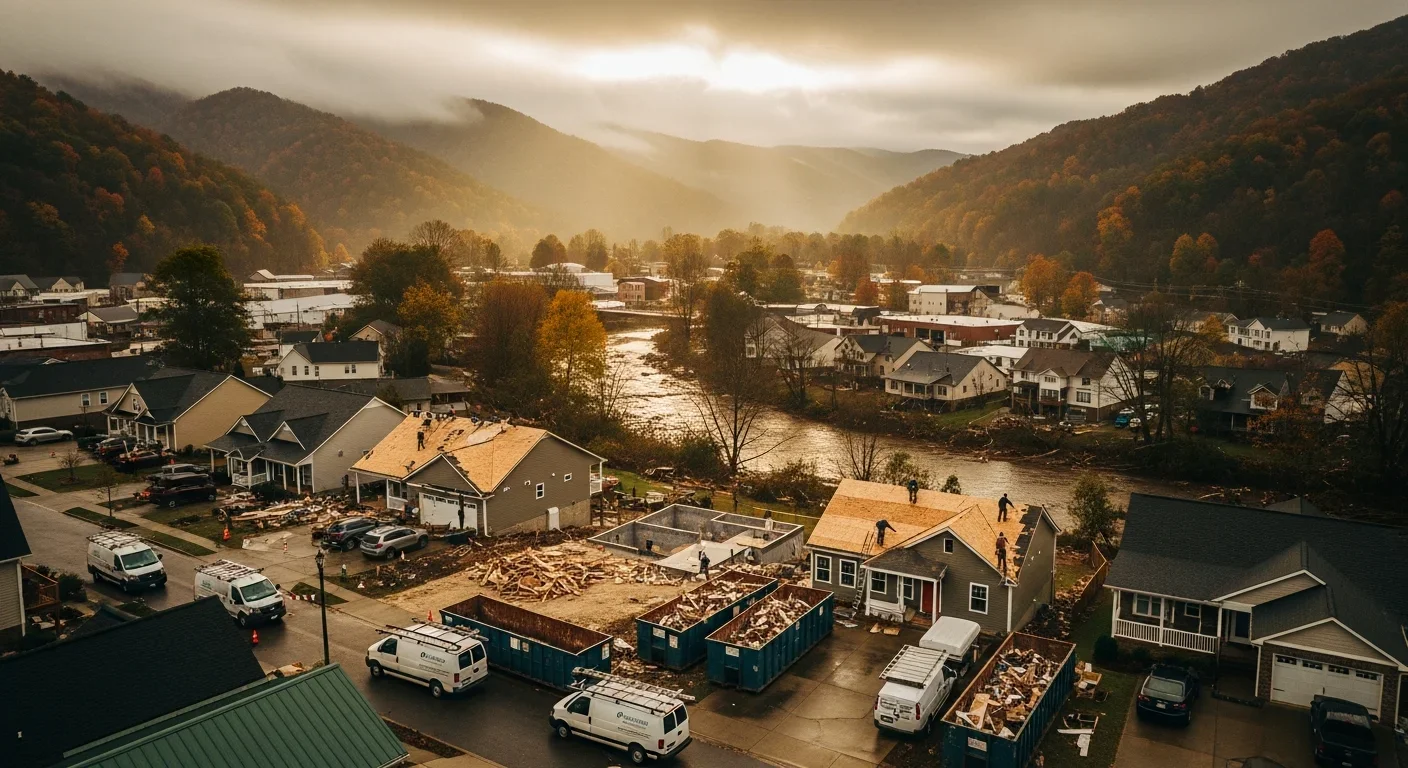
Western NC flooding from Hurricane Helene damaged 121,000+ homes. Get FEMA resources, restoration steps, cost estimates, and recovery timelines.
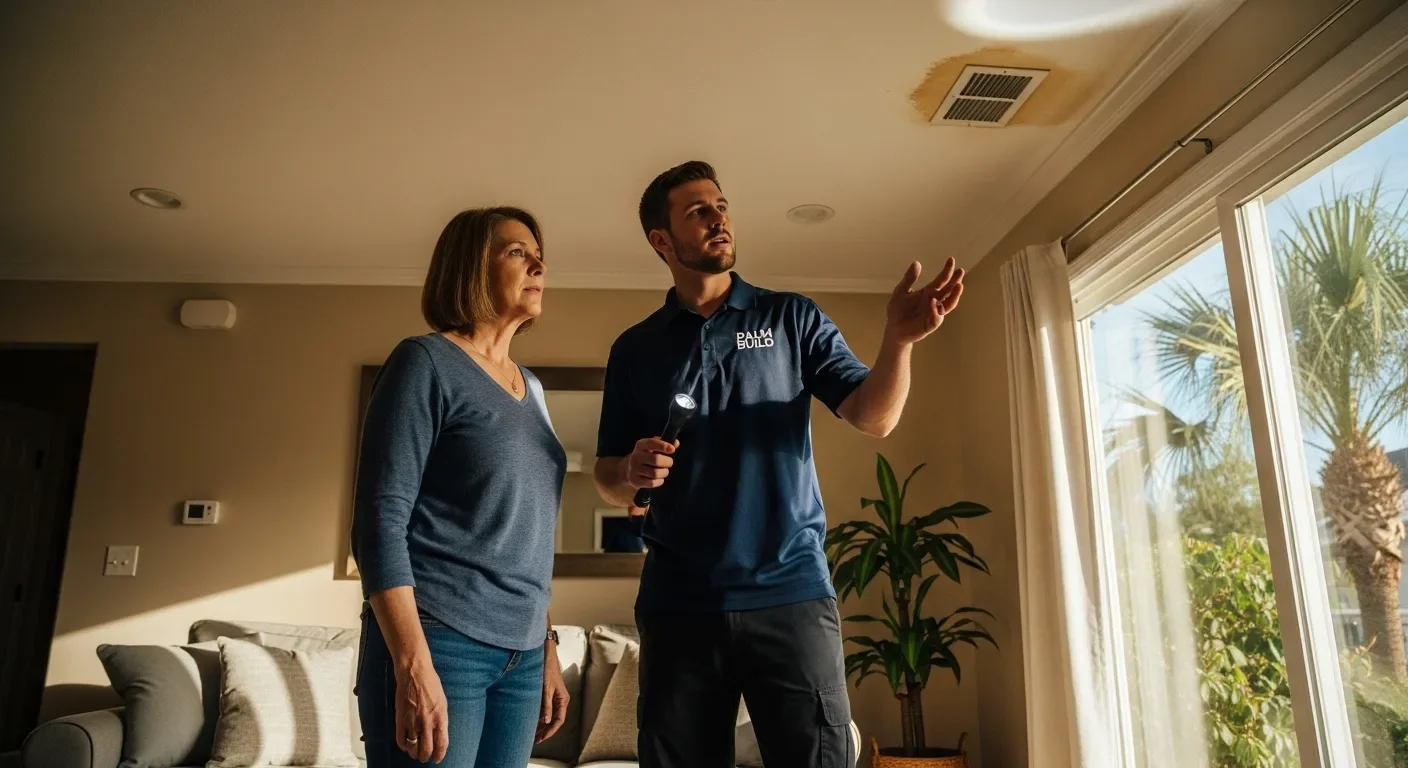
The 7 clearest signs of mold in your house — musty smell, stains, bubbling paint, and more — plus the 24–48 hour rule and when to call a pro.
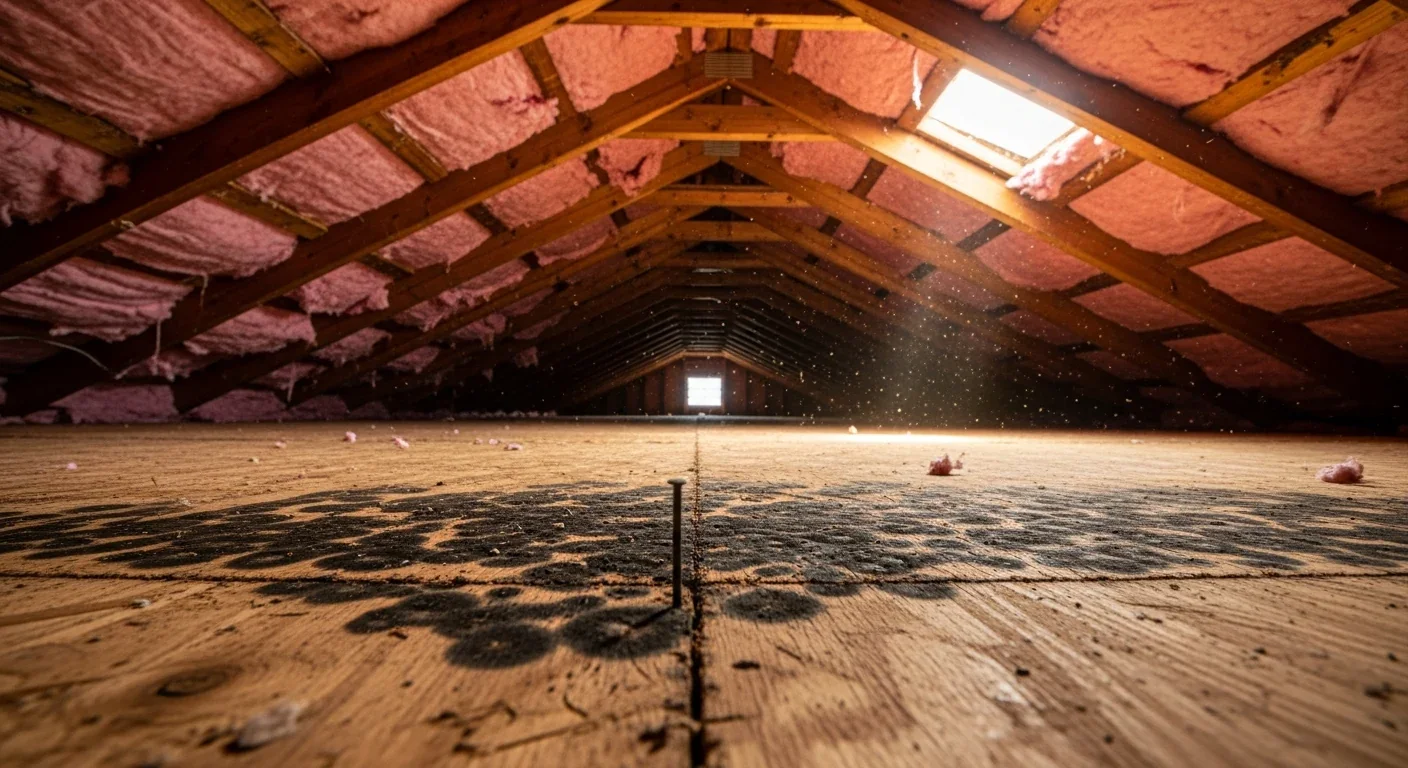
Most attic mold is a moisture problem. See the 5 real causes, what removal actually costs ($1,000–$7,000+), the 10 sq ft DIY ceiling, and FL/NC/SC notes.
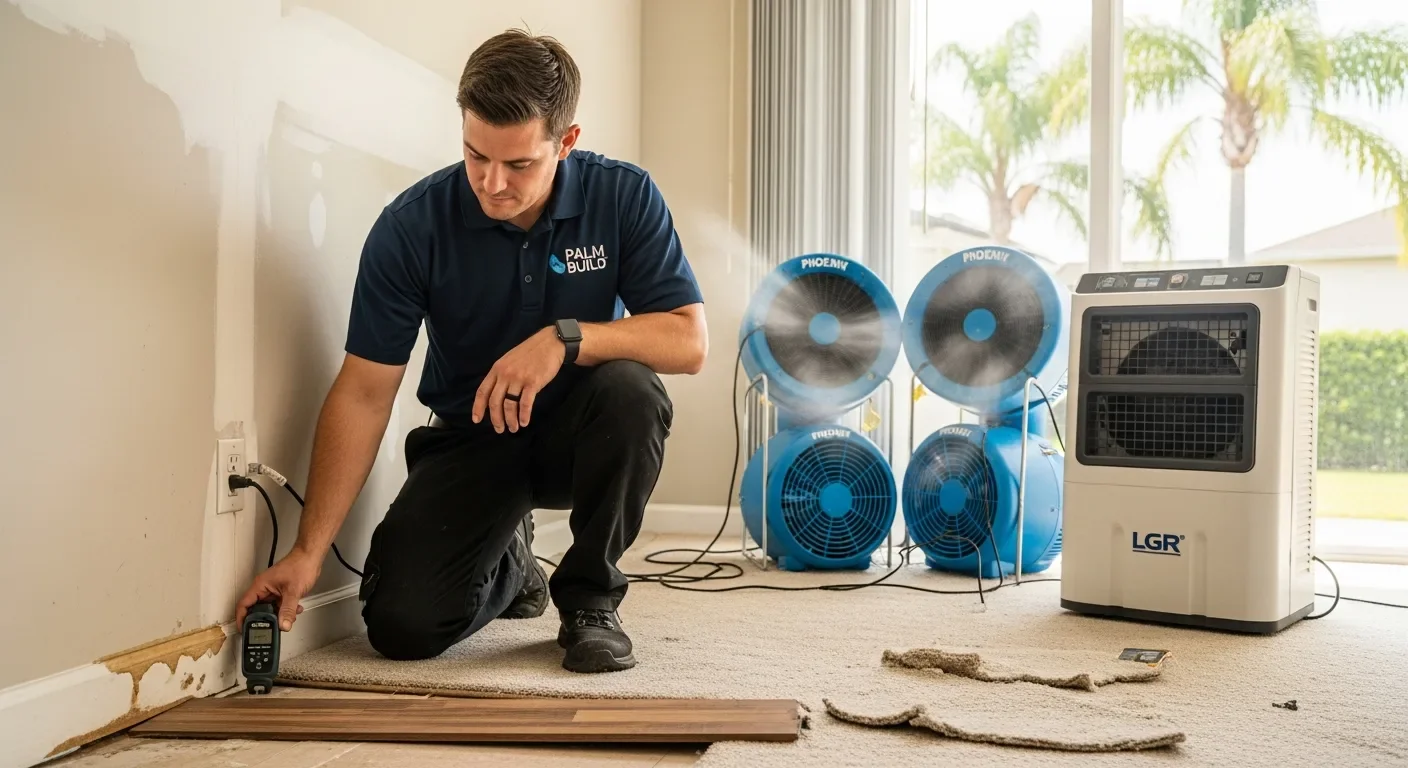
Most jobs take 3–7 days to dry and 1–3 weeks to fully restore. See a phase-by-phase timeline, Class 1–4 ranges, and FL/NC/SC notes.
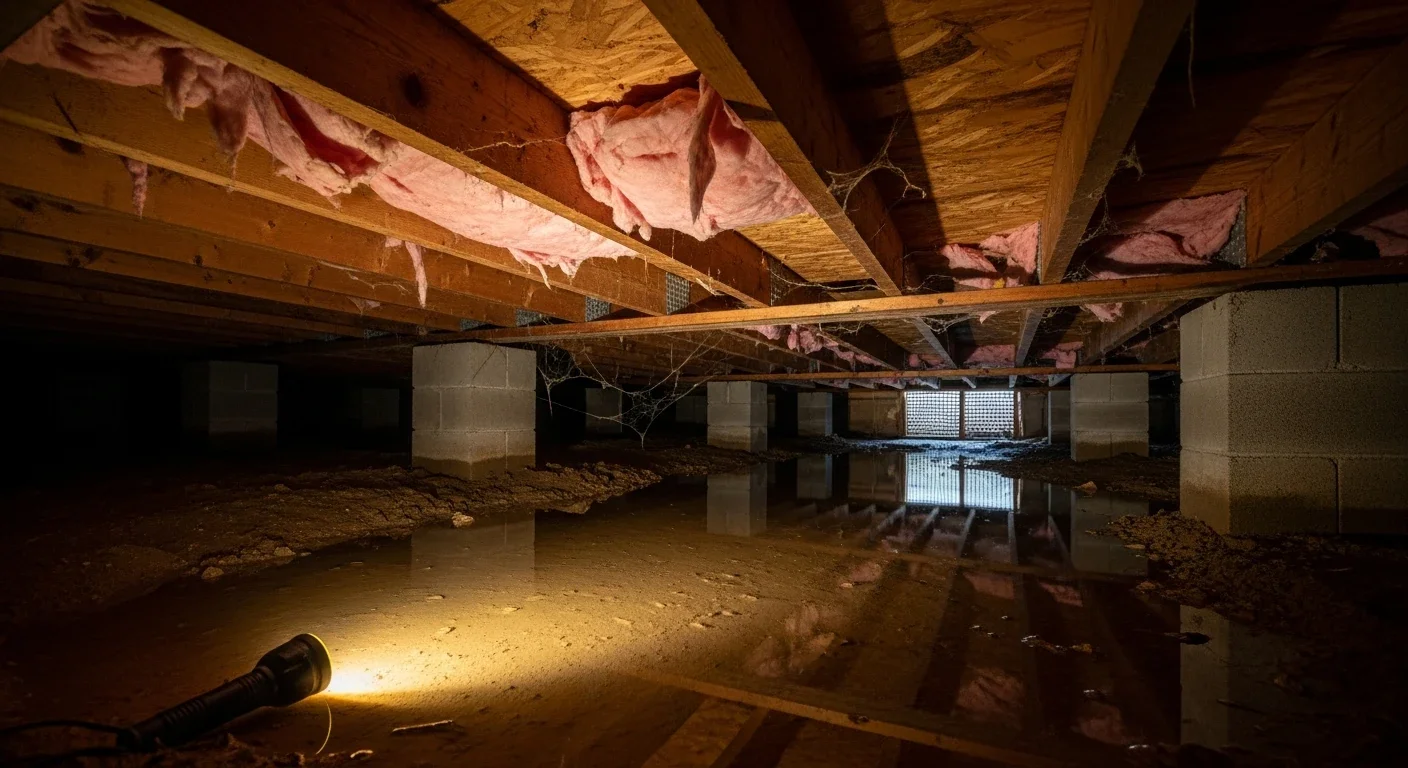
Standing water under your house? What to do in the first 24 hours, when DIY pumping is safe, and real removal costs — $800 to $3,000 for most crawl spaces.
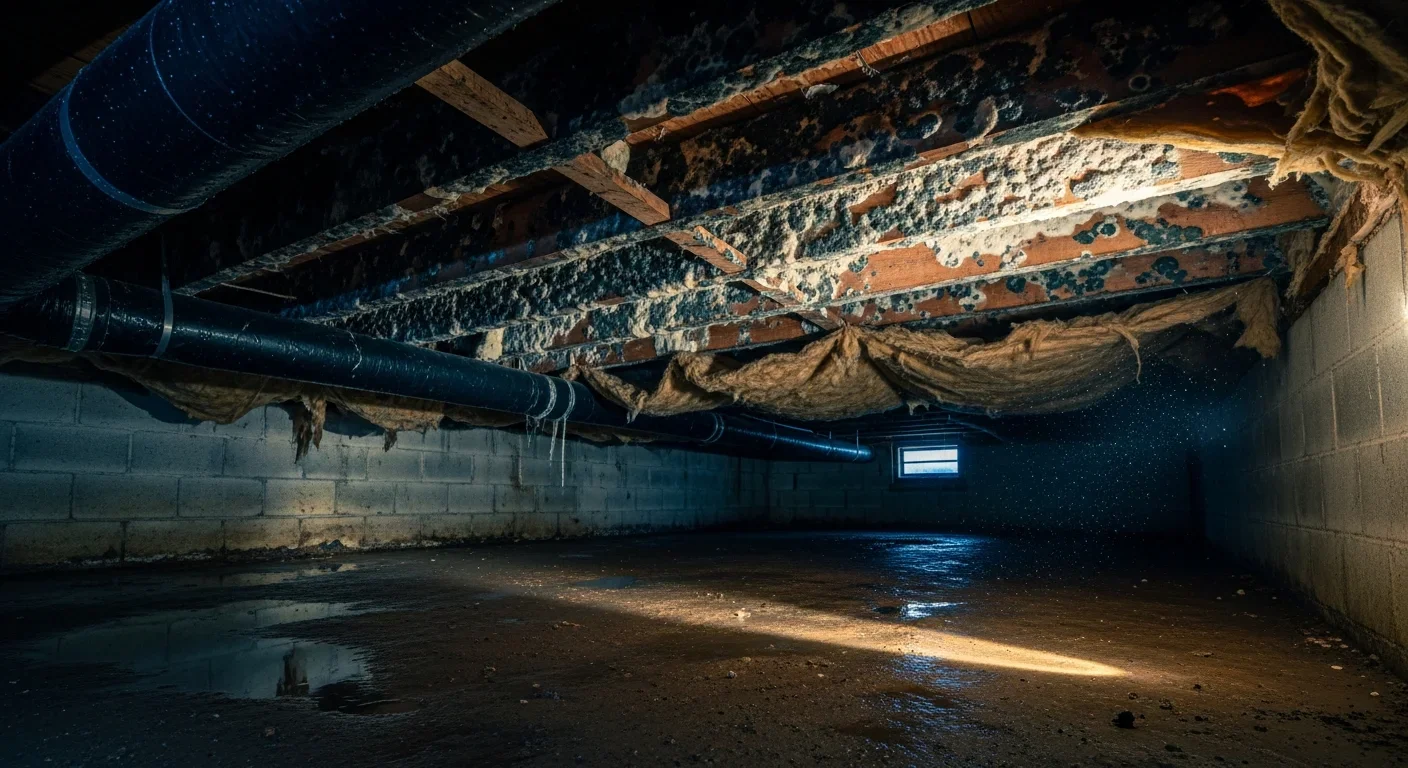
Why crawl space mold happens, how to remove it safely, what it costs ($1,500–$4,000 average), and how to keep it from coming back across FL, NC & SC.
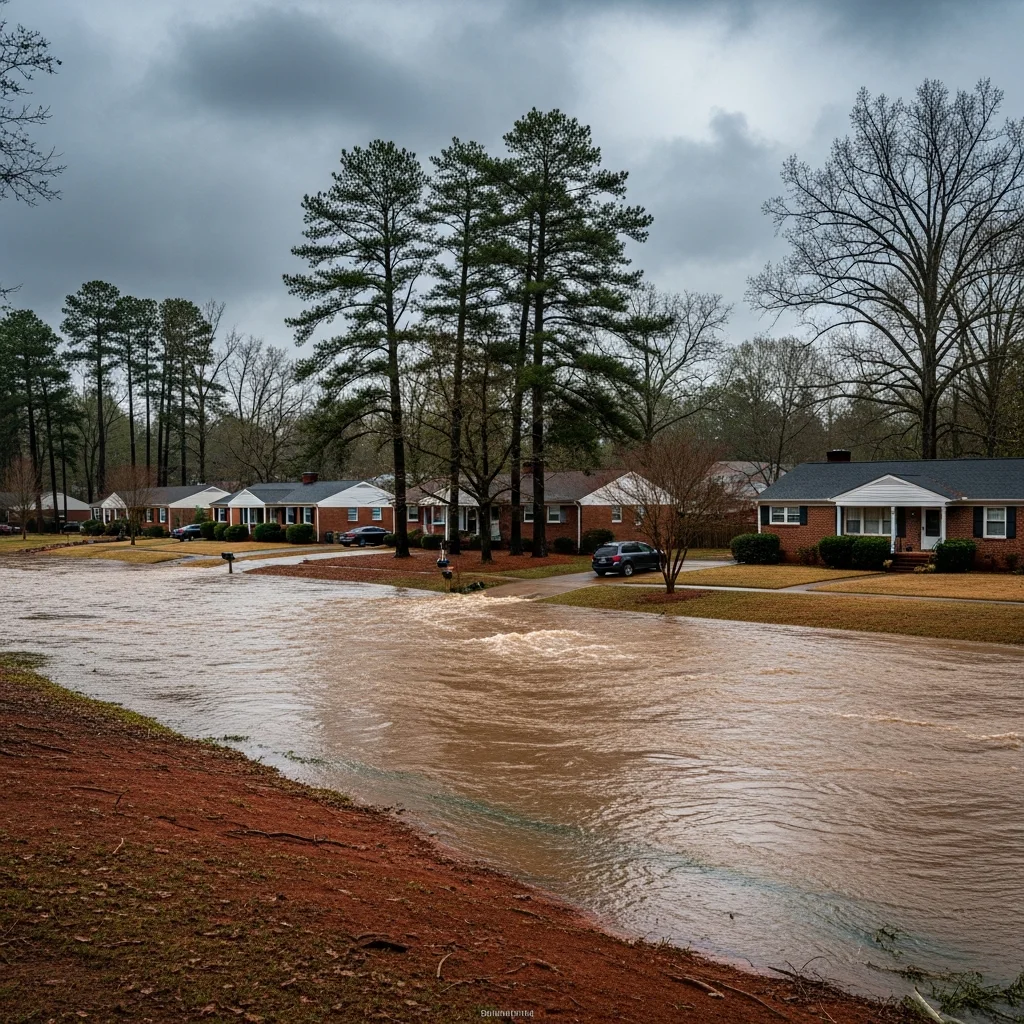
Raleigh's creeks flood fast. Learn which neighborhoods face the highest risk, what the 2022 FEMA map update changed, and what steps to take after a flood.
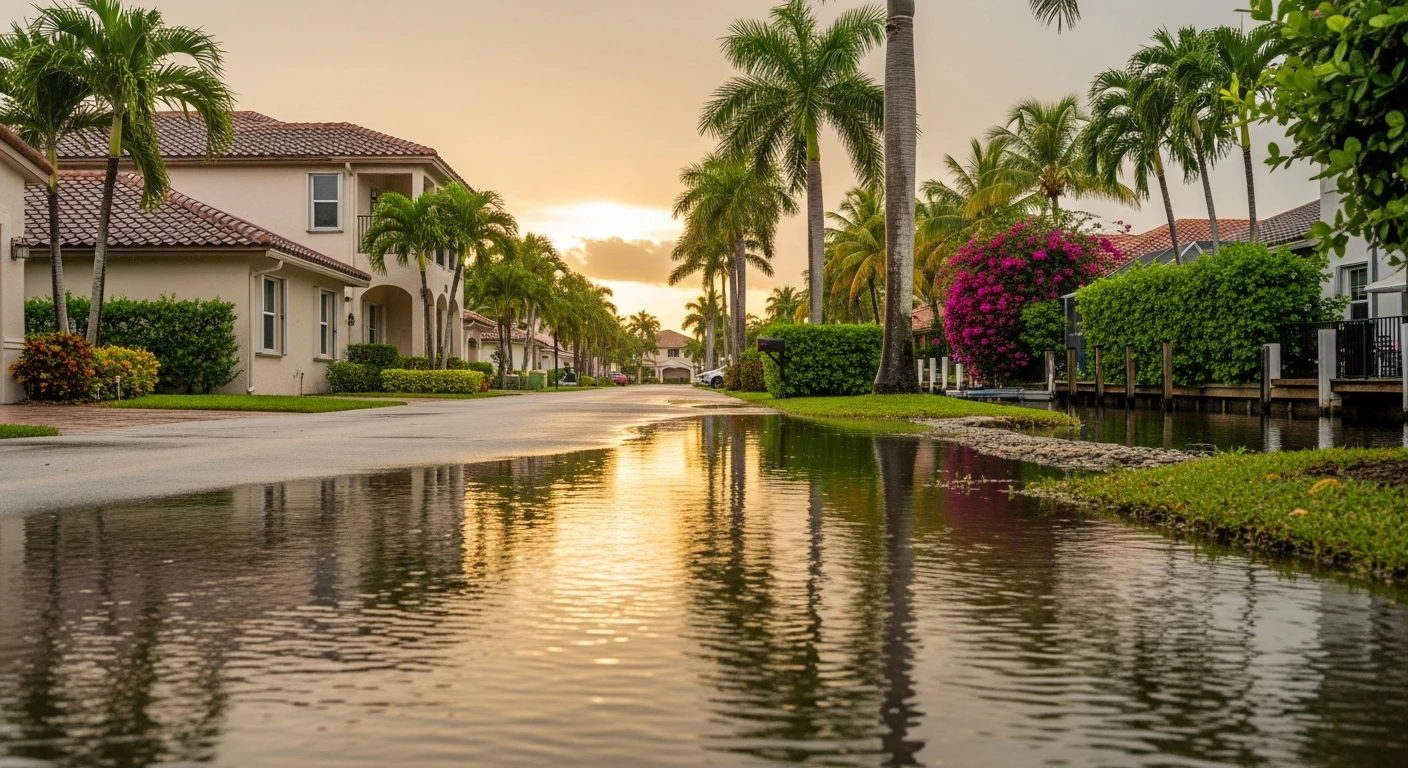
Wilton Manors floods on sunny days — tidal backflow fills gravity-fed storm drains from Middle River. Here's how to handle Island City flooding fast.
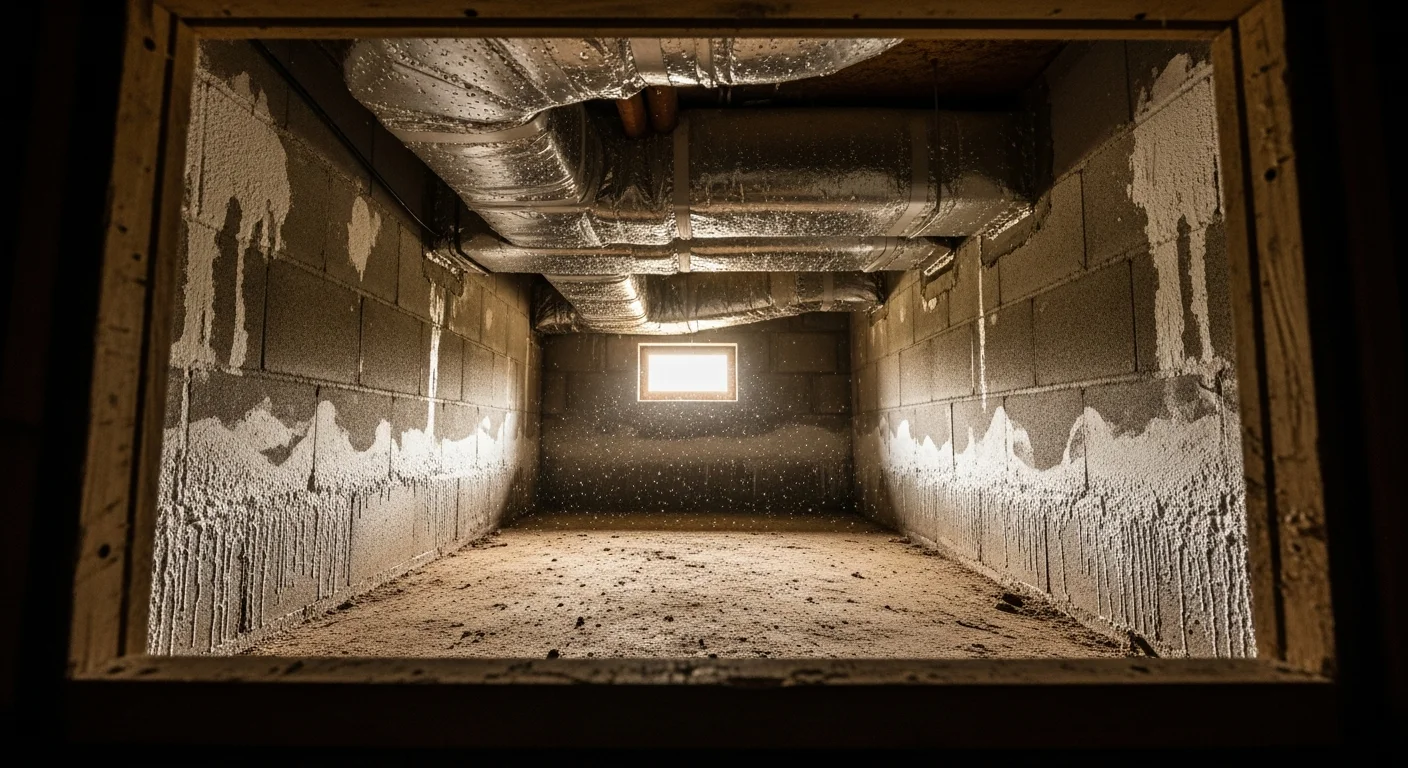
Musty smells, sagging floors, high energy bills — learn the 8 warning signs of crawl space problems, what each one means, what to measure, and what to do first.
Florida, North Carolina, and South Carolina rank in America's top 10 most mold-prone states. Learn how humidity invades your home and when mold growth begins.
Mold begins growing 24–48 hours after hurricane or flood damage. Learn the exact timeline, what to do hour by hour, and how to protect your FL, NC, or SC home.
Mold can start growing within 24 to 48 hours after flooding. Learn what to do in the first 48 hours and which materials are safe to keep.
Citizens rates are dropping in 2026, but Florida water damage claims are still heavily scrutinized. Learn what's covered, key deadlines, and restoration costs.
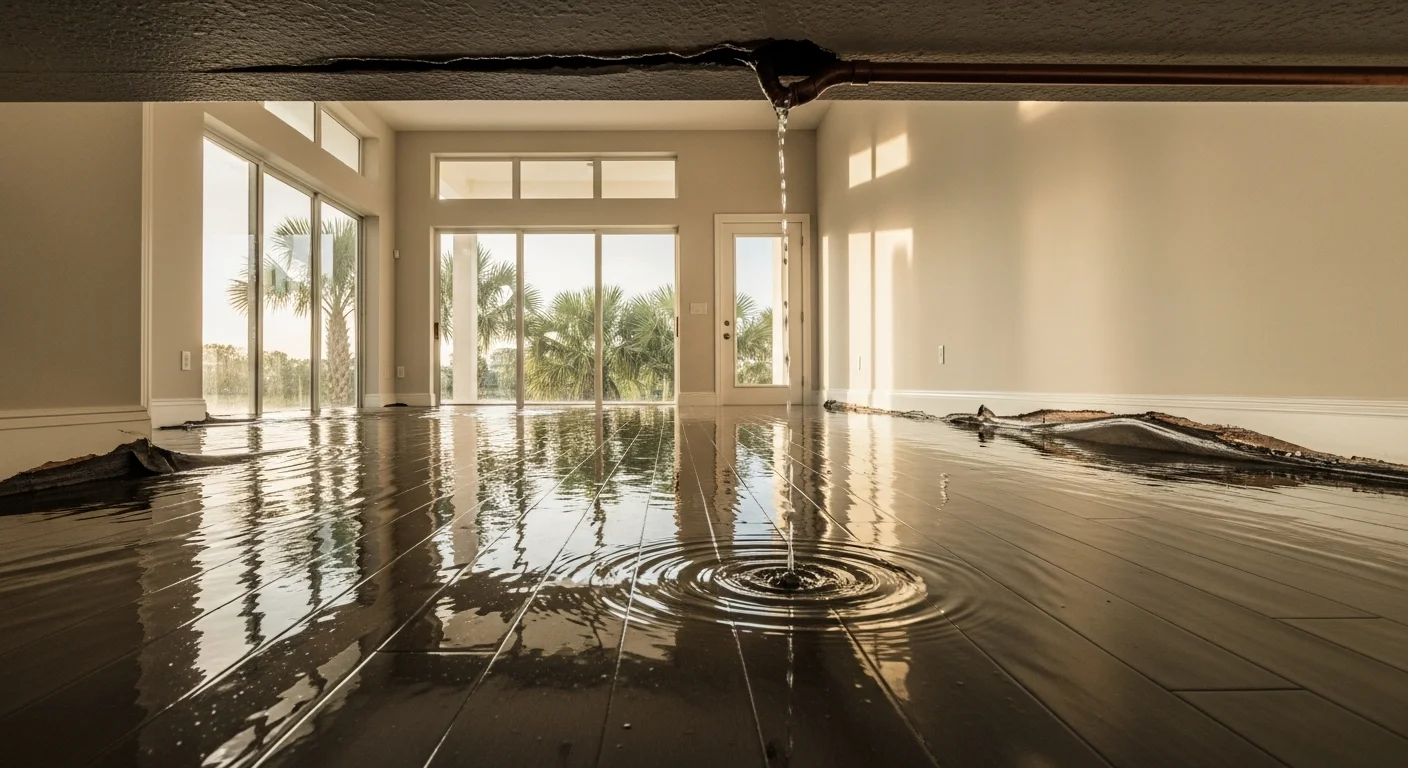
Burst pipe? Shut the water off, then follow these steps. Pipe repair runs $200 to $1,000; full cleanup $1,000 to $6,000 — plus FL, NC & SC insurance tips.
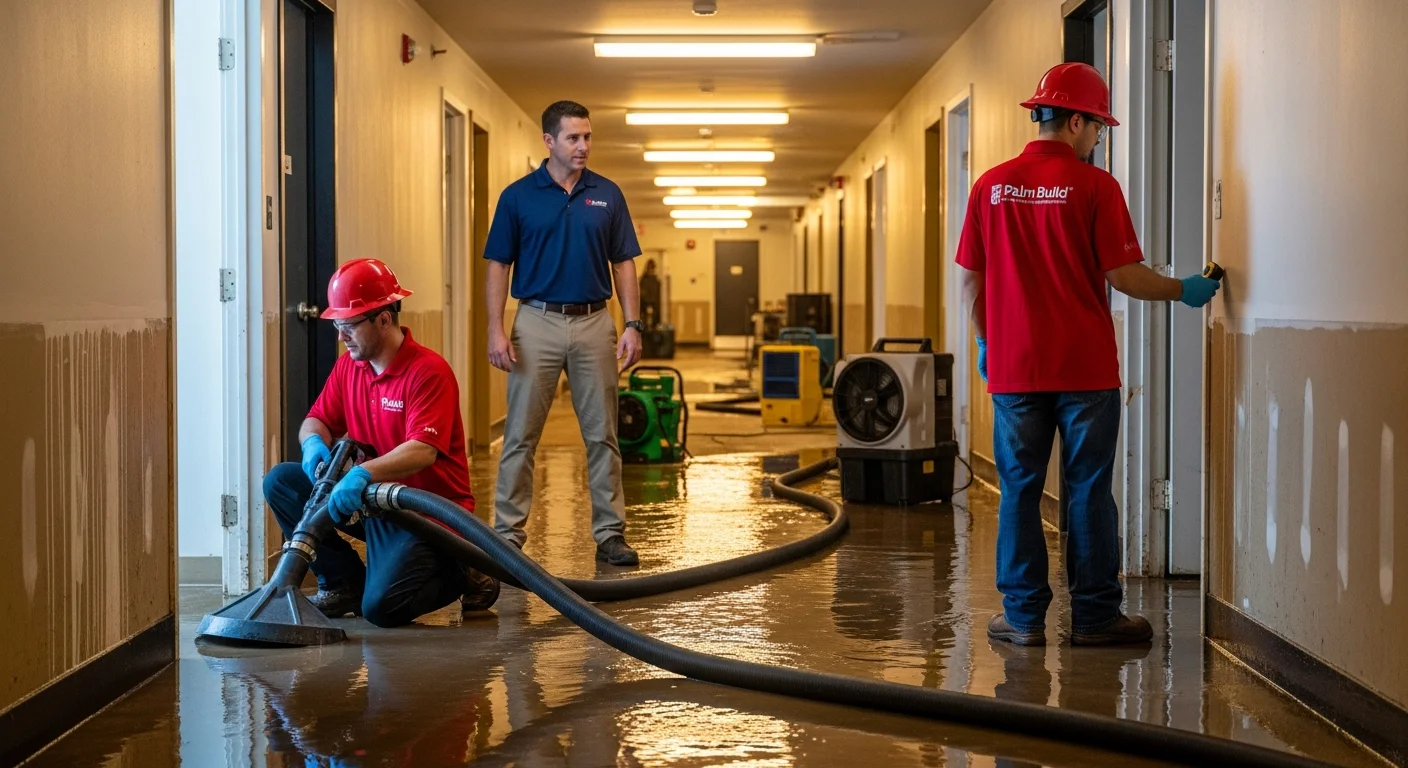
A step-by-step water damage protocol for property managers: first-hour checklist, tenant notices, insurance documentation, and FL/NC/SC claim timing notes.
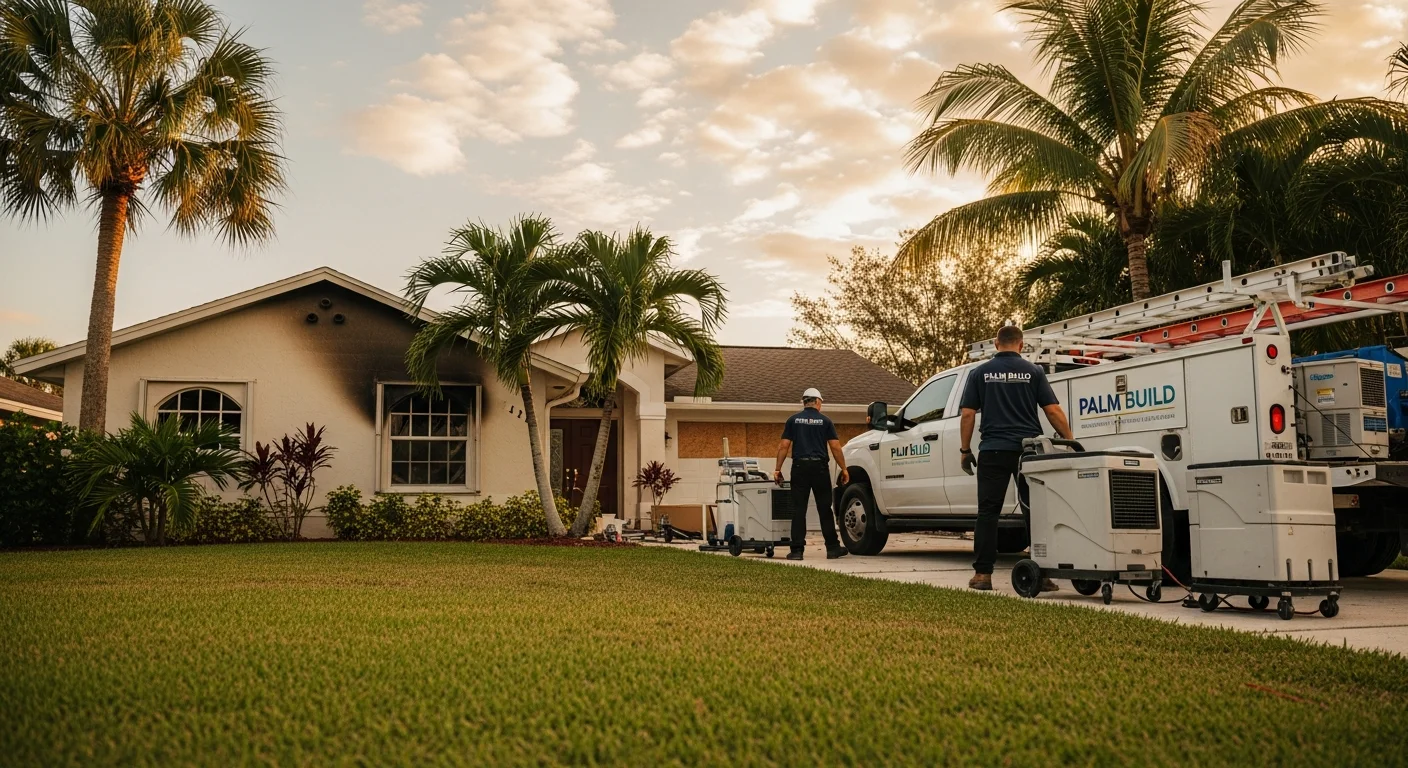
Fire damage restoration runs $3,098 to $51,243 in 2026 (avg $27,091). See costs by severity tier, per-sq-ft rates, and insurance tips for FL, NC & SC homes.
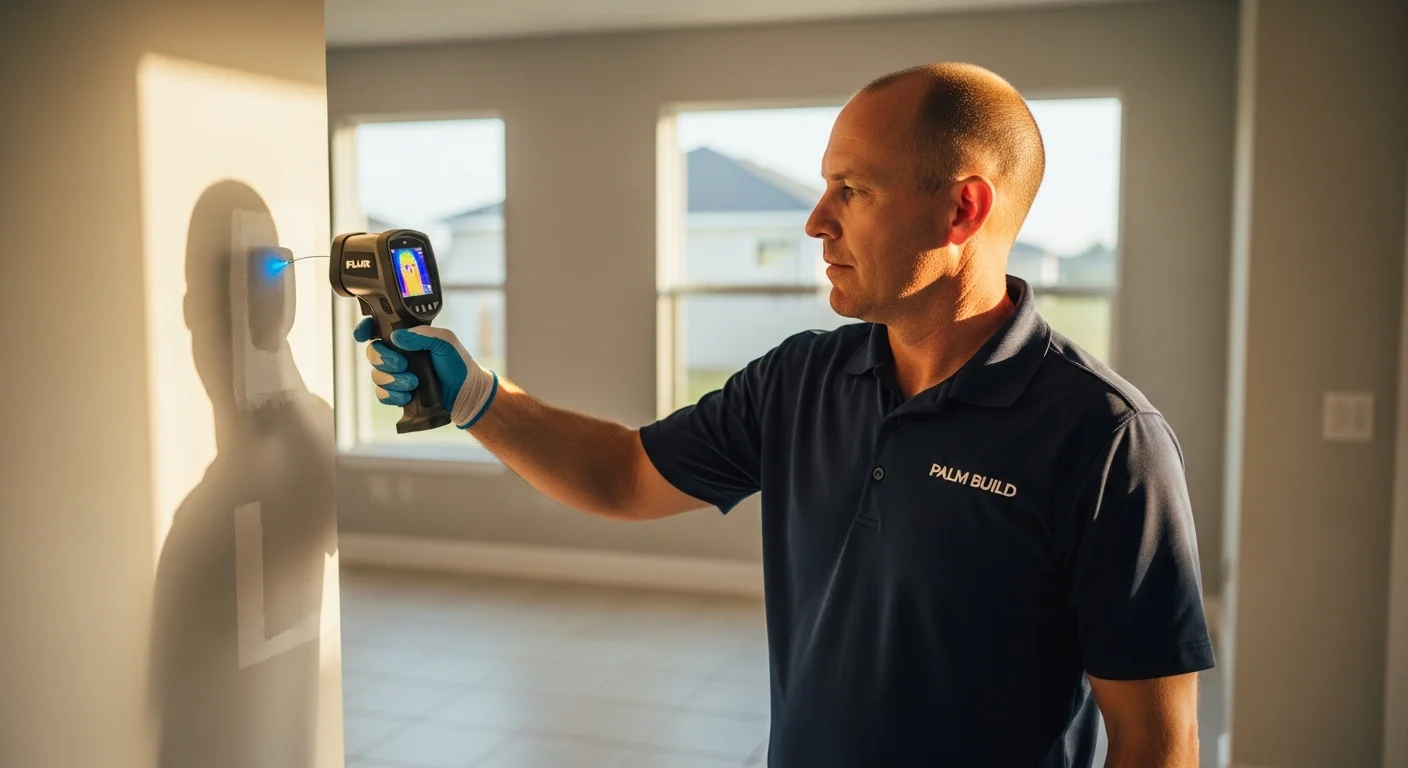
Musty smells, stains, warped floors — 10 signs of hidden water damage, how to confirm it with a $30 to $80 moisture meter, and when to call a pro.
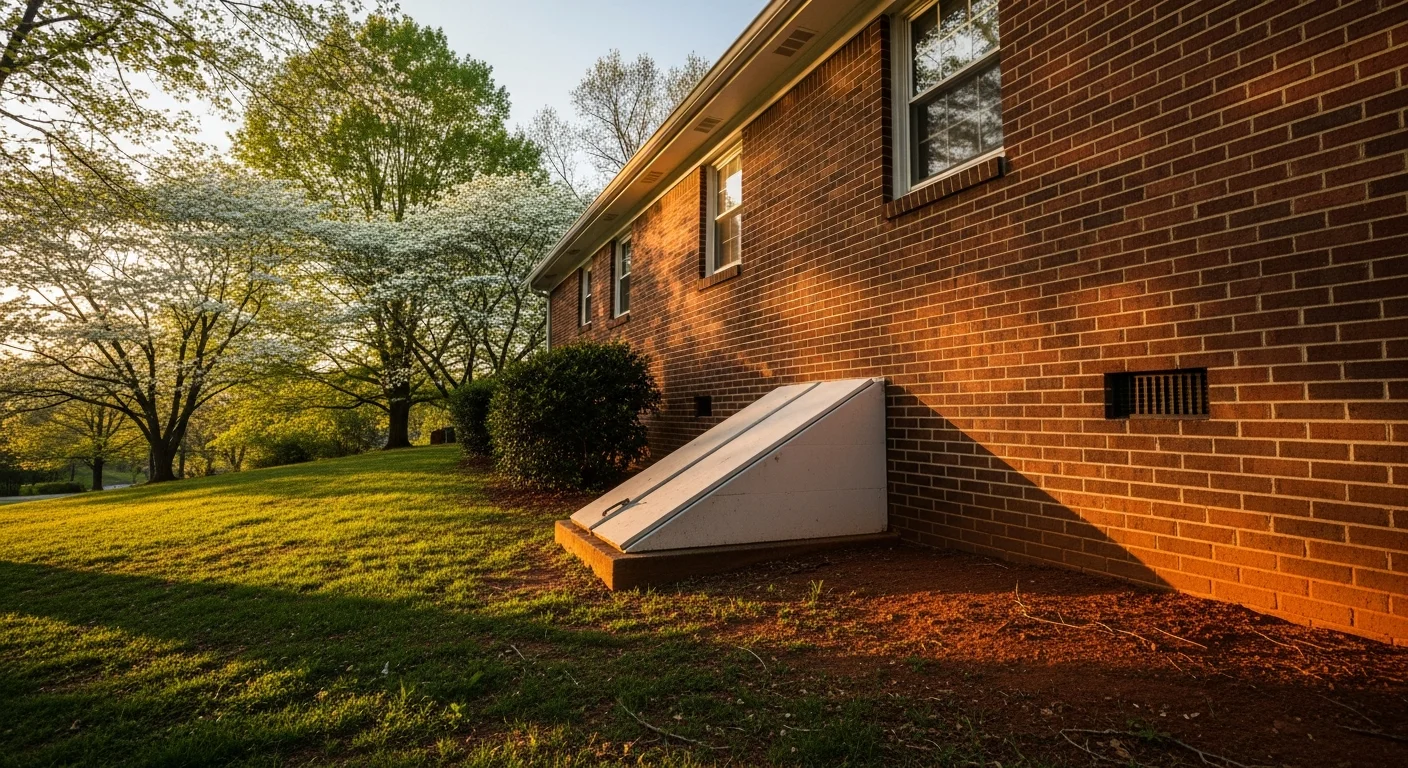
NC crawl spaces fail from humidity and poor drainage. Learn warning signs, what to do in 48 hours, encapsulation costs, permit notes, and how to prevent mold.
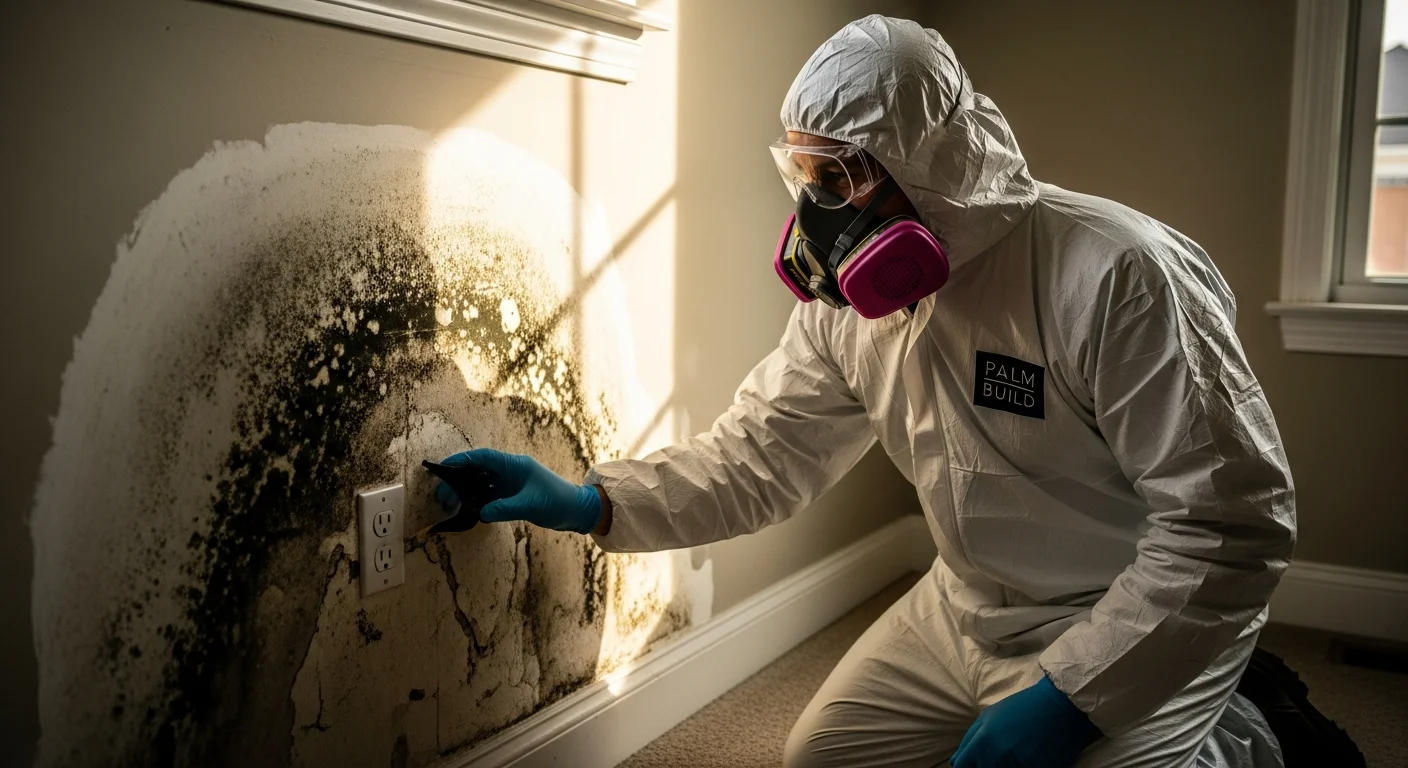
Black mold exposure symptoms, who is most at risk, and what to do next. CDC-backed steps, DIY vs pro thresholds, remediation costs, and prevention tips.
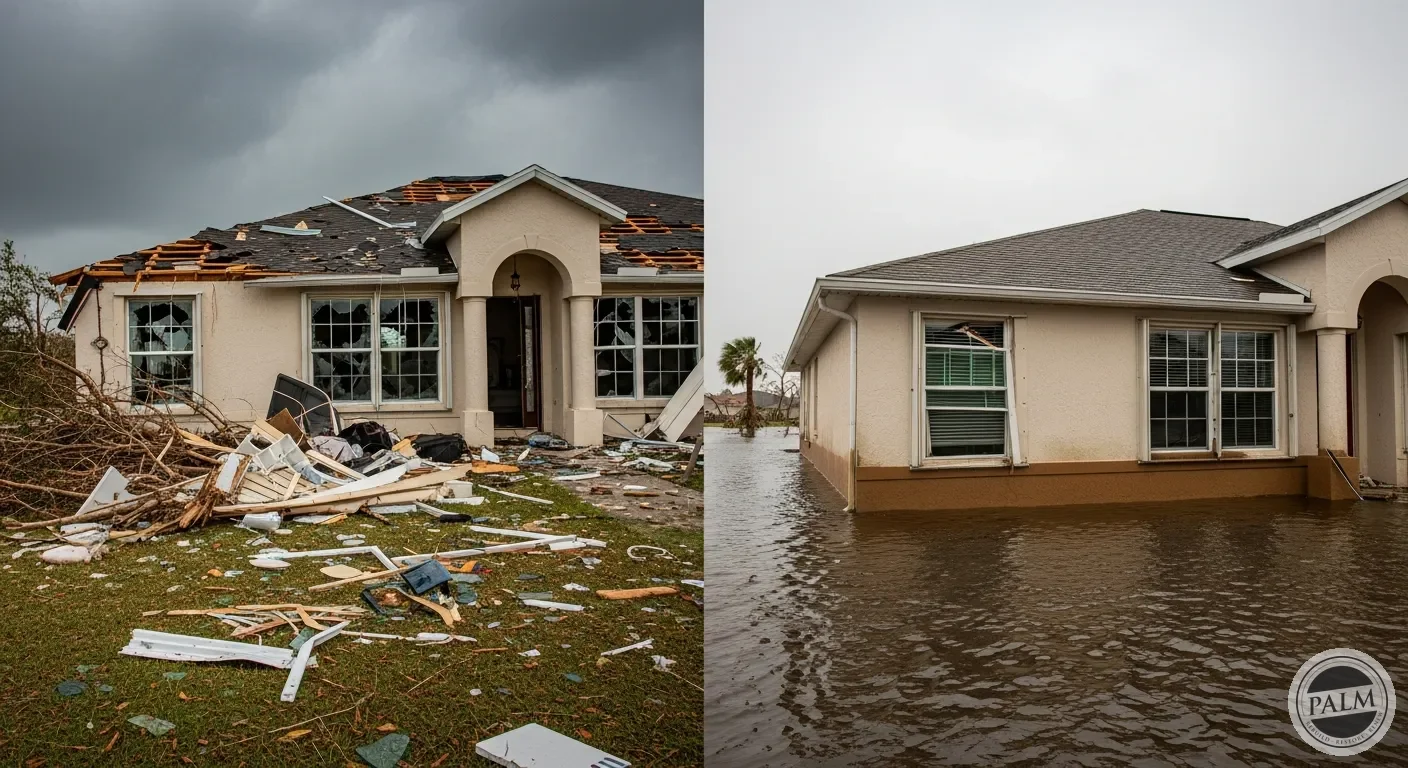
Learn what homeowners vs. flood insurance covers after a hurricane, how deductibles work in FL, NC, and SC, and what to do when wind and flood damage overlap.
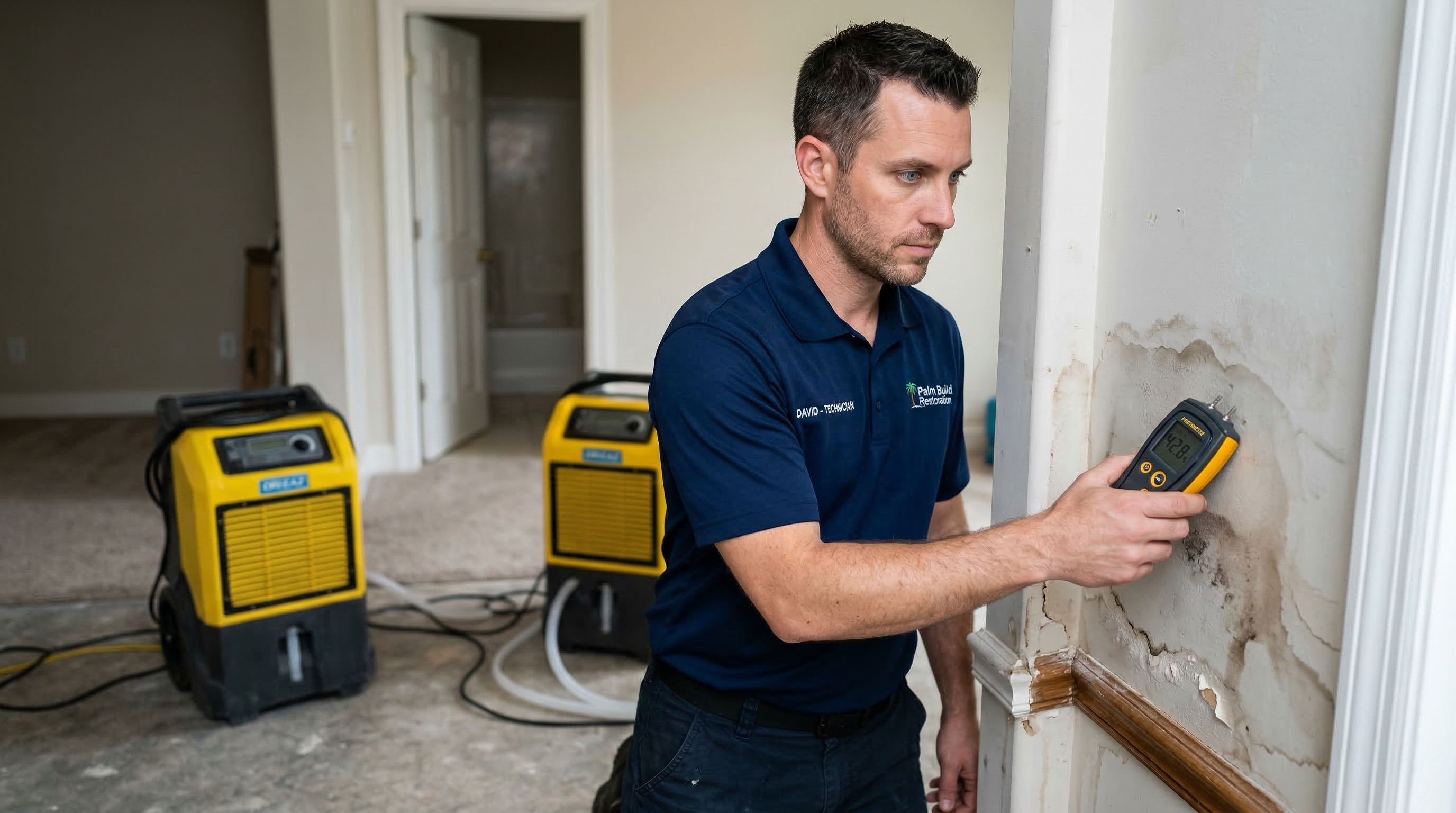
Not sure who to call? Learn the key differences between restoration companies and general contractors for water, mold, fire, and storm damage with costs.
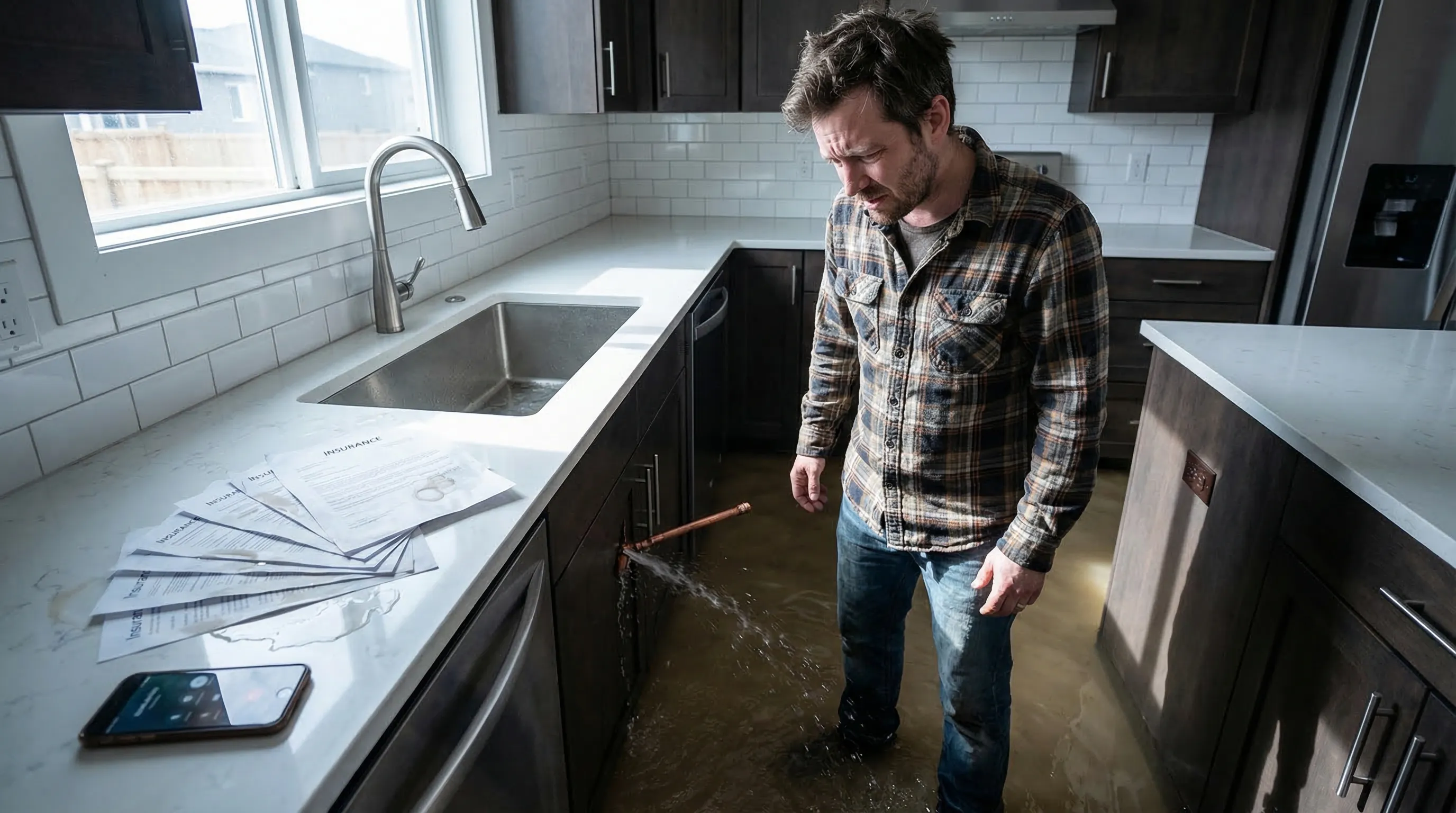
Homeowners insurance usually covers sudden, accidental water damage like burst pipes but excludes flooding, gradual leaks, and sewer backup. See FL, NC, and SC rules.
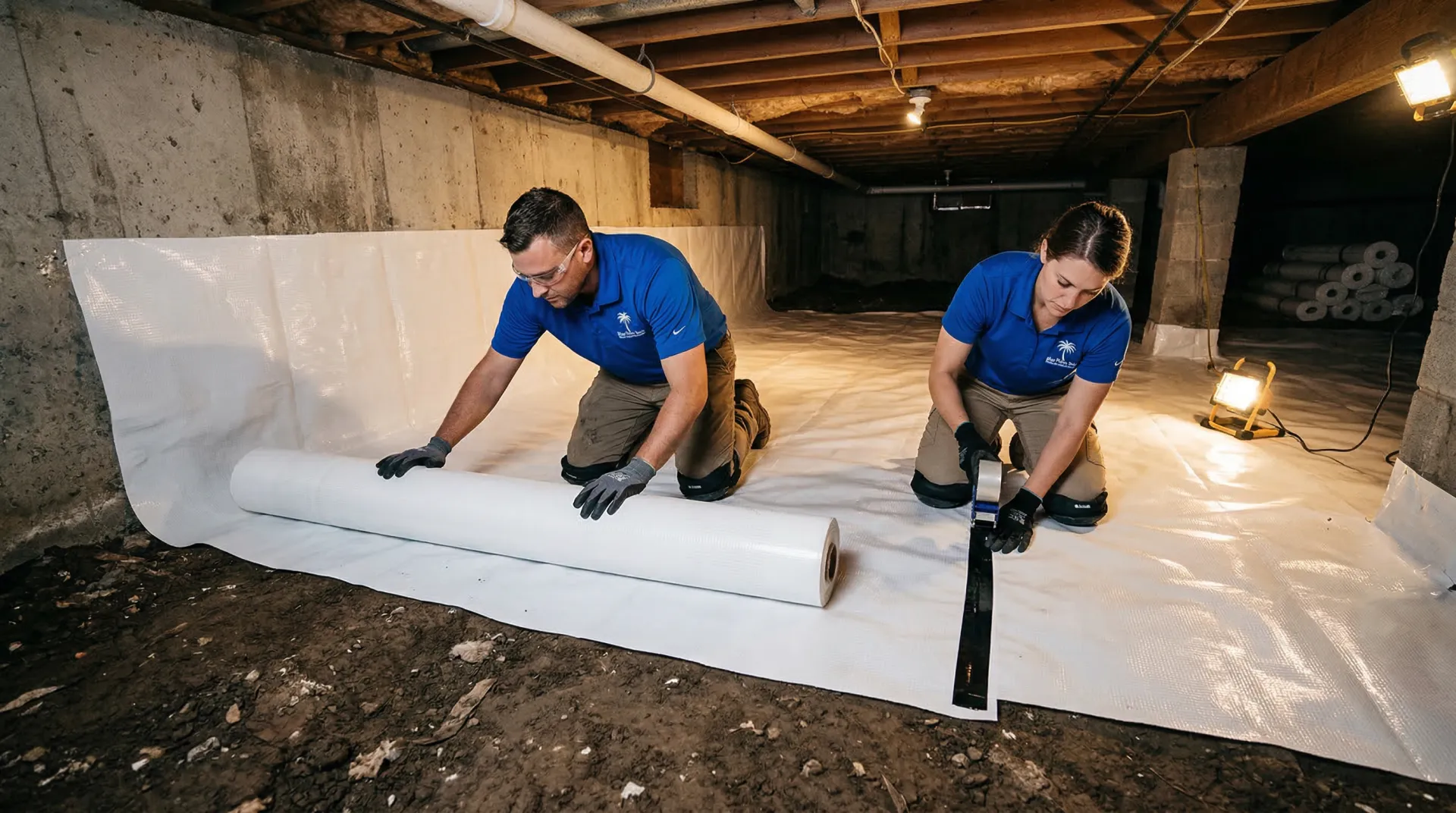
Crawl space encapsulation runs $1,500 to $15,000 in 2026 — $5,500 average. See pricing by home size, what each component costs, and where quotes pad the bill.
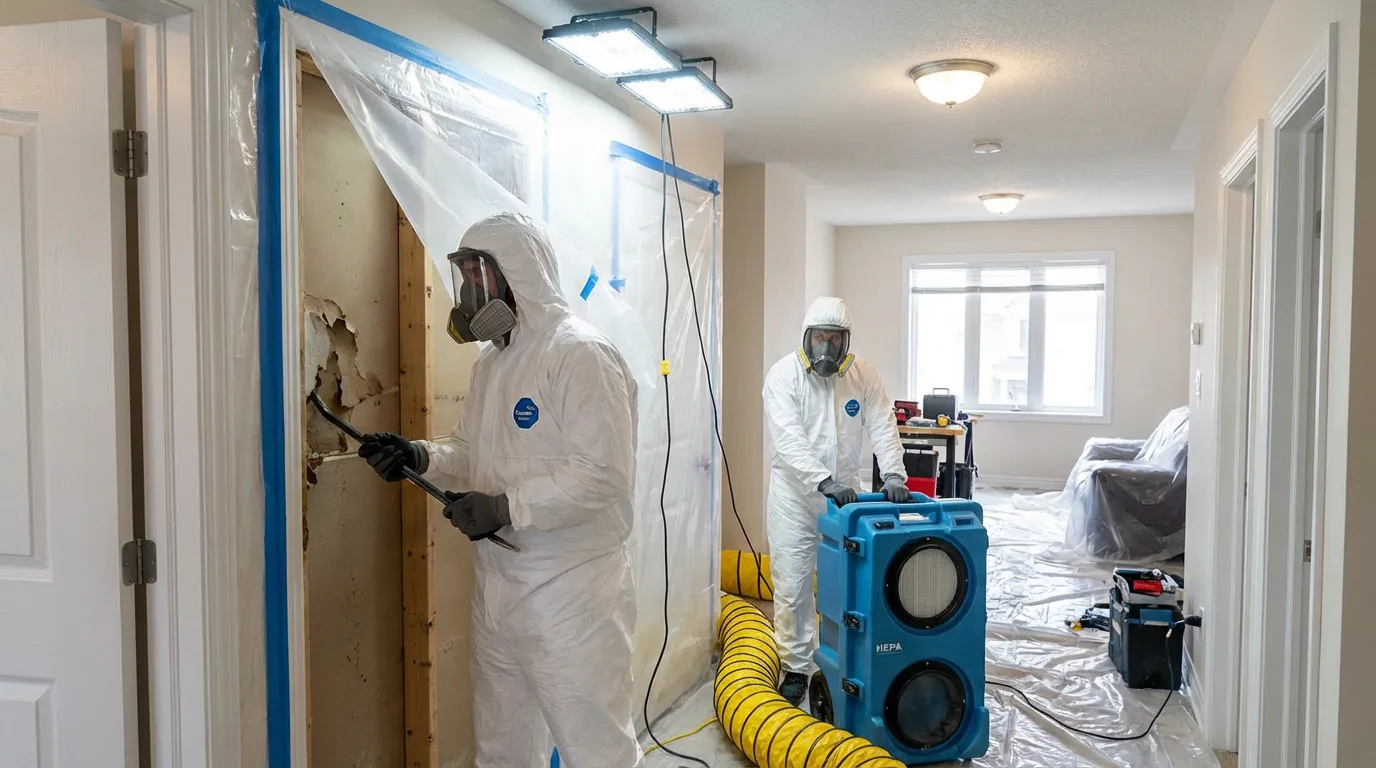
Mold removal cleans what you see. Mold remediation fixes the source — IICRC S520 containment, HEPA filtration, structural drying, and moisture control to stop regrowth.
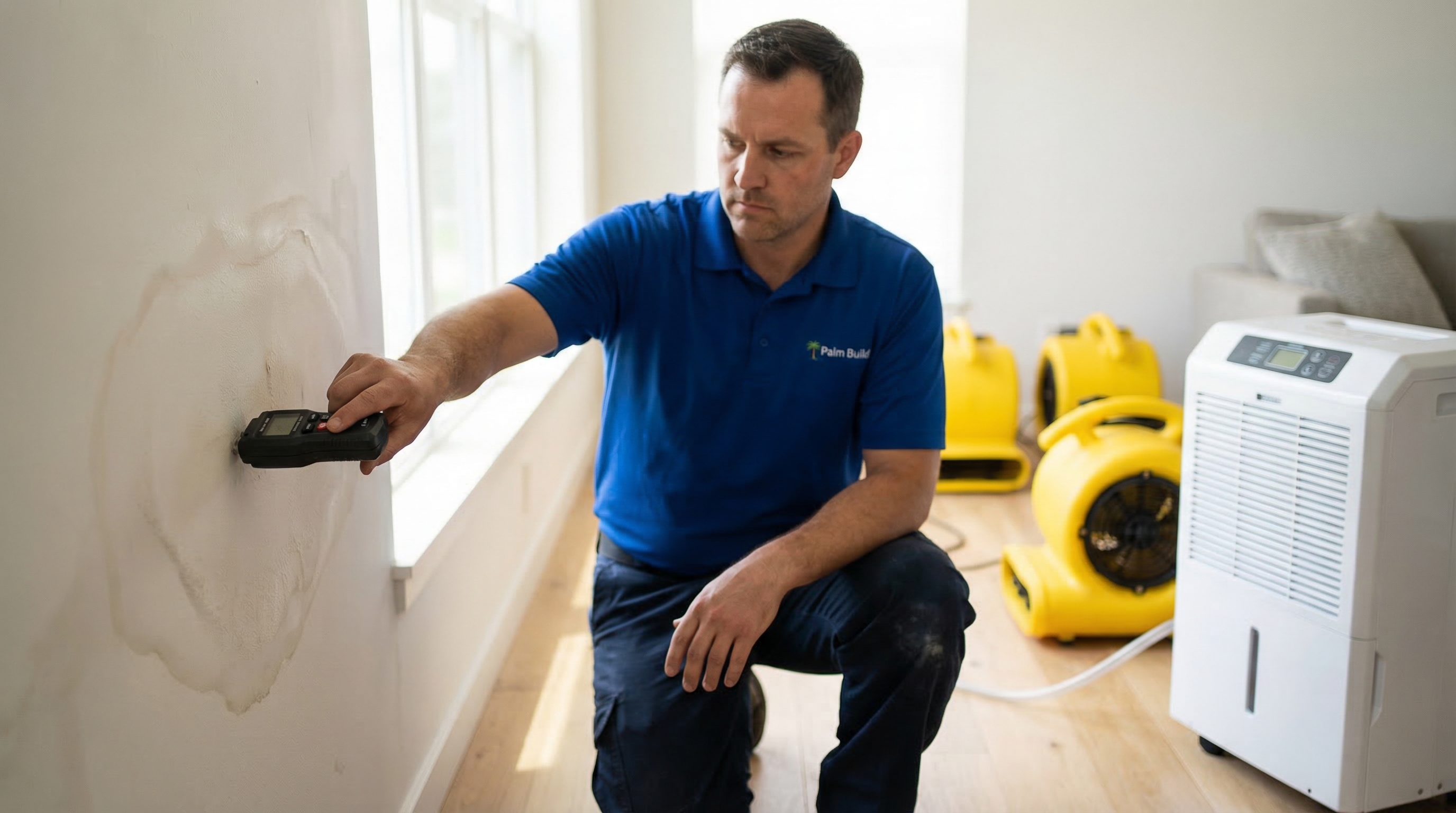
Category 1, 2, 3 vs Class 1–4 water damage in plain English — cleanup costs from $450 to $16,000, comparison tables, and what to do first after a leak.
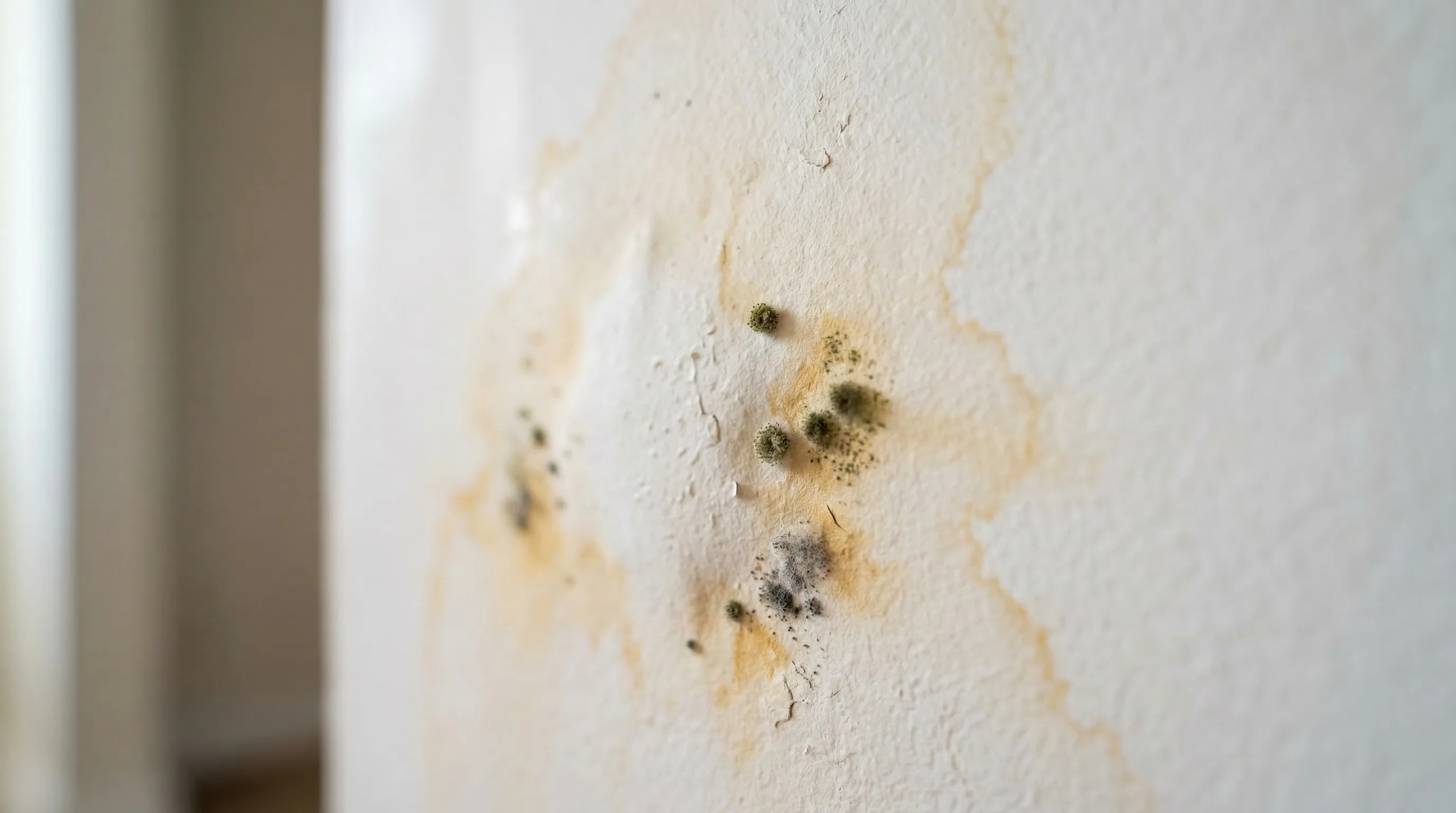
Mold starts growing 24–48 hours after water damage. See the hour-by-hour timeline, early warning signs, and how to stop it before a $1,223 to $3,753 cleanup.
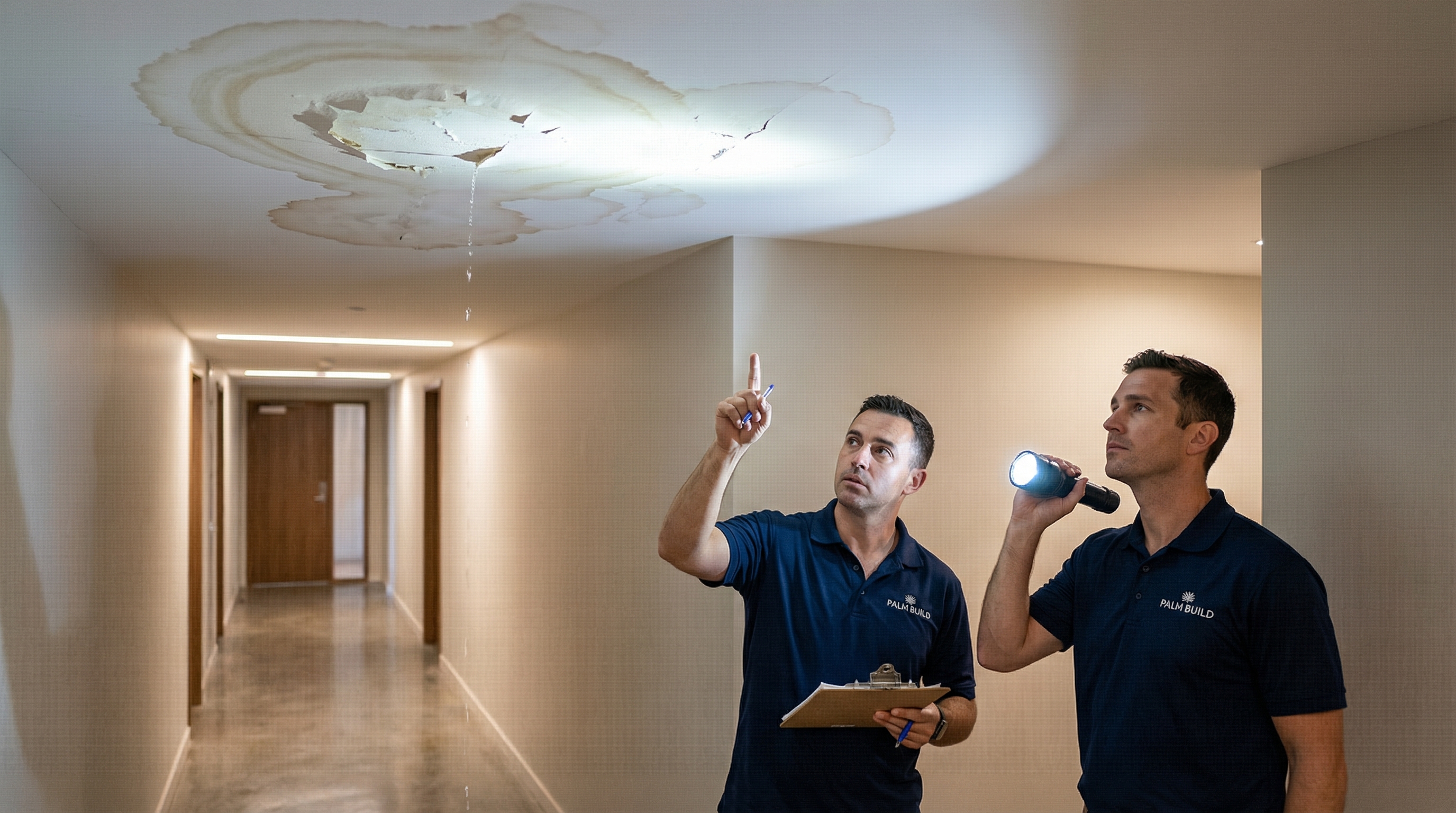
Condo or HOA water damage? See who pays in each scenario, how deductibles split, and typical cleanup costs ($1,223 to $3,749) — plus first-24-hour steps.
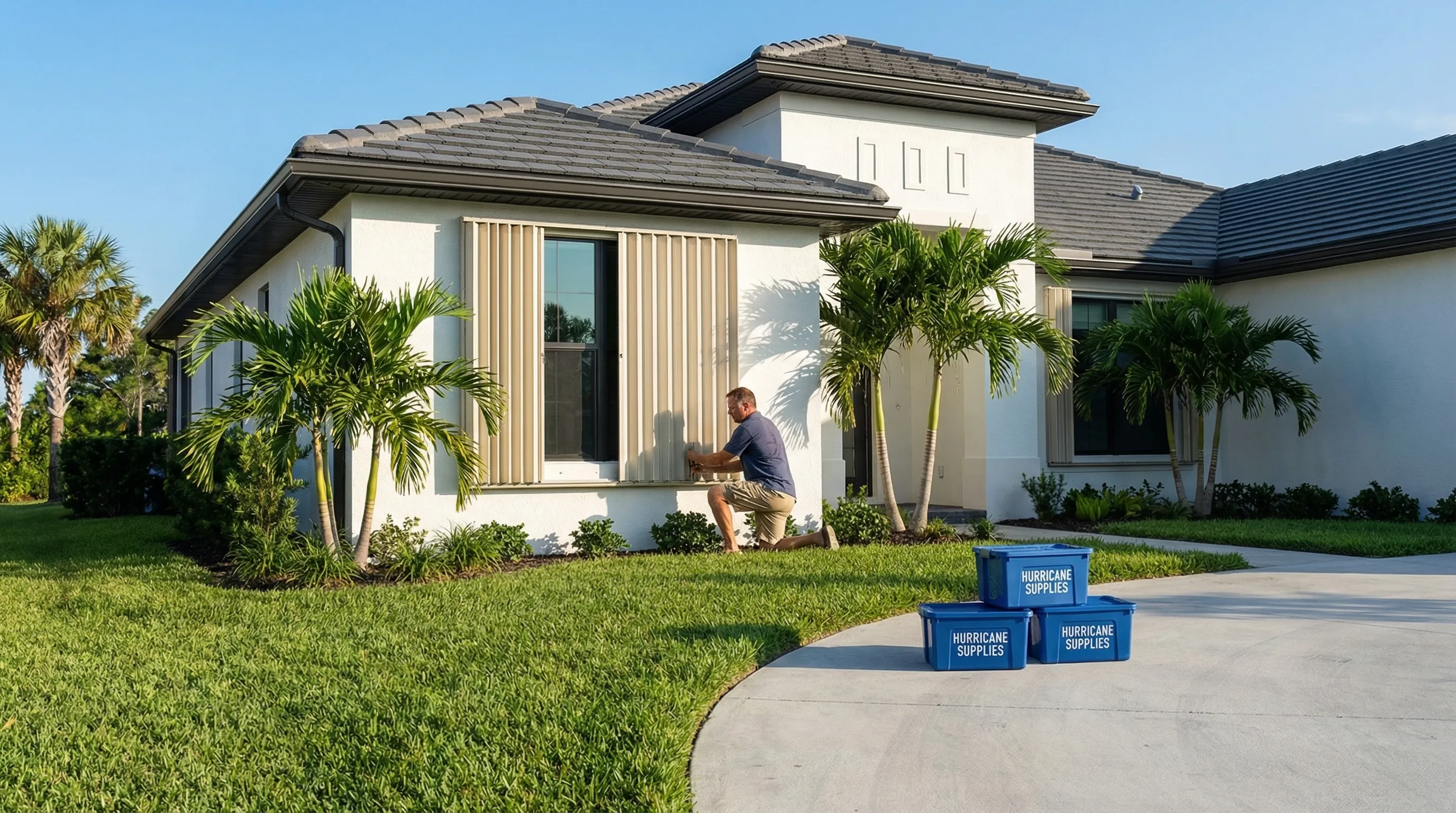
A Florida hurricane prep checklist for 2026: 7-day supply list, watch vs warning timelines, tax-free items, and what to do before and after landfall.
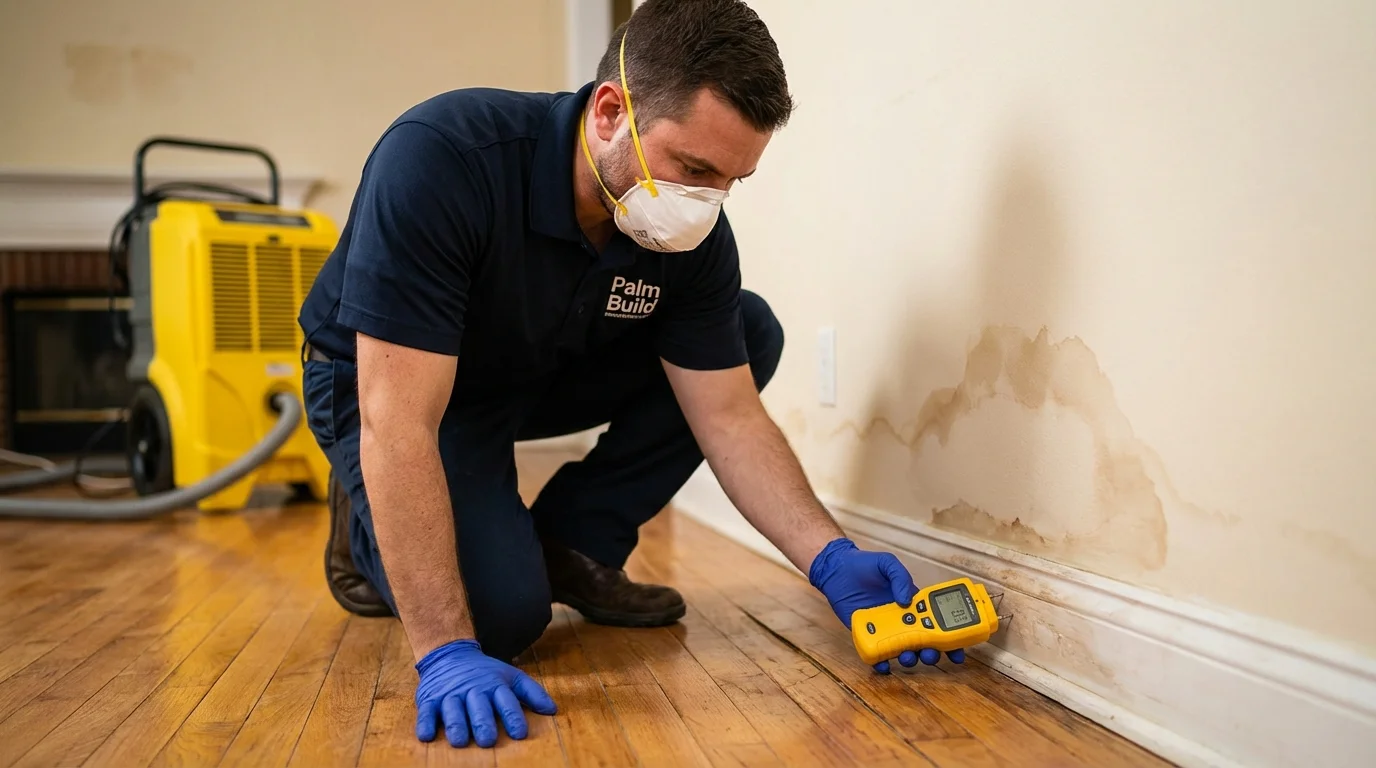
Water damage spreads fast. Follow this first-24-hours checklist: safety, shutoffs, photos for insurance, water removal, and drying to prevent mold.
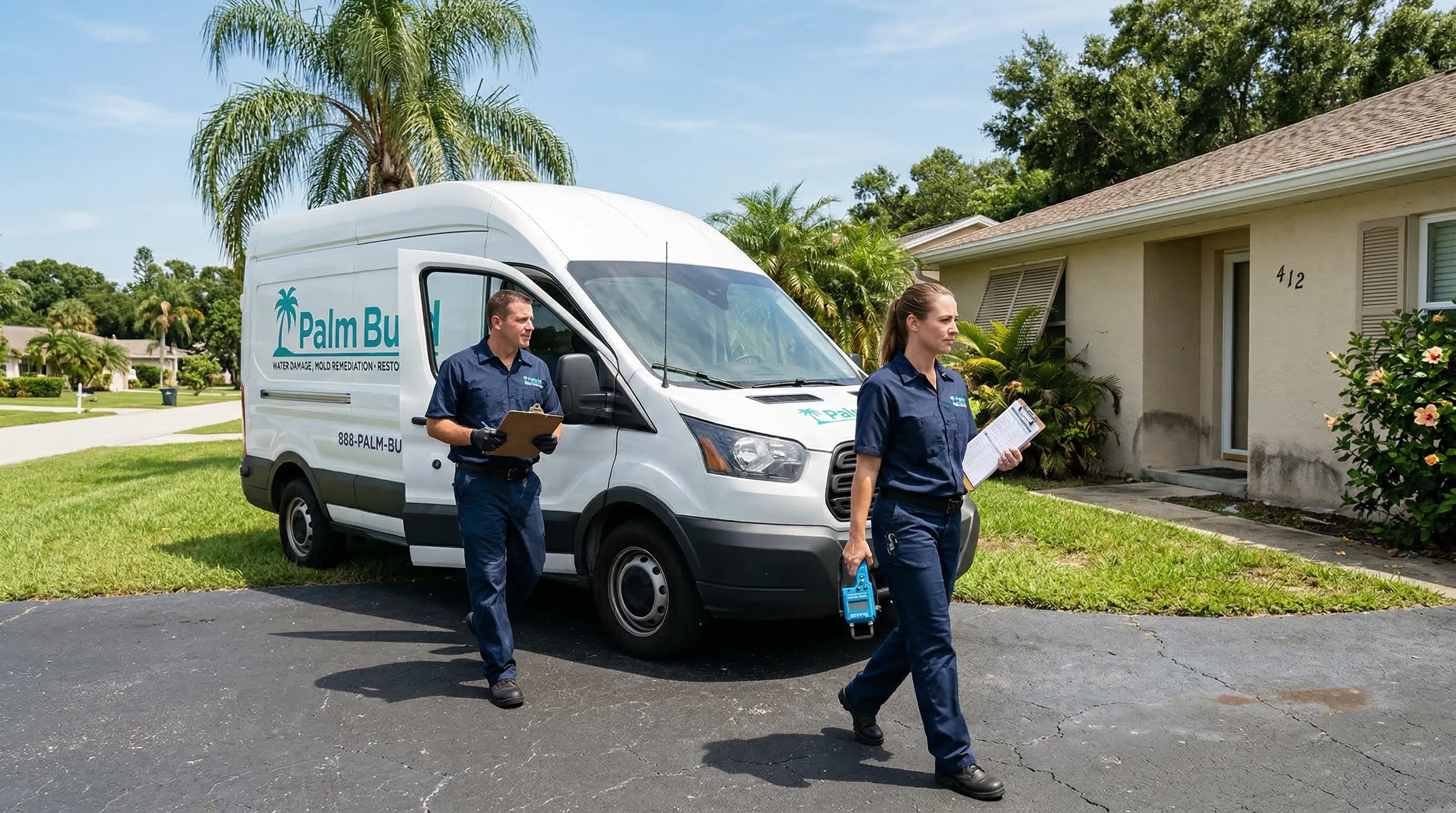
Use this homeowner checklist to vet restoration companies: verify IICRC credentials, licensing, insurance, estimate quality, and watch for contractor red flags.
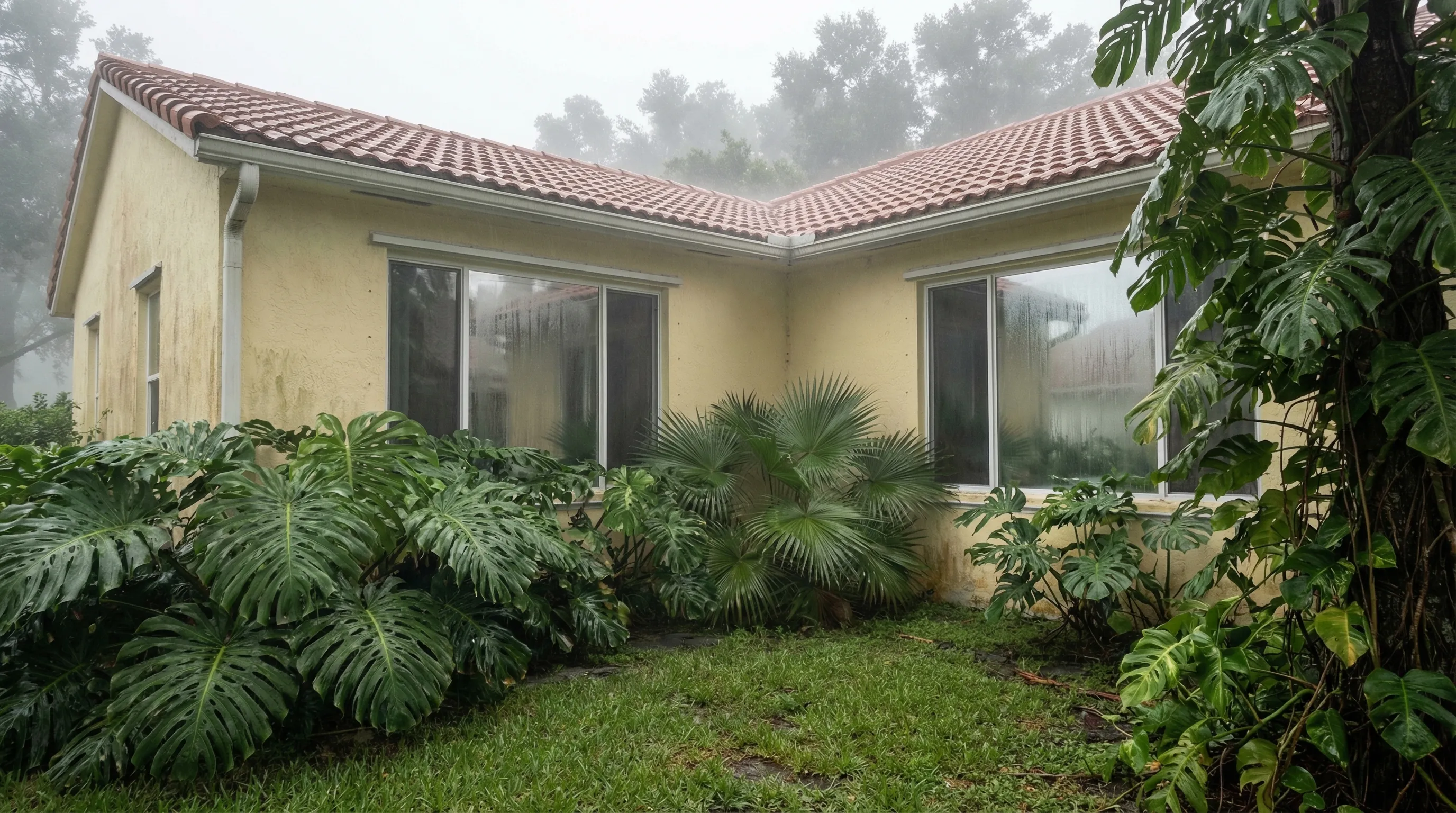
Florida is #2 for mold-prone homes. Learn why, how fast mold grows, what it costs to fix, Florida mold laws, and a prevention checklist that works.
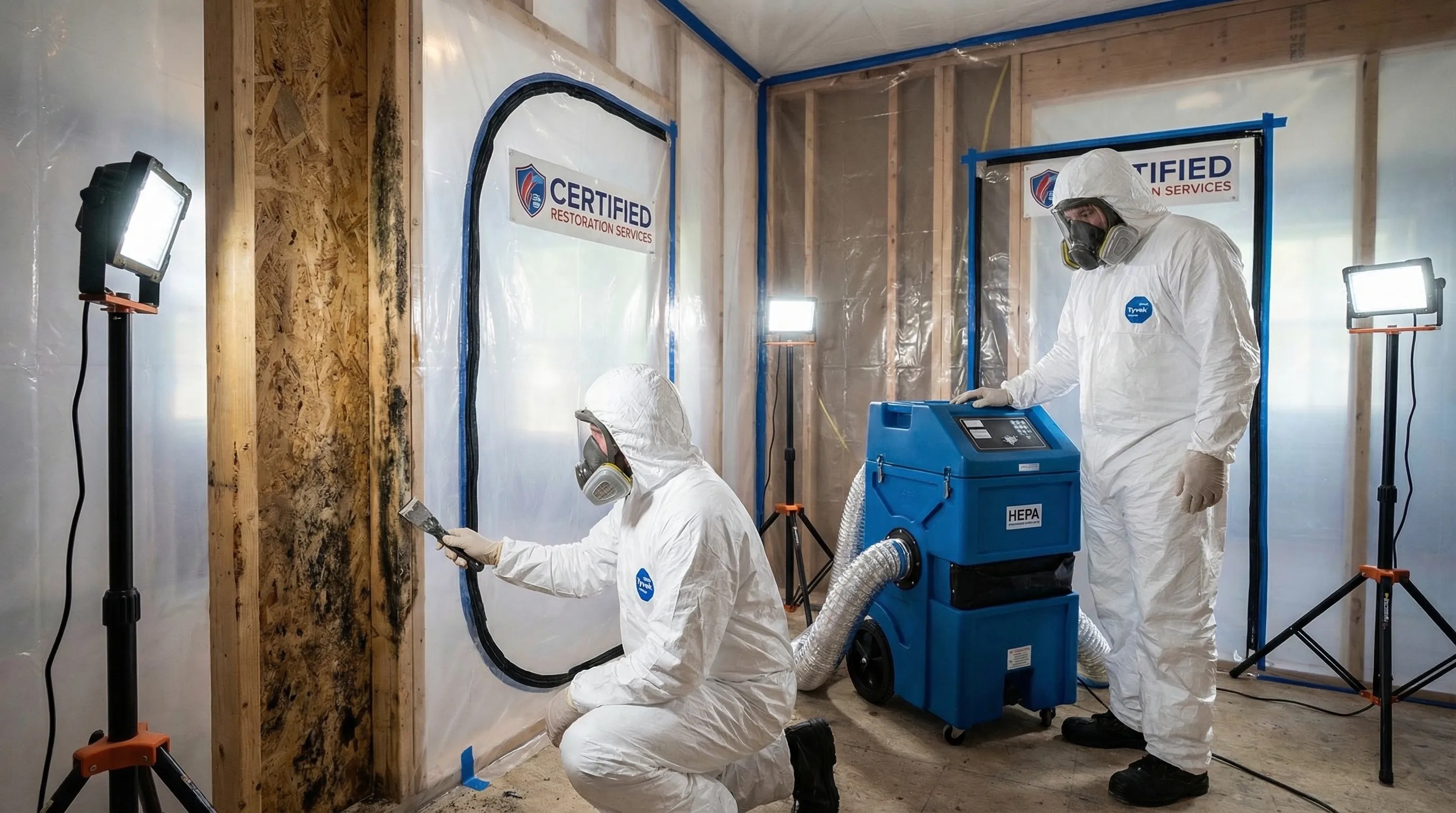
Mold remediation costs $1,200 to $3,750 in 2026 ($2,300 average). See per-sq-ft rates, prices by room, what insurance covers, and how to avoid overpaying.
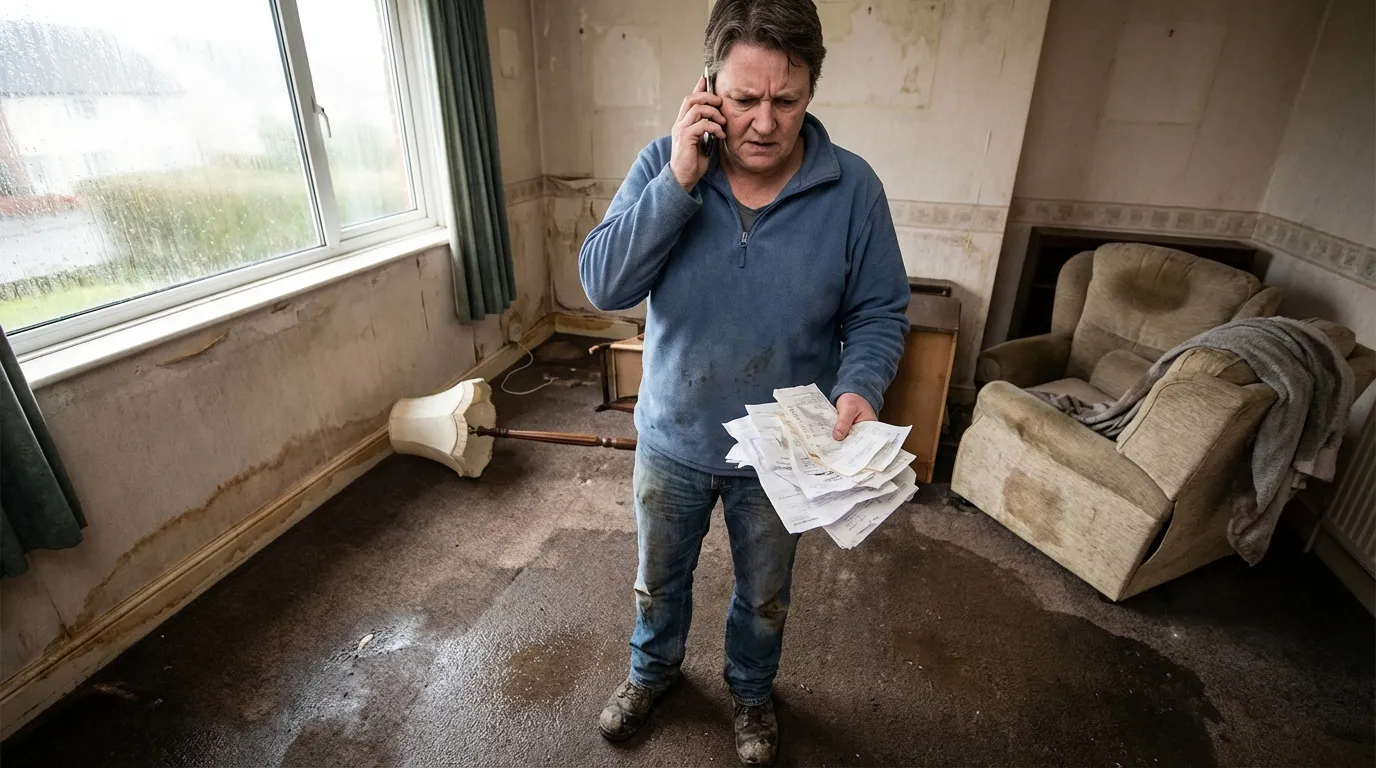
File your water damage insurance claim the right way. 7 steps to document, report, and protect your payout, plus FL/NC/SC filing deadlines you need to know.
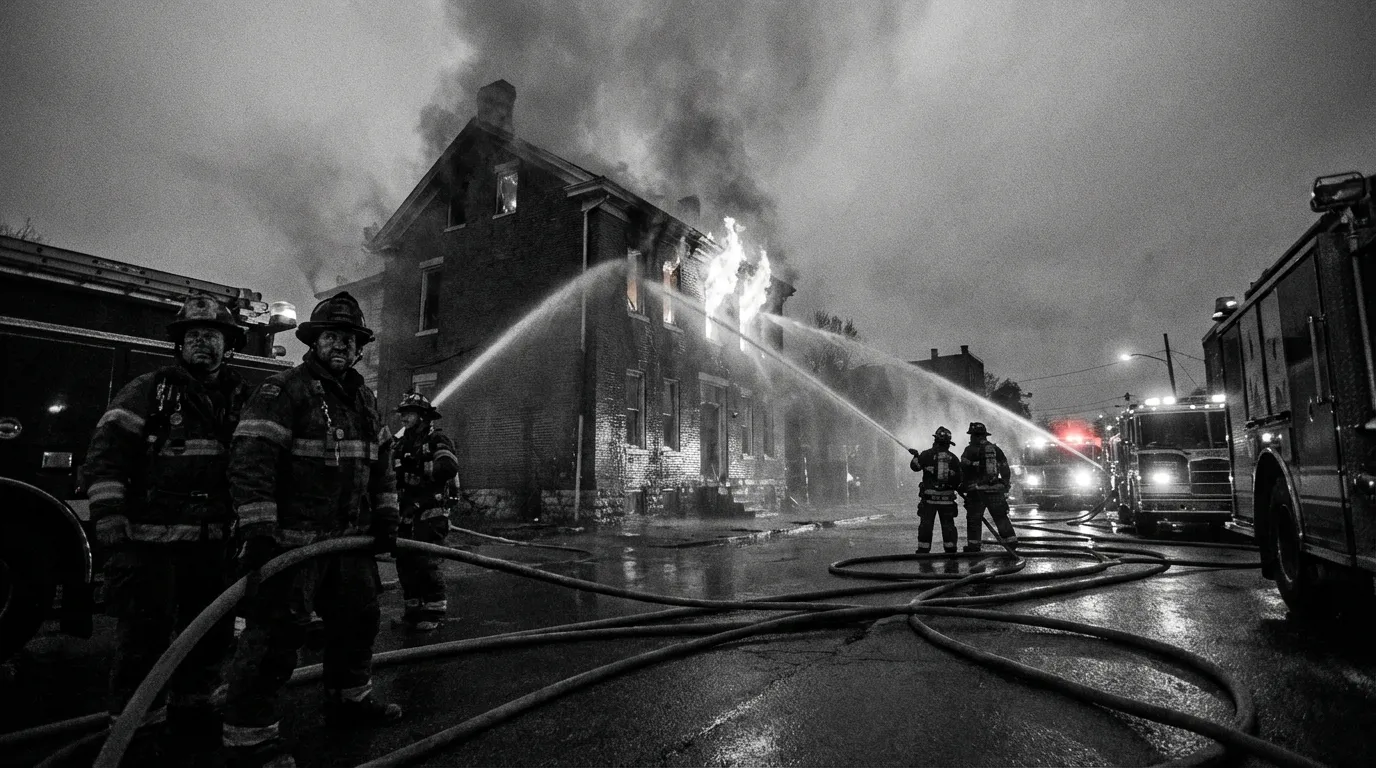
Firefighting water damage costs $1,000 to $6,000+ for cleanup alone. Learn why suppression water spreads fast and what other damage firefighters cause.
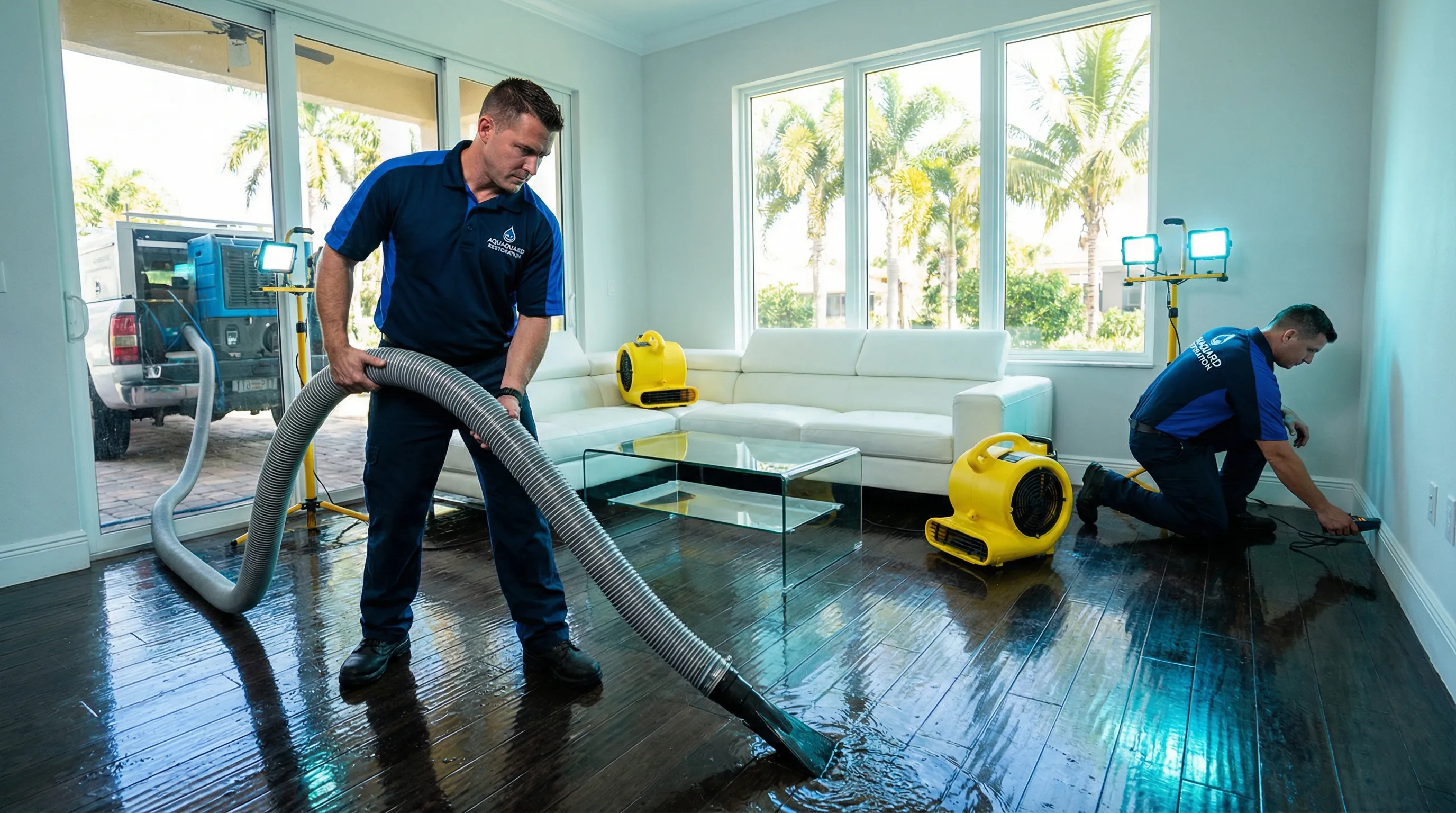
Water damage restoration costs $1,384 to $6,384 in 2026 — $3,867 average. See per-sq-ft pricing by water category, what drives your bill, and insurance tips.

Florida's humidity turns water damage into a race against mold. Here's exactly what to do—hour by hour—for water damage cleanup and restoration.