Quick Answer
Fire damage restoration costs $3,098 to $51,243 in 2026, with a national average around $27,091. Per-square-foot pricing ranges from $4 to $7 for restoration scope, with structural reconstruction adding significantly more.
Key takeaways
- Fire damage restoration typically costs $3,098 to $51,243 total in 2026, with a national average around $27,091.
- Per-square-foot pricing ranges from $4 to $7 (avg ~$5.50) for restoration scope, excluding major reconstruction.
- Labor accounts for 50% to 70% of total fire restoration cost, making local market rates a major price driver.
- Water damage from firefighting efforts is a hidden cost multiplier that increases total project scope significantly.
- Acting within 24 to 48 hours on wet materials can prevent secondary mold damage that adds thousands to the bill.
Fire damage restoration cost in 2026 typically falls between $3,098 and $51,243, with a national average around $27,091. On a per-square-foot basis, most contractors quote $4 to $7 per sq ft (average near $5.50) for restoration work that includes smoke and soot remediation, water extraction from firefighting efforts, and selective repairs. If structural components like roof framing, electrical systems, or load-bearing walls are damaged, costs climb quickly because reconstruction becomes the primary budget driver. The wide range exists because "fire damage" usually bundles several distinct scopes: smoke cleanup, water mitigation, contents handling, and rebuild, and the mix changes dramatically based on how far the fire spread.
National average
$27,091
Total fire damage restoration cost
Per sq ft
$4-$7
Restoration scope (avg ~$5.50/sq ft)
Labor share
50-70%
Of total restoration cost
Fire Restoration Costs at a Glance
The most important thing to understand about fire damage restoration cost is that different sources define "restoration" differently. Some cost guides quote cleanup and remediation only: soot removal, smoke odor control, debris hauling, and water extraction. Others blend in reconstruction: drywall replacement, flooring, roofing, and electrical work. That definition gap is why one source cites an average around $20,000 while another reports $27,000. Neither is wrong. They are measuring different scopes.
| Cost metric | Typical range | What it usually includes |
|---|---|---|
| Total remediation | $3,098 to $51,243 (avg ~$27,091) | Smoke/soot remediation, water damage from suppression, chemical residue cleanup, some repairs |
| Per sq ft (restoration) | $4 to $7 per sq ft (avg ~$5.50) | Restoration scope: burnt material removal, water damage restoration, soot cleanup |
| Per sq ft (alternate) | $4 to $6.50 per sq ft | Restoration services excluding major reconstruction |
| By home size (2,000 sq ft) | $8,000 to $14,000 | Whole-home estimate, varies by affected area and severity |
| Smoke damage per room | $200 to $1,200 per room | Deep cleaning, deodorization, ozone treatments |
Fire damage restoration cost: cleanup vs. rebuild scopes
Fire Damage Restoration Cost by Severity
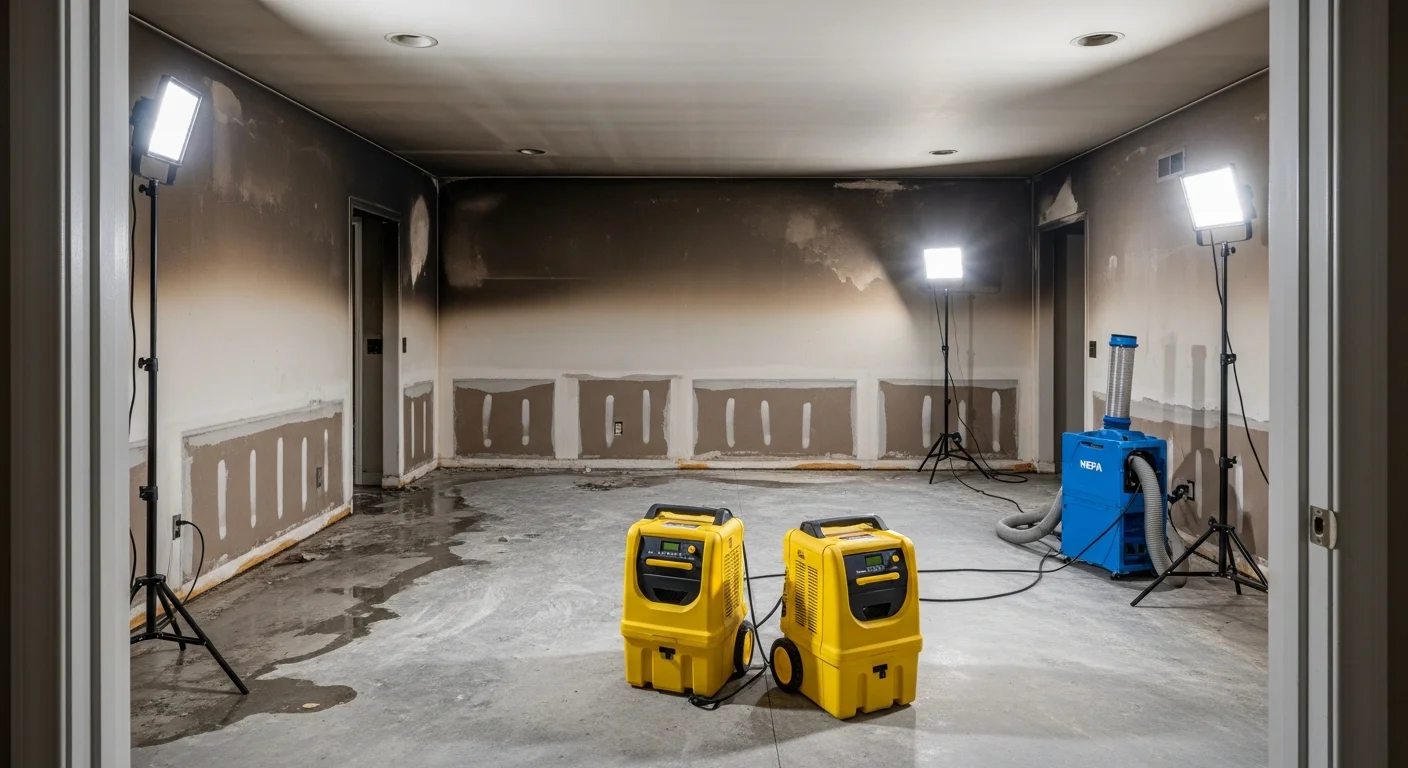
Fire severity is the single biggest factor in your total bill. Most homeowners do not think in terms of fire classes or NFPA designations. What matters is how much of the structure and contents the fire, smoke, and water actually reached. Below are three practical severity tiers anchored to widely cited national cost data.
Minor: Light Soot and Localized Smoke Damage
A small kitchen grease fire that was caught quickly, a candle fire limited to one room, or an appliance malfunction with minimal flame spread. Damage is primarily cosmetic: soot on walls and ceilings, smoke odor absorbed into soft materials, and possibly some localized charring. The structure is sound. Restoration focuses on deep cleaning, deodorization, and HVAC inspection. If smoke entered the duct system, expect duct cleaning to add $250 to $500.
Moderate: Room-Level Fire with Smoke Spread
One or two rooms with significant fire damage, plus smoke migration through the rest of the home via HVAC, open doorways, and wall cavities. Water damage from firefighting hoses is typical. You are looking at selective demolition (removing drywall, flooring, insulation in affected rooms), full smoke and soot remediation across a larger area, water extraction, and structural drying. Contents in affected rooms likely need professional pack-out, cleaning, and storage. Hidden smoke in HVAC and insulation is what pushes moderate jobs from mid-range toward the higher end.
Major: Structural Fire and Full Reconstruction
Multiple rooms or an entire wing involved, with damage to structural components: roof trusses, load-bearing walls, electrical and plumbing systems, and the foundation in severe cases. These projects require engineering assessments, building permits, code-compliant reconstruction, and often months of work. Heavy debris removal, hazardous material abatement (asbestos in older homes), and large-scale contents loss drive costs well beyond the $51,000 upper range and can reach six figures.
| Severity | Typical cost range | Timeline | What drives cost up |
|---|---|---|---|
| Minor (soot, localized smoke) | Under $10,000 | Days | HVAC smoke spread, contents deodorizing, small-area demo |
| Moderate (room-level fire) | $8,000 to $25,000+ | 1 to 4 weeks | Hidden smoke in insulation/HVAC, wet materials not dried quickly, higher-end finishes |
| Major (structural damage) | $51,000+, often six figures | Months | Engineering, permits, code upgrades, roof/electrical replacement, large contents loss |
Fire damage cost by severity tier
What Fire Damage Restoration Includes
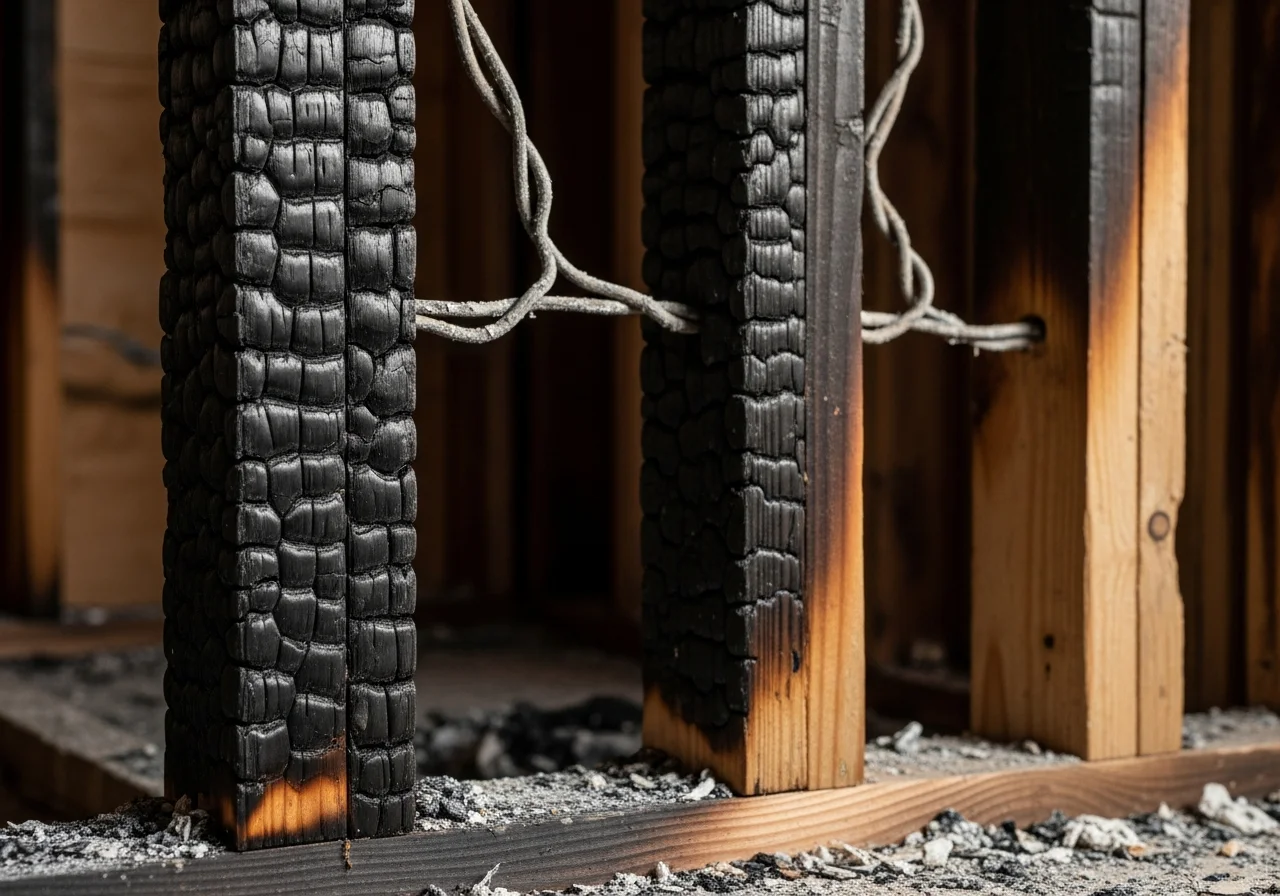
Professional fire damage restoration is governed by IICRC S700, which describes the principles and procedures for assessing fire residues and odors affecting a building, its systems (including HVAC), and contents. This standard exists because fire residue, smoke odor boundaries, and HVAC contamination are complex enough that DIY attempts often make damage worse or miss hidden problems entirely. Here is what a typical professional scope covers.
Emergency Board-Up, Tarping, and Safety Assessment
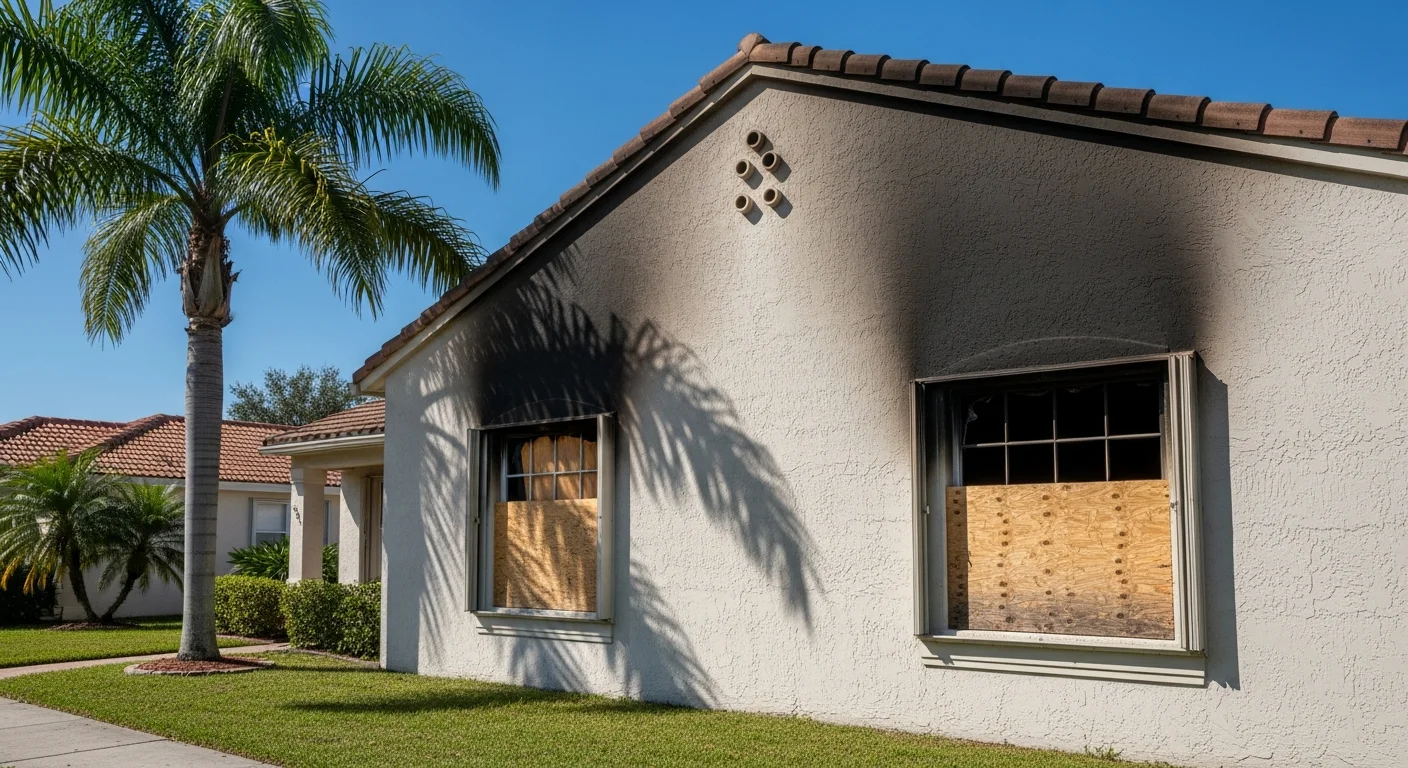
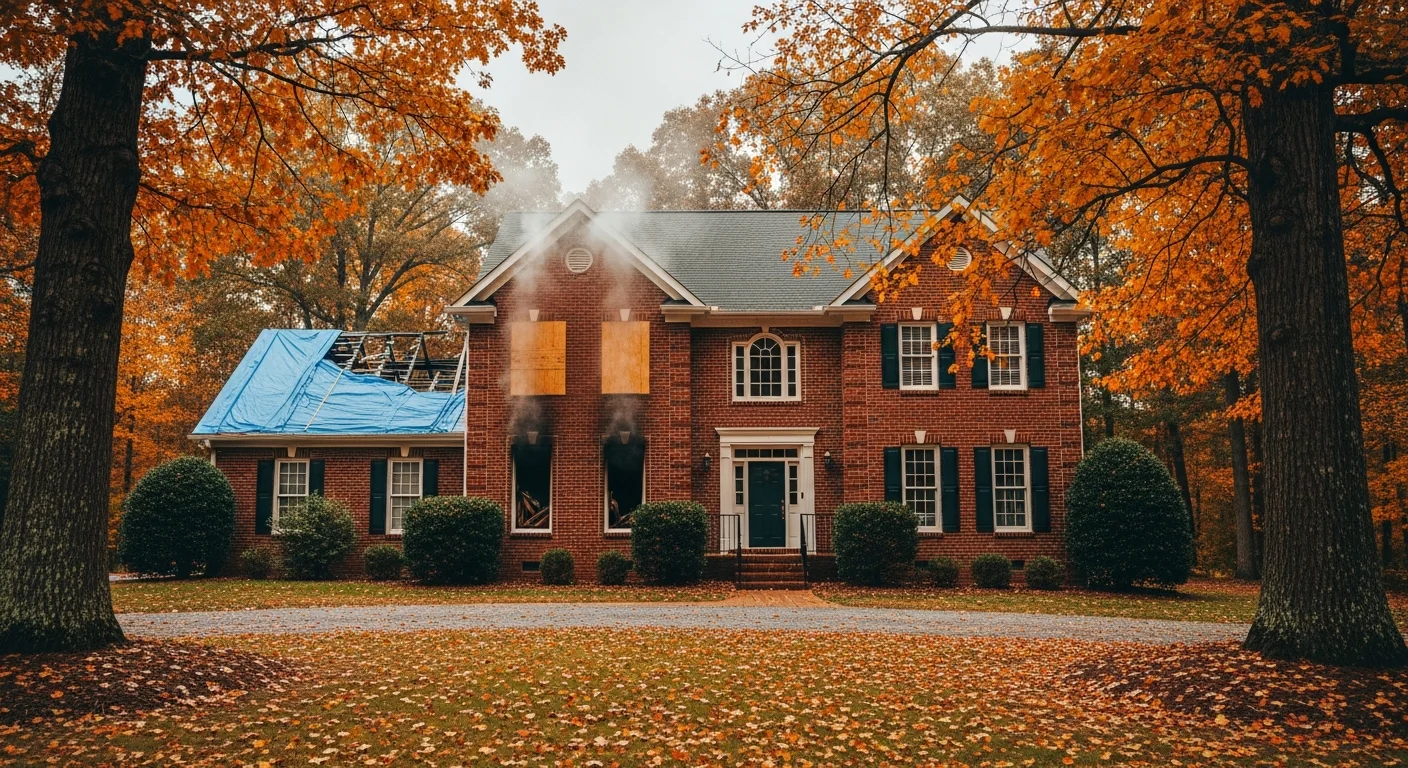
The first priority after the fire department clears the property is securing it from weather, theft, and further damage. This includes boarding broken windows and doors, tarping damaged roof sections, shutting off utilities, and performing an initial safety walk-through. Professional fire and smoke cleanup teams handle this as part of emergency response, often within hours of the loss.
Soot and Smoke Cleanup with Deodorization
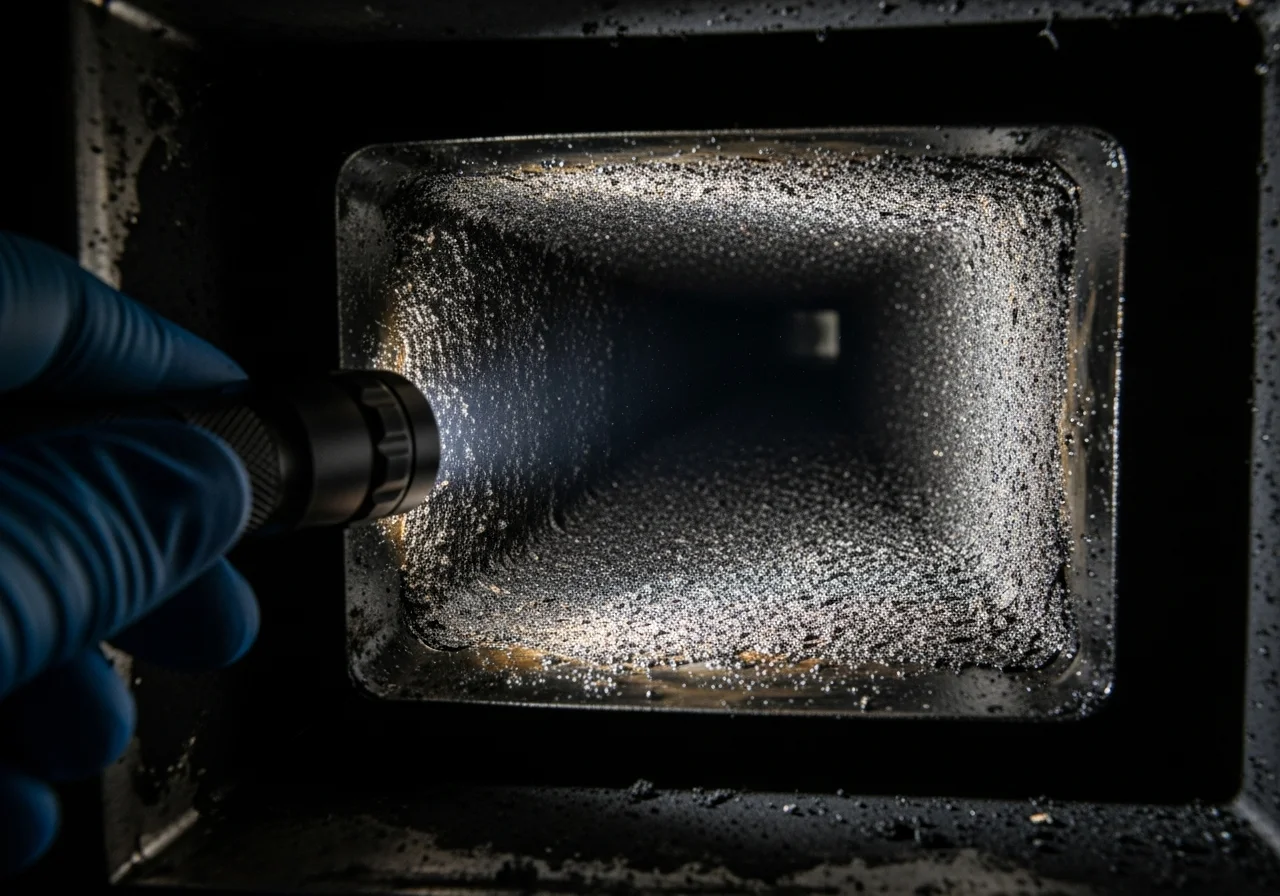
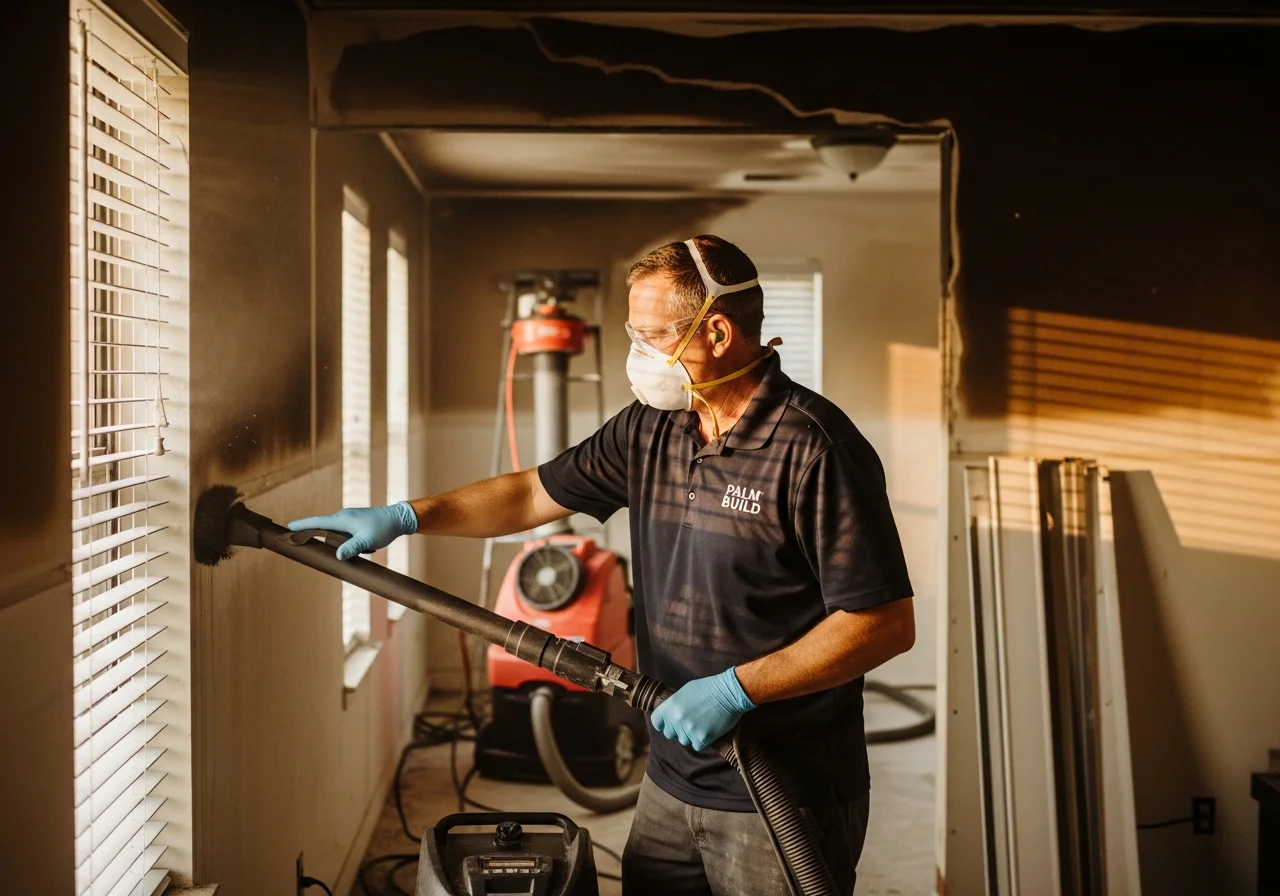
Smoke is the most pervasive form of fire damage. It travels through HVAC ducts, wall cavities, and any opening, depositing acidic soot residue on every surface it contacts. Restoration teams use HEPA vacuums, chemical sponges, and specialized cleaning agents matched to the type of residue (protein fires produce different soot than synthetic material fires). Deodorization methods include thermal fogging ($200 to $600), ozone treatments ($400 to $800), and hydroxyl generators. HVAC duct cleaning ($250 to $500) is critical because contaminated ducts will recirculate smoke odor indefinitely.
Water Removal and Structural Drying
Firefighting hoses deliver 150 to 180 gallons per minute, saturating structural assemblies in minutes. The water damage from firefighting is often as expensive to remediate as the fire damage itself, adding $1,000 to $6,000 or more as a separate line item. Professional water damage restoration involves extraction, commercial dehumidification, antimicrobial treatment, and moisture monitoring until materials reach safe levels. Use our water damage cost calculator to estimate the suppression water scope separately. In Florida and the Carolinas, high ambient humidity makes this step especially critical because damp materials that are not dried within 24 to 48 hours become a mold risk.
Contents Cleaning, Pack-Out, and Storage
When the structure is repairable but contents are heavily impacted by smoke, soot, or water, professional pack-out services become a significant line item. Technicians inventory, pack, and transport salvageable belongings to an off-site facility for specialized cleaning (ultrasonic for electronics, ozone chambers for textiles, dry cleaning for garments). Removal of damaged items typically runs $50 to $100 per pound, while furniture and textile deodorizing ranges from $200 to $1,000 per item depending on the material and contamination level.
Reconstruction and Repairs
Once cleanup and drying are complete, reconstruction after a fire begins. This is where costs diverge most sharply based on scope. Basic drywall replacement runs $1.50 to $3 per sq ft. Roof repair ranges from $400 to $1,800, while full roof replacement can reach $5,900 to $12,800. Foundation repair, when needed in severe cases, runs $2,200 to $7,800. Electrical, plumbing, and HVAC system replacement add further depending on the extent of fire involvement.
Line-Item Cost Breakdown
Understanding individual line items helps you read a restoration estimate and identify where costs can vary. These are the most common components and their typical price signals based on national cost data.
| Cost component | Typical price range | Notes |
|---|---|---|
| Damaged item removal | $50 to $100 per pound | Often paired with pack-out services; coverage varies by insurance policy |
| HVAC duct cleaning | $250 to $500 | Required when smoke residues enter the duct system |
| Furniture/textile deodorizing | $200 to $1,000 | Part of contents restoration; depends on material type |
| Thermal fogging | $200 to $600 | Odor-control method; not always needed |
| Ozone smoke removal | $400 to $800 | Common deodorization method after smoke exposure |
| Drywall replacement | $1.50 to $3 per sq ft | Post-fire tear-out and replacement; scope varies |
| Roof repair | $400 to $1,800 | Relevant for fires involving attic or roof assembly |
| Roof replacement | $5,900 to $12,800 | Full replacement for severe roof involvement |
| Foundation repair | $2,200 to $7,800 | Only for severe structural impacts |
Common fire restoration line-item costs
Water Damage Cost Calculator
Estimate the water damage costs from firefighting efforts separately from the fire restoration scope.
Insurance Claim Estimator
Understand what your homeowners policy should cover for fire and smoke damage before meeting the adjuster.
The Biggest Factors That Change Your Fire Restoration Estimate
How Far Smoke Traveled (Even If the Fire Was Small)
A kitchen fire that burned for just five minutes can push smoke residue into every room through the HVAC system. Because smoke damage remediation is priced per room ($200 to $1,200) or per affected square foot, a small fire with extensive smoke migration can cost more to clean up than the visible burn damage. The scope of smoke travel, not just the size of the fire, is the real cost driver for most moderate projects.
Water Saturation and How Fast Drying Started
The EPA advises that wet or damp materials dried within 24 to 48 hours after water exposure usually will not develop mold. The CDC echoes this guidance. In Florida and the Carolinas, where ambient humidity regularly exceeds 70%, this window is even tighter. Delays in starting water extraction and drying after firefighting suppression can lead to secondary mold remediation costs that add thousands to the total bill. Fast response is the single most effective way to control total restoration cost.
Materials, Finishes, and Upgrade Decisions
Insurance typically covers restoration to pre-loss condition with like-kind materials. When homeowners choose to upgrade during the rebuild, such as switching from laminate to hardwood flooring, standard cabinets to custom, or builder-grade fixtures to premium, the difference between insurance coverage and actual cost becomes out-of-pocket. These upgrade decisions are the most common reason homeowners feel their fire restoration cost more than expected.
Accessibility: Attic, Crawl Space, and Multi-Story
Smoke and water do not stay in convenient locations. Attic spaces, crawl spaces, and multi-story homes require additional labor, scaffolding, and specialized equipment to access and remediate. When fire or smoke damage reaches a crawl space in a North Carolina home or an attic in a Florida single-story, the confined-space work adds both time and cost to the project.
Do After a Fire
- Document everything with photos and video before anything is moved or cleaned
- Call your insurance company within 24 hours (required in FL within 1 year)
- Hire a professional restoration company to begin emergency board-up and drying immediately
- Keep all receipts for temporary living expenses and emergency repairs
- Ask your adjuster to walk the property with your restoration team present
Avoid After a Fire
- Do not attempt DIY soot cleaning. Wrong methods can permanently set stains into surfaces
- Do not turn on the HVAC system. It will spread smoke residue throughout the entire home
- Do not delay water extraction. Mold begins growing on wet materials within 24 to 48 hours
- Do not throw away damaged items before your insurance adjuster documents them
- Do not sign a contractor agreement without understanding the full scope and insurance coverage
How the Fire Restoration Process Works
Understanding the process helps you anticipate costs and make better decisions at each stage. Here is the typical sequence from emergency call to completed rebuild.
- 1
Safety Clearance and Damage Documentation
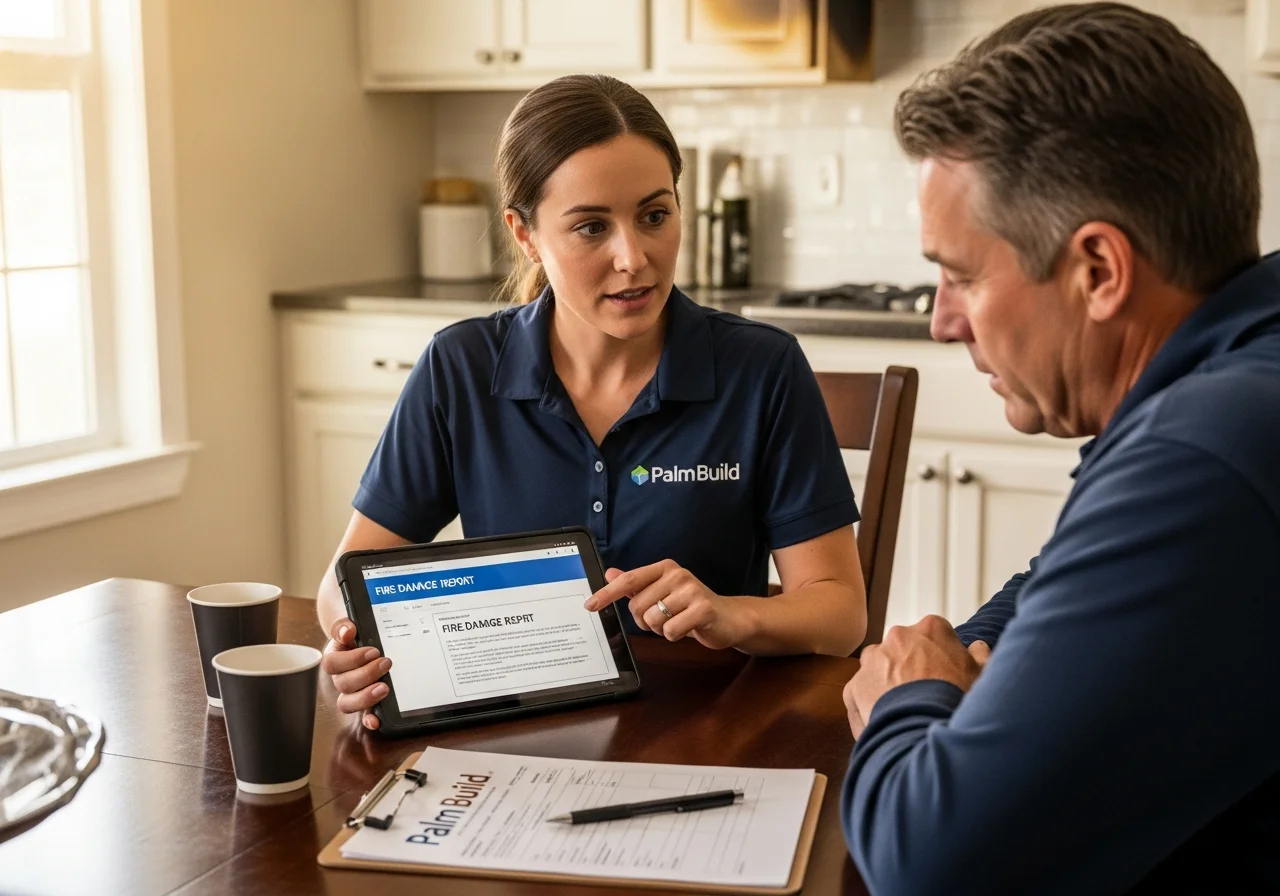
After the fire department releases the property, restoration professionals perform a safety assessment, check structural integrity, and document all damage with detailed photos, moisture readings, and written scope notes. This documentation becomes the foundation for your insurance claim.
- 2
Emergency Stabilization
Board-up broken windows and doors, tarp damaged roof sections, extract standing water, and set up initial drying equipment. The goal is to stop ongoing damage from weather, water, and exposure within hours of the loss.
- 3
Water Mitigation and Structural Drying
Extract all firefighting water using commercial pumps and vacuums. Deploy dehumidifiers, air movers, and air scrubbers. Monitor moisture levels daily until all materials reach safe moisture content. This phase typically takes 3 to 5 days for moderate water involvement.
- 4
Smoke and Soot Removal with Odor Control
Systematically clean all surfaces using methods matched to the residue type. HEPA vacuum loose soot, chemical-sponge walls and ceilings, clean HVAC ducts, and deploy deodorization equipment (thermal fog, ozone, or hydroxyl generators). Contents are inventoried, packed out, and sent for professional cleaning.
- 5
Reconstruction, Rebuild, and Final Verification
Replace damaged structural components, install new drywall, flooring, paint, and fixtures. Complete electrical, plumbing, and HVAC repairs. Final air quality testing and moisture verification confirm the home is safe for occupancy. Your restoration team coordinates with your insurance restoration process throughout.
Fire Restoration Timeline: How Long Does It Take?
Timeline depends on severity, but knowing what to expect at each phase prevents the frustration of open-ended uncertainty.
Hours 0-24
Emergency Response
Board-up, tarping, water extraction begins, safety assessment, initial documentation. Insurance notification should happen in this window.
Days 1-5
Mitigation and Drying
Structural drying equipment running continuously, initial soot and debris removal, contents pack-out for cleaning. Moisture levels monitored daily.
Days 5-14
Cleanup and Deodorization
Full smoke and soot remediation, HVAC cleaning, deodorization treatments, final moisture verification. Minor projects may be complete at this stage.
Weeks 2-6
Selective Reconstruction
Drywall replacement, flooring, paint, fixture installation for moderate damage. Insurance supplement negotiations may occur during this phase.
Months 2-6+
Major Reconstruction
Structural rebuild, permitting, inspections, code upgrades, and finish work. Major fire damage projects with full reconstruction can extend 6 months or longer depending on scope and permitting timelines.
State Insurance Callouts: Florida, North Carolina, and South Carolina
Florida: 1-Year Notice Deadline and 60-Day Insurer Response
Under Florida Statute 627.70132, a property insurance claim is barred unless notice is given within 1 year after the date of loss. Supplemental claims must be filed within 18 months. Once you notify your insurer, Florida Statute 627.70131 requires them to acknowledge communications within 7 days and generally pay or deny within 60 days. Florida's hot, humid climate also makes the 24- to 48-hour drying window especially tight. Document damage immediately, notify your insurer the same day, and start professional remediation as fast as possible.
North Carolina: 60-Day Proof of Loss and Replacement Cost Timing
North Carolina's standard fire insurance policy provisions (N.C. Gen. Stat. 58-44-16) require policyholders to give immediate written notice of loss, protect the property from further damage, separate damaged from undamaged personal property, and submit a sworn proof of loss within 60 days unless extended in writing by the insurer. If you initially claim on an actual cash value basis, the NC Department of Insurance notes you may have 180 days from the date of loss to submit a replacement cost claim, subject to your policy language. Do not miss these deadlines.
South Carolina: 20-Day Form Provision and Consumer Steps
South Carolina's claims practices statute requires that if an insurer requires a written proof of loss, the insurer must furnish the form within 20 days of receiving notice of the claim. If they fail to provide the form within 20 days, you are considered to have complied with the proof-of-loss requirement. The SC Department of Insurance publishes consumer guidance emphasizing safety first, notifying your agent with detailed documentation, prioritizing severe structural damage, and keeping receipts for all temporary repairs and living expenses.
| Requirement | Florida | North Carolina | South Carolina |
|---|---|---|---|
| Claim notice deadline | 1 year from date of loss | Immediate written notice | Per policy terms |
| Proof of loss | Per policy terms | 60 days (or as extended) | Insurer must provide form within 20 days |
| Insurer response time | Acknowledge within 7 days; pay/deny within 60 days | Per policy terms | Per policy terms |
| Replacement cost window | Per policy terms | 180 days from loss for supplemental claim | Per policy terms |
State claim timing snapshot
- Notify your insurance company within 24 hours of the fire (required within 1 year in FL)
- Take detailed photos and video of all damage before anything is moved, cleaned, or discarded
- Request a copy of your full policy including endorsements and riders
- Keep a written log of every conversation with your adjuster (date, time, name, what was discussed)
- Save all receipts for temporary living expenses, emergency repairs, and hotel stays
- Get a professional damage assessment with a written scope and estimate
- Do not sign a contractor agreement until your insurance scope is agreed upon
- Request your adjuster walk the property with your restoration team present
Does Homeowners Insurance Cover Fire Damage Restoration?
Yes, in most cases. Standard homeowners insurance policies (HO-3) cover fire and smoke damage to the structure, contents, and additional living expenses while the home is uninhabitable. However, the devil is in the details: your deductible, the gap between actual cash value and replacement cost coverage, and the scope your insurer agrees to can all affect what you actually receive. Working with a restoration company experienced in the insurance restoration process helps ensure the full scope of damage is documented and nothing falls through the cracks.
The most common cost surprise is the supplement process. Your insurer's initial scope often covers the obvious damage. Hidden damage discovered during demolition, such as smoke contamination inside wall cavities, water damage behind vapor barriers, or HVAC contamination not visible during the initial inspection, typically requires a supplemental claim. This is normal and expected. A restoration company that handles supplements on your behalf can recover thousands that homeowners often leave on the table.
Frequently Asked Questions About Fire Damage Restoration Cost
How much does fire damage restoration cost per square foot? +
How much does fire and smoke remediation cost on average? +
Does homeowners insurance cover fire damage restoration? +
How long does fire damage restoration take? +
Can I stay in my home during fire restoration? +
Are belongings salvageable after a fire? +
What is the first step in fire damage cleanup? +
How do I get smoke smell out of a house after a fire? +
Fire and Smoke Cleanup Services
24/7 emergency fire damage response, soot removal, deodorization, and full-scope remediation.
Water Damage from Firefighting: Hidden Costs
How suppression water damages your home and what cleanup costs to expect beyond the fire itself.
Insurance Restoration Process
How the claims process works, what to document, and how Palm Build coordinates with your insurer.
Mold Remediation Services
When fire damage leads to secondary mold growth from water exposure and delayed drying.
Dealing with fire damage? Get a professional assessment now.
Palm Build provides 24/7 emergency fire damage restoration across Florida, North Carolina, and South Carolina. Full-scope service from board-up to rebuild, with direct insurance coordination.
Found this helpful? Send it to someone who needs it.