Quick Answer
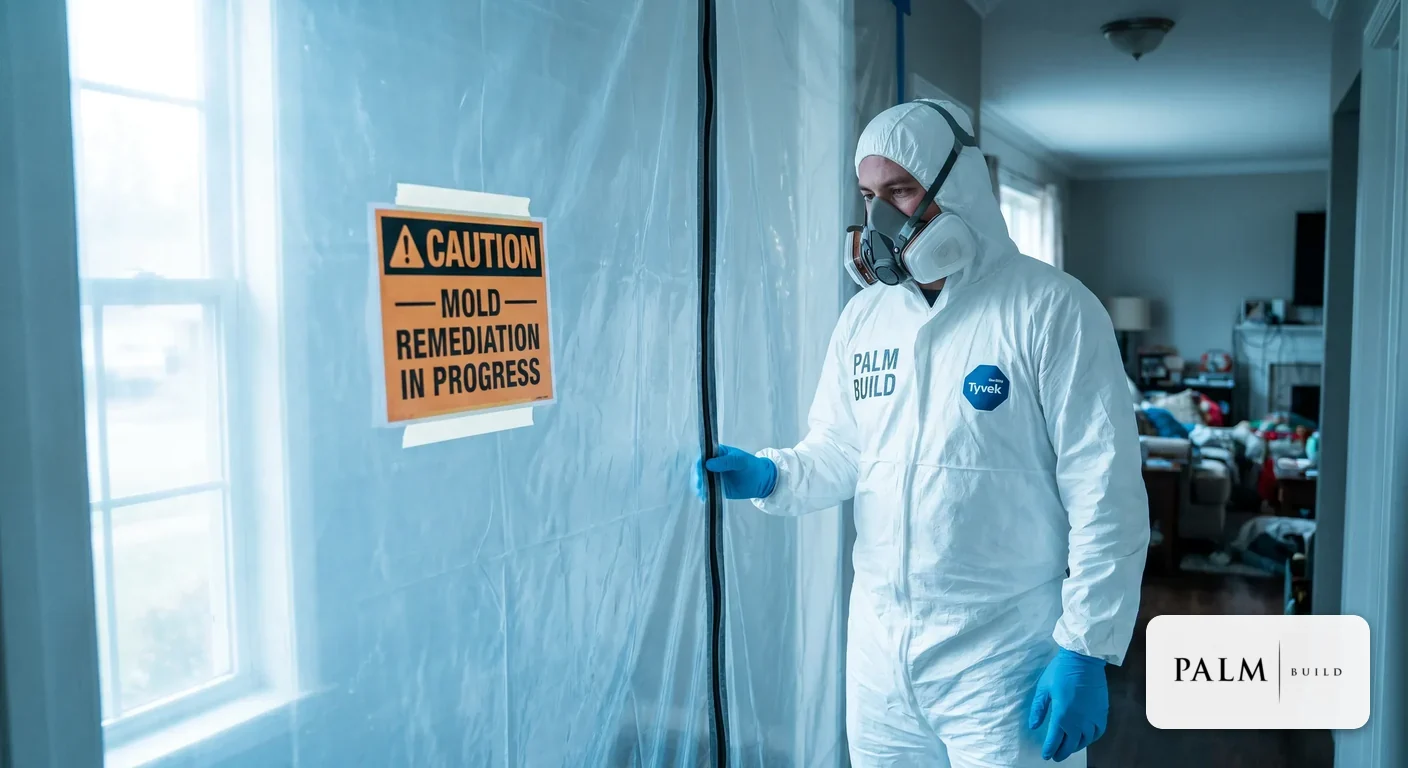
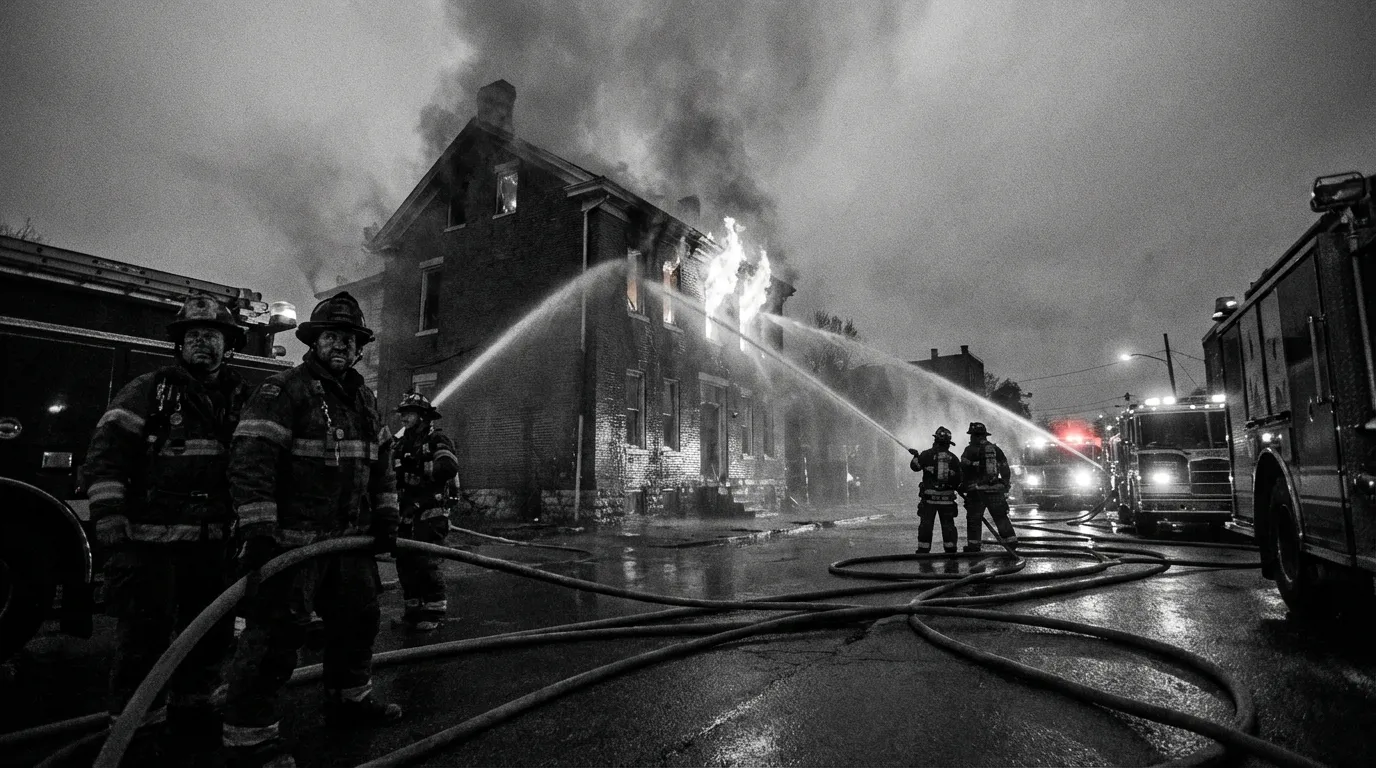
After a house fire, the water used to extinguish it can rival or exceed the burn damage in cost. Fire hoses deliver 150 to 180 gallons per minute, saturating drywall, insulation, and hidden wall cavities. Water cleanup and structural drying typically add $1,000 to $6,000 before reconstruction — and soot-contaminated moisture raises mold risk within 24 to 48 hours.
Key takeaways
- Water cleanup and drying after a fire typically costs $1,000 to $6,000 as an added line item, before reconstruction begins.
- Fire hoses deliver 150 to 180 gallons per minute, saturating entire structural assemblies in minutes.
- Firefighters also cause structural damage through forced entry, roof ventilation cuts, and chemical foam residue.
- Mold can start growing on wet materials within 24 to 48 hours, and soot-contaminated moisture accelerates the risk.
- Florida homeowners must file notice within 1 year of a loss, shorter than many expect.
When firefighters put out a house fire, the water they use can rival or exceed the burn damage in total cost. Suppression water soaks into drywall, insulation, flooring, cabinets, and hidden wall cavities where moisture lingers long after the flames are gone. In many cases, water damage cleanup and structural drying after a fire runs $1,000 to $6,000 as an added line item, and that is before repairs like flooring replacement, drywall rebuild, and reconstruction begin. But water is not the only collateral damage. Firefighters also cut holes in roofs, break through doors and walls with axes, shatter windows, and leave behind chemical foam residue. Understanding the full scope of firefighter-caused damage is the first step toward protecting your home, your budget, and your insurance claim.
Water cleanup after fire
$1K-$6K
Added line item before reconstruction
Hose flow rate
150-180 GPM
Gallons per minute, per attack line
Mold risk window
24-48 hrs
EPA and CDC guidance on drying timeline
The Real Cost of Firefighting Water Damage
The phrase "fire damage" on an insurance claim actually covers several distinct cost categories, and water from suppression is one of the biggest. Many homeowners assume that once the fire is out, the worst is over. In reality, the cost of dealing with firefighting water often appears as a separate mitigation scope that surprises people when they see the final numbers.
| Line item | Typical cost range | What it covers |
|---|---|---|
| Water cleanup and drying | $1,000 to $6,000 | Extraction, structural drying, sanitizing, removal of unsalvageable wet materials |
| Full fire restoration project | $3,098 to $51,243 | All fire, smoke, and water scope combined (average around $27,091) |
| Water damage restoration (baseline) | $1,384 to $6,387 | For context: a non-fire water loss averages about $3,867 |
| Smoke and odor remediation | $200 to $1,200+ | Ozone treatment, thermal fogging, soot removal, content cleaning |
| Mold remediation (if drying is delayed) | $1,223 to $3,749 | Average about $2,364; often $10 to $25 per sq ft |
Typical cost breakdown after a fire is suppressed
A critical distinction most homeowners miss: "cleanup and drying" is not the same as "rebuild." Mitigation can finish in days. Reconstruction can take weeks or months depending on engineering reviews, permitting, and material lead times. For a deeper look at water damage pricing by square foot and category, see our 2026 water damage restoration cost guide.
Why Water Damage After a Fire Spreads So Fast
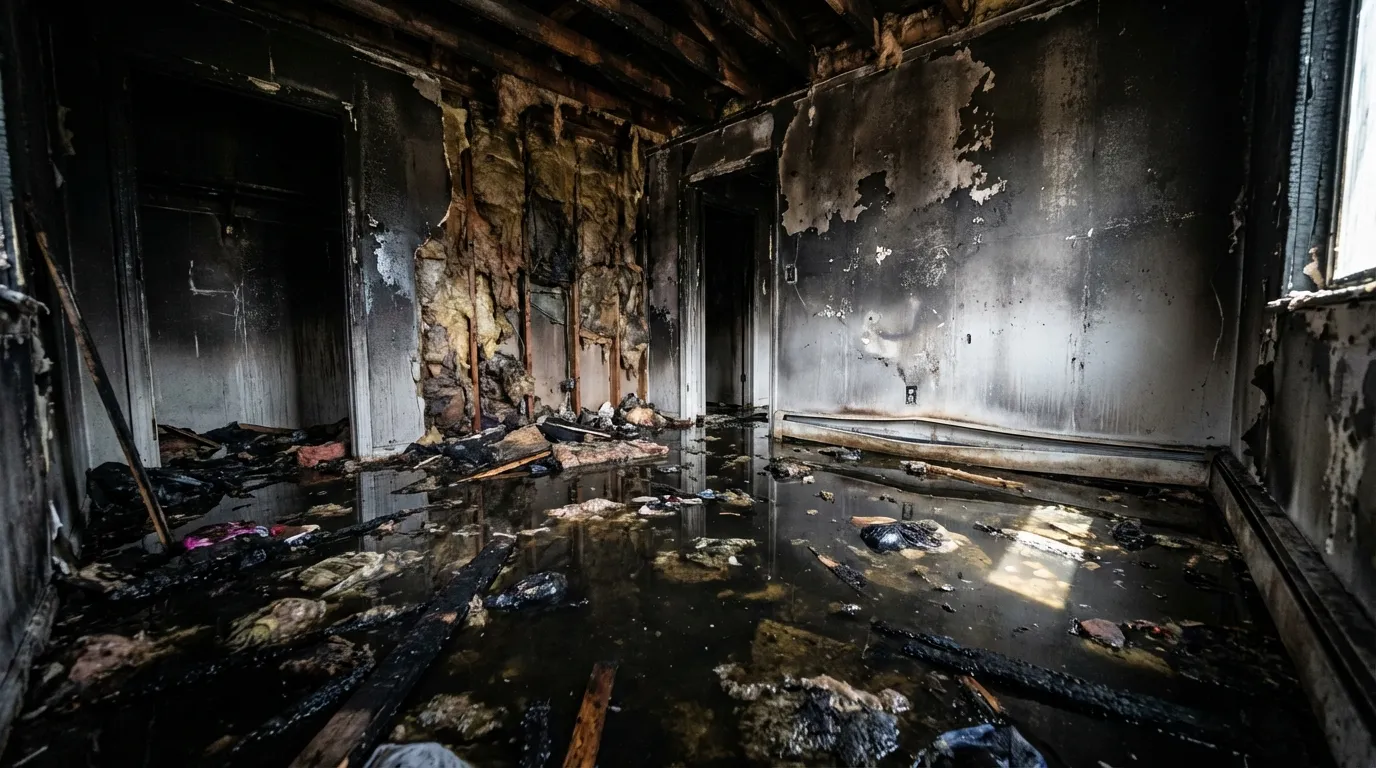
Fire creates openings. Firefighting creates saturation. And soot turns that moisture into a contamination and corrosion problem. Understanding why suppression water behaves differently than a broken pipe or an appliance leak helps explain why the cleanup scope is often larger than homeowners expect.
Fire Hoses Deliver More Water Than Most People Realize
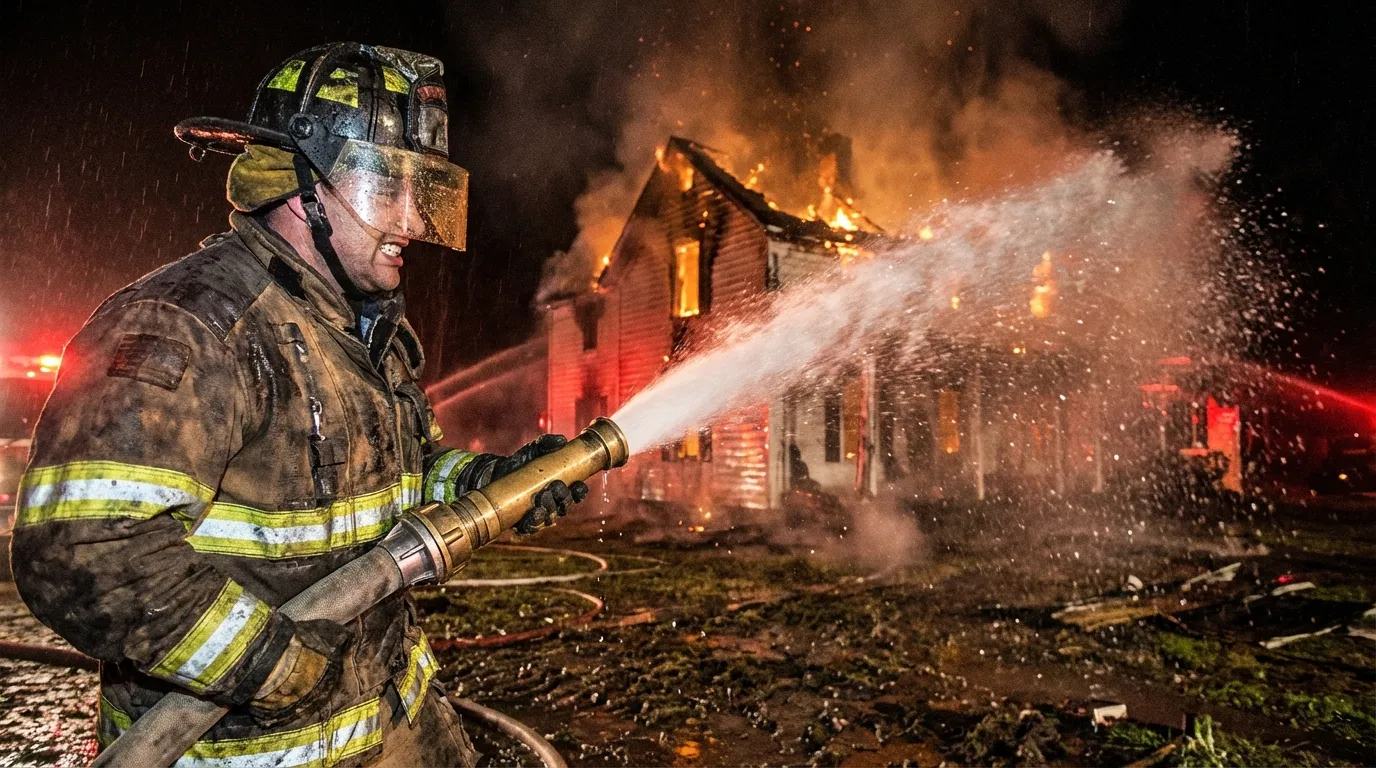
A standard interior attack line flows roughly 150 to 180 gallons per minute in modern fire environments. Even a 10-minute interior attack can deliver over 1,500 gallons of water into your home. That water does not stay where the fire was. It flows through burned-out openings in floors and walls, runs down stairwells, and pools in the lowest accessible space.
Home fire sprinklers, by comparison, use far less water. NFPA 13D residential sprinkler designs are commonly based on two sprinklers flowing about 13 gallons per minute each (roughly 26 GPM total). National Fire Protection Association data shows that when home sprinklers operate, only one sprinkler activates in 85% of cases, and properties with sprinklers show materially lower total losses on average. The tradeoff is clear: sprinklers use less water and cause less secondary damage, but homes without them depend on fire hoses that deliver far more.
Why Firefighting Water Is Not Clean Water
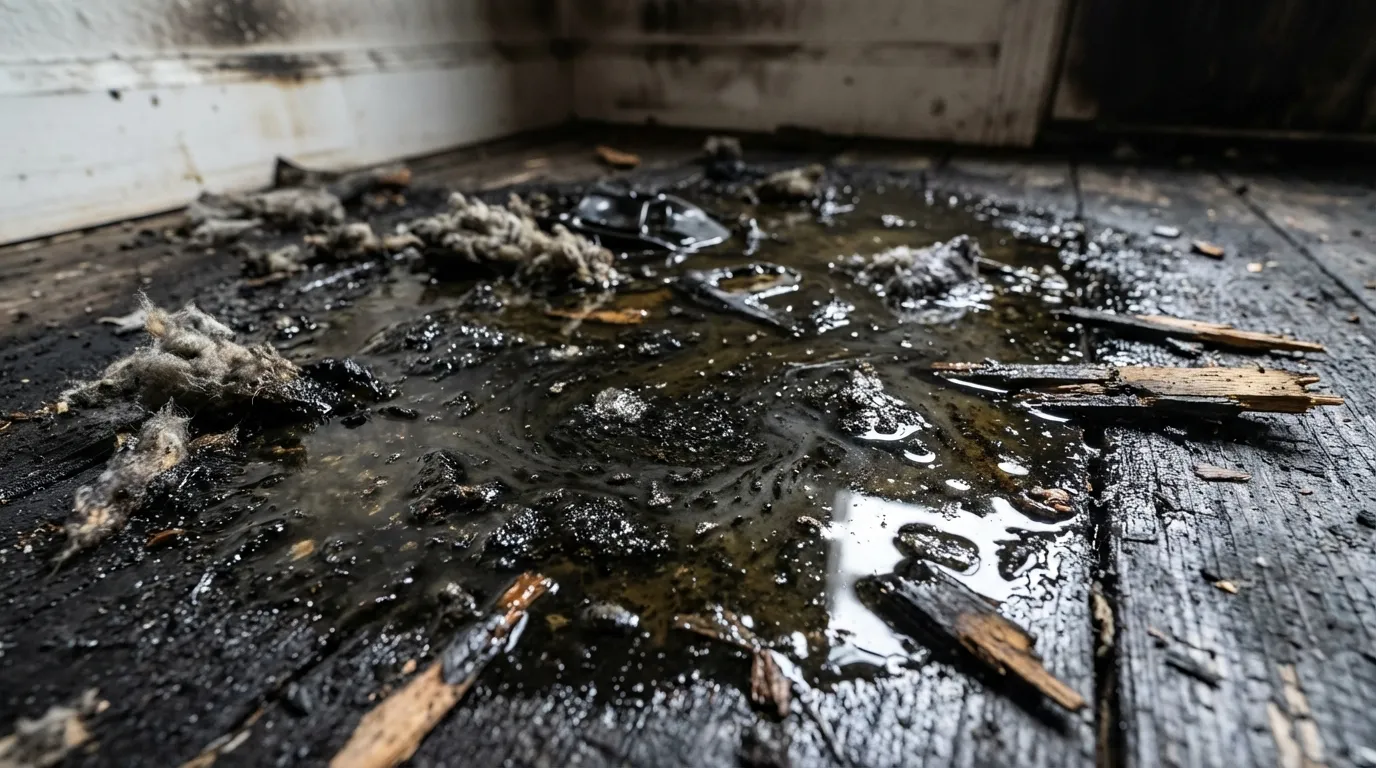
Fire suppression water behaves differently than a clean supply-line leak because it travels through burned debris, ash, insulation, and charred materials before settling. U.S. government scientific references describe fire effluent runoff as containing soot, ash, suspended solids, combustion byproducts from building materials, and washed-off chemicals. Firefighting agents and retardants add to the contamination when used.
This means the water sitting in your home after a fire is not Category 1 (clean) water. It is closer to Category 2 or Category 3 in IICRC classifications, which means the extraction, drying, and sanitation protocols are more complex and more expensive. The contamination also makes the mold risk higher because soot-laden moisture provides organic material for microbial growth.
Why Basements and Crawl Spaces Get Hit Even When the Fire Was Upstairs
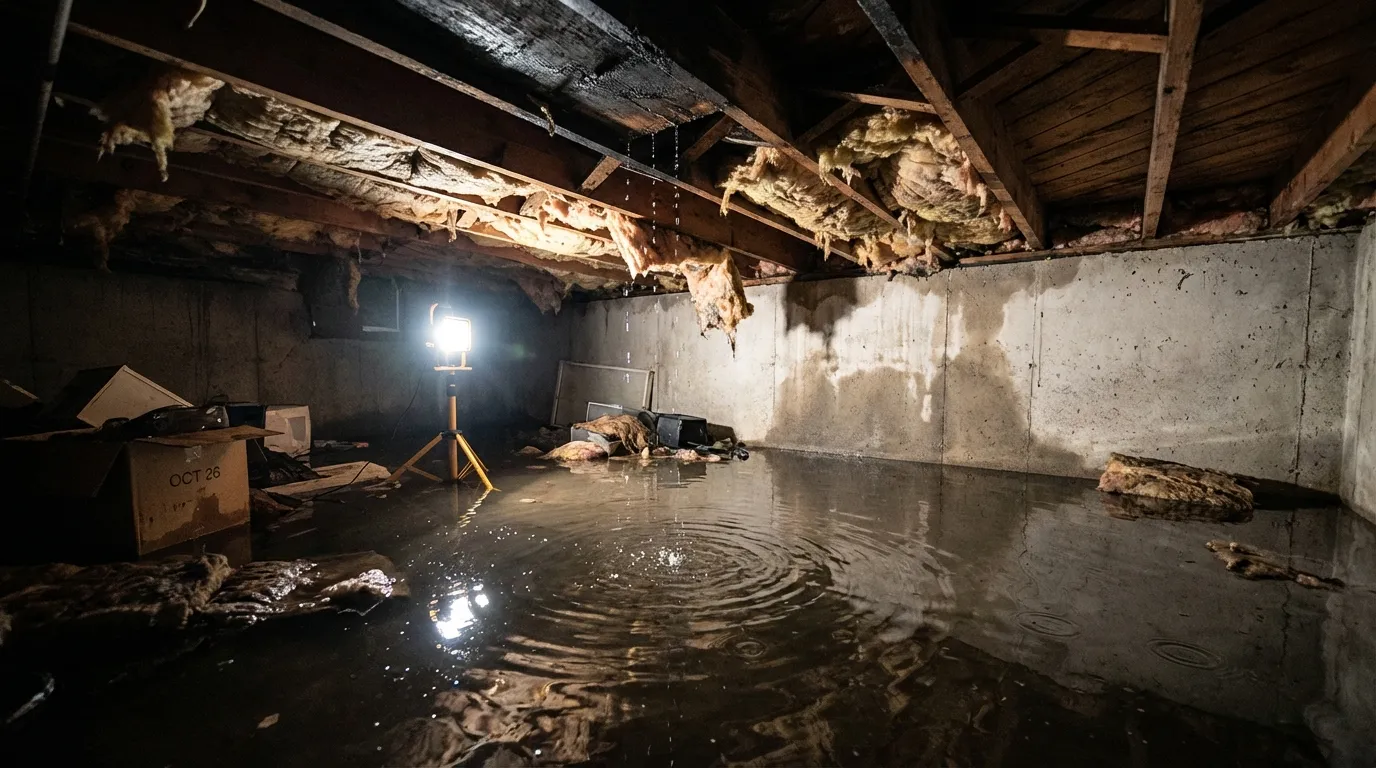
Water follows gravity, and fire creates pathways it would not normally have. Burned-through floor assemblies, melted plumbing penetrations, and opened-up wall cavities all give water routes to the lowest point in the structure. Fire service training and restoration guidance specifically note that collateral water damage is harder to address when it reaches lower levels or basements, and that containment decisions during and after suppression matter enormously.
This is especially important across Florida, North Carolina, and South Carolina, where crawl spaces are common in residential construction. High ambient humidity in these states means a wet crawl space will not dry on its own. Florida's climate makes this risk even higher than in most of the country. "Just let it air out" is a costly misconception that frequently leads to secondary mold growth. If you are dealing with water in a crawl space after a fire, professional crawl space drying and cleanup should start within the first 24 hours.
Other Damage Firefighters Cause Beyond Water
Water is the most common form of collateral firefighting damage, but it is not the only one. Firefighters operate under extreme time pressure, and saving lives and stopping fire spread takes priority over preserving your finishes, doors, and landscaping. That is the right call, but it means homeowners are often surprised by the scope of non-fire damage they find after the trucks leave.
Forced Entry and Structural Damage
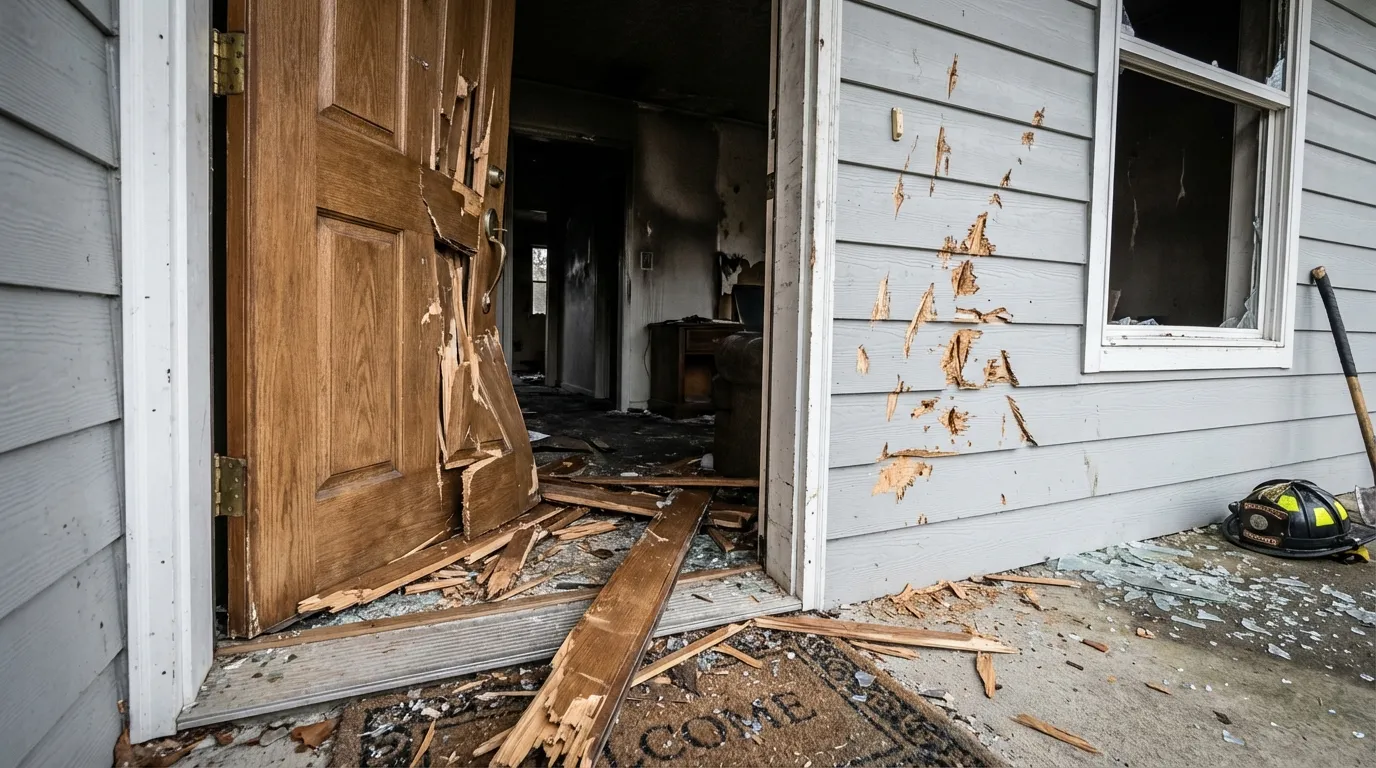
Firefighters need to get inside fast. That means axes through front doors, halligan bars prying open door frames, and sometimes entire walls opened up to reach hidden fire within the structure. Interior doors get knocked down to check for victims and fire extension. The result is splintered door frames, damaged walls with large holes, and hardware that cannot be reused. Even rooms that were never on fire may have axe damage from search and rescue operations.
Roof Ventilation Cuts
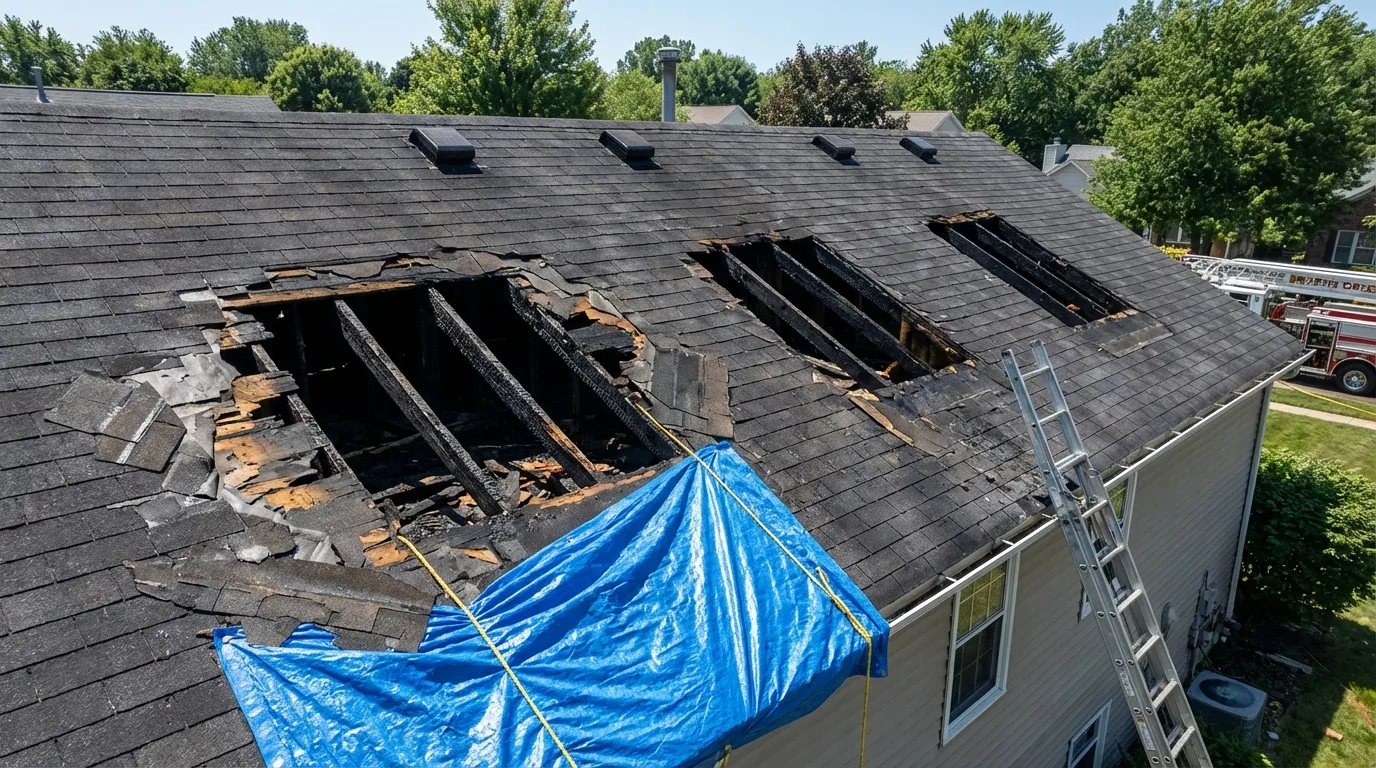
Vertical ventilation is a standard firefighting tactic. Crews cut large holes in the roof to release heat and smoke, improving visibility and conditions for interior crews. These cuts are typically 4-by-4 feet or larger and go straight through shingles, decking, and sometimes rafters. Until the roof is repaired, these openings expose the interior to rain, humidity, and pest intrusion. Emergency tarping is a stopgap, not a solution.
Broken Windows
Windows get broken for ventilation, emergency egress, and hose access. In some cases, every window on a fire floor is knocked out to improve air flow and help crews work. Replacing windows is not cheap, especially if the home has double-pane, impact-rated, or custom-size glass. In Florida's hurricane zones, impact-rated window replacement can run $300 to $800 per window.
Chemical Foam and Retardant Residue
Not all fires are fought with water alone. Class B foam, dry chemical agents, and fire retardants are used for certain fire types, and the residue they leave behind is corrosive, slippery, and difficult to clean. Aqueous film-forming foam (AFFF) in particular can coat surfaces and require specialized decontamination. If your fire involved a garage, kitchen grease fire, or chemical storage area, there is a good chance foam agents were used.
Ladder, Equipment, and Staging Damage
Fire trucks carry heavy ground ladders that get thrown against exterior walls and leaned on gutters, fascia, and roof edges. Staging areas on lawns and driveways see heavy foot traffic, dragged hoses, and dropped equipment. Landscaping gets trampled. Driveways and walkways can crack under the weight of apparatus. Fences and gates get cut or removed for access. None of this is malicious, but all of it costs money to repair.
Utility Shutoffs and Electrical Damage
Firefighters routinely shut off gas and electricity for safety. The U.S. Fire Administration advises that firefighters will ensure utilities are safe and, if not, have them turned off. Homeowners should not turn them back on themselves. In some cases, the electrical panel or meter base sustains direct fire or water damage, requiring a licensed electrician and utility re-inspection before power can be restored. Gas lines may need pressure testing. These utility restoration costs are frequently overlooked in early damage estimates.
Furniture, Electronics, and Personal Belongings
Even in rooms the fire never reached, furniture and personal property take a beating during firefighting operations. Suppression water soaks into upholstered couches, mattresses, rugs, and wood furniture, causing warping, staining, and odor that may be impossible to reverse. Electronics sitting on counters or desks get drenched. Photo albums, documents, and irreplaceable personal items on shelves absorb soot-contaminated water.
Firefighters also move, flip, or push furniture out of the way to access walls, ceilings, and hot spots behind structures. It is not uncommon to find couches shoved into hallways, dressers pulled away from walls, and mattresses dragged out of bedrooms. During overhaul (the phase where crews pull apart walls and ceilings to check for hidden fire), debris falls on everything below. Insulation, drywall chunks, and wet ash end up covering belongings that were otherwise untouched by flames.
The financial impact is real: the average homeowner underestimates personal property losses by 30% to 50% because they focus on the structure and forget to inventory contents room by room. If your policy includes contents restoration coverage, a professional pack-out and cleaning service from Palm Build can save items that look destroyed but are actually recoverable. The key is getting contents into a clean, climate-controlled environment before soot and moisture set permanently.
Typically covered by insurance
- Water damage from fire hoses and sprinklers
- Forced entry damage (doors, walls, windows)
- Roof ventilation cuts and emergency tarping
- Chemical foam cleanup and decontamination
- Furniture and contents damaged by water, soot, or debris
- Utility shutoff and restoration costs
- Landscaping and exterior damage from operations
May require documentation to prove
- Pre-existing damage worsened by fire operations
- Items moved or damaged during search and rescue
- Contents damaged by water in rooms without fire
- Long-term mold from delayed drying response
- Code upgrades required by rebuilding permits
- Temporary living expenses that exceed policy limits
What to Do in the First 48 Hours After a Fire
The 24-to-48-hour window after a fire is the most important period for limiting secondary damage. The U.S. Environmental Protection Agency states that if wet or damp materials are dried within 24 to 48 hours, mold will not grow in most cases. The Centers for Disease Control and Prevention provides the same guidance. Our first 24 hours water damage guide covers the core actions; after a fire, soot-contaminated moisture and compromised building assemblies make that window feel even tighter.
- 1
Confirm the property is safe to enter
Do not enter until the fire department gives clearance. The U.S. Fire Administration advises waiting until firefighters confirm the structure is safe and utilities are secured. If utilities were shut off, do not turn them back on yourself. A structural engineer may be needed before re-entry if there is significant fire damage to load-bearing walls or roof framing.
- 2
Stop additional water sources
If the main water supply was left on and pipes were damaged by heat, water may still be flowing. Shut off the main water valve if safe to do so. Cover roof openings and broken windows with tarps or plywood to prevent rain intrusion. Board-up and tarping is often the first scope in a fire restoration project.
- 3
Document everything before cleanup starts
Take photos and video of every room, including rooms that appear undamaged. Moisture can be present behind walls and under flooring where you cannot see it. Photograph water lines on walls, debris fields, roof cuts, broken windows, and any structural damage from firefighting operations. Keep all receipts for temporary repairs, hotel stays, and emergency supplies. This documentation supports your insurance claim.
- 4
Get professional water extraction and drying started
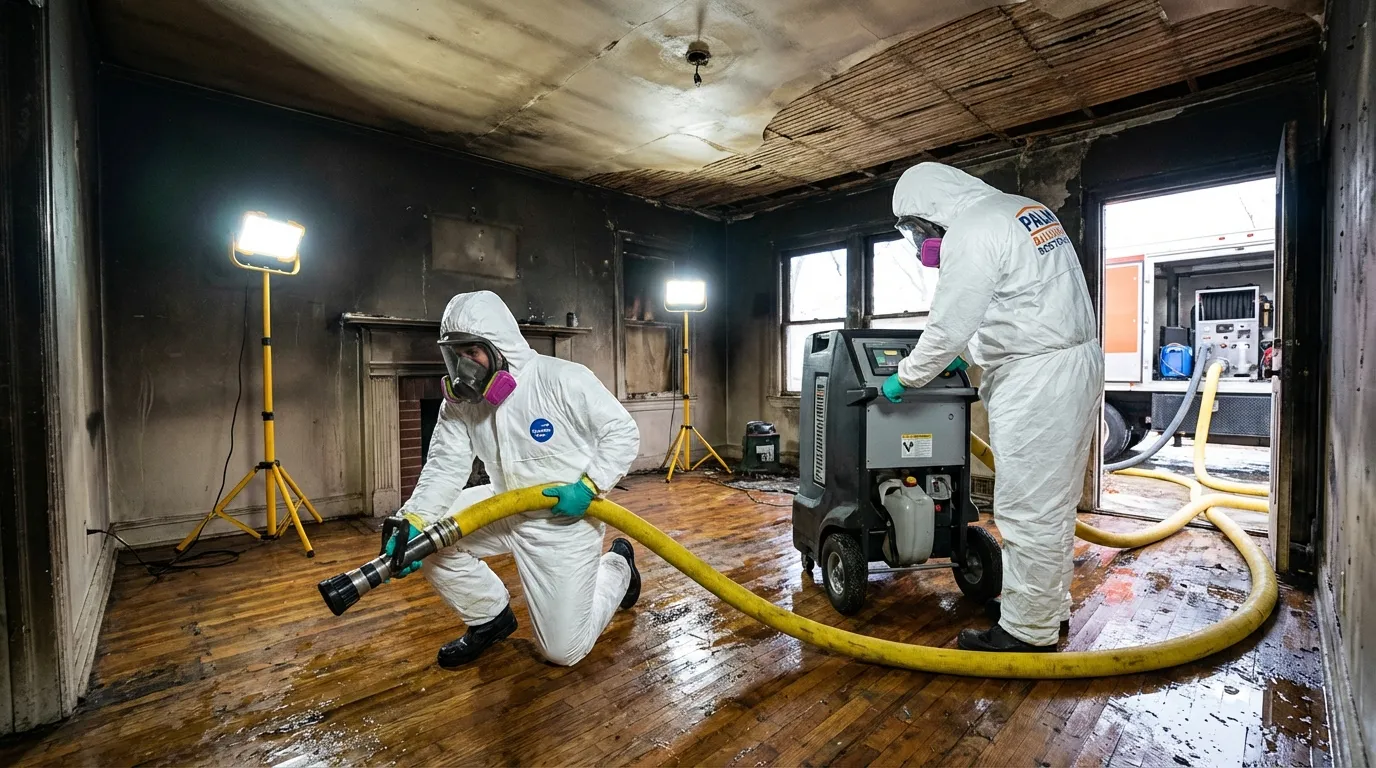
Time is the enemy. Professional emergency water extraction and drying should begin as soon as the property is cleared for entry. Palm Build's emergency response crews use truck-mounted extractors, commercial dehumidifiers, and air movers to remove standing water and begin structural drying. Moisture mapping with infrared cameras and pin meters confirms that hidden cavities are drying properly, not just the surfaces you can see.
- 5
Address smoke and soot contamination in parallel
While drying is underway, smoke and soot cleanup should begin on salvageable surfaces. Soot is acidic and corrosive. The longer it sits on surfaces, the more permanent the damage becomes. Metal fixtures, appliances, and electronics are especially vulnerable. Contents that can be saved should be inventoried and moved to a clean environment.
- 6
Prevent mold from becoming a second claim
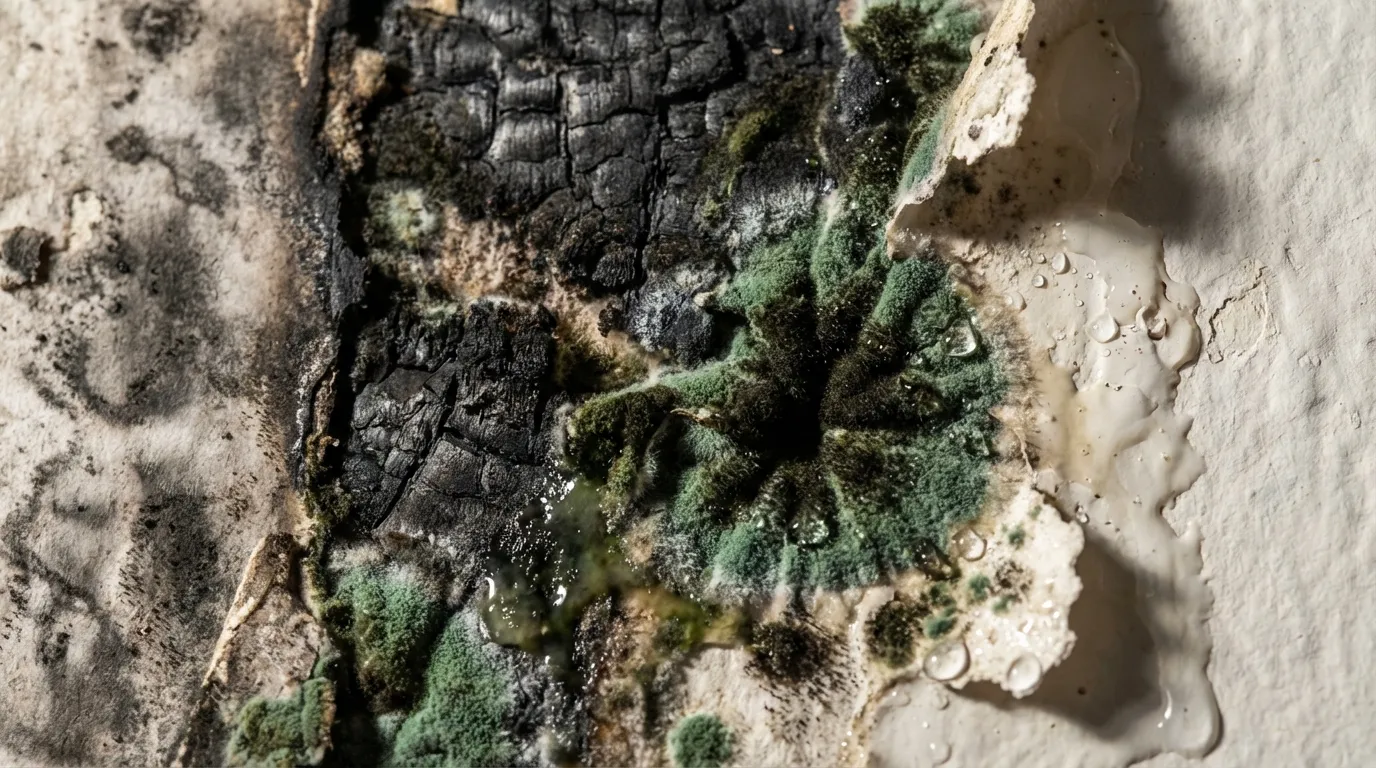
If drying is delayed beyond 48 hours, mold shifts from preventable to probable. In humid states like Florida, North Carolina, and South Carolina, this timeline can be even shorter. A separate mold inspection and remediation scope adds $1,223 to $3,749 on average and can push into five figures for large affected areas. The most cost-effective approach is aggressive early drying that prevents mold from becoming necessary scope.
Florida, North Carolina, and South Carolina: Insurance Notes That Affect Your Claim
Insurance rules after a fire vary by state, and the differences matter for homeowners dealing with both fire and water damage. The consistent message across all three states: document quickly, notify your insurer promptly, and take reasonable steps to prevent further damage. But the deadlines and specifics differ enough to warrant attention.
Across all three states, the practical takeaway is the same: firefighting water damage should be documented immediately, and professional mitigation should begin as soon as the property is cleared for entry. Homeowners can use this how to choose a restoration company checklist to vet the team handling that work without losing sight of the urgency. Palm Build works directly with insurance companies across Florida, North Carolina, and South Carolina to ensure that documentation, scope, and the insurance restoration process run smoothly from the first phone call.
Frequently Asked Questions
How much does water damage cleanup cost after firefighters put out a fire? +
How quickly can mold grow after firefighting water? +
Is it safe to stay in the home during drying and cleanup? +
Does homeowners insurance cover water damage from firefighting? +
How long does fire restoration take when there is also water damage? +
How can water damage behind walls be detected after a fire? +
What should I do first after a fire if everything is wet? +
Emergency Water Extraction and Drying
24/7 emergency water removal and structural drying services across FL, NC, and SC.
Fire and Smoke Damage Cleanup
Comprehensive fire, smoke, and soot restoration from board-up through rebuild.
Mold Inspection and Remediation
Professional mold testing, containment, and remediation to prevent secondary damage.
Crawl Space Drying and Cleanup
Specialized crawl space water removal, drying, and encapsulation for below-grade moisture.
How to File a Water Damage Insurance Claim
Step-by-step filing guide with evidence checklists, common mistakes, and FL/NC/SC deadlines.
Insurance Restoration Process
How Palm Build works with your insurance company from first notice through final payment.
Water Damage Restoration Cost in 2026
Detailed cost guide with per-sq-ft pricing, category breakdowns, and FL/NC/SC factors.
Mold Remediation Cost in 2026
What homeowners actually pay for mold cleanup when drying is delayed after firefighting water.
Dealing with fire and water damage right now?
Palm Build responds 24/7 across Florida, North Carolina, and South Carolina. Our crews handle water extraction, smoke cleanup, and full reconstruction under one project, so you do not have to coordinate multiple contractors.
Found this helpful? Send it to someone who needs it.