Quick Answer
South Carolina crawl space problems stem from a humid subtropical climate — 45 to 55 inches of annual rainfall and summer dew points above 70°F. The Lowcountry, Midlands, and Upstate each face distinct threats, from coastal flooding to red-clay drainage failures. Full encapsulation typically costs $4,500 to $20,000, and SC code allows closed crawl spaces with specific requirements.
Key takeaways
- South Carolina crawl space problems are driven by a humid subtropical climate that produces 45 to 55 inches of annual rainfall and summer dew points regularly above 70 degrees Fahrenheit.
- The Lowcountry, Midlands, and Upstate each face distinct crawl space threats: coastal flooding and salt air corrosion, expansive clay soils, and Piedmont red clay drainage failures.
- Full crawl space encapsulation in SC typically costs $4,500 to $20,000 depending on size, drainage, and existing damage, with regional variation between metro markets.
- SC building code (IRC 2018 as amended) allows closed crawl spaces with specific mechanical ventilation, vapor barrier, and drainage requirements that differ from NC code.
- Homeowners insurance generally covers sudden water damage but excludes gradual moisture, mold from deferred maintenance, and flood damage, which requires separate NFIP coverage.
South Carolina sits in the heart of the humid Southeast, and the roughly 60 percent of SC homes built on crawl space foundations pay the price. Between 45 and 55 inches of annual rainfall, summer dew points that regularly exceed 70 degrees Fahrenheit, and soils that range from coastal sand to Piedmont red clay, SC crawl spaces face a trifecta of moisture threats that most generic guides ignore. This state-level guide breaks down the problems by region, walks through the solutions that actually work, and gives you realistic encapsulation cost ranges for the South Carolina market. If your crawl space already smells musty or shows visible mold, the clock is ticking: mold can establish within 24 to 48 hours on wet materials.
Encapsulation cost (SC)
$4.5K - $20K
Size, drainage, and existing damage drive the range
Mold risk window
24 - 48 hrs
Federal guidance for drying wet materials
SC homes on crawl spaces
~60%
Majority of SC residential construction uses crawl space foundations
Annual rainfall
45 - 55 in
SC average varies from coast to mountains
Why South Carolina Crawl Spaces Are Especially Vulnerable
South Carolina is not just humid. Its combination of a long, intensely warm season, highly variable soil types across three distinct geographic regions, and a building stock that still relies heavily on vented crawl space foundations creates conditions that are measurably worse than the Southeast average. Understanding why SC crawl spaces fail is the first step toward fixing them permanently.
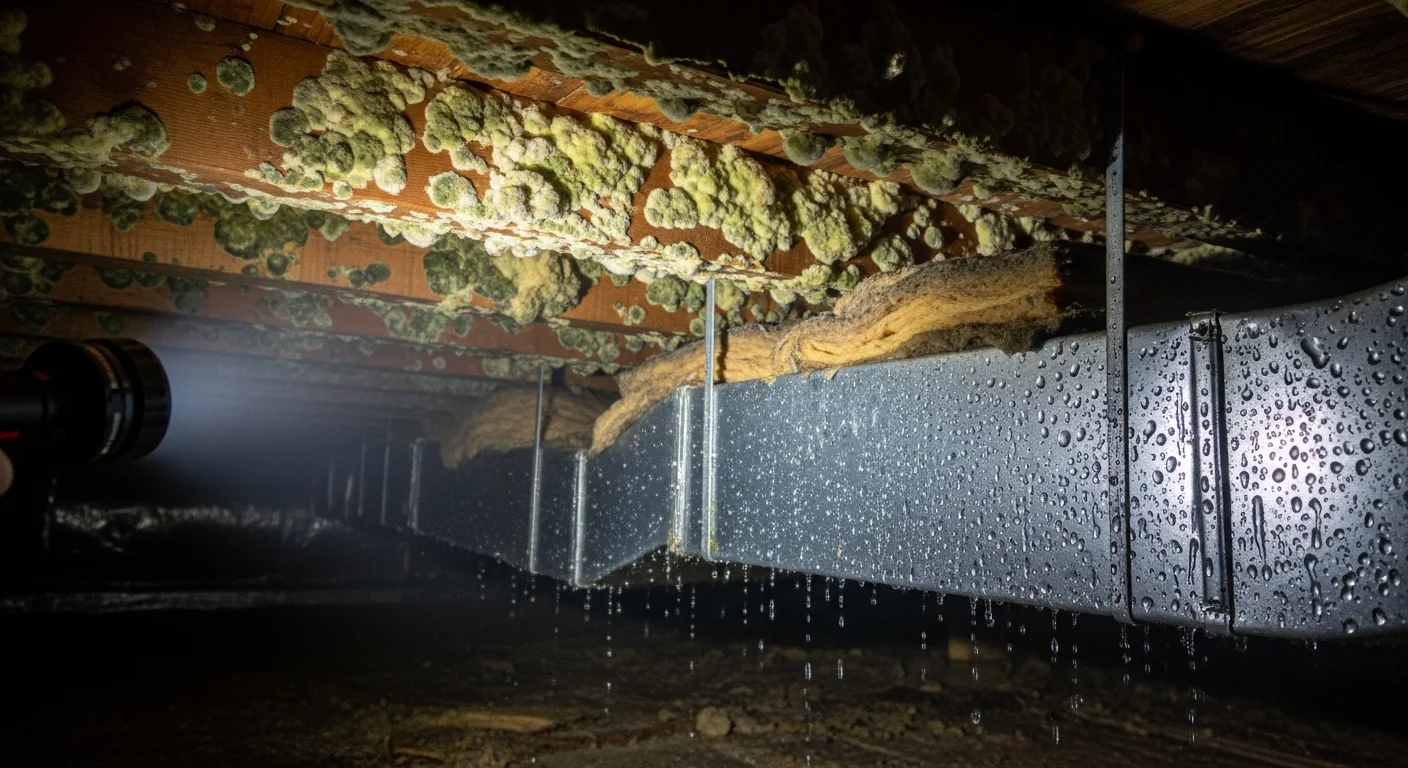
The state receives 45 to 55 inches of rain annually, but the moisture problem is not just rainfall. From May through September, outdoor dew points routinely exceed 70 degrees Fahrenheit, meaning the air itself carries enormous moisture loads. When that warm, saturated air enters a cooler crawl space through open foundation vents, it hits surfaces that may be 10 to 20 degrees cooler. The result is condensation on everything: framing lumber, HVAC ductwork, plumbing, and insulation. This humidity-driven mold risk is not theoretical. It is the primary mechanism behind most SC crawl space failures.
The stack effect: how crawl space air enters your living space
Building science research consistently shows that 40 to 50 percent of the air you breathe on the first floor of a home with a vented crawl space originated in that crawl space. Warm air rises and exits through the upper floors and attic, creating negative pressure that pulls replacement air up from below. If that crawl space air carries mold spores, moisture, radon, or pest allergens, those contaminants enter your living space through every gap in the subfloor, around plumbing penetrations, and through HVAC supply ducts running through the crawl space. This stack effect operates continuously and cannot be stopped by air fresheners, deodorizers, or duct sealing alone.
Common Crawl Space Problems in South Carolina
Mold and mildew growth
Mold is the most visible and most common crawl space problem in SC. When relative humidity stays above 60 percent for extended periods, and crawl space surfaces stay wet, mold colonies can establish within 24 to 48 hours on organic materials like wood framing, insulation paper backing, and cardboard debris. In SC crawl spaces, we most commonly find Aspergillus, Penicillium, and Cladosporium species, though Stachybotrys (black mold) can develop on chronically wet materials. The health impacts range from allergy aggravation and respiratory irritation to more serious reactions in immunocompromised individuals. If you see or smell mold, do not seal the crawl space until remediation is complete. Our crawl space mold removal guide covers the process in detail.
Structural wood rot and decay
When wood moisture content exceeds 19 to 20 percent for sustained periods, decay fungi begin breaking down the cellulose in floor joists, sill plates, rim joists, and subflooring. In advanced cases, joists lose their structural integrity entirely, causing sagging or bouncy floors in the living space above. SC's long humid season means that even crawl spaces without visible water can accumulate enough moisture through condensation alone to push wood past the decay threshold. By the time you feel the floors softening, the damage is often extensive.
Pest infestations
Damp, dark crawl spaces are habitat for termites, carpenter ants, wood-boring beetles, rodents, and snakes. South Carolina falls within the highest termite pressure zone in the country. Eastern subterranean termites build mud tubes on foundation walls to access wood framing, and a damp crawl space accelerates their activity. Moisture also attracts mosquitoes, roaches, and camel crickets that thrive in humid environments. Sealing and dehumidifying the crawl space eliminates the conditions these pests need.
Standing water and flooding
Standing water in a crawl space can result from poor exterior drainage, high water tables, plumbing leaks, or storm flooding. In coastal SC, tidal influence and hurricane storm surge add risk that inland homes do not face. Even brief episodes of standing water in a crawl space can deposit organic sediment, saturate the soil, and create conditions for mold and wood decay that persist long after the water recedes. Chronic standing water requires a drainage solution, not just a pump.
Rising energy bills
A vented crawl space acts as an unconditioned buffer zone between the ground and your floor system. In summer, hot humid air enters the crawl space and heats the floor system from below, forcing your HVAC to work harder. In winter, cold air entering through open vents chills the floor and increases heating costs. Research from Advanced Energy found that encapsulating a crawl space and conditioning the air inside it can reduce energy costs by 15 to 20 percent, a significant savings in SC where summer cooling bills can dominate household energy budgets.
Radon gas accumulation
South Carolina's radon risk profile is lower than North Carolina's overall, but it is not negligible. The Upstate and parts of the Midlands have soils derived from granite and metamorphic rock that produce measurable radon. The SC Department of Health and Environmental Control (DHEC) recommends testing all homes for radon, regardless of foundation type. In crawl space homes, radon enters through the exposed soil and is drawn upward by the stack effect. Sealing the crawl space without testing first can concentrate radon below the living space, so always test before encapsulating.
- **Musty or earthy smell on the first floor** — the number-one early warning that crawl space air is entering your living space via the stack effect.
- **Allergy symptoms that worsen indoors** — elevated mold spore counts from the crawl space can trigger nasal congestion, throat irritation, and eye watering.
- **Condensation on crawl space ducts and pipes** — visible moisture on metal surfaces means humidity has already reached the dew point.
- **Sagging or bouncy floors** — wood moisture above 19 percent supports decay organisms that weaken floor joists and subflooring.
- **Falling fiberglass insulation** — saturated batts gain weight and detach from joist bays, a visible sign of prolonged high humidity.
- **Higher than expected energy bills** — unconditioned crawl space air forces your HVAC system to work harder year-round.
- **Pest activity** — termite mud tubes on foundation walls, rodent droppings, or insect infestations thrive in damp crawl spaces.
SC Crawl Space Problems by Region
South Carolina's geography creates three distinct crawl space risk profiles. A Lowcountry home near Charleston faces completely different threats than an Upstate home near Greenville. Understanding your region's specific vulnerabilities helps you prioritize the right solutions and avoid paying for fixes that do not address your actual problem.
| Risk Factor | Lowcountry (Charleston, Beaufort, Hilton Head) | Midlands (Columbia, Sumter, Orangeburg) | Upstate (Greenville, Spartanburg, Anderson) |
|---|---|---|---|
| Primary soil type | Sandy loam, marsh clay | Expansive clay, sandy clay | Piedmont red clay, decomposed granite |
| Drainage speed | Variable — fast in sand, very slow in marsh | Slow — clay holds water for days | Slow to moderate — red clay compacts heavily |
| Flood risk | High — storm surge, tidal influence, high water table | Moderate — flash flooding in low areas | Moderate — creek and river flooding after heavy rain |
| Humidity severity | Extreme — coastal humidity plus salt air | Severe — inland heat amplifies moisture | Severe — elevation provides slight relief |
| Termite pressure | Very high — year-round activity | Very high — peak March through November | High — shorter active season |
| Radon risk | Low — sandy coastal soils | Low to moderate — varies by geology | Moderate to high — granite-derived soils |
| Salt air corrosion | Yes — accelerates metal fastener and duct degradation | No | No |
Crawl space risk factors by South Carolina region
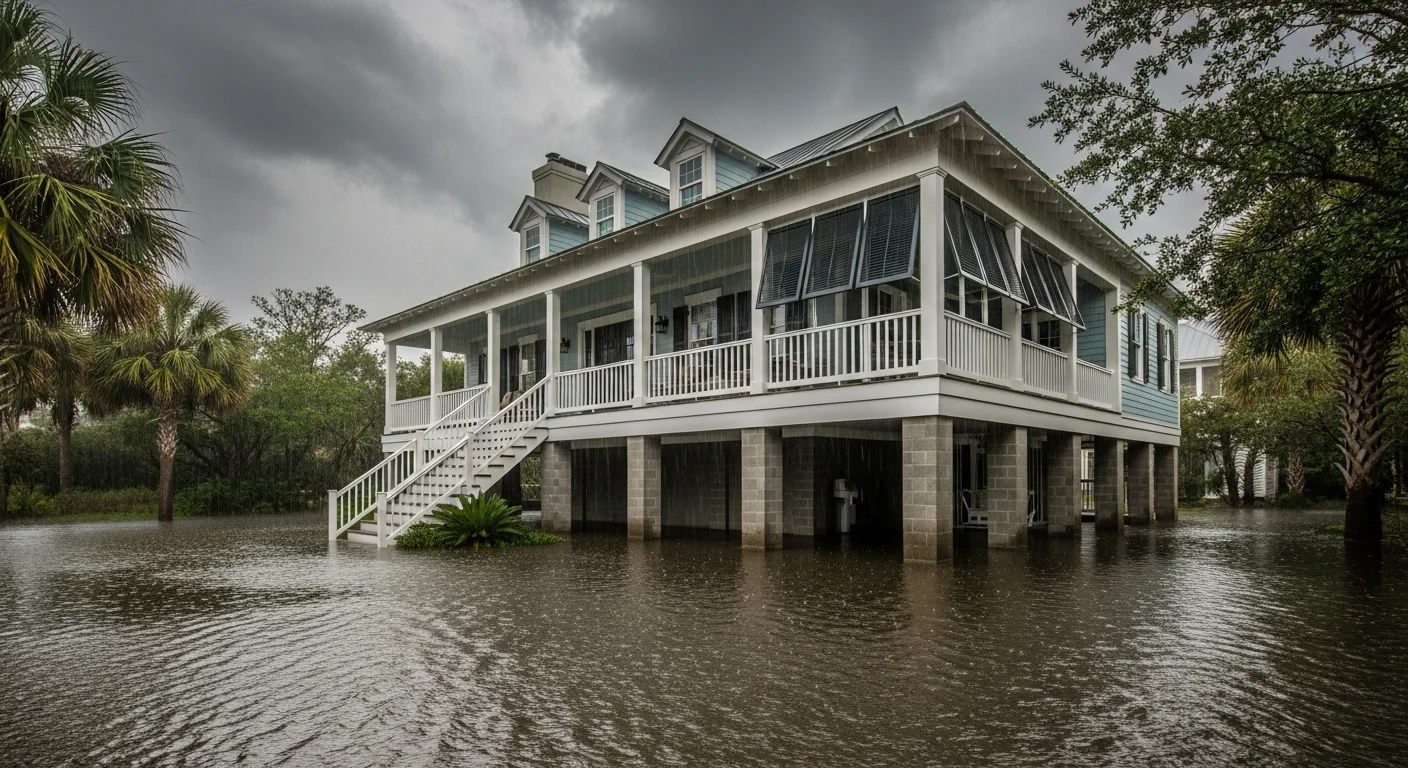
Lowcountry: coastal flooding, salt air, and high water tables
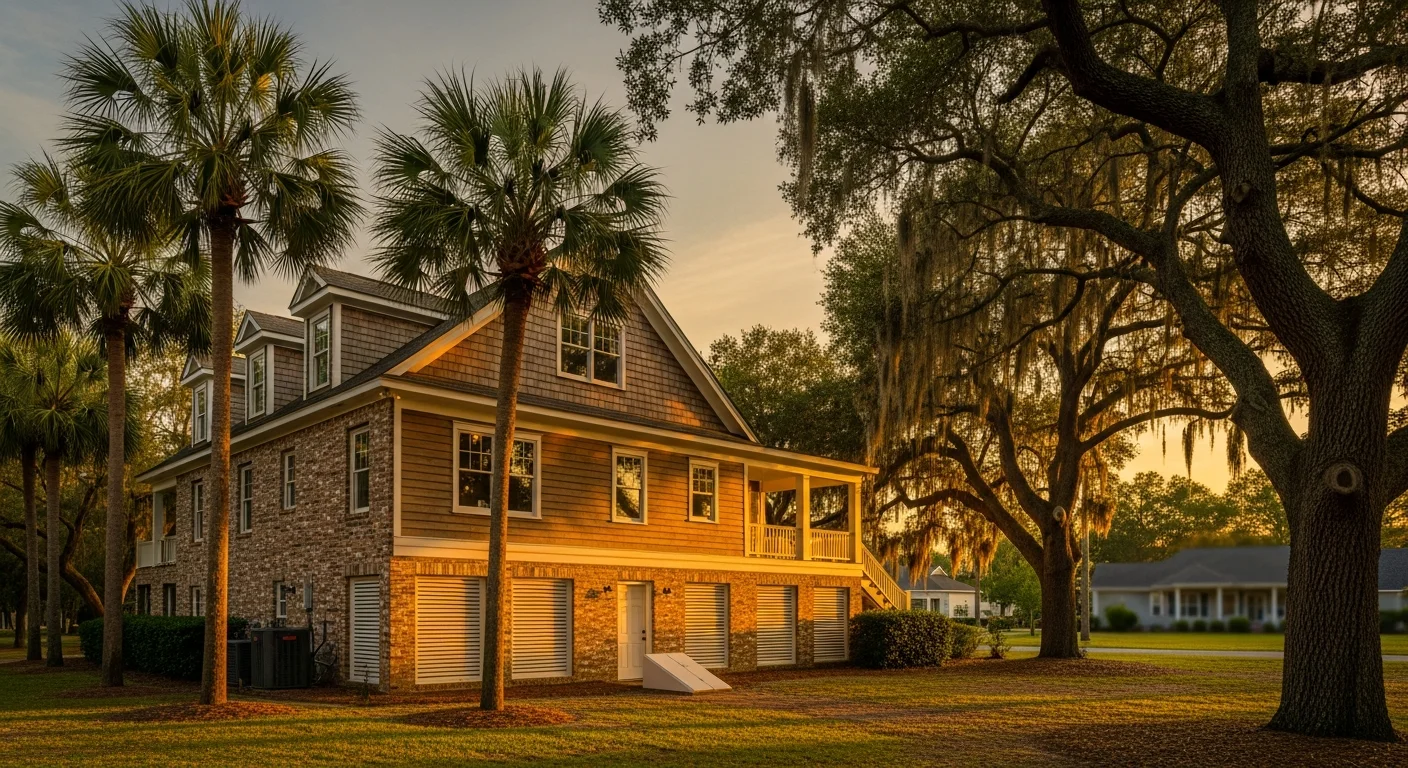
The SC Lowcountry, from Georgetown to Hilton Head, faces crawl space challenges that no other part of the state shares. Homes built on barrier islands and in tidal marshlands often sit above high water tables that can push moisture up through the soil even during dry periods. Storm surge from hurricanes and tropical storms can introduce saltwater into crawl spaces, which corrodes metal fasteners, HVAC components, and structural connectors far more aggressively than freshwater. Charleston alone averages over 50 inches of rainfall annually, and the flat coastal topography means water drains slowly from around foundations. Many Lowcountry crawl spaces need both encapsulation and a sump pump with battery backup to handle periodic water intrusion.
Midlands: expansive clay soils and extreme summer heat
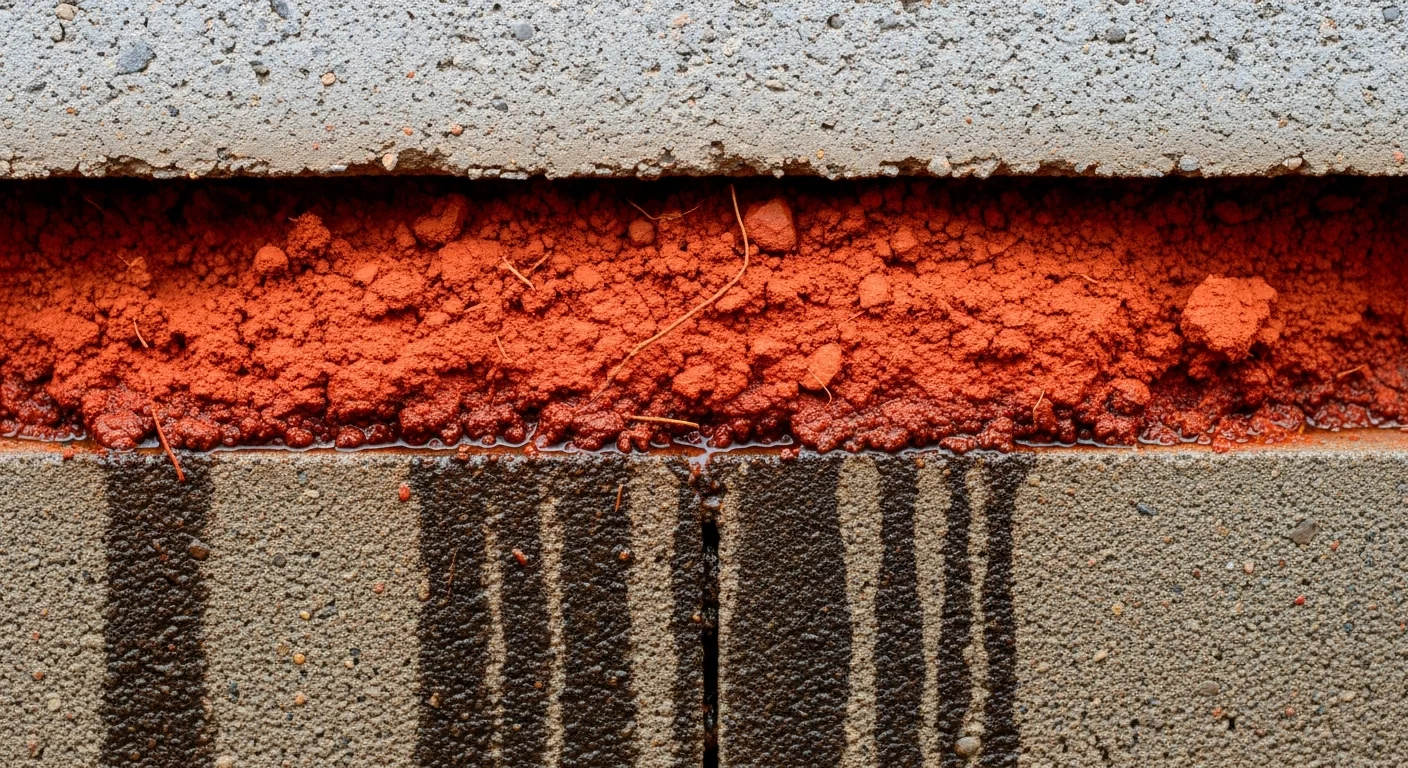
The Columbia metro and surrounding Midlands region sits on clay-heavy soils that expand when wet and contract when dry. This expansion-contraction cycle can crack foundation walls, open gaps between the foundation and framing, and create pathways for water and humid air to enter the crawl space. Summer temperatures in Columbia regularly exceed 95 degrees Fahrenheit with high humidity, creating extreme condensation potential when that hot air enters a cooler crawl space. Midlands crawl spaces benefit most from drainage correction followed by full encapsulation, because addressing the clay soil moisture source is essential before sealing the space.
Upstate: Piedmont red clay and cross-border considerations
The Greenville-Spartanburg corridor and surrounding Upstate share geology and climate with the adjacent NC Piedmont. Red clay soils drain slowly, compact around foundations during construction, and hold moisture against crawl space walls for extended periods after rain. The Upstate also has the highest radon risk in SC due to granite-derived soils, making pre-encapsulation radon testing essential. For homeowners in border communities like Fort Mill and Indian Land, the same Piedmont clay challenges apply, but licensing and building code requirements differ between SC and NC. Always verify that your contractor holds the correct SC residential builder's license from the SC LLR (Department of Labor, Licensing and Regulation).
Crawl Space Solutions That Work in South Carolina
Effective crawl space repair in SC is not a single product or service. It is a system of complementary solutions that address moisture from every direction: ground, walls, vents, and air. Skipping any component undermines the others. Here are the six solutions that matter most, in the order they should be implemented.
Vapor barrier installation
A basic vapor barrier (6-mil polyethylene sheeting on the ground) reduces soil moisture evaporation but does not address humidity entering through vents or walls. For mild cases where humidity is only slightly elevated and no mold is present, a quality vapor barrier may be sufficient as a first step. However, in most SC climates, a vapor barrier alone is not adequate long-term protection. Think of it as the minimum, not the solution.
Full crawl space encapsulation
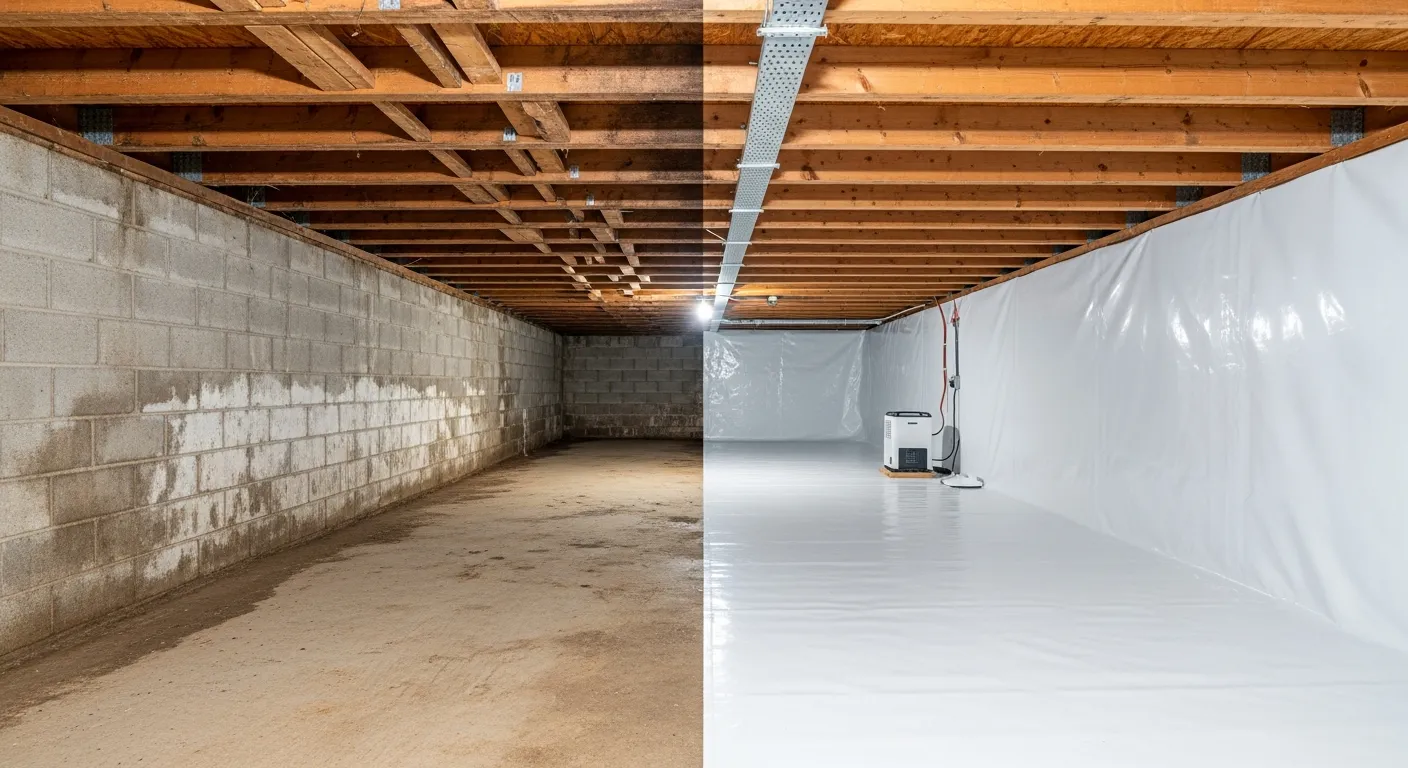
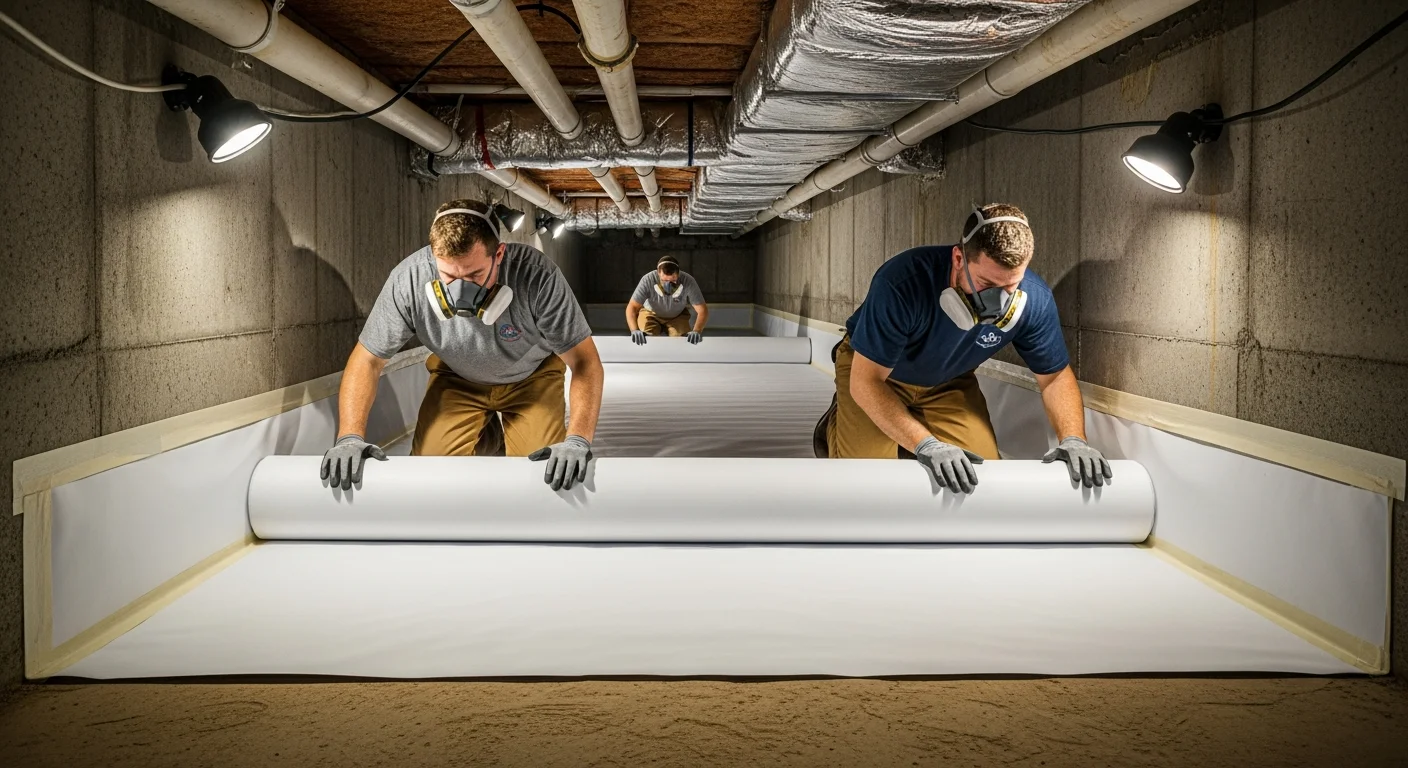
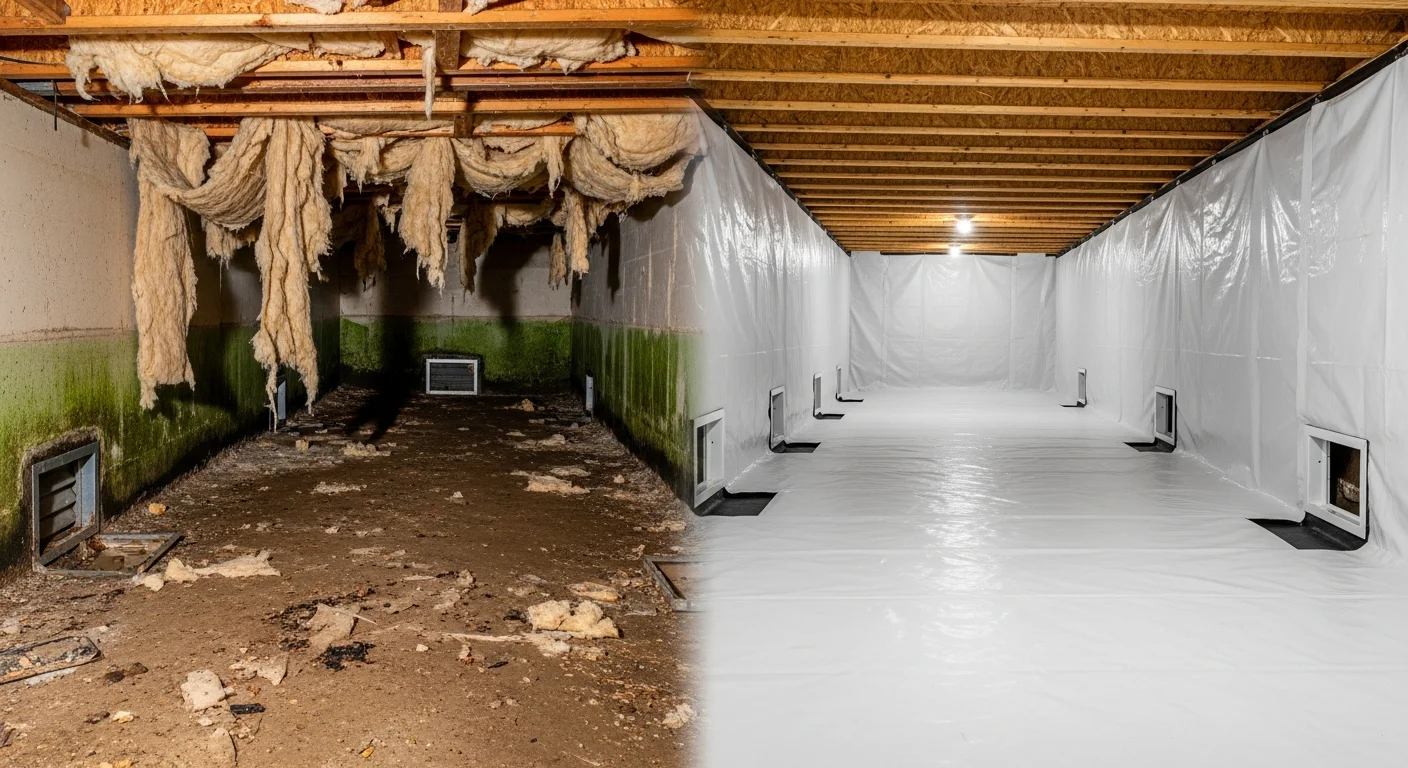
Full encapsulation uses a heavy-duty barrier (12 to 20 mil reinforced polyethylene) covering 100 percent of the crawl space floor and extending up the foundation walls. All foundation vents are sealed, and the barrier is mechanically fastened and seam-sealed. This creates a controlled environment isolated from ground moisture and outdoor humidity. In SC's climate, full encapsulation is the recommended approach for any crawl space with recurring moisture, mold, or pest problems. Our encapsulation pros and cons guide covers the decision framework in detail.
- 1
Step 1: Inspection and moisture mapping
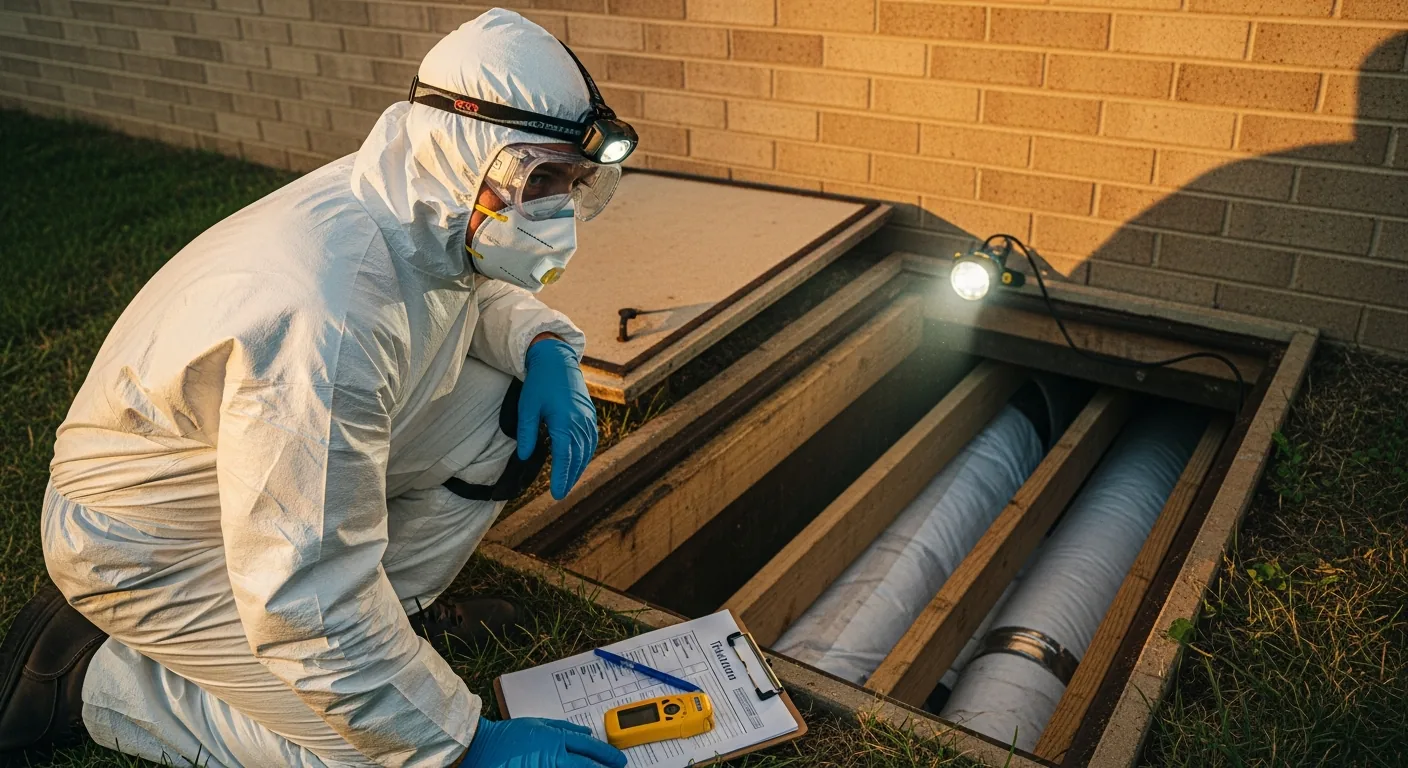
A professional inspection uses moisture meters, hygrometers, and visual assessment to map every moisture source: soil, walls, vents, plumbing, and condensation. This baseline determines the scope of work and identifies any mold or structural damage that must be addressed before encapsulation. Use our crawl space inspection checklist to prepare.
- 2
Step 2: Debris removal and mold remediation
Remove all debris, old insulation, vapor barrier remnants, and organic material from the crawl space. If mold is present, complete professional mold remediation with containment and HEPA filtration before proceeding. Encapsulating over mold traps the problem and voids most warranties.
- 3
Step 3: Drainage correction
Address exterior grading (minimum 6-inch slope over 10 feet away from foundation), extend gutter downspouts 4 to 6 feet from walls, and install interior French drains with sump pump if water intrusion is present. In Lowcountry and Midlands clay areas, drainage correction is often the most important single step.
- 4
Step 4: Vapor barrier and wall encapsulation
Install 12 to 20 mil reinforced polyethylene on the floor with 12-inch overlaps at seams, sealed with polyethylene tape. Extend the barrier up foundation walls to within 3 inches of the sill plate (preserving the termite inspection gap). Mechanically fasten with pins and seal all penetrations around piers, pipes, and columns.
- 5
Step 5: Vent sealing and air sealing
Seal all foundation vents with rigid foam insulation and cover plates. Seal gaps around rim joists, sill plates, and any penetrations between the crawl space and the living space. This eliminates the entry points for unconditioned outdoor air.
- 6
Step 6: Mechanical dehumidification
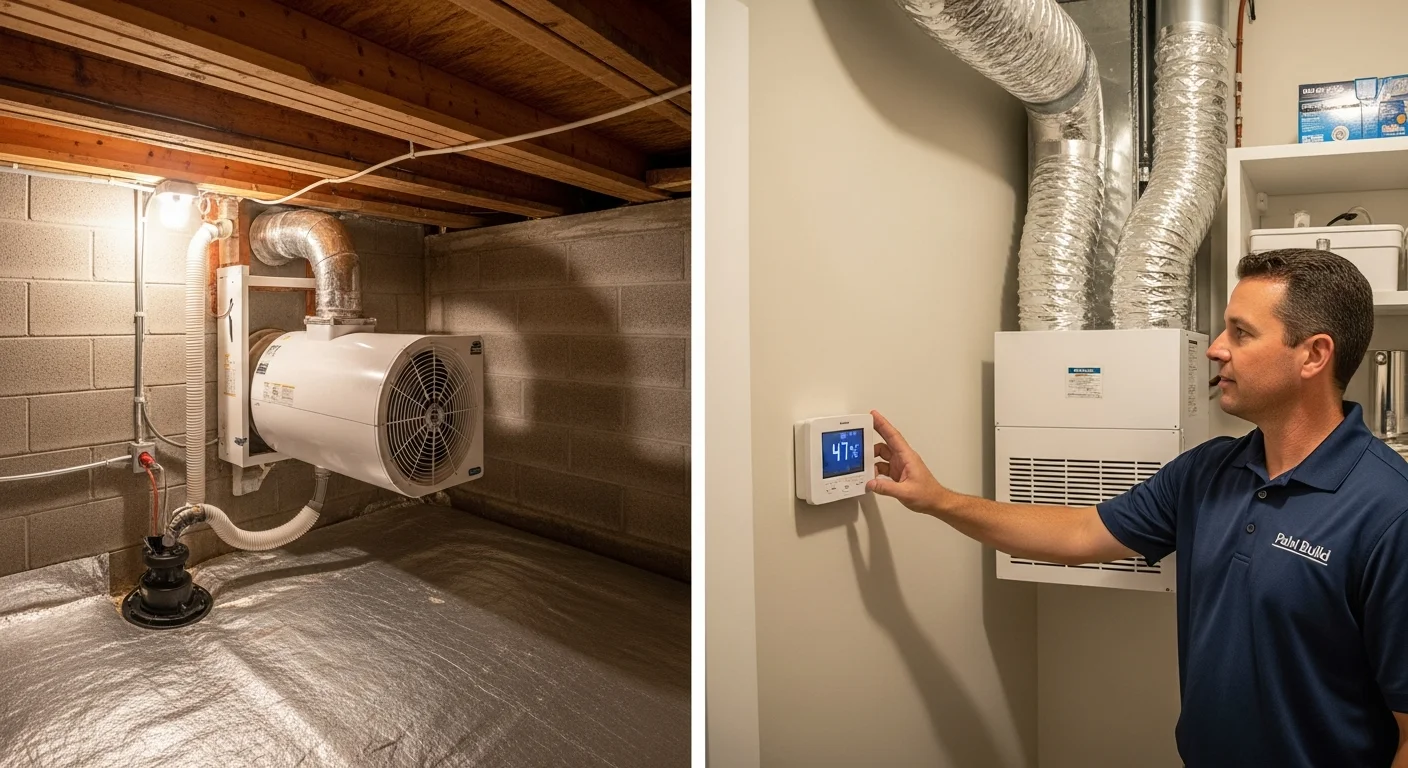
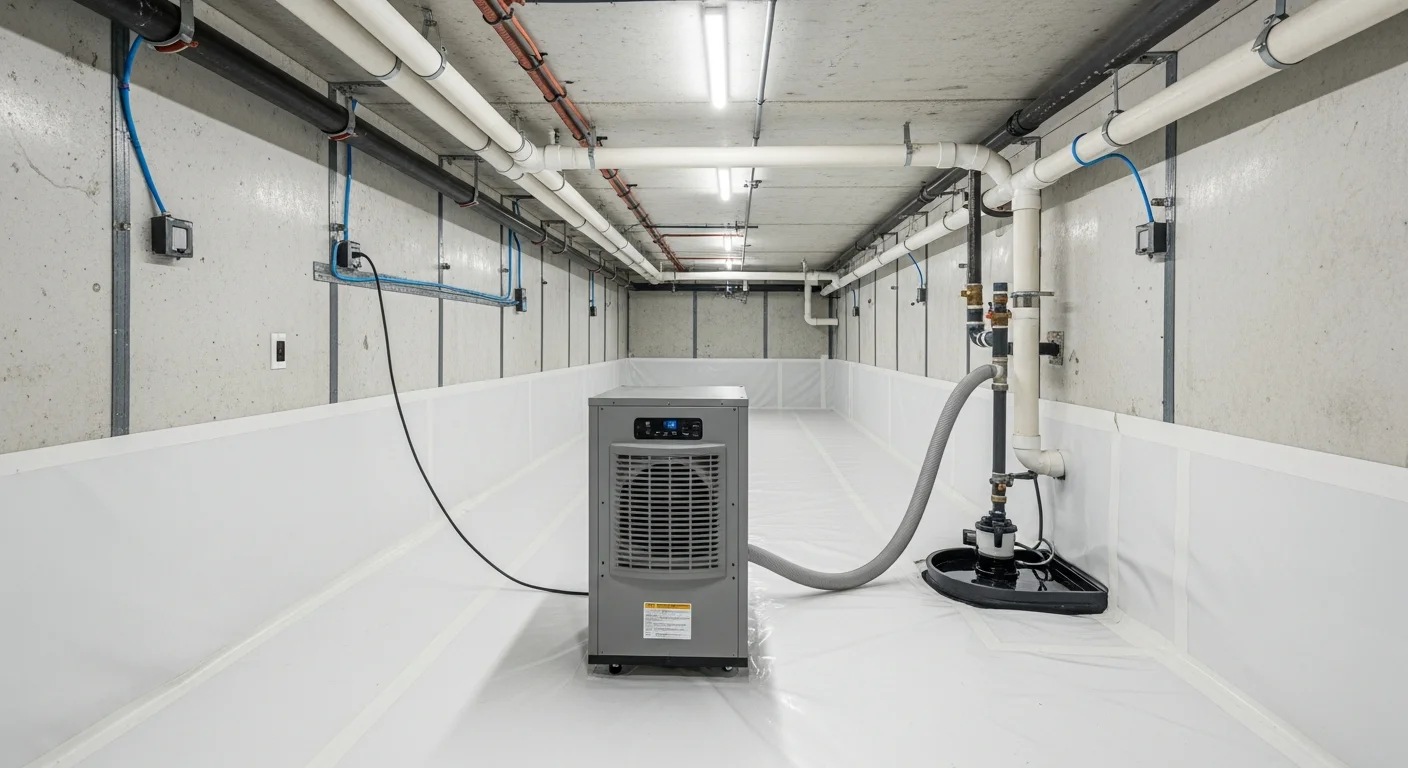
Install a commercial-grade crawl space dehumidifier sized for the crawl space volume, with a target relative humidity below 55 percent. Connect the condensate drain to a sump pump, gravity drain, or condensate pump. SC code requires mechanical ventilation or conditioning in closed crawl spaces.
Commercial dehumidification
A crawl space dehumidifier is not optional in an encapsulated SC crawl space. Even with a sealed vapor barrier, concrete walls release moisture, and residual soil moisture beneath the barrier generates humidity that must be mechanically removed. Commercial crawl space dehumidifiers are rated for the confined, dusty environment and typically remove 70 to 120 pints per day. Consumer-grade portable units lack the capacity, durability, and drainage features needed for crawl space use.
Interior drainage systems
For crawl spaces with chronic water intrusion, standing water, or high water tables (common in the Lowcountry and clay-heavy Midlands), an interior perimeter drainage system channels water to a sump pit where a pump ejects it away from the foundation. This is installed before the vapor barrier so the drainage system operates beneath the encapsulation. In flood-prone coastal areas, a battery backup sump pump is essential insurance against power outages during storms.
Professional mold remediation
If mold is present, it must be professionally removed before encapsulation. Crawl space mold removal follows IICRC S520 standards: containment, HEPA air filtration, antimicrobial treatment, and verification clearance testing. Encapsulating over active mold is a common shortcut that creates worse problems down the road. Any reputable encapsulation contractor will insist on mold remediation first.
Structural repair and joist sistering
When wood rot has compromised floor joists or sill plates, structural repair is required before encapsulation. Joist sistering (bolting a new joist alongside the damaged one) is the most common approach. In severe cases, full joist replacement or supplemental support columns may be needed. A qualified contractor will assess structural integrity during the initial inspection and include any necessary repairs in the scope of work.
- Grade exterior soil away from foundation (6 inches over 10 feet minimum)
- Extend gutter downspouts 4 to 6 feet from foundation walls
- Remove all debris, old insulation, and organic material from crawl space
- Complete mold remediation before any sealing work begins
- Install interior drainage and sump pump if water intrusion is present
- Install 12 to 20 mil reinforced vapor barrier on floor and walls
- Seal all foundation vents with rigid foam and cover plates
- Leave 3-inch termite inspection gap at sill plate
- Install commercial dehumidifier sized for crawl space volume
- Verify condensate drain line is functioning and routed properly
- Confirm SC LLR license for contractor performing the work
- Schedule annual crawl space inspection after encapsulation
South Carolina Crawl Space Costs: 2026 Guide
Cost is the first question most SC homeowners ask, and the honest answer is that it depends on the scope. A crawl space that only needs a vapor barrier and dehumidifier costs a fraction of one that needs mold remediation, drainage, structural repair, and full encapsulation. The table below breaks out each component so you can compare quotes accurately and understand what you are paying for.
| Service | Typical Cost Range | Key Cost Drivers |
|---|---|---|
| Crawl space inspection | $200 - $500 | Size, access difficulty, mold testing adds $150-$400 |
| Vapor barrier only (6-mil) | $1,500 - $4,000 | Crawl space size, access, ground prep required |
| Full encapsulation (12-20 mil) | $4,500 - $20,000 ($3 - $10/sq ft) | Size, wall height, number of piers/columns, drainage needs |
| Commercial dehumidifier + install | $1,300 - $2,800 | Unit capacity, electrical work, condensate drainage |
| Mold remediation | $1,500 - $5,000 ($10 - $25/sq ft) | Affected area, material type, containment complexity |
| Interior drainage + sump pump | $2,500 - $6,000 | Linear footage, pump type, battery backup adds $300-$600 |
| Structural repair (joist sistering) | $1,000 - $5,000+ | Number of joists, accessibility, extent of rot |
South Carolina crawl space project costs (2026 estimates)
Several SC-specific factors push costs toward the higher end. Lowcountry homes near the coast often need sump pumps and battery backups that Upstate homes do not. Clay soil regions in the Midlands and Upstate frequently require drainage correction that sandy coastal soils may not. Low-clearance crawl spaces (under 24 inches) significantly increase labor time and cost. Prior water damage or active mold requires remediation before encapsulation can begin. Always get at least two to three written estimates that itemize each component separately so you can compare apples to apples.
Vented vs. Encapsulated Crawl Spaces and SC Building Code
South Carolina has adopted the 2018 International Residential Code (IRC) with state-specific amendments. The code allows both vented and closed (unvented) crawl space designs, but closed crawl spaces must meet specific requirements for vapor barriers, mechanical ventilation, and drainage. Understanding these requirements is important because a non-compliant encapsulation can create liability issues and may void homeowner insurance coverage.
- **Vapor retarder required:** SC code requires a Class I vapor retarder (6-mil poly minimum) on the ground in both vented and unvented crawl spaces.
- **Mechanical ventilation for closed crawl spaces:** Unvented crawl spaces must have one of three conditioning methods: continuously operated exhaust fan (1 CFM per 50 sq ft), supply air from the HVAC system (1 CFM per 50 sq ft), or a dehumidifier sized for the volume.
- **Drainage requirement:** The ground surface in the crawl space must be graded to drain to a sump or toward the perimeter.
- **Termite inspection gap:** The SC code and pest control best practices require a 3-inch gap between the top of the wall vapor barrier and the sill plate for visual termite inspection access.
- **SC LLR licensing:** Contractors performing crawl space encapsulation in SC must hold a valid residential builder's license issued by the SC Department of Labor, Licensing and Regulation (LLR). Verify your contractor's license status at llr.sc.gov before signing a contract.
Closed (encapsulated) crawl space
- Humidity controlled below 55 percent year-round
- No outside air entering through sealed vents
- Heavy-duty vapor barrier blocks ground moisture
- Energy savings of 15 to 20 percent documented
- Protects structural wood from decay and termites
- Reduces indoor allergen and mold spore levels
- Meets SC code with proper mechanical ventilation
Traditional vented crawl space
- Humidity often exceeds 80 percent in SC summers
- Open vents invite humid air, pests, and debris
- Bare soil releases moisture continuously into the space
- Higher energy bills from unconditioned air infiltration
- Wood moisture above 19 percent supports mold and rot
- Musty crawl space odor infiltrates living space
- Code-compliant but known to underperform in humid climates
Insurance Coverage for SC Crawl Space Damage
Insurance coverage for crawl space damage in South Carolina depends entirely on the cause and timing of the damage. Understanding what your policy covers before you have a problem can save you thousands of dollars and significant frustration during the claims process. The key distinction is between sudden and accidental damage, which is generally covered, and gradual damage from deferred maintenance, which is almost never covered.
| Scenario | Typically Covered? | Notes |
|---|---|---|
| Burst pipe flooding crawl space | Yes | Sudden and accidental water damage. Document immediately. |
| Appliance leak (water heater, HVAC) | Yes | Covered if sudden failure, not gradual drip. |
| Storm damage (wind-driven rain, tree fall) | Yes | Covered under dwelling and wind/hail provisions. |
| Gradual moisture damage and wood rot | No | Classified as maintenance neglect by most insurers. |
| Mold from chronic humidity | No | Most SC policies exclude or severely limit mold coverage. |
| Flood damage (rising water, storm surge) | No — requires NFIP | Standard policies exclude flood. Separate NFIP or private flood policy required. |
| Termite or pest damage | No | Universally excluded from homeowners policies. |
| Encapsulation as preventive measure | No | Home improvement, not insurable loss. |
SC homeowners insurance coverage for crawl space damage
If you experience sudden water damage in your crawl space, document everything with timestamped photos and video before moving or cleaning anything. File your claim promptly and keep all receipts. For Lowcountry homeowners in flood zones, a separate NFIP flood policy or private flood insurance is essential. Standard homeowners insurance never covers rising water, regardless of the cause. Our guide to homeowners insurance and water damage explains the claims process and documentation requirements in detail. For help navigating the insurance restoration process, Palm Build works directly with your adjuster to ensure proper scoping.
DIY vs. Professional Crawl Space Repair
Some crawl space maintenance tasks are reasonable for a capable homeowner. Others require professional equipment, training, and licensing. The table below draws the line clearly so you can decide which tasks to handle yourself and which to hire out.
| Task | DIY Feasible? | Professional Recommended? | Why |
|---|---|---|---|
| Visual inspection | Yes | Also yes — annual pro inspection recommended | Homeowners can spot obvious problems. Pros catch hidden damage. |
| Moisture readings | Moderate | Yes | Consumer meters exist but pro-grade equipment is more accurate. |
| Debris and old insulation removal | Yes | Optional | Labor-intensive but straightforward with proper PPE. |
| Vapor barrier (6-mil ground cover) | Yes | Optional | Manageable in accessible crawl spaces. Requires sealing seams. |
| Full encapsulation | No | Yes | Requires specialized materials, fastening systems, and code knowledge. |
| Mold remediation (>10 sq ft) | No | Yes | Requires containment, HEPA filtration, and IICRC S520 protocols. |
| Drainage and sump pump installation | No | Yes | Requires excavation, plumbing knowledge, and electrical work. |
| Structural joist repair | No | Yes | Requires structural assessment, proper sistering, and load calculations. |
DIY vs. professional crawl space work in South Carolina
If you are comfortable in confined spaces and have proper PPE (N95 respirator at minimum, ideally a half-face respirator with P100 filters, gloves, eye protection, and knee pads), you can handle inspection, debris removal, and basic vapor barrier installation. For everything else, hire a licensed SC contractor who follows IICRC standards and can pull permits where required. An improperly installed encapsulation can trap moisture and create worse problems than the original vented crawl space. Use our crawl space inspection checklist as a starting point for your own assessment.
- Encapsulation
- Sealing a crawl space with heavy-duty vapor barrier on floor and walls, closing vents, and adding mechanical dehumidification to create a controlled environment.
- Vapor barrier
- Polyethylene sheeting (6 to 20 mil) installed on the crawl space floor to reduce soil moisture evaporation. A component of encapsulation, not a substitute for it.
- Stack effect
- The natural upward air movement in a building caused by warm air rising and exiting through upper levels, pulling replacement air from the crawl space below.
- Relative humidity (RH)
- The percentage of moisture in the air relative to the maximum it can hold at that temperature. Target below 55 percent in encapsulated crawl spaces.
- Joist sistering
- Bolting a new floor joist alongside a damaged one to restore structural integrity without full replacement.
- Sub-membrane depressurization
- A radon mitigation system that uses a vent pipe and fan beneath the crawl space vapor barrier to draw radon from the soil and exhaust it outside.
- SC LLR
- South Carolina Department of Labor, Licensing and Regulation. Issues residential builder licenses required for crawl space encapsulation contractors.
Frequently Asked Questions
How much does crawl space encapsulation cost in South Carolina? +
Should I close my crawl space vents in South Carolina? +
Does South Carolina have a radon problem in crawl spaces? +
What SC building codes apply to crawl space encapsulation? +
Does homeowners insurance cover crawl space water damage in SC? +
How do I know if my crawl space has a moisture problem? +
What is the difference between a vapor barrier and full encapsulation? +
How long does crawl space encapsulation last? +
South Carolina crawl spaces demand a region-aware approach. What works in the Upstate red clay does not address Lowcountry flooding, and what a Midlands home needs for expansive clay soils differs from both. The common thread is that vented crawl spaces underperform across all three regions, and the durable solution is almost always a properly installed encapsulation system with active moisture control. If your crawl space is showing warning signs, acting before the damage compounds is the most cost-effective decision you can make.
Crawl Space Cleanup and Encapsulation
Professional crawl space services including mold removal, moisture control, and full encapsulation across SC.
Mold Remediation Services
IICRC-certified mold remediation with containment, removal, and post-treatment verification testing.
Crawl Space Encapsulation Cost Guide (2026)
Detailed pricing breakdown by square footage, component costs, and regional factors for FL, NC, and SC.
NC Crawl Space Problems: Homeowner Guide
Companion state guide covering North Carolina crawl space problems, costs, permits, and radon considerations.
Signs of Crawl Space Problems
Comprehensive list of warning signs that your crawl space needs professional attention.
Crawl Space Inspection Checklist
Step-by-step checklist for evaluating your crawl space condition before calling a contractor.
SC crawl space problems? Get expert help now.
Palm Build's IICRC-certified team handles crawl space moisture, mold remediation, and full encapsulation across South Carolina. 24/7 emergency response available.
Found this helpful? Send it to someone who needs it.