Quick Answer
North Carolina crawl space problems are almost always moisture problems — driven by the state's humid subtropical climate, slow-draining clay soils, and outdated vented designs that keep the space damp for months. Left unchecked, that moisture causes mold, wood rot, and structural issues. Encapsulation typically costs $4,000 to $20,000, and most vented-to-closed conversions require a permit.
Key takeaways
- North Carolina crawl space problems are almost always moisture problems caused by humid climate, clay soil, and outdated vented designs.
- Mold risk increases sharply when materials stay wet beyond 24 to 48 hours. Early drying and documentation prevent bigger costs later.
- Encapsulation costs typically range from $4,000 to $20,000 depending on crawl space size, drainage needs, and existing mold.
- NC requires permits for most vented-to-closed crawl space conversions, and 77 of 100 NC counties have elevated radon risk that should be tested before sealing.
- A closed crawl space with proper moisture control can reduce relative humidity from 80 percent or higher to below 60 percent and cut energy costs by up to 15 percent.
If your North Carolina crawl space smells musty, feels damp, or shows mold, the root cause is almost always persistent moisture, not "bad air." Because much of NC has a humid subtropical climate and many properties sit on clay-heavy soils that drain slowly, a vented crawl space often stays damp for months at a time, especially in spring and summer. The long-term solution is usually a closed (encapsulated) crawl space with drainage correction and active humidity control. Most homeowners should budget roughly $4,000 to $20,000 for a full crawl space encapsulation scope, and timing matters: mold risk increases fast when materials stay wet beyond 24 to 48 hours.
Encapsulation cost
$4K - $20K
Size, drainage, and mold drive the range
Mold risk window
24 - 48 hrs
Federal guidance for drying wet materials
Crawl space air infiltration
~40%
House air that can enter from a vented crawl space
NC radon risk
77 of 100
NC counties above EPA action level of 4 pCi/L
The Fast Diagnosis: What Your Symptoms Usually Mean
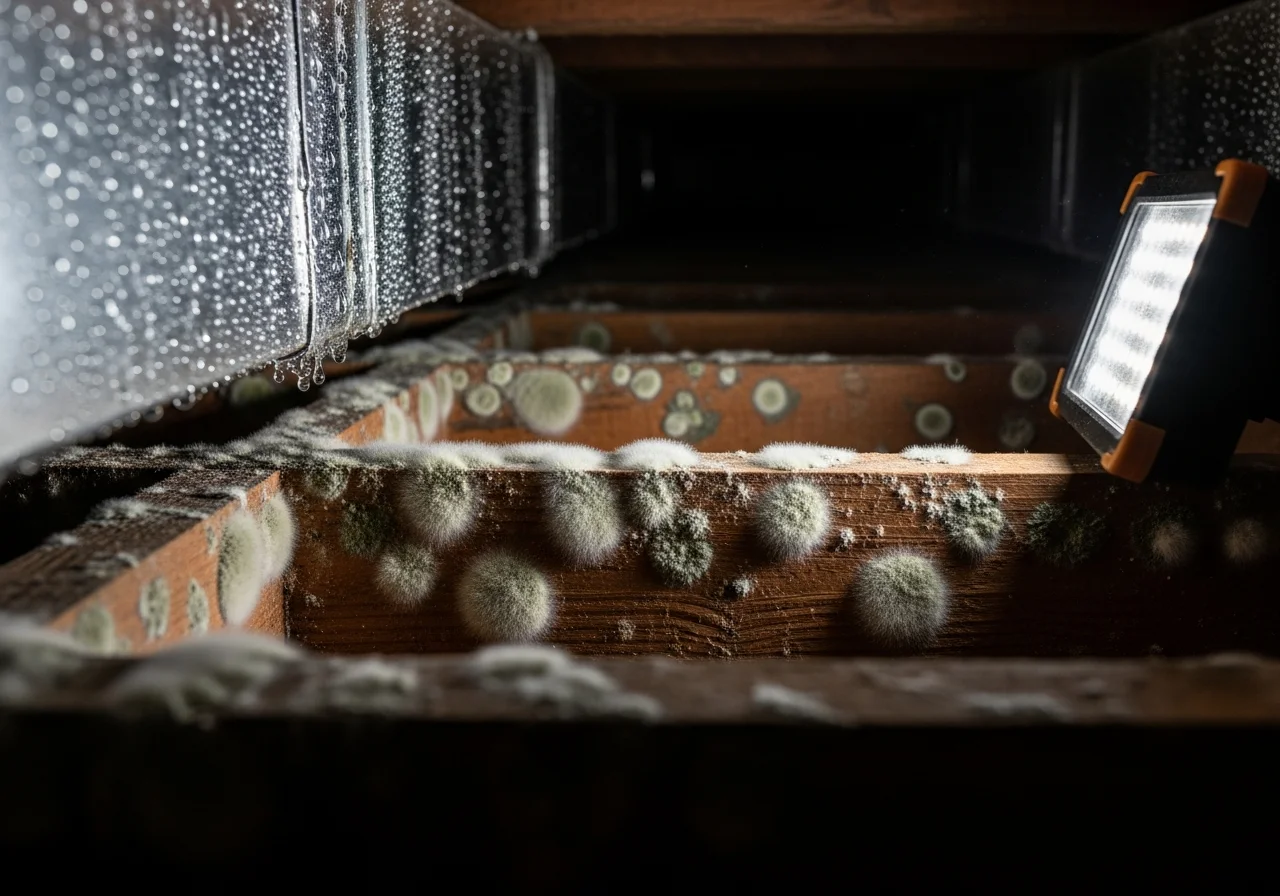
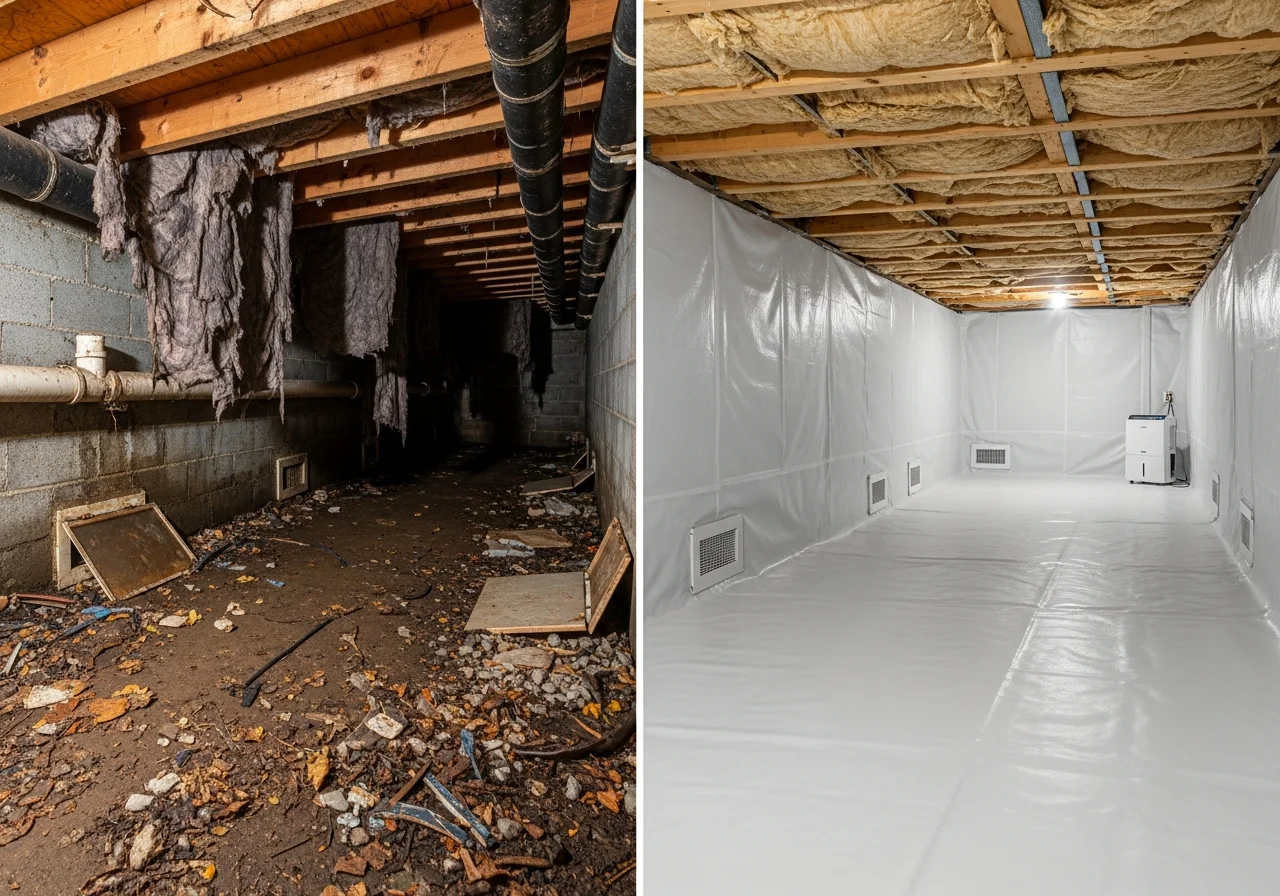
North Carolina crawl space problems rarely announce themselves with a flood or a dramatic failure. Instead, they creep into your living space as subtle signs that are easy to dismiss for months or even years. Recognizing these symptoms early can save you thousands of dollars in remediation and structural repair.
- **Musty smell or "basement odor" in a house with no basement.** This is the number-one complaint. An ASHRAE field study found that roughly 40 percent of indoor air in tested homes entered from a vented crawl space. If that air carries mold spores and damp soil odor, your living room will too.
- **Allergy flare-ups, respiratory irritation, or unexplained headaches.** When crawl space humidity feeds mold growth, airborne spore counts rise inside the home. The CDC notes that mold exposure can cause nasal stuffiness, throat irritation, coughing, and eye irritation in sensitive individuals.
- **Condensation on ducts, pipes, or crawl space surfaces.** Warm humid air entering a cooler crawl space hits the dew point on cold metal surfaces. Visible condensation means relative humidity is already high enough to support mold and wood decay.
- **Sagging floors, bouncy spots, or soft subflooring.** When wood moisture content exceeds 19 percent, it can support both mold growth and decay-producing organisms according to Weyerhaeuser's published guidelines. Structural softening means damage is already underway.
- **Falling or sagging fiberglass insulation.** Fiberglass batts absorb moisture, gain weight, and eventually detach from the floor joists. This is a visible sign that your crawl space humidity has been elevated for a prolonged period.
Why These Problems Are So Common in North Carolina
North Carolina is not just another humid state. Its specific combination of climate, soil, and traditional building practices creates crawl space conditions that are measurably worse than the national average. Understanding why is the first step toward fixing the problem permanently.
Humid climate plus seasonal condensation
NC's climate is broadly humid subtropical, with very warm summers and mild winters. During the months from April through October, outdoor dew points regularly exceed 65 degrees Fahrenheit. When that warm, moisture-laden air enters a cooler crawl space through open foundation vents, it hits surfaces that may be 10 to 15 degrees cooler. The result is condensation on framing, ductwork, and insulation, raising moisture content and creating ideal conditions for mold and wood decay. The climate varies sharply from the mountains to the piedmont to the coastal plain, but the humidity-condensation cycle affects all three regions.
Piedmont clay soil and slow drainage around foundations
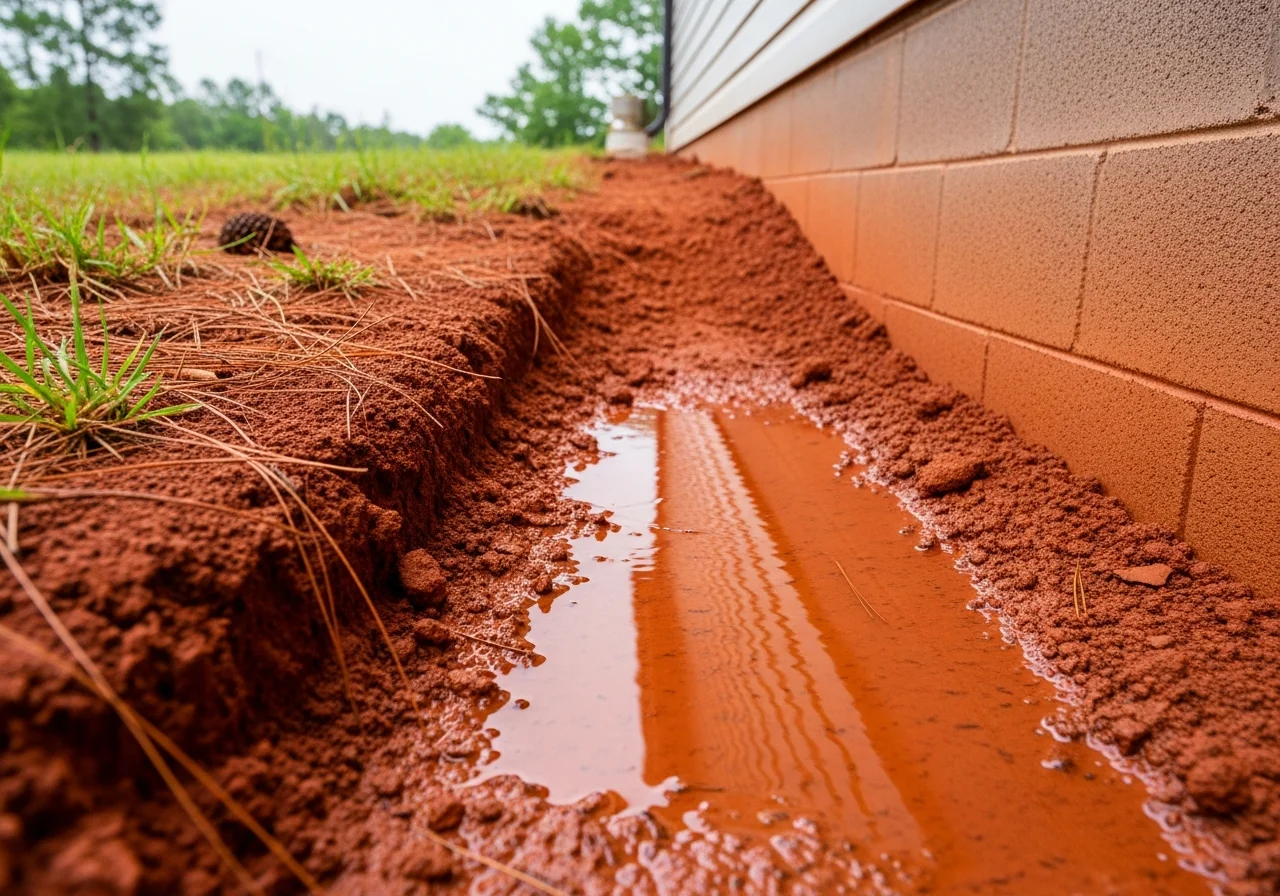
NC State University Extension notes that much of the piedmont and mountain subsoil has high clay content. Clay soils move water slowly and can remain saturated for extended periods after rain events. Construction activity around new homes further compacts these soils, reducing water infiltration even more. The practical result is that water pools near and under foundations for days or weeks after rain, even when you do not see standing water in the crawl space itself. This slow-release ground moisture feeds humidity from below while the open vents feed it from above.
Vented crawl spaces and why "letting it breathe" often fails
For decades, building codes required open foundation vents under the assumption that outdoor air would dry the crawl space. In dry climates, that logic holds. In North Carolina, it backfires. Humid outdoor air entering a cooler crawl space adds moisture rather than removing it. Advanced Energy's NC-associated field research found that vented crawl spaces exceeded 80 percent relative humidity during much of spring and summer, while closed (encapsulated) crawl spaces in the same study maintained humidity below 65 percent. That difference is the line between a dry, healthy crawl space and one actively growing mold.
Closed (encapsulated) crawl space
- Humidity controlled below 60 percent year-round
- No outside air entering through sealed vents
- Vapor barrier blocks ground moisture
- Energy savings up to 15 percent (Advanced Energy study)
- Protects structural wood from decay
- Reduces indoor allergen levels
Traditional vented crawl space
- Humidity often exceeds 80 percent in summer
- Open vents invite humid air and pests
- Bare soil releases moisture continuously
- Higher energy bills from unconditioned air
- Wood moisture above 19 percent supports mold and rot
- Musty odor infiltrates living space
What to Do in the First 48 Hours If You See Mold or Water
- 1
Step 1: Make it safe and stop the water source
If the crawl space has standing water, do not enter without proper PPE (respirator, gloves, waterproof boots). Turn off HVAC systems that run through the crawl space to prevent circulating contaminated air. If you can identify and safely stop the water source (a leaking pipe, a failed sump pump, clogged gutter discharge), do so. If you cannot, call a water damage restoration professional.
- 2
Step 2: Document everything for repairs and insurance
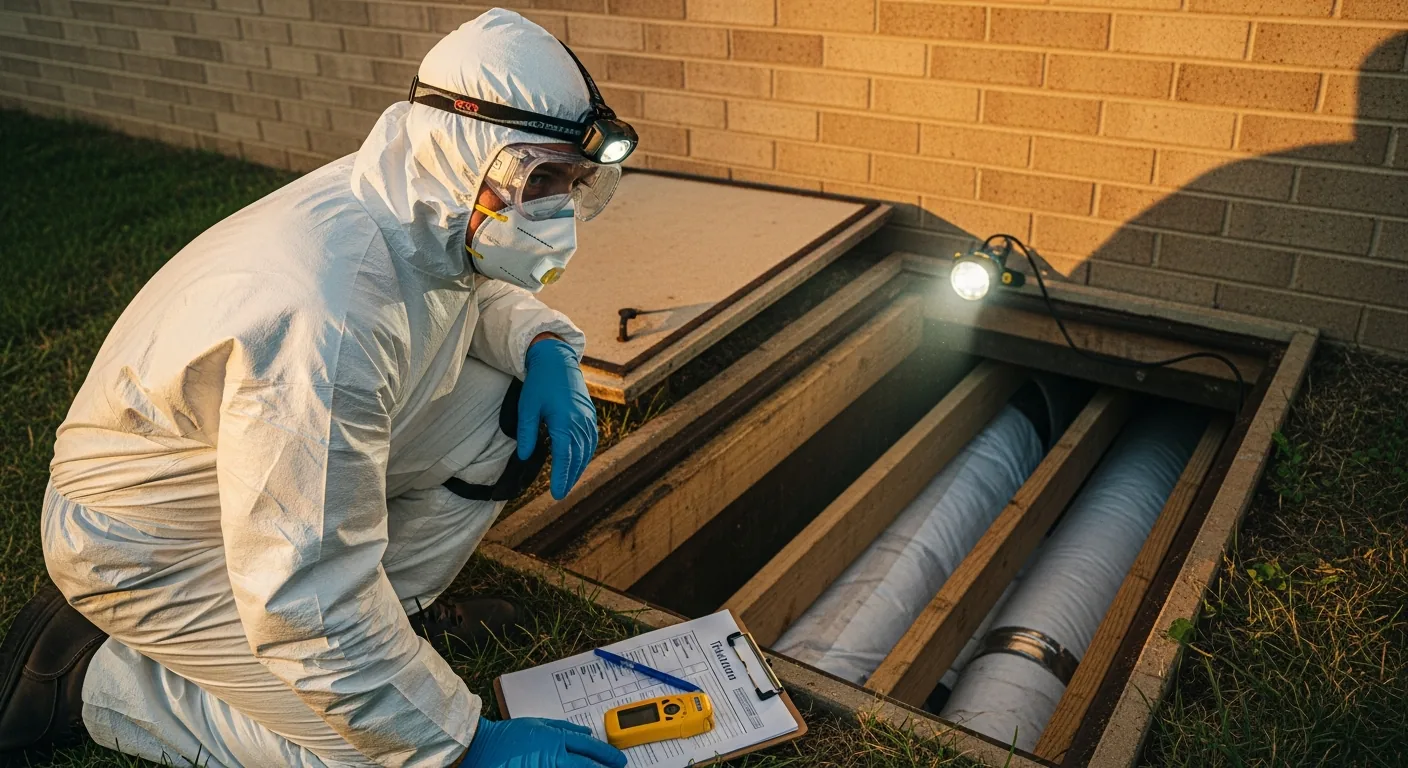
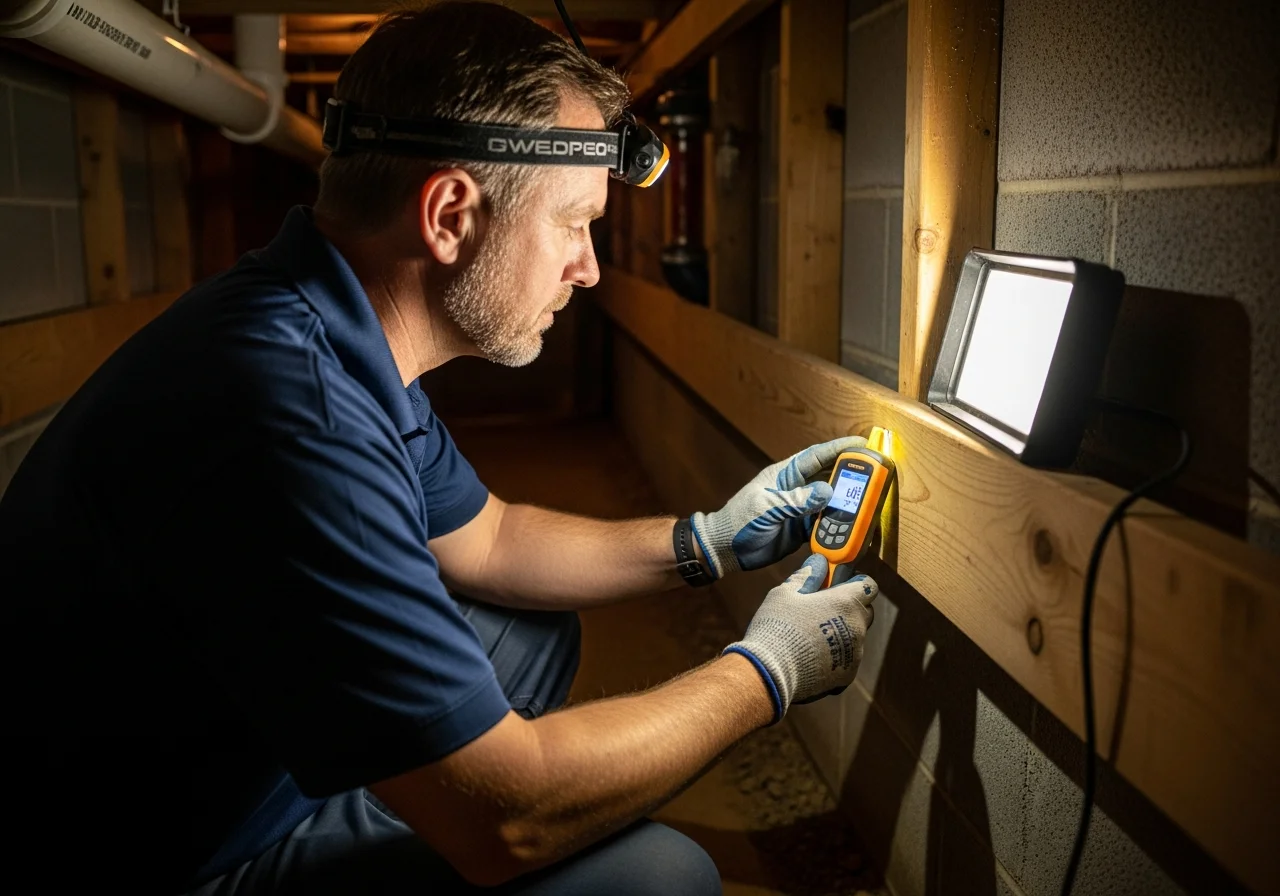
Before moving or cleaning anything, take timestamped photos and video of all visible damage: water levels, mold growth, sagging insulation, damaged materials. Photograph serial numbers on affected equipment. This documentation is critical for insurance claims and for your restoration contractor to scope the work accurately.
- 3
Step 3: Remove standing water and start drying
Use a pump or wet-dry vacuum to extract standing water. Set up fans and a dehumidifier to begin drying the space. If the crawl space is large, has limited access, or the water is contaminated (sewage backup, flood water), professional extraction equipment is necessary. The goal is to get materials below 19 percent moisture content as quickly as possible.
- 4
Step 4: Decide if this is a DIY cleanup or a professional remediation
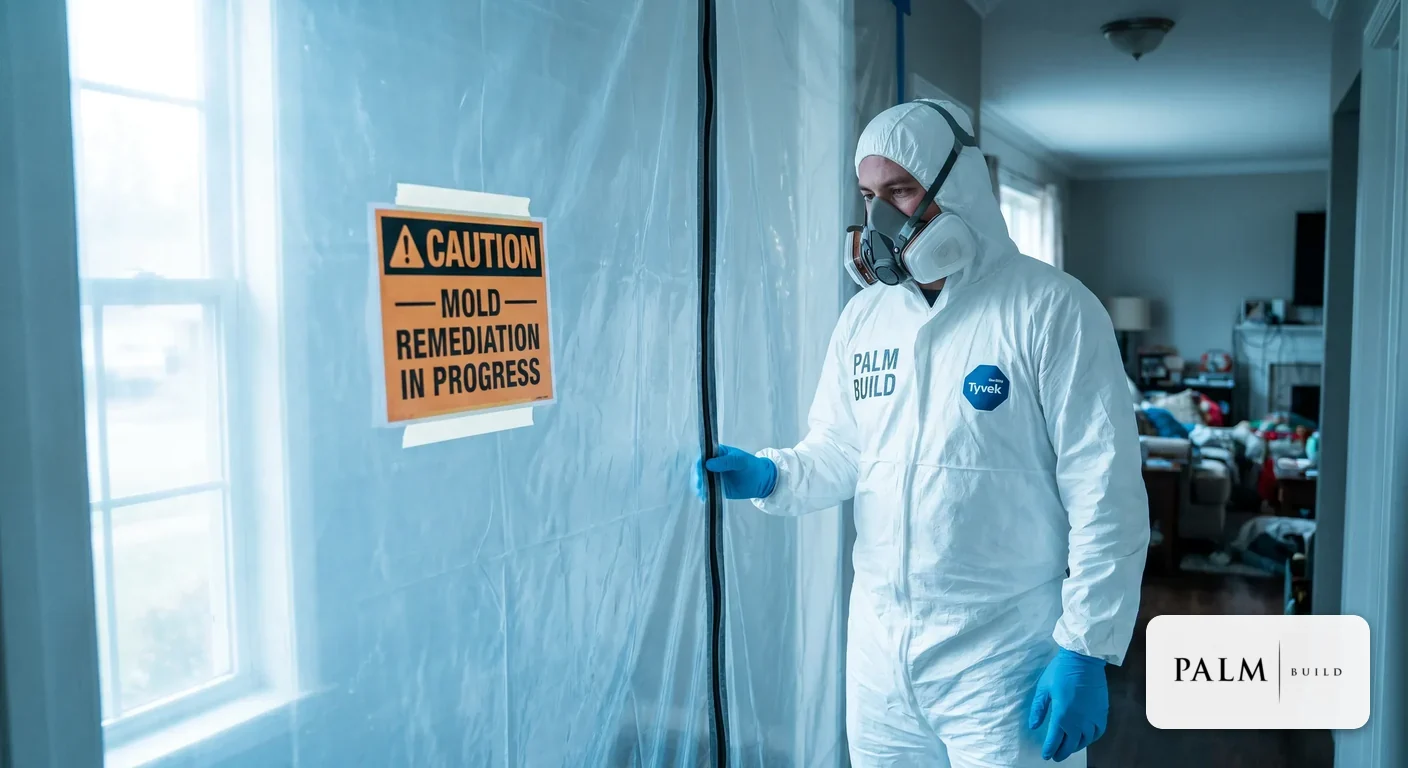
The EPA's guideline for homeowners is that mold covering less than about 10 square feet on hard surfaces can potentially be handled with proper PPE and cleaning. If mold covers a larger area, has penetrated porous materials like wood framing, or if you have health concerns, hire a certified mold remediation professional who follows IICRC S520 standards.
- 5
Step 5: Prevent recurrence with moisture control, not just cleaning
Cleaning mold without fixing the moisture source guarantees it will return. The durable solution in most NC homes is a combination of drainage correction, vapor barrier or full encapsulation, and mechanical dehumidification. Cleaning alone is treating the symptom. Professional crawl space cleanup addresses the root cause.
The Durable Fixes That Actually Work in NC Crawl Spaces
Once you have addressed the immediate damage, the real question is how to prevent it from happening again. In North Carolina's climate, there are four components that matter most, and skipping any one of them undermines the others.
Drainage and runoff control
Before sealing anything, manage the water that reaches your foundation. Ensure your yard grades away from the house at a minimum slope of 6 inches over the first 10 feet. Clean and extend gutter downspouts to discharge at least 4 to 6 feet from the foundation. In areas with high clay content and persistent water intrusion, an interior French drain with a sump pump may be necessary. Drainage correction is the foundation that every other fix builds on.
Vapor barrier versus full encapsulation
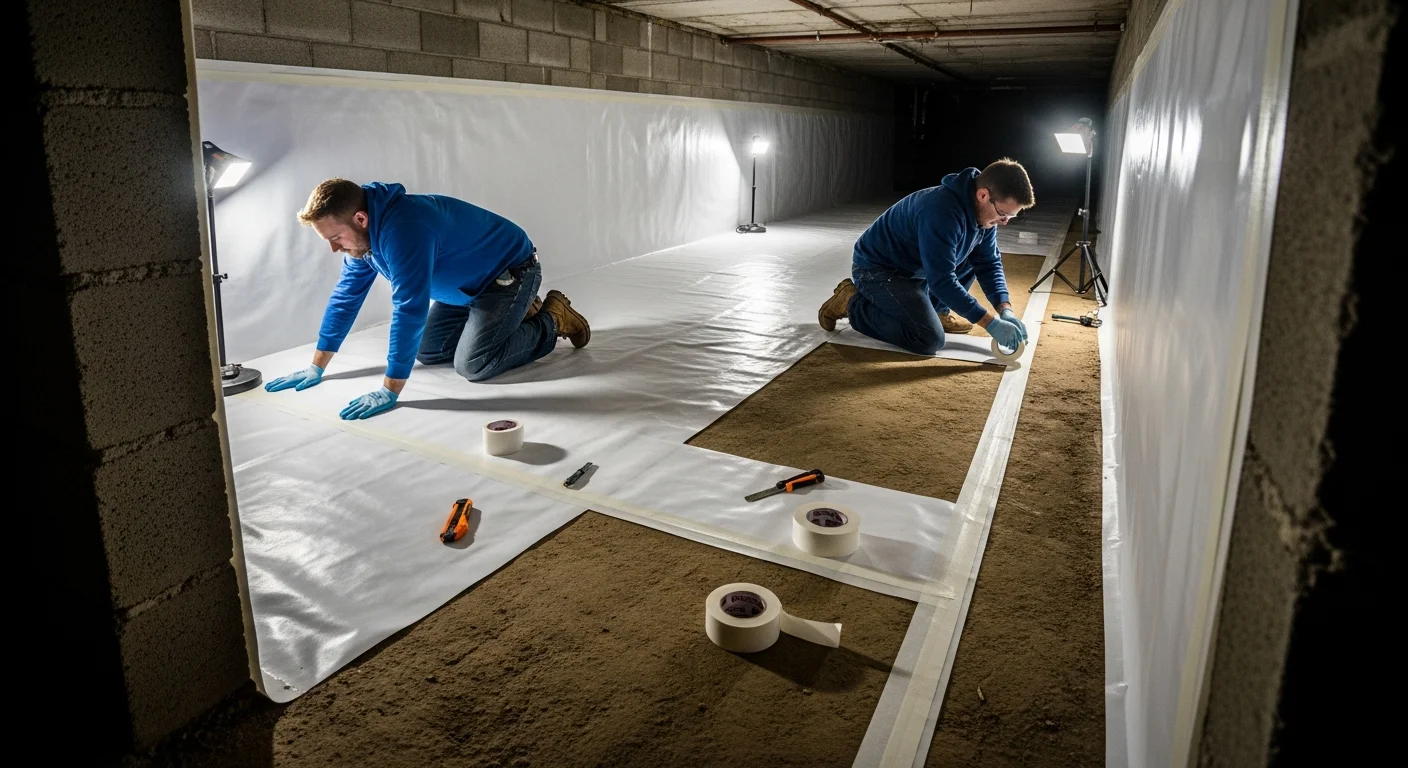
A basic vapor barrier (6-mil polyethylene sheeting on the floor) reduces ground moisture but does not eliminate humidity entering through open vents and walls. Full encapsulation uses a heavier-duty barrier (12 to 20 mil) covering 100 percent of the floor and extending up the foundation walls, combined with sealed vents and wall insulation. For most NC homes, full encapsulation is the recommended approach because it addresses moisture from all directions. Our crawl space encapsulation cost guide breaks down pricing by size and scope in detail.
Dehumidifier, supply air, or exhaust fan
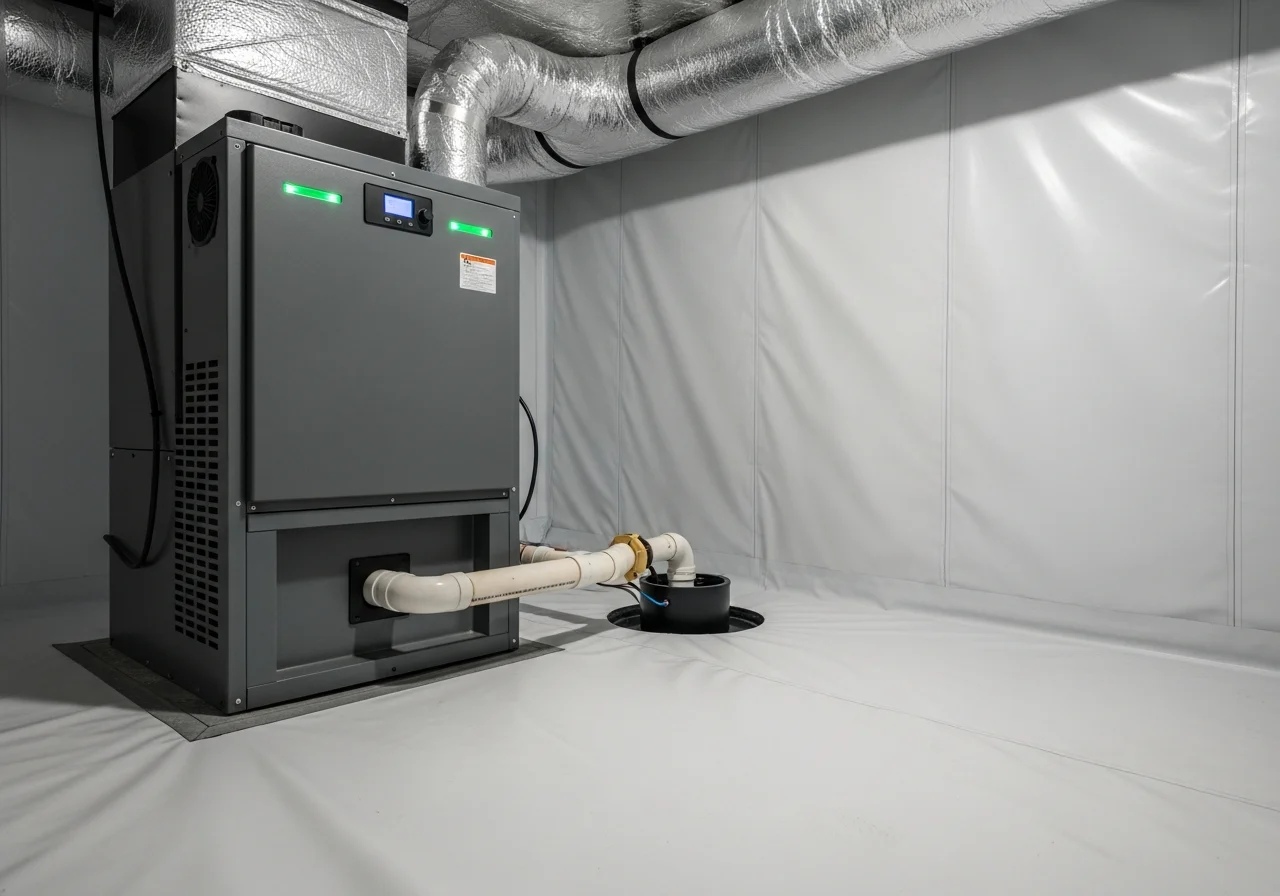
NC building code requires active moisture control in a closed crawl space. The options include a permanently installed commercial dehumidifier (most common), ducting conditioned supply air from the home's HVAC system, or an exhaust fan. For most NC homes, a commercial dehumidifier sized for the crawl space volume is the most reliable choice because it operates independently and can maintain target humidity below 60 percent regardless of HVAC cycles.
Termite considerations and inspection gaps
North Carolina is termite country. ENERGY STAR and Advanced Energy guidelines for Southeast crawl spaces emphasize leaving a 3-inch inspection gap between the top of the wall vapor retarder and the sill plate. This gap allows pest inspectors to see termite tubes. Low-quality encapsulation jobs that cover this gap create a hidden pathway for undetected termite damage. Any reputable contractor will know to leave it.
- Grade soil away from foundation (6 inches over 10 feet minimum)
- Extend gutter downspouts 4 to 6 feet from foundation walls
- Install 12 to 20 mil vapor barrier on floor and walls
- Seal all foundation vents with rigid covers and foam
- Install commercial dehumidifier sized for crawl space volume
- Leave 3-inch termite inspection gap at sill plate
- Verify condensate drain line for dehumidifier is functioning
- Schedule annual crawl space inspection after encapsulation
Cost and Timeline Guide
When homeowners search for North Carolina crawl space help, they often confuse three different scopes: mold treatment alone, moisture control improvements (drainage, vapor barrier, dehumidification), and full encapsulation with air sealing. The tables below separate these clearly so you can compare quotes accurately.
Cost by scope
| Scope | Typical price range | Notes |
|---|---|---|
| Mold inspection (not remediation) | $300 - $1,000 | Varies by house size. Testing and sampling add cost. |
| Mold remediation (removal and containment) | $1,200 - $3,750 total ($10 - $25 per sq ft) | Crawl spaces are labor-intensive due to limited access. |
| Crawl space encapsulation | $4,000 - $20,000 ($2 - $10 per sq ft) | Size, drainage needs, and existing mold drive the range. |
| Charlotte market encapsulation average | $3,500 - $7,000 | Local market example. Broader range is $1,500 - $15,000. |
| Crawl space dehumidifier installation | $1,300 - $2,800 | Often bundled with encapsulation. May include electrical and drainage work. |
| Structural wood repair (joist sistering) | $1,000 - $5,000+ | Depends on extent of rot. May require reconstruction services. |
Crawl space project cost ranges (2026 estimates)
Timeline by scenario
| Scenario | Timeline | Key factors |
|---|---|---|
| Emergency drying after leak or storm | 24 - 48 hours (target) | Federal guidance window for preventing mold growth. |
| Mold remediation project | 1 - 5 days | Larger or more invasive jobs may extend beyond this. |
| Crawl space encapsulation | 1 - 5 days | Debris removal, drainage work, and mold extend timeline. |
| Full scope (mold + encapsulation + repairs) | 1 - 3 weeks | Sequential phases. Mold must be resolved before sealing. |
Typical crawl space project timelines
What makes NC pricing move
Several NC-specific factors can push costs toward the higher end. Clay soil often requires interior drainage and sump pump installation that would not be needed in sandier regions. Older homes in Charlotte, Raleigh, and the piedmont frequently have low-clearance crawl spaces that increase labor time. Prior water damage or active mold requires remediation before encapsulation can begin. And if HVAC ductwork needs to be repaired, replaced, or rerouted, that adds both cost and permitting complexity. Always get at least two to three written estimates that break down each line item separately.
NC Permit and Radon Checkpoints Before You Seal It Up
Permit realities for closed crawl spaces
A December 2025 guidance document from the North Carolina Department of Insurance states that converting a conventional wall-vented crawl space to a closed crawl space under the NC Residential Code generally requires a building permit. The guidance notes that certain exemptions may apply for projects under $40,000 in some circumstances, but also flags that HVAC modifications or electrical work (for dehumidifier wiring, for example) can trigger permitting requirements regardless of project cost. Always confirm with your local building department before starting work.
Radon testing: a serious NC-specific consideration
Radon is not just a basement issue. The North Carolina Department of Health and Human Services recommends testing every home for radon and reports CDC-sourced data indicating that 77 of 100 NC counties have indoor air radon levels above the EPA action level of 4 pCi/L. The EPA also encourages homeowners to consider mitigation when levels fall between 2 and 4 pCi/L.
Sealing a crawl space without testing for radon first can trap this colorless, odorless gas under your home. The ASHRAE field study observed higher crawl space radon levels in conditioned crawl spaces compared to vented ones, reinforcing that sealing decisions should always include radon testing. For crawl space homes, the EPA describes submembrane suction (a plastic ground cover plus a vent pipe and fan) as the most effective radon reduction method. If your test comes back above 4 pCi/L, have a certified radon mitigation professional install a system before or during encapsulation.
Frequently Asked Questions
Should crawl space vents be open or closed in North Carolina? +
What humidity level should my crawl space be to avoid mold? +
How fast can mold grow in a wet crawl space? +
How much does mold remediation cost in a crawl space? +
How much does crawl space encapsulation cost in North Carolina? +
Do I need a dehumidifier if I encapsulate my crawl space? +
Do I need a permit to convert my vented crawl space to a closed crawl space in NC? +
Can sealing a crawl space increase radon levels? +
Crawl Space Cleanup and Encapsulation
Professional crawl space services including mold removal, moisture control, and full encapsulation.
Mold Remediation Services
IICRC-certified mold remediation with containment, removal, and post-treatment verification.
Crawl Space Encapsulation Cost Guide (2026)
Detailed pricing breakdown by square footage, component costs, and regional factors for FL, NC, and SC.
Mold Remediation Cost Guide (2026)
What professional mold removal costs per square foot, by project type, and by severity level.
How Fast Does Mold Grow After Water Damage?
The science behind the 24 to 48 hour mold growth window and what it means for your response plan.
NC crawl space problems? Get expert help now.
Palm Build's IICRC-certified team handles crawl space moisture, mold remediation, and full encapsulation across North Carolina. 24/7 emergency response available.
Found this helpful? Send it to someone who needs it.