Quick Answer
Florida homes are prone to mold because warm temperatures, high humidity, and frequent rain keep building materials damp long enough for mold to take hold — the state ranks #2 nationally, with an estimated 264,000 mold claims filed in 2022. Prevention comes down to drying wet materials within 24 to 48 hours and keeping indoor humidity below 60%.
Key takeaways
- Florida ranks #2 nationally for homes most likely to develop mold, with an estimated 264,000 mold-related claims filed in 2022.
- Wet or damp materials must be dried within 24 to 48 hours to prevent mold growth in most cases.
- Keep indoor humidity below 60% (ideally 30% to 50%) using dehumidifiers and proper HVAC maintenance.
- Florida law requires separate licensing for mold assessors and remediators when the affected area exceeds 10 square feet.
- Mold insurance coverage depends on the cause of the water problem, not the presence of mold itself.
Florida homes are a mold magnet because warm temperatures, high humidity, and frequent rain keep everyday building materials damp long enough for mold to take hold. Florida ranks second only to Louisiana for homes most likely to have or develop mold problems, and an estimated 264,000 mold-related homeowners claims were filed in 2022, representing over 20% of all home insurance claims in the state. The U.S. Environmental Protection Agency says if wet materials are dried within 24 to 48 hours, mold usually will not grow. That is why speed matters more in Florida than almost anywhere else. Professional mold remediation costs typically range from $1,200 to $3,750 for most projects, with larger or hidden growth costing significantly more.
National mold rank
#2
Florida trails only Louisiana for mold-prone homes
Mold claims in 2022
264,000
Over 20% of all FL home insurance claims
Critical drying window
24-48 hrs
Dry materials fast to prevent growth
Target indoor humidity
30-50%
EPA recommended range for mold prevention
Florida Mold Problems Explained in Plain English
The Florida Climate Factors That Drive Mold
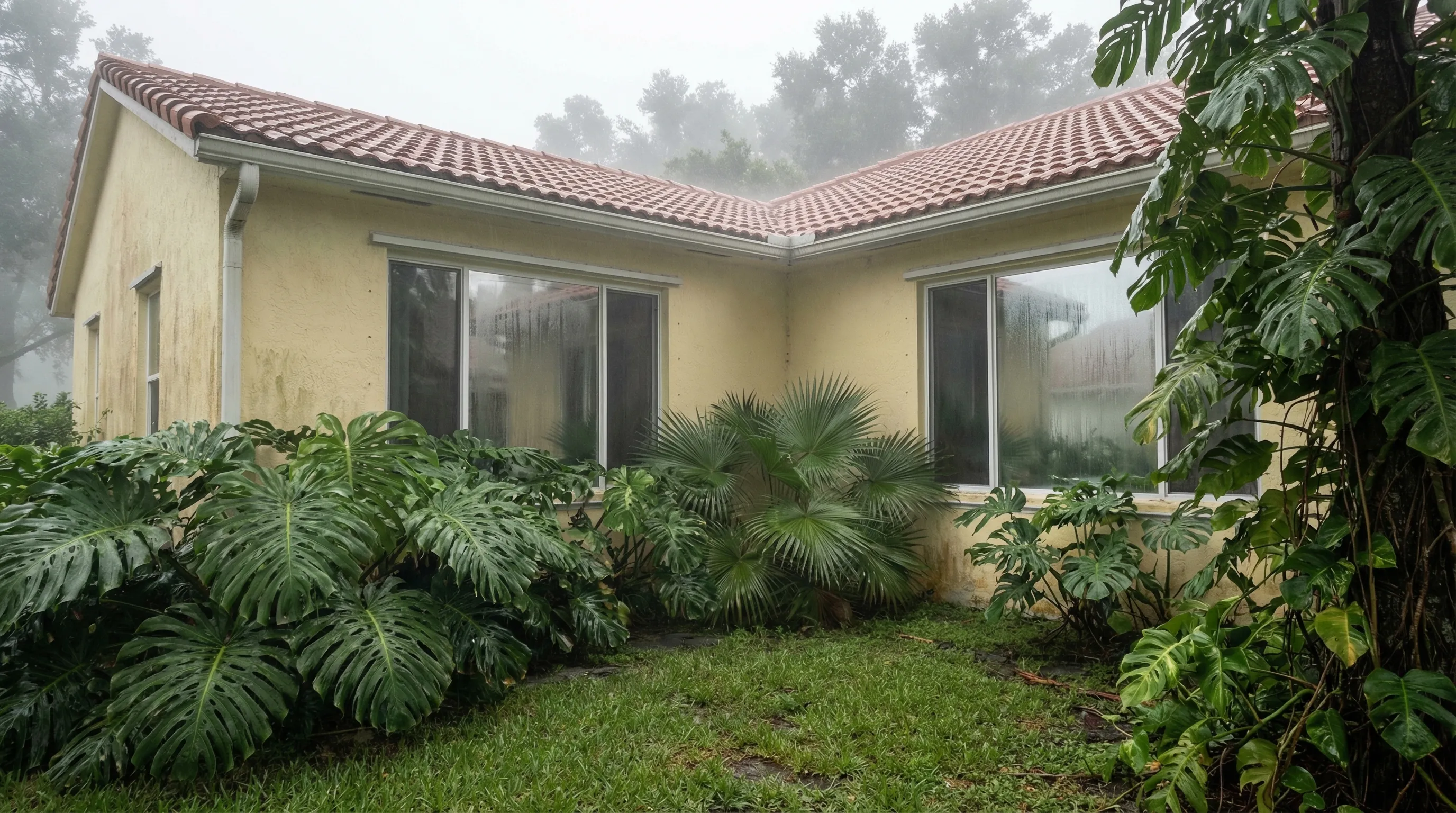
Florida has the highest average annual temperature in the country at just over 72 degrees Fahrenheit, combined with nearly 56 inches of rainfall per year. The National Centers for Environmental Information describes Florida as having hot, humid summers and mild winters, with moisture patterns that draw humid air inland during the warmer months. You do not get a seasonal break from mold risk. You get long stretches of the year where humidity management is a daily maintenance item.
The Centers for Disease Control and Prevention notes that mold can grow on paper, cardboard, ceiling tiles, wood, dust, paints, wallpaper, insulation, drywall, carpet, fabric, and upholstery whenever moisture is present. In a state where outdoor humidity routinely exceeds 80%, keeping those materials dry requires constant effort.
The Moisture Sources Homeowners Miss
The Florida Department of Health emphasizes that controlling moisture is the key to stopping indoor mold growth. The most common moisture problems in Florida homes are also the easiest to overlook. If any of these apply to your home, the risk of mold is real and ongoing.
- HVAC condensation from drain pan overflows, clogged condensate lines, or undersized systems that cycle too frequently
- Slow plumbing leaks behind walls, under sinks, or at supply line connections that drip for weeks before anyone notices
- Roof leaks after storms that allow water into attic spaces, soffits, and wall cavities
- High indoor humidity that condenses on cooler surfaces like windows, exterior walls, and cold water pipes
- Storm surge and flooding from hurricanes and tropical storms that saturate floors, walls, and insulation
When water intrusion happens from any of these sources, fast water damage restoration is the single most effective way to prevent a moisture problem from becoming a mold problem. Our first 24 hours guide and Florida water damage step-by-step guide show exactly what to do hour by hour.
Where Mold Hides in Florida Homes
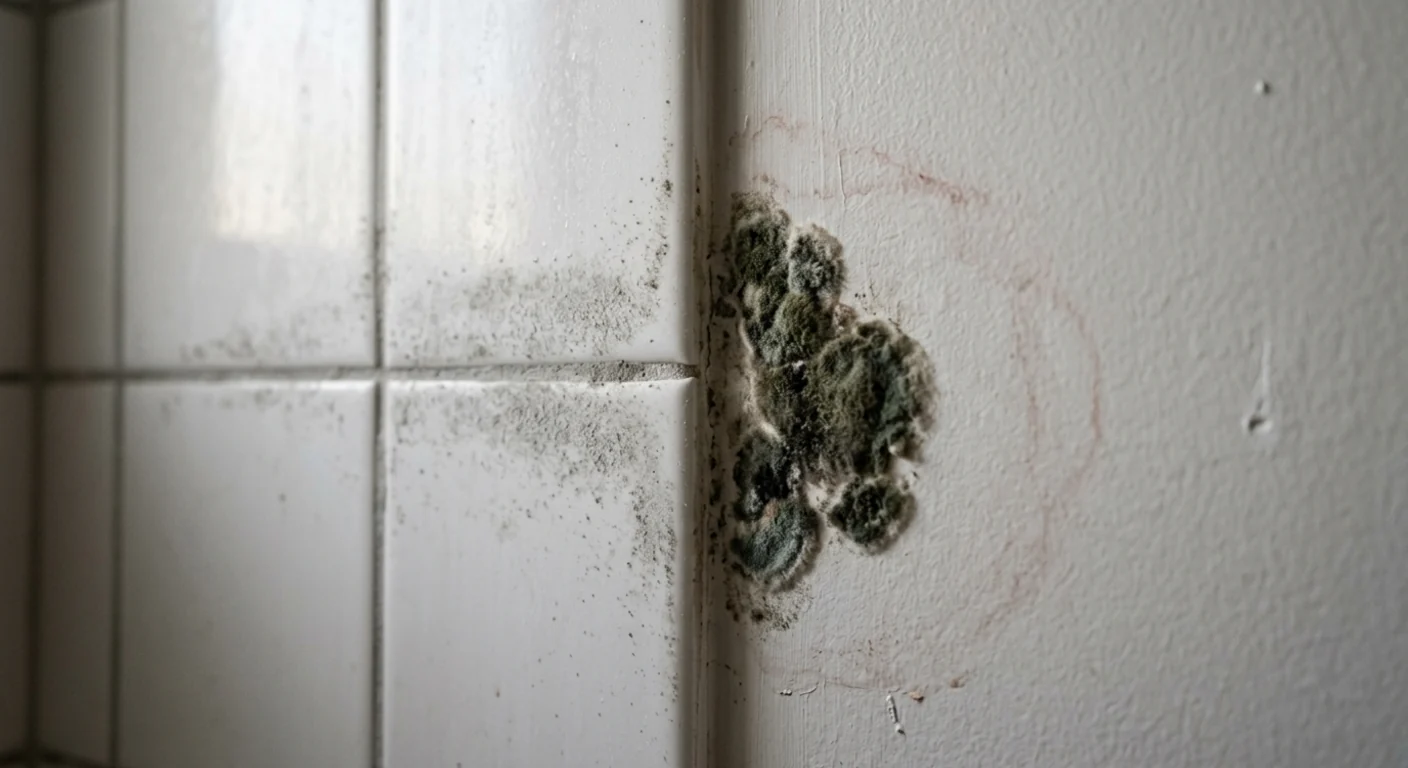
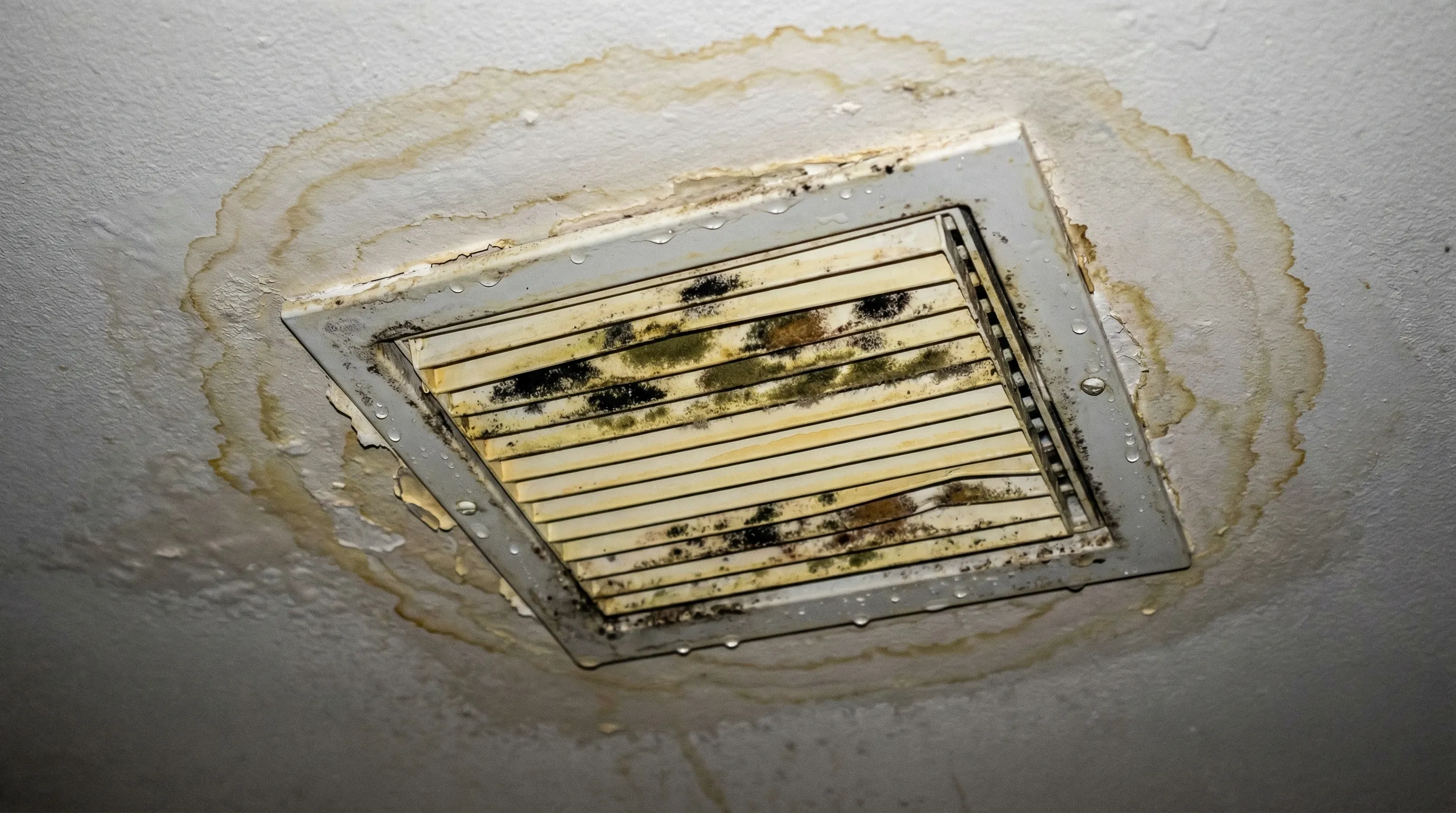
Mold does not always announce itself with a visible patch on the wall. It thrives in dark, enclosed spaces where moisture lingers and airflow is limited. Florida homeowners should pay particular attention to bathrooms, window frames, wall corners near exterior walls, under kitchen and bathroom sinks, inside HVAC ductwork, attic sheathing, and around windows where condensation collects.
How Fast Mold Grows and Why the First Two Days Matter
The clock that matters most is not when mold becomes visible. It is when materials stay wet long enough that mold growth becomes likely. EPA guidance is clear: when water leaks or spills happen indoors, act quickly. If wet or damp materials are dried within 24 to 48 hours, mold usually will not grow. The CDC gives similar guidance for flood conditions, recommending that homes be cleaned and dried fully within that same window.
0 to 2 hours
Stop the water source
Shut off the supply, tarp the roof, or isolate the leak. Every minute of active water flow expands the affected area and drives up both drying time and cost.
2 to 24 hours
Extract water and begin drying
Remove standing water with pumps or extractors. Set up dehumidifiers and air movers. Open HVAC if possible. The goal is to start lowering moisture levels in materials immediately.
24 to 48 hours
Critical prevention window
Materials that are dry within this window are unlikely to develop mold. Materials still wet past 48 hours are at high risk. This is where professional drying equipment makes the biggest difference.
48+ hours
Mold growth becomes likely
After 48 hours of sustained dampness, mold colonies can establish on drywall, wood, insulation, and carpet. At this point, you are likely looking at both water damage restoration and mold remediation.
What to Do When You Find Mold in Your Florida Home
DIY Cleanup vs Professional Remediation
Not every mold problem requires a professional. The EPA suggests that if the moldy area is less than about 10 square feet, you can likely handle the cleanup yourself, assuming you can do it safely and fix the moisture source. In Florida, the 10 square foot threshold also carries legal significance: state licensing requirements for mold remediation apply to work involving mold amplification greater than 10 square feet.
Handle it yourself (under 10 sq ft)
- Surface mold on hard, non-porous materials like tile, glass, or metal
- Small patch on drywall where the moisture source is already fixed
- Bathroom mold from ventilation issues you can correct
- You can safely use an N-95 respirator, gloves, and goggles
- No health sensitivities to mold exposure
Call a professional (over 10 sq ft or complex)
- Mold covers more than 10 square feet of surface area
- Growth is inside wall cavities, HVAC ducts, or behind finishes
- Mold returned after a previous cleanup attempt
- The moisture source is unclear or ongoing
- Anyone in the home has asthma or mold sensitivity
- Mold resulted from storm damage or flooding
Stop the Moisture, Then Address the Mold
Removing visible mold without fixing the moisture source guarantees it will come back. Whether you handle cleanup yourself or hire a professional, the sequence matters. Here is the full step-by-step mold remediation process.
- 1
Find and stop the moisture source
Identify what is keeping materials wet. This could be a plumbing leak, roof damage, HVAC condensation, or chronic humidity. Fix the source first. If the water event was sudden, water damage restoration should happen before mold work begins.
- 2
Dry the affected area aggressively
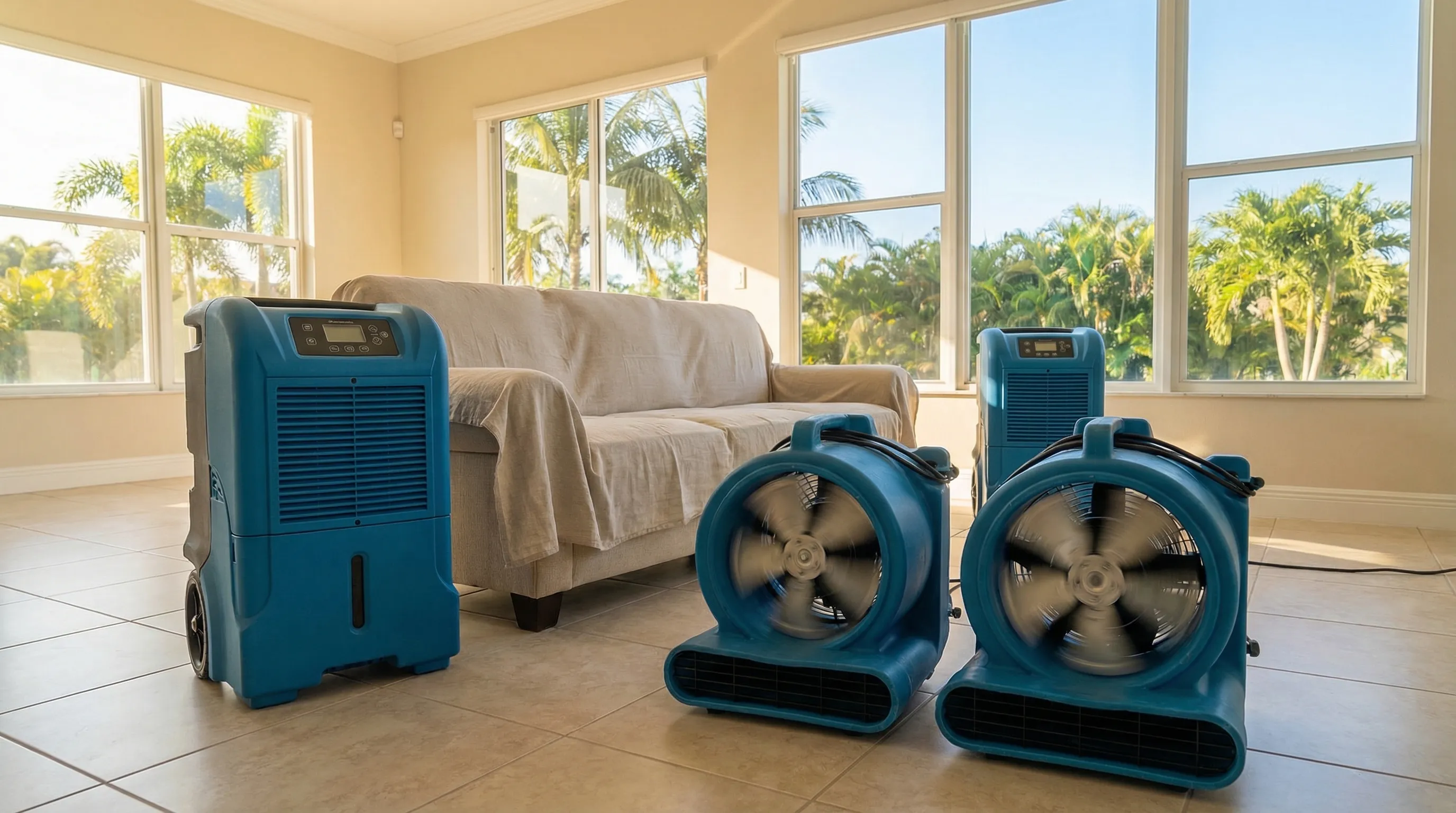
Use commercial dehumidifiers and air movers to bring moisture levels in walls, floors, and framing below safe thresholds. Wood should reach below about 20% moisture content. In Florida, this often requires professional-grade equipment because ambient humidity works against you.
- 3
Contain and remove contaminated materials
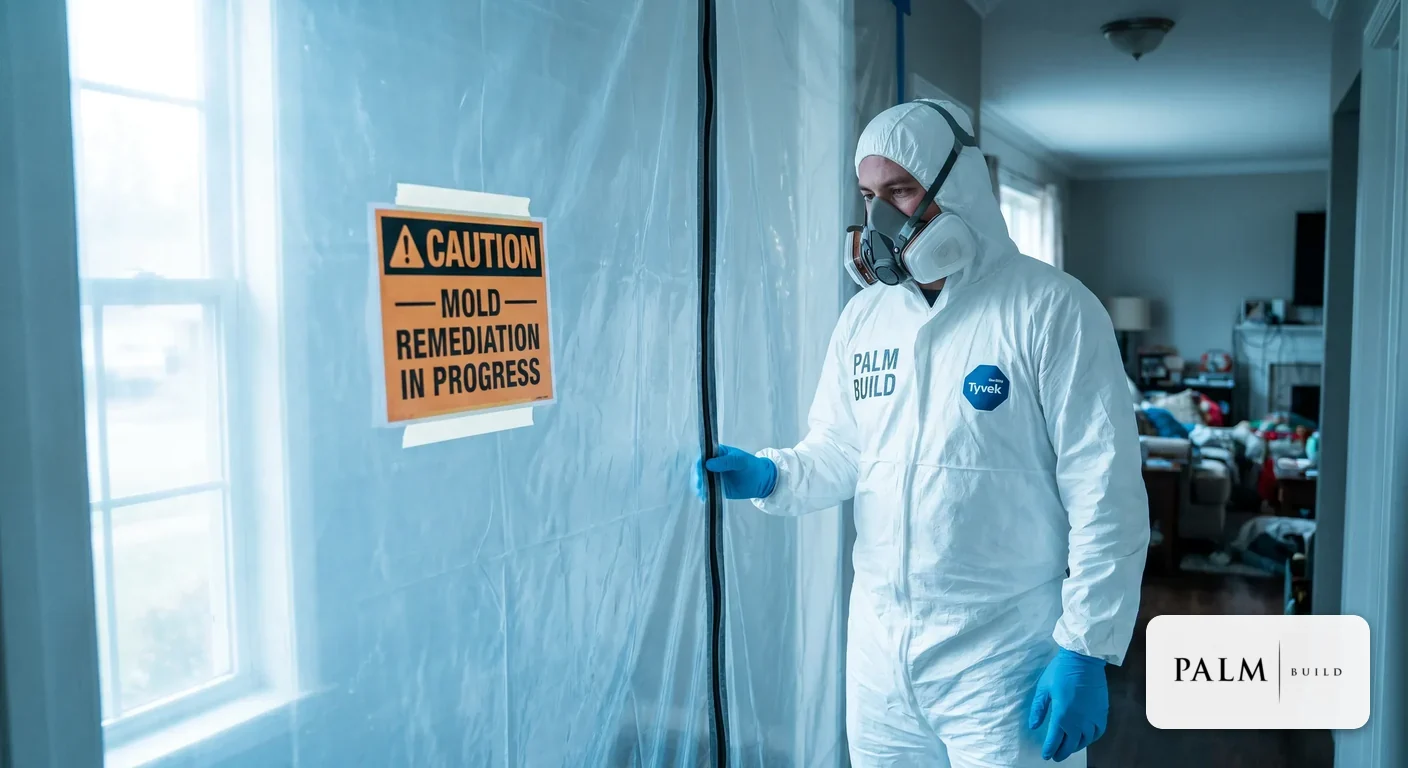
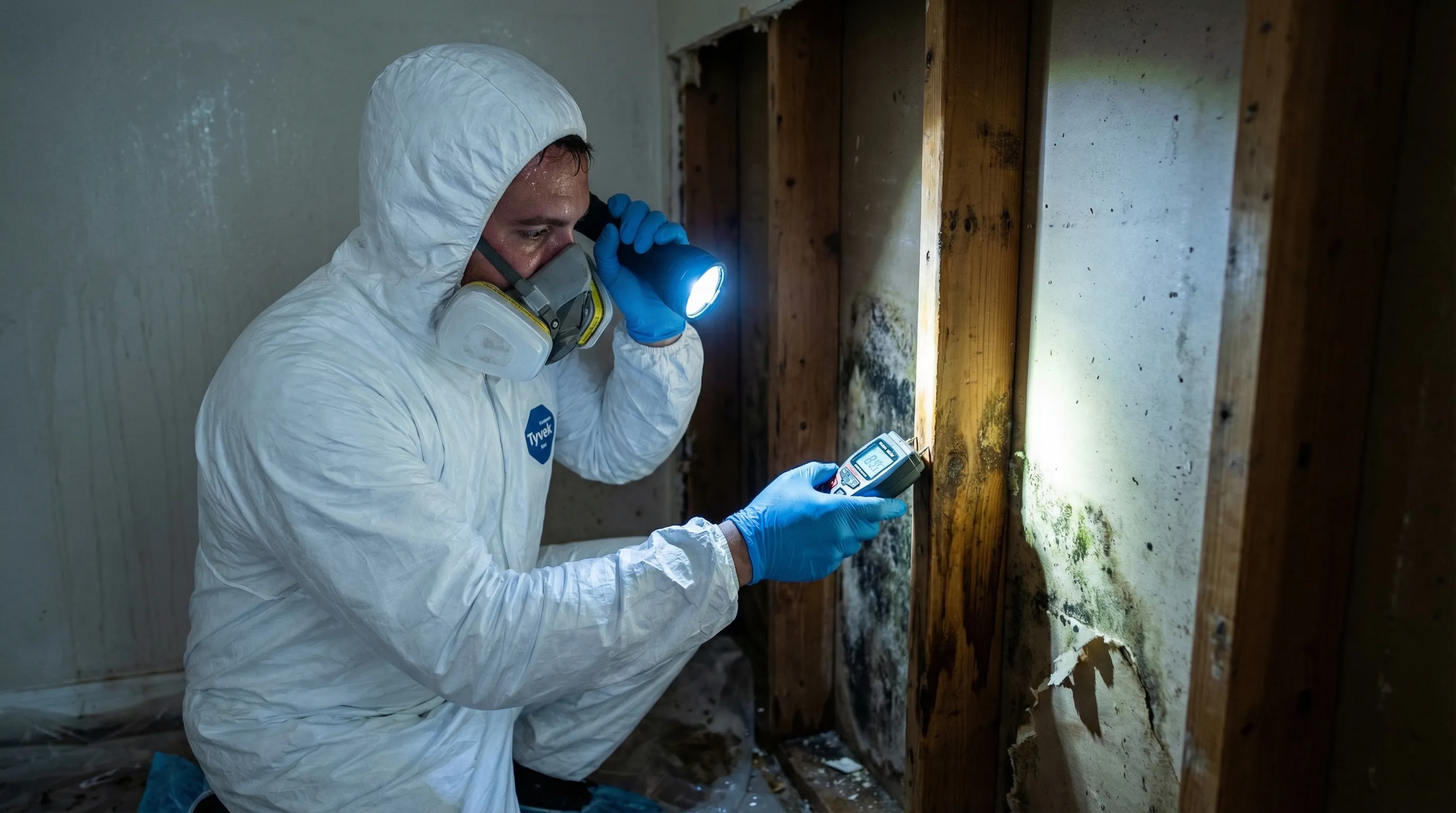
Isolate the work area to prevent spores from spreading. Remove porous materials like drywall, insulation, and carpet that cannot be cleaned. HEPA vacuum and treat hard surfaces with antimicrobial solutions.
- 4
Verify results and prevent recurrence
Post-remediation inspection or air testing confirms the work meets clearance criteria. Then implement long-term moisture controls: dehumidification, ventilation improvements, or drainage corrections.
Prevent Mold From Coming Back
Mold prevention in Florida is not a one-time project. It is an ongoing maintenance practice. The good news is that the steps are straightforward and most cost little or nothing beyond attention and habit.
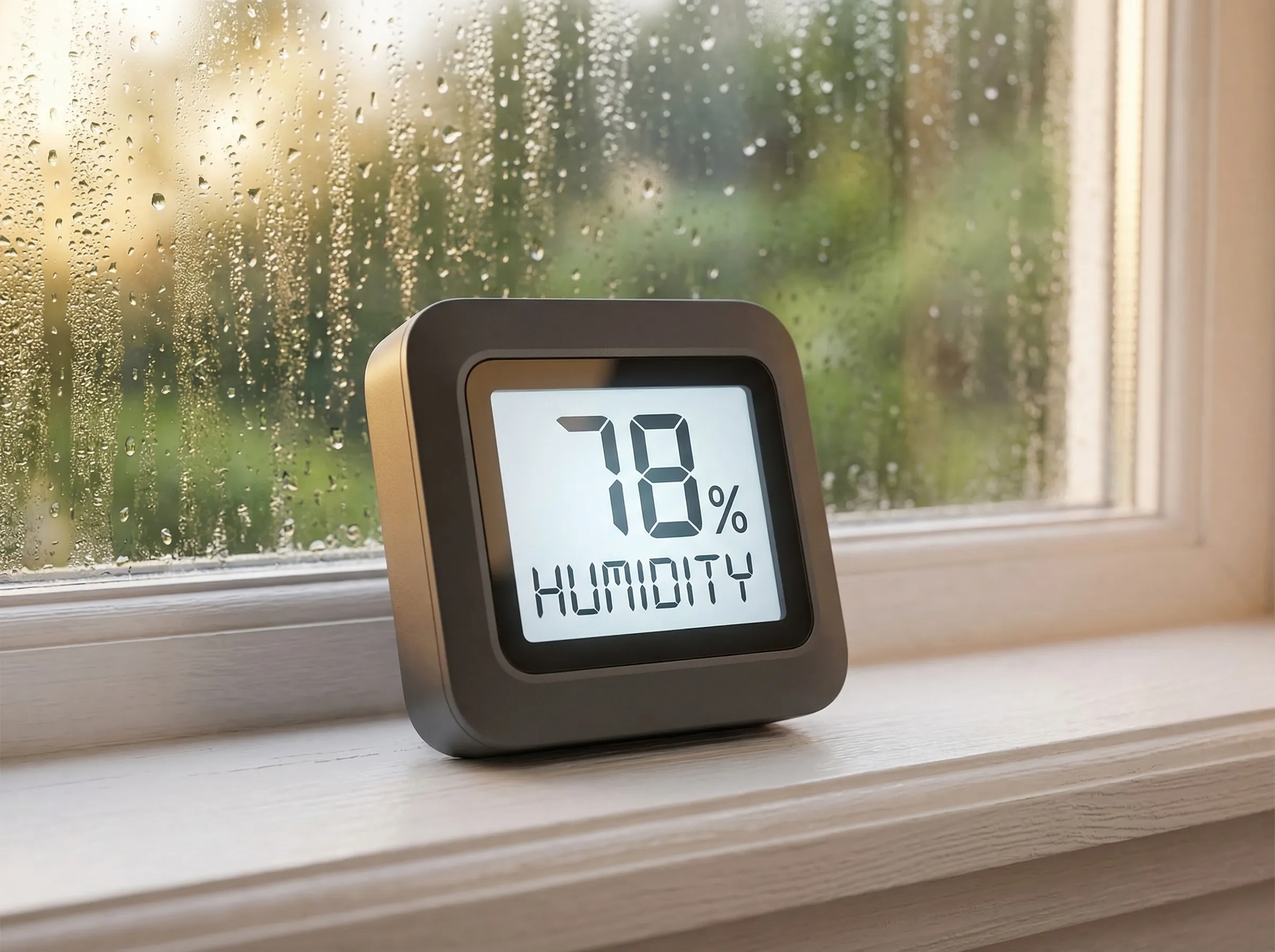
- Keep indoor humidity below 60% (ideally 30% to 50%) using a dehumidifier or your HVAC system
- Run bathroom exhaust fans during and for 30 minutes after every shower
- Inspect HVAC drain pans, condensate lines, and filters monthly during summer
- Check under sinks, around water heaters, and behind appliances for slow leaks quarterly
- Clear gutters and downspouts to direct water away from the foundation
- After any storm, inspect windows, roof penetrations, and attic spaces for water intrusion
- Ensure crawl spaces have a vapor barrier and adequate ventilation
- Fix any plumbing leak immediately, no matter how small
Florida Mold Laws and Insurance Realities
Florida is one of the few states with specific licensing requirements for mold work. Understanding these rules helps you hire the right company and avoid unqualified contractors, so review this guide on how to choose a restoration company before you sign.
When Florida Licensing Matters
Florida statutes define "mold remediation" as removal, cleaning, sanitizing, demolition, or other treatment of mold-contaminated matter greater than 10 square feet. Mold assessment is similarly scoped. Florida law also separates these roles: a mold assessor generally cannot perform remediation on a structure they assessed within the past 12 months. This conflict-of-interest provision protects homeowners from companies that inflate findings to sell larger remediation jobs.
Insurance Coverage for Mold in Florida
The Insurance Information Institute states that mold is generally not covered under standard homeowners insurance, because policies are designed for sudden and accidental events rather than ongoing maintenance issues. Mold may be covered when it results directly from a covered peril like a burst pipe or storm damage. For a detailed breakdown of what homeowners insurance covers for water damage including mold limits and endorsements, see our coverage guide. If you need to file a claim, our guide on how to file a water damage insurance claim walks through the documentation process step by step.
Florida homeowners face an additional reality: many policies cap mold-specific coverage at $5,000 to $10,000, which rarely covers a significant remediation project. The Florida Department of Financial Services notes that mold endorsements may allow you to increase coverage limits to $25,000 or $50,000 depending on your insurer and policy options. If you are navigating a mold claim, understanding how the insurance restoration process works can prevent costly mistakes.
Mold Risk in North Carolina and South Carolina Properties
Palm Build serves property owners across North Carolina and South Carolina as well, where mold drivers differ from Florida but remain serious. Both states have humid climates with hot summers, and both lack the state-level mold licensing framework that Florida uses.
Crawl Space Moisture Is the Leading Driver
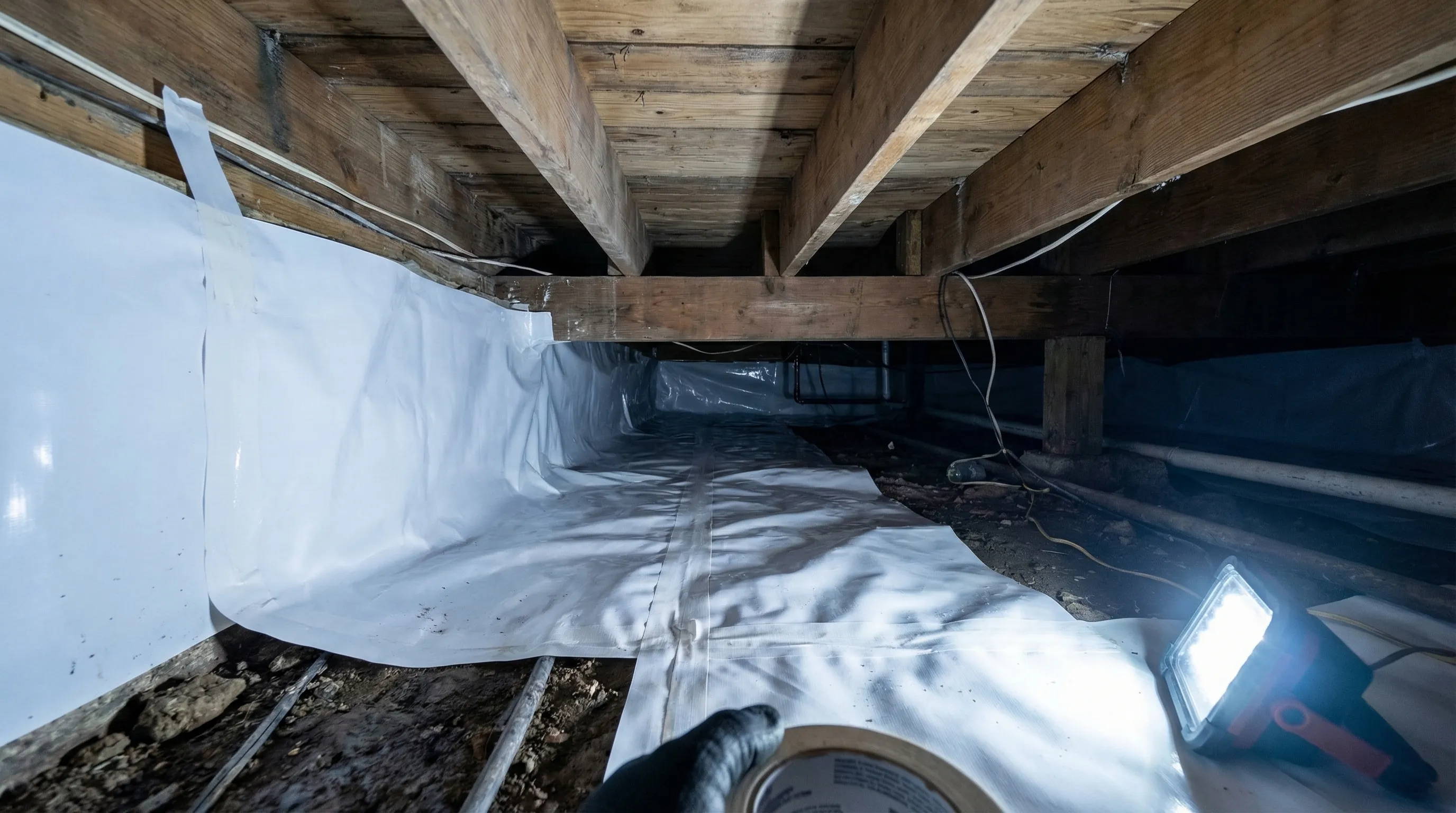
The biggest structural mold risk in the Carolinas is crawl space moisture. NC State Extension's mold and moisture checklist specifically calls for homeowners to inspect crawl spaces for moisture and install at least a 6 to 8 mil plastic vapor barrier over bare soil. Many older Carolina homes have vented crawl spaces that pull in humid outdoor air, creating persistent condensation on floor joists and subfloor. Our crawl space cleanup and moisture control team addresses these issues with encapsulation, drainage, and dehumidification.
What State Agencies Can and Cannot Do
North Carolina does not have state certification programs for mold remediation companies. NC State Extension points homeowners to industry standards and certifications (like IICRC) as practical filters when hiring. The N.C. Department of Health and Human Services warns that there are no uniformly accepted standards for acceptable airborne mold levels, and advises against consultants who push air sampling as the required first step.
South Carolina's Department of Environmental Services states directly that there are no state or federal laws for mold or indoor air quality, and the agency cannot test, inspect, or monitor mold in homes or public buildings.
What Mold Remediation Costs in Florida
Cost is one of the first questions homeowners ask after finding mold. National pricing is not Florida-specific, but it sets realistic expectations, especially when combined with Florida's licensing and insurance dynamics.
| Service | Typical cost range | What affects the price |
|---|---|---|
| Professional mold inspection | $300 to $1,000 (avg ~$657) | Home size, number of suspected areas, and accessibility |
| Mold testing (air or surface samples) | $250 to $500 | Needed when documentation is required or the source area is unclear |
| Professional mold remediation | $1,200 to $3,750 (avg ~$2,350) | Size of affected area, location, containment needs, and demolition scope |
| Remediation per square foot | $10 to $25 per sq ft | 100 sq ft of affected area typically means $1,000 to $2,500 for the mold portion |
| Mold in walls (higher complexity) | $1,000 to $20,000 | Escalates when drywall, insulation, or framing must be removed and rebuilt |
Mold inspection and remediation cost ranges
For a detailed breakdown by project size, location in the home, and state-specific pricing for Florida, North Carolina, and South Carolina, see our complete mold remediation cost guide for 2026.
Mold Remediation Services
24/7 professional mold remediation across Florida, North Carolina, and South Carolina.
Mold Remediation Cost Guide 2026
Detailed cost breakdown by project size, home location, and state with insurance guidance.
Water Damage Restoration
Fast water extraction and structural drying to prevent mold before it starts.
Insurance Restoration Process
How Palm Build works directly with your insurance company from claim to completion.
What to Do After Water Damage in Florida
Hour-by-hour step-by-step guide for Florida water damage response and mold prevention.
How to File a Water Damage Insurance Claim
Step-by-step filing guide with evidence checklists and FL/NC/SC deadlines.
Mold Remediation vs. Mold Removal: Key Differences
Plain-language comparison of remediation versus removal, including process, costs, and when each applies.
Crawl Space Encapsulation Cost in 2026
Pricing for encapsulation, vapor barriers, and crawl space moisture control in FL, NC, and SC.
Frequently Asked Questions About Mold in Florida Homes
Is mold in Florida homes basically unavoidable? +
How quickly can mold start growing after a leak? +
What humidity level should I keep my house at to prevent mold? +
Should I get my home tested for mold? +
Can I clean mold myself, or should I call a pro? +
How much does mold remediation cost in Florida? +
Does homeowners insurance cover mold in Florida? +
Dealing with mold in your Florida home?
Our IICRC-certified remediation teams respond 24/7 across Florida, North Carolina, and South Carolina. We handle the mold, the moisture source, and the insurance documentation.
Found this helpful? Send it to someone who needs it.