Quick Answer
Crawl space encapsulation costs $1,500 to $15,000 in 2026, averaging about $5,500. Most homeowners pay $3 to $7 per square foot, rising to roughly $10 per square foot when severe moisture, mold, or structural repairs are involved. Labor is 50 to 70 percent of the total; the vapor barrier, insulation, and dehumidifier make up the rest.
Key takeaways
- Crawl space encapsulation costs $1,500 to $15,000 in 2026, with the national average around $5,500.
- Per square foot pricing runs $3 to $7 for standard projects and up to $10 per square foot for crawl spaces with severe humidity or damage.
- Labor accounts for 50 to 70 percent of total project cost. Materials like vapor barriers, insulation, and dehumidifiers make up the rest.
- Florida, North Carolina, and South Carolina each have specific code requirements that affect project scope and cost.
- Encapsulation typically reduces energy bills by about 15 percent and pays for itself within 5 to 10 years in the Southeast.
Crawl space encapsulation costs $5,500 on average in 2026, with most projects falling between $1,500 and $15,000 depending on crawl space size and condition. Expect to pay $3 to $7 per square foot for a standard encapsulation, or up to $10 per square foot if you are dealing with significant moisture damage or high humidity. In the Southeast, where Palm Build serves homeowners across Florida, North Carolina, and South Carolina, year-round humidity makes professional crawl space encapsulation one of the most effective investments you can make for your home's health and longevity.
National average
$5,500
Most homeowners pay between $1,500 and $15,000
Cost per square foot
$3 - $7
Up to $10/ft2 for high-humidity or damaged spaces
Labor percentage
50 - 70%
Professional labor is the largest cost component
Energy savings
~15%
Typical reduction in heating and cooling costs
What Is Crawl Space Encapsulation?
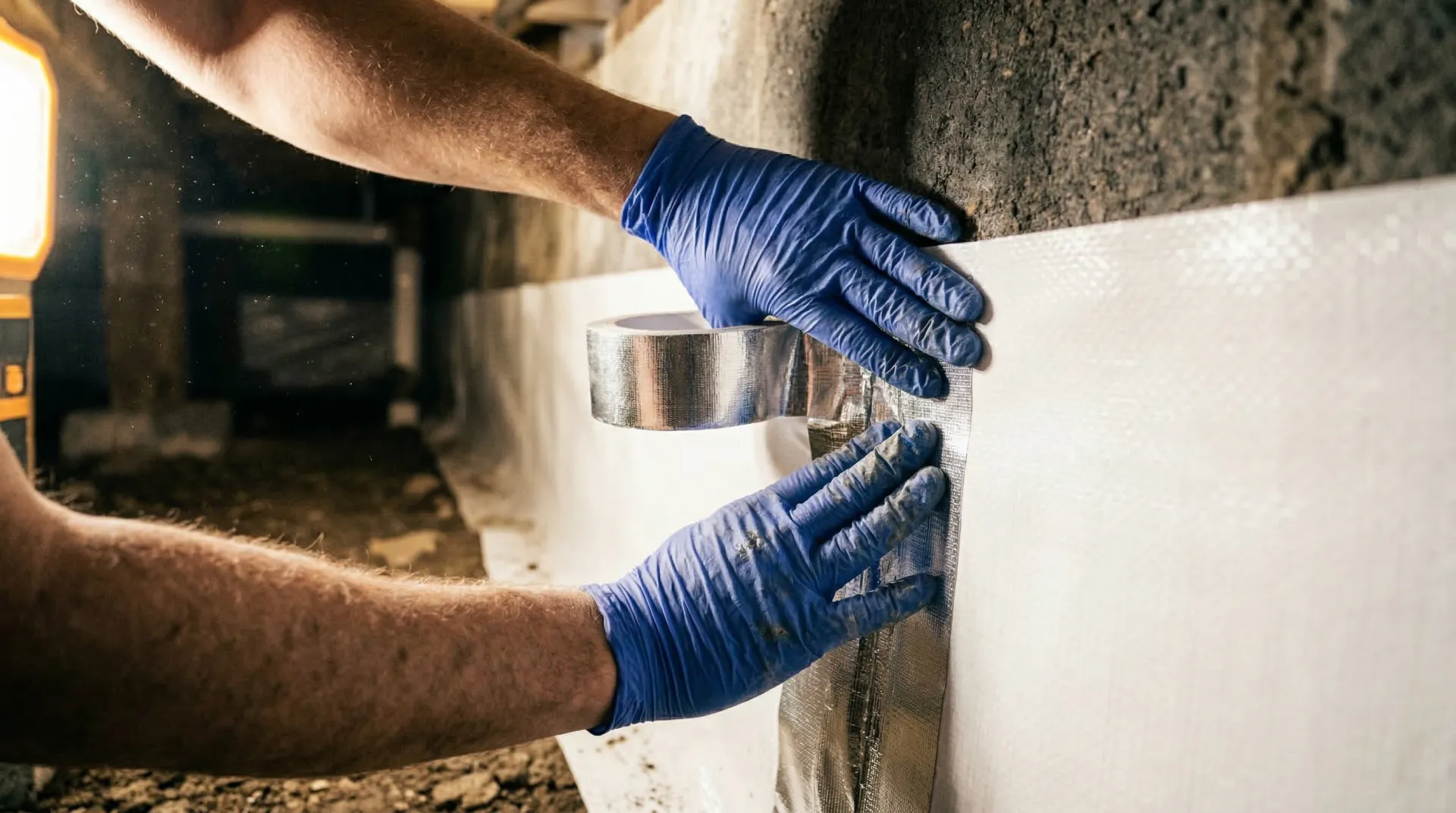
Crawl space encapsulation is the process of sealing your crawl space floor and walls with a heavy-duty polyethylene vapor barrier (typically 12 to 20 mil thick), closing all foundation vents, and installing a commercial dehumidifier to maintain controlled humidity levels. The goal is to transform a damp, open crawl space into a dry, conditioned area that protects your home from moisture damage, mold growth, and energy loss.
A fully encapsulated crawl space typically includes four components: a vapor barrier covering 100 percent of the floor and extending up the foundation walls, sealed foundation vents, wall insulation (rigid foam board or spray foam), and a commercial-grade dehumidifier with an automatic drain. When done correctly following EPA moisture control guidelines and IICRC standards, encapsulation eliminates the ground moisture that causes most crawl space problems in the first place.
How Much Does Crawl Space Encapsulation Cost in 2026?
Crawl space encapsulation cost scales primarily with square footage. A 1,000-square-foot crawl space typically runs $3,000 to $10,000, while a 2,000-square-foot space ranges from $6,000 to $20,000. The table below shows what homeowners across our service areas can expect to pay based on crawl space size.
| Crawl Space Size | Typical Cost Range | Average Cost |
|---|---|---|
| 1,000 sq ft | $3,000 - $10,000 | $5,000 |
| 1,500 sq ft | $4,500 - $15,000 | $7,500 |
| 2,000 sq ft | $6,000 - $20,000 | $10,000 |
| 2,500 sq ft | $7,500 - $25,000 | $12,500 |
| 3,000 sq ft | $9,000 - $30,000 | $15,000 |
Crawl Space Encapsulation Cost by Size (2026)
These ranges include both materials and professional labor. Your actual cost depends on several factors we cover below, including existing damage, your crawl space's accessibility, and which state you live in. For a 1,500-square-foot home (one of the most common sizes we work with), a standard encapsulation without major repairs typically costs around $5,500 to $8,000.
Crawl Space Encapsulation Cost Breakdown by Component
Understanding where your money goes helps you evaluate quotes and avoid overpaying. Here is a breakdown of what each component typically costs as part of a full encapsulation project.
Inspection and Preparation
Every encapsulation project starts with a thorough inspection. A professional crawl space inspection runs $100 to $250 and identifies moisture levels, structural concerns, mold presence, and pest activity. If your crawl space needs cleaning or minor repairs before encapsulation can begin, expect to add $500 to $8,000 depending on what is found. Debris removal, old insulation tear-out, and minor drainage fixes are the most common prep items.
Vapor Barrier Installation
The vapor barrier is the centerpiece of any encapsulation project. A quality 12 to 20 mil polyethylene barrier covering both the floor and foundation walls typically costs $1,200 to $4,000 installed. Material cost alone runs about $0.50 to $2.00 per square foot depending on barrier thickness. Thinner 6-mil barriers exist but are not recommended for full encapsulation; you want at least 12 mil for durability and puncture resistance.
Vent Sealing
Sealing foundation vents prevents humid outside air from entering the crawl space. This typically costs $150 to $450, using rigid foam board insulation or custom vent covers for each opening. Most homes have 4 to 8 foundation vents. This is one of the most affordable components but has an outsized impact on humidity control.
Wall Insulation
Insulating foundation walls with rigid foam boards or spray foam costs $500 to $3,700. Rigid foam board (R-10 to R-15) is the most common choice at $0.60 to $3.50 per square foot. Spray foam is more expensive but provides both insulation and air sealing in a single application. Wall insulation is especially valuable in North Carolina, where cold winters mean uninsulated crawl spaces lead to cold floors above.
Dehumidifier Installation
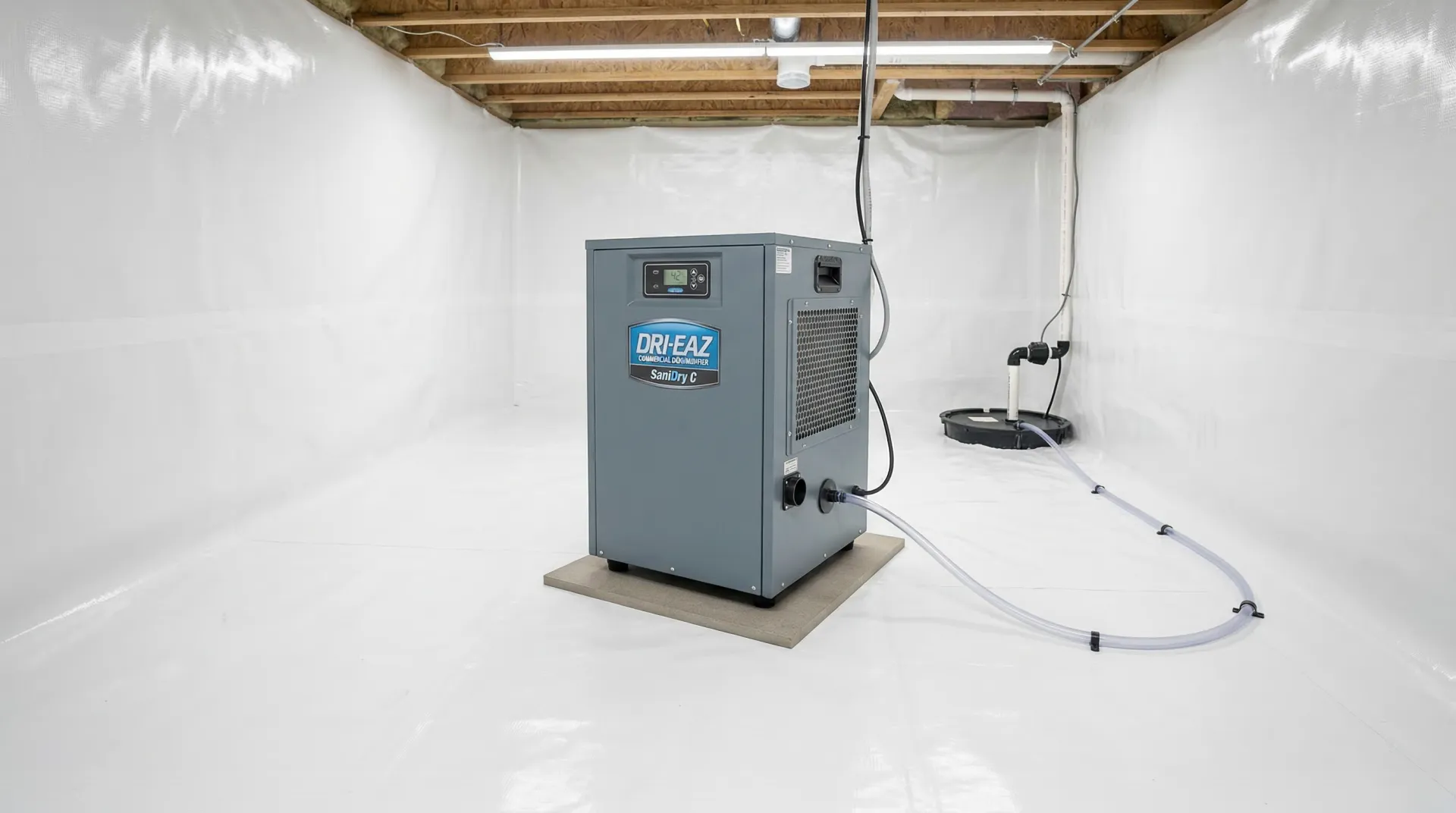
A commercial-grade crawl space dehumidifier is essential in the Southeast. These units (70 to 90 pint per day capacity) cost $1,000 to $3,500 installed, including the auto-drain line. Skipping the dehumidifier is the single most common mistake homeowners make. Without one, condensation builds under the vapor barrier, creating the exact moisture problems encapsulation was supposed to prevent.
Labor vs. Materials: Where Your Money Goes
Labor accounts for 50 to 70 percent of total encapsulation cost. For a 1,500-square-foot home, professional labor alone can run $2,250 to $10,500. Crawl space work is physically demanding (cramped spaces, heavy materials, limited headroom) and requires specialized knowledge of moisture science and building codes. Materials make up the remaining 30 to 50 percent.
| Component | Typical Cost Range | Notes |
|---|---|---|
| Crawl space inspection | $100 - $250 | Moisture, mold, structural assessment |
| Cleaning and repairs | $500 - $8,000 | Debris removal, old insulation, minor fixes |
| Vapor barrier (12-20 mil) | $1,200 - $4,000 | Covers floor and foundation walls |
| Vent sealing | $150 - $450 | Rigid foam board or custom covers |
| Wall insulation | $500 - $3,700 | Rigid foam or spray foam on foundation walls |
| Dehumidifier | $1,000 - $3,500 | Commercial unit with auto-drain |
| Sump pump (if needed) | $600 - $1,800 | For standing water or high water table |
| Permits and inspection | $100 - $250 | Required in most jurisdictions |
Encapsulation Component Cost Breakdown
What Affects Your Crawl Space Encapsulation Price?
Two crawl spaces of the same square footage can have vastly different encapsulation costs. Here are the factors that push your price up or down.
- **Size and layout.** Larger crawl spaces cost more for obvious reasons, but layout matters too. Multi-level foundations, tight clearances (under 18 inches), and obstacles like ductwork and plumbing add labor time.
- **Existing damage.** If your crawl space has active mold, standing water, or damaged structural members, those problems must be addressed before encapsulation. Mold remediation alone can add $1,500 to $4,000 for a typical crawl space.
- **Climate and location.** In Florida, North Carolina, and South Carolina, higher baseline humidity means your dehumidifier works harder and may need to be a larger unit. Coastal areas with flood risk may require additional drainage solutions.
- **Material quality.** A 6-mil vapor barrier costs far less than a 20-mil barrier, but it will not last as long or provide the same protection. The same principle applies to dehumidifier size and insulation R-value.
- **Permits and code requirements.** Most jurisdictions require permits for crawl space encapsulation. Permit costs are modest ($100 to $250), but code requirements like termite inspection gaps and flood vent provisions can affect project scope.
- **Accessibility.** Crawl spaces with small access openings, low clearance, or difficult entry points increase labor time. If a larger access door needs to be cut, that is an additional cost.
The Step-by-Step Crawl Space Encapsulation Process
A professional encapsulation project for a standard 1,500-square-foot crawl space typically takes 5 to 7 days of active work. Here is what each phase involves.
- 1
Inspect and diagnose
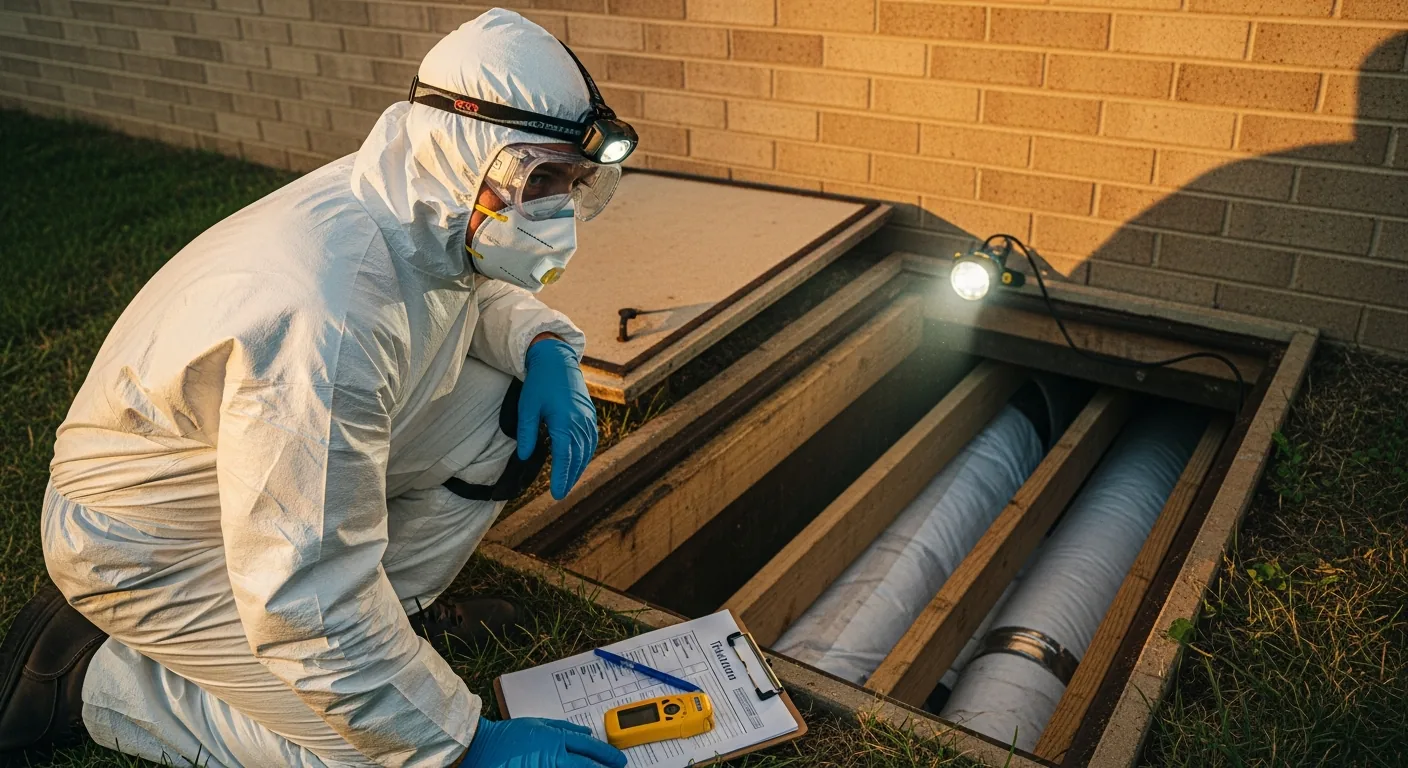
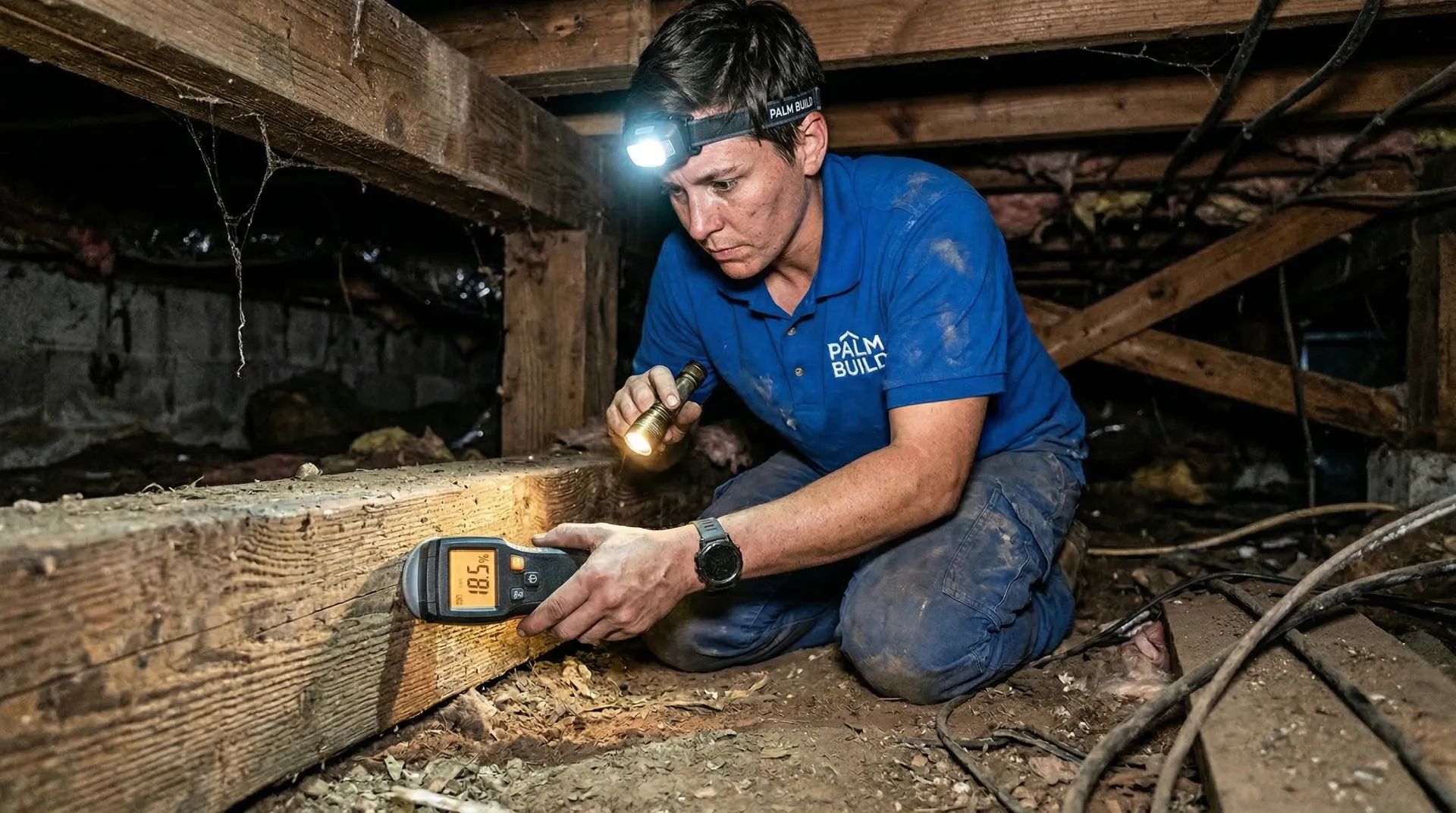
A certified technician inspects the entire crawl space using moisture meters, thermal cameras, and visual assessment. They document moisture levels, check for mold, evaluate structural members, and identify drainage issues. This determines the full scope of work needed.
- 2
Clean and prepare
The crew removes all debris, old insulation, and any standing water. If mold is present, professional remediation is completed with HEPA containment and antimicrobial treatment. Any plumbing leaks or drainage problems are repaired before moving forward.
- 3
Install the vapor barrier
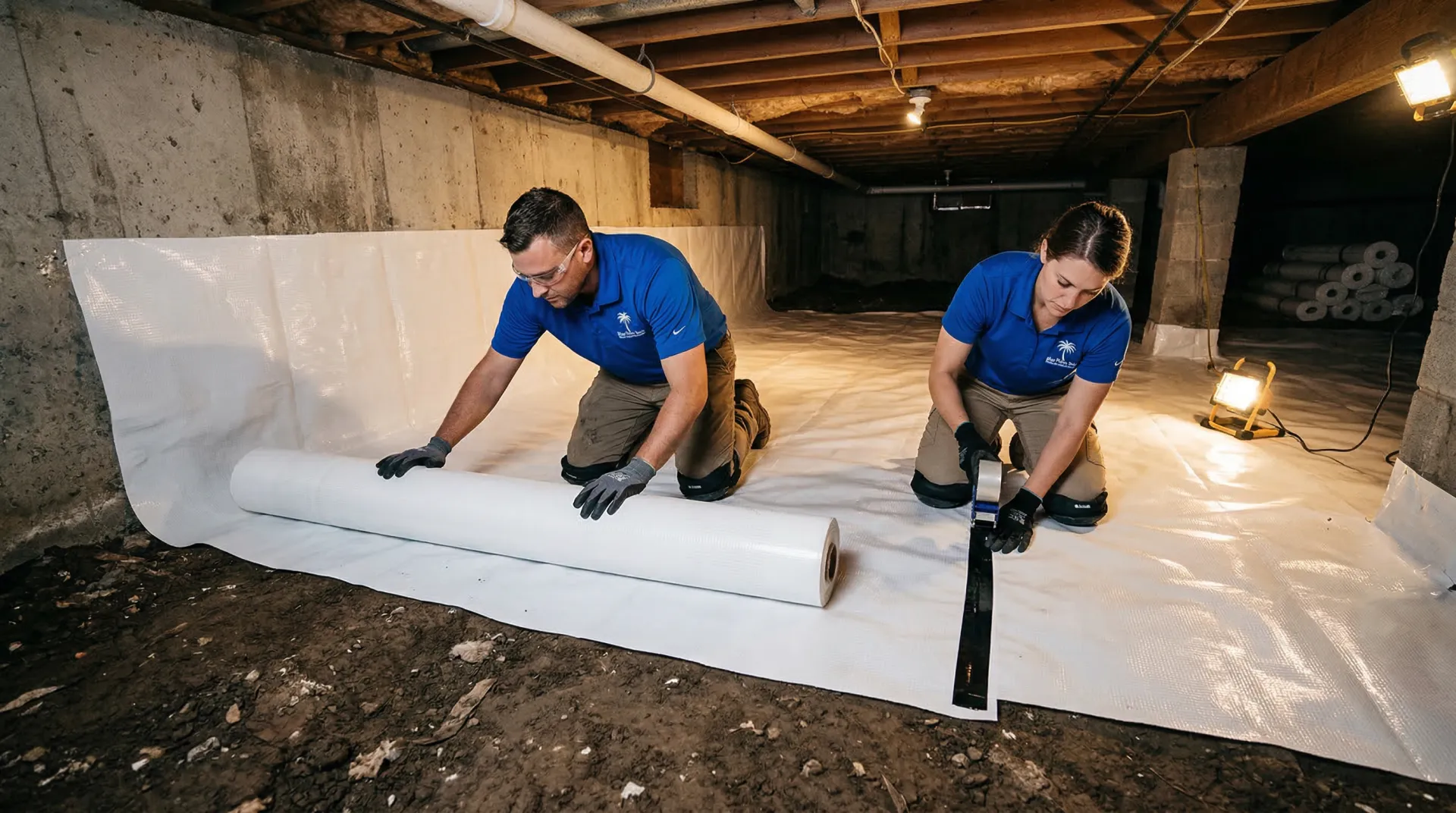
A 12 to 20 mil polyethylene vapor barrier is laid across the entire floor and extended up the foundation walls to within 3 to 4 inches of the sill plate (maintaining the required termite inspection gap). All seams are overlapped by 6 to 12 inches and sealed with specialized tape.
- 4
Seal vents and insulate walls
Every foundation vent is sealed with rigid foam board. Foundation walls are insulated with rigid foam panels or spray foam to reduce heat transfer and eliminate condensation surfaces. All penetrations (pipes, wires, ducts) are sealed with foam or caulk.
- 5
Install the dehumidifier
A commercial-grade dehumidifier (70 to 90 pint per day) is installed with an automatic drain line routed to a sump pit, floor drain, or exterior discharge point. The unit is set to maintain relative humidity below 55%.
- 6
Final inspection and verification
The crew takes final moisture readings throughout the crawl space to verify humidity levels are within spec (below 55% relative humidity, below 19% wood moisture content). A final walkthrough documents the completed installation.
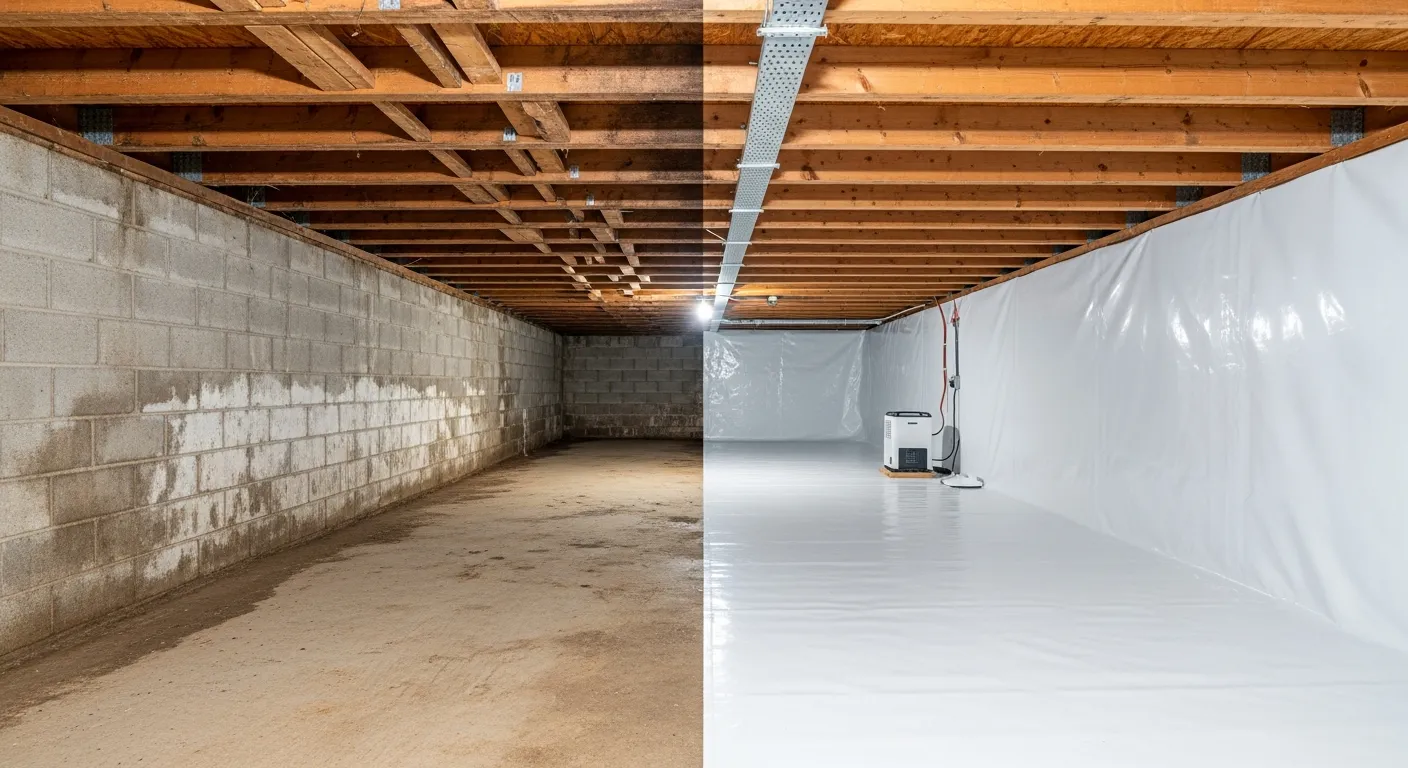
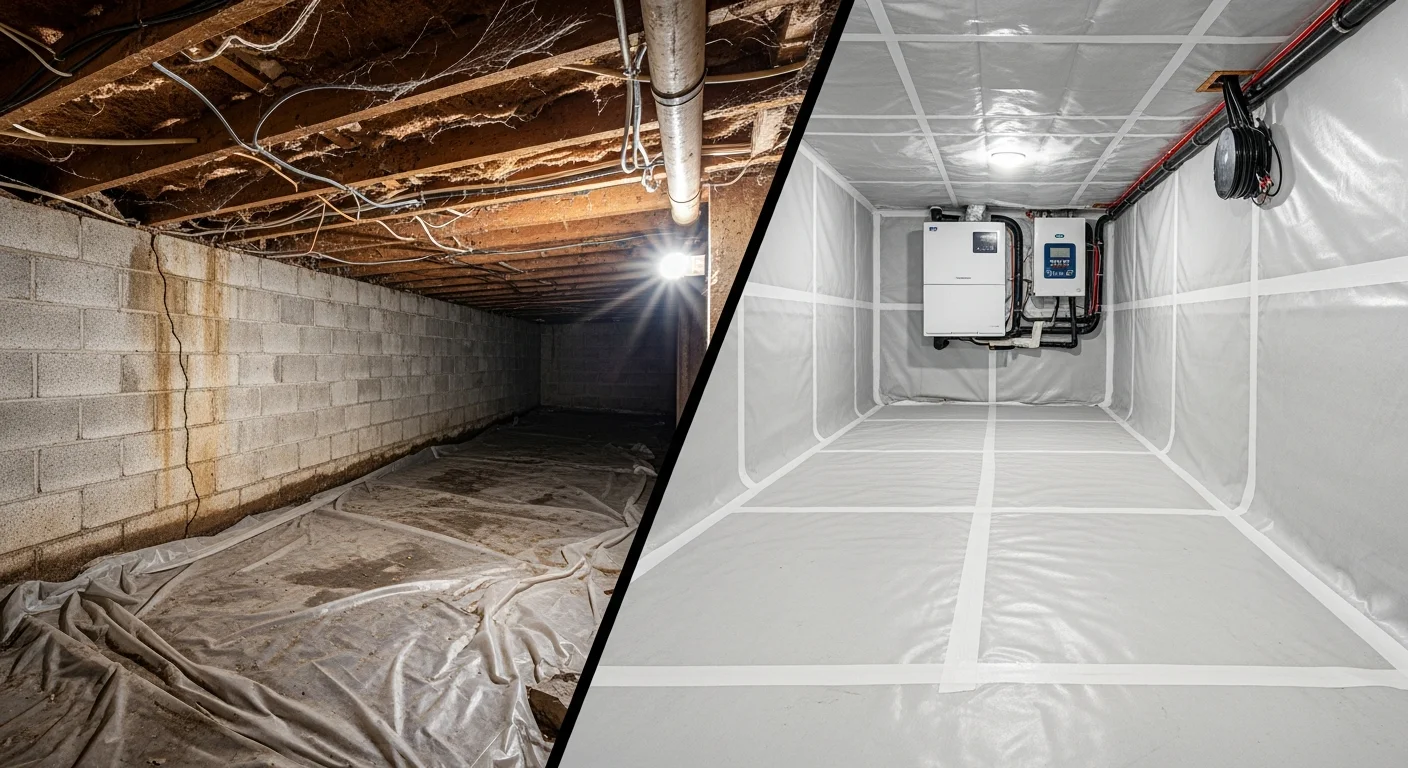
Key phases of crawl space encapsulation: before, vent sealing, and wall insulation installation.
Crawl Space Encapsulation Costs in Florida
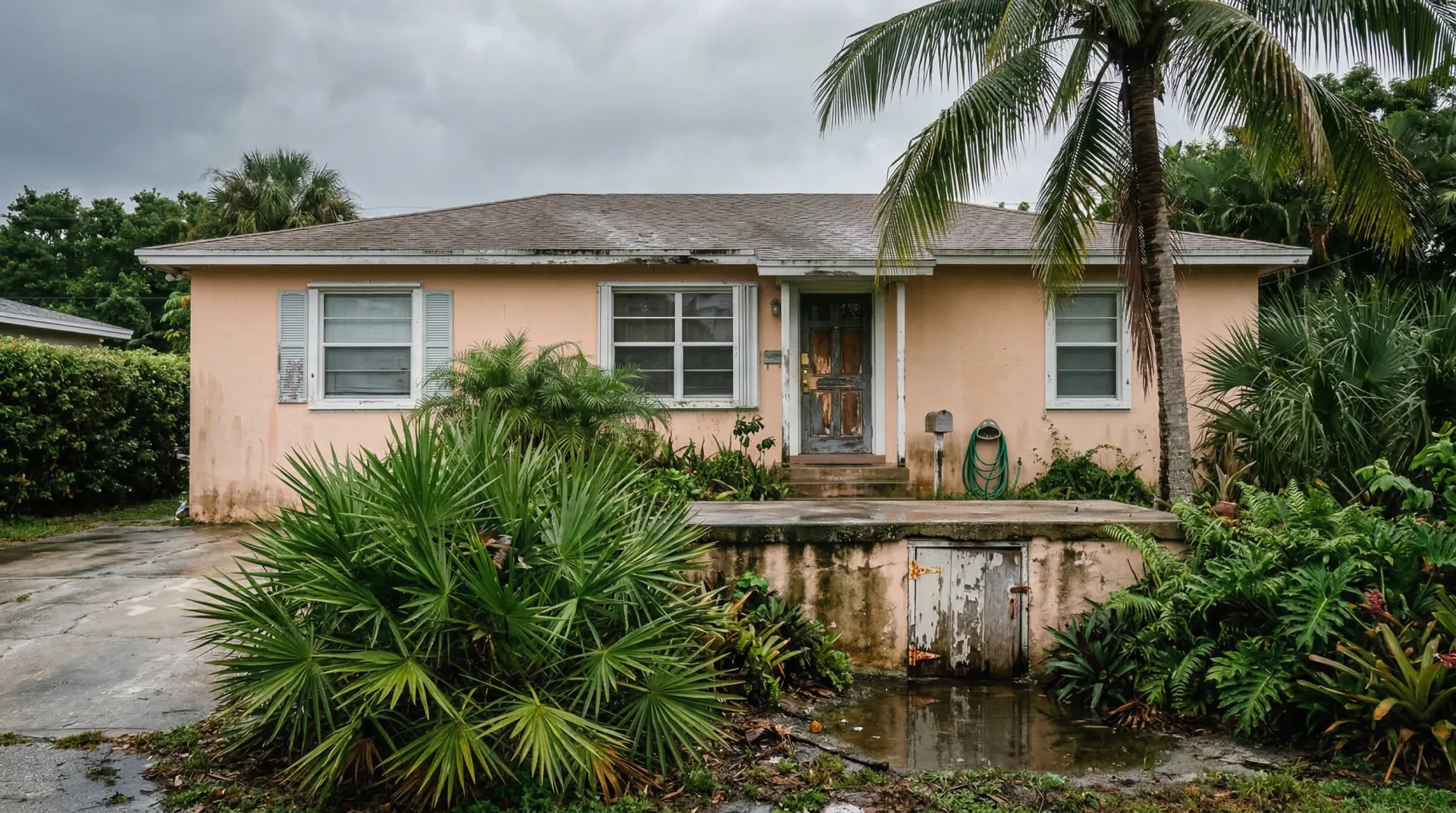
Florida presents unique challenges for crawl space encapsulation. Year-round humidity that consistently exceeds 70% in summer, high water tables (especially in South Florida), and the prevalence of flood zones all affect project scope and cost. Homes in coastal or flood-prone areas must comply with FEMA's National Flood Insurance Program rules, which often require flood vents in crawl spaces rather than full sealing.
In practice, many Florida homes on pilings or with high water tables rely on a combination of drainage systems, sump pumps, and dehumidification rather than a completely sealed encapsulation. If your Florida home is outside a Special Flood Hazard Area, full encapsulation is typically the best option. If you are in a flood zone, your contractor needs to balance moisture control with flood code compliance. Expect Florida encapsulation projects to cost slightly above the national average due to the heavier dehumidification requirements and potential need for drainage upgrades.
Crawl Space Encapsulation Costs in North Carolina
North Carolina's building codes now explicitly allow closed (encapsulated) crawl spaces when certain conditions are met: a Class I vapor barrier must cover the entire floor, mechanical dehumidification or conditioning must be installed, and a 3 to 4 inch termite inspection gap must be maintained between the top of the vapor barrier and the sill plate. This termite gap is non-negotiable in NC and SC, where termite pressure is high.
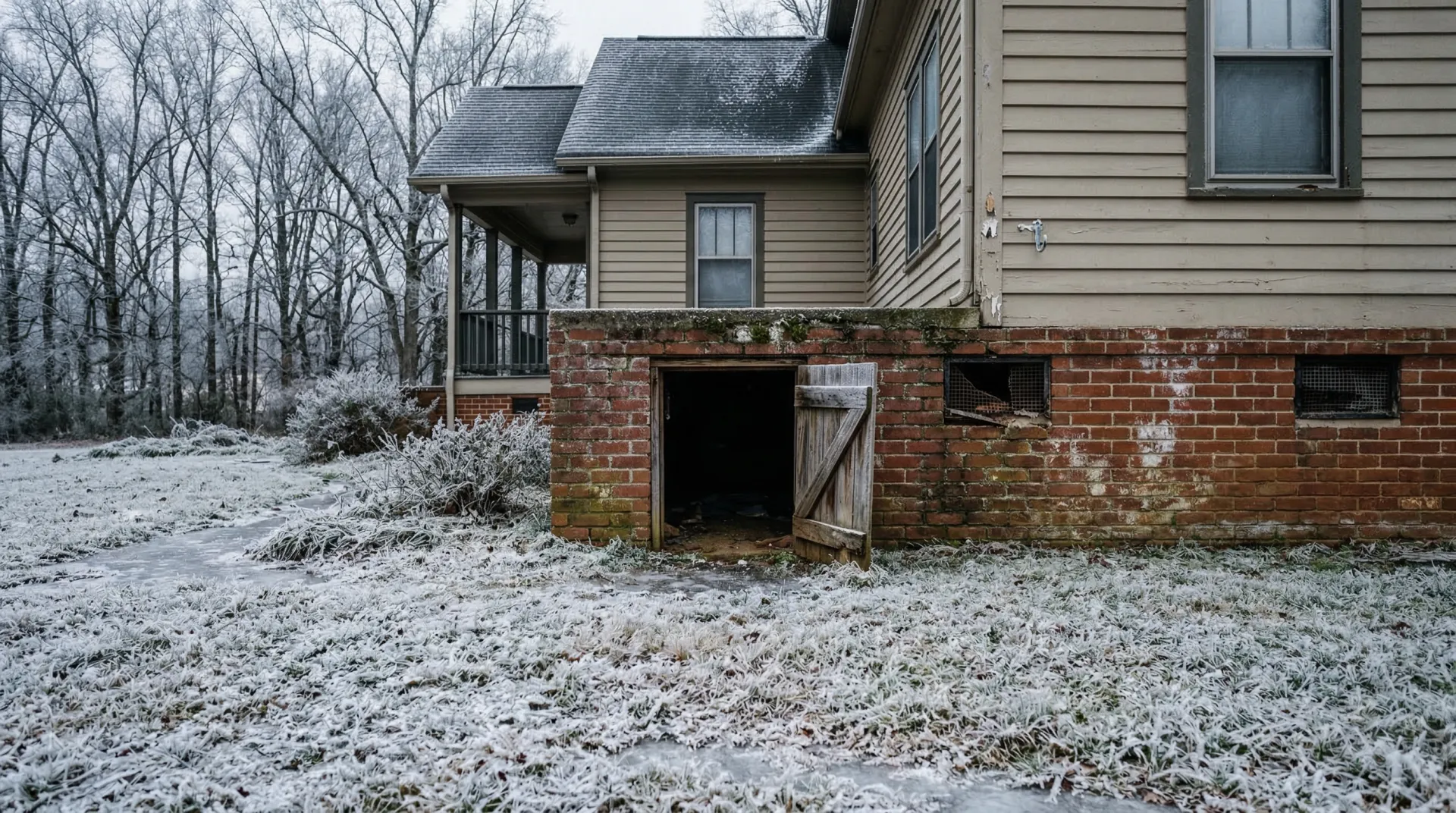
The Charlotte area's heavy clay soils retain moisture and create persistent dampness under homes with vented crawl spaces. Encapsulation eliminates cold floors in winter (a major comfort benefit that homeowners notice immediately) and prevents the chronic moisture problems that plague Piedmont-region homes. Average encapsulation cost in North Carolina runs about $5,100, slightly below the national average, though the Charlotte metro area tends to be closer to the national median.
Crawl Space Encapsulation Costs in South Carolina
South Carolina shares many characteristics with North Carolina but adds coastal storm risk, particularly in the Charleston and Myrtle Beach areas. Closed crawl spaces are permitted under SC building codes with the same termite inspection gap requirement. Average encapsulation cost in South Carolina is approximately $5,000.
Coastal South Carolina homes frequently deal with storm surge flooding and sustained high humidity. Encapsulation work in these areas often pairs with floodproofing measures similar to Florida requirements. Inland areas like Greenville and Columbia have conditions more similar to Charlotte, NC. In all parts of the state, our teams regularly find that 70 to 90 percent of older Southeast homes already have moisture-damaged insulation or mold in the crawl space when we first inspect them.
Is Crawl Space Encapsulation Worth the Cost?
For homeowners in the Southeast, the answer is almost always yes. The combination of high humidity, warm temperatures, and clay soils creates conditions where an unprotected crawl space becomes a liability. Here is how the benefits and risks compare.
Benefits of encapsulation
- Reduces energy bills by approximately 15% through improved HVAC efficiency
- Eliminates conditions that cause mold growth and wood rot
- Improves indoor air quality (up to 50% of first-floor air comes from the crawl space)
- Protects structural members from moisture damage
- Reduces pest and termite attraction
- Increases usable storage space
- Improves home resale value and inspection results
Risks of skipping encapsulation
- Chronic moisture leads to mold growth within 24 to 48 hours of sustained dampness
- Wood rot can compromise floor joists and structural integrity over time
- Musty odors permeate living spaces above
- Higher energy bills from HVAC systems fighting crawl space humidity
- Increased termite and pest risk in damp wood
- Failed home inspections can delay or kill real estate transactions
- Remediation costs for damage caused by neglect often exceed encapsulation cost
Most homeowners see a return on their encapsulation investment within 5 to 10 years through energy savings alone. When you add avoided repair costs (structural damage, mold remediation, pest treatment) and improved home value, the financial case is strong. According to Energy Star and the EPA, controlling crawl space moisture is one of the most effective things homeowners can do to reduce energy consumption and protect indoor air quality.
DIY vs. Professional Crawl Space Encapsulation
Some homeowners consider tackling encapsulation themselves to save on labor costs. While DIY is technically possible for a basic vapor barrier installation, there are significant trade-offs to consider. Here is how the two approaches compare.
DIY encapsulation
- Material cost only: $1,500 to $5,000 for a typical crawl space
- Requires 40+ hours of physically demanding work in confined spaces
- No warranty on labor or installation quality
- Risk of improper sealing that traps moisture
- May not meet building code requirements
- Cannot address structural or mold issues safely
- No specialized equipment (moisture meters, thermal cameras)
Professional encapsulation
- Total cost: $3,500 to $15,000 including labor and materials
- Completed in 5 to 7 business days by trained crews
- Warranty on materials and workmanship
- Proper installation verified with moisture testing equipment
- Code-compliant installation with required termite gaps and permits
- Can identify and address hidden mold, water intrusion, and structural issues
- IICRC-certified technicians with specialized training
If you choose the professional route, selecting a qualified restoration company matters. Look for IICRC certification, verify insurance and licensing, get multiple written quotes with detailed scopes of work, and ask about warranties. A reputable contractor will never start encapsulation without first inspecting for mold, water intrusion, and structural damage.
Frequently Asked Questions About Crawl Space Encapsulation Cost
How much does crawl space encapsulation cost per square foot? +
How much does encapsulation cost for a 1,000-square-foot crawl space? +
Is crawl space encapsulation worth the money? +
Does crawl space encapsulation add value to my home? +
Do I need a dehumidifier if I encapsulate my crawl space? +
Can I encapsulate my crawl space myself? +
How long does crawl space encapsulation take? +
Does insurance cover crawl space encapsulation? +
Crawl Space Encapsulation Services
Learn about Palm Build's complete crawl space encapsulation process, including vapor barrier installation, vent sealing, and dehumidification.
Crawl Space Cleanup and Restoration
Full crawl space services including water removal, mold treatment, insulation, and structural repair.
Mold Remediation Cost in 2026
If your crawl space has mold, remediation costs $10 to $25 per square foot. See the full breakdown.
How to Choose a Restoration Company
What to look for in credentials, contracts, and red flags when hiring for crawl space work.
Get a Free Crawl Space Inspection
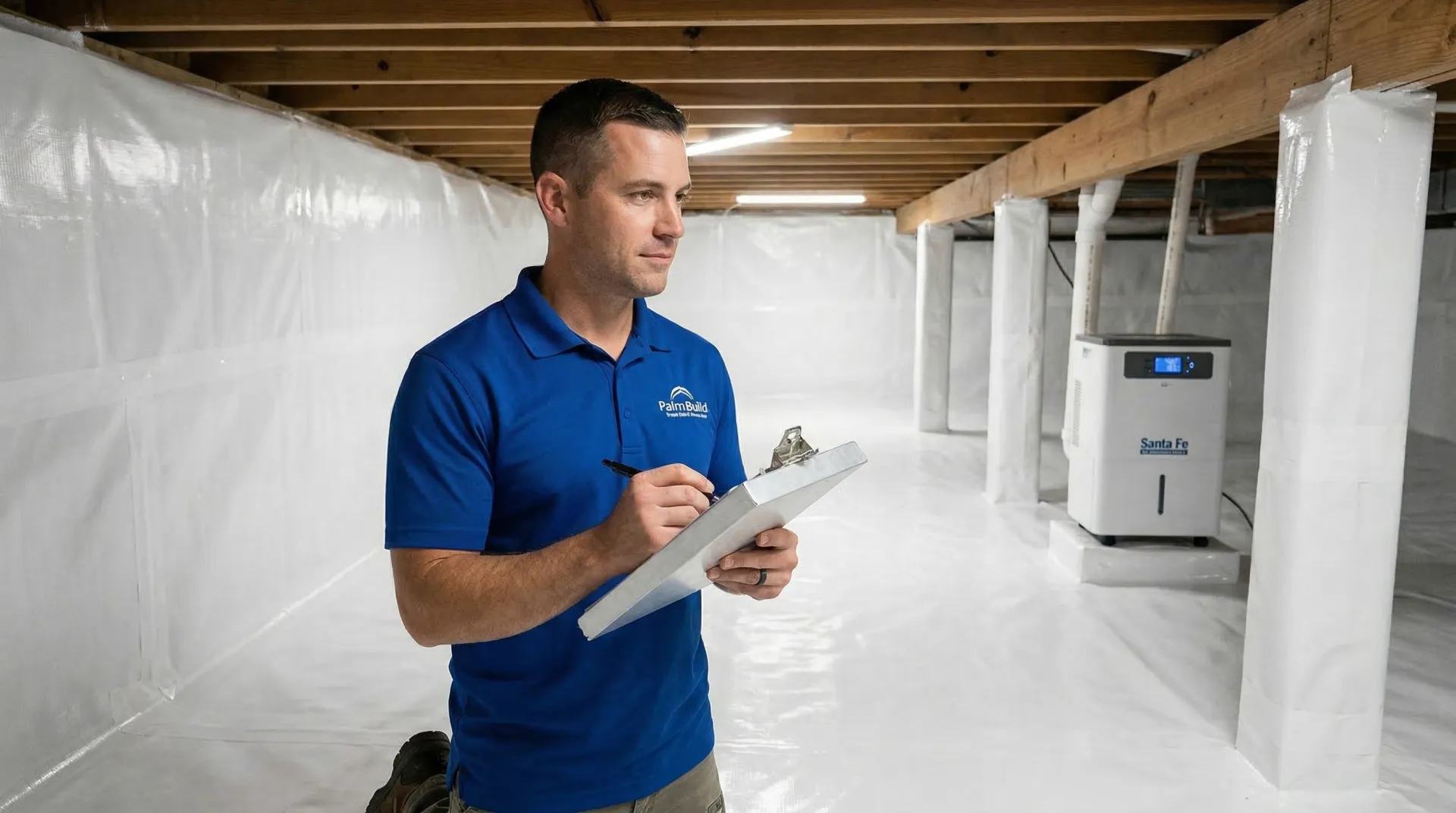
Not sure what your crawl space needs? Our IICRC-certified team will inspect your crawl space, document any problems, and provide a detailed estimate at no cost.
Found this helpful? Send it to someone who needs it.