Quick Answer
Crawl space mold removal typically costs $1,500 to $4,000 for an average crawl space, with broader remediation averaging around $2,364 nationally. The cleanup is the smaller half of the job — mold returns within 24 to 48 hours unless you fix the moisture source. Under about 10 square feet is generally DIY-safe; larger growth or HVAC contamination needs a pro.
Key takeaways
- Crawl space mold removal typically costs $1,500 to $4,000 for an average crawl space, with broader mold remediation projects averaging around $2,364 nationally.
- Mold can begin growing on damp building materials within 24 to 48 hours — fixing the moisture source is more important than the cleanup itself.
- EPA and CDC both use the same threshold for DIY: under about 10 square feet of growth is generally homeowner-safe; anything larger, plus any HVAC contamination, sewage water, or repeat moisture, calls for a professional.
- Crawl space conditions are first-floor air conditions — Building America research found roughly 40% of indoor air in vented-crawl homes originated below the floor.
- In Florida, mold assessment and remediation are licensed and regulated under Chapter 468, Part XVI — and there is a separate, often-missed claim notice deadline that affects insurance recovery.
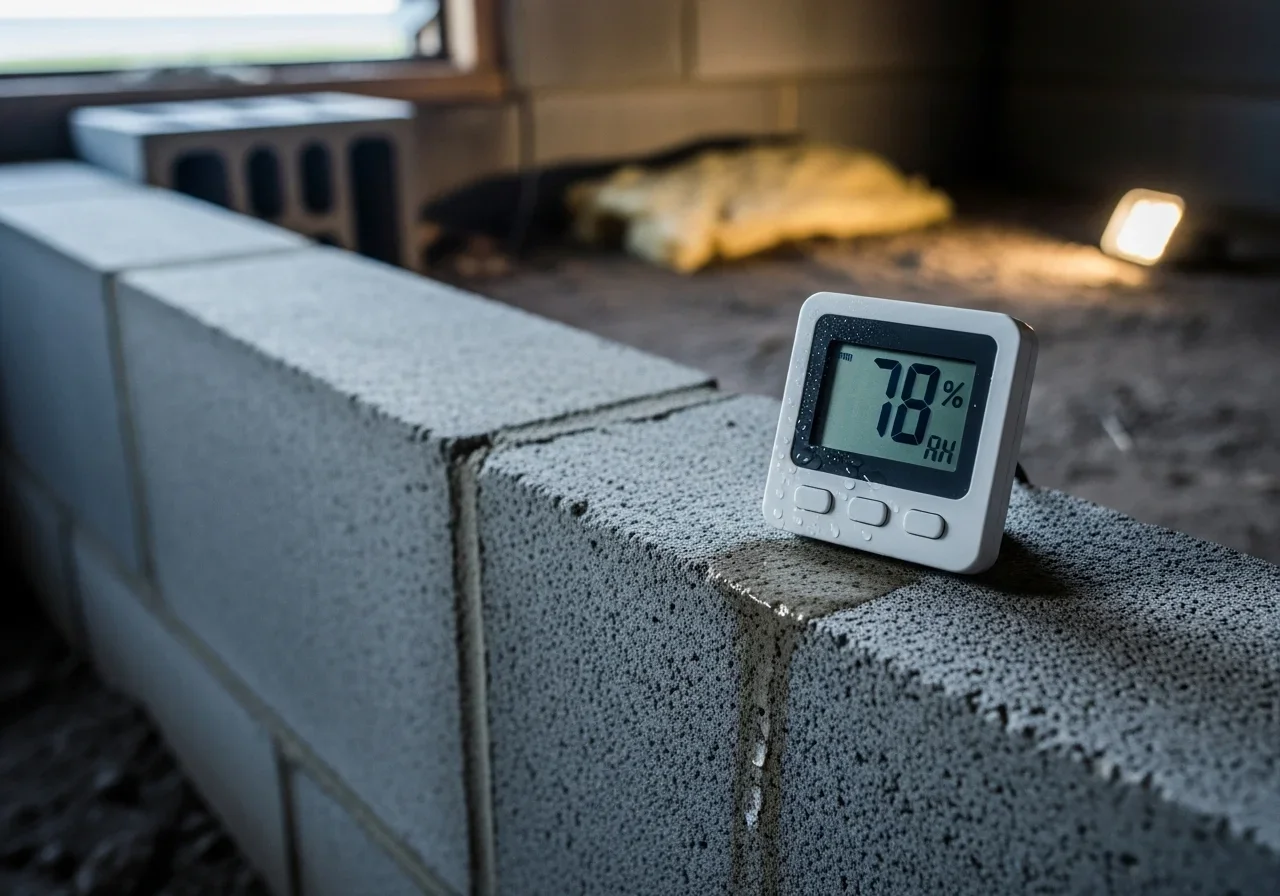
Crawl space mold removal usually costs between $1,500 and $4,000 for an average residential crawl space, but the price tag is the smaller half of the story. Mold can start growing on damp wood within 24 to 48 hours, so the real fix is removing what is already there and then keeping the crawl space dry enough that it does not come back. The U.S. Environmental Protection Agency draws a clean line for homeowners: if the visible growth is under about 10 square feet, you can usually clean it yourself with the right protective gear; anything larger — or any mold tied to sewage, storm water, or your HVAC system — calls for a professional. And the single most important number in this entire guide is humidity: keep your crawl space below 60% relative humidity, ideally between 30% and 50%, and most mold problems simply do not happen.
Mold growth window
24–48 hrs
EPA and FEMA: damp materials must be dried within 24 to 48 hours to prevent mold growth
Safe humidity target
< 60% RH
EPA recommends keeping indoor humidity below 60%, ideally 30% to 50%
Average removal cost
$1,500–$4,000
National average for crawl space mold removal in an average-sized crawl space
Crawl space air share
~40%
Building America tracer-gas testing: share of first-floor air originating from vented crawl spaces
What Causes Mold in a Crawl Space
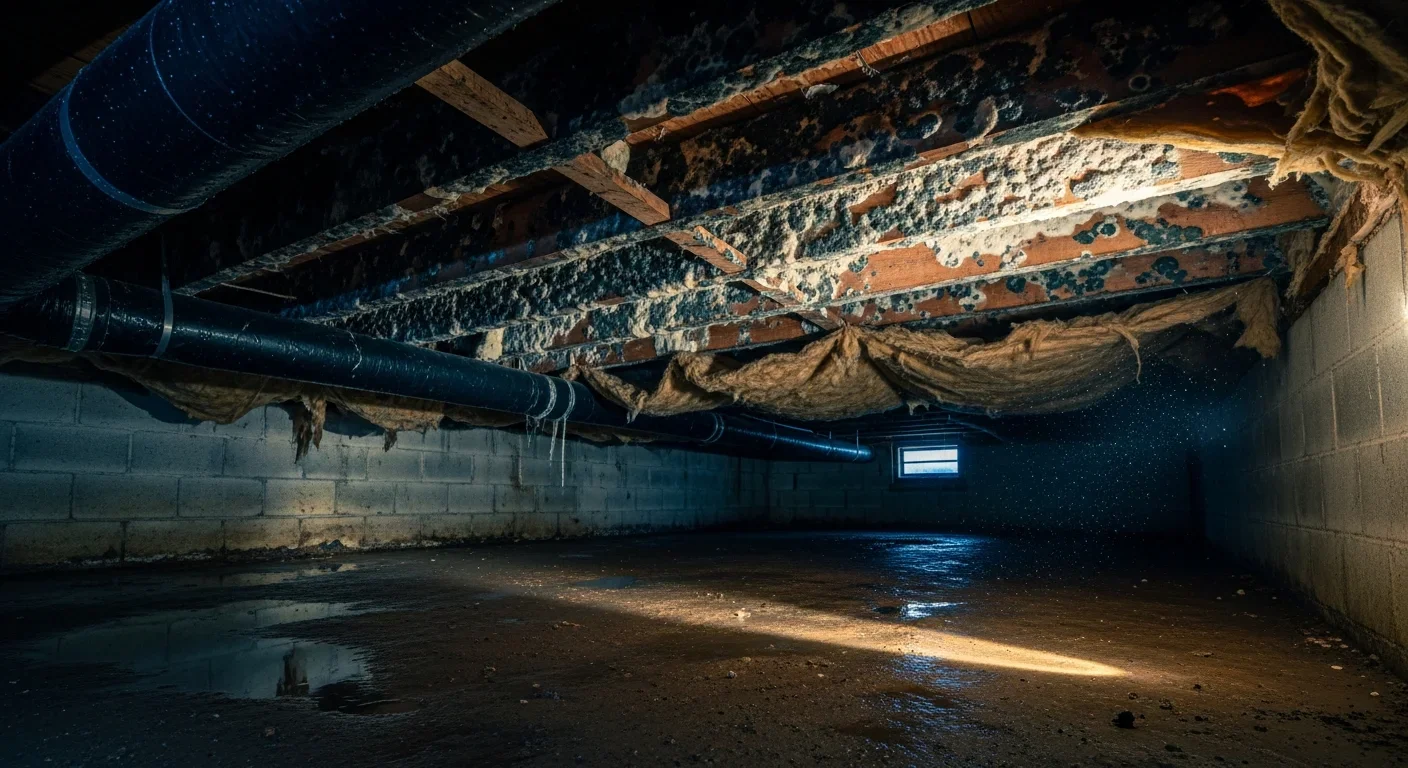
Mold needs three things to grow: an organic food source (like wood, paper, or fiberglass insulation), a comfortable temperature (anything above about 40°F), and water. Crawl spaces give it all three almost effortlessly. The food and temperature are baked into how American homes are built. The water is where things go wrong — and in a Southeast crawl space, water has at least half a dozen ways in.
- **Ground vapor.** Bare dirt floors evaporate water 24/7. Without a sealed vapor barrier, that moisture goes straight up into the joist bays.
- **Humid outdoor air.** Vented crawl spaces in Florida and the Carolinas pull in 80 to 95% RH summer air that condenses on cooler surfaces.
- **Plumbing leaks.** Slow pinhole leaks, condensate drain lines, and supply line drips often go unnoticed for months in a crawl space nobody visits.
- **Storm water and flooding.** Hurricane surge, heavy rain, and poor lot drainage push water into vents and through foundation walls.
- **HVAC condensation.** Uninsulated or poorly sealed metal ducts sweat constantly during cooling season — see our humidity and mold risk by state breakdown.
- **Damaged or missing vapor barrier.** Old plastic that has been torn by service crews, animals, or settling soil stops doing its job.
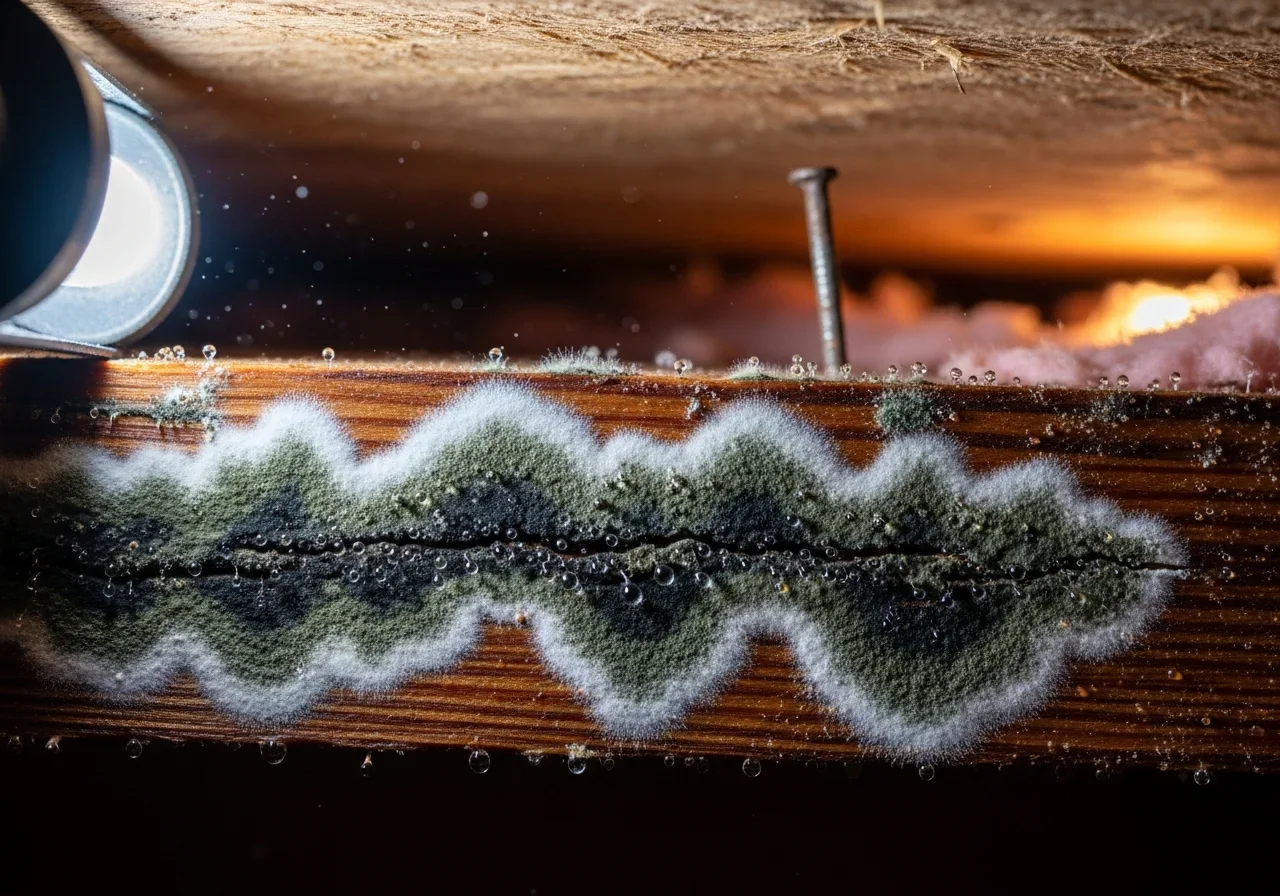
If you are seeing recurring mold in the same place, start with that location. Mold returning in the same joist bay year after year almost always means there is a moisture source directly above or beside it that has not been corrected. For a broader symptom map, our guide on the 8 signs your crawl space has problems walks through the visual and sensory cues that show up upstairs before the crawl space ever gets opened.
Can Crawl Space Mold Affect Your Health?
Yes — and the effects are well documented. The Centers for Disease Control and Prevention notes that exposure to damp and moldy environments can cause stuffy nose, sore throat, coughing or wheezing, burning eyes, and skin rash. People with asthma or mold allergies often see more severe reactions. Those with immune suppression or chronic lung disease can develop serious infections from mold exposure and should avoid cleanup contact entirely. The EPA similarly classifies molds as allergens and irritants, with some species producing potentially toxic substances under the right conditions.
Does Crawl Space Mold Spread to the Rest of the House?
The mold growth itself stays where the moisture and food sources are — but the spores and the smell do not. Crawl space air is house air. Tracer-gas research published through the U.S. Department of Energy's Building America program found that roughly 40% of the air in tested homes with vented crawl spaces actually originated in the crawl space. When researchers decoupled the crawl space from the living area using closed, power-vented designs, that contribution dropped to under 5%. In other words, in most older Southeast homes, what is going on under the floor is going on in your bedroom too — just diluted.
The mechanism is the stack effect. Warm air rises through the home and exits at the top, pulling replacement air in from below. In an unencapsulated home, that replacement air comes from the crawl space, carrying mold spores, soil gas, and that distinctive musty odor with it. If you can smell the crawl space upstairs, it is not just an annoyance — it is direct evidence that air is moving from there to there.
What Crawl Space Mold Removal Costs
National cost guides put crawl space mold removal in a fairly tight range for typical homes, with a wider tail when contamination has spread into HVAC systems, soaked insulation, or compromised wood that needs replacement. The numbers below are practical ranges to set expectations — your actual estimate depends on access (how high is the crawl space, how easy is the entry), square footage, severity, and whether you bundle in moisture-control upgrades like a vapor barrier or full encapsulation.
| Line item | Typical range | What changes the price |
|---|---|---|
| General mold remediation (whole home, varies by location) | $1,223 – $3,749 (avg ~$2,364), or $10 – $25 per sq ft | Location of growth, materials affected (drywall, HVAC, framing) |
| Crawl space mold removal — average crawl space | $1,500 – $4,000 | Size, severity, accessibility, insulation removal |
| Crawl space mold removal — larger or extensive growth | $2,000 – $6,000 | Insulation contamination, ducts involved, structural wood damage |
| Crawl space cleaning (non-mold baseline) | $0.50 – $4.00 per sq ft | Labor is 80–95% of cost; access conditions dominate |
| Add-on: mold remediation during a crawl space cleaning | +$1,000 – $3,500 | Treated as a separate line item homeowners often don't anticipate |
| Crawl space encapsulation (optional, prevents recurrence) | $1,500 – $15,000 (avg ~$5,500) | Size, access, repairs needed first, dehumidifier add-on |
National pricing ranges for crawl space mold removal and adjacent work (2026)
What pushes a project from the low end to the high end is almost always one of four things: difficult access (low clearance, tight entry hatches, or pier-and-beam vs. block foundations), contaminated insulation that has to be removed and bagged, mold that has migrated into the HVAC ductwork, and decisions about whether to fix the moisture cause permanently. Most homeowners who pay $5,000+ are bundling encapsulation or a dedicated dehumidifier into the same project — see our crawl space encapsulation cost guide for the full breakdown of that side of the work.
How long does it take?
| Phase | Typical timing | What drives it |
|---|---|---|
| "Mold starts" risk window after wetting | 24 – 48 hours | Why same-day water damage restoration is part of mold prevention |
| Mold cleanup of an average crawl space | 1 – 3 days on site | Containment setup, removal, HEPA cleaning, post-clean clearance |
| Encapsulation project duration | 3 – 5 days | Existing leaks and damage must be repaired first |
| Florida claim notice deadline (loss-related) | 1 year (supplemental: 18 months) | Florida statute imposes hard timing on insurance recovery |
Realistic timelines for the phases of crawl space mold work
DIY vs. Professional: Which One Is Your Job?
EPA's mold remediation guidance gives homeowners one of the clearest decision rules in the entire restoration field: if the affected area is less than about 10 square feet, you can usually handle the cleanup yourself with proper protective equipment. CDC repeats the same threshold in its disaster cleanup toolkit. Anything larger, and the EPA recommends professional remediation with formal containment, negative-pressure air filtration, and proper PPE.
DIY is reasonable when
- Visible mold is under about 10 square feet (roughly a 3 ft × 3 ft area)
- The water source was clean (a known plumbing leak, not sewage or storm surge)
- There is no HVAC ductwork in the affected area
- Nobody in the household has asthma, mold allergies, immune suppression, or chronic lung disease
- You have already identified and stopped the moisture source
- You have an N95 (or better, P100) respirator, gloves, goggles, and a way to bag and dispose of contaminated materials
Call a pro when
- Visible growth is larger than about 10 square feet
- The water source was sewage, storm water, or any flooding event
- Mold is visible inside or on the HVAC ductwork or air handler
- Insulation is soaked or covered in growth and needs full removal
- The problem has come back after a previous DIY cleanup
- Anyone in the home is at higher health risk from mold exposure
- You can smell mold upstairs but cannot find the source
How to Get Rid of Crawl Space Mold: The 6-Step Process
Whether the work is DIY-sized or professional, the sequence is the same. Skipping any step — especially step one — is the most common reason mold comes back within months.
- 1
Stop the moisture source first
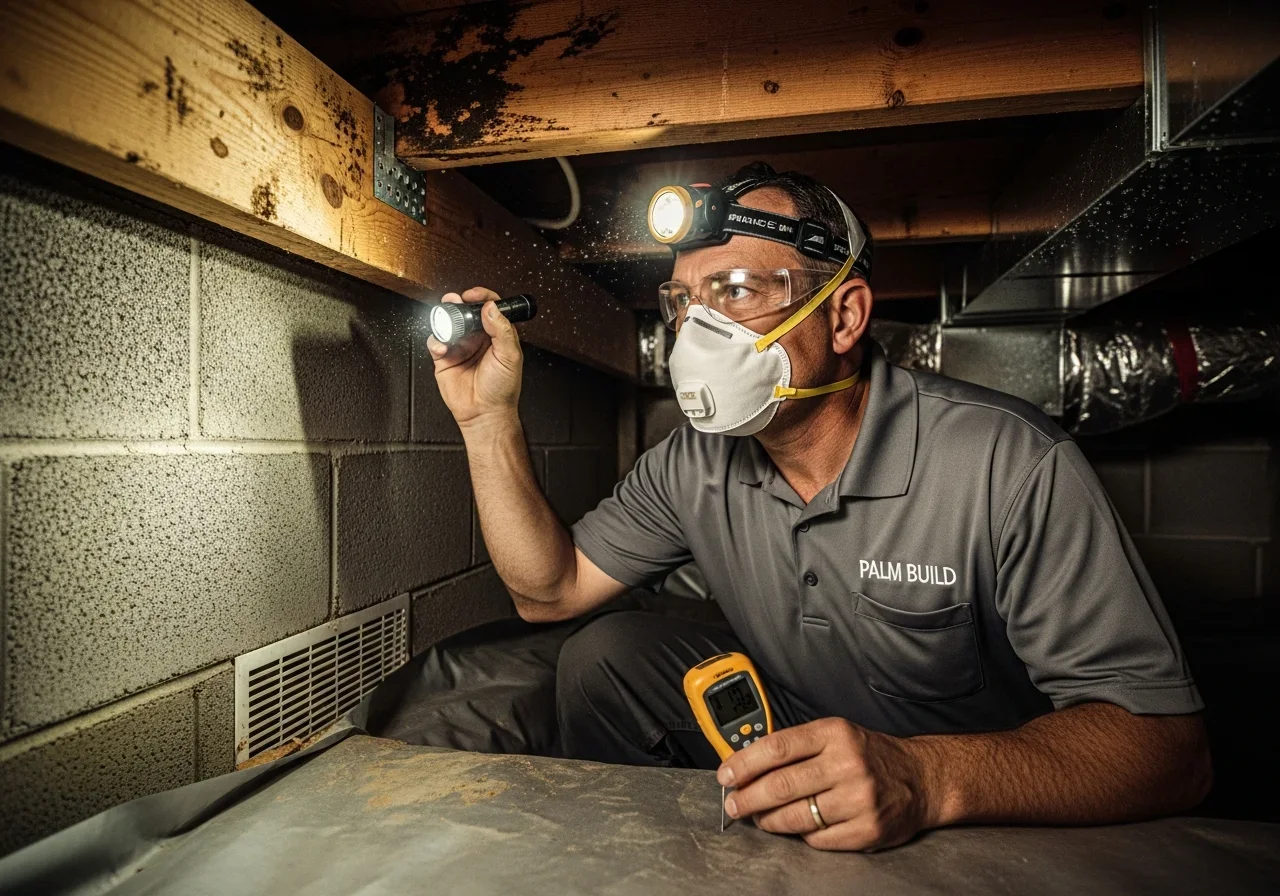
Before any cleaning, find and fix where the water is coming from. EPA is blunt about this: if you do not solve the water problem, the mold will come back. Walk the crawl space with a flashlight and a moisture meter. Look at plumbing lines, HVAC condensate drains, foundation cracks, vents, and the dirt floor itself. After any flooding event, the 48-hour prevention window is what determines whether you have a cleanup or a remediation job. If active flooding or burst pipes are involved, treat it as an emergency water damage restoration call before anything else.
- 2
Decide DIY-sized job or professional job
Measure the affected area honestly. EPA's 10-square-foot threshold is the best practical decision line we have. Below that, with clean water and no health risk factors, DIY is reasonable. Above it — or with sewage, storm water, HVAC contamination, or a recurring problem — call a professional mold remediation team. Be especially honest about HVAC contamination. Mold inside ductwork is one of the fastest ways to spread spores throughout the entire house and is not a DIY project under any circumstances.
- 3
Set up containment and PPE
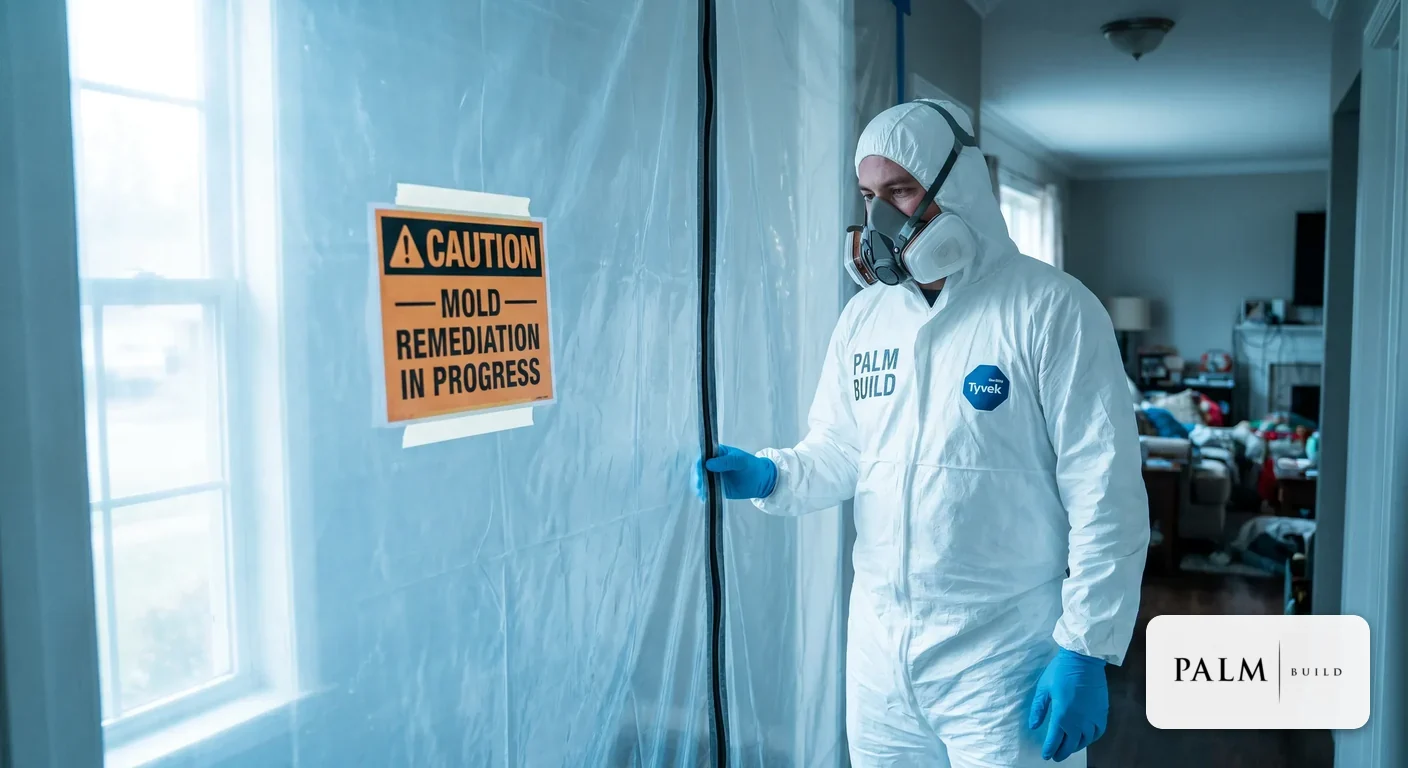
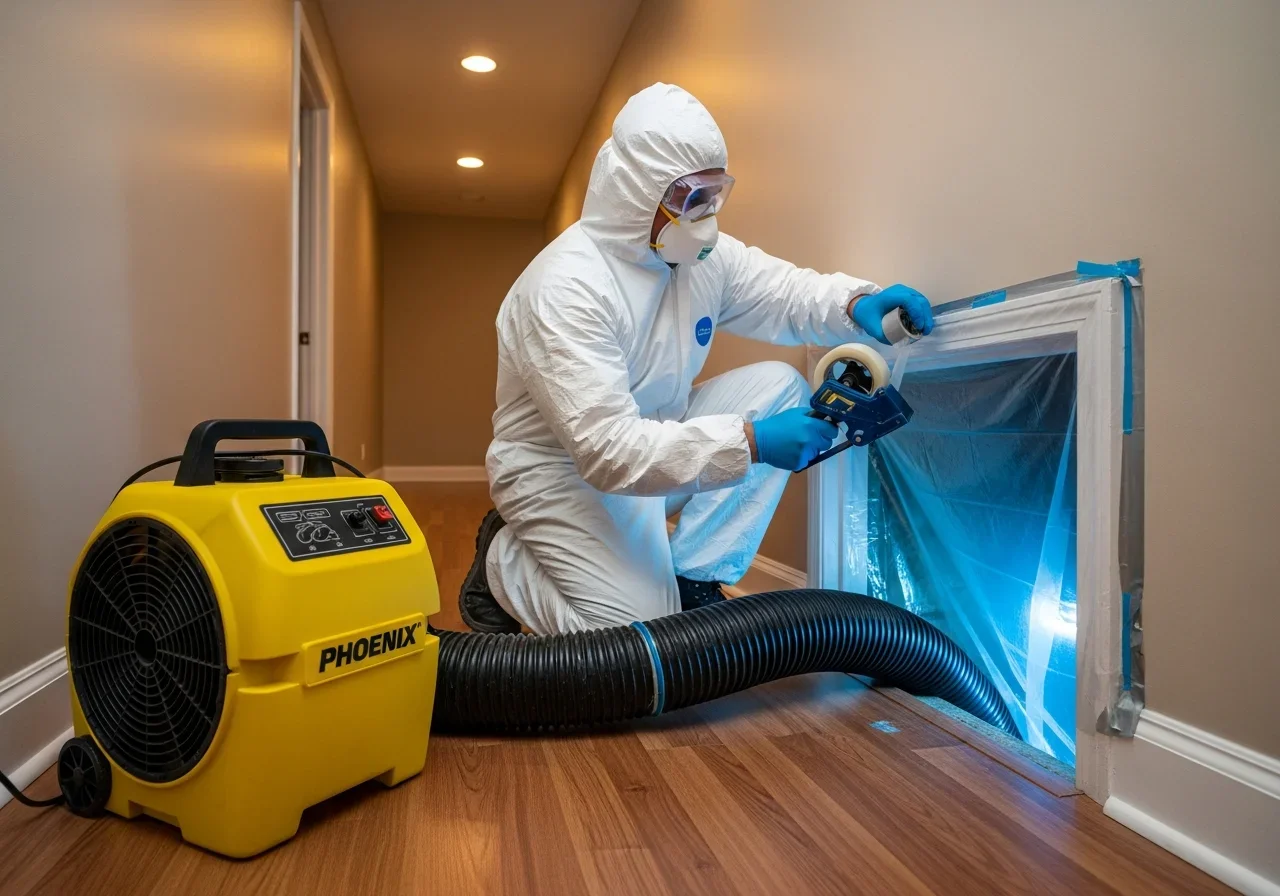
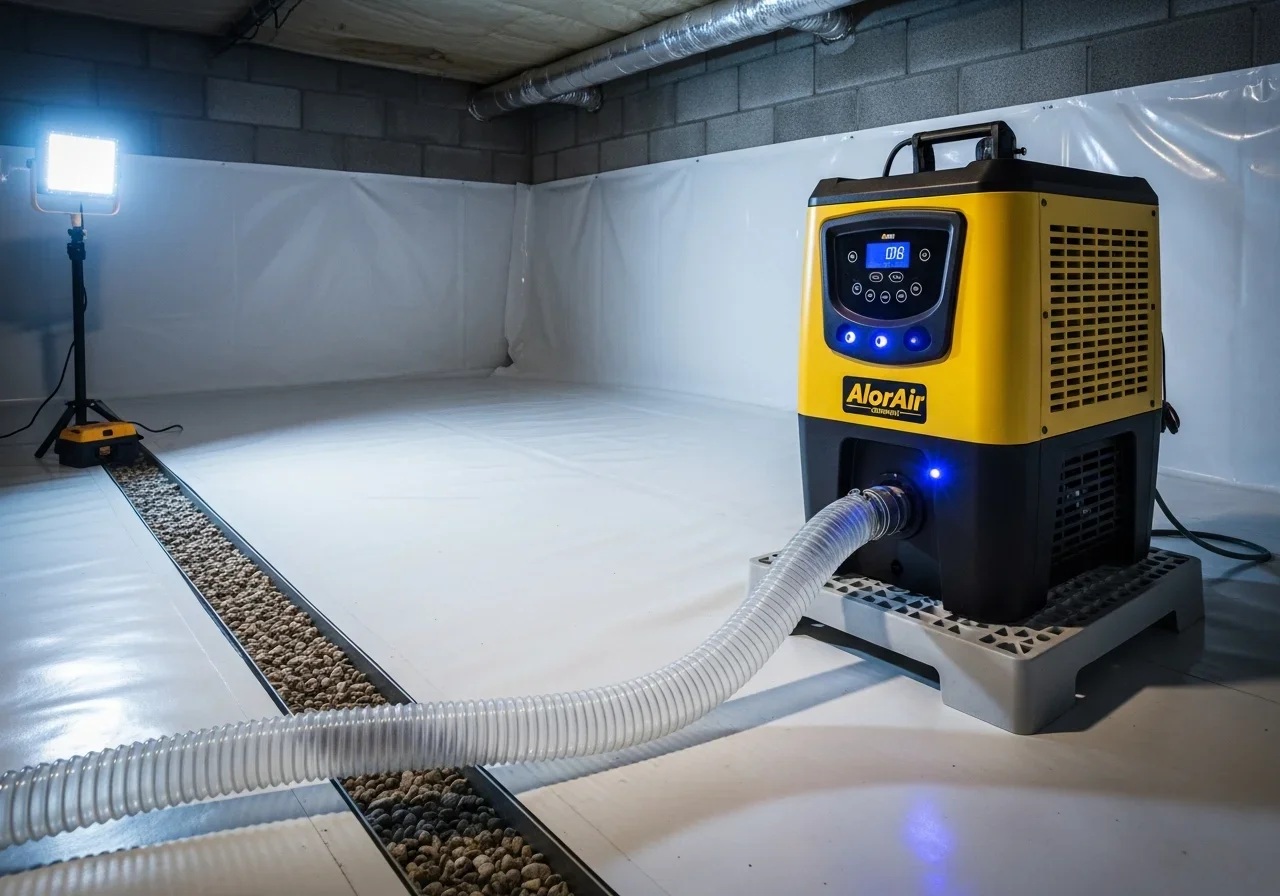
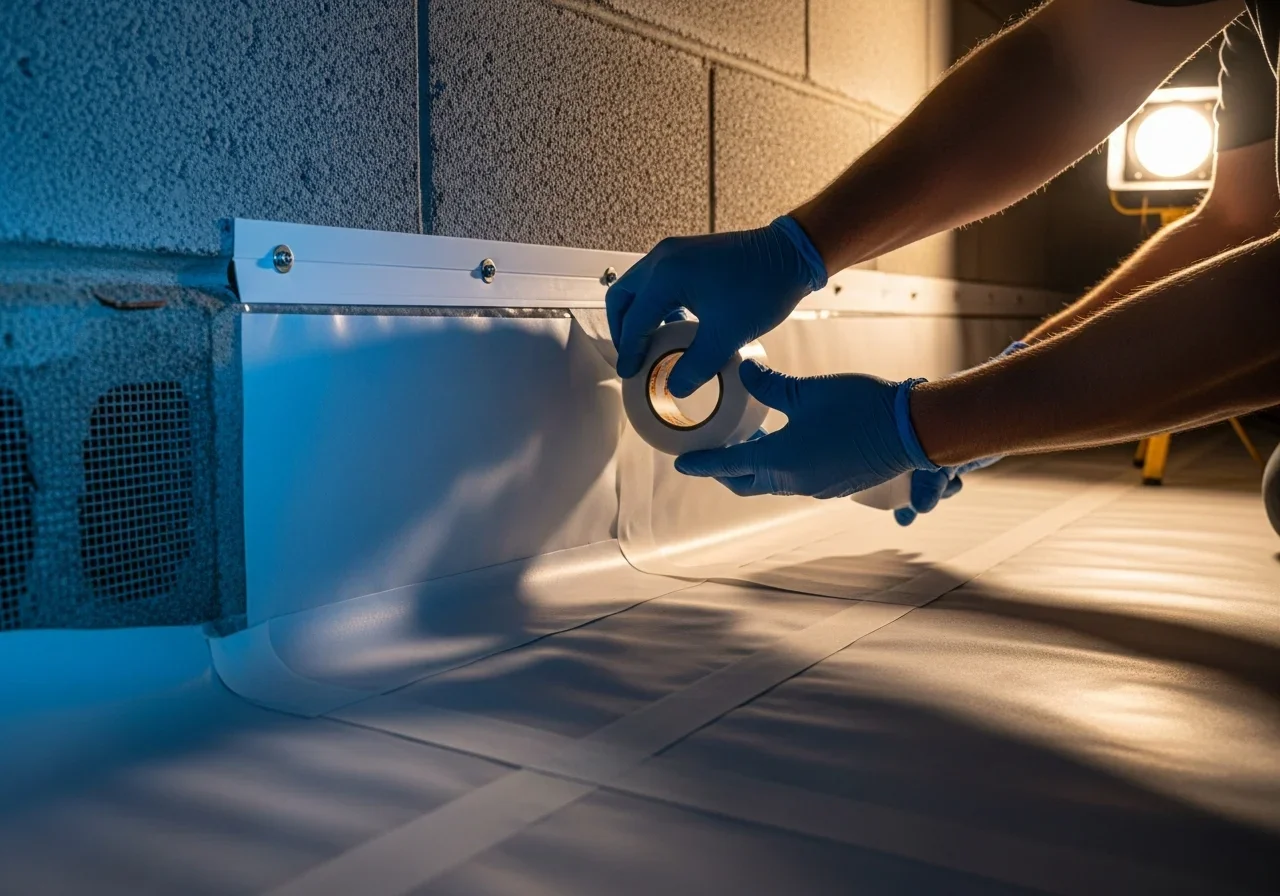
For any cleanup over a few square feet, isolate the work area. Tape 6-mil polyethylene sheeting over the crawl space access opening and run a HEPA-filtered air scrubber on the inside venting outward (negative pressure) so spores cannot drift into the house. Wear an N95 respirator at minimum (P100 is better), nitrile gloves, safety goggles, and disposable coveralls. Bring strong work lighting — you cannot clean what you cannot see.
- 4
Remove contaminated porous materials and HEPA-clean the rest
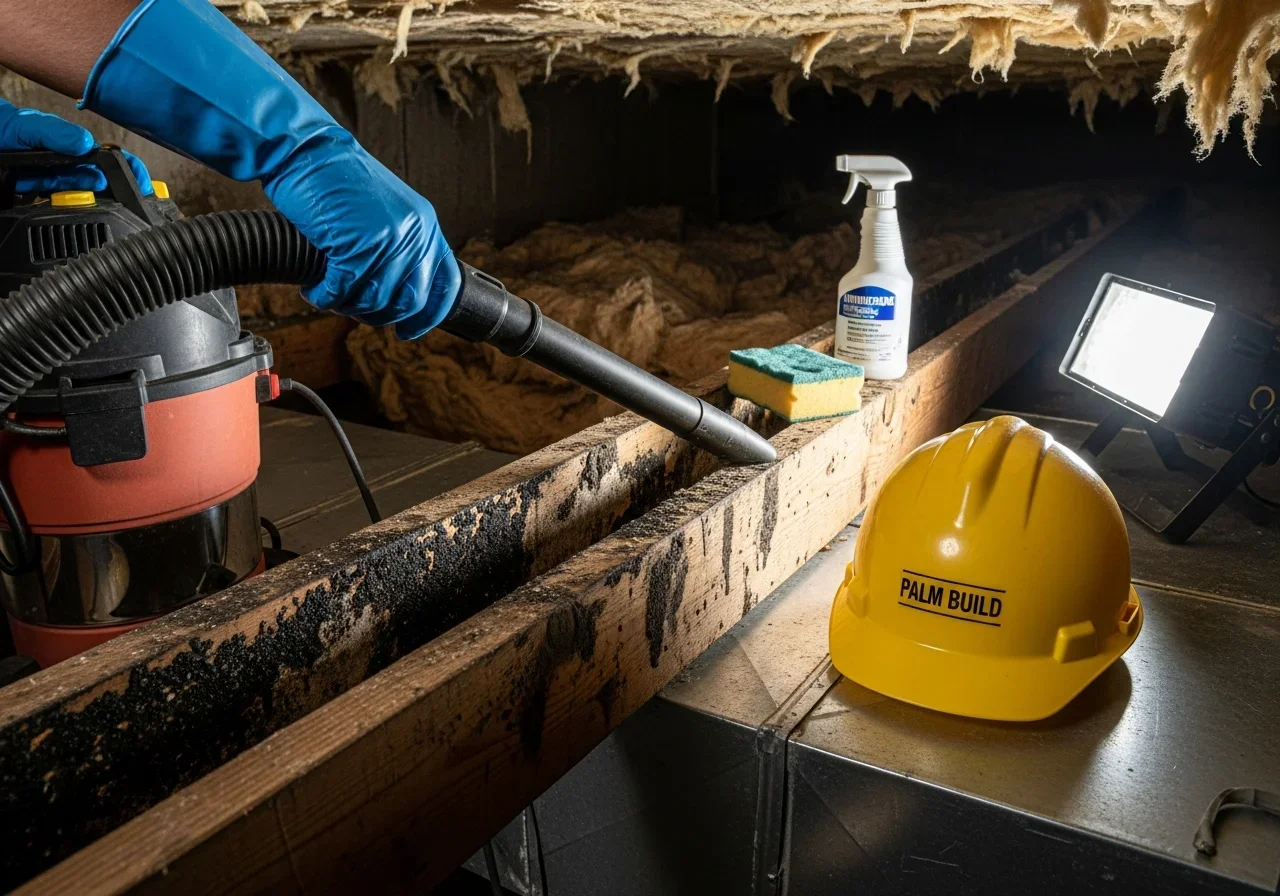
Porous materials with active mold growth — fiberglass insulation, cardboard, wood that is soft to a screwdriver — should be bagged in 6-mil plastic and removed. Hard surfaces like framing lumber that are still structurally sound get HEPA-vacuumed first to remove loose growth, then damp-wiped with a mold-specific antimicrobial cleaner. Important safety note from the North Carolina Department of Labor: never mix bleach with ammonia-based cleaners — the combination creates toxic chloramine gas. Use one cleaner at a time, with ventilation.
- 5
Dry the crawl space to mold-resistant conditions
Cleanup is only successful if the space stays dry afterward. Run a commercial dehumidifier until the relative humidity sits comfortably below 60% (target 45 to 55%) and the wood moisture content reads under 16% on a pin meter. This is where most DIY cleanups fail — the visible mold gets removed, the equipment leaves, and the humidity climbs right back to where it started within a week.
- 6
Prevent it from coming back
Long-term mold prevention in a Southeast crawl space almost always requires three things: a sealed vapor barrier on the dirt floor, controlled humidity (either a dedicated dehumidifier or full encapsulation), and proper drainage so storm water cannot enter. Depending on the home, this can range from a $400 vapor barrier upgrade to a full encapsulation system. Our crawl space cleaning and moisture control service handles the full sequence end-to-end.
- Confirm nobody in the household has asthma, mold allergy, immune suppression, or chronic lung disease before any DIY work
- N95 respirator (P100 preferred), nitrile gloves, safety goggles, and disposable coveralls on hand
- Strong work lighting and a flashlight for headroom-limited spaces
- Heavy-duty 6-mil polyethylene sheeting and tape for containment
- 6-mil contractor-grade trash bags for contaminated insulation
- EPA-registered antimicrobial cleaner (do not mix bleach with ammonia products)
- Pin-style moisture meter and a digital hygrometer to verify the space is dry afterward
- A clear plan for where the moisture came from and how it has been stopped
Florida, North Carolina, and South Carolina Notes
Crawl space mold is mostly physics and biology, but the homeowner experience differs by state — especially around licensing, claim deadlines, and what insurance will and will not cover.
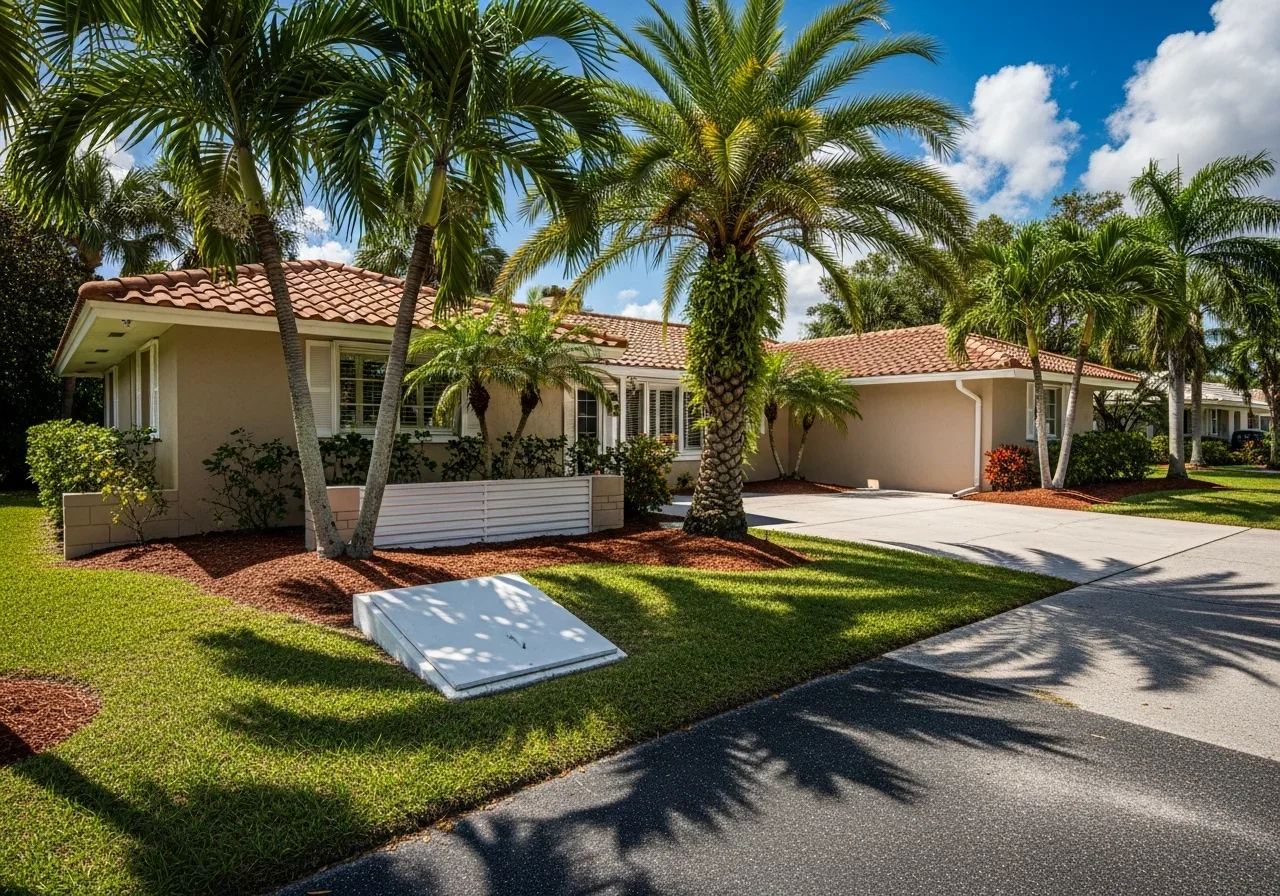
Florida: licensing, conflict-of-interest, and claim timing
Florida is one of the few states with a formal licensing framework specifically for mold work. Chapter 468, Part XVI of the Florida Statutes regulates both mold assessors and mold remediators. Importantly, the framework includes a conflict-of-interest rule: a licensed assessor generally cannot perform remediation on a structure they assessed within the previous 12 months, and vice versa. That separation exists to keep the inspection honest. When you hire in Florida, asking whether the contractor is licensed under Chapter 468 is not just paperwork — it is a real consumer protection.
North Carolina: safe work practices and policy exclusions
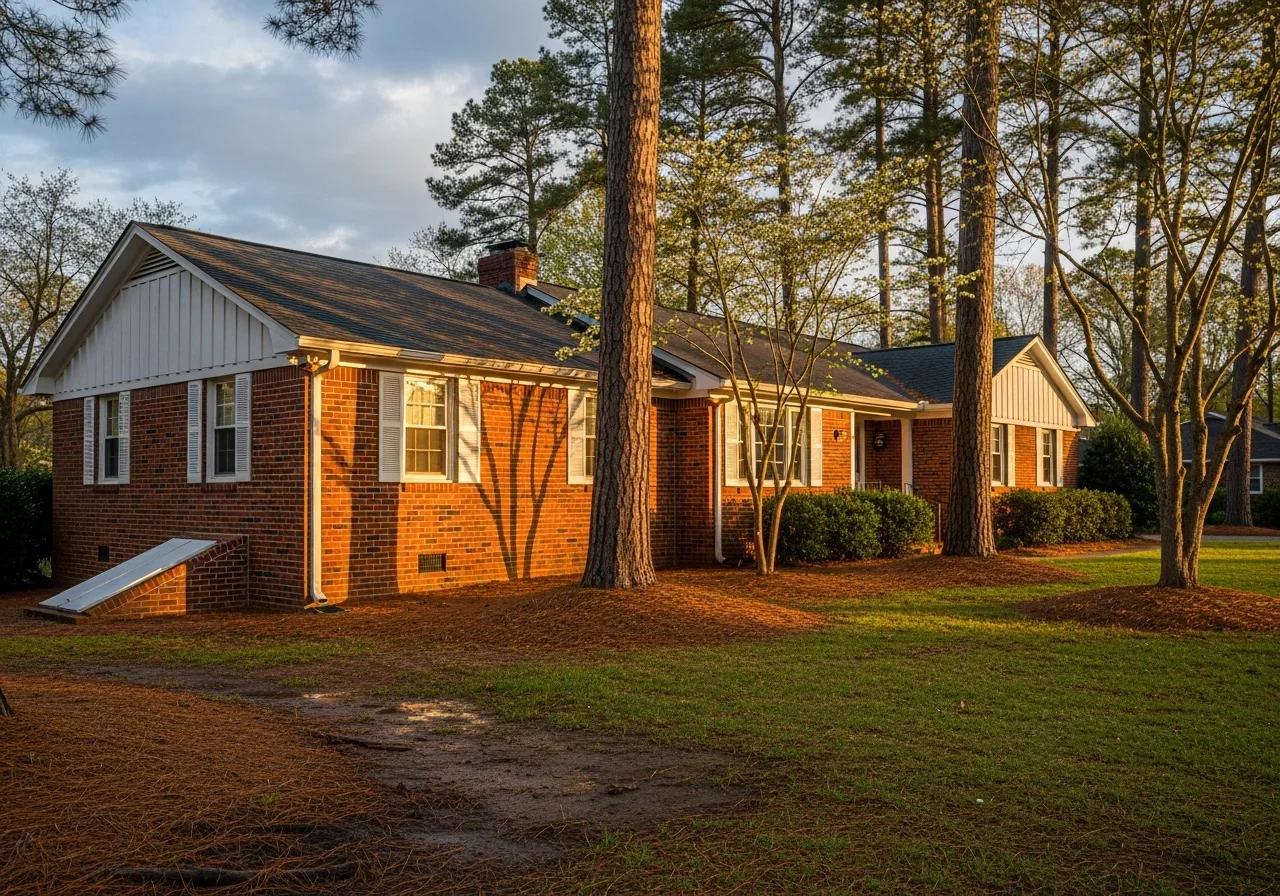
North Carolina does not have the same standalone mold licensing framework as Florida, but the North Carolina Department of Labor publishes mold safe work practices that are worth reading before any DIY cleanup — particularly the warning about never mixing bleach with ammonia-based cleaners. The North Carolina Department of Insurance also reminds homeowners that policies frequently contain exclusions for mold, rust, and rot, and that coverage depends entirely on your specific policy form and any endorsements you have added. If your home suffered water intrusion from a storm or hurricane and mold followed, the cause-of-loss chain is what your insurer will scrutinize.
South Carolina: post-storm mold and proposed certification
South Carolina's environmental agency publishes some of the most homeowner-friendly post-storm mold guidance in the Southeast, including a 24- to 48-hour drying recommendation that mirrors EPA and FEMA, and a state mold hotline. On the licensing side, South Carolina has been considering formalizing certified mold assessor and remediator standards through proposed legislation (H.5109 in the 2025–2026 session, which should be treated as proposed unless confirmed enacted). Until that lands, homeowners are responsible for vetting credentials directly. For losses tied to hurricane or named-storm events, South Carolina's Department of Insurance publishes consumer education on how standard policies and separate flood coverage interact — read it before you accept any settlement.
When to Call Palm Build
Palm Build is an IICRC-certified restoration company serving Florida, North Carolina, and South Carolina with 24/7 emergency response. We handle crawl space mold removal as a dedicated service, coordinate directly with insurance carriers when the loss is covered, and pair every mold remediation with the moisture control upgrades that keep it from coming back. If you are smelling something musty, seeing mold in your crawl space, or got a scary report from a home inspection, an honest first inspection is the right place to start — and it does not commit you to anything.
Crawl space cleanup and moisture control
End-to-end cleaning, mold removal, vapor barrier replacement, and moisture control across FL, NC, and SC.
Professional mold remediation
IICRC-certified mold remediation with containment, HEPA filtration, and clearance verification.
Crawl space encapsulation cost guide (2026)
Full breakdown of what encapsulation actually costs, when it makes sense, and what drives the price.
Humidity and mold risk by state (FL, NC, SC)
How regional humidity drives crawl space mold risk and what to monitor in each state we serve.
Frequently Asked Questions
Can mold in a crawl space affect your health? +
Does crawl space mold spread to the rest of the house? +
How do you get rid of mold in a crawl space for good? +
Can I clean crawl space mold myself? +
Do I need mold testing or air sampling before remediation? +
How much does crawl space mold removal cost? +
Is crawl space mold removal covered by homeowners insurance? +
Should I encapsulate my crawl space after mold remediation? +
Get a Free Crawl Space Mold Inspection
Smelling something musty? Seeing dark patches on your floor joists? Our IICRC-certified team will inspect your crawl space, document any mold or moisture problems, and give you a written estimate at no cost. Available 24/7 across Florida, North Carolina, and South Carolina.
Found this helpful? Send it to someone who needs it.