(888) 245-5155
Call Now 24/7
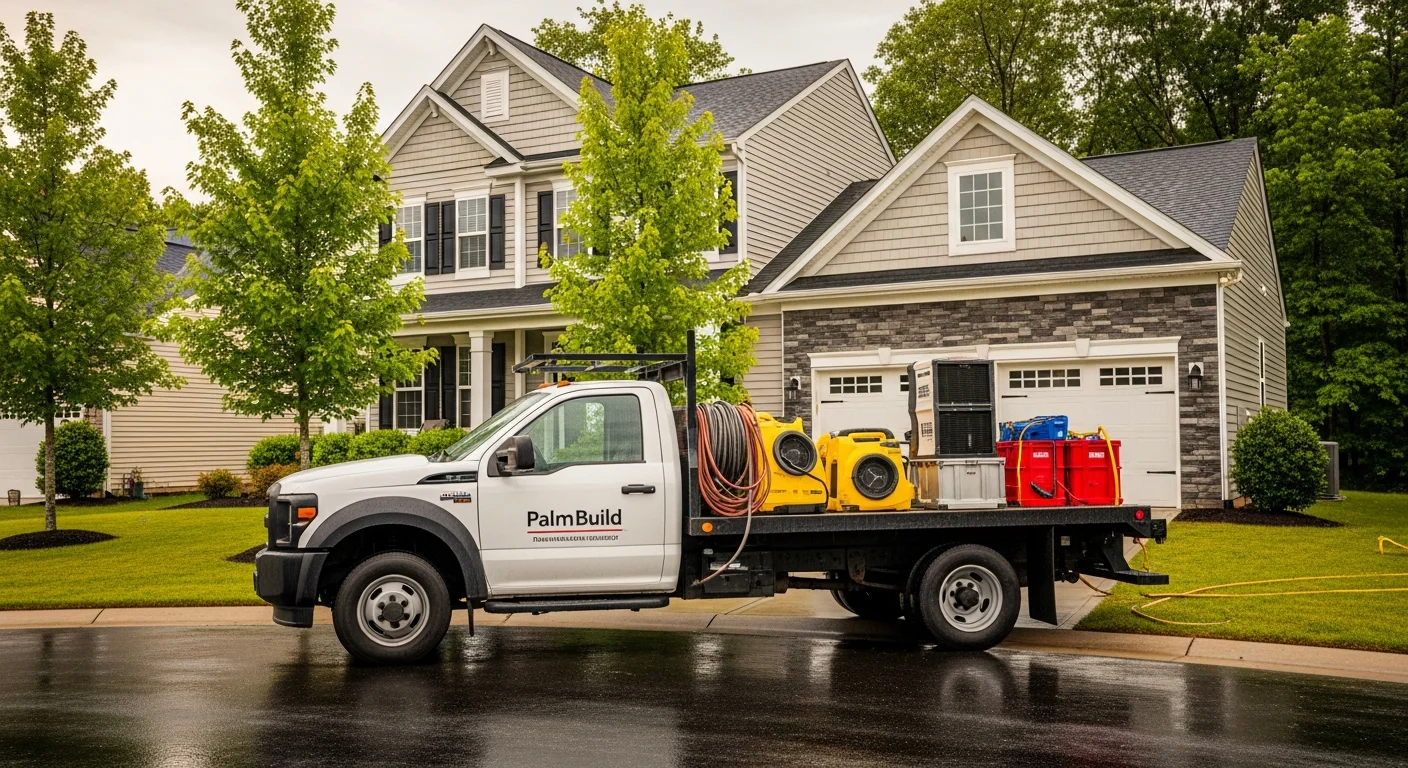
Palm Build restoration truck parked at a modern two-story Indian Trail NC suburban home after rain with restoration equipment visible
INDIAN TRAIL NC — 24/7 WATER DAMAGE RESPONSE

Water Damage Restoration in Indian Trail, North Carolina

From Crooked Creek drainage corridors to newer subdivision slab foundations, Palm Build responds fast to Indian Trail water emergencies with truck-mounted extraction, structural drying, and insurance-ready documentation.

~20 miles from Indian Trail 30-45 min Response IICRC Certified

30-45 min

Emergency Response

24/7

Dispatch Available

IICRC

Certified Technicians

Local Risk Factors

Why Indian Trail Homes Face Unique Water Damage Risks

Indian Trail's explosive growth over the past two decades created thousands of homes on Piedmont clay with builder-grade plumbing now entering its failure window. When a CPVC supply line ruptures in your Sun Valley subdivision home at 2 a.m. or a summer thunderstorm overwhelms Crooked Creek, mold can begin growing in 24 to 48 hours.

Heavy Clay Soil Throughout

<0.2 in/hr

Clay drainage rate

Indian Trail sits on the same Piedmont Cecil-series red clay that plagues all of Union County. Infiltration rates below 0.2 inches per hour mean rainwater pools against foundations for days, feeding moisture into crawl spaces and saturating soil around slabs.
Rapid Suburban Development

280%

Population growth since 2000

Indian Trail grew from 11,000 residents in 2000 to over 42,000 today. Massive impervious surface expansion — roofs, driveways, parking lots — has overwhelmed natural drainage patterns and increased stormwater runoff to neighboring properties.

Modern Construction Failures

10-15 yr

Component failure window

Most Indian Trail homes were built between 2000 and 2020 with CPVC supply lines, builder-grade water heaters, and single-drain-pan HVAC systems. These components fail at 10-15 years — and the first generation is failing now.

Creek Corridor Drainage

6

Named creek corridors

Six named creeks cross Indian Trail, including Crooked Creek and its north and south forks. Homes built along these corridors face flash flooding risk during heavy rainfall, and the clay soil ensures water stays at the surface.

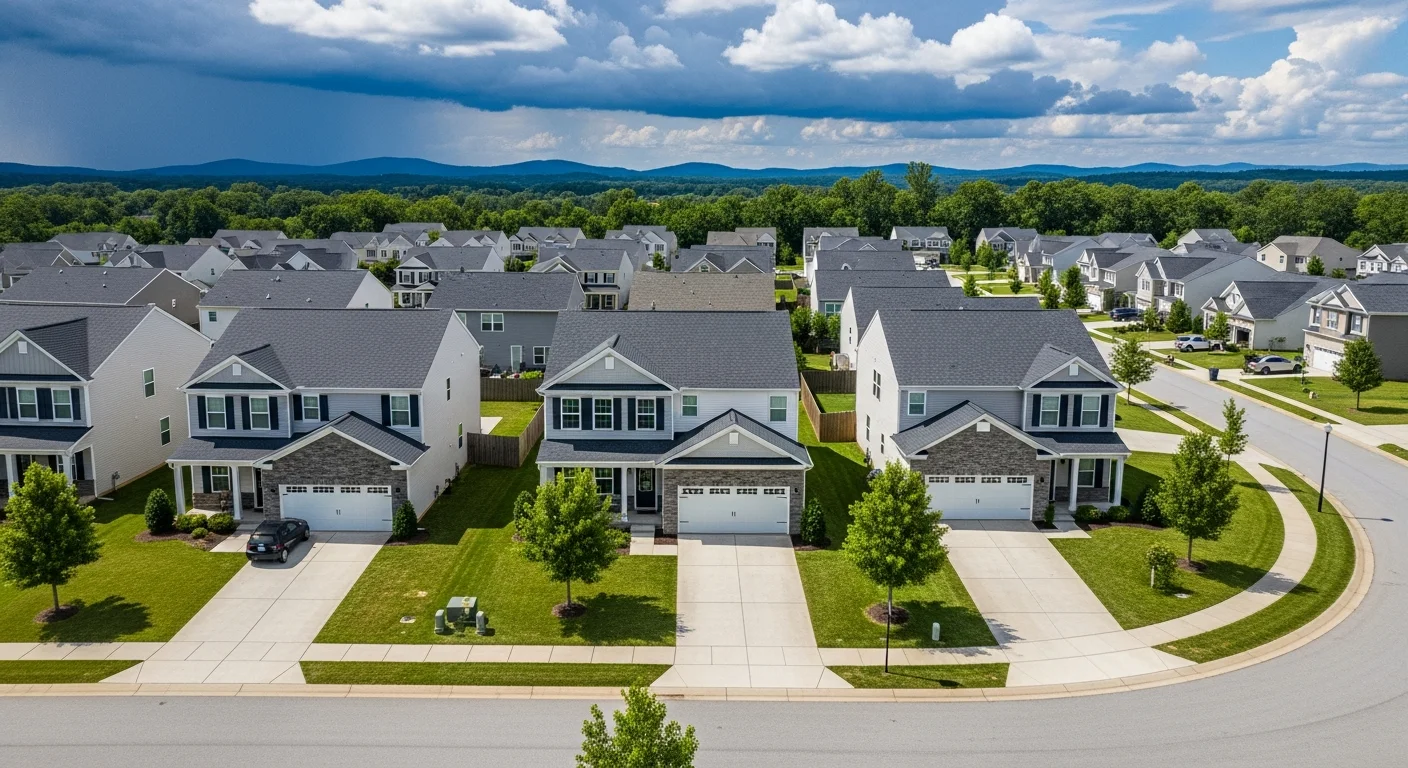
Aerial view of suburban residential neighborhoods in Indian Trail NC showing dense housing development on Piedmont clay soil
Indian Trail's rapid suburban growth has created thousands of homes on clay soil with builder-grade plumbing now entering its first failure cycle.

Creek Corridor Intelligence

Indian Trail Creek Corridors & Flood Risk

Six named waterways cross Indian Trail, each creating distinct flood risk zones. Homes near these corridors experience water intrusion at higher rates than properties on higher ground, especially during the May-September storm season.

Crooked Creek

High Risk

Area: Central Indian Trail, Crooked Creek subdivision

Risk: Flash flooding after heavy rain

Watch for: Standing water in yards, saturated crawl space soil, foundation erosion

N Fork Crooked Creek

High Risk

Area: Northern Indian Trail, Sun Valley area

Risk: Stormwater overflow from new development

Watch for: Basement seepage, yard pooling after storms, sump pump failures

S Fork Crooked Creek

Moderate

Area: Southern neighborhoods near Unionville

Risk: Agricultural runoff combined with storm surge

Watch for: Drainage ditch overflow, crawl space flooding, driveway washout

Davis Mine Creek

Moderate

Area: Western Indian Trail near Wesley Chapel

Risk: Narrow channel with rapid rise during storms

Watch for: Creek bank erosion near foundations, sudden yard flooding

Goose Creek

Moderate

Area: Eastern Indian Trail toward Stallings

Risk: Low-lying terrain with poor drainage

Watch for: Persistent moisture under homes, crawl space condensation, mold odors

Price Mill Creek

High Risk

Area: Southeast Indian Trail near Hemby Bridge

Risk: Floodplain encroachment from newer builds

Watch for: Ground-level water intrusion during extended rain, slab moisture

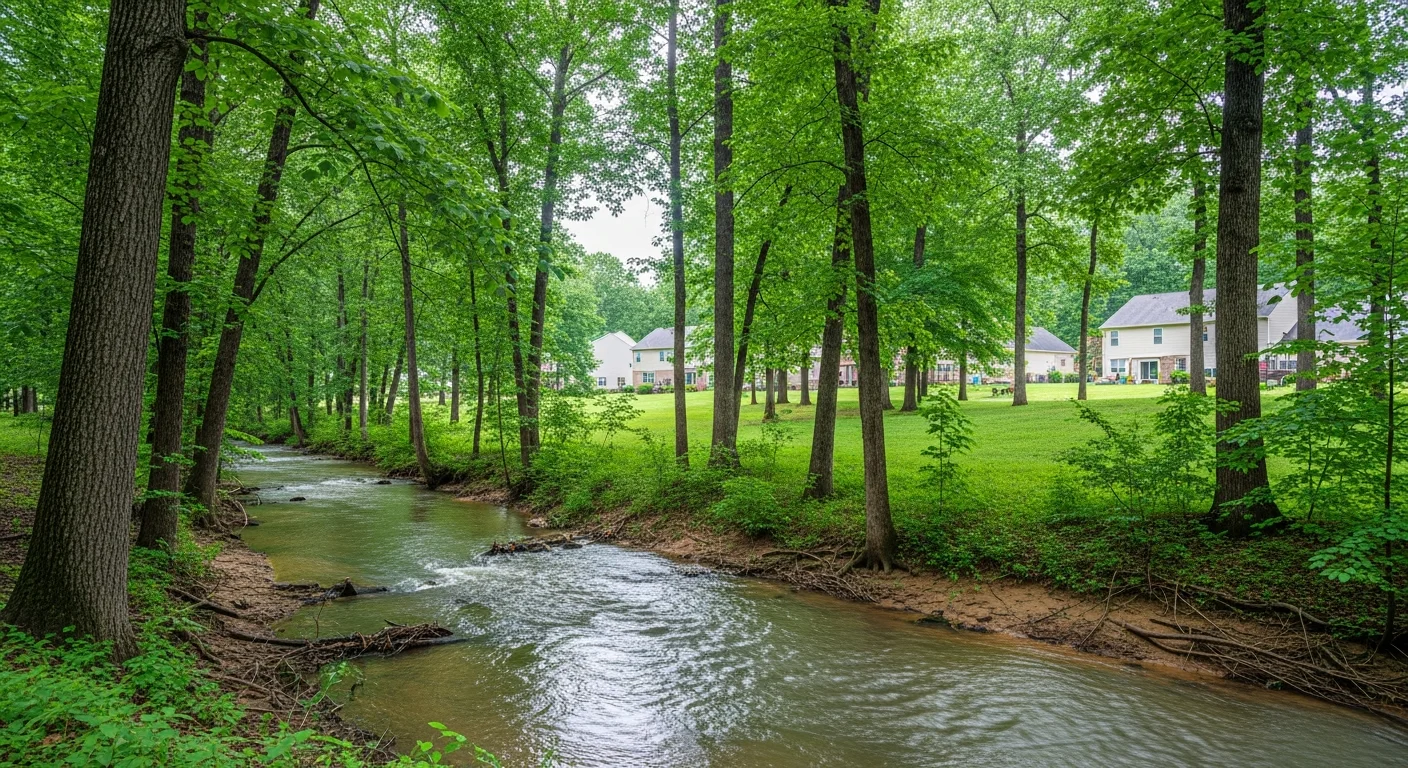
Crooked Creek waterway flowing through Indian Trail NC residential area with surrounding trees and homes
Crooked Creek and its tributaries create distinct flood risk corridors across Indian Trail, affecting homes built along their banks and in low-lying areas.
Our Indian Trail Process

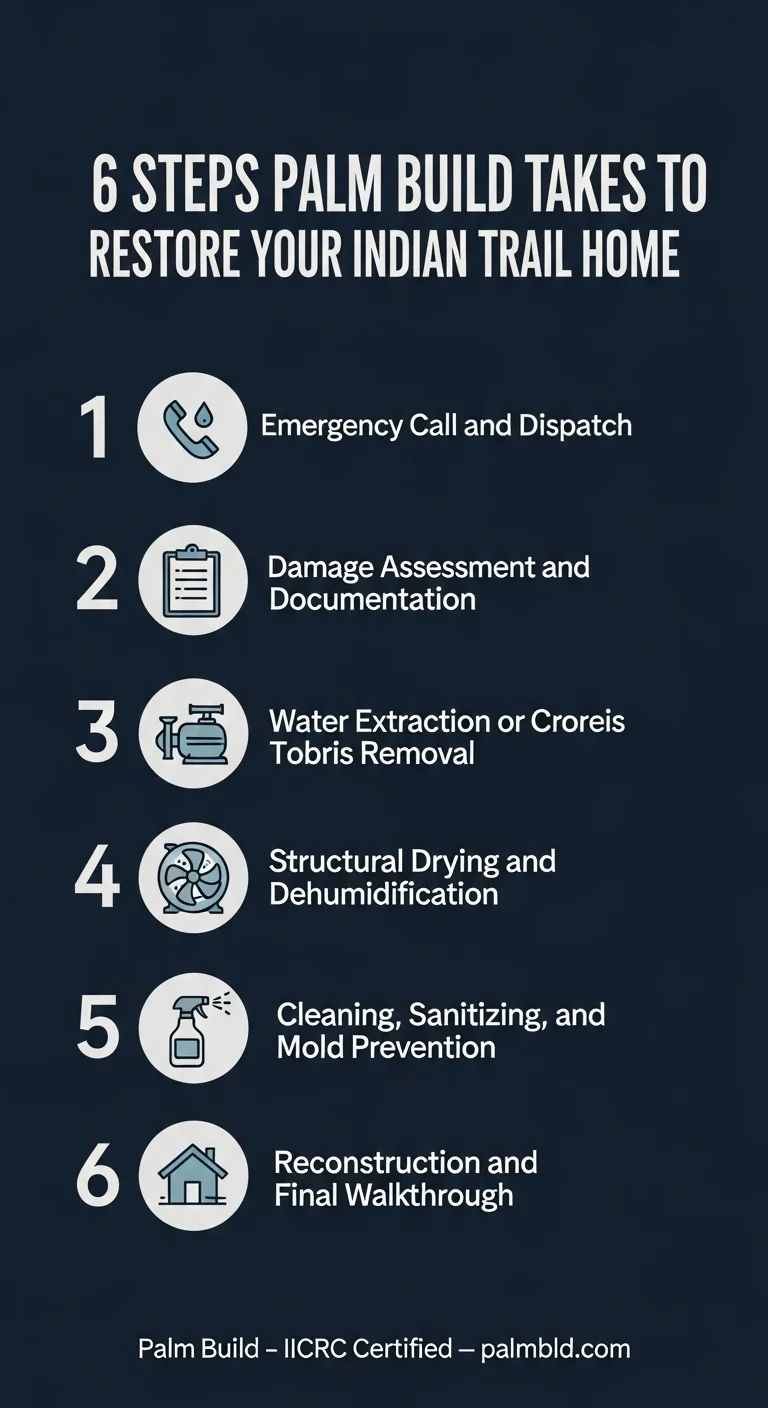
How We Restore Indian Trail Homes After Water Damage

Every water damage event is different, but the science of restoration follows a proven sequence. Here's exactly what happens when you call Palm Build for your Indian Trail home.

01

Emergency Dispatch

30-45 Minutes

Call our NC line at (704) 464-0121 any time, day or night. Our team dispatches from the Charlotte metro with truck-mounted extraction equipment, commercial dehumidifiers, and air movers — reaching Indian Trail in 30-45 minutes.

02

Damage Assessment

First 2 Hours

IICRC-certified technicians use infrared thermal imaging and pin-type moisture meters to map exactly where water has traveled — behind walls, under flooring, into crawl spaces. This becomes the foundation of your insurance claim.

03

Water Extraction

Hours 2-6

Truck-mounted extraction systems pull hundreds of gallons per hour. For Indian Trail homes with engineered hardwood and laminate floors — common in 2000s-era construction — speed here is critical to prevent permanent swelling and delamination.

04

Structural Drying

3-5 Days

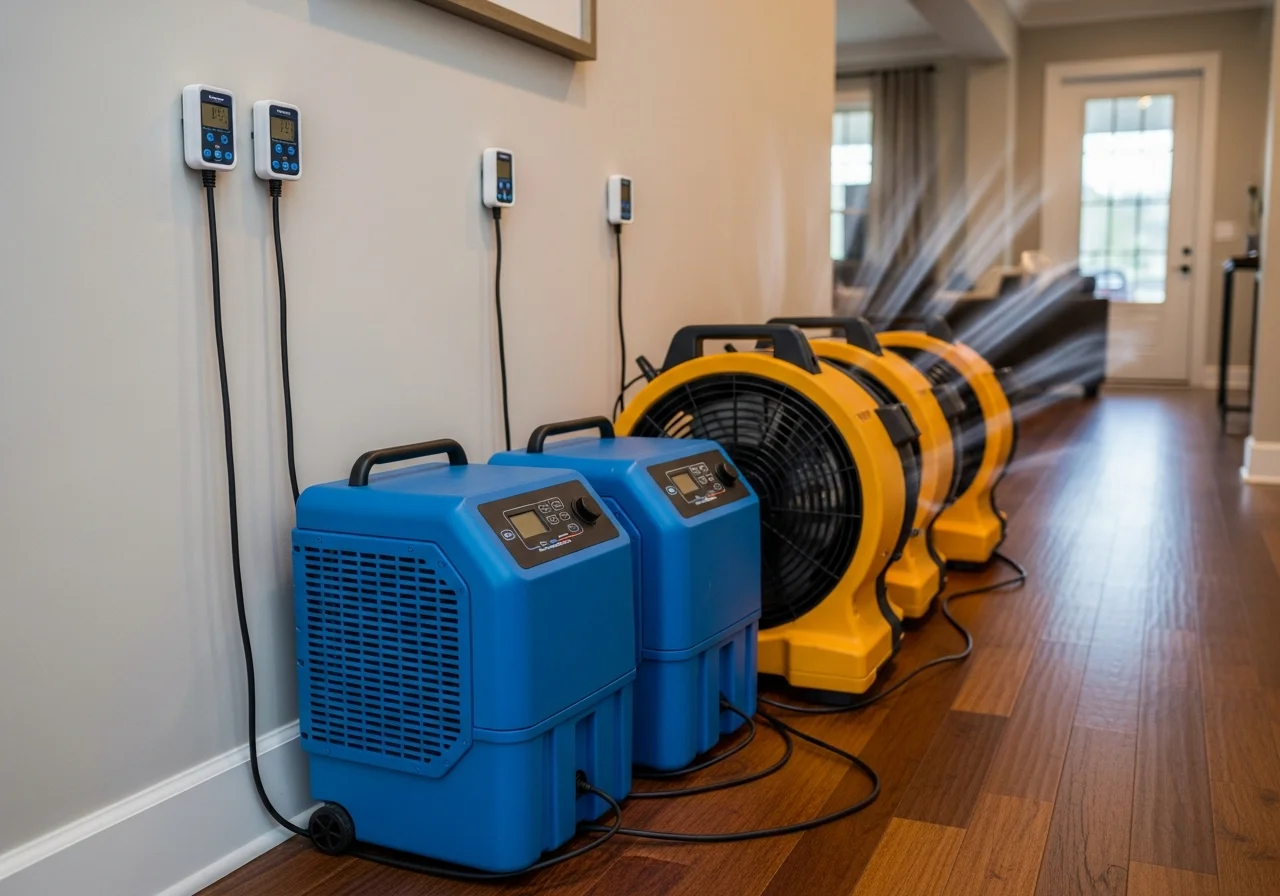
Commercial LGR dehumidifiers pulling 15-30 gallons per day and high-velocity air movers are positioned strategically. Daily moisture readings track progress until every material reaches its dry standard.

05

Mold Prevention

During Drying

EPA-registered antimicrobial treatments are applied during drying. Indian Trail's humid summers mean mold risk is elevated from the moment intrusion occurs — prevention during drying is far cheaper than remediation after.

06

Full Restoration

1-4 Weeks

Drywall, flooring, baseboard, trim, painting, and structural work. From emergency extraction through final walkthrough, one company manages the entire project with no handoffs.

Infographic showing Palm Build's 6-step water damage restoration process for Indian Trail NC homes

Why Our Indian Trail Process Works

1

Local Knowledge

We know Indian Trail clay, creek corridors, and newer-construction failure points

2

Speed

30-45 minute response from our Charlotte metro base

3

Scientific Drying

Daily moisture readings until every material reaches dry standard

4

Insurance-Ready

Documentation formatted for your adjuster from day one

Schedule an Assessment

Indian Trail Pricing

Water Damage Restoration Costs in Indian Trail

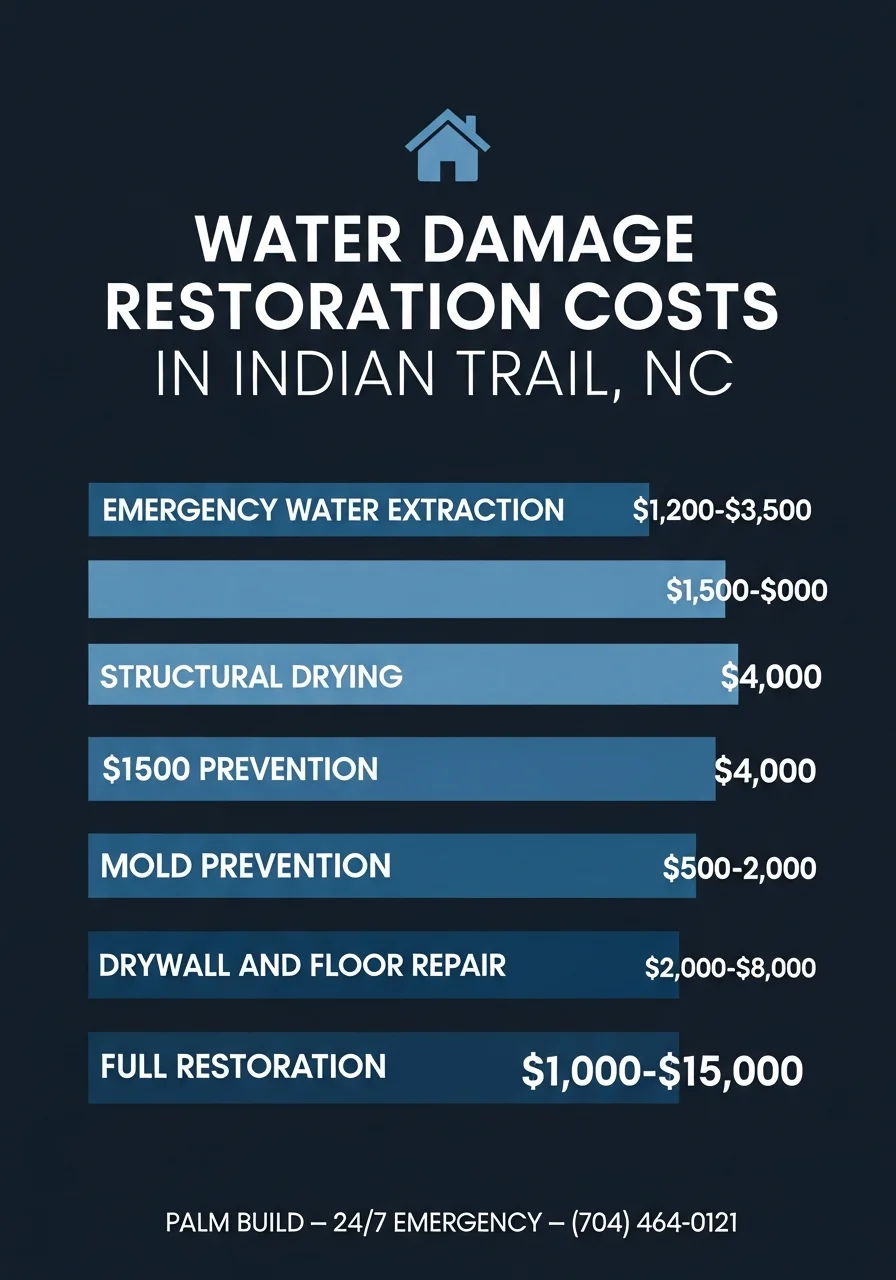
These ranges reflect real-world project costs in Indian Trail and Union County — not national averages. Indian Trail's newer construction, engineered flooring, and the prevalence of slab-on-grade and crawl space homes all affect the final number.

Standard Water Damage

Burst pipe, appliance failure, roof leak

Emergency water extraction $1,200 – $3,500
Structural drying (3-5 days) $1,800 – $5,500
Mold prevention treatment $400 – $1,800
Drywall & flooring repair $1,800 – $6,700
Total typical project $5,200 – $17,500

Complex / Crawl Space Involved

Mold present, structural damage, multi-room rebuild

Crawl space remediation $4,500 – $18,000
Mold remediation (if present) $2,500 – $12,000
Structural joist/subfloor repair $1,800 – $7,000
Full rebuild (multi-room) $4,200 – $6,000+
Total complex project $13,000 – $43,000+
Infographic showing water damage restoration cost ranges in Indian Trail NC

Know Your Risk Window

Indian Trail's Seasonal Water Damage Calendar

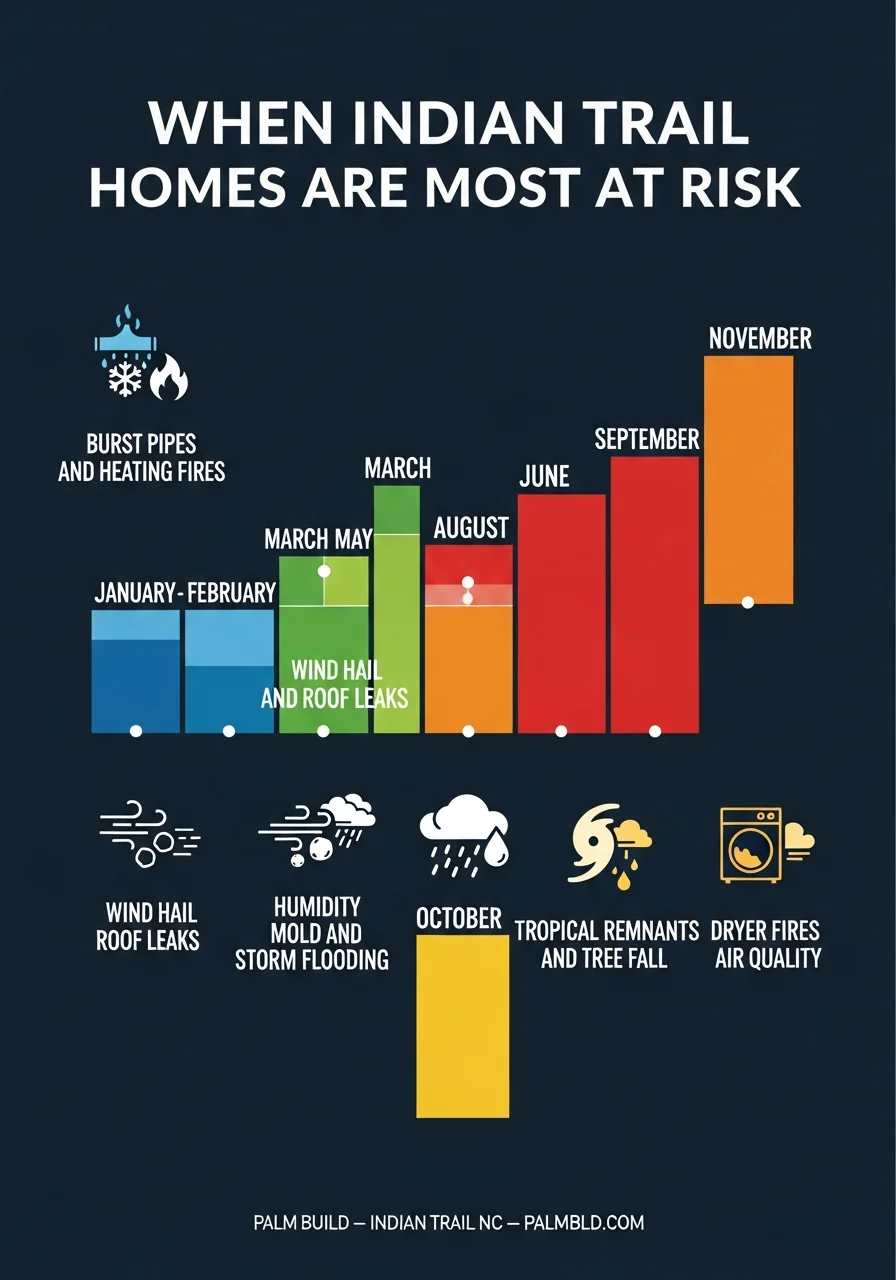
Indian Trail doesn't have a single "water damage season" — different types of damage peak at different times of year. Understanding this calendar helps you catch problems early and know when to be most vigilant.

January – February

Burst Pipe Season

Indian Trail winter temperatures swing between the 20s and 50s. Exposed pipes in attics, exterior walls, and unheated garages are vulnerable — especially in homes with CPVC plumbing that becomes brittle with age and cold cycling.

March – May

Wind & Hail Storm Season

Spring severe thunderstorms bring damaging winds and large hail to Union County. Roof and flashing damage from hail may not leak immediately — water intrusion often appears days or weeks later during subsequent rain events.

June – August

Peak Humidity & Storm Season

Summer humidity regularly exceeds 80% in Indian Trail. Flash flooding from afternoon thunderstorms overwhelms stormwater systems. This is the peak window for mold growth in crawl spaces and the highest HVAC condensate overflow risk.

September – October

Tropical Remnant Season

Hurricane and tropical storm remnants bring multi-day heavy rainfall to the Piedmont. Creek corridors swell rapidly. Post-storm mold is typically discovered 2-4 weeks later when musty odors appear.

November – December

Heating Season & Fire Risk

Heating system startup reveals HVAC failures and condensate issues. Gas and electric heating equipment fires increase. Many homeowners first discover crawl space moisture problems during fall when musty smells enter the living space.

Indian Trail NC seasonal water damage risk calendar showing month-by-month damage patterns

Insurance Navigation

Insurance Claims for Water Damage in Indian Trail

North Carolina homeowners insurance averages $2,000-$2,400 annually with rates continuing to rise. Understanding what your policy covers before a water event can mean the difference between a fully covered restoration and tens of thousands out of pocket.

Sudden and accidental discharge (burst pipe, appliance failure, supply line rupture) — covered by standard NC homeowners policies

Top NC carriers writing Indian Trail policies: State Farm, Nationwide, Erie, Auto-Owners, NC Farm Bureau — we work with all of them

Flood damage from rising water, creek overflow, or storm surge — requires separate NFIP or private flood insurance policy

Gradual damage (slow leaks, long-term seepage, chronic crawl space moisture) — classified as maintenance neglect

Mold coverage typically limited to $5,000-$10,000 sublimits — crawl space mold remediation often exceeds this

Building code upgrade costs when restoring older areas to current code — needs ordinance-and-law endorsement

Palm Build Handles the Documentation

We work directly with your insurance adjuster from the first inspection. Our moisture maps, thermal images, daily drying logs, and photo documentation are formatted for the adjuster workflow — reducing delays and disputes on your Indian Trail claim.

Insurance Claims Guide
Palm Build technician reviewing insurance documentation with Indian Trail NC homeowner
Our insurance documentation process starts at the first inspection and continues through project completion.

Our Work

Indian Trail Water Damage: Before and After

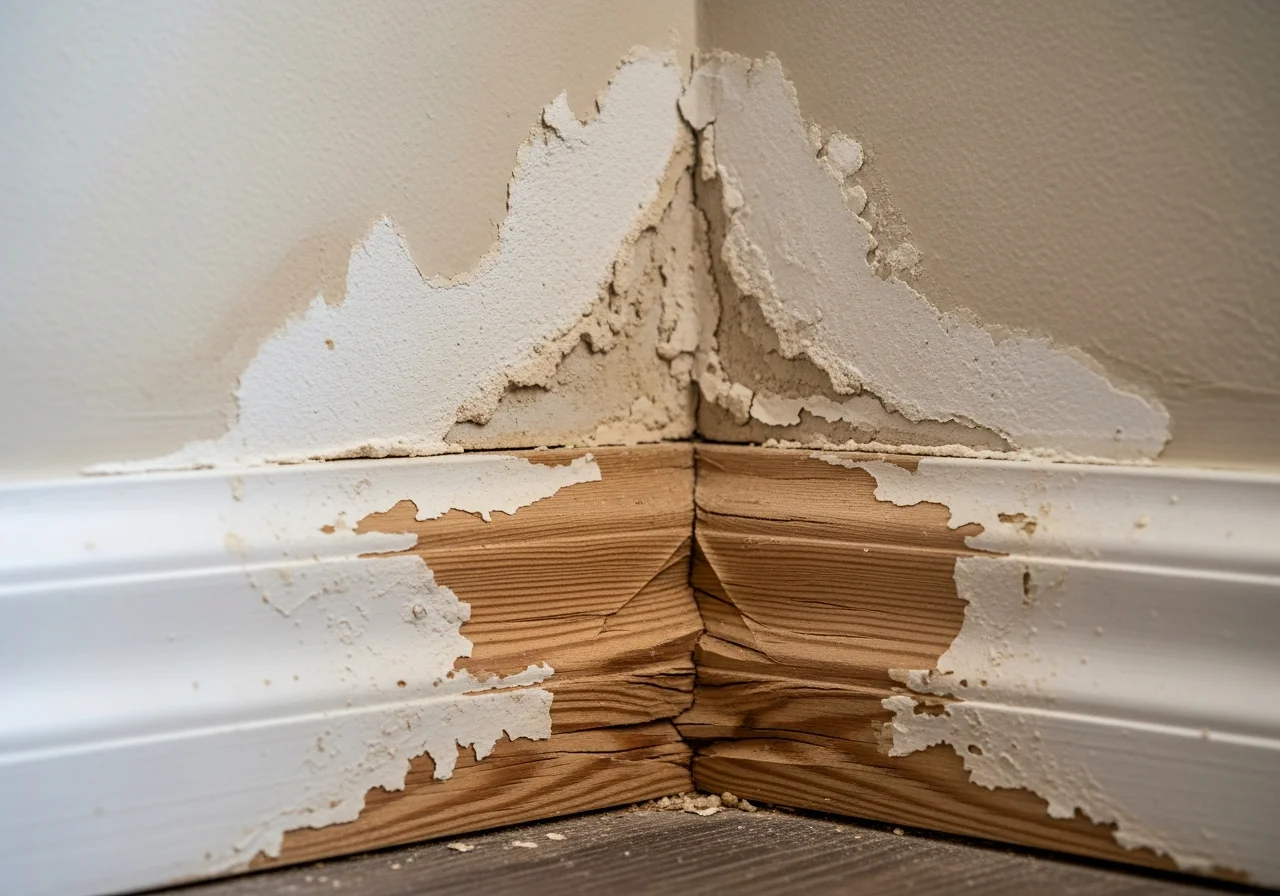
Water damage staining and mold growth on drywall in an Indian Trail NC home
Water staining and early mold growth on interior drywall
Beautifully restored living room with new flooring in an Indian Trail NC home
Fully restored with new flooring and fresh finishes
Palm Build technician performing water extraction in an Indian Trail NC home
Emergency water extraction in progress with truck-mounted equipment
Commercial drying equipment set up in water-damaged Indian Trail NC home
Structural drying in progress with commercial dehumidifiers and air movers

What We See Most

Common Types of Water Damage in Indian Trail Homes

Supply Line Failures

The most common emergency call in Indian Trail. CPVC and PEX supply lines in 2000s-era homes fail at connections and valves. A single ruptured line releases 5-8 gallons per minute, flooding an entire floor in under an hour.

Appliance Failures

Water heaters, dishwashers, washing machines, and refrigerator ice maker lines. Indian Trail homes built in the 2005-2015 wave are hitting the 10-15 year replacement window for all major water-connected appliances simultaneously.

Stormwater Intrusion

Indian Trail receives over 44 inches of rain annually. Flash flooding from summer thunderstorms overwhelms neighborhood storm drains and sends water into garages, ground-level entries, and crawl spaces.

Crawl Space Moisture

Homes built on crawl spaces over clay soil face chronic moisture problems. Warm humid air enters through foundation vents, condenses on cooler surfaces, and damages floor joists, subfloors, and ductwork over time.

HVAC Condensate Overflow

Aging AC unit drain lines clog with algae and biofilm, causing condensate pan overflow in attics and ceilings. This is a leading cause of sudden ceiling water damage during peak summer operation in Indian Trail homes.

Roof & Flashing Failures

Hail storms and high winds compromise roof integrity on architectural shingles common in Indian Trail subdivisions. Infiltration may not become visible for days, allowing hidden moisture damage behind walls.

Palm Build technician using moisture meter to map water damage in an Indian Trail NC home
Speed is critical for Indian Trail's engineered hardwood and laminate floors — the longer they stay saturated, the higher the risk of permanent swelling and delamination.

The Palm Build Difference

Why Indian Trail Homeowners Choose Palm Build

National franchises dominate the Charlotte metro restoration market by volume. But none of them reference Crooked Creek flood stages, Indian Trail CPVC failure patterns, or Union County clay drainage rates. That's because they don't build their operations around local knowledge.

Charlotte Metro Base

We dispatch from inside the Charlotte metro, reaching Indian Trail in 30-45 minutes — not from a regional franchise hub an hour away. Local presence means faster response when every minute counts.

IICRC Certified Technicians

Every crew lead holds current IICRC Water Restoration Technician (WRT) certification and follows the S500 standard for professional water damage restoration.

Indian Trail Expertise

We understand newer construction failure points — CPVC supply lines, builder-grade water heaters, and HVAC systems entering their first replacement cycle. We know Union County clay and Indian Trail creek corridors.

Insurance Documentation From Day One

Our moisture mapping, thermal imaging, daily drying logs, and photo documentation are formatted for the adjuster workflow — reducing delays and disputes on your claim.

Full-Service Restoration

From emergency extraction through final reconstruction, one company manages the entire project. No handoffs between mitigation and reconstruction teams, no gaps, no delays.

Palm Build technician using thermal imaging camera during water damage assessment in Indian Trail NC
Our IICRC-certified technicians use professional-grade thermal imaging to detect hidden moisture behind walls and under flooring.

Common Questions

Indian Trail Water Damage FAQ

How fast can Palm Build respond to a water emergency in Indian Trail?
Our team typically reaches Indian Trail within 30 to 45 minutes from our Charlotte operations hub. We dispatch 24/7/365 — call (704) 464-0121 any time.
Does insurance cover water damage in Indian Trail homes?
Standard homeowners insurance typically covers sudden and accidental water damage like burst pipes or appliance failures. Flood damage, gradual leaks, and long-term moisture problems are usually excluded.
How long does water damage restoration take?
Structural drying typically takes 3 to 5 days. Full restoration including reconstruction usually takes 2 to 6 weeks.
Is my Indian Trail home at flood risk?
Properties near Crooked Creek, Goose Creek, Davis Mine Creek, and their tributaries face elevated risk. Union County has active FEMA flood map updates. Check your parcel through FEMA's Flood Map Service Center.
Should I worry about mold after water damage?
Yes. Indian Trail's warm, humid climate means mold can begin growing within 24 to 48 hours of sustained moisture.
How much does water damage restoration cost in Indian Trail?
Standard restoration typically ranges from $5,200 to $17,500. Complex projects involving crawl spaces or mold can reach $13,000 to $43,000+.
What should I do immediately after discovering water damage?
Stop the water source if possible, turn off electricity to affected areas, document with photos, and call Palm Build at (704) 464-0121 immediately.
Does Palm Build handle the insurance claim process?
We work directly with your adjuster and provide all documentation — moisture maps, thermal images, drying logs, and photos.

Water Damage in Indian Trail? We're On Our Way.

Palm Build responds to Indian Trail water emergencies in 30-45 minutes with truck-mounted extraction, commercial drying, and insurance-ready documentation. Call now — we answer 24/7.

30-45 min Response IICRC Certified