(888) 245-5155
Call Now 24/7
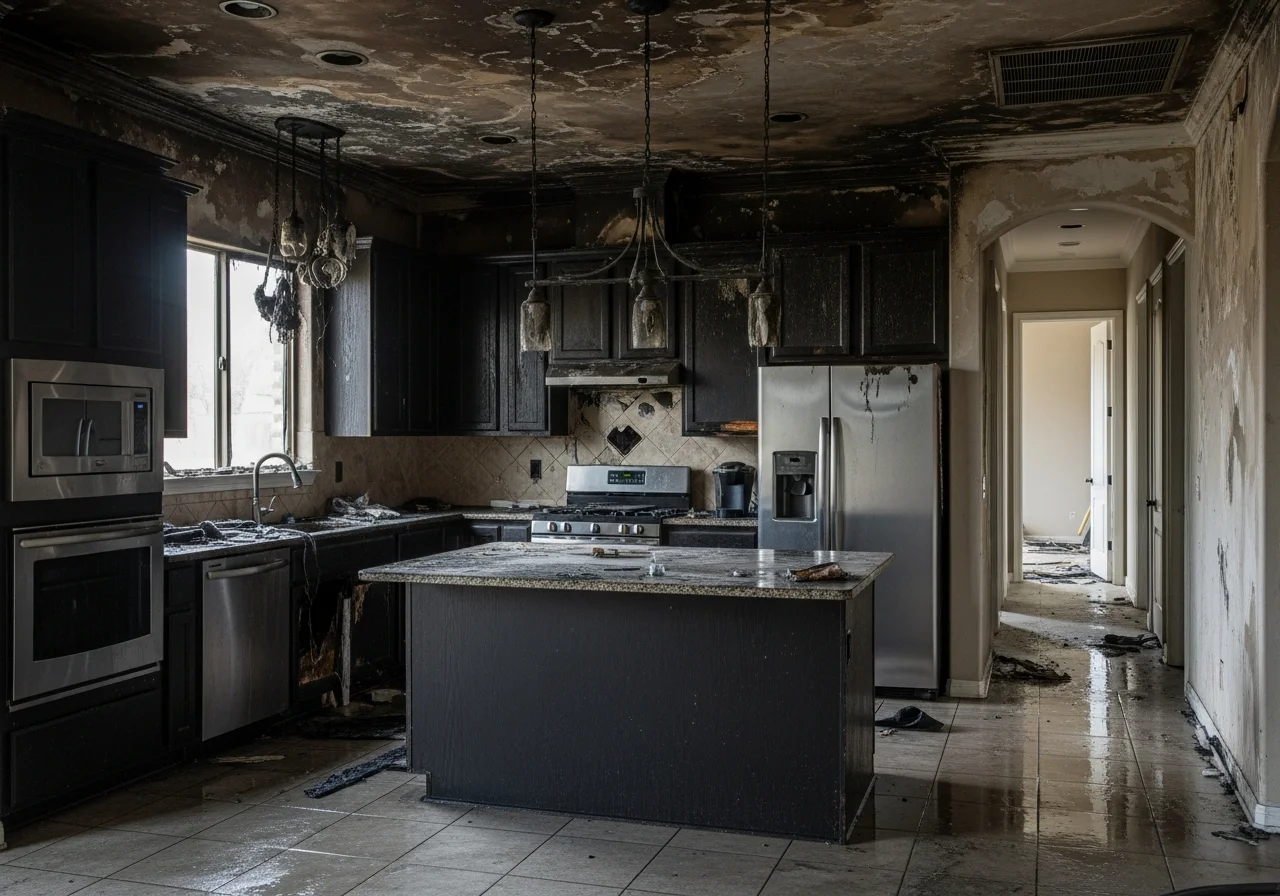
Fire and smoke damage in an Indian Trail NC kitchen showing charred cabinets, melted fixtures, and soot residue on walls and countertops
INDIAN TRAIL NC — 24/7 FIRE & SMOKE RESTORATION

Fire & Smoke Damage Cleanup in Indian Trail, North Carolina

From Sun Valley's two-story colonials to Brightwood's stone-veneer ranch homes, Palm Build's IICRC-certified team handles structural fire damage, soot removal, smoke odor elimination, and full reconstruction for Indian Trail's modern housing stock — with insurance coordination and Union County permitting from the first call.

~20 miles from Indian Trail 30-45 min Response IICRC Certified

30-45 min

Emergency Response

24/7

Dispatch Available

IICRC

Certified Technicians

Local Risk Factors

Fire Risks Specific to Indian Trail Homes

Indian Trail's suburban growth — from established neighborhoods along Sardis Church Road to new construction near Sun Valley — creates specific fire risk profiles that differ from urban Charlotte. Understanding your home's vulnerabilities helps you prepare and ensures proper restoration when the unexpected happens.

Dryer Vent Fires in Newer Subdivisions

Most Common

Indian Trail's rapid residential growth since the early 2000s means thousands of homes in neighborhoods like Sun Valley, Bridgemore, and Hemby Commons were built with long dryer vent runs — sometimes 20+ feet through walls and attic spaces. Lint accumulation in these extended runs is the leading cause of residential dryer fires in Union County. The 28079 zip code sees a disproportionate number of these calls because the subdivision-style homes with interior laundry rooms require longer exhaust paths than older ranch-style construction.

Peak season: Year-round
Kitchen Grease Fires

High

Open-concept floor plans dominate Indian Trail's post-2000 housing stock — from the Tuscan-inspired kitchens in Brookhaven to the modern layouts in Chestnut Crossing. When a kitchen grease fire ignites in these open layouts, protein soot and smoke travel rapidly through the entire first floor and up stairwells to the second story. The resulting damage often extends far beyond the kitchen, coating every surface in an invisible, bonding residue that standard household cleaning cannot remove. Indian Trail's newer homes also feature synthetic materials that produce toxic fumes when exposed to heat.

Peak season: Year-round

Electrical Fires in Aging Systems

High

While Indian Trail is known for newer construction, the town's older core along Indian Trail Road and Old Monroe Road includes homes from the 1960s-1980s with original wiring that was not designed for modern electrical loads. Outdated panels, overloaded circuits from home office setups, and degraded wiring insulation create smoldering fire risks. These fires often start behind walls, spreading smoke damage extensively before flames become visible. Even in newer homes, improperly installed recessed lighting and overloaded GFCI circuits in bathrooms and kitchens cause electrical fires every year in Union County.

Peak season: Year-round

Fire-damaged kitchen in an Indian Trail NC home with charred cabinets and heavy soot
Our Fire Restoration Process

How We Restore Indian Trail Homes After Fire Damage

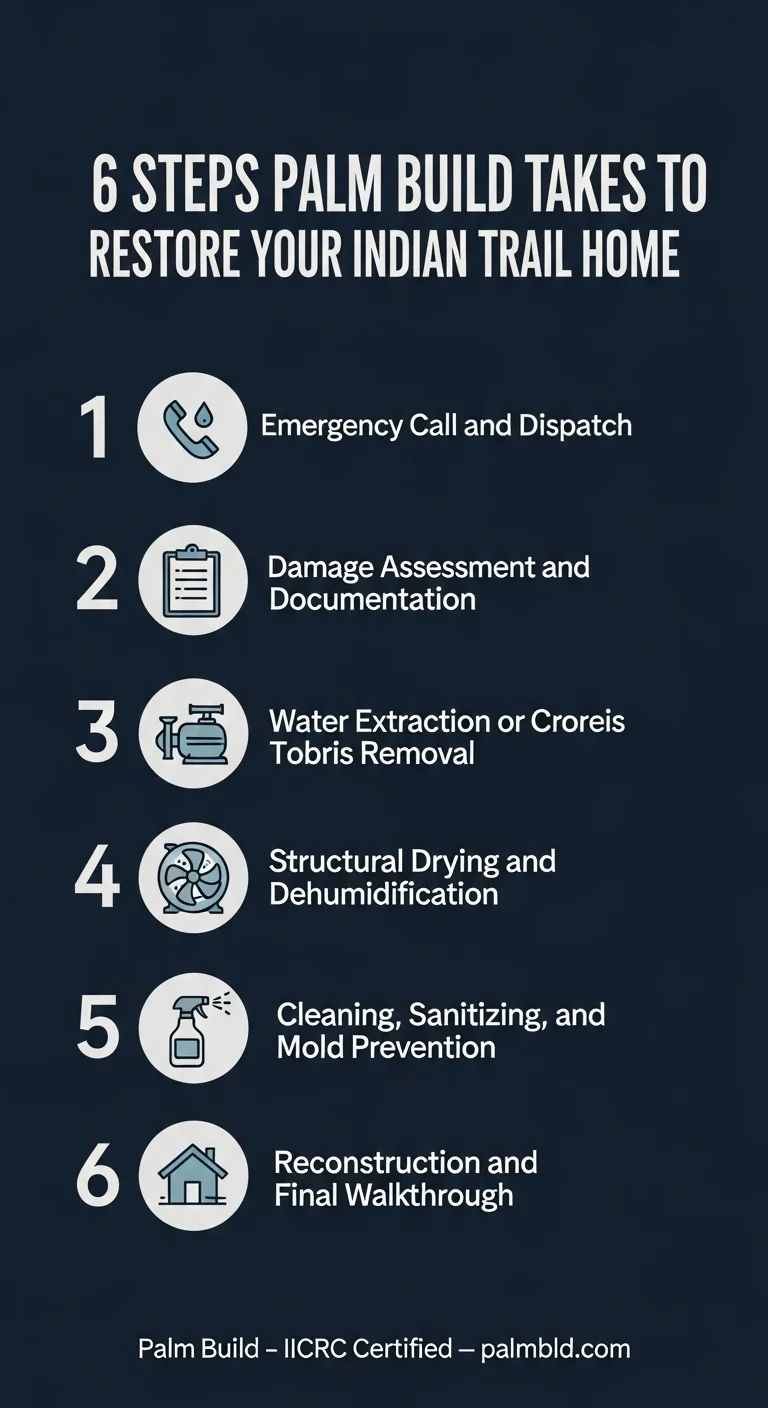
Fire restoration involves multiple damage types simultaneously — structural fire damage, soot contamination, smoke odor, and water from suppression. Our six-step process addresses all four in a coordinated sequence.

01

Emergency Response & Board-Up

Hours 1-4

We secure your Indian Trail home against weather and further damage within hours. This includes boarding windows, tarping damaged roof sections, and securing entry points. With Union County's afternoon thunderstorms common from April through September, an unsecured fire-damaged home can sustain thousands in additional water damage from a single storm.

02

Damage Assessment & Documentation

Day 1-2

Our IICRC-certified team performs a walk-through of your Indian Trail home documenting every affected area with photos, thermal imaging, and moisture readings. We classify the fire type, assess structural integrity, and create a detailed scope formatted for your insurance carrier — whether you carry State Farm, Allstate, or any other NC-licensed insurer.

03

Smoke & Soot Extraction

Days 2-7

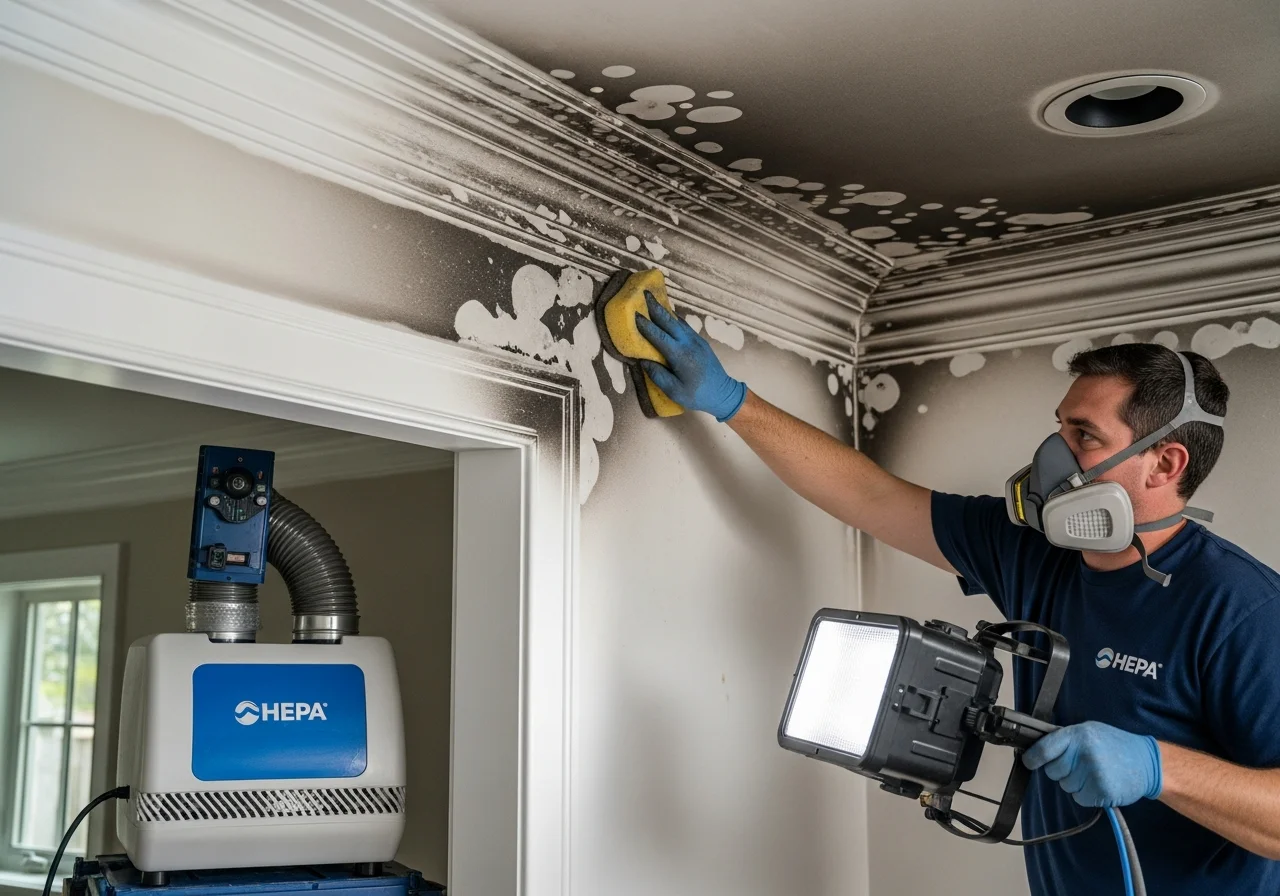
Professional soot removal uses chemistry matched to the specific residue type found in your home. HEPA vacuuming removes loose particulate, chemical sponges lift embedded soot, and specialized detergents address remaining contamination on walls, ceilings, cabinetry, and trim. Indian Trail's newer homes with smooth drywall finishes respond well to professional cleaning, but textured ceilings and crown molding require extra attention.

04

Deep Cleaning & Odor Elimination

Days 5-14

Smoke odor elimination goes beyond surface cleaning. We deploy thermal fogging, ozone treatment, and hydroxyl generators to neutralize odor molecules embedded deep in materials. For Indian Trail homes with open floor plans and vaulted ceilings, smoke odor travels extensively — our multi-step approach treats every affected surface and air space.

05

Verification & Air Quality Testing

Days 10-16

Before reconstruction begins, we verify that all soot contamination is eliminated and air quality meets safe occupancy standards. Third-party air quality testing confirms the cleaning is complete. This verification protects you from lingering health hazards and prevents odor callbacks after reconstruction finishes.

06

Reconstruction & Restoration

Weeks 2-8+

Full reconstruction brings your Indian Trail home back to pre-loss condition: drywall, flooring, cabinetry, painting, electrical, and plumbing. All work meets Union County building codes and permit requirements. We handle everything from simple cosmetic repairs to complete room rebuilds, so you deal with one company from emergency call to move-in day.

Infographic showing 6 steps of fire restoration process for Indian Trail NC homes

Understanding the Damage

Types of Smoke Damage in Indian Trail Homes

The type of materials that burned determines the soot coating your home — and that determines the cleaning chemistry, equipment, and timeline required. Using the wrong approach can permanently set stains and drive odors deeper into materials.

Protein Residue

Kitchen & cooking fires

The most common fire residue in Indian Trail homes. Protein soot from cooking fires is nearly invisible on light surfaces but produces an extremely pungent odor that permeates every room. In Indian Trail's open-concept floor plans, protein residue spreads from the kitchen through the entire first floor within minutes. Standard cleaning products will set the stain permanently.

Synthetic Soot

Plastics, polymers & synthetics

Indian Trail's post-2000 homes contain significant synthetic materials — engineered flooring, foam insulation, PVC trim, and synthetic carpeting. When these burn, they produce thick, black, sticky soot containing toxic compounds. Synthetic soot smears when touched and adheres aggressively to all surfaces, requiring solvent-based cleaners formulated for petroleum residues.

Wet Smoke

Low-heat, smoldering fires

Wet smoke from slow-burning, smoldering fires produces a thick, sticky, pungent residue that is among the hardest to clean. These fires are common in Indian Trail when electrical issues cause wiring to smolder behind walls for hours. The resulting soot has a strong odor and a tar-like consistency that resists standard cleaning methods.

Dry Smoke

High-heat, fast-burning fires

Dry smoke from fast, high-temperature fires produces a powdery, non-smeary residue. While easier to clean than wet smoke, dry smoke particles are extremely fine and penetrate deep into porous materials — drywall, wood grain, fabric fibers, and HVAC ductwork. Dry smoke spreads furthest from the fire origin through air currents.

Fuel Oil Soot

Furnace puffbacks & oil spills

While less common in Indian Trail's predominantly gas-heated homes, furnace puffbacks do occur in the area's older homes along Indian Trail Road that still use oil heat. Fuel oil soot is dense, black, and extremely adhesive. A single puffback can coat an entire home's interior in oily black residue, requiring professional cleaning of every surface.

Professional smoke cleanup detail work in an Indian Trail NC home

Indian Trail Pricing

Fire Damage Restoration Costs in Indian Trail

Fire restoration costs depend on severity, affected area, and construction type. Indian Trail's predominantly newer construction (post-2000) with standard materials means reconstruction costs are generally predictable. Fire damage is one of the most comprehensively covered perils under NC homeowners insurance — most claims are approved with proper documentation.

Minor Smoke Damage

Contained kitchen fire, soot cleanup, odor treatment

$3,000 – $10,000

  • Kitchen grease fire with limited spread
  • Soot cleaning of 2-3 rooms
  • Odor elimination treatment
  • Minor cosmetic repairs

Moderate Fire Damage

Multi-room damage, structural repair needed

$10,000 – $25,000

  • Fire spread to adjacent rooms
  • Smoke damage throughout first floor
  • Drywall and flooring replacement
  • Full HVAC duct cleaning

Major Fire Damage

Structural fire, full reconstruction required

$25,000 – $75,000+

  • Structural damage to framing or roof
  • Full room or multi-room rebuild
  • Electrical and plumbing replacement
  • Complete interior reconstruction

Most Indian Trail fire claims are covered by homeowners insurance

Palm Build works directly with your carrier to document damage, agree on scope, and get your claim approved. You focus on your family — we handle the rest.

Our Work

Indian Trail Fire Restoration: The Process in Action

Fire-damaged kitchen in an Indian Trail NC home with charred cabinets and soot
Kitchen fire damage with charred cabinetry and heavy soot coating
Professional smoke cleanup detail work in an Indian Trail home
Professional soot removal using HEPA vacuums and chemical sponges
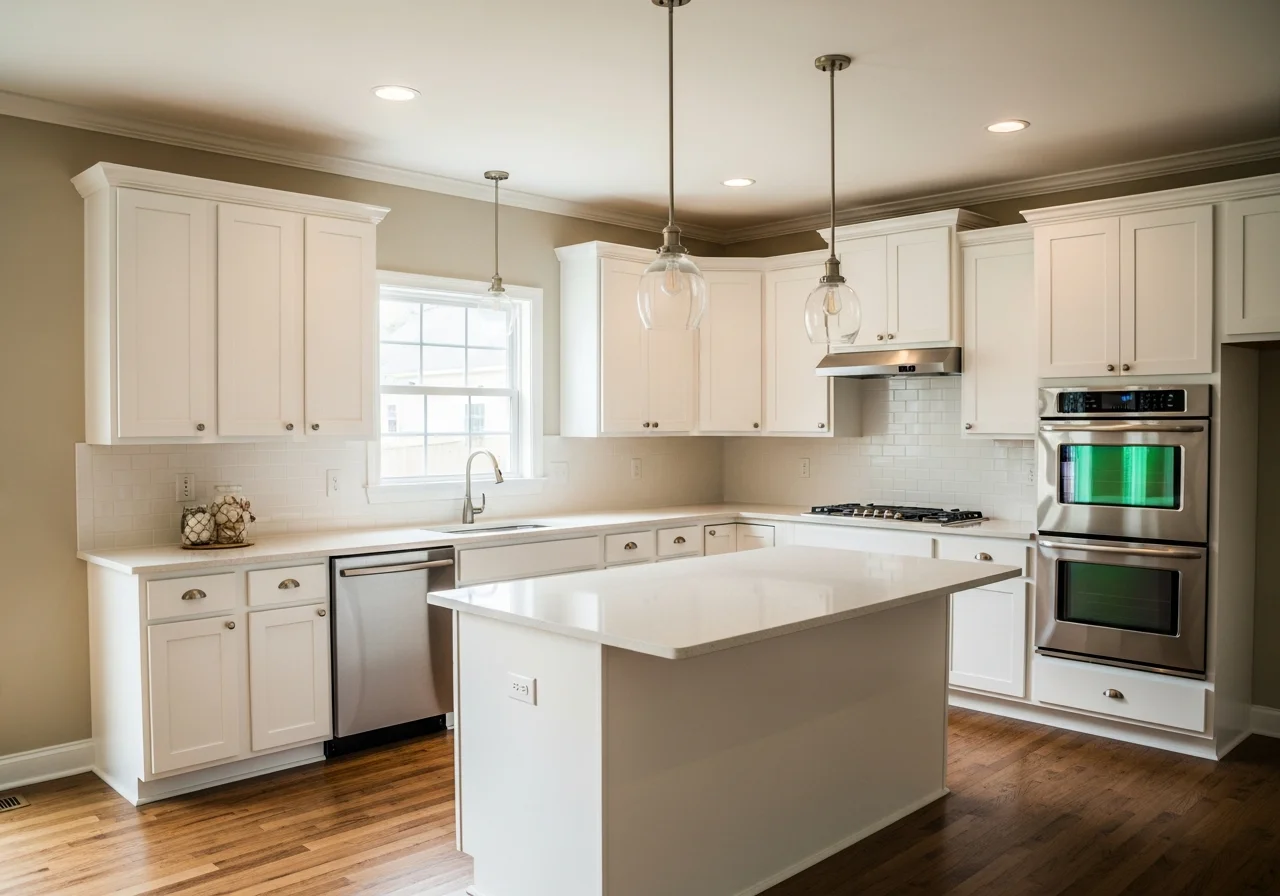
Beautifully restored kitchen after fire damage restoration in Indian Trail
After: Fully restored kitchen with new cabinets, countertops, and finishes
Restored living room after fire and smoke damage restoration in Indian Trail NC
After: Living room restored to pre-loss condition with new paint and flooring

Insurance Coverage

Fire Insurance Claims in Indian Trail: What's Covered

Fire is one of the most comprehensively covered perils under North Carolina homeowners insurance. Indian Trail homeowners pay an average of $2,200-$2,800 annually for coverage that typically includes all of the following for fire damage claims.

Structural repair and reconstruction to pre-loss condition

Professional soot and smoke cleaning of all affected surfaces

Smoke odor elimination (thermal fogging, ozone, hydroxyl treatment)

Water damage from fire suppression (extraction and drying)

Contents restoration or replacement (furniture, electronics, clothing)

Additional Living Expenses (ALE) for temporary housing during restoration

Debris removal and hazardous material disposal

Building code upgrades required during reconstruction

Palm Build Manages Your Fire Claim

We work directly with your insurance adjuster from the first inspection. Our documentation — structural assessments, soot classification, moisture readings, and detailed scopes — is formatted how Union County adjusters expect to see it.

Insurance Claims Guide
Palm Build insurance consultation for fire damage claim in Indian Trail NC

Common Questions

Indian Trail Fire & Smoke Damage FAQ

How fast can Palm Build respond to a fire emergency in Indian Trail?
Our team typically reaches Indian Trail within 30 to 45 minutes from our Charlotte operations hub. We dispatch 24/7/365 for fire and smoke emergencies. Call (704) 464-0121 any time.
Does homeowners insurance cover fire damage in Indian Trail?
Yes — fire damage is comprehensively covered under standard NC homeowners policies (HO-3). Coverage includes structural repair, soot and smoke cleanup, odor elimination, contents, and Additional Living Expenses for temporary housing.
My Indian Trail home is only 15-20 years old. Why would it be at fire risk?
Homes built 2000-2010 are entering the failure window for original electrical panels, HVAC components, and dryer vent systems. Circuit breakers lose sensitivity, lint accumulates in concealed vent runs, and components degrade under modern electrical loads.
How long does fire damage restoration take in Indian Trail?
Contained kitchen fires take 2-4 weeks. Moderate fires with structural involvement require 6-10 weeks. Major structural fires can take 3-6 months including full reconstruction.
Can smoke odor be completely eliminated?
Yes, with professional thermal fogging, hydroxyl generation, and ozone treatment. Complete HVAC duct cleaning is mandatory in Indian Trail's modern forced-air systems. Expect 2-4 weeks of verification testing.
What about water damage from firefighting?
Fire suppression water causes major secondary damage. A single fire hose delivers 150-250 gallons per minute. We handle fire and water damage simultaneously to prevent mold growth within 24-48 hours.
Are dryer vent fires really that common in Indian Trail?
Yes — the NFPA reports nearly 14,000 dryer fires annually. Indian Trail's 2000-2015 homes frequently have long interior vent runs that accumulate lint for 15-20 years. Have your vent professionally cleaned every 1-2 years.
How much does fire damage restoration cost in Indian Trail?
Smoke-only and small fires typically range from $8,300 to $29,500. Multi-room or structural fires range from $41,000 to $187,500+. Fire damage is well-covered by homeowners insurance.

Fire Damage in Indian Trail? Every Hour Counts.

Soot becomes permanently damaging within hours — and Indian Trail's modern finishes, synthetic materials, and open floor plans make fast response critical. Palm Build's team arrives in 30-45 minutes with emergency board-up, soot stabilization, and fire suppression water extraction, plus insurance documentation from the first call.

30-45 min Response IICRC Certified