(888) 245-5155
Call Now 24/7
Palm Build technician inspecting crawl space for mold growth beneath an Indian Trail NC home using professional moisture detection equipment
INDIAN TRAIL NC — IICRC S520 CERTIFIED MOLD REMEDIATION

Mold Remediation in Indian Trail, North Carolina

With 86% morning humidity in July, Piedmont clay holding moisture against foundations for days, and no state mold license to separate professionals from amateurs, Indian Trail homeowners need IICRC-certified remediation they can verify. Palm Build follows S520 protocols with containment, HEPA filtration, and independent clearance testing on every project.

~20 miles from Indian Trail 30-45 min Response IICRC Certified

30-45 min

Emergency Response

24/7

Dispatch Available

IICRC

Certified Technicians

Local Mold Risk Factors

Why Indian Trail Homes Are Vulnerable to Mold

Indian Trail's combination of extreme summer humidity, moisture-trapping clay soil, widespread crawl space construction, and aging vapor barriers from the 2000s housing boom creates one of the highest residential mold risk profiles in the Charlotte metro area. Understanding these local factors is the first step toward effective remediation.

86% Morning Humidity in July

86%

July AM humidity

Indian Trail's July morning relative humidity averages 86%, creating ideal conditions for mold colonization. Unlike drier climates where moisture dissipates by midday, Indian Trail's sustained humidity keeps building materials damp through morning dew cycles. Attics, crawl spaces, and interior wall cavities absorb this moisture overnight and never fully dry — particularly in homes with inadequate ventilation. Once relative humidity inside a wall cavity exceeds 60% for more than 48 hours, mold germination becomes almost certain. Indian Trail homes face this threshold routinely from May through September.
Clay Soil Traps Moisture Against Foundations

3-5 days

Clay moisture retention

Union County's heavy clay soil is one of the most moisture-retentive soil types in the Southeast. After rain events, clay soil around Indian Trail foundations holds water for days rather than draining away. This sustained ground contact moisture migrates through concrete block foundations and slab edges via capillary action, saturating the lower 12-18 inches of drywall and framing lumber. Homes in neighborhoods like Brookhaven, Sun Valley, and Indian Trail proper sit on particularly dense clay deposits that create chronic moisture problems no amount of interior dehumidification can fully overcome without addressing the exterior drainage first.

Crawl Space Prevalence Amplifies Risk

60%+

Homes with crawl spaces

A significant percentage of Indian Trail homes — particularly those built before 2010 in established neighborhoods — use crawl space foundations rather than slabs. Crawl spaces in Union County's clay-heavy soil create a perpetual moisture reservoir directly beneath the living space. Ground moisture evaporates upward into floor joists, subfloor sheathing, and HVAC ductwork running through the crawl space. Many Indian Trail homeowners discover mold growing on floor joists for months or years before noticing musty odors, buckling floors, or allergy symptoms that finally trigger an inspection.

2000s-Era Vapor Barriers Are Failing

20+ yrs

Vapor barrier age

Indian Trail's explosive growth during the 2000s housing boom produced thousands of homes with 6-mil polyethylene vapor barriers that are now 20+ years old. These thin vapor barriers were the minimum code requirement at the time, and they are deteriorating — developing tears, shifting off foundation walls, and losing adhesion at seams. When the vapor barrier fails, ground moisture flows unrestricted into the crawl space, and Indian Trail homeowners face rapid mold colonization on floor joists and subfloor sheathing that was previously protected. Many homes in Autumn Trace, Hemby Commons, and Sungate need full vapor barrier replacement as part of any mold remediation.

Palm Build technician inspecting crawl space for mold growth in an Indian Trail North Carolina home showing moisture damage on floor joists and vapor barrier deterioration
Crawl space inspection in an Indian Trail home reveals mold colonization on floor joists caused by failed vapor barrier and clay soil moisture migration — a pattern common in 2000s-era construction throughout Union County.

Know Before You Hire

North Carolina Has No Mold Remediation License

Unlike states such as Florida, Texas, and Louisiana, North Carolina does not require any license, certification, or training to perform mold remediation. This means anyone with a truck and a spray bottle can legally call themselves a mold remediation company in Indian Trail. The difference between a qualified remediator and an unqualified one is entirely self-imposed standards — and most Indian Trail homeowners do not know this until after they have paid for inadequate work.

What NC Law Says

  • No state mold remediation license exists in North Carolina
  • No mandatory certification required to perform mold work
  • No minimum training hours mandated by the state
  • No state oversight or inspection of mold remediation projects
  • Any general contractor can legally advertise mold removal

What Palm Build Does

  • IICRC S520 certified technicians on every Indian Trail project
  • Third-party air quality testing before and after remediation
  • Containment protocols exceeding EPA guidelines
  • Detailed photo documentation and remediation protocols
  • Written scope of work reviewed with homeowner before starting
  • Post-remediation clearance testing by independent lab

The IICRC S520 standard is the nationally recognized benchmark for professional mold remediation. It defines containment requirements, air filtration protocols, removal procedures, and clearance testing criteria. When you hire Palm Build for mold remediation in Indian Trail, every step follows S520 — not because North Carolina requires it, but because it is the only way to ensure mold is properly remediated.

Our Indian Trail Mold Process

6-Step Mold Remediation Process for Indian Trail Homes

Professional mold remediation is not spraying bleach on visible mold. It is a controlled, documented process that eliminates contamination at the source, prevents cross-contamination, and verifies results through independent testing — every step following IICRC S520 standards.

01

Initial Assessment & Air Testing

Day 1

Our IICRC-certified team inspects the entire Indian Trail property — attic, crawl space, wall cavities, HVAC system, and every room. We take air samples and surface swabs for independent lab analysis. This identifies mold species, spore counts, and the full scope of contamination. For Indian Trail homes with crawl spaces, this assessment almost always reveals moisture sources the homeowner was unaware of, including failed vapor barriers and clay soil moisture intrusion.

02

Containment Setup

Day 2

We establish engineering controls to prevent cross-contamination during removal. This includes poly sheeting barriers sealed floor-to-ceiling, negative air pressure within the work zone using commercial air movers, and HVAC isolation to prevent spore distribution through the duct system. In Indian Trail homes where mold is in the crawl space, containment includes sealing all floor penetrations — plumbing chases, HVAC registers, and any gaps in the subfloor.

03

HEPA Air Filtration

Continuous

HEPA air filtration devices run continuously inside containment zones and in adjacent areas throughout the entire remediation process. These units capture 99.97% of particles down to 0.3 microns — well below the size of mold spores. For larger Indian Trail projects involving multiple rooms or whole-house crawl space remediation, we deploy multiple HEPA units to maintain clean air in occupied areas while work continues in contained zones.

04

Mold Removal

Days 2-5

Contaminated materials are physically removed following IICRC S520 protocols. Porous materials with embedded mold growth — drywall, insulation, carpet padding — are cut away and disposed of in sealed bags. Semi-porous materials like wood framing and floor joists are sanded or media-blasted to remove surface colonization. In Indian Trail crawl spaces, this often includes removing deteriorated vapor barriers, contaminated insulation between floor joists, and any wood sheathing with structural compromise.

05

Antimicrobial Treatment

Day 5-6

After removal, all exposed surfaces in the remediated area receive antimicrobial treatment to eliminate residual spores and prevent regrowth. We apply EPA-registered antimicrobial solutions to framing lumber, subfloor sheathing, concrete block walls, and any structural surfaces that were exposed during removal. For Indian Trail crawl space remediation, this treatment extends to the entire crawl space envelope — foundation walls, piers, and all exposed wood surfaces.

06

Clearance Testing

Day 7+

An independent third-party industrial hygienist — not our company — performs post-remediation air sampling and visual inspection. Air samples are compared against pre-remediation baseline and outdoor ambient levels. The project is not complete until clearance testing confirms spore counts are at or below normal levels. This independent verification protects Indian Trail homeowners and provides documentation for insurance claims and future real estate transactions.

Neighborhood Risk Assessment

Crawl Space Mold Risk by Indian Trail Neighborhood

Not every Indian Trail neighborhood faces the same mold risk. Construction era, crawl space type, soil conditions, and terrain all influence how likely a home is to develop crawl space mold. Here is what we see in the most common Indian Trail neighborhoods.

Brookhaven

High

Era Built

2000-2008

Crawl Type

Vented crawl space

Dense clay soil, original 6-mil vapor barriers failing, vented design allows humid air entry

Sun Valley

Very High

Era Built

1995-2005

Crawl Type

Vented crawl space

Low-lying terrain collects stormwater runoff, older vapor barriers, limited foundation drainage

Hemby Commons

High

Era Built

2001-2010

Crawl Type

Mixed (crawl/slab)

Rapid construction era, minimum-code moisture barriers, clay soil moisture migration

Autumn Trace

High

Era Built

2003-2009

Crawl Type

Vented crawl space

2000s-era vapor barriers at end of life, mature tree root systems disrupt drainage

Sungate

Moderate

Era Built

2004-2012

Crawl Type

Sealed/encapsulated

Newer construction with better barriers, but clay soil and grading issues persist

Indian Trail proper (downtown)

Very High

Era Built

1980-2000

Crawl Type

Vented crawl space

Oldest housing stock, minimal original moisture control, decades of clay soil contact

Sardis Forest

High

Era Built

1998-2006

Crawl Type

Vented crawl space

Wooded lots retain moisture, leaf debris blocks foundation vents, aging vapor barriers

Weddington Chase

Moderate

Era Built

2005-2015

Crawl Type

Mixed (crawl/slab)

Newer homes with improved drainage, but crawl space units still face clay moisture issues

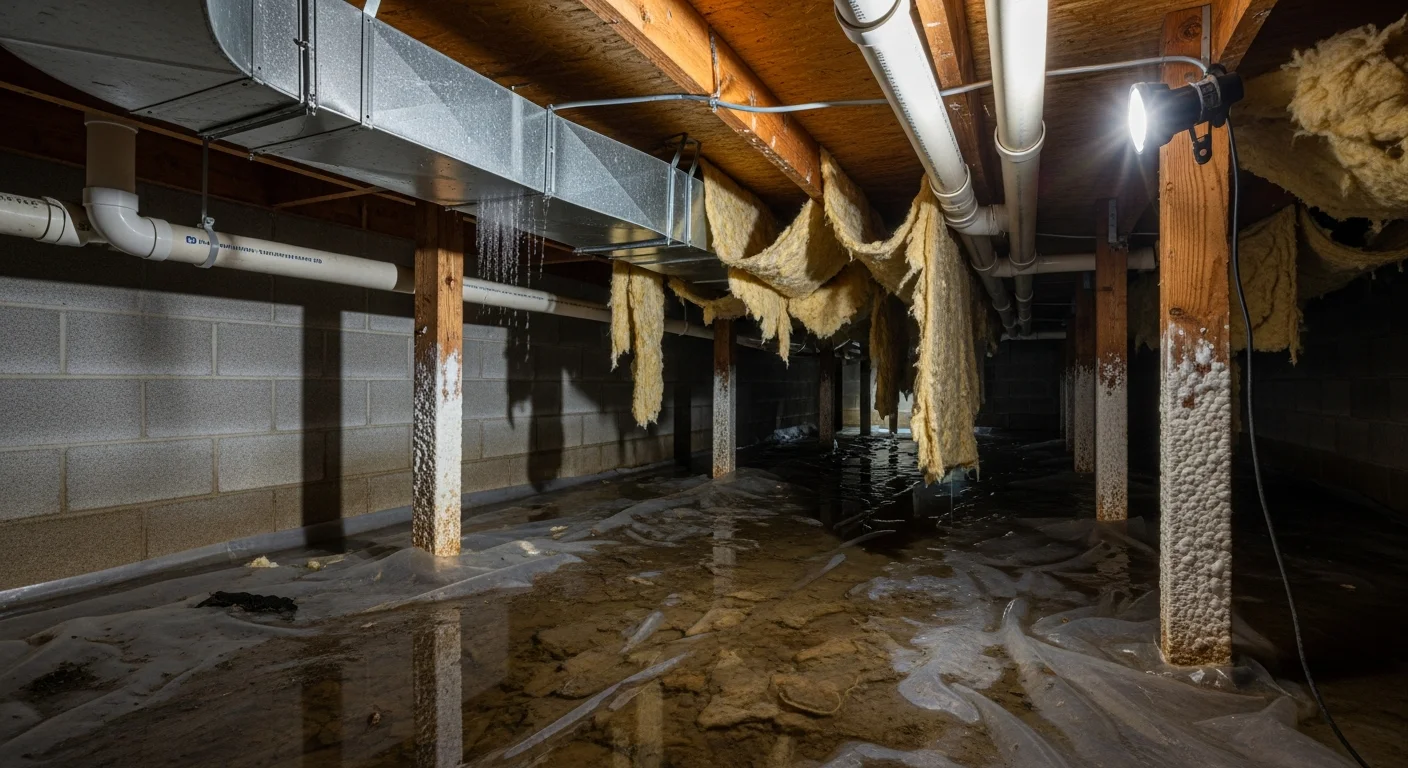
Crawl space moisture problems in an Indian Trail North Carolina home showing standing water and mold growth on floor joists caused by clay soil moisture and failed vapor barrier
Standing moisture and mold growth in an Indian Trail crawl space — clay soil moisture migration combined with a deteriorated 2000s-era vapor barrier created conditions for widespread mold colonization on floor joists and subfloor sheathing.

Cost Guide

Mold Remediation Costs in Indian Trail

Mold remediation costs in Indian Trail depend primarily on whether the problem is surface mold in the living space or structural mold in the crawl space and framing. Here are realistic price ranges based on the projects we complete in Union County.

Surface Mold Remediation

$1,500 - $5,000

Bathroom / single wall section $1,500 - $2,500
Window condensation mold (2-3 windows) $1,800 - $3,000
Single room remediation $2,500 - $4,000
HVAC duct mold treatment $3,000 - $5,000

Surface mold on non-porous or semi-porous materials in a contained area. Typically completed in 2-3 days with standard containment. Common in Indian Trail bathrooms, laundry rooms, and around windows with condensation issues.

Crawl Space & Structural Mold

$8,000 - $25,000+

Partial crawl space remediation $8,000 - $12,000
Full crawl space mold + encapsulation $12,000 - $18,000
Multi-room structural remediation $15,000 - $22,000
Whole-home (crawl + living space + HVAC) $20,000 - $25,000+

Mold embedded in structural framing, floor joists, subfloor sheathing, or affecting the entire crawl space. Requires full containment, structural repairs, vapor barrier replacement, and often crawl space encapsulation to prevent recurrence. This is the most common scope for Indian Trail homes with 2000s-era crawl spaces.

Get a Free Mold Assessment

Free on-site inspection for Indian Trail homeowners

Prevention Guide

Mold Prevention Checklist for Indian Trail Homeowners

The best mold remediation is the one you never need. These steps address the specific moisture sources that cause mold in Indian Trail homes — clay soil, crawl space humidity, and aging building materials from the 2000s construction boom.

Inspect your crawl space twice per year

Check for standing water, musty odors, visible mold on floor joists, and vapor barrier condition. Spring and fall inspections catch problems before summer humidity and winter condensation cycles.

Replace aging 6-mil vapor barriers

If your Indian Trail home was built in the 2000s, the original vapor barrier is likely deteriorating. Upgrade to 20-mil reinforced polyethylene with sealed seams and foundation wall attachment.

Maintain gutters and downspout extensions

Clay soil around Indian Trail foundations holds water for days. Ensure downspouts discharge at least 6 feet from the foundation, and clean gutters twice yearly to prevent overflow saturation.

Keep indoor humidity below 55%

Use a whole-home dehumidifier or standalone units during summer months. Monitor with a digital hygrometer — Indian Trail homes without active dehumidification regularly exceed 65% indoors from May to September.

Run bathroom exhaust fans for 30 minutes after showering

Bathroom mold is the most common entry point. Ensure exhaust fans vent to the exterior — not into the attic — and run them long enough to clear accumulated moisture.

Inspect HVAC drain lines and drip pans monthly in summer

Clogged condensate drain lines cause interior water damage and mold growth in air handler closets, one of the most common mold calls in Indian Trail during summer months.

Grade soil away from foundation walls

Ensure the ground slopes at least 6 inches over the first 10 feet from your foundation. Indian Trail clay soil often settles over time, creating reverse grades that direct water toward the foundation.

Address window condensation promptly

Persistent condensation on interior window surfaces indicates excess humidity and can lead to mold growth in wall cavities behind window trim. Improve ventilation or add dehumidification.

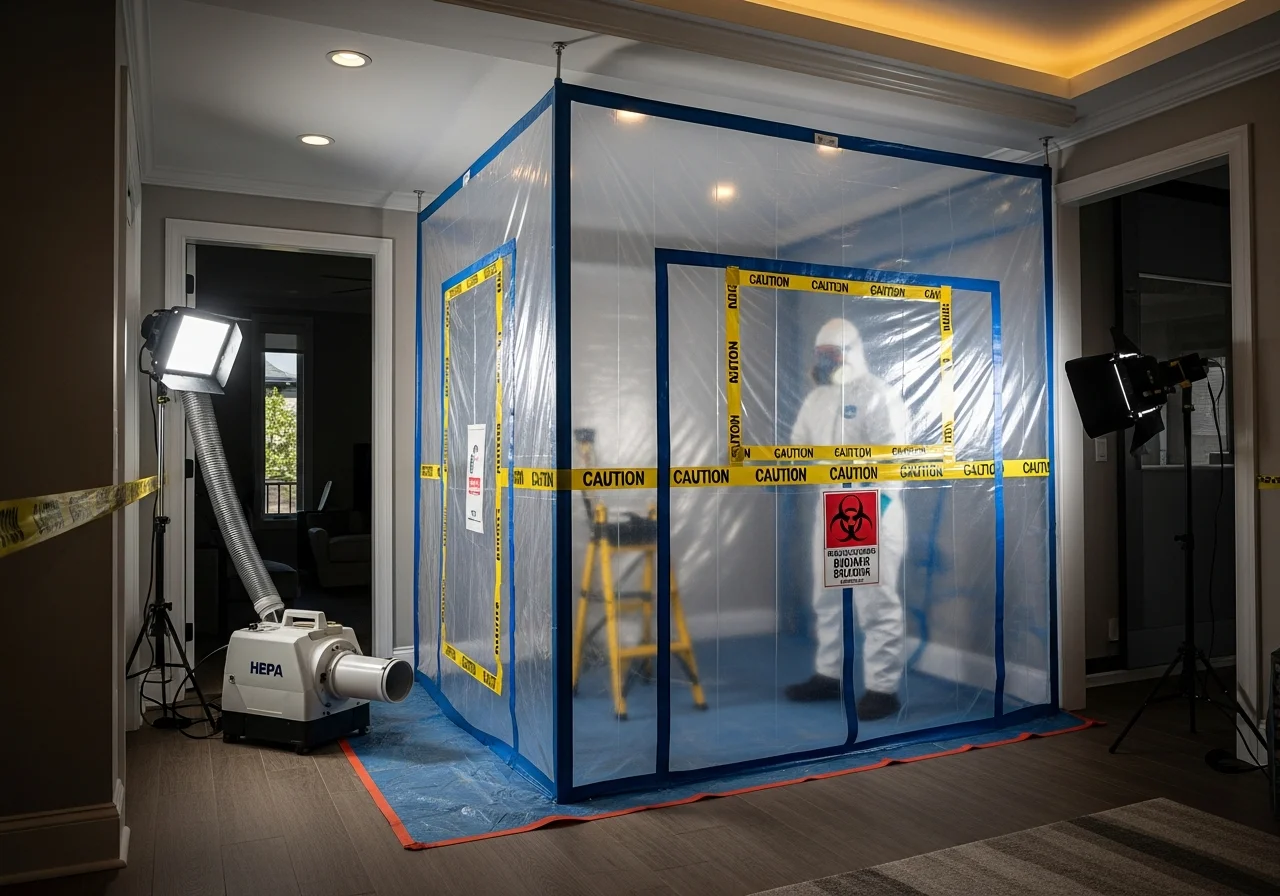
Palm Build mold containment setup in an Indian Trail North Carolina home showing poly sheeting barriers and negative air pressure equipment for professional mold remediation
Professional containment setup during mold remediation in an Indian Trail home. Poly sheeting barriers and negative air pressure prevent spore migration to unaffected areas — a step most unlicensed operators skip entirely.

Indian Trail Mold Remediation

Mold Remediation in Indian Trail Homes

From crawl space inspections to post-remediation encapsulation, here is what professional mold remediation looks like in Indian Trail and Union County homes. Every project follows IICRC S520 protocols with independent clearance testing.

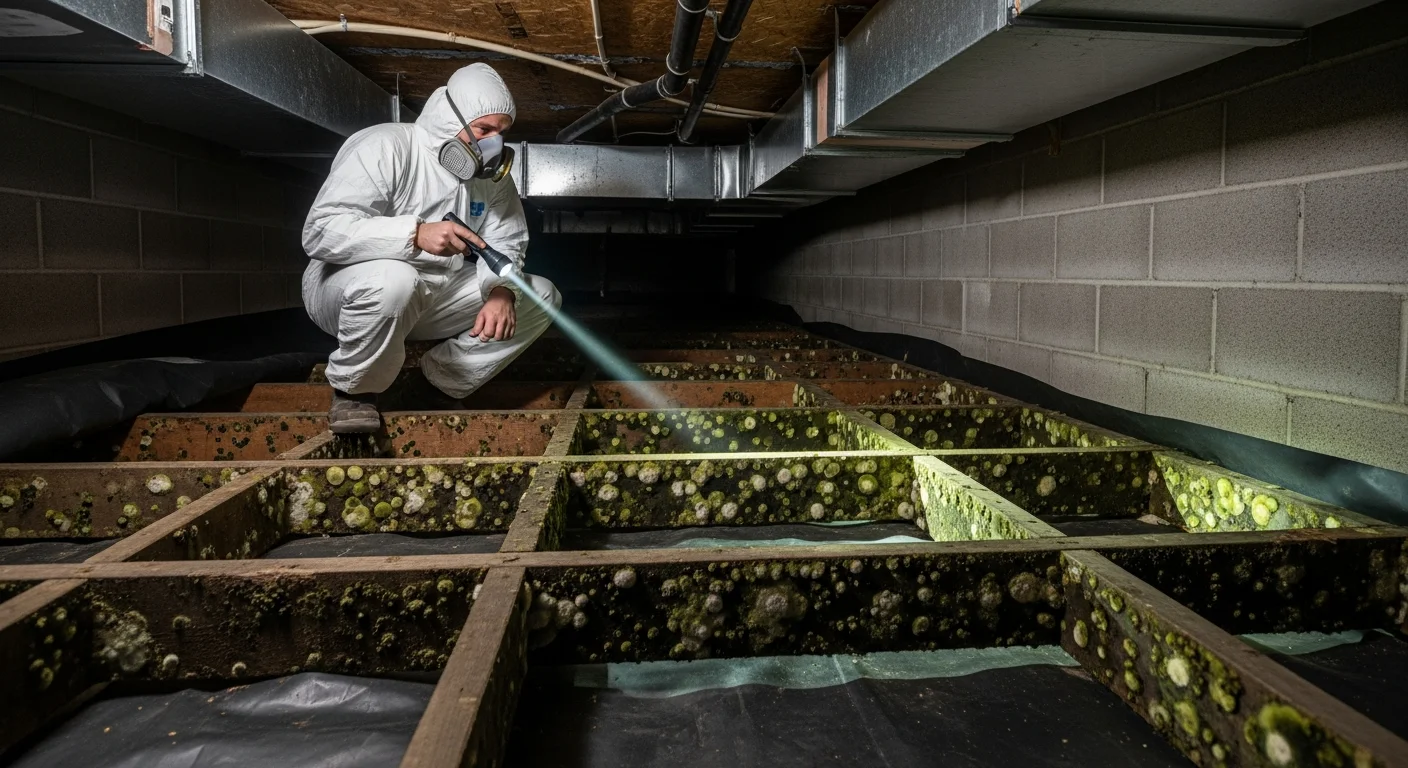
Palm Build technician performing mold inspection in Indian Trail North Carolina crawl space showing moisture damage and mold growth on structural components
Crawl space mold inspection in an Indian Trail home revealing extensive mold colonization on floor joists caused by failed vapor barrier and clay soil moisture intrusion.
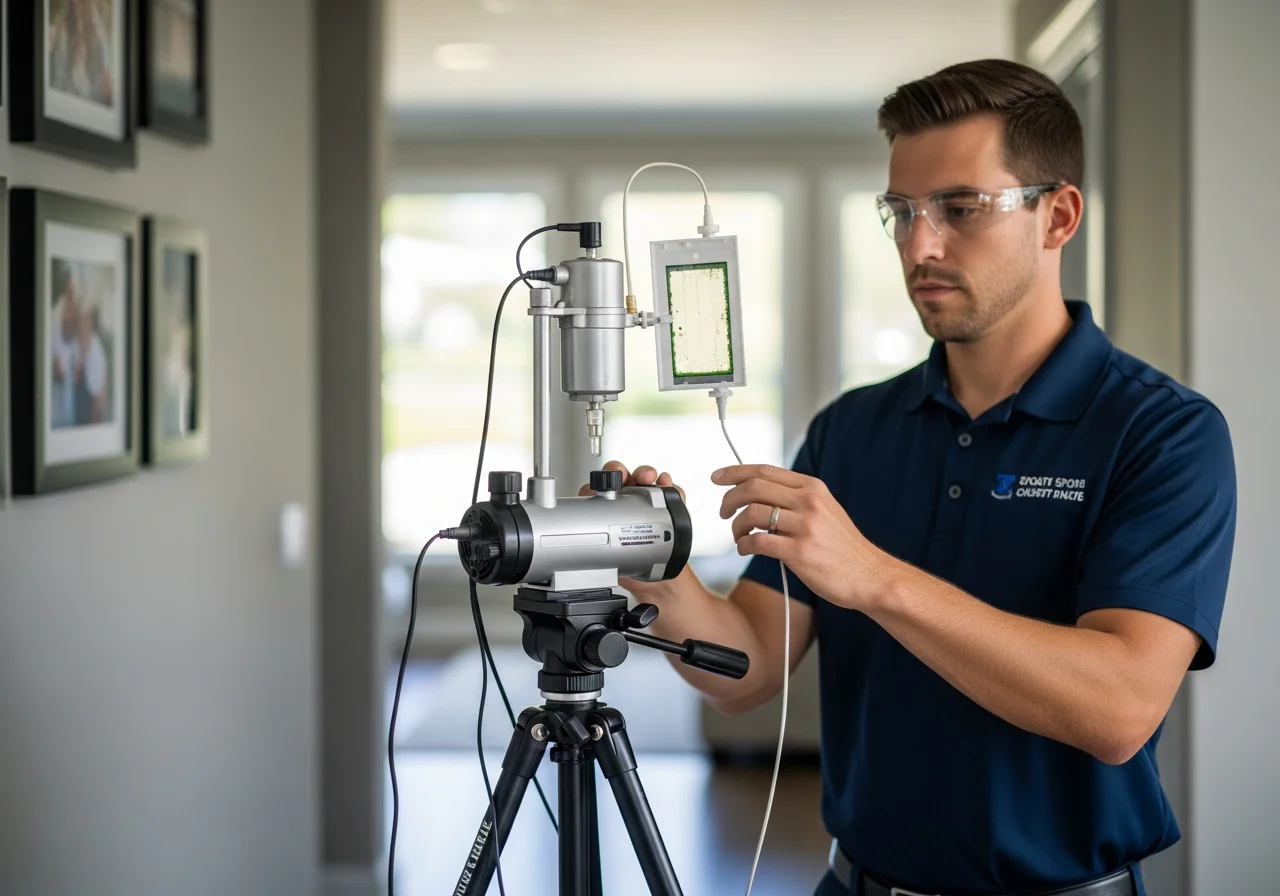
Palm Build technician conducting indoor air quality testing for mold spores in an Indian Trail North Carolina home using professional sampling equipment
Pre-remediation air quality testing in an Indian Trail home. Independent lab analysis identifies mold species and spore concentrations to establish baseline and determine remediation scope.
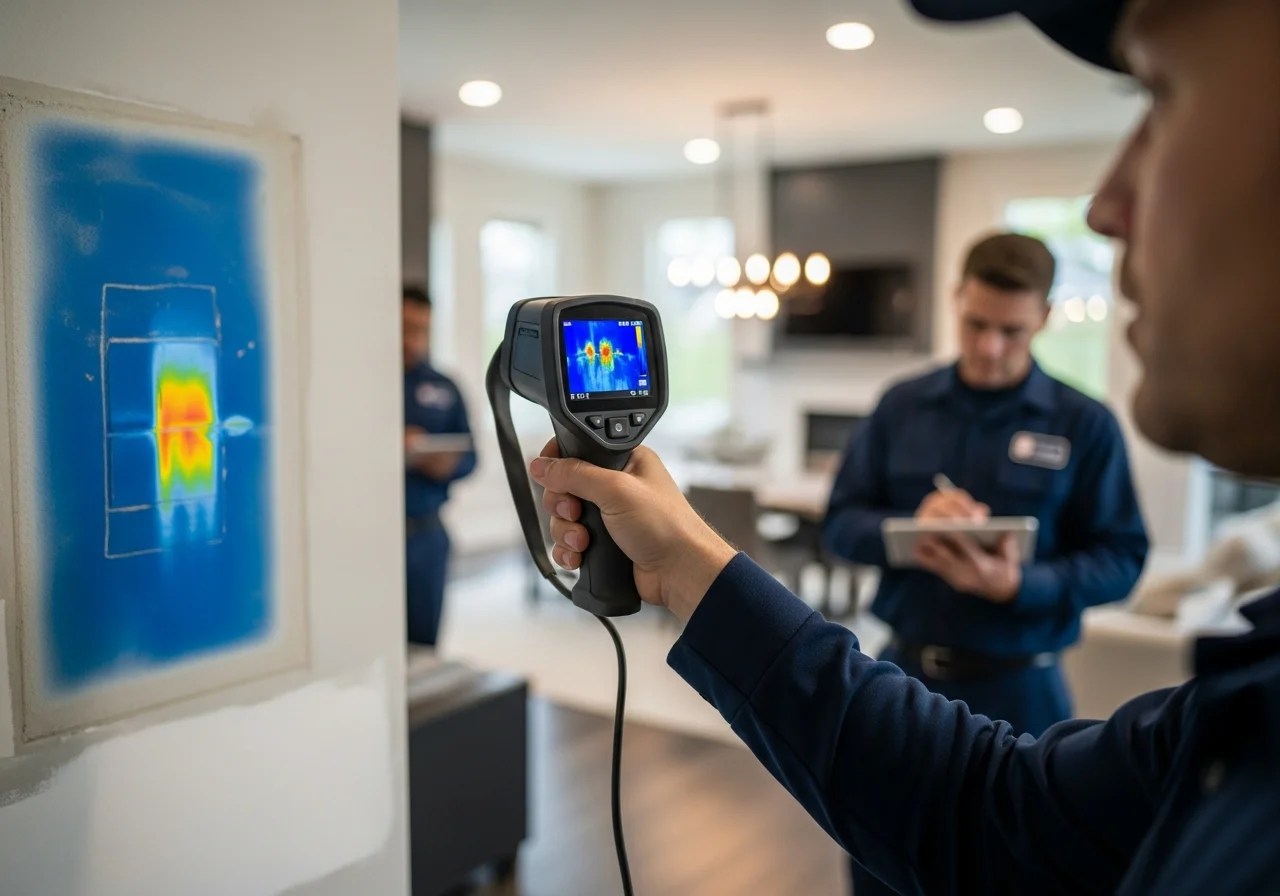
Thermal imaging scan of an Indian Trail North Carolina home wall revealing hidden moisture behind drywall that indicates potential mold growth
Thermal imaging reveals hidden moisture behind walls that is not visible to the naked eye. This Indian Trail home had mold growing inside the wall cavity from a slow plumbing leak.
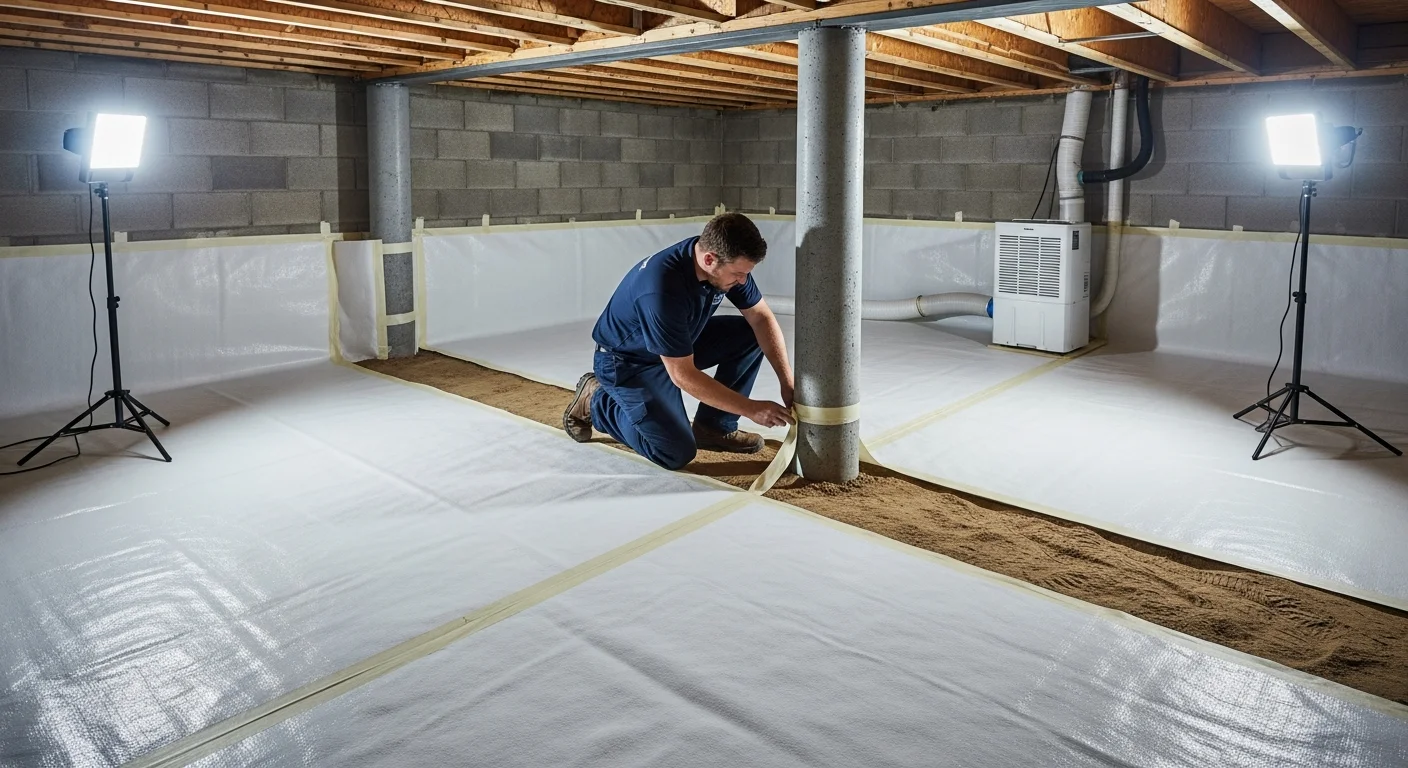
Completed crawl space encapsulation in an Indian Trail North Carolina home after mold remediation showing sealed vapor barrier and dehumidification system
Post-remediation crawl space encapsulation in an Indian Trail home. Heavy-duty vapor barrier, sealed seams, and dehumidification system prevent mold recurrence in Union County clay soil conditions.

The Palm Build Difference

Why Indian Trail Homeowners Choose Palm Build for Mold Remediation

In a state with no mold remediation license requirement, choosing the right company is entirely about standards. Palm Build brings IICRC certification, independent clearance testing, crawl space expertise, and insurance-grade documentation to every Indian Trail mold project — the standards North Carolina does not require but your home deserves.

20 Minutes from Indian Trail — Same-Day Response

Our Charlotte-area team operates from our North Carolina hub, approximately 20 minutes from Indian Trail. When you discover mold in your crawl space, notice musty odors, or have a home inspection flag mold concerns, our IICRC-certified crew can be on-site the same day. Local presence means we already understand Indian Trail construction patterns — the 2000s housing stock, the clay soil challenges, the crawl space prevalence — and arrive prepared with the right equipment for Union County conditions.

IICRC S520 Certified — Because NC Does Not Require It

North Carolina has no mold remediation license. Any contractor can legally perform mold work with zero training or certification. Palm Build voluntarily maintains IICRC S520 certification for every technician who works on Indian Trail mold projects. This means proper containment, HEPA filtration, antimicrobial treatment, and documented protocols on every job — standards that most competitors in the Indian Trail market simply do not follow because the state does not make them.

Independent Third-Party Clearance Testing

We never declare our own work "complete." An independent industrial hygienist — not affiliated with Palm Build — performs post-remediation air sampling and visual inspection. This third-party verification ensures spore counts meet acceptable levels and provides documentation that protects your investment, satisfies insurance requirements, and holds up during real estate transactions. Many Indian Trail mold companies skip clearance testing entirely or use in-house testing that creates an obvious conflict of interest.

Crawl Space Encapsulation Experts

Removing mold from an Indian Trail crawl space without addressing the moisture source guarantees recurrence within 12-18 months. Palm Build combines mold remediation with professional crawl space encapsulation — 20-mil reinforced vapor barrier, sealed foundation vents, dehumidification systems, and drainage solutions that stop clay soil moisture from re-entering the crawl space. This comprehensive approach is the only permanent solution for Indian Trail homes with chronic crawl space mold.

Insurance-Ready Documentation from Day One

Every Indian Trail mold project is documented with pre-remediation air testing, photographic evidence, moisture mapping, a detailed scope of work, daily progress reports, and post-remediation clearance results. This documentation package is designed for insurance submission — clear, organized, and complete. For homeowners filing mold claims, this level of documentation is the difference between a fully approved claim and a disputed one.

Common Questions

Indian Trail Mold Remediation FAQ

Does North Carolina require a mold remediation license?
No. North Carolina has no state-specific mold remediation license. IICRC S520 certification is the accepted industry benchmark. Always verify credentials before hiring.
How much does mold remediation cost in Indian Trail?
Minor projects range from $1,500 to $4,000. Crawl space remediation with encapsulation ranges from $12,000 to $45,000+. NC insurance policies usually cap mold at $5,000 to $10,000.
How fast can Palm Build respond to mold in Indian Trail?
We reach Indian Trail within 30 to 45 minutes from our Charlotte hub for emergencies. Non-emergency assessments are scheduled within 24 to 48 hours. Call (704) 464-0121.
Why is crawl space mold so common in Indian Trail?
Piedmont clay holds moisture against foundations for days. Original vapor barriers from 2000s construction are deteriorating. Summer humidity averages 86% in July. The combination drives persistent crawl space mold.
Does insurance cover mold remediation in Indian Trail?
Mold from a covered sudden water event is typically covered up to sublimits ($5,000-$10,000 on most NC policies). Gradual moisture and chronic crawl space mold are almost always excluded.
How long does mold remediation take?
Minor projects take 1 to 2 days. Full crawl space remediation with encapsulation takes 5 to 10 days. Projects with structural repair may take 2 to 4 weeks.
Can I stay in my home during mold remediation?
For minor mold in a single room, yes. For extensive crawl space mold or HVAC contamination, we may recommend temporary relocation during active remediation, typically 3 to 5 days.
What areas does Palm Build serve for mold remediation near Indian Trail?
All of Indian Trail and Union County including Sun Valley, Brookhaven, Hemby Acres, Sardis Forest, Stallings, Wesley Chapel, Weddington, and the broader Charlotte metro.

Mold in Your Indian Trail Home? Get IICRC-Certified Help.

Palm Build follows IICRC S520 protocols for every mold remediation project — containment, HEPA filtration, moisture source correction, and independent clearance testing. Our Charlotte team reaches Indian Trail in 30-45 minutes.

30-45 min Response IICRC Certified