Quick Answer
Most water damage restoration jobs take 3 to 7 days for emergency drying and 1 to 3 weeks for full restoration. A small Class 1 loss dries in 1 to 3 days, while large losses with structural reconstruction can take several weeks to months.
Key takeaways
- Most residential water damage jobs take 3–7 days for drying and 1–3 weeks for full restoration when only limited materials need replacement.
- Class 1 losses dry in 1–3 days, Class 2 in 3–5, Class 3 in 5–14, and Class 4 specialty drying can run 7–14+ days or longer for hardwood, plaster, and concrete.
- Mitigation (extraction and drying) and reconstruction (rebuild) run on two separate clocks; reconstruction is usually what pushes a project past its estimated finish.
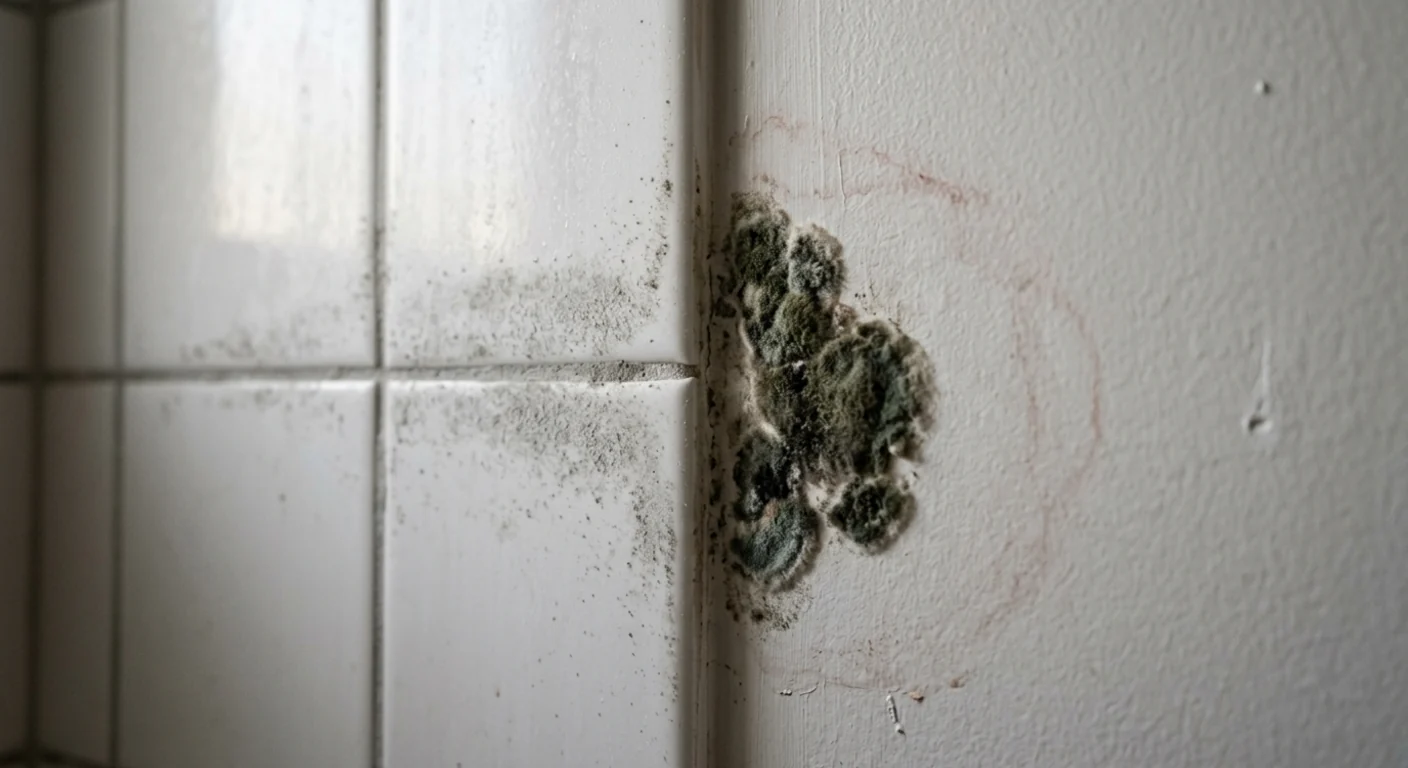
- The 24–48 hour mold window is the single biggest reason to start professional drying before the insurance adjuster ever visits.
- Florida humidity, Carolina wind-pool coverage, and post-storm demand spikes can each add days to a coastal restoration timeline.
Most water damage restoration jobs take 3 to 7 days for the emergency drying phase and 1 to 3 weeks for full restoration when only limited materials need replacement. A small Class 1 loss can dry in 1 to 3 days, Class 2 is typically 3 to 5 days, Class 3 can run 5 to 14 days, and Class 4 specialty drying for hardwood, plaster, or concrete can stretch 7 to 14 days or longer. Large losses involving multiple rooms or structural reconstruction often take two weeks to several months once rebuild work is added on top of drying. The fastest way to shorten your timeline is to stop the water source, start professional emergency water damage restoration within hours, and document moisture readings for your insurance file from day one.
Typical drying window
3–7 days
Common range for Class 1–3 losses per IICRC S500
Mold risk clock
24–48 hrs
EPA and CDC threshold for drying wet materials
U.S. homes with water claims
1 in 67
Insurance Information Institute (ISO/Verisk, 2019–2023)
The short answer: how long water damage restoration really takes
For a typical residential water loss caught within 24 hours, expect professional drying equipment to stay in place for 3 to 5 days, with extraction and moisture mapping happening on day one. If the loss affects a whole room or wicks into wall cavities, plan on 5 to 7 days of drying and a second week of cleaning, selective demolition, and scope sign-off. If the water soaked into hardwood, plaster, or a concrete slab — or if it sat for more than 48 hours before anyone started drying — the mitigation phase alone can run 7 to 14 days, and longer in humid coastal markets like South Florida. Reconstruction adds anywhere from a week (baseboards, paint touch-ups, small drywall patches) to several months (custom cabinetry, hardwood refinish, structural repairs) depending on scope and how quickly the insurance file moves. Our restoration timeline estimator can give you a personalized phase-by-phase estimate based on your specific damage details.
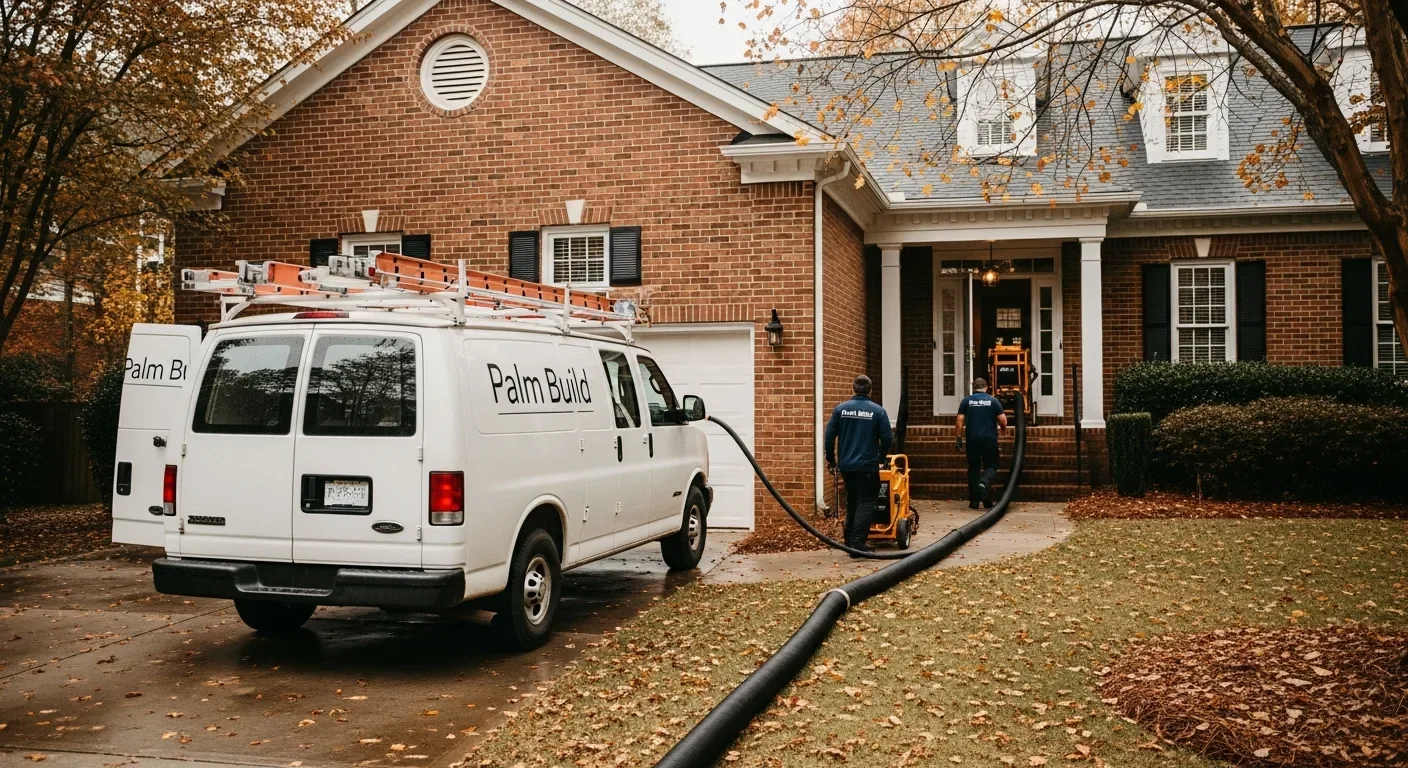
| Phase | What's happening | Typical time range |
|---|---|---|
| Inspection & moisture mapping | Identify the water source, document affected materials, set dry-standard targets for each material | 1–4 hours (day 1) |
| Water extraction | Truck-mount pumps and vacuums remove standing water; containment goes up for contaminated losses | Hours to 1–2 days |
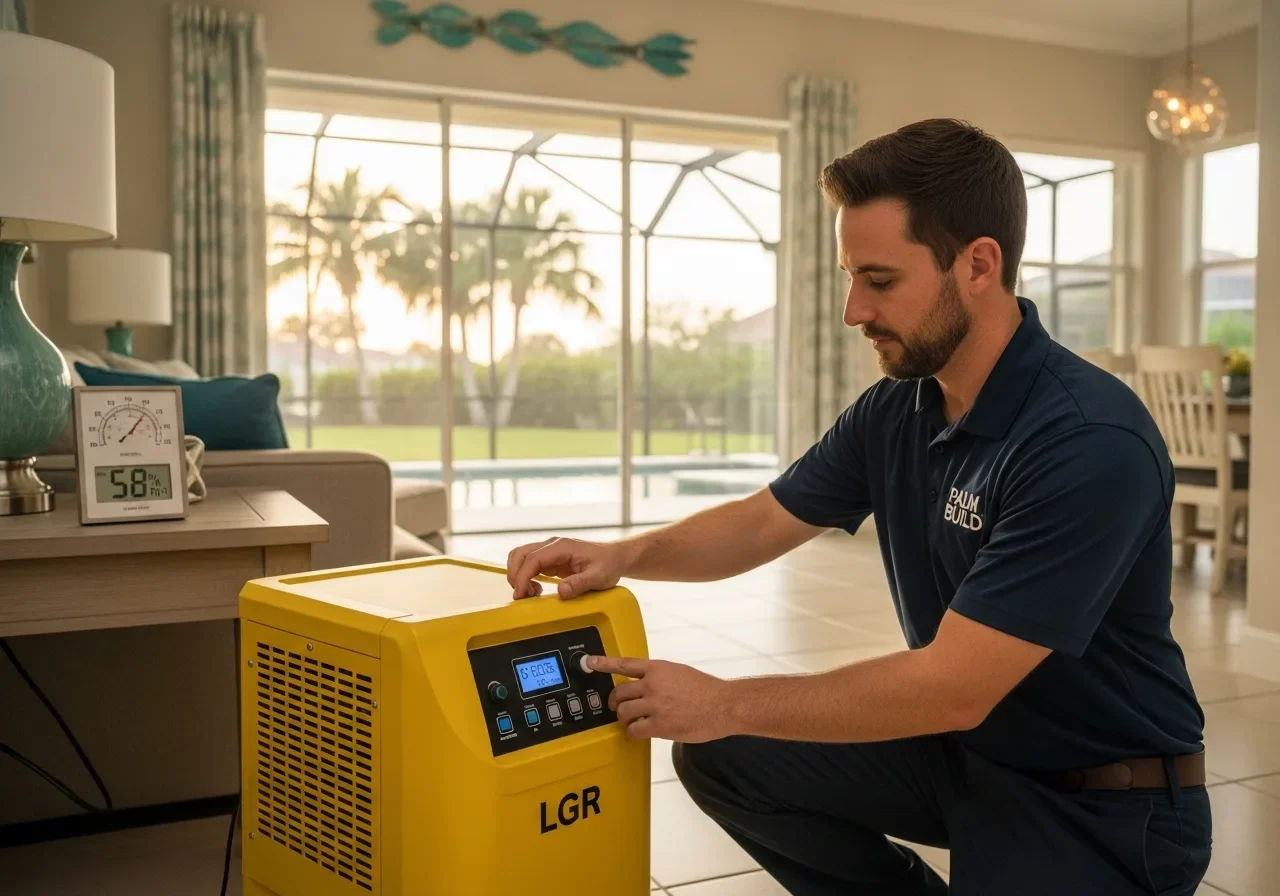
| Structural drying & dehumidification | Air movers and LGR dehumidifiers run 24/7 with daily moisture readings | 3–7 days (longer for Class 3–4) |
| Cleaning, sanitizing & selective demo | Antimicrobial treatment, HEPA air scrubbing, flood cuts where wall cavities are wet | 1–7 days (overlaps drying) |
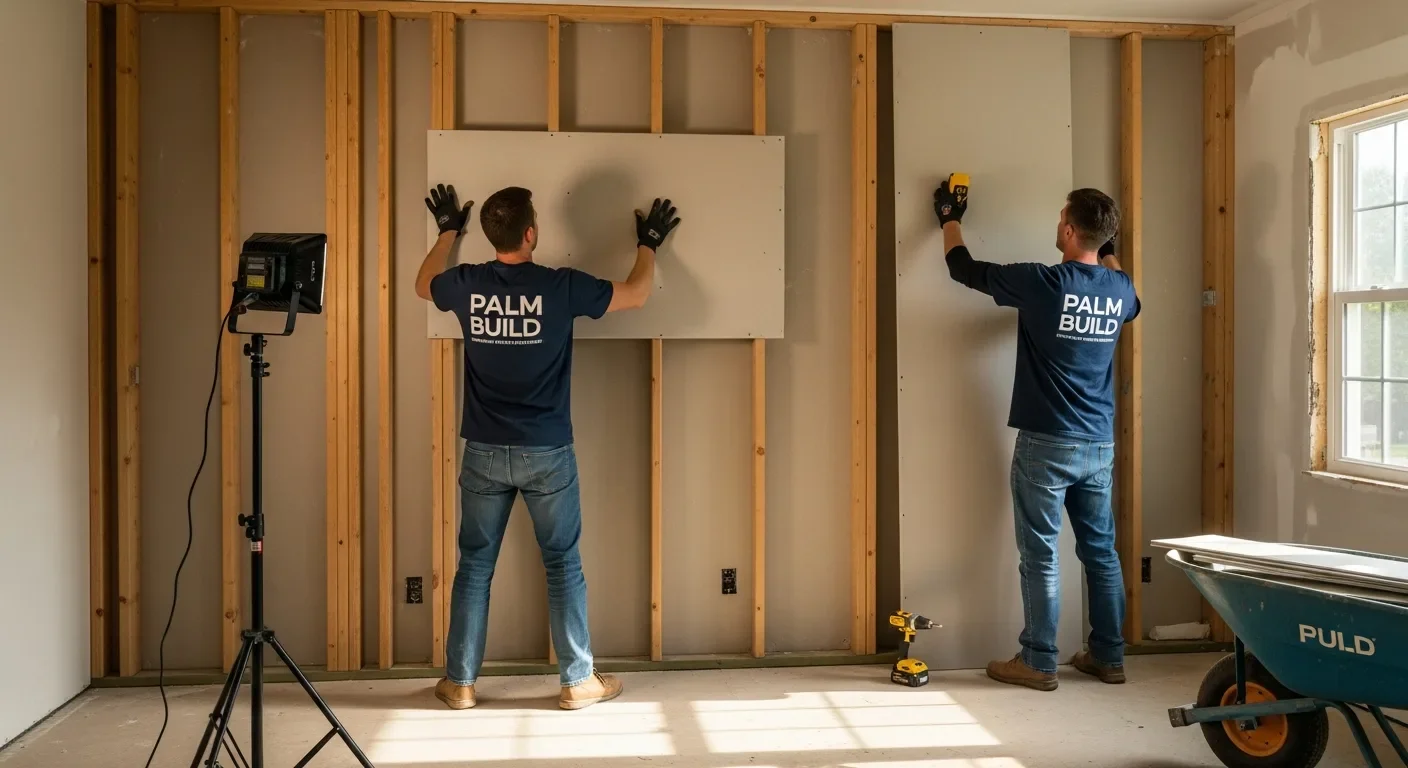
| Reconstruction | Drywall, flooring, cabinets, paint, and final punch list | 1 week to several months |
Phase-by-phase water damage restoration timeline
Those phases overlap in practice. Extraction rolls straight into drying, and cleaning can start on dry rooms while other areas are still running equipment. What really sets the pace isn't a calendar — it's the daily moisture meter readings. A qualified restoration team targets a defined "dry standard" for each material (drywall, subfloor, hardwood, concrete) and only pulls equipment once the readings match unaffected areas of the home. If your team is still drying on day 8, it's usually because a hidden wall cavity or a dense material is still releasing moisture.
Timeline by class of water loss (Class 1–4)
The IICRC S500 standard defines four water-loss classes based on how much material is wet and how fast it can give up moisture. Class is not the same as category — category describes contamination level. If you need the full breakdown, our guide to water damage categories and classes explained covers both systems end to end. For timeline planning, the class is what drives your drying duration.
| Class | What it usually looks like | Typical drying timeline | Why it varies |
|---|---|---|---|
| Class 1 | Minimal absorption, small area, low-porosity materials like tile or sealed concrete | 1–3 days | Limited wet materials and little hidden moisture; fast containment |
| Class 2 | Entire room affected with carpet, pad, and wicking up walls under ~24 inches | 3–5 days | More porous materials, more equipment, more daily monitoring |
| Class 3 | Water from overhead; ceilings, walls, insulation, and subfloor saturated | 5–14 days | Larger wet surface area, hidden cavity moisture, demo decisions |
| Class 4 | Specialty drying for hardwood, plaster, masonry, or crawl-space bound water | 7–14+ days, sometimes weeks | Low-permeance materials release moisture slowly; lower humidity targets |
Typical drying timelines by class of water loss (IICRC S500)
What makes a restoration go faster — or drag on
What shortens the timeline
- The water source was stopped within the first hour
- Professional drying equipment arrived within 24 hours of the loss
- Your insurance carrier responds quickly on scope and coverage
- Indoor humidity stayed under 50% during the entire drying phase
- Only low-porosity materials like tile or sealed concrete got wet
What stretches it out
- Water wicked into wall cavities or beneath cabinet toe-kicks
- Hardwood flooring, plaster, or a concrete slab got soaked
- Category 2 or 3 contamination required material removal and disinfection
- Insurance approval delays hold up reconstruction scope or material orders
- Post-storm demand spikes push cabinet, flooring, and drywall lead times out by weeks
Climate matters, especially along the Southeast coast. Florida's summer humidity routinely sits at 70 to 80 percent outdoors, which slows evaporation-based drying if the restoration team isn't aggressive with commercial dehumidification. Carolina hurricane season creates the same problem in Wilmington, Myrtle Beach, and Charleston — high ambient humidity plus surge-driven demand for storm and hurricane damage restoration can push local job timelines out by days or weeks when every restoration company in the region is running full rosters at once.
Day by day: what the first two weeks actually look like
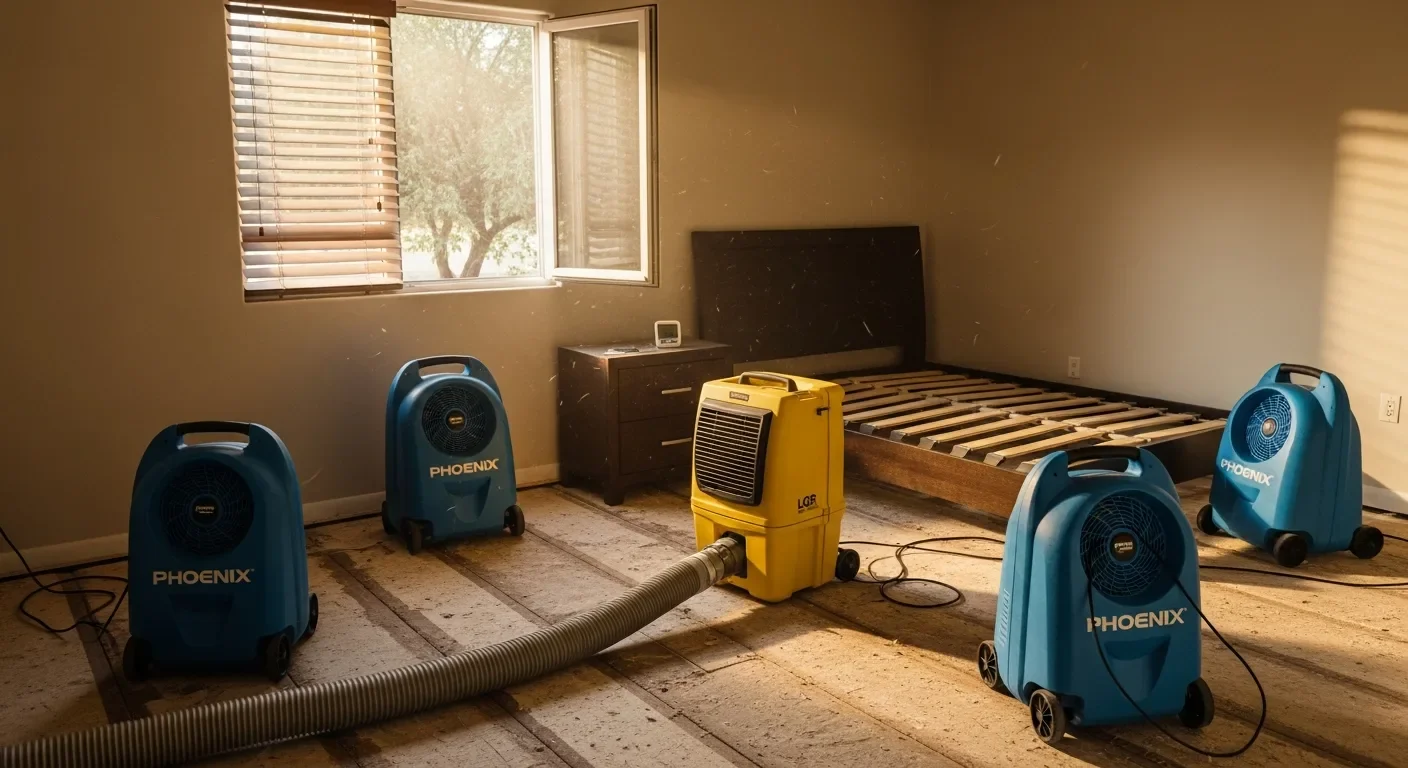
If you've never lived through a water damage restoration, here's what most residential jobs actually look like from the moment you make the call to the moment the equipment rolls out of your driveway. Reconstruction happens on a separate schedule after this window closes.
Hour 0–4
Inspection and moisture mapping
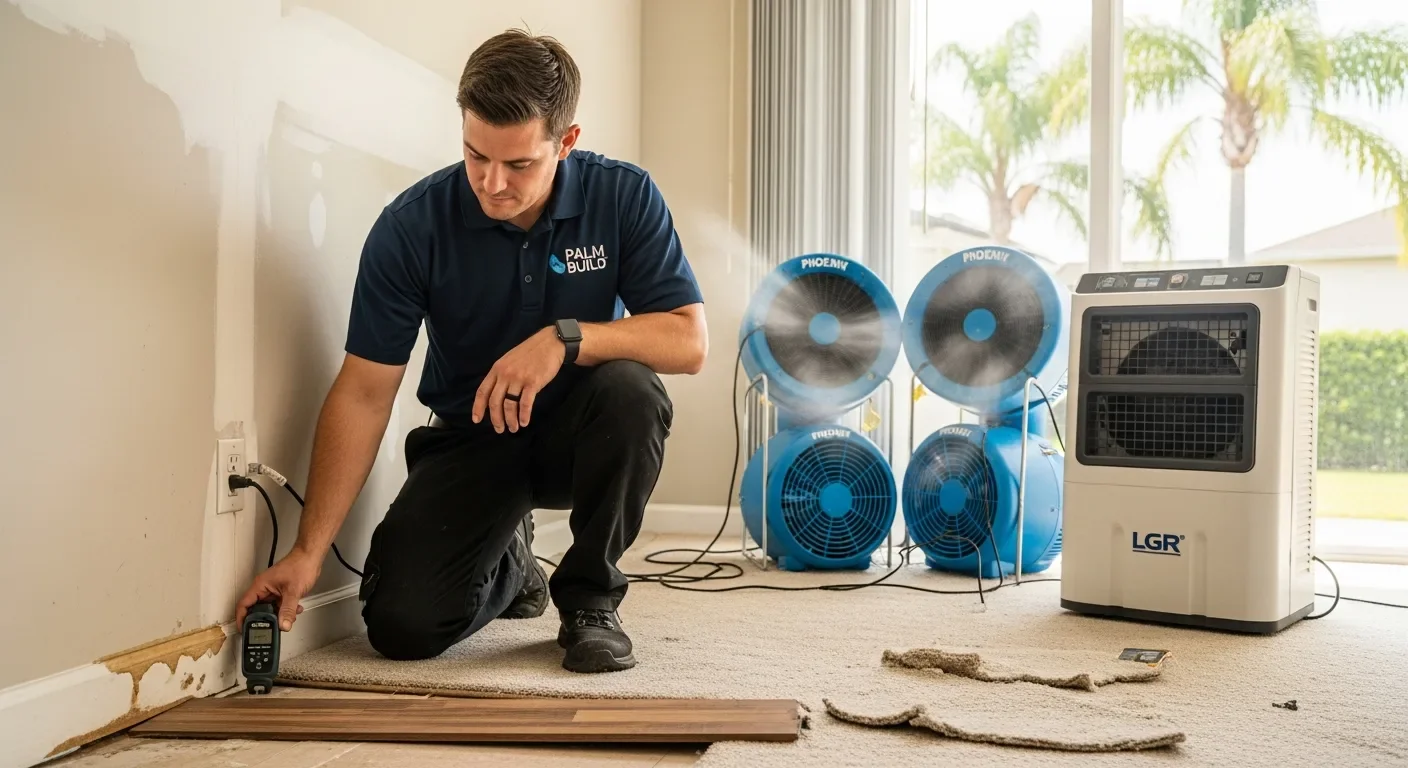
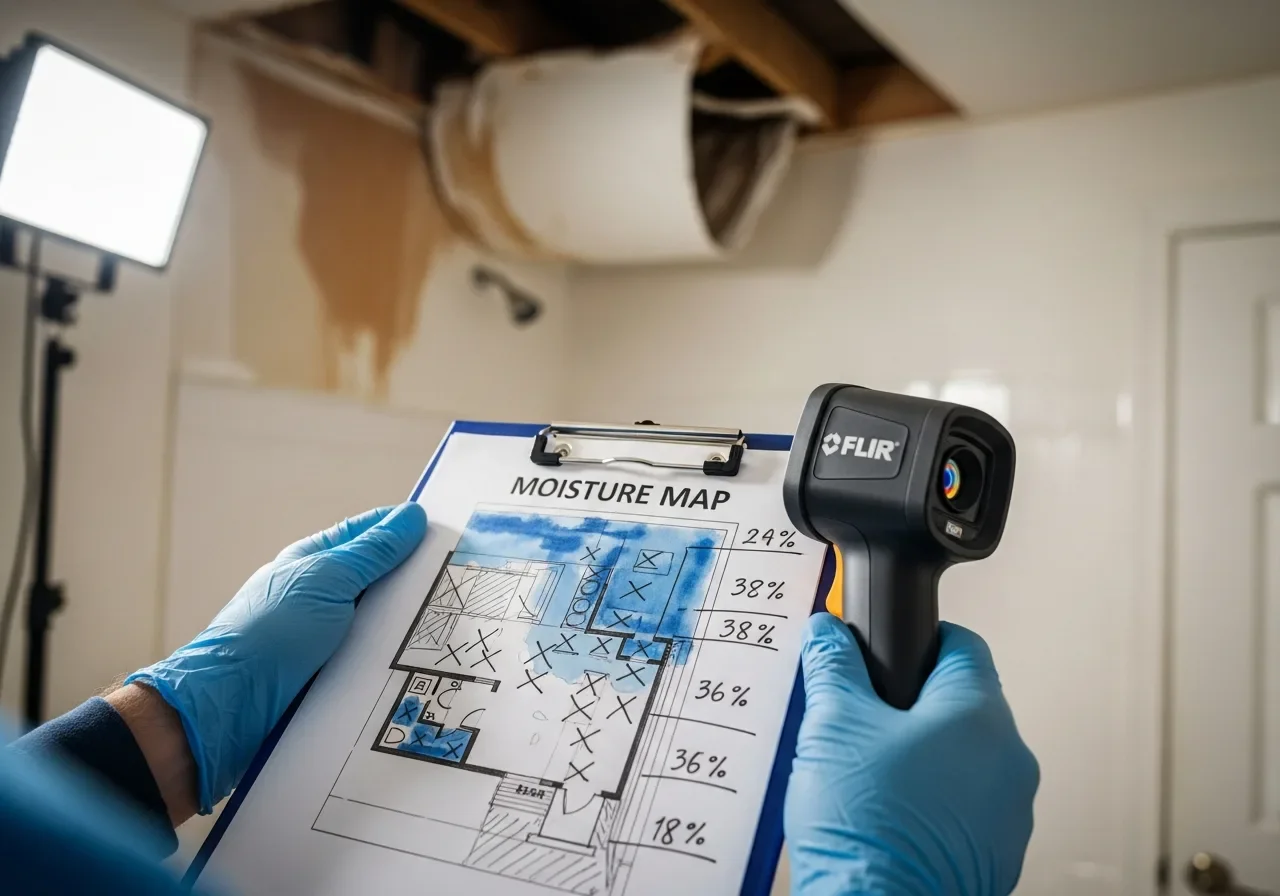
A certified tech walks the loss with a pinless moisture meter and a thermal imager. They mark affected rooms on a floor plan, identify the water source, note category and class, and set dry-standard targets for each material.
Day 1
Extraction, containment, demo decisions
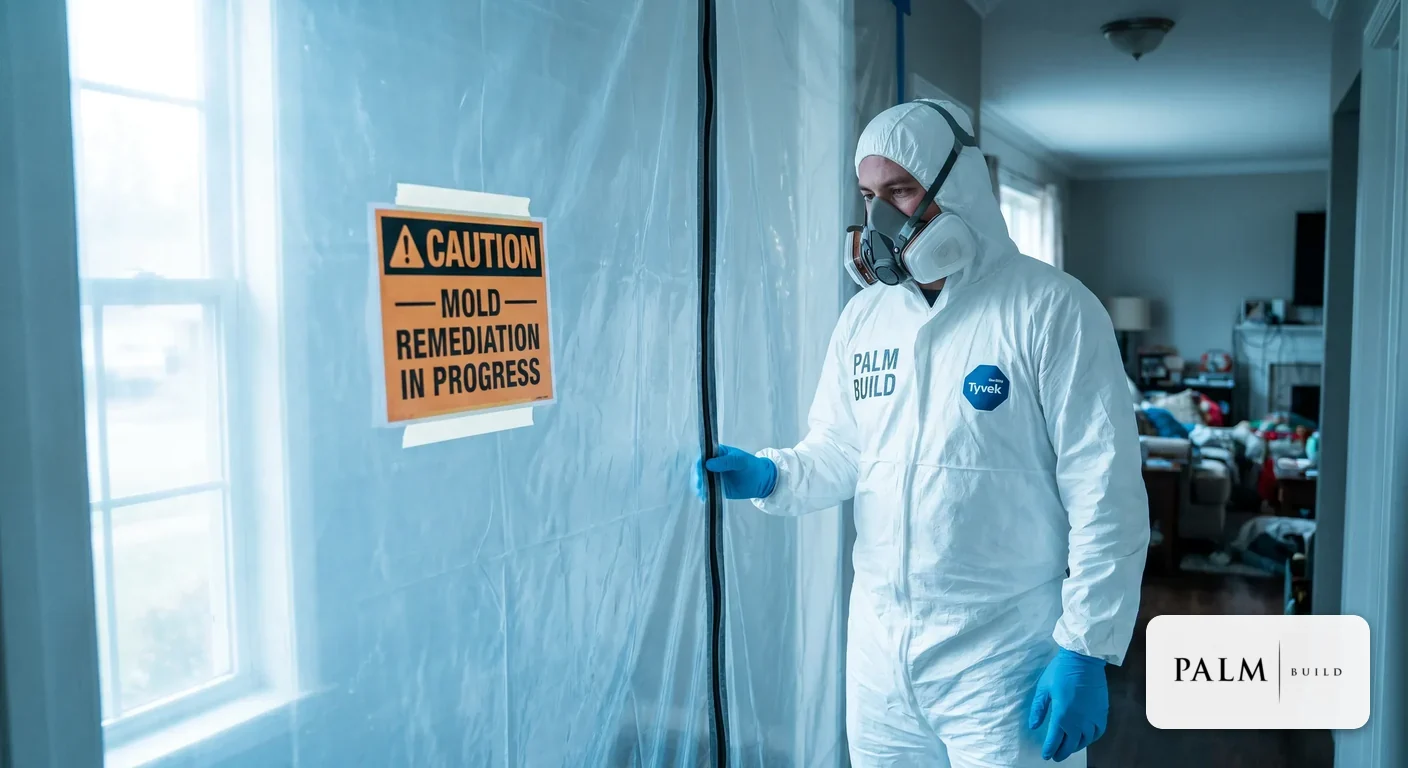
Standing water comes out with truck-mount extractors or portable pumps. Contaminated losses get plastic containment and negative-air machines. Flood cuts and baseboard removal happen here if wall cavities need airflow.
Day 2–5
Active drying and daily readings
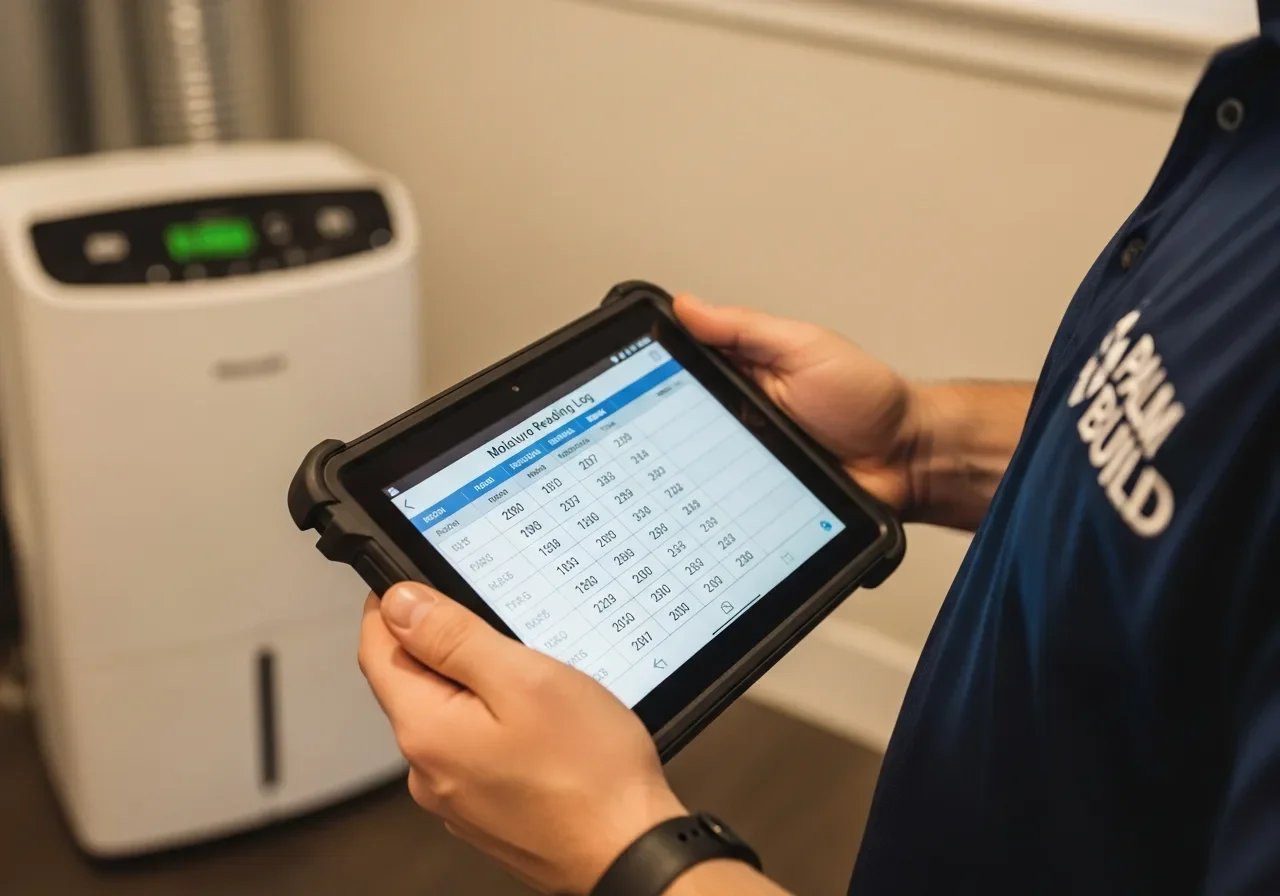
Air movers and LGR dehumidifiers run continuously. The tech returns every 24 hours to log moisture readings on each material and adjust equipment. Temperature and humidity are held in the drying sweet spot of 70–90°F and under 40% RH.
Day 5–7
Dry-standard verification and equipment removal
Once moisture readings match unaffected areas of the home, the tech runs a final verification sweep. Equipment is pulled room by room as each area hits dry standard. A drying log gets submitted to the carrier.
Day 7–14
Cleaning, content restoration, scope sign-off
Cleanable contents come back in, antimicrobial treatments finish, and the reconstruction scope gets agreed with the adjuster. For clean Class 1–2 losses on low-porosity materials, the job can actually close here.
Week 2–6+
Reconstruction phase
Drywall replacement, flooring install, cabinet set, trim, and paint happen on a separate schedule gated by insurance approvals, permits, and material lead times. Custom finishes can stretch this phase into several months.
Why reconstruction — not drying — usually sets the final clock
Drying is the part homeowners focus on, but it's rarely what pushes a restoration past its estimated timeline. Mitigation is almost entirely in the restoration team's control: once extraction equipment is on site, the drying curve is predictable. Reconstruction is a different story. Our reconstruction services run into four things that don't care about your schedule — insurance approval of the rebuild scope, material and cabinet lead times, permit inspections for structural repairs, and subcontractor availability after named storms or regional disasters. Any one of those can add weeks. All four together is how a two-week mitigation turns into a four-month closeout.
- Respond to your adjuster within 24 hours of every message
- Pick stock (not custom) finishes if your timeline matters more than the design
- Approve scope revisions same-day when they land in your inbox
- Keep a single household decision-maker authorized to sign estimates
- Consolidate all material selections into one appointment to avoid rework
- Maintain site access — every day the crew can't get in is a day added
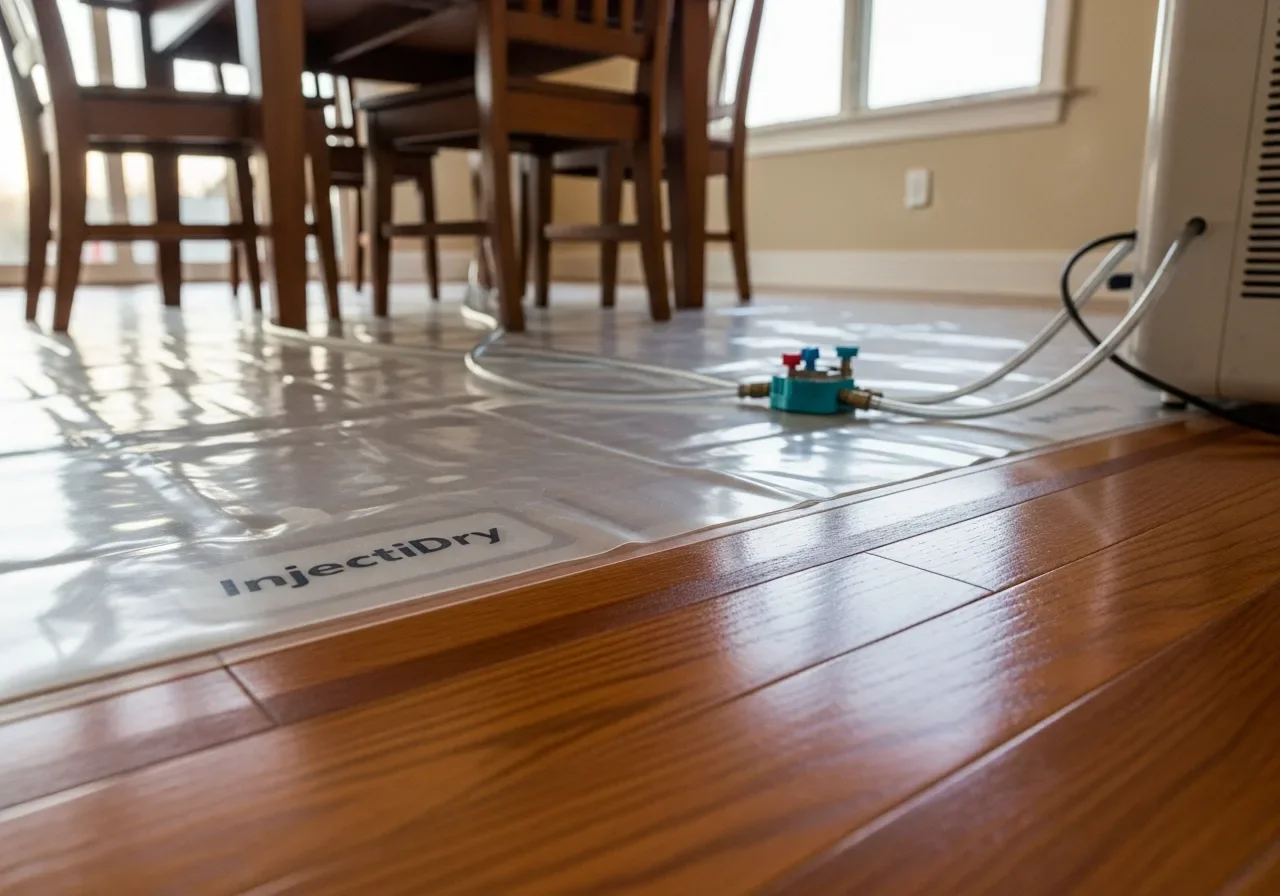
State-specific factors that affect your timeline
Florida
Florida homeowners work against two clocks at once: the property insurance claim notice deadline (currently one year from date of loss, with supplemental claims barred after 18 months) and the state's summer humidity, which routinely sits above 70 percent and can slow evaporation-based drying by 20 to 40 percent without aggressive dehumidification. If mold work becomes necessary, Florida's mold-related services licensing program adds another scheduling wrinkle: a mold assessor who inspects a property generally cannot perform remediation on that same property within 12 months, which means many Florida jobs need a separate assessment step before remediation can start. When scheduling matters, we coordinate professional mold remediation with the assessment team in advance.
North Carolina
Coastal North Carolina homeowners often have a two-carrier situation: their primary homeowners policy plus a separate wind-and-hail policy through the North Carolina Insurance Underwriting Association (the "Beach Plan" wind pool). After a named storm, the wind pool's claim workflow runs in parallel with the primary carrier's, which can stretch scope approval by several days. North Carolina law requires insurers to acknowledge claims within 30 days of receiving adequate notice — but mitigation drying should already be running long before that acknowledgment arrives. For surge- or wind-driven water intrusion, the same crew usually handles both the extraction and the dual-carrier documentation.
South Carolina
South Carolina coastal policies often route through the SC Wind and Hail Underwriting Association, which assigns losses to an adjusting firm and operates a call center for consumer reporting. State law gives insurers 20 days to provide proof-of-loss forms after notice, and includes an attorney's-fees provision if a carrier delays payment more than 90 days without reasonable cause. For multi-unit buildings and HOA-governed properties in Myrtle Beach, Hilton Head, or Charleston, scope approval also has to clear an HOA board or property manager — which is why our commercial restoration and HOA services teams build that approval chain into the schedule from day one.
How to shorten your water damage restoration timeline
The first 24 hours is by far the biggest lever you have. Our first 24 hours after water damage checklist walks through every emergency action in detail. Beyond that first day, here's what separates the jobs that close in two weeks from the ones that drag out for two months.
- Shut off the water source immediately — every hour of unchecked flow doubles the affected square footage
- Photograph and video the scene before you move anything, including wide shots, close-ups, and visible timestamps
- Call a certified restoration team within the first hour, not after the adjuster visit
- Move undamaged contents out of wet rooms before they wick moisture from the subfloor
- Set your HVAC fan to ON (not AUTO) to help move conditioned air through the house
- Never run household fans on Category 2 or 3 water — you'll aerosolize contaminants
- Keep a daily moisture log of your own, even a phone photo of each reading, as a backup record
- Notify your insurance carrier the same day, even if the scope is still being assessed
Restoration Timeline Estimator
Enter your damage details to get a personalized phase-by-phase timeline estimate.
Water Damage Cost Calculator
Pair your timeline with a cost estimate based on your damage class and affected area.
Frequently asked questions
How long does it take to dry out water damage? +
How long do walls take to dry after a leak? +
How quickly does mold start growing after water damage? +
Will homeowners insurance cover water damage restoration? +
Is water mitigation the same as water damage restoration? +
Can I stay in my home during water damage restoration? +
What slows down water damage restoration the most? +
Water Damage Categories and Classes Explained
Full breakdown of Category 1–3 contamination and Class 1–4 drying, with real-world examples and costs.
First 24 Hours After Water Damage
The exact emergency playbook for the first day after discovering a water loss.
How Fast Does Mold Grow After Water Damage?
What the 24–48 hour mold window actually means and how to stay ahead of it.
Water Damage Restoration Cost Guide (2026)
Full cost breakdown by category, class, and region with national averages and state-specific notes.
24/7 Water Damage Restoration
Emergency water extraction, structural drying, and full-scope restoration across FL, NC, and SC.
Water damage that's still getting worse?
Palm Build responds 24/7 across Florida, North Carolina, and South Carolina. We start drying fast, document every moisture reading for your claim, and keep your restoration timeline as short as the job allows.
Found this helpful? Send it to someone who needs it.