Quick Answer
Contents restoration in a 55+ community means handling heirlooms, photographs, documents, and irreplaceable personal property with a level of care that goes beyond standard pack-out. After a water intrusion or fire, a trained team inventories every item, separates what can be professionally cleaned and dried from what needs specialized treatment, and places time-sensitive materials — wet photos, documents — into climate-controlled conditions quickly. Photo and document recovery often involves air-drying or freeze-drying techniques depending on the saturation level. Communication with the resident and their family is part of the job from day one.
Key takeaways
- Heirlooms, photographs, and personal documents are among the most important — and most vulnerable — belongings in a 55+ household, and they need immediate, careful handling after any water or fire event.
- Speed matters most for photos and documents: wet paper and photos that stay saturated for more than a day or two are far harder to recover, and freezing can buy time when same-day treatment is not possible.
- A professional contents team documents every item with photos and an itemized inventory before moving anything, protecting both the resident and the claims process.
- Climate-controlled storage is critical in South Florida's humidity — storing textiles, artwork, or documents in a conventional space after a loss accelerates secondary damage from moisture and mold.
- Working with seniors and their families requires patient, respectful communication at every step — from explaining what can and cannot be saved to coordinating pack-back once the home is restored.
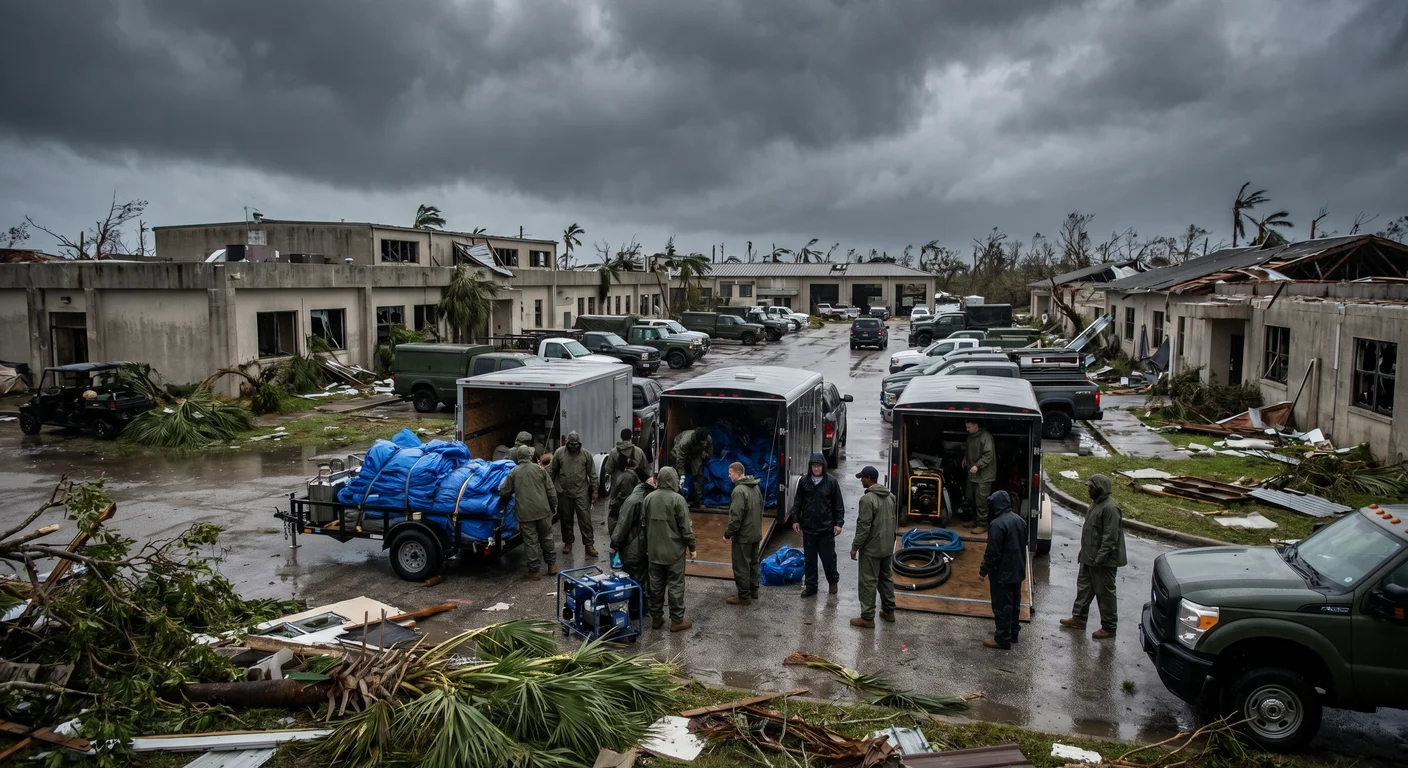
A water intrusion in a 55+ community is not the same job as a water intrusion in a new-build single-family home. The belongings are different — a lifetime of photographs, handwritten letters, military medals, jewelry, china sets, and documents that cannot be replaced at any cost. The residents are different too — often managing the situation alongside adult children who may not be on-site, navigating an insurance claim for the first time in decades, and watching technicians handle things that hold 40 or 50 years of memory. In Broward's age-restricted communities — from the Kings Point community in Tamarac to the dense concentrations of 55-plus condominium associations across Lauderhill and Margate — contents restoration demands a standard of care that respects the difference.
Window to begin photo and document recovery before water damage becomes significantly harder to reverse (IICRC guidance)
24–48 hrs
Indoor relative humidity the EPA recommends to prevent secondary mold — South Florida routinely exceeds this without climate control
Below 60%
Residents in Broward's age-restricted 55+ communities, many of whom have lived in the same home for 20–40 years
Tens of thousands
Target response window for salvage of wet photographic prints and paper documents — delay significantly reduces recovery odds
Same day
What Makes a 55+ Contents Job Different
Broward County has one of the highest concentrations of age-restricted communities in the United States. These are not generic neighborhoods — they are places where residents have often lived for two or three decades, accumulating belongings that reflect full lives: anniversary photo albums, slides from trips taken before digital cameras existed, framed letters from children or grandchildren, military citations, handmade quilts, and decades of collected art and jewelry. When a pipe bursts or storm water enters the home, the financial value of what is at risk is often far less than the sentimental value.
The age of the contents also matters technically. Photographs printed before the digital era are often irreplaceable — there is no second copy in the cloud. Paper documents from the 1950s through 1990s use materials that absorb water quickly and degrade fast. Certain textiles and upholstered pieces hold moisture in ways that accelerate both mold growth and structural deterioration. A standard pack-out crew that treats every item as a commodity — bulk-bagging, stacking, and moving fast — creates losses that a more careful approach would avoid.
The Contents Recovery Process: What Happens Step by Step
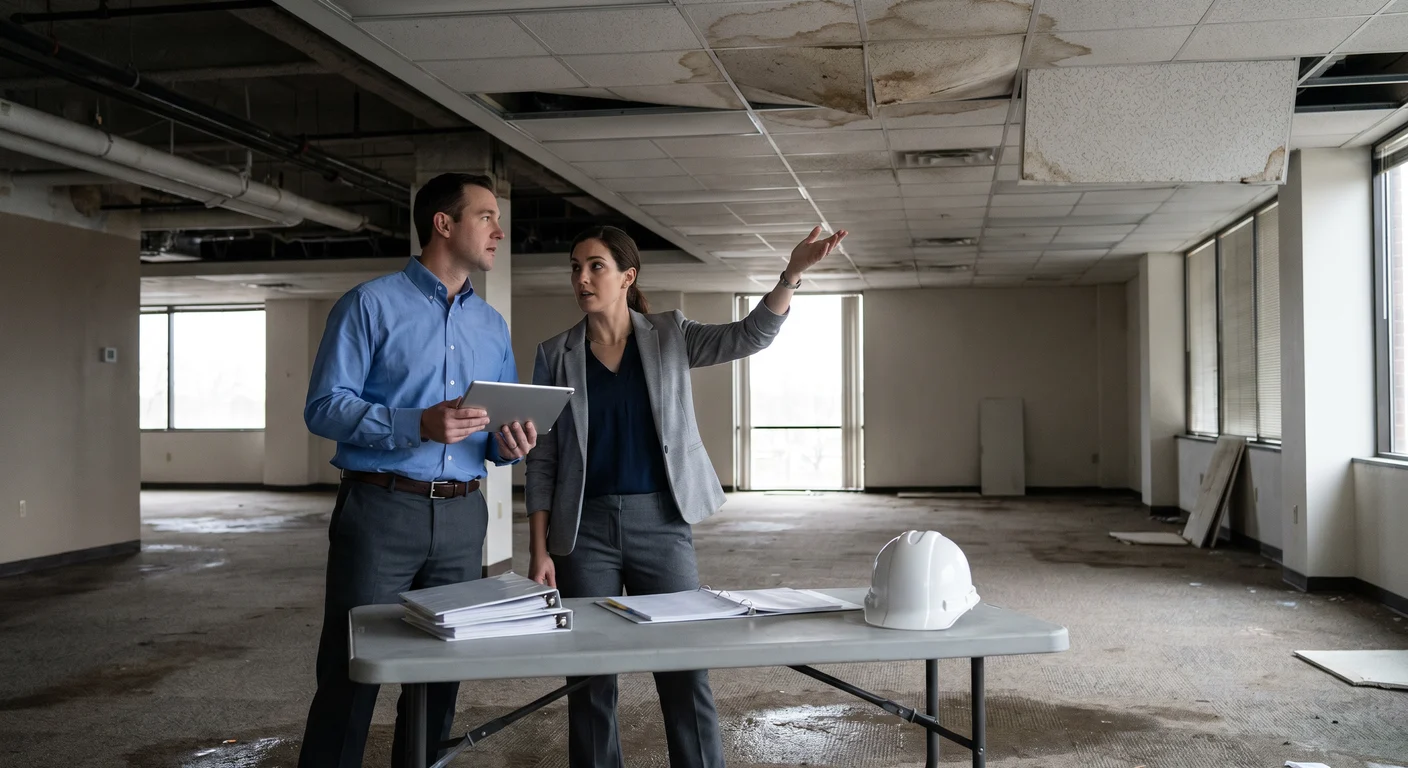
A professional contents restoration response in a 55+ home starts with a careful walk-through alongside the resident or their family representative before anything is moved. That conversation matters: the homeowner knows which items are irreplaceable, which drawers hold documents, and which pieces of furniture have sentimental value beyond their replacement cost. A trained contents technician uses that information to prioritize the order of the pack-out and to flag items that need specialist handling.
- 1
Priority assessment and resident walkthrough
Before any item is moved, a technician walks the space with the resident or their family contact to identify irreplaceable items — photographs, documents, heirlooms — and understand which materials are most time-sensitive.
- 2
Itemized photo inventory
Every item is photographed in place and logged into an itemized inventory before it is packed. This documentation protects the resident in the insurance claim and creates a chain of custody for every piece leaving the home.
- 3
Triage: immediate treatment vs. stable storage
Wet photographs and paper documents require same-day or next-day intervention. Items that are dry but odor-affected or smoke-exposed can be packaged and moved to climate-controlled storage for later cleaning without the same urgency.
- 4
Specialty handling for photographs and documents
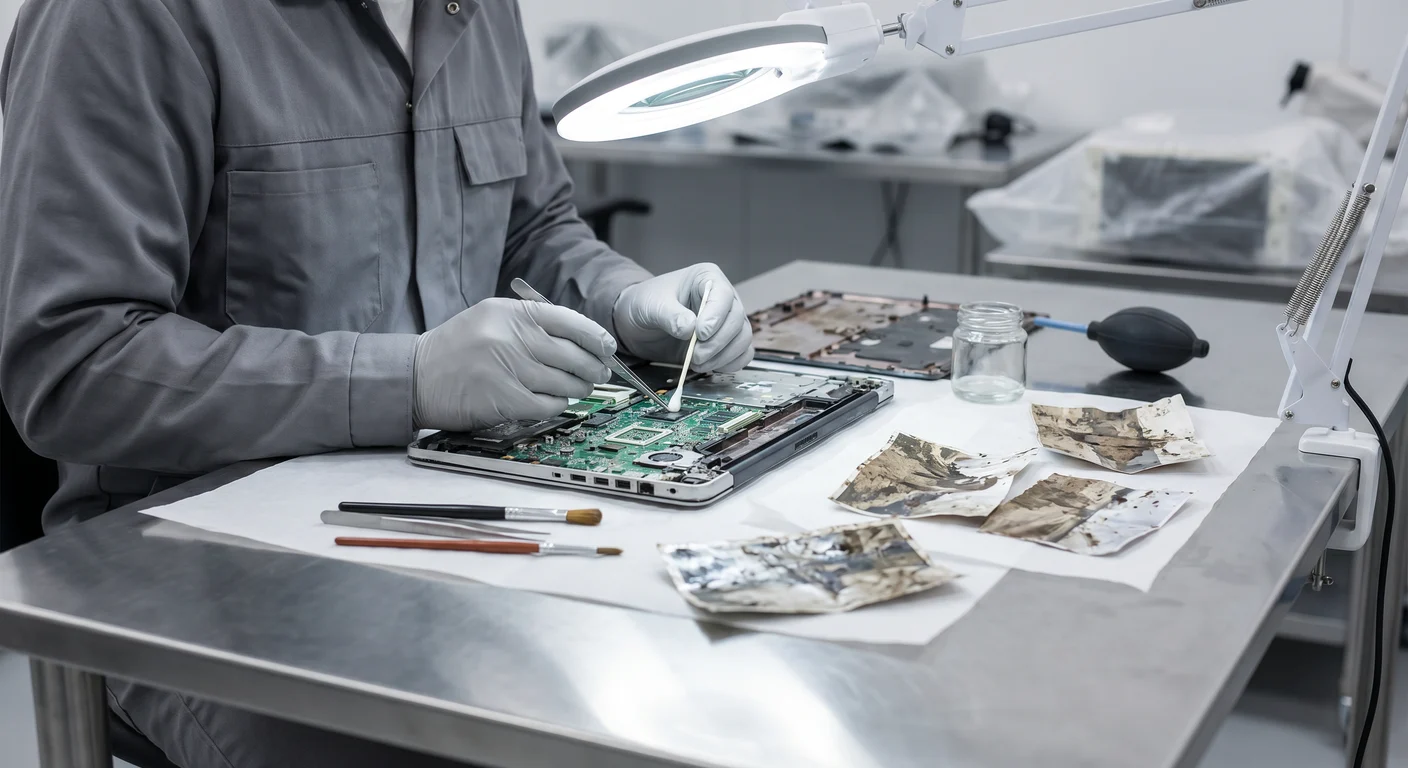
Saturated photographic prints are separated and air-dried with care. Heavily saturated paper documents — particularly bound items and multi-page files — may benefit from professional freeze-drying, a technique that removes moisture without the distortion that standard air-drying can cause.
- 5
Climate-controlled storage during home restoration
Packed contents move to a climate-controlled facility where temperature and humidity are maintained, not a conventional storage unit where South Florida's ambient humidity would cause secondary mold and further deterioration while the home is being restored.
- 6
Cleaning by material type
Textiles, soft goods, and upholstered items are cleaned using methods matched to the material. Jewelry and metal pieces may be evaluated for ultrasonic cleaning. Hard goods, ceramics, and artwork are wiped and assessed individually.
- 7
Pack-back and return
When the home is ready, items are returned and placed according to the original inventory documentation. The resident is walked through what was recovered, what received specialist treatment, and any items where damage was irreversible.
Photographs and Documents: The Most Time-Sensitive Items
Of everything a contents team handles in a 55+ home, photographs and documents demand the fastest response. The IICRC guidance on water-damaged materials treats paper and photographic prints as highly vulnerable: once wet, the emulsion layer on older prints begins to stick to adjacent surfaces within hours, and paper fibers start to break down within a day or two. Mold can begin colonizing saturated paper in as little as 24–48 hours in South Florida's humid conditions.
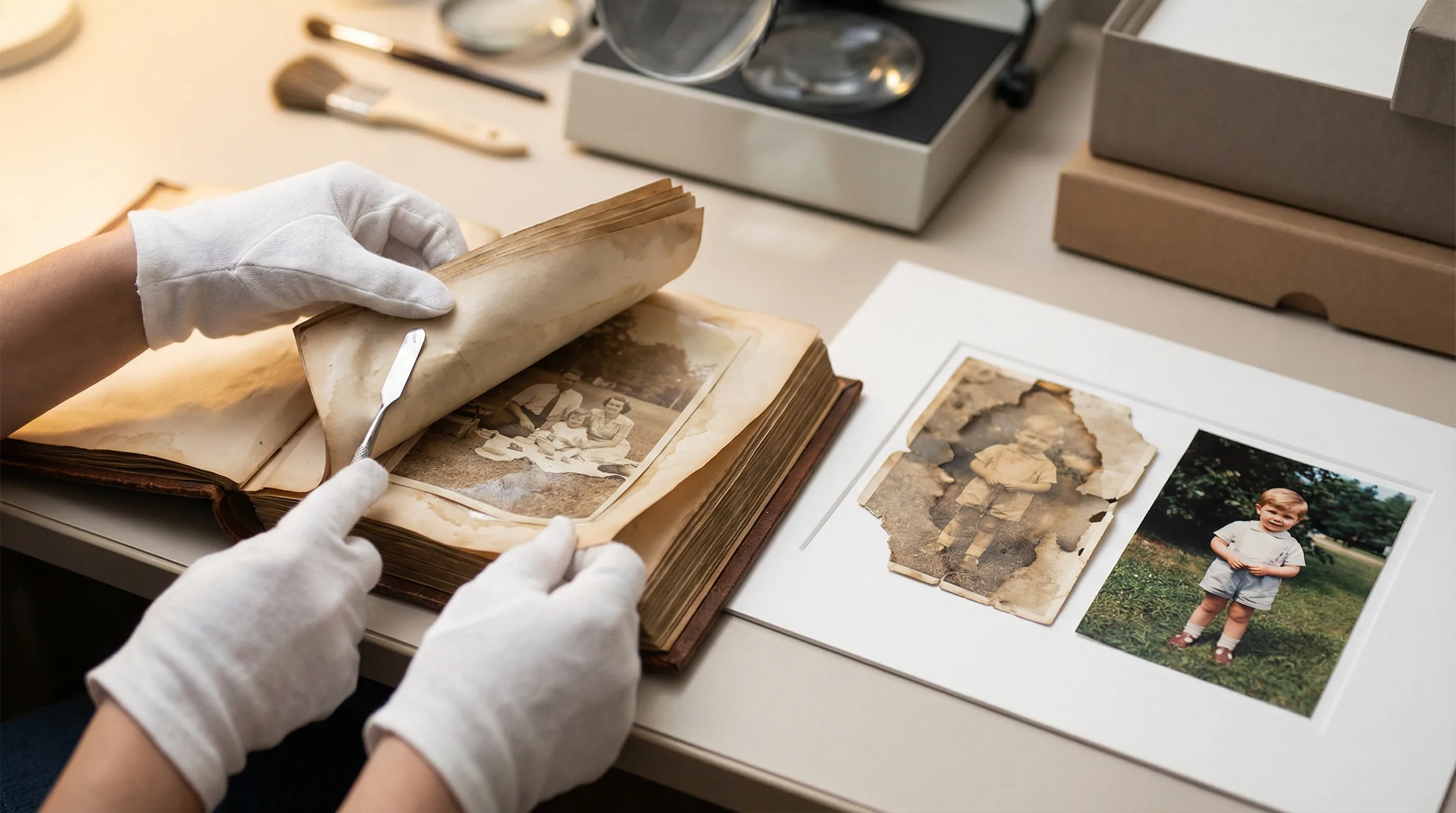
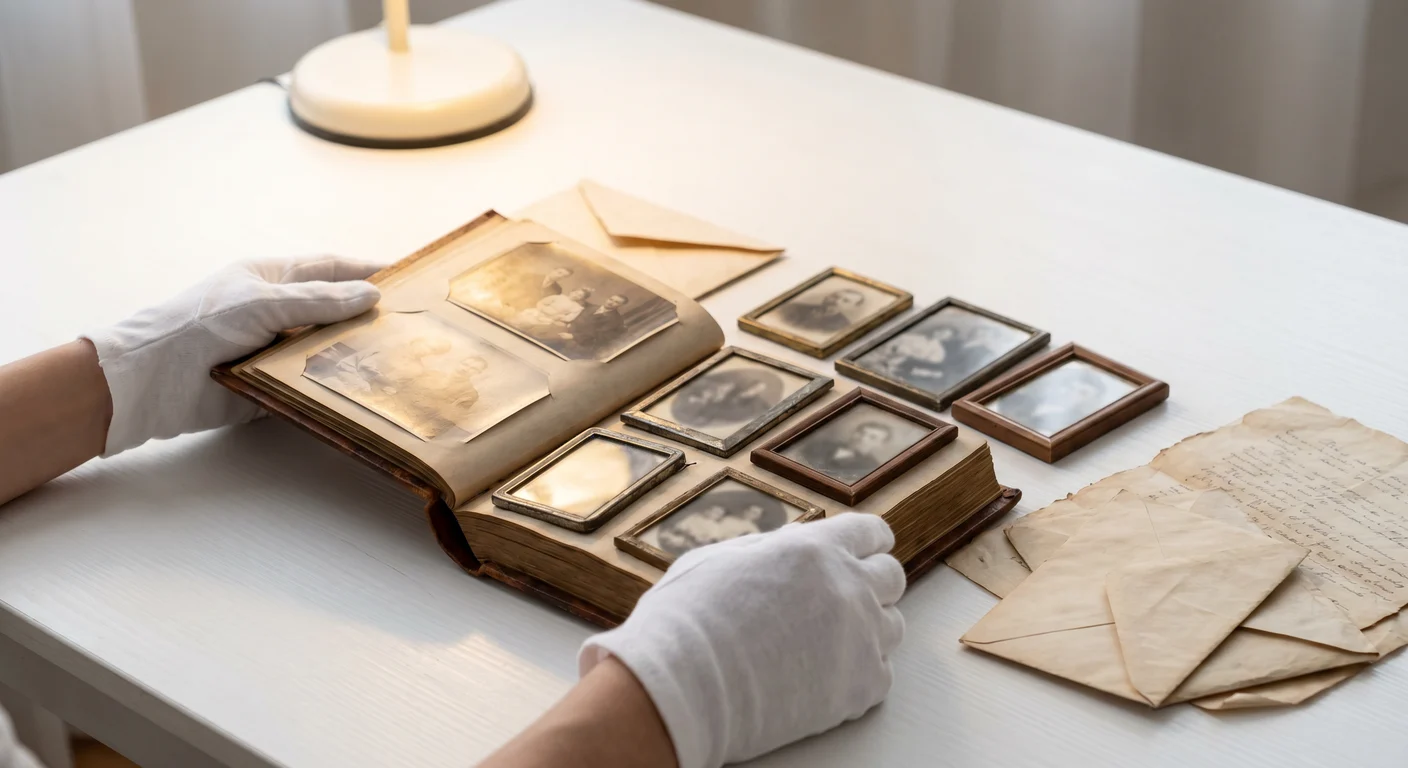
For photographs that are still in albums, the first priority is separating individual prints before they bond together permanently. A trained technician works through albums one page at a time, carefully peeling and spreading prints in a controlled drying environment. Slides and negatives — common in households that were photographing family events from the 1960s through the 1990s — are handled separately, as their plastic base materials respond differently to moisture than paper prints.
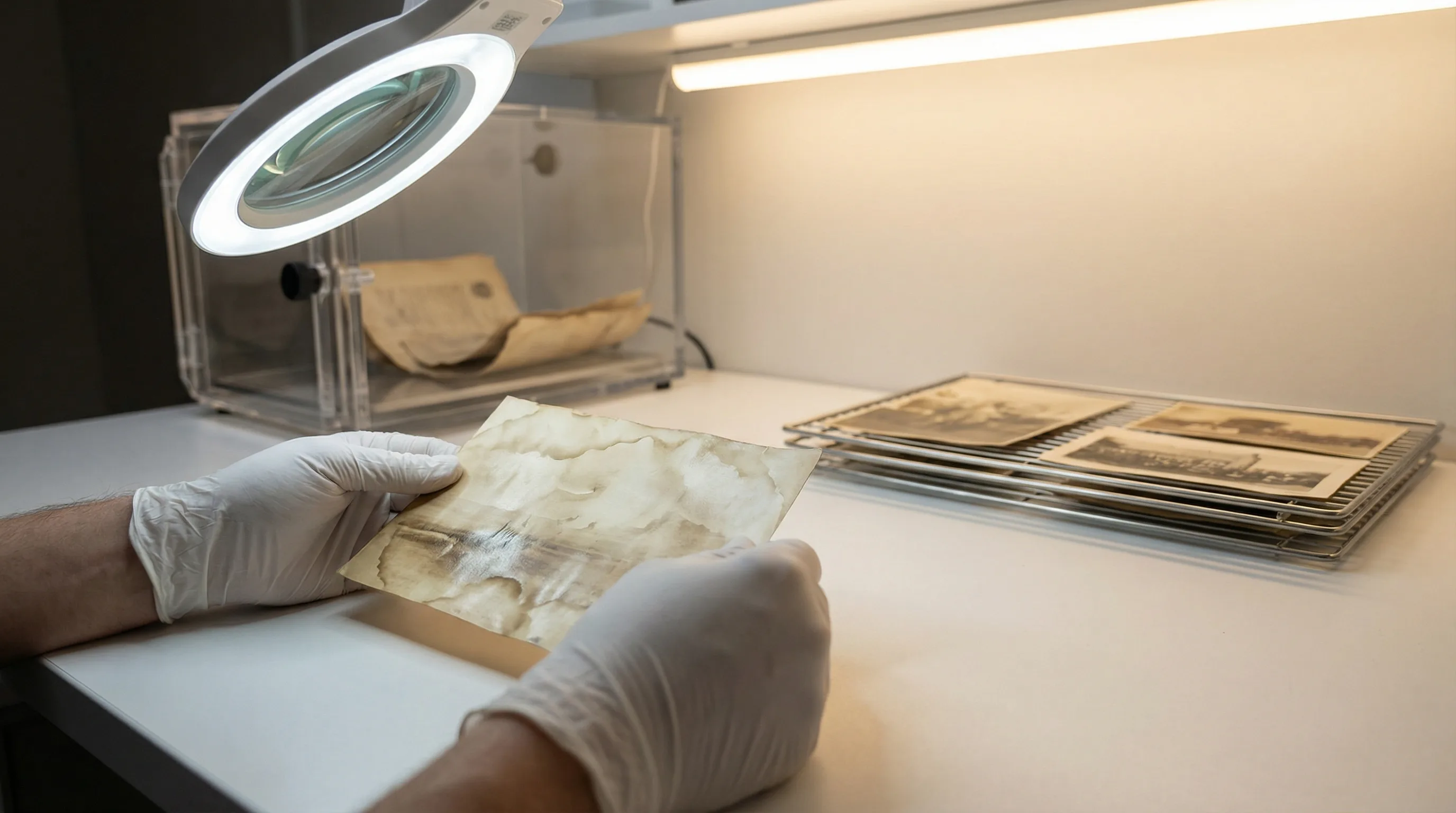
Documents — wills, deeds, insurance policies, military discharge papers, naturalization certificates, medical records — are often the most legally and emotionally significant paper items in the home. When documents are saturated, air-drying with careful separation is the first approach; for heavily saturated or partially deteriorated documents, freeze-drying is the professional technique that removes water through sublimation, minimizing distortion. Not every document can be fully recovered, but early intervention significantly improves outcomes. If you are concerned about a specific document type, a contents specialist can assess recovery feasibility before treatment.
Heirlooms, Jewelry, and Specialty Items
Beyond photos and documents, 55+ homes often contain a category of belongings that insurance adjusters call 'personal property' but families call irreplaceable: jewelry accumulated over decades, china and crystal sets, military medals and uniforms, handmade quilts and needlework, and artwork collected through a lifetime of travel. These items are not always the most expensive in the home, but they are the ones a family most dreads losing.
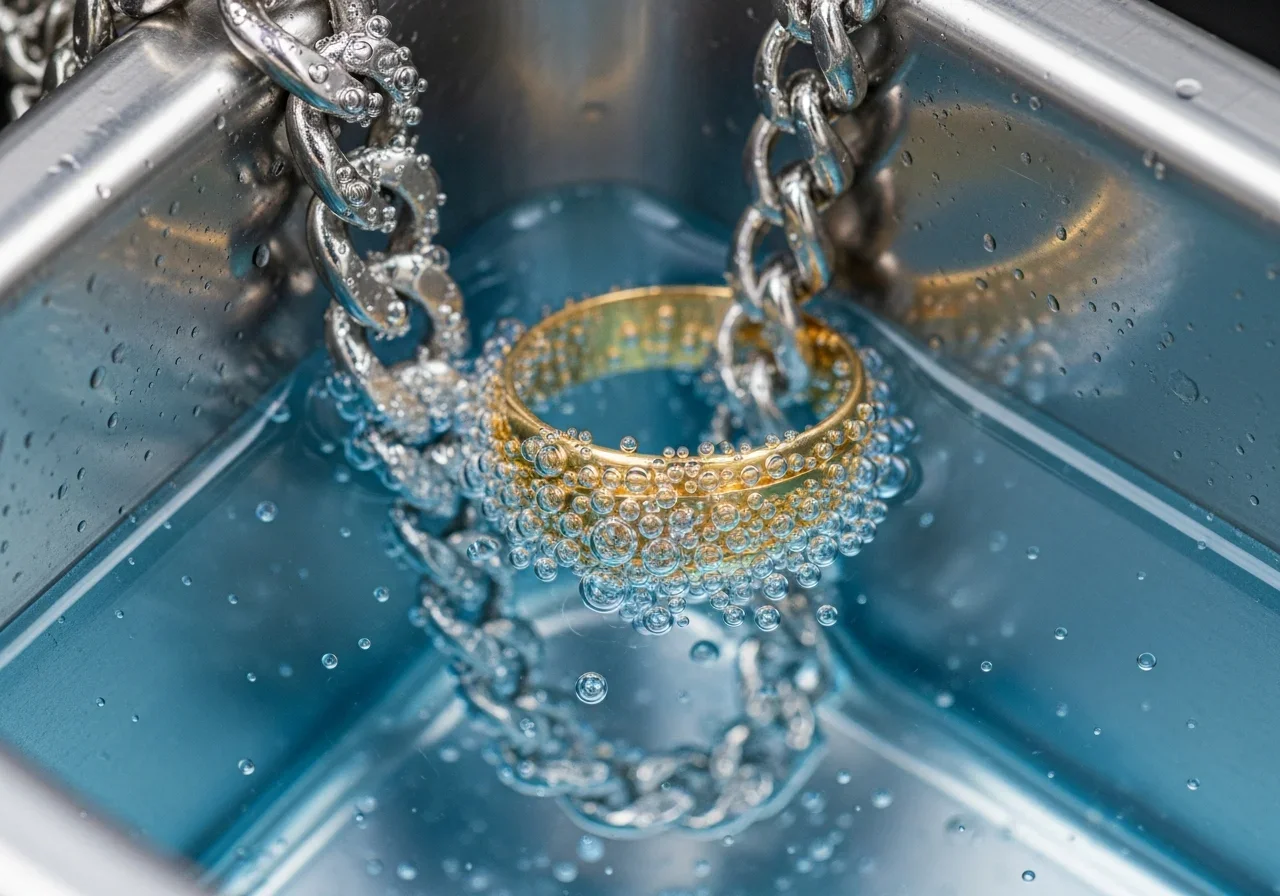
Jewelry and metal objects exposed to water — particularly in salt-air environments common near Broward's coastal communities — are evaluated for corrosion and cleaned using methods appropriate to the material. Ultrasonic cleaning is one tool used for certain metals and hard jewelry; other pieces require gentler methods or referral to a specialist restorer. The key is assessment before cleaning, because the wrong method on a delicate piece can cause more harm than the water did.
Textiles — quilts, clothing, drapery, upholstery — hold moisture deeply and are at high risk for mold if not dried quickly and stored in controlled conditions. A family heirloom quilt that goes into an unconditioned storage unit in South Florida's summer humidity will likely develop mold within days. Climate-controlled storage during the restoration process is not a luxury; in this climate, it is the baseline requirement for protecting soft goods.
Working With Seniors and Their Families
The human dimension of a 55+ contents job is as important as the technical one. Many residents in Broward's age-restricted communities have lived in the same home for 20 or 30 years, and seeing a team of technicians handle their belongings can be disorienting and upsetting — even when those technicians are doing everything right. Adult children who live out of state are often managing the situation by phone, trying to understand what is happening and what the outcome will be.
Some residents in Broward's 55+ communities are managing the process independently; others need a family member involved as a point of contact. A good contents team accommodates both. When adult children are coordinating from out of state, clear written documentation — inventory lists, condition photos, status updates — becomes even more important. For larger water losses in communities like those in Margate or Tamarac, where the IICRC guidance on Category 1, 2, or 3 water classification affects how aggressively contents are treated and what can be safely cleaned versus discarded, that documentation also supports the insurance claim.
South Florida Humidity and Why It Changes the Timeline
Contents restoration in Broward County is not the same as contents restoration in a drier climate, and understanding why matters for anyone managing a claim here. South Florida's ambient relative humidity regularly runs well above the 60% threshold the EPA identifies as a mold risk for building materials — and it does the same damage to stored contents. A cloth item, a book, or a stack of documents placed in a conventional storage unit without climate control in summer can accumulate secondary mold damage within days, even if the items arrived in recoverable condition.
For residents in Lauderhill and surrounding Broward communities, this is not a hypothetical risk — it is a consistent pattern seen after storms, plumbing failures, and roof leaks. Climate-controlled contents storage during the restoration window protects against secondary loss and keeps items in the condition they were in when they left the home. It also means that when the home is ready, the pack-back reflects the actual recovery outcome rather than revealing additional damage that happened in storage.
What to Do Immediately After a Water or Fire Event
If you are a resident — or a family member helping a resident — in a Broward 55+ community and a water or fire event has just occurred, here is the immediate priority list for protecting contents before a professional team arrives. The goal is not to do the restoration yourself; it is to prevent additional damage in the hours before help gets there.
- Do not handle wet photographs without gloves — oils and handling can permanently damage emulsion surfaces. If you must move a wet album, support it from the bottom and keep it level.
- Move documents, photograph albums, and framed photos to the driest area of the home, away from ongoing water intrusion, but do not stack wet items.
- If you cannot get professional help same day and have access to a freezer, saturated documents can be bagged and frozen to pause deterioration — this buys time without causing additional damage.
- Do not run fans over wet documents or photos without guidance — uncontrolled airflow can curl and distort paper before it dries and may not reduce moisture fast enough to prevent mold.
- Note which items are most important before the team arrives — a brief written or verbal list of your highest priorities helps the technician allocate time and care appropriately.
- Call Palm Build Restoration or reach your insurance carrier to initiate the claim — the sooner a contents response is authorized, the sooner irreplaceable items can be stabilized.
How the Insurance Claim Works for Personal Property
Most homeowner insurance policies in Florida include personal property coverage, but the process of documenting, valuing, and claiming for contents — especially when items are irreplaceable heirlooms — requires careful handling. A professional contents restoration team creates the itemized inventory and condition documentation that the adjuster needs to evaluate the claim. Items that can be professionally restored are generally preferred by insurers over replacement, because the cost of skilled restoration is often less than the replacement value. For items that cannot be restored, the documented inventory and condition photos from before treatment support a proper loss claim.
Heirlooms and items of sentimental value present a specific challenge: insurance pays replacement cost or actual cash value for most personal property, but there is no dollar amount that replaces a handwritten letter from a spouse who has passed or a photograph album spanning 50 years of family history. The goal of professional contents restoration is to recover as much as possible — not to assign a price to what cannot be replaced. For residents in Broward's 55+ communities, that distinction matters, and it is worth asking any contents provider how they handle the most irreplaceable items specifically.
Frequently Asked Questions
Can water-damaged photographs really be recovered? +
What is freeze-drying for documents and when is it used? +
Why is climate-controlled storage specifically important in South Florida? +
How does the contents team handle items of sentimental or heirloom value differently from regular household goods? +
What Broward cities does Palm Build Restoration serve for contents restoration? +
Related Guides & Next Steps
Contents Restoration
Pack-out, climate-controlled storage, cleaning, and pack-back for personal property — 24/7 response across South Florida.
Contents Restoration in Margate, FL
Local contents recovery serving Margate and the surrounding Broward County 55+ communities.
Contents Restoration in Tamarac, FL
Contents pack-out, heirloom handling, and climate-controlled storage serving Tamarac, FL.
Contents Restoration in Lauderhill, FL
Full-service contents restoration including photo and document recovery for Lauderhill residents.
IICRC Professional Standards
The IICRC sets the industry standards for contents and water damage restoration — including guidance on document and photo recovery timelines.
Your heirlooms deserve expert care — call Palm Build.
Palm Build Restoration provides 24/7 contents restoration across Broward County, with careful handling for photographs, documents, heirlooms, and all personal property. We work directly with your insurance carrier and communicate every step of the process with you and your family.
Found this helpful? Send it to someone who needs it.