Quick Answer
The single highest-impact step before a vacation is shutting off your home's main water supply valve — with no pressure in the lines, a failed pipe or hose has nothing to push through. Add a smart leak detector for timestamped alerts, and in Florida keep the AC running so indoor humidity stays below 60% and mold can't take hold while you're away.
Key takeaways
- Shutting off the main water supply valve is the single highest-impact step before any vacation — with no pressure in the lines, a failed pipe or hose has nothing to push through.
- Smart leak detectors with timestamped alerts cost $200–$500 installed and double as claim-protection evidence proving sudden onset rather than gradual neglect.
- In Florida, do not turn the AC off — indoor humidity above 60% feeds mold within 24 hours, and many policies exclude water damage that goes undetected for 14 or more days.
- In North Carolina, vented crawl spaces routinely exceed 80% relative humidity in spring and summer; confirm vapor barriers, dehumidifiers, and hatches are sealed before leaving.
- If you return to standing water or a musty smell, document everything first, shut off the main supply, and call a 24/7 IICRC-certified restoration team within the 24–48-hour mold window.
The single most important step you can take before leaving home for vacation is shutting off the main water supply valve. A burst pipe or failed appliance hose with no one home can release hundreds of gallons before anyone notices — and the time between when a leak starts and when it's discovered is the single greatest factor in total damage cost, according to Chubb Insurance. Beyond the shutoff valve, a complete pre-departure checklist — appliance hoses, gutters, HVAC settings, smart leak detectors, and a trusted neighbor check-in — prevents the most common vacation water failures. For homeowners in Florida, North Carolina, and South Carolina, where humidity, crawl space moisture, and hurricane season add extra risk, these steps are the difference between returning to a dry home and returning to a water damage restoration project.
Share of homeowner claims
24–29%
Insurance Information Institute — water damage and freezing as a share of all U.S. homeowners insurance claims, the single largest claim category in the country
U.S. homes filing a water claim each year
1 in 60
Roughly 14,000 Americans file a water damage claim every single day — making water damage the most common loss event for insured residential property
Damage from one inch of water
$25,000
FEMA FloodSmart — a single inch of water in a typical home produces about $25,000 in damage before mitigation and reconstruction
Why Water Damage Is the #1 Threat to Your Home While You're Away
The Insurance Information Institute (III) puts water damage and freezing at 24–29% of all U.S. homeowners insurance claims — the largest single claim category in the country. The national average restoration cost in 2025 is $3,865, with most projects falling between $1,383 and $6,384 and complex cases reaching $16,000 or more. Average insurance payouts for water claims run $12,514 to $13,954 per incident, and one inch of water inside a typical home produces about $25,000 in total damage, per FEMA FloodSmart. None of those numbers describe a niche risk — they describe the most likely thing that will go wrong in a vacant home.
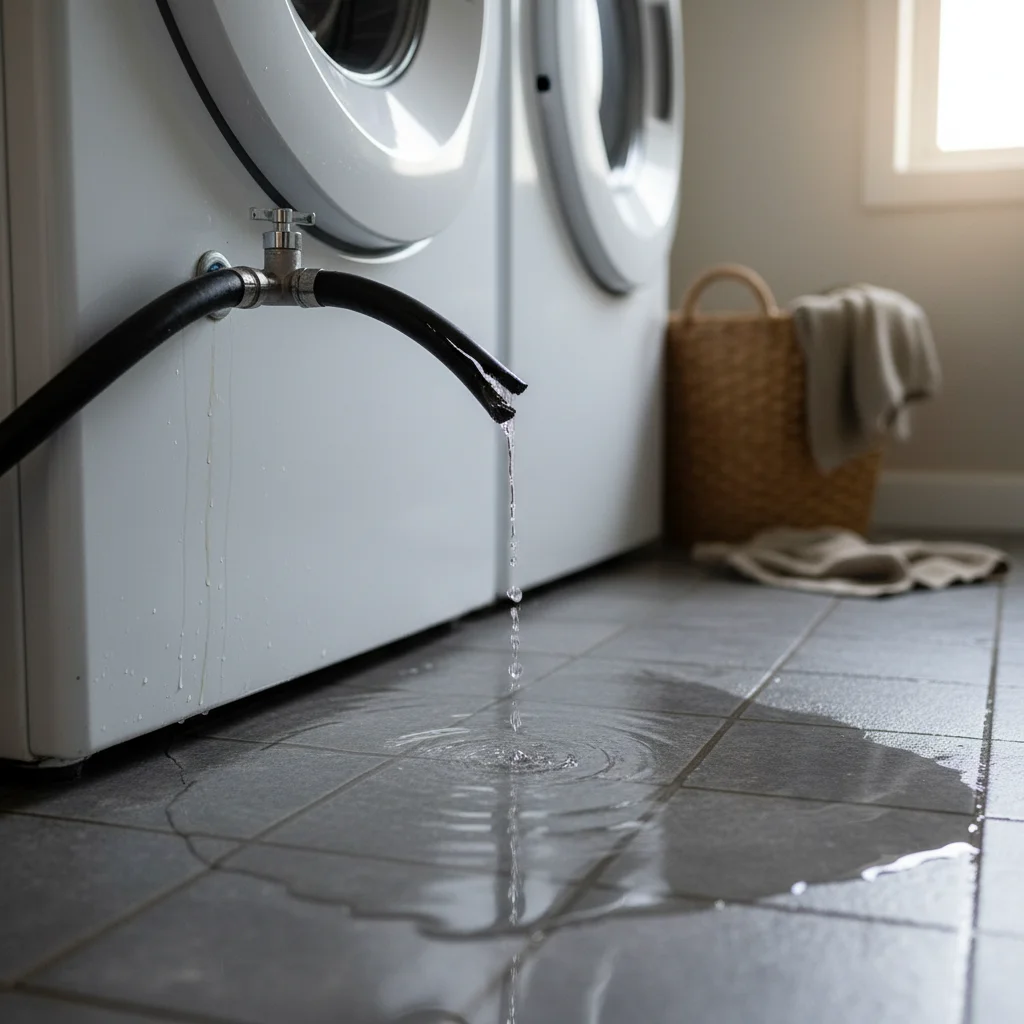
The delay between a leak starting and someone finding it is what turns a manageable incident into a catastrophe. A burst pipe caught in the first hour is a plumbing bill. The same burst pipe running undetected for three days while you're at the beach is a gut-and-rebuild job. Mold — which follows every sustained moisture event — begins colonizing porous materials like drywall and insulation within 24 to 48 hours under normal conditions. In Florida during summer, that window can shrink to as little as 12 hours, which is why mold remediation is so often part of the bill on a vacation water loss. In the past decade the frequency of sudden pipe bursts has nearly doubled — and the share of homeowners who shut off the main valve before leaving hasn't moved much past one in five.
The Complete Pre-Vacation Water Damage Checklist
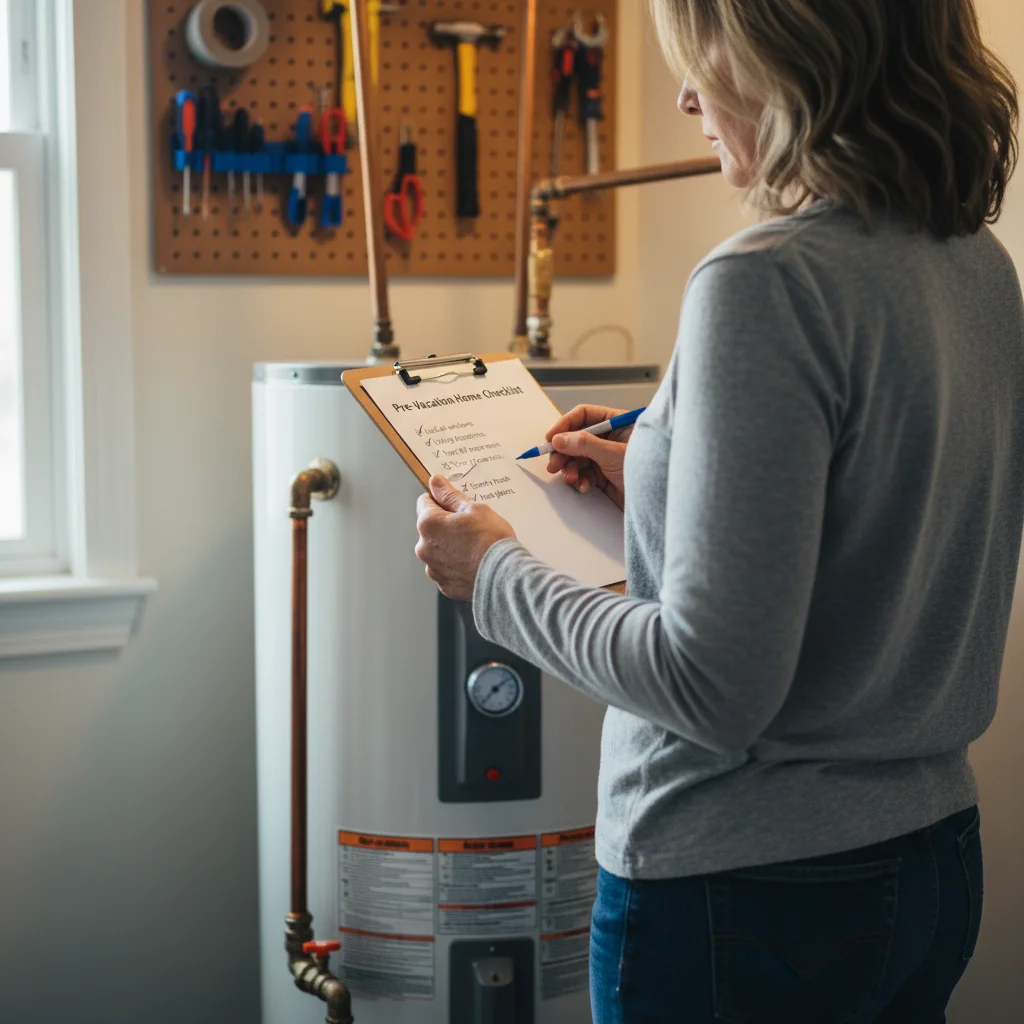
- 1
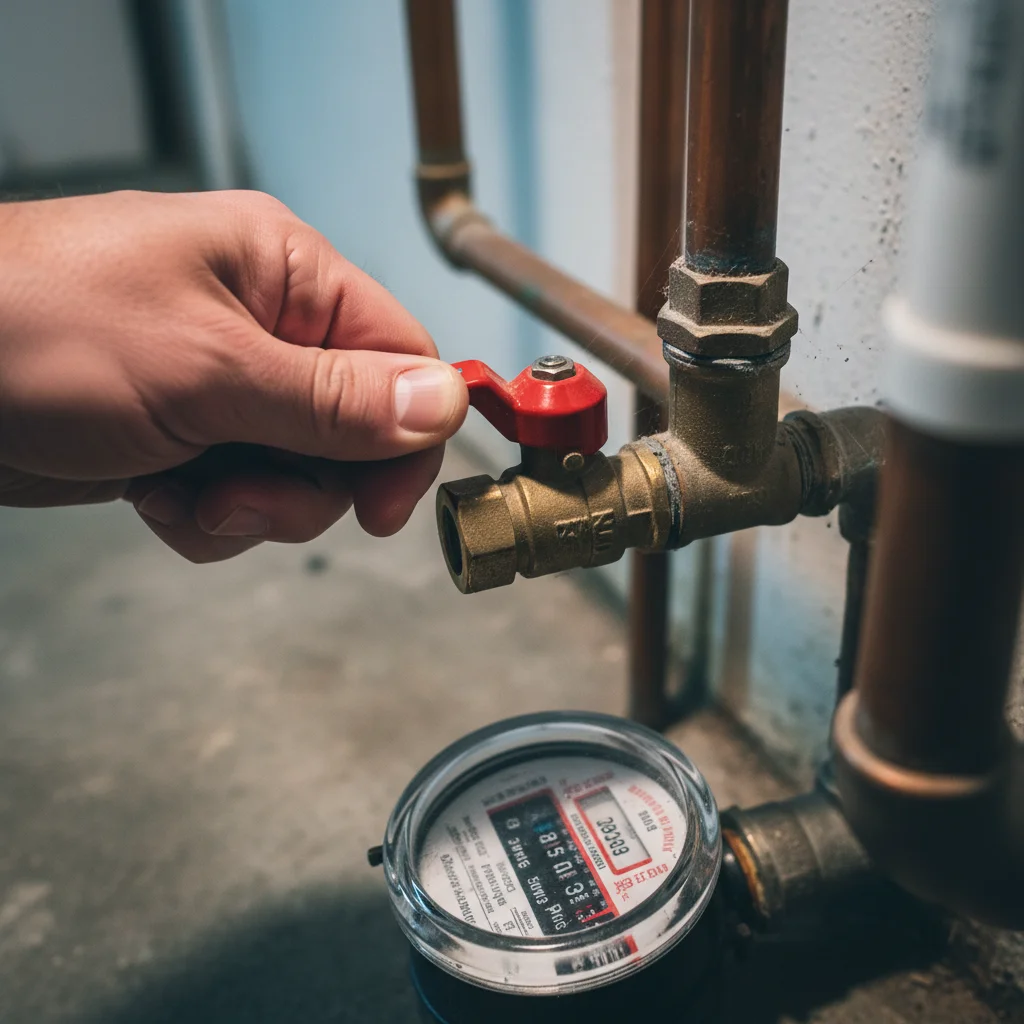
Shut off the main water supply
Turn the main shutoff valve clockwise to close. The valve is typically near the water meter outside the home or where the main line enters the structure. Test it by opening an interior faucet — no flow means the valve is doing its job. If a pipe, hose, or fitting fails while you're away, there's nothing to push water through.
- 2
Inspect and repair leaks before leaving
Walk every sink cabinet, check under the dishwasher, inspect the washing machine connections, and look at the base of the water heater for rust, moisture, or discoloration. Fix what you find or call a plumber. The EPA estimates the average household loses over 9,300 gallons a year to leaks that are usually easy to fix.
- 3
Check high-risk appliances and hoses
Plumbing supply systems — not water heaters — are the leading source of interior leaks. Flexible rubber supply hoses on washing machines and dishwashers over five years old are particularly prone to failure. Replace any hose showing cracking, bulging, or corrosion with a braided stainless steel line, or close the individual supply valve behind each appliance.
- 4
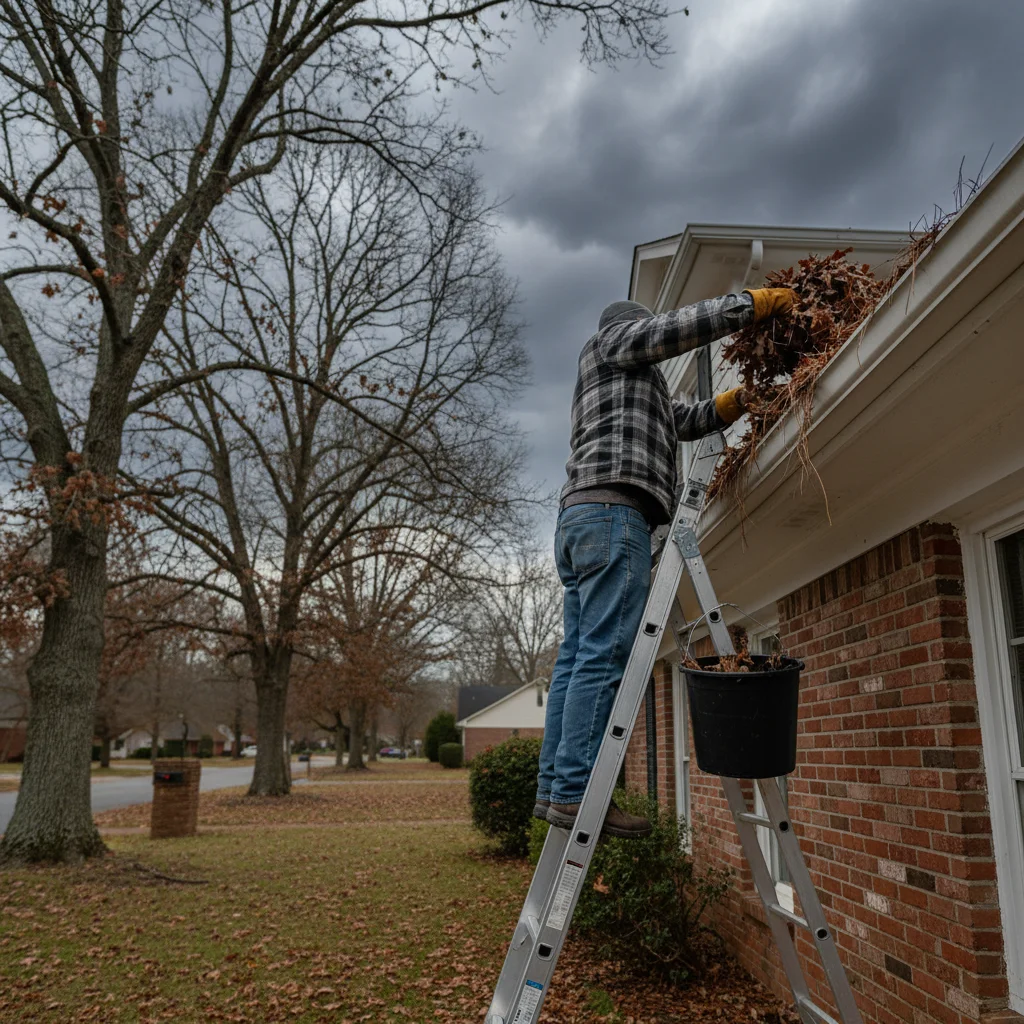
Clean gutters and downspouts
Clogged gutters back water onto the roof and into the structure. Clear debris, verify downspouts discharge at least 10 feet from the foundation, and confirm the yard grades away from the house on all sides — water should never pool against foundation walls.
- 5
Set your HVAC and water heater correctly
Do not turn the air conditioning off. Set the thermostat to 78–80°F in summer to keep humidity below the 60% mold threshold. In the Carolinas during winter, maintain at least 55°F to prevent pipe freezing in unconditioned spaces. Use the water heater's vacation mode to drop the setpoint without fully cooling the tank.
- 6
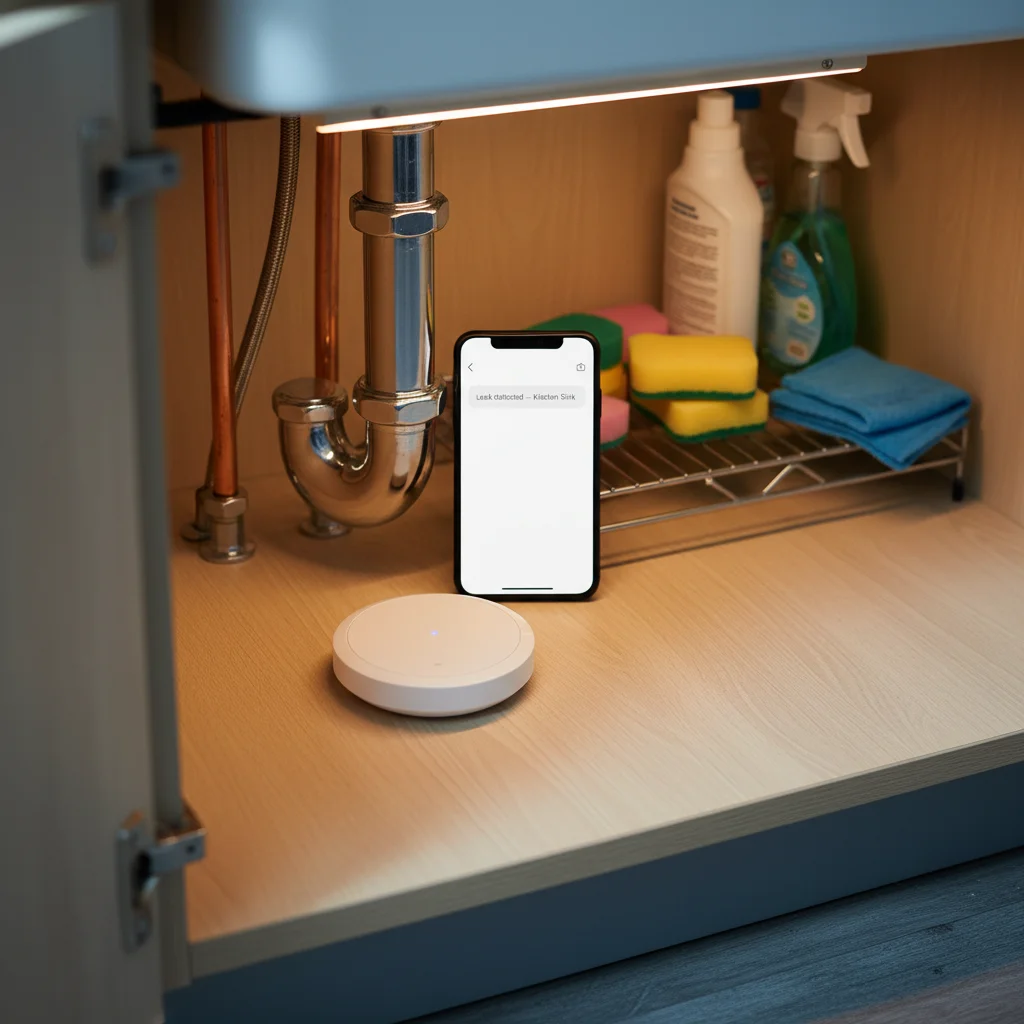
Install smart leak detectors
Battery-powered Wi-Fi sensors placed under sinks, behind appliances, near the water heater, and in crawl spaces send real-time alerts the moment they detect moisture. Premium whole-home systems pair with automatic shutoff valves that close the main supply on their own — no homeowner action required from a beach 1,000 miles away.
- 7
Test your sump pump
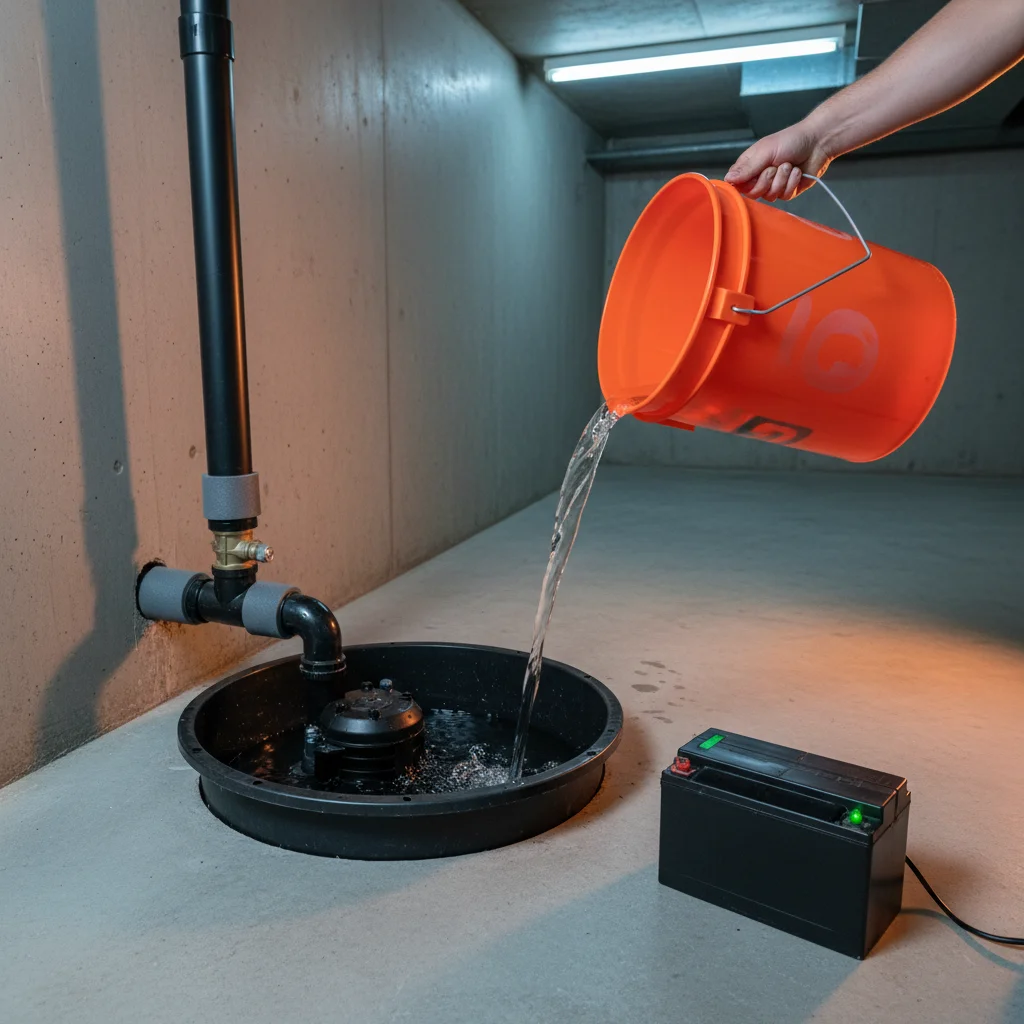
Pour water into the sump pit and confirm the pump activates and discharges properly. Check that the pit is debris-free. A battery backup keeps the pump working during a power outage — which often accompanies the same storms that generate flooding. Sump pump failures during extended vacations are a leading cause of basement flood losses.
- 8
Inspect roof, windows, and door seals
Look for missing or lifted shingles, cracked flashing around vents and chimneys, and sagging soffit areas. Inspect window and door caulking for cracks or gaps. Salt air in coastal FL, NC, and SC degrades exterior caulk faster than inland areas — re-caulk any gaps with exterior-grade sealant before leaving.
- 9
Arrange a trusted home check-in
Give a neighbor or friend a key, the alarm code, the location of the main shutoff, your cell number, and a local plumber's contact. Brief them on warning signs: musty odors, wet floors or ceilings, water pooling around appliances, or the sound of running water when nothing should be on.
- 10
Document your home before you leave
Spend ten minutes walking through with your smartphone capturing video and photos of every room, appliance, and mechanical space. This footage serves two purposes: a pre-loss baseline for any insurance claim, and a fast scope reference if a restoration team has to assess damage when you return. Store it in the cloud so you can pull it up from anywhere.
- Washing machine supply hoses (rubber hoses over 5 years old are highest risk)
- Dishwasher drain and supply lines
- Refrigerator ice maker line and the small shutoff valve behind the fridge
- Toilet supply lines and the shutoff at the wall behind each toilet
- Under-sink supply connections at every sink — bathroom, kitchen, laundry
- Water heater tank, T&P valve, and supply/drain connections at the base
Basic leak detection
- Battery-powered moisture sensors placed at known leak risks (under sinks, behind appliances)
- Local audible alarm only, or Wi-Fi push notification to a single phone
- Typically $20–$50 per sensor, no professional installation needed
- Detects water that has already escaped — gives you minutes, not hours, of warning
- Best for renters and homeowners who travel occasionally
Whole-home smart shutoff
- Flow monitor installed on the main supply line analyzes micro-variations in flow
- Automatic shutoff valve cuts water flow without any homeowner action — even from a beach
- $200–$500 installed; detects slow hidden leaks before they reach a sensor
- Timestamped alert history doubles as insurance documentation of sudden onset
- Best for frequent travelers, second homes, and FL homes subject to the 14-day rule
State-Specific Risks: FL, NC, and SC
Florida — humidity, hurricane season, and the 14-day rule
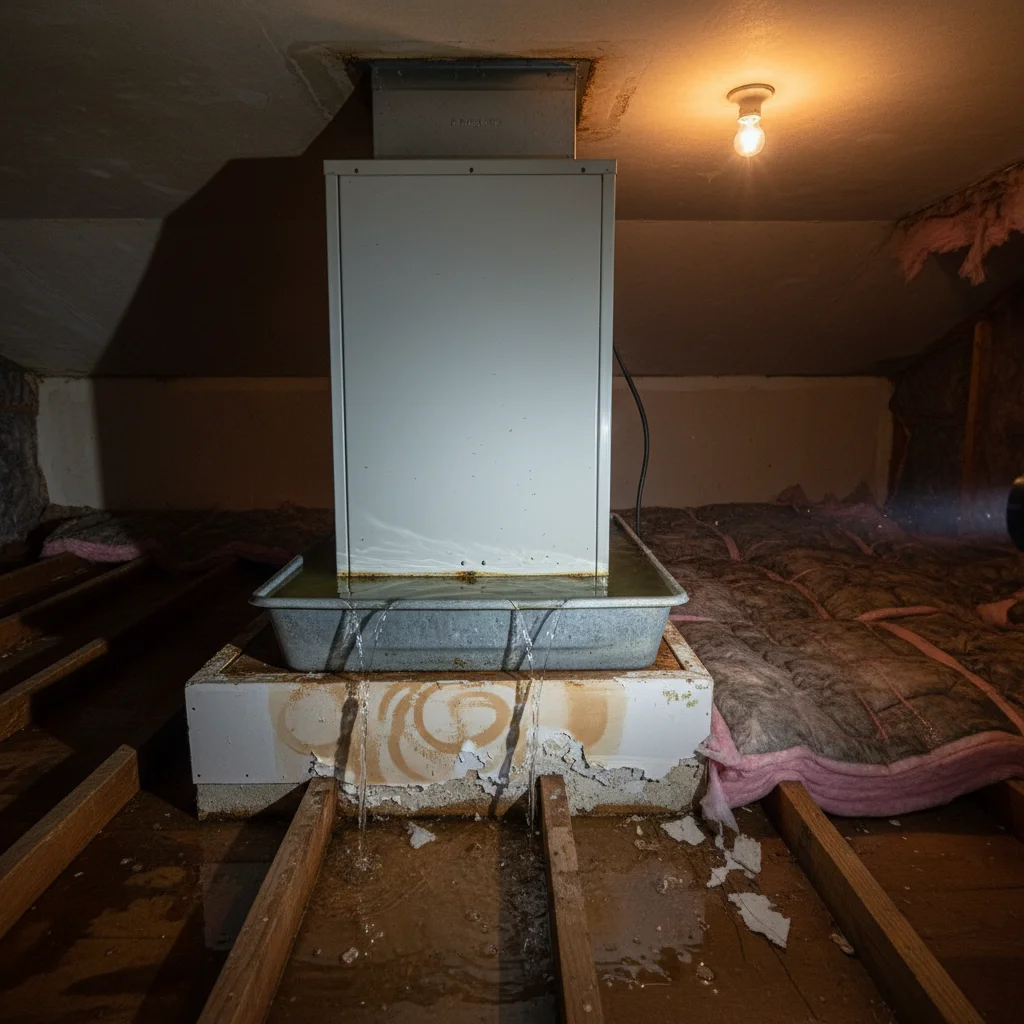
Florida homeowners face a combination of risks no other state fully replicates. The state ranks second in the nation for homes most likely to develop mold problems, behind only Louisiana. Year-round humidity sits between 70% and 90%, and mold growth can begin within 12 hours after a moisture event during Florida's summer months when temperatures regularly top 90°F. Florida AC systems run nearly year-round and produce significant condensate; a clogged drain line in an empty house overflows the secondary pan and spreads water across the ceiling or floor. Installing a float switch on the condensate pan that cuts power to the AC unit when the pan fills is a low-cost upgrade with high return.
North Carolina — crawl spaces and mountain-to-coast moisture
North Carolina's humid subtropical climate is particularly hard on the structural systems beneath homes. Crawl space moisture is the most common — and most underestimated — water damage risk for NC homeowners. During spring and summer, when most vacations happen, outdoor dew points routinely exceed 65°F. When that warm, humid air enters a cooler crawl space through open foundation vents, condensation forms on framing, ductwork, and insulation. NC field studies have found vented crawl spaces above 80% relative humidity for much of spring and summer; encapsulated spaces in the same studies held below 65%. Wood moisture above 19% supports mold and rot — and those conditions can develop and worsen meaningfully over a two-week vacation. The fix is described in detail in our North Carolina crawl space problems guide, and Palm Build's crawl space cleanup service handles the remediation when you find damage on your return.
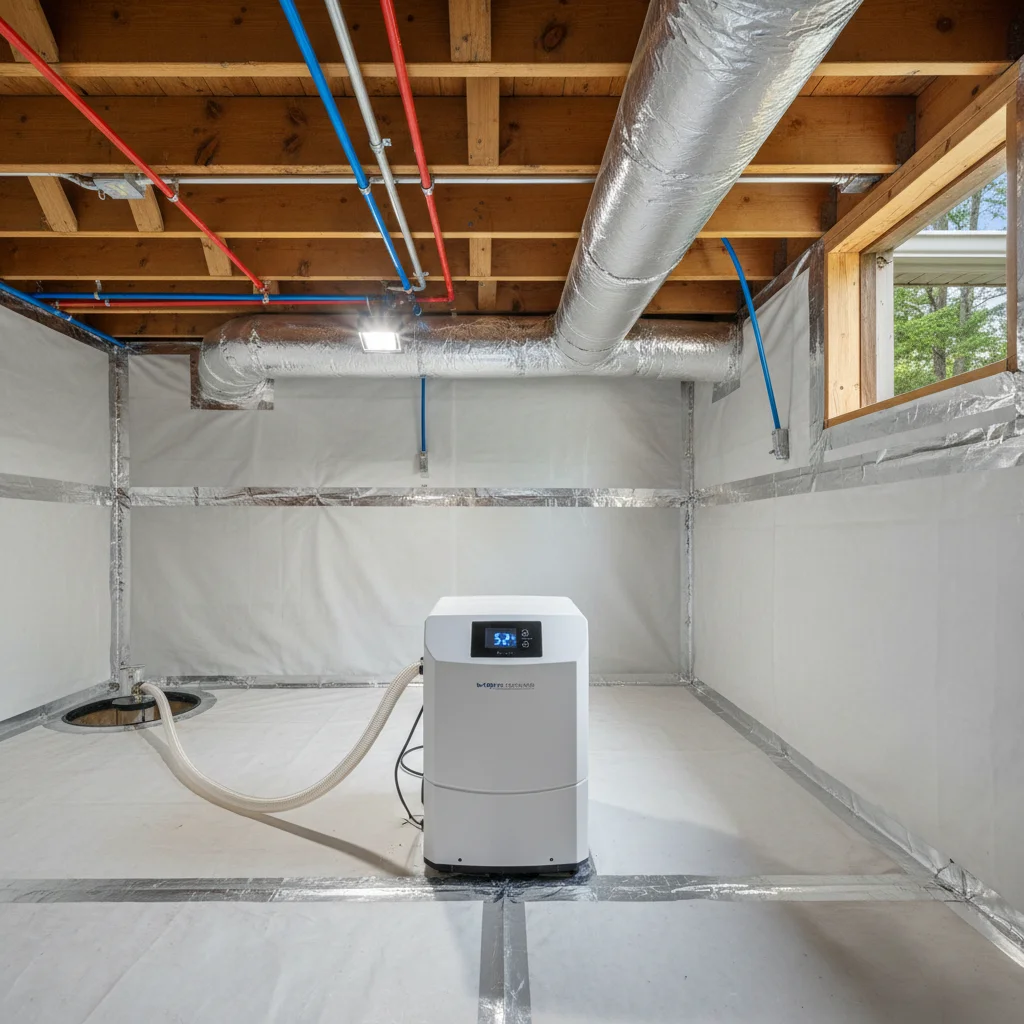
- Inspect crawl space vapor barrier for tears, gaps, or pooling water before you leave
- Confirm the dehumidifier is operational, the reservoir is empty, and condensate drains automatically
- Check that crawl space access hatches are tightly sealed and weatherstripped
- Evaluate flood insurance coverage — over 33,000 homes in coastal NC could experience major flooding by 2050
South Carolina — coastal flooding and aging infrastructure
South Carolina homeowners face a combination of coastal flood risk, aging housing stock, and insurance complexity. The 2024 Edisto River flood produced dam failures and substantial property damage across the state — a reminder that SC's flood exposure extends well beyond its coastline. Standard homeowners policies in SC do not cover flood damage, and the average NFIP flood insurance premium in the state runs about $798 per year. SC now requires sellers to disclose a property's flood history during real estate transactions, which is a useful diligence check if you're closing on a vacation home. Before leaving any SC coastal home for an extended period during hurricane season or heavy rain events, confirm the sump pump is tested with battery backup, the crawl space vapor barrier is intact, outdoor furniture is stored or secured, and a local contact has your emergency numbers. The full pre-storm playbook is in our South Carolina hurricane preparation checklist.
Water Damage Restoration Costs: What You're Preventing
| IICRC class | Description | Average cost range |
|---|---|---|
| Class 1 | Minimal area affected, little moisture absorbed by structure | $150 – $400 |
| Class 2 | Significant moisture, walls and flooring affected | $500 – $1,000 |
| Class 3 | Extensive saturation across walls, insulation, and ceilings | $1,000 – $3,000 |
| Class 4 | Specialty drying required (hardwood, concrete, plaster, multi-room) | $20,000 – $100,000 |
Restoration cost by IICRC damage class (2025 national averages, before insurance)
| Area | Average cost range |
|---|---|
| Floors | $200 – $2,000 |
| Walls (drywall) | $300 – $2,200 |
| Ceiling | $325 – $1,600 |
| Roof | $350 – $1,700 |
| Plumbing repair | $1,000 – $4,000 |
| Mold remediation | $1,500 – $4,000 |
| Basement | $500 – $80,000 |
| Foundation | $2,000 – $10,000 |
Restoration cost by affected area of the home (2025 averages)
The national average restoration cost in 2025 is $3,865, and most projects fall between $1,383 and $6,384. A whole-home smart water shutoff system costs $200–$500 installed. A plumber visit to inspect appliance hoses costs $100–$200. Those are not expenses — they are insurance with a measurable ROI against the average claim. For a deeper FL-specific framework, see our Florida water damage step-by-step guide.
Insurance Claim Protection: How Pre-Trip Prep Saves More Than Your Home
Water damage insurance claims are denied for reasons a pre-departure checklist directly prevents. Carriers cover sudden and accidental losses, not slow leaks that worsen over time — and a leak that developed gradually while you were on a two-week vacation reads to an adjuster as exactly that. Documentation is the difference between a clean payout and a partial denial.
- Gradual damage exclusion — a smart leak detector with a timestamped alert proves the moment of onset, not the moment of discovery
- Florida's 14-day rule — timestamped sensor data plus a sealed-on-departure video walkthrough establish you couldn't have known sooner
- Failure to mitigate — a neighbor briefed on the main shutoff and your plumber's number satisfies the policy's mitigation requirement even when you're abroad
- Lack of documentation — a 10-minute pre-departure video walkthrough is the cleanest pre-loss baseline an adjuster will ever see
What to Do If You Return to Water Damage
Minute 0
Do not enter near electrical hazards
If standing water is near outlets, appliances, or the electrical panel, do not enter. Water and live electricity is a life-safety emergency — kill power at the meter from outside if you can do it safely, or call the utility.
Minute 5
Shut off the main water supply
Close the main shutoff valve clockwise. If a pipe or appliance is still leaking, this stops new water from entering the building and contains the loss to what's already there.
Minute 15
Document everything before moving anything
Photograph and video every affected area before you touch a single item. Get wide context shots, then close-ups of damage, then any visible cause. Compare against the pre-departure walkthrough you stored in the cloud.
Hour 1
Open a claim with your carrier
Call your insurance company, get a claim number, and ask for an adjuster's name and contact. In Florida, the clock on Fla. Stat. § 627.70132 starts running at the date of loss — do not wait.
Hour 2
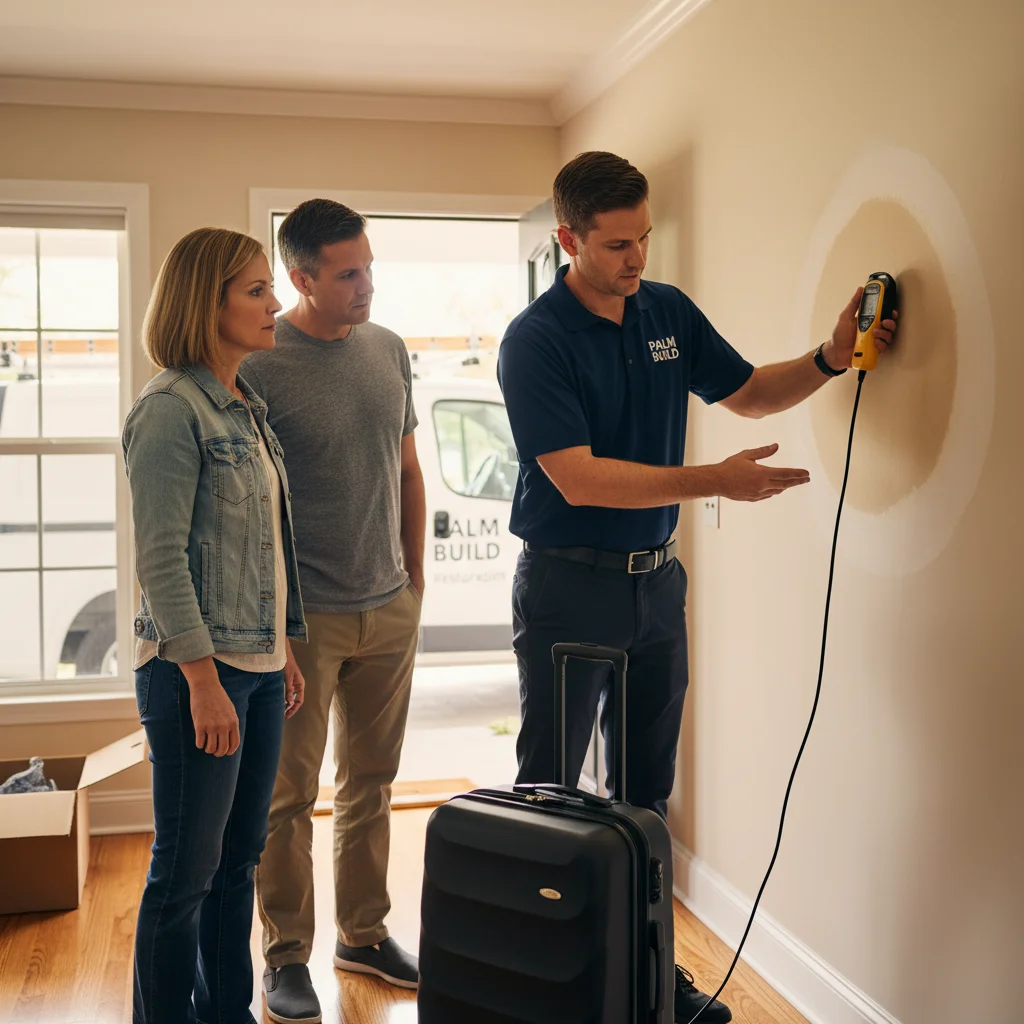
Call an IICRC-certified restoration company
The faster professional extraction begins, the less material needs to be replaced. Mold growth starts at 24–48 hours under normal conditions and as early as 12 hours in a Florida summer — every hour of delay expands the scope.

Frequently Asked Questions
Should I turn off my water when I go on vacation? +
What should I do to my house before going on vacation for a month? +
Does homeowners insurance cover water damage while on vacation? +
What causes water damage when no one is home? +
How long can a water leak go undetected in a vacant home? +
Should I leave my AC on while on vacation in Florida? +
What is a smart water shut-off valve, and do I need one? +
What's the fastest way to check if my home has a water leak before I leave? +
Related Resources
Water Damage Restoration
24/7 emergency response across Florida, North Carolina, and South Carolina — IICRC-certified extraction, structural drying, and claim documentation.
Mold Remediation
If a vacation water loss went undetected for more than 24–48 hours, mold remediation is almost certainly part of the scope. Same-day assessments across FL, NC, SC.
Hurricane Preparation Checklist (Florida 2026)
Florida-specific storm-readiness protocol for homeowners traveling during the June 1 – November 30 hurricane season.
North Carolina Crawl Space Problems
The deep-dive on NC crawl space moisture risk, vapor barriers, and encapsulation — the single largest pre-vacation prep area for Carolina homeowners.
Water damage is the most common, most preventable, and most underestimated risk to a home left vacant. A 10-minute pre-departure checklist — shutoff valve, appliance hoses, gutters, HVAC, smart sensors, and a trusted neighbor — reduces the most likely failure scenarios to near zero. Florida homeowners add the HVAC condensate concern and the 14-day insurance clock. NC homeowners confirm the crawl space is sealed and the dehumidifier is running. SC homeowners verify flood coverage before storm-season travel. And if you return from vacation to standing water, a musty smell, or visible damage, the next call should be to a professional restoration team — not a handyman. Palm Build's IICRC-certified crews respond 24/7 across Florida, North Carolina, and South Carolina with the documentation framework adjusters approve and the same-day water damage restoration response that protects what's still salvageable.
Return from vacation to water damage in FL, NC, or SC? Call us before you call anyone else.
Palm Build's IICRC-certified emergency teams respond 24/7 across Florida, North Carolina, and South Carolina with same-day extraction, structural drying, mold containment, and full insurance-claim documentation from the moment we arrive on site.
Found this helpful? Send it to someone who needs it.