Key takeaways
- South Carolina has seen 45 tropical cyclone landfalls between 1851 and 2024, with an 88% annual chance of at least one tropical cyclone impact based on the last 50 years.
- Standard South Carolina homeowners insurance does not cover flood damage including storm surge — a separate NFIP or private flood policy is required, and it has a 30-day waiting period.
- Storm surge drives evacuation decisions in coastal SC, not wind category alone — surge during Hugo reached roughly 20 feet in parts of the coast.
- Evacuation orders in coastal South Carolina come from the Governor and SC Emergency Management Division, not the local city.
- If you cannot dry your home within 24 to 48 hours after water intrusion, assume mold growth and start drying or call for help immediately.
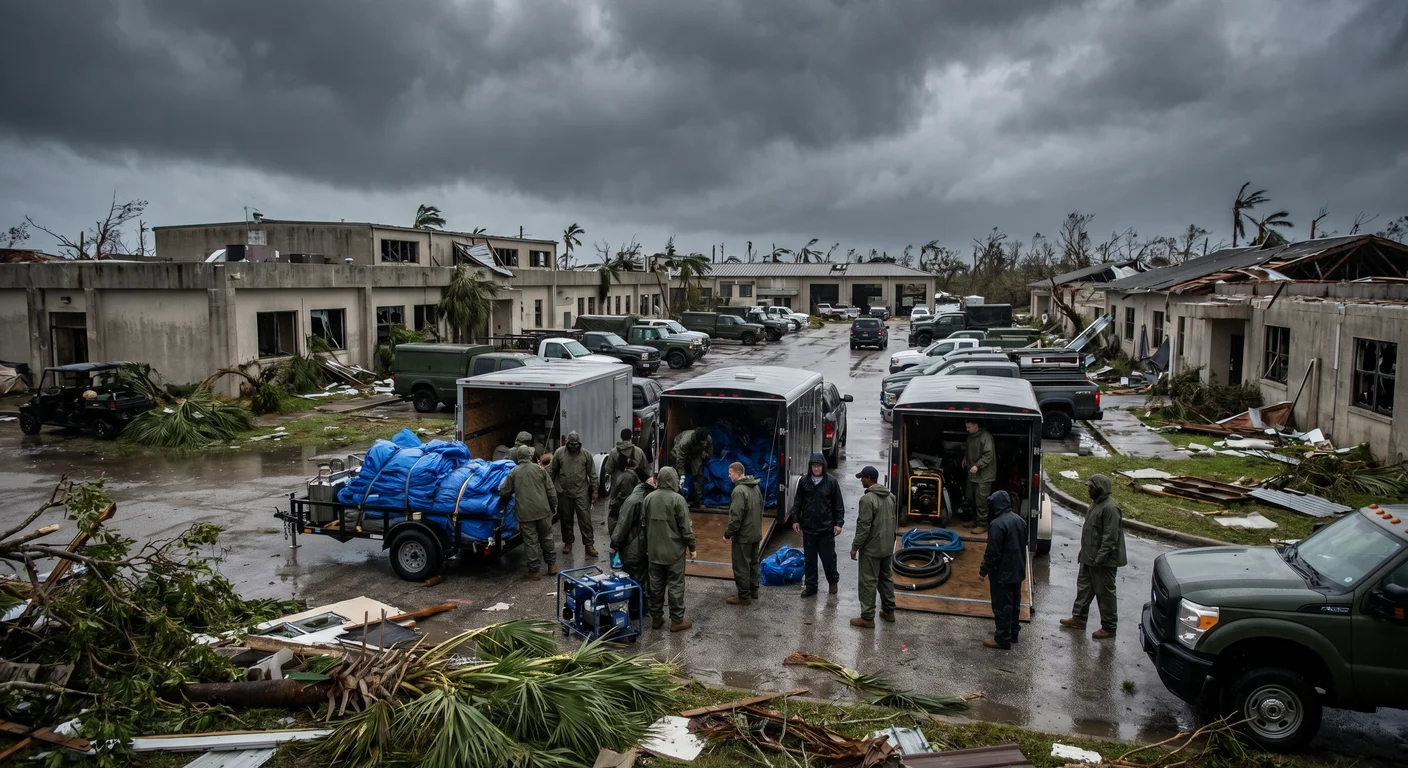
South Carolina hurricane prep is not optional and not just a coastal concern. The South Carolina State Climatology Office documents 45 tropical cyclone landfalls on the SC coast from 1851 to 2024, and based on the last 50 years of data, the state faces an 88% annual chance of at least one tropical cyclone impact. Quiet seasons are the exception, not the rule. Hurricane season runs June 1 through November 30, and the practical way to be ready is to handle the big three early: know your evacuation zone, lock in your insurance plus flood coverage before any storm is named, and harden the parts of your home that fail first. This guide walks you through zones, insurance timing, home hardening costs, what watch vs warning means, and exactly what to do if water gets inside.
SC tropical cyclone landfalls
45
Documented landfalls 1851 to 2024 (SC State Climatology Office)
Annual chance of impact
88%
Based on the last 50 years of tropical cyclone activity
Mold growth window
24-48 hrs
CDC drying window before assuming mold colonization

Step One: Know Your Evacuation Zone and Plan Two Exits
Why storm surge drives evacuation in South Carolina
Storm surge is the reason your zone matters more than the wind category posted on the news. The National Hurricane Center reports that storm surge has accounted for nearly half of all deaths associated with landfalling tropical cyclones in the United States over the past fifty years. South Carolina's hurricane climatology summary documents extreme historical examples on its own coast, including surge of about 20 feet in parts of the coast during Hurricane Hugo and surge pushing inland along major tidal rivers. That is why SC emergency managers issue evacuation guidance by zone, not by category.
Find your zone and pick two destinations
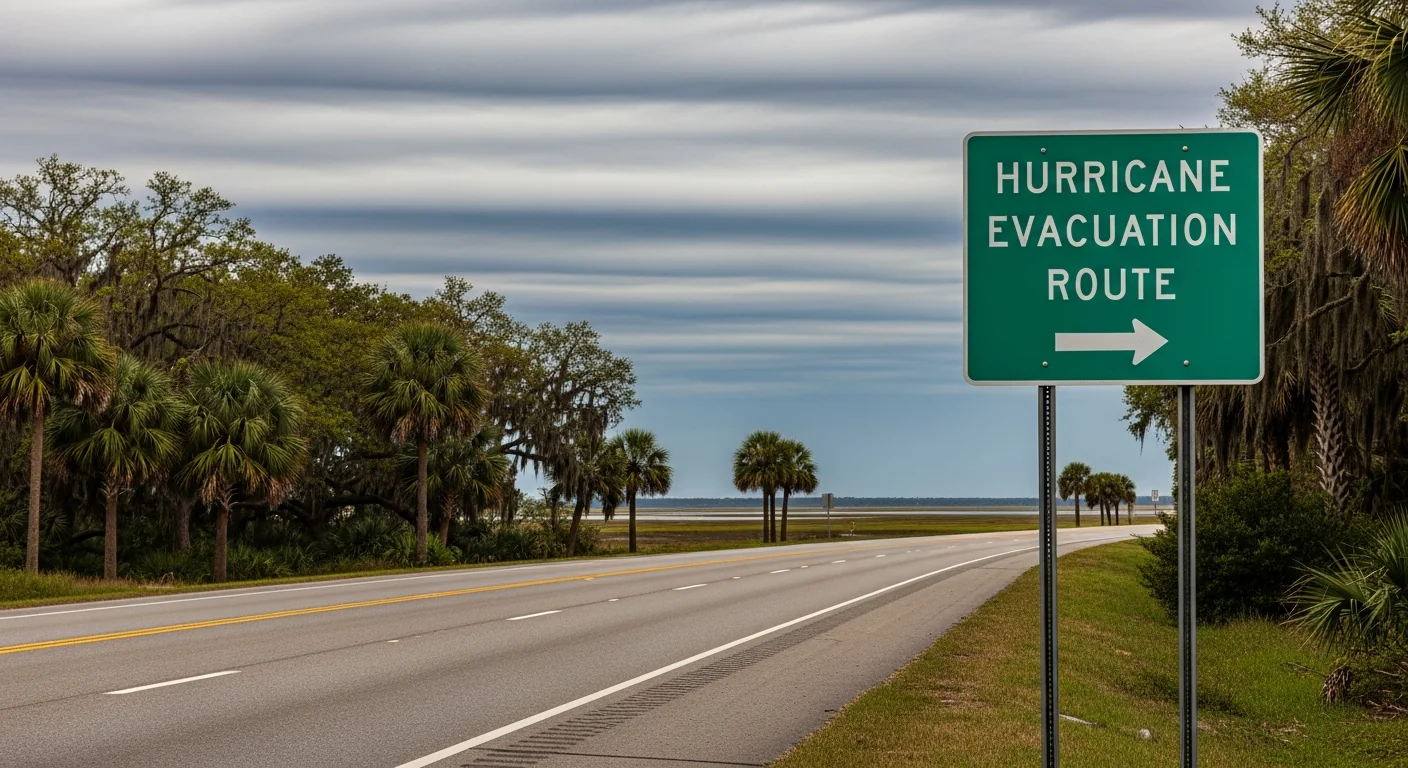
South Carolina's official preparedness program is built around a Know Your Zone framework. SCEMD publishes evacuation zone maps and predetermined evacuation routes, including lane-reversal protocols on key corridors when conditions warrant. Look up your zone now, then plan two destinations rather than one: a closer in-state stop in case the order is short and limited, and a farther inland option for a more serious storm. Local guidance commonly frames the inland goal as 20 to 50 miles from the coast, depending on your zone and the order. If you wait until a watch is posted to start route-finding, every gas station between you and your destination is already crowded.
Special needs, pets, and multi-vehicle households
- If anyone in the household has medical equipment that needs power, register with your county special-needs registry now and confirm shelter access.
- Plan for pets: most public shelters do not accept them, so identify pet-friendly hotels along your inland route and keep vaccination records in your go-bag.
- Households with multiple drivers should plan a meeting point in case you leave separately — cell networks degrade fast during evacuations.
- Refill prescriptions to the maximum allowed by your plan when a watch is issued, not after a warning.
- If anyone uses a wheelchair, oxygen, or in-home dialysis, confirm transport options and a backup destination with adequate care infrastructure.
- Keep a paper copy of your route, destinations, and key phone numbers — your phone may not work.
Step Two: Lock In Insurance Before Any Storm Is Named
Wind vs flood: what SC homeowners policies exclude
The South Carolina Department of Insurance is direct on this point: a standard homeowners policy does not cover flood damage, including damage caused by storm surge. You need a separate flood policy, either through the National Flood Insurance Program or a private insurer. SC DOI also warns that insurers may declare moratoriums on new policies and policy changes once a storm is named and expected to impact the area, which is the concrete reason to review your coverage before the season starts rather than when a cone shows up on the forecast. For a deeper breakdown of how the two policies divide responsibility, read our guide on flood vs homeowners insurance and the side-by-side coverage comparison in our wind damage vs flood damage in hurricane claims explainer.
SC homeowners policy typically covers
- Wind damage to roof, siding, and structure
- Wind-driven rain that enters through a wind-created opening
- Tree-strike damage to the dwelling and other structures
- Personal property damaged by covered perils inside the home
- Additional living expenses if the home is uninhabitable due to a covered loss
SC homeowners policy typically does NOT cover
- Flood damage from rising water, storm surge, or overflowing tidal rivers
- Sewer or drain backup unless added by separate endorsement
- Gradual leaks, deferred maintenance, or rot that pre-dates the storm
- Mold that resulted from a non-covered event such as flood or long-term moisture
- Outdoor landscaping, fences, and pool enclosures beyond limited sublimits
The 30-day flood insurance waiting period
FloodSmart, the NFIP's consumer portal, states that flood insurance coverage typically goes into effect 30 days after purchase, with limited exceptions like policies bought in connection with a new mortgage closing. The South Carolina Department of Insurance also flags this 30-day waiting period on its hurricane preparedness page. The math is simple: if you buy flood insurance the day a storm is named, you almost certainly will not be covered by the time it makes landfall. If you do not currently have flood coverage and you live anywhere within reach of surge, tidal flooding, or a flood-prone watershed, treat this as the most time-sensitive item on your prep list. Our insurance restoration process page walks through how documentation and claim coordination work once a covered loss occurs.
Named storm, wind/hail, and hurricane deductibles on your declarations page
South Carolina has specific consumer notice rules for policies that carry a separate named-storm or wind/hail deductible. SC DOI's bulletin on Regulation 69-56 describes the required notice language and disclosure examples that insurers must include on the declarations page, including a statement warning of potentially high out-of-pocket expenses and an illustration of how the deductible would actually apply. Pull your declarations page, locate the wind/hail and named-storm deductibles, and convert them from percentages to dollars right now so you know exactly what comes out of your pocket before insurance starts paying. Our hurricane deductibles guide explains the math and the trigger language in plain English.
Document your baseline now (photos, inventory, cloud copy)
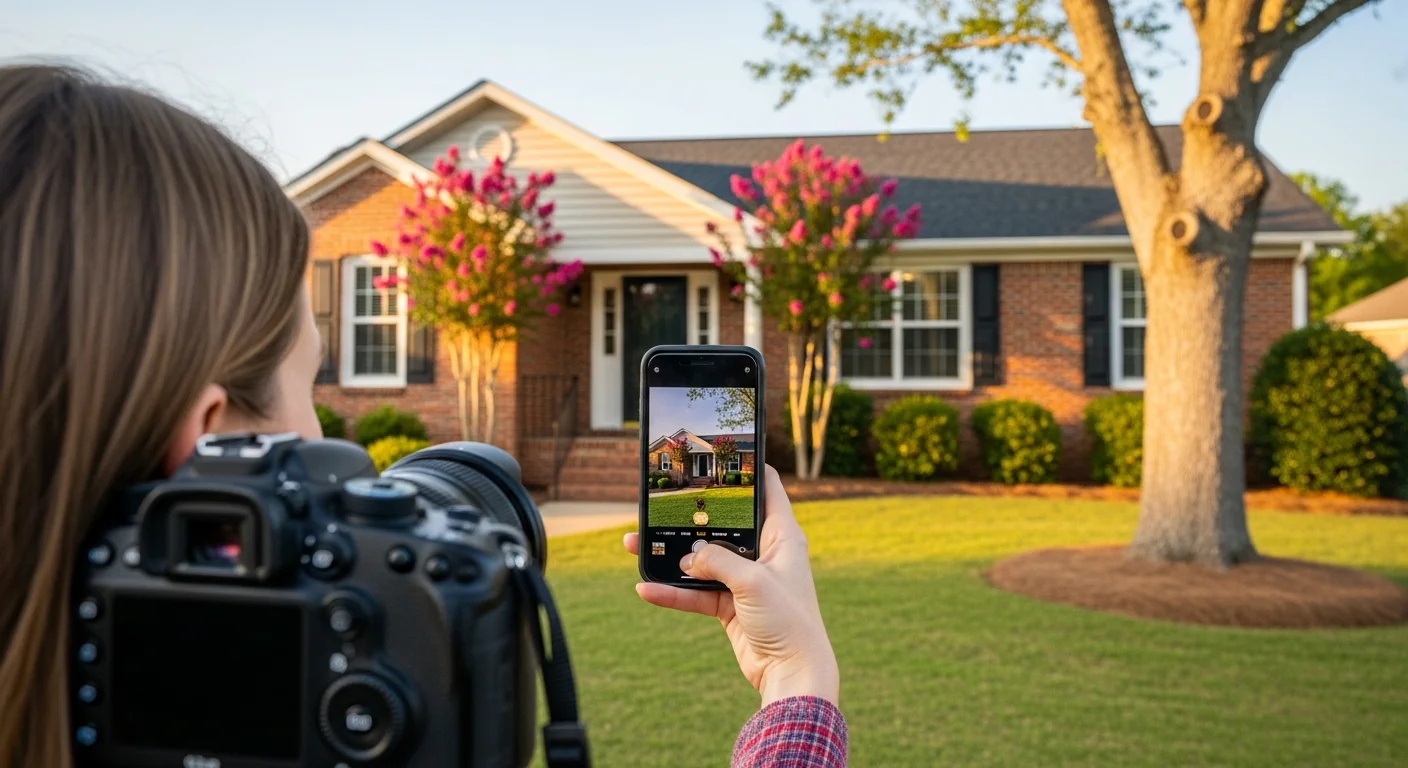
- Walk every room and shoot wide, medium, and close-up photos of walls, floors, and ceilings
- Open every closet, cabinet, and drawer for a complete contents record
- Shoot a continuous video walkthrough narrating high-value items, brand names, and approximate dates of purchase
- Photograph the exterior from all four sides, the roof from ground level, the HVAC equipment, and the water heater
- Store your declarations page, photos, IDs, and bank info in a waterproof container and a cloud backup
- Save your insurance agent's direct number and your policy number to your phone contacts
- Convert your named-storm deductible from a percentage to a dollar amount and write it down where you can find it
- Confirm your additional living expenses coverage limit in case you are displaced for weeks
- Save a short list of pre-vetted contractors and a restoration company you would call before the season starts
Step Three: Harden the Parts of Your Home That Fail First
Roof, edges, and attic
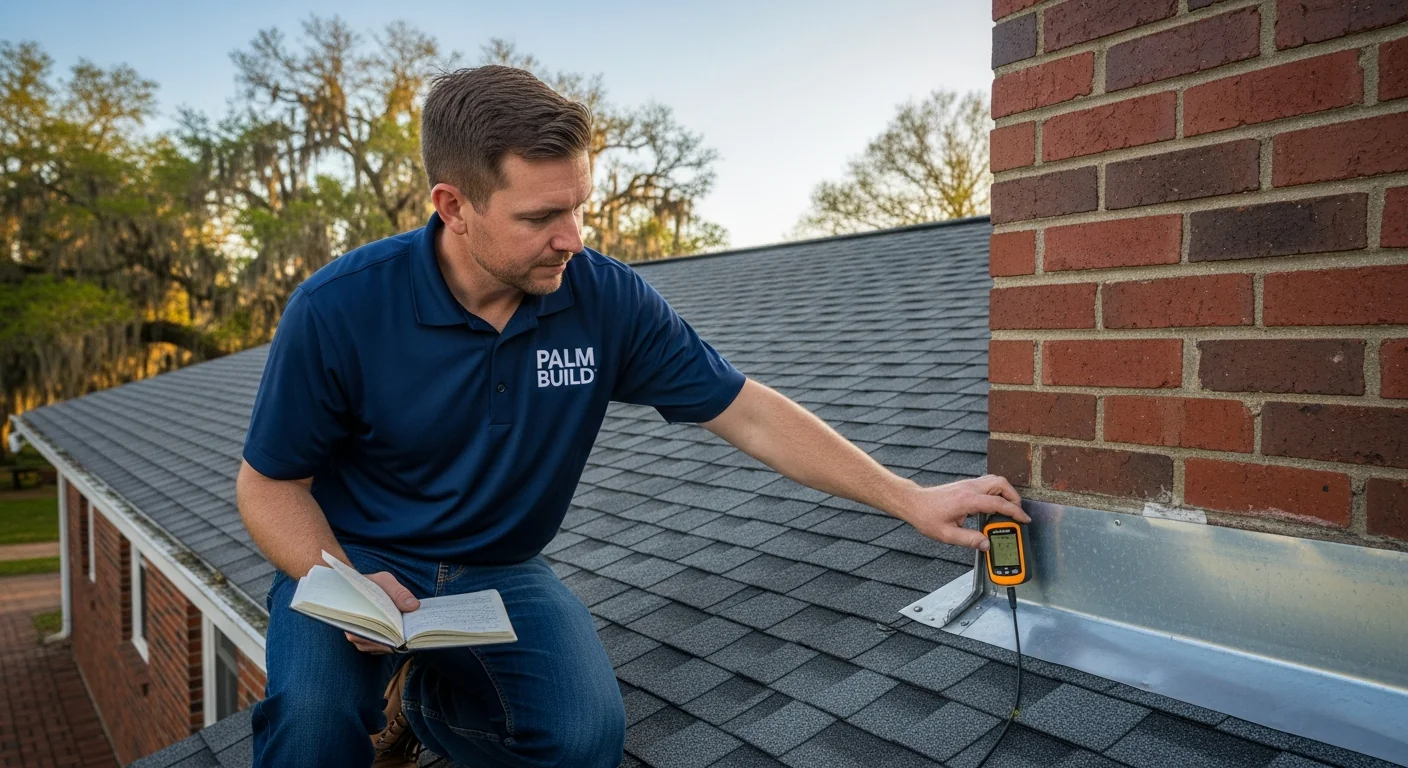
Roof failures rarely start in the middle of the roof. They start at the edges, the soffits, and the ridge — the places where wind pressure tries to pry shingles, vents, and decking apart. Walk the perimeter and look for lifted shingles, separated soffits, blocked or torn ridge vents, and any spot where flashing meets siding. If you are due for a re-roof anyway, this is the moment to ask your roofer about a FORTIFIED Roof upgrade, which strengthens the roof deck connection and edge attachment. The Insurance Institute for Business and Home Safety publishes the standard, and the incremental cost at re-roof time is far smaller than the difference in damage during a real storm.
Windows, doors, and garage doors — the openings strategy
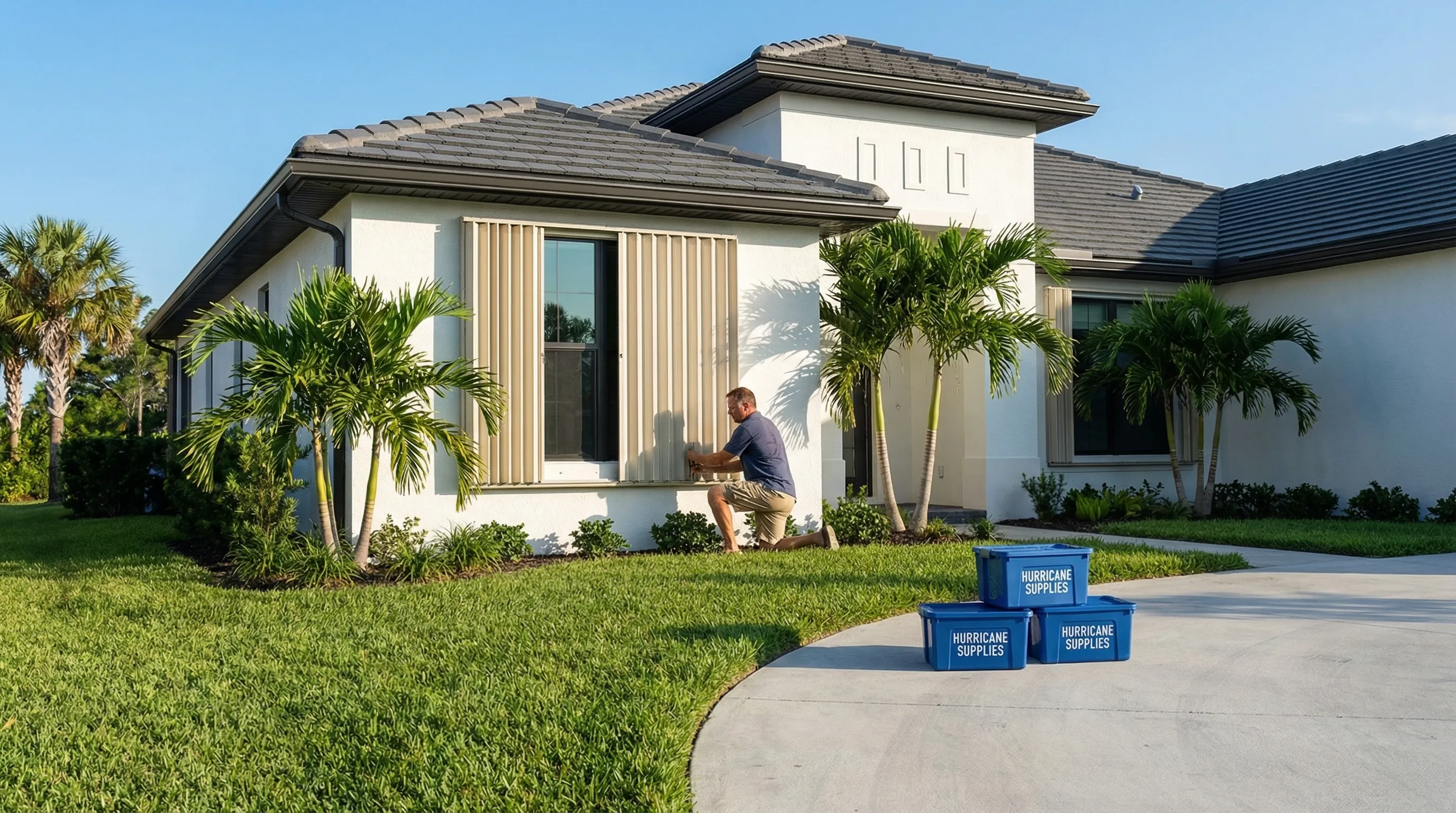
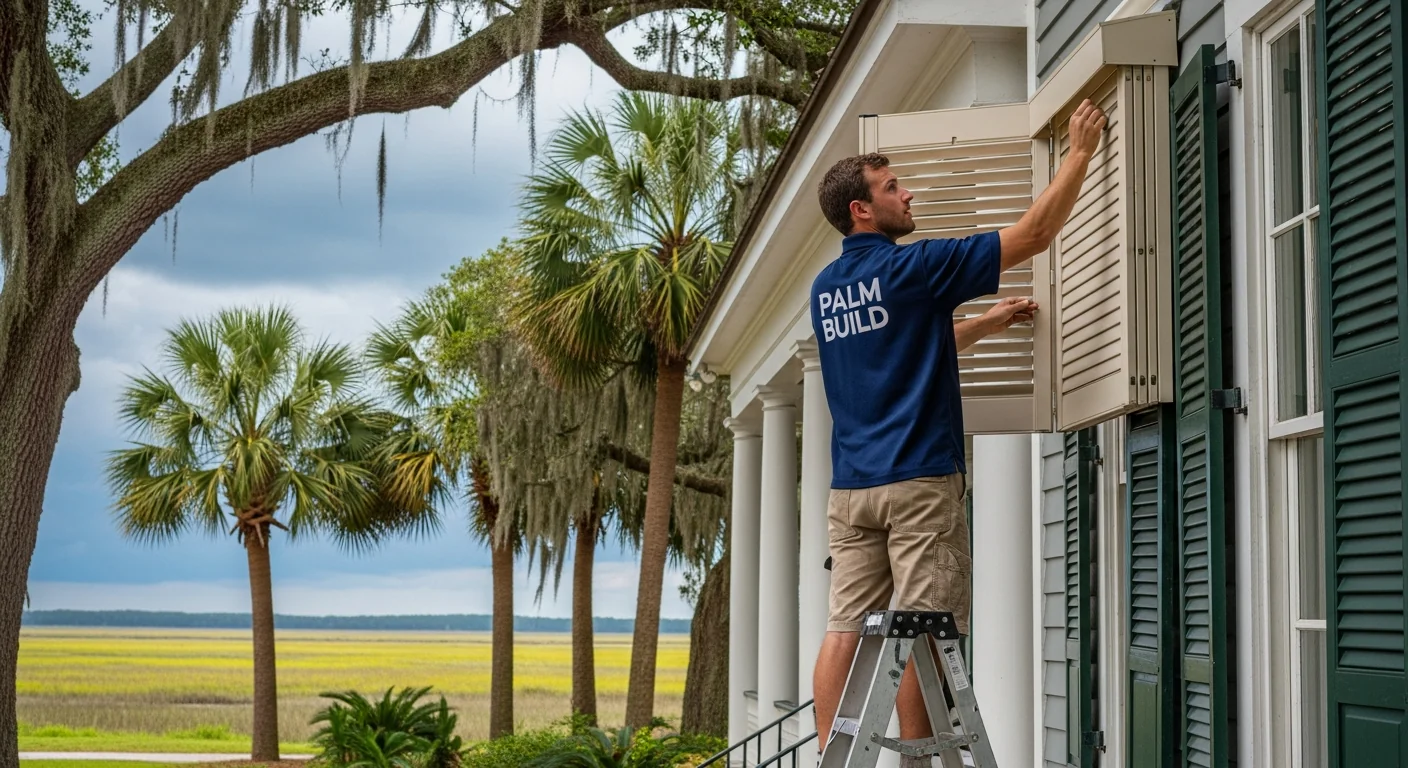
Once a hurricane creates an opening in your home, internal pressure climbs and the rest of the structure starts working against itself. The garage door is the most common wind-entry failure point in residential homes, which is why a reinforcement bracing kit is one of the cheapest, highest-ROI upgrades you can buy. For windows and glass doors, the three options are impact-rated glass, accordion or roll-down hurricane shutters, or pre-cut plywood panels stored in the garage. Whichever path you choose, decide before the season — pre-cut plywood that you have not actually pre-cut is just lumber.
Yard, trees, and drainage
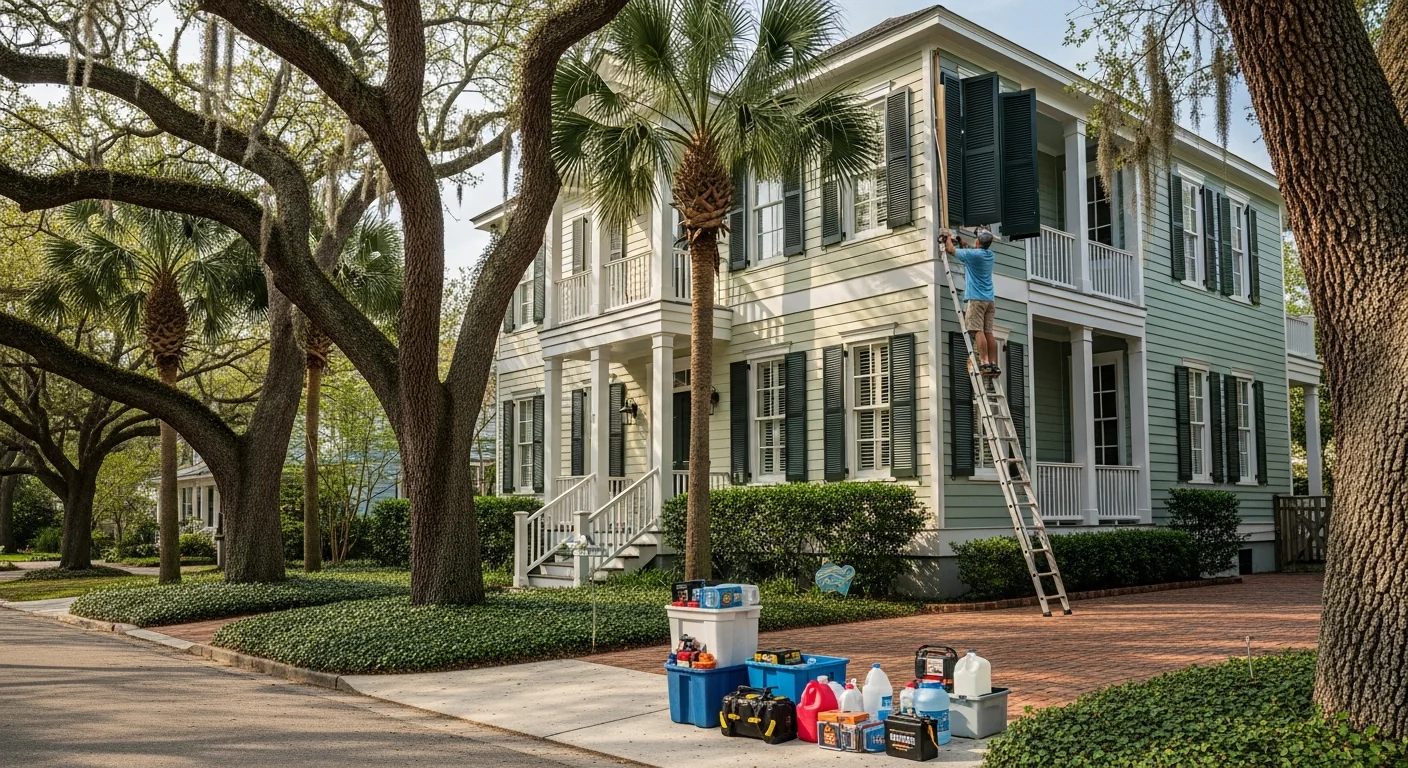
- Trim weak limbs and any branch hanging within falling distance of the house, the driveway, or a vehicle
- Secure or store outdoor furniture, grills, planters, propane tanks, and pool equipment that become projectiles in 50+ mph wind
- Clear gutters, downspouts, and any storm drain at the curb so rain has somewhere to go
- Test your sump pump and confirm the battery backup is charged
- Seal crawl space vents and check the encapsulation seal — see our crawl space cleanup guide for the SC humidity playbook
- Walk the property after a hard rain and look for grading that pushes water toward the foundation
| Upgrade | Typical cost range | Notes for SC homeowners |
|---|---|---|
| Hurricane shutters (whole home, installed) | $1,475 to $5,884 | Window count and panel system drive the price; accordion and roll-down sit on the higher end. |
| Standby generator (installed) | ~$5,000 to $12,500 | Installed pricing varies widely by fuel source, transfer switch, and permitting. |
| FORTIFIED Roof upgrade at re-roof | ~$1,000 to $3,000 incremental | Incremental upgrade cost on a 2,000 sq ft roof when you are already re-roofing. |
| Hurricane clip / strap hardware | Under $10 per clip (materials) | Materials anchor only — installed cost depends on access and retrofit complexity. |
| Tree trimming and limb removal | $270 to $1,800 | Book early in spring before arborists are slammed in May and June. |
| Garage door reinforcement kit | $200 to $600 | Highest-ROI single upgrade; reduces the most common wind-entry failure path. |
Typical SC home hardening costs (use as planning ranges, not bids)
Step Four: Plan for Power Loss and Comms Disruption
Generator safety and the 20-foot CO rule
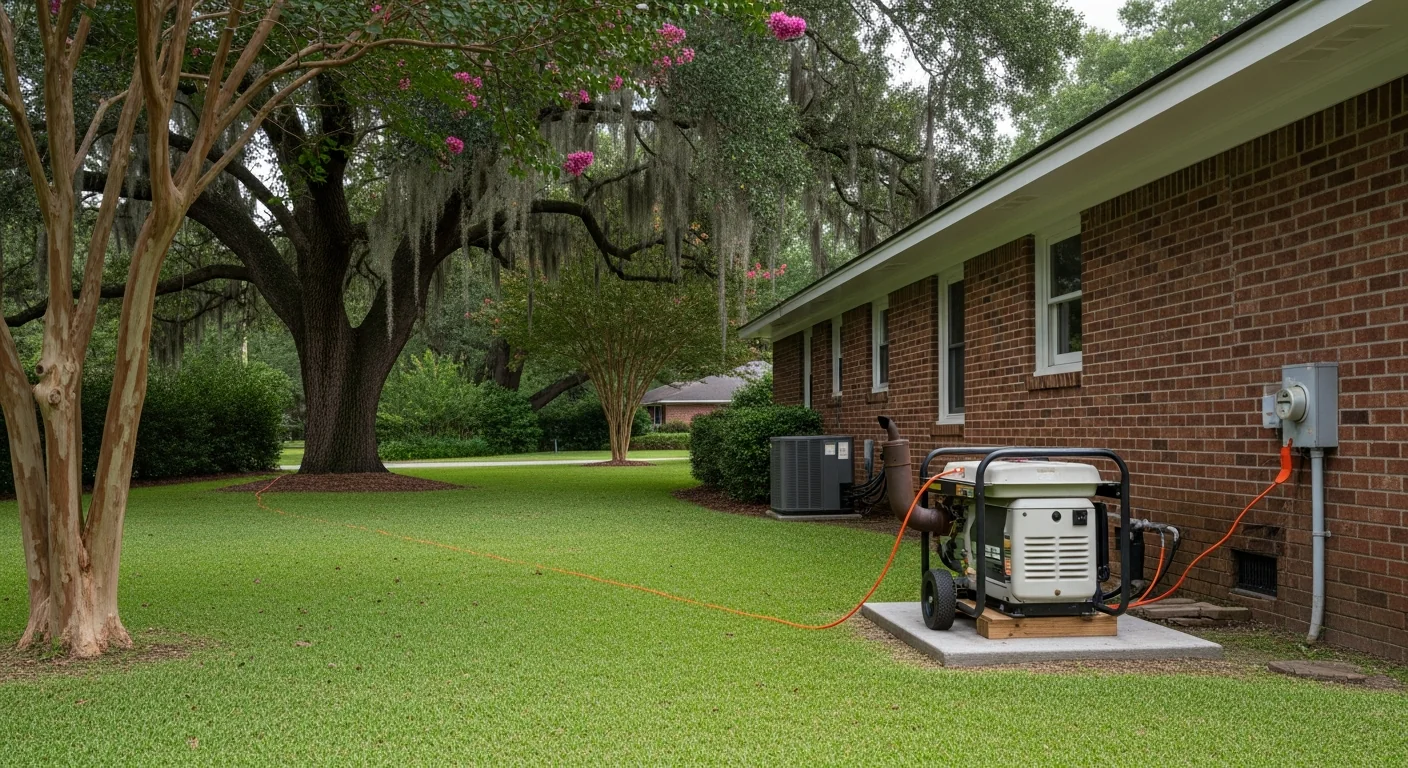
Portable generators save freezers and run medical equipment during outages, and they also kill people every hurricane season. The CDC's guidance is unambiguous: keep the generator at least 20 feet from your home, with the exhaust pointed away from all doors, windows, and vents, and never operate it inside a home, garage, basement, screened porch, or breezeway. Carbon monoxide is colorless and odorless and can become fatal within minutes inside an enclosed space. Pair the generator with battery-operated CO alarms on every level of the home, and test them before you actually need them.
Refrigeration, medical devices, and charging
- Set your refrigerator and freezer to the coldest setting 24 hours before a watch — colder mass holds longer when power is out
- Stock 5 to 7 days of non-perishable food and one gallon of water per person per day; SC county guidance commonly references being self-sufficient for up to two weeks in worst-case scenarios
- Identify any medical device that needs power and confirm a backup plan: battery, generator circuit, or evacuation to a friend or shelter with power
- Buy two or three high-capacity portable battery packs and charge them all the day a watch is issued
- Keep a battery- or hand-crank-powered weather radio with NOAA frequencies — your phone may lose signal during the storm
Cash, meds, and the 'stores may be shut for days' reality
Horry County emergency management plans for residents being on their own for up to two weeks. That sounds dramatic until you live through it. Withdraw cash in small bills before a watch — ATMs and card readers go down with the power, and gas stations and grocery stores that do reopen often run cash-only. Refill prescriptions to the maximum allowed by your insurance. Stock up on baby formula, pet food, and any consumable that runs out fast. The decisions you make on the calm Tuesday before a storm are the ones that hold up on the chaotic Friday after it.
Step Five: When a Watch Is Issued, Shift to Action Mode
The National Weather Service definitions are the calendar that runs the rest of your prep. A hurricane watch means hurricane conditions are possible and is typically issued about 48 hours before the anticipated onset of tropical-storm-force winds. A storm surge watch uses the same 48-hour planning window. A watch is the moment you stop being in season-prep mode and start being in storm mode.
Pre-season (May)
Confirm zone, insurance, and inventory
Look up your evacuation zone, review wind and flood policies, photograph the home, and confirm two evacuation destinations. Insurance changes are still possible — moratoriums have not started.
Watch issued (~48 hours out)
Switch to storm mode
Install shutters or pre-cut panels, fuel vehicles, refill prescriptions, secure outdoor items, charge banks, withdraw cash, and finalize evacuation route and destination.
Warning issued (~36 hours out)
Finish, then leave or shelter
Stop nonessential travel and outside work. Move valuables higher, evacuate if ordered, and do not attempt last-minute risky exterior tasks as conditions deteriorate.
First 24-48 hours after water intrusion
The mold clock starts immediately
Stop the source of intrusion if safe, start drying, and document everything. Mold can begin colonizing wet materials within 24 to 48 hours per CDC guidance.
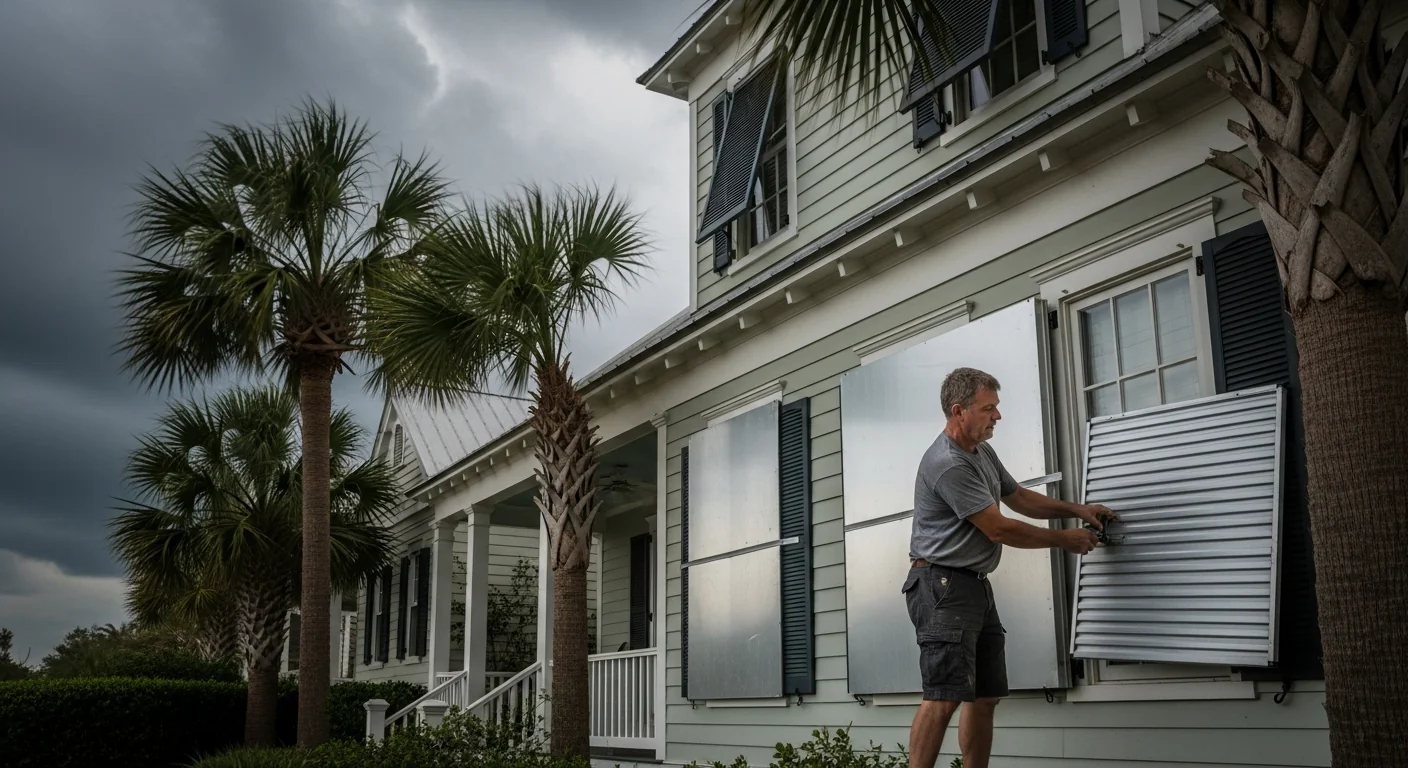
- Install hurricane shutters or pre-cut plywood panels on every window and glass door
- Top off all vehicles with fuel and add fuel to your generator's spare cans
- Refill prescriptions to the maximum allowed; pick up over-the-counter essentials
- Charge every device, every battery pack, and every backup pack again
- Withdraw cash in small bills — $20s and below — and store in a waterproof bag
- Secure outdoor furniture, grills, planters, propane tanks, pool equipment
- Move vehicles out of low-lying spots and away from large trees
- Confirm your evacuation route, destination, and a meeting point if separated
- Pack a 3-day go-bag: meds, IDs, copies of policies, chargers, water, snacks
- Place pet carriers, leashes, food, and vaccination records by the door
- Move irreplaceable items (photos, documents) to upper floors or secure storage
- Stop charging the bank account and start triaging the calendar — cancel travel
Step Six: When a Warning Is Issued, Prioritize Life Safety
A hurricane warning means hurricane conditions are expected and is typically issued about 36 hours before tropical-storm-force winds arrive. A storm surge warning uses the same 36-hour window. The remaining safe time for outside work has compressed sharply. If you are in a surge zone or under any evacuation order, focus is now on leaving, not on home prep.
| Trigger | What it means | What to do in SC |
|---|---|---|
| Tropical outlooks resume (mid-May) | NHC daily outlooks begin; early-season tracking is active. | Refresh kit, test devices, confirm policies and evacuation plan, photograph the home. |
| Hurricane watch issued | Hurricane conditions possible; ~48 hours before TS-force winds expected. | Switch to storm mode: shutters, fuel, cash, charges, route. SCEMD updates issued frequently. |
| Hurricane warning issued | Hurricane conditions expected; ~36 hours before TS-force winds. | Finish prep, follow evacuation orders, move valuables higher, stop outside work. |
| Storm surge watch or warning | Life-threatening coastal/tidal-river inundation possible (~48 hr) or expected (~36 hr). | Treat as evacuation-level if in a designated surge zone, even without a city-issued order. |
| Evacuation order issued | Issued by the Governor and SCEMD, not by the local city. | Leave by the predetermined route, lane reversals may be activated on key corridors. |
| Water enters your home | Mold risk rises within 24-48 hours per CDC. | Stop intrusion, start drying immediately, document, call a water damage restoration team if widespread. |
South Carolina alert triggers and what to do at each stage
Shelter basics if you stay
- Pick a small interior room on the lowest non-flood-risk level — closets and interior bathrooms work well
- Stay away from windows, glass doors, and skylights even with shutters installed
- Bring your weather radio, phone, charger, water, snacks, meds, flashlights, and any pet
- Keep shoes on — broken glass and debris are the most common post-storm injuries
- If a tornado warning is issued during the hurricane, get into the most interior room you have on the lowest safe floor
- Document your shelter location to one out-of-state contact so someone knows where you are
Step Seven: After the Storm — Move Fast on Water and Document Everything
The 24-to-48-hour mold clock
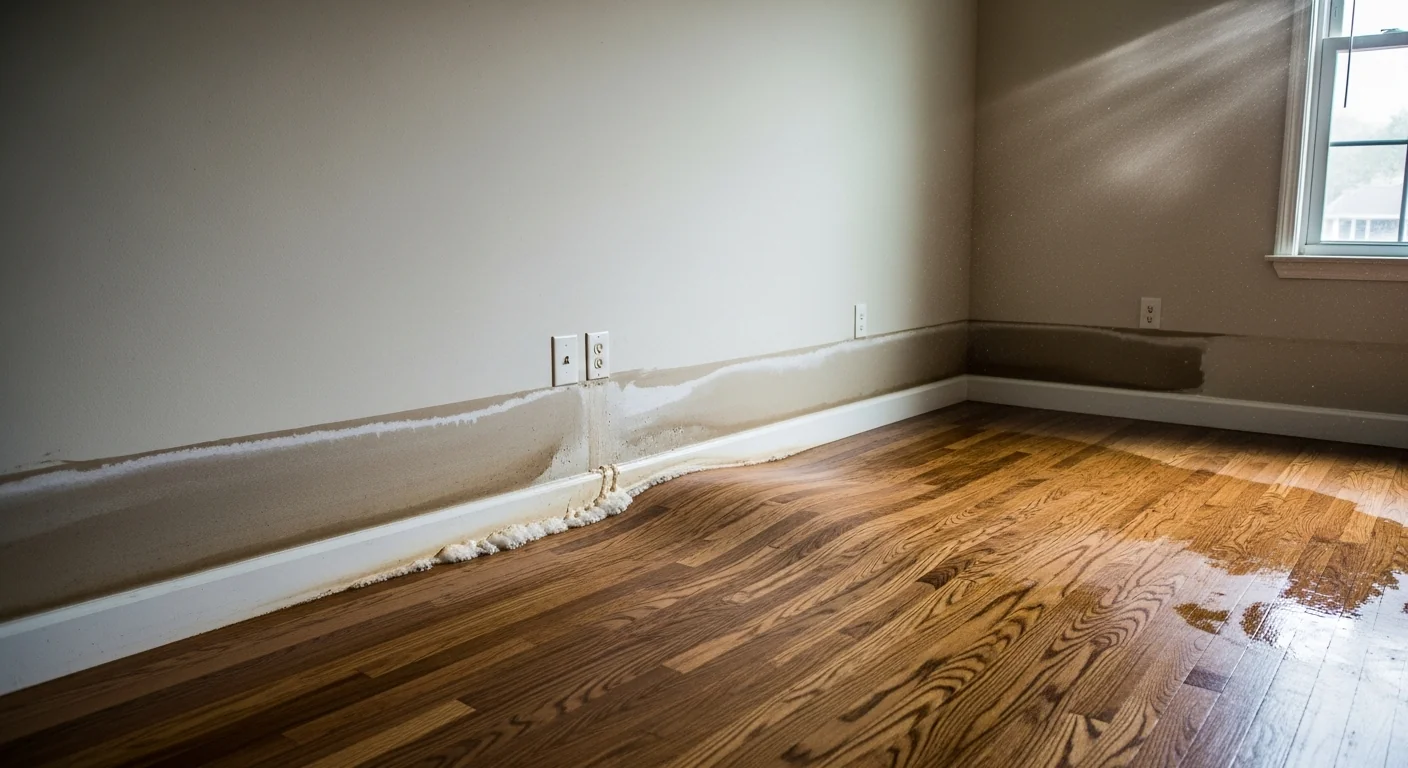
If water gets inside your home during a hurricane, the clock starts when the water does. The CDC's guidance is straightforward: if you cannot dry your home and belongings within 24 to 48 hours after flooding, assume mold growth and respond accordingly. The EPA reinforces the same window in its moisture and mold guidance. Every additional hour of standing water or saturated drywall increases the eventual scope of demolition, the cost of remediation, and the difficulty of your insurance claim. For SC humidity in particular, see our deep dives on post-storm mold: the 48-hour window and full mold remediation services.
- 1
Stop the intrusion and start drying immediately
If it is safe to re-enter, tarp or barrier any active leaks, remove standing water with mops or a wet/dry vacuum, open cabinets, pull back wet carpet, and run fans. Outdoor humidity matters — open windows only if conditions outside are drier than inside.
- 2
Document before major cleanup
Photograph and video every wet area before you dry, demo, or move anything. Insurers want to see the original loss state, and the insurance restoration process goes much smoother when the file starts with thorough scope-of-loss documentation.
- 3
Watch for Category 3 contaminated water
Floodwater, surge, and sewage backup are Category 3 (black water) under IICRC standards. They require PPE, containment, and professional protocols — do not try to clean them yourself. Anything that contacted Category 3 water should be assumed contaminated until tested.
- 4
Call a restoration team when scope exceeds DIY
If water has reached walls or insulation, covers more than one room, or the structure cannot be dried within the 24-to-48-hour window, contact a professional. Our 24/7 water damage restoration and storm and hurricane damage restoration crews respond across SC, NC, and FL.
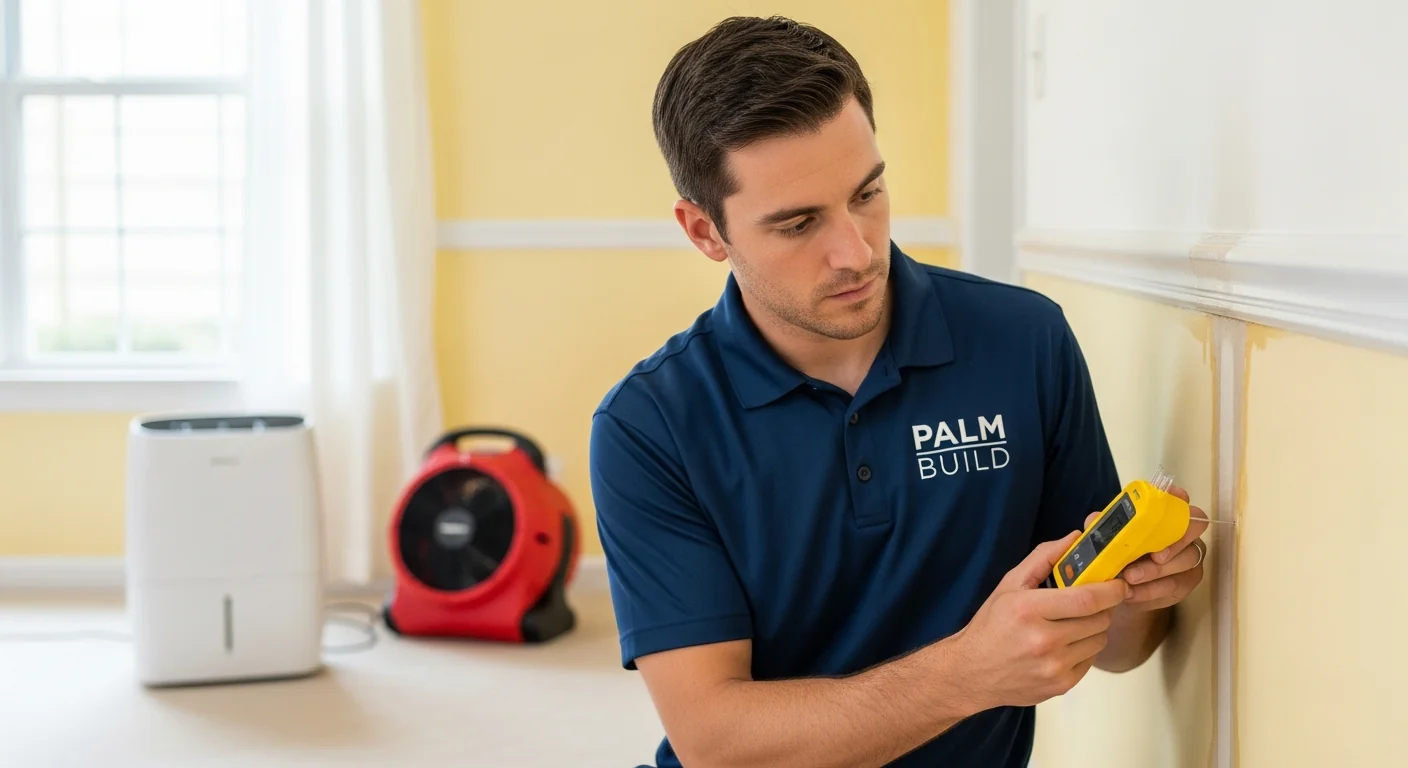
Storm and Hurricane Damage Restoration
24/7 emergency response for wind, roof, and water intrusion damage from hurricanes across South Carolina, North Carolina, and Florida.
Water Damage Restoration
Emergency water extraction, structural drying, and IICRC-aligned moisture documentation for hurricane-related water damage.
Mold Remediation Services
Containment, removal, and clearance for post-hurricane mold growth before it spreads through wall cavities.
Flood vs Homeowners Insurance
What standard SC homeowners policies cover, what they exclude, and why a separate flood policy is required.
Hurricane Deductibles Explained
How named-storm and wind/hail deductibles work in South Carolina and what they mean for your out-of-pocket cost.
Wind Damage vs Flood Damage in Hurricane Claims
Side-by-side breakdown of what each policy covers and why the wind-vs-water distinction matters in every coastal claim.
Frequently Asked Questions About SC Hurricane Preparation
What is the difference between a hurricane watch and a hurricane warning? +
Does South Carolina homeowners insurance cover hurricane flooding or storm surge? +
Is there a waiting period for flood insurance to start in SC? +
How do I find my South Carolina hurricane evacuation zone? +
How quickly can mold start after a hurricane in South Carolina? +
How far should I place a generator from my house during an SC outage? +
Who issues evacuation orders in coastal South Carolina — the city or the state? +
How much do hurricane shutters cost in South Carolina? +
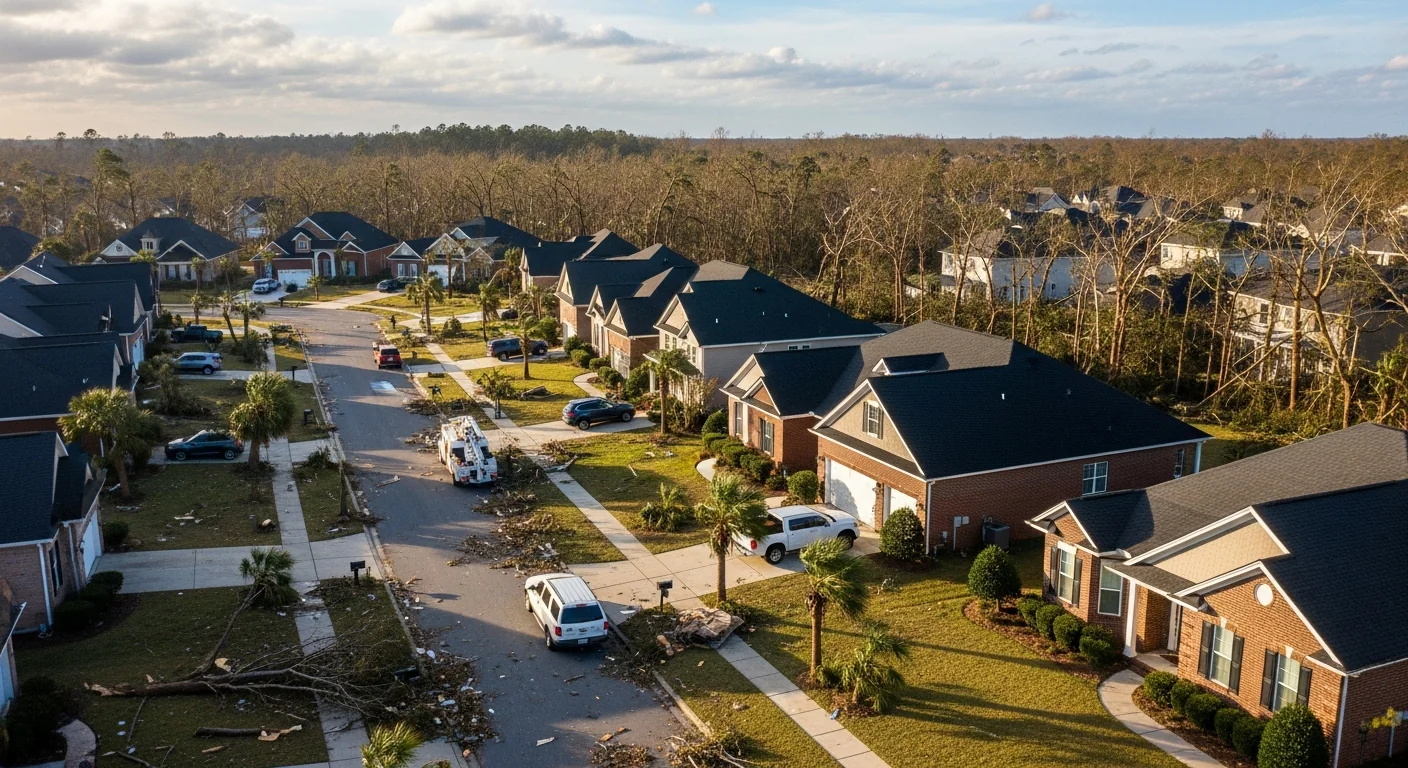
Hurricane season is coming — we are ready before, during, and after.
Palm Build's IICRC-certified crews respond 24/7 across South Carolina for storm damage, water extraction, mold remediation, and full reconstruction. Charleston, Myrtle Beach, the Pee Dee, and the Upstate.
Found this helpful? Send it to someone who needs it.