Step 1
Homeowners insurance does NOT cover flood
Rising water, storm surge, river overflow, and surface water are all excluded from standard HO-3 policies. No exceptions.
Insurance Guide
Standard homeowners insurance does NOT cover flood damage. This single misunderstanding leaves thousands of homeowners uninsured every hurricane season. Understanding the difference — and carrying both policies — is essential for complete protection.
Key Steps
Step 1
Rising water, storm surge, river overflow, and surface water are all excluded from standard HO-3 policies. No exceptions.
Step 2
Available through the National Flood Insurance Program (NFIP) or private flood carriers. There is typically a 30-day waiting period before coverage begins.
Step 3
Wind damage goes to your homeowners carrier. Flood/surge damage goes to your flood carrier. Two different adjusters, two different claim processes.
Step 4
Over 25% of flood claims come from properties outside high-risk flood zones. Any property can flood.
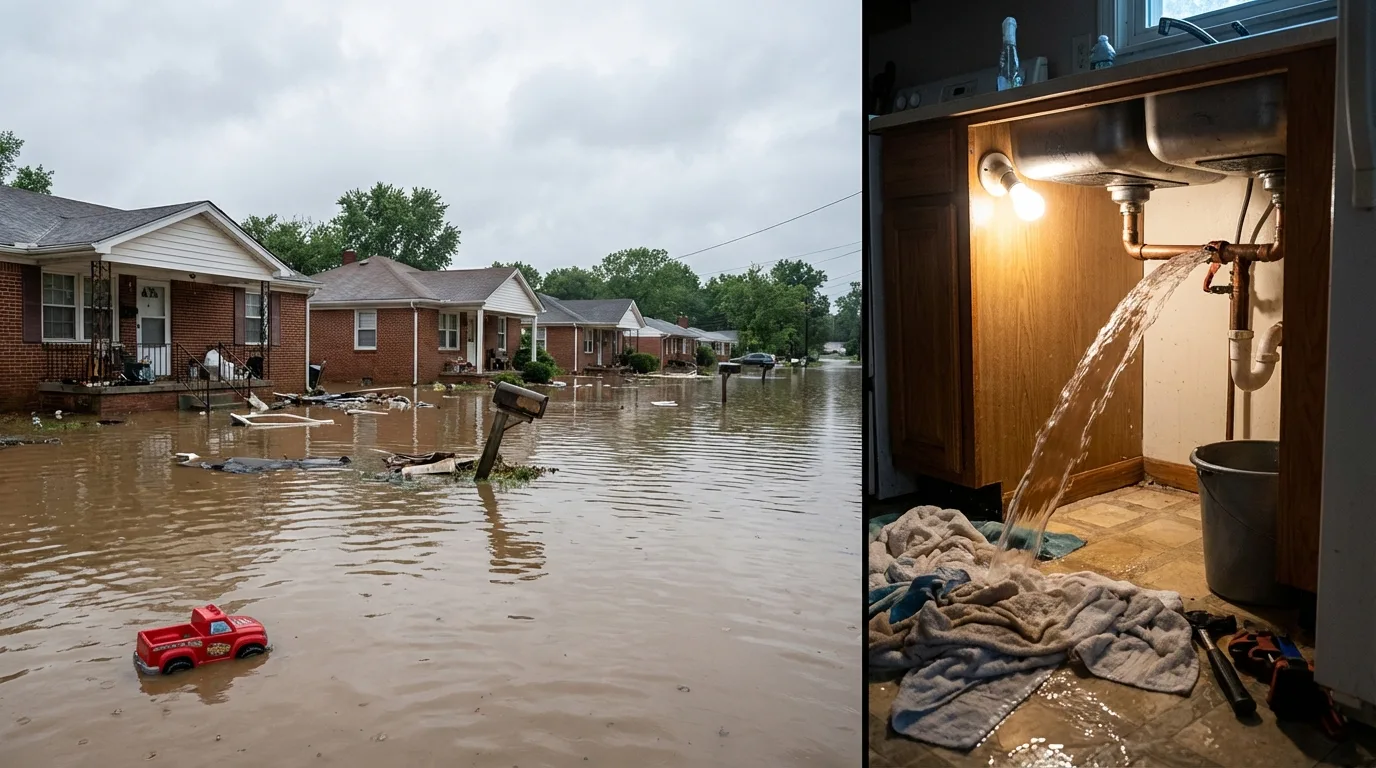
Homeowners insurance covers water damage from INSIDE (burst pipes, appliance leaks, rain through roof)
Flood insurance covers water damage from OUTSIDE (rising water, storm surge, overflow, surface runoff)
NFIP maximum coverage: $250K dwelling / $100K contents for residential. Private flood may offer more.
After a hurricane, distinguishing wind damage from flood damage determines which policy pays
Citizens policyholders in FL high-risk zones are now required to carry flood insurance
In-Depth Guide
The distinction between flood insurance and homeowners insurance is the most consequential gap in American property insurance literacy. Standard homeowners policies (HO-3) explicitly exclude flooding — defined as water that enters from outside the building through ground-level or below-grade openings, including storm surge, river overflow, and surface water runoff. For a complete guide to what homeowners insurance does cover for water damage (burst pipes, appliance failures, mold limits, and more), see our blog. This exclusion applies regardless of the cause: whether flooding results from a hurricane, a thunderstorm, a dam failure, or a municipal drainage problem, it is never covered by homeowners insurance.
The National Flood Insurance Program (NFIP) was created specifically to fill this gap. Administered by FEMA and sold through private insurance agents, NFIP policies provide residential coverage up to $250,000 for the building and $100,000 for contents. However, NFIP has significant limitations: coverage caps may be insufficient for high-value homes, there is no coverage for temporary living expenses or loss of use, and the 30-day waiting period prevents last-minute purchases before storms. Private flood insurance carriers have emerged as alternatives offering higher limits, broader coverage, and sometimes lower premiums — but availability varies by location and risk profile.
After a hurricane, the distinction between wind damage and flood damage becomes a high-stakes classification exercise. Rain entering through a wind-damaged roof is covered by homeowners insurance as wind damage. Storm surge entering through doors and walls is covered by flood insurance. When both damage types occur simultaneously — which is the norm in hurricane events — the boundary between them directly determines which policy pays for each element of restoration. Professional damage documentation that clearly separates these categories, with timestamped photos showing waterline marks versus rain intrusion patterns, is essential to preventing disputes that delay settlement.
Visual Reference
Real-world examples of the documentation, coordination, and processes involved in insurance claims.
Water from outside (flood) and water from inside (pipe burst) require completely different insurance policies.
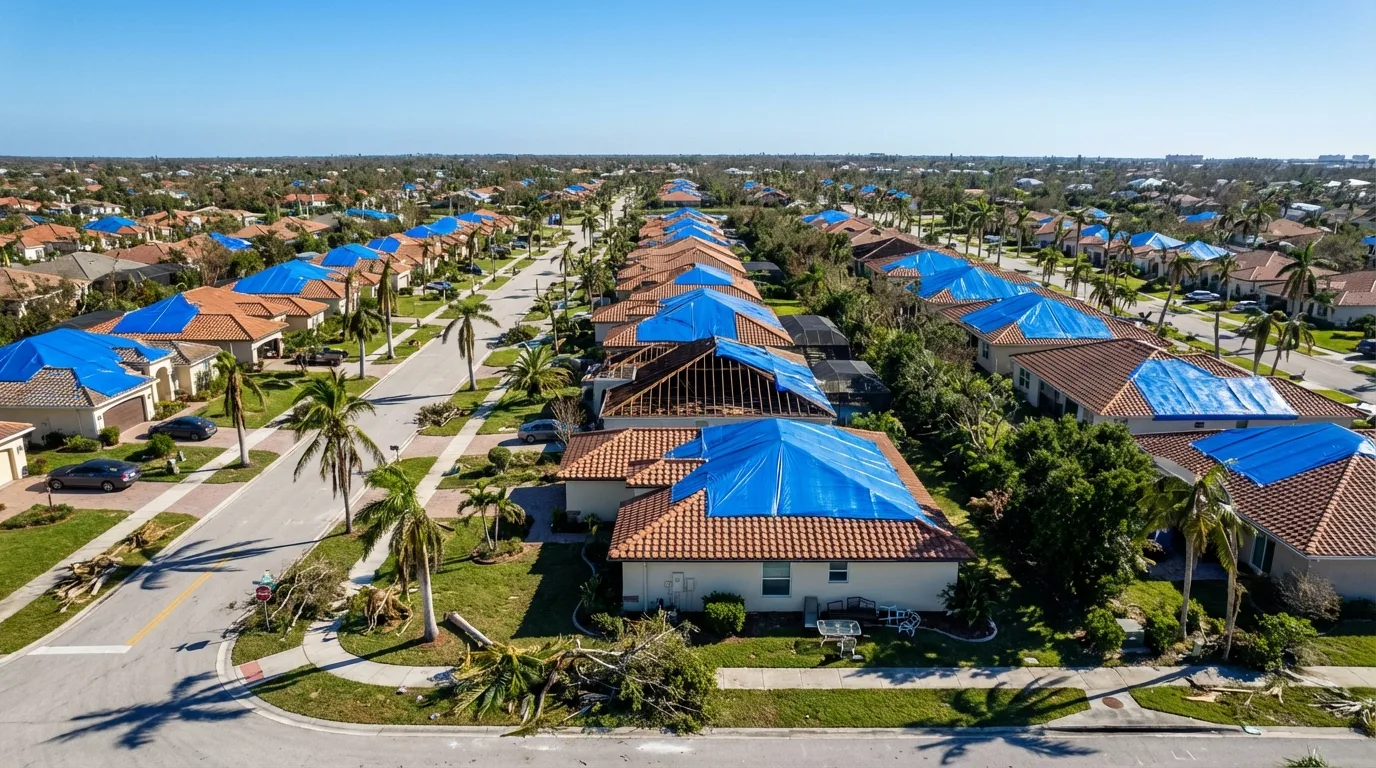
After a hurricane, homeowners often face two separate claims: wind damage and flood damage.
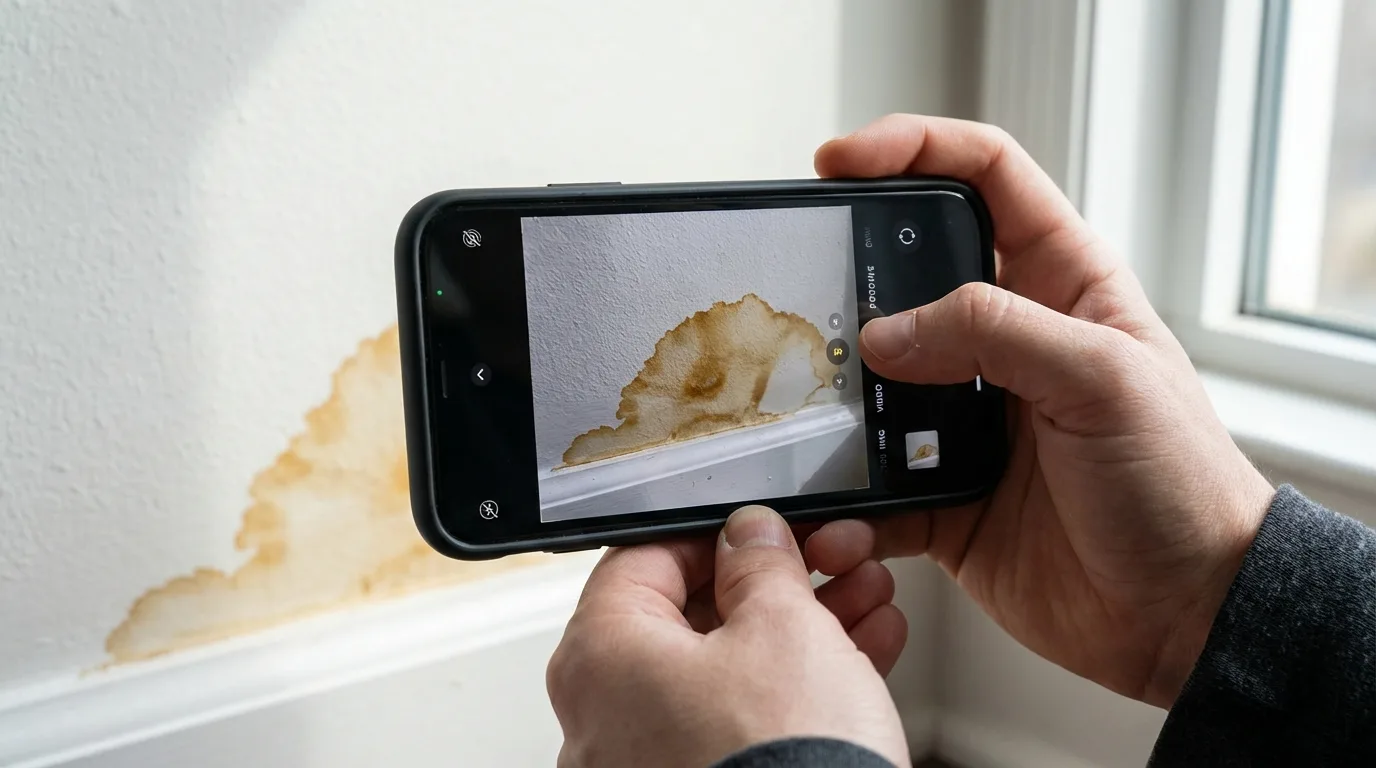
After a hurricane, photograph flood damage (water lines, surge debris) separately from wind damage (torn shingles, broken windows). This separation directly determines which policy pays for what.
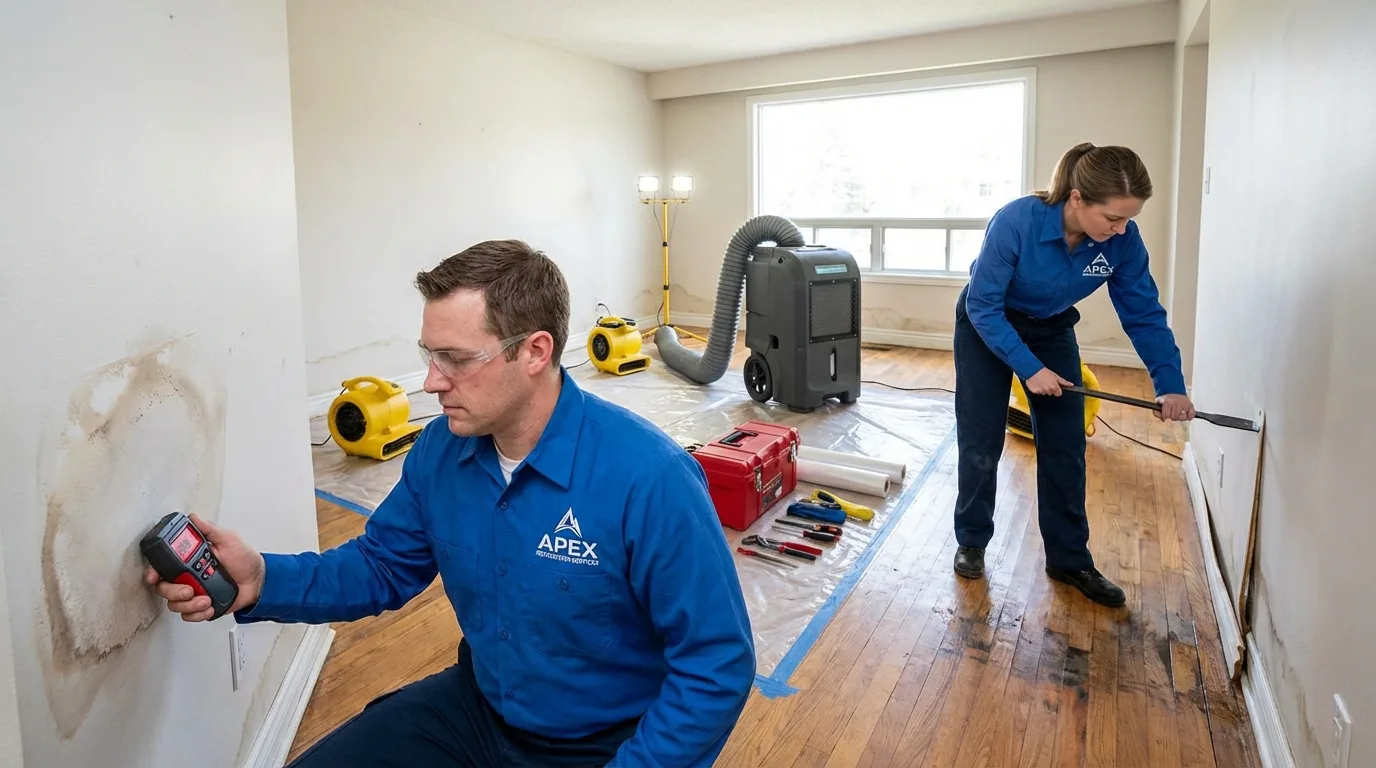
Flood water introduces contaminants that require professional extraction, decontamination, and structural drying beyond standard water damage restoration protocols.
Step-by-Step
Understanding each step gives you leverage and helps prevent common problems.
Check FEMA flood maps at floodsmart.gov. Even if you're not in a high-risk zone, consider coverage.
Available through NFIP (talk to any insurance agent) or private flood carriers that may offer better rates or higher limits.
NFIP: $250K dwelling, $100K contents. Private flood varies. Compare to your actual replacement costs.
If both wind and flood damage occurred, file separate claims with each carrier. Document wind damage and flood damage separately if possible.
South Florida
Storm surge is classified as flood, not wind. After a hurricane, if ocean water entered your home, that's a flood claim — even if the hurricane caused it.
Charlotte / NC
Inland flooding from heavy rain and river overflow is a major risk in NC. Hurricanes Florence and Matthew caused massive inland flooding far from the coast.
Coastal SC
SC coastal areas face both storm surge and inland flooding risks. Wind is covered by the SC Wind Pool; flood requires separate NFIP or private coverage.
Common Questions
Yes — homeowners insurance covers water damage from internal, sudden sources: burst pipes, appliance leaks, rain through a damaged roof, and accidental overflows. It does NOT cover water damage from external, rising sources: river flooding, storm surge, surface water runoff, or groundwater seepage. The distinction is where the water originates and how it enters your home.
NFIP flood insurance covers direct physical damage from flooding — rising water, storm surge, mudflow, and surface water. Residential coverage caps at $250,000 for the dwelling and $100,000 for contents. Private flood insurance may offer higher limits and additional coverages. Neither covers temporary living expenses — that remains under your homeowners policy.
Storm surge is classified as flooding and requires flood insurance, even though it is caused by a hurricane. This is the single most costly misunderstanding in hurricane claims. Many homeowners assume their homeowners policy covers all hurricane damage, but storm surge — ocean water pushed inland by hurricane winds — is explicitly excluded from homeowners policies.
No. NFIP flood policies have a mandatory 30-day waiting period before coverage takes effect. You cannot purchase a policy when a storm is approaching and expect coverage for that event. The time to buy flood insurance is before hurricane season begins. Some private flood carriers may have shorter waiting periods — check with your agent.
Over 25% of all flood insurance claims come from properties outside designated high-risk flood zones. Any property can flood from heavy rain, overwhelmed drainage, or storm surge that exceeds mapped boundaries. NFIP preferred-risk policies for low-risk zones are significantly cheaper than high-risk zone premiums — often under $500 per year for substantial protection.
Continue Reading
Our team navigates insurance claims daily. Call for guidance on documentation, adjuster coordination, or claim disputes.