Step 1
Read your declarations page now
It summarizes your coverage amounts (A through F), deductibles, and endorsements. This is the most important page of your policy.

Coverage Guide
Most homeowners have never read their policy. Understanding what is covered, what is excluded, and how deductibles work — before a loss occurs — prevents the shock and confusion that derails claims.
Key Steps
Step 1
It summarizes your coverage amounts (A through F), deductibles, and endorsements. This is the most important page of your policy.
Step 2
Named peril policies only cover listed events. Open peril covers everything except what's specifically excluded. Know which you have.
Step 3
Standard homeowners policies do NOT cover flood. If you're in any risk area, you need separate flood insurance through NFIP or a private carrier.
Step 4
You may have different deductibles for different perils. Florida homeowners often have a separate hurricane deductible that's a percentage of dwelling value.
Standard homeowners insurance covers sudden/accidental damage — not flood, earthquake, or neglect
Flood insurance is always a separate policy, regardless of flood zone designation
Hurricane deductibles in FL are 2-10% of dwelling value — know yours before storm season
Replacement Cost Value (RCV) policies are worth the higher premium over Actual Cash Value (ACV)
ALE coverage (Coverage D) pays for temporary housing when your home is uninhabitable
In-Depth Guide
Most homeowners have never read their insurance policy beyond the declarations page — and many have never read even that. This knowledge gap becomes painfully apparent after a loss, when the difference between what a homeowner expects their policy to cover and what it actually covers can be tens of thousands of dollars. Understanding the basic structure of homeowners insurance before a loss occurs is one of the most valuable investments of time a property owner can make.
The standard HO-3 homeowners policy uses a split coverage structure that confuses many homeowners. The dwelling (Coverage A) is covered on an "open peril" basis — meaning everything is covered except what is specifically excluded. But personal property (Coverage C) is typically covered on a "named peril" basis — meaning only the specific causes of loss listed in the policy are covered. This means your house might be covered for a particular event while your belongings inside it are not, depending on the cause of damage. Understanding this distinction helps you evaluate whether you need a broader HO-5 policy that provides open peril coverage for both dwelling and contents.
Deductible structures vary significantly by state and peril type, and failing to understand yours before a loss can create serious financial surprises. Standard deductibles are flat dollar amounts ($1,000-$5,000). Hurricane deductibles in Florida and coastal states are percentages of dwelling value (2-10%). Wind/hail deductibles may be separate from your standard deductible. Some policies have different deductibles for different peril types. Your declarations page lists all applicable deductibles — calculate each one in dollar terms and keep that reference accessible. Knowing that your $500,000 home has a $25,000 hurricane deductible changes how you prepare financially for storm season.
Visual Reference
Real-world examples of the documentation, coordination, and processes involved in insurance claims.

Understanding your coverage before a loss prevents surprises during the claim.
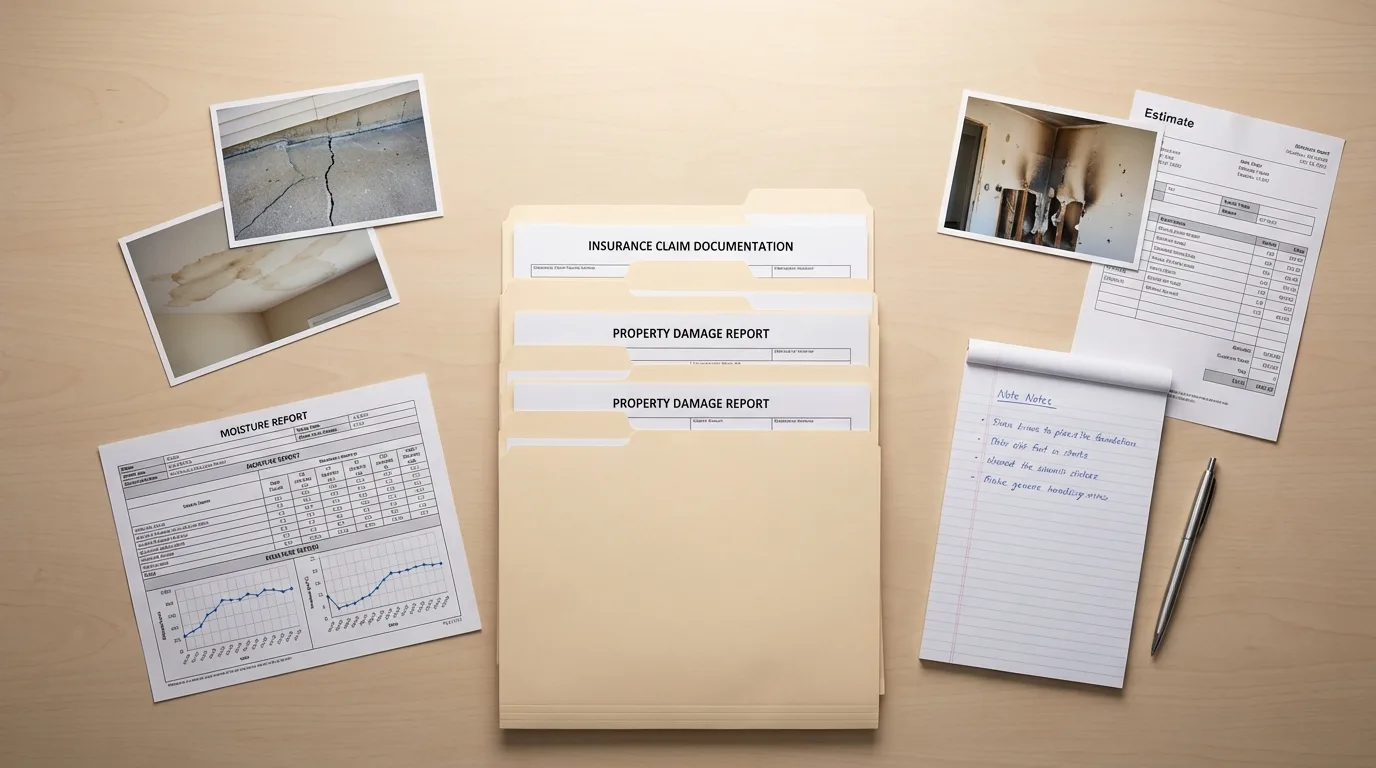
Your declarations page summarizes everything — coverage amounts, deductibles, endorsements.
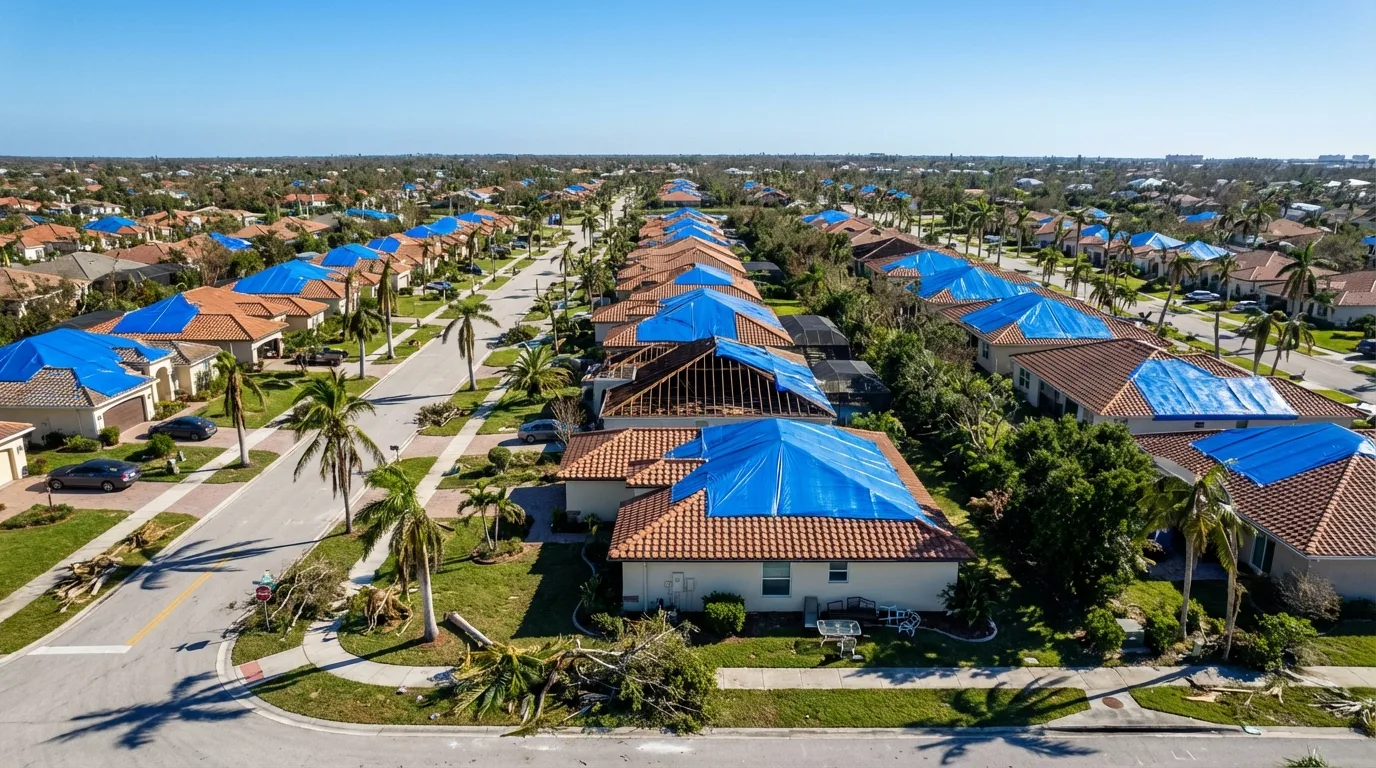
Understanding what your policy covers — and what it excludes — before a loss occurs prevents the shock and confusion that derails claims during an already stressful time.

Your declarations page lists Coverage A through F, your deductibles, and any endorsements. Review it annually and after any home improvements or value changes.
Step-by-Step
Understanding each step gives you leverage and helps prevent common problems.
Understand Coverage A (dwelling), B (other structures), C (personal property), D (ALE), and your deductibles.
Flood, earthquake, mold caps, sewer backup, and gradual damage are common exclusions. Get endorsements for gaps.
With RCV, you get ACV first, then depreciation is released after repairs. With ACV only, you never recover depreciation.
Review coverage limits, discuss any renovations, and ensure your policy keeps up with reconstruction costs in your area.
South Florida
Hurricane deductibles (2-10% of dwelling) apply only during named hurricanes. Citizens policyholders may have limited Ordinance & Law coverage.
Charlotte / NC
NC uses more standard ISO policy forms. Wind/hail deductibles may apply in coastal counties. NC DOI regulates rate increases.
Coastal SC
SC Wind and Hail Underwriting Association covers wind risk in coastal areas that private insurers won't. Know if you need this separate policy.
Common Questions
Coverage A covers your dwelling (the structure itself). Coverage B covers other structures (detached garage, shed, fence). Coverage C covers personal property (furniture, electronics, clothing). Coverage D covers Additional Living Expenses (ALE) — temporary housing when your home is uninhabitable. Coverage E is personal liability, and Coverage F is medical payments to others. Each has separate limits listed on your declarations page.
Named peril policies only cover losses from specifically listed events (fire, wind, hail, etc.). If the cause of damage is not on the list, it is not covered. Open peril (also called "all risk") policies cover all causes of loss except those specifically excluded. Open peril provides broader protection because you only need to check a shorter list of exclusions rather than hoping your specific cause is on a longer list of covered events.
Ordinance & Law (O&L) coverage pays for the cost of bringing your home up to current building codes during restoration. If your 1990s home suffers damage and current code requires upgraded electrical, modern insulation, or hurricane-rated windows, O&L coverage pays the difference between repairing to pre-loss condition and meeting current code. Standard O&L is often 10-25% of Coverage A — check if this is adequate for your home's age.
The most impactful exclusions are: flooding (rising water from any source), earthquake, gradual damage (slow leaks, settling, wear), mold beyond policy caps, sewer backup (unless endorsed), and intentional damage. Many of these can be covered through separate policies or endorsements — flood insurance, sewer backup endorsement, and extended mold coverage are the most common additions.
Review your policy annually with your agent, and immediately after any home improvements, renovations, or significant value changes. Construction costs increase over time, and your Coverage A limit must keep pace with actual replacement costs. Many homeowners discover after a loss that their coverage limits have not kept up with rising construction costs in their area.
Continue Reading
Our team works with all major insurers and policy types. We can help you interpret your policy and ensure your restoration work aligns with your coverage.