Step 1
Know your hurricane deductible BEFORE storm season
It's 2-10% of your dwelling coverage, not a flat dollar amount. A $400K home with a 2% deductible means $8,000 out of pocket before insurance pays.
Florida Insurance Guide
Florida's insurance market is unlike any other state. Hurricane deductibles, Citizens Insurance, AOB reforms, and a shrinking carrier market create a landscape that demands informed homeowners. This guide covers what you need to navigate Florida claims.
Key Steps
Step 1
It's 2-10% of your dwelling coverage, not a flat dollar amount. A $400K home with a 2% deductible means $8,000 out of pocket before insurance pays.
Step 2
Citizens may have limited Ordinance & Law coverage (capped at 50%). Managed repair programs may apply. Citizens can levy assessments on policyholders.
Step 3
Since Jan 2023, contractors cannot take over your claim via Assignment of Benefits. You retain control and responsibility. Direction-to-pay agreements do not transfer claim rights.
Step 4
Florida Dept of Financial Services: 1-877-MY-FL-CFO. Free mediation for hurricane claims. Consumer complaint process for stalled or denied claims.
Hurricane deductibles apply per season, only for named hurricanes, and can be thousands of dollars
Citizens is the insurer of last resort — understand its unique limitations before you need to file
AOBs are banned on policies issued after Jan 2023 — you retain claim control
FL DFS offers free mediation for hurricane claim disputes and consumer complaint investigation
Florida's one-way attorney fee elimination means litigation is now a last resort, not a first step
In-Depth Guide
Florida's property insurance market is in a state of ongoing transformation that directly affects every homeowner in the state. A combination of factors — high hurricane exposure, litigation costs, and carrier insolvencies — has reshaped the landscape dramatically since 2020. Multiple carriers have left the Florida market entirely, premiums have increased substantially, and regulatory reforms have changed the rules of engagement between homeowners, contractors, and insurance companies. Understanding these dynamics is essential for Florida homeowners navigating property damage claims.
The 2023 AOB ban represents the most significant change in how Florida restoration claims work. Under the old system, homeowners could assign their claim rights to a contractor through an Assignment of Benefits, effectively removing themselves from the claims process. The contractor would then negotiate directly with — and sometimes litigate against — the insurer. The ban was intended to reduce litigation costs and stabilize premiums. For homeowners, it means you now retain control of and responsibility for your claim. Direction-to-pay agreements allow your contractor to receive payment directly, but you remain the decision-maker on claim strategy.
Citizens Property Insurance Corporation deserves special attention because it insures a growing number of Florida homeowners. As private carriers exit the market, Citizens has become the largest property insurer in the state. However, Citizens was designed as an insurer of last resort, not a preferred option. Its Ordinance & Law coverage is often limited, its managed repair program may restrict contractor choice, and it carries the unique risk of policyholder assessments — surcharges levied on all Citizens policyholders after major hurricane losses to cover the shortfall. Understanding these limitations before you need to file a claim prevents unpleasant surprises during an already stressful process.
Visual Reference
Real-world examples of the documentation, coordination, and processes involved in insurance claims.
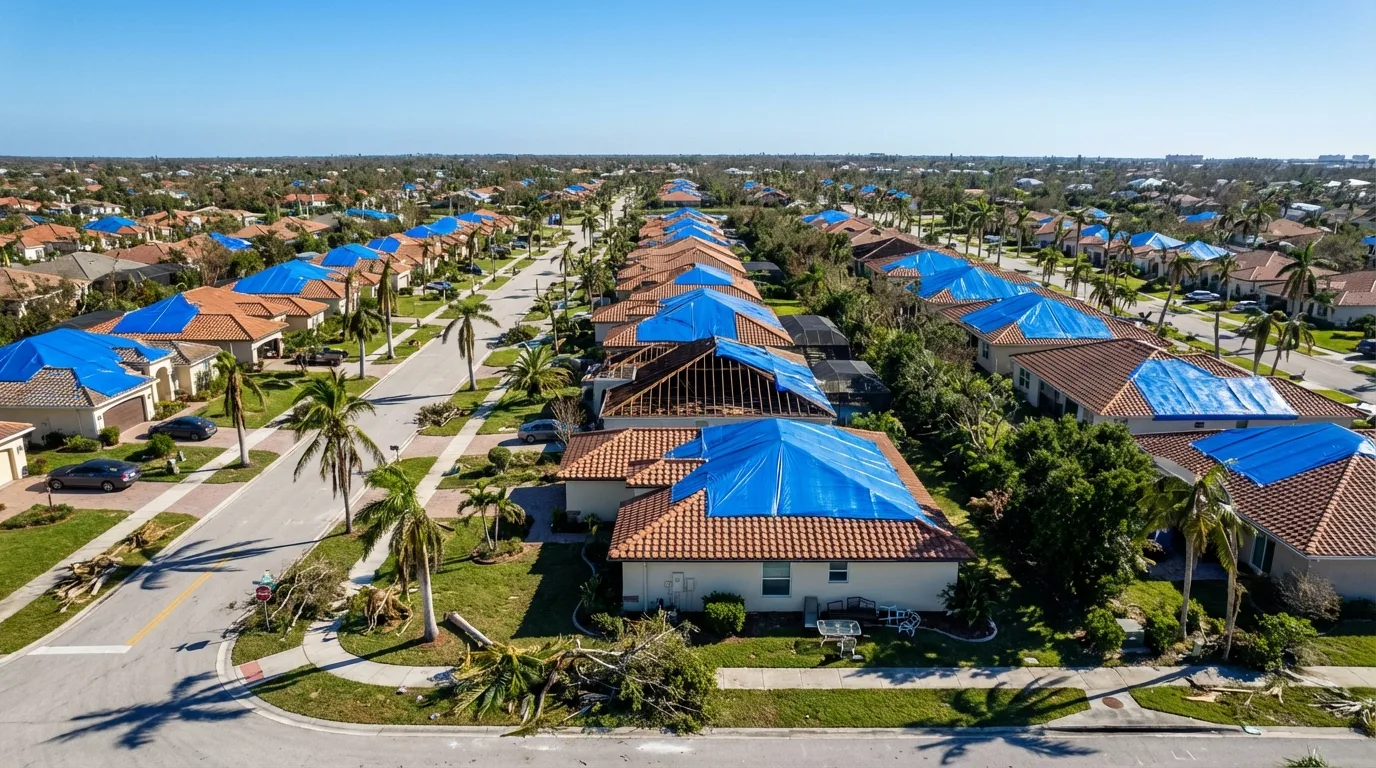
Hurricane deductibles and the AOB ban reshape how Florida homeowners navigate post-storm claims.
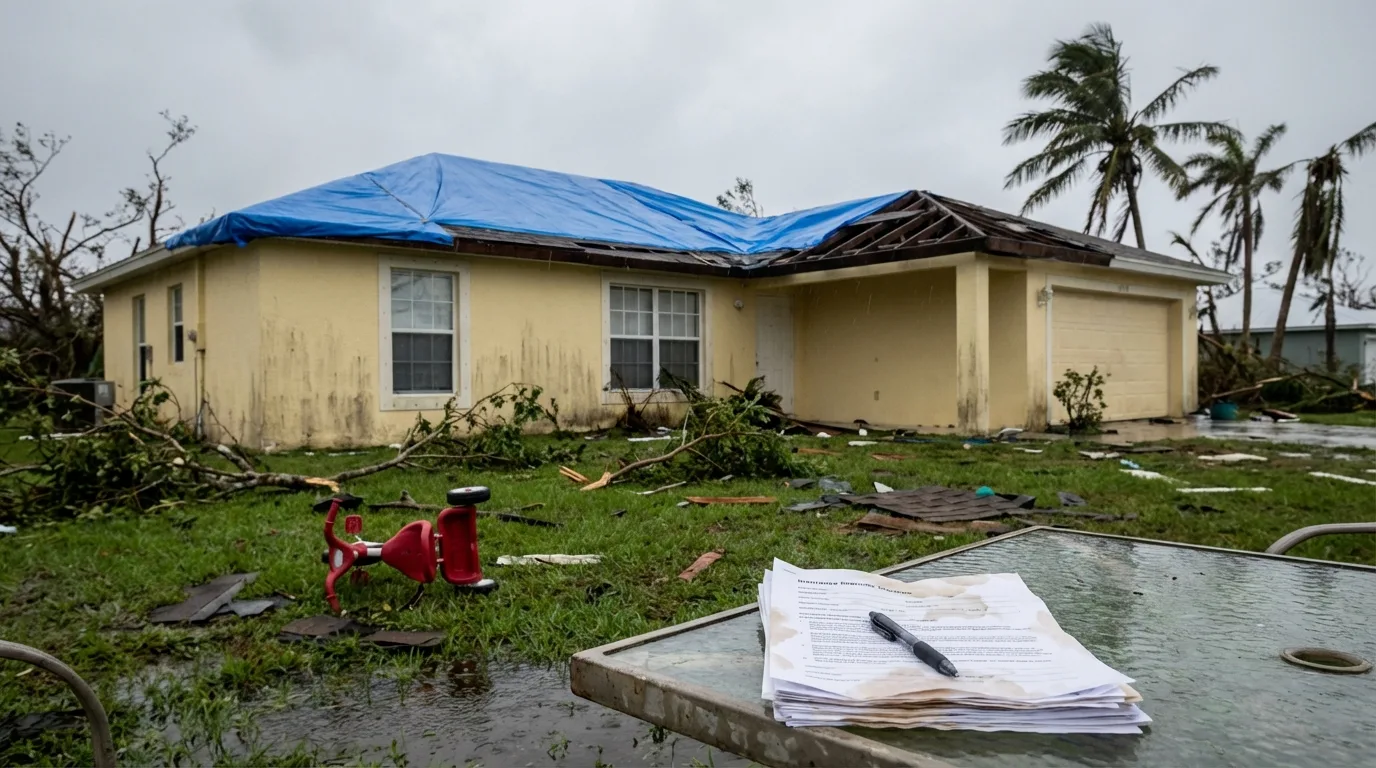
A 2% deductible on a $500K home means $10,000 out of pocket before insurance pays anything.
Understanding Florida's unique insurance landscape is essential for every homeowner in the state.
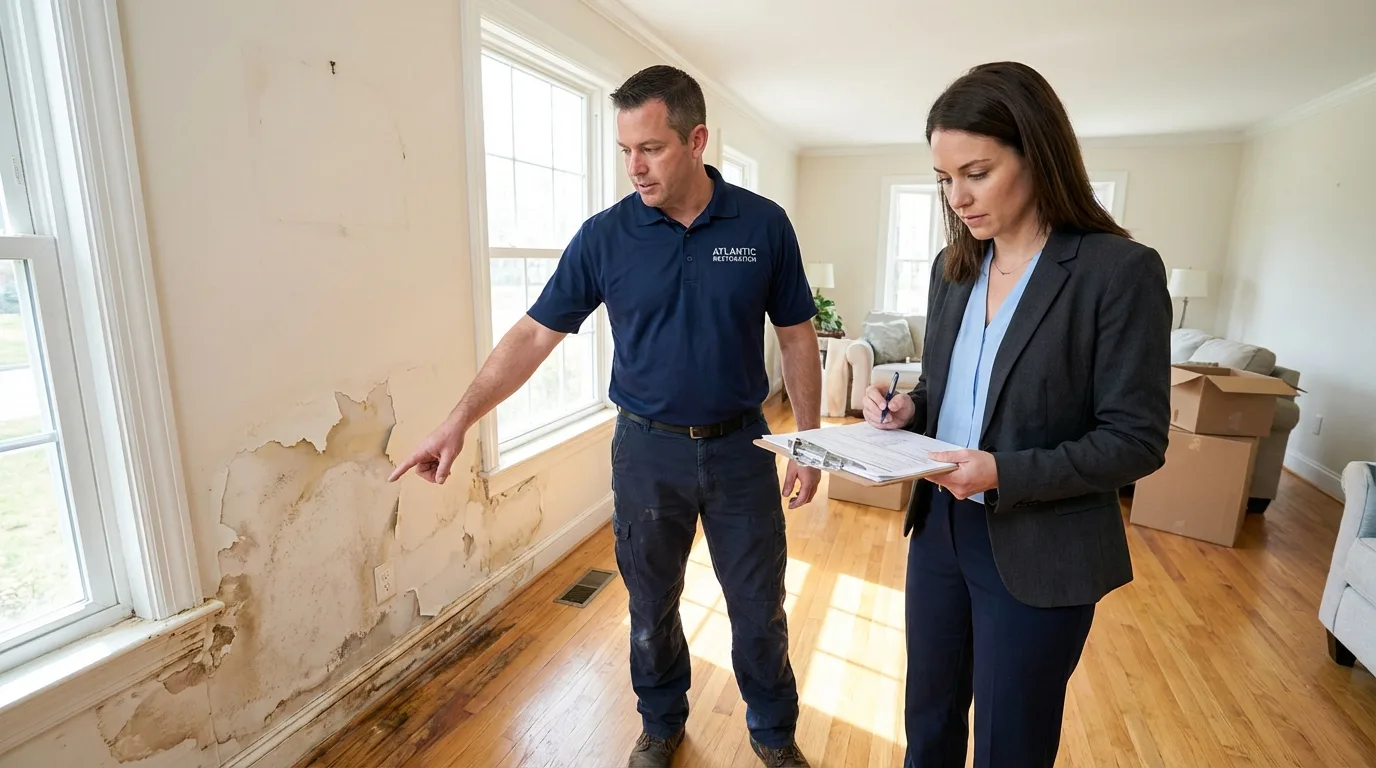
Navigating Florida's unique insurance landscape requires experienced teams who understand Citizens limitations, AOB reforms, and hurricane deductible calculations.
Step-by-Step
Understanding each step gives you leverage and helps prevent common problems.
Hurricane deductible percentage, Citizens limitations, Ordinance & Law coverage amount, and any water damage restrictions.
Document your home's pre-storm condition annually. Know your hurricane deductible. Ensure you have flood insurance.
FL law requires insurer acknowledgment within 7 days. The faster you file, the sooner you get an adjuster.
FL DFS helpline, mediation programs, and consumer complaint process are powerful tools when claims stall.
South Florida (Deerfield Beach)
Coastal exposure means higher hurricane deductibles and mandatory flood insurance for many properties. Wind mitigation credits can reduce premiums.
Central Florida
Sinkhole coverage is a separate endorsement in high-risk counties like Pasco and Hernando. Standard policies only cover catastrophic ground collapse.
Panhandle
After Hurricane Michael, many insurers left the Panhandle market. Citizens and smaller regional carriers dominate. Review your carrier's financial stability rating.
Common Questions
As of January 2023, Florida banned Assignment of Benefits (AOB) on new property insurance policies. Previously, homeowners could sign over their claim rights to a contractor, who would then deal directly with the insurance company. Now, you retain control of your claim. Contractors use "direction to pay" agreements instead, which authorize payment to the contractor but do not transfer your claim rights or responsibilities.
Citizens Property Insurance is Florida's state-created insurer of last resort. Key differences: Ordinance & Law coverage may be capped at 50% (vs. 25% standard on private policies but with optional higher limits). Citizens can levy assessments on all policyholders statewide after major hurricane losses. Citizens also has a managed repair program that may limit your choice of contractors for certain claim types.
Yes. A wind mitigation inspection ($75-$200) documents your home's storm-resistance features — roof shape, roof deck attachment, secondary water resistance, and window protection. These credits can reduce premiums by 10-45% annually. Other strategies include increasing your hurricane deductible percentage, installing impact-resistant windows, and upgrading your roof to current building code standards.
The Florida Department of Financial Services offers free mediation for hurricane insurance claims disputes. A neutral mediator helps you and the insurer reach agreement. Mediation is most effective for scope and documentation disputes where additional evidence can bridge the gap. Request mediation through the DFS helpline: 1-877-MY-FL-CFO. It does not prevent you from pursuing other remedies simultaneously.
Florida's post-Andrew building codes (1992+) are among the strictest in the nation. When hurricane damage triggers reconstruction, the new work must meet current code — which often includes hurricane-rated windows, reinforced roof-to-wall connections, and impact-resistant materials. Ordinance & Law coverage on your policy pays for these code upgrades. Without adequate O&L coverage, you pay the difference out of pocket.
Continue Reading
Our Deerfield Beach team knows Florida's insurance landscape. We help with documentation, adjuster coordination, and navigating Citizens and hurricane claims.