Quick Answer
Mold can begin growing within 24 to 48 hours after a hurricane or flood — sometimes before the water fully recedes — according to the EPA, CDC, and OSHA. In Florida, North Carolina, and South Carolina, warm temperatures and high humidity push growth toward the 24-hour end. Common post-storm molds appear within 24 to 72 hours, so extraction and drying can't wait.
Key takeaways
- Mold begins growing within 24 to 48 hours after a hurricane or flood — confirmed by the EPA, CDC, and OSHA
- In Florida, North Carolina, and South Carolina, warm temperatures and high baseline humidity push growth toward the 24-hour end of that range
- The most common post-hurricane molds — Aspergillus, Penicillium, and Cladosporium — appear within 24 to 72 hours; Stachybotrys (black mold) requires 7+ days of sustained moisture
- After Hurricane Harvey, invasive mold infections at Houston hospitals increased 48% in the year following the storm
- Standard homeowners insurance does not cover mold from rising floodwater — NFIP flood insurance may cover it if you took reasonable mitigation steps
- Any area exposed to storm surge, sewage, or river water requires professional remediation, not DIY cleanup
Mold can begin growing in your home within 24 to 48 hours after a hurricane or flood — even before the floodwater fully recedes. That timeline comes directly from the EPA, CDC, and OSHA, and it applies to every material that stayed wet: drywall, wood framing, insulation, carpet, and subfloor. By the time most homeowners return after a storm evacuation, the clock has already been running. If wet materials were not dried within that window, the CDC's own guidance states that buildings wet for more than 48 hours will generally support visible and extensive mold growth. This guide explains what happens hour by hour after a hurricane, which mold types appear and when, what the health risks are, and when to call a professional mold remediation team — with state-specific guidance for Florida, North Carolina, and South Carolina.
Mold activation window
24–48 hrs
EPA, CDC, and OSHA all confirm mold begins colonizing wet building materials within this window after a hurricane or flood
Post-Harvey mold infections
+48%
Increase in invasive mold infections at Houston hospitals in the year following Hurricane Harvey (Clinical Infectious Diseases, 2019)
U.S. asthma cases from mold
4.6M
Estimated number of asthma cases attributable to indoor dampness and mold exposure annually in the United States
Avg mold remediation cost
$2,368
National average; post-hurricane multi-room remediation typically runs $3,750–$9,500 or more depending on scope and contamination level
The Post-Storm Mold Timeline (Hour by Hour)
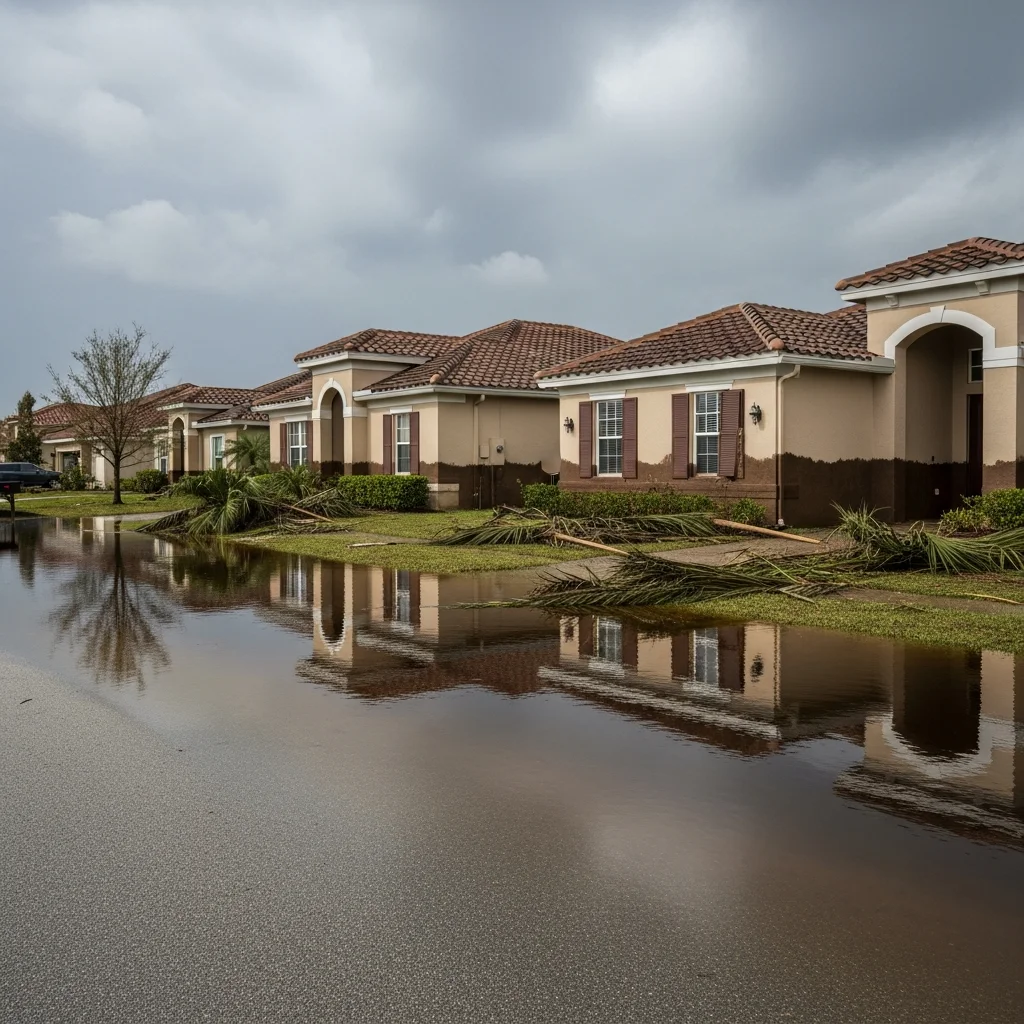
The 24–48 hour window is a practical drying benchmark, not a hard guarantee. Mold growth can begin faster in warm, humid climates — and slower in cooler, drier conditions. The table below shows what typically happens inside a water-damaged structure after a hurricane in Florida, North Carolina, or South Carolina.
| Timeframe | What's Happening Inside Your Walls |
|---|---|
| 0–24 hours | Moisture penetrates porous materials — drywall, wood framing, insulation, carpet. Mold spores, already present in every indoor environment, begin absorbing available moisture and activating. No visible growth yet. |
| 24–48 hours | Active colonization begins on wet surfaces. No visible mold yet — but growth is occurring inside wall cavities, under flooring, and behind baseboards. This is the critical response window. |
| Days 3–12 | Spore colonies multiply rapidly. Fuzzy or discolored patches may appear on walls, ceilings, and floors. A musty odor often develops before any visible growth is noticeable. |
| Days 14–21 | Colonies are well established. Colonies that begin forming within 24 hours become visible in approximately 18–21 days if nothing is done to stop moisture. Structural degradation accelerates. |
| Day 21+ | Extensive mold damage to structural materials. HVAC contamination becomes a serious risk. Remediation scope and cost grow significantly with each additional week. |
Post-storm mold growth timeline — inside a water-damaged structure
Hours 0–24: The Clock Starts Before You See Anything
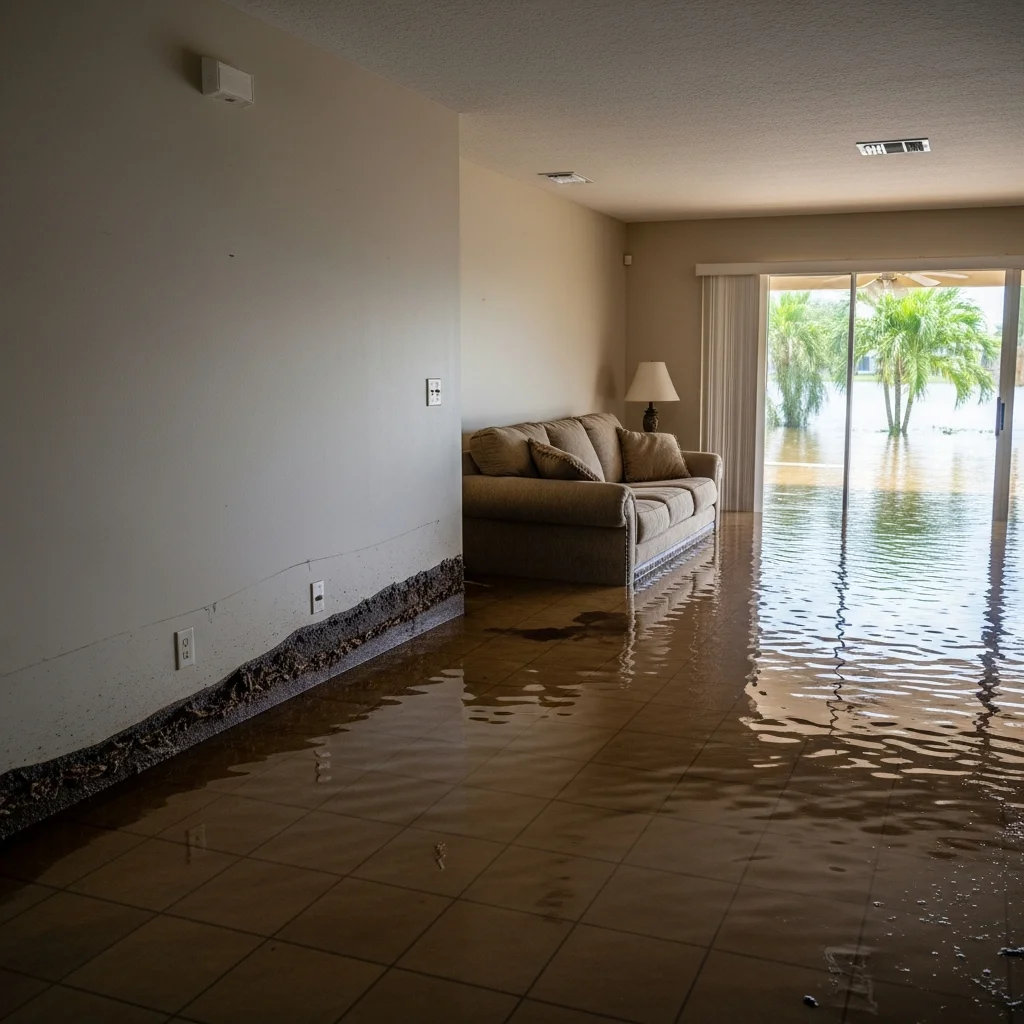
When floodwater enters a home, it does not just cover the floor — it wicks upward into drywall and laterally into framing through capillary action. Studies of mold growth on building materials have found that mold begins growing on materials that remain wet for as little as 8 to 72 hours. In Florida, North Carolina, and South Carolina, where outdoor temperatures and humidity remain elevated even after a storm passes, the lower end of that range applies. The presence of air conditioning is one of the last defenses against rapid mold growth — and hurricanes knock it out. Without mechanical cooling and dehumidification, indoor humidity climbs above 60%, the threshold above which mold growth accelerates significantly.
Hours 24–48: The Critical Threshold
This is the window every federal agency focuses on. The EPA recommends drying water-damaged areas within 24 to 48 hours. The CDC advises fully drying your home within that same period and maintaining indoor humidity below 50%. OSHA states that prompt response within 24 to 48 hours combined with thorough cleanup of wet materials will prevent or limit mold growth. Missing this window does not guarantee mold — but it shifts the situation from preventable to probable. After 48 hours, the CDC advises treating affected materials as though contamination has already occurred.
Days 3–12: Spores Multiply, Visibility Begins
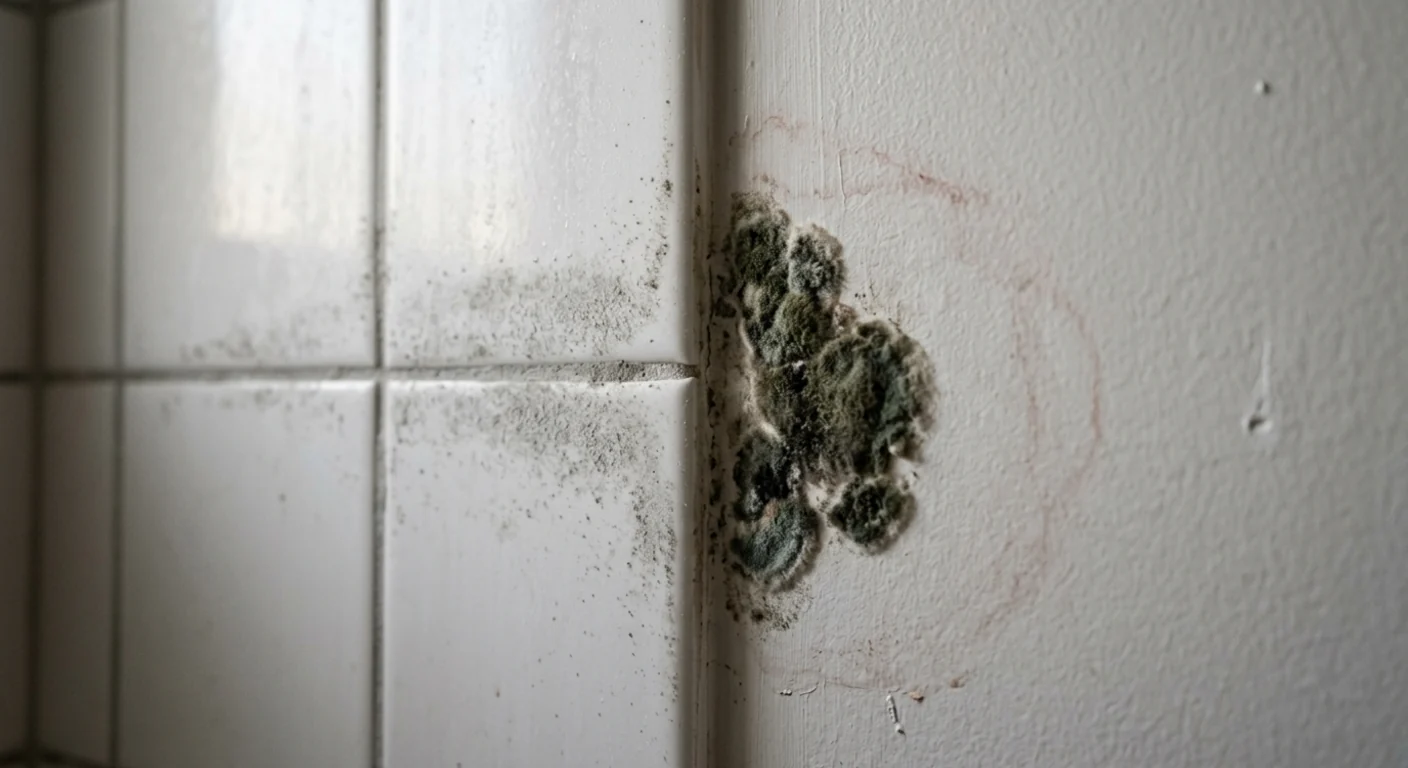
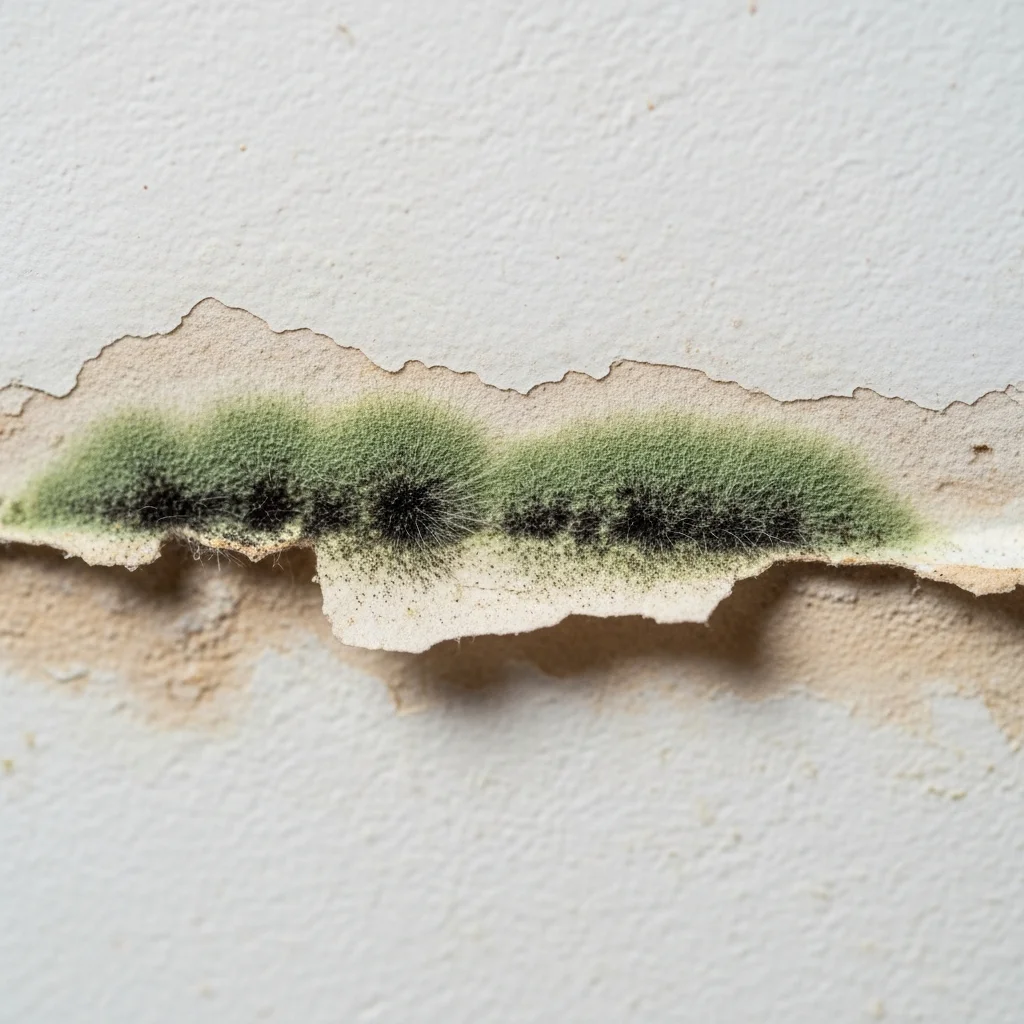
During this window, mold colonies expand from microscopic activity into visible patches. Common indicators include dark spots on drywall, discoloration on baseboards and trim, warping or buckling floors, and a persistent earthy or musty odor. The odor is caused by microbial volatile organic compounds (MVOCs) that mold releases as it digests organic material — and it often signals active growth before any visual signs appear. After Hurricane Katrina, mold spore concentrations in flooded New Orleans homes were so high that researchers at Columbia University found levels equal to or surpassing those in wastewater treatment plants, cotton mills, and agricultural environments.
Day 14 and Beyond: Structural and Health Risk Escalates
Left unaddressed, mold colonies consume the organic binders in drywall paper, wood cellulose, and carpet fibers. Stachybotrys chartarum — what most people call black mold — requires sustained moisture over 7 or more days to establish and can produce mycotoxins associated with severe respiratory illness. Studies of flooded homes following Hurricane Katrina and Hurricane Harvey confirmed elevated spore counts of Aspergillus, Penicillium, and Stachybotrys in homes with greater flood exposure. At this stage, the situation has moved well beyond DIY prevention into professional remediation territory.
Why Florida, North Carolina, and South Carolina Are Uniquely Vulnerable
Post-storm mold is a threat nationwide, but the climate and regulatory landscape in FL, NC, and SC create specific conditions that raise the stakes for homeowners in these states.
Florida: Maximum Humidity, Mandatory Licensing
NOAA describes Florida as the most humid state in the nation. That baseline humidity means wet building materials stay in a mold-friendly moisture range longer than in most other states — even with aggressive dehumidification. The subtropical climate keeps temperatures above 60°F year-round, removing one of the few natural brakes on mold growth. In 2024, Hurricanes Helene and Milton struck Florida's Gulf Coast within two weeks of each other. Milton alone knocked out power for more than 3 million customers — meaning air conditioning systems were offline throughout the recovery period, dramatically accelerating mold risk for every home in the impact area. The result for many FL homeowners was a mold problem that was underway before they could physically return to their property.
North Carolina: Helene's Aftermath and the Mountain Mold Problem
When Hurricane Helene struck western North Carolina in September 2024, it delivered rainfall totals exceeding 30 inches in some areas — the second-highest in recorded state history. The Swannanoa River rose an unprecedented 27 feet in Black Mountain. A Duke University team visiting in January 2025 found thriving fungal communities even at sites that had already been remediated. Researchers at the University of North Carolina partnered with the Robeson County Disaster Recovery Coalition after Hurricane Florence and found that hurricane survivors reported ongoing mold-related respiratory issues, stress from continual cleaning, and a critical lack of appropriate tools — and that many attempted cleanup themselves without adequate protective equipment due to the high cost and limited availability of professional services after a major storm. North Carolina has no state-level mold certification program. The IICRC credential (AMRT or ASD) is the industry-accepted standard. Verify IICRC certification before hiring and request written documentation of moisture readings and drying protocols.
South Carolina: 7th in the Nation for Mold Searches
South Carolina ranked 7th in the nation for water damage and mold keyword searches per 100,000 residents, according to 2026 analysis. The state's humid subtropical climate — hot, humid summers — makes it structurally predisposed to mold following storm events. Hurricane Matthew (2016) and Hurricane Florence (2018) caused devastating flooding across coastal and inland South Carolina. South Carolina does not currently license mold inspectors, though a 2026 bill proposing a certification framework for mold assessors and remediators has been introduced. The SC Department of Environmental Services operates a Mold Hotline at 888-815-3509. For SC homeowners, the safest approach is to hire IICRC-certified professionals and demand written moisture documentation throughout the drying process. For storm damage restoration across all three states, Palm Build responds 24/7.
What Mold Types Appear After a Hurricane
Not all post-storm mold is equal. The types of mold that establish after a hurricane differ depending on flood depth, duration, and how quickly drying began. Understanding what you are likely dealing with helps you communicate accurately with your remediation contractor and your insurer.
| Mold Type | Appearance | Growth Timeline | Risk Level |
|---|---|---|---|
| Aspergillus | Powdery white, yellow, or black spots | 24–48 hours | Moderate — can cause Aspergillosis in immunocompromised individuals; one of the most common post-hurricane molds |
| Penicillium | Blue-green, powdery | 24–48 hours | Moderate — linked to respiratory irritation and allergic responses; confirmed in Katrina-flooded homes |
| Cladosporium | Olive-green or black | 24–72 hours | Moderate — can grow in both warm and cold conditions; common on fabric and wood |
| Alternaria | Dark green or black, fuzzy | 2–7 days | Moderate — outdoor mold that enters through open doors and windows after storms |
| Stachybotrys chartarum | Slimy, dark black or greenish-black | 7–14+ days | High — produces mycotoxins; requires sustained moisture over multiple days to establish; the 'black mold' most people fear |
Common mold types found in hurricane-damaged homes
After Hurricane Katrina, researchers confirmed Aspergillus, Penicillium, and Paecilomyces as the dominant mold types in flooded New Orleans homes. Stachybotrys was measurable in the most severely flooded homes. In the aftermath of Hurricane Harvey, a study published in the journal Clinical Infectious Diseases found that invasive mold infection incidence increased 48% at Houston hospitals in the year following the storm — with an in-hospital mortality rate of 24.2% among affected patients. The takeaway: black mold gets the headlines, but Aspergillus and Penicillium cause far more post-hurricane illness in practice. Any visible mold in a post-hurricane home warrants professional assessment regardless of color or appearance.
The Health Risks of Post-Storm Mold
Mold exposure after a hurricane affects everyone in the household — but the risks are not equal. According to the CDC and LCMC Health, the populations most vulnerable to serious health effects include people with asthma or chronic lung disease, immunocompromised individuals (cancer treatment, organ transplants, HIV), children and older adults, and pregnant women. Even among otherwise healthy people, high-level mold exposure — the kind found in hurricane-damaged homes — can cause nasal congestion, sore throat, coughing, wheezing, eye irritation, and skin rash. Mold can be fatal for immunocompromised individuals: invasive mold infections carry mortality rates as high as 50% in high-risk populations. An estimated 4.6 million asthma cases per year in the United States are attributable to dampness and mold. A 2022 NIOSH report found that 47% of U.S. residential buildings have dampness or mold — a baseline that a major hurricane can transform into active contamination within days.
What to Do in the First 48 Hours (Before You Call Anyone)
If authorities have cleared your property for re-entry and you have any ability to begin drying, every hour counts. These steps follow EPA, CDC, and IICRC guidance for post-hurricane response. If the floodwater was contaminated, skip directly to calling a professional — the steps below apply to clean water losses only.
- Wear an N95 respirator (minimum), rubber gloves, waterproof boots, and goggles before entering the affected space
- Do not re-enter if structural damage, gas leaks, or electrical hazards are suspected
- If water came from storm surge, sewage backup, or river flooding — call a professional before beginning any cleanup
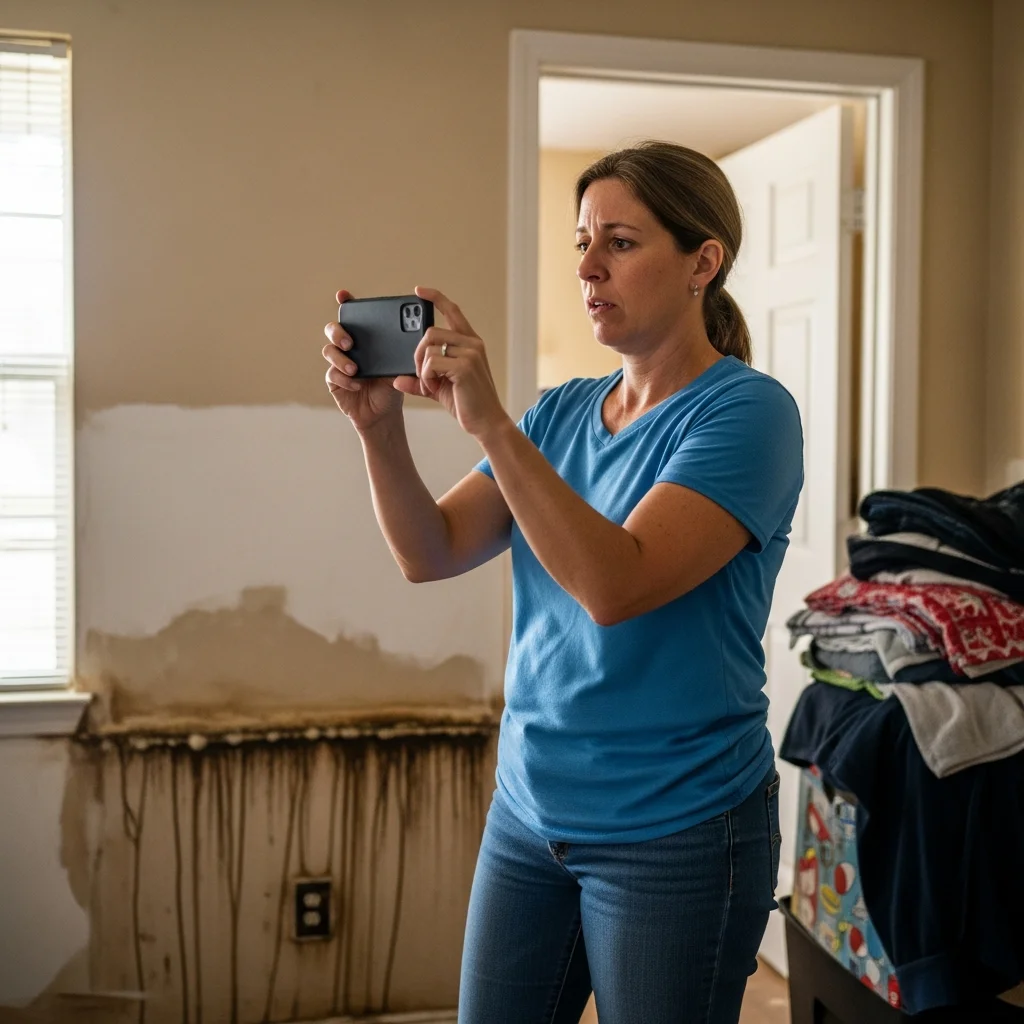
- Photograph every affected area before moving or discarding anything — your insurance claim depends on this documentation
- Open a claim with your insurer the same day you discover damage, even if full assessment is still pending
- 1
Remove standing water immediately
Use wet/dry vacuums, pumps, or mops for small volumes. Industrial truck-mount extraction can remove hundreds of gallons in the first hours — a volume that would take days with consumer equipment. Work in repeated passes until no more water lifts from the floor.
- 2
Document all damage before touching it
Photograph every room, every waterline mark, and every damaged item before moving or discarding anything. Measure and record the waterline height on walls. This documentation is the foundation of your insurance restoration claim and your best protection against coverage disputes.
- 3
Open windows and doors — only if outdoor humidity is lower
In Florida and coastal Carolinas, summer outdoor humidity regularly exceeds 70%. Opening windows in these conditions actively adds moisture to your structure. Check a weather app for current outdoor humidity. Only ventilate if outdoor humidity is significantly lower than indoor levels.
- 4
Remove wet porous materials
Carpet, carpet padding, drywall sections, and insulation that were wet for more than 48 hours cannot be adequately cleaned and should be removed. Bag all debris in sealed heavy contractor plastic before carrying through unaffected areas — wet and beginning-to-mold materials release airborne spores during demolition.
- 5
Do not run fans if visible mold is already present
Fans spread mold spores to unaffected areas of the home. If you are still in the 24-hour prevention window with no visible mold, air movers can help. If visible mold or musty odor is already present, run dehumidifiers only and call a professional before using any airflow equipment through the space.
- 6
Turn on air conditioning if power is available
AC cools and dehumidifies simultaneously. Target indoor humidity below 50% — the CDC's recommended threshold to prevent mold activation. Keep windows and doors closed while running AC to prevent humid outdoor air from overwhelming the system.
- 7
Do not turn on HVAC if the system was flooded
Running a contaminated HVAC system spreads mold spores throughout the entire building via the ductwork. This single mistake can turn a contained mold problem into a whole-home contamination event. Keep the system off until an HVAC professional confirms it is contamination-free.
- 8
Disinfect hard, non-porous surfaces
Use no more than 1 cup of household bleach per gallon of water on hard surfaces like tile, concrete, and metal — after cleaning with detergent first. Never mix bleach with ammonia. Ensure ventilation throughout. Porous materials that cannot be cleaned and dried within 48 hours should be removed, not disinfected.
When to Call a Professional — and Why Waiting Costs More
The EPA recommends homeowners contact a professional mold remediation company for any mold growth covering more than 10 square feet. After a hurricane, where contaminated floodwater may have touched every surface in a room, that threshold is almost always exceeded — even before visible growth appears.
- Any area of your home was exposed to contaminated floodwater — storm surge, sewage, river water
- Power was out for more than 24 hours and your home was flooded
- You cannot access your property within 48 hours of the storm
- You notice a musty or earthy odor but cannot see visible mold
- Any household member is immunocompromised, has asthma, or has chronic lung disease
- Water penetrated wall cavities, attic spaces, or crawl spaces
- Your HVAC system was exposed to floodwater
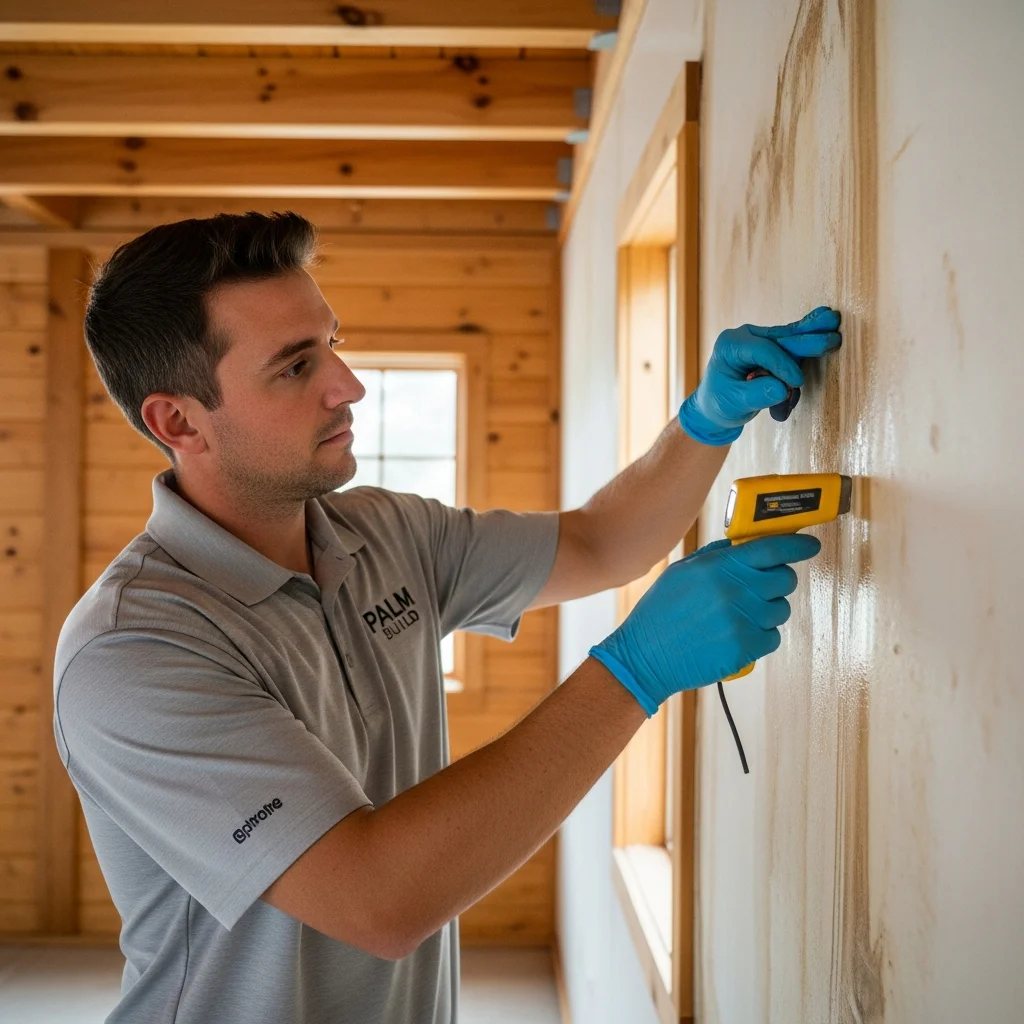
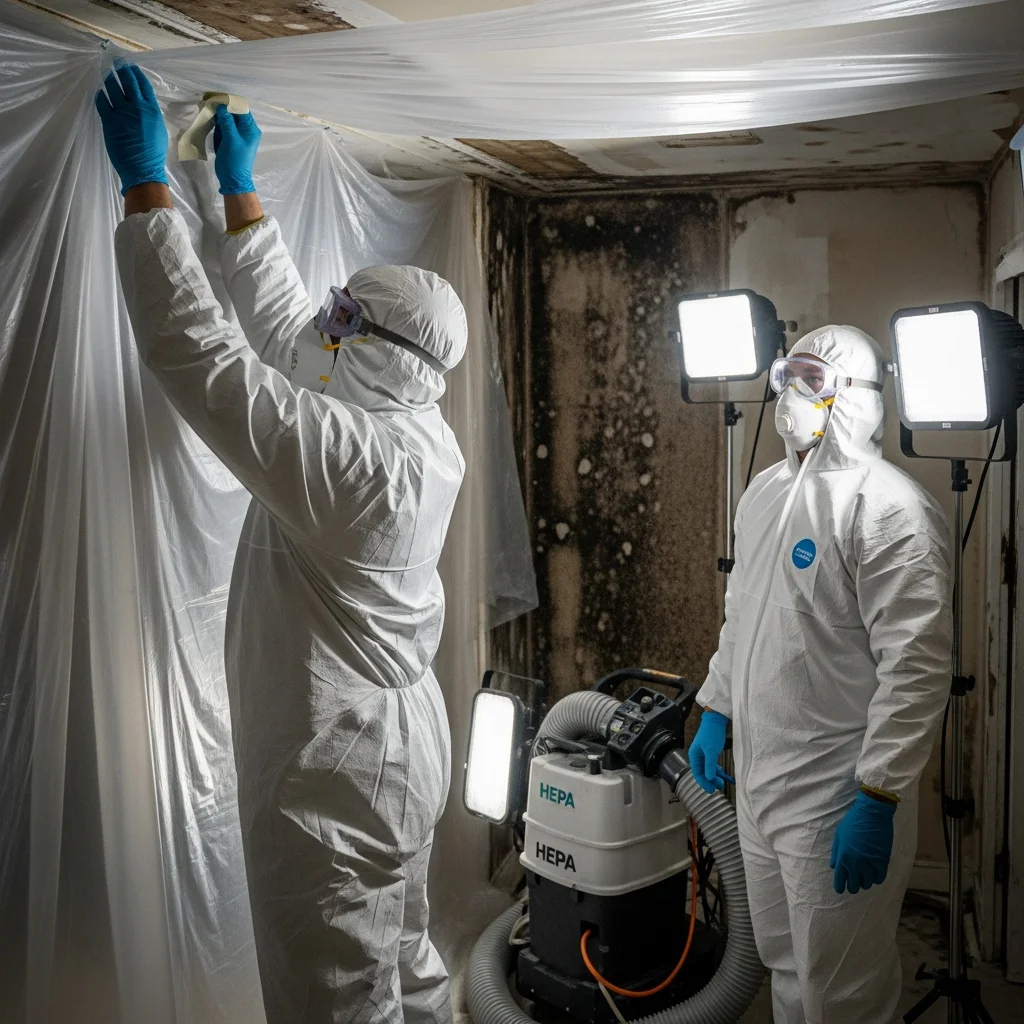
Professional restoration teams use moisture meters and thermal imaging cameras to identify hidden water in wall cavities and under flooring — areas homeowners consistently miss. IICRC-certified technicians follow ANSI/IICRC S520 (Standard for Professional Mold Remediation) and S500 (Standard for Professional Water Damage Restoration), establishing containment zones, running HEPA-filtered negative air machines, and providing post-remediation verification testing to confirm successful clearance. Waiting until mold is visually extensive costs significantly more than calling within the 48-hour window — both in remediation scope and in the complexity of your insurance claim.
Post-Storm Mold Remediation Cost Guide
| Scenario | Typical Cost Range | Notes |
|---|---|---|
| Small area mold (under 100 sq ft) | $500–$1,500 | Surface mold on hard, non-porous materials; often a flat minimum charge |
| Standard single-room remediation | $1,200–$3,750 | Drywall removal, containment, HEPA filtration, antimicrobial treatment |
| Multi-room post-hurricane remediation | $3,750–$9,500 | Multiple containment zones, larger material removal scope |
| Whole-house or severe flooding | $10,000–$30,000 | Extensive material removal, HVAC cleaning, post-remediation verification |
| Cost per square foot (standard) | $10–$25/sq ft | Contaminated water or hidden mold can push to $15–$30/sq ft |
| Raleigh, NC average | ~$2,145 ($1,007–$3,338 range) | Regional pricing for contained mold remediation projects |
| Charlotte, NC average | ~$2,382 ($1,103–$3,821 range) | Regional pricing for contained mold remediation projects |
| South Florida / Miami area | $2,500–$6,000+ average | Small to medium jobs; larger projects run significantly higher |
Post-storm mold remediation cost ranges — 2025 to 2026 market data
Key cost drivers for post-hurricane projects: contaminated water (Category 2 or 3) requires additional containment and PPE — costs escalate significantly. HVAC contamination adds substantial scope. Structural materials that require demolition and reconstruction add cost beyond the remediation itself. Post-remediation clearance testing and third-party verification are standard on larger projects. For a full cost breakdown, see the mold remediation cost guide for 2026. For reconstruction after storm damage, Palm Build handles the full scope from assessment through rebuild.
Insurance Coverage for Mold After a Hurricane
Insurance coverage for post-storm mold is one of the most misunderstood areas of the claims process. The source of the water — not the extent of the damage — determines which policy responds and what gets covered.
| Coverage Type | When Mold Is Covered | When It Is Not |
|---|---|---|
| Standard homeowners insurance | Mold from sudden, accidental covered events — wind-driven rain through a breached roof, for example | Mold from rising floodwater, storm surge, or external flooding of any kind |
| NFIP Flood Insurance | Mold directly caused by a covered flood event, when homeowner took reasonable mitigation steps within the required timeframe | Mold considered preventable because homeowner failed to act promptly after the flood |
| Private flood insurance | Varies by carrier; some private policies offer higher mold remediation caps than NFIP | Review policy language for specific exclusions before assuming coverage |
| FEMA Individual Assistance | Limited grants for mold resulting from federally declared disasters | Pre-existing mold; extensive remediation beyond basic habitability restoration |
Mold coverage by insurance type after a hurricane
Critical NFIP rules for hurricane mold claims: you have 60 days from the flood event to file a Proof of Loss. If you could not access your property due to evacuation orders or road closures, document this — insurers may accept mold as unavoidable under those circumstances. Keep records of all mitigation attempts: contractor outreach, emails, texts, and estimates showing scheduling delays. Flood insurance does not cover mold if you failed to take reasonable steps to dry your home. A professional restoration company that works directly with insurance adjusters — documenting moisture logs, daily drying readings, and scope reports — significantly strengthens your claim. For guidance on navigating the insurance restoration process from initial claim through final clearance, Palm Build's team works directly with insurers across FL, NC, and SC.
Mold Remediation
IICRC-certified mold assessment, containment, full remediation, and post-remediation clearance testing across FL, NC, and SC.
Water Damage Restoration
24/7 extraction, structural drying, and water mitigation services — the first step in preventing post-storm mold.
Storm and Hurricane Damage
Emergency response for hurricane, tropical storm, and severe weather losses across Florida, North Carolina, and South Carolina.
Insurance Restoration Process
How Palm Build works directly with insurance adjusters to document, scope, and restore your property after a covered loss.
Crawl Space Cleanup
Vapor barrier installation, encapsulation, and moisture control for NC and SC homes where crawl spaces are a secondary flood entry point.
Frequently Asked Questions
How fast does mold grow after a hurricane? +
What does mold look like after flooding? +
Can you live in a house with mold after flooding? +
Does homeowners insurance cover mold after a hurricane? +
What should I do first when returning home after a hurricane? +
When should I call a professional for mold after a storm? +
How long does mold remediation take after a hurricane? +
Is black mold the only dangerous mold after a hurricane? +
Storm-Damaged Home in FL, NC, or SC?
If the 48-hour window has already closed or you are not sure how long the water has been there, call Palm Build now. We are IICRC-certified, state-licensed for mold remediation in Florida, and available 24/7 across Florida, North Carolina, and South Carolina.
Found this helpful? Send it to someone who needs it.