Key takeaways
- Safety first, contracts last. Treat downed power lines as energized and stay at least 30 feet away per OSHA, evacuate if you smell gas or see structural sag, and call 911 before you call anyone else.
- Mitigation is your job, even if the tree isn't. Most policies require you to take "reasonable temporary measures" — tarp, board-up, water extraction — to stop damage from spreading, and they'll pay for it. Skipping mitigation can cost you coverage on the secondary damage.
- You have 24–48 hours before mold becomes a separate problem. EPA and CDC guidance puts the safe drying window at 24 to 48 hours after water intrusion — beyond that, a tree-through-the-roof claim turns into a tree, water, and mold claim.
- Document → carrier → contractor, in that order. Photograph everything before any cleanup, file the claim same-day, and never sign over an insurance check or assignment of benefits to the first person who knocks.
- Florida, North Carolina, and South Carolina each have a different statutory clock. Florida gives you 1 year to give notice and the carrier 60 days to pay or deny; NC requires a 30-day acknowledgment from the carrier; SC's 90-day demand rule unlocks attorneys' fees. Knowing which state you're in changes how you push the claim.
- The same firm should handle mitigation and reconstruction. Splitting them across companies creates handoffs, scope disputes, and gaps where moisture and structural issues slip through.
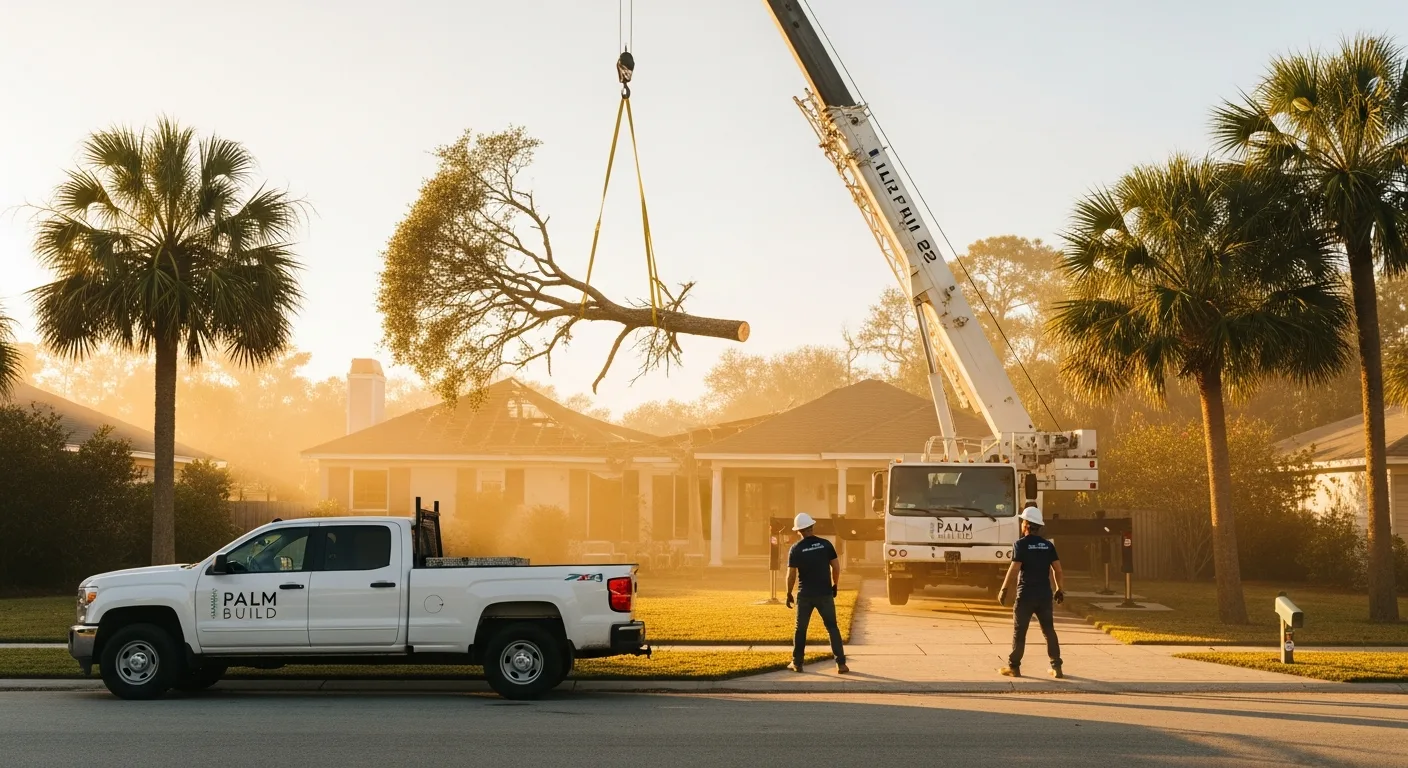
When a tree falls on your house, the right order of operations is: get everyone out and check for injuries, treat any downed power line as live, photograph everything before you touch it, authorize emergency mitigation (tarp, board-up, water extraction) to stop the damage from spreading, then call your insurance carrier — all before you sign any contractor agreement. The goal in the first 72 hours is to stay inside the EPA's 24–48 hour mold window, preserve evidence for the adjuster, and avoid the kitchen-table contracts that turn a covered loss into an uncovered mess. For the broader pillar, see our storm and hurricane damage restoration overview, and for the carrier side of the workflow read our storm damage insurance claim guide.
Wind & hail claim frequency
2.80 / 100
Insurance Information Institute claim frequency per 100 house-years for wind and hail losses, the leading cause of homeowners claims
EPA / CDC mold window
24–48 hrs
Wet building materials must be fully dried inside this window or mold growth becomes likely
Avg emergency tree removal
~$5,000
Typical national range for emergency tree removal from a residential roof, before any roof repair
Avg roof tarping cost
~$450
National average homeowners pay for an emergency roof tarp, almost always reimbursable as mitigation expense
Step 1: Make the scene safe and decide if you can stay
Before anyone touches a phone to take photos, walk every occupant out of the home and to the street. The hour right after impact is the highest-risk hour: roof framing that's been compromised may settle further, sagging ceilings can come down without warning, and gas, water, and electrical lines hidden in the walls and attic may be cut, pinched, or live. Trees rarely fall and stop — a partially-supported trunk can shift again as fibers relax, especially with wind still blowing or rain saturating the canopy. Get to a safe distance, count heads, and only then start making decisions about the building.
Call 911 if anyone is injured, if you hear arcing or see sparking, if you smell natural gas or propane, or if any part of the building is visibly sagging, leaning, or collapsing. The fire department will pull occupants out and trigger a utility shutoff faster than you can. While you wait, shut off the main electrical breaker only if the panel is dry, intact, and accessible without crossing standing water — otherwise, leave it for the utility. Shut off the gas at the meter only if you smell gas or hear hissing; otherwise, leave that to the gas company too. Reaching for a control inside an unstable structure is how a recoverable property loss becomes an injury claim.
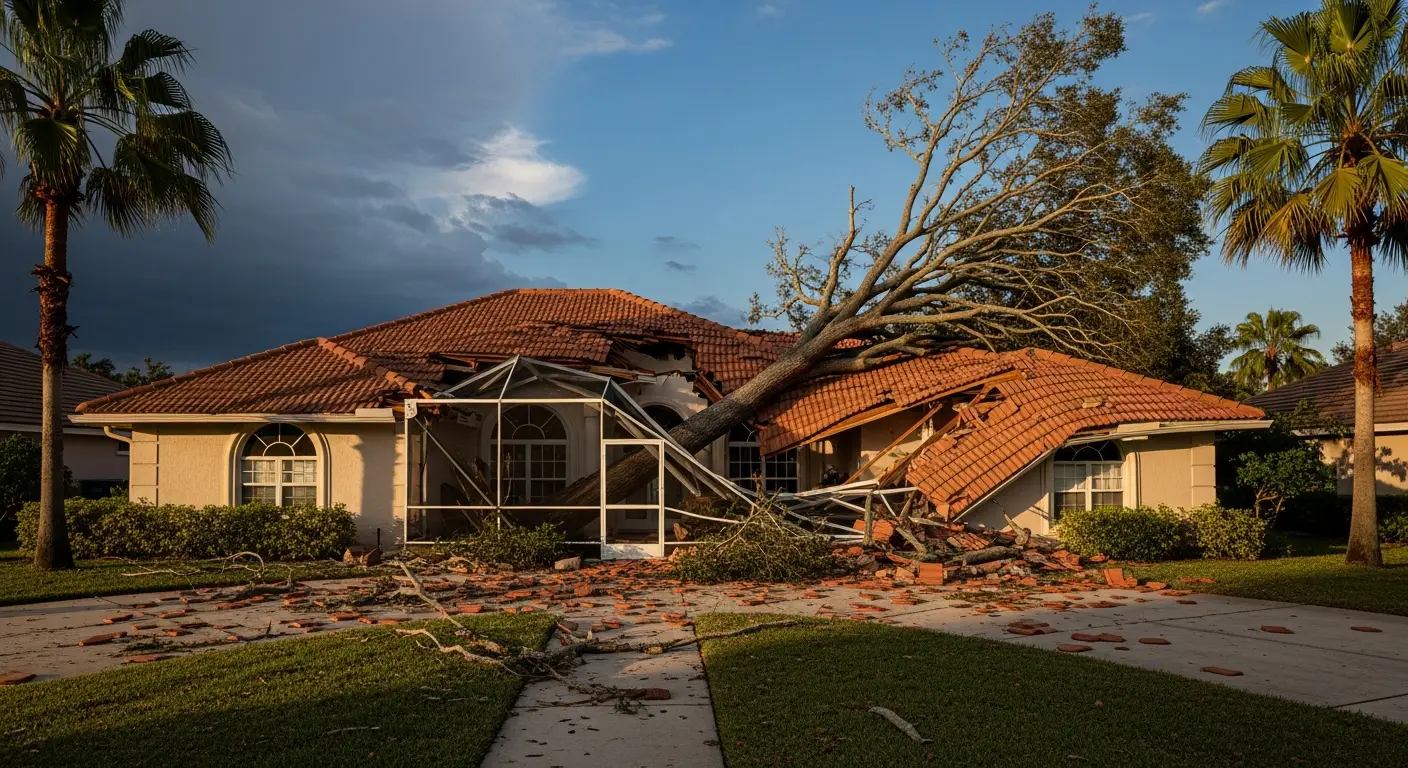
- Visible roof collapse, partial ceiling collapse, or any room where the ceiling is bowed, cracked, or sagging — leave and call 911
- Smell of natural gas or propane, or a hissing sound near the meter or any appliance — leave, do not flip switches, call 911 and the gas company from outside
- A downed power line touching the house, the tree, the fence, or anything within 30 feet of where people walk — assume energized, stay back, call 911 and the utility
- Standing water in any room with electrical outlets, baseboard heaters, or near an electrical panel — do not enter, call the utility for a shutoff
- Audible cracking, popping, or settling sounds from framing or the tree — get out and stay out until a structural engineer clears the building
- Cracks in load-bearing walls, doors that won't close in their frames, or floors that feel uneven where they were level yesterday — treat the building as compromised until inspected
Step 2: Stop the damage from getting worse
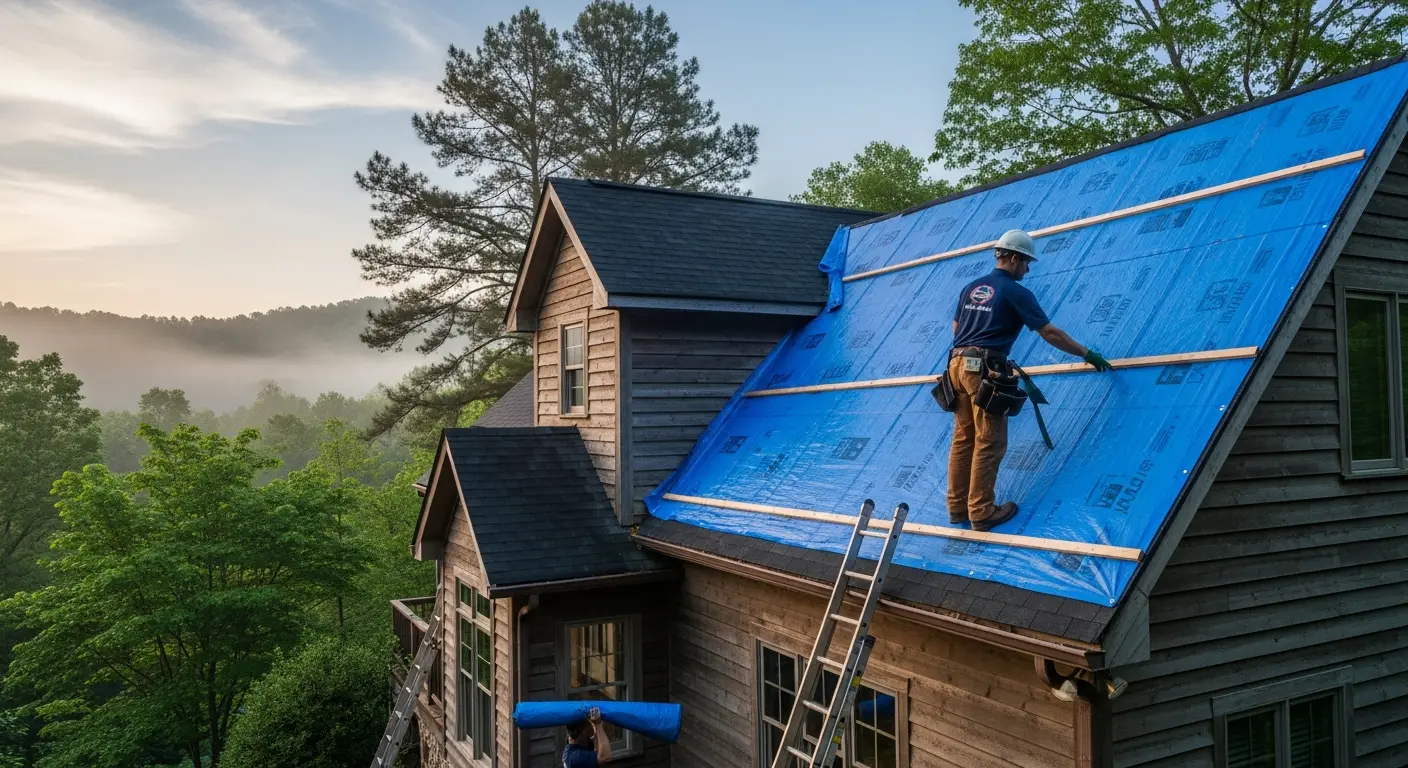
Most homeowners policies include what insurers call a "duty to mitigate" — language that obligates you to take reasonable temporary measures to prevent the loss from spreading once the initial event is over. In practice, that means tarping the open roof before the next rain, boarding up broken windows, extracting standing water, and getting air movers and dehumidifiers running on wet materials. The carrier will pay for these reasonable temporary measures (subject to your deductible), and they expect you to authorize them — failing to mitigate is one of the most common reasons secondary damage gets denied later. Our emergency water damage restoration workflow covers the IICRC S500-aligned drying procedures carriers expect to see on a mitigation invoice.
| Mitigation service | Typical national range | What it covers |
|---|---|---|
| Emergency roof tarp | $200 – $1,500 | Heavy-duty tarp, wood battens, nails, and labor to cover the opening before the next rain |
| Window and opening board-up | $120 – $750 | Plywood, fasteners, and labor to seal broken windows, doors, and walls against weather and entry |
| Water extraction (per affected area) | $3 – $7.50 / sq ft | Truck-mount or portable extraction of standing water, plus initial drying setup (Cat 1 baseline) |
| Debris and limb removal from interior | $500 – $2,500 | Cutting and hauling tree sections out of habitable space so structural inspection can begin |
Typical national ranges for the four most common emergency mitigation line items after a tree-impact loss — almost always reimbursable as mitigation expense, subject to your deductible.
Step 3: Document everything for insurance and contractors
- 1
Walk the perimeter and shoot wide
Stand back and shoot wide, level photos from each of the four sides of the home before any cleanup — even fallen branches or scattered tiles you'd normally pick up. The adjuster wants to see scope, not a tidy lawn.
- 2
Climb the ladder once, safely
If the roof is still walkable from the edge with a stable ladder, photograph the impact area from above and along the ridge line. If it's not safe, use a phone on a paint pole, a drone, or — best — wait for a mitigation crew with proper fall protection. Do not climb a damaged roof.
- 3
Trace the water path indoors
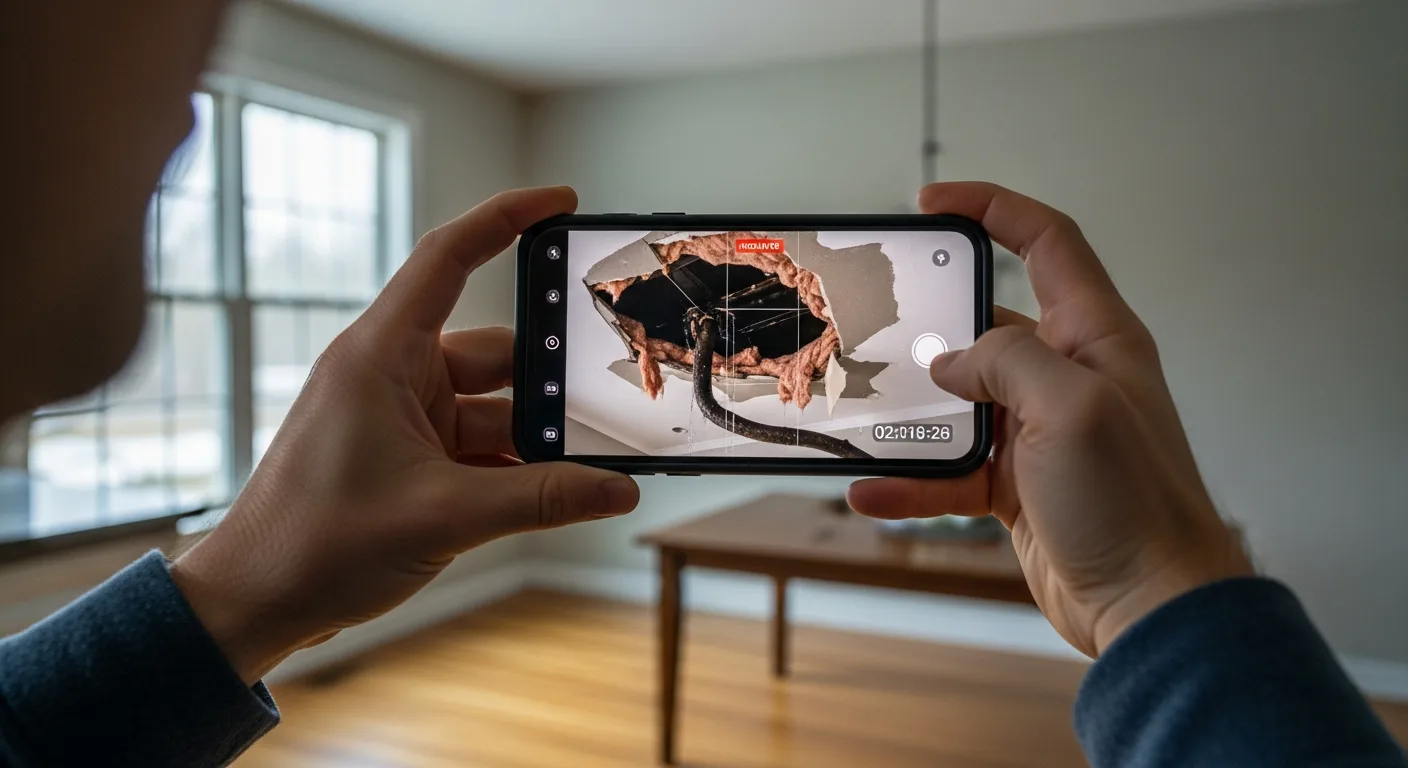
Photograph the ceiling, walls, and floor along the line water has traveled — top to bottom, room to room. Open closets and cabinets along that line. Pull back rugs over any wet area. Capture damp insulation, swollen baseboards, and stained drywall in close-up with the phone's flash.
- 4
Photograph the tree itself
Document the trunk, root ball, the fall line through the roof, and any visible signs of pre-existing decay (hollow trunk, fungal conks, dead crown, prior wind-leaning). The cause of failure matters for the claim, especially if the tree was on a neighbor's property.
- 5
Build a receipts trail from minute one
Save every receipt from minute one — tarp materials, hotel nights, fans and dehumidifiers you bought, food spoiled in the fridge, board-up labor. Keep a single envelope or a phone-photos folder. These reimburse under Additional Living Expense and mitigation coverage.
Step 4: Start the insurance claim and avoid common mistakes
Notify your carrier the same day, ideally within hours. Most carriers now have an app or web portal that lets you upload photos and start a claim in under ten minutes — use it, because the claim number it generates is what every contractor, adjuster, and engineer is going to ask for. Be factual: describe what happened, not what you think it'll cost. Do not exaggerate, but do not minimize either — note every wet room, every ceiling stain, every door that won't close in its frame. And critically, do not sign over an insurance check or sign an Assignment of Benefits to a contractor who shows up before the adjuster has been on site. Our insurance restoration process overview walks through how a reputable restoration partner coordinates with your carrier without taking control of your benefits.
Tree damage that's typically covered
- Sudden wind, hurricane, ice, or storm causes the tree to fall — the textbook "covered peril"
- The tree was healthy enough that a reasonable inspection wouldn't have flagged a hazard
- Damage extends from the impact (roof, structure) into secondary damage (water, mold) you mitigated promptly
- Tree removal from the structure is usually covered; many policies also cover removal from driveways and walkways up to a sublimit
Tree damage that often gets denied
- Pre-existing decay, pest damage, or visible dieback that was reported by a neighbor or arborist before the storm
- A dead tree the homeowner was warned about and chose not to remove — the carrier may treat the loss as foreseeable
- Secondary water or mold damage from a roof opening that was not tarped within a reasonable window
- "Earth movement" or flood-driven loss when a tree falls from saturated ground — these often fall under separate flood or earth-movement exclusions
Florida — 1-year notice and 60-day pay-or-deny +
North Carolina — 30-day acknowledgment +
South Carolina — 90-day demand & attorneys' fees +
Step 5: Get the right inspections and start the restoration plan
If a tree has compromised roof framing, a load-bearing wall, or any visibly sagging interior structure, you need a licensed structural engineer — not a general contractor — to write a stamped report on what the building actually needs. A general contractor builds; an engineer specifies. Carriers and code officials want the engineer's stamp on the structural scope before reconstruction begins, especially for rafter, truss, or ridge-board damage. Engineer reports run roughly $350–$800 for a residential roof inspection; that's a small fraction of the cost of rebuilding the wrong thing.
Run the mold clock from the moment water hit anything porous. The Environmental Protection Agency and FEMA both publish a 24-to-48-hour drying window for wet materials — dry inside it and mold growth is usually preventable; sit beyond it and you're typically looking at a containment-and-remediation job on top of the original loss. That's why mitigation matters even before the engineer shows up: getting air movers and dehumidifiers on site within hours protects the inside of the home while the structural and roof scopes are still being written. See our emergency water damage restoration workflow and our professional mold remediation overview, plus the EPA mold remediation guidance for the federal authority on the drying window.
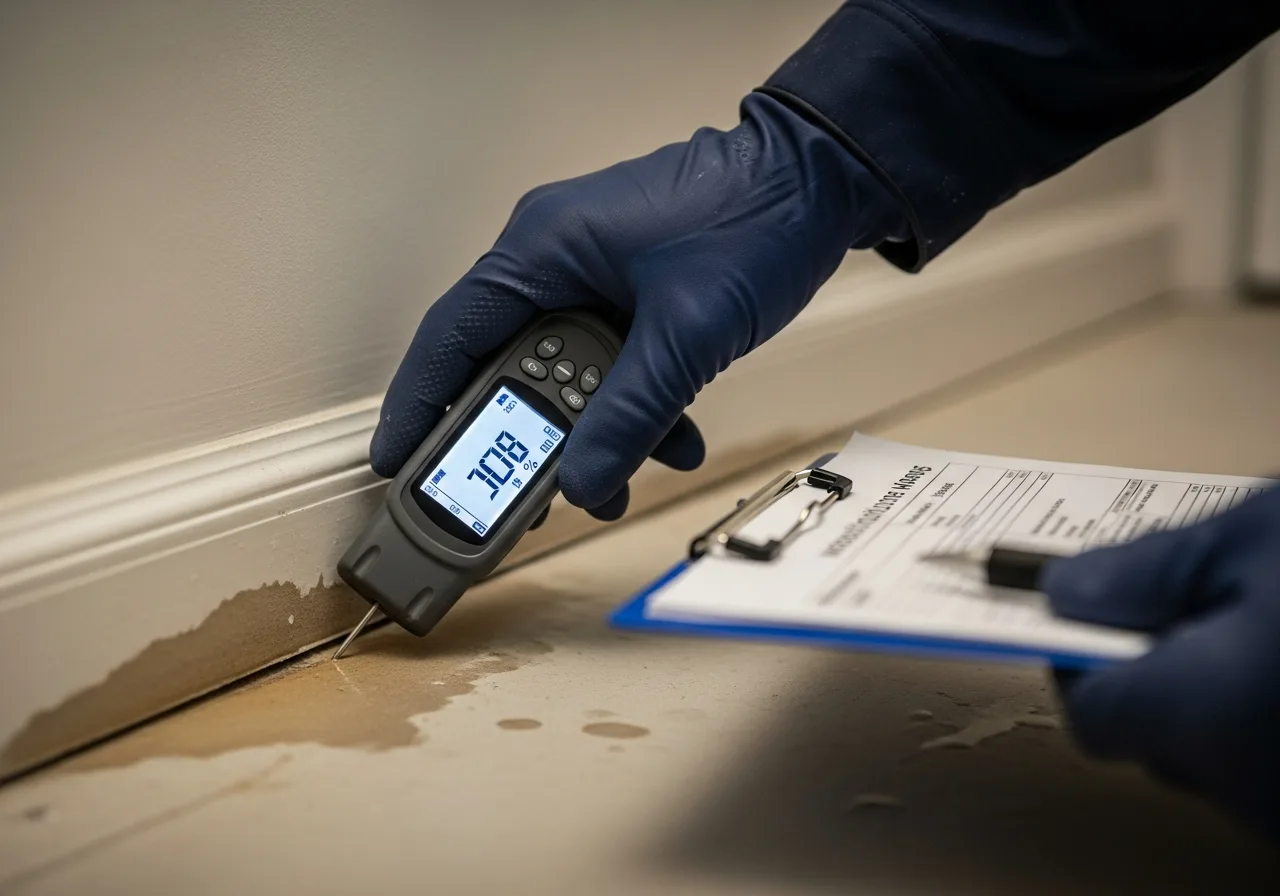
| Service | Typical national range | Why it matters |
|---|---|---|
| Structural engineer roof / framing inspection | $350 – $800 | Stamped report carriers and code officials require before reconstruction of damaged framing begins |
| Water damage restoration | $3 – $7.50 / sq ft | IICRC S500 extraction, drying, and moisture mapping for affected square footage |
| Mold remediation | $1,223 – $3,749 | National range when wet materials sit beyond the 24–48 hour window and require containment and removal |
| Emergency roof repair (tarp to permanent) | $392 – $1,913 | Range from temporary tarp through partial-section permanent repair, before full replacement is scoped |
Typical national cost ranges for the inspection and mitigation services most tree-impact losses need, before reconstruction. Most are reimbursable under your policy's mitigation, debris removal, and dwelling coverages.
Step 6: Repair and rebuild — what "mitigation" vs "reconstruction" means
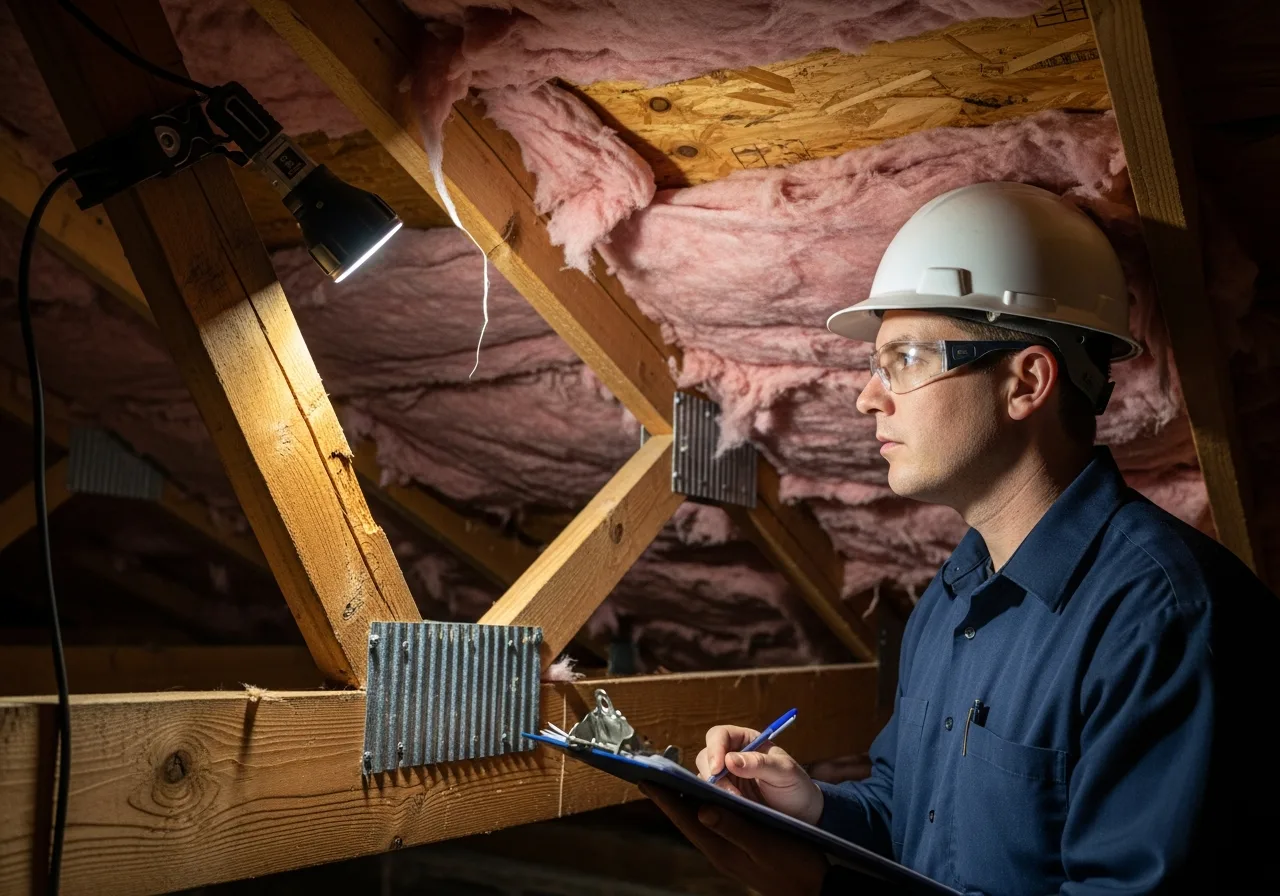
Mitigation and reconstruction are two different phases that often get blurred together when a homeowner is exhausted. Mitigation is the emergency stop-the-bleeding work — tarp, board-up, water extraction, drying, controlled demolition of unsalvageable wet materials, and contents protection. It happens in the first hours and days, billed under mitigation and dwelling coverages, with a separate scope and a separate set of standards (IICRC S500 for water, S520 for mold). Reconstruction is the rebuild — framing repair, sheathing, decking, shingles or tile, drywall, paint, flooring, trim — billed under dwelling coverage on a different scope, often weeks later. The same firm handling both means one paper trail, one accountability line, and no handoff gap where moisture readings or scope details get lost. See our reconstruction services overview for how the rebuild phase coordinates with the mitigation paper trail.
Hour 0
Impact and immediate safety
Tree comes through the roof. Everyone out, headcount on the street. Call 911 if anyone is hurt, gas is leaking, or lines are down. Treat the building as unsafe until proven otherwise.
Hour 4
Mitigation crew on site
Local 24/7 mitigation team arrives, photographs the scope before touching anything, then tarps the roof, boards up openings, extracts standing water, and stages air movers and dehumidifiers in every wet room.
Day 1
Insurance notified, mitigation paper trail started
Claim filed via carrier app or phone. Mitigation moisture maps and daily drying logs begin. Receipts collected for ALE (hotel, food, transportation). No reconstruction contracts signed yet.
Day 2–3
Drying inside the EPA window
Air movers and dehumidifiers continue running until moisture meters read dry-standard across all affected materials. Daily readings logged and shared with adjuster on request.
Week 1–2
Engineer report and reconstruction scope
Structural engineer issues a stamped report on framing, sheathing, and any load-bearing impact. Reconstruction scope written from the engineer report and the carrier's matching scope. Permits filed.
Week 4–12
Reconstruction and final walkthrough
Framing repair, decking, roofing, drywall, paint, flooring, trim, and contents reset, all to code. Final walkthrough and post-remediation verification (PRV) for any mold-affected areas. Carrier closes the claim.
State callouts that genuinely change your decisions
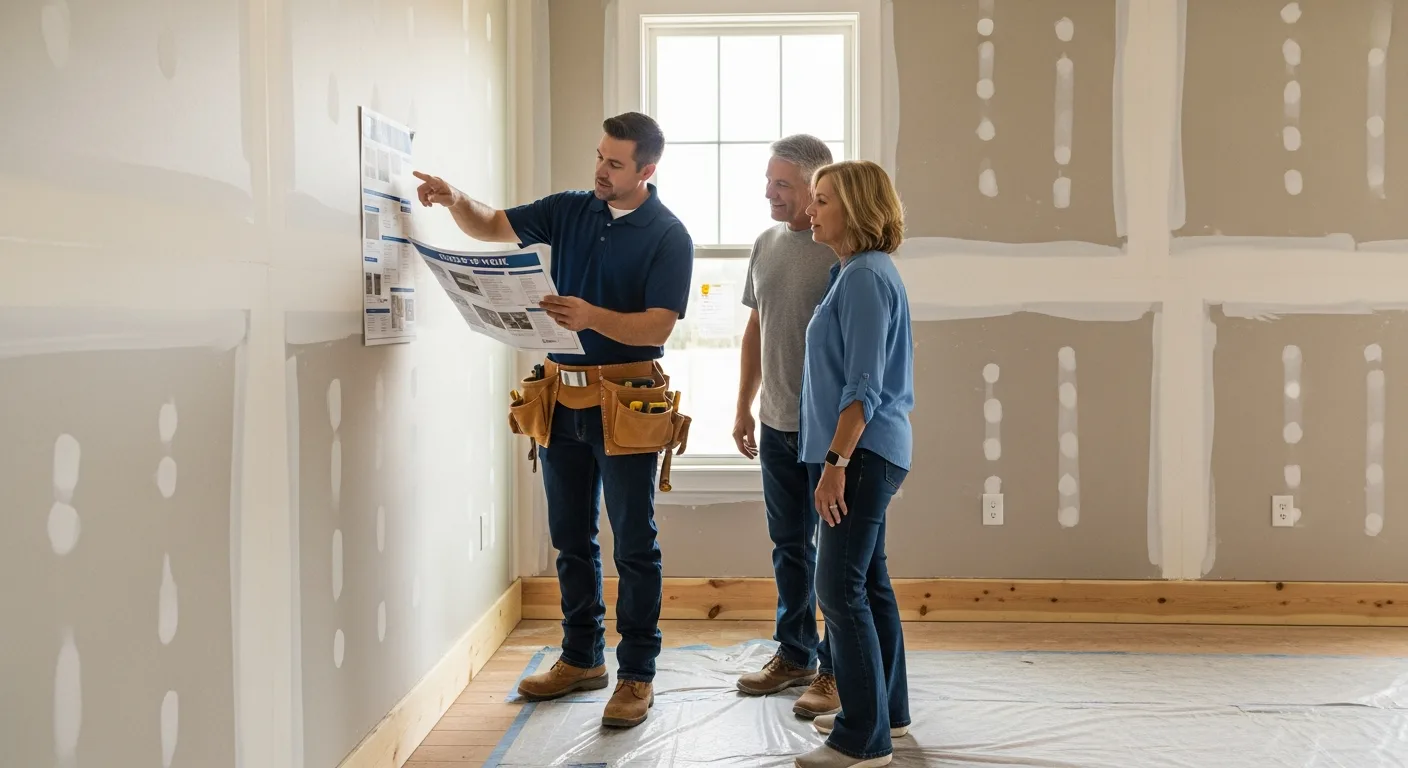
Storm response is broadly the same across the southeast, but a handful of state-specific rules genuinely shift how fast you act and what you sign. Florida, North Carolina, and South Carolina each have one or two quirks worth knowing before you call the carrier or sign anything — they're not edge cases, they're the rules carriers and contractors are working from on day one.
Florida — 1-yr notice, 60-day pay-or-deny, hurricane deductible, mold licensing +
North Carolina — 30-day acknowledgment, Beach Plan, neighbor-tree rule +
South Carolina — 90-day demand & attorneys' fees, $500 tree-removal sublimit +
Frequently asked questions
What should I do first if a tree fell on my house? +
Does homeowners insurance cover a tree falling on my house? +
Whose insurance pays if a neighbor's tree falls on my house? +
How long do I have to file a tree damage insurance claim? +
Can I stay in my house after a tree falls on the roof? +
How fast does mold grow after a tree opens the roof? +
Should I sign with the first contractor that shows up? +
Who removes the tree, and is the cost covered? +
Storm, Wind & Hurricane Damage
24/7 emergency response across Florida, North Carolina, and South Carolina — the central pillar for everything storm-related.
Insurance Restoration Process
How Palm Build coordinates directly with FL, NC, and SC carriers from initial claim notice through rebuild completion.
Water Damage Restoration
IICRC S500-aligned mitigation, structural drying, and moisture documentation when a tree opens the roof to rain or storm water.
Mold Remediation
Containment, removal, and post-remediation verification when storm water sits longer than the 48-hour EPA mold window.
When in doubt, call. The first 72 hours after a tree comes through the roof are the highest-leverage hours of the entire claim — tarp on, photos taken, carrier notified, mitigation paper trail started. Get those right and the rest of the rebuild is just project management. Get them wrong and you're paying twice. Palm Build's 24/7 dispatch covers FL, NC, and SC with IICRC-certified crews who can be on site within hours, not days, with the documentation discipline carriers expect to see on a covered loss.
Tree on your house? Get an honest, IICRC-certified emergency response across FL, NC & SC.
Palm Build's 24/7 emergency teams document, mitigate, and rebuild — with a claim-ready paper trail from the first photo to the final invoice. No kitchen-table pressure, no AOB demands, no signed-over checks.
Found this helpful? Send it to someone who needs it.