Quick Answer
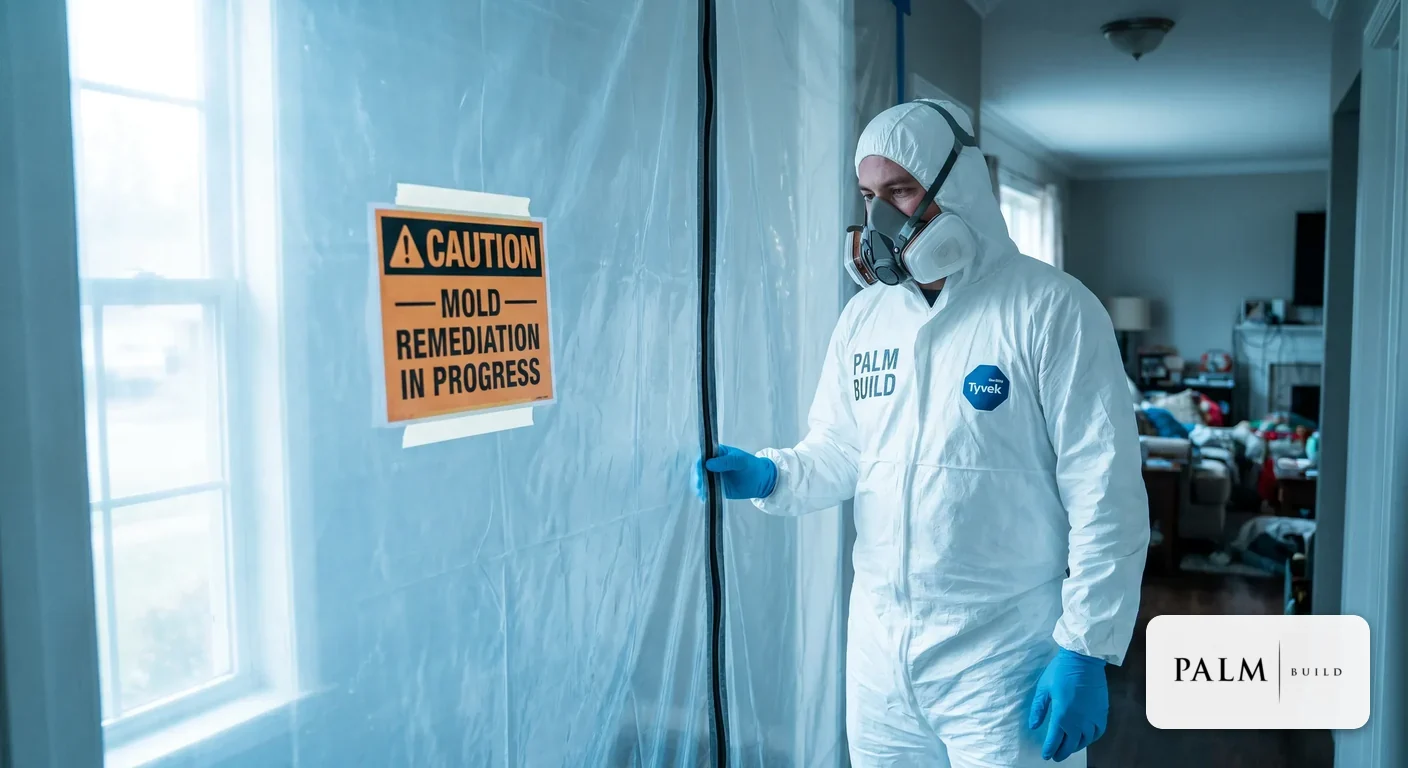
You can sometimes stay home during mold remediation — but only when the work is tightly contained and no one in the household is medically vulnerable. The CDC is direct: anyone with asthma, COPD, chronic lung disease, or a weakened immune system should not be in a moldy home or present during cleanup. The mold's location and how much demolition is needed also factor in.
Key takeaways
- The CDC's clearest "must leave" rule: anyone with asthma, COPD, chronic lung disease, or a compromised immune system should not stay in a moldy home or be there during cleanup.
- The decision rests on four variables: who lives there (health risk), where the mold is, how much demolition is needed, and whether the contractor is using real containment, negative air, and HEPA filtration.
- IICRC S520 calls for a controls-first approach: physical removal of contaminated materials, not antimicrobial fogging. If the plan is mostly chemicals, staying becomes higher risk.
- National data places most residential mold remediation at $1,200 to $3,750, often $10 to $25 per square foot, with project duration ranging from one day to more than a week.
- Florida licenses mold assessors and remediators individually and caps storm claim notice at 1 year (18 months for supplemental). North Carolina has no state mold license, so vetting IICRC training matters more. South Carolina's official guidance still emphasizes drying within 24 to 48 hours.
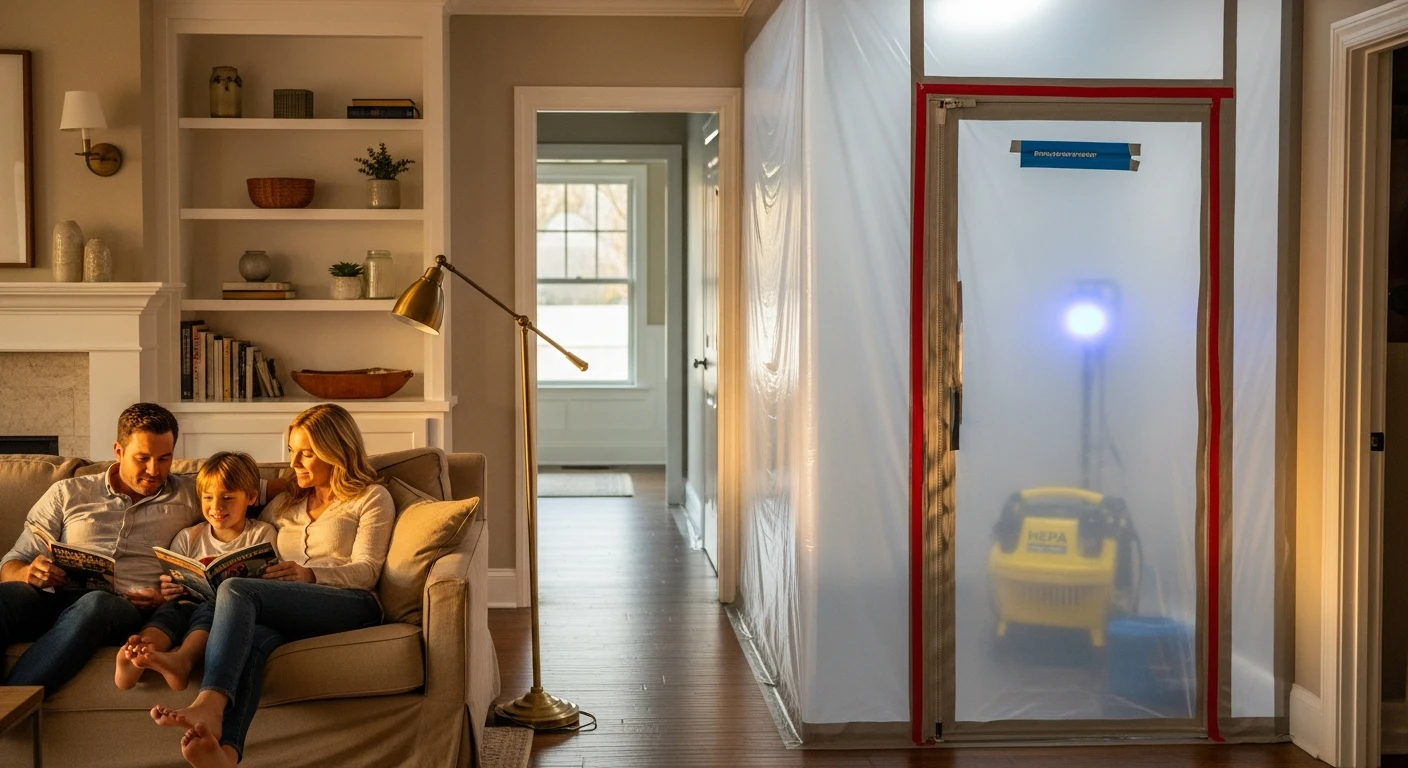
Yes, you can sometimes stay in your house during mold remediation, but only when the work is tightly contained and your household is not medically vulnerable. The CDC is direct on this point: if anyone in the home has asthma, COPD, chronic lung disease, or is immunocompromised, they should not stay in a moldy home or even be there while it is being cleaned. In practice, many homeowners can remain in unaffected rooms when the contaminated area is sealed off with floor-to-ceiling barriers, kept under negative pressure with HEPA filtration, and HVAC spread is controlled. Plan to leave (or at least relocate children and pets) when mold is widespread, located in bedrooms or main living areas, involves the HVAC system, or requires heavy demolition or chemical application.
EPA DIY threshold
10 sq ft
Beyond this, EPA suggests professional remediation
Drying window
24 - 48 hrs
EPA, CDC, and OSHA benchmark to prevent mold
Typical project cost
$1,200 - $3,750
Angi national average for residential remediation
Project duration
1 day - 1+ wk
Drying often takes longer than removal
When You Can Usually Stay Home
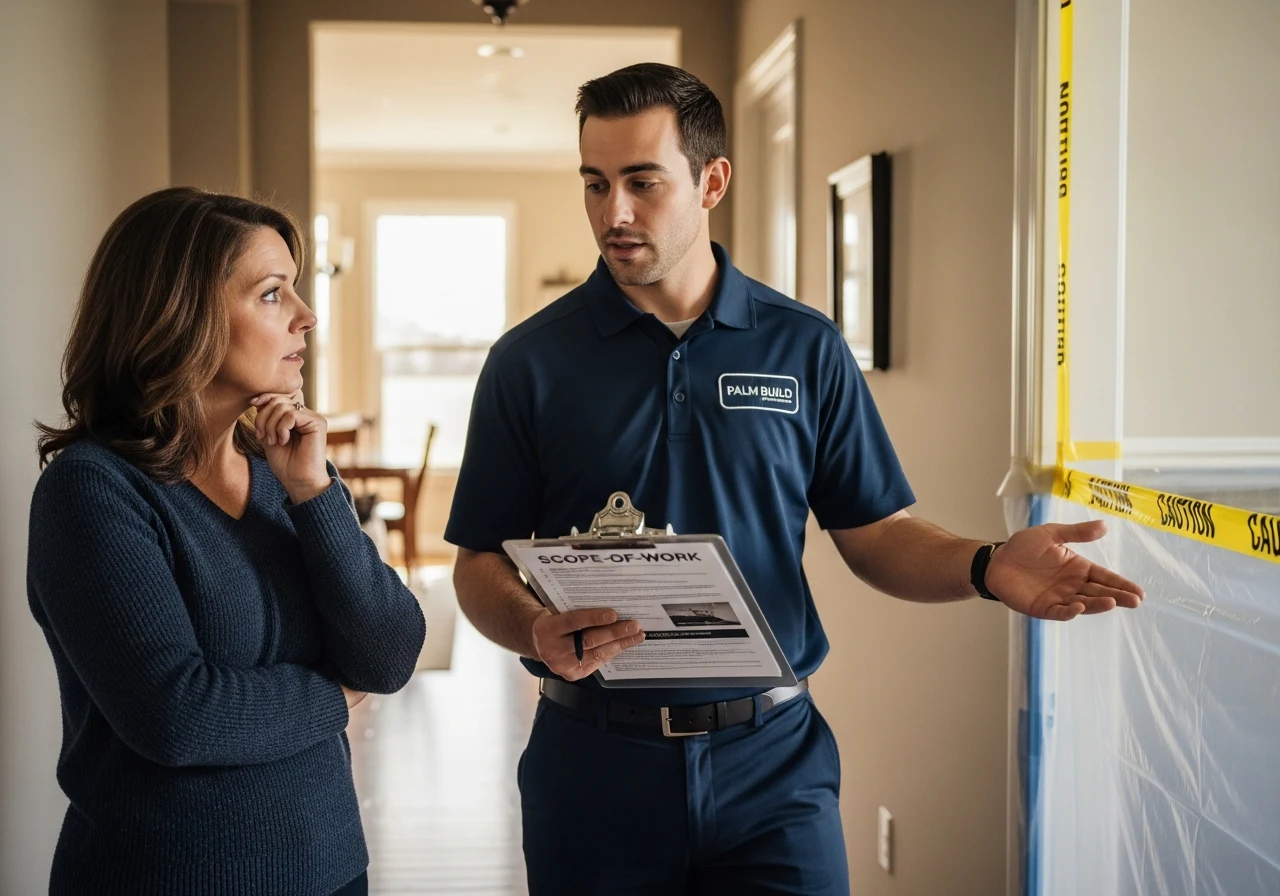
Whether staying home is reasonable depends on four variables: who lives there (health risk), where the mold is (exposure), how much demolition is needed (spore release), and whether your contractor is actually using real containment and filtration (controls). When all four line up in your favor, staying through a professional mold remediation project is often a sound call. When even one stacks against you, relocation is the safer default. If you are weighing the decision, it helps to know exactly what the crew will do — here is the full step-by-step remediation process.
Small, Isolated Jobs (Under About 10 Square Feet)
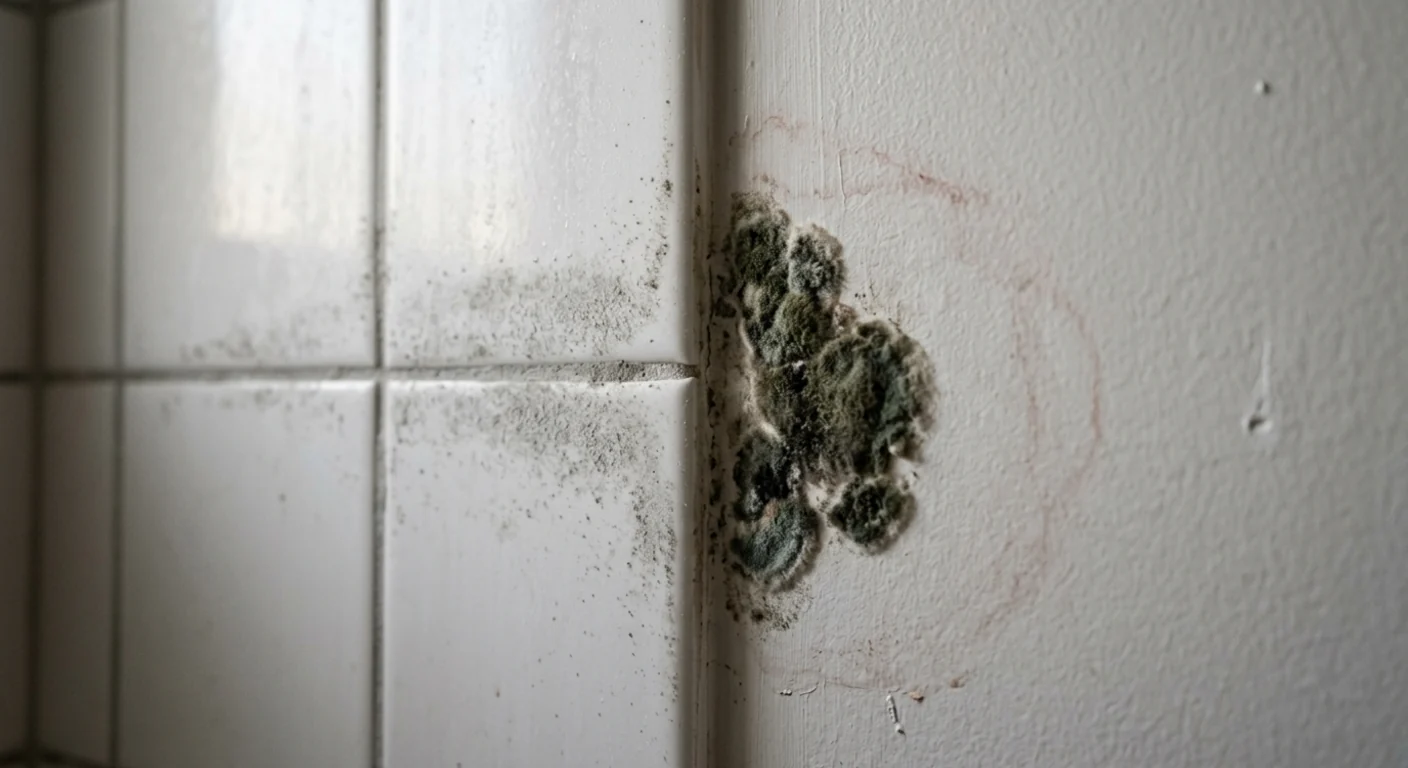
The U.S. Environmental Protection Agency's widely-cited rule of thumb is that mold covering less than about 10 square feet (a 3-by-3-foot patch) can often be handled by a homeowner or with a smaller, contained professional scope. Below that threshold, the spore release during removal is usually low enough that a single isolated room can be sealed off and worked in while the rest of the house operates normally. Above 10 square feet, the EPA recommends following Schools and Commercial Buildings guidance and considering a contractor experienced in mold cleanup. For more on how mold reaches that threshold so quickly, see our guide on how fast mold grows after water damage.
Mold in Non-Living Areas (Attic, Garage, Crawl Space)
If mold is in a part of the home you do not actively occupy, like an attic, detached garage, or crawl space, the equation shifts. You can usually stay home if the contractor isolates the work zone, controls foot traffic, and seals supply registers and return pulls so HVAC does not move air across the contamination boundary. Crawl space jobs in the Carolinas often fall into this bucket because the space is below the conditioned envelope. Our crawl space cleanup crews build the same containment and negative-pressure setup down below that they use upstairs, which keeps the disruption contained to the access hatch.
What to Ask Your Contractor Before Deciding
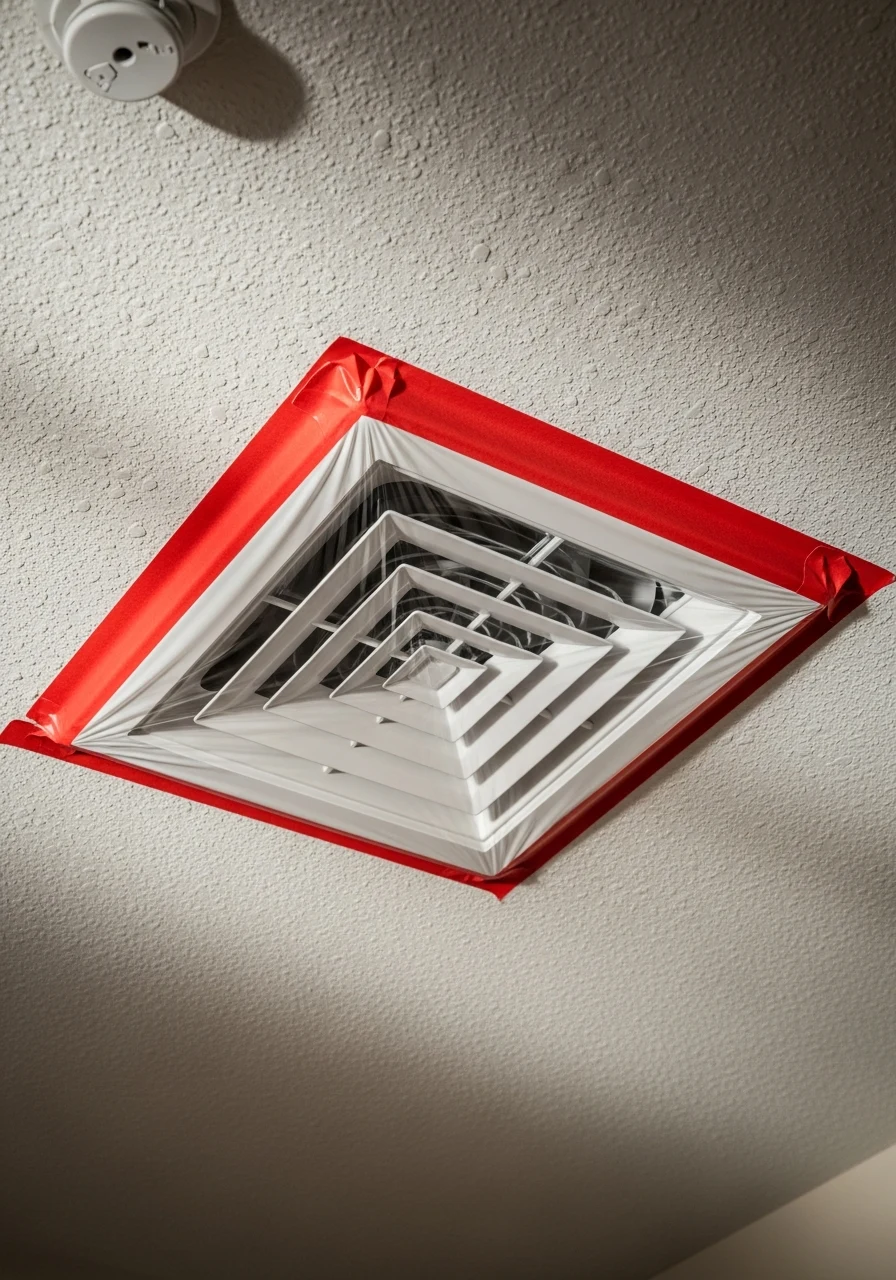
- Will you build a physical containment barrier (typically 6-mil polyethylene sheeting taped floor-to-ceiling) around the work zone before disturbing materials?
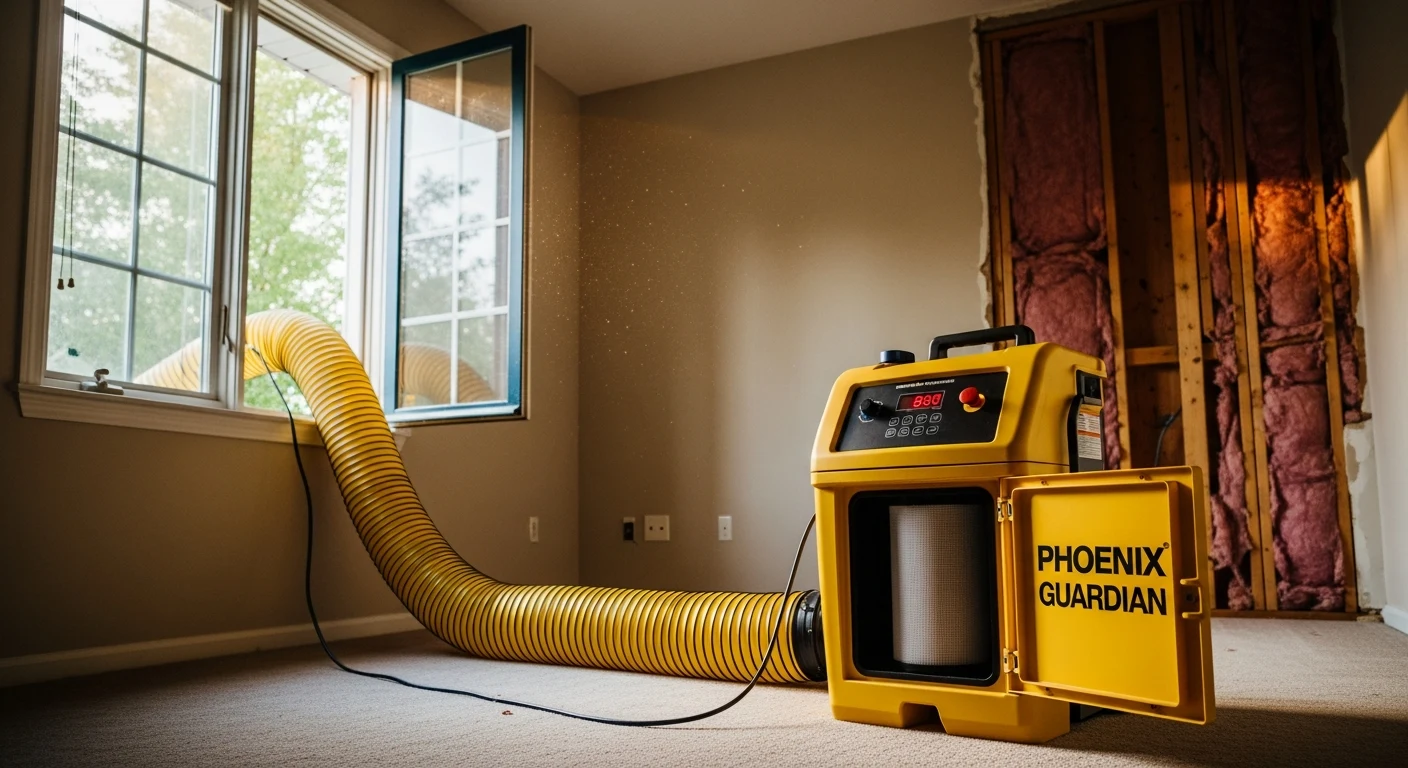
- Will you run a HEPA-filtered negative-air machine inside the containment to keep airflow moving from clean to contaminated areas?
- How will you seal HVAC supply registers and returns in or adjacent to the work zone, and will the system run during active work?
- What PPE will the technicians wear, and how will they enter and exit the zone without tracking spores into clean areas?
- Is the plan focused on physical removal of contaminated materials, or is it mostly antimicrobial fogging and surface coatings?
When You Should Not Stay

The clearest case for leaving comes from the Centers for Disease Control and Prevention. CDC guidance states that people with asthma, allergies, or other respiratory conditions, as well as immunocompromised individuals, should stay away from moldy environments and not be present during cleanup. That includes children with asthma, elderly relatives with COPD, anyone in active cancer treatment, and households where someone is recovering from a recent transplant or surgery. The risk is not theoretical. Disturbing colonized drywall, carpet, or insulation aerosolizes spores and fragments at concentrations far higher than baseline, and the safest exposure for a vulnerable person is none.
Beyond the medical-risk trigger, there are situations where staying simply is not practical even for a healthy household. If mold is in the bedrooms, kitchen, or primary living area, you cannot realistically avoid exposure or dust during active demolition and cleaning. Walking past containment three or four times a day, sleeping in the room adjacent to the work zone, and trying to keep small children or pets clear of the controlled area for a week is rarely sustainable. In those scenarios, a hotel or short-term rental for the duration of the active work usually costs less than the stress and the rework.
HVAC involvement is the other hard stop. If you smell a musty odor through your supply registers, if mold is visible inside the air handler or ductwork, or if the original water event affected the mechanical room, you should plan to leave. The HVAC system is essentially a whole-home distribution network: running it pulls air across the contamination and pushes spores into every room with a register. Professional remediation in this scenario often requires shutting the system down, sealing all supplies and returns, and adding specialized duct cleaning to the scope. For the source-control side of these projects, our water damage restoration teams handle the moisture and mechanical-room work that has to happen before the air system goes back online.
The Stay-vs-Leave Decision Matrix
Use this table the same way our project managers do during the initial walkthrough. Find the row that best matches your situation, read the middle column for the realistic call, and use the right column to confirm what has to be true on the ground for staying to actually be safe. When more than one row applies (HVAC plus a child with asthma, for instance), default to whichever row points toward leaving.
| Scenario | Is staying usually reasonable? | What must be true to stay safely |
|---|---|---|
| Small, isolated area (under ~10 sq ft) and no high-risk occupants | Often yes | Physical containment up, negative air and HEPA running when materials are disturbed, occupants stay out of the work zone. |
| Mold in a non-living area (attic, garage, crawl space) | Sometimes | Barriers at all entrances, HVAC registers and returns sealed or shut down, no return-air path through the work zone. |
| Mold in bedrooms, living rooms, kitchens, or daily-use rooms | Often no | Realistically requires temporary relocation. If staying is unavoidable, strict zone separation and limited occupancy of adjacent rooms. |
| Mold involves HVAC, air handler, or musty odor through vents | Usually no | HVAC inspected and typically shut down during remediation, ductwork cleaned, containment prevents cross-contamination. |
| Anyone has asthma, COPD, chronic lung disease, or is immunocompromised | No | CDC guidance: vulnerable individuals should not be in a moldy home or present during cleanup. Relocate before work begins. |
| Post-hurricane or post-flood with widespread damp materials | Often no | Wet materials removed, structure dried, PPE used during sorting. Often safer to relocate while post-flood mold prevention work is active. |
Stay-versus-leave decision matrix for residential mold remediation
What Safe Remediation Looks Like When You Stay
When homeowners successfully remain on-site, it is usually because the contractor is treating the job like a containment project, not a spray-and-wipe service call. The IICRC mold remediation standard (ANSI/IICRC S520) describes a controls-first approach: isolate affected areas with barriers, manage pressure differentials with HEPA-filtered air filtration devices, and avoid disturbing contaminated materials until containment and negative air are in place. The five steps below are how that standard translates into a residential project where the homeowner is staying through the work.
- 1
Site assessment and scope
A walkthrough identifies the moisture source, maps visible and likely hidden contamination, and locates HVAC components that touch the affected area. Moisture meters and thermal imaging confirm where wet materials extend behind finishes. The output is a written scope that names exactly which rooms and assemblies are in containment and which are not.
- 2
Containment and negative pressure
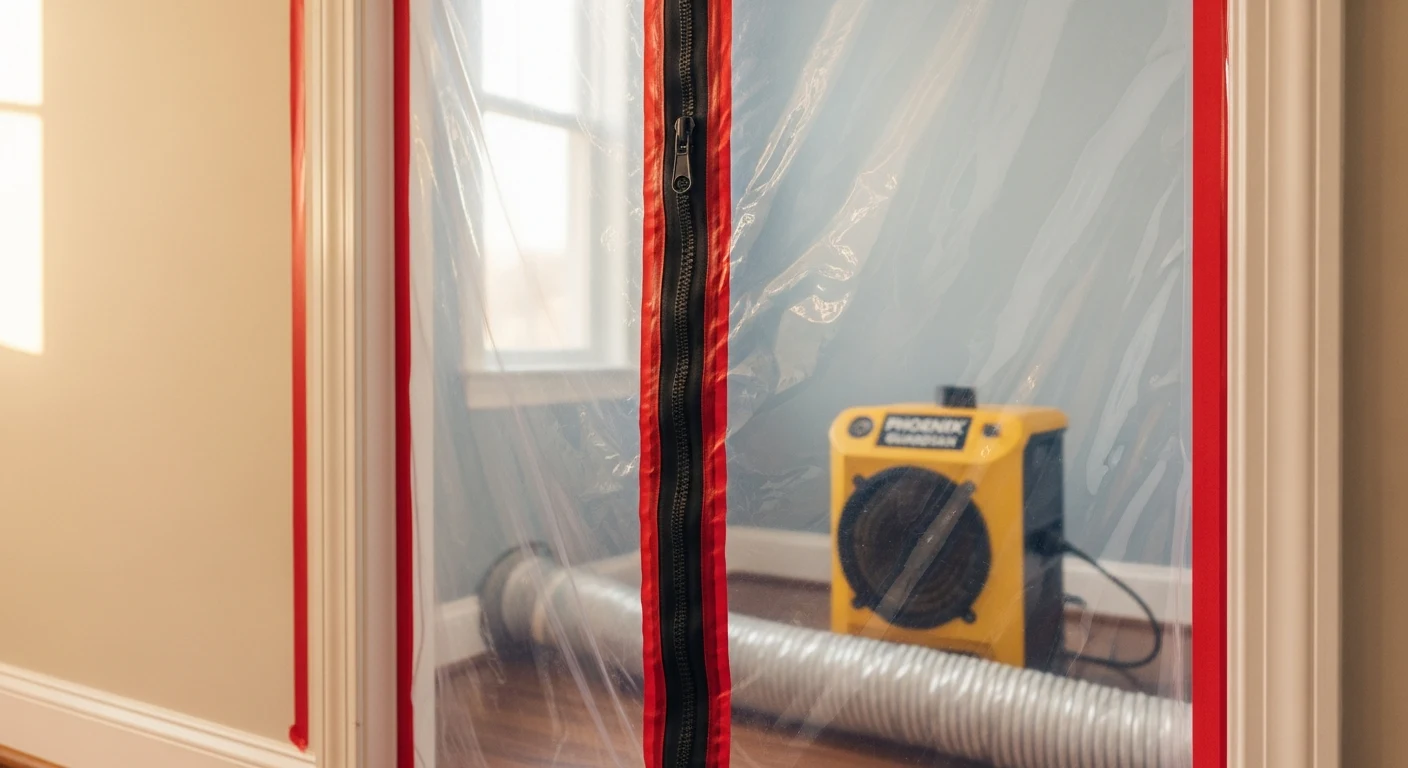
Floor-to-ceiling 6-mil poly sheeting goes up before any demolition, taped to wall and ceiling junctions. A HEPA-filtered negative-air machine inside the zone exhausts air outdoors so the work area sits at lower pressure than the rest of the home. That pressure differential is what keeps spores from drifting into clean rooms even when the zipper door opens.
- 3
HEPA filtration during disturbance
A second HEPA air scrubber typically runs as an air mover inside the zone during active demolition, capturing aerosolized spores and dust at the source. After active work each day, scrubbers continue to run for several hours to clear the air before technicians break down PPE.
- 4
Physical removal first
Porous materials that absorbed mold (drywall, insulation, carpet pad, soft contents) are bagged and removed rather than treated in place. S520 emphasizes physical removal as the primary remediation method, not antimicrobial fogging. Hard surfaces that remain are HEPA-vacuumed and damp-wiped, then dried.
- 5
Post-remediation verification
Before containment comes down, technicians confirm visible cleanliness, absence of musty odor, and dry moisture readings on remaining materials. Higher-stakes projects bring in an independent indoor environmental professional for clearance testing so the company doing the work is not the one signing off on it.
Cost and Timeline Snapshot
Cost and duration drive the stay-versus-leave call almost as much as health risk does, especially for families coordinating school drop-offs, pets, or property managers coordinating tenants. National data sets converge on a $1,200 to $3,750 typical project total, with per-square-foot pricing in the $10 to $25 range. Larger or more complex jobs run much higher. For a deeper breakdown by room, scope, and state, see our mold remediation cost guide for 2026.
| Cost item | Typical range | Notes |
|---|---|---|
| Professional mold remediation (project total) | $1,223 - $3,749 | Angi national average around $2,364 (December 2025 data) |
| Mold remediation, per square foot | $10 - $25 per sq ft | Affected area, not total home square footage |
| Larger or complex cases (50-300 sq ft, multi-room) | $600 - $8,000+ | Fixr's geographic and scope range; HVAC or whole-home rebuild can exceed this |
Mold remediation cost benchmarks (Angi, HomeAdvisor, Fixr 2025-2026 data)
Timeline-wise, SERVPRO's consumer FAQ frames mold remediation as a project that takes "anywhere from a day to more than a week," which holds up across the industry. Removal and cleaning are usually the faster phases. Structural drying and verifying materials are dry before reconstruction begins is often the longest, especially in Florida and the Carolinas where summer humidity slows passive drying. If the scope includes reconstruction services for replacing drywall, flooring, or trim, add another one to three weeks for that phase after remediation closes.
ALE coverage is contingent on the original loss being covered. Mold remediation tied to a sudden, accidental water event (a burst pipe, a failed appliance) is typically covered along with reasonable hotel costs. Mold tied to a long-term leak, deferred maintenance, or undisclosed humidity is commonly excluded. The cleanest way to navigate this is documentation discipline from day one. Our insurance restoration process team writes the scope in adjuster-friendly language and supplies the photographic, moisture, and timeline documentation carriers need to approve ALE alongside the remediation itself.
Florida, North Carolina, and South Carolina Notes
Florida: Strict Licensing and Storm-Claim Deadlines
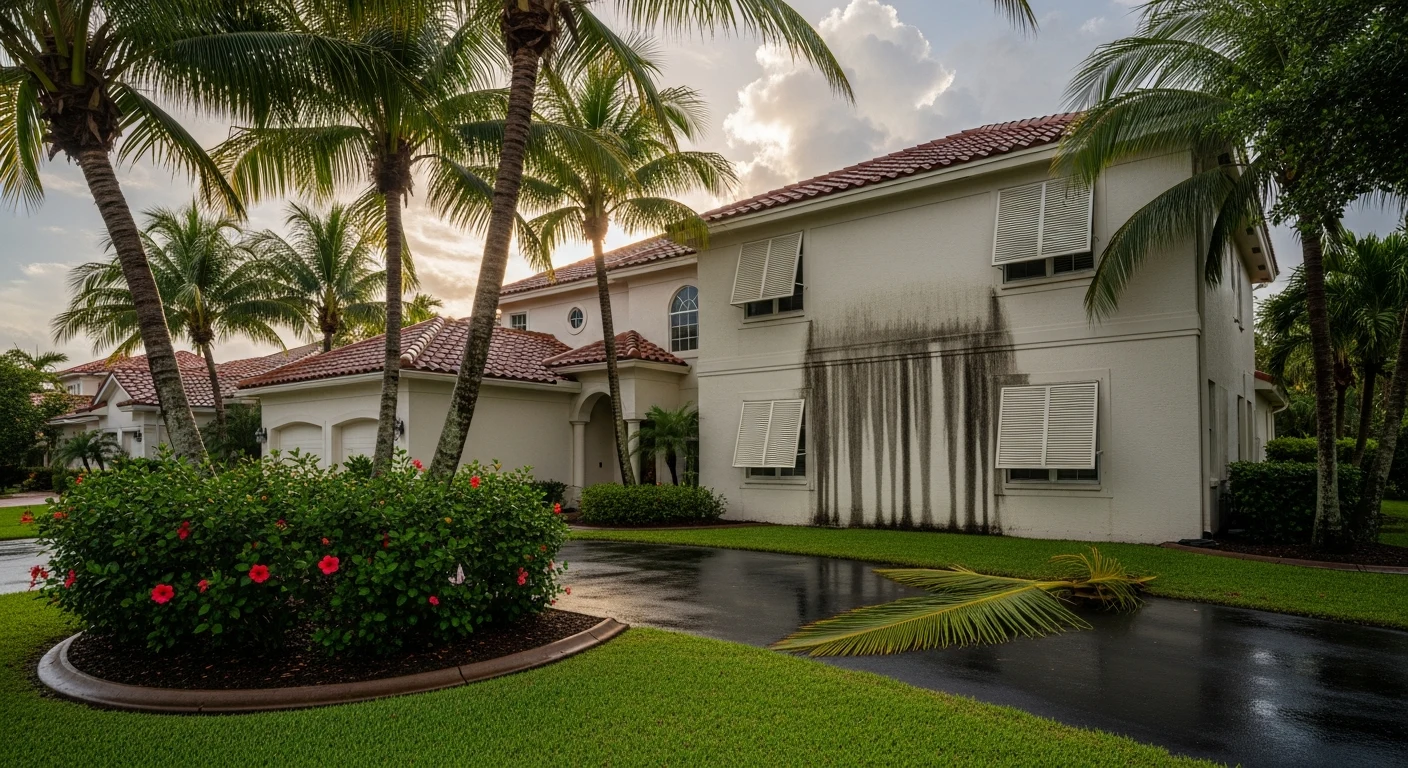
Florida is one of the most regulated states for mold work. The Florida Department of Business and Professional Regulation licenses mold assessors and mold remediators as individuals (not companies), with required education, documented experience, an exam, a background check, and training in water, mold, and respiratory protection. State law also restricts conflicts of interest: a licensed assessor generally cannot perform remediation on a structure they assessed within the last 12 months, and the reverse holds. When you hire in Florida, ask for the individual license number and verify it through the DBPR portal. On the insurance side, Florida Statute 627.70132 caps notice for most property claims at one year from the date of loss and most supplemental claims at 18 months, with specific weather-event rules. If your mold problem is downstream of a hurricane or named storm, those deadlines drive when you start the storm and hurricane damage restoration claim. For a deeper Florida-specific look, our Florida mold problems guide covers the climate and code context.
North Carolina: No State Mold License - Vet Carefully
North Carolina does not have a state certification or licensing program specifically for mold assessors or remediators. The state health department's guidance on hiring indoor air quality consultants emphasizes consumer due diligence rather than a state credentialing framework. That puts more weight on what you ask the contractor: IICRC S520 training, documented containment and HEPA practice, references from similar Carolina jobs, and a clear scope that names containment, negative pressure, and physical removal. The Charlotte and Triangle markets have a strong field, but the variance in quality is wider than what you find in Florida. Our Charlotte NC mold remediation guide walks through what to ask for in this market, especially around Piedmont humidity and crawl space involvement.
South Carolina: 24 to 48 Hour Drying Rule
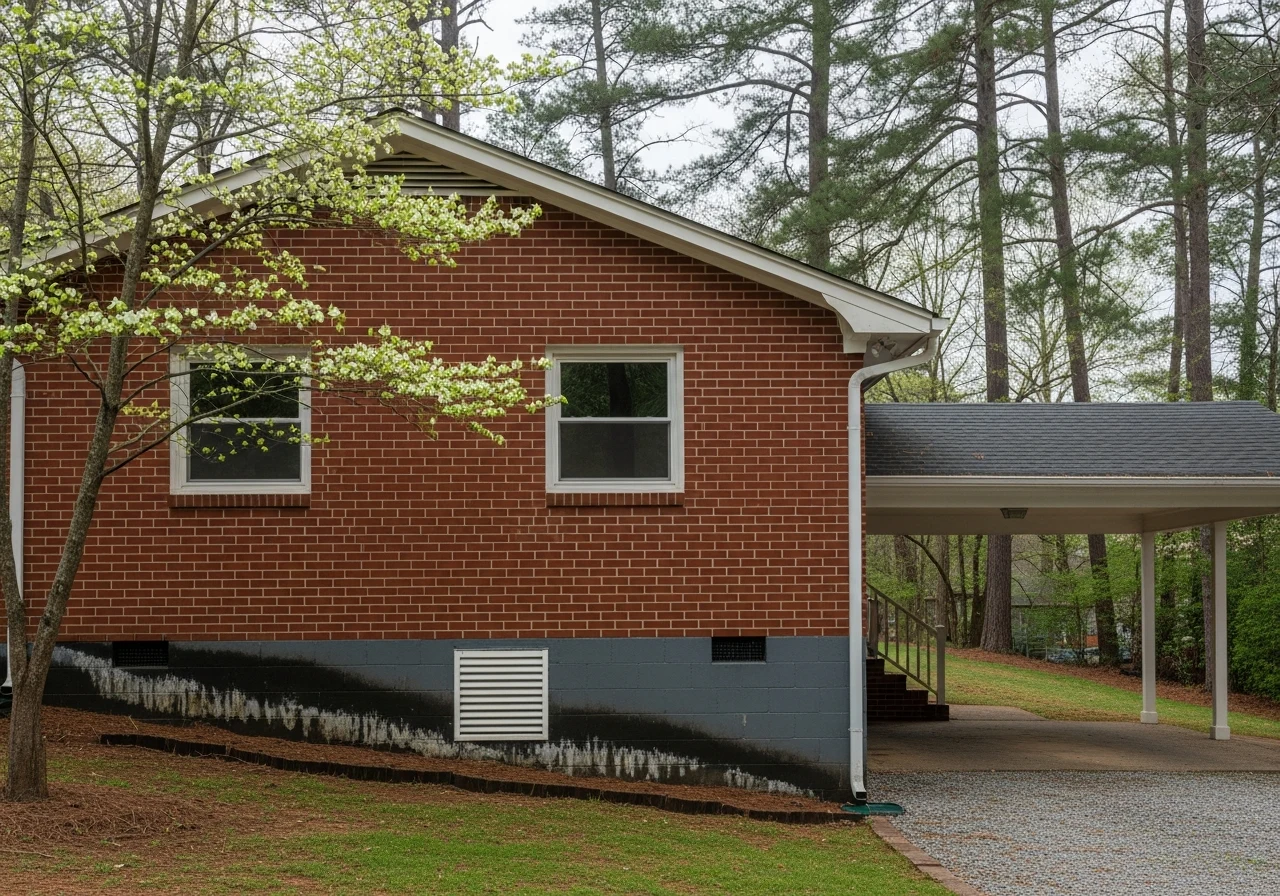
South Carolina's Department of Environmental Services ties mold growth directly to excess moisture and standing water and emphasizes drying within 24 to 48 hours after a water event. The agency also notes there are no state or federal laws, regulations, or standards for mold or indoor air quality that would allow them to test or inspect homes for mold, which raises the bar on hiring qualified contractors with documented protocols. There is active legislative motion: a bill introduced in the 2025-2026 session (H.5109) proposes creating a mold assessment and remediation certification board. As of this writing it is proposed, not enacted, so contractor vetting still falls to the homeowner. For storm-related projects on the SC coast or Piedmont, our Indian Land SC water damage guide walks through the cross-border licensing nuance.
If You Have to Stay: Daily Safety Rules
Once you commit to staying through a contained project, the household goal is exposure reduction. The work zone is the contractor's responsibility. The rest of the home is yours. The split below is what we hand to clients on day one of an occupied job.
Do
- Stay out of the work zone entirely. The zipper door is for the technicians, not for checking on progress.
- Keep doors between the work zone and the rest of the home closed and weather-stripped if possible.
- Follow the contractor's HVAC plan exactly: if the system is shut down, leave it down. If specific registers are sealed, leave them sealed.
- Use a single dedicated entry and exit pathway through the home so foot traffic does not cross containment.
- Wash hands and change clothes after any incidental contact with the contained area or its boundary.
Don't
- Don't run the HVAC system fan during active work, even briefly, unless the contractor has cleared the system.
- Don't enter the work zone without the PPE the technicians use, even "just to look."
- Don't store food, prepare meals, or set up pet feeding near the work area or shared HVAC return.
- Don't ignore a musty odor moving through the home. If it appears, call the contractor before continuing the project.
- Don't unseal taped registers or remove containment edges to ventilate or run a ceiling fan.
Frequently Asked Questions
Can you stay in your house during mold remediation? +
How long does mold remediation last? +
Is it safe to stay if someone has asthma or COPD? +
Do you have to leave if mold is in the HVAC system? +
Can kids and pets stay in the house during remediation? +
Can you clean mold yourself, or should you hire a professional? +
Will insurance cover mold remediation and a hotel? +
Mold Remediation Services
Containment-first mold remediation across Florida, North Carolina, and South Carolina, including occupied projects with full HEPA negative-air control.
Water Damage Restoration
Source control and structural drying, the moisture work that has to happen before mold remediation can actually hold.
Insurance Restoration Process
How Palm Build documents scope, ALE displacement, and mold sublimits so your carrier approves both the remediation and the hotel.
Crawl Space Cleanup
Carolinas crawl space remediation, vapor barriers, and dehumidification for the moisture source most often hiding behind upstairs mold.
Mold Remediation Cost in 2026
Full project, per-square-foot, and whole-home cost benchmarks with Florida and Carolinas state data.
Black Mold Symptoms and Health Risks
What CDC and NIOSH guidance say about mold-driven respiratory symptoms and which household members are most at risk.
Prevent Mold After Flooding: The 48-Hour Window
Why drying within 24 to 48 hours of a flood is the single most effective mold-prevention move, with EPA, CDC, and OSHA backup.
Mold remediation that lets you stay home when it's safe
We build the containment, run the HEPA negative air, and walk you through the daily-life rules so the right households can stay through the project. When the math says leave, we say so on day one and document the displacement for your carrier. Available 24/7 across Florida, North Carolina, and South Carolina.
Found this helpful? Send it to someone who needs it.