Quick Answer
Florida's insurance market is easing slightly in 2026 — Citizens is cutting multiperil rates an average of 8.8% — but water damage claims are more scrutinized, not less, with carriers investigating 'sudden vs. gradual' cause more thoroughly. You must give notice of a claim within one year of the date of loss, and within 18 months for supplemental claims.
Key takeaways
- Citizens Insurance rates are dropping an average 8.8% for homeowners multiperil in 2026, but Florida still has the highest average premiums in the nation — over $6,000/year in most coastal counties.
- Florida law bars new or reopened property insurance claims unless notice is given within one year of the date of loss; supplemental claims must have notice within 18 months.
- Insurers must pay or deny a Florida property claim within 60 days of receiving notice — but scrutiny of 'sudden vs. gradual' damage has intensified across the market.
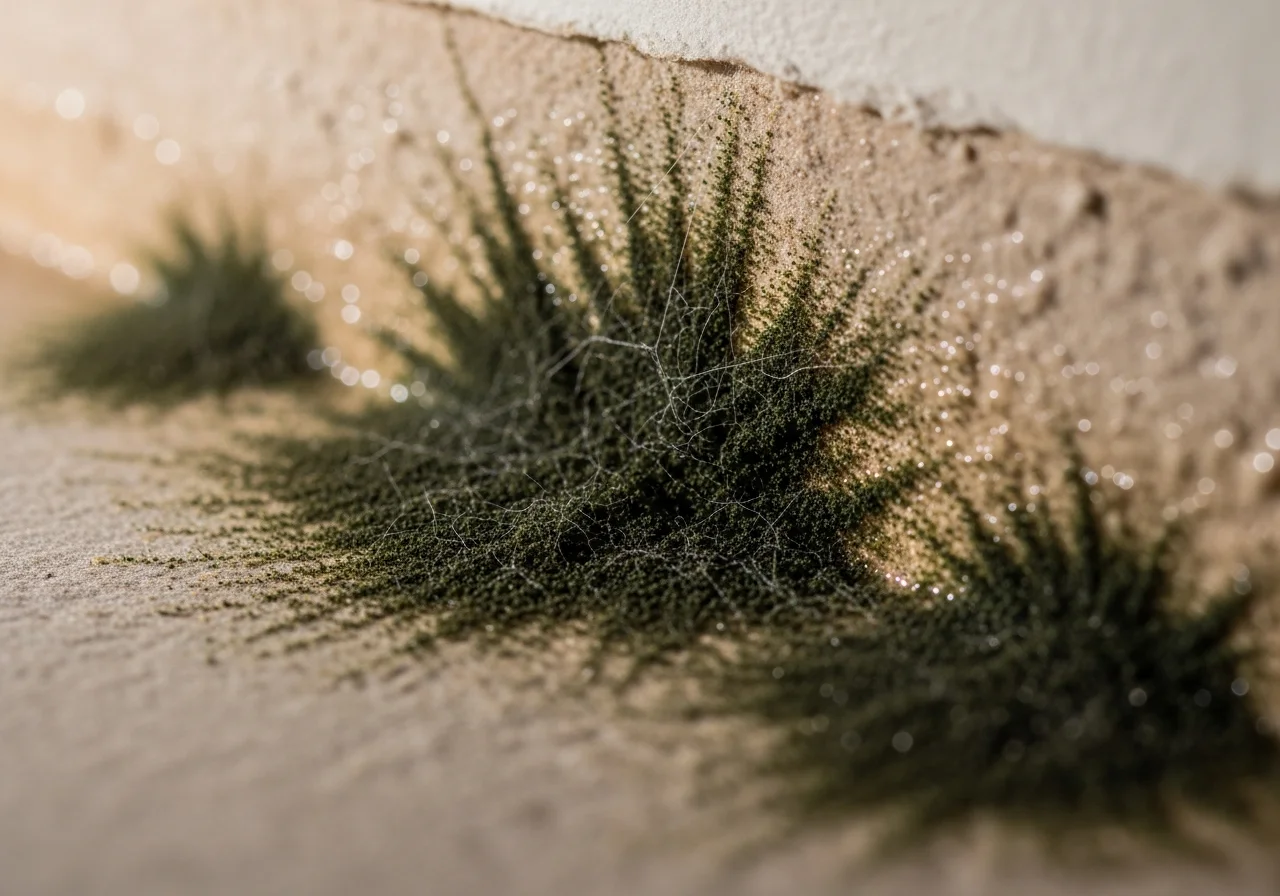
- Mold can begin growing within 24 to 48 hours on wet materials; delaying mitigation in Florida's humidity can turn a covered claim into a coverage dispute.
- Flood damage is not covered by a standard homeowners policy in any state — that requires a separate FEMA flood insurance policy.
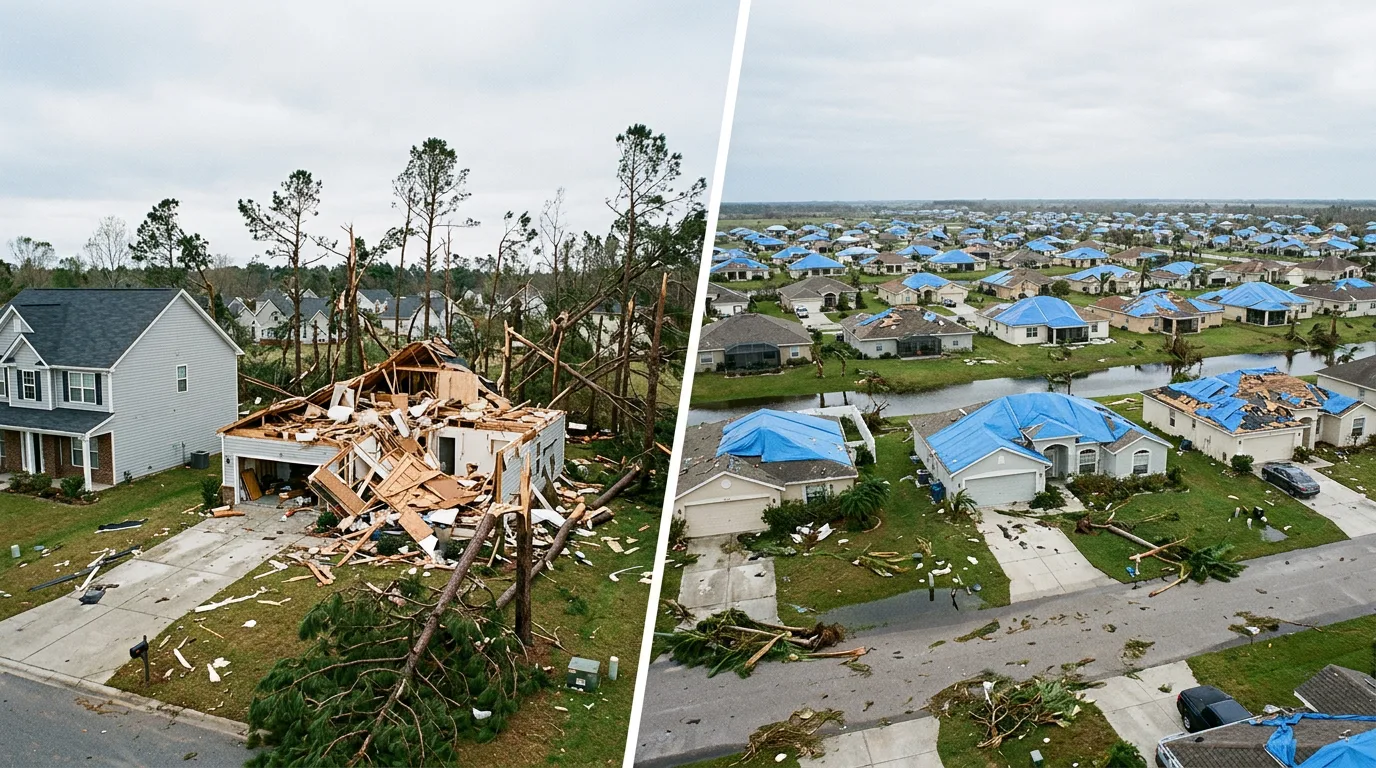
Florida's homeowners insurance crisis is easing in a few visible places in 2026, but water damage claims are not getting easier — they're getting more scrutinized. Citizens Property Insurance Corporation is cutting multiperil rates an average of 8.8% this year, its policy count has dropped 76% from its 2023 peak, and the voluntary market now holds over 91% of Florida homeowners policies. That is real progress. But none of it changes what insurers look for when your pipe bursts or your roof lets in rain: was the damage sudden and accidental, or was it a gradual leak that built up over weeks? That single question drives more Florida water claim disputes than any other factor. The other pressure points haven't changed either. Florida law generally bars new claims unless notice is given within one year of the loss, and mold can start growing within 24 to 48 hours on wet materials — meaning the decisions you make in the first day shape your entire claim. Whether you're navigating a covered water damage emergency or trying to understand how Florida's insurance restoration process works before a loss happens, this guide gives you the numbers, the deadlines, and the step-by-step documentation process that keeps claims on track.
Citizens rate cut 2026
-8.8%
Average multiperil rate decrease statewide
Avg Broward County premium
$6,220
Per year including wind coverage (FL OIR, Sept 2025)
Claims closed in 2024
698,742
Statewide; 60,261 litigated (FL OIR Stability Report)
Litigated vs non-litigated LAE
7x
$12,701 vs $1,778 avg loss adjustment expense
What Florida's Insurance Crisis Actually Looks Like in 2026
Citizens Rate Cuts in 2026: What They Do (and Don't) Change
The headline number is real: Citizens Property Insurance Corporation filed for an average 8.8% multiperil rate decrease in 2026, with wind-only policies averaging about 5.5% lower. More significantly, Citizens' policy count has fallen to approximately 336,000 as of early March 2026 — down 76% from a peak of 1.41 million policies in October 2023. The voluntary market now holds 91.19% of Florida homeowners policies, while Citizens holds 8.81%. That is a fundamental structural shift from two years ago when Citizens was the insurer of last resort for more than a million Florida homeowners.
What the rate cut doesn't change: claim scrutiny. The years of insurer insolvencies, mass nonrenewals, and tighter underwriting reshaped how Florida carriers evaluate water losses. Adjusters have more documentation requirements, cause-of-loss investigation is more thorough, and disputes over whether damage qualifies as 'sudden and accidental' versus 'gradual deterioration' remain the single most common friction point for homeowners. A lower premium is welcome. A denied claim is still a denied claim.
Why Premiums Still Feel Unaffordable: County-by-County Reality
An 8.8% statewide average means very little when you live in Broward or Monroe County. Florida's Property Insurance Stability Report published average homeowners premiums by county as of September 30, 2025, calculated from actual premiums collected divided by policies in force. The coastal reality is stark — and an 8.8% cut still leaves Monroe County homeowners paying over $7,000 per year.
| County | Avg Annual Premium (incl. wind) | Notes |
|---|---|---|
| Monroe (Keys) | $7,829 | Highest in state — extreme storm exposure |
| Palm Beach | $6,412 | Coastal + high-value homes |
| Broward | $6,220 | Fort Lauderdale metro |
| Miami-Dade | $6,023 | High litigation + storm history |
| Alachua (inland) | $2,527 | Example of non-coastal county pricing |
Average Florida homeowners insurance premiums including wind coverage by county (FL OIR Property Insurance Stability Report, as of Sept. 30, 2025)
The Claims Reality: Volume, Litigation, and What It Means for Your Water Claim
Florida's Property Insurance Stability Report for calendar year 2024 documented 698,742 closed claims statewide — 60,261 litigated and 621,154 non-litigated. Water-related losses represent a massive slice of that volume: the 'Accidental discharge; overflow of water; steam' category alone accounted for 82,965 closed claims, and 'Other water' added another 82,066. Together, those two water categories represent roughly 24% of all closed claims in the state. The average time for a claim to be reported was 47 days (median 6 days), and the average insurer close time was 57 days (median 27 days). The takeaway for homeowners: most people wait far too long to report. The 60-day pay/deny clock doesn't start until you give notice — and every day you delay is a day of mold-growing risk you're absorbing out of pocket.
What Florida Insurers Look for in Water Damage Claims
Sudden and Accidental vs. Gradual: The Most Common Battleground
Florida homeowners insurance policies generally cover sudden and accidental water releases from inside the home. They generally do not cover damage that resulted from a slow leak, gradual seepage, or deferred maintenance — even if you didn't know the leak was happening. This distinction matters because the same wet drywall can be treated as covered or not covered depending on whether you can prove when and how it started. That's why documentation speed matters as much as mitigation speed.
Typically Covered
- Burst pipe from sudden pressure failure
- Supply line that fails without prior warning
- Washing machine or dishwasher overflow — first occurrence
- Sudden storm-driven roof leak after wind damage
- Accidental discharge from a plumbing fixture
Often Excluded
- Slow drip behind a wall that ran for weeks or months
- Gradual seepage through foundation or slab
- Damage from deferred maintenance (known leak, not repaired)
- Repeated overflow from the same appliance
- Mold that pre-existed the reported water event
Common Denial Triggers You Can Prevent
Most preventable denials have a documentation or timing problem at their root — not a legitimate coverage gap. These are the six patterns that show up most frequently in disputed Florida water claims:
- No identified water source — 'the floor is wet' without proof of what caused it gives adjusters room to argue gradual damage
- Late reporting — Florida's 47-day average reporting lag is dangerous; the longer you wait, the harder it is to prove sudden onset
- No professional moisture mapping — without baseline moisture readings, you can't prove how far the water spread or when it peaked
- Prior mold evidence on record — if your home was flagged for mold in a previous inspection or sale, insurers scrutinize new mold claims heavily
- Signs of deferred maintenance — water staining, mineral deposits, or rust around pipes suggests the problem predated the reported event
- Ambiguity about discovery time vs. loss time — the longer the gap between when damage likely started and when you noticed it, the harder 'sudden' becomes to defend
Step 1: Stop the Water and Protect Life Safety
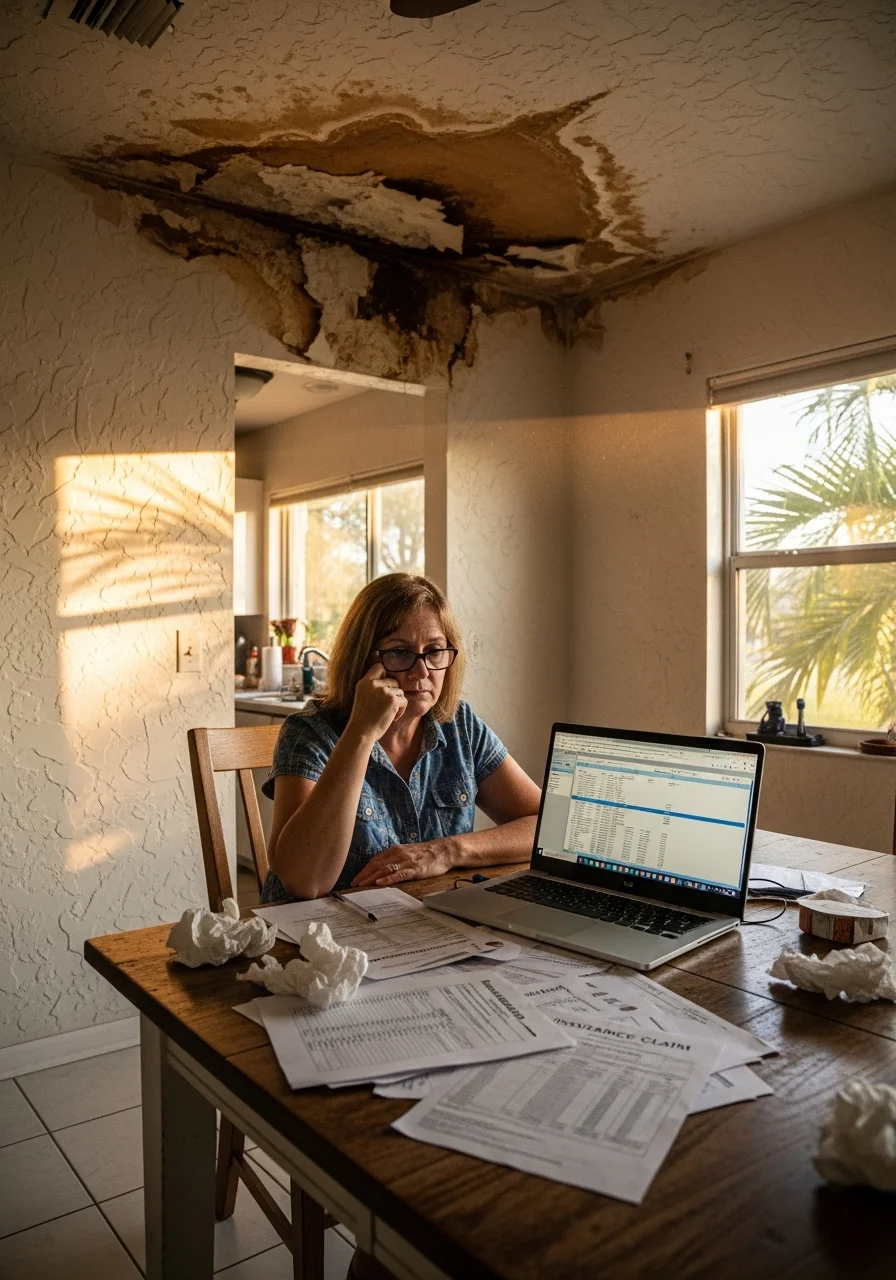
Before anything else, stop the source. Shut off the main water supply valve to your home — this is typically located near the meter at the street, in a utility closet, or in a garage. If the water is coming from a specific appliance or fixture, shut off the dedicated valve for that line. Note the exact time you discovered the damage and the time you stopped the flow. Photograph the water source before anyone touches or moves anything around it — this photo is your proof of origin. Cut power to any affected areas from your main breaker panel, and don't run your HVAC system through flooded spaces; it will pull mold spores into your ductwork.
Step 2: Document Before You Move Anything
Walk every affected room with your phone camera on video before you touch a single piece of furniture or pull up any flooring. Capture the water depth, the source point, the spread pattern, and any visible staining on walls and ceilings. Then photograph every affected surface from multiple angles and heights. The video timestamp and your photos together form the evidentiary foundation of your claim — they establish what existed before mitigation, which matters enormously if your insurer later questions the scope of damage. Write down the date and time of discovery in a note on your phone or in a text to yourself so it's timestamped independently.
Step 3: Start Mitigation Fast — Don't Wait for the Adjuster
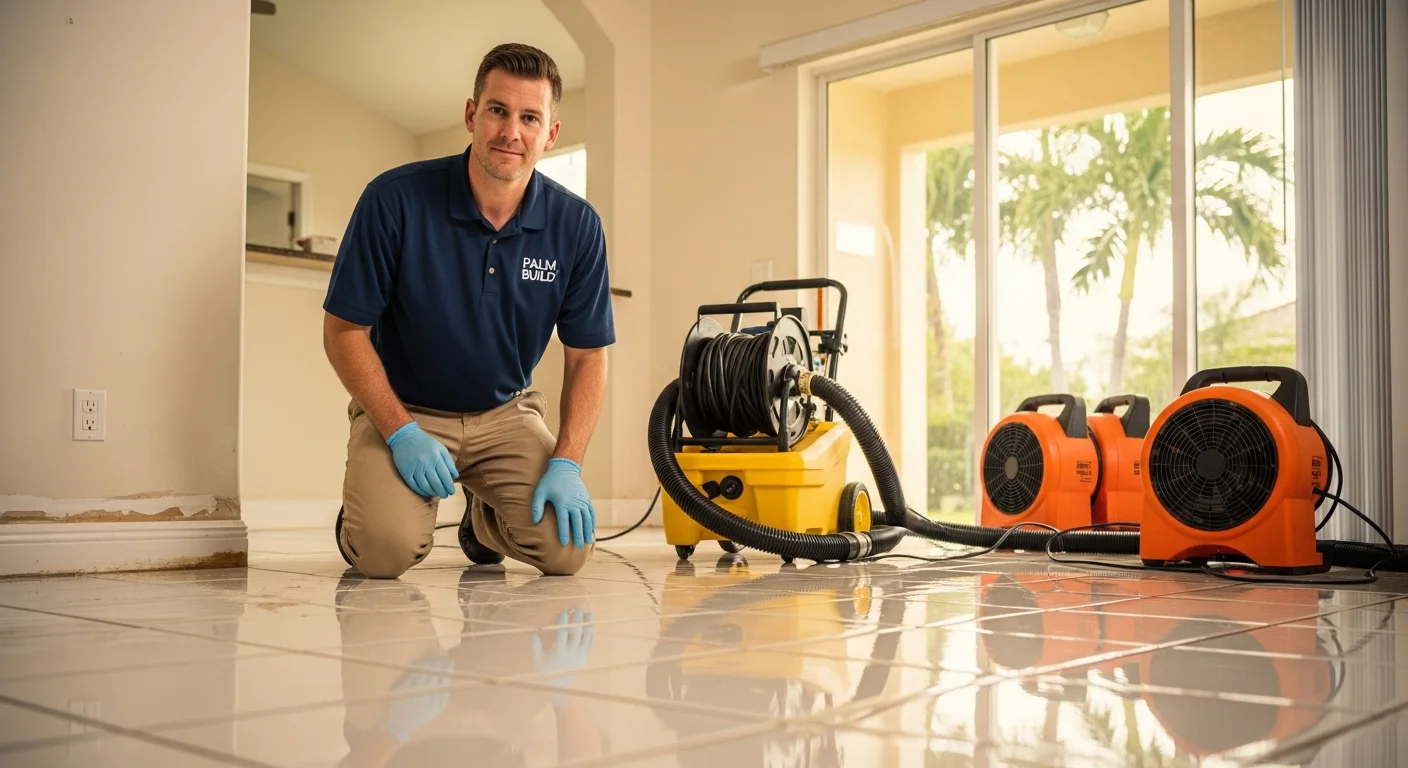
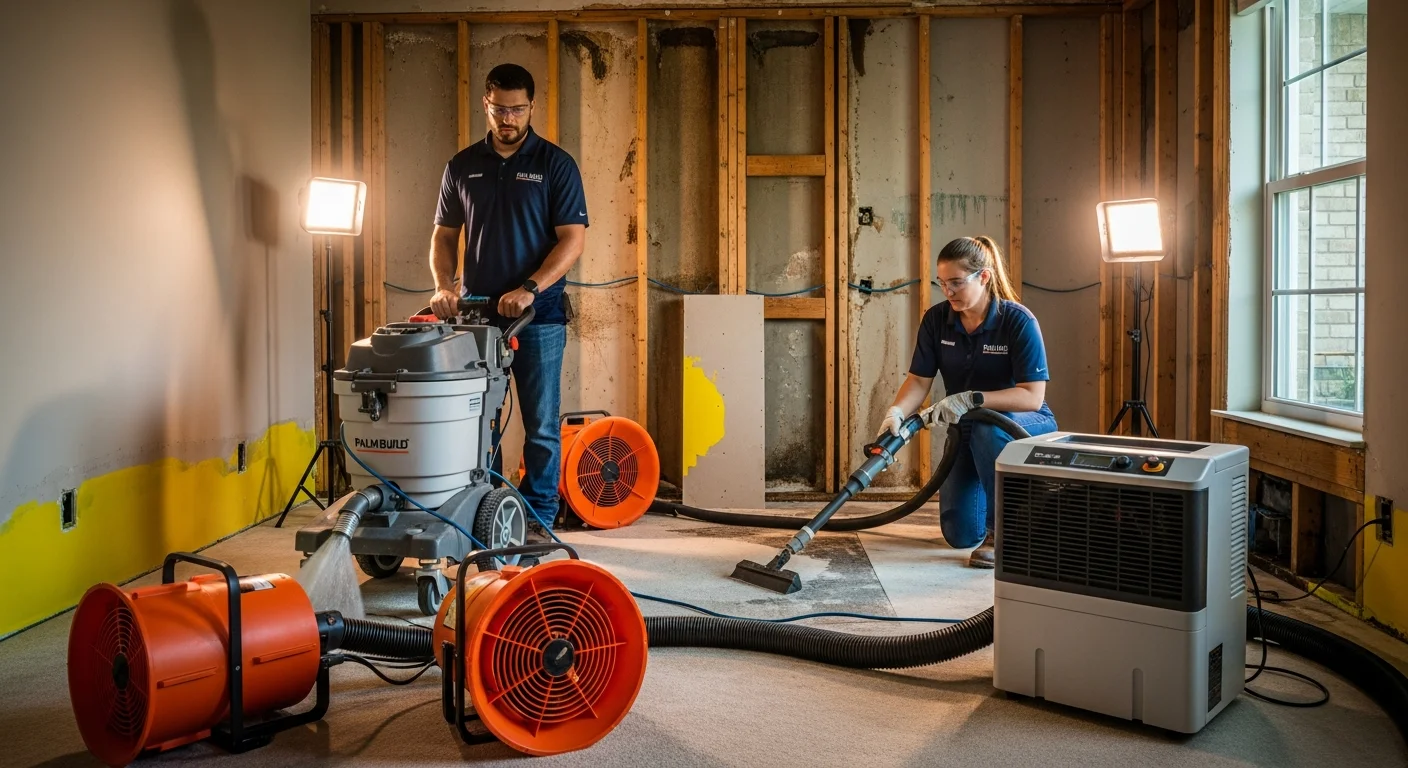
Reporting your claim and beginning mitigation are not competing steps — do both immediately. You are legally obligated to mitigate further damage; waiting for an adjuster to arrive before starting extraction is not a protection, it's a liability. A professional water damage restoration crew with IICRC-certified technicians can have commercial extractors, dehumidifiers, and air movers on-site within hours of your call. The EPA and FEMA are consistent on the window: wet or damp materials dried within 24 to 48 hours typically will not develop mold. In Florida's year-round humidity, that deadline is not a suggestion.
Step 4: Build the Proof Package Your Adjuster Can Approve
IICRC-aligned restoration companies produce documentation packages as part of the mitigation process — moisture readings, drying logs, equipment placement maps, and scope-of-work invoices — because that documentation is exactly what adjusters need to approve a claim without dispute. The faster your restoration team generates this paperwork, the faster your claim moves. If you're managing the process yourself, these are the 10 items every Florida water damage claim should have in the file:
- Date- and time-stamped photos of the water source AND all affected areas before any work begins
- Video walkthrough of all affected rooms with discovery timestamp
- Moisture meter readings mapped to a simple floor plan sketch showing affected zones
- Photos of extraction equipment and dehumidifier placement at setup
- Daily drying logs with psychrometric readings (temp, RH, GPP) showing progress toward dry standard
- Written identification of the leak source — plumber's note, appliance serial number, or contractor inspection
- Before-and-after photos documenting every material removal (drywall, flooring, insulation)
- Mitigation company invoice and scope-of-work document with line-item breakdown
- Any prior maintenance or repair records showing the property was actively maintained
- Written timeline from discovery to claim report to mitigation start
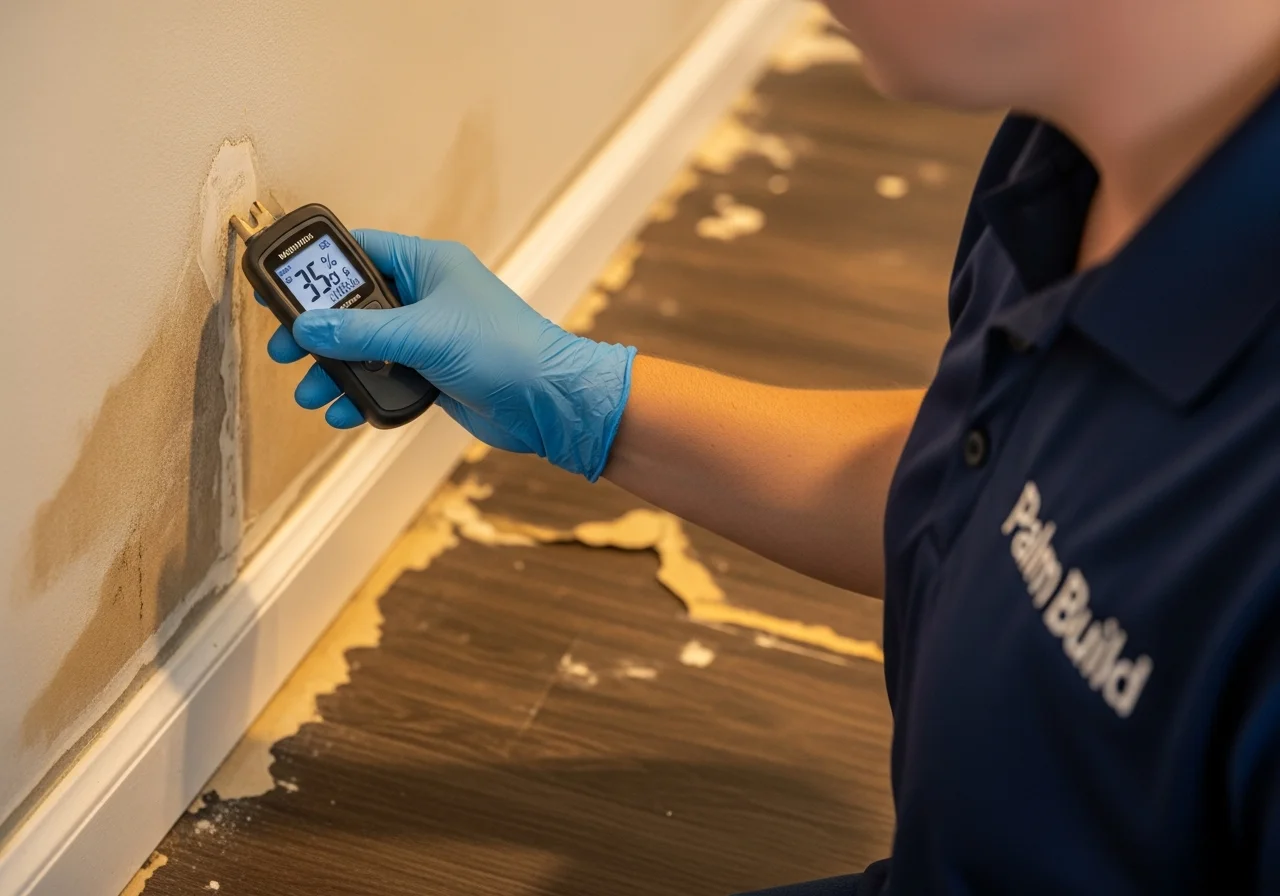
Step 5: Know Florida's Deadlines and the 60-Day Pay/Deny Clock
Florida has some of the most specific claim-timing rules in the country. Missing these windows can cost you the entire claim — even a legitimate one.
Date of Loss
Document, report, and start mitigation
Photograph the source, shut off the water, call your insurer, and call a restoration company. These are same-day tasks, not sequential ones.
Within 1 Year
Deadline for new or reopened claims
Florida law generally bars a new or reopened property insurance claim unless notice is given within one year after the date of loss. This deadline is strict — do not assume you can file later.
Within 18 Months
Deadline for supplemental claims
If you discover additional damage after your initial claim — hidden mold, structural damage behind walls — a supplemental claim notice must generally be filed within 18 months of the date of loss.
Within 60 Days of Your Notice
Insurer must pay or deny
Once you provide notice of a property claim, Florida law generally requires the insurer to pay or deny within 60 days. Late payment triggers interest consequences. Your 60-day clock doesn't start until you report — which is another reason not to delay.
One additional wrinkle worth knowing: Citizens' 'depopulation' program has moved hundreds of thousands of policies to voluntary carriers over the past two years. If you received a takeout offer within 20% of your estimated Citizens renewal premium, your policy may have transferred automatically to a new insurer at the end of your term. Check who your current carrier is before a loss happens — some homeowners discover mid-claim that they're now with a company they've never heard of.
Florida Water Damage Restoration Costs: What to Expect
Restoration urgency is governed by physics and biology — not by adjuster scheduling. A professional crew typically starts water extraction the same day as your call, and the drying process runs continuously for 3 to 5 days in most residential projects. Here is a realistic cost framework based on national pricing data and Florida project experience:
| Line Item / Scope | Typical Range | What Drives the Swing |
|---|---|---|
| Water mitigation and dry-out (extraction, dehumidification, monitoring) | ~$3 to $7.50 per sq ft | Water category (clean, grey, or black), affected materials, how long water sat, after-hours response premium |
| Full restoration project (mitigation + demolition + rebuild) | Low thousands to $16,000+ | How much material must be removed and reconstructed; structural vs. cosmetic damage |
| Mold remediation (when mold is present) | Often low-to-mid thousands | Containment requirements, how widespread hidden growth is, whether HVAC is involved |
Florida water damage restoration cost guide (national pricing signals, 2026)
NC and SC Homeowners: A Few Key Differences
Palm Build serves Florida, North Carolina, and South Carolina. The core claim rules — sudden vs. gradual, the 24-to-48-hour mold window, and the importance of documentation — apply in all three states. Where the markets differ is structure: how wind coverage, flood coverage, and last-resort market options are organized. If you own property in multiple states or recently moved from Florida, here's what's different.
North Carolina: Coastal Wind Pool and the FAIR Plan
North Carolina has two residual market mechanisms that matter for coastal and high-risk homeowners. The North Carolina Insurance Underwriting Association (NCIUA) — commonly called the Beach Plan or Coastal Property Insurance Pool — was created to provide essential property insurance in coastal areas of the state. If you own a beach or coastal property and can't find voluntary carrier coverage, the NCIUA is the first stop. For inland properties that can't obtain coverage in the voluntary market, the North Carolina Joint Underwriting Association (NCJUA) serves as the FAIR Plan market of last resort. For water damage claims in North Carolina, the claim process itself is similar to Florida — document fast, mitigate fast — but wind and flood coverage may be structured separately depending on your coastal placement and carrier. Know which policy covers which peril before a storm.
South Carolina: Coastal Wind and Hail Pool
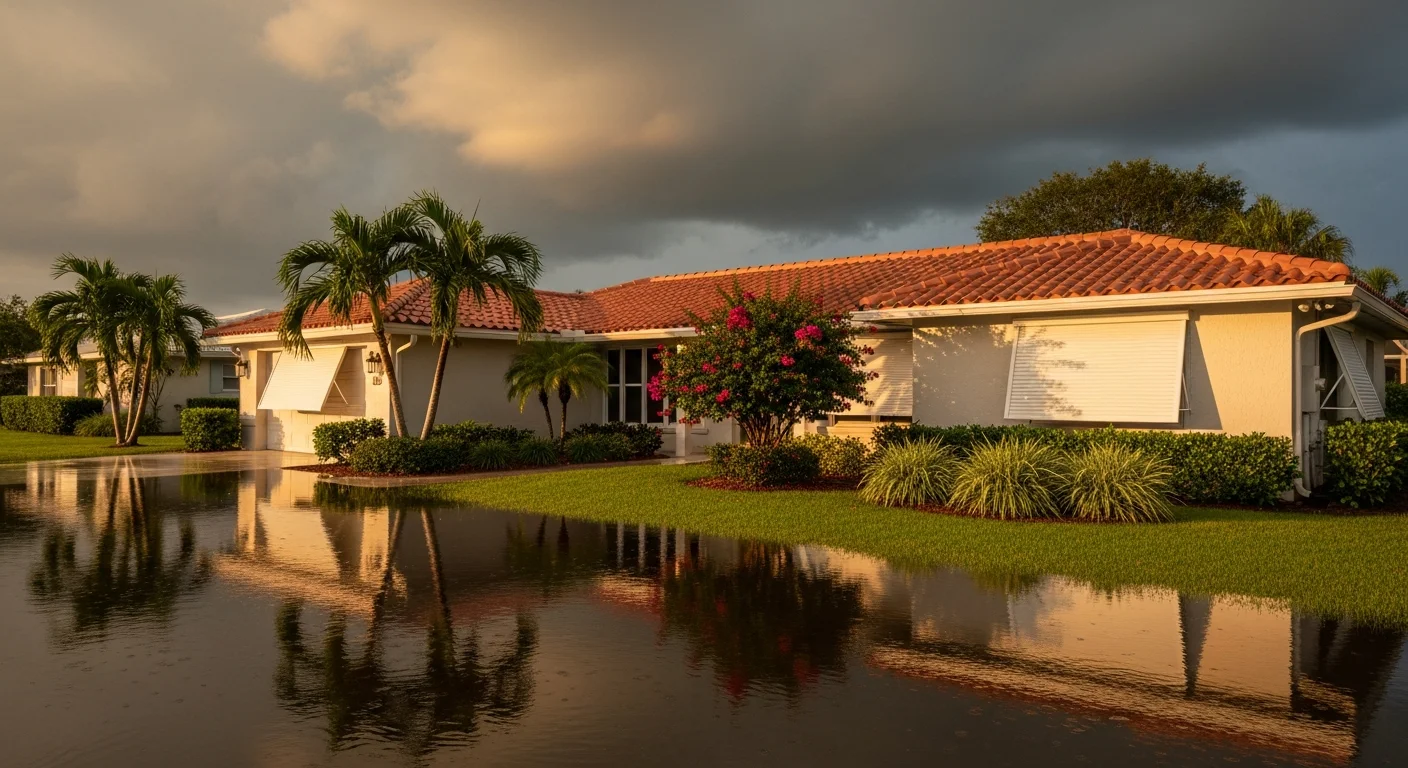
South Carolina's residual market for coastal wind and hail coverage is the South Carolina Wind and Hail Underwriting Association, which the South Carolina Department of Insurance describes as providing coverage in designated coastal areas. For coastal SC property owners — particularly in the Charleston metro, Myrtle Beach corridor, and the barrier islands — storm-related water intrusion claims can involve multiple policies: your standard homeowners policy for internal water damage, the wind pool for wind-driven damage, and a separate FEMA flood policy for water that came in from outside the structure. When a hurricane makes landfall and dumps rain while pushing storm surge, all three policies may be relevant to a single event. Know how they're stacked before you need to file.
When to Call Palm Build
Water mitigation is a documentation-heavy process, and that documentation structure is not incidental — it's what makes claims approvable. IICRC-certified technicians follow the S500 standard for water damage restoration, which means moisture readings are mapped, drying progress is logged daily, and the scope of work aligns with industry-accepted methodology that adjusters recognize. Palm Build responds 24 hours a day, 7 days a week across Florida, North Carolina, and South Carolina, and we work directly with your insurer to provide the documentation package your adjuster needs.
- 1
Residential Water Loss
Call any time — day or night. We dispatch within hours, begin extraction before mold can establish, and build a complete documentation chain from day one. Our water restoration team handles everything from emergency mitigation through final dry-out, with a claim-ready file delivered alongside the job.
- 2
Commercial and HOA Claims
Multi-unit water losses require faster logistics and more complex coordination across tenants, management companies, and multiple insurance policies. Our commercial restoration and HOA services teams are experienced with the parallel mitigation, documentation, and communication requirements of building-level water events.
- 3
Large-Loss and CAT Response
Catastrophic water losses — from tropical storms, widespread pipe failures, or structural failures — require scale and mobilization speed that most restoration companies can't match. Our large-loss response team deploys the equipment and personnel needed for high-volume events, with the same documentation rigor as a residential job.
Water Restoration Services
24/7 emergency response, IICRC-certified technicians, moisture mapping, and full claim documentation across FL, NC, and SC.
Mold Remediation
If mitigation is delayed and mold is already present, professional remediation is required before reconstruction can begin.
Insurance Restoration Process
How Palm Build coordinates directly with your insurer — from the initial claim through rebuild completion.
How to File a Water Damage Insurance Claim
Our step-by-step guide to navigating the claims process — from first call to final payout.
Is it hard to get homeowners insurance in Florida right now? +
Why are Florida homeowners insurance rates still so high even after the rate cuts? +
Does homeowners insurance cover water damage in Florida? +
How long do I have to file a water damage claim in Florida? +
How fast can mold grow after a water leak in Florida? +
Should I wait for the insurance adjuster before starting water damage cleanup? +
Does homeowners insurance pay for a hotel if my home is unlivable after water damage? +
Is flood damage covered by homeowners insurance in Florida? +
Dealing with water damage in your Florida home?
Our IICRC-certified teams respond 24/7 across Florida, North Carolina, and South Carolina. We handle documentation, drying, and direct insurer coordination so your claim stays on track.
Found this helpful? Send it to someone who needs it.