Neighborhood Contents Risk Profiles
Deerfield Beach Contents Damage Risk by Neighborhood
Every Deerfield Beach neighborhood has a different contents risk profile — shaped by
proximity to the Intracoastal and Atlantic coast, housing age, HVAC infrastructure, and
resident demographics. Here is what threatens the belongings in your home.
Built: 1950s-1970s Type: CBS/stucco canal estates
Intracoastal & canal saltwater surge — Category 3 contents contamination
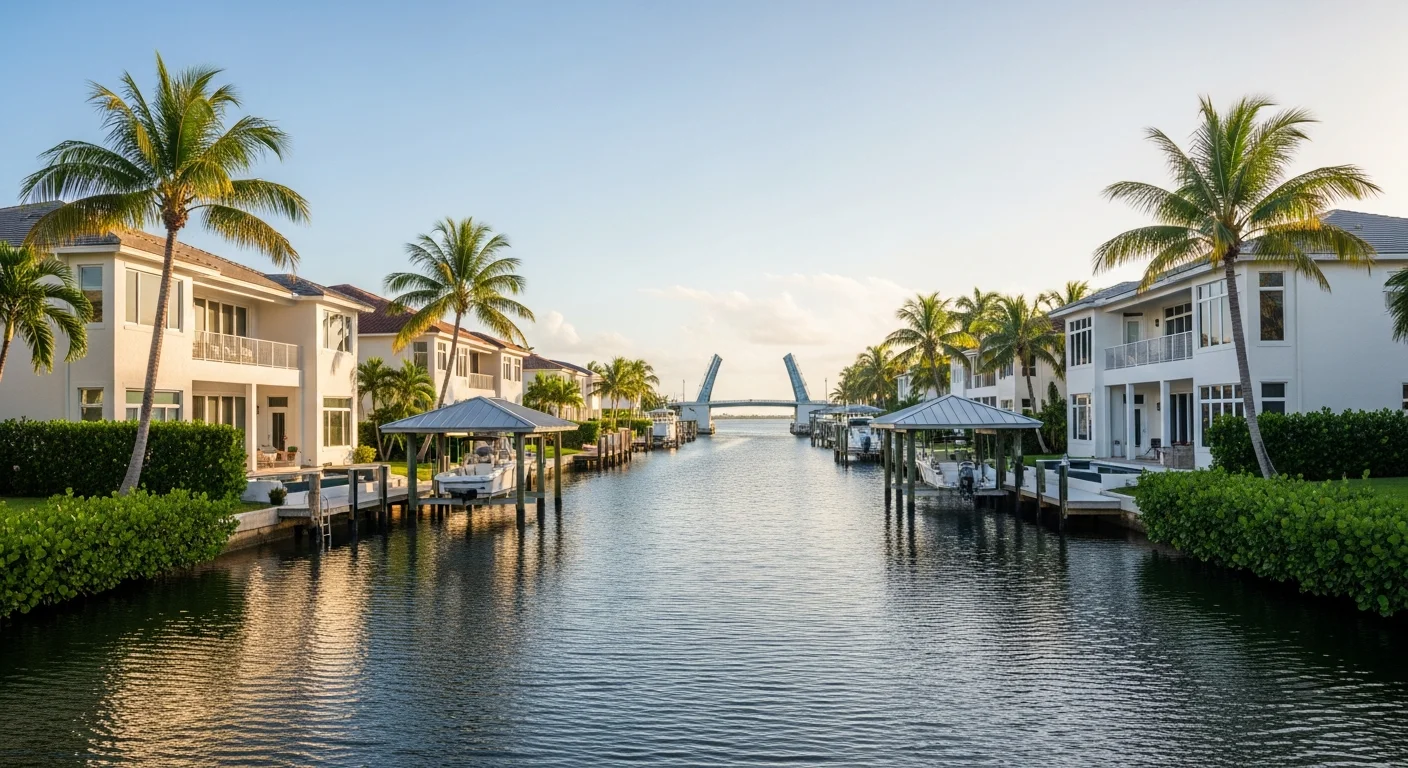
Canal-front estates east of US-1 in FEMA Zone A. Intracoastal storm surge pushes saltwater directly into living spaces during major hurricane events. All ground-level contents — furniture, electronics, documents, personal archives — face salt contamination requiring desalination before any restoration can begin.
Built: 1960s-1980s Type: CBS/stucco, barrier island
Coastal storm surge — saltwater plus sand contamination of all contents
Barrier island east of the Intracoastal with direct Atlantic exposure. Storm surge carries saltwater and sand through living spaces, contaminating furniture padding, electronics, and document storage. FEMA Zone A/AE. Contents require Category 3 (IICRC contaminated-water) cleaning protocols.
Built: 1960s-1970s Type: CBS/stucco canal homes
Hillsboro Canal overflow — saltwater intrusion into living spaces
Canal-front homes along the Hillsboro Canal, which connects to both the Intracoastal and the ocean at Hillsboro Inlet. Flooding events push a saltwater/freshwater mix into living areas. Contents on ground floors face chemical contamination requiring professional assessment before any cleaning begins.
Built: 1970s-1990s Type: CBS/stucco condos, mid-rise
HVAC inter-unit water migration — freshwater contents damage across floors
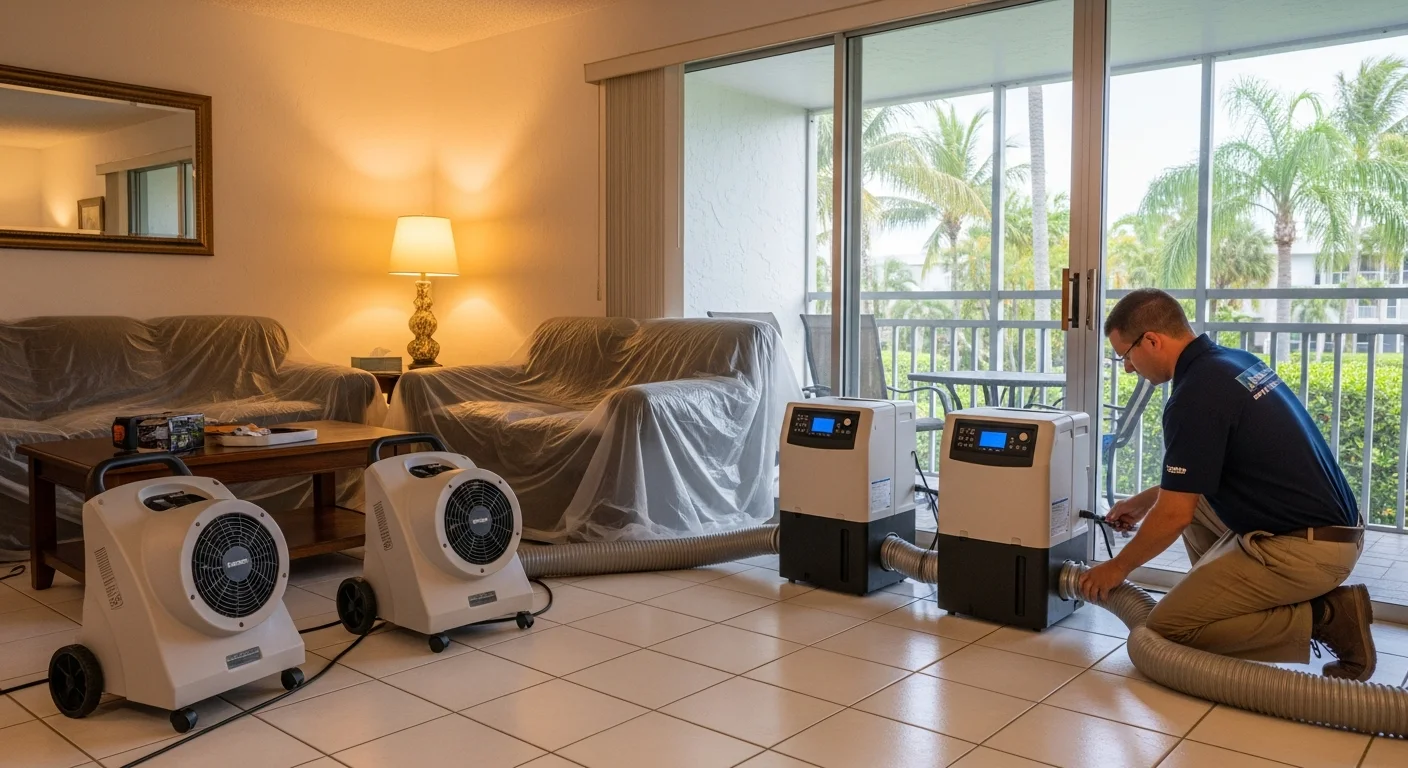
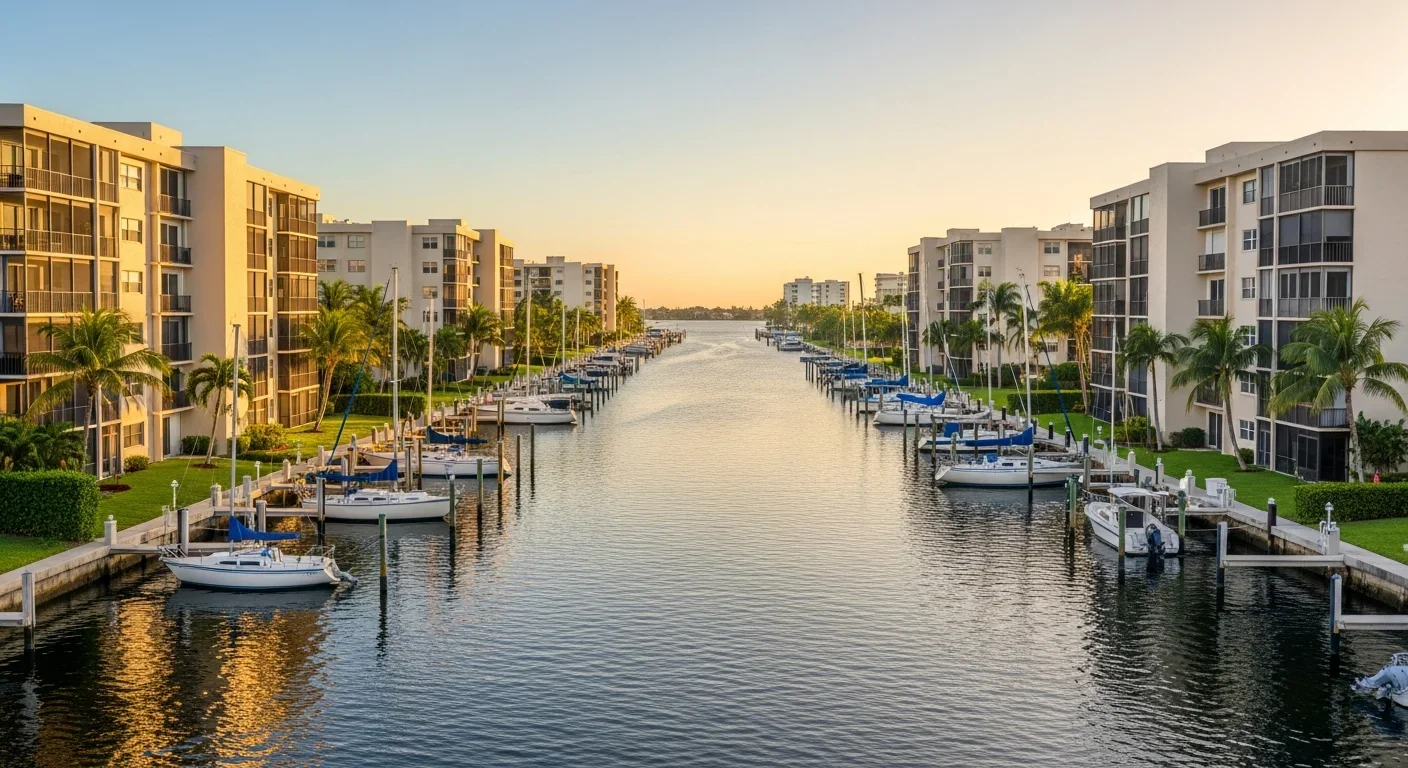
Multi-story canal-side condos with aging HVAC systems. A single condensate overflow in an upper unit sends freshwater cascading through shared ceiling cavities, damaging contents in units below with no warning. Personal property, electronics, and furniture on lower floors can be saturated before residents return home.
Built: 1970s-1980s Type: CBS/stucco, 55+ condo community
Irreplaceable senior belongings — photographs, heirlooms, medical equipment
Established 55+ condo community where contents carry deep generational significance. Decades of accumulated family photographs predating digital technology, inherited antiques, handwritten personal archives, and essential medical equipment. HVAC and plumbing failures are common in the 1970s-1980s building stock. No digital backups for most photographs and documents.
Built: 1970s-1990s Type: CBS/stucco, golf community
HVAC failures in larger homes — high-value contents at risk per event
Golf and country-club community with larger Mediterranean-style homes containing higher-value furnishings. HVAC systems serving larger square footage produce more condensate. A single condensate overflow in a 2,500-4,000 sq ft home can saturate significant amounts of furniture, flooring materials, and personal property before detection.
Built: 1980s-2000s Type: CBS/stucco ranch, large lots
Freshwater stormwater — HVAC failures and plumbing burst events
Inland residential properties with larger single-family homes. Freshwater flood risk from stormwater during heavy rain events and from HVAC condensate failures. Because properties are inland of US-1, saltwater protocols are rarely needed — but the volume of contents in larger homes means significant pack-out scope when damage does occur.
Built: 1970s-1990s Type: CBS/stucco, mixed residential
Plumbing failures — supply line bursts soak furnishings without warning
Established mid-city neighborhood with aging plumbing in 1970s-1990s CBS homes prone to supply line failures. Burst supply lines and drain backups soak contents for hours before detection. Chronic moisture in wall cavities and slab edges creates elevated baseline mold risk on stored belongings.
Built: 1980s-1990s Type: CBS/stucco, waterfront community
Salt air corrosion — chronic low-level contents deterioration
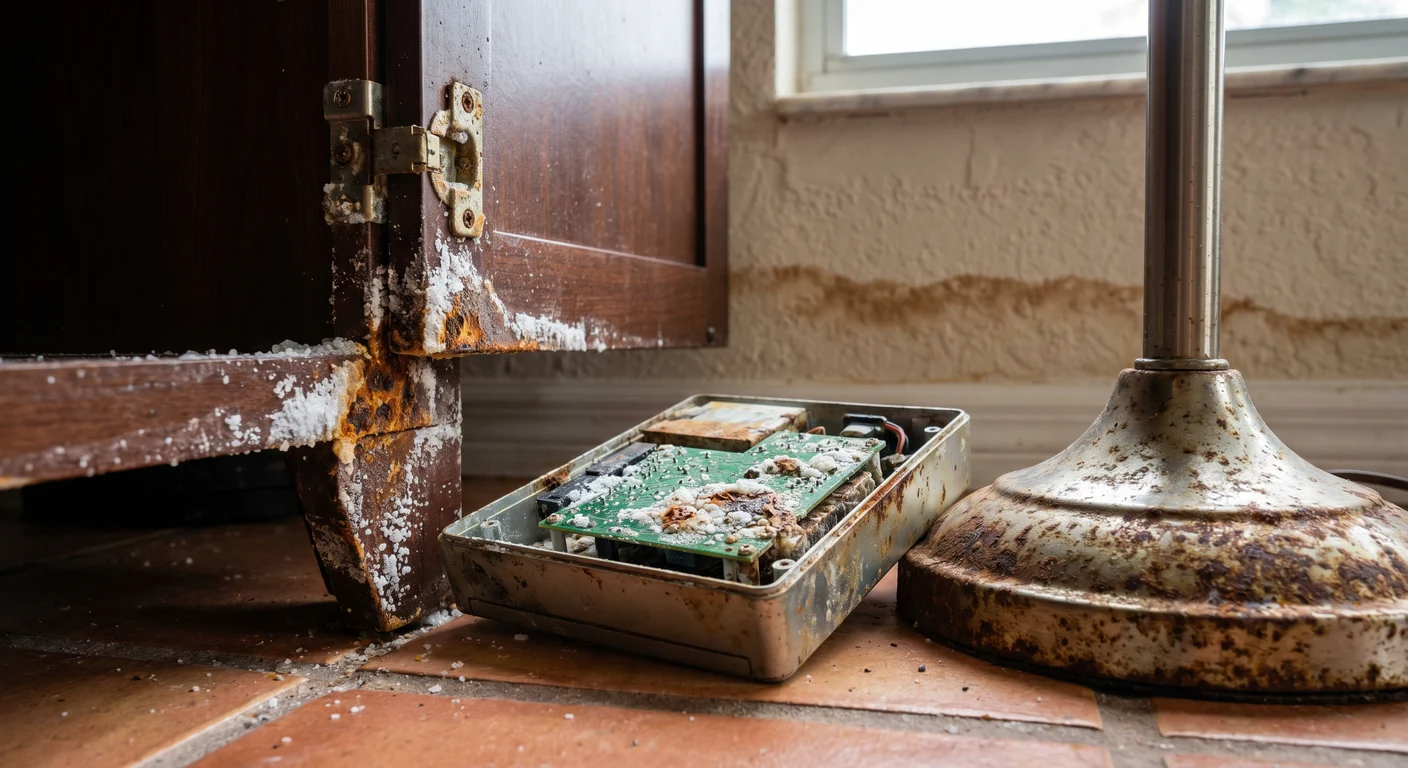
Waterfront community with canal and Intracoastal proximity. Constant salt-laden air accelerates deterioration of electronics, metal furnishings, and artwork even under normal conditions. Any water intrusion event compounds pre-existing salt-air corrosion, requiring desalination assessment on top of standard restoration.