Neighborhood Contents Risk Profiles
Orlando Contents Damage Risk by Neighborhood
Every Orlando neighborhood has a different contents risk profile — shaped by proximity
to lakes and retention ponds, housing age, HVAC infrastructure, and building density.
Here is what threatens the belongings in your home.
Built: 2000s-2010s Type: CBS/stucco, master-planned
HOA-dense master-planned community — multi-unit cascades affect contents across shared buildings
Lake Nona's master-planned development includes mid-rise condos and townhome clusters with shared HVAC risers. An HVAC failure in a shared building sends water through ceiling and wall cavities, damaging contents in multiple units simultaneously. Each resident's belongings require separate inventory and Insurance Coverage C documentation.
Built: 2000s-2010s Type: CBS/stucco, mixed mid-rise
Dense HOA community near Lake Baldwin — HVAC and lake-adjacent stormwater risk
Baldwin Park combines mid-rise buildings with single-family homes adjacent to Lake Baldwin. HVAC condensate failures in multi-story buildings damage contents across multiple units. During heavy wet-season rains, stormwater drainage near the lake system creates flood risk for ground-floor units and garages where contents may be stored.
Built: 1960s-1980s Type: CBS/stucco ranch
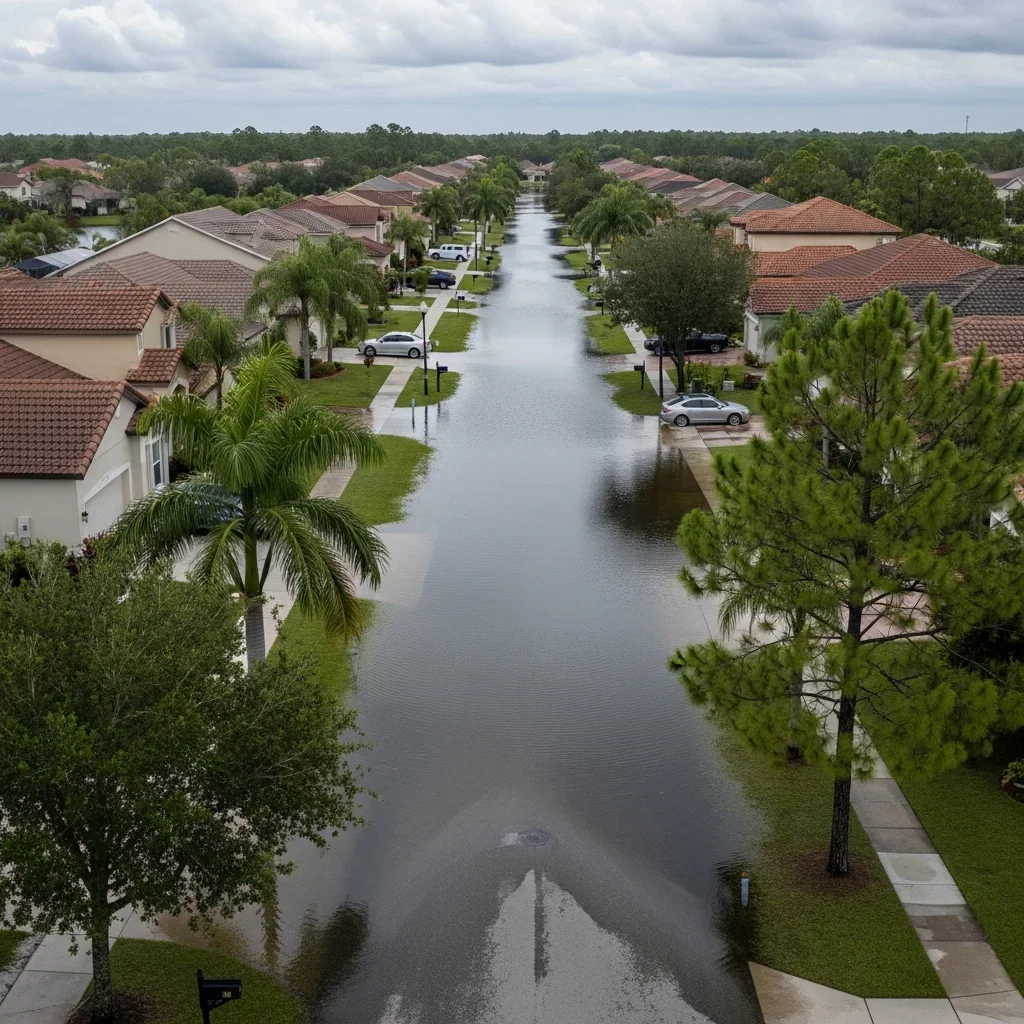
Lake-adjacent closed-basin flooding — retention pond and stormwater overflow during wet season
Conway sits within a network of small lakes and drainage basins that overflow during heavy wet-season rainfall. Ground-floor contents — furniture, electronics, stored documents — face Category 3 contaminated floodwater from retention pond surges. Older CBS ranch homes with aging plumbing also face sudden supply-line failures that saturate floors and lower cabinets.
Built: 1980s-1990s Type: CBS/stucco, golf community
Stormwater pond overflow — golf course drainage basin flooding during tropical events
Metrowest's golf course drainage ponds are designed for normal rain volumes but can overflow during tropical events, pushing stormwater through adjacent residential areas. Homes near fairways and retention features face periodic flooding that introduces Category 3 water at grade level. HVAC failures in aging 1980s-1990s systems are also a persistent contents damage source.
Built: 1940s-1960s Type: CBS/frame mixed, historic
Aging infrastructure — plumbing failures soak furnishings without warning
College Park's oldest housing stock includes original plumbing systems prone to sudden failure. Supply line bursts and drain backups soak contents for hours before detection. Homes built before 1985 may have polybutylene supply lines known to fail without warning. Chronic moisture from aging roof-to-wall connections creates baseline mold risk on stored belongings, especially in garages and closets.
Built: 1920s-1950s Type: Frame/stucco, walkable urban
Aging frame construction — moisture intrusion and plumbing failures
Thornton Park's historic frame homes face higher water intrusion risk from aging envelope and plumbing. Wet-season storms drive rain through older window and door seals. Drain backups in older sewer lines affect ground-floor contents. Personal property in these characterful older homes often includes antiques and items with irreplaceable sentimental value.
Built: 1940s-1960s Type: CBS/frame mixed
Lake Ivanhoe proximity — heavy rain creates localized flooding risk
Ivanhoe Village's location adjacent to Lake Ivanhoe creates flooding risk during heavy wet-season downpours when drainage systems reach capacity. Ground-floor commercial-residential units and older homes face water intrusion from both roof failures and stormwater. Contents near grade level require immediate assessment after any significant rain event.
Built: 2000s-2010s Type: High-rise condos
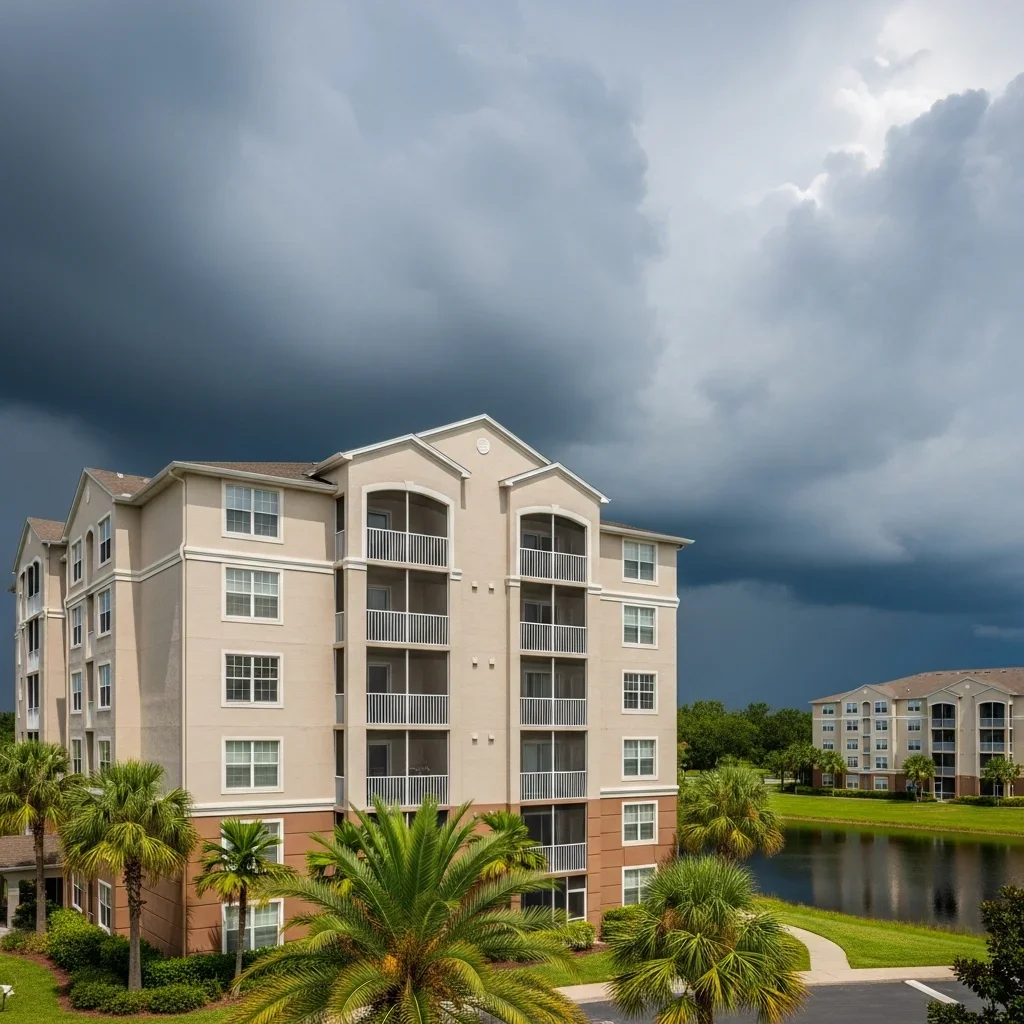
High-rise condo cascades — pipe failures migrate through many floors before reaching source unit
South Eola's high-rise condos concentrate multifamily water damage risk. A pipe failure on an upper floor can migrate through multiple concrete decks before showing up in units far below. Contents restoration in these buildings requires coordinating inventory across all affected units, working with the building's master policy, and managing simultaneous pack-outs from different floors.
Built: 1970s-2000s Type: CBS/stucco, mixed residential
Stormwater flooding in low-lying areas — wet-season retention pond overflow risk
Kissimmee's flat terrain and network of retention ponds creates meaningful wet-season flooding risk in low-lying residential areas. During tropical events, stormwater systems can be overwhelmed, directing water toward ground-floor homes and garages. Older CBS construction with aging HVAC systems faces simultaneous mechanical and storm-driven contents damage risk.
Built: 1950s-1990s Type: CBS/frame mixed
Lake Monroe proximity — storm-driven flooding in lakefront areas
Sanford's waterfront areas near Lake Monroe face flooding risk during tropical events. Older residential neighborhoods combine aging plumbing infrastructure with potential stormwater exposure. Contents in Sanford homes may include accumulated belongings from long-term residents — thoughtful triage and documentation matters as much here as anywhere in Central Florida.