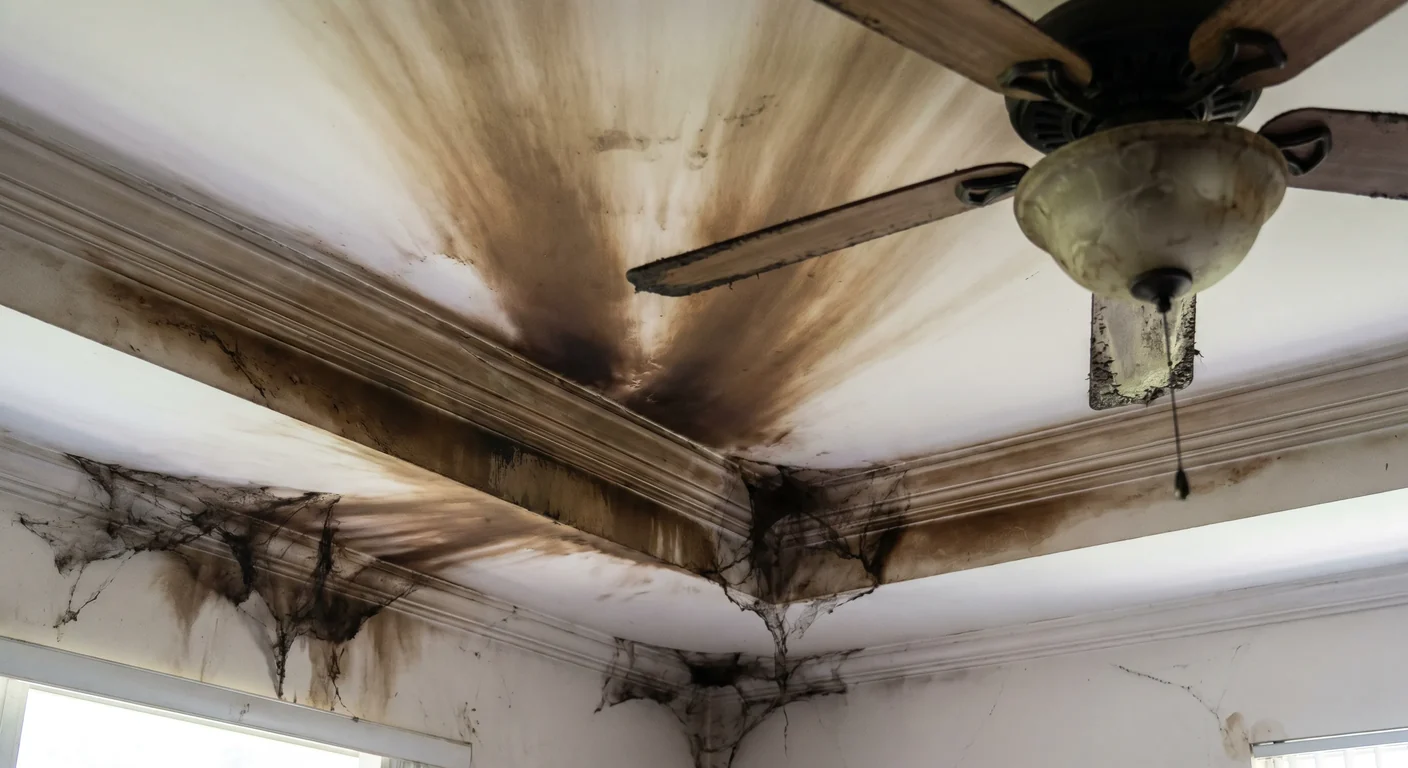
After a fire, acidic soot, pervasive smoke odor, and the firefighting water that pools on slab-on-grade floors do their own damage — and in Orlando's humidity and year-round AC, that odor spreads through ductwork and CBS wall cavities fast. Palm Build delivers IICRC-certified soot removal, odor neutralization, and full reconstruction, 24/7 across Central Florida.
Serving Central Florida from our South Florida hub 3-4 hours Response IICRC Certified
After a Fire in Orlando, Every Hour of Delay Costs You
The fire department puts out the flames — but that's when the real damage clock starts.
In Central Florida's humid climate, acidic soot corrosion, smoke penetration into CBS
cavities, and mold from fire-suppression water all accelerate dramatically. The
difference between a $15,000 restoration and a $60,000 rebuild often comes down to how
fast professional mitigation begins.
CRITICAL FACTOR 1
Acidic Soot Etches Surfaces Within Hours
Smoke residues are acidic, and in Central Florida's humidity they react with surfaces fast — corroding stainless appliances, etching glass and mirrors, and discoloring marble, chrome, and painted finishes within hours of the fire. Residue that might take days to cause permanent damage in a dry climate begins setting stains and pitting metal almost immediately in Orlando's moisture-laden air. The longer soot stays in contact, the more of your home moves from the cleanable column to the replace column.
CRITICAL FACTOR 2
CBS Block Cavities Trap Smoke Out of Sight
Orlando's predominant CBS (concrete block and stucco) construction creates a hidden smoke problem. Smoke and odor infiltrate the hollow cores of concrete block walls and the porous stucco finish, where they stay trapped — invisible from the surface but releasing odor compounds for weeks or months. Unlike wood-frame walls that open easily for cleaning, CBS cavities require thermal fogging, injection, and cavity sealing to reach and neutralize the trapped smoke.
CRITICAL FACTOR 3
Year-Round AC Spreads Smoke to Every Room
Orlando HVAC systems run 10 to 11 months a year. When a fire occurs, smoke and soot are pulled into the return air and distributed through ductwork to every room — including rooms on the opposite side of the house from the fire. Within hours your entire HVAC system becomes a smoke-distribution network. If the system isn't shut down and professionally cleaned, it keeps circulating soot and odor with every cooling cycle, undoing surface cleaning elsewhere.
Emergency Fire Restoration
Palm Build coordinates Central Florida response 24/7 from our South Florida hub, with
team arrival typically within 3–4 hours. We begin emergency board-up, soot
stabilization, and water extraction simultaneously — stopping all three damage clocks
at once. Call now for immediate response.
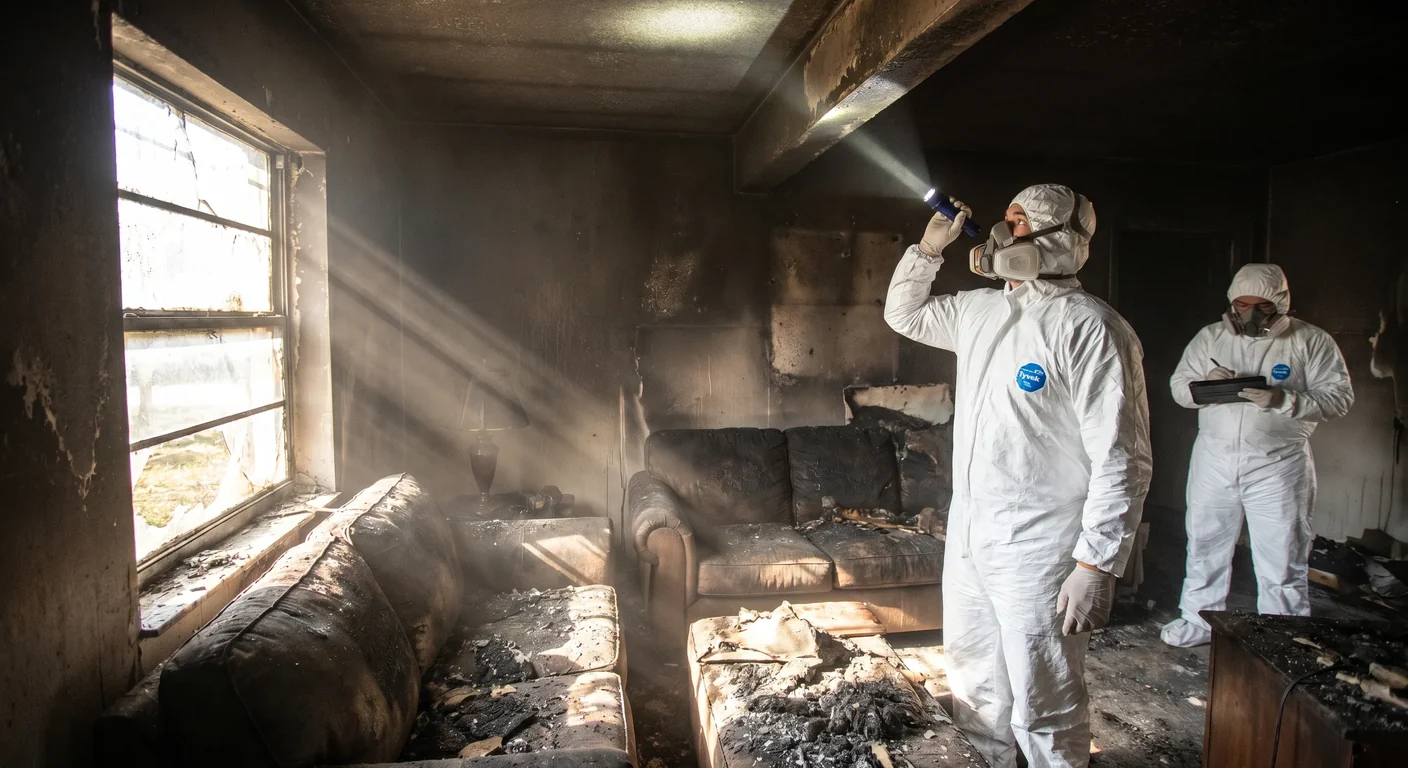
Emergency board-up and soot stabilization secure your Orlando home in the critical
first hours after a fire
Understanding the Damage
The Science of Soot: Why Fire Type Determines the Restoration Approach
Not all fire damage is the same. The materials that burned determine what kind of soot
your Orlando home is coated with — and that determines the cleaning chemistry,
equipment, and timeline required. Using the wrong approach on stucco, tile, or CBS
surfaces doesn't just fail to clean — it permanently sets stains and drives odor deeper
into porous materials.
Protein Soot (Kitchen & Grease Fires)
One of the most common fire types in Orlando homes. Protein fires from cooking grease produce a nearly invisible, greasy yellowish film with an extremely pungent, lingering odor that penetrates far beyond the kitchen. In Orlando's open-concept floor plans with tile floors and stucco walls, the residue spreads quickly and bonds chemically to porous surfaces, yellowing them over time. Protein soot is almost impossible to see on light stucco and tile, so homeowners often think the damage is minor — then standard cleaning products smear it and set the discoloration permanently.
Professional Cleaning Approach
Requires enzymatic cleaners and specialized degreasing agents. Thermal fogging with protein-specific solutions is typically needed for odor elimination in CBS wall cavities and ductwork.
Dry Soot (Wood, Paper, Cotton)
When fast, high-temperature fires consume wood trusses, cabinetry, or natural materials, they produce dry, powdery, gray-black soot. This type is light and easily disturbed by air movement — it travels throughout the home via the central AC that runs 10 to 11 months a year in Central Florida. In a forced-air HVAC system, dry soot from a fire in one room can contaminate ductwork and settle in every room within hours. Orlando tile and grout lines hold powdery soot in their texture and require careful extraction.
Professional Cleaning Approach
HEPA vacuuming first (never wipe dry soot — it smears), then chemical sponge treatment, then wet cleaning with the appropriate detergents. Tile grout requires specialized extraction.
Wet & Synthetic Soot (Plastics, Polymers)
Modern Orlando homes — especially 2000s-era subdivisions in areas like Lake Nona, Baldwin Park, and Metrowest — contain heavy synthetic content: engineered flooring, foam insulation, PVC trim, synthetic carpet, and plastic fixtures. When these low-temperature, smoldering materials burn, they produce thick, black, smeary wet soot that is extremely difficult to remove and intensely pungent. In CBS construction it penetrates porous stucco and becomes trapped in concrete block cavities. This is the most hazardous soot type, containing toxic compounds.
Professional Cleaning Approach
Requires solvent-based cleaners formulated for petroleum residues. Multiple cleaning passes on stucco are standard, and full PPE is critical due to toxic compounds.
Local Risk Factors
Fire & Smoke Risks Specific to Orlando Homes
Orlando's CBS-and-slab construction and year-round air conditioning change how fire
damage spreads and where it hides. Understanding which factors apply to your property
helps you prepare — and ensures your restoration company knows the construction type
from the first call.
CBS Block-Cavity Smoke Migration
High
Orlando's housing is overwhelmingly CBS (concrete block and stucco) on slab-on-grade foundations. When a fire occurs, smoke and odor migrate into the hollow cores of the concrete block, the wall cavities, and the porous stucco finish — reservoirs that keep releasing odor compounds for weeks after the surfaces look clean. Surface-only cleaning leaves these cavities untreated, so the smell returns. Proper remediation reaches the block cores with thermal fogging, injection, and cavity sealing.
Driver: Construction
Year-Round AC Distributes Odor Everywhere
High
Orlando air conditioning runs 10 to 11 months a year. During and after a fire, the return air system pulls smoke and soot into the ductwork and pushes it to every room — including spaces far from the fire origin. The HVAC system effectively becomes an odor-distribution network, and any cleaning done before the ducts and air handler are addressed gets re-contaminated with each cooling cycle. True odor elimination in Orlando always includes full HVAC and duct cleaning.
Driver: HVAC
Slab Firefighting Water + Humidity = Mold
High
There are no basements or crawl spaces in Orlando — every home sits on a slab. The water used to extinguish a fire pools on tile and slab with nowhere to drain, then wicks into walls, contents, and CBS cavities. In Central Florida's high humidity, that trapped moisture can colonize mold within 24 to 48 hours on surfaces already weakened by heat, turning a fire into a combined fire, water, and mold loss that must be dried and remediated together, not in sequence.
Driver: Slab + humidity
Kitchen & Grease Fires (Protein Soot)
Most Common
Cooking fires are among the leading causes of residential fire calls, and in Orlando's open-concept floor plans, kitchen smoke travels rapidly through the living area and straight into HVAC ductwork — carrying protein soot far from the kitchen. Protein residue is a nearly invisible greasy film with intense lingering odor that bonds to stucco and tile and yellows them over time. Homeowners often underestimate it because there is little visible damage, and household cleaners only smear it deeper.
Driver: Cooking
Our Fire Restoration Process
How We Restore Orlando Homes After Fire Damage
Fire restoration is more complex than water or mold because it involves multiple damage
types simultaneously — structural fire damage, soot contamination, smoke odor, and water
from fire suppression. Our process addresses all four in a coordinated sequence.
01
Emergency Board-Up & Securing
Hours 1-4
We secure your Orlando home against weather, theft, and further damage — boarding windows, tarping damaged roof sections, and securing doors. In Central Florida, where afternoon thunderstorms develop almost daily from June through September, an unsecured fire-damaged home can take on thousands in additional water damage from a single storm passing through exposed roof trusses and stucco openings.
02
Damage Assessment & Documentation
Day 1-2
Our IICRC-certified team performs a comprehensive walk-through, documenting every affected area with photos, video, and moisture readings. We classify the soot type (dry, wet, protein), assess the structural integrity of CBS block walls and concrete tie-beam construction, and build a detailed scope of work. This documentation becomes the foundation of your insurance claim — formatted exactly how Florida adjusters expect to see it.
03
Water Extraction & Drying
Days 1-5
Fire-suppression water is addressed at the same time as soot stabilization. We extract standing water from slab-on-grade tile floors, set up commercial LGR dehumidifiers and air movers, and monitor drying daily. In Orlando's humidity this step is critical for preventing secondary mold growth — which can begin within 24 to 48 hours on the same surfaces already weakened by fire and heat.
04
Soot & Smoke Removal
Days 3-10
Professional soot removal uses chemistry matched to the specific soot type. HEPA vacuuming lifts loose particulate, chemical sponges remove embedded residue, and wet cleaning with specialized detergents addresses what remains. Every surface is treated — stucco walls, ceilings, tile, cabinetry, fixtures, and structural members. Orlando's CBS construction requires specialized techniques to clean porous stucco without damaging the finish.
05
Odor Elimination
Days 5-14
Smoke-odor elimination uses thermal fogging and cavity sealing for CBS wall cores, ozone for sealed unoccupied spaces, and hydroxyl generation for occupied areas. Because Orlando's year-round AC pulls odor into the ductwork, full HVAC and duct cleaning is part of this step — without it, the system simply re-distributes odor with every cooling cycle, undoing the surface work.
06
Reconstruction & Restoration
Weeks 2-8+
Once cleaning and odor treatment are verified complete, we handle full reconstruction: drywall, stucco repair, tile, cabinetry, painting, electrical, plumbing, and finish work. Florida Building Code requires reconstruction to meet current standards — meaning electrical, insulation, and wind-mitigation requirements may apply to fire rebuilds in Orange County, potentially adding scope but significantly improving your home's resilience.
The Hidden Damage
Water Damage From Firefighting: Often Worse Than the Fire
Many Orlando homeowners are shocked to learn that fire suppression causes more damage
to their home than the fire itself. A single fire hose delivers 150 to 250 gallons of
water per minute, and a residential sprinkler head activates at about 17 gallons per
minute and may run for 30 minutes or more before being shut off. That water saturates
drywall, subfloors, insulation, and personal property — and on Orlando's slab-on-grade
construction, it pools across tile floors with nowhere to drain.
In Orlando's CBS homes, fire-suppression water seeps into hollow concrete block
cavities through cracks in stucco and around window and door frames. The water becomes
trapped inside the walls — invisible from the surface but a perfect environment for
mold in Central Florida's humidity. Within 24 to 48 hours that hidden moisture begins
feeding mold on the same surfaces already weakened by heat. You are now dealing with
fire damage, water damage, and mold risk all at once.
Palm Build's fire restoration team handles water extraction and structural drying as
an integrated part of the fire cleanup — not as a separate project that adds weeks and
thousands to your timeline. Our technicians are cross-trained in both fire and water damage restoration, so one team manages the entire scope.
How We Permanently Eliminate Smoke Odor in Orlando Homes
Smoke odor is the most persistent aspect of fire damage — and Central Florida's humidity
and year-round air conditioning make it worse. Masking products do not eliminate smoke
odor; they temporarily cover it. Professional odor elimination treats the source at the
molecular level using methods matched to Orlando's CBS construction and the specific
materials in your home, paired with full HVAC and duct cleaning.
Thermal Fogging
Heated deodorizing agents are converted into a fog that penetrates materials the same way smoke did — through microscopic pores, cracks, and cavities. This is the most effective method for Orlando's CBS construction, where smoke becomes trapped in hollow concrete block cores and porous stucco. The fogging agent chemically neutralizes odor molecules rather than masking them. Multiple applications are often needed for CBS homes where smoke has penetrated the full wall assembly.
Best for: CBS wall cavities, porous stucco, deep penetration in block construction
Ozone Treatment
Ozone generators produce O3 — a highly reactive oxygen molecule that breaks down odor compounds at the molecular level. Ozone is extremely effective but requires the space to be completely unoccupied (including plants and pets) during treatment. We use it in sealed, evacuated spaces like closets, interior rooms, and enclosed areas where concentrated treatment reaches maximum effectiveness. In Orlando condos and multifamily units, ozone is particularly effective for treating individual units with sealed boundaries.
Best for: Sealed spaces, condo units, heavy odor concentration
Hydroxyl Generation
Hydroxyl generators produce hydroxyl radicals — the same molecules that naturally purify outdoor air via sunlight — to break down odor compounds. Unlike ozone, hydroxyl treatment is safe for occupied spaces. We use it where occupants or workers need to be present, and as continuous treatment during the multi-day cleaning process. This is especially valuable for Orlando projects where the homeowner is coordinating insurance and contents decisions on-site, or in multifamily buildings where adjacent units stay occupied.
Best for: Occupied spaces, condo buildings, ongoing treatment during restoration
Orlando Pricing
Fire Damage Restoration Costs in Orlando
Fire restoration costs scale with scope, and Florida Building Code upgrade requirements
and CBS construction complexity influence the final number. Reconstruction must be
brought up to current Florida Building Code — including wind mitigation, electrical, and
insulation requirements — which can add scope to a fire rebuild. The good news: fire is
one of the most comprehensively covered perils under standard Florida homeowners
insurance.
Kitchen Fire (Contained)
Smoke and soot cleanup, minor repairs, odor elimination
$5,000 – $15,000
Single-Room Fire
Structural repair, CBS wall remediation, full restoration
$30,000 – $80,000
Major Structural Fire
Multi-room, roof truss damage, full reconstruction
$50,000 – $150,000+
Our Work
Orlando Fire Restoration: The Process in Action
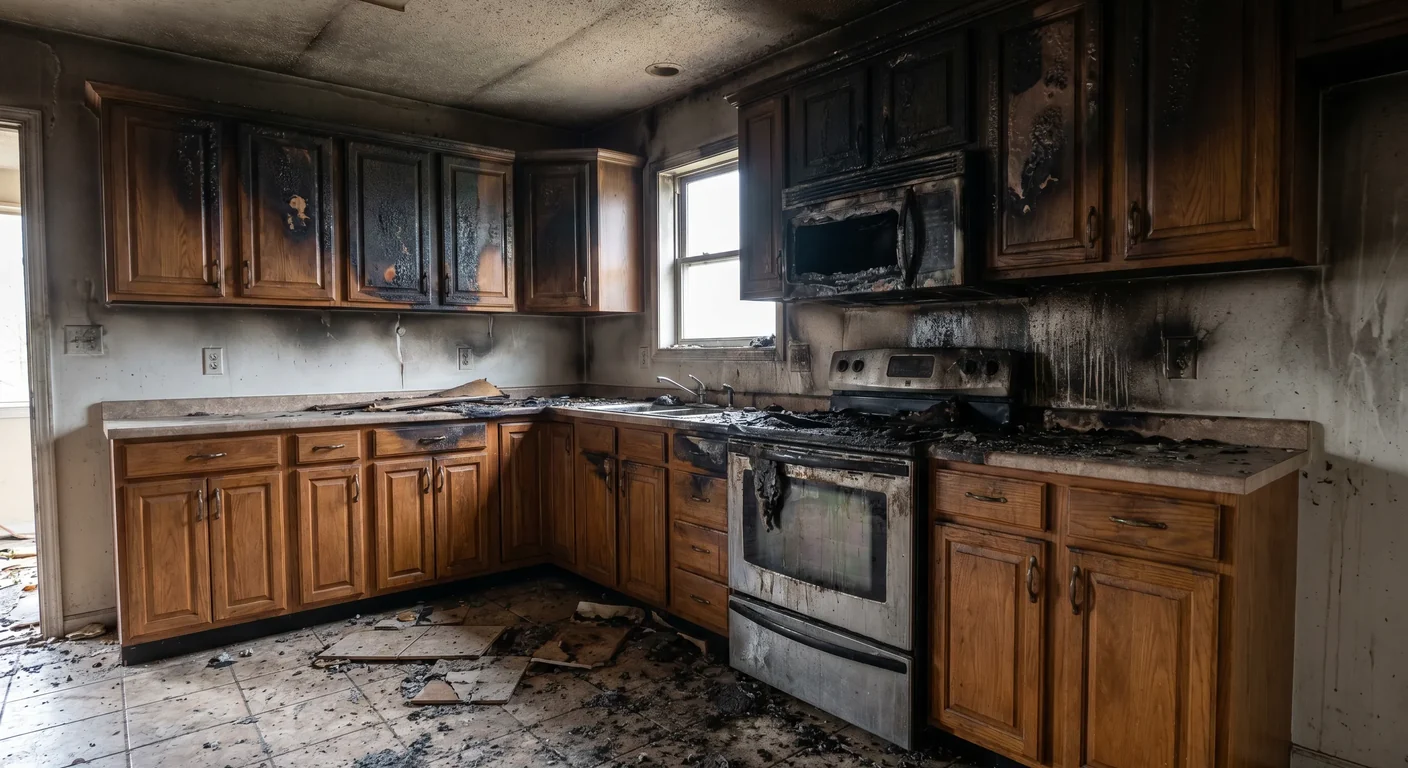
Kitchen fire damage with charred cabinets and soot coating across tile and stucco surfaces
Soot penetration into porous stucco and CBS block requiring specialized cavity cleaning
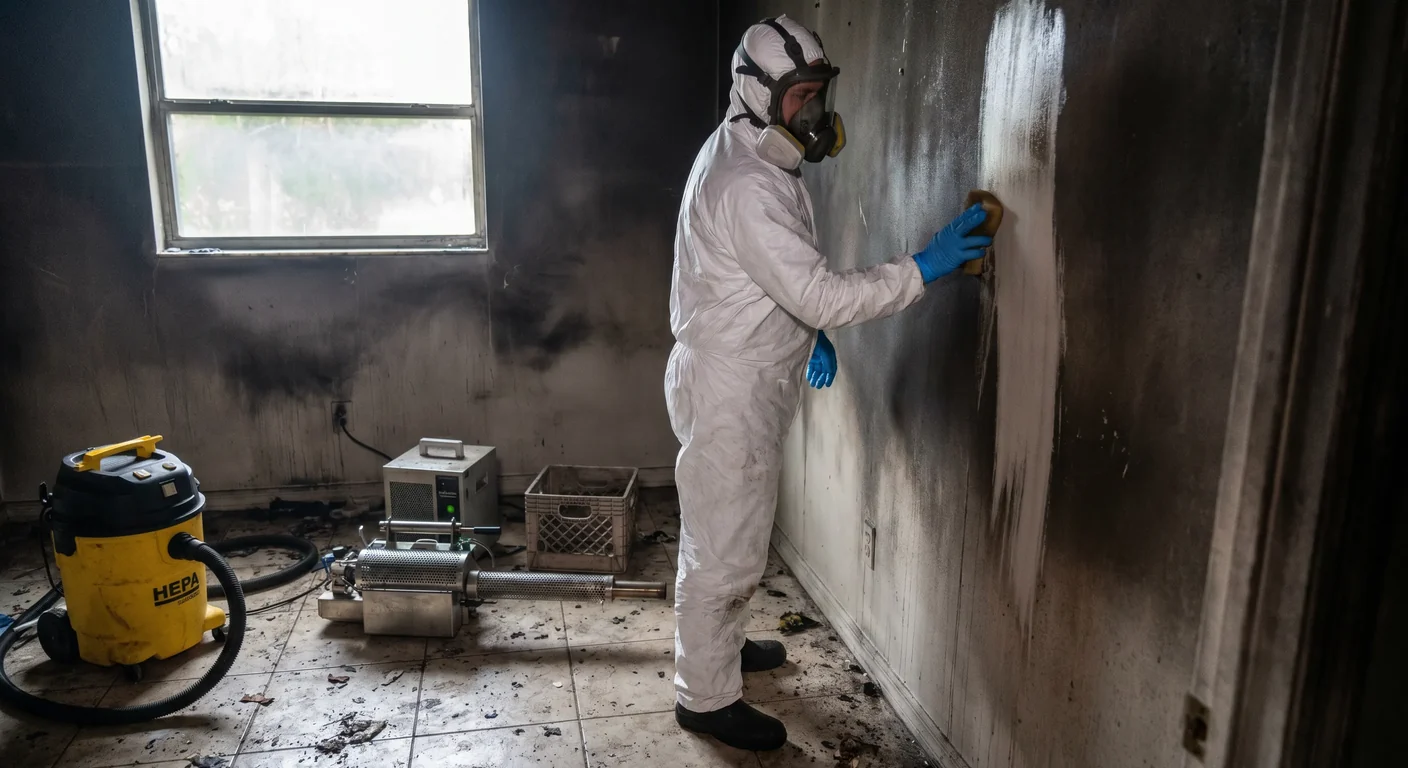
Professional soot removal with chemical sponges and HEPA vacuums on tile and stucco
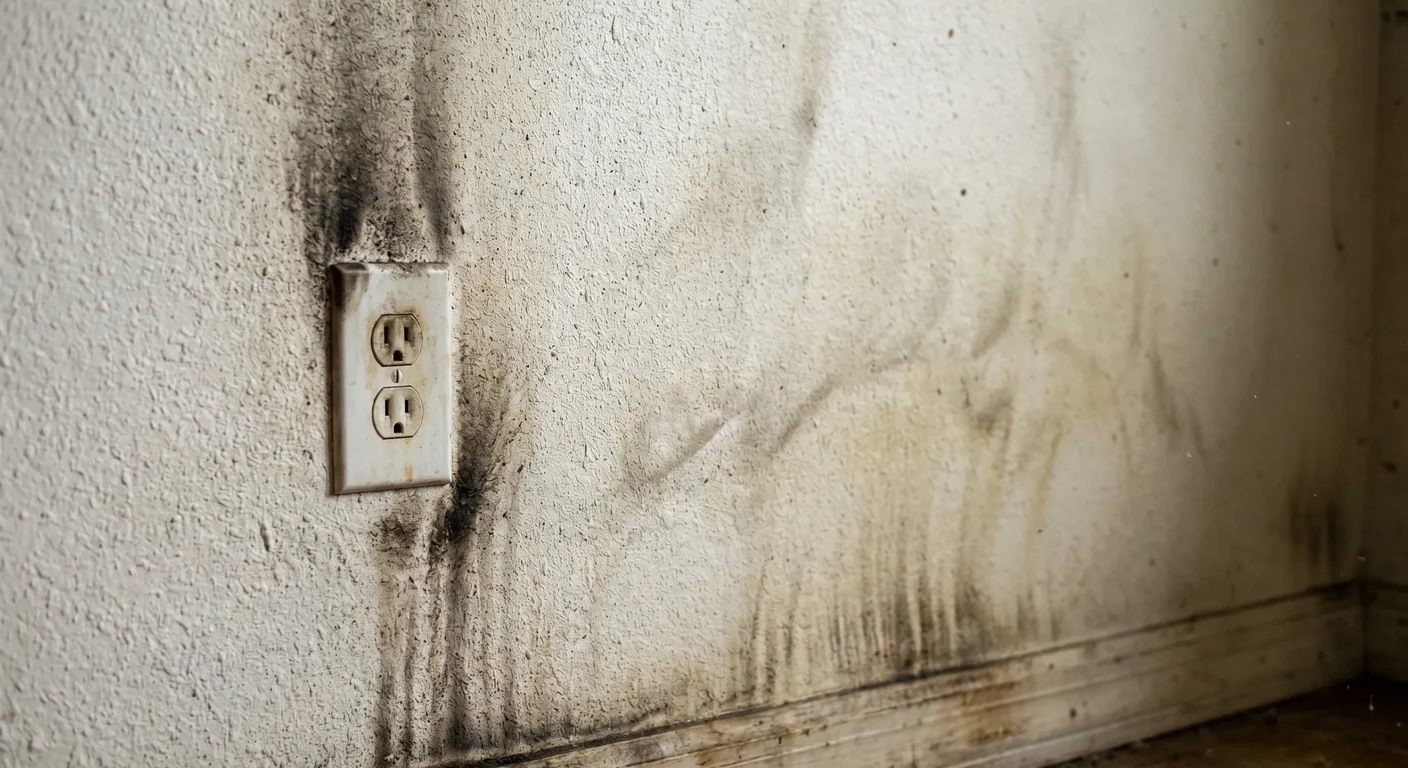
Smoke staining across ceiling and crown molding driven by year-round HVAC circulation
Insurance Coverage
Fire Insurance Claims in Orlando: What's Covered
Fire is one of the most comprehensively covered perils under Florida homeowners
insurance policies. Unlike water or mold damage — which face significant coverage
restrictions in Florida — fire claims under a standard HO-3 policy rarely face coverage
disputes. Florida Statute 627.70132 still requires notice of claim within 1 year of the
date of loss and supplemental claims within 18 months, so timely documentation matters.
Here's what's typically covered.
Structural repair and reconstruction to pre-loss condition
Professional soot and smoke cleaning of all affected surfaces
Smoke odor elimination (thermal fogging, ozone, hydroxyl) plus HVAC and duct cleaning
Water damage from fire suppression (extraction and drying)
Contents restoration or replacement (furniture, electronics, clothing)
Additional Living Expenses (ALE) for temporary housing during restoration
Debris removal and hazardous material disposal
Florida Building Code upgrades required during reconstruction (with ordinance-and-law endorsement)
Palm Build Manages Your Fire Claim
We work directly with your insurance adjuster from the first inspection. Our fire damage
documentation — structural assessments, soot type classification, moisture readings,
photo evidence, and detailed scopes of work — is formatted exactly how Florida adjusters
and carriers expect to receive it. With Florida's complex insurance landscape and
frequent carrier changes, having a restoration company that understands FL-specific
documentation requirements gets your claim approved faster.
Why Orlando Homeowners Choose Palm Build After a Fire
Dedicated Central Florida Coverage
We coordinate Central Florida response 24/7 from our South Florida operations hub at 786 S Military Trail in Deerfield Beach, with team arrival to Orlando typically within 3–4 hours. We serve all of Orange County and the greater Orlando metro — Lake Nona, Winter Park, Baldwin Park, Metrowest, College Park, and beyond. Emergency board-up, tarping, and soot stabilization begin as soon as we're on-site.
IICRC Fire & Smoke Certified
Every crew lead holds current IICRC Fire and Smoke Restoration Technician (FSRT) certification. We follow IICRC S700 standards for professional fire and smoke damage restoration procedures — critical for both proper remediation and insurance claim documentation.
CBS Construction Specialists
Orlando's predominant CBS (concrete block and stucco) construction requires specialized fire restoration techniques that differ significantly from wood-frame homes. Our team understands how smoke travels through block cavities, how soot bonds to stucco, and how to remediate CBS walls and ductwork without unnecessary demolition.
FL Insurance Documentation Experts
Florida's insurance landscape is uniquely complex — frequent carrier changes, assignment-of-benefits rules, and strict documentation requirements. Our fire damage documentation is formatted exactly how Florida adjusters and carriers expect to see it, reducing back-and-forth and getting your claim approved faster within the state's 1-year filing window.
Full Reconstruction to FL Building Code
From emergency board-up through final paint and punch list, Palm Build handles the entire project. Florida Building Code requires all reconstruction to meet current standards — including wind mitigation, updated electrical, and insulation. We manage the full permitting and inspection process with Orange County and the City of Orlando.
Common Questions
Orlando Fire & Smoke Damage FAQ
How quickly can Palm Build respond to fire damage in Orlando?
Palm Build coordinates Central Florida response 24/7 from our South Florida operations hub, with team arrival typically within 3–4 hours of your call at (754) 600-3369. Speed matters: acidic soot begins corroding surfaces within hours, smoke odor migrates into CBS wall cavities and HVAC ductwork, and firefighting water can start mold growth within 24–48 hours in Orlando's humidity. If it is safe to do so, shut down the HVAC system to stop it from spreading soot through the home while you wait.
Why does smoke odor linger in Orlando CBS homes, and how do you remove it?
In concrete-block (CBS) homes, smoke and odor penetrate hollow block cores, wall cavities, and porous stucco, and they get pulled into ductwork by air conditioning that runs 10–11 months a year. Surface cleaning alone leaves those reservoirs untreated, so the odor returns. We combine HEPA air scrubbing and chemical sponging with thermal fogging and cavity sealing to reach trapped smoke, hydroxyl generators for occupied areas, ozone for sealed unoccupied spaces, and full HVAC and duct cleaning so the system stops re-distributing odor.
What are the different types of soot, and why does it matter?
Each soot type requires a different cleaning approach. Dry soot from fast, high-temperature wood and paper fires is powdery and comparatively easier to remove. Wet soot from low-temperature smoldering plastics and rubber is smeary, pungent, and hard to clean. Protein soot from kitchen and grease fires is a nearly invisible greasy film that yellows surfaces and leaves intense lingering odor. Fuel and oil soot is its own category. Using the wrong method — especially wiping dry soot or using household cleaners on protein residue — smears it and sets stains permanently, so we classify the soot before cleaning.
What about water damage from firefighting and mold risk in Orlando?
The water used to put out a fire pools on Orlando's slab-on-grade tile floors with nowhere to drain, then wicks into walls, contents, and CBS wall cavities. In Central Florida's high humidity, that trapped moisture can colonize mold within 24–48 hours on surfaces already weakened by heat — turning a fire loss into a combined fire, water, and mold loss. Palm Build handles water extraction and structural drying as an integrated part of the fire cleanup, not as a separate project, so one cross-trained team manages the entire scope.
Can my contents and belongings be saved after a fire?
Often, yes — but it depends on the soot type, how long residues had contact, and the material. Many hard goods, electronics, and textiles can be cleaned, deodorized, and restored with HEPA cleaning, specialized solvents, and ozone or hydroxyl chambers, frequently for less than replacement cost. Items with deep protein or synthetic soot saturation, or heat-warped materials, may not be salvageable. We assess and document salvageability item by item so your insurer sees a defensible restore-versus-replace decision.
What does fire and smoke damage cleanup cost in Orlando?
Costs scale with scope. A contained kitchen or single-source fire with smoke and soot cleanup and odor elimination typically runs $5,000–$15,000. A single-room fire with structural repair and CBS-cavity remediation runs $30,000–$80,000. A major structural fire with multi-room damage, roof or truss involvement, and full reconstruction can run $50,000–$150,000 or more. Florida Building Code upgrades during reconstruction can add scope. Fire is comprehensively covered under standard HO-3 policies, so most of this is typically claimable.
Does homeowners insurance cover fire and smoke damage in Orlando?
Yes. Fire is one of the most comprehensively covered perils under standard Florida HO-3 homeowners policies, and coverage typically includes structural repair, contents restoration, smoke and soot cleanup, odor elimination, water damage from fire suppression, debris removal, and additional living expenses while you are displaced. Florida Statute 627.70132 requires notice of claim within 1 year of the date of loss and supplemental claims within 18 months. Palm Build documents the loss to carrier standards from day one and works directly with your adjuster.
Does Palm Build handle the reconstruction after fire cleanup?
Yes. Once soot removal, drying, and odor verification are complete, Palm Build handles full reconstruction — drywall, stucco repair, tile, cabinetry, paint, electrical, and plumbing finish work. Florida Building Code requires reconstruction to meet current standards, so fire rebuilds in Orange County may trigger updated electrical, insulation, and wind-mitigation requirements. We manage the full permitting and inspection process so you work with one team from emergency board-up through the final punch list.
Fire Damage in Orlando? Every Hour Counts.
Acidic soot etches surfaces within hours, year-round AC spreads smoke odor system-wide, and firefighting water can start mold within 24–48 hours in Central Florida's humidity. Palm Build coordinates 24/7 Central Florida response from our South Florida hub — with adjuster-ready documentation from the first call.