After mitigation stops the damage, the rebuild begins — and that is where most projects stall. Palm Build takes Orlando homes from demolition back to move-in, rebuilding CBS concrete-block and slab-on-grade structures to the current Florida Building Code, pulling permits with Orange County, and coordinating the ordinance-and-law code-upgrade scope directly with your insurer.
Serving Central Florida from our South Florida hub 3-4 hours Response IICRC Certified
Palm Build's reconstruction capability covers every trade and material needed to return
your Orlando home to pre-loss condition — or better. From CBS stucco systems to slab
repair and code-required upgrades, here's what we handle with Central Florida-specific
expertise.
CBS Wall & Ceiling Systems
Orlando's concrete-block stucco (CBS) construction is fundamentally different from the wood-frame homes common in other markets. Water damage to CBS walls requires removal of the affected stucco, assessment of the underlying block for moisture absorption and efflorescence, and reapplication of a multi-coat stucco system with proper keying and a moisture barrier. Fire-damaged CBS walls may need structural evaluation of the block itself. Palm Build knows CBS-specific reconstruction — stucco keying, expansion-joint placement, and texture matching for the contemporary subdivisions that define Central Florida.
Flooring & Finish Work
Most Orlando homes run tile, luxury vinyl plank, laminate, or carpet over a concrete slab. After water damage, the question is whether moisture reached the slab and wicked under the flooring — something that is rarely visible at the surface. We verify the slab is dry before any finish goes back, replace damaged subfloor and underlayment, and match existing tile and plank profiles so transitions between new and existing material disappear. Trim, baseboard, and paint are restored to pre-loss condition.
Electrical & Plumbing
Florida's electrical and plumbing codes are among the most demanding in the nation because of the wind and moisture exposure. Reconstruction in Orlando frequently triggers mandatory upgrades: whole-house surge protection, GFCI outlets throughout, arc-fault breakers, and updated panels. On slab-on-grade homes, plumbing reconstruction often means accessing supply or drain lines that run under the concrete — and replacing aging polybutylene piping common in homes built between 1978 and 1995 with modern CPVC or PEX. These code-driven upgrades are typically covered by an ordinance-and-law endorsement.
Kitchen & Bathroom Rebuilds
Kitchen and bathroom reconstruction touches every trade at once — plumbing, electrical, cabinetry, countertops, tile, painting, and fixtures. After water or fire damage, a full gut-and-rebuild has to be sequenced so each trade clears inspection before the next begins. Palm Build manages these rebuilds from demolition through the final punch list, matching cabinetry, counters, and finishes to what was there before the loss and keeping the project moving rather than stalling between subcontractors.
Roofing & Exterior
Central Florida's barrel-tile and concrete-tile roofs, impact-rated windows, and stucco exterior systems require specialized reconstruction knowledge. Tile roofing must be matched in profile, color, and installation method, and roof-to-wall connections rebuilt to the 130-140 mph design wind speed required by the standard Florida Building Code. Impact window and door replacement uses Florida Product Approval-rated components — Orange County is not in the HVHZ, so the Miami-Dade Notice of Acceptance is not required. Stucco repair follows proper lath, scratch, brown, and finish coats with texture matching to the existing wall.
Structural & Code Upgrades
When a covered loss triggers a rebuild, the Florida Building Code requires the work to meet current standards — not the code the home was built under. That means tie-beam reinforcement, hurricane straps at roof-to-wall connections, updated electrical, and energy-code insulation values. If the home sits in a FEMA Special Flood Hazard Area and repair costs reach the 50% substantial-damage threshold, the entire structure must be brought to current code, including elevation. We coordinate with licensed structural engineers and document each upgrade so your ordinance-and-law coverage carries the added cost.
Orlando-Specific Expertise
Rebuilding CBS & Slab-on-Grade Homes to the Florida Building Code
Nearly every home across the Orlando metro is built the same way: concrete block with
stucco (CBS) on a slab-on-grade foundation — no basement, no crawl space — frequently
topped with a barrel-tile or concrete-tile roof in the 2000s-era subdivisions around
Lake Nona, Metrowest, Winter Park, and Baldwin Park. Rebuilding these homes is
fundamentally different from wood-frame reconstruction. Damaged CBS walls require
removal of the affected stucco, assessment of the underlying block for moisture
absorption and efflorescence, and reapplication of a multi-coat stucco system with
proper keying and moisture barriers. Slab repairs follow supply and drain lines that run
under the concrete, not through a basement.
Orange County is not in Florida's High-Velocity Hurricane Zone — that designation covers
only Miami-Dade and Broward. Orlando follows the standard Florida Building Code 8th
Edition (2023), using ASCE 7-22, with a design wind speed of 130-140 mph for typical
homes. That still means real hurricane hardening: tie-beam reinforcement, code-compliant
roof-to-wall connections, and Florida Product Approval on exterior components. It does
not, however, require the Miami-Dade Notice of Acceptance or large-missile impact
testing mandated in South Florida. We build to the standard that actually governs your
address.
The two rules that shape an Orlando rebuild's cost are the 50% substantial-damage rule
and ordinance-and-law coverage. If repair costs reach 50% of your home's pre-damage
market value in a FEMA flood zone, the whole structure must be brought to current code,
including elevation. The code upgrades that follow a covered loss — current-code
strapping, impact glazing, updated electrical — are paid for by the ordinance-and-law
coverage Florida automatically includes at 25% of your dwelling limit unless you
rejected it in writing. Palm Build documents that scope so it lands on your claim, not
your wallet.
How Central Florida Homes Are Built
CBS concrete-block walls
Slab-on-grade foundations
Barrel-tile & concrete-tile roofs
130-140 mph design wind speed
Standard FBC 8th Edition (2023)
Florida Product Approval components
Tie-beam & roof-to-wall straps
2000s-era subdivision stock
Orlando's CBS and slab-on-grade homes are rebuilt to the standard Florida Building
Code 8th Edition — 130-140 mph design wind, not the stricter HVHZ tier
Understanding the Process
Mitigation vs. Reconstruction: Why One Company Should Handle Both
Most Orlando homeowners don't realize that property restoration has two distinct phases
— and that the gap between them is where projects go sideways. In Central Florida's heat
and humidity, that gap is especially dangerous: mold can colonize exposed surfaces
within 24-48 hours, turning a manageable reconstruction into a significantly larger
scope.
Phase 1: Mitigation
Mitigation stops the active damage. For water damage, this means extraction and
structural drying — critical in Central Florida's climate, where the air conditioning
runs 10-11 months a year and indoor humidity rebounds fast. For fire, it's board-up,
soot stabilization, and removing water left by fire suppression. For storms, it's
emergency tarping, debris clearing, and securing the building envelope against further
moisture intrusion. Mitigation is urgent — it begins within hours and typically takes
3-7 days.
Many restoration companies — especially national franchises — only handle this phase.
When mitigation is complete, they hand your project off to a separate general contractor
for reconstruction. That handoff creates a gap of weeks where nothing happens while the
new contractor reviews the scope, learns the home's construction, and submits its own
estimate. On a slab-on-grade CBS home, that delay also gives any trapped moisture time
to spread under tile and into block.
Phase 2: Reconstruction
Reconstruction rebuilds what was damaged. This is the general-contracting phase: stucco
and drywall repair, flooring, cabinetry, countertops, painting, trim, electrical,
plumbing, roofing, and finish work. In Orlando, reconstruction requires permits from
Orange County's Division of Building Safety, inspections at multiple stages, Florida
Building Code compliance including the 130-140 mph design wind speed, and coordination
with your insurance adjuster on scope and pricing.
When the same company handles both mitigation and reconstruction, the transition is
seamless. Our reconstruction team reviews the scope during mitigation — not after it's
complete. Permits are filed through FastTrack while drying is still underway. Materials
are ordered before the last dehumidifier leaves. For Orlando homes that need tile
roofing, impact-rated windows, or code-driven structural upgrades, that early ordering
can save weeks of lead time.
Palm Build: One Team, Both Phases
Palm Build handles mitigation and reconstruction as a single coordinated project. No
handoffs to separate contractors, no gaps in your timeline, no duplicated documentation,
no conflicting estimates. One project manager, one insurance contact, one team from
emergency response through final walkthrough — critical for Orlando homes where
reconstruction depends on getting the building dry and the permits filed without delay.
From scope development through final inspection, here's how Palm Build manages the
reconstruction phase of your Orlando restoration project — including Orange County
permitting and Florida Building Code compliance.
01
Scope Development & Estimating
Days 1-5
We walk the property with you and your insurance adjuster to develop a comprehensive reconstruction scope. Every damaged item is documented, measured, and priced using Xactimate — the industry-standard estimating software insurance carriers use. For Orlando's CBS slab-on-grade homes, we include line items for stucco-system restoration, slab repair where lines run under the concrete, tile-roof matching, and the Florida Building Code upgrades that generic estimates routinely miss.
02
Permitting & Code Review
Days 5-15
Permits are filed with Orange County's Division of Building Safety through FastTrack.ocfl.net for all structural, electrical, mechanical, plumbing, and roofing work, with a Notice of Commencement when the work value exceeds $5,000. Florida's 50% substantial-improvement rule is evaluated — if reconstruction costs exceed 50% of the home's pre-damage market value in a flood zone, the entire structure must meet current Florida Building Code, including elevation. We handle all permit applications, plan reviews, and pre-inspection coordination.
03
Demolition & Material Ordering
Days 10-20
Damaged materials are removed to clean substrate. We document and photograph existing finishes — tile profiles, roof tile, stucco texture — before removal so matching is accurate. Materials with longer lead times, such as barrel or concrete roof tile and Florida Product Approval-rated impact windows, are ordered immediately during demolition rather than after, which is how we keep Orlando rebuilds from stalling between phases.
04
Rough-In & Structural Work
Weeks 3-6
Framing, electrical rough-in, plumbing rough-in, HVAC modifications, and structural repairs are completed and inspected by Orange County before finishes are installed. This is where Florida Building Code upgrades happen: hurricane straps at roof-to-wall connections, tie-beam reinforcement for the 130-140 mph design wind speed, upgraded electrical panels with whole-house surge protection, GFCI protection throughout, and arc-fault breakers. Each trade is inspected separately.
05
Finish Work & Installation
Weeks 6-10
Stucco application and texturing. Flooring installation over verified-dry slab. Cabinet and countertop installation. Tile or shingle roofing. Trim and millwork. Painting and fixtures. For Orlando homes, this phase sequences each trade so inspections clear cleanly and the home comes back together without the rework that slows other contractors down.
06
Final Inspections & Walkthrough
Project Completion
Final electrical, plumbing, mechanical, roofing, and building inspections by Orange County. We schedule inspections proactively and address any corrections immediately. The final walkthrough with the homeowner confirms every item in the scope has been completed to satisfaction. A completion certificate is provided to your insurance carrier for final payment release.
Florida Building Code
Code Compliance During Orlando Reconstruction
Florida's Building Code — updated every three years and continuously strengthened since
its statewide adoption in 2002 — is among the most demanding in the nation.
Reconstruction in Orlando must meet the current 8th Edition Florida Building Code (FBC
2023, ASCE 7-22), not the code the home was originally built under. Orange County is not
in the High-Velocity Hurricane Zone — that tier covers only Miami-Dade and Broward — so
Orlando rebuilds use the standard 130-140 mph design wind speed and Florida Product
Approval components rather than the stricter South Florida standards. The critical
threshold is Florida's 50% substantial-improvement rule: if reconstruction costs exceed
50% of the home's pre-damage market value in a flood zone, the entire structure must be
brought into full compliance, including flood elevation. These upgrades are typically
covered by ordinance-and-law insurance.
Hurricane straps at every roof-to-wall and wall-to-foundation connection
Typically required for: Pre-2002 homes
Impact-rated windows and doors (Florida Product Approval) or approved shutter systems
Whole-house surge protection and upgraded electrical panel
Typically required for: Pre-2008 homes
GFCI outlets in all habitable areas (FL exceeds NEC minimum requirements)
Typically required for: Pre-2014 homes
Arc-fault circuit interrupter (AFCI) breakers for all living spaces
Typically required for: Pre-2008 homes
Insulation upgrades to current Florida Energy Code R-values
Typically required for: Pre-2012 homes
Flood elevation compliance if in a FEMA SFHA and the 50% threshold is exceeded
Typically required for: All ages in flood zones
Florida's 50% Substantial-Damage Rule
If your reconstruction costs reach 50% of your home's pre-damage market value in a
FEMA flood zone, the entire structure must meet current Florida Building Code —
including elevation to Base Flood Elevation plus 1 foot of freeboard in Orange
County. For a $400,000 Orlando home, that threshold is $200,000. The code upgrades
that follow — hurricane straps, impact windows, updated electrical — are paid for by
ordinance-and-law coverage, which Florida includes automatically at 25% of your
dwelling limit unless you rejected it in writing. On a $300,000 home that is $75,000
in code-upgrade coverage. Confirm the endorsement exists on your policy now.
Orlando Pricing
Reconstruction Costs in Orlando
Orlando reconstruction costs reflect Central Florida's housing stock — CBS slab-on-grade
homes, barrel-tile and shingle roofs, and the Florida Building Code upgrades a covered
loss can trigger. Required code work, when it applies, can add 15-30% to a project, but
with an ordinance-and-law endorsement that added cost is typically covered by insurance
rather than paid out of pocket. The ranges below reflect typical Orlando project costs
for insurance-funded restoration work; your scope and any code upgrades determine where
you land.
Minor Reconstruction
Drywall, flooring, paint in 1-2 rooms
$6,000 – $25,000
Moderate Reconstruction
Kitchen/bath rebuild, multiple rooms, CBS wall repair
$25,000 – $100,000
Major Reconstruction
Structural rebuild, full-floor, code upgrades
$100,000 – $400,000+
Our Work
Orlando Reconstruction Results
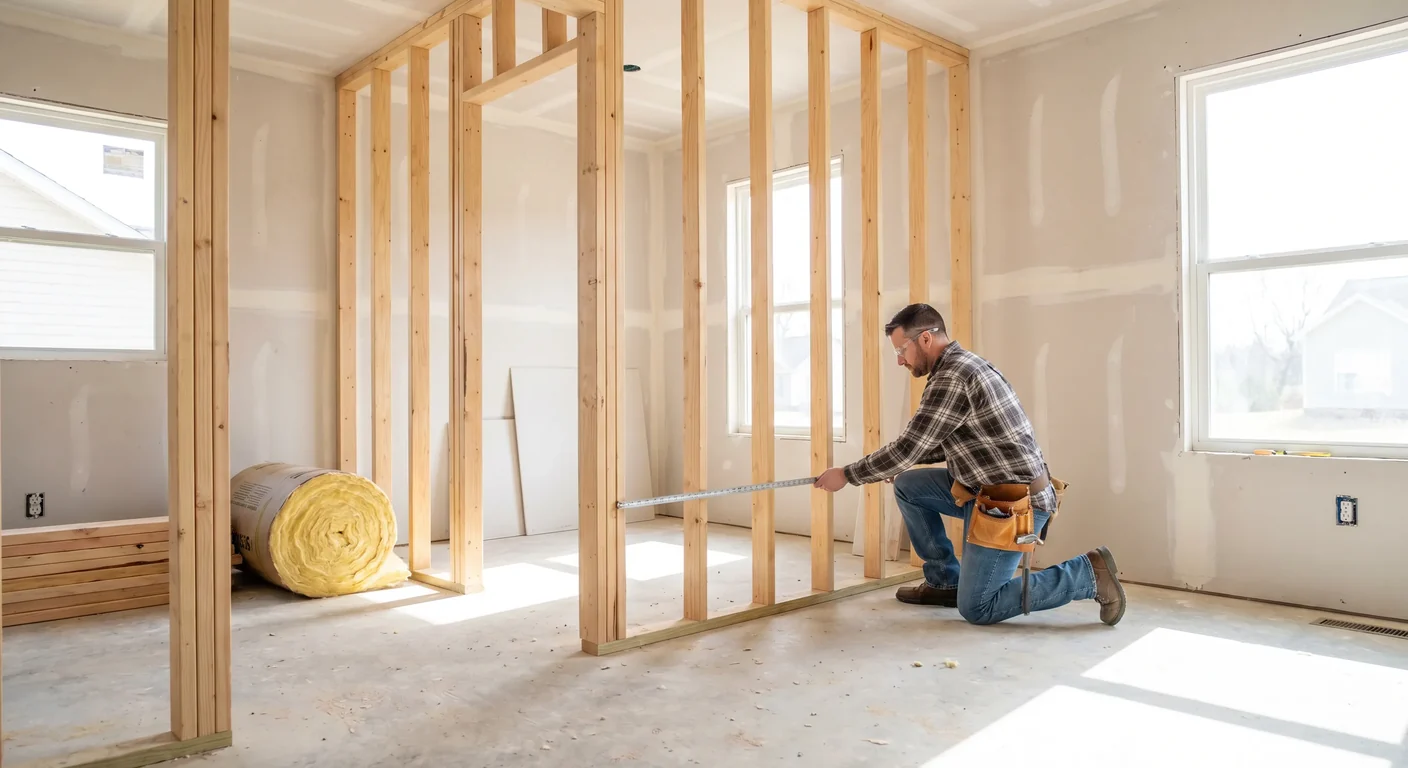
Mid-reconstruction framing and drywall over an Orlando slab-on-grade subfloor
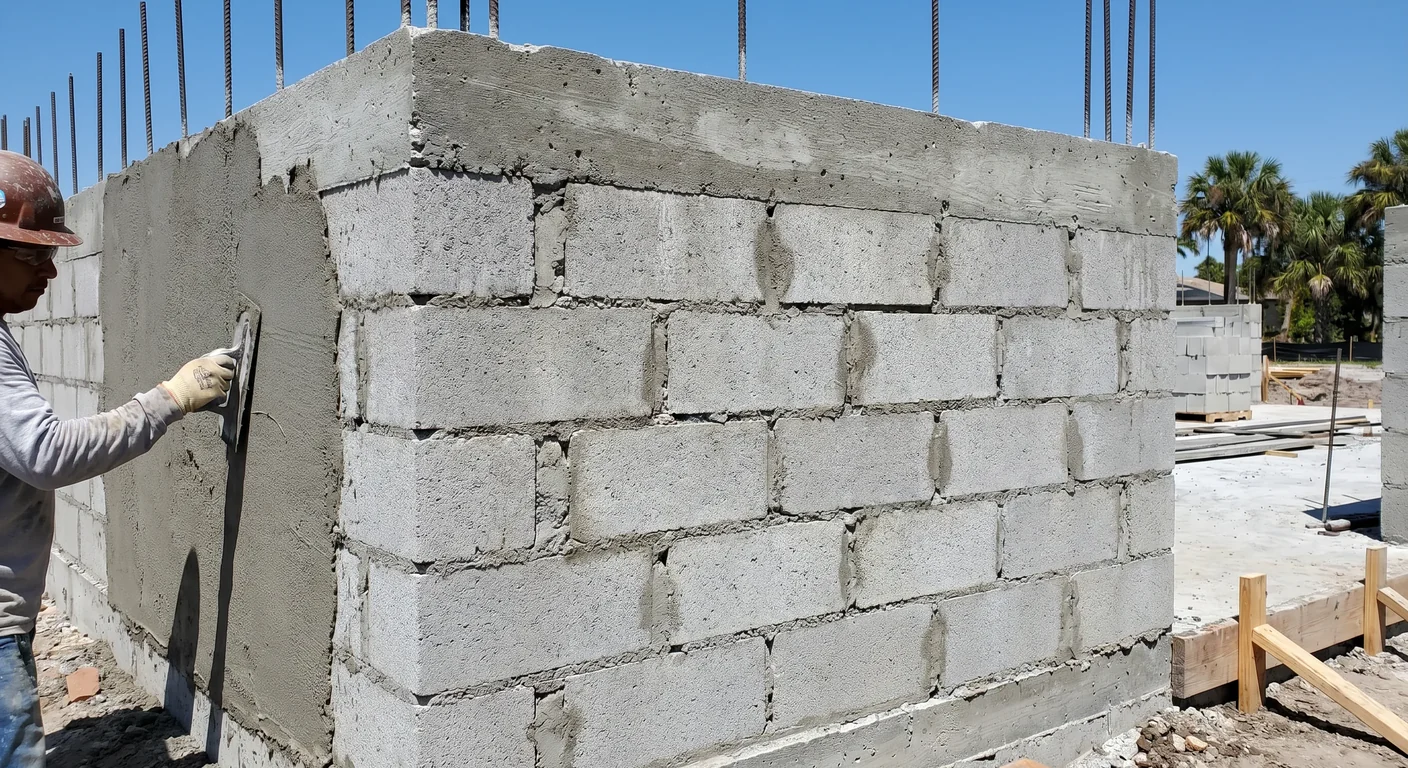
CBS wall reconstruction with proper stucco keying and code-compliant tie-beam
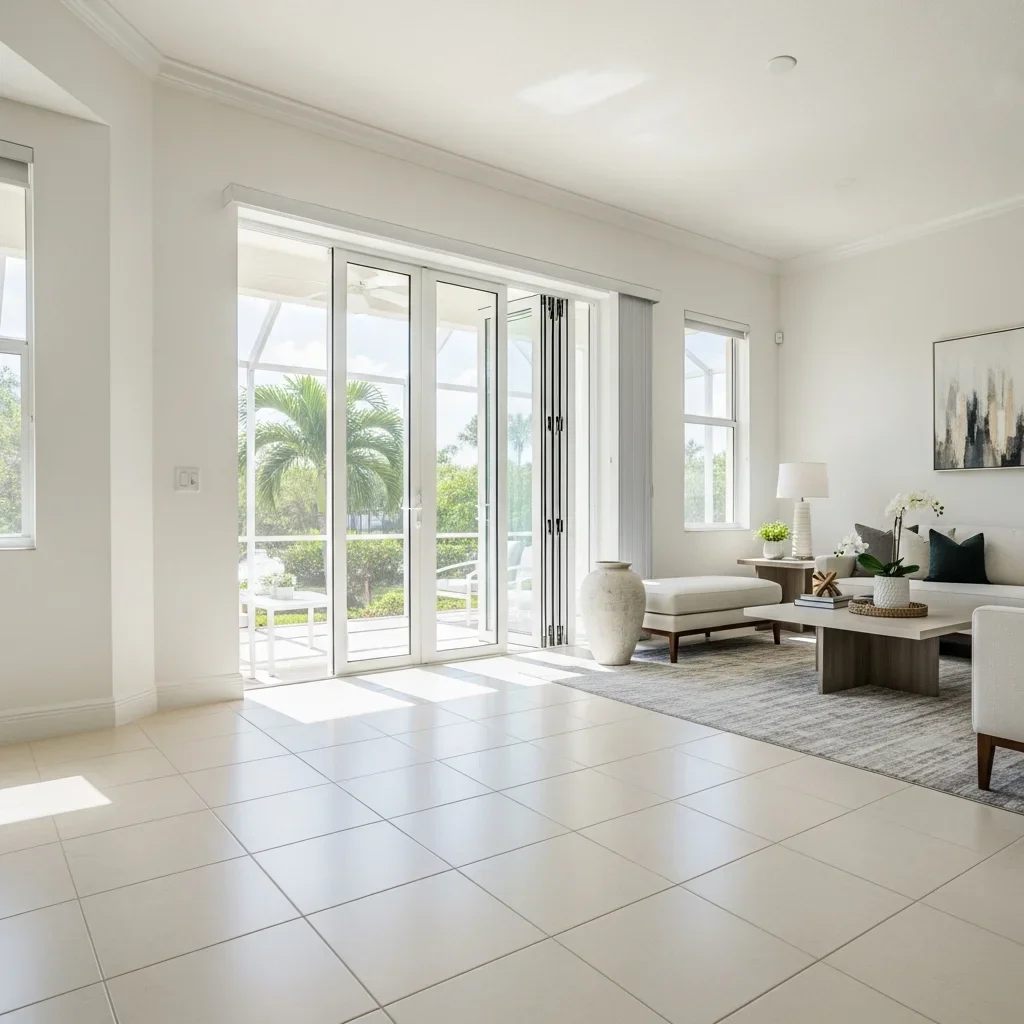
Completed reconstruction: new flooring, trim, and finishes restored to pre-loss condition
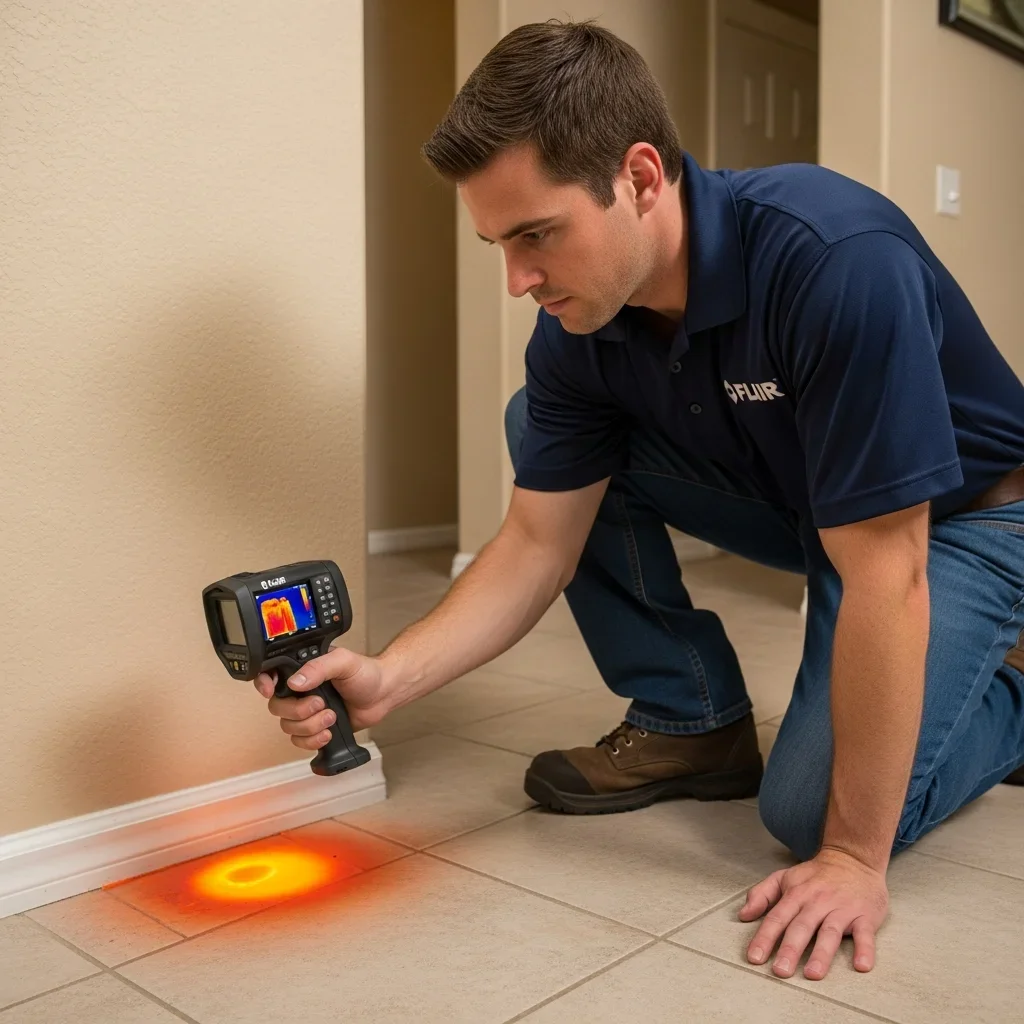
Moisture verification confirms the slab is dry before finish materials are installed
Insurance Coverage
What Insurance Covers for Orlando Reconstruction
When reconstruction follows a covered loss — fire, sudden water damage, wind — your
homeowners policy covers the cost of returning your home to pre-loss condition. The
piece most Orlando homeowners overlook is ordinance-and-law coverage: Florida includes
it automatically at 25% of your dwelling limit unless you rejected it in writing, and it
is what pays for the code upgrades a rebuild can trigger. Palm Build's Xactimate-based
estimates match the format insurance carriers use, reducing supplemental negotiations
and approval delays.
Structural repair and rebuild to pre-loss condition (CBS walls, stucco, framing)
Flooring, cabinetry, countertops, and finish materials matching pre-loss quality
Electrical, plumbing, and HVAC repair or replacement
Barrel-tile or shingle roofing, impact-rated windows, and exterior stucco restoration
Permits and Orange County inspection fees
Florida Building Code upgrades required during reconstruction (with ordinance-and-law endorsement)
Temporary living expenses during reconstruction (Additional Living Expense — ALE)
Debris removal and disposal of damaged materials
Palm Build Manages the Entire Florida Claims Process
Florida's insurance market has been turbulent — carrier exits, rising premiums, and AOB
reform have created a complex claims landscape. Our reconstruction estimates are written
in Xactimate, the same software your carrier uses. We coordinate directly with your
adjuster throughout reconstruction, handling supplements for hidden damage discovered
during demolition and for the code-required upgrades your ordinance-and-law coverage is
meant to pay. Florida law also sets your timeline: notice of a claim is due within one
year of the date of loss, with supplemental claims due within 18 months.
Why Orlando Homeowners Choose Palm Build for Reconstruction
Mitigation + Reconstruction = One Team
No handoffs between companies. Our mitigation and reconstruction teams work as one unit, and reconstruction planning begins during the drying phase — not after it ends. In Central Florida's heat and humidity, where mold can colonize exposed materials within 24-48 hours, that overlap isn't just convenient — it prevents secondary damage that expands the scope.
Licensed Florida General Contractor
Palm Build holds Florida general contractor and specialty licensing for structural, electrical, mechanical, and plumbing work. We pull our own Orange County permits through FastTrack, manage every inspection, and ensure Florida Building Code compliance throughout reconstruction — including the 130-140 mph design wind speed that governs Orlando.
CBS & Slab-on-Grade Expertise
We rebuild concrete-block (CBS) homes on slab-on-grade foundations every day — the dominant construction across the Orlando metro. That means proper stucco keying over block, slab repair where supply and drain lines run under the concrete, and code-compliant tie-beam and roof-to-wall connections. We do not treat these homes like the wood-frame construction common in other markets.
Xactimate-Based Insurance Estimates
Our reconstruction estimates use the same Xactimate software and pricing database your insurance carrier uses. This eliminates format-based disputes, reduces supplemental negotiation cycles, and gets your claim approved faster — including the ordinance-and-law code-upgrade scope that carriers often leave off an initial estimate.
Code-Upgrade Documentation
When a covered loss triggers current-code requirements — hurricane strapping, impact-rated windows, updated electrical — we document each upgrade and tie it to your ordinance-and-law coverage so the added cost lands on your claim rather than your wallet. Your reconstructed Orlando home meets the current Florida Building Code, not the older code it was built under.
Common Questions
Orlando Reconstruction FAQ
What's the difference between mitigation and reconstruction?
Mitigation stops the damage — water extraction, structural drying, mold containment, soot stabilization, emergency tarping. Reconstruction rebuilds what was damaged — framing, drywall, flooring, cabinetry, painting, electrical, plumbing, and finishes — to current code. Many restoration companies only handle mitigation, then hand the rebuild to a separate general contractor. Palm Build handles both phases as one coordinated project, eliminating the gap between mitigation and rebuild — critical in Central Florida's heat and humidity, where mold can colonize exposed materials within 24-48 hours.
Do I need a permit to repair my Orlando home after storm damage?
Yes. Any structural repair — roof framing, walls, beams, foundations — requires a building permit from Orange County's Division of Building Safety. Roofing, electrical, plumbing, and mechanical work each require their own permits. Storm-related permits are expedited; roofing and trade permits can be issued within 24 hours of a complete application. Permits are filed through FastTrack.ocfl.net or (407) 836-5550, and a Notice of Commencement is required when the work value exceeds $5,000. Palm Build handles every permit application and inspection for you.
What is the 50% rule and how does it affect my rebuild?
If your home is in a FEMA-designated Special Flood Hazard Area and the cost to repair the damage equals or exceeds 50% of the structure's pre-damage market value, federal and Florida rules treat it as 'substantially damaged.' That triggers a full code-compliance requirement — the entire structure must be brought to current Florida Building Code, including elevation to Base Flood Elevation plus 1 foot of freeboard in Orange County — rather than simply restoring it to its previous condition. Palm Build documents repair costs accurately so this determination is made on solid numbers, and we appeal with supporting appraisals when warranted.
What is Ordinance or Law coverage and do I need it?
Florida law automatically includes Ordinance or Law coverage at 25% of your dwelling limit unless you signed a written rejection. It pays for code-required upgrades during a rebuild that go beyond simply restoring what was there — current-code hurricane strapping, impact-resistant windows, updated electrical panels, and the like. On a $300,000 home, that is $75,000 in code-upgrade coverage. Given how often the Florida Building Code is updated and how many older homes are in the Orlando area, this coverage often makes the difference between a complete rebuild and an out-of-pocket bill for tens of thousands in required upgrades.
Is Orlando subject to Florida's strictest hurricane building codes?
No. Florida's High-Velocity Hurricane Zone (HVHZ) — the most stringent code tier — covers only Miami-Dade and Broward counties. Orange County follows the standard Florida Building Code 8th Edition (2023), using ASCE 7-22, which requires structures to be designed for 130-140 mph wind loads. That is meaningful hurricane protection, and Florida Product Approval numbers are required on exterior components, but the Miami-Dade Notice of Acceptance and large-missile impact testing required in South Florida do not apply here. Palm Build builds every Orlando rebuild to the standard that actually governs Orange County.
Does Palm Build handle the full rebuild or just cosmetic repairs?
Full structural reconstruction. We handle CBS concrete-block wall systems, framing, flooring, barrel-tile and shingle roofing, cabinetry, countertops, painting, trim, electrical, plumbing, HVAC, impact-rated windows, and all finish work. For Orlando homes that require structural engineering after fire or storm damage, we coordinate with licensed structural engineers and ensure all work passes Orange County inspections before finishes go in.
How long does reconstruction take after damage in Orlando?
It depends on scope. Minor reconstruction — drywall, flooring, and paint in one or two rooms — typically runs 1-3 weeks. Moderate reconstruction such as a kitchen or bath rebuild or multiple rooms runs 4-10 weeks. Major reconstruction involving structural rebuilds and full code upgrades runs 10-20 weeks, with plan review for structural permits adding time on the front end. Because Palm Build plans the rebuild during the drying phase and orders materials early, we routinely compress the handoff that delays other contractors.
Do you rebuild CBS and slab-on-grade homes specifically?
Yes — that is the dominant construction across the Orlando metro, and it is what we rebuild every day. Central Florida homes are concrete block with stucco (CBS) on slab-on-grade foundations, frequently topped with barrel-tile or concrete-tile roofs in the 2000s-era subdivisions around Lake Nona, Metrowest, and Winter Park. Rebuilding CBS correctly means proper stucco keying and multi-coat application over the block, code-compliant tie-beam and roof-to-wall connections for the 130-140 mph design wind speed, and slab repair where supply or drain lines run under the concrete. We do not treat these homes like wood-frame construction.
Need Reconstruction After Damage in Orlando?
Palm Build handles the full rebuild — from demolition through final walkthrough — with one team, one point of contact, and Orange County permitting and insurance coordination throughout. CBS and slab-on-grade rebuilds to the current Florida Building Code, with the ordinance-and-law code-upgrade scope documented for your insurer.