Crawl space vapor load
Older crawl space configurations can pull moisture into framing and living areas, especially during seasonal humidity swings.
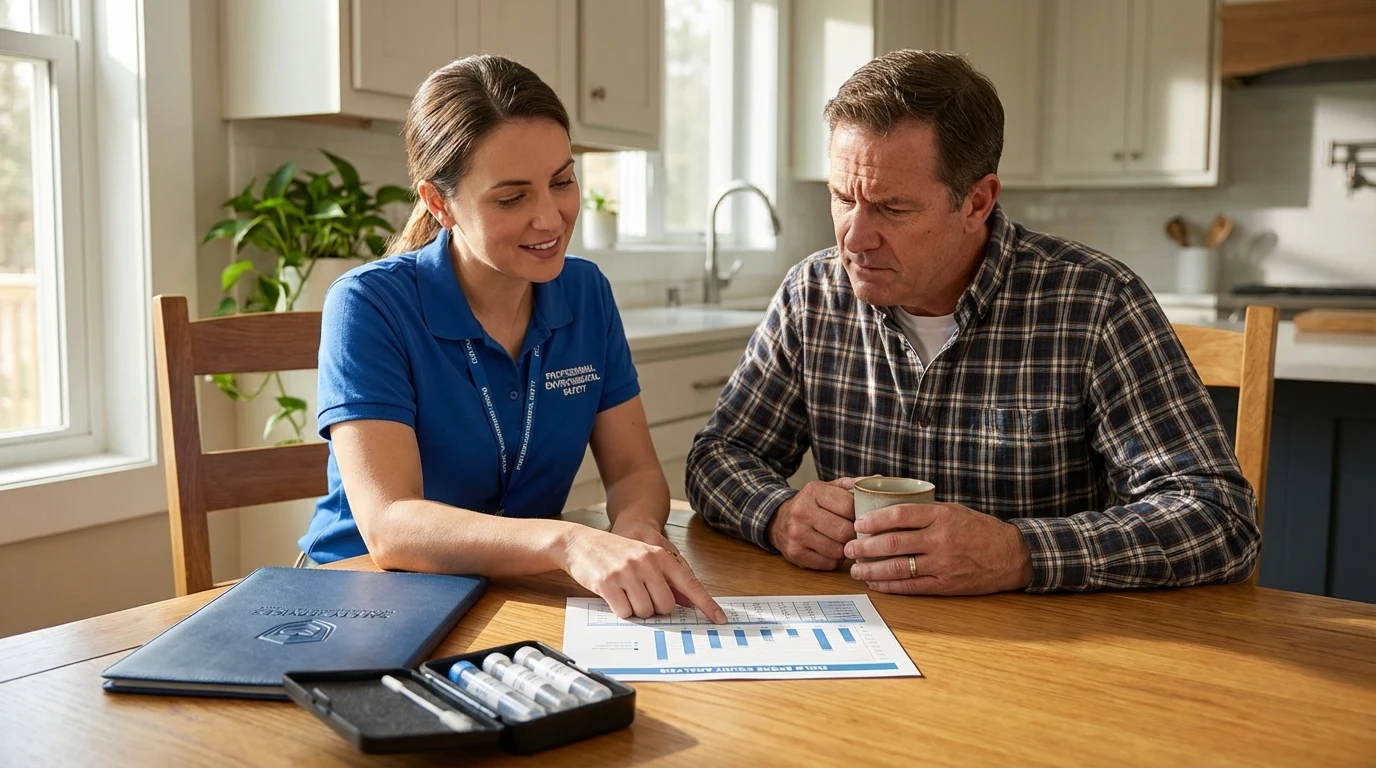
Palm Build provides mold remediation for Charlotte and Metrolina properties with containment, drying control, and verification-driven closeout.
North Carolina Mold Remediation Service Coverage
North Carolina mold projects often combine seasonal humidity changes, crawl space moisture transfer, and delayed leak response. Palm Build uses a moisture-first diagnostic approach so scope decisions are made on measurable conditions rather than visual assumptions alone. This keeps remediation focused, reduces unnecessary demolition, and improves closeout confidence.
Use this page with our mold testing guide, attic mold remediation guide, and post-water mold strategy for scenario-specific planning. When mold follows an active or recent leak, pair it with our Charlotte water damage restoration response.
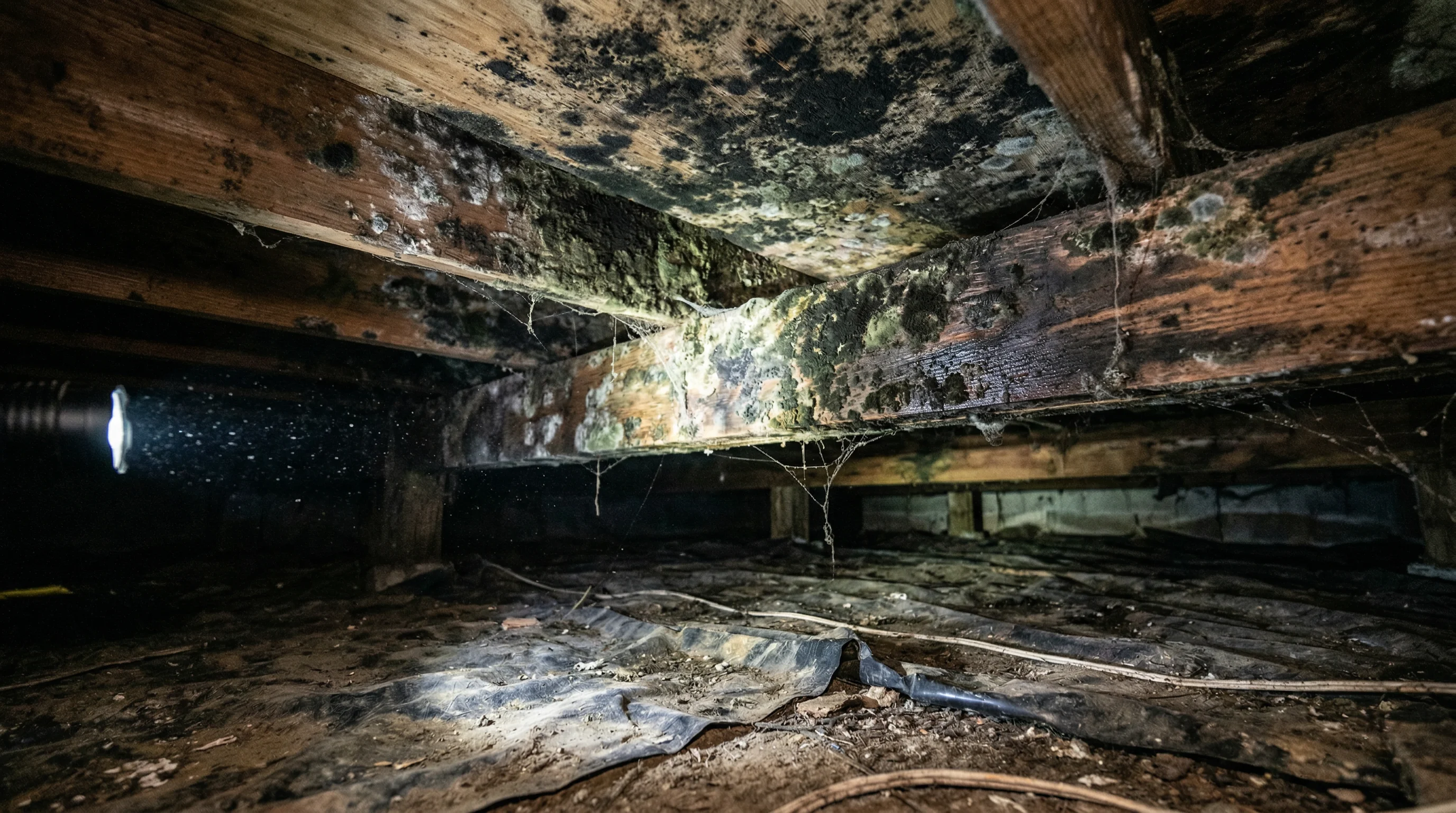
Metrolina properties often show a mix of crawl space, attic, and plumbing-driven moisture pathways. Treating only visible growth without system-level correction creates recurrence risk.
Older crawl space configurations can pull moisture into framing and living areas, especially during seasonal humidity swings.
North Carolina attic growth often reflects roof-system airflow mismatch, duct leakage, or unresolved roof penetration issues.
After plumbing failures, subfloor and wall cavity moisture can persist beyond visible drying unless measured and tracked.
Define impacted zones using moisture readings, odor distribution, and targeted inspection findings before demolition.
Protect adjacent occupied zones with barriers, filtration, and access control while remediation is underway.
Remove unsalvageable porous assemblies and continue dehumidification until stable, documented moisture targets are reached.
Deliver closeout documentation and recommended maintenance actions to lower recurrence probability.
For portfolio-scale or occupied commercial projects, coordinate with commercial restoration and large loss handling for smoother execution and owner communication.
Expert answers about professional treatment, health concerns, prevention, and what to expect during the process.
Our comprehensive process includes six key steps: (1) Thorough inspection and air quality testing, (2) Containment setup to prevent spore spread, (3) HEPA air filtration to capture airborne particles, (4) Safe removal using EPA-approved products, (5) Cleaning and sanitizing affected areas, (6) Addressing moisture sources to prevent regrowth. Our IICRC-certified specialists follow EPA guidelines throughout to restore healthy indoor air quality.
Still have questions about the treatment process?
Our certified team assesses conditions, contains affected zones, remediates safely, and addresses moisture causes to reduce recurrence risk.
Thorough inspection and air quality assessment
EPA-compliant removal protocols
Serving Florida & North Carolina
Stop problems from returning
Need help right now? Call us.
24/7 live dispatch — average answer time under 30 seconds