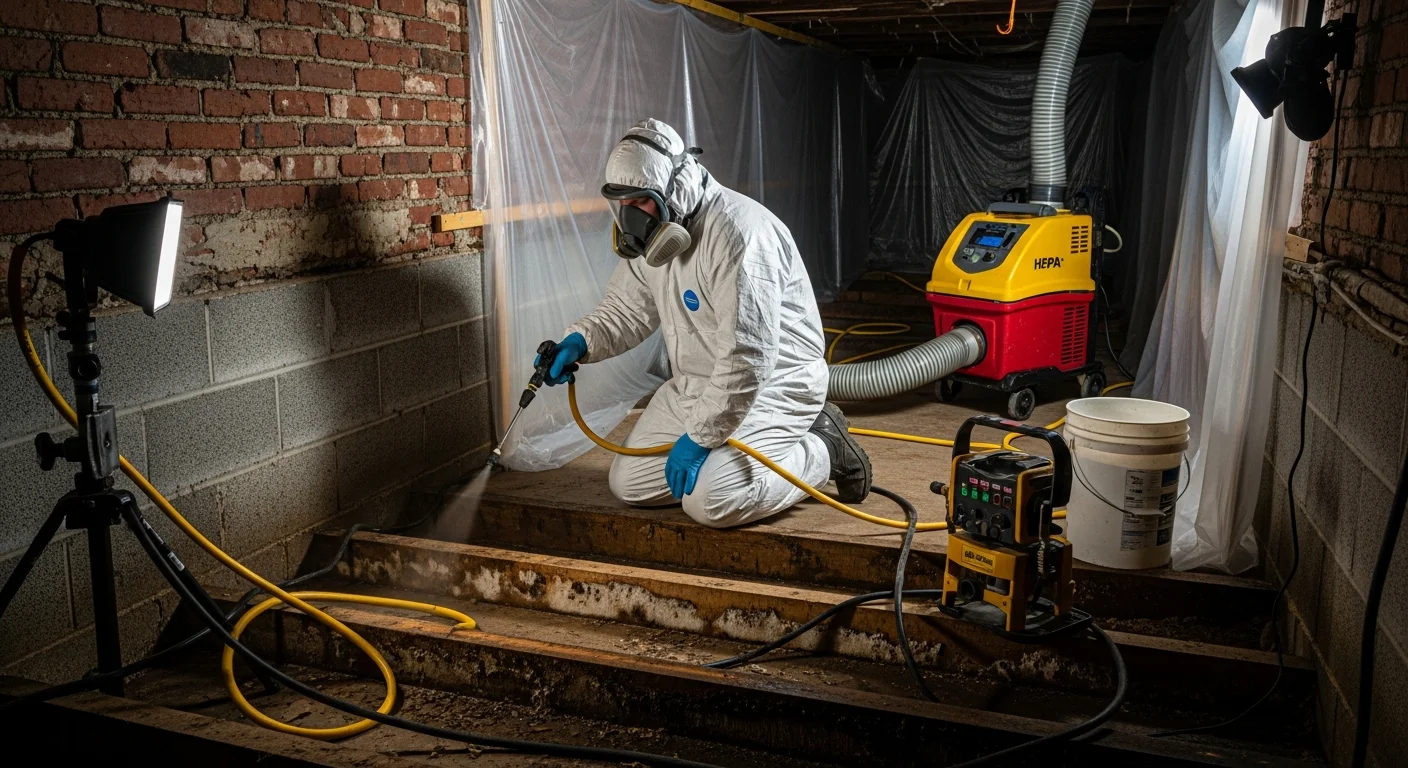
Mold Remediation in Lenoir, North Carolina
Over half of Lenoir's homes are older than 40 years, most have vented crawl spaces, and all sit on clay-heavy soil that holds moisture long after the rain stops. That combination produces one outcome: persistent crawl space and basement mold pressure from spring through fall. Palm Build's IICRC S520-certified team delivers professional containment, full remediation, and post-clearance verification — with documentation your insurer accepts.
Same day / next day
Emergency Response
24/7
Dispatch Available
IICRC
Certified Technicians
Mold in Your Lenoir Crawl Space or Home? Get IICRC-Certified Help.
Palm Build delivers professional crawl space mold assessment, containment, remediation, and post-clearance verification — with documentation your NC insurer accepts. IICRC S520 certified.
Lenoir NC — Crawl Space Mold Intelligence
Why Lenoir Crawl Spaces Grow Mold Year-Round
The authoritative guide to crawl space mold in the NC foothills — what drives it, what compounds it, and what real remediation looks like.
50%+ Homes Over 40 Years Old
Caldwell County Housing Plan data: over half of Lenoir homes were built before 1985. Most were constructed with vented crawl spaces and minimal or no vapor barriers — the standard at the time, but a persistent mold liability now.
Clay Soil Holds Moisture Slowly
NC State Extension describes NC foothills subsoil as heavy clay that moves water very slowly. After every rain event, moisture lingers at the surface and migrates upward into crawl space floors and wall assemblies — not hours, but days and weeks.
The Stack Effect Moves Crawl Air Up
Warm air rises through a home — from crawl space through subfloor gaps, HVAC returns, and floor penetrations into living areas. Mold spores colonizing crawl space framing circulate through the entire home every time the HVAC runs. Crawl space mold is a whole-home air quality problem.
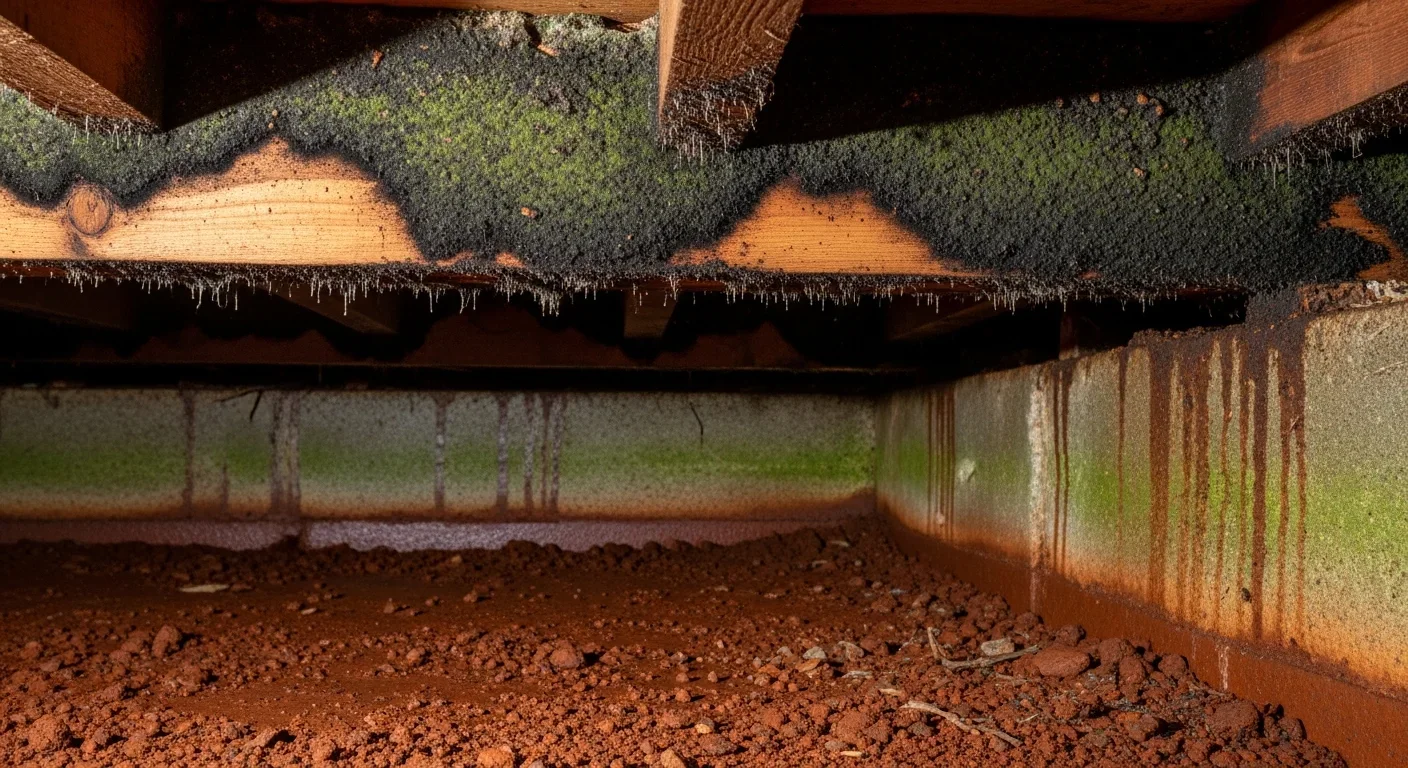
The Lenoir Mold Problem Stack — 7 Compounding Factors
Old vented crawl space (pre-1990s NC construction standard)
No vapor barrier or damaged barrier — soil exposed directly to air
Clay subsoil holding surface moisture year-round after every rain
NC foothills ambient humidity 70–90% from spring through fall
Limited ventilation in older Lenoir homes — no air circulation
HVAC air handler in crawl space (common in some NC builds) distributing spores
Post-storm saturation from Helene-type events (Sept 2024: 7–12" in 3 days)
What Real Crawl Space Mold Remediation Looks Like
IICRC S520 Moisture Assessment
Probe and measure moisture content in wood framing. Mold-safe threshold: below 19% moisture content. Map humidity throughout crawl space and identify moisture sources — water intrusion, vapor migration through clay soil, or HVAC condensation.
Containment Setup
If active spores are present, containment barriers are installed and negative air pressure established. Prevents spores migrating to living areas through the stack effect during work.
HEPA Air Scrubbing
Industrial HEPA air scrubbers run continuously throughout remediation — capturing spores down to 0.3 microns. Run continuously, not intermittently.
Source Removal (Not Spray-and-Fog)
Affected materials are removed per IICRC S520. Damaged vapor barrier sections, affected insulation, and mold on wood framing surfaces. Spray-and-fog without source correction is not S520-compliant.
Antimicrobial Treatment + New Vapor Barrier
EPA-registered antimicrobials applied to all affected structural surfaces. New 6-mil minimum vapor barrier installed and sealed to foundation walls — breaking the ongoing clay soil moisture pathway.
Post-Clearance Verification
Independent certified assessor collects air and surface samples before containment is removed. Clearance report provided — required by many NC insurers and essential for future property transactions.
Why this matters in Lenoir: Clay soil vapor migration does not stop when the remediation is complete — it restarts with the next rain. The vapor barrier installation in step 5 is what breaks the ongoing moisture pathway. Without it, mold will return regardless of how well steps 1–4 were performed.
Caldwell County Foothills
Lenoir Mold Risk by Month
Monthly mold pressure in Lenoir NC — click any month to see what drives risk. Based on Hickory climate normals and Caldwell County soil data.
Lenoir's wettest month. Tropical systems possible. Post-storm crawl space mold begins growing within 24-48 hours of wetting (CDC).
Peak Risk: June–September
4 consecutive extreme-risk months. Crawl space RH regularly exceeds 80%. Both ambient vapor and direct rain events create mold simultaneously.
Post-Helene Mold Window
September 2024 delivered 7–12" in 3 days across the NC foothills. Post-flood mold colonizes in 24–48 hours — requiring same-day response to prevent full bloom.
Year-Round Crawl Pressure
Even "low" months in Lenoir carry residual crawl space moisture from clay soil. Annual inspection and vapor barrier maintenance is essential — not optional.
Caldwell County Neighborhoods
Lenoir Neighborhood Mold Risk Guide
Housing era, soil conditions, and flood exposure vary across Lenoir. Here is what drives mold risk neighborhood by neighborhood.
Crestmere
Mid-century homes (documented 1953-era examples) with original vented crawl spaces. No or minimal vapor barriers. Clay soil moisture has been working on these foundations for 60–70 years. Crawl space wood framing is frequently at or above moisture content levels that sustain active mold colonies.
The Coves Mountain River Club
River frontage on the Johns River. Helene-type events (Sept 2024) caused rapid flooding in mountain river communities. Post-flood mold in daylight basements and lower levels begins colonizing within 24–48 hours in warm NC conditions.
Stonecroft / Tremont Park
1987–2004 construction. Crawl spaces present on most lots. HVAC systems aging toward 20–35 years — condensate failures are common and distribute moisture into wall cavities. Tremont Park lower-elevation sections see periodic crawl space seepage from clay soil saturation.
Georgetown Estates
Mixed 1974–2021 era. Older units: original crawl spaces with minimal vapor barriers. Renovated units may have encapsulated crawl spaces, but quality varies. Heavy clay soil saturation in spring and late summer.
Woodridge
2001–2004 construction. More modern than mid-century stock but HVAC condensate failures and appliance line breaks still occur. Clay soil around foundations holds moisture, keeping crawl space RH elevated in warm months.
Blackberry Ridge Condominiums
1986-era condo construction. Shared wall assemblies and common HVAC pathways mean mold in one unit can affect adjacent units through shared ductwork or vapor migration. HOA coordination required.
Park Ridge Estates / Powell Park
Newer subdivision stock. Primary mold risk is HVAC condensate management and post-storm moisture in crawl spaces. Clay soil grading issues can create persistent foundation-adjacent moisture.
A common thread across all Lenoir neighborhoods: Clay soil creates a baseline moisture pressure that never fully resolves between rain events — year-round crawl space inspection is the best prevention. Even newer homes are not immune: clay soil grading issues can create persistent foundation-adjacent moisture regardless of construction era.
North Carolina Mold Licensing Reality
NC Has No Mold License — Here Is What That Means for Lenoir Homeowners
North Carolina Has No Mold Remediation License
NC DHHS states: "There are no federal regulations covering professional services in the general indoor air quality field."
NC State University Extension: "No federal or state certification programs exist for mold remediation services in North Carolina."
This means any contractor in NC can perform mold work without any credentials. A business license is not mold remediation certification.
Warning Signs of Unqualified Contractors
- No IICRC certification number offered
- Offers "spray and fog" treatment only — no source removal
- No containment setup before starting work
- No post-clearance testing scheduled
- Quote given over the phone without inspection
- No documentation of moisture readings before and after
How to verify: ask for the contractor's IICRC certification number and verify it at iicrc.org. IICRC certification is searchable by name and number.
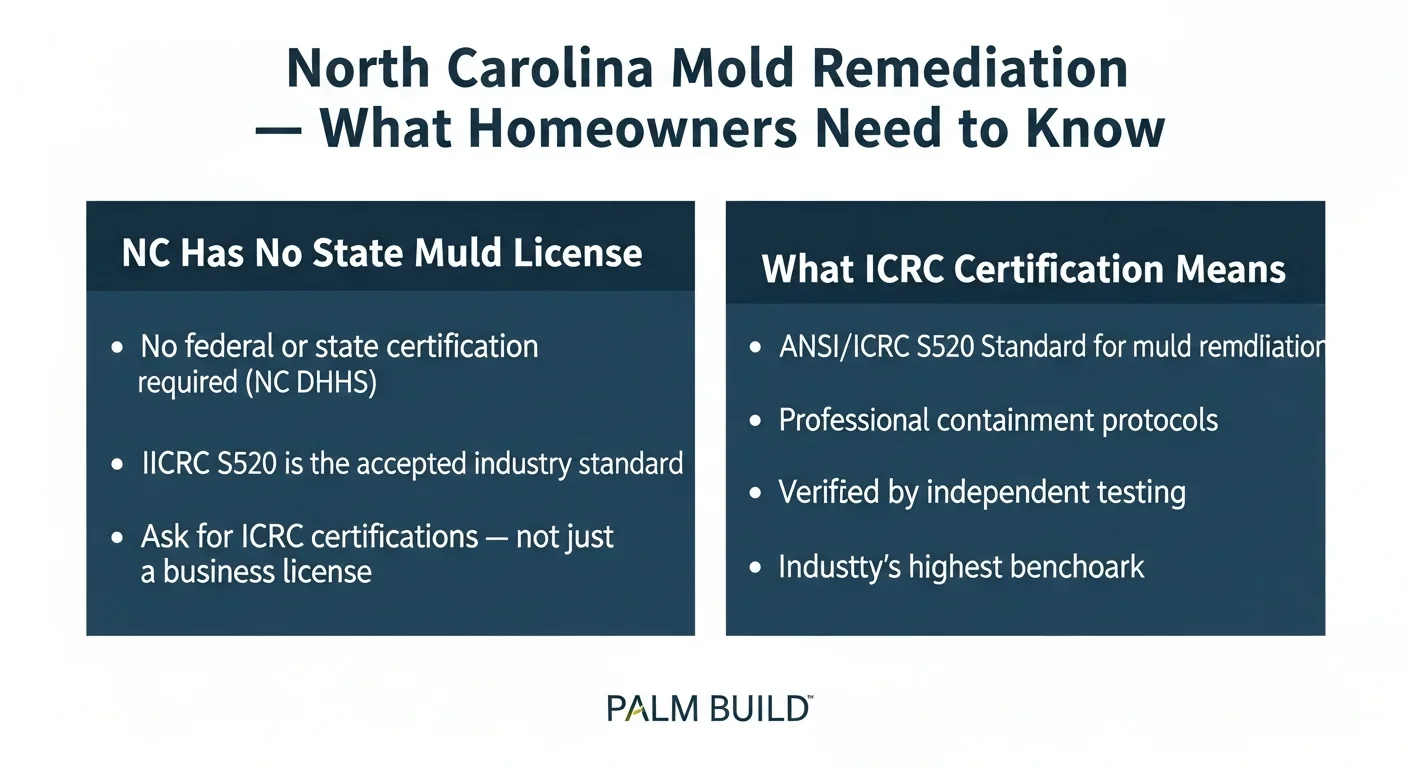
What ANSI/IICRC S520 Actually Requires
The IICRC S520 Standard for Professional Mold Remediation defines five core requirements — all must be met for a remediation to be professionally compliant:
Source Identification & Moisture Correction
Not just surface treatment. The moisture source driving mold must be identified and corrected — or mold returns.
Containment to Prevent Spore Spread
Plastic barriers with negative air pressure must be established before work begins — preventing spores from migrating to unaffected areas.
HEPA Air Filtration During Remediation
Industrial HEPA air scrubbers must run continuously — not intermittently — capturing spores down to 0.3 microns.
Source Removal (Not Spray-and-Fog)
Colonized materials must be removed per S520 protocols. Antimicrobial spray applied over active mold without removal is not S520-compliant.
Post-Remediation Verification
An independent certified assessor must return to collect air and surface samples before containment is removed. Clearance criteria must be met.
Palm Build holds current IICRC S520 certifications. We coordinate with independent certified assessors for post-remediation clearance — the complete professional process, not a spray can and a bill.
IICRC S520 Protocol
The Lenoir Mold Remediation Process — Step by Step
How Palm Build approaches crawl space and whole-home mold remediation in Lenoir NC foothills homes — from first contact through post-clearance documentation.
Assessment & Moisture Mapping
IICRC S520 assessment of all affected areas. In Lenoir's crawl spaces, we probe wood framing moisture content (target: below 19% for mold-safe conditions), map humidity throughout the space, and identify moisture sources — whether active water intrusion, vapor migration through clay soil, or condensation from HVAC in crawl space.
Containment Setup
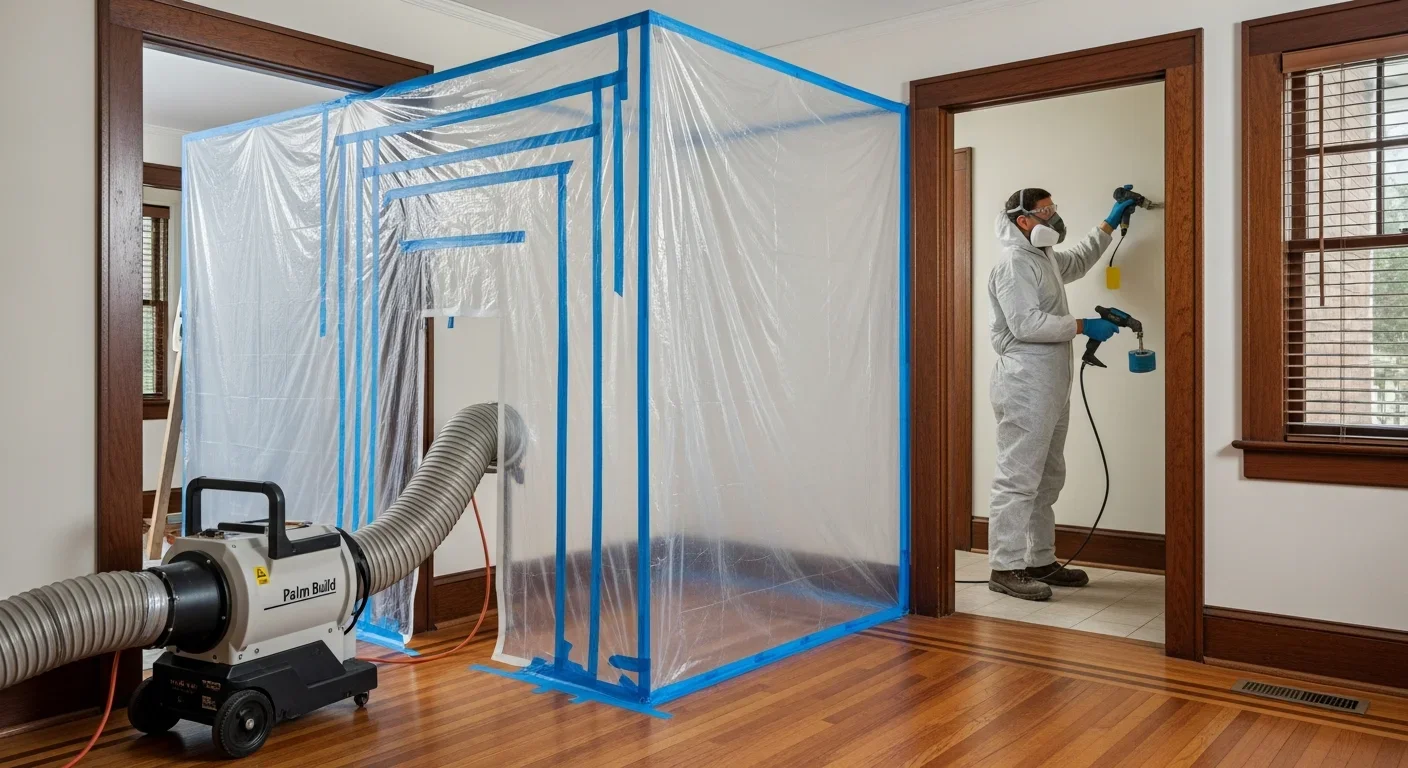
Professional plastic containment barriers with negative air pressure prevent spores from migrating to living areas. In older Lenoir homes with vented crawl spaces, this means sealing penetrations before work begins. Crawl space access hatches are sealed and negative pressure maintained throughout remediation.
HEPA Air Scrubbing
Industrial HEPA air scrubbers run continuously throughout remediation — capturing spores down to 0.3 microns. In NC foothills homes, outdoor air cannot be used for ventilation during active remediation because ambient outdoor humidity runs 70–90% in warm months, which would introduce more moisture into the workspace.
Source Removal
Affected materials are removed per IICRC S520. In Lenoir crawl spaces, this often means removing sections of damaged vapor barrier, treating or replacing affected subfloor insulation, and mechanically cleaning mold from wood framing surfaces. Spray-and-fog without source correction is not S520-compliant and does not qualify as professional remediation.
Antimicrobial Treatment & Vapor Barrier
EPA-registered antimicrobial agents are applied to all affected structural surfaces. After treatment, a new 6-mil minimum vapor barrier is installed — properly sealed to foundation walls — to break the ongoing clay soil moisture migration pathway. This step prevents recurrence after heavy rains.
Post-Clearance Verification
An independent certified assessor returns to collect air and surface samples for post-remediation clearance. Clearance criteria must be met before containment is removed. Palm Build provides the full clearance report — required by many NC insurers and essential documentation for any future property transactions.
IICRC S520 Compliant Process. All six steps must be completed in sequence. Steps cannot be skipped, combined, or substituted. Spray-and-fog alone without containment, HEPA scrubbing, source removal, and clearance testing is not compliant with IICRC S520 and does not constitute professional mold remediation.
Lenoir NC Pricing Guide
Mold Remediation Cost in Lenoir
Honest cost ranges for the most common mold scenarios in Lenoir homes — from localized surface mold to post-Helene whole-property remediation.
Standard (Localized)
$2,000–$7,000
Single contained area. Localized surface mold in a room, closet, or small basement area. Containment, HEPA, source removal, clearance.
Crawl Space Remediation
$3,500–$12,000
Most common type in Lenoir. Range depends on extent of framing affected, vapor barrier condition, and whether structural drying equipment is needed.
Post-Flood / Whole Property
$15,000–$35,000+
Helene-scale events or Category 3 water intrusion affecting multiple areas. Full containment, remediation, and clearance across the entire property.
| Mold Source / Scope | Typical Range | Notes |
|---|---|---|
| Localized surface mold (1 room) | $2,000–$5,000 | Single contained area |
| Crawl space mold — limited | $3,500–$8,000 | Most common in Lenoir |
| Crawl space mold — extensive | $7,000–$15,000 | Large framing area affected |
| Post-Helene flood mold | $12,000–$30,000+ | Category 3, full remediation |
| HVAC + ductwork mold | $5,000–$14,000 | Distributes throughout home |
NC insurance note: NC homeowners policies vary widely in mold coverage — some cap mold at $5,000–$10,000, others are broader. Mold from flooding requires a separate NFIP or private flood policy. Palm Build documents all moisture sources, affected materials, and remediation scope from day one to support both initial and supplemental insurance claims.
Project Documentation
Lenoir Mold Remediation — Project Documentation
Before, after, crawl space, and containment — what IICRC S520 mold remediation looks like in Lenoir NC foothills homes.
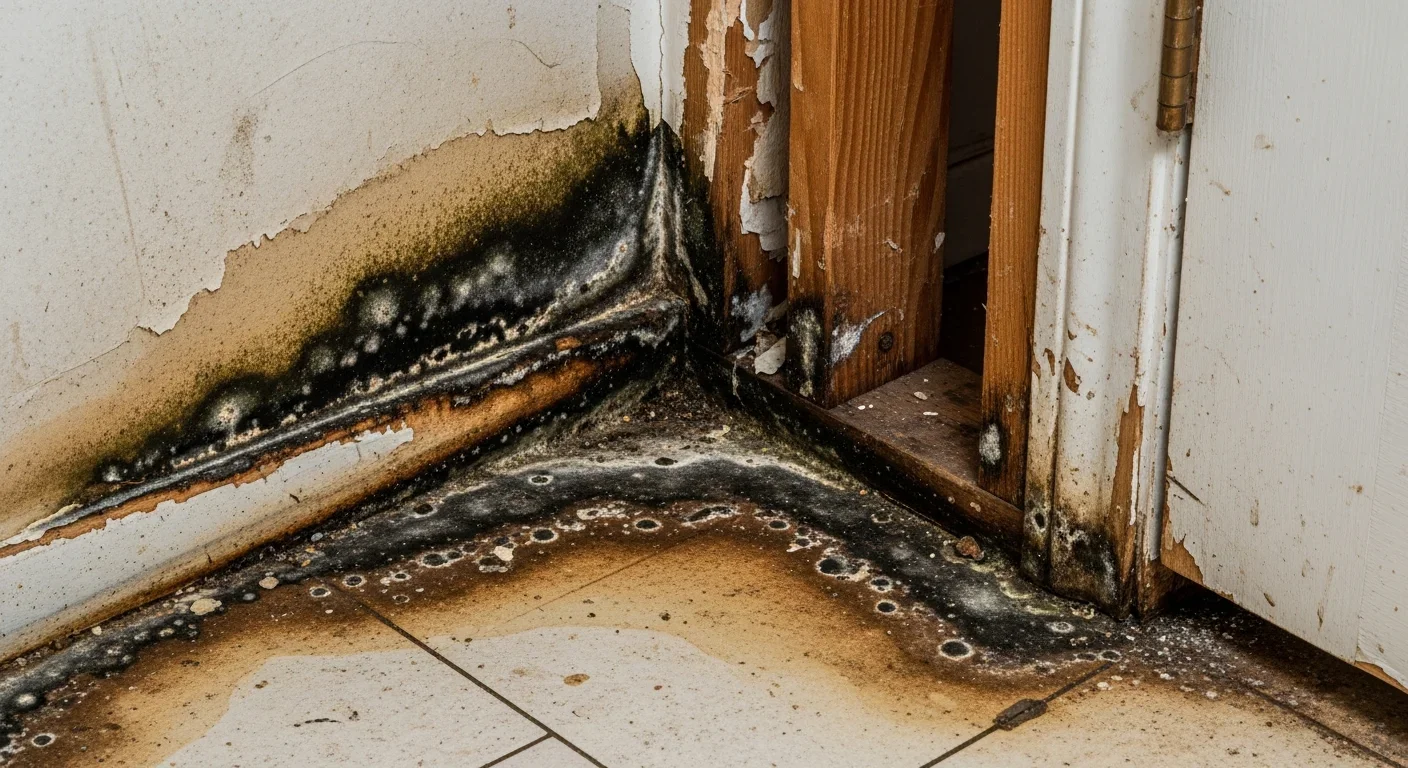 BEFORE
Before remediation — wall framing mold from crawl space vapor migration
 AFTER
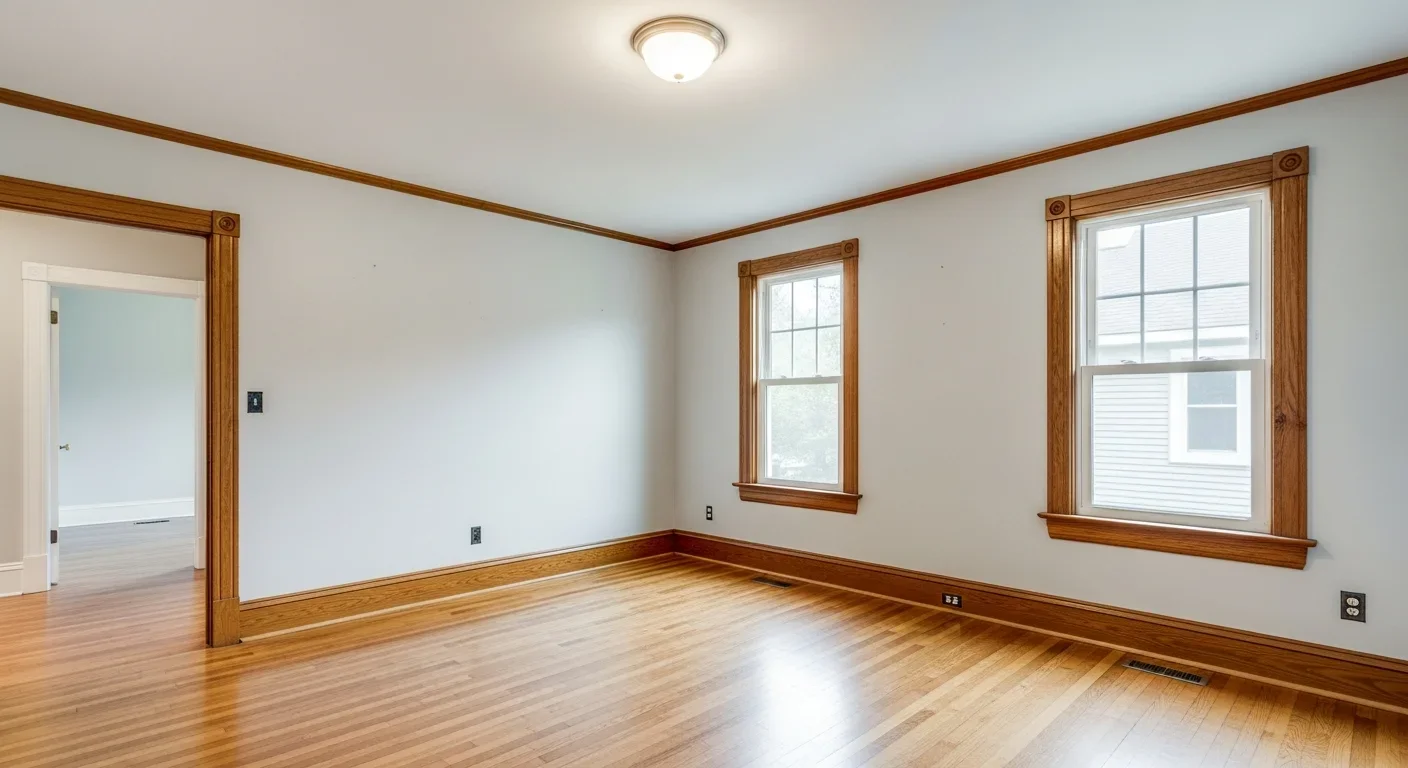
AFTERAfter IICRC S520 remediation — cleared to industry standards
CRAWL SPACECrawl space mold on subfloor joists — the most common type in Lenoir older homes
 CONTAINMENT
Professional negative-pressure containment setup in Lenoir NC brick ranch home
All project photos from Palm Build remediation work in Lenoir and Caldwell County, NC. IICRC S520 protocol followed on all projects.
Why Lenoir Homeowners Choose Palm Build
IICRC Certified. Crawl Space Specialists. Full Documentation.
IICRC S520 Certified
Industry standard for mold remediation — containment, HEPA air filtration, source removal, and post-clearance verification. Verified certification, not a business license.
Crawl Space Specialists
NC foothills vented crawl space mold. Clay soil vapor barrier systems. We understand the specific moisture pathways that drive year-round mold pressure in Lenoir homes.
Helene-Response Ready
Post-storm mold triage for extreme rainfall events. 7–12" in 3 days creates a 24–48 hour mold window — we deploy drying equipment before full assessment is complete.
No-License NC Market
In a market with no state mold license, IICRC certification is what separates professionals from unqualified contractors. We offer our certification number for independent verification.
Independent Clearance Testing
We coordinate independent certified assessors for post-remediation air and surface sampling before containment comes down. The complete professional process.
Insurance Documentation
Scope reports, moisture readings before and after, clearance letters — everything your NC insurer needs for initial claims and supplemental claims.
Serving Lenoir from Charlotte — 75 Miles, Same-Day Response
Palm Build's Charlotte operations hub serves Caldwell County and the NC foothills. For post-storm events and active water intrusion situations, we prioritize getting drying equipment on-site before the mold clock runs out.
Call (704) 464-0121Common Questions
Frequently Asked Questions — Mold Remediation in Lenoir, NC
Answers to the most common questions Lenoir homeowners ask about mold remediation, IICRC certification, crawl space mold, and insurance coverage.
Have a question not answered here? Call our Lenoir line directly.
Call (704) 464-0121More in Lenoir
Other Restoration Services in Lenoir, NC
Related Services