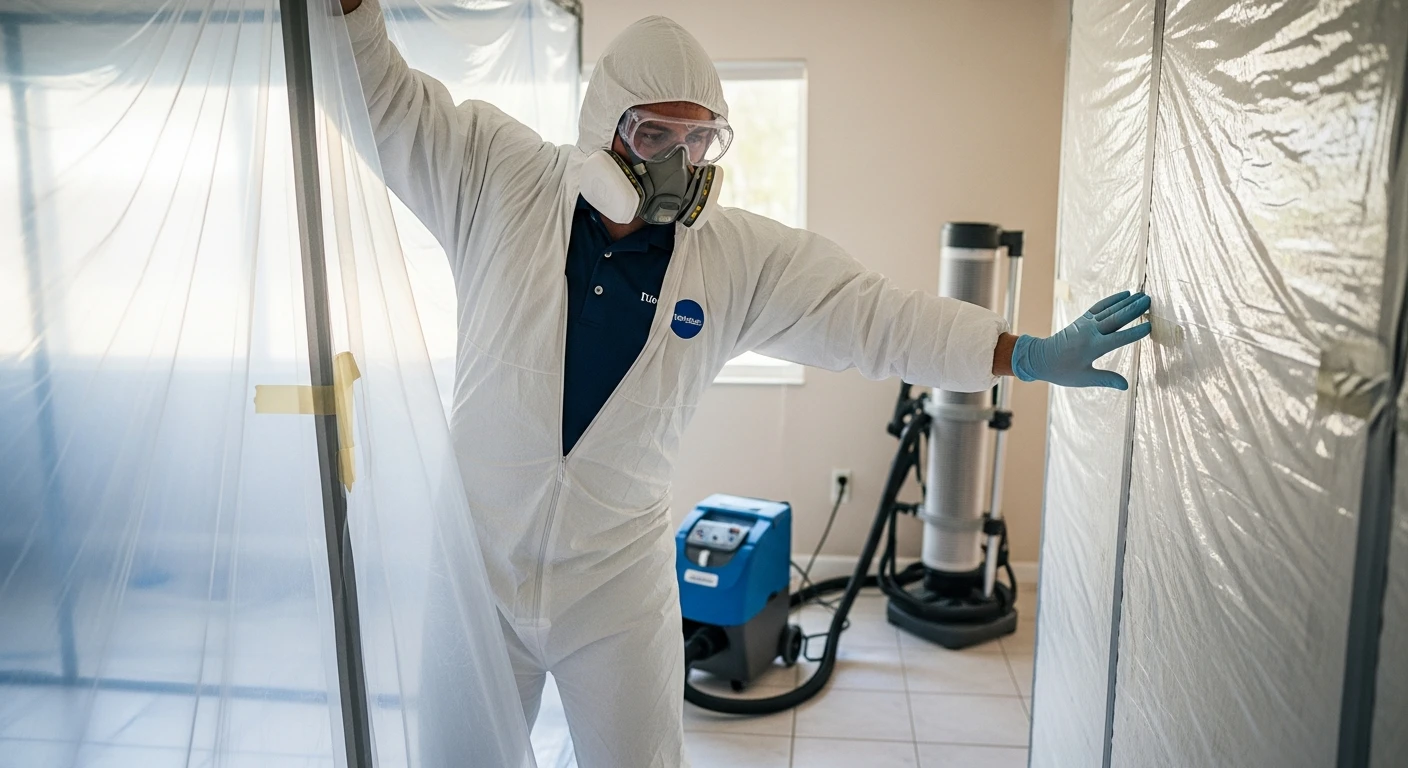
DBPR-licensed mold remediation technician in full PPE with containment barrier inside a Lighthouse Point Florida CBS stucco home
LIGHTHOUSE POINT FL — DBPR LICENSED MOLD REMEDIATION

Mold Remediation in Lighthouse Point, Florida

Lighthouse Point's canal-centric layout and South Florida's 80%+ wet-season humidity create relentless mold pressure on mid-century CBS homes, waterfront townhomes, and condo communities alike. Palm Build's DBPR-licensed team provides containment, remediation, and post-clearance testing — with documentation your insurer accepts.

Deerfield Beach — 10 minutes from Lighthouse Point Same day Response IICRC Certified

Same day

Emergency Response

24/7

Dispatch Available

IICRC

Certified Technicians

Trusted Vendors

Trusted local pros in Lighthouse Point

Outside our restoration scope, these are the vetted, licensed contractors we trust alongside our work. Personally evaluated, reference-checked, and recommended by Palm Build.

View all trusted vendors in Lighthouse Point
plumbing

Copperhead Plumbing LLC

West Palm Beach, FL

West Palm Beach's veteran-owned plumber Palm Build calls when the scope runs north of Boynton — Palm Beach County and northern Broward, owner-led by Nicholas P. Miller on a single Florida CFC1431257 license.

5 · 621 reviews View profile
plumbing

John the Plumber, Inc.

Pompano Beach, FL

John the Plumber is the oldest vendor on Palm Build's directory — John Krobatsch's 1979 third-generation Pompano Beach family shop carries three active Florida CFC licenses (CFC057705/057318/057704), 1,975 Google reviews at 4.9 stars (the largest absolute sample on our list), a BuildZoom score of 116 placing it in the top 2% of 191,428 FL contractors, and BBB A+ Accredited since 9/7/2022.

4.9 · 1,975 reviews View profile
plumbing

Mainline Plumbing Service, Inc.

Pompano Beach, FL

Mainline Plumbing, AC & Electrical is the only multi-trade vendor on Palm Build's directory — three active Florida state licenses under one entity (plumbing CFC1429264, air conditioning CAC1823791, electrical EC13003477), one truck dispatched for all three scopes, 4.8 stars across 854 Google reviews, and a 24/7 live-answering line behind the standard Monday–Saturday 8:00 AM – 7:00 PM dispatch window.

4.8 · 854 reviews View profile
plumbing

West End Plumbing

Sunrise, FL

West End Plumbing has been BBB A+ Accredited since January 14, 2011 — fifteen unbroken years — and operates from a Sunrise HQ that puts every truck within a 30-minute drive of central Broward and the Palm Beach county line. Founded in 1980 and run today by Adam Stricker as A & I West End Plumbing, Inc. under Florida CFC1427334, they cover all of Broward and most of Palm Beach — the widest single-trade footprint of any plumber on the Palm Build directory.

4.8 · 251 reviews View profile

Mold Problem in Lighthouse Point? Get a DBPR-Licensed Assessment.

Palm Build's DBPR-licensed mold remediation team provides same-day inspections, professional containment, and complete remediation with post-clearance air quality testing — and documentation your insurance carrier accepts.

Same day Response IICRC Certified

Lighthouse Point Mold Risk

Why Lighthouse Point Homes Face Extreme Mold Risk Year-Round

Lighthouse Point's combination of near-constant humidity, aging CBS construction, and 10–11 months of AC operation creates a mold risk profile unlike most Florida markets. Mold can begin growing in 24 to 48 hours — and in Lighthouse Point, the conditions for growth are almost always present.

Year-Round Humidity Above 60% — Permanent Mold Pressure

80%+

Wet-season humidity

South Florida's wet season (May 15–October 15) pushes Lighthouse Point's indoor humidity above 80% for months at a time. Even during the "dry season," ambient humidity rarely drops below 55–60% — above the threshold where mold colonies establish on organic building materials. There is no truly safe season in Lighthouse Point. Any moisture event that isn't resolved within 24–48 hours carries mold risk.

HVAC Systems Running 10–11 Months Per Year

10-11 mo

AC season per year

South Florida AC systems run almost continuously. Clogged condensate drain lines, cracked drip pans, and oversized units that short-cycle all produce standing moisture inside air handlers. The system then distributes mold spores to every room through ductwork. Unlike northern markets with seasonal dry-out periods, Lighthouse Point HVAC condensation cycles never fully interrupt — making regular inspection and drain maintenance critical.

CBS Stucco Walls Trap Moisture Indefinitely

36%

Built in the 1960s

Lighthouse Point's mid-century CBS (concrete block structure) homes with stucco exteriors develop hairline cracks from decades of thermal cycling and storm pressure. Water infiltrates block wall cavities and becomes trapped — creating a chronic moisture load in the wall assembly that can support mold growth for months before interior symptoms appear. Thermal imaging is the only reliable way to detect this hidden moisture.

Post-Storm Power Outages: Fastest Mold Trigger in Florida

24-48 hrs

Mold growth window (CDC)

When hurricanes or tropical storms knock out power in Lighthouse Point, air conditioning stops. Indoor humidity rises above 90% within hours in South Florida's climate. CDC, EPA, and FEMA guidance all confirm that mold can begin growing within 24–48 hours of moisture exposure — and in a powerless home during August, the mold clock starts the moment the AC goes off. Extended outages regularly produce whole-home mold bloom before power is restored.

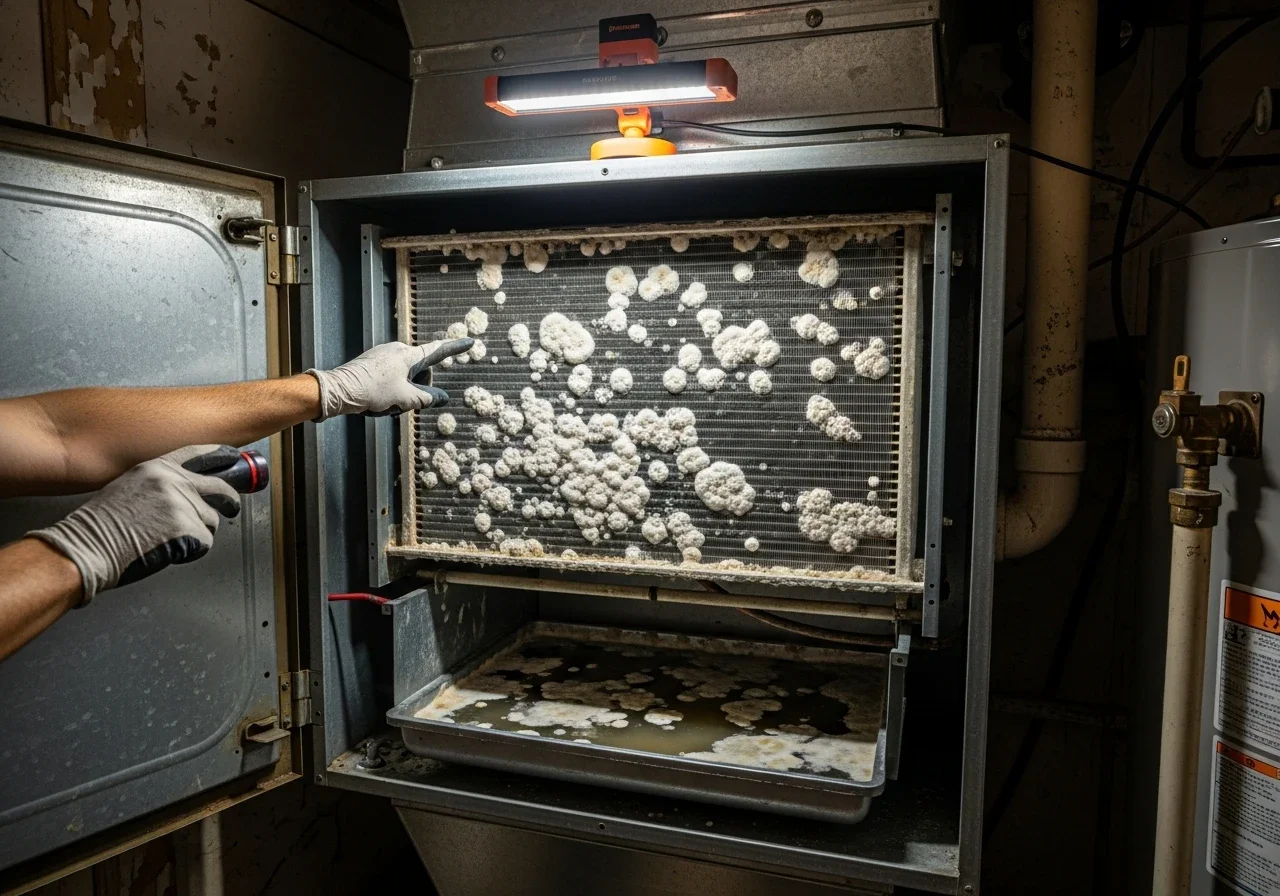
Open HVAC air handler showing mold growth on evaporator coil in a Lighthouse Point Florida home — HVAC mold is the most common mold source in South Florida
HVAC air handlers running 10–11 months per year are the most common mold source in Lighthouse Point. Clogged condensate drains and cracked drip pans seed mold colonies that the system distributes to every room.

Neighborhood Mold Guide

Mold Risk by Neighborhood in Lighthouse Point

Mold risk varies significantly across Lighthouse Point — from condo communities with shared HVAC pathways to canal-front homes with chronic ambient moisture. Know your neighborhood's specific risk before a loss occurs.

Hillsboro Isles HIGH

1950s–1960s · Canal-front single-family

Canal proximity + aging stucco = chronic moisture load; post-storm power outage mold bloom risk

Venetian Isles HIGH

1957–1969 · Waterfront single-family

Wind-driven rain intrusion into aging stucco; HVAC condensation in older systems; salt air accelerates drip pan failure

Lighthouse Manor MODERATE

1957–1969 · Single-family

Older HVAC units with failing condensate drains; roof-to-wall leaks producing hidden wall cavity mold

Wooler Heights MODERATE

1957–1969 · Single-family

Slow plumbing leaks behind walls in older CBS construction; humidity from wet season exceeds 60% threshold for extended periods

Coral Key Harbor HIGH

1960s–1970s · Waterfront single-family

Salt air corrosion of HVAC components accelerates condensate failures; canal moisture adds to ambient indoor humidity

Lighthouse Point Gardens HIGH

1960s–1980s · Condo

Shared HVAC pathways between units; bathroom supply line failures affecting adjacent units; association coordination required

Lighthouse Point Plaza HIGH

Established · Condo

Air handler closet mold common; neighbor cross-contamination through shared HVAC; condo policy mold caps often insufficient

Grand Key Canal Townhouses MODERATE

Established · Townhomes

Vertical water travel between floors; roofline transition moisture; canal-adjacent humidity amplification

Vintage at Lighthouse Point LOW–MOD

Newer gated · Townhomes

Premium finishes require careful containment during remediation; newer construction with better sealing but still subject to HVAC mold

Lighthouse Point Yacht Club MODERATE

Newer luxury · Waterfront townhomes

Salt air and waterfront humidity; luxury finishes need protective protocols; thorough air quality documentation for premium claims

Condo owners: Florida law (DBPR Chapter 468) requires separate licensed mold assessors and remediators. The same contractor cannot assess and remediate your property within 12 months. If your HOA is coordinating remediation, verify all contractor licenses at MyFloridaLicense.com before work begins.

Affluent Coastal Market

What Makes Mold Remediation Different in Lighthouse Point

Lighthouse Point is a dense, affluent, largely owner-occupied coastal community. Mold remediation here requires protocols matched to premium finishes, condo shared-wall complexities, and coastal HVAC exposure that generic restoration companies don't address.

Containment that protects premium materials

Protecting High-Value Finishes in Lighthouse Point Homes

Lighthouse Point's $688,400 median home value reflects a market where premium finishes are the standard: Italian marble, custom cabinetry, impact-resistant glass doors, hardwood flooring, and specialty tile. Mold remediation in this market requires containment protocols that protect undamaged luxury materials — not just removal of affected ones. Our crews use zip-wall containment, negative air pressure, and HEPA filtration to prevent cross-contamination during remediation of adjacent high-finish areas.

Multi-unit coordination and HOA management

Condo Mold: Unit-to-Unit Spread in Lighthouse Point Communities

Lighthouse Point's condo communities — including Lighthouse Point Gardens, Lighthouse Point Plaza, and Townhomes of Lighthouse Point — share wall assemblies, floor/ceiling systems, and HVAC infrastructure. Mold in one unit can spread to adjacent units through three pathways: shared air handler systems distributing spores through common ductwork, moisture migration through shared concrete structures, and pressure differentials between units that carry spore-laden air. Palm Build coordinates assessment and remediation across unit boundaries, working directly with HOA management.

Intracoastal proximity accelerates HVAC failure

Salt Air HVAC Acceleration in Coastal Properties

Properties within three miles of the Intracoastal face an additional mold risk: salt air accelerates corrosion of HVAC drain pans, evaporator coil fins, and ductwork seams. Corroded drip pans develop pinhole leaks that allow condensate to drip onto building materials continuously — undetected for months. Corroded duct seams allow conditioned air to leak into wall cavities, creating moisture gradients that support mold growth. Coastal HVAC inspection requires checking for salt-induced corrosion specifically, not just standard maintenance items.

Documentation for high-value claims

Insurance Documentation for Premium Claims

A mold loss in a $700,000–$2M+ Lighthouse Point home requires documentation that matches the asset value. We provide itemized scope-of-work estimates with line-by-line material specifications, pre-remediation and post-clearance air quality test reports, thermal imaging documentation of moisture extent, and daily activity logs — all formatted to support the level of scrutiny premium claims receive from Florida carriers. Florida homeowners policies typically cap mold coverage at $10,000–$25,000; our documentation helps you pursue every dollar available under your policy.

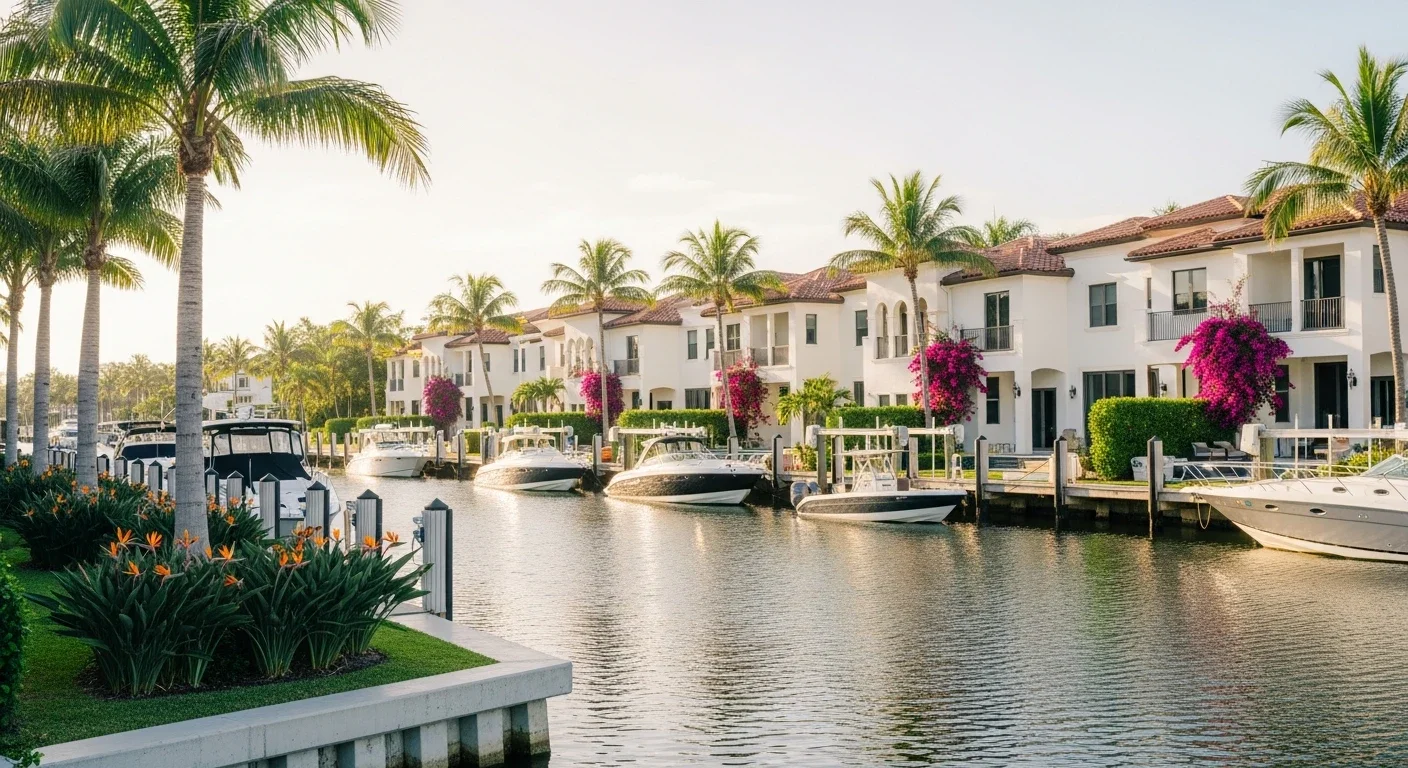
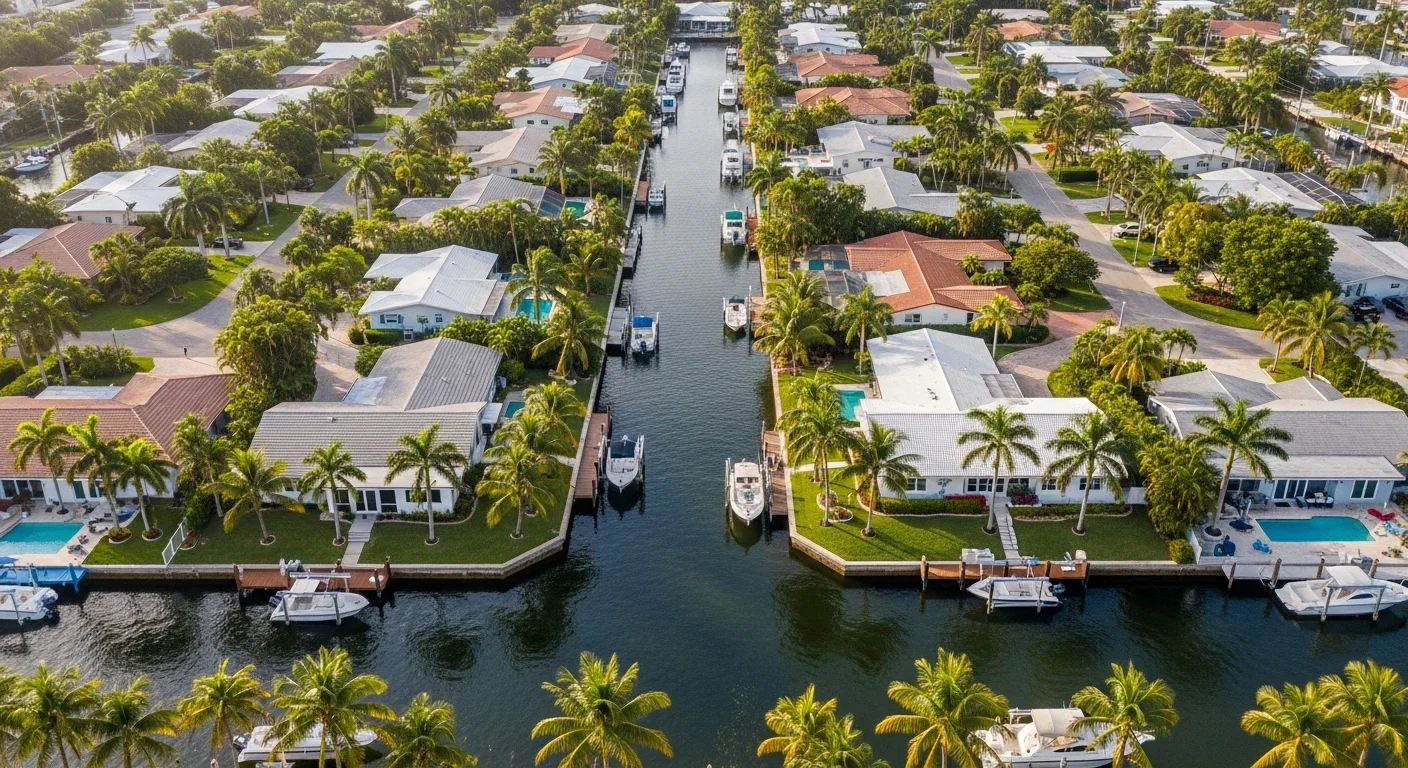
Luxury waterfront townhomes in Lighthouse Point Florida on a canal — high-value coastal properties require premium mold remediation protocols
Lighthouse Point's waterfront properties face amplified mold risk from saltwater proximity, canal humidity, and year-round AC operation. Premium finishes require remediation protocols that go beyond standard industry minimum practice.

Remediation Process

How Palm Build Remediates Mold in Lighthouse Point Homes

Every step complies with Florida DBPR Chapter 468 licensing requirements. The assessor who evaluates your home cannot remediate it — Florida law mandates this separation to protect homeowners from conflicts of interest.

Mold Types

Mold Species Common in Lighthouse Point Homes

South Florida's year-round warmth and humidity support a wide variety of mold species. Identifying the type matters — it determines required containment protocols, health risk severity, and whether affected materials must be removed or can be treated in place.

COMMON

Cladosporium

Found in: HVAC systems, ductwork, window sills

Appearance: Olive-green to black, powdery or velvety texture

The most prevalent mold in Lighthouse Point homes. Thrives in HVAC systems running near-continuously in South Florida's heat. Cladosporium grows on condensate-wet surfaces inside air handlers, on ductwork seams, and around window seals exposed to humidity differentials. Generally less toxic than Stachybotrys but triggers respiratory issues in sensitive occupants.

COMMON

Penicillium

Found in: Water-damaged drywall, insulation, cardboard, carpet

Appearance: Blue-green, sometimes white; fast-spreading colonies

Found wherever drywall or insulation has been wet and not fully dried within 48 hours. Extremely common after Lighthouse Point canal flooding or HVAC condensate overflow. Penicillium spreads rapidly across surfaces and can go airborne with minimal disturbance. Often the first mold type found in walls after stucco crack moisture intrusion.

SERIOUS

Stachybotrys ("Black Mold")

Found in: Drywall, wood, paper — requires chronic moisture (weeks)

Appearance: Slimy black or dark greenish-black colonies

The most serious mold type — requires sustained moisture for 1–2 weeks to establish. In Lighthouse Point, Stachybotrys develops in wall cavities with undetected stucco crack leaks, under leaking HVAC drip pans, and in subfloor assemblies following storm flooding. Produces mycotoxins linked to severe respiratory and neurological symptoms. Requires full containment and all affected materials removed and replaced.

MODERATE

Aspergillus

Found in: HVAC systems, food storage areas, damp organic materials

Appearance: Highly variable — white, green, yellow, brown, or black

Common in South Florida homes due to year-round warmth and humidity. Over 180 species of Aspergillus exist. In Lighthouse Point, it typically appears in HVAC systems alongside Cladosporium and in pantry areas or attic spaces with high humidity. Some species produce aflatoxins. Older Lighthouse Point homes with poor attic ventilation are especially prone.

COMMON

Alternaria

Found in: Showers, bathtubs, window frames, under sinks

Appearance: Dark gray or olive-green, velvety texture

An allergenic mold common in bathrooms and areas with persistent surface moisture. In Lighthouse Point homes, Alternaria appears wherever shower grout, caulk, or window sealing has aged and allows moisture to accumulate. Frequently found in older CBS stucco homes where bathroom tile grout has cracked. Strong allergen — triggers asthma attacks in sensitive occupants.

MODERATE

Chaetomium

Found in: Wet drywall, paper, wood — post-water damage

Appearance: White then gray, then dark brown/black; musty smell

A post-water damage mold that grows on water-saturated drywall and paper materials. In Lighthouse Point, Chaetomium is found after canal flooding, storm surge events, and long-term HVAC leaks where drywall has remained wet. It produces a characteristic musty odor and releases mycotoxins similar to Stachybotrys in severe cases. A useful early warning indicator — its presence means drywall was wet long enough to require removal.
Cost Guide

Mold Remediation Costs in Lighthouse Point, FL

Lighthouse Point's premium market and year-round humidity mean mold remediation costs can exceed Florida averages. Knowing cost ranges before getting quotes helps you identify fair pricing.

Surface Mold

$2,500 – $8,000

Localized bathroom or kitchen mold, small area

  • Non-structural, surface-level only
  • 1–2 day containment and removal
  • EPA antimicrobial treatment
  • Post-clearance air test
  • No major demolition required

HVAC System Mold

$5,000 – $18,000

Air handler, evaporator coil, or ductwork contamination

  • Most common mold type in Lighthouse Point
  • Air handler cleaning and decontamination
  • Duct cleaning if contaminated
  • Potential coil or drip pan replacement
  • System-wide air quality verification

Structural Mold

$15,000 – $40,000+

Wall cavities, subfloor, extensive whole-home contamination

  • Drywall, insulation, wood removal required
  • Multi-room or whole-home scope
  • Long-term moisture source identification
  • Structural repair and restoration
  • Multiple post-clearance tests required

Florida Insurance Coverage Caps

Florida homeowners policies typically cap mold coverage at $10,000–$25,000 — often less than the actual cost for HVAC or structural mold in a Lighthouse Point home. Document everything from day one to maximize claim recovery within your policy limits.

Post-Clearance Testing: Required Extra Cost

Florida's DBPR separation rule requires independent post-clearance air quality testing by a licensed assessor — a separate cost ($300–$800 typically) not included in remediation quotes. This test is non-negotiable for insurance documentation and mold-free certification.

Mold Risk Calendar

When Lighthouse Point Homes Face the Highest Mold Risk

Mold risk in Lighthouse Point follows South Florida's wet season — but never fully disappears. Click any month to understand the specific risk drivers that month.

Low Mold Risk Moderate Mold Risk High Mold Risk Extreme Mold Risk

August–September: Extreme

Hurricane season peak. Power outages enable rapid whole-home mold bloom. Inspect within 48 hours of any flooding or outage.

Year-Round HVAC Risk

Lighthouse Point's 10–11 month AC season means HVAC mold pressure never stops. Annual HVAC inspection is essential — not optional.

Dry Season Discovery

November–February mold discoveries are common — summer losses become visible as conditions change. Early detection matters.

Florida DBPR Licensing

Florida Mold Remediation Licensing — What Lighthouse Point Homeowners Must Know

Florida is one of the most regulated states for mold services. Under DBPR Chapter 468, Part XVI, performing mold assessment or remediation without the correct state license is illegal. Hiring an unlicensed contractor also jeopardizes your insurance claim.

Mold Assessor

MRSA

Can do: Inspects property, collects samples, writes mold assessment reports

Cannot do: Cannot perform remediation on the same property within 12 months of assessment

Prevents the same contractor from creating scope and then profiting from it — a consumer protection measure

Mold Remediator

MRSR

Can do: Performs physical mold removal, containment, treatment, and structural restoration

Cannot do: Cannot perform the assessment that drives their own remediation scope

Requires independent assessment to define scope — remediator cannot self-assign work

How to Verify a Mold Contractor's Florida License

1

Go to MyFloridaLicense.com

Florida DBPR's official license verification portal

2

Select "Verify a License"

Under the Department of Business and Professional Regulation

3

Search by license number or name

Look for license type "MRSA" (assessor) or "MRSR" (remediator)

4

Verify status is "Current, Active"

An expired or inactive license is a disqualifying red flag

Palm Build's DBPR Credentials

Palm Build holds current DBPR mold remediator (MRSR) licenses. We work exclusively with independent DBPR-licensed assessors for pre-remediation and post-clearance testing — we never assess our own remediation scope. Our licensing documentation is available upon request and can be verified at MyFloridaLicense.com.

Insurance Claims Guide

Mold Remediation Insurance in Lighthouse Point — What's Covered

Florida homeowners policies cap mold coverage at $10,000–$25,000 in most cases — far below the cost of full HVAC or structural remediation in a Lighthouse Point home. Know what's covered before you need it.

Mold from a covered sudden water event (burst pipe)

If a burst pipe causes water damage and mold follows, the mold remediation may be covered as part of the water damage claim — subject to your policy's mold sublimit ($10,000–$25,000 typically).

Mold from deferred maintenance or gradual leaks

Insurance carriers routinely deny mold claims when the moisture source was a slow leak or deferred maintenance issue the homeowner "should have known about." Document and address moisture sources immediately.

Mold discovered after a storm or hurricane

Post-storm mold may be covered under wind/hurricane coverage if the storm created the moisture entry. However, you must file within 1 year of the date of loss — not when you discover the mold.

HVAC condensate mold (most Lighthouse Point mold)

HVAC condensate overflow is often classified as a mechanical failure from deferred maintenance. Coverage depends on whether the failure was sudden and accidental vs. gradual. Document all HVAC service records.

Mold in an unoccupied home (snowbird vacancy)

Many Florida policies have vacancy clauses — if the home was unoccupied for 30–60 days, coverage for water-related losses including mold may be suspended. Review your vacancy clause carefully.

Critical Florida Mold Claim Deadlines

1 Year

File claim notice

FL Stat. 627.70132

18 Months

Supplemental claim

After date of loss

30–60 Days

Check vacancy clause

Per policy terms

Florida AOB Reform (2023): You cannot assign your mold insurance claim benefits to a remediation contractor. Under SB 2-A, you must coordinate directly with your insurer. Palm Build provides complete DBPR-compliant documentation to support your direct claim. Average condo unit owner insurance premium in Broward: $1,856/year (FL OIR, 2025) — significantly lower than single-family premiums, but mold sublimits apply equally.

Project Gallery

Lighthouse Point Mold Remediation Work

Every mold remediation project — from HVAC contamination to post-canal flooding — is documented with before and after photography and independent post-clearance air quality test results for insurance documentation.

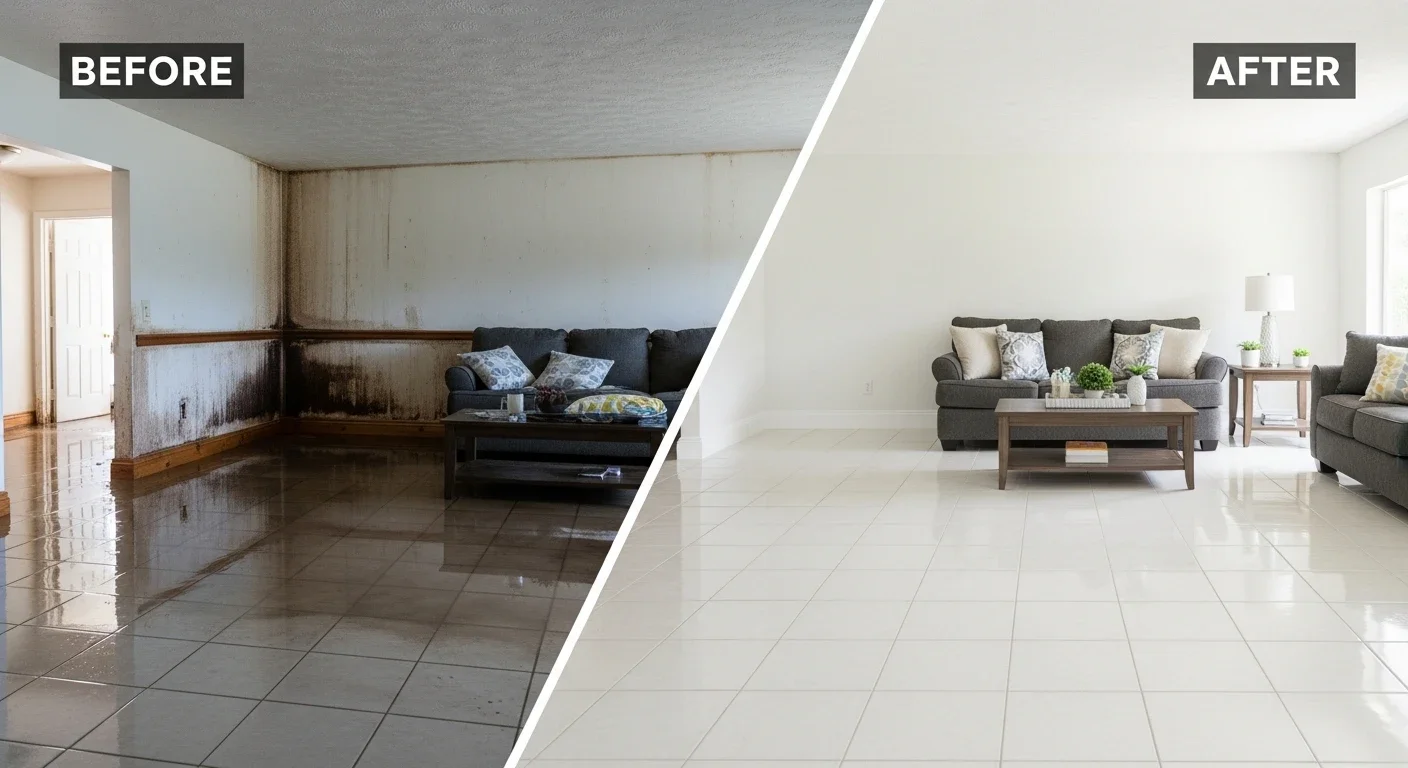
Before Mold growth on HVAC air handler evaporator coil in a Lighthouse Point Florida home before remediation
Palm Build Remediation
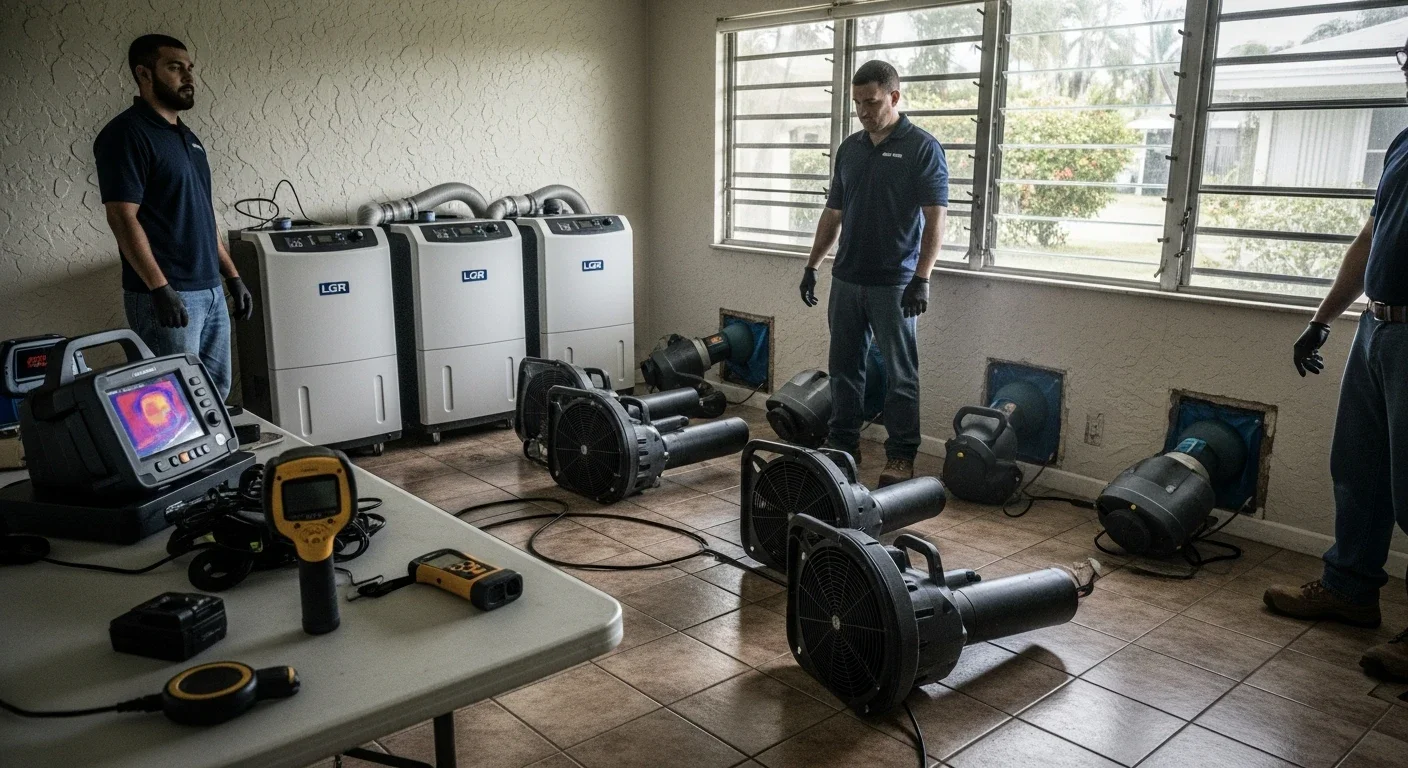
After Clean restored interior with commercial drying equipment after HVAC mold remediation in Lighthouse Point Florida

HVAC air handler mold — Lighthouse Point home

2-day remediation + clearance test

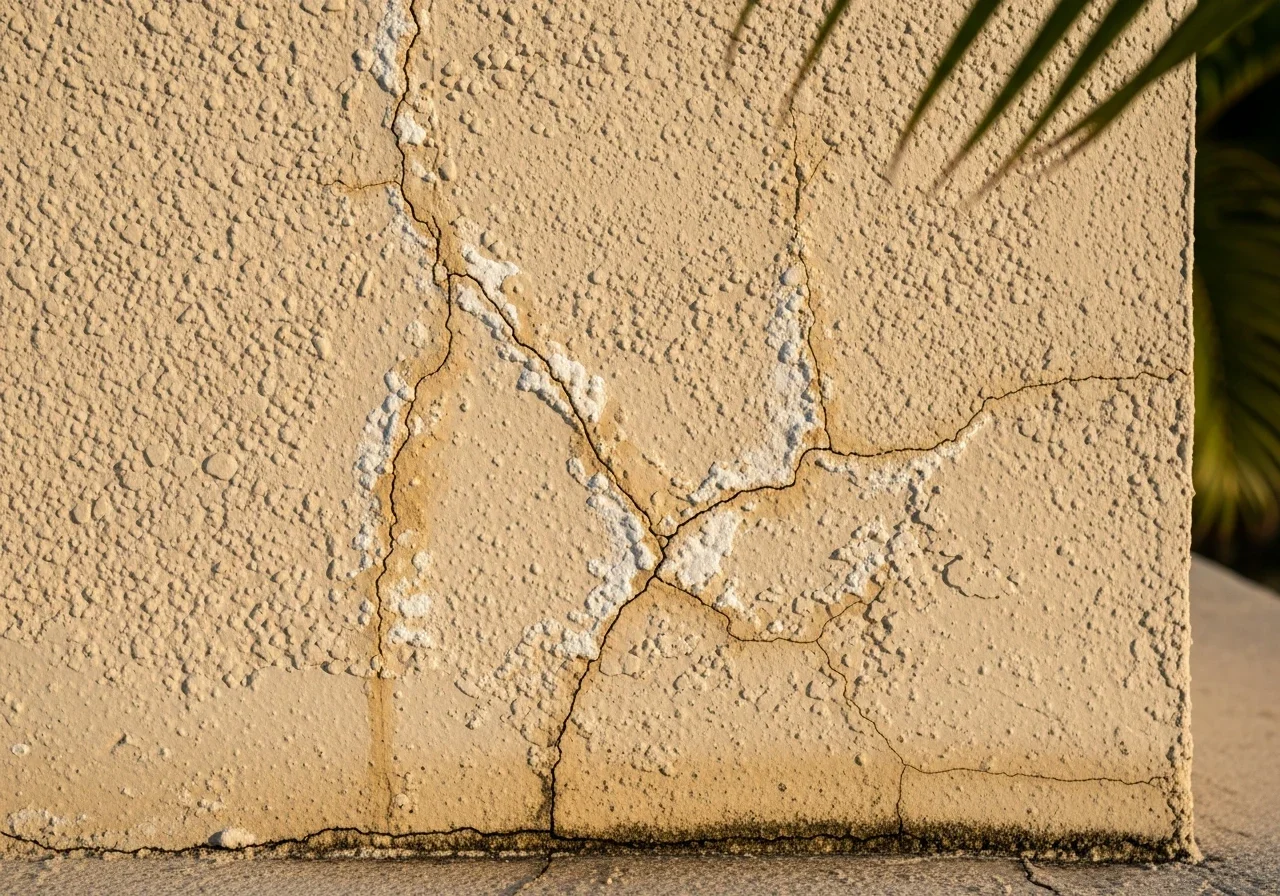
Before Stucco wall cracks and water staining on a CBS home in Lighthouse Point Florida indicating hidden wall cavity moisture and mold
Palm Build Remediation
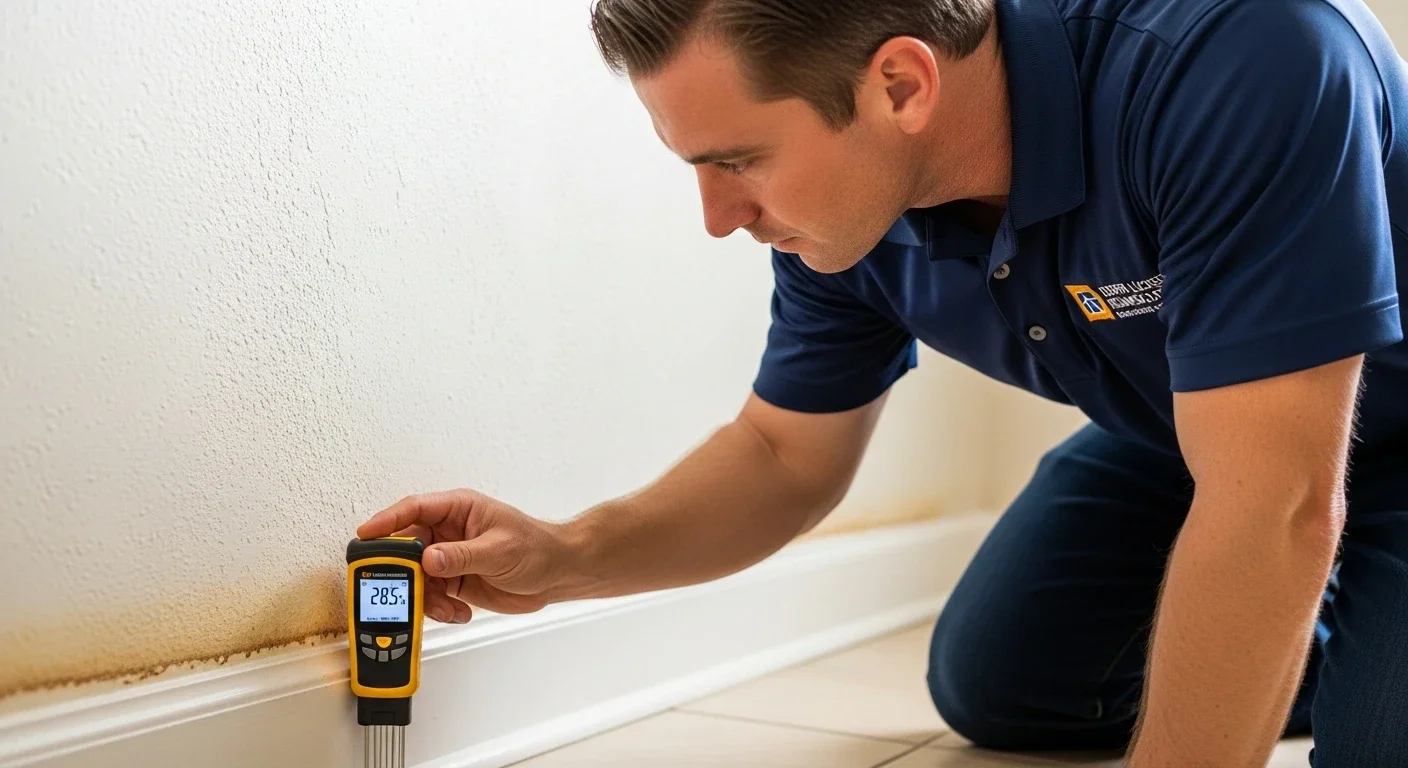
After DBPR-licensed mold remediation technician using moisture meter during assessment at a Lighthouse Point Florida home after wall mold remediation

Wall cavity mold — CBS stucco intrusion

4-day remediation + documentation

Before Water-damaged and mold-affected room in a Lighthouse Point Florida home following canal flooding
Palm Build Remediation
After Aerial view of restored Lighthouse Point Florida canal neighborhood after mold remediation and water damage restoration

Post-flooding mold — canal-front property

5-day remediation + clearance

Why Palm Build

Why Lighthouse Point Homeowners Choose Palm Build for Mold Remediation

In Florida's most regulated mold market, credentials matter. DBPR licensing, independent post-clearance testing, and documentation quality directly affect whether your claim gets paid and whether the mold comes back.

DBPR Chapter 468 Licensed

Florida law requires separate DBPR licenses for mold assessors and remediators. Palm Build holds current MRSR (mold remediator) licenses. We never self-assess our own remediation scope — independent licensed assessors perform all pre-remediation and post-clearance testing. Verify our licenses at MyFloridaLicense.com.

Independent Post-Clearance Testing

We require third-party post-clearance air quality testing by an independent DBPR-licensed assessor after every remediation project. This is non-negotiable — it protects you, verifies our work, and provides the documentation your insurance carrier and future buyers expect.

Same-Day Assessment

Our Deerfield Beach operations hub puts us 10 minutes from Lighthouse Point. When you call about mold, we schedule a same-day assessment — because in South Florida's climate, waiting 3-5 days for an appointment means the mold problem has grown significantly.

Lighthouse Point HVAC and CBS Expertise

We know the specific failure patterns of Lighthouse Point's aging CBS stucco homes: HVAC condensate overflows, stucco crack wall cavity moisture, and post-storm power outage bloom. We don't learn about your neighborhood from your address — we already know what to look for.

Condo and HOA Coordination

Multi-unit mold in Lighthouse Point's condo communities requires HOA notification, shared-wall drying strategy, and coordinated testing of adjacent units. We handle this coordination directly — you don't manage the paperwork.

Insurance-Grade Documentation

Pre-remediation assessment reports, daily activity logs, post-clearance air quality test results, and itemized scope documentation formatted for your adjuster. Florida's mold coverage caps of $10,000–$25,000 make documentation quality directly proportional to how much of your claim gets paid.

Frequently Asked Questions

Mold Remediation in Lighthouse Point — Common Questions

Answers specific to Lighthouse Point's Florida DBPR requirements, HVAC mold patterns, and insurance coverage realities for Broward County homeowners.

Have a mold question specific to your Lighthouse Point home?

Call (754) 600-3369 — Same-Day Assessment