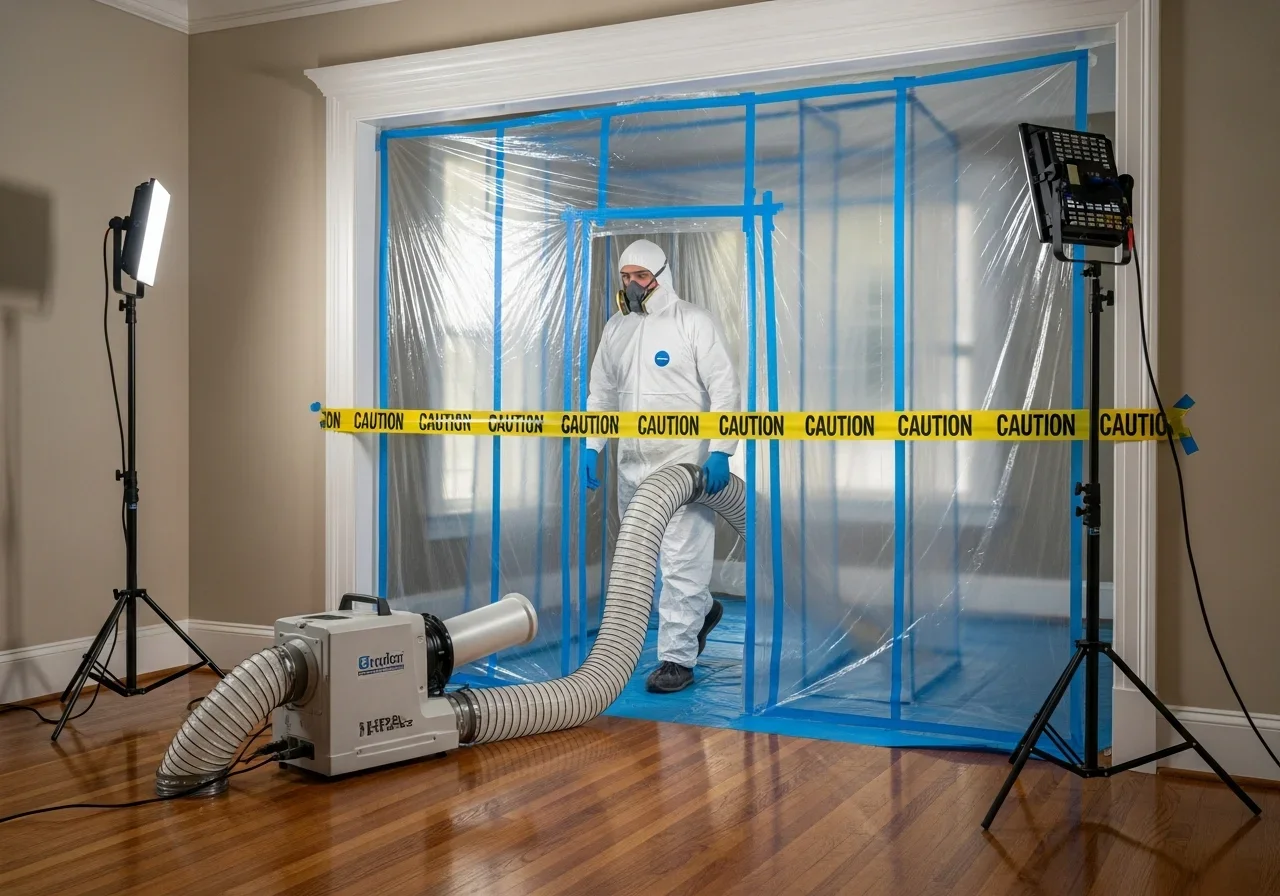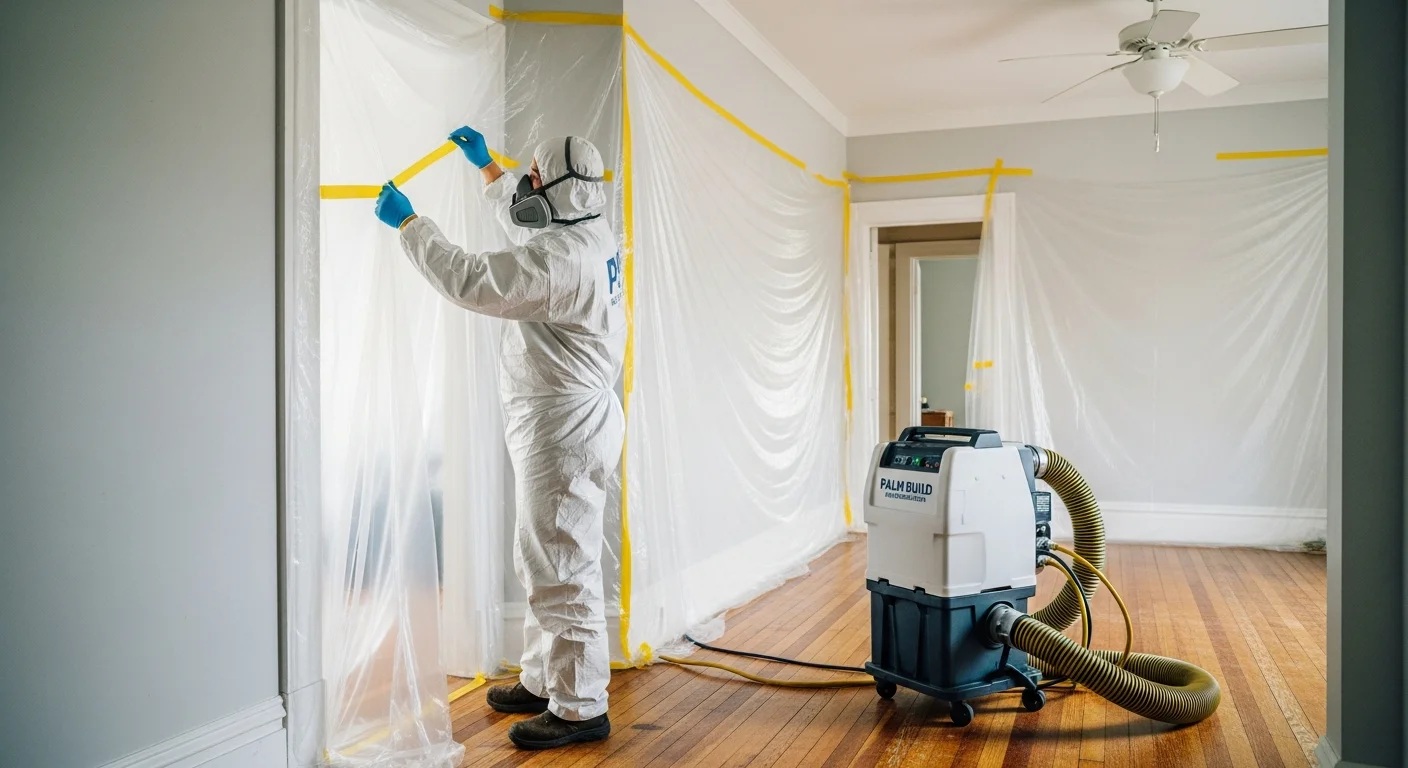
Palm Build mold remediation technician in full PPE setting up containment barriers inside a Columbia South Carolina home
COLUMBIA SC — IICRC-CERTIFIED MOLD REMEDIATION

Mold Remediation in Columbia, South Carolina

Columbia's 80+ days above 90°F, persistent humidity, and aging crawl space foundations create year-round mold conditions. South Carolina has no statewide mold license — which means choosing the right company matters more here than almost anywhere. Palm Build's IICRC-certified team delivers containment, HEPA filtration, and verified remediation that meets ANSI/IICRC S520 standards.

Serving Columbia from Charlotte, NC 90-120 min Response IICRC Certified

90-120 min

Emergency Response

24/7

Dispatch Available

IICRC

Certified Technicians

Why Mold Thrives Here

Columbia's Perfect Conditions for Mold Growth

Columbia's combination of extreme heat, humid subtropical climate, aging crawl space construction, and creek corridor moisture creates some of the highest baseline mold risk in the Southeast. Understanding these factors is the first step toward permanent remediation.

Extreme Heat Drives Persistent Humidity

80.9

Days ≥90°F/year

Columbia averages 80.9 days at or above 90°F per year (NWS 1991-2020 normals) — more than Charlotte, Greenville, or Charleston. That sustained heat drives persistent high dew points that keep building materials above the mold growth threshold from May through October.

Vented Crawl Spaces Trap Moisture

60+

Years of crawl space homes

Older neighborhoods like Shandon, Rosewood, and Five Points were built predominantly on vented crawl spaces. Warm, humid outdoor air enters through foundation vents, contacts cooler joists and ductwork, and condenses — creating a persistent moisture factory under the home.

Creek Corridor Moisture

3

Major creek corridors

Homes near Rocky Branch, Gills Creek, and the Congaree River floodplain sit on elevated soil moisture year-round. Even without flooding, capillary action pulls groundwater through foundation walls and crawl space floors, feeding mold colonies from below.

Humid Subtropical Climate

6 mo

Peak mold season

Columbia sits in the heart of South Carolina's Midlands — a humid subtropical zone where summer humidity routinely exceeds 70% RH. Combined with the extreme heat, conditions are mold-ideal from May through October, a six-month growth window.

High Renter Share Delays Detection

45.5%

Owner-occupied

Columbia's owner-occupancy rate is approximately 45.5%, meaning over half of housing units are rentals. Mold in rental properties often goes unreported longer — tenants may not recognize signs, and landlord response times vary. Delayed detection means larger remediation scope.

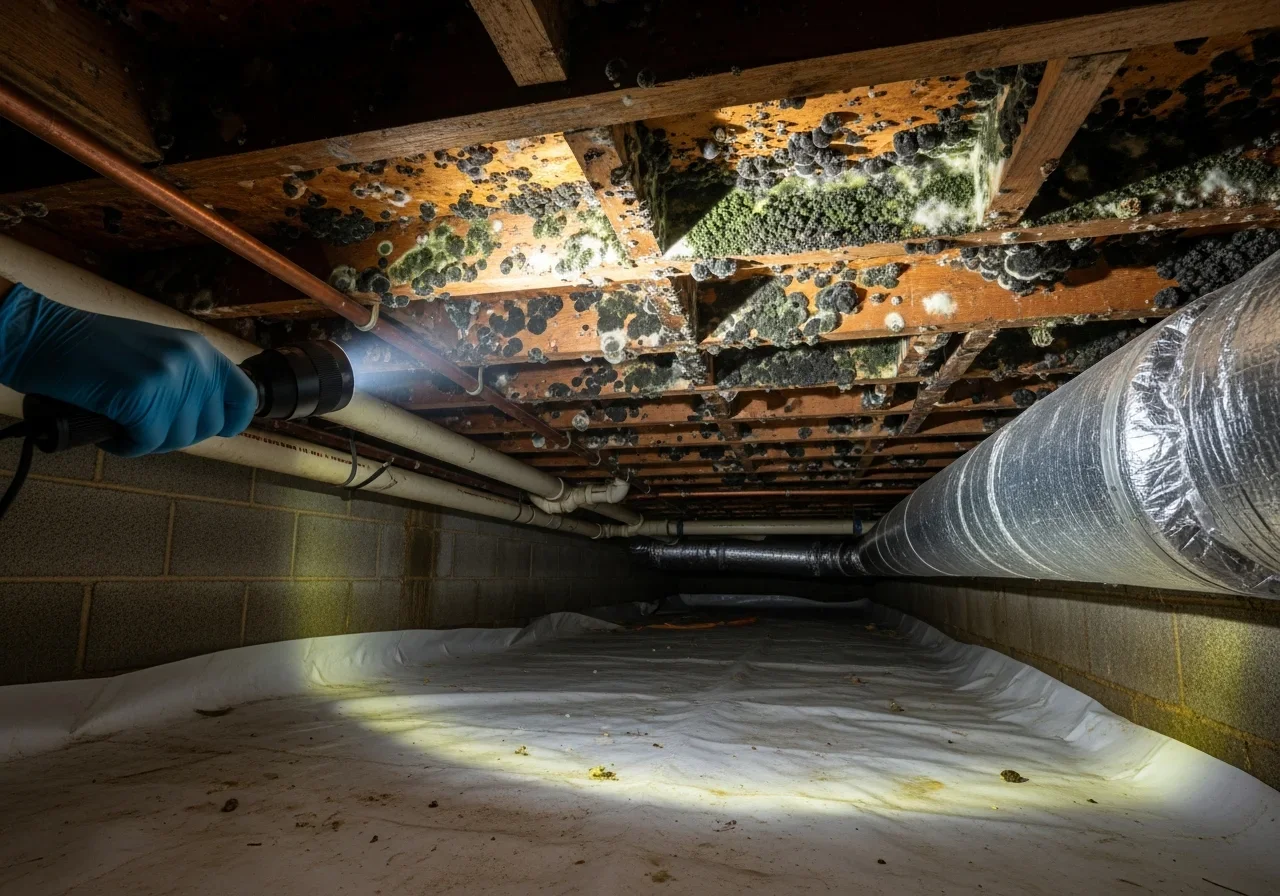
Mold growth in a vented crawl space under a Columbia SC home in the Shandon neighborhood
Active mold colonies on crawl space joists in a Shandon-area Columbia home — a common result of vented crawl space construction meeting Midlands humidity
Typical older homes in the Shandon neighborhood of Columbia SC with crawl space foundations
Shandon neighborhood homes — many built on vented crawl spaces that trap moisture in Columbia's heat

Know the Signs

Warning Signs of Mold in Columbia Homes

Mold problems in Columbia rarely announce themselves with a dramatic failure. They build quietly — a faint odor, a recurring allergy, a soft spot in the floor — until remediation costs multiply. Watch for these indicators.

Musty or Earthy Odor

Most Reported

The most common early indicator. A persistent damp, earthy smell — especially when the HVAC kicks on or from crawl space access points — signals active mold growth producing volatile organic compounds (MVOCs).

Visible Discoloration

Advanced

Dark patches, spots, or fuzzy growth on walls, ceilings, baseboards, or grout lines. Mold can appear black, green, gray, or white depending on the species. If you can see it, the colony is already established.

Persistent Allergy or Respiratory Symptoms

Health Risk

Ongoing nasal congestion, throat irritation, eye watering, or respiratory issues that improve when you leave the house. The CDC notes these as indicators of potential indoor mold exposure.

Window and Pipe Condensation

Early Warning

Persistent condensation on windows, cold-water pipes, or HVAC ductwork indicates elevated indoor humidity — the primary fuel for mold growth in Columbia homes.

Water Stains (Even Old, Dried)

Hidden Threat

That "dried" water stain on the ceiling or wall may harbor hidden mold behind the surface. Water wicking through drywall leaves moisture in the wall cavity long after the visible stain appears dry.

Sagging or Buckling Hardwood Floors

Structural

When moisture migrates up from a damp crawl space, hardwood flooring absorbs it from below. Cupping, buckling, or soft spots indicate elevated wood moisture content — often accompanied by mold on the subfloor.

Dark Spots Inside HVAC Vents

HVAC Risk

Black or dark residue around supply registers or inside return vents can indicate mold colonization within the ductwork — circulating spores throughout the home every time the system runs.

When to Call Immediately

If you see widespread mold covering more than 10 square feet, structural damage like soft or rotted joists, standing water in your crawl space, or anyone in the home is experiencing persistent respiratory symptoms — do not attempt DIY cleanup. Contact a certified mold remediation professional and document everything for your insurance claim.

ANSI/IICRC S520 Protocol

Our Columbia Mold Remediation Process

Professional mold remediation follows a strict sequence defined by the ANSI/IICRC S520 standard. Every step is documented, every decision is traceable, and clearance testing is always performed by an independent party.

01

Initial Assessment & Air Sampling

Day 1

A qualified independent assessor performs visual inspection, moisture mapping, and air sampling. We identify the moisture source driving the mold — not just the visible colonies — and classify contamination level per ANSI/IICRC S520.

02

Containment Setup

Day 1-2

Sealed poly barriers isolate affected areas from the rest of your home. HEPA air scrubbers create negative air pressure inside the containment zone, preventing cross-contamination of clean areas during removal.

03

HEPA Vacuuming & Source Removal

Days 2-4

All contaminated surfaces are HEPA-vacuumed first, then affected drywall, insulation, and wood are removed as necessary using controlled demolition. Non-salvageable materials are double-bagged for disposal.

04

Antimicrobial Treatment

Days 4-5

EPA-registered antimicrobial products are applied to all structural elements — joists, subfloor, studs, and foundation walls. This kills remaining spores and prevents regrowth during reconstruction.

05

Dehumidification & Climate Control

Continuous

Critical in Columbia's 80+ day extreme heat season. Commercial dehumidifiers and HEPA air filtration run continuously throughout the project, maintaining conditions below mold growth thresholds while treated materials dry.

06

Post-Remediation Clearance Testing

Day 5-7

An independent third party — not Palm Build — performs post-remediation air sampling and visual inspection to verify spore counts have returned to acceptable levels. Clearance documentation is provided for your records and insurance.

Professional mold remediation containment barrier with HEPA air scrubber setup in a Columbia SC home

Why Containment Matters in Columbia

Disturbing mold without proper containment sends billions of spores airborne — potentially contaminating previously clean areas of your home. In Columbia's warm climate, those spores find new moisture sources faster than in cooler regions. Our containment protocol ensures mold stays isolated during removal.

1

Sealed Barriers

Polyethylene sheeting floor-to-ceiling

2

Negative Pressure

HEPA scrubbers pull air through containment

3

PPE Protocol

Full Tyvek, respirators, goggles for all crew

4

Decontamination

Air lock entry/exit with HEPA decon chamber

Schedule Mold Assessment
SC Regulatory Gap

South Carolina Has No Mold Remediation License Requirement

Unlike plumbing, electrical, or HVAC work, mold remediation in South Carolina requires no state license, no certification, and no regulatory oversight. A legislative study committee confirmed: anyone can hold themselves out as a mold specialist without a license or certification. Understanding this gap is critical for Columbia homeowners.

What This Means for Columbia Homeowners

The SC legislative study committee found that the state has no licensing board, no certification requirement, and no regulatory body overseeing mold remediation. A pending 2025-2026 bill proposes mandatory certification and a mold board, but it has not yet been enacted.

Until legislation passes, the burden of verification falls entirely on you. Any individual or company can advertise mold remediation services in Columbia regardless of training, experience, or equipment. The difference between a qualified remediator and an unqualified one can be tens of thousands of dollars in re-work and health risk.

State mold license required No
Certification required No
Regulatory oversight body None
Pending legislation 2025-2026 bill
Industry benchmark IICRC S520

Five Questions to Ask Before Hiring

1

Are your technicians IICRC-certified in mold remediation?

The IICRC Mold Remediation Specialist (MRS) certification requires verified field experience and a proctored exam. It is the accepted industry benchmark in the absence of state licensing.

2

Do you follow ANSI/IICRC S520 procedures?

The S520 standard defines professional mold remediation protocols — containment, removal, treatment, and verification. Without this framework, there is no quality standard being followed.

3

What containment strategy will you use?

Full containment with poly barriers, negative air pressure, and HEPA filtration prevents cross-contamination. Any company that skips containment is spreading mold spores to clean areas of your home.

4

Will an independent party perform clearance testing?

Post-remediation testing should be done by a qualified party separate from the remediation company. Self-verified results create an inherent conflict of interest.

5

How do you prevent cross-contamination in the HVAC system?

Mold spores travel through ductwork. Professional remediators seal HVAC registers in the containment zone and may recommend duct cleaning if contamination has entered the system.

Palm Build's Credentials

  • IICRC-certified mold remediation specialists
  • Full ANSI/IICRC S520 protocol compliance
  • Sealed containment with HEPA filtration and negative air
  • Independent third-party clearance testing
  • Written remediation protocol before work begins
  • Licensed SC general contractor for structural repairs
  • Full liability insurance and workers' compensation

Red Flags to Watch For

  • No containment barriers — just "spray and wipe"
  • No post-remediation clearance testing offered
  • "Spray and pray" approach — chemicals without source removal
  • No written remediation protocol or scope of work provided
  • Same company performs both testing and remediation
  • Cannot produce IICRC certification when asked
  • Quotes a price without inspecting the property first

Columbia's #1 Mold Problem

Crawl Space Mold: The Hidden Crisis Under Columbia Homes

Columbia's older neighborhoods sit on vented crawl spaces over Midlands clay and sand. The result is a chronic moisture factory that feeds mold colonies year after year — often without the homeowner ever seeing it.

Shandon, Rosewood & Five Points

These established neighborhoods were built predominantly in the 1920s-1960s on vented crawl space foundations. Traditional vented designs, once considered best practice, are now understood to be moisture traps in humid climates like Columbia's Midlands.

The Condensation Cycle

Warm, humid outdoor air (often 75-85°F with 70%+ RH) enters through foundation vents and contacts cooler surfaces — floor joists at 65-70°F, cold-water pipes, and HVAC ductwork. The air hits its dew point and condenses, depositing liquid water directly onto structural components.

Columbia's Extended Heat Season

With 80.9 days at or above 90°F per year, Columbia's vented crawl spaces operate as condensation machines for roughly six months straight. The combination of extreme surface heat and consistently elevated dew points makes the Midlands one of the worst regions for crawl space mold.

Signs of Crawl Space Mold

  • Musty odor in rooms directly above the crawl space
  • Sagging, cupping, or bouncy hardwood floors
  • Visible mold colonies on joists, subfloor, or ductwork
  • Insulation hanging or falling from between joists
  • Standing water or damp soil surface in the crawl space
Mold growth on crawl space floor joists in a Columbia SC home
Active mold colonies on floor joists — a common finding in Columbia's vented crawl spaces

Our Crawl Space Remediation Approach

1
Full containment of crawl space work area
2
HEPA filtration running continuously during remediation
3
Source removal: affected insulation, vapor barriers, and contaminated wood
4
Antimicrobial treatment on all structural elements
5
Encapsulation recommendation to prevent recurrence
Learn more about crawl space services

Columbia Pricing

Mold Remediation Costs in Columbia, SC

Costs vary by contamination size, materials affected, and whether crawl space work is needed. Columbia's older construction — hardwood floors, plaster walls, and crawl space foundations — often adds complexity that newer homes don't face.

Small Area

$1,500 - $3,500

Single area, accessible, under 50 sq ft

Bathroom, closet, window frame, single wall section

Moderate

$3,500 - $10,000

Multiple rooms, crawl space, concealed mold

Crawl space partial, wall cavity mold, multiple rooms, HVAC involvement

Large / Whole-Home

$10,000 - $30,000+

Whole-home contamination, extensive material removal

Full crawl space, HVAC system, multiple levels, structural replacement

Columbia-Specific Cost Factors

  • Older construction: Hardwood floors over crawl spaces, plaster walls, and original ductwork all require more careful remediation than modern materials
  • Crawl space access: Limited clearance in older Columbia homes increases labor time and equipment complexity
  • Encapsulation add-on: Many Columbia crawl space remediation projects benefit from post-remediation encapsulation ($3,000-$8,000+ additional) to prevent recurrence

Insurance mold caps: SC homeowners insurance policies often cap mold coverage at $10,000 when mold is covered at all. Crawl space projects and whole-home contamination frequently exceed this limit. See the insurance section below for coverage details.

Insurance Navigation

Mold Insurance Claims in Columbia, SC

Mold is typically not covered by homeowners insurance unless it results from a covered peril — that's the key distinction per the Insurance Information Institute. Understanding when mold is and isn't covered can save Columbia homeowners thousands in unexpected out-of-pocket costs.

Coverage Scenarios: Covered vs. Not Covered

Typically Covered

Burst pipe leads to mold discovery

A sudden and accidental pipe burst (a covered peril) causes water damage. Mold develops within the damaged area. The mold remediation is typically covered up to your policy's mold sublimit as part of the original water damage claim.

Typically Not Covered

Gradual humidity causes crawl space mold

Long-term humidity from a vented crawl space leads to mold growth on joists and subfloor. This is considered maintenance/gradual damage — not a sudden event — and is almost always excluded from coverage.

Typically Covered

Appliance failure leads to hidden mold

A washing machine supply line ruptures, water seeps into the wall cavity, and mold develops behind the drywall. The mold is a direct result of a covered sudden water event and is typically included in the claim.

Typically Not Covered

Flood-related mold

Mold from flooding has NFIP (National Flood Insurance Program) limitations. Standard homeowners policies exclude flood damage entirely. Even with NFIP coverage, mold remediation coverage is limited.

Typically Not Covered

Mold from deferred maintenance

Roof leak that went unrepaired, chronic plumbing drip, or poorly maintained HVAC condensation line. If the insurer determines the mold resulted from neglected maintenance, the claim will be denied.

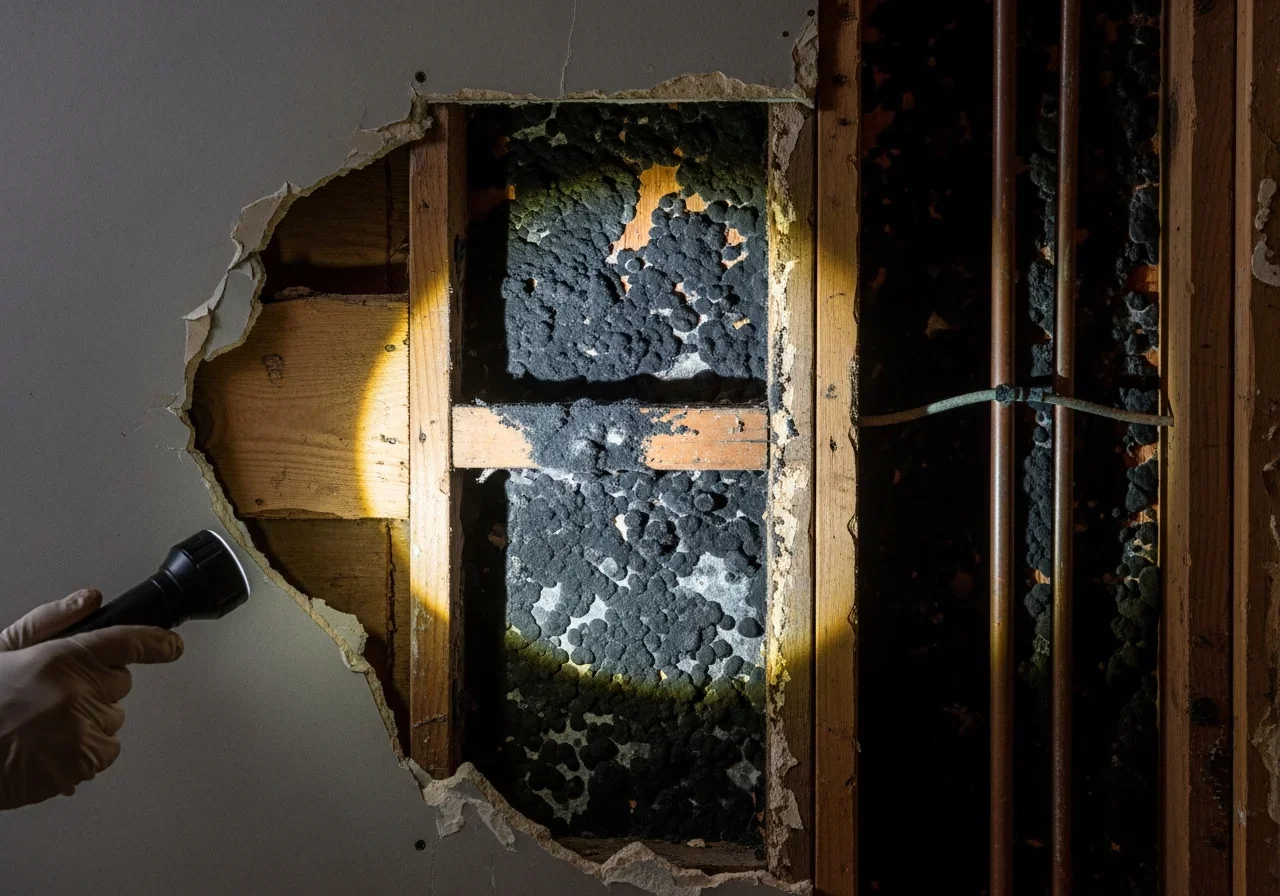
Hidden mold growth discovered inside a wall cavity during water damage investigation in Columbia SC
Hidden mold in a wall cavity — when caused by a covered water event, this is typically included in the insurance claim

Immediate Reporting Matters

If you experience water damage, report it to your insurer immediately — even before mold appears. Delayed reporting is one of the most common reasons mold claims get denied. The chain from covered water event to mold discovery must be documented from day one.

Common SC Carriers

State FarmAllstateTravelersUSAAAuto-OwnersErie Insurance

Palm Build's Approach to Mold Claims

When mold results from a covered water event, our documentation connects the mold to the original loss — moisture maps, timeline photos, air sampling results, and remediation scope all formatted for the adjuster. We document the chain of causation from covered peril to mold discovery to remediation. For non-covered mold, we provide transparent pricing and can discuss financing options.

Insurance Claims Guide

Our Work

Columbia Mold Remediation: Real Projects

Professional mold remediation in Columbia homes — from crawl space colonies to hidden wall cavity contamination. Every project follows ANSI/IICRC S520 protocols with independent clearance testing.

Mold growth on crawl space floor joists in a Columbia SC home showing active colonies on structural wood
Crawl space mold on floor joists — common in Columbia's older Shandon and Rosewood homes
Hidden mold growth discovered inside a wall cavity during remediation in a Columbia SC residence
Hidden mold in wall cavity — often undetected until water damage investigation
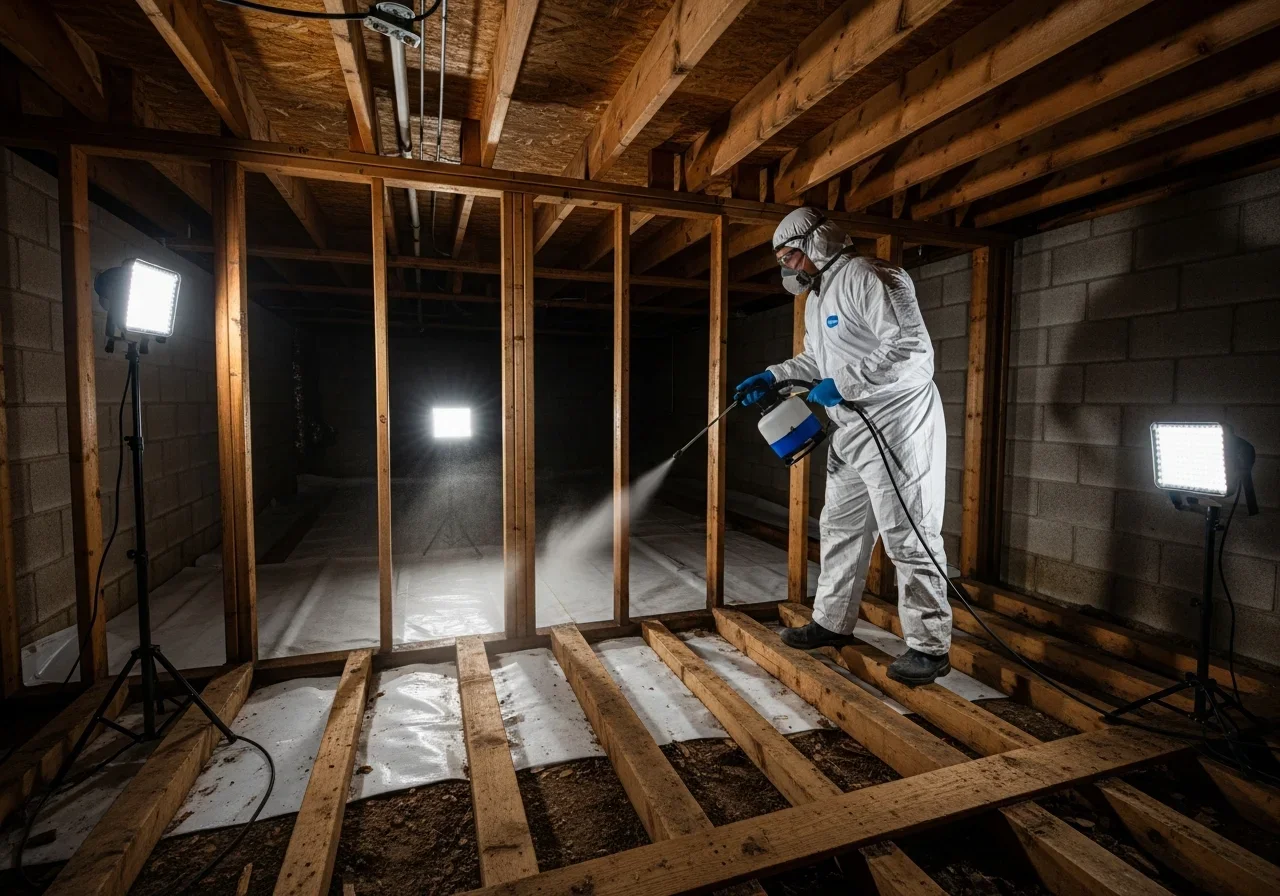
Technician applying EPA-registered antimicrobial treatment to crawl space structural elements in Columbia SC
Antimicrobial treatment applied to structural elements after mold removal
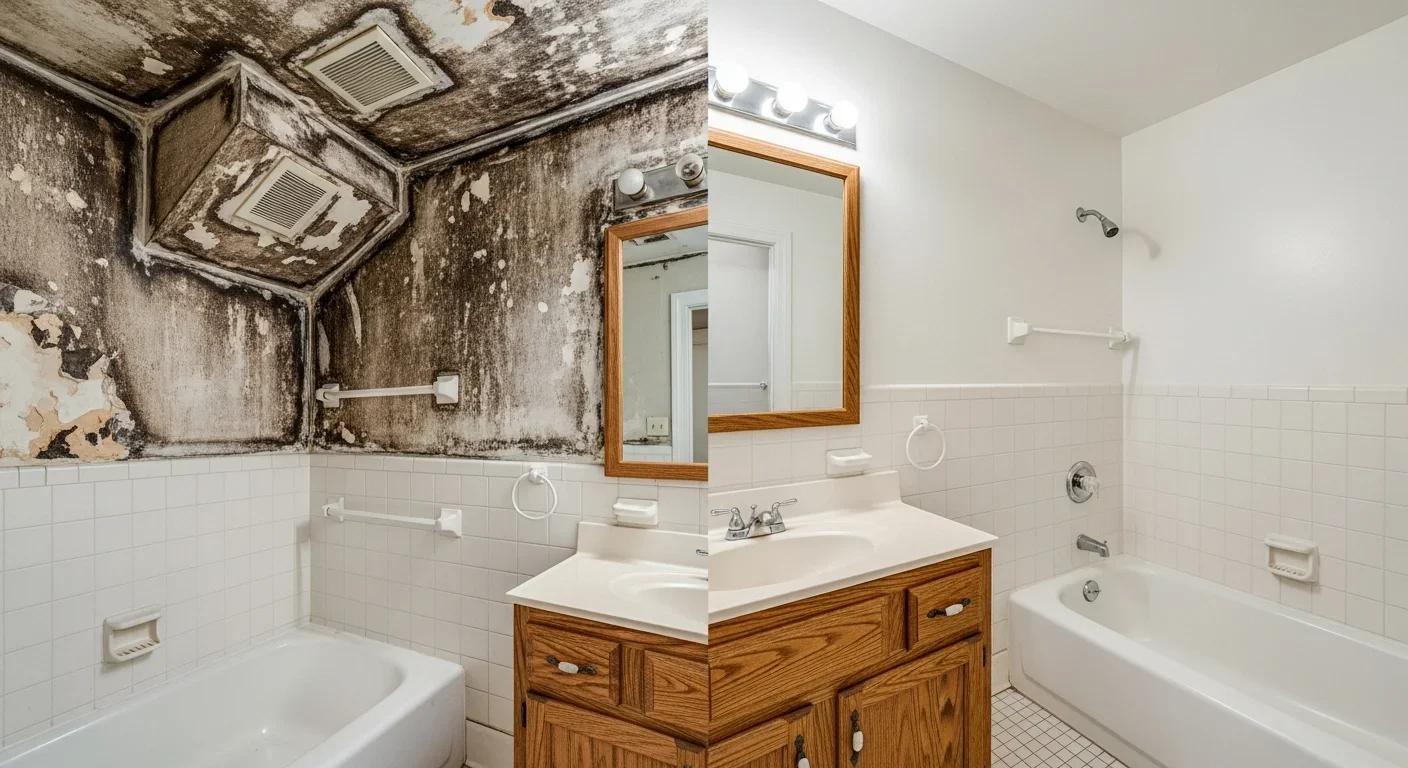
Before and after mold remediation results showing clean structural surfaces in a Columbia SC home
Before and after: Professional mold remediation with clearance testing verification

The Palm Build Difference

Why Columbia Homeowners Choose Palm Build for Mold

In a state with no mold remediation licensing, choosing the right company is the difference between a permanent solution and an expensive repeat problem. Here's what sets Palm Build apart.

IICRC-Certified Mold Remediation Specialists

In South Carolina's unlicensed mold market, credentials matter more than anywhere. Every Palm Build crew lead holds current IICRC Mold Remediation Specialist (MRS) certification — the accepted industry benchmark when no state license exists.

Full Containment with HEPA Filtration

Every project uses sealed poly barriers, negative air pressure, and HEPA air scrubbers per ANSI/IICRC S520 standards. This prevents cross-contamination — the single most important step that unqualified companies skip.

Independent Clearance Testing

We recommend and coordinate independent post-remediation verification — not self-testing. A qualified third party performs air sampling and visual inspection to confirm the job meets clearance standards. This eliminates conflicts of interest.

CDC-Aligned Safety & Documentation

Our procedures align with CDC guidance on mold remediation safety. Every step is documented with moisture readings, photographs, and air sampling results — creating a complete chain of evidence for your records and insurance.

Columbia Crawl Space & Creek Corridor Expertise

We understand Columbia's specific mold drivers: Shandon's vented crawl spaces, Gills Creek corridor moisture, Five Points older construction, and the Midlands' extended six-month heat season that turns crawl spaces into condensation machines.

Insurance Documentation for Covered Events

When mold results from a covered water event, our documentation links the mold to the original loss — moisture maps, timeline evidence, and remediation scope formatted for your adjuster from day one.

Palm Build technician applying antimicrobial treatment to crawl space structural elements during mold remediation in Columbia SC
EPA-registered antimicrobial treatment applied to crawl space joists after mold removal
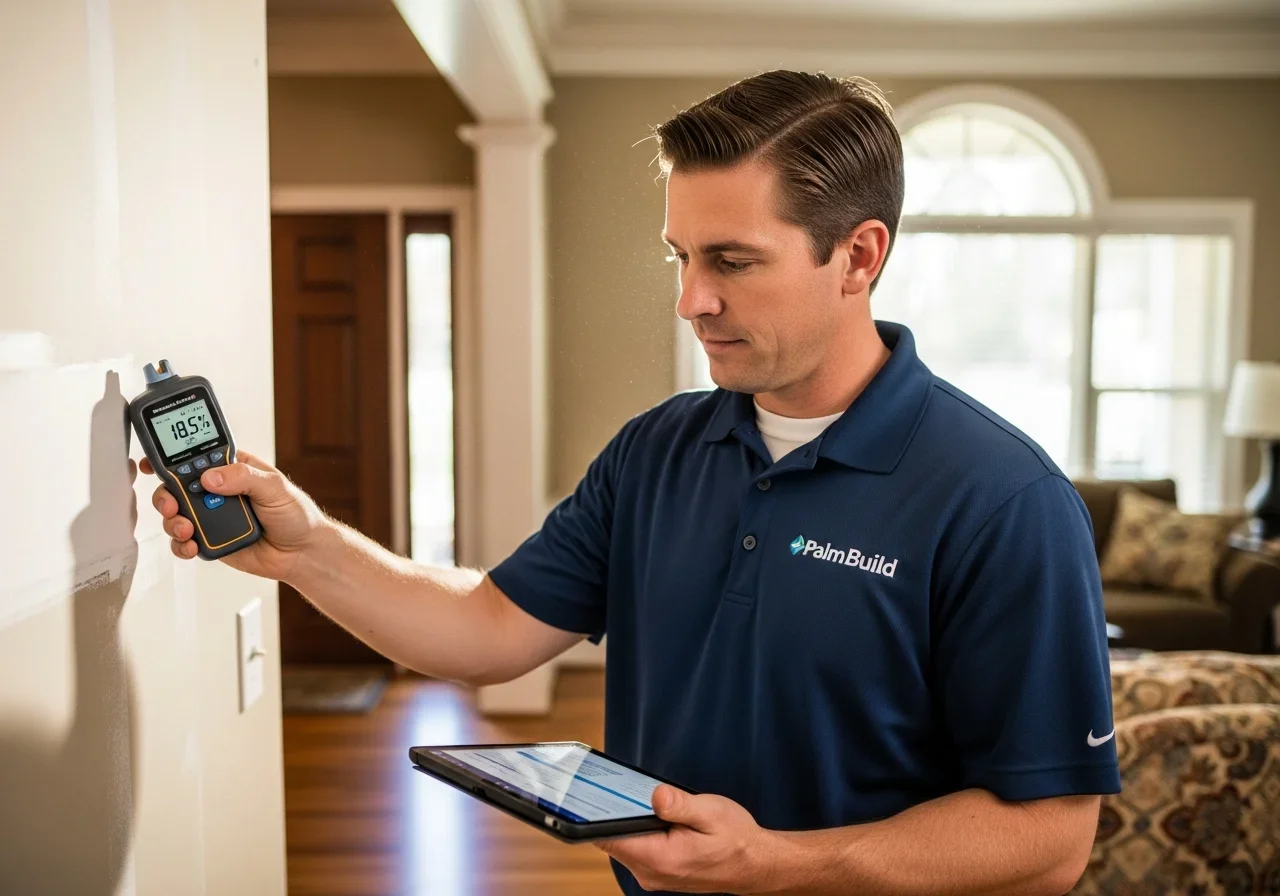
Moisture meter inspection during mold assessment in a Columbia SC home
Moisture mapping with professional-grade meters — identifying the source, not just the symptoms

Common Questions

Columbia Mold Remediation FAQ

Does South Carolina require a license for mold remediation?
No. As of 2026, South Carolina has no statewide mold remediation license. A legislative study committee confirmed that anyone can hold themselves out as a mold specialist without a license from any governing body. A 2025-2026 bill proposes mandatory certification but has not yet passed. Always verify that your remediation company holds IICRC mold remediation specialist certification and follows ANSI/IICRC S520 standards.
How do I know if I need mold remediation in my Columbia home?
Common signs include musty odors (especially in crawl spaces or when HVAC runs), visible discoloration on walls or ceilings, persistent allergy symptoms indoors, and condensation on pipes or ductwork. In Columbia's humid climate, mold often grows in concealed spaces for months before becoming visible. Professional air sampling provides definitive answers.
Is mold remediation covered by insurance in Columbia SC?
Mold is typically covered only when it results from a covered peril — a burst pipe, appliance failure, or storm damage. Mold from gradual humidity, deferred maintenance, or unreported leaks is generally excluded. Flood-related mold has separate NFIP limitations. Report water damage immediately to preserve your mold coverage rights under the original claim.
How long does mold remediation take in Columbia?
Most residential remediations take 3 to 5 days for containment, removal, and treatment. Post-remediation clearance testing adds 1 to 2 days. Reconstruction of removed materials may add 1 to 3 weeks. Columbia's summer humidity requires careful dehumidification throughout — rushing the process risks recurrence.
Why is crawl space mold so common in Columbia?
Columbia's older homes use vented crawl spaces — a design that becomes a moisture trap in the Midlands climate. Warm, humid outdoor air enters through foundation vents, contacts cooler surfaces (floor joists, ductwork), and condenses. This persistent moisture feeds mold growth on structural wood. With 80.9 days above 90°F annually, the condensation cycle runs for months.
What credentials should I verify before hiring a mold company in Columbia?
Since SC has no statewide license, ask: Are technicians IICRC-certified in mold remediation? Does the company follow ANSI/IICRC S520 procedures? Will containment with negative air pressure be used? Will an independent party perform post-remediation clearance testing? Palm Build meets all four criteria.
Can I stay in my Columbia home during mold remediation?
For small, contained remediations in one room, you can typically stay while containment barriers are in place. For larger projects affecting HVAC systems, multiple rooms, or common areas, temporary relocation is recommended — especially for household members with respiratory conditions. Your remediation plan should specify this before work begins.

Mold in Your Columbia Home? Don't Hire Unverified.

SC has no mold license requirement — which makes choosing the right company critical. Call Palm Build for IICRC-certified mold remediation with containment, HEPA filtration, and independent clearance testing.

90-120 min Response IICRC Certified

More in Columbia

Other Palm Build Services in Columbia, SC