Water Damage Restoration in Columbia, South Carolina
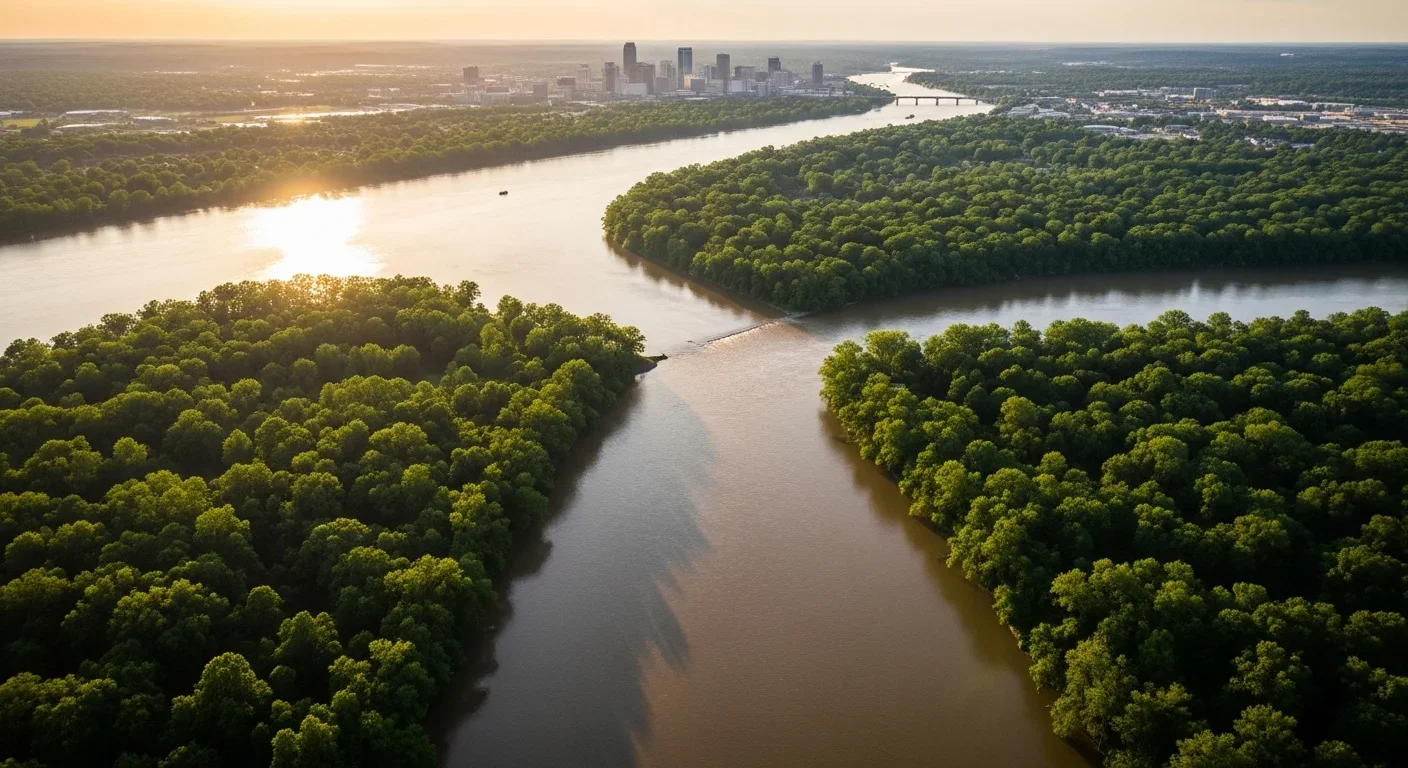
Where the Broad and Saluda Rivers converge to form the Congaree, Columbia sits at the heart of South Carolina's most water-defined geography. From Five Points flash floods to Shandon crawl space moisture, Palm Build responds with truck-mounted extraction, structural drying, and insurance-ready documentation.
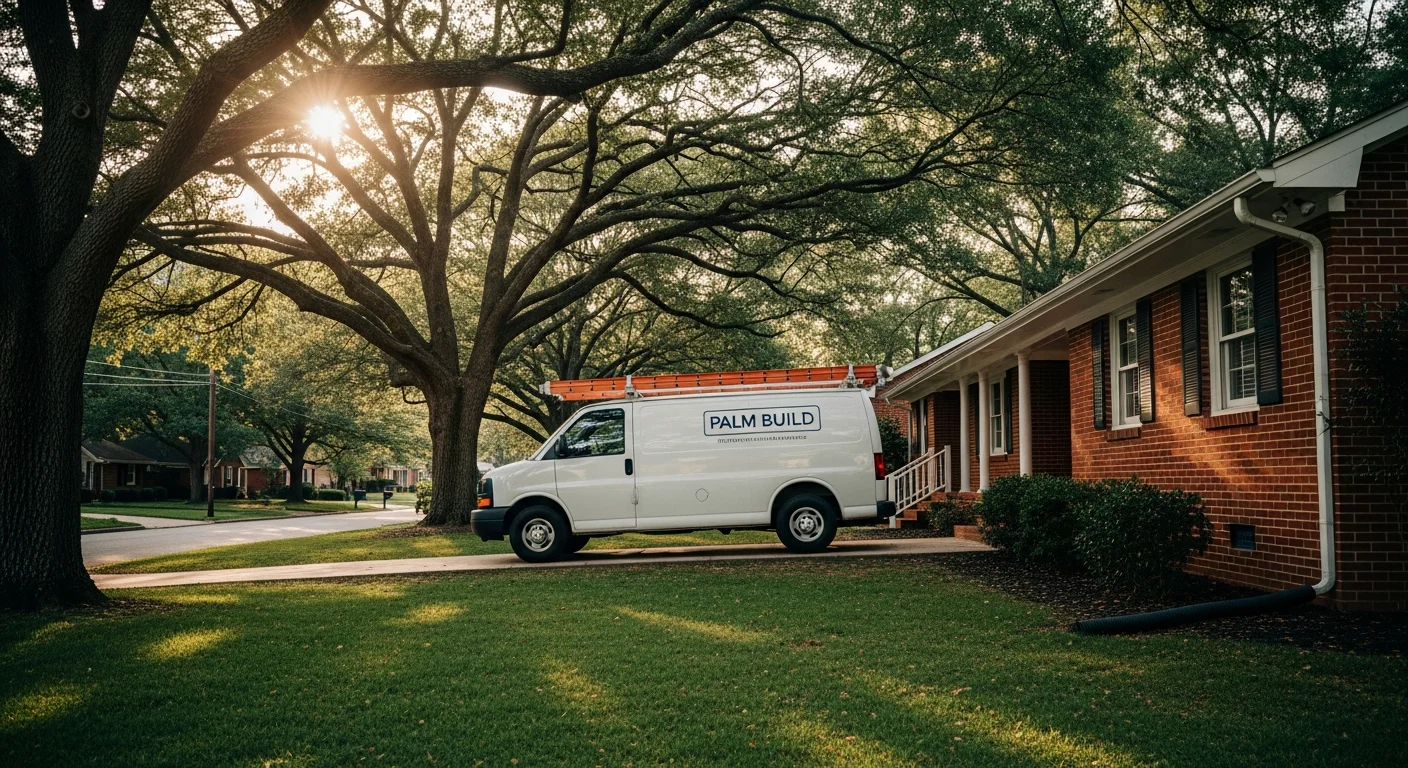
Serving Columbia from Charlotte, NC 90-120 min Response IICRC Certified
Columbia's position at the confluence of three rivers, combined with aging crawl space
construction and one of the hottest climates in the Carolinas, creates a metro where
water damage strikes harder and faster than most homeowners expect. When a Rocky Branch
flash flood pushes water into your Five Points crawl space or a summer downpour
overwhelms your Shandon gutters, mold can begin growing in 24 to 48 hours.
River Confluence Geography
4 rivers
Major waterways
Columbia sits at the confluence of the Broad and Saluda Rivers, forming the Congaree. Add Rocky Branch, Gills Creek, Smith's Branch, and Crane Creek weaving through the city, and you have a metro riddled with flood-prone creek corridors that funnel stormwater directly into neighborhoods.
Intense Summer Convective Storms
4.5-5.3 in
Monthly rain Jun-Aug
Columbia receives 4.5 to 5.3 inches of rain per month from June through August, driven by sudden convective downpours that can drop 2-3 inches in an hour. These storms overwhelm aging stormwater infrastructure and send flash floods through creek corridors like Rocky Branch and Gills Creek.
Aging Crawl Space Construction
1920s-60s
Peak construction era
Older homes in Shandon, Rosewood, and Five Points sit on pier-and-beam foundations with vented crawl spaces. Warm, humid air enters through foundation vents, contacts cooler surfaces, and condenses — creating chronic moisture conditions that accelerate damage after any water intrusion event.
Extreme Heat & Humidity
80.9 days
Days above 90°F
Columbia averages 80.9 days at or above 90°F annually with persistent high dew points through the summer months. This combination means crawl spaces, wall cavities, and any wet materials become mold incubators within 24-48 hours of a water event.
Columbia's older homes with original hardwood floors are especially vulnerable — once
water saturates beneath the finish, cupping and buckling begin within hours.
Neighborhood-Level Intelligence
Columbia Neighborhood Water Damage Risk Profiles
Water damage in Columbia follows predictable patterns driven by creek proximity,
construction era, and watershed position. Here's what we see in the neighborhoods where
damage concentrates most heavily.
Common damage: Creek corridor flash flooding into crawl spaces, student housing with delayed detection, older plumbing failures in pre-war construction
Shandon
High Risk
Built: 1920s-1940s
Primary risk: Stormwater improvement target area, mature tree canopy
Common damage: Crawl space moisture infiltration in bungalow-style homes, root intrusion into drain lines, gutter overflow against foundations
Rosewood
High Risk
Built: 1920s-1950s
Primary risk: Gills Creek watershed, elevated flood risk
Common damage: Creek-proximity flooding, bungalow crawl space saturation, aging cast-iron drain line failures
Downtown Columbia
High Risk
Built: Mixed commercial
Primary risk: River confluence proximity, multi-family/commercial
Common damage: After-hours water events in commercial spaces, multi-story water migration, older building envelope failures
Forest Acres
High Risk
Built: 1950s-1970s
Primary risk: Recent tropical event flooding, established residential
Common damage: Street-level flooding with documented rescues, crawl space intrusion, HVAC condensation in aging systems
Northeast Columbia
Moderate
Built: 1990s-2010s
Primary risk: Franchise service area overlap, drainage basin risks
Common damage: Newer subdivision drainage failures, slab moisture wicking, supply line bursts in builder-grade plumbing
Common damage: Roof damage from confirmed tornado events, wind-driven rain infiltration, foundation grading issues
Blythewood
Moderate
Built: 2000s-present
Primary risk: Growing suburb, new construction drainage issues
Common damage: Improper grading on new builds, construction defect moisture intrusion, inadequate lot drainage
Rosewood (Gills Creek)
High Risk
Built: 1920s-1960s
Primary risk: Gills Creek Watershed Association planning area
Common damage: Repetitive drainage concerns from Gills Creek, Penn Branch, and Wildcat Creek tributaries flooding crawl spaces and low-lying lots
Shandon's charming 1920s-40s bungalows sit on pier-and-beam foundations with vented
crawl spaces — a construction style that creates chronic moisture challenges in
Columbia's humid climate.
Our Columbia Process
How We Restore Columbia Homes After Water Damage
Every water damage event is different, but the science of restoration follows a proven
sequence. Here's exactly what happens when you call Palm Build for Columbia water
damage.
01
Emergency Response & Dispatch
90-120 Minutes
02
Damage Assessment & Moisture Mapping
First 2 Hours
03
Water Extraction
Hours 2-6
04
Structural Drying & Dehumidification
3-5 Days
05
Cleaning, Sanitization & Antimicrobial Treatment
During Drying
06
Restoration & Reconstruction
1-4 Weeks
01
Emergency Response & Dispatch
90-120 Minutes
Call our 24/7 line any time, day or night. Our crew dispatches from our Charlotte hub with truck-mounted extraction equipment, commercial dehumidifiers, and air movers — arriving in Columbia within 90-120 minutes.
02
Damage Assessment & Moisture Mapping
First 2 Hours
IICRC-certified technicians use infrared thermal imaging and pin-type moisture meters to map exactly where water has traveled — behind walls, under flooring, into crawl spaces. This documentation becomes the foundation of your insurance claim.
03
Water Extraction
Hours 2-6
Truck-mounted extraction systems pull hundreds of gallons per hour. For Columbia homes with original hardwood floors — common in Shandon, Five Points, and Rosewood — speed is critical to prevent permanent cupping and buckling.
04
Structural Drying & Dehumidification
3-5 Days
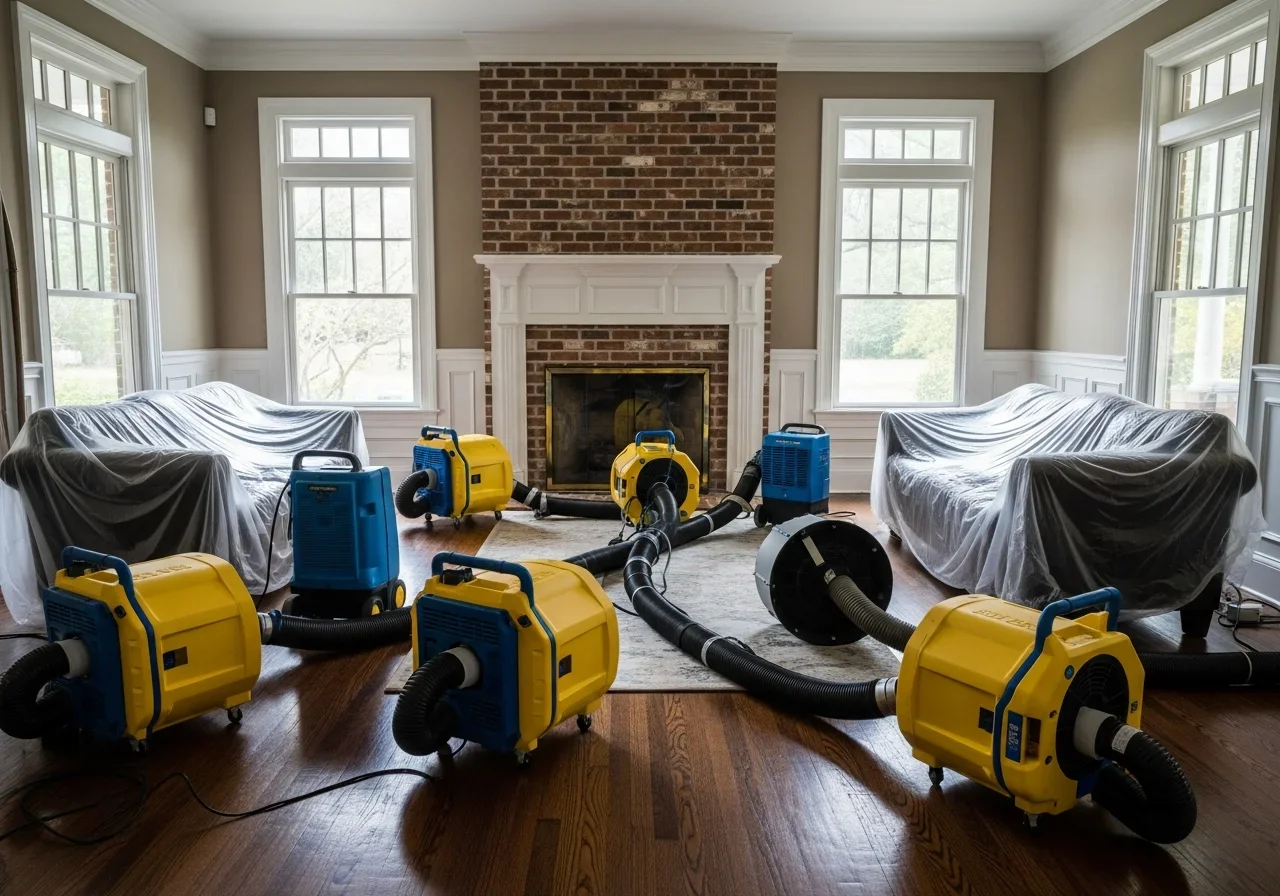
Commercial LGR dehumidifiers and high-velocity air movers are positioned strategically. With Columbia averaging 80+ days above 90°F, exterior humidity fights the drying process — making professional-grade equipment essential, not optional.
05
Cleaning, Sanitization & Antimicrobial Treatment
During Drying
EPA-registered antimicrobial treatments are applied during drying to prevent mold colonization. Columbia's persistent high dew points make this step non-negotiable — skipping it risks secondary mold damage within days.
06
Restoration & Reconstruction
1-4 Weeks
Drywall, flooring, baseboard, trim, painting, and structural work. For projects requiring permits, we handle City of Columbia building permits and inspections so you have one point of contact from start to finish.
Why Our Columbia Process Works
1
SC Midlands Expertise
We know Columbia crawl spaces, creek flood patterns, and pier-and-beam construction
2
Rapid Response
90-120 minute response from our Charlotte hub to anywhere in Columbia
3
Scientific Drying
Daily moisture readings calibrated for Columbia's extreme summer humidity
4
Insurance-Ready
Documentation formatted for SC carriers from day one
These ranges reflect real-world project costs in the Columbia metro. Columbia's older
housing stock — with original hardwood floors, plaster walls, and pier-and-beam crawl
spaces — adds complexity that generic national estimates don't capture. Average SC
homeowners insurance premium: $2,610/year.
Minor Water Damage
Small leaks, single room, Category 1 clean water
Emergency water extraction$500 - $1,500
Targeted structural drying$500 - $1,500
Antimicrobial treatment$200 - $500
Minor repairs (drywall, trim)$300 - $1,000
Total typical project$1,500 - $4,000
Moderate Water Damage
Multi-room flooding, structural drying, crawl space involved
Multi-room extraction$1,500 - $4,000
Structural drying (3-5 days)$2,000 - $5,000
Crawl space remediation$1,500 - $4,000
Flooring & drywall restoration$2,000 - $5,000
Total typical project$5,000 - $15,000
Major Water Damage
Whole-home flooding, hardwood replacement, full reconstruction
Whole-home extraction & drying$5,000 - $12,000
Hardwood floor replacement$4,000 - $15,000
Mold remediation$3,000 - $10,000
Full reconstruction (permits)$5,000 - $20,000+
Total typical project$15,000 - $50,000+
Columbia's Older Housing Adds Complexity
Homes in Shandon, Five Points, and Rosewood often feature original hardwood floors,
plaster-and-lath walls, and aging pier-and-beam foundations. Restoring these materials
costs more than replacing modern drywall and LVP — but preserving them protects your
home's character and resale value.
Know Your Risk Window
Columbia's Seasonal Water Damage Calendar
Columbia doesn't have a single "water damage season" — different types of damage peak at
different times. Understanding this calendar helps you catch problems early and respond
faster when they strike.
January - March
LOW-MODERATE
Appliance Leaks & Winter Condensation
Supply line failures in cold snaps, appliance leaks from aging water heaters, and winter condensation in poorly ventilated crawl spaces. Columbia's milder winters mean fewer burst pipes than Charlotte, but aging galvanized plumbing in Shandon and Five Points remains vulnerable.
April - May
MODERATE
Spring Storms & Rising Humidity
Spring thunderstorms begin increasing in frequency. Humidity climbs rapidly, activating crawl space moisture issues. Many homeowners first notice musty smells and condensation on ductwork as temperatures rise.
June - July
HIGH
Peak Convective Storm Season
Columbia receives 4.5-5.3 inches of rain per month. July 2024 brought a flash flood that sent Rocky Branch to a 9.33-foot crest, flooding Five Points and surrounding areas. Sudden downpours overwhelm aging stormwater systems.
August - September
HIGH
Storms + Tropical Remnant Risk
Continued convective storms plus tropical remnant risk. Hurricane Helene (September 2024) brought flooding to Forest Acres with documented street closures and water rescues. Post-storm mold is typically discovered 2-4 weeks later.
October
MODERATE
Tropical Season Winding Down
Late-season tropical systems remain possible. Many homeowners discover hidden water damage and mold growth that started during summer months when they begin fall maintenance and winterization.
November - December
LOW
Drier Season & Heating Condensation
Columbia's driest months, but heating-related condensation becomes a factor. Temperature differentials between heated interiors and cold crawl spaces create condensation on ductwork, joists, and subfloor panels.
Recent Major Events
Rocky Branch crested at 9.33 feet in July 2024, flooding the Five Points and downtown
corridor. Hurricane Helene (September 2024) brought widespread flooding to Forest
Acres with documented street closures and water rescues. Both events occurred in
neighborhoods where many homeowners did not carry flood insurance.
Columbia Watershed Intelligence
Watershed-Based Flood Risk Guide for Columbia
Columbia's water damage patterns follow its four major watersheds. Understanding which
watershed your home sits in — and which tributaries feed it — helps you anticipate flood
risk, prepare documentation, and respond faster when water intrudes.
Broad River Watershed
Tributaries: Smith's Branch, Crane Creek, Nicholas Creek
Neighborhoods affected: Downtown Columbia, University area, Eau Claire
Common Intrusion Pathways
Smith's Branch runs directly through the USC campus area and into downtown. Crane Creek drains portions of the north side. During intense convective storms, these creeks rise rapidly and push water into crawl spaces, parking structures, and ground-level commercial spaces.
Insurance Documentation Tip
Document the water source (creek overflow vs. plumbing) immediately — creek flooding requires separate flood insurance, while plumbing failures may be covered under your standard homeowner's policy.
Click to expand details
Congaree Watershed
Tributaries: Rocky Branch (9.33ft crest July 2024), Reeder Mill Branch
Neighborhoods affected: Five Points, Downtown Columbia, Granby area
Common Intrusion Pathways
Rocky Branch is Columbia's most flood-prone urban creek. Its July 2024 crest of 9.33 feet sent water through the Five Points commercial district and into residential crawl spaces. Reeder Mill Branch creates secondary flooding pathways through the southern downtown corridor.
Insurance Documentation Tip
Properties within 500 feet of Rocky Branch should strongly consider NFIP flood insurance, even if your FEMA designation is Zone X. The July 2024 event flooded properties well outside the mapped floodplain.
Click to expand details
Gills Creek Watershed
Tributaries: Gills Creek, Penn Branch, Wildcat Creek, Kilbourne Creek
Neighborhoods affected: Rosewood, Forest Acres, Woodland Hills, Lake Katherine area
Common Intrusion Pathways
The Gills Creek Watershed Association has documented repetitive drainage concerns throughout this system. Penn Branch and Wildcat Creek create secondary flood pathways that affect Rosewood bungalows and Forest Acres ranch homes, typically through crawl space intrusion and foundation saturation.
Insurance Documentation Tip
The Gills Creek watershed has documented repetitive loss properties. If you have filed a water damage claim before, ask your agent about Increased Cost of Compliance (ICC) coverage that can fund flood-proofing improvements.
Click to expand details
Lower Saluda Watershed
Tributaries: Saluda River, Stoops Creek, Kinley Creek
Neighborhoods affected: West Columbia, Irmo, Saluda River corridor
Common Intrusion Pathways
The Saluda River corridor presents unique risks from both upstream dam operations and tributary flooding. Stoops Creek and Kinley Creek drain into the Saluda and can back up during high-water events, flooding residential areas in western Columbia and Irmo.
Insurance Documentation Tip
Dam-controlled rivers carry additional risk — water releases from upstream can cause flooding independent of local rainfall. Document your property elevation and proximity to the Saluda for your insurance agent.
Click to expand details
Dam Failure Risk: Lower Richland County
Lower Richland County has documented dam failure incidents that highlight the risk of
upstream impoundments in the greater Columbia area. If you live downstream of any
private or municipal dam, your FEMA flood zone may not reflect the true catastrophic
flood potential. Consider private flood insurance and ensure your restoration company
understands the scale of damage dam failure events can produce.
Rocky Branch crested at 9.33 feet in July 2024, flooding the Five Points corridor and
surrounding residential areas.The Broad and Saluda Rivers converge to form the Congaree at Columbia — a unique
geography that concentrates flood risk across the metro.
Insurance Navigation
Insurance Claims for Water Damage in Columbia
Columbia homeowners pay an average of $2,610 annually for homeowners insurance — lower
than coastal SC but still substantial. Understanding what your policy covers can mean
the difference between a fully covered restoration and tens of thousands out of pocket.
Top SC Carriers in Columbia
State Farm
Largest SC market share
~21.4%
Allstate
Strong SC presence
~10%
Travelers
Common in Columbia metro
~6%
USAA
Military community (Fort Jackson)
~5%
Three Coverage Surprises Columbia Homeowners Face
Flood Not Covered by Homeowners
Rising water from creek flooding, stormwater overflow, or river backup is NOT covered by your standard homeowners policy. Separate NFIP or private flood insurance is required — and many Columbia homeowners in Five Points and Rosewood discovered this during the July 2024 Rocky Branch event.
Sewer Backup Endorsement Needed
Columbia's aging sewer infrastructure means backup events are not uncommon during heavy rain. This is typically excluded from base policies and requires a separate endorsement — usually $40-$80/year for $10,000-$25,000 in coverage.
Mold Coverage Limitations
Most SC homeowners policies limit mold coverage to $5,000-$10,000 sublimits. A single Columbia crawl space mold remediation can cost $5,000-$15,000, meaning many homeowners face significant out-of-pocket costs even with active policies.
FEMA Flood Insurance Reality
Nationally, over 25% of flood insurance claims come from properties outside high-risk
flood zones. In Columbia, the July 2024 Rocky Branch event and Hurricane Helene both
caused significant damage to properties in Zone X (minimal risk) designations. If your
home is within 500 feet of any Columbia creek or tributary, flood insurance should be
a serious consideration regardless of your FEMA zone.
Palm Build's Documentation-First Approach
We work directly with your insurance adjuster from the first inspection. Our moisture
maps, thermal images, daily drying logs, and photo documentation are formatted for the
adjuster workflow used by State Farm, Allstate, Travelers, and USAA — reducing delays
and disputes that cost you time and money.
Every inspection includes detailed moisture mapping and photo documentation formatted
for your insurance carrier's adjuster workflow.
Our Work
Columbia Water Damage: Before and After
Real restoration work in Columbia SC homes — from emergency water extraction through
final reconstruction.
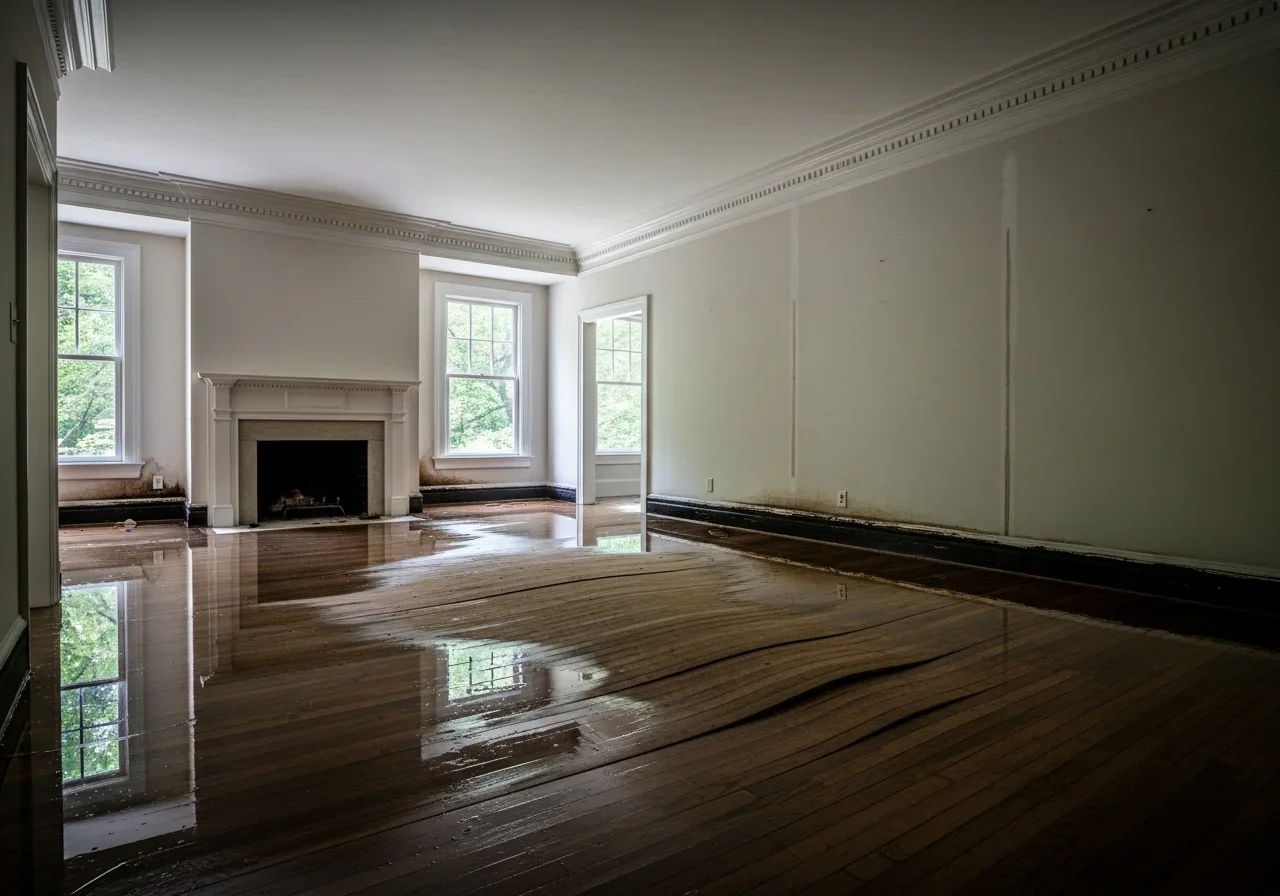
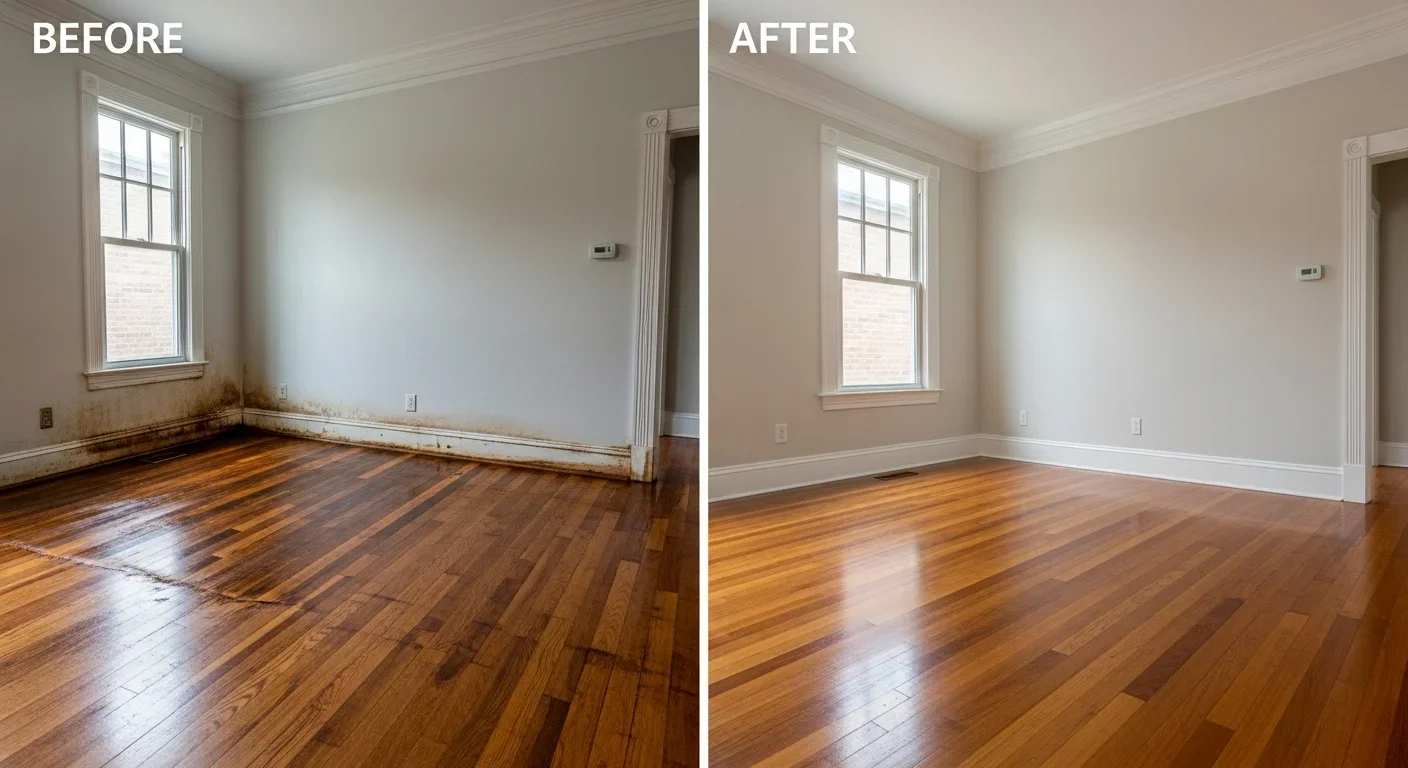
Complete water damage restoration — from saturated subfloor to finished living space
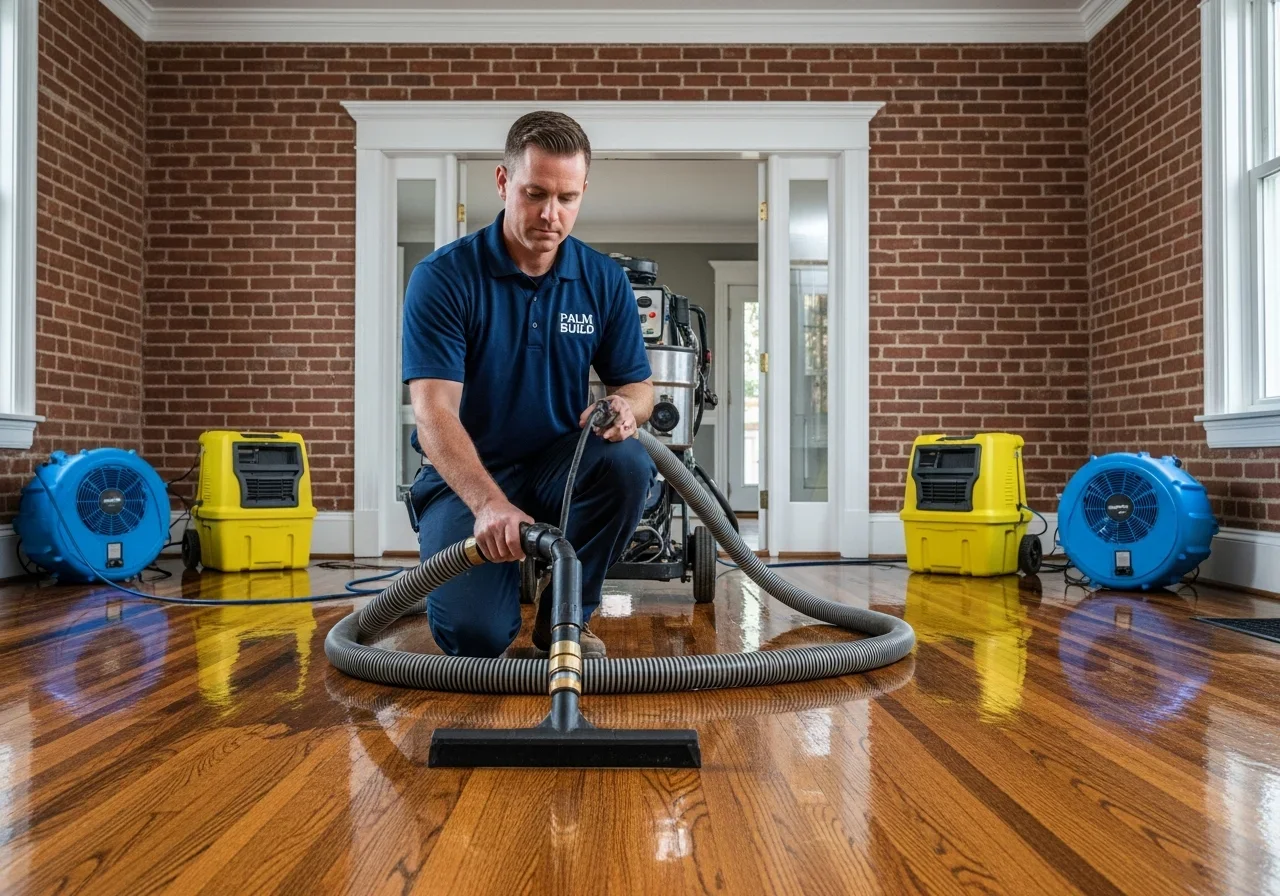
Industrial drying setup with LGR dehumidifiers and high-velocity air movers
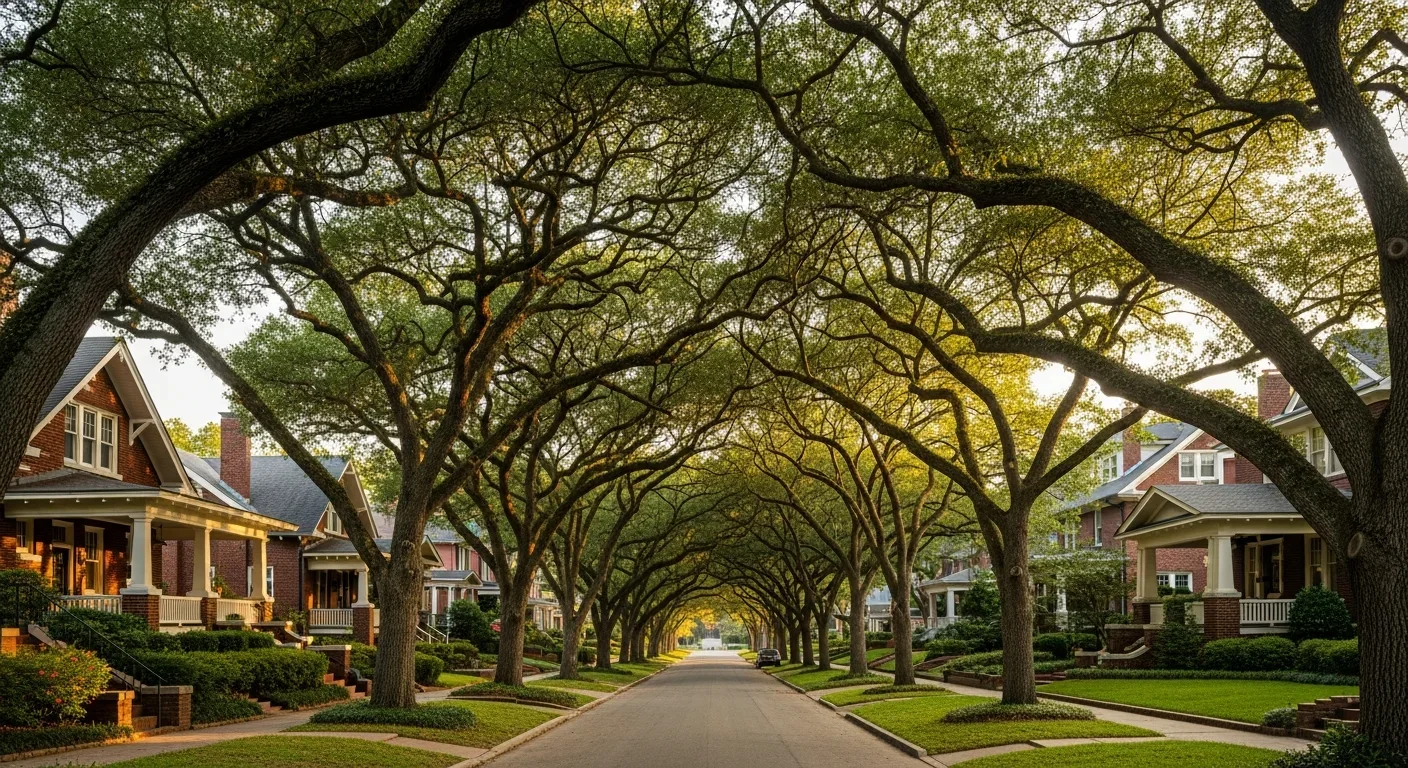
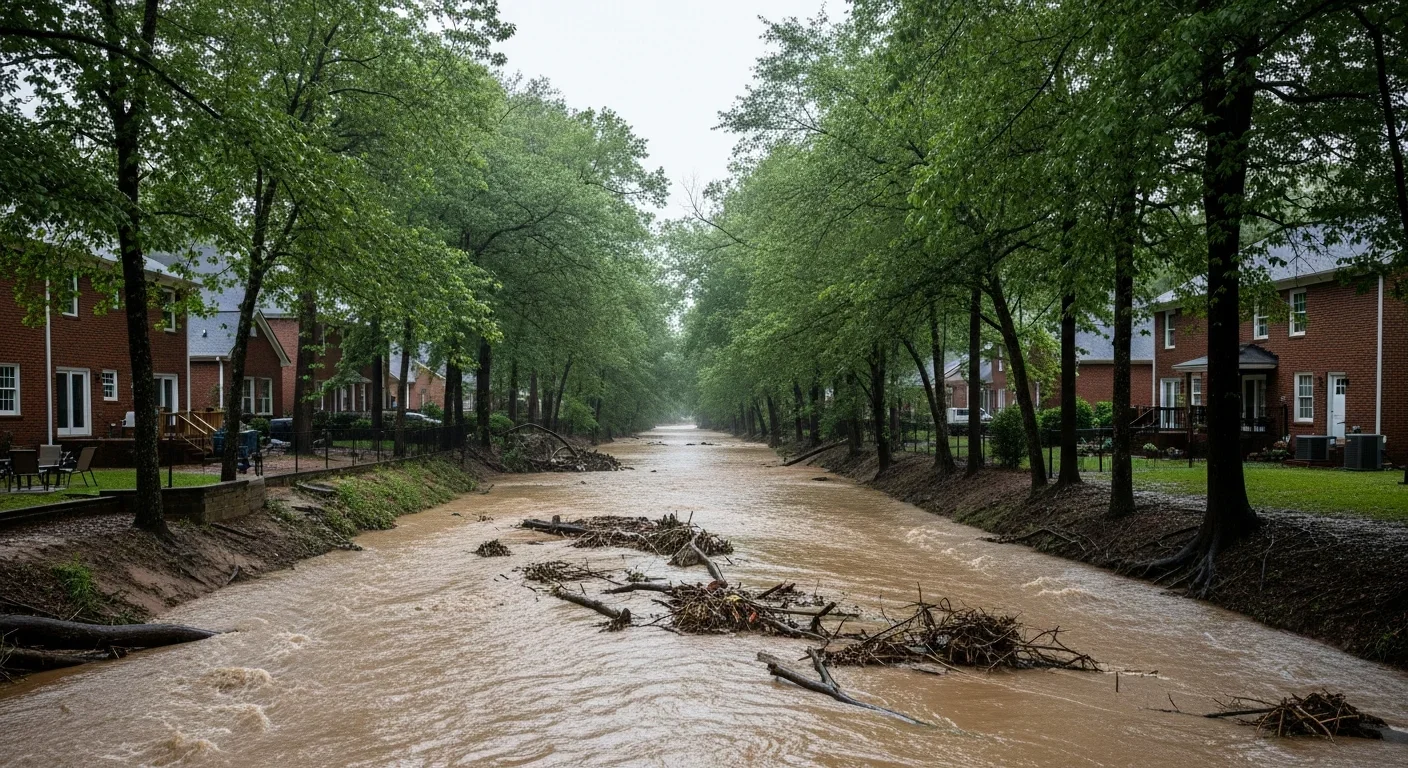
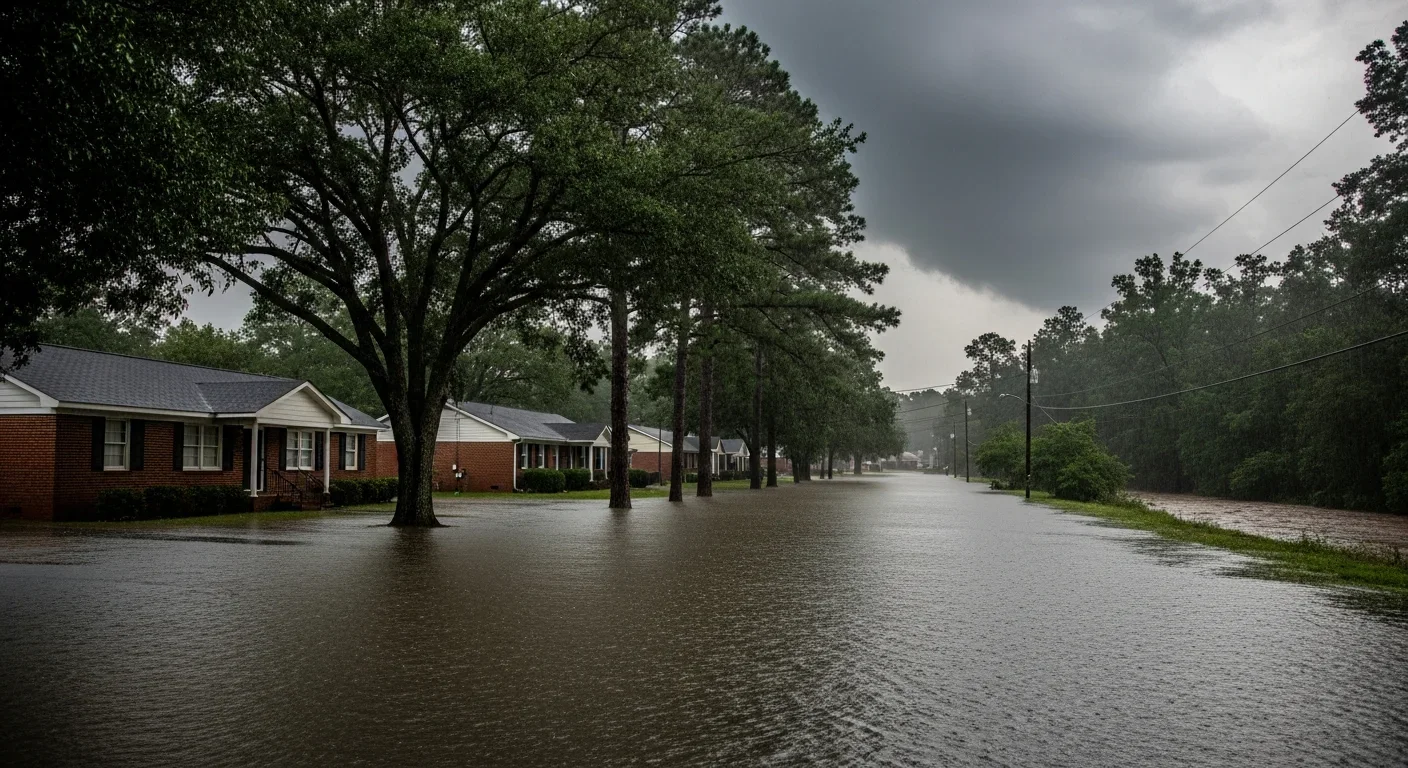
Columbia's creek corridors transform into flood channels during intense summer storms
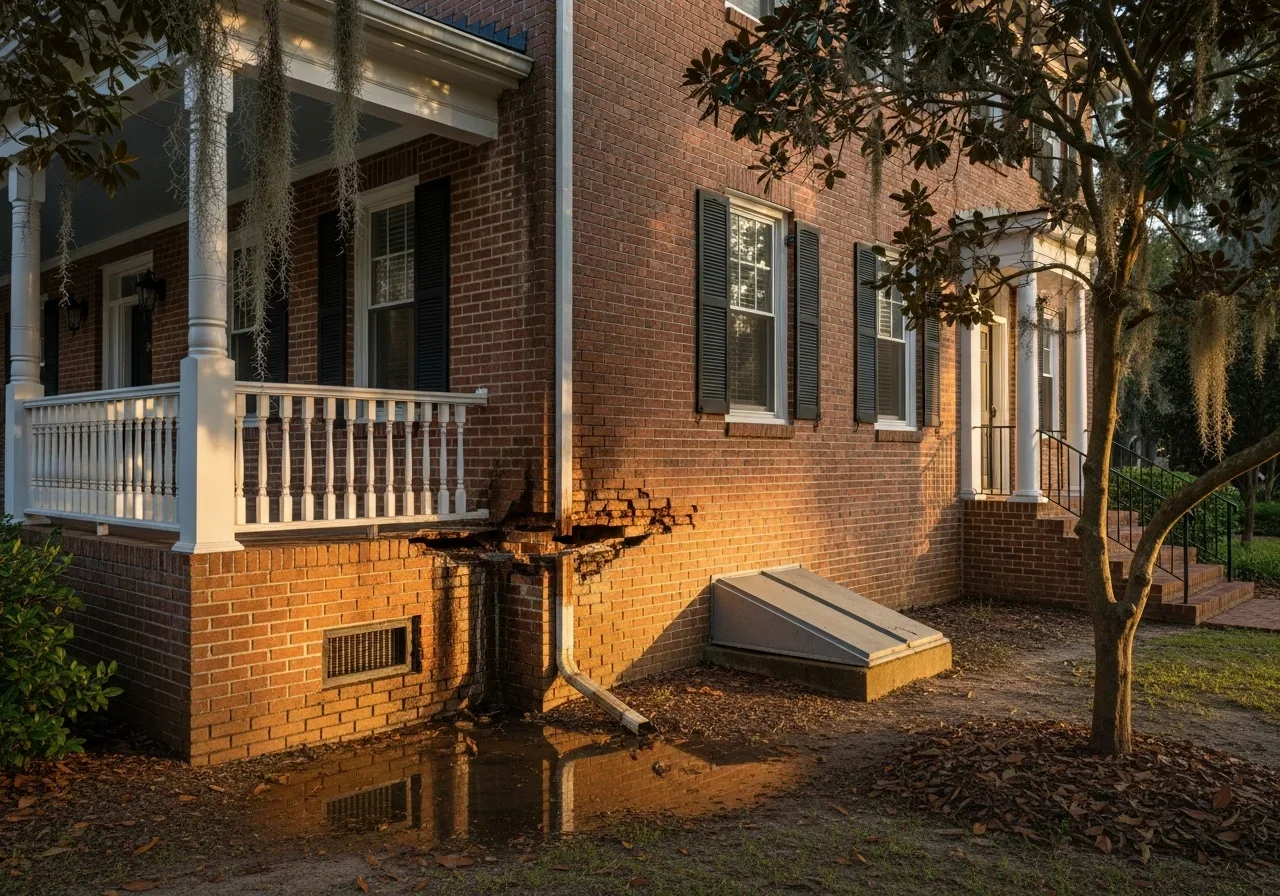
Foundation-level water damage on a Columbia brick home — moisture wicking through crawl space vents
What We See Most
Common Types of Water Damage in Columbia Homes
Columbia's unique combination of creek corridors, aging crawl space construction, and
extreme summer heat produces damage patterns distinct from other Carolinas metros.
Creek Corridor Flash Flooding
Rocky Branch and Gills Creek are Columbia's primary flash flood corridors. Fast-onset intrusion can push water into ground-level entries and crawl spaces within minutes during intense convective storms — the July 2024 Rocky Branch event crested at 9.33 feet.
Crawl Space Moisture Infiltration
Vented crawl spaces near creek corridors absorb moisture from multiple sources: ground vapor, humid air through foundation vents, and direct water intrusion during storms. Columbia's persistent high dew points keep crawl spaces wet for months.
Plumbing Failures in Aging Systems
Pre-war through 1970s homes in Shandon, Five Points, and Rosewood feature galvanized and cast-iron plumbing nearing or past end-of-life. A single supply line failure releases 5-8 gallons per minute, flooding entire floors in under an hour.
Storm-Driven Roof & Window Leaks
Convective storms bring intense wind and rain. Irmo saw confirmed EF-0 tornado damage in 2026, and wind-driven rain can breach roofing, window seals, and flashing across the metro during any severe storm event.
Gutter/Downspout Foundation Damage
Columbia's brick homes are particularly vulnerable when gutters overflow or downspouts discharge against the foundation. Water pools against crawl space vents, seeps through foundation walls, and saturates the soil under pier-and-beam structures.
HVAC Condensation Overflow
With 80+ days above 90°F, Columbia HVAC systems run at extreme capacity. Clogged condensate drain lines overflow into attics and ceilings, and the temperature differential between conditioned spaces and crawl spaces creates condensation on ductwork and joists.
Columbia's brick homes with pier-and-beam foundations are vulnerable at the ground level
— water against crawl space vents is the most common entry point we see.
The Palm Build Difference
Why Columbia Homeowners Choose Palm Build
National franchises serve the Columbia market by volume, but none of them reference
Rocky Branch flood stages, Gills Creek watershed drainage patterns, or the unique
challenges of Shandon crawl spaces. That's because they don't build their operations
around Columbia-specific knowledge.
IICRC-Certified SC Midlands Technicians
Every crew lead holds current IICRC Water Restoration Technician (WRT) certification and understands SC Midlands construction — pier-and-beam foundations, vented crawl spaces, and the unique challenges of Columbia's aging housing stock.
Insurance Documentation From Day One
Our moisture maps, thermal images, daily drying logs, and photo documentation are formatted for the adjuster workflows used by State Farm, Allstate, Travelers, and USAA — the carriers covering most Columbia homes.
24/7 Dispatch With 90-120 Min Response
Call any time, day or night. Our crews dispatch from our Charlotte hub and arrive in Columbia within 90-120 minutes with truck-mounted extraction equipment, commercial dehumidifiers, and air movers.
Knowledge of SC Carriers & Coverage
We know the coverage structures, sublimits, and documentation requirements for every major SC carrier. This means fewer claim disputes, faster approvals, and less out-of-pocket cost for you.
Full-Service Through Reconstruction
From emergency extraction through final reconstruction, one company manages the entire project. We handle City of Columbia building permits and inspections — no handoffs, no gaps, no delays.
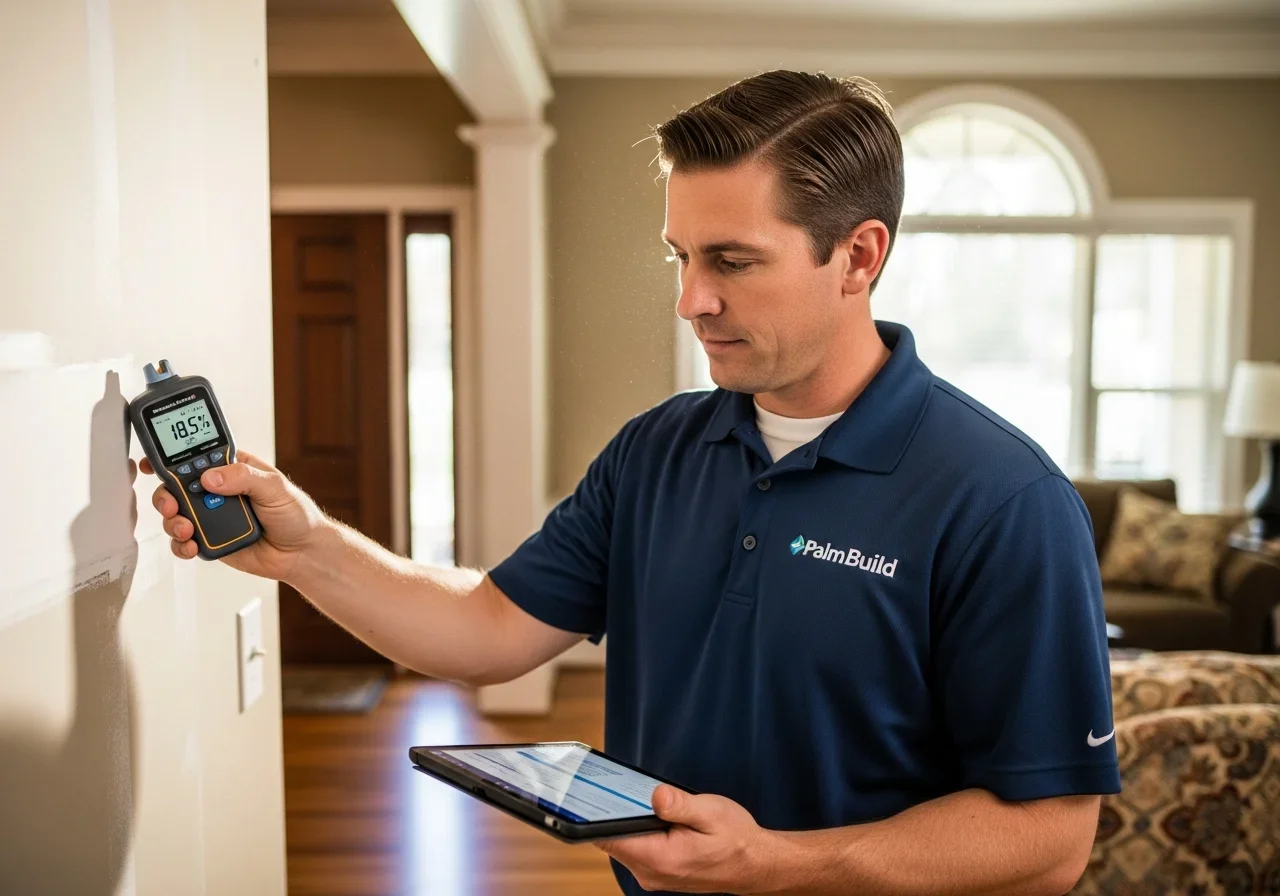
Every assessment begins with precise moisture mapping — the foundation of accurate
insurance documentation and effective drying plans.
Ready to Get Started?
Whether you're dealing with an emergency right now or want to schedule a moisture
assessment, we're here 24/7.
How quickly can Palm Build respond to water damage in Columbia SC?
Our 24/7 emergency dispatch sends crews from our Charlotte operations hub, with typical Columbia response times of 90 to 120 minutes. We bring truck-mounted extraction equipment and industrial dehumidifiers so mitigation begins immediately upon arrival.
Does my homeowners insurance cover water damage in Columbia?
Most homeowners policies cover sudden and accidental water damage from burst pipes, appliance failures, and roof leaks. However, flood damage from rising water — including creek flooding — requires separate flood insurance. Sewer backup coverage is typically an optional endorsement. Palm Build documents everything from day one to support your claim with whichever carrier you have.
How long does water damage restoration take in Columbia?
Most Columbia water damage restorations take 3 to 7 days for the drying phase, depending on damage extent and water category. Columbia's summer humidity can extend drying times compared to drier seasons. Full reconstruction, if needed, may add 2 to 6 weeks. Older homes with hardwood floors and plaster walls may require more careful, extended drying.
What areas of Columbia are most at risk for flooding?
The Five Points area along the Rocky Branch corridor, Shandon near Gills Creek tributaries, and Rosewood along lower Gills Creek see the most frequent flooding. However, Columbia Water emphasizes that any area can flood during intense storms. The July 2024 flash flooding that crested Rocky Branch at 9.33 feet demonstrated that even well-known flood areas can exceed historical levels.
Should I worry about mold after water damage in Columbia's climate?
Absolutely. Columbia averages 80.9 days per year above 90°F, with persistent high humidity. CDC guidance and the Florida Department of Health both emphasize drying wet materials within 24 to 48 hours to prevent mold growth. In Columbia's summer, professional dehumidification is not optional — running household fans alone cannot overcome the ambient moisture load.
Do I need permits for water damage restoration work in Columbia?
Mitigation and drying work — extraction, dehumidification, antimicrobial treatment — does not typically require permits. However, reconstruction that involves structural, electrical, or plumbing work does require City of Columbia permits and inspections. The city requires inspections for foundations, framing, electrical, HVAC, plumbing, and insulation. Palm Build handles the permitting process as part of our full-service restoration.
What is the difference between flood damage and water damage for insurance in Columbia?
Water damage from internal sources — burst pipes, appliance failures, roof leaks — is typically covered by homeowners insurance. Flood damage from rising water, creek overflow, or stormwater backup requires separate flood insurance through NFIP or a private carrier. This distinction catches many Columbia homeowners off guard, especially along the Rocky Branch and Gills Creek corridors where creek flooding is the primary risk.
Water Damage in Columbia? The Clock Is Running.
In Columbia's heat and humidity, water damage becomes mold damage fast. Call Palm Build now for 24/7 emergency extraction, structural drying, and insurance-ready documentation.