(888) 245-5155
Call Now 24/7
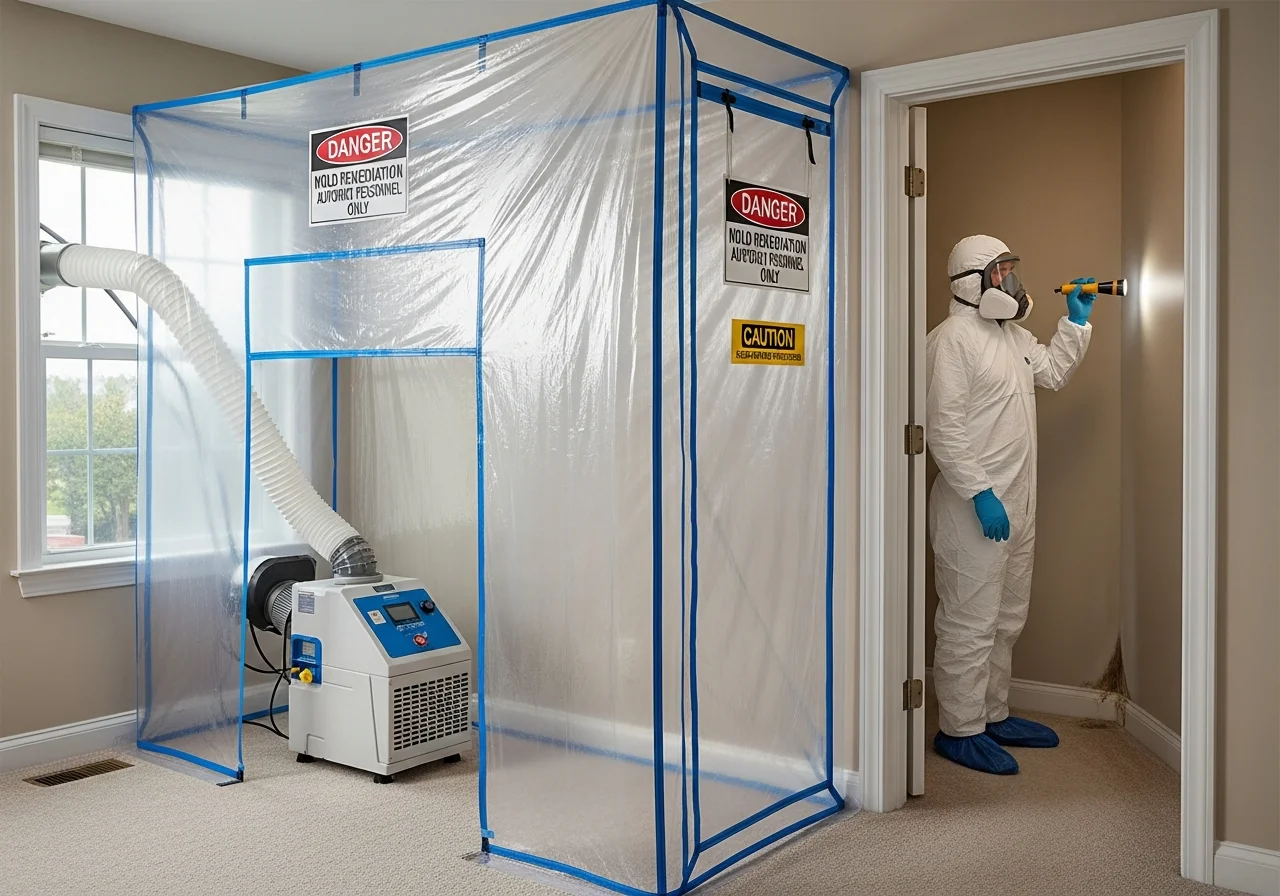
Palm Build mold remediation containment setup with HEPA air scrubber inside a Waxhaw NC home during professional mold removal
WAXHAW NC -- IICRC S520 CERTIFIED MOLD REMEDIATION

Mold Remediation in Waxhaw, North Carolina

From MillBridge crawl spaces to Providence Downs luxury homes, Palm Build's IICRC-certified team eliminates mold at the source -- not just the surface. NC has no state mold license, so credentials matter. We follow S520 protocols with containment, HEPA filtration, and independent clearance testing to protect Waxhaw's high-value properties.

Charlotte Office -- 20 min to Waxhaw 45-60 min Response IICRC Certified

45-60 min

Emergency Response

24/7

Dispatch Available

IICRC

Certified Technicians

Why Mold Thrives Here

Why Waxhaw Homes Face Unique Mold Risks

Four factors converge in Union County to create some of the highest baseline mold risk in the Charlotte metro. Waxhaw's modern housing stock may look pristine on the surface -- but beneath it, Piedmont clay, aging vapor barriers, and relentless summer humidity are working against you. Mold can begin growing in 24 to 48 hours of sustained moisture.

70-90% Summer Humidity

70-90%

Summer humidity

Waxhaw's humid subtropical climate pushes outdoor relative humidity to 70-90% from May through September. Warm, moisture-laden air enters crawl spaces through deteriorating vapor barriers and foundation gaps, condenses on cooler floor joists and ductwork, and creates the sustained moisture mold needs to colonize. It only takes 48 hours.
Piedmont Red Clay Soil

<0.2 in/hr

Clay drainage rate

Union County's Cecil series clay drains at less than 0.2 inches per hour. After a storm, this clay holds water against your foundation for 3 to 5 days -- continuously feeding humidity into the crawl space above. Unlike sandy soils that drain vertically, Piedmont clay acts as a moisture reservoir directly beneath your home.

Tight-Envelope Construction

72%

Homes built 2000-2019

Waxhaw's modern 2000s-2010s homes were built for energy efficiency with tighter building envelopes than older Charlotte metro homes. When moisture intrudes through a crawl space, HVAC leak, or supply line failure, that tight envelope traps humidity inside wall cavities, duct chases, and ceiling spaces -- creating hidden mold incubators.

First Maintenance Cycle

2009

Median construction year

With a median construction year of 2009, thousands of Waxhaw homes are hitting the 15-25 year window where original vapor barriers deteriorate, HVAC condensate lines clog, and the first-generation systems that managed moisture begin to fail. Mold does not announce itself -- it colonizes silently in crawl spaces and ductwork until odors or health symptoms appear.

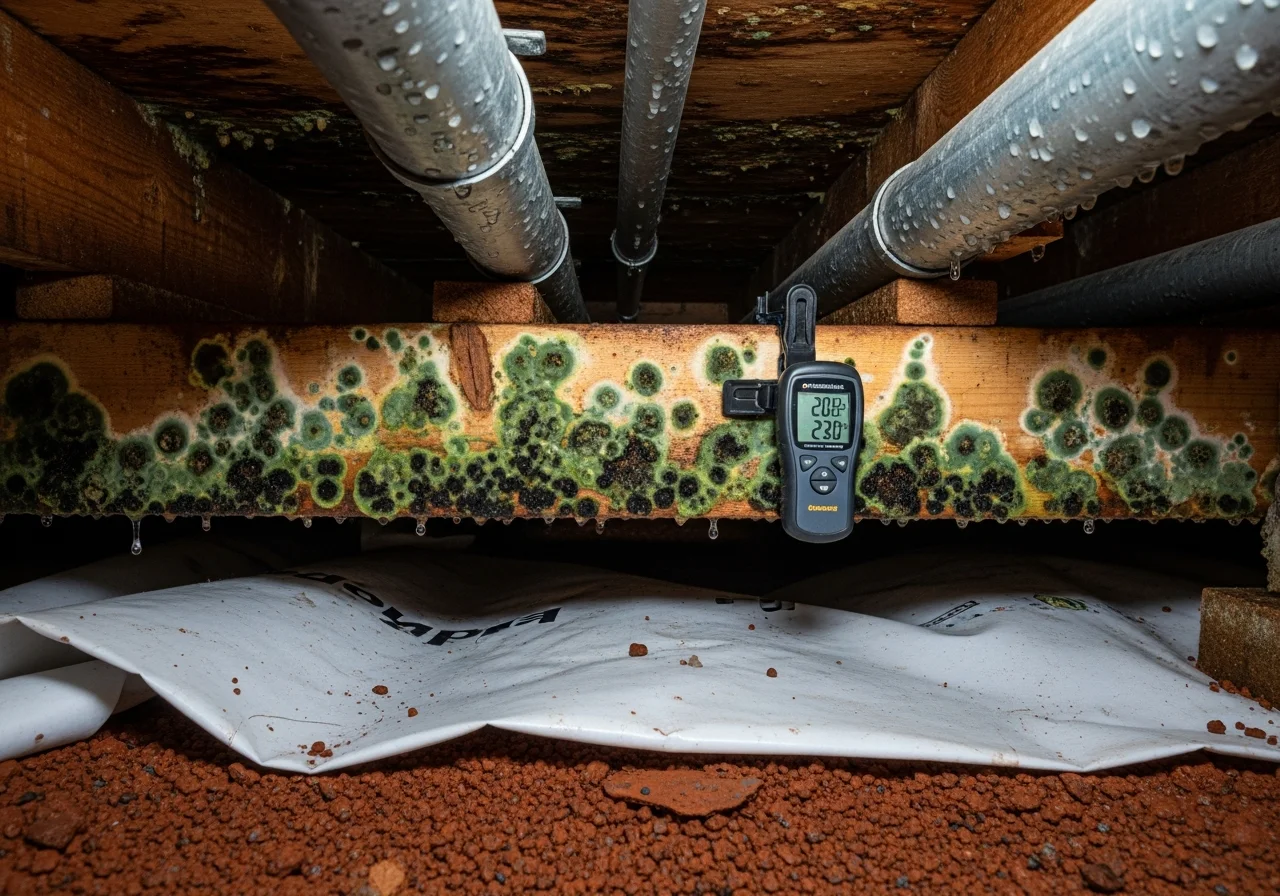
Active mold growth on floor joists and subflooring inside a crawl space beneath a Waxhaw NC home built on Piedmont clay soil
Crawl space mold colonization on floor joists is the most common remediation scenario in Waxhaw -- driven by clay soil moisture and summer humidity exceeding 70-90%.

Neighborhood-Level Intelligence

Waxhaw Neighborhood Mold Risk Profiles

Mold risk in Waxhaw follows predictable patterns based on housing age, crawl space design, lot grading, and proximity to waterways. Here is what we see across the communities where we work most frequently.

MillBridge

Moderate

Built: 2010s-present

Primary risk: HVAC condensate overflow, crawl space humidity, tight envelope trapping moisture

Common damage: Attic condensate mold, crawl space joist colonization, hidden wall cavity mold

Providence Downs / South

Moderate

Built: 2004-2023

Primary risk: Multi-zone HVAC complexity, large crawl space footprints, luxury finish vulnerability

Common damage: HVAC ductwork contamination, crawl space mold across large footprints, bathroom moisture migration

Cureton

High Risk

Built: 2000s-2010s

Primary risk: First-gen vapor barriers deteriorating, aging HVAC condensate lines

Common damage: Crawl space mold from failed vapor barriers, post-leak wall cavity mold

Lawson

High Risk

Built: 2000s-2010s

Primary risk: Similar aging patterns to Cureton, some lots with poor drainage grading

Common damage: Crawl space colonization, bathroom moisture problems, HVAC condensation

Firethorne

Moderate

Built: 2000s-2010s

Primary risk: Standard subdivision aging risks with clay soil moisture pooling

Common damage: Crawl space mold, post-water-damage mold from appliance failures

Conservancy at Waxhaw Creek

High Risk

Built: 2000s-2010s

Primary risk: Creek proximity amplifies foundation moisture and crawl space humidity

Common damage: Chronic crawl space mold, foundation moisture wicking, elevated humidity exposure

Alma Village

Moderate

Built: 2010s-present

Primary risk: Shared walls in townhomes allow cross-unit moisture and mold migration

Common damage: Cross-unit mold spread through shared wall cavities, shared HVAC chase contamination

Historic Downtown

High Risk

Built: 1880s-1950s

Primary risk: Original plaster, aging wood framing, vented crawl spaces, legacy plumbing

Common damage: Deep structural mold in old-growth framing, plaster substrate mold, chronic crawl space colonization

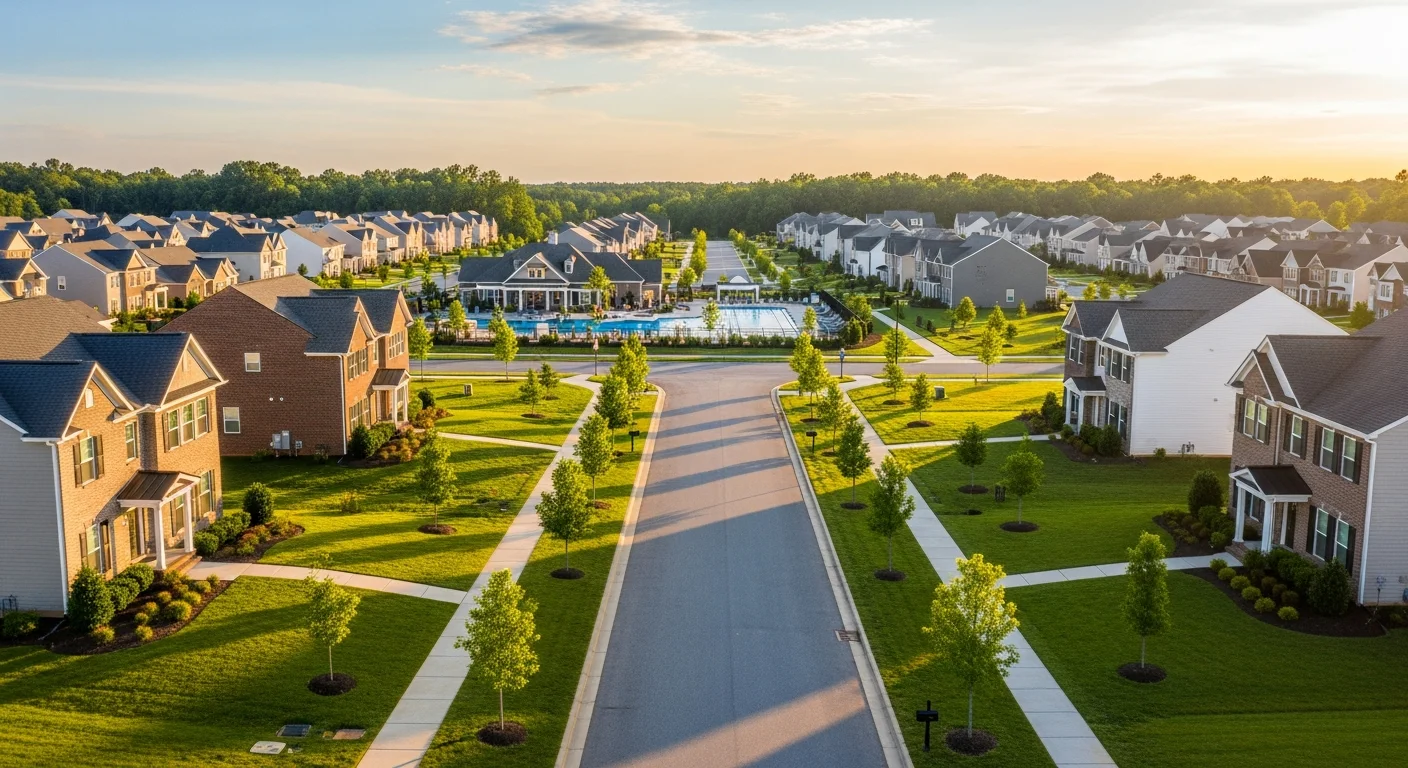
Aerial view of a modern master-planned subdivision in Waxhaw NC showing homes built on Piedmont clay over crawl space foundations
Waxhaw's master-planned communities share similar construction methods -- and similar mold vulnerabilities when crawl space moisture is left uncontrolled.

Mold Credentials Truth Box

NC Has No Mold License: What Waxhaw Homeowners Must Know

North Carolina has no state-specific mold remediation license requirement. The NC State University Extension Healthy Homes program confirms: "No federal or state certification programs exist for companies or individuals providing mold remediation services."

The NC Department of Health and Human Services (DHHS) Indoor Air Quality Program recommends homeowners hire companies following IICRC S520 as the standard of care. This is the accepted industry benchmark in the absence of state licensing -- specifically the BSR-IICRC S520 standard for professional mold remediation procedures and the Mold Remediation Specialist (MRS) certification.

This regulatory gap means anyone can legally offer mold remediation in Waxhaw -- regardless of training, equipment, or experience. For homeowners in MillBridge, Cureton, Providence Downs, and other communities, you must verify credentials yourself. The lack of state oversight enables unqualified operators to offer low-cost "mold removal" that fails to address containment, source moisture, or hidden contamination.

Verify IICRC S520 certification for any mold company you hire
Ask for MRS (Mold Remediation Specialist) credentials by name
Confirm containment and HEPA filtration are in the scope of work
Request independent third-party clearance testing (not by the remediation company)
Structural repair requires separate NC general contractor licensing

Palm Build Credentials

  • IICRC S520 certified remediation protocols
  • Mold Remediation Specialist (MRS) certified crew leads
  • Licensed NC general contractor for structural repairs
  • Full liability insurance and workers' comp coverage
  • Independent third-party clearance testing recommended

Red Flags to Watch For

  • No IICRC certification or refuses to provide proof
  • Offers to "spray and seal" without removing contaminated material
  • No containment barriers or HEPA filtration in scope of work
  • Same company does mold testing AND remediation (conflict of interest)
  • Quotes a flat price without inspecting the property first
IICRC S520 Protocol

Our Waxhaw Mold Remediation Process

Professional mold remediation follows a strict sequence defined by the IICRC S520 standard -- the benchmark NC DHHS recommends. Here is exactly what happens when Palm Build's certified team arrives at your Waxhaw home.

01

Assessment & Moisture Mapping

Day 1

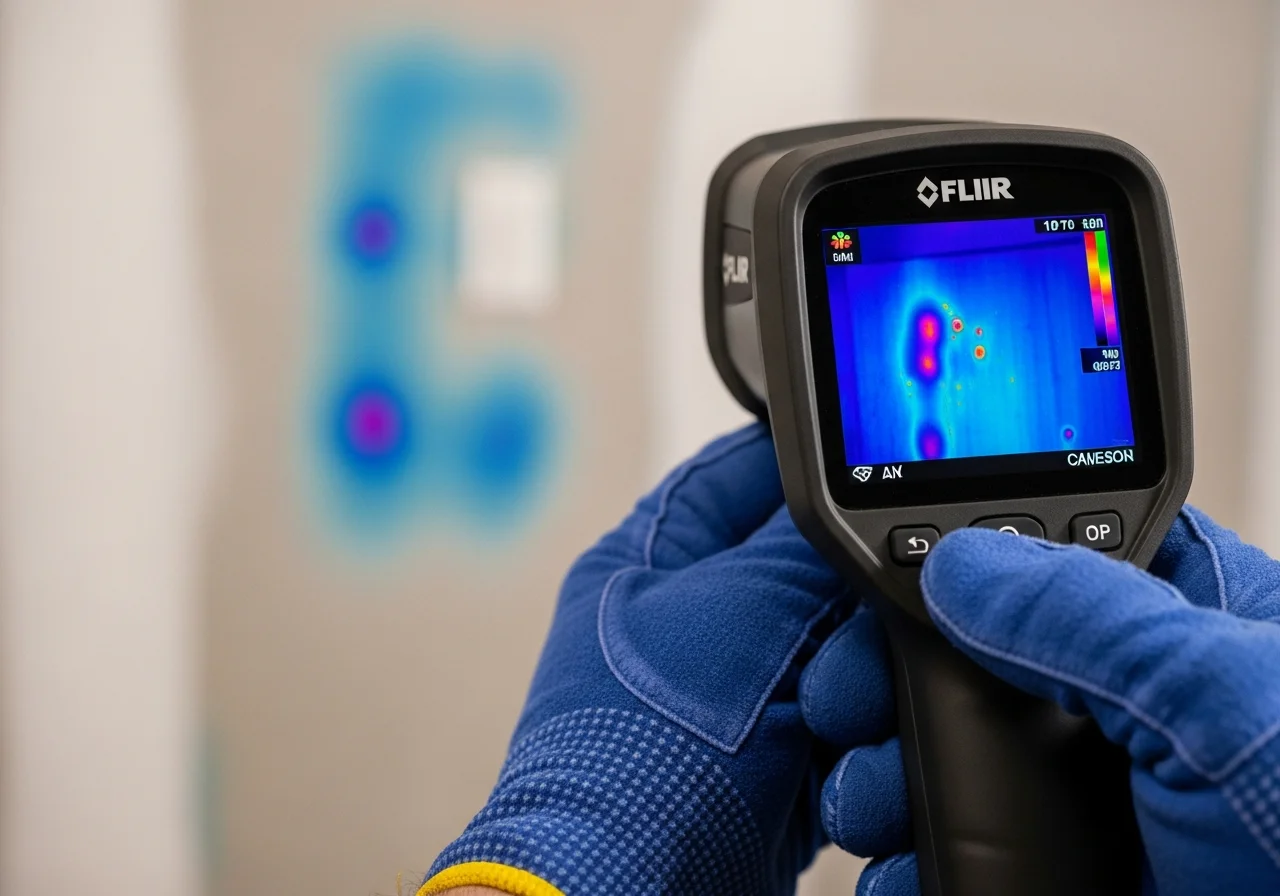
Comprehensive visual inspection, infrared thermal imaging, and moisture mapping throughout your Waxhaw home. We identify the moisture source driving the mold -- not just the visible growth -- and classify contamination per IICRC S520 condition categories. For crawl spaces over clay soil, this includes soil moisture readings, relative humidity measurement, and vapor barrier condition assessment.

02

Containment Setup

Day 1-2

Sealed polyethylene containment barriers isolate affected areas. HEPA air scrubbers create negative air pressure to prevent cross-contamination. In Waxhaw's tight-envelope newer homes, maintaining proper pressure differential is critical -- disturbing mold without containment can contaminate previously clean rooms within minutes.

03

HEPA Air Filtration

Continuous

HEPA filtration runs throughout the entire project, capturing airborne spores down to 0.3 microns. This protects both your home and our technicians while maintaining clean air in unaffected areas of your home.

04

Mold Removal

Days 2-4

Contaminated materials are removed using controlled demolition. Salvageable structural members -- common in Waxhaw crawl spaces where floor joists are structurally sound despite surface mold -- are cleaned with HEPA vacuuming, wire brushing, and media blasting. Non-salvageable insulation and drywall are double-bagged for disposal.

05

Antimicrobial Treatment

Days 4-5

EPA-registered antimicrobial agents are applied to all treated surfaces. For Waxhaw crawl spaces, this includes joist faces, subfloor panels, sill plates, and foundation walls. The treatment prevents regrowth during moisture control and reconstruction phases.

06

Clearance & Restoration

Day 5-7

Post-remediation air quality testing by an independent third party confirms spore counts have returned to acceptable levels. Visual inspection verifies all contamination is addressed. Clearance documentation is provided for your records, insurance claim, and future real estate transactions.

Professional mold remediation containment barrier with HEPA air scrubber setup in a Waxhaw NC home

Why Containment Matters in Waxhaw

Disturbing mold without proper containment sends billions of spores airborne -- potentially contaminating previously clean areas. In Waxhaw's tight-envelope newer homes, cross-contamination happens faster than in older, leakier construction.

1

Sealed Barriers

Polyethylene sheeting floor-to-ceiling around work area

2

Negative Pressure

HEPA scrubbers pull contaminated air through containment

3

PPE Protocol

Full Tyvek suits, respirators, and goggles for all crew

4

Air Lock Entry

Decontamination chamber at containment entry/exit point

Schedule Mold Assessment

Common Mold Scenarios

Types of Mold Damage in Waxhaw Homes

Waxhaw's climate and construction create five distinct mold scenarios -- each requiring different investigation and remediation approaches. Crawl space mold and HVAC-related contamination account for the majority of professional remediation projects in Union County.

Crawl Space Joist & Subfloor Mold

Critical

The most common remediation scenario in Waxhaw. Cecil series clay holds moisture against foundations for days after rain, feeding humidity into crawl spaces through deteriorating vapor barriers. Floor joists, sill plates, and subflooring develop mold colonies that are invisible from living areas above -- discovered during home inspections, encapsulation projects, or when musty odors become unmistakable.

HVAC Ductwork & Air Handler Mold

High

Waxhaw's multi-zone HVAC systems in 3,000-5,000 sq ft homes are mold distribution networks when condensate lines clog or ducts accumulate moisture. Once mold colonizes the air handler, the blower fan sends spores to every room through the duct system -- often before any visible signs appear. Duct cleaning alone does not solve this. The contamination source and moisture must be eliminated.

Post-Water-Damage Wall Cavity Mold

High

Water from burst pipes, appliance failures, or roof leaks that was not dried within 48 hours produces mold behind drywall. In Waxhaw's tight-envelope newer homes, moisture trapped in wall cavities has nowhere to evaporate. Visible drywall staining is typically the last sign to appear -- contamination behind the wall is already extensive by the time you see it.

Bathroom & Kitchen Mold

Common

Chronic moisture from showers, cooking steam, and minor plumbing leaks drives mold behind tile, under cabinets, and around toilets. In newer Waxhaw homes, improperly ducted exhaust fans that terminate in attic spaces rather than outside create secondary mold problems in attic insulation -- a construction shortcut our team sees regularly.

Attic Condensation Mold

Moderate

When attic ventilation is inadequate or bathroom exhaust fans vent into attic space instead of through the roof, moisture condenses on roof sheathing during temperature swings. This is particularly common in Waxhaw homes where builders ran exhaust ducts to soffit vents rather than installing proper roof caps. The result is black mold on roof decking that can contaminate attic insulation.

Waxhaw Pricing

Mold Remediation Costs in Waxhaw

These ranges reflect real-world project costs in the Waxhaw and Union County area -- not national averages. Waxhaw's prevalence of crawl space construction on clay soil, newer homes with tight building envelopes, and median home values exceeding $549,000 all push mold projects toward larger scope. NC insurance policies often cap mold coverage at $5,000-$10,000.

Minor Mold (Under 50 sq ft)

Bathroom, closet, window frame, single wall section

$1,500 - $4,000

Containment and HEPA filtration
Surface cleaning and antimicrobial treatment
Post-remediation air testing
Typically 1-2 day project

Moderate (50-200 sq ft)

Partial crawl space, bedroom wall, HVAC ductwork section

$4,000 - $12,000

Full containment with negative air pressure
Material removal and controlled demolition
HVAC cleaning if contaminated
Typically 3-5 day project

Crawl Space / Multi-Room

Full crawl space, multiple rooms, HVAC system, structural

$12,000 - $45,000+

Complete crawl space remediation
Encapsulation with 20-mil vapor barrier
Mechanical dehumidification install
Structural joist repair if needed

Factors That Affect Your Waxhaw Mold Project Cost

Contamination size and location
Whether crawl space is involved
Structural damage requiring repair
HVAC system contamination
Age and condition of vapor barrier
Insurance coverage and sublimits
Need for encapsulation after remediation
Third-party clearance testing

Year-Round Risk

Waxhaw Mold Risk Calendar

Mold in Waxhaw does not follow a single season -- different moisture sources drive growth at different times of year. This calendar is based on NOAA precipitation and humidity data for the Charlotte metro, overlaid with the mold growth patterns our team sees in Union County.

January - February

Moderate Risk Post-Pipe-Burst Mold

Freezing nights burst pipes in crawl spaces and exterior walls. Homeowners who experienced water damage in December-January discover mold growth 2-4 weeks later, after moisture sat behind walls or in crawl space insulation. This is also when winter real estate inspections uncover mold during home sales -- a common scenario in Waxhaw's active housing market.

March - April

Elevated Risk Spring Moisture Activation

Spring rains saturate Piedmont clay and crawl space humidity begins climbing. Homeowners notice musty odors for the first time as temperatures warm enough to accelerate mold growth. Crawl space inspections during spring reveal colonies that established slowly over the winter months. This is the best window for preventive crawl space encapsulation.

May - June

High Risk HVAC Condensate Season

AC systems ramp to full load. HVAC condensate lines clog under peak demand -- especially in Waxhaw's multi-zone systems that are now 10-20 years old. A single clogged drain releases gallons into ceiling cavities or attic spaces. Outdoor humidity pushes crawl spaces above 70% RH, and any area with lingering moisture sees mold activity spike.

July - August

Critical Risk Peak Mold Growth Window

August dumps 4.35 inches of rain on saturated clay while outdoor humidity hits 70-90%. This is the critical window -- crawl spaces and any area with uncontrolled moisture experience maximum mold colonization. Growth that was invisible in May becomes visible contamination by August. HVAC systems under peak strain drive condensation and spore distribution throughout the home.

September - October

High Risk Tropical Remnants & Discovery

Tropical system remnants bring multi-day rainfall that saturates already-wet clay soils. Post-storm mold blooms appear 2-4 weeks after the event. Fall is also when homeowners entering crawl spaces for winterization discover mold that grew silently throughout the summer.

November - December

Moderate Risk Heating Startup Discovery

HVAC systems switch to heating mode and musty odors from contaminated ductwork become noticeable as air circulates differently. Holiday gatherings bring guests who notice odors the homeowner has habituated to. Winter real estate transactions frequently reveal mold during buyer inspections.

Waxhaw's Mold Never Fully Goes Dormant

Unlike northern markets where winter cold halts mold activity, Waxhaw's mild Piedmont winters keep crawl space temperatures above freezing almost year-round. Active mold colonies slow during cooler months but do not die. They resume rapid growth the moment spring humidity returns. If you see mold in December, it will be significantly worse by June without professional remediation.

Insurance Navigation

Mold Insurance Claims in Waxhaw

Mold coverage in North Carolina is limited and varies significantly by carrier and policy. Most Waxhaw homeowners discover their coverage gaps only after filing a claim. With NC premiums rising approximately 15% by mid-2026, understanding your mold policy provisions before you need them can save thousands.

Mold resulting from a covered sudden water event (burst pipe, appliance failure) is typically covered up to policy sublimits

NC standard policies cap mold coverage at $5,000-$10,000 sublimits -- Waxhaw crawl space remediation frequently exceeds this range

Gradual moisture damage -- chronic crawl space humidity, slow leaks, long-term condensation -- is almost always excluded from coverage

Carriers may deny claims if you failed to report water damage within 24-48 hours or did not mitigate promptly

Pre-existing mold discovered during renovation, home inspection, or real estate transaction is not covered

Some carriers offer mold endorsements for additional premium -- ask your agent about expanded mold coverage before you need it

Common Carriers in Union County

State Farm Typically $5,000-$10,000 mold sublimit
NC Farm Bureau Common in Union County, varies by policy
Nationwide Mold endorsement may be available
Erie Insurance Regional carrier, verify mold provisions
SageSure Growing presence in NC, check sublimits

Palm Build's Approach to Mold Claims

When mold results from a covered water event, our documentation connects the mold to the original loss -- moisture maps, timeline photos, air quality testing, and remediation scope all formatted for the adjuster. For non-covered mold from chronic crawl space moisture, we provide transparent pricing and can discuss financing options.

Insurance Claims Guide

Our Work

Waxhaw Mold Remediation: Before and After

Active mold growth on floor joists and subflooring in a Waxhaw NC crawl space before remediation
Before: Mold colonization on crawl space joists from chronic clay soil moisture
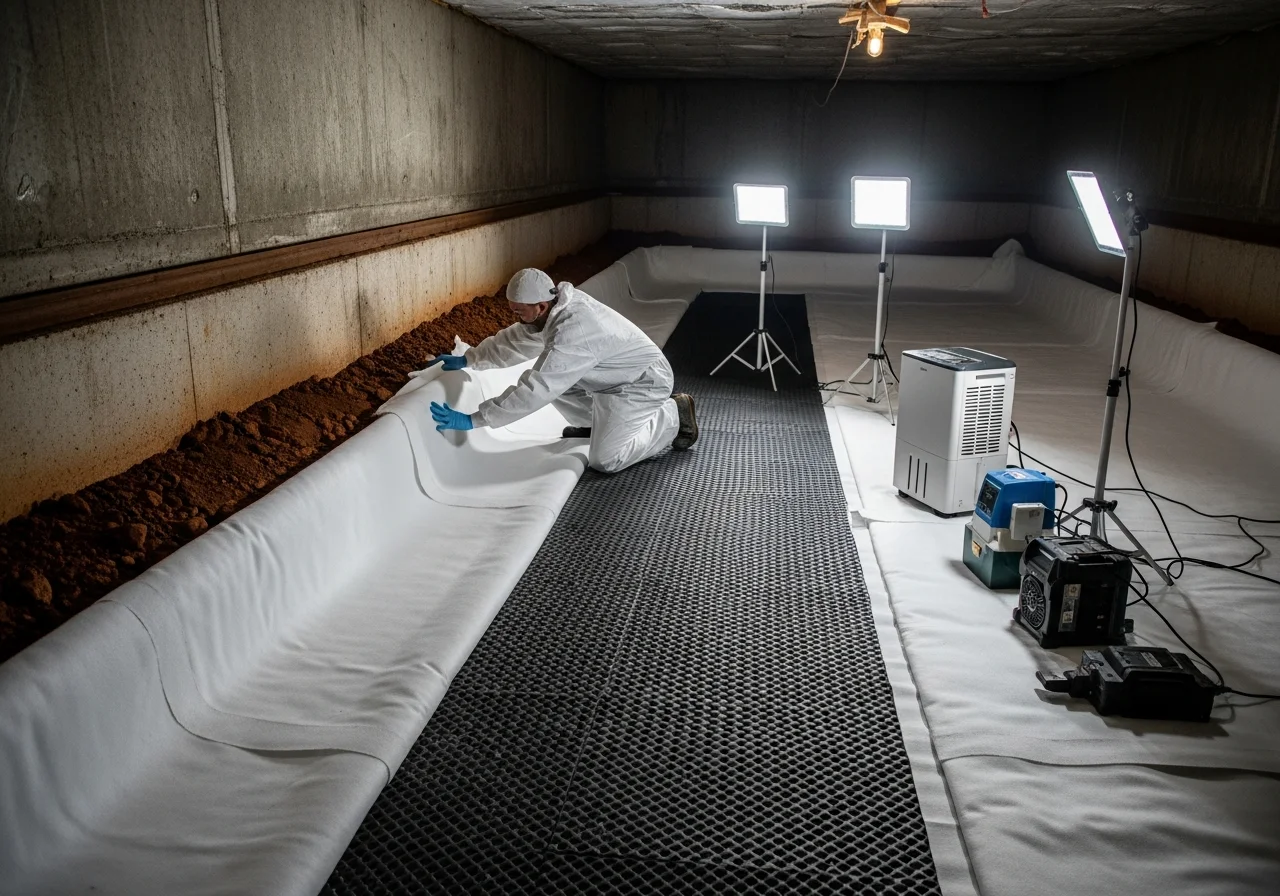
Completed crawl space encapsulation with vapor barrier and dehumidifier after mold remediation in Waxhaw NC
After: Encapsulated crawl space with permanent moisture control
Thermal imaging camera revealing hidden moisture behind walls during mold inspection in a Waxhaw NC home
Infrared thermal imaging reveals hidden moisture driving mold growth behind walls
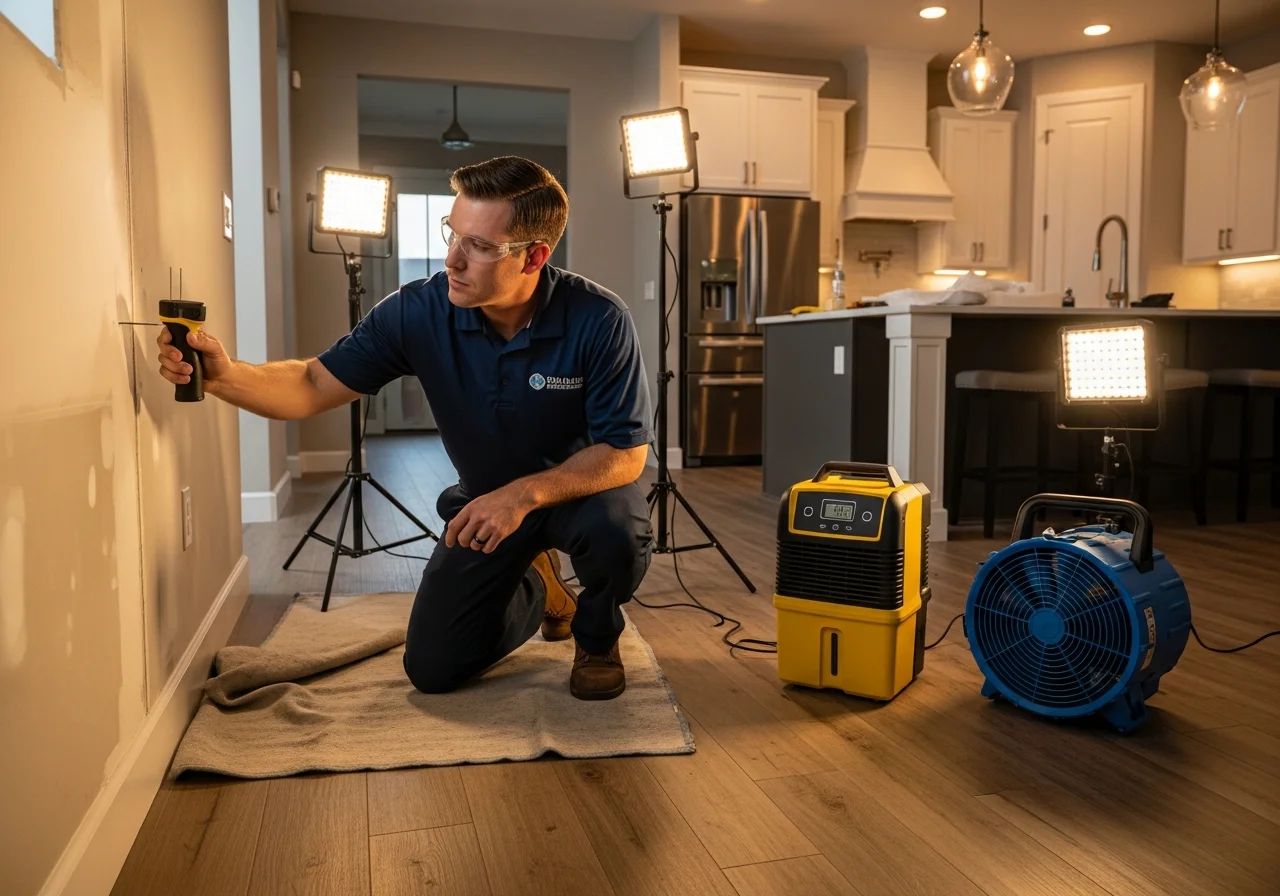
Palm Build technician using pin-type moisture meter to map water intrusion and mold risk in a Waxhaw NC home
Moisture mapping documents every affected area for remediation scope and insurance

The Palm Build Difference

Why Waxhaw Homeowners Choose Palm Build for Mold

In a state with no mold licensing requirement, credentials and local expertise are everything. National franchises serve Waxhaw from Charlotte offices -- but none of them build protocols around Union County clay soils, 2000s-era crawl space failures, and the HOA coordination Waxhaw communities require.

IICRC S520 Certified

Every crew lead holds current Mold Remediation Specialist (MRS) certification. We follow S520 containment, removal, and clearance verification protocols -- the standard NC DHHS recommends in a state with no mold licensing requirement.

45-60 Minute Response

When mold is discovered during an active water damage event, speed matters. Our Charlotte-area team can be on site in Waxhaw within 45-60 minutes to begin containment and prevent further spread throughout your home.

Waxhaw Crawl Space Expertise

We understand Union County's Cecil series clay soil, the deterioration patterns of 2000s-era vapor barriers, and the encapsulation solutions that work in the Piedmont. Our remediation protocols account for Waxhaw's specific moisture dynamics.

Licensed NC General Contractor

When mold has damaged structural members -- joists, sill plates, subflooring -- we handle the repair under our NC contractor license. No subcontracting structural work to a third party, no handoffs, no gaps.

Insurance Documentation

When mold results from a covered water event, our documentation connects the mold to the original loss. Moisture maps, thermal images, air quality testing, remediation scope, and clearance results -- all formatted for your adjuster.

Moisture Source Elimination

We do not just remove mold -- we eliminate the moisture feeding it. Crawl space encapsulation, drainage correction, HVAC repair, dehumidification install. Without solving the source, mold returns within months.

Common Questions

Waxhaw Mold Remediation FAQ

Does NC require a mold remediation license?
No. North Carolina has no state-specific mold remediation license. NC State Extension confirms no federal or state certification programs exist. IICRC S520 is the accepted industry benchmark.
How much does mold remediation cost in Waxhaw?
Minor mold projects range from $1,500 to $4,000. Crawl space remediation with encapsulation ranges from $12,000 to $45,000. NC insurance policies often cap mold at $5,000-$10,000.
How fast can Palm Build respond to mold in Waxhaw?
We arrive in Waxhaw within 45-60 minutes from our Charlotte hub for emergencies. Non-emergency mold assessments are typically scheduled within 24-48 hours. Call (704) 464-0121.
Why is crawl space mold so common in Waxhaw?
Cecil series clay holds moisture against foundations for days. Original vapor barriers in 2000s homes are deteriorating. Summer humidity exceeds 70-90%. The combination drives persistent crawl space mold.
Does insurance cover mold remediation in Waxhaw?
Mold from a covered sudden water event is typically covered up to sublimits ($5,000-$10,000 on most NC policies). Gradual moisture and chronic crawl space mold are almost always excluded.
How long does mold remediation take in Waxhaw?
Minor projects take 1-2 days. Full crawl space remediation with encapsulation typically takes 5-10 days. Projects with structural repair may take 2-4 weeks.
Can I stay in my home during mold remediation?
For minor mold in a single room, yes. For extensive mold or HVAC contamination, we may recommend temporary relocation during the active remediation phase (3-5 days).
What areas of Waxhaw does Palm Build serve for mold?
All of Waxhaw and Union County including MillBridge, Providence Downs, Cureton, Lawson, Firethorne, Alma Village, Conservancy at Waxhaw Creek, and Historic Downtown.

Mold in Your Waxhaw Home? Get IICRC-Certified Help.

Palm Build follows IICRC S520 protocols for every mold remediation project in Waxhaw -- containment, HEPA filtration, source moisture correction, and independent clearance testing. Call our Charlotte office for a professional assessment.

45-60 min Response IICRC Certified