(888) 245-5155
Call Now 24/7
Interior fire and smoke damage in a Waxhaw North Carolina home showing soot deposits on walls and ceiling with restoration equipment staged
WAXHAW NC -- 24/7 FIRE & SMOKE RESTORATION

Fire & Smoke Damage Cleanup in Waxhaw, North Carolina

From MillBridge master-planned homes to Waxhaw's National Register Historic District, Palm Build's IICRC-certified team delivers full-scope fire restoration -- structural cleanup, soot removal, smoke odor elimination, content restoration, and insurance-ready documentation -- responding from our Charlotte office in 45-60 minutes.

Charlotte Office -- 20 min to Waxhaw 45-60 min Response IICRC Certified

45-60 min

Emergency Response

24/7

Dispatch Available

IICRC

Certified Technicians

Local Risk Factors

Why Waxhaw Homes Face Unique Fire & Smoke Risks

Waxhaw's explosive growth created a housing stock that is modern, high-value, and now entering the age where original electrical systems, appliances, and HVAC components begin to fail. Meanwhile, the Historic District contains irreplaceable structures with construction methods that amplify fire spread. Understanding which risks apply to your property determines how we respond from the first minute.

Aging Electrical in 2000s-Era Homes

Critical

With a median construction year of 2009, thousands of Waxhaw homes are hitting the 15-25 year mark where original electrical panels, GFCI outlets, and arc-fault breakers approach failure age. These panels were designed for the loads of a decade ago -- before home offices with dual monitors, EV chargers in garages, and smart home systems drawing constant power. Added circuits from finished basements, bonus rooms, and outdoor kitchens strain panels never spec'd for that capacity. Breaker failures, loose connections, and overloaded circuits are the leading cause of residential fires in Waxhaw's newer subdivisions.

Synthetic Materials Produce Toxic Soot

High

Modern Waxhaw homes are filled with engineered flooring, composite cabinetry, foam-backed furniture, synthetic carpet, and plastic-clad wiring -- materials that produce far more toxic, corrosive, and difficult-to-clean soot when they burn than the solid wood and natural fibers found in older construction. Synthetic soot is sticky, black, and acidic. It bonds aggressively to every surface and begins corroding metal, electronics, and appliance components within hours. The open floor plans standard in MillBridge, Cureton, and Providence Downs homes allow synthetic soot to spread across 2,000-4,000 sq ft in minutes.

Multi-Zone HVAC as Smoke Highway

High

Waxhaw's 3,000-5,000 sq ft homes feature multi-zone HVAC systems with extensive ductwork reaching every room. When fire occurs, smoke and soot particles are drawn into the return air system and distributed through every supply vent in the home within the first cooling cycle. The ductwork itself becomes contaminated -- acting as a smoke distribution network that continues circulating particles for weeks after visible soot is cleaned. Homes with two or three HVAC systems require complete duct cleaning on every system, not just the one nearest the fire origin.

Historic District: Legacy Wiring & Balloon Framing

Critical

Waxhaw's Historic Downtown District contains homes dating to the 1880s with construction methods modern crews rarely encounter. Balloon framing -- where wall studs run continuously from foundation to roofline with no fire stops between floors -- allows fire to travel vertically through wall cavities unimpeded. A small ground-floor fire can reach the attic in minutes. Legacy wiring, knob-and-tube in the oldest stock, and decades of DIY electrical modifications create persistent ignition risks. These structures are listed on the National Register, meaning restoration must use preservation-compliant materials and techniques.

Dryer Vent & Appliance Fires

Moderate

Dryer vent fires are consistently among the top residential fire causes in suburban communities like Waxhaw. Homes built in the 2000s often have dryers on second floors or interior rooms with long, convoluted vent runs that accumulate lint. At 15-20 years old, many of these installations have never been professionally cleaned. Kitchen appliance fires round out the risk -- aging range hoods, original dishwashers, and microwave-range combos approaching end-of-life contribute to Waxhaw's kitchen fire incident rate.

Interior fire and smoke damage in a Waxhaw NC home showing soot deposits on walls and ceiling
Palm Build's IICRC-certified team responds to fire and smoke damage across all Waxhaw neighborhoods -- from newer subdivisions to the Historic District

Waxhaw Fire Risk at a Glance

  • 72% of homes built 2000-2019 with aging electrical panels
  • Historic District with balloon framing and legacy wiring
  • Open floor plans spread synthetic soot across entire homes
  • Multi-zone HVAC systems distribute smoke to every room
  • Dryer vent fires from 15-20 year old installations
Neighborhood Fire Risk Profiles

Fire Risk by Waxhaw Neighborhood

Every Waxhaw neighborhood has its own fire risk profile based on construction era, building materials, electrical system age, and housing type. Understanding which risks apply to your property determines the equipment, techniques, and timeline we bring from the first minute on scene.

MillBridge

High

2010s-present · Master-Planned Community

Electrical panel loads, synthetic material soot, HVAC smoke distribution

Newer electrical but high load from smart home systems, EV chargers, and home offices. Open floor plans with engineered flooring and composite materials produce corrosive synthetic soot. Multi-zone HVAC distributes smoke throughout 3,000-5,000 sq ft homes within one cooling cycle. HOA architectural standards apply to all exterior restoration.

Providence Downs / South

High

2004-2023 · Luxury Homes

Complex electrical in large homes, high-value content exposure

Luxury finishes mean higher restoration costs per square foot. Multi-zone HVAC with 3+ systems creates extensive smoke distribution paths. Home theaters, wine cellars, and specialty rooms require content-specific restoration protocols. Insurance documentation must detail premium materials for adequate claim coverage.

Cureton

Critical

2000s-2010s · Established Subdivision

Aging original electrical panels, first-gen appliance fires

At 15-25 years old, original electrical panels, kitchen appliances, and dryer vents are entering the primary failure window. Kitchen fires from aging range hoods and dishwashers are the most common incident type. Original arc-fault breakers approaching end of life. HVAC systems at replacement age may have degraded wiring connections.

Lawson

High

2000s-2010s · Established Subdivision

Similar aging patterns to Cureton, dryer vent fires

Same construction-era risks as Cureton. Second-floor laundry rooms with long, convoluted dryer vent runs that accumulate lint are a particular concern. Many installations have never been professionally cleaned in 15-20 years. Interior vent routing makes lint accumulation invisible until fire occurs.

Firethorne

High

2000s-2010s · Established Subdivision

Standard aging electrical and appliance risks

Approaching the same failure windows as Cureton and Lawson. Water heater gas valve failures and electrical ignition of attic insulation from aging HVAC wiring are emerging risks in homes of this vintage throughout the Piedmont.

Alma Village

Moderate

2010s-present · Townhome Community

Shared walls, cross-unit smoke spread, HOA coordination

Attached townhome construction means fire in one unit sends smoke through shared wall cavities and attic spaces to adjacent units. Even a small kitchen fire can contaminate multiple units with smoke odor. HOA master policy and individual HO-6 policies create multi-layer insurance claims requiring separate documentation for each unit.

Historic Downtown

Critical

1880s-1950s · National Register Historic District

Balloon framing, legacy wiring, wood construction

Balloon framing allows fire to travel vertically through wall cavities without fire stops. Legacy wiring includes knob-and-tube in the oldest homes and decades of accumulated DIY modifications. National Register status requires preservation-compliant restoration materials and techniques. Plaster-on-lath walls, original wood trim, and period-specific architectural details are irreplaceable.

Our Fire Restoration Process

How We Restore Waxhaw Homes After Fire Damage

Fire restoration is more complex than water or mold because it involves multiple damage types simultaneously -- structural fire damage, soot contamination, smoke odor, water from fire suppression, and content losses. Our six-step process addresses all five in a coordinated sequence tailored to Waxhaw's construction types and Union County requirements.

01

Emergency Board-Up & Securing

Hours 1-4

We secure your Waxhaw home against weather, theft, and further damage within hours of your call. This includes boarding windows, tarping any roof damage, and securing doors. In Waxhaw's Piedmont climate -- where afternoon thunderstorms are common from May through September -- an unsecured fire-damaged home can sustain thousands in additional water damage within hours. For townhome communities like Alma Village, we coordinate with HOA management for access to shared structural elements. For Historic District properties, we use temporary securing methods that minimize additional damage to original materials.

02

Damage Assessment & Soot Classification

Days 1-2

Our IICRC-certified team performs a comprehensive walk-through documenting every affected area with photos, video, and moisture readings from fire suppression water. We classify the soot type: protein soot from kitchen fires is nearly invisible but extremely pungent; natural soot from wood fires is dry and powdery; synthetic soot from modern materials is sticky, black, and highly corrosive -- each demands completely different cleaning chemistry. For Historic District properties, we document original architectural elements requiring preservation-compliant restoration. This documentation is formatted exactly how North Carolina insurance adjusters expect to receive it.

03

Structural Cleaning & Soot Removal

Days 2-8

Professional soot removal uses chemistry matched to the specific soot type. HEPA vacuuming removes loose particulate, chemical sponges lift embedded residue from drywall and trim, and specialized wet cleaning addresses remaining contamination. In Waxhaw's newer homes with textured drywall finishes and engineered surfaces, improper cleaning drives soot into texture grooves permanently -- why DIY attempts often make damage worse. For Historic District homes with plaster walls and original wood trim, we use restoration-grade techniques that clean without damaging irreplaceable surfaces. Tile grout in kitchens and bathrooms requires extraction to prevent permanent discoloration.

04

Smoke Odor Elimination

Days 5-14

Smoke odor elimination in Waxhaw requires multiple professional techniques due to the Piedmont's seasonal humidity swings from 40% in winter to 90%+ in summer. Thermal fogging penetrates wall cavities where smoke becomes trapped between studs and behind drywall. Ozone treatment handles sealed, evacuated spaces at maximum concentration. Hydroxyl generation safely treats occupied areas where workers or homeowners need to be present. Complete HVAC duct cleaning is mandatory -- Waxhaw's multi-zone systems circulate smoke particles to every room with each cooling cycle. Expect 2-3 verification cycles over 2-4 weeks to confirm elimination.

05

Content Cleaning & Pack-Out

Days 3-14

Salvageable contents are inventoried, photographed, packed, and transported to our climate-controlled facility for professional cleaning. Furniture, electronics, clothing, documents, and personal items each require specific cleaning protocols. In Waxhaw homes valued at $549,000+ with household incomes averaging $131,894, content losses from a single fire event often exceed $50,000 to $100,000. Our detailed inventory becomes part of your insurance documentation for both restoration and replacement claims. Electronics exposed to smoke may contain internal soot contamination invisible from the exterior.

06

Code-Compliant Reconstruction

Weeks 2-8+

Once cleaning and odor treatment are verified complete, we handle full reconstruction: drywall, flooring, cabinetry, painting, electrical, plumbing, and finish work. For homes in HOA communities like MillBridge and Providence Downs, all exterior-visible restoration meets community architectural standards beyond standard building code. For Historic District properties, we work within National Register preservation guidelines -- matching original materials, profiles, and finishes. We manage the full Union County permitting and inspection process, including any HOA or preservation review required.

Understanding the Damage

Five Types of Fire Damage in Waxhaw Homes

Fire damage is never just one thing. A single fire event creates five distinct damage types that each require different remediation techniques, timelines, and expertise. Addressing only the visible damage while ignoring smoke in wall cavities or moisture from firefighting leads to persistent odor, hidden mold, and insurance disputes months later.

Structural Char Damage

Direct flame contact chars wood roof trusses, framing, cabinetry, and structural elements. In Waxhaw's newer 2000s-era homes, engineered wood trusses are more vulnerable to structural failure under fire load than dimensional lumber used in older construction -- they fail faster and with less warning. The roof truss system must be evaluated by a structural engineer before any weight can be placed on it. In Historic District homes with balloon framing, fire travels through continuous wall cavities from ground floor to attic, charring structural members at every level simultaneously.

Professional Remediation Approach

Structural assessment first, then removal of all charred material below salvageable depth. Replacement of compromised trusses, framing, and structural elements to current NC building code. Historic District properties require matching original materials and construction profiles.

Soot & Smoke Film

Soot is the residue deposited on every surface exposed to smoke. In Waxhaw's newer homes filled with synthetic materials, the dominant soot type is synthetic -- sticky, black, and acidic. It bonds aggressively to textured drywall, engineered flooring, and composite cabinetry. Kitchen fires produce protein soot that is nearly invisible but releases an intense, nauseating odor. Each soot type requires completely different cleaning chemistry -- using the wrong approach permanently sets stains into porous surfaces. The open floor plans in MillBridge and Cureton homes allow soot to coat surfaces across the entire main level within minutes.

Professional Remediation Approach

HEPA vacuuming for loose particulate, chemical sponges for medium contamination, solvent-based cleaners for synthetic residue. Textured drywall requires specialized techniques to avoid driving soot deeper into finish grooves.

Smoke Infiltration in Wall Cavities & Ductwork

This is the most insidious fire damage in Waxhaw homes. Smoke infiltrates wall cavities through electrical outlets, plumbing penetrations, and gaps around ductwork. Once inside, smoke compounds become trapped -- invisible from the surface but actively releasing odor for months. In Waxhaw's multi-zone HVAC homes, smoke also permeates the entire duct system, contaminating supply and return plenums, flex duct, and air handler components. Waxhaw's seasonal humidity fluctuations continuously activate trapped odor compounds, causing the smell to surge with summer moisture and recede in dry winter air.

Professional Remediation Approach

Thermal fogging injection into wall cavities, complete HVAC duct cleaning on every system, air handler coil sanitization. Multiple odor verification tests over 2-4 weeks required in Piedmont humidity conditions.

Water Damage From Fire Suppression

Fire hoses deliver 150-250 gallons per minute. Residential sprinklers deliver 17+ gallons per minute and may run for 30 minutes before being shut off. This water saturates drywall, carpet, insulation, and personal property throughout the home. On Waxhaw's slab-on-grade and crawl space foundations, fire suppression water migrates into areas far from the fire origin -- pooling in crawl spaces over Piedmont clay, saturating subfloor sheathing, and wicking up into walls through capillary action. Within 24-48 hours in Waxhaw's humid climate, trapped moisture feeds mold growth on fire-weakened surfaces.

Professional Remediation Approach

Truck-mounted extraction, moisture mapping with thermal imaging, commercial dehumidification, and coordinated drying alongside fire remediation. Treated as integrated project, not separate scope. Crawl space drying for homes on crawl space foundations.

Persistent Smoke Odor

Smoke odor is the last fire damage to resolve and the hardest in Waxhaw's Piedmont climate. Odor molecules bond chemically to every porous surface -- drywall, wood, fabric, carpet padding, and HVAC components. Summer humidity at 70-90% traps and continuously re-releases these molecules. Year-round HVAC operation circulates residual particles through every room. Even after visible soot is removed and surfaces look clean, odor persists until treated at the molecular level with professional equipment. Homes that smell clean in January will reek in July if treatment was incomplete.

Professional Remediation Approach

Thermal fogging for wall cavities, ozone for sealed spaces, hydroxyl generation for occupied areas, complete HVAC duct cleaning and coil sanitization. Multiple treatment cycles standard in Piedmont climate. 48-hour sealed verification tests after each cycle.

Waxhaw Pricing

Fire Damage Restoration Costs in Waxhaw

Fire restoration costs in Waxhaw run higher than national averages due to the area's premium home values, prevalence of modern construction with high-end finishes, and the additional complexity of Historic District preservation when applicable. The good news: fire is one of the most comprehensively covered perils under North Carolina homeowners insurance -- coverage disputes are far less common than with water or mold claims.

Smoke-Only Damage (No Structural Fire)

Smoke infiltration from nearby fire, HVAC-distributed contamination

$5,000 - $25,000

Common in Waxhaw's townhome communities like Alma Village where smoke travels through shared walls and HVAC systems to adjacent units. Also occurs when a small kitchen fire is contained but smoke circulates through the home's multi-zone HVAC before being noticed. Includes surface cleaning, soot removal, HVAC duct cleaning, odor treatment, and content restoration. No structural work required. Insurance typically covers the full scope.

Small Contained Fire (Kitchen, Laundry)

Soot cleanup, odor elimination, minor repairs, HVAC cleaning

$15,000 - $45,000

Kitchen fires from aging appliances and dryer vent fires are the most common contained-fire scenarios in Waxhaw's 2000s-era homes. Includes soot removal from affected rooms, thermal fogging for odor in wall cavities, complete HVAC duct cleaning, and cosmetic repairs -- typically drywall, painting, and some flooring. Waxhaw's Piedmont humidity requires additional odor treatment cycles versus dry climates. Union County permits required for any electrical or plumbing work.

Moderate Fire (Multi-Room)

Structural cleaning, full odor treatment, partial rebuild, content pack-out

$45,000 - $120,000

Multi-room fire damage in a Waxhaw home at the median value of $549,000+ means working with premium finishes -- engineered hardwood, quartz countertops, custom cabinetry -- that increase per-square-foot restoration costs. Includes structural assessment, multi-room soot and smoke remediation, fire suppression water extraction and drying, content pack-out, and partial reconstruction to current NC building code. HOA architectural review adds timeline for exterior-visible work in MillBridge and Providence Downs.

Major Structural Fire

Extensive damage, roof involvement, full code-compliant reconstruction

$120,000 - $300,000+

Full structural rebuild to current NC building code with upgraded electrical, modern fire-stopping, and current energy code requirements. Waxhaw's newer engineered-truss roofs are particularly vulnerable to structural failure under fire. For Historic District properties, add 30-50% for preservation-compliant materials, specialized labor, and additional review processes. Content replacement in high-value Waxhaw homes frequently adds $50,000-$100,000 to the total claim. Union County permitting and inspection process required for all structural reconstruction.

Important: These ranges reflect typical Waxhaw projects based on Charlotte metro restoration costs. Actual costs depend on fire severity, soot type, number of affected rooms, content damage, reconstruction scope, and whether Historic District preservation requirements apply. Palm Build provides detailed, line-item estimates formatted for your insurance carrier within 48 hours of initial assessment.
Seasonal Patterns

Waxhaw Fire Risk Calendar

Unlike coastal communities where year-round electrical load drives fire risk, Waxhaw's Piedmont climate creates distinct seasonal fire patterns. Summer electrical overload and winter heating equipment failures bookend the year, with transitional seasons bringing their own risks. This calendar is anchored to local climate data and Union County fire incident patterns.

December - February

Heating Equipment & Space Heater Fires

Seasonal High

Waxhaw's winter brings overnight temperatures into the 20s-30s, activating heating systems that may have sat idle for months. Furnace ignition failures, cracked heat exchangers, and clogged flue vents create fire and carbon monoxide risks. Portable space heaters placed too close to bedding, curtains, and furniture drive residential fire incidents during cold snaps. The holiday season compounds risk with cooking fires from deep-frying turkeys, unattended stovetops during gatherings, and candle use near flammable decorations. January and February are peak months for chimney fires in homes with wood-burning fireplaces.

Active months: Dec-Feb

March - May

Spring Electrical Surges & Lightning

Moderate

Spring thunderstorms bring lightning to the Piedmont, capable of igniting roofs and causing power surges that overload aging electrical systems. Homes switching from heating to cooling mode stress HVAC electrical components. In Waxhaw's 2000s-era homes with 15-25 year old panels, springtime load transitions can expose weakened breaker connections and deteriorating wiring. Outdoor fires from brush clearing and grill season begin, occasionally threatening attached structures.

Active months: Mar-May

June - August

Peak Risk: Electrical Overload & Lightning Season

High

Summer is Waxhaw's highest fire risk period. HVAC systems running at maximum capacity 16-20 hours per day stress electrical panels never designed for sustained loads this high -- especially in homes with added circuits from bonus rooms, home offices, and outdoor kitchens. Frequent afternoon thunderstorms bring lightning strikes that ignite attic insulation and cause power surges. Waxhaw's 70-90% humidity makes soot corrosion and smoke odor penetration worse during summer fires. Post-fire mold risk is at its annual peak within 24-48 hours of fire suppression water exposure.

Active months: Jun-Aug

September - October

Tropical Remnant Damage & Post-Storm Electrical

Moderate

Tropical system remnants bring multi-day heavy rainfall that saturates soil around foundations and can compromise exterior electrical connections. Power restoration after storm outages occasionally causes surges that ignite compromised wiring. Generator use during extended outages creates carbon monoxide and fire risk when portable units are operated too close to structures or improperly fueled. Post-storm inspections sometimes reveal pre-existing electrical damage that was masked by normal operation.

Active months: Sep-Oct

November

Heating Startup & Cooking Fires

Seasonal Moderate

November marks the transition back to heating season. Furnaces firing for the first time in months can ignite dust accumulated on heat exchangers, and gas valve failures create immediate fire risk. Thanksgiving cooking fires spike dramatically -- the NFPA identifies Thanksgiving as the single highest day for home cooking fires nationally. Waxhaw's newer open-concept kitchens mean cooking fires spread smoke and soot across the entire main living level rapidly. Dryer usage increases with fall laundry loads, stressing 15-20 year old vent systems.

Active months: Nov

Odor Elimination

Smoke Odor Challenges in Waxhaw's Piedmont Climate

Smoke odor is the most persistent aspect of fire damage -- and Waxhaw's Piedmont climate makes it significantly harder to eliminate than drier regions. Summer humidity at 70-90% traps and continuously reactivates odor compounds that seemed eliminated during winter treatment. Masking products do not eliminate smoke odor. They temporarily cover it. Professional odor elimination requires treating the source at the molecular level using methods matched to your home's construction, the soot type, and Waxhaw's seasonal humidity swings.

Thermal Fogging

Heated deodorizing agents are converted into a fog that penetrates materials the same way smoke did -- through microscopic pores, cracks, and wall cavities. This is the most effective method for reaching smoke trapped inside wall cavities behind drywall and in the gap between drywall and sheathing. The fogging agent chemically neutralizes odor molecules rather than masking them. In Waxhaw's newer homes with multiple layers of drywall, insulation, and vapor barrier, thermal fog reaches contamination that surface cleaning cannot touch. Historic District homes with plaster-on-lath walls require carefully controlled application to avoid moisture damage to lime-based plaster.

Best for: Wall cavities, behind drywall, deep penetration in both newer and historic construction

Ozone Treatment

Ozone generators create O3 -- a highly reactive oxygen molecule that breaks down odor compounds at the molecular level. Ozone treatment is extremely effective but requires the space to be completely unoccupied (including plants and pets) during treatment. We use ozone for sealed, evacuated spaces like closets, interior rooms, and enclosed areas where concentrated treatment reaches maximum effectiveness. For Waxhaw's larger homes at 3,000-5,000 sq ft, we deploy multiple generators to achieve adequate concentration across the full volume. Treatment duration varies with home size and contamination severity.

Best for: Sealed spaces, evacuated rooms, heavy odor concentration areas

Hydroxyl Generation

Hydroxyl generators produce hydroxyl radicals -- the same molecules that naturally purify outdoor air via sunlight -- to break down odor compounds safely in occupied spaces. Unlike ozone, hydroxyl treatment is safe for people, pets, and plants. We deploy these in areas where workers need to be present during the multi-day cleaning process, and as continuous background treatment throughout the restoration timeline. Essential for Waxhaw townhome projects in Alma Village where adjacent occupied units share walls with the affected property.

Best for: Occupied spaces, adjacent-unit treatment, ongoing treatment during active restoration

HVAC Duct Cleaning & Sanitization

Waxhaw homes with multi-zone HVAC systems run air conditioning 6-8 months and heating 3-4 months per year -- meaning smoke and soot particles are drawn into the HVAC system and distributed to every room within the first operating cycle after a fire. The ductwork becomes a smoke distribution network that continues circulating contamination every time the system runs. Homes with two or three HVAC zones require complete cleaning on every system -- not just the one nearest the fire. Flex duct, plenums, air handler coils, and blower assemblies must all be cleaned and sanitized. Skipping this step means odor returns within days of surface cleaning.

Best for: All Waxhaw fire restorations -- multi-zone HVAC makes this mandatory regardless of fire size

Piedmont humidity factor: Expect 2-3 additional odor treatment cycles compared to dry-climate restoration projects. Our verification process includes 48-hour sealed tests after each treatment cycle to confirm odor elimination before signing off -- because in Waxhaw's humidity, odor that seems resolved in January will resurface in July if treatment was incomplete.

Historic Preservation

Waxhaw Historic District: Special Fire Restoration Considerations

Waxhaw's Historic District encompasses structures dating from the 1880s through the mid-20th century -- listed on the National Register of Historic Places for their architectural and historical significance. Fire restoration in this district requires balancing emergency response speed with preservation requirements that don't apply elsewhere in Waxhaw. Palm Build understands both sides of this equation.

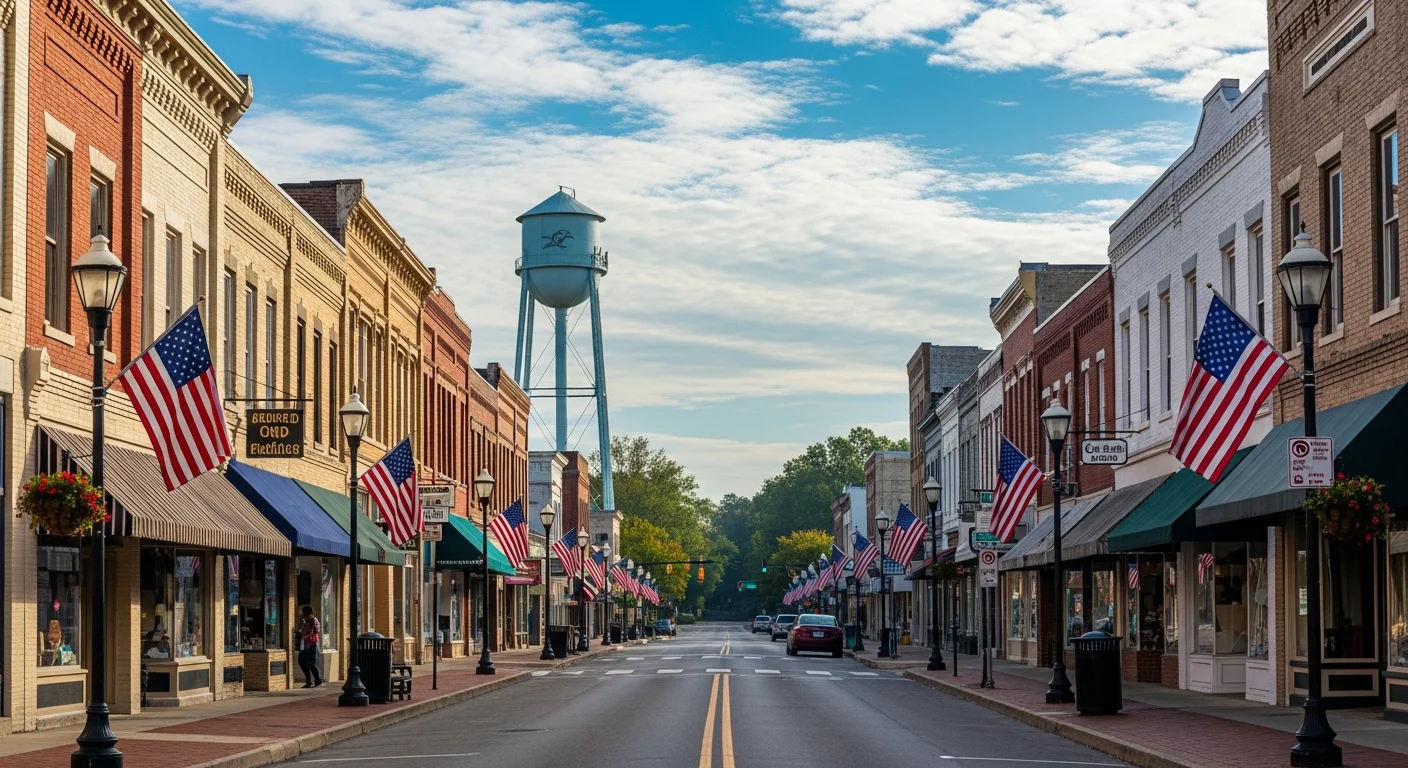
Historic downtown Waxhaw North Carolina streetscape showing preserved 19th and early 20th century commercial and residential architecture
Waxhaw's Historic District features construction from the 1880s through the 1950s -- with building techniques and materials that require specialized fire restoration approaches to preserve historic integrity.

National Register Status

Waxhaw's Historic District was added to the National Register of Historic Places, recognizing the architectural and historical significance of structures dating from the 1880s through the mid-20th century. This designation imposes specific requirements on exterior restoration work -- replacement materials, paint colors, window styles, and roofing must be compatible with the historic character of the district. Interior restoration is less restricted but should maintain the integrity of original features where practical.

Balloon Framing Fire Spread

Many of Waxhaw's oldest homes use balloon framing -- a construction method where wall studs run continuously from the foundation to the roofline with no fire stops between floors. In modern platform framing, the floor system at each level blocks fire from traveling vertically inside walls. In balloon-framed homes, fire that enters a wall cavity at ground level can travel unimpeded to the attic in minutes, turning a small fire into a total loss far faster than homeowners expect. Restoration must include adding fire stops during reconstruction to prevent repeat scenarios.

Preservation-Compliant Materials

Fire-damaged historic homes cannot simply be rebuilt with modern materials. Original wood siding must be replaced with matching species and profiles. Windows require true divided-light construction rather than snap-in grids. Roofing must match the original material and color. Plaster walls require lime-based restoration rather than modern drywall replacement. These materials cost significantly more than standard construction supplies and often require specialty sourcing -- adding time and cost to the restoration project that must be reflected in your insurance claim.

Additional Permitting & Review

Restoration work on contributing structures within the Historic District may require review beyond standard Union County building permits. Depending on the scope, a Certificate of Appropriateness may be required for exterior work. This adds review time before reconstruction can begin -- a factor that must be built into the project timeline and communicated to your insurance carrier early in the claims process to establish appropriate ALE (Additional Living Expenses) coverage duration.

Specialized Restoration Techniques

Century-old construction uses techniques and materials that standard restoration crews have never encountered: lime-based mortar rather than Portland cement, hand-hewn structural members, plaster-on-lath wall systems instead of drywall, and period-specific trim profiles no longer manufactured as stock items. Each requires specialized repair approaches to maintain structural integrity and historic authenticity. Our team sources preservation-grade materials and coordinates with craftsmen experienced in period-appropriate techniques.

Extended Timeline Considerations

Historic District fire restoration projects typically take 30-50% longer than comparable restoration in standard construction. Material sourcing, preservation review, specialized labor, and the inherent complexity of working with century-old structures all extend the timeline. Your insurance carrier should be informed of these factors immediately -- we include them in our initial scope documentation to establish appropriate ALE coverage duration and prevent timeline disputes during reconstruction.

National Register Listed · Preservation-Compliant Restoration Required · Specialized Material Sourcing

Palm Build coordinates with preservation authorities and insurance carriers simultaneously to keep your Historic District project moving without sacrificing compliance.

Insurance Coverage

Fire Insurance Claims in Waxhaw: What's Covered

Fire is one of the most comprehensively covered perils under North Carolina homeowners insurance. Unlike water or mold damage -- which face significant coverage restrictions -- fire claims under a standard HO-3 policy rarely face coverage disputes. Waxhaw homeowners pay approximately $2,578 annually for insurance, with NC approving an average 15% base rate increase rolling out by mid-2026. Fire coverage is fully included. North Carolina gives policyholders three years from the date of loss to file.

Structural repair and reconstruction to pre-loss condition

Professional soot and smoke cleaning of all affected surfaces

Smoke odor elimination (thermal fogging, ozone, hydroxyl treatment)

Water damage from fire suppression (extraction and structural drying)

Contents restoration or replacement (furniture, electronics, clothing, documents)

Additional Living Expenses (ALE) for temporary housing during restoration

Debris removal and hazardous material disposal

Code upgrades required during reconstruction (with ordinance-and-law endorsement)

Historic District Claims: Additional Coverage Considerations

Fire damage to properties in Waxhaw's Historic District triggers additional insurance considerations that standard suburban claims do not face. Understanding these factors before restoration begins prevents costly coverage gaps.

Preservation-Grade Materials

Original wood species, profiles, plaster restoration, period-appropriate finishes

Historic District restoration requires matching original materials rather than standard modern replacements. This costs significantly more and must be documented in your claim from day one to avoid coverage shortfalls.

Extended Timeline & ALE Coverage

Additional Living Expenses for 30-50% longer project timelines

Historic District restoration takes longer due to material sourcing, preservation review, and specialized labor. Your ALE coverage duration must reflect this reality -- we document the justification in our initial scope.

Ordinance & Law Coverage

Code upgrade costs when rebuilding to current standards

Historic structures may require code upgrades during reconstruction that significantly increase cost. An ordinance-and-law endorsement is critical -- without it, you could face $10,000-$50,000+ in uncovered upgrade costs.

Palm Build Manages Your Fire Claim

We work directly with your insurance adjuster from the first inspection. Our fire damage documentation -- structural assessments, soot type classification, moisture readings, photo evidence, and detailed scopes of work -- is formatted exactly how North Carolina adjusters expect to receive it. For Historic District claims, we provide supplemental documentation justifying preservation-grade materials and extended timelines before the adjuster's first visit. With NC's 15% insurance rate increase rolling out, having a restoration company that documents comprehensively from day one gets your claim approved faster and for the full amount you're entitled to.

Insurance Claims Guide

Our Work

Waxhaw Fire Restoration: The Process in Action

From emergency response and soot stabilization through content restoration and final reconstruction, see how Palm Build restores Waxhaw homes after fire and smoke damage.

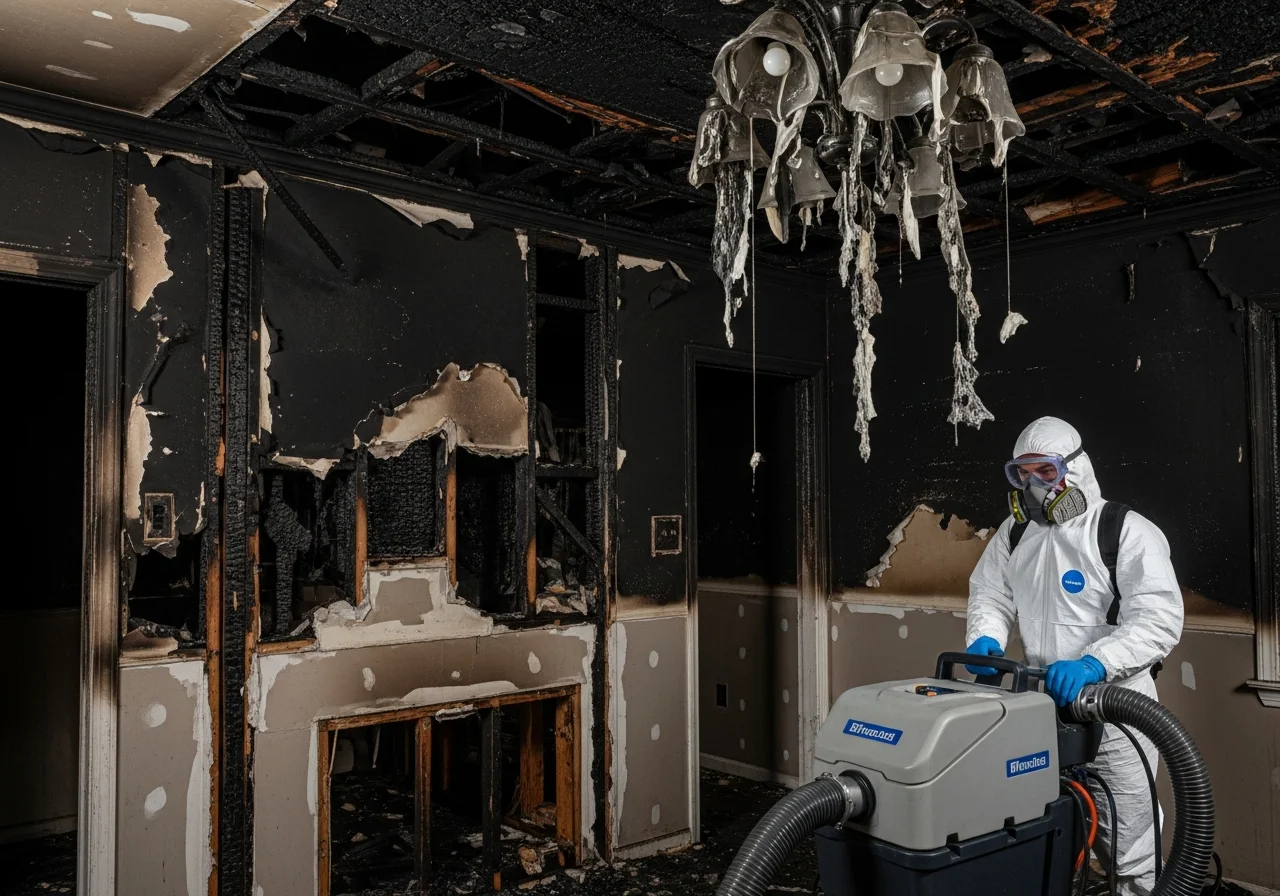
Interior fire and smoke damage in a Waxhaw NC home showing soot deposits on walls and charring on ceiling
Fire and smoke damage assessment -- documenting soot type and contamination extent before professional cleanup begins
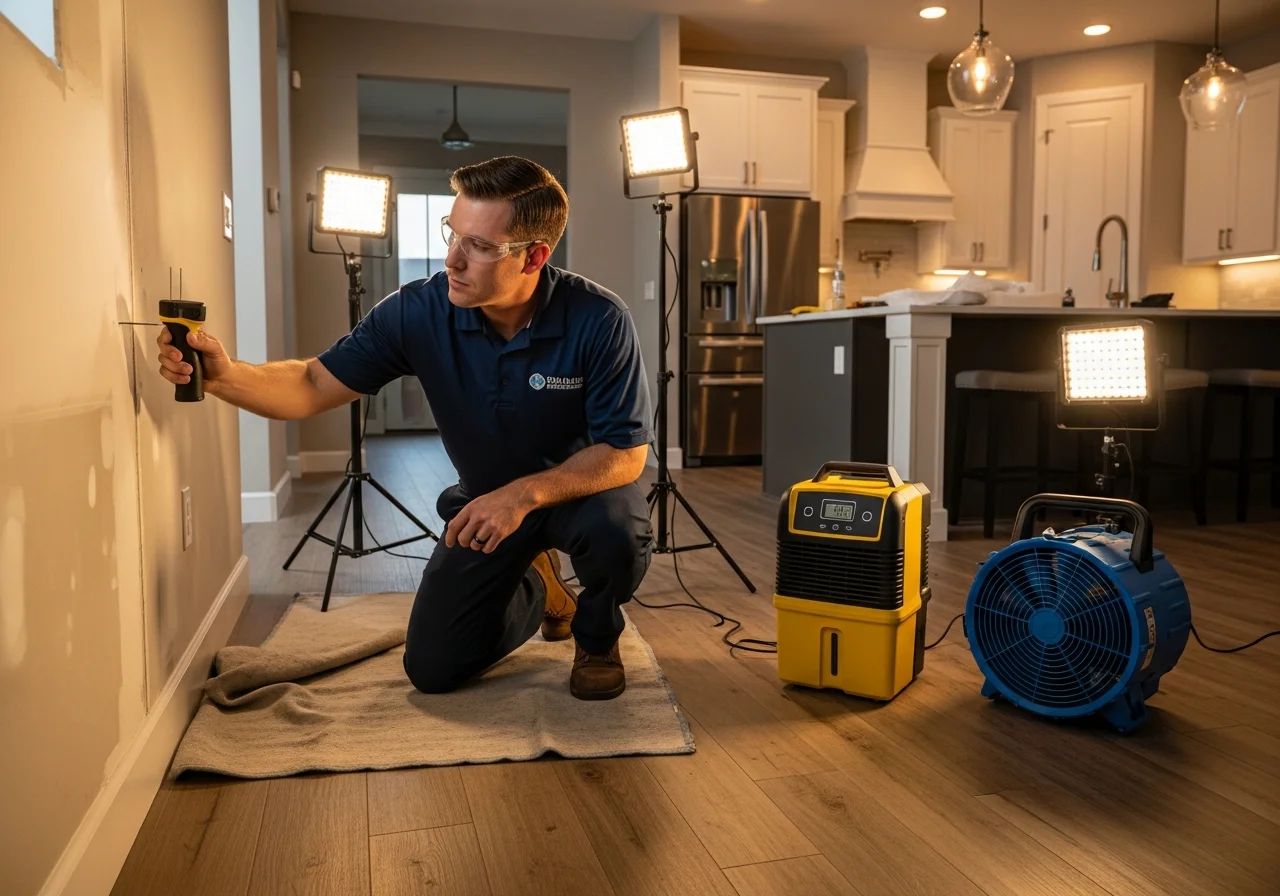
Palm Build technician using professional moisture meter to test walls in a Waxhaw NC home after fire suppression water extraction
Moisture testing after fire suppression water extraction -- preventing secondary mold damage on fire-weakened surfaces
Contents restoration team carefully packing and inventorying personal belongings from a fire-damaged Waxhaw NC home
Professional content pack-out with detailed photographic inventory for insurance documentation
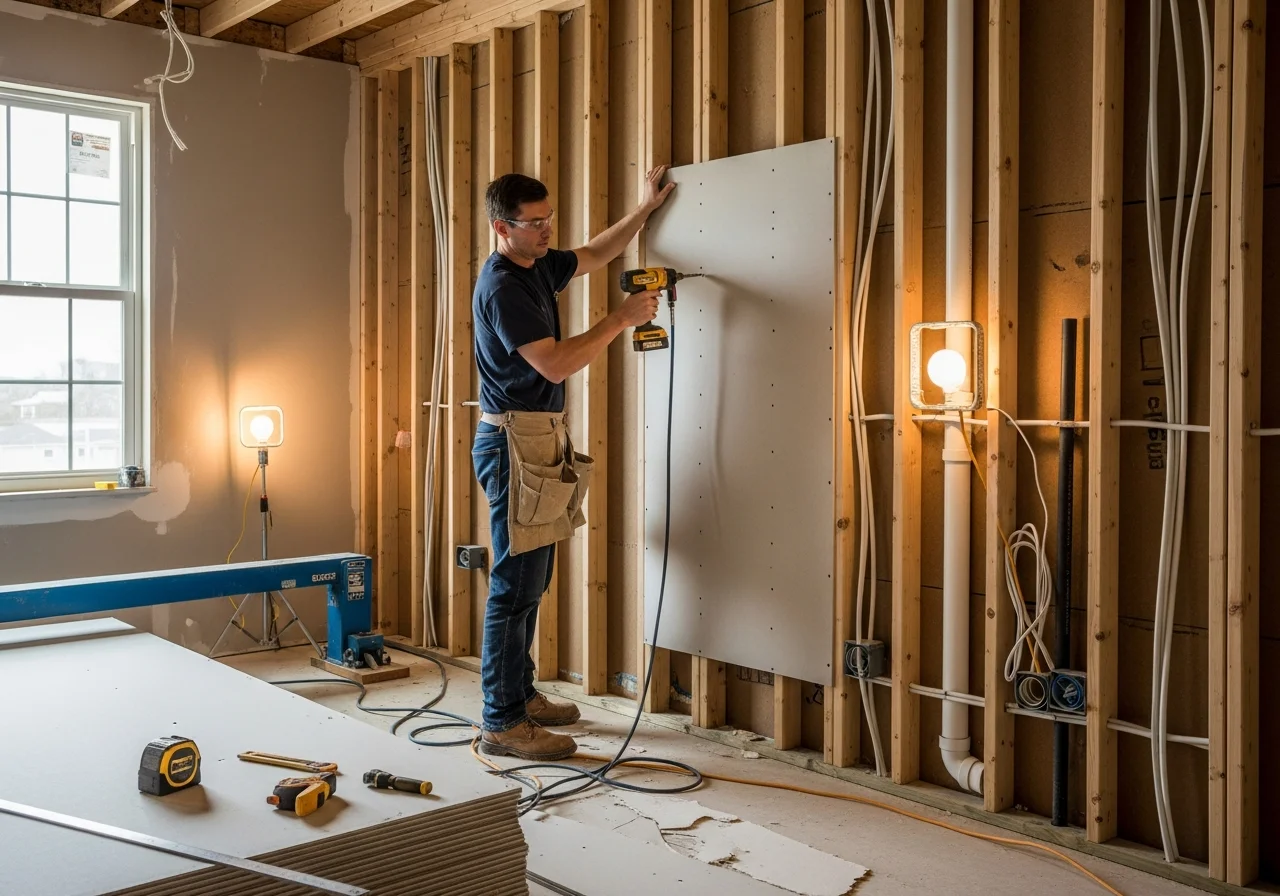
Reconstruction crew installing new drywall in a Waxhaw NC home after fire damage restoration and soot remediation
Code-compliant reconstruction begins after all fire remediation, odor treatment, and moisture verification is complete

The Palm Build Difference

Why Waxhaw Homeowners Choose Palm Build After a Fire

Charlotte Office -- 45-60 Minutes to Waxhaw

Our Crompton Street operations hub in Charlotte puts us a direct drive south on NC-16 to Waxhaw -- not a regional franchise office an hour away in another county. Emergency board-up, soot stabilization, and water extraction from fire suppression begin the same day you call, any time of day or night. We know the route, the traffic patterns, and the shortcuts.

IICRC Fire & Smoke Certified

Every crew lead holds current IICRC Fire and Smoke Restoration Technician (FSRT) certification. We follow the S540 standard for professional fire and smoke damage restoration procedures -- critical for both proper remediation and insurance claim documentation that North Carolina carriers require. Our technicians classify soot type on-site and match cleaning chemistry accordingly.

Historic District Preservation Experience

Waxhaw's National Register Historic District demands restoration techniques that standard fire cleanup companies have never encountered. We understand balloon framing fire spread patterns, preservation-compliant material sourcing, plaster-on-lath wall restoration, and the additional documentation required for historic property insurance claims. This is not something you can learn from a franchise manual.

HOA & Townhome Fire Response

Waxhaw's HOA-governed communities like MillBridge, Providence Downs, and Cureton require restoration that meets architectural standards beyond building code. For townhome communities like Alma Village, we deploy separate teams to fire-origin and smoke-affected units simultaneously, provide separate documentation for each unit's insurance claim, and coordinate with HOA management throughout the process.

NC Insurance Documentation Experts

North Carolina's insurance landscape includes specific documentation standards and a three-year filing window. Our fire damage documentation -- structural assessments, soot classification, moisture mapping, photo evidence, and detailed scopes of work -- is formatted exactly how NC adjusters expect to see it. We work with every major carrier writing policies in Union County, including those implementing the 15% rate increase in 2026.

Full Reconstruction to Current Code

From emergency board-up through final punch list, Palm Build handles the entire project -- no handoffs between vendors, no gaps in communication, no delays. Waxhaw reconstruction must meet current NC building code: upgraded electrical, modern fire-stopping, and current energy code requirements. We manage the full Union County permitting and inspection process including any HOA architectural review or Historic District preservation review.

Common Questions

Waxhaw Fire & Smoke Damage FAQ

How fast can Palm Build respond to a fire emergency in Waxhaw?
Our team typically arrives in Waxhaw within 45 to 60 minutes from our Charlotte operations hub. We dispatch 24/7/365 for emergency board-up, soot stabilization, and water extraction. Call (704) 464-0121 any time.
Does homeowners insurance cover fire damage in Waxhaw?
Yes. Fire is one of the most comprehensively covered perils under standard HO-3 policies in North Carolina. Coverage includes structural repair, soot and smoke cleanup, odor elimination, content restoration, and Additional Living Expenses for temporary housing.
How long does fire restoration take in Waxhaw?
Small contained fires take 2-4 weeks. Multi-room fires requiring structural reconstruction take 6-12 weeks or more. Historic District properties add 30-50% to the timeline.
Can smoke damage be fully removed from a Waxhaw home?
Yes, with professional equipment. We use thermal fogging, ozone, and hydroxyl generation matched to the soot type. HVAC duct cleaning is mandatory. Piedmont humidity requires additional treatment cycles.
What about fire damage to Historic District properties in Waxhaw?
Waxhaw's Historic District requires preservation-compliant materials, techniques, and potentially additional permitting. Palm Build coordinates with preservation authorities and insurance carriers simultaneously.
How much does fire damage restoration cost in Waxhaw?
Smoke-only and small fire restoration typically ranges from $8,000 to $30,000. Multi-room or structural fire restoration ranges from $50,000 to $225,000+. Fire is well-covered by homeowners insurance.
Should I worry about water damage after a fire in Waxhaw?
Yes. Fire suppression water causes significant secondary damage. Mold can begin growing on fire-weakened surfaces within 24-48 hours in Waxhaw's humid climate. We treat fire and water damage as integrated scope.
What areas of Waxhaw does Palm Build serve for fire restoration?
We serve all of Waxhaw and Union County including MillBridge, Providence Downs, Cureton, Lawson, Firethorne, Alma Village, Historic Downtown, and surrounding areas including Marvin and Weddington.

Fire or Smoke Damage in Waxhaw? We're On Our Way.

Palm Build responds to Waxhaw fire emergencies in 45-60 minutes with emergency board-up, soot stabilization, water extraction, and insurance-ready documentation. Call our local line now -- we answer 24/7.

45-60 min Response IICRC Certified