Post-storm humidity retention
After tropical systems, moisture often remains trapped in wall and ceiling assemblies even when surfaces appear dry. Early moisture mapping reduces secondary mold scope.

Palm Build delivers containment-first mold remediation across South Florida with rapid moisture control, HEPA filtration, and documentation that supports faster claim alignment.
Florida Mold Remediation Service Coverage
In Florida, mold remediation is rarely just a cleaning project. High ambient humidity, storm exposure, and cooling-system condensation can keep building materials at elevated moisture levels for longer than owners expect. Palm Build applies containment-first remediation with daily dry-down validation so project decisions are based on objective conditions instead of visual assumptions.
For category-specific strategies, combine this location page with our mold-after-water-damage guide, bathroom and kitchen mold workflow, and attic moisture diagnostics.
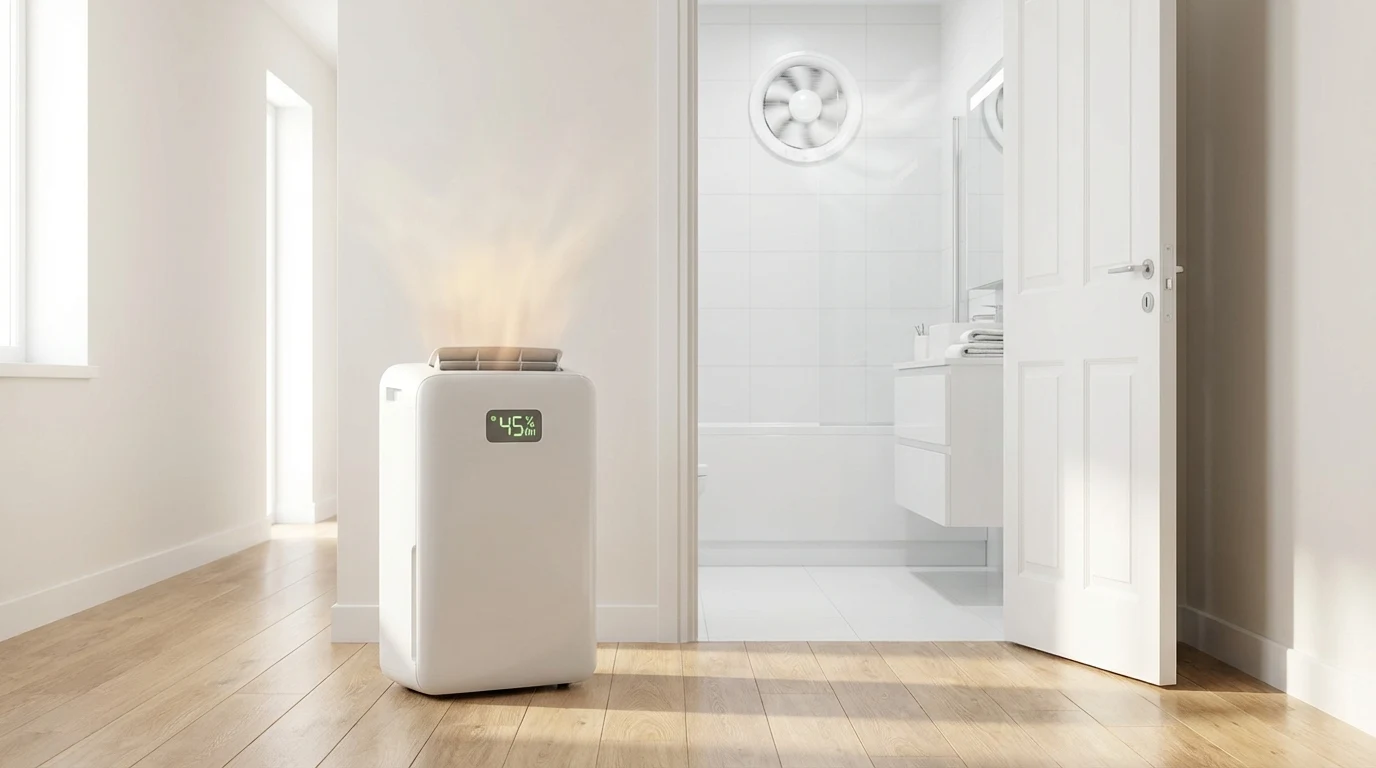
The same mold signal can have different root causes in different regions. In South Florida, we prioritize humidity dynamics, condensation management, and post-storm moisture tracking.
After tropical systems, moisture often remains trapped in wall and ceiling assemblies even when surfaces appear dry. Early moisture mapping reduces secondary mold scope.
Florida cooling loads make condensate management critical. Drainline failures, duct sweating, and oversized system cycles can sustain growth conditions.
Bathrooms, laundry rooms, and under-sink cabinet zones are frequent recurrence points where humidity and small leaks combine over time.
Identify active leak or intrusion pathways, isolate affected zones, and establish safe work boundaries before disturbance.
Install containment barriers and maintain filtered negative air to prevent spore migration into adjacent occupied spaces.
Remove non-salvageable porous materials, clean retained assemblies, and hold dehumidification until moisture targets are met.
Complete documentation and, when needed, third-party testing before reconstruction to reduce recurrence and claim friction.
If project scope extends across multiple structures or occupied facilities, coordinate with commercial restoration and large loss handling for phased execution and communication control.
Expert answers about professional treatment, health concerns, prevention, and what to expect during the process.
Our comprehensive process includes six key steps: (1) Thorough inspection and air quality testing, (2) Containment setup to prevent spore spread, (3) HEPA air filtration to capture airborne particles, (4) Safe removal using EPA-approved products, (5) Cleaning and sanitizing affected areas, (6) Addressing moisture sources to prevent regrowth. Our IICRC-certified specialists follow EPA guidelines throughout to restore healthy indoor air quality.
Still have questions about the treatment process?
Our certified team assesses conditions, contains affected zones, remediates safely, and addresses moisture causes to reduce recurrence risk.
Thorough inspection and air quality assessment
EPA-compliant removal protocols
Serving Florida & North Carolina
Stop problems from returning
Need help right now? Call us.
24/7 live dispatch — average answer time under 30 seconds