High-moisture rooms need both remediation and airflow improvement to prevent recurrence. Removing visible mold without addressing the underlying humidity pathway almost always leads to regrowth within weeks or months. A combined approach that pairs cleanup with ventilation and moisture correction produces lasting results.
Bathroom and Kitchen Mold Removal
Solve Recurring Mold in High-Moisture Rooms
Mold in bathrooms and kitchens usually traces back to trapped humidity, hidden leaks, and weak exhaust performance. This guide focuses on corrective steps that reduce repeat calls.
- Tile and grout
- Under-sink leaks
- Ventilation correction
Practical first steps
Grout, caulk edges, cabinet bases, and wall penetrations are common hidden-growth zones. These areas trap moisture in small cavities that rarely dry completely, creating ideal conditions for spore colonization. During inspection, technicians probe these junctions specifically because surface appearance often underrepresents the extent of contamination behind or beneath finish materials.
Persistent odors often indicate trapped moisture behind finishes or under cabinetry. A musty smell that lingers after surface cleaning typically means microbial activity is occurring in concealed areas such as wall cavities, subfloor layers, or the backside of cabinet panels. Odor-driven investigation frequently reveals more extensive conditions than what is visible.
Exhaust fan performance and run-time habits strongly influence long-term outcomes. Many bathroom fans are undersized for the room volume or ducted through paths that restrict airflow, reducing their real-world CFM well below rated capacity. Running a properly sized fan for at least 20 to 30 minutes after each shower or cooking event is one of the most effective preventive measures available.
Spot cleaning alone fails when active leaks or condensation remain unresolved. Household cleaning products can remove surface discoloration, but they do not address moisture conditions that sustain growth behind walls, under flooring, or inside cabinet assemblies. Without correcting the water source, remediation becomes a recurring expense rather than a permanent solution.
In-Depth Guide
Understanding the process
Bathrooms and kitchens are uniquely vulnerable to mold because they combine the three conditions mold requires to thrive: moisture, warmth, and organic material. Every shower, bath, and cooking event introduces significant water vapor into a confined space, and unless that moisture is removed quickly through effective ventilation, it condenses on cooler surfaces such as tile, mirrors, window frames, and exterior walls. Over time, this daily moisture cycling saturates grout, caulk, drywall paper facing, and cabinet substrates, creating a persistent environment where mold colonization becomes almost inevitable without intervention.
There is an important distinction between surface mold on grout and tile versus structural mold that develops behind walls, under cabinets, and within subfloor assemblies. Surface mold is visible and often responds to targeted cleaning, but it frequently signals a deeper problem. When moisture penetrates past the tile plane through cracked grout, failed caulk joints, or leaking plumbing connections, it reaches the drywall, backer board, or framing behind the finish surface. Mold growing in these concealed areas is not accessible with household cleaning products and typically requires partial demolition, material removal, and professional antimicrobial treatment to resolve completely. Kitchen environments present similar risks beneath sinks, behind dishwashers, and around refrigerator water supply lines where slow leaks can persist undetected for months.
Preventing recurring mold growth in high-moisture rooms centers on two strategies: reducing the amount of moisture introduced to building materials and removing airborne humidity before it can condense. Ventilation improvements are the most impactful step, including upgrading to properly sized exhaust fans, ensuring ductwork terminates at an exterior wall or roof cap rather than into an attic or soffit, and installing timer or humidistat switches that ensure fans run long enough after each moisture event. Complementary measures include using mold-resistant drywall and paint in wet areas, maintaining intact caulk and grout seals, promptly repairing any plumbing leaks, and keeping indoor relative humidity below 60 percent. When these environmental controls are in place, the conditions that support mold growth are significantly diminished, and remediation results are far more likely to hold over time.
Field Visuals
Inspection, containment, and remediation in practice
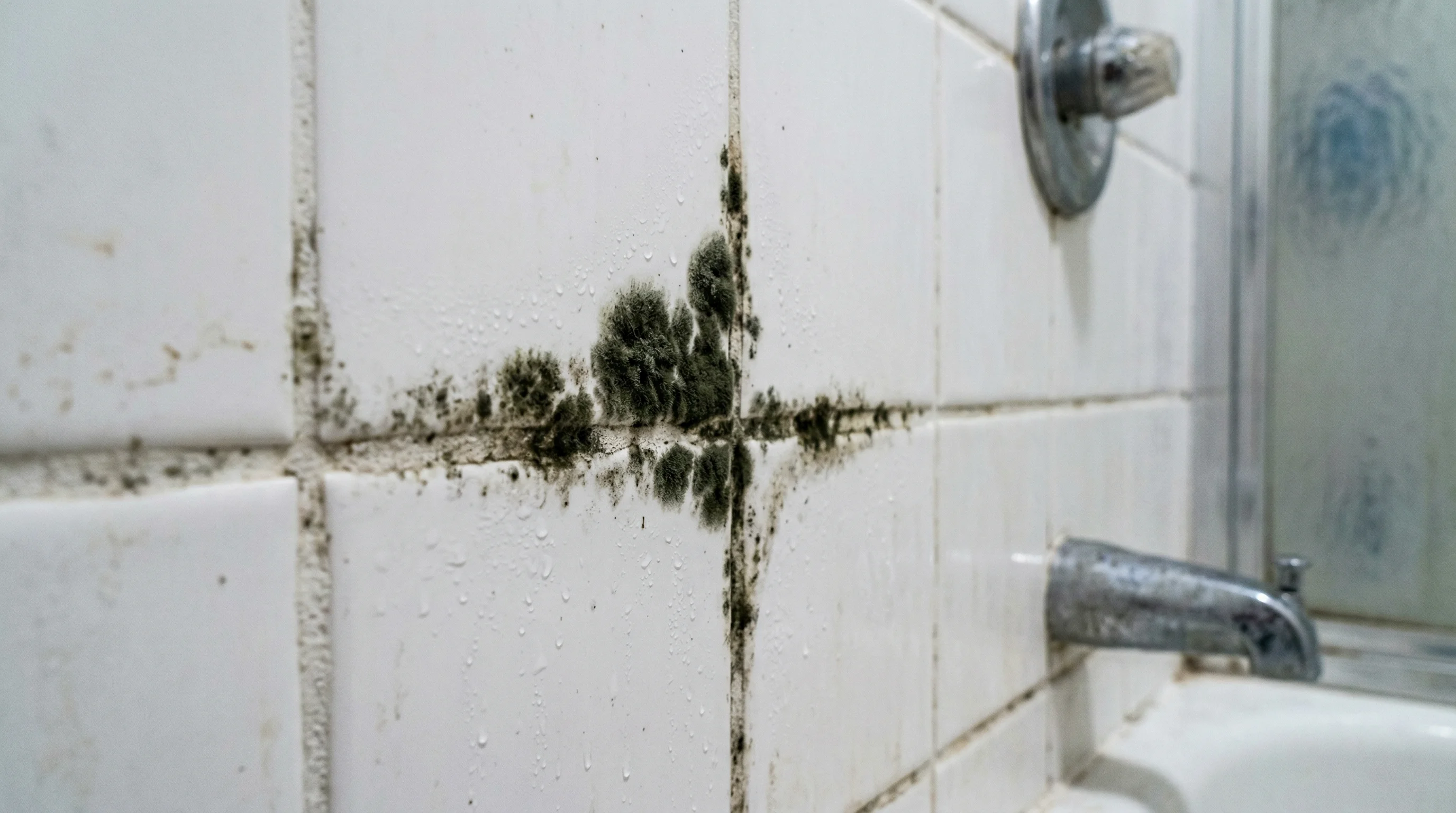
Tile and grout contamination
Tile and grout conditions often reflect broader humidity control problems in the room.
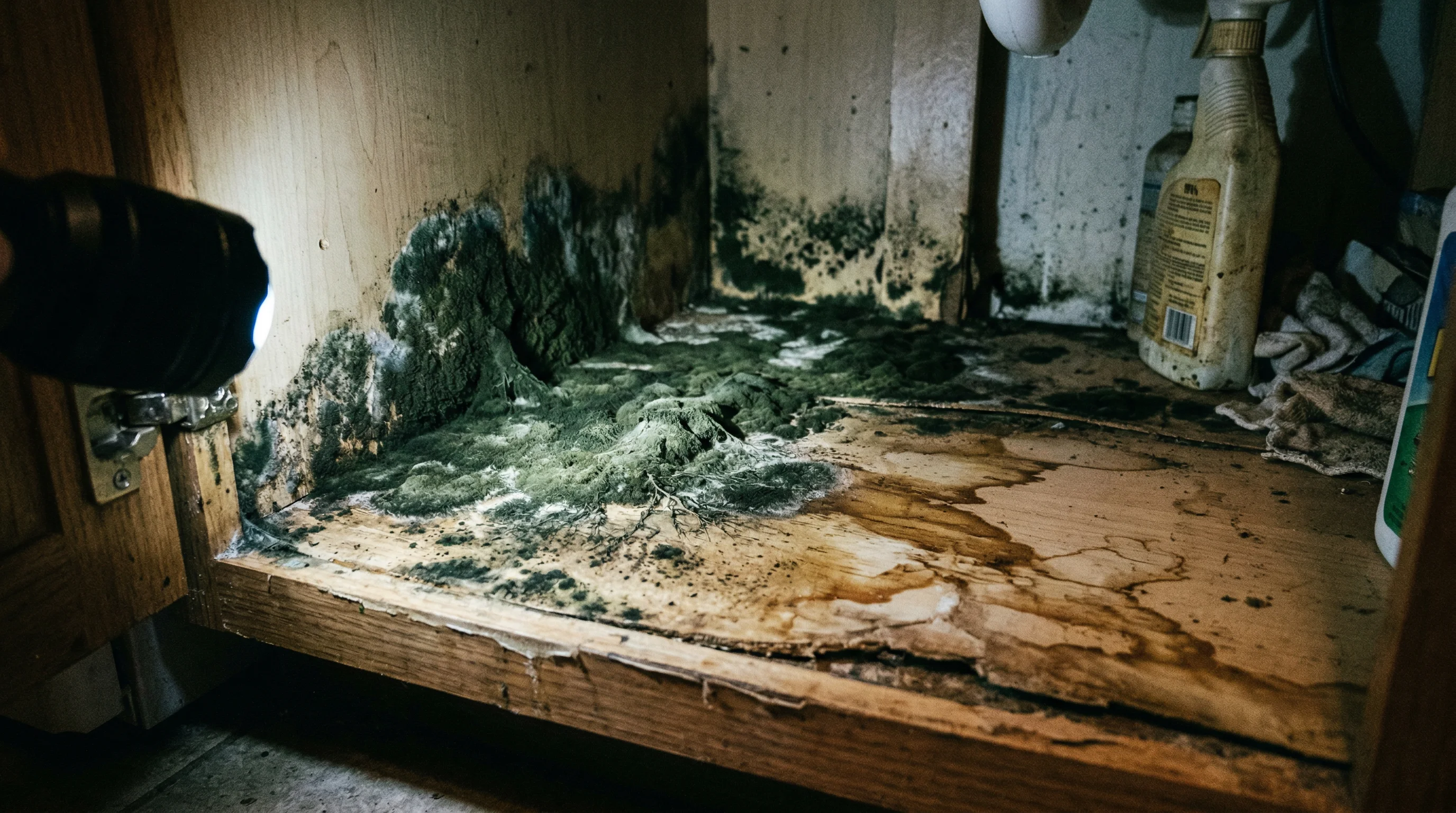
Under-sink leak pathway
Even small cabinet leaks can sustain active growth in enclosed, low-ventilation spaces.
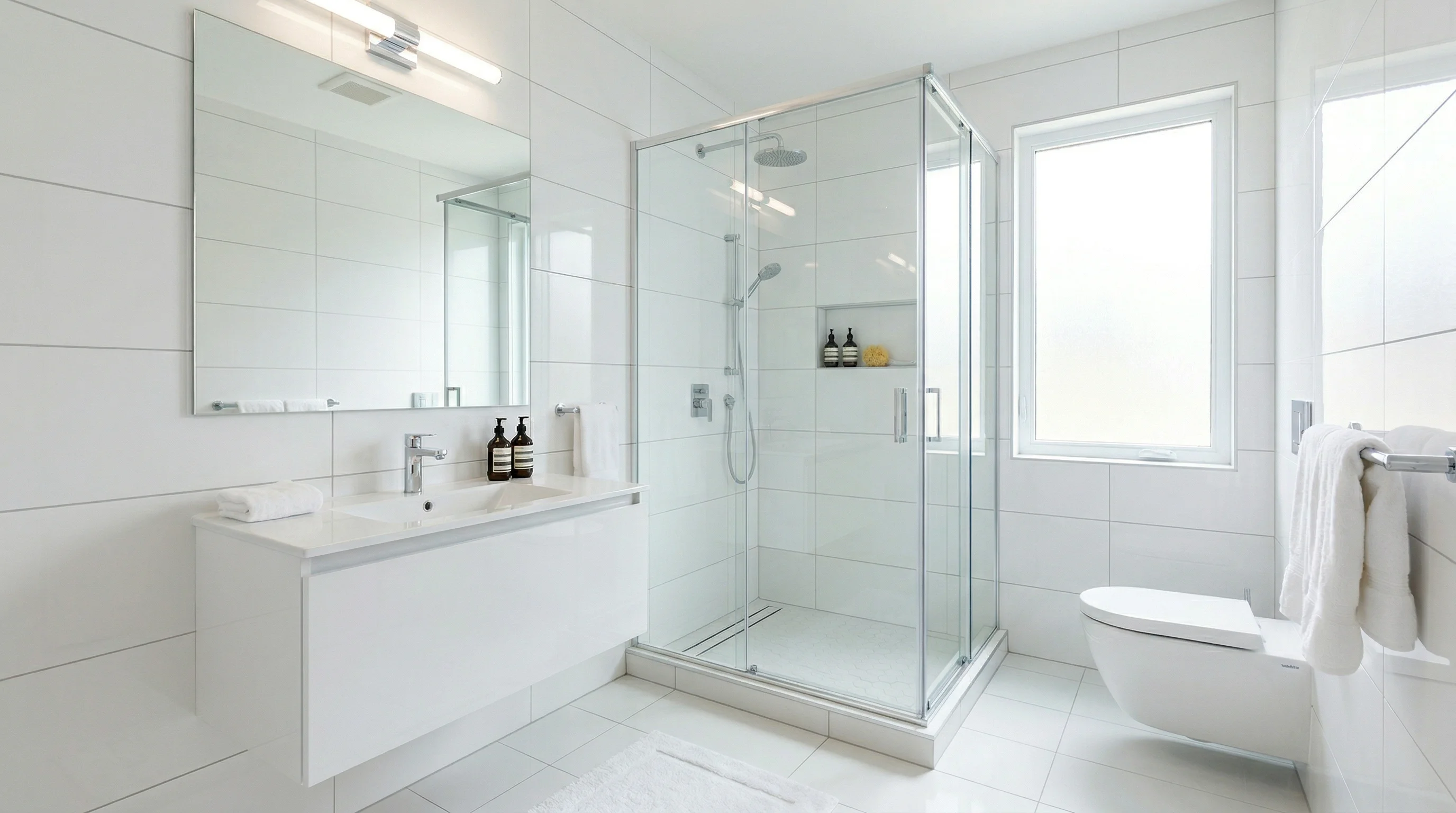
Post-remediation finish quality
Durable results require dry substrate, proper fan sizing, and maintenance routines.
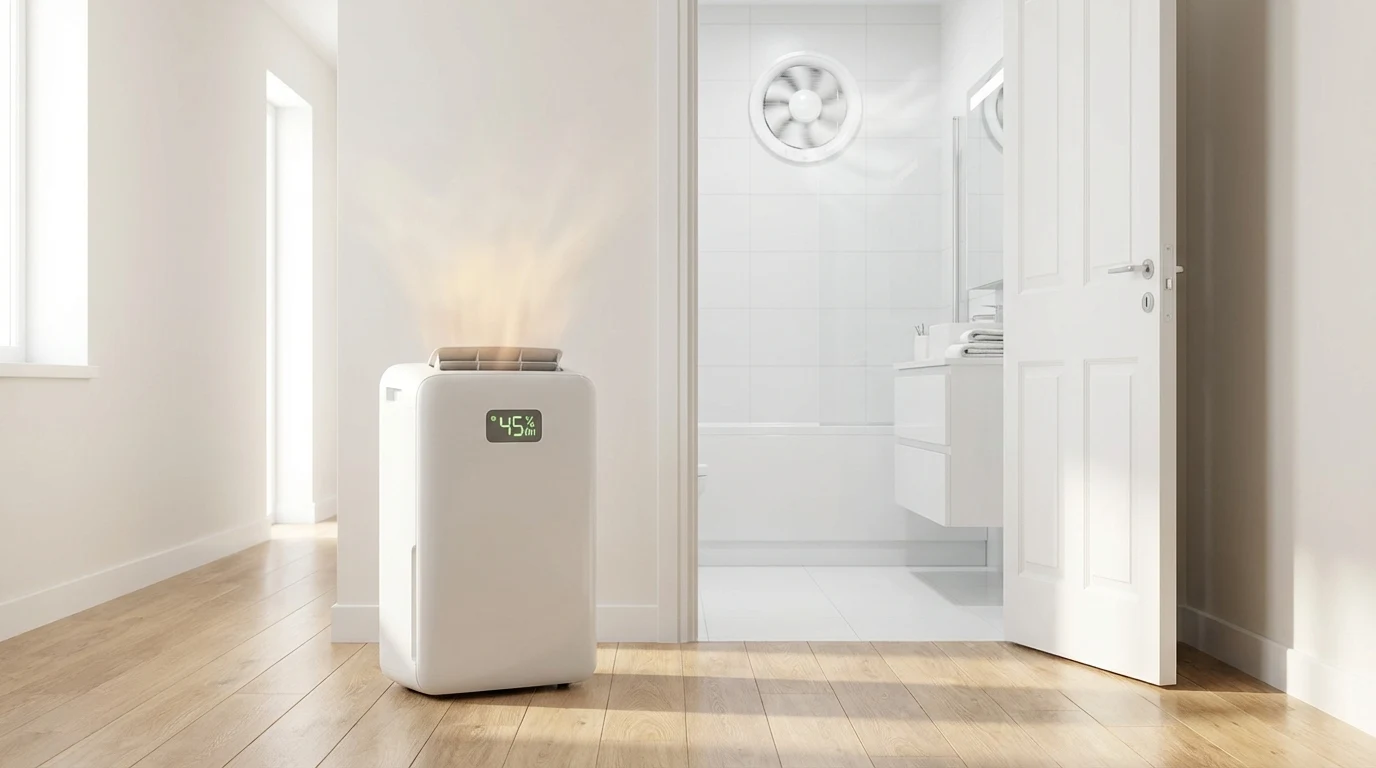
Dehumidifier and ventilation support
Supplemental dehumidification during and after remediation helps bring moisture levels below growth thresholds.
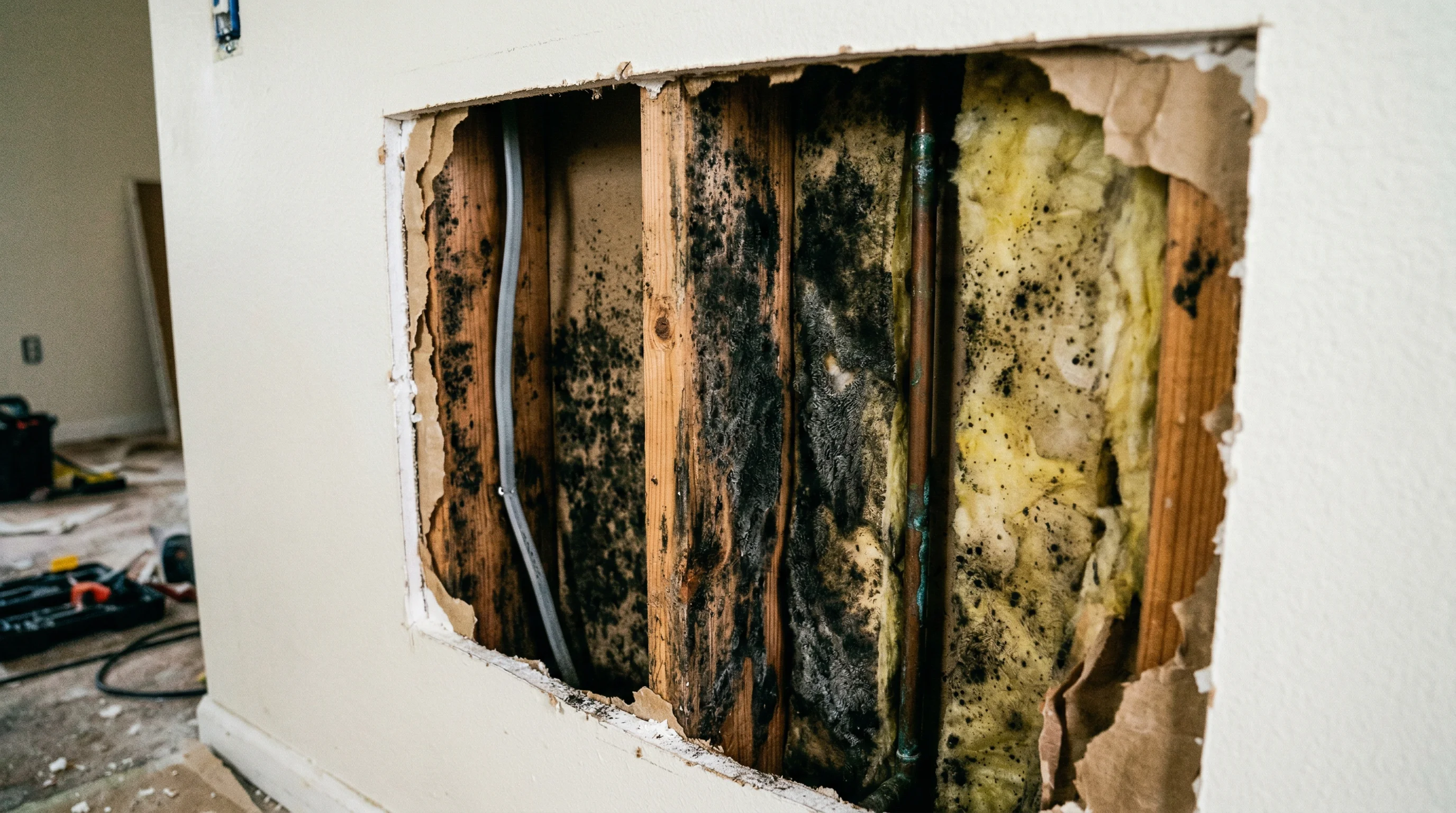
Hidden mold behind wall assembly
Removing finish materials often reveals contamination that surface inspection alone cannot detect.
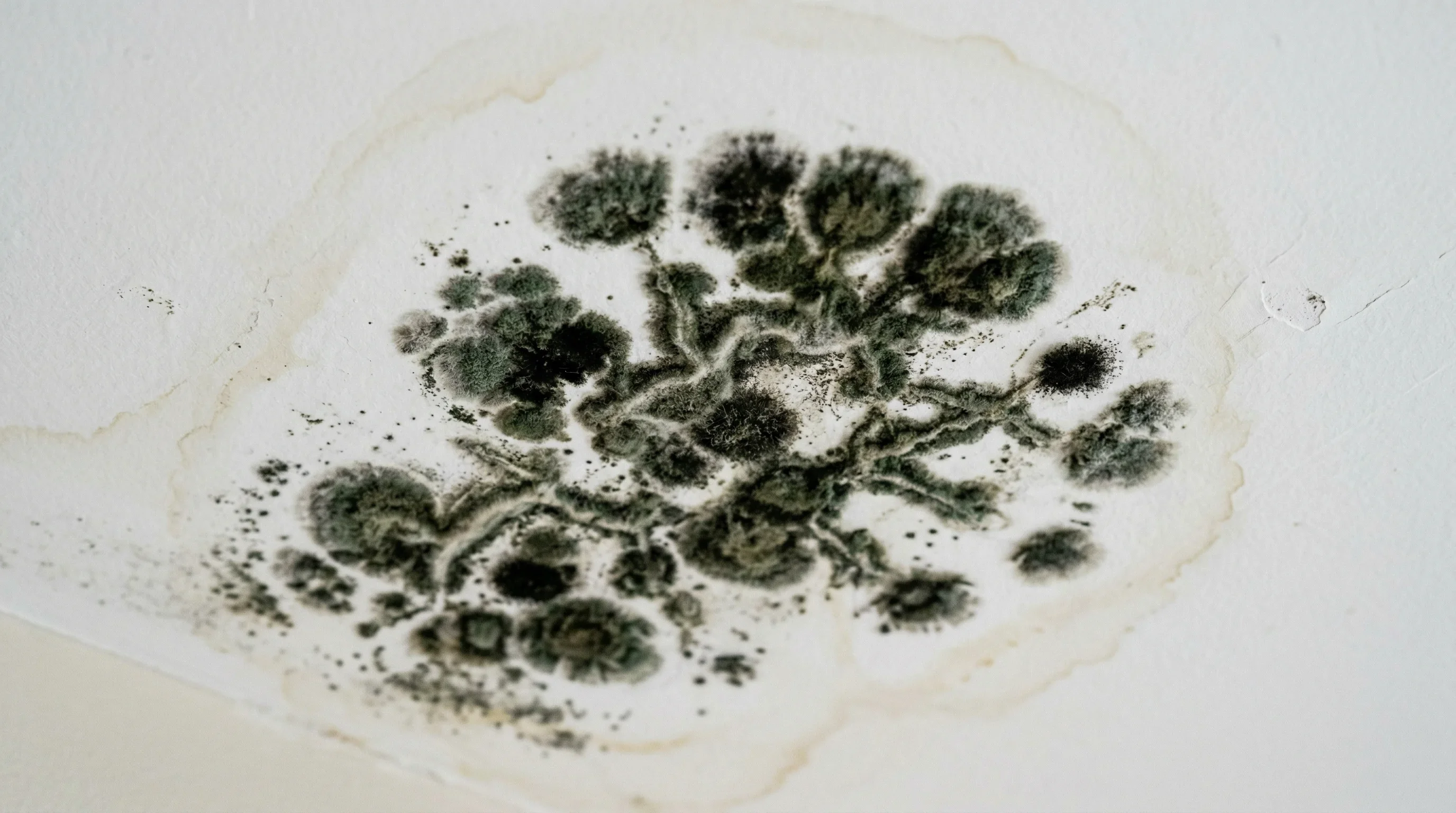
Ceiling mold from persistent condensation
Ceiling discoloration in bathrooms typically indicates inadequate exhaust capacity or insufficient fan run time after showers.
Remediation Sequence
How this project type is handled professionally
Moisture source isolation
Inspect plumbing connections, appliance supply lines, drain assemblies, and exhaust pathways to identify active humidity and leak drivers. Moisture meters and thermal imaging are used to map wet zones behind walls and under cabinets that are not visible during a surface-level inspection. Isolating the source before remediation begins ensures the cleanup addresses root causes rather than symptoms.
Targeted containment and removal
Contain the affected zone using poly sheeting and negative air pressure to prevent cross-contamination into adjacent living spaces. Remove impacted porous materials such as drywall, particleboard cabinet backs, and deteriorated caulk where cleaning is not reliable. Containment protocols are scaled to the scope of contamination and the layout of the room.
Surface cleaning and air treatment
Clean salvageable hard surfaces including tile, stone, and sealed wood using antimicrobial solutions appropriate for the substrate. HEPA-filtered air scrubbers run throughout the work area to capture airborne spore particulate and reduce the overall microbial load. Post-cleaning verification includes visual inspection and moisture readings to confirm conditions meet clearance standards.
Prevention upgrades
Improve ventilation capacity by upgrading exhaust fans, correcting duct routing, or adding timer switches that ensure adequate post-use run time. Seal water entry points at plumbing penetrations, backsplash transitions, and tub or shower surrounds. Establish practical humidity-control routines tailored to the household and climate zone to reduce the likelihood of recurrence.
Cost Guidance
What to expect on pricing
Costs vary by contamination severity, affected area size, and region. These ranges reflect typical residential and commercial projects in our service areas.
Bathroom mold remediation (typical)
$500 - $3,000
Scope depends on whether contamination is limited to surface grout and caulk or extends into wall cavities, subfloor, and cabinetry behind fixtures.
Kitchen cabinet mold cleanup
$800 - $3,500
Costs increase when particleboard cabinet boxes require replacement or when contamination has reached the wall assembly behind the cabinets.
Exhaust fan upgrade or installation
$200 - $600
Includes fan unit, duct routing to exterior termination, and timer or humidity-sensing switch installation for automated run cycles.
Tile and grout remediation
$300 - $1,500
Pricing varies with the area size and whether grout must be removed and replaced versus cleaned and sealed in place.
Plumbing leak repair (if source)
$150 - $500
Addresses the active leak that initiated or sustained mold growth. More extensive plumbing work such as repiping or valve replacement may fall outside this range.
Regional notes
Florida
Extended humidity cycles throughout much of the year can overwhelm underpowered exhaust systems in bathrooms and kitchens. In many Florida homes, ambient outdoor humidity levels exceed 70 percent for months at a time, meaning that exhaust fans and air conditioning are the primary defense against interior moisture accumulation. Properties near the coast face additional salt-air corrosion on ductwork and fan components that can degrade performance over time.
North Carolina
Seasonal temperature shifts between hot, humid summers and cooler winters often reveal condensation at exterior-wall plumbing lines and window framing adjacent to wet rooms. These transitional conditions create dew point events inside wall cavities that homeowners may not notice until discoloration or odor develops. Homes in the Piedmont and western mountain regions are especially susceptible during spring and fall shoulder seasons.
South Carolina
Coastal moisture and older residential construction frequently require combined remediation and ventilation upgrades to achieve lasting results. Many homes in the Lowcountry and Grand Strand areas were built before modern moisture management standards, with limited exhaust capacity and minimal vapor barriers. Remediation projects in these areas commonly include fan replacement, duct rerouting, and substrate upgrades as part of the scope.
Common Questions
Frequently asked questions
Why does mold keep coming back in my bathroom?
Recurring bathroom mold almost always indicates an unresolved moisture condition rather than inadequate cleaning. The most common causes are exhaust fans that are undersized, improperly ducted, or not run long enough after showers. Slow plumbing leaks behind walls or beneath the tub surround can also maintain enough moisture for regrowth. Until the humidity source is corrected, surface cleaning will only provide temporary relief.
Is bathroom mold dangerous?
Mold in any indoor environment can produce allergens and irritants that affect respiratory health, particularly for individuals with asthma, allergies, or compromised immune systems. The health risk depends on the mold species, the extent of contamination, and the duration of exposure. While not all bathroom mold presents an immediate health emergency, any visible growth that persists or spreads should be evaluated and addressed to maintain healthy indoor air quality.
Can I clean bathroom mold with bleach?
Bleach can remove surface discoloration on non-porous materials like tile and glass, but it does not effectively penetrate porous substrates such as grout, drywall, or wood where mold roots (hyphae) are embedded. In many cases, bleach gives the appearance of removal while the underlying contamination remains active. For mold that extends beyond surface staining, professional remediation with appropriate antimicrobial agents and material removal is more reliable.
How do I know if mold is behind my shower wall?
Common indicators include persistent musty odors that cleaning does not eliminate, soft or discolored spots on drywall adjacent to the shower, and visible mold along caulk lines or at the base of the tub surround that returns quickly after cleaning. A professional inspector can use moisture meters and thermal imaging to detect elevated moisture behind wall finishes without requiring demolition. If readings suggest trapped moisture, a small exploratory opening can confirm whether concealed growth is present.
Should I replace my exhaust fan?
If your bathroom exhaust fan is noticeably loud, moves little air, or is more than 10 to 15 years old, replacement is usually worthwhile. Modern fans are quieter, more energy efficient, and available with humidity-sensing switches that activate automatically when moisture levels rise. A properly sized fan rated for your bathroom volume, ducted through an insulated line to an exterior termination point, is one of the most cost-effective long-term mold prevention investments for any home.
Related Guides
Keep your remediation plan connected
Recurring bathroom or kitchen mold?
Palm Build can identify hidden moisture, remediate affected materials, and improve prevention conditions for high-use rooms.