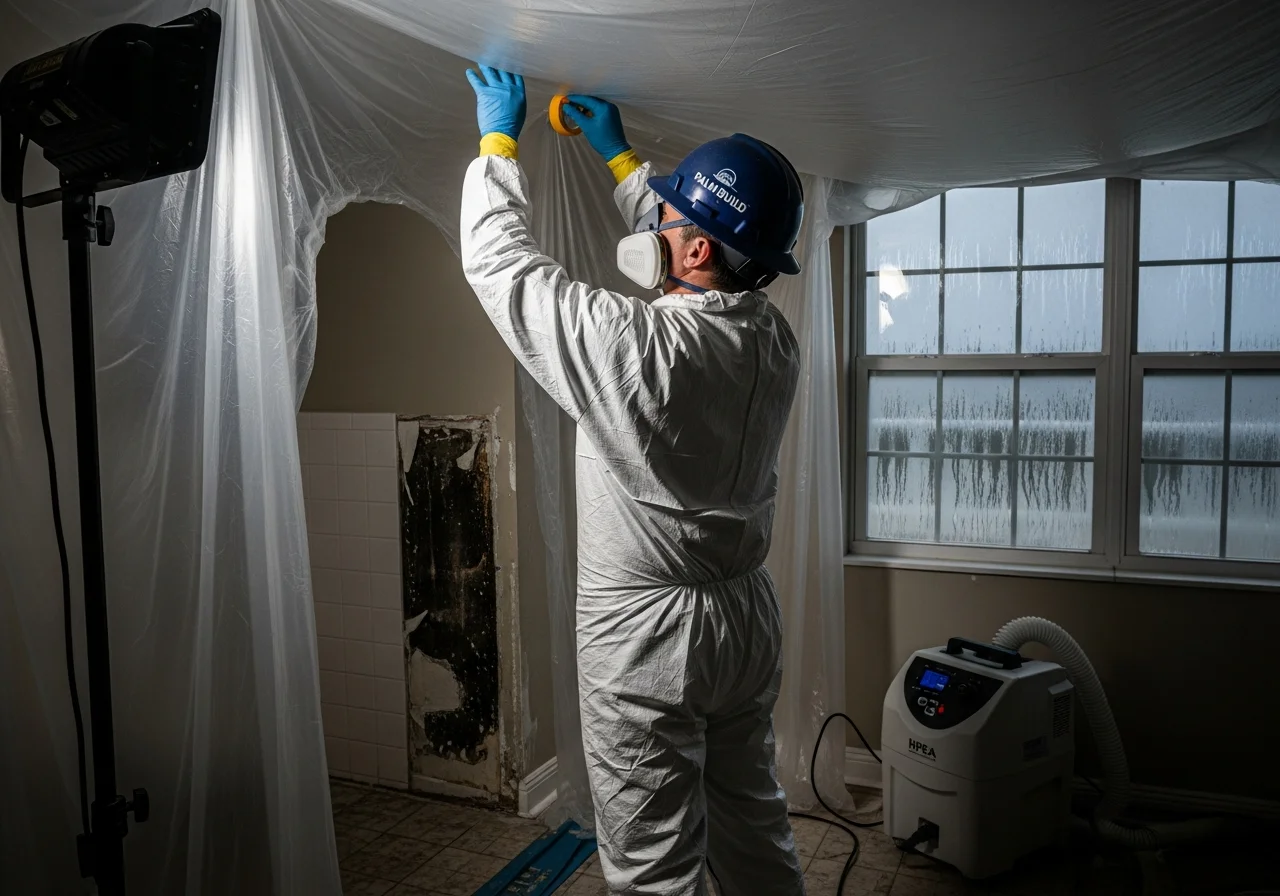
Mold Remediation in Myrtle Beach, South Carolina
Myrtle Beach's subtropical humidity, 17 million annual visitors, and intermittently occupied vacation rentals create near-perfect mold conditions year-round. Whether it's post-hurricane moisture trapped behind walls, a condo HVAC drain overflow, or a vacation home sitting closed during the off-season, Palm Build delivers containment, HEPA remediation, and the documentation Myrtle Beach property owners and managers need.
Same-day dispatch available
Emergency Response
24/7
Dispatch Available
IICRC
Certified Technicians
Mold in Your Myrtle Beach Property? Act Before the Next Booking.
In Myrtle Beach's coastal humidity, mold doesn't wait for a convenient time. Call Palm Build for IICRC-certified containment, remediation, and the documentation your property manager and insurer require.
Why Mold Thrives Here
Why Myrtle Beach Properties Are Especially Vulnerable to Mold
Myrtle Beach sits at the intersection of four mold risk factors that few other markets share simultaneously: subtropical coastal humidity, massive vacation rental turnover, year-round HVAC operation, and a 24–48 hour mold window that is not theoretical — it is a practical reality in South Carolina's summer heat.
75–80%
Summer Outdoor Humidity
Myrtle Beach's humid subtropical climate means outdoor relative humidity regularly reaches 75–80% during summer months — well above the 60% threshold at which mold begins colonizing surfaces. Without active dehumidification, any enclosed space in Myrtle Beach is a potential mold environment from June through October.
17M
Visitors per Year
Over 17 million visitors annually means Myrtle Beach's rental inventory turns over constantly — and sits vacant between seasons. Intermittent occupancy is the single biggest driver of undetected mold growth: properties set to high thermostat, running minimal or no HVAC, accumulate moisture for weeks or months before the next tenant or owner discovers the damage.
12 Months
Annual HVAC Runtime
Air conditioning in Myrtle Beach runs every month of the year. Continuous operation means constant condensate production at the evaporator coil. When condensate drain lines clog — a near-universal maintenance issue in coastal SC's humidity — water overflows the drip pan and saturates surrounding wall cavities for weeks before becoming visible or odorous.
24–48hrs
Mold Establishment Time
In Myrtle Beach's heat and humidity, active mold colonization can begin within 24–48 hours of a moisture event. A tropical storm flooding a beach house Friday afternoon becomes an established mold problem by Sunday morning. The standard window is not a guideline — it is a deadline in subtropical coastal conditions.
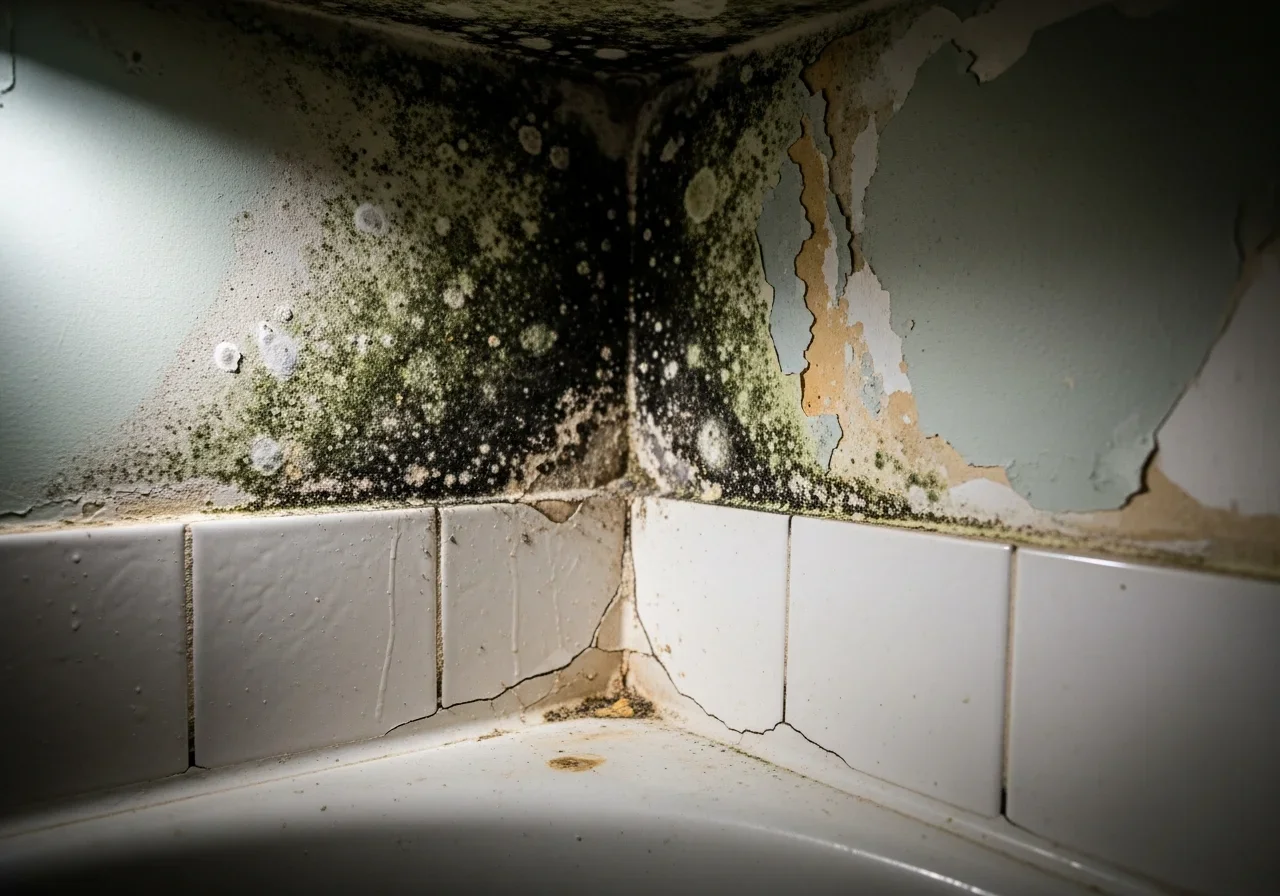
The Vacant Rental Problem
During the shoulder and off-seasons — roughly November through March — many Myrtle Beach vacation rentals sit largely unoccupied. When an HVAC condensate drain clogs or a slow roof leak develops during a winter storm, there is no one present to notice. By the time the property is reopened for spring bookings, mold has had months to establish behind walls, under flooring, and inside HVAC components.
Property managers and HOA boards increasingly require documented pre-season inspections. Palm Build provides humidity assessments, moisture mapping, and remediation reports suitable for property management records and insurance carrier review.
Condo & Vacation Rental Mold
Mold in Myrtle Beach Condos and Vacation Rentals
With thousands of oceanfront condos and vacation rentals across the Grand Strand, Myrtle Beach has a mold risk profile unlike any other South Carolina market. These are the most common scenarios we respond to.
HVAC Condensate Overflow
Myrtle Beach condos run air conditioning continuously from May through October. When condensate drain lines clog with algae — a near-universal coastal maintenance issue — the overflow pan fills and saturates the surrounding wall cavity or subfloor. In a vacant unit, this can run for days or weeks before discovery. We find HVAC-origin mold growth in over 60% of Myrtle Beach condo inspections.
Unit-to-Unit Water Migration
In oceanfront high-rises and mid-rise condo towers, water events frequently cross unit lines — a leak from a unit above travels through the ceiling into the unit below, or a balcony drain backs up and floods an interior space. Without prompt mitigation, this cross-unit water creates mold in both units. Palm Build documents each unit's scope separately to support individual HO-6 claims and the association's master policy.
Intermittent Occupancy & Monitoring Gaps
Properties with gaps between rental bookings — especially in fall and winter — can accumulate significant moisture and mold before the next occupant arrives. Short-term rental operators in Myrtle Beach increasingly implement between-booking property checks. Palm Build offers post-storm rapid assessments and seasonal humidity evaluations for property management companies with large rental portfolios.
Post-Storm Discovery
After tropical storm events, many Myrtle Beach vacation properties are checked days or weeks later when owners or managers travel in. By this point, mold may already be established behind storm-damaged walls, beneath wet carpeting, and inside HVAC systems that ran continuously through the humid post-storm period. Early remediation is significantly cheaper than delayed discovery.
Property Managers: Rapid Portfolio Response Available
If you manage multiple vacation properties in Myrtle Beach or along the Grand Strand, Palm Build provides priority response during and after storm events — inspecting multiple units in sequence, providing individual documentation per unit, and coordinating directly with your HOA contacts. Call (704) 464-0121 to discuss property management response agreements.
Our Process
How Palm Build Remediates Mold in Myrtle Beach
Proper mold remediation in a coastal environment isn't just removal — it's containment, moisture correction, and documented clearance. Our six-step protocol is built for Myrtle Beach's high-humidity, high-turnover property landscape.
Inspection & Moisture Mapping
We begin with a thorough assessment using moisture meters, thermal imaging cameras, and air sampling. In Myrtle Beach properties, we pay particular attention to HVAC air handler units, wall cavities adjacent to exterior surfaces, and areas beneath flooring near windows and exterior doors. This assessment creates a baseline documentation set that supports both insurance claims and remediation scope definition.
Containment & Negative Pressure
Before any mold is disturbed, we establish containment using polyethylene sheeting and negative air pressure with HEPA-filtered air scrubbers. This prevents mold spores from migrating to unaffected areas — critical in Myrtle Beach condos where open HVAC systems and shared ventilation can spread contamination rapidly to adjacent units or floors.
HEPA Air Scrubbing
HEPA air scrubbers run continuously throughout remediation and post-remediation drying. HEPA filtration captures particles down to 0.3 microns — well below the size of typical mold spores. Continuous air scrubbing during work prevents secondary contamination of undamaged surfaces and reduces airborne spore counts in the work area.
Material Removal or Treatment
Heavily mold-affected porous materials — drywall, insulation, wood framing — are removed and disposed of properly. Non-porous surfaces that can be saved are HEPA-vacuumed, cleaned with appropriate antimicrobial agents, and dried. In coastal Myrtle Beach construction, we often encounter mold within wall cavities that requires precise controlled demolition to access without expanding the affected area.
Moisture Source Correction
Remediation without fixing the moisture source is temporary. We identify and help coordinate correction of the underlying issue — whether it's an HVAC condensate drain, storm-damaged roof, window seal failure, or swash-related groundwater intrusion. In Myrtle Beach's humidity, uncorrected moisture will produce mold again within weeks regardless of how thorough the remediation was.
Clearance Testing & Documentation
Once remediation is complete and the area has dried to proper moisture levels, we document final conditions with photographs, moisture readings, and a completion report. For properties requiring formal clearance testing, we coordinate with a licensed third-party industrial hygienist for post-remediation air sampling. This clearance documentation is required by many insurance carriers and increasingly by property management companies for rental-ready certification.
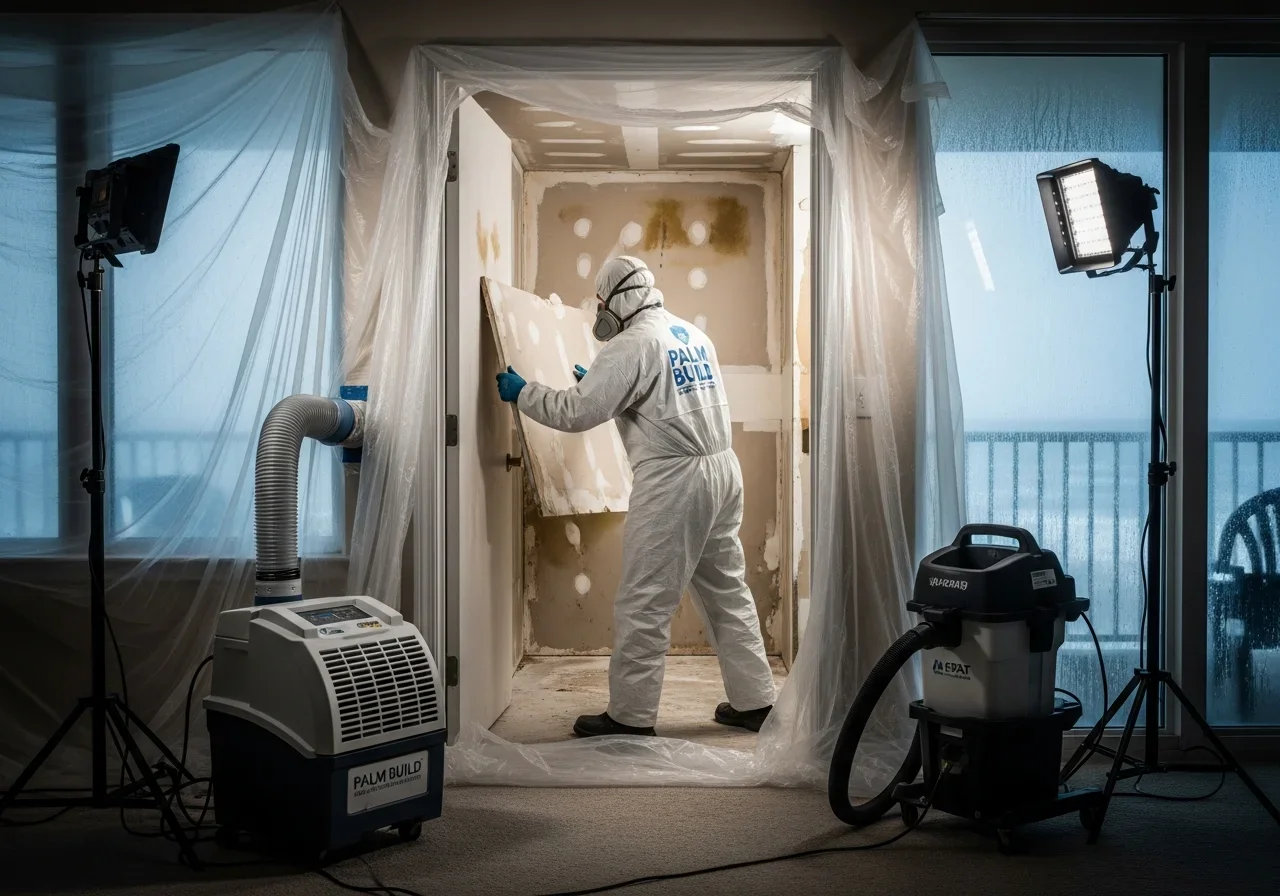
Controlled demolition of mold-affected drywall in a Myrtle Beach vacation rental — HEPA air scrubber maintains negative pressure and captures airborne spores throughout the removal process.
SC Compliance & Licensing
South Carolina Mold Remediation: What Homeowners Need to Know
Current SC Law
South Carolina does not currently require state-level licensure for mold inspectors or mold remediators. There is no mandatory certification to legally perform mold remediation work in SC as of 2026. The South Carolina Department of Environmental Services provides indoor mold guidance and references federal EPA protocols.
2026 Legislative Watch: SC Bill 5109
South Carolina Bill 5109, introduced in February 2026, is currently in committee. It proposes a certification framework for mold assessment and mold remediation, including a definition that mold remediation covers mold-contaminated areas greater than ten square feet. If passed, it would restrict holding oneself out as "certified" without the prescribed certification. Palm Build monitors this legislation closely — our technicians already hold IICRC certifications.
What to Look For Now
In the absence of state licensing, Horry County guidance advises verifying professional training and certifications through professional associations. Look for IICRC certification in water damage restoration (WRT), applied microbial remediation (AMRT), and applied structural drying (ASD). Palm Build technicians hold these certifications — ask to see them on any mold remediation project.
City of Myrtle Beach Contractor Requirements
The City of Myrtle Beach explicitly states that contractors working within city limits must hold a City of Myrtle Beach business license and must be licensed by the appropriate state licensing agency for their trade. For mold remediation work that involves demolition and reconstruction, general contractor or specialty contractor licensing under the South Carolina Contractor's Licensing Board applies. Palm Build maintains all required trade and business licensing for work in Myrtle Beach and Horry County.
Cost Guide
What Does Mold Remediation Cost in Myrtle Beach?
Mold remediation costs in Myrtle Beach vary significantly by scope, property type, and cause of loss. These ranges reflect typical Horry County project costs — your specific scope will be defined during a free on-site assessment.
| Scope | Low End | High End | Notes |
|---|---|---|---|
| Small bathroom or closet (< 10 sq ft) | $500 | $1,500 | Surface mold on tile, caulk, or paint. HEPA cleaning and antimicrobial treatment. |
| Single room — drywall affected | $1,500 | $4,000 | Containment, HEPA air scrubbing, drywall removal and disposal, drying. |
| Multi-room or condo unit event | $3,500 | $10,000 | Extensive water damage origin. Multiple affected areas. HOA coordination required. |
| HVAC system mold (air handler + ductwork) | $1,000 | $4,500 | HVAC coil cleaning, duct sanitization, drain line correction, air scrubbing. |
| Post-storm whole-unit remediation | $5,000 | $20,000+ | Storm surge or flooding event with widespread wall cavity and flooring involvement. |
Small bathroom or closet (< 10 sq ft)
$500 – $1,500
Surface mold on tile, caulk, or paint. HEPA cleaning and antimicrobial treatment.
Single room — drywall affected
$1,500 – $4,000
Containment, HEPA air scrubbing, drywall removal and disposal, drying.
Multi-room or condo unit event
$3,500 – $10,000
Extensive water damage origin. Multiple affected areas. HOA coordination required.
HVAC system mold (air handler + ductwork)
$1,000 – $4,500
HVAC coil cleaning, duct sanitization, drain line correction, air scrubbing.
Post-storm whole-unit remediation
$5,000 – $20,000+
Storm surge or flooding event with widespread wall cavity and flooring involvement.
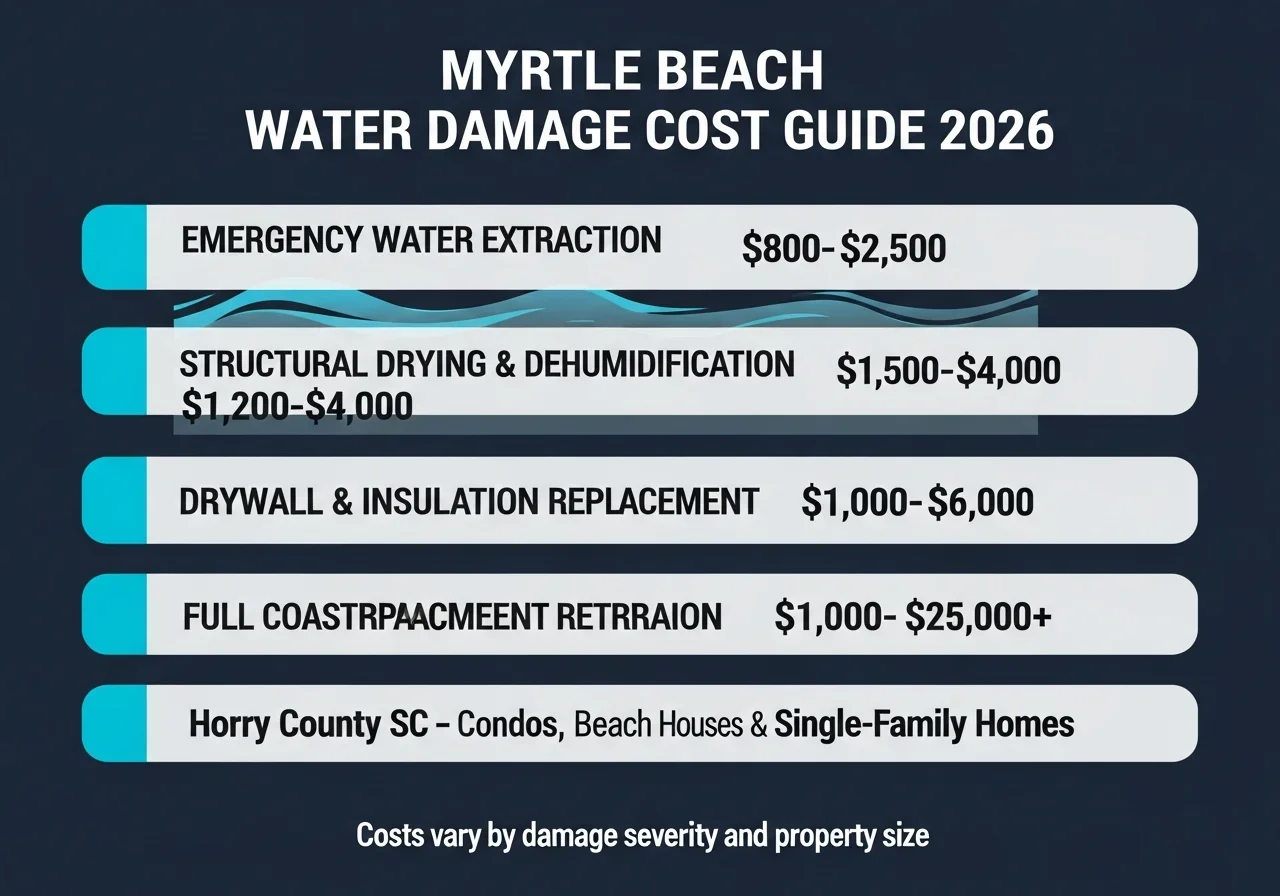
These are estimated ranges only. Final costs depend on confirmed scope, material types, access challenges, and insurance carrier requirements. Palm Build provides written, itemized estimates before any work begins — call (704) 464-0121 or request a free on-site assessment.
Remediation Gallery
Myrtle Beach Mold Remediation — Before & After
From initial discovery to rental-ready clearance — every Palm Build mold remediation project in Myrtle Beach is fully documented. Here is what that process looks like.
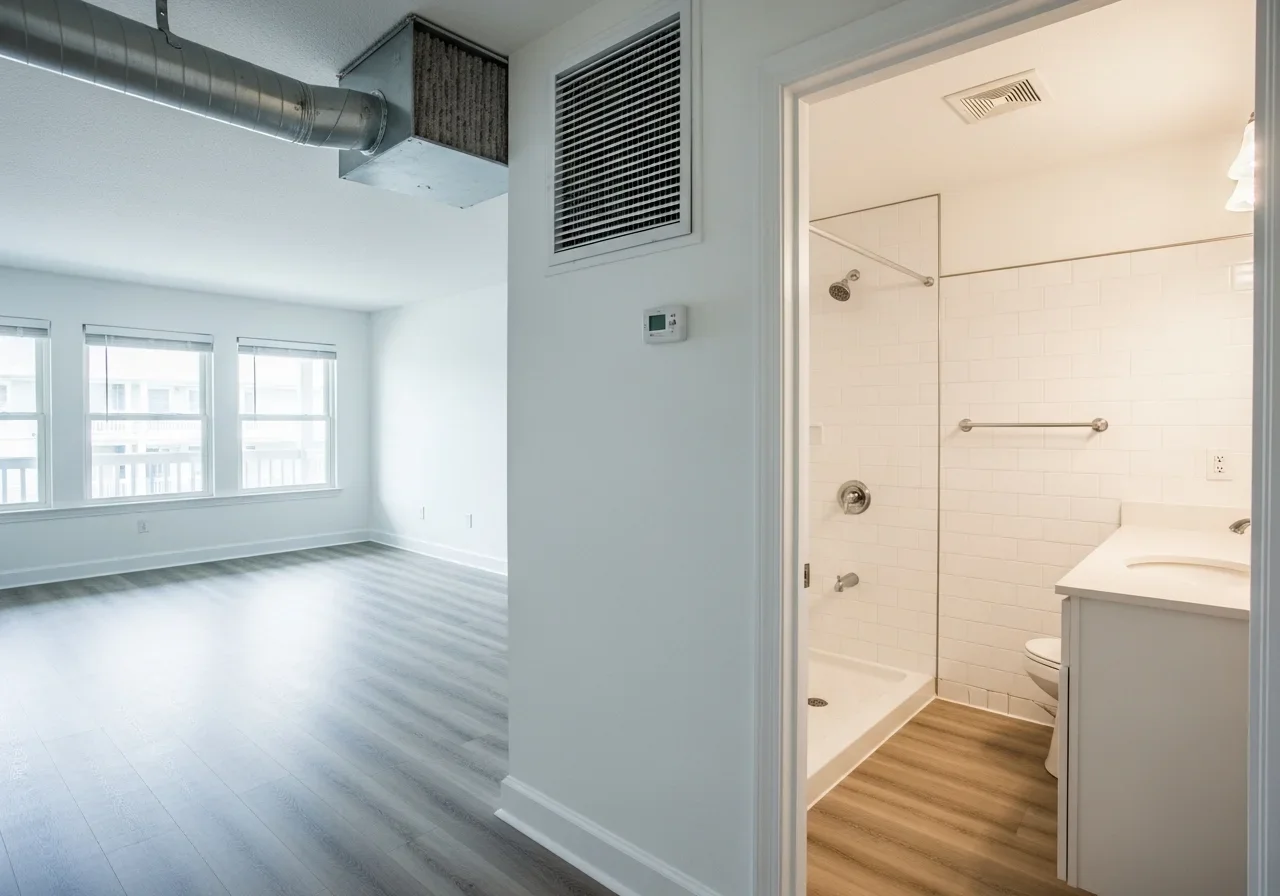
Full documentation on every Myrtle Beach mold project — inspection photographs, moisture readings, containment verification, and clearance reports. For vacation rentals and condo properties, this documentation supports both insurance claims and property management rental-ready certification.
Why Palm Build
Why Myrtle Beach Property Owners Choose Palm Build for Mold
Not every restoration company understands the condo-heavy, vacation-rental-driven, coastal insurance complexity that defines the Myrtle Beach mold remediation market. Palm Build does.
IICRC Certified Technicians
Palm Build holds IICRC certification in Applied Microbial Remediation (AMRT), Water Damage Restoration (WRT), and Applied Structural Drying (ASD). In the absence of SC state licensing, IICRC certification is the industry standard your insurer and property manager should require — and can verify.
24/7 Emergency Response
Mold doesn't develop on a business-hours schedule — and neither does Palm Build. Call (704) 464-0121 any time. For property managers and HOA boards managing Myrtle Beach portfolios during and after storm events, we can mobilize same-day to address priority cases.
Condo & HOA Experience
Multi-unit buildings require coordination between unit owners, HOA boards, and property managers. Palm Build documents unit-by-unit scope, works directly with board contacts, and separates individual unit and common-area scopes to support both HO-6 and master policy claims simultaneously.
Insurance-Ready Documentation
From initial inspection photographs to daily remediation logs and final clearance reports, our documentation meets insurance carrier requirements. This matters especially in Myrtle Beach's complex coastal insurance market where multiple policies — homeowners, wind pool, and flood — may be involved in a single loss.
Moisture Source Correction
Remediation without fixing what caused the moisture is temporary. Palm Build identifies and helps coordinate correction of the underlying issue before completing remediation — so you're not calling us back in six months for the same problem. In coastal SC's humidity, an uncorrected moisture source will produce mold again quickly.
Rental-Ready Clearance
For vacation rental operators with rental calendar commitments, time matters. Palm Build provides realistic timelines at project start and works efficiently through scope without cutting corners on documentation. We can coordinate with third-party industrial hygienists for formal air sampling clearance when required by property management standards.
Serving the Full Grand Strand
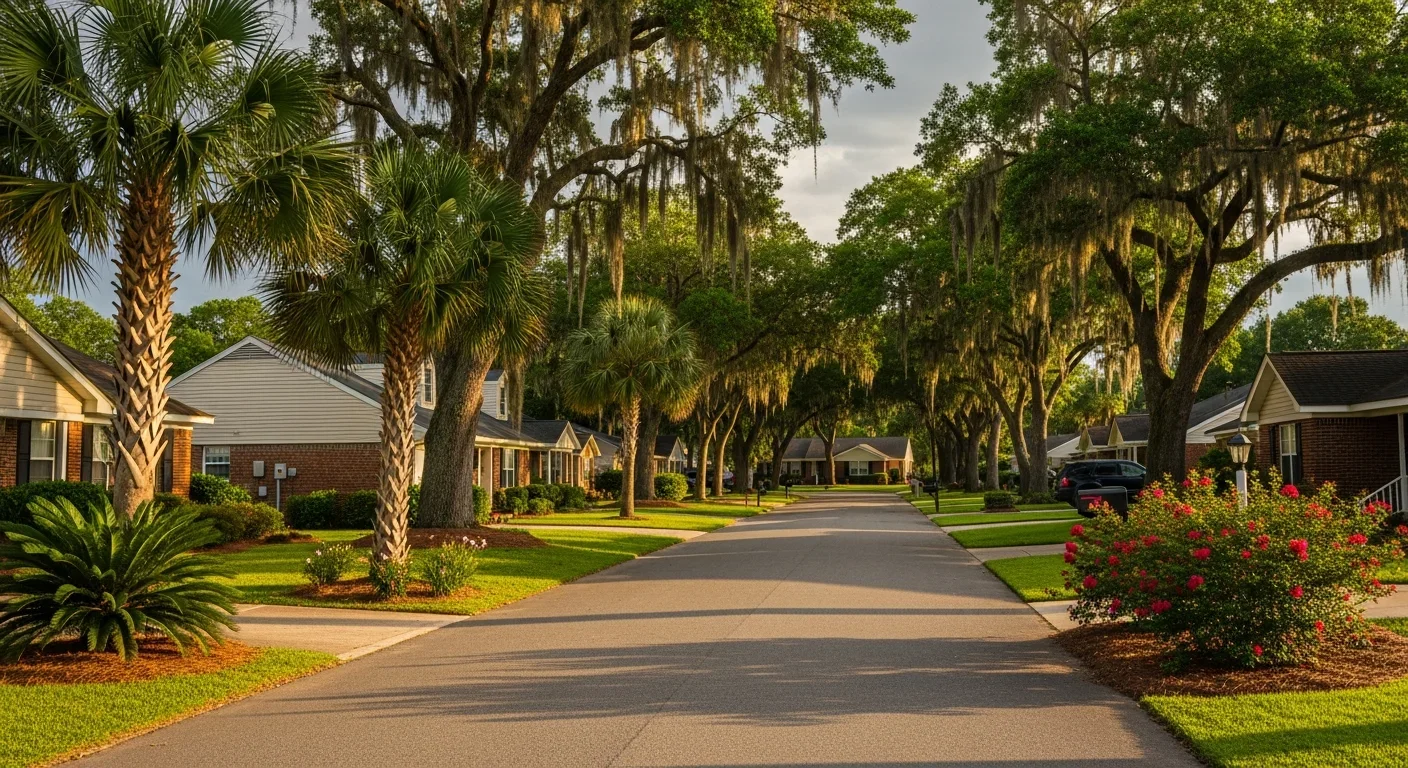
Palm Build serves mold remediation clients across Myrtle Beach and the broader Grand Strand — from North Myrtle Beach through Surfside Beach, Garden City, Murrells Inlet, and Pawleys Island. Residential homeowners, vacation rental operators, and commercial property managers all receive the same IICRC-certified, fully documented approach.
Call (704) 464-0121 — 24/7Frequently Asked Questions
Myrtle Beach Mold Remediation Questions
From coastal humidity and vacation rental mold to SC licensing and insurance coverage, here are the questions Grand Strand property owners ask most often.
What humidity level causes mold to grow in Myrtle Beach homes? ▾
EPA guidance recommends keeping indoor relative humidity below 60% — ideally 30–50% — to prevent mold colonization. In Myrtle Beach, outdoor humidity regularly exceeds 75–80% during summer months. Without active dehumidification, closed vacation rentals and condos can reach interior humidity levels that support mold growth within days, especially after water intrusion or HVAC system failures.
Is mold remediation licensed in South Carolina? ▾
South Carolina does not currently require state-level mold remediation licensure. However, a certification bill (SC Bill 5109) was introduced in February 2026 and is currently in committee — it proposes a certification framework for mold assessment and remediation, including a definition that remediation covers mold-contaminated areas greater than ten square feet. Palm Build's technicians hold IICRC certifications and follow industry-standard protocols regardless of state requirements.
Why are vacation rentals in Myrtle Beach so susceptible to mold? ▾
Myrtle Beach welcomes over 17 million visitors annually, and many properties sit unoccupied for weeks during shoulder and off-season months. When HVAC systems are set too high, turned off entirely, or experience condensate drain clogs during the hot, humid shoulder season, moisture accumulates unchecked — often behind walls, under flooring, and inside HVAC components. By the time the next tenant arrives, mold colonies can already be well established.
How does mold remediation work in a Myrtle Beach condo? ▾
Our process begins with a thorough inspection using moisture meters and thermal imaging. We establish negative pressure containment with plastic sheeting to prevent cross-contamination to adjacent units. HEPA-filtered air scrubbers run continuously. Affected materials are removed or treated based on material type and contamination level. We correct the underlying moisture source — whether it's an HVAC drain, roof leak, or post-storm intrusion — before clearing the area.
Can mold spread from one condo unit to an adjacent unit? ▾
Yes. In multi-unit buildings, mold spores can migrate through HVAC ductwork, penetrations in shared walls, and plumbing chases. This is why establishing negative air pressure containment is critical in condo remediation — to prevent cross-contamination before work begins. Palm Build coordinates with HOA boards and property managers when remediation may affect shared infrastructure or adjacent units.
Does homeowners insurance cover mold remediation in South Carolina? ▾
Most standard homeowners policies cover mold remediation when the mold results from a covered water loss — such as a burst pipe or roof damage from a storm. Mold resulting from long-term neglect, chronic moisture, or flood damage (which requires separate flood insurance) is typically excluded. Documentation of the moisture source and prompt reporting are critical to successful claims.
How long does mold remediation take in a Myrtle Beach vacation rental? ▾
Scope varies by affected area. A contained bathroom or utility closet remediation may be completed in 1–2 days. A larger multi-room event with significant wall cavity involvement may take 5–10 days including drying time. We provide realistic timelines before work begins so property managers can plan around rental calendar commitments.
Ready to get your property back?
Palm Build handles mold remediation for Myrtle Beach homes, condos, and vacation rentals — with the documentation your insurer and property manager require.
(704) 464-0121 — 24/7More in Myrtle Beach
Other Restoration Services in Myrtle Beach, SC
Related Services
Related Restoration Services
Helpful Resources