Coastal humidity persistence
Near-coast properties can retain elevated interior humidity longer, increasing recurrence risk after water events.
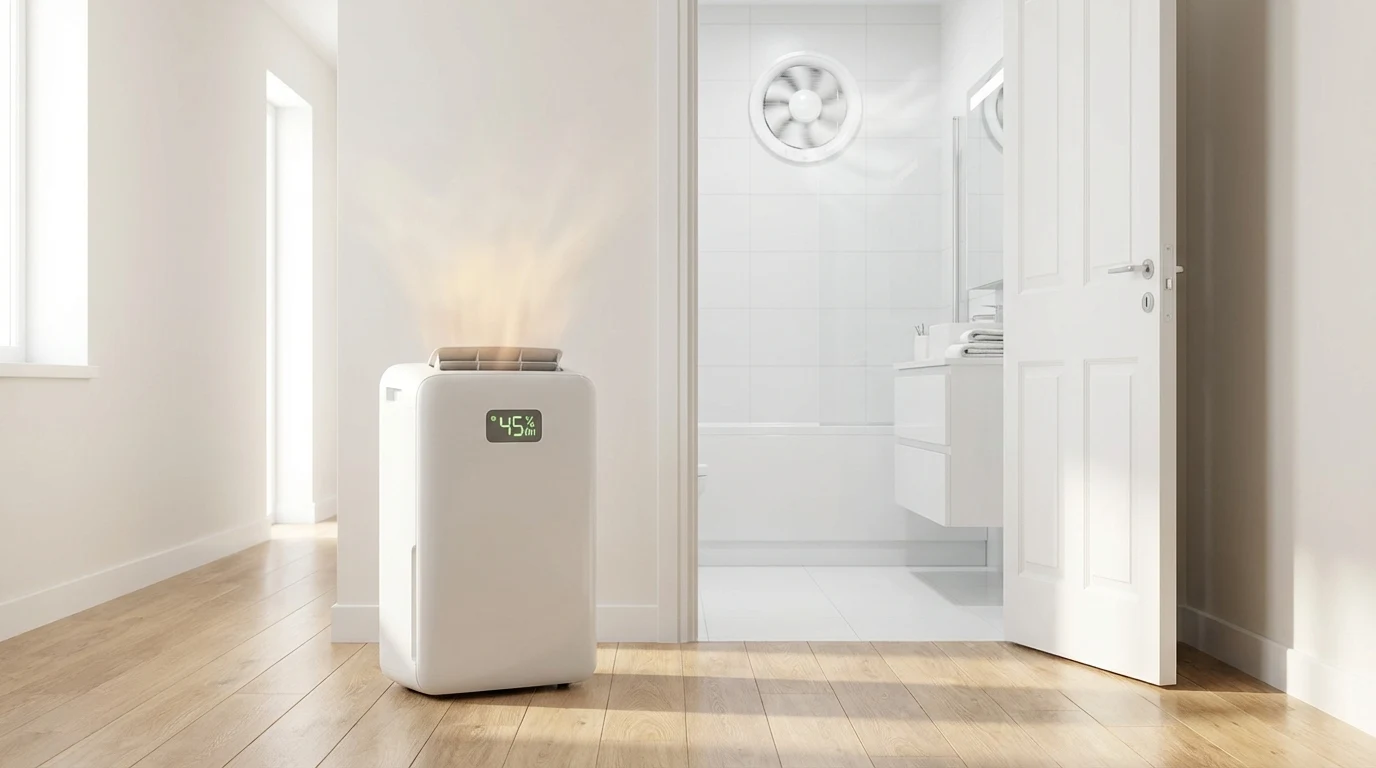
Palm Build supports South Carolina mold response with containment-first remediation, moisture correction, and practical prevention planning for humid climates.
South Carolina Mold Remediation Service Coverage
South Carolina mold projects often involve a blend of coastal humidity exposure and inland ventilation challenges. Palm Build uses containment-first remediation, measured drying control, and verification criteria that help owners avoid recurring cleanup cycles.
You can pair this location guidance with our black mold removal guide, commercial mold remediation workflow, and testing decision framework for full-scope planning.
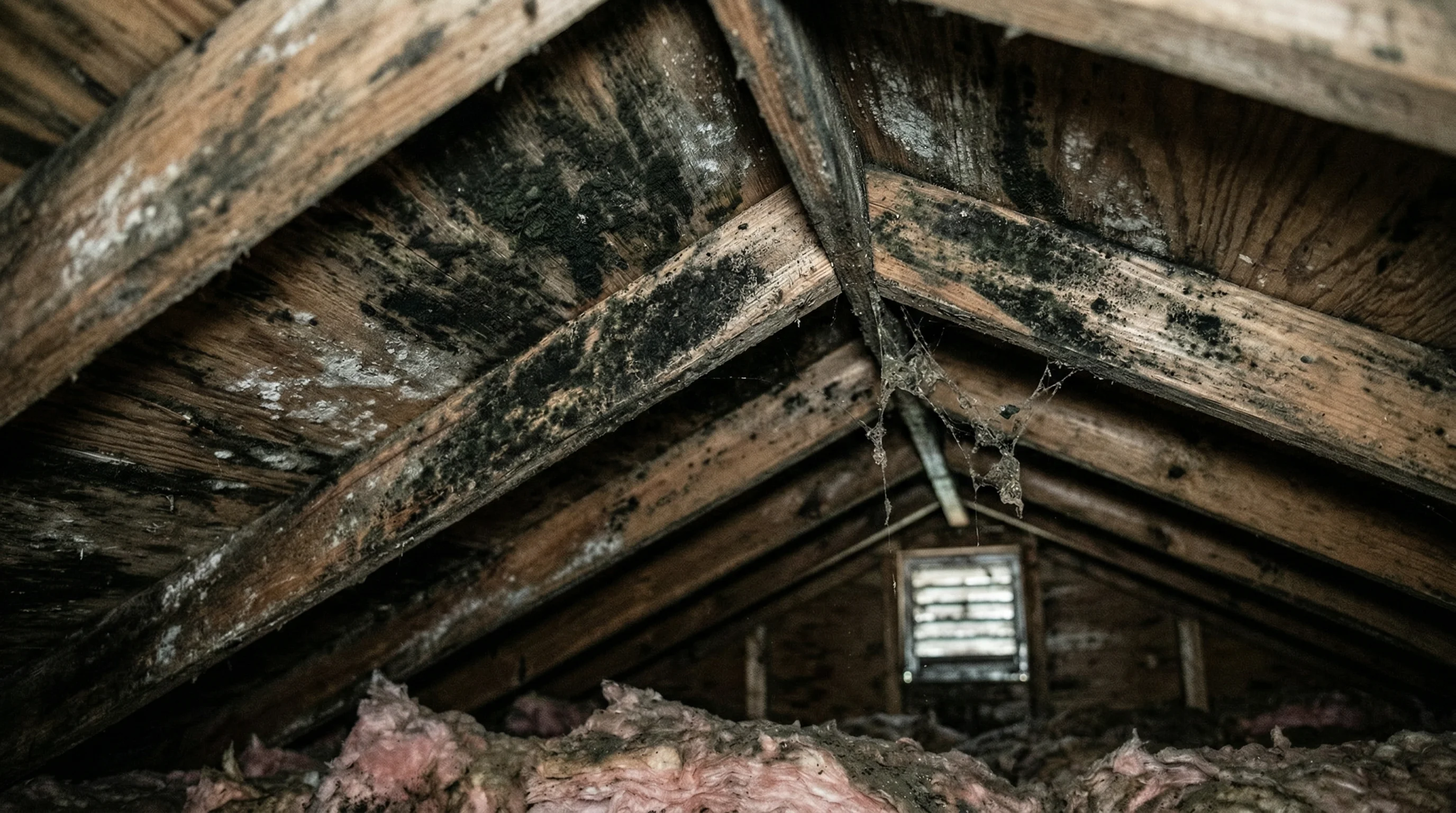
Controlling moisture pathways and occupancy impacts is usually the difference between one-time resolution and repeated mold intervention.
Near-coast properties can retain elevated interior humidity longer, increasing recurrence risk after water events.
Often the primary issue is not surface growth itself but poor airflow and unresolved intrusion pathways.
In multi-unit and commercial settings, mold projects must protect adjacent occupants while remediation proceeds.
Determine whether growth is driven by intrusion, condensation, or chronic humidity retention.
Implement barriers and filtered airflow controls matched to occupancy and building layout.
Remove and clean affected materials with clear moisture targets for stabilization and closeout.
Provide project documentation and a practical maintenance plan to reduce repeat contamination events.
When mold scope overlaps storm-related moisture events, coordinate with storm and hurricane restoration and reconstruction services for smoother end-to-end recovery.
Expert answers about professional treatment, health concerns, prevention, and what to expect during the process.
Our comprehensive process includes six key steps: (1) Thorough inspection and air quality testing, (2) Containment setup to prevent spore spread, (3) HEPA air filtration to capture airborne particles, (4) Safe removal using EPA-approved products, (5) Cleaning and sanitizing affected areas, (6) Addressing moisture sources to prevent regrowth. Our IICRC-certified specialists follow EPA guidelines throughout to restore healthy indoor air quality.
Still have questions about the treatment process?
Our certified team assesses conditions, contains affected zones, remediates safely, and addresses moisture causes to reduce recurrence risk.
Thorough inspection and air quality assessment
EPA-compliant removal protocols
Serving Florida & North Carolina
Stop problems from returning
Need help right now? Call us.
24/7 live dispatch — average answer time under 30 seconds