Commercial projects must coordinate occupancy schedules, containment boundaries, and business continuity constraints simultaneously. Unlike residential work, these projects often involve multiple stakeholders including facility managers, tenants, and building owners who each have distinct operational requirements. A clear communication framework established before work begins prevents delays and conflicting directives once remediation is underway.
Commercial Mold Remediation
Commercial Mold Projects Require Safety, Speed, and Documentation Discipline
For offices, retail, and institutional facilities, mold response must protect occupants while preserving operations. This guide outlines containment strategy, phased scheduling, and claim-ready reporting.
- Occupant safety
- Phased project execution
- Documentation and compliance
Practical first steps
Documentation quality directly impacts insurer communication, landlord-tenant responsibility allocation, and timeline control throughout the project lifecycle. Every affected zone needs detailed photo documentation, moisture readings, and air sampling results captured at consistent intervals. This evidence chain supports claim adjuster reviews and provides defensible records if disputes arise between parties.
After-hours or phased remediation scheduling can significantly limit downtime for critical business spaces and essential services. Many commercial facilities cannot simply shut down for days at a time, so work windows are planned around occupancy patterns, shift changes, and peak business periods. Phased execution also allows clearance testing on completed zones while work continues elsewhere in the building.
HVAC isolation and negative air filtration are central priorities in shared-air commercial environments where contamination can spread rapidly between zones. Commercial HVAC systems often serve multiple suites or floors through interconnected ductwork, making cross-contamination a constant risk during active remediation. Proper isolation protocols include sealing supply and return registers, deploying scrubbers at calculated air exchange rates, and monitoring differential pressure across containment barriers.
Multi-zone moisture mapping prevents scope gaps across suites, floors, and common areas that could lead to recurring mold growth. Commercial buildings frequently have concealed moisture pathways through shared wall cavities, above drop ceilings, and within mechanical chases that connect otherwise separate tenant spaces. A thorough initial assessment using thermal imaging and pin-type meters identifies these hidden conditions before remediation scoping is finalized.
In-Depth Guide
Understanding the process
Commercial mold remediation presents challenges that differ substantially from residential projects. Occupied buildings require careful attention to occupant safety throughout the process, particularly in facilities with vulnerable populations such as schools, healthcare offices, or senior living communities. Shared HVAC systems can distribute airborne spores across entire floors or wings within hours if not properly isolated before work begins. Liability concerns add another layer of complexity: building owners, property managers, and tenants all have distinct legal and financial exposure that must be addressed through clear communication and thorough documentation from the first day of the project.
Phased remediation is often the most practical approach for commercial facilities that cannot afford extended closures. By dividing the affected building into discrete work zones, crews can contain and remediate one area while adjacent spaces remain operational. Each zone follows a complete cycle of containment, removal, treatment, and clearance testing before the barriers come down and the space is returned to service. HVAC isolation is critical during each phase. Supply and return registers within the active work zone are sealed, negative air machines maintain inward pressure, and the building's air handling units may need temporary modifications to prevent recirculating contaminated air through shared ductwork. This disciplined zone-by-zone approach protects occupants and allows the business to maintain some level of normal operations throughout the project.
Documentation standards for commercial mold projects must satisfy multiple audiences, including insurance carriers, building owners, regulatory agencies, and sometimes legal counsel. Daily progress logs with timestamped photographs, moisture readings at defined monitoring points, and air sampling data collected at each phase of the project create an evidence chain that supports insurance claims and demonstrates regulatory compliance. For properties governed by OSHA workplace safety standards or state environmental health codes, the documentation package may also need to include worker exposure monitoring results, waste manifests for contaminated materials, and formal clearance reports from an independent testing firm. Meeting these standards from the outset avoids costly re-work and protects all parties involved in the restoration process.
Field Visuals
Inspection, containment, and remediation in practice
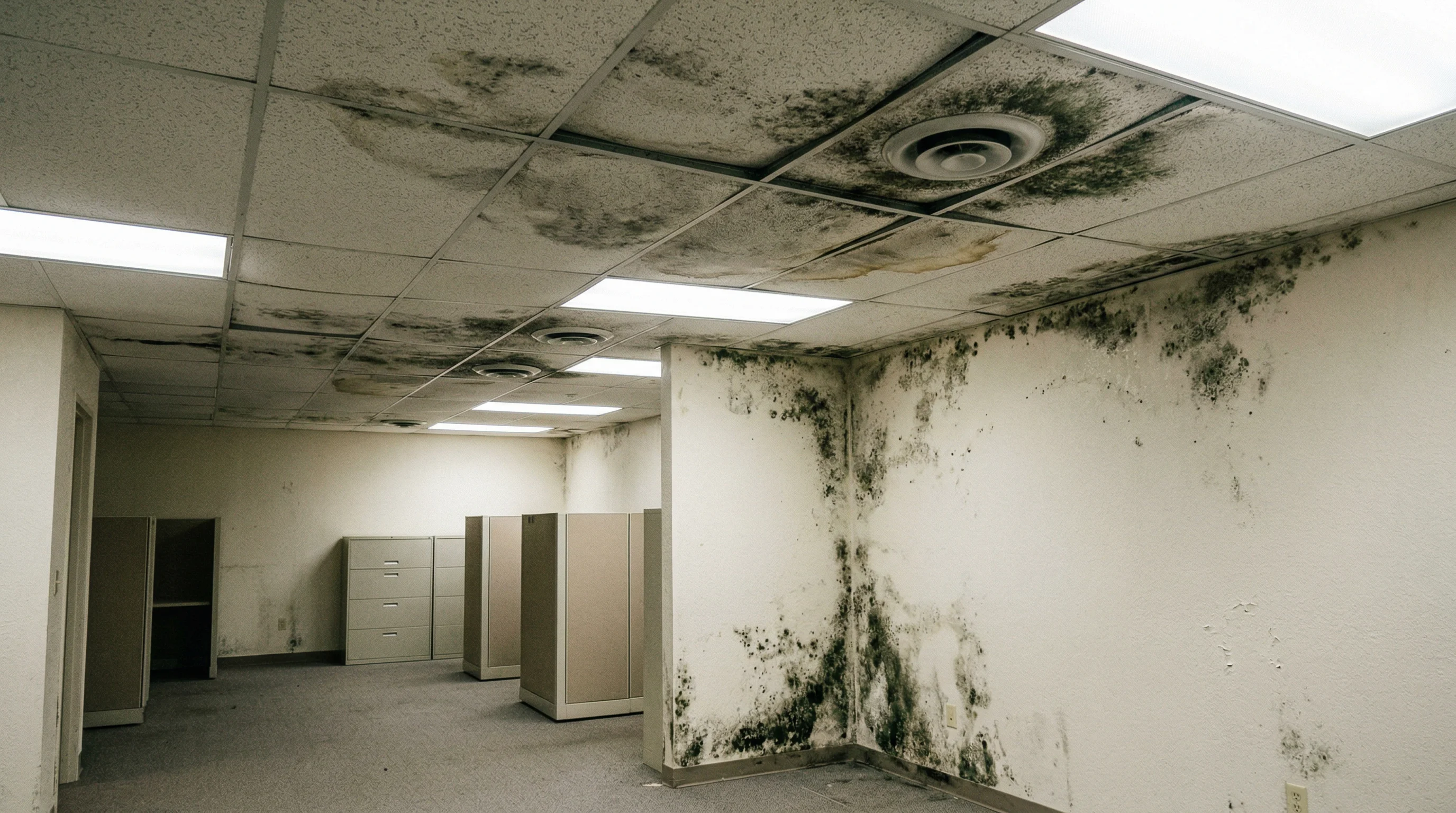
Commercial contamination assessment
Commercial spaces often need zone-based remediation with continuity planning.
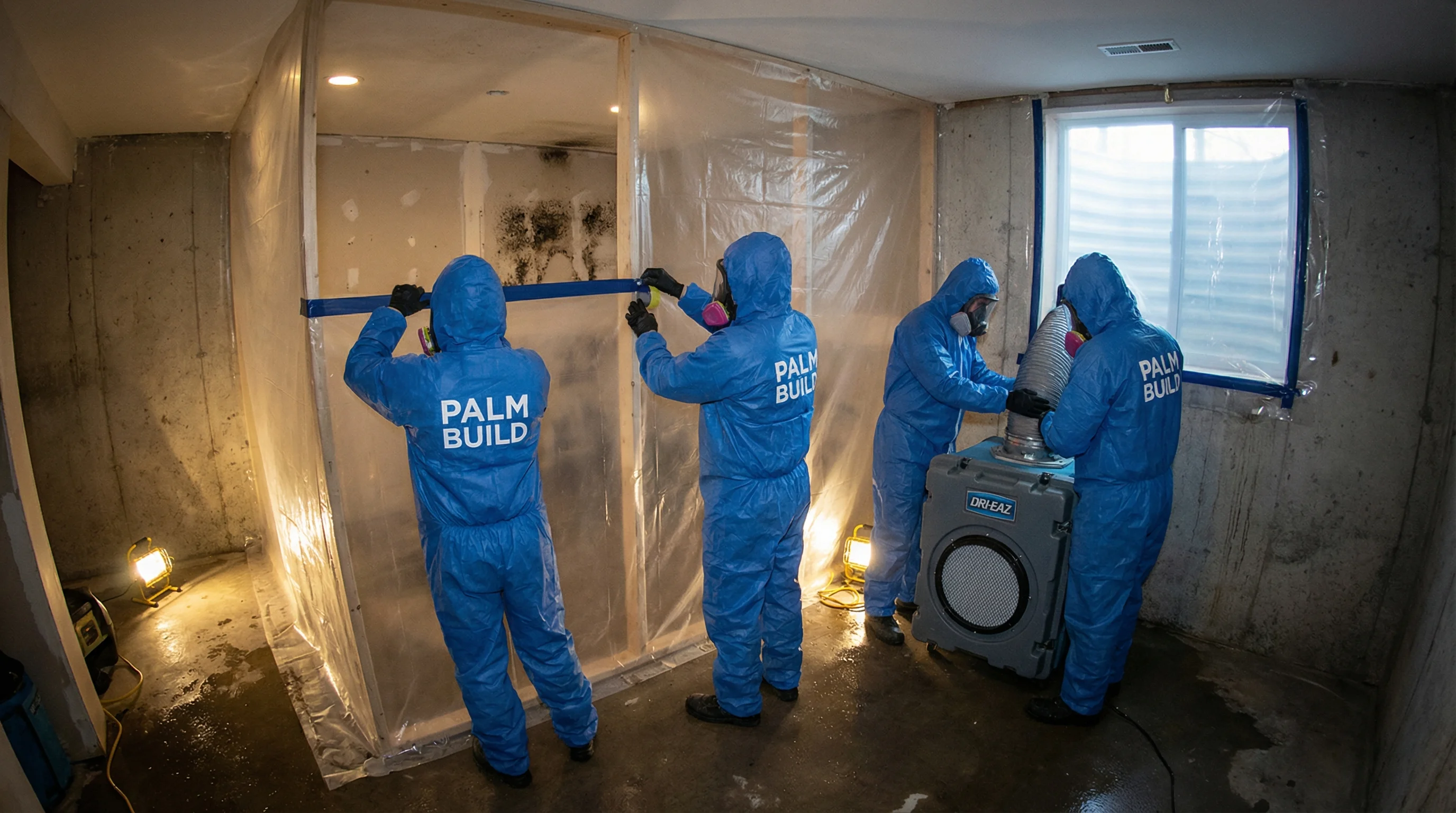
Containment deployment for active business space
Containment, signage, and access control reduce disruption and exposure risk.
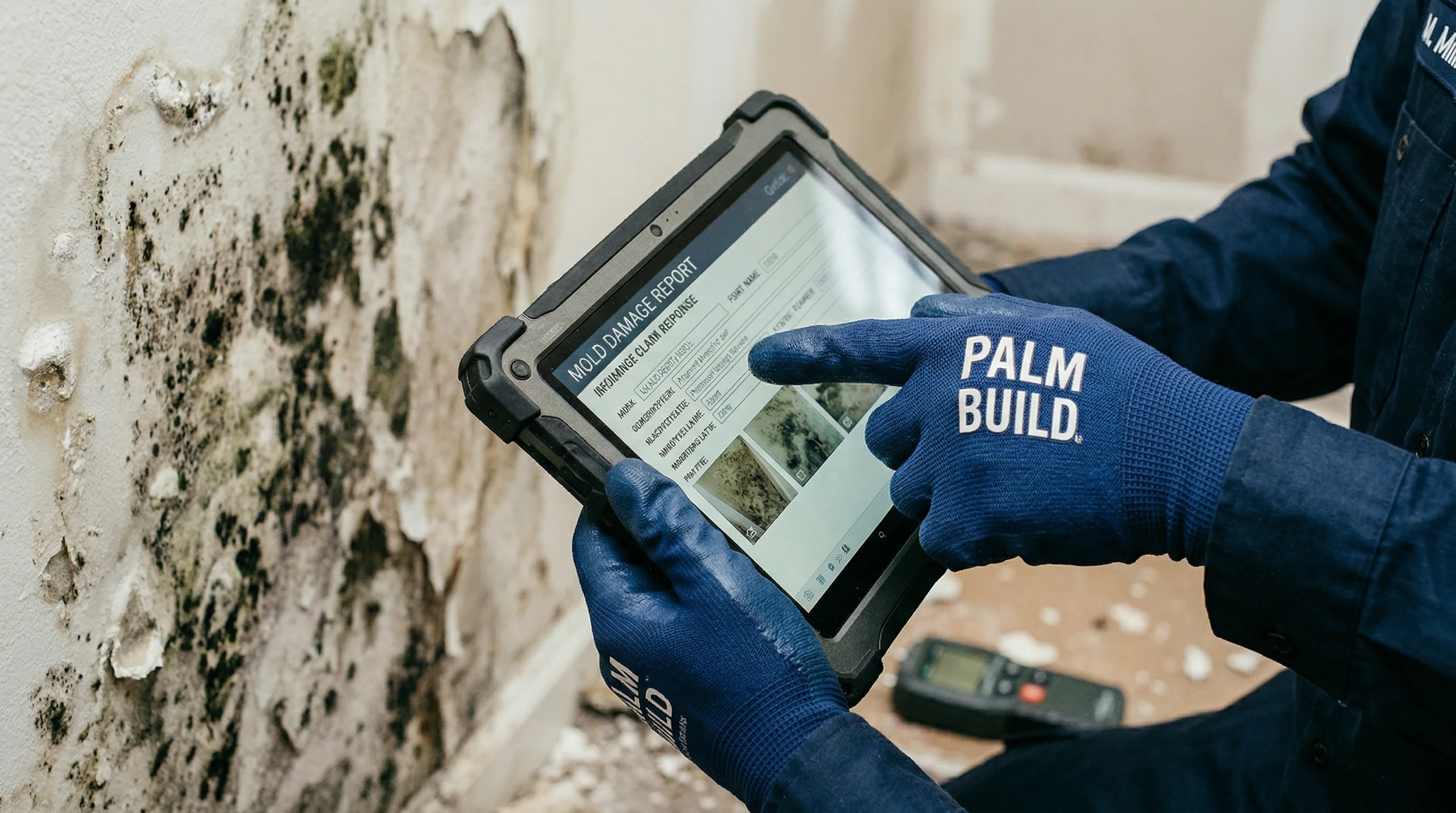
Documentation and reporting workflow
Daily documentation improves insurer coordination and owner-side decision speed.
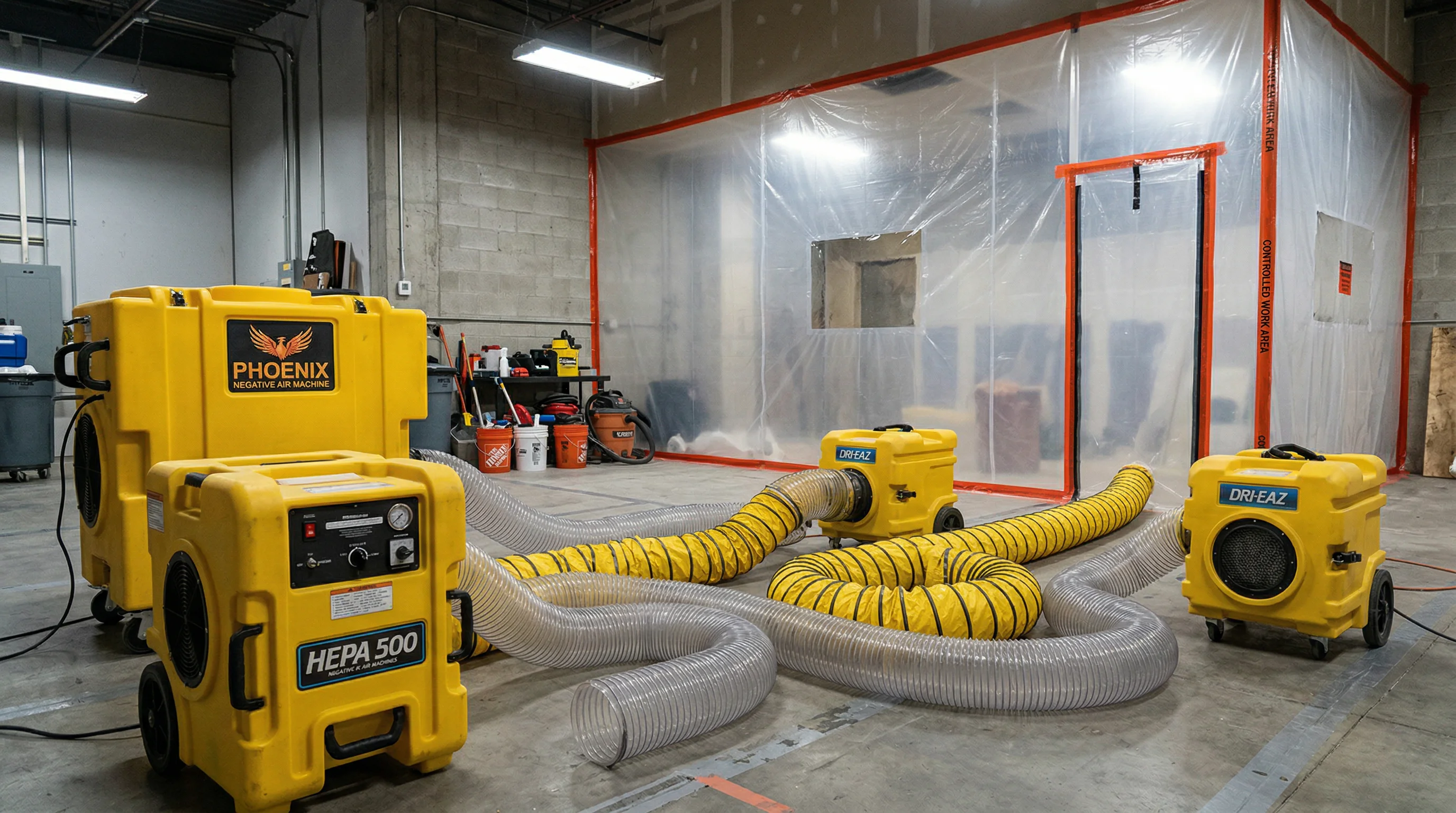
Negative air machine and containment barrier
Negative air machines maintain pressure differentials that prevent spore migration to occupied areas during active remediation.
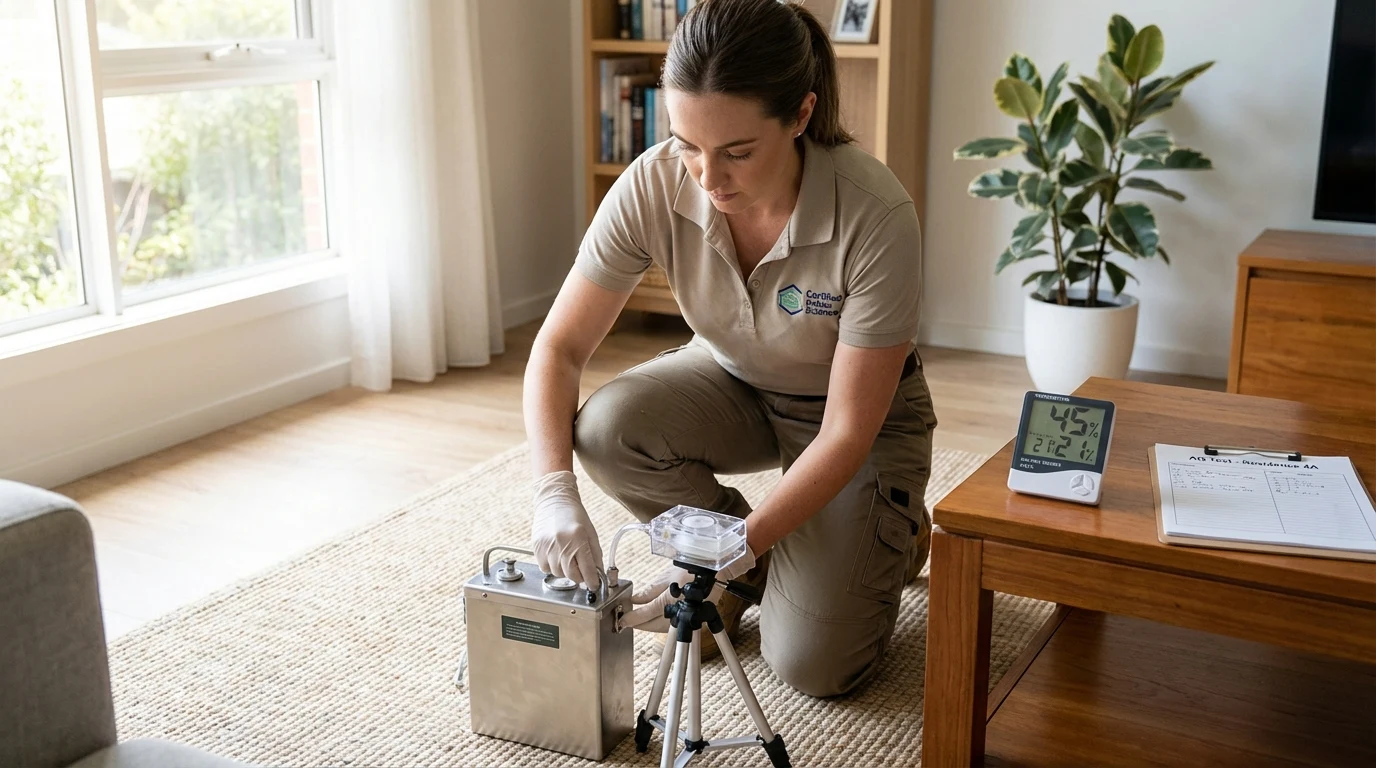
Air quality sampling and monitoring
Baseline and post-remediation air sampling provides quantitative evidence that clearance thresholds have been met.
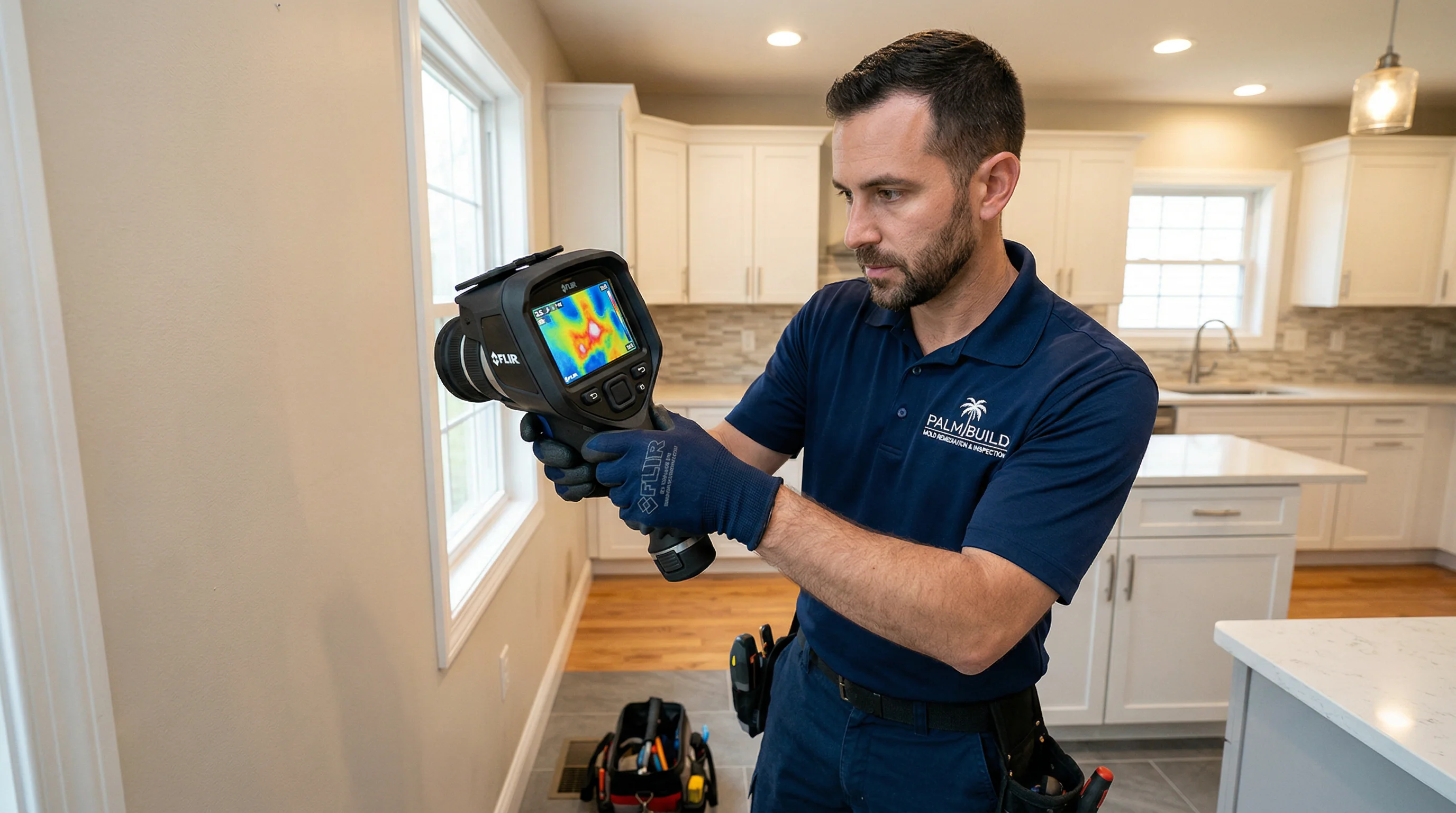
Thermal imaging for hidden moisture detection
Infrared thermal imaging identifies concealed moisture sources behind walls, above ceilings, and within mechanical chases without destructive investigation.
Remediation Sequence
How this project type is handled professionally
Operational risk planning
Define critical operations, occupancy constraints, and phased work windows before any crews mobilize to the site. This includes mapping tenant schedules, identifying sensitive equipment or inventory that needs protection, and establishing emergency contact protocols for building management. A detailed project plan with milestone dates is shared with all stakeholders so expectations are aligned from the start.
Containment and HVAC controls
Build zone isolation using polyethylene barriers, negative air machines, and HEPA filtration while implementing pressure controls to protect occupied adjacent areas. HVAC registers within and near the work zone are sealed, and differential pressure is monitored continuously to confirm that air flows into the containment rather than out of it. In larger facilities, temporary supplemental ventilation may be provided to occupied zones whose normal air supply has been rerouted.
Targeted remediation execution
Perform removal and antimicrobial cleaning by zone with daily documentation, moisture verification updates, and progress reporting to the project manager. Each zone follows the same sequence: removal of contaminated porous materials, HEPA vacuuming of structural surfaces, antimicrobial treatment, and encapsulation where warranted by the remediation protocol. Work areas are kept under containment until post-remediation air samples confirm spore counts have returned to acceptable levels.
Clearance and reopen sequence
Validate each zone through independent clearance testing before turnover to facilities teams and reconstruction partners. Clearance criteria are established at the outset of the project and typically include both visual inspection standards and quantitative air or surface sampling thresholds. A formal clearance report is issued for each zone, providing the building owner and insurer with documented confirmation that the space meets re-occupancy standards.
Cost Guidance
What to expect on pricing
Costs vary by contamination severity, affected area size, and region. These ranges reflect typical residential and commercial projects in our service areas.
Commercial mold inspection
$500 - $2,000
Includes visual assessment, moisture mapping, air sampling, and a written report with remediation recommendations. Larger or multi-story facilities fall toward the higher end of this range.
Office/retail remediation (per area)
$3,000 - $10,000
Covers containment setup, removal of contaminated materials, antimicrobial treatment, and HEPA vacuuming for a defined work zone within a commercial space.
Multi-zone facility remediation
$10,000 - $50,000+
Projects spanning multiple suites, floors, or building wings with phased scheduling, HVAC isolation, and independent clearance testing for each zone.
HVAC mold cleaning and treatment
$2,000 - $8,000
Includes interior duct cleaning, coil treatment, register decontamination, and filter replacement. Cost depends on system size, accessibility, and number of air handlers.
Clearance testing (commercial)
$500 - $1,500
Independent third-party air and surface sampling conducted after remediation to confirm the space meets re-occupancy standards. Multiple zones may require separate sampling events.
Regional notes
Florida
Storm recovery and persistent humidity are recurring drivers of commercial mold response across South Florida and the Gulf Coast. Post-hurricane conditions frequently overwhelm building envelopes, introducing bulk water through roof damage, window failures, and rising groundwater. Commercial facilities in these areas benefit from pre-season mold response planning that includes vendor agreements and emergency dehumidification capacity.
North Carolina
Mixed-age commercial building stock in the Charlotte metro and Piedmont region often requires crawl space, roof system, and HVAC cross-system evaluation to identify all moisture sources. Older buildings may have envelope deficiencies that allow condensation-driven mold growth in wall cavities and above suspended ceilings. Seasonal humidity swings between summer and winter create recurring conditions that require ongoing monitoring after remediation is completed.
South Carolina
Coastal and inland moisture dynamics along the Lowcountry and Midlands corridors can significantly affect project timelines, reopening schedules, and filtration planning. High ambient humidity during summer months makes it more difficult to achieve target drying conditions inside the building, often requiring supplemental dehumidification beyond what the HVAC system alone can provide. Commercial properties near the coast also face salt air corrosion of mechanical systems, which can accelerate moisture intrusion if not addressed during the restoration process.
Common Questions
Frequently asked questions
Can we stay open during mold remediation?
In many cases, yes. Phased remediation allows work to proceed in isolated zones while the rest of the building remains operational. The key is proper containment with negative air pressure, sealed HVAC registers, and controlled access points that prevent cross-contamination to occupied areas. Your remediation team will develop a phased schedule around your business hours and occupancy patterns to minimize disruption. However, in cases of widespread contamination or compromised HVAC systems, temporary full or partial closure may be necessary to protect occupant health.
Who is responsible for mold in a leased space?
Responsibility depends on the lease terms, the source of the moisture problem, and applicable state and local regulations. Generally, landlords are responsible for maintaining the building envelope, roof, and common-area plumbing, while tenants may bear responsibility for conditions caused by their own operations or failure to report leaks promptly. Most commercial leases include provisions addressing maintenance obligations and environmental conditions. It is important for both parties to document conditions thoroughly and consult their lease agreement and legal counsel to determine who bears the cost of remediation and any resulting business interruption.
How do you prevent mold from spreading through the HVAC?
Before any demolition or removal work begins, all supply and return registers within the containment zone are sealed with polyethylene sheeting and tape. Negative air machines equipped with HEPA filters are used to maintain lower air pressure inside the work zone relative to surrounding spaces, which prevents contaminated air from migrating outward. For larger commercial systems with shared air handlers, the affected ductwork sections may be temporarily isolated at the plenum level. After remediation is complete, the HVAC system serving the affected zone is cleaned, filters are replaced, and the system is verified before being brought back online.
What documentation do we need for our insurance claim?
A well-supported commercial mold claim typically includes the initial inspection report with moisture readings and air sampling results, a detailed scope of work with line-item estimates, daily progress logs with dated photographs, moisture monitoring records for each affected zone, and final clearance testing results from an independent laboratory. Your remediation contractor should also provide documentation of the moisture source and any related structural damage that contributed to the mold growth. Having this documentation organized and available from the start of the project significantly reduces friction with adjusters and accelerates the claims process.
How long does commercial mold remediation take?
Project duration depends on the size of the affected area, the number of zones involved, HVAC complexity, and whether work can proceed during business hours or must be scheduled after hours. A single-zone office remediation might be completed in three to five days, while a multi-floor facility with phased scheduling can extend to several weeks. Factors that commonly extend timelines include the need for structural drying before remediation can begin, discovery of additional contamination behind walls or above ceilings during the project, and scheduling constraints imposed by building operations. Your project manager will provide a detailed timeline estimate after the initial assessment is complete.
Related Guides
Keep your remediation plan connected
Need a commercial mold response plan?
Palm Build can scope, phase, and document commercial remediation projects while supporting occupancy and continuity goals.