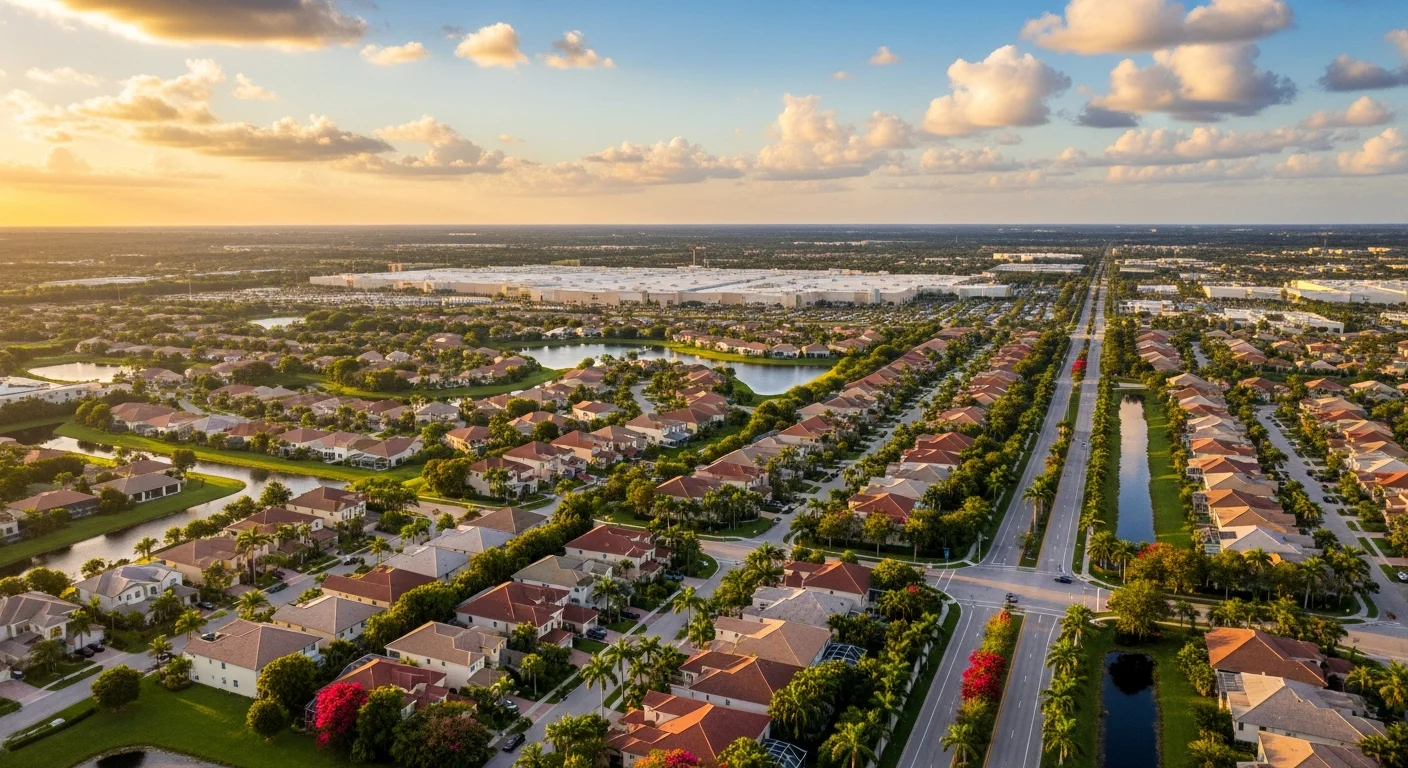
From Sunrise Lakes condos to Welleby single-family homes, Sawgrass townhomes to Springtree pool houses, Palm Build's DBPR-licensed mold remediators respond from Deerfield Beach in 30-60 minutes — with HEPA containment, independent clearance coordination, HVAC contamination expertise, and the regulatory documentation Florida law demands under Chapter 468 Part XVI.
Deerfield Beach Office — ~20 minutes to Sunrise 30-60 min Response IICRC Certified
Sunrise's tropical climate, aging condo construction, and reliance on year-round air
conditioning create a perfect environment for mold growth. Unlike northern markets where
winter breaks the cycle, mold in Sunrise is a 365-day threat — and it begins growing within 24 to 48 hours of any moisture event.
Year-Round Humidity
80%+
Avg relative humidity
Sunrise sits in the Aw tropical monsoon zone — average relative humidity stays above 80% year-round. Unlike seasonal climates where winter drying slows mold, South Florida's persistent moisture means mold colonies never enter a dormant phase. Every water event has an immediate amplification window.
19,000+ Multi-Family Units
~20K
Multi-family units
Sunrise's condo-heavy housing stock — communities like Sunrise Lakes, Welleby, and Springtree — means shared walls, concealed pipe chases, and centralized HVAC systems. A single unit's leak can migrate through wall cavities and ductwork into neighboring units before anyone sees visible mold.
HVAC as Silent Mold Driver
10-12 mo
Annual AC operation
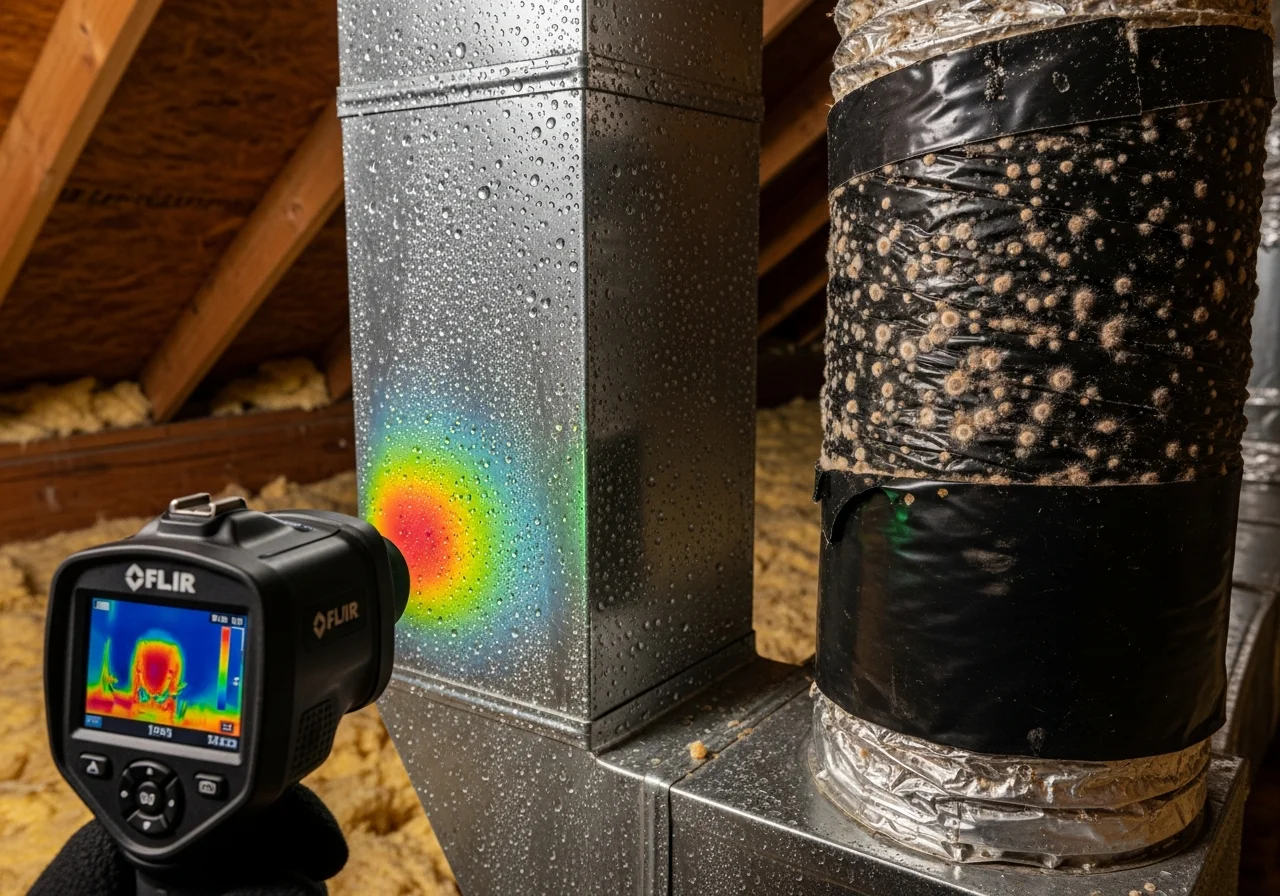
In Sunrise, air conditioning runs 10-12 months per year. Condensate drain overflows flood ceiling cavities. Ductwork in unconditioned attics sweats continuously. Supply boot connections leak cold air that creates condensation on warm drywall. HVAC-driven mold is Sunrise's #1 hidden damage vector.
61" Annual Rainfall + 10% SFHA
61 in
Annual rainfall
Sunrise receives 61 inches of rain annually — 50% more than the national average. Roughly 10% of the city falls within FEMA Special Flood Hazard Areas along the C-14 and North New River canals. Post-storm water intrusion that isn't dried within 48 hours feeds mold colonies behind walls and under flooring.
HVAC condensate overflow and ductwork condensation are the leading causes of hidden mold
in Sunrise condos and townhomes.
Neighborhood-Level Intelligence
Sunrise Neighborhood Mold Risk Profiles
Mold risk in Sunrise varies dramatically by neighborhood. Housing age, construction
type, proximity to canals, and HVAC system condition all determine baseline risk. Here's
what we see in the communities where we work most frequently.
Common damage: Cast-iron drain line deterioration, behind-wall mold from slow leaks undetected for months
Sawgrass
Moderate
Built: 1980s–2000s
Primary risk: Canal proximity, elevated humidity
Common damage: Elevated baseline humidity in ground-floor units, condensation on exterior walls
Springtree
Moderate
Built: 1970s–1980s
Primary risk: Aging ductwork, roof leak moisture
Common damage: Mold in ceiling cavities from chronic roof penetration leaks, HVAC distribution failures
Metropica
Low
Built: 2018+
Primary risk: Newer construction, construction moisture risk
Common damage: Residual construction moisture in concrete, improper HVAC commissioning in new units
New River
Moderate
Built: 1980s–1990s
Primary risk: Canal corridor humidity, aging windows
Common damage: Window frame condensation mold, elevated crawl-level moisture from canal proximity
Sunrise's dense condo communities and canal-adjacent neighborhoods create varied mold
risk profiles — from high-risk aging complexes like Sunrise Lakes to newer developments
like Metropica.
Florida DBPR Mold Licensing
How Licensed Mold Remediation Works in Florida
Florida is one of the few states that requires separate licenses for mold
assessment and mold remediation. The Florida Department of Business & Professional Regulation
(DBPR) enforces a strict separation of duties to protect homeowners.
Step 01
Assessment Phase
Licensed Mold Assessor
A Florida DBPR-licensed mold assessor inspects the property, collects air and surface samples, and writes a mold assessment report defining the scope of contamination. This assessment is required before remediation can begin.
Chapter 468, Part XVI, Florida Statutes
Step 02
Remediation Phase
Licensed Mold Remediator
A separately licensed mold remediator executes the remediation protocol defined in the assessment report. This includes containment, HEPA filtration, removal of contaminated materials, antimicrobial treatment, and structural drying.
Separate DBPR license required by Florida law
Step 03
Clearance Testing
Post-Remediation Verification
The original assessor (or another licensed assessor) returns to collect post-remediation samples and verify that mold levels meet acceptable thresholds. Only after clearance is the job considered complete.
Required for projects exceeding 10 sq ft
Florida's Conflict of Interest Rule
Under Florida law, the company that performs the mold assessment cannot perform the remediation on the same structure within 12 months — and vice versa. This separation ensures independent
verification at every stage.
DOH Guidance: The Florida Department of Health, Broward County, recommends
homeowners verify that their mold assessor and remediator hold separate, current DBPR
licenses before any work begins. Palm Build coordinates this entire process — connecting
you with licensed assessors and managing the remediation through clearance testing.
Our Sunrise Process
How We Remediate Mold in Sunrise Homes
Every mold remediation follows a protocol defined by the IICRC S520 standard and Florida
DBPR licensing requirements. Here is exactly what happens when Palm Build remediates
mold in your Sunrise home or condo.
01
Assessment & Testing
Day 1
02
Containment Setup
Day 1-2
03
HEPA Air Filtration
Continuous
04
Mold Removal
Days 2-4
05
Antimicrobial Treatment
Days 4-5
06
Clearance Testing & Verification
Day 5-7
01
Assessment & Testing
Day 1
A licensed mold assessor collects air and surface samples, uses thermal imaging to locate hidden moisture, and documents the full scope of contamination. This assessment drives the entire remediation protocol — including containment zones and disposal requirements.
02
Containment Setup
Day 1-2
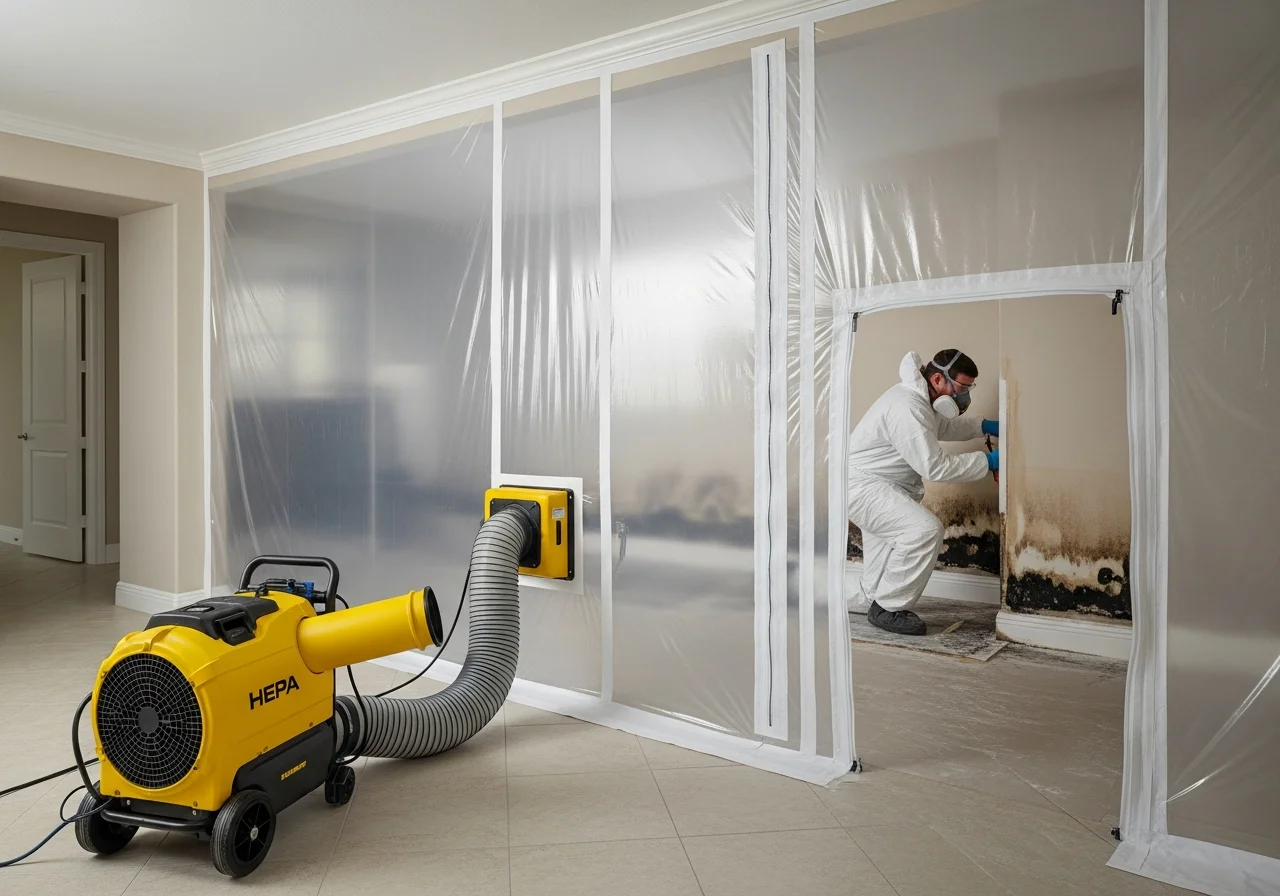
Polyethylene sheeting and negative air pressure isolate the contaminated area from the rest of the home. In Sunrise condos with shared HVAC systems, we seal supply and return registers to prevent cross-unit migration of mold spores during remediation.
03
HEPA Air Filtration
Continuous
Commercial HEPA air scrubbers filter airborne spores down to 0.3 microns — capturing Aspergillus, Cladosporium, and Stachybotrys particles. These run continuously throughout the remediation process and during drying to maintain air quality.
04
Mold Removal
Days 2-4
Contaminated drywall, insulation, carpet, and other porous materials are removed and double-bagged in 6-mil poly for disposal. Non-porous surfaces are HEPA-vacuumed and wire-brushed or media-blasted to remove mold roots from concrete, wood framing, and metal surfaces.
05
Antimicrobial Treatment
Days 4-5
EPA-registered antimicrobial agents are applied to all remediated surfaces to eliminate residual spore colonies and prevent regrowth. Structural cavities, wall bays, and HVAC plenums receive targeted treatment — critical in Sunrise where humidity re-exposes surfaces within hours.
06
Clearance Testing & Verification
Day 5-7
A licensed mold assessor returns to collect post-remediation air and surface samples. Lab results must show spore counts at or below baseline levels before containment is removed. Only after clearance is the remediation considered complete.
Full containment with negative air pressure and HEPA filtration prevents mold spore
migration to unaffected areas during remediation.
Sunrise Pricing
Mold Remediation Costs in Sunrise, FL
Sunrise mold remediation costs run 15-25% higher than national averages due to Florida's
licensing requirements, year-round humidity demanding more aggressive protocols, and the
prevalence of multi-unit condo work requiring coordination with HOAs and property
managers.
Project Scope
Sunrise, FL
National Avg
Small Area (<50 sq ft)
$1,500 – $5,000
$1,200 – $4,000
Moderate (50-200 sq ft)
$5,000 – $15,000
$4,000 – $12,000
Major (200+ sq ft)
$15,000 – $30,000+
$12,000 – $25,000+
HVAC Mold Treatment
$3,000 – $8,000
$2,500 – $7,000
Multi-Unit Condo
$10,000 – $25,000
N/A
Why Sunrise costs run higher
Florida DBPR licensing fees, required third-party assessment and clearance testing,
year-round humidity requiring extended drying protocols, and multi-unit condo
coordination all contribute to the premium over national averages.
Know Your Risk Window
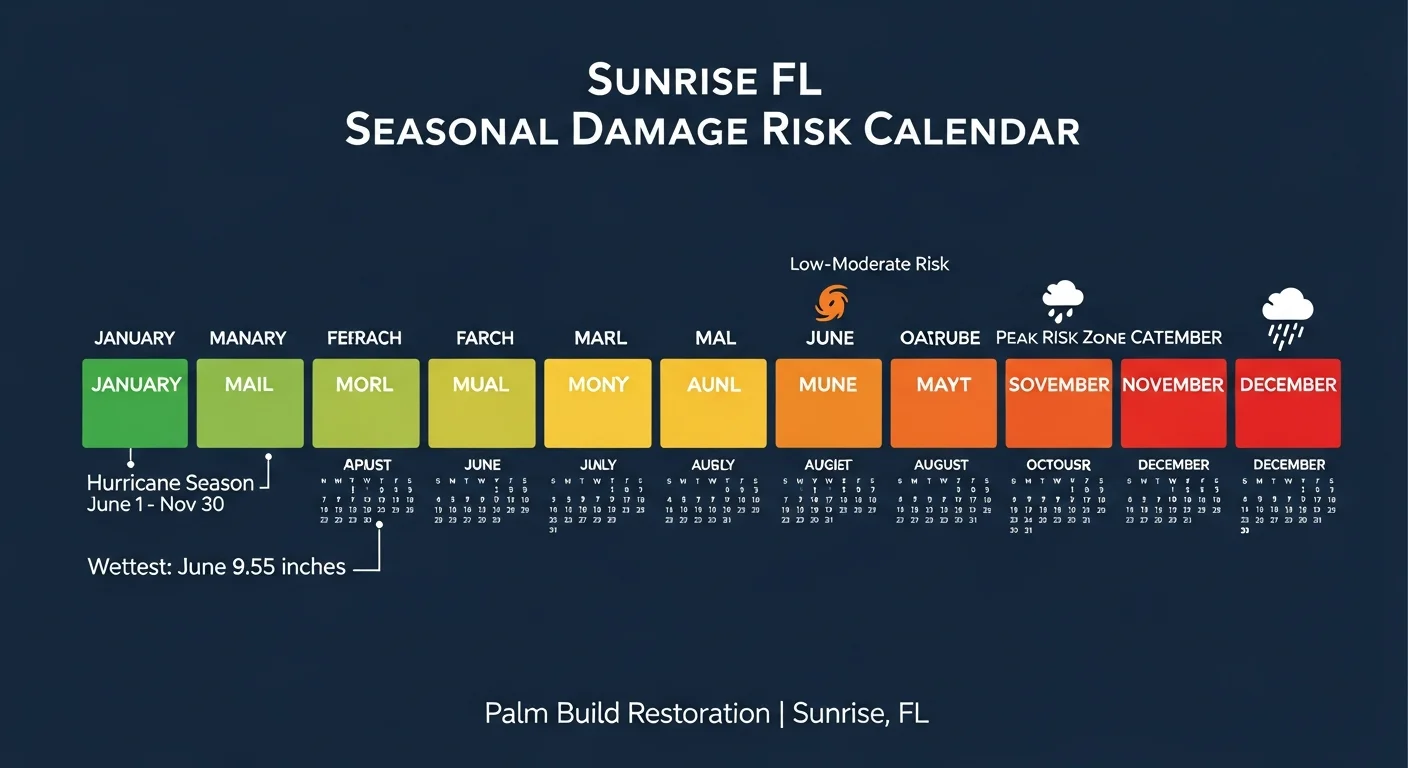
Sunrise Seasonal Mold Risk Calendar
Unlike northern climates where winter halts mold growth, Sunrise has a year-round mold
cycle. Each season presents different mechanisms — understanding the calendar helps you
catch problems early and schedule remediation during optimal windows.
December – April
Dry Season — Indoor Mold Persists
Lower outdoor humidity doesn't mean mold stops. Indoor mold from prior wet-season water events continues growing behind walls and in HVAC systems. This is when homeowners often first notice musty smells — months after the original moisture intrusion that started the colony.
May
Transition — HVAC Condensation Begins
HVAC systems ramp up to handle rising humidity, and condensation issues begin. Attic moisture rises as temperature differentials increase. Condensate drain lines that were dormant or partially clogged during the dry season start overflowing, sending water into ceiling cavities and wall bays.
June – September
Peak Mold Season
Humidity exceeds 80% daily. Heavy afternoon thunderstorms dump inches of rain in hours. Post-storm hidden moisture behind walls and under flooring feeds mold colonies that can double in size every 24-48 hours. This is when most large-scale remediation projects originate.
October – November
Late Season — Named Storms & Power Outages
Peak named-storm season brings hurricane and tropical storm risk. Prolonged power outages mean no air conditioning — and without AC, indoor humidity skyrockets to outdoor levels within hours. A 48-hour power outage in Sunrise can produce visible mold growth on walls and furniture.
The Hidden Mold Driver
How Your HVAC System Feeds Mold in Sunrise
In Sunrise, your air conditioning system is the single biggest source of hidden moisture
damage. Running 10-12 months per year, even small HVAC deficiencies create continuous
moisture that feeds mold colonies behind walls, above ceilings, and inside ductwork.
Condensate Drain Clogs
5-20 gal/day
Condensate output
Condensate drain lines in Sunrise homes run year-round, producing 5-20 gallons of water daily. Algae, biofilm, and debris clog these lines — and when they overflow, water floods ceiling cavities, wall bays, and insulation. Many Sunrise condo owners discover mold on their ceiling months after a silent drain overflow.
Ductwork Condensation
140-160°F
Attic peak temp
In Sunrise attics that can reach 140-160°F, flex ductwork carrying 55°F air sweats on the exterior. When duct insulation is compressed, torn, or improperly sealed at connections, condensation drips onto ceiling drywall or pools on the attic floor — creating a persistent moisture source that feeds mold colonies for months.
Pressure Imbalances
-3 to -5 Pa
Typical imbalance
Inadequate return air creates negative pressure in conditioned spaces, pulling humid outdoor air through every gap, crack, and penetration in the building envelope. In multi-unit Sunrise condos, this humid infiltration air condenses on cool interior surfaces — particularly around AC registers, behind furniture on exterior walls, and inside closets.
Poor Supply Boot Insulation
20-30°F
Surface temp gap
Where supply ducts connect to ceiling registers, inadequate insulation creates a cold spot on the surrounding drywall. In Sunrise humidity, this surface temperature differential produces condensation rings around every register — visible as dark circles on the ceiling that many homeowners mistake for roof leaks.
Condensate drain overflows and ductwork sweating are the leading causes of HVAC-driven
mold in Sunrise homes — often hidden above ceilings for months before discovery.
Our Work
Sunrise Mold Remediation in Action
Full containment with negative air pressure during active remediation
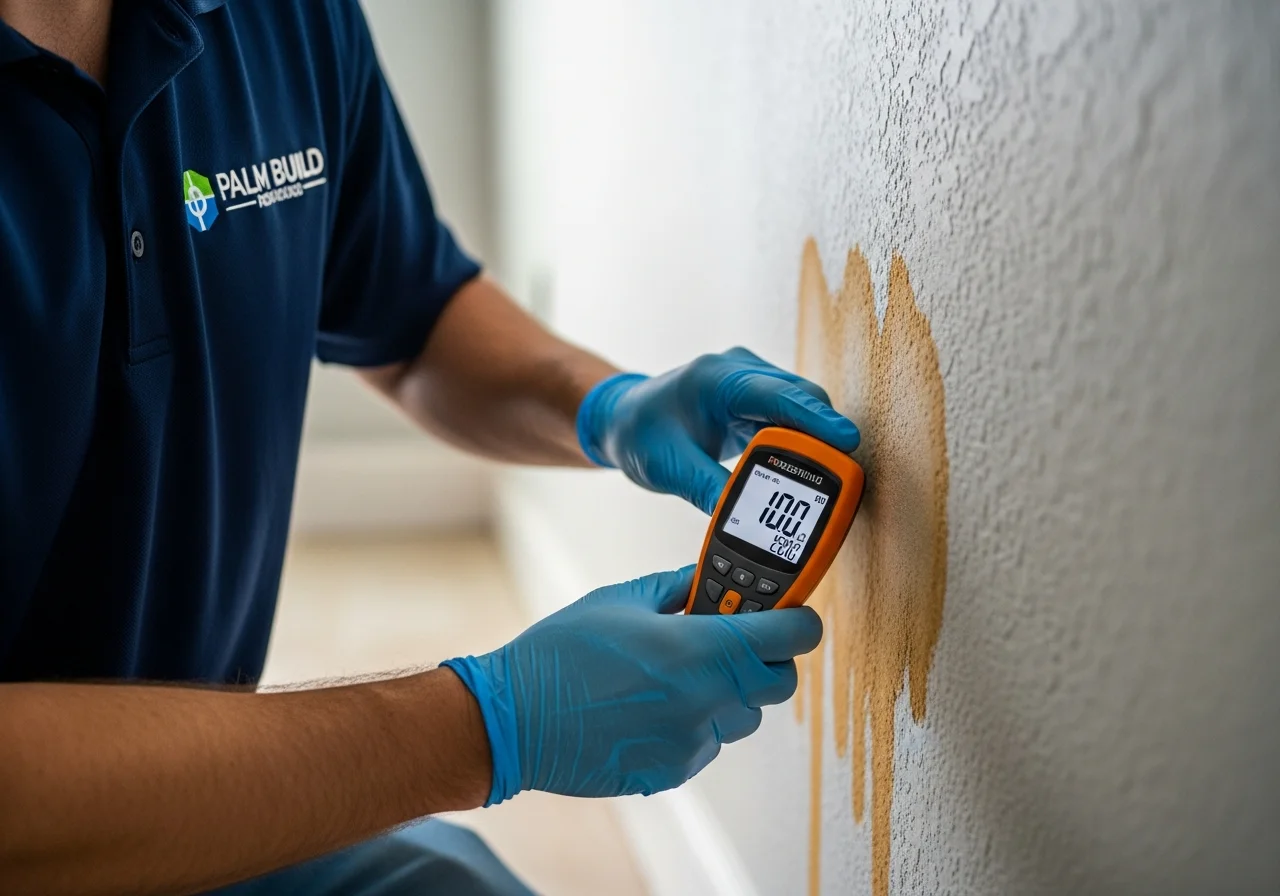
Pin-type moisture meter readings verify hidden moisture behind walls
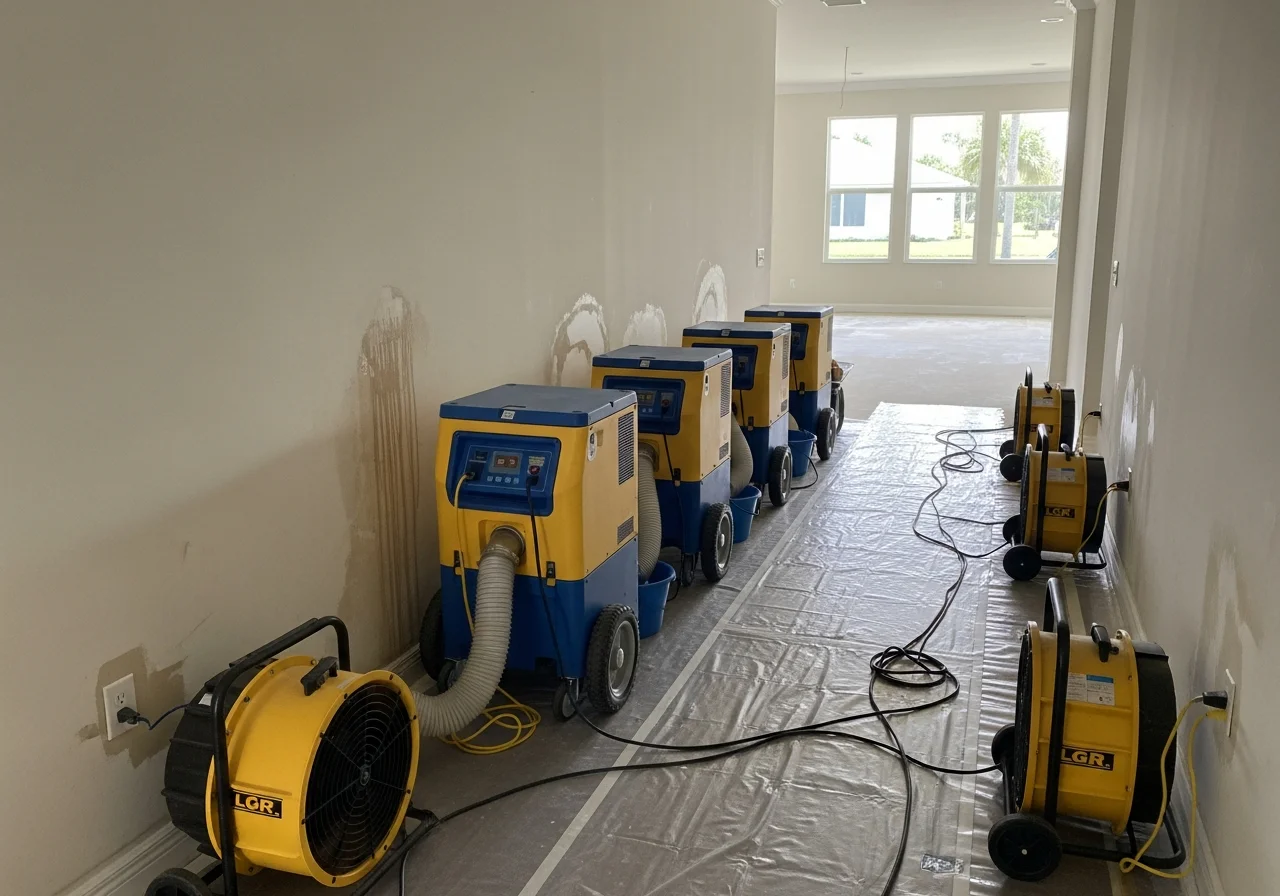
Commercial LGR dehumidifiers and air movers during structural drying
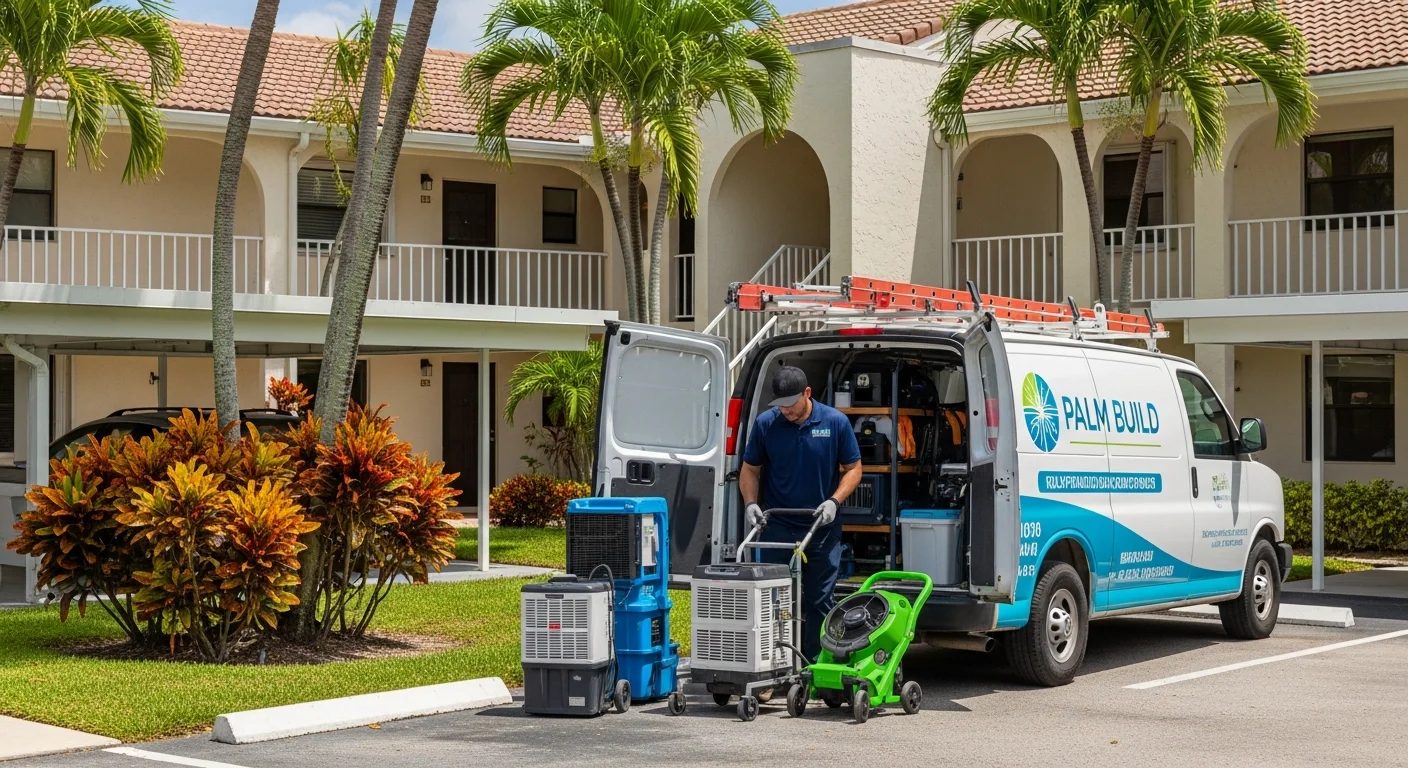
On-site at a Sunrise condo community for multi-unit mold remediation
Mold Identification
Common Mold Types Found in Sunrise Homes
Different mold species thrive in different conditions. Knowing what you're dealing with
determines the remediation protocol, safety equipment requirements, and disposal
procedures. Lab testing during the assessment phase identifies the exact species
present.
Aspergillus
Very Common
HVAC systems, water-damaged drywall, insulation
The most common indoor mold in Sunrise. Aspergillus thrives in HVAC ductwork and on water-damaged building materials. Multiple species exist — some produce mycotoxins. Frequently found in attic spaces above leaking AC supply boots and inside air handler cabinets.
Cladosporium
Very Common
Bathrooms, window frames, painted surfaces
An olive-green to brown mold that colonizes damp surfaces quickly. In Sunrise condos, Cladosporium commonly appears around single-pane windows, bathroom ceilings, and on exterior-facing walls where condensation accumulates. It grows at lower temperatures than most molds.
The infamous "black mold" requires sustained moisture to colonize — typically from chronic leaks or flooding that was never properly dried. In Sunrise, Stachybotrys is most often found behind drywall on shared condo walls where slow plumbing leaks go undetected for weeks or months.
Penicillium
Very Common
Water-damaged insulation, carpet, wallpaper
A fast-growing blue-green mold that spreads rapidly on wet materials. Penicillium is frequently found on wet carpet padding, soaked fiberglass insulation, and water-damaged wallpaper. It produces a strong musty odor — often the first sign homeowners notice.
Alternaria
Moderate
Showers, under sinks, around bathtubs
A dark brown to black mold that thrives in consistently wet environments. In Sunrise bathrooms, Alternaria colonizes shower grout, silicone caulk around tubs, and the undersides of sink cabinets. While primarily a surface mold, it indicates chronic moisture conditions.
The Palm Build Difference
Why Sunrise Homeowners Choose Palm Build for Mold
In a market where unlicensed operators and general contractors advertise mold removal
without proper credentials, Palm Build operates as a fully licensed, IICRC-certified
mold remediation company with deep experience in Sunrise's condo-heavy housing stock.
Licensed FL Mold Remediator
Palm Build holds a current Florida DBPR mold remediation license. We operate under the full regulatory framework — not as an unlicensed handyman or general contractor attempting mold work without proper credentials.
IICRC S520 Certified
Every crew lead holds current IICRC certifications including Mold Remediation Specialist (MRS) credentials. We follow the S520 standard for professional mold remediation — the accepted benchmark for the industry.
30-60 Minute Response
Our South Florida dispatch means crews arrive in 30-60 minutes, not hours. For active water events feeding mold growth, rapid response is the difference between a contained remediation and a full-scale project.
Condo-Experienced
Sunrise is a condo-heavy market, and condo mold work requires specific expertise — HOA coordination, shared-wall containment protocols, multi-unit HVAC isolation, and property management communication. We've done hundreds of condo remediations.
Insurance Documentation
Our moisture mapping, thermal imaging, lab results, photo documentation, and daily remediation logs are formatted for the adjuster workflow. We document to the standard insurance companies require for claim approval.
Clearance Testing Included
Every project includes coordination of post-remediation clearance testing by a licensed third-party assessor. We do not consider a job complete until lab results confirm spore counts meet acceptable thresholds.
Common Questions
Sunrise Mold Remediation FAQ
Does Palm Build hold a Florida DBPR mold remediation license?
Yes. Palm Build holds a current DBPR mold remediator license under Florida Statute Chapter 468, Part XVI. Florida law requires separate licenses for mold assessment and mold remediation — and the same company cannot perform both roles on the same structure within 12 months. This conflict-of-interest rule protects Sunrise homeowners from companies that diagnose problems just to bill for the fix. We coordinate with independent DBPR-licensed mold assessors for pre- and post-remediation testing. Verify our credentials at myfloridalicense.com.
Why is mold so common in Sunrise FL homes?
Sunrise sits in a tropical monsoon climate with 61 inches of annual rainfall and year-round relative humidity that consistently exceeds the 60% threshold where mold colonizes building materials. The city's housing stock — median construction year around 1982 — predates modern vapor retarder requirements. CBS concrete block construction absorbs and traps moisture without a designed exit path. Add approximately 19,000-20,000 multi-family units with shared HVAC systems, concealed plumbing chases, and party walls, and you have a city where mold is not an occasional problem but a persistent environmental condition.
How much does mold remediation cost in Sunrise, FL?
Costs depend on contamination scope. Minor mold in a contained area like a bathroom or closet typically costs $1,500-$5,000. Moderate remediation involving multiple rooms, CBS wall cavities, or HVAC contamination ranges from $5,000-$15,000. Major remediation following flooding events or extensive structural contamination can reach $15,000-$30,000+. Sunrise's condo density adds cost complexity — party-wall mold involving multiple units requires coordinated access, association approvals, and split insurance claims. Palm Build provides Xactimate-formatted estimates that align with carrier expectations.
Does homeowners insurance cover mold remediation in Sunrise FL?
Florida mold coverage is typically limited. Most HO-3 policies cover mold only when it results from a covered sudden water event — a burst pipe or appliance failure — and even then, coverage is usually capped through a mold sublimit between $10,000 and $50,000. Mold from gradual moisture, HVAC condensation, humidity, or long-term neglect is almost always excluded. Under Florida law (Fla. Stat. 627.70132), claims must be filed within 1 year of the date of loss. Post-January 2023 AOB reform means assignment of benefits is no longer available for new policies. Palm Build's documentation links mold to the originating water event when applicable, strengthening claim outcomes.
Can HVAC systems cause mold throughout my entire Sunrise home?
Yes — and HVAC-driven mold contamination is the single most common mold trigger we respond to in Sunrise. Your AC runs 10-11 months per year, generating constant condensation on the evaporator coil and drip pan. When the condensate drain line clogs, standing water becomes a mold incubator. The blower fan then distributes spores through ductwork to every room in your home, often before any visible signs appear. In Sunrise's 1980s-era homes, oversized AC units that short-cycle never properly dehumidify, compounding the problem. Biannual condensate line cleaning is the single most effective prevention measure.
How long does professional mold remediation take in a Sunrise home?
Small contained projects (single bathroom, closet) typically take 1-3 days. Moderate remediation involving CBS wall cavities and multiple rooms requires 3-5 days. Large-scale projects with HVAC system involvement and extensive wall work can take 5-10 days. These timelines include containment setup, HEPA air filtration, physical removal, antimicrobial treatment, and post-remediation clearance testing by an independent DBPR-licensed assessor. Sunrise's persistent humidity means dehumidification must run continuously during remediation to prevent recolonization of cleaned surfaces.
Who is responsible for mold in a Sunrise condo — the owner or the association?
Responsibility depends on the mold's origin. The condo association typically owns liability for mold originating from common elements — the roof, exterior walls, shared plumbing risers, and common-area HVAC. The unit owner is responsible for mold from interior sources like their AC system, bathroom moisture, or appliance leaks. Party-wall mold where moisture migrates between stacked units creates disputes requiring investigation to identify the originating unit. With approximately 19,000-20,000 multi-family units in Sunrise, Palm Build regularly coordinates with condo boards and property managers to establish the source, route the claim appropriately, and ensure both the affected unit and the originating unit are remediated.
Trusted Vendors
Trusted local pros in Sunrise
Outside our restoration scope, these are the vetted, licensed contractors we trust
alongside our work. Personally evaluated, reference-checked, and recommended by Palm
Build.