Fort Pierce Exclusive
Fort Pierce's Multi-Family Mold Challenge
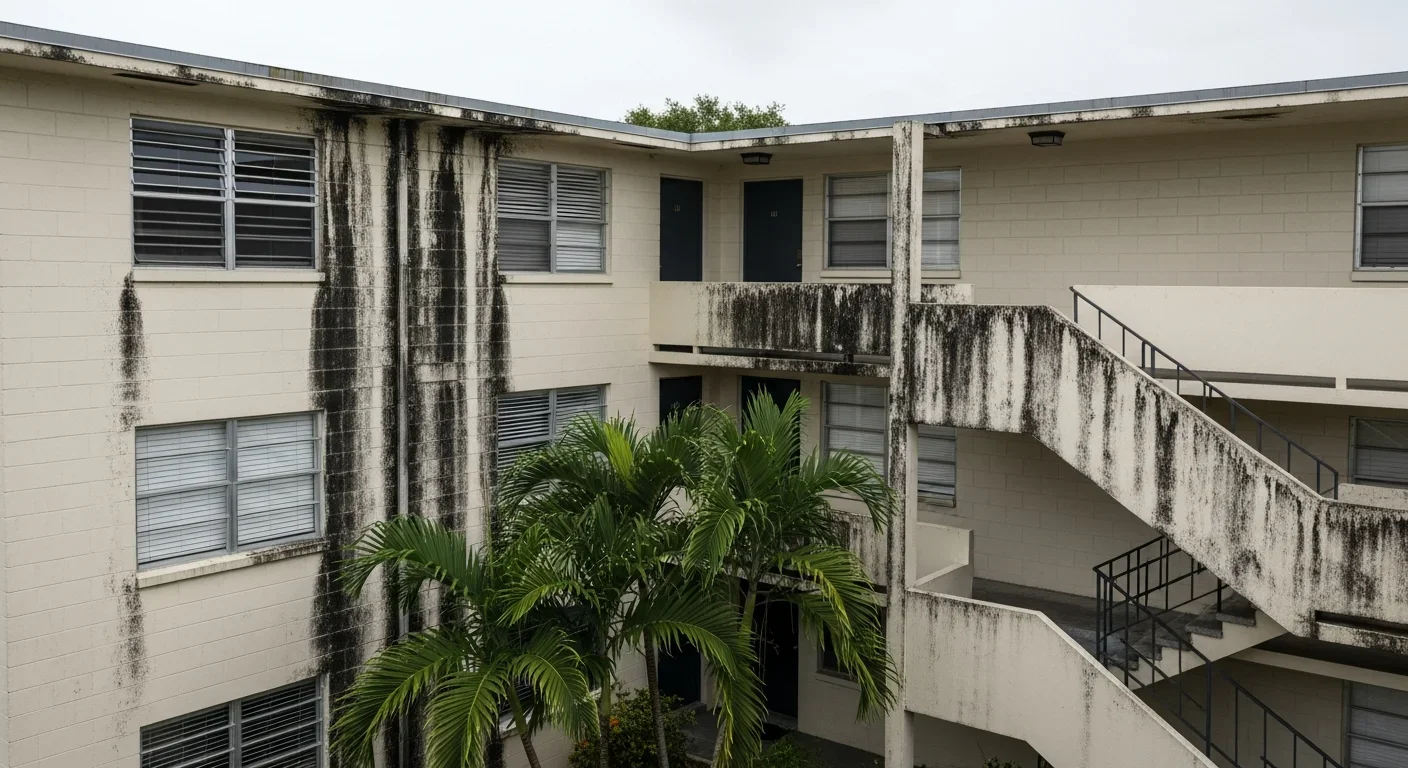
Fort Pierce is a majority-renter city — 52.7% of households are renter-occupied. That
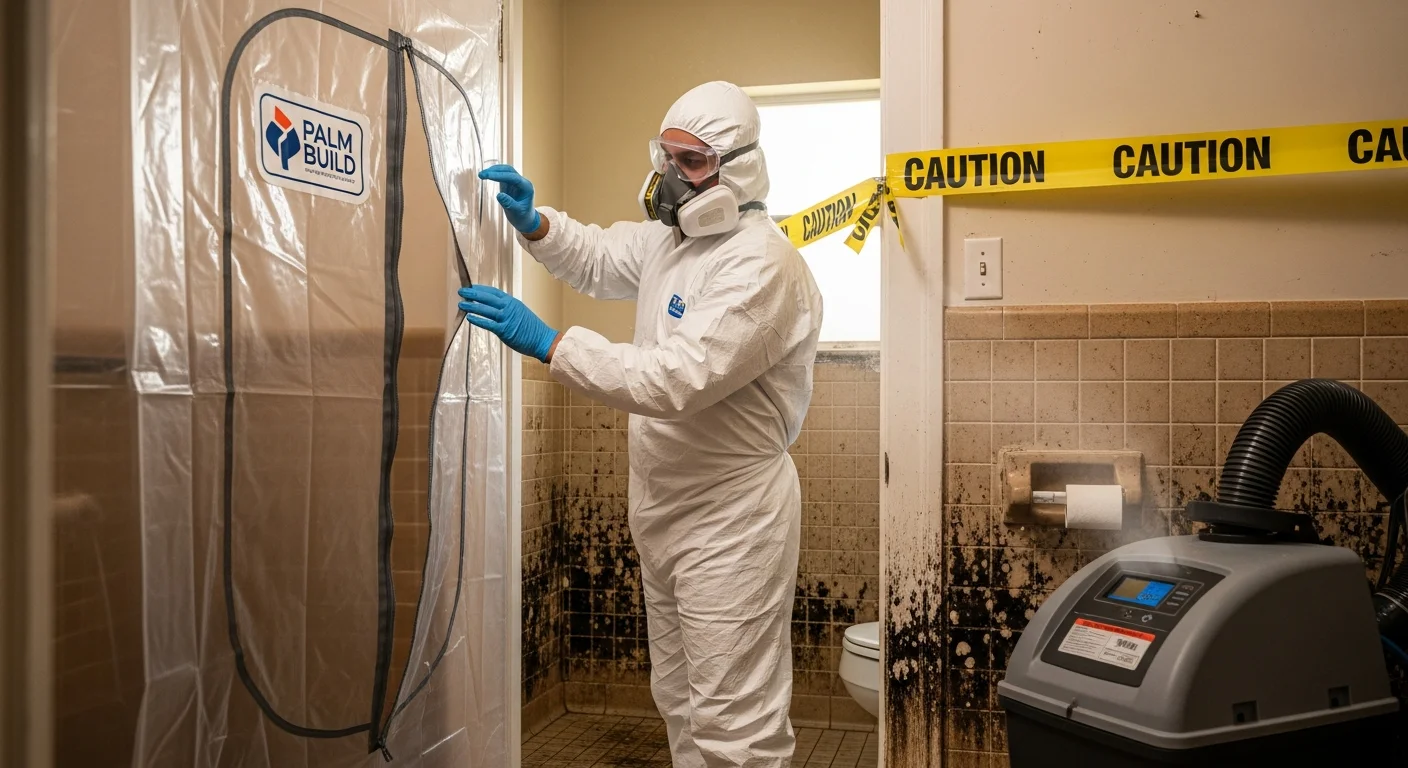
means mold remediation here often involves property managers, multiple units, shared
systems, and tenant coordination. It's a different job than a single owner-occupied
home, and it requires a team with multi-family experience.
Unit-to-Unit Water Migration
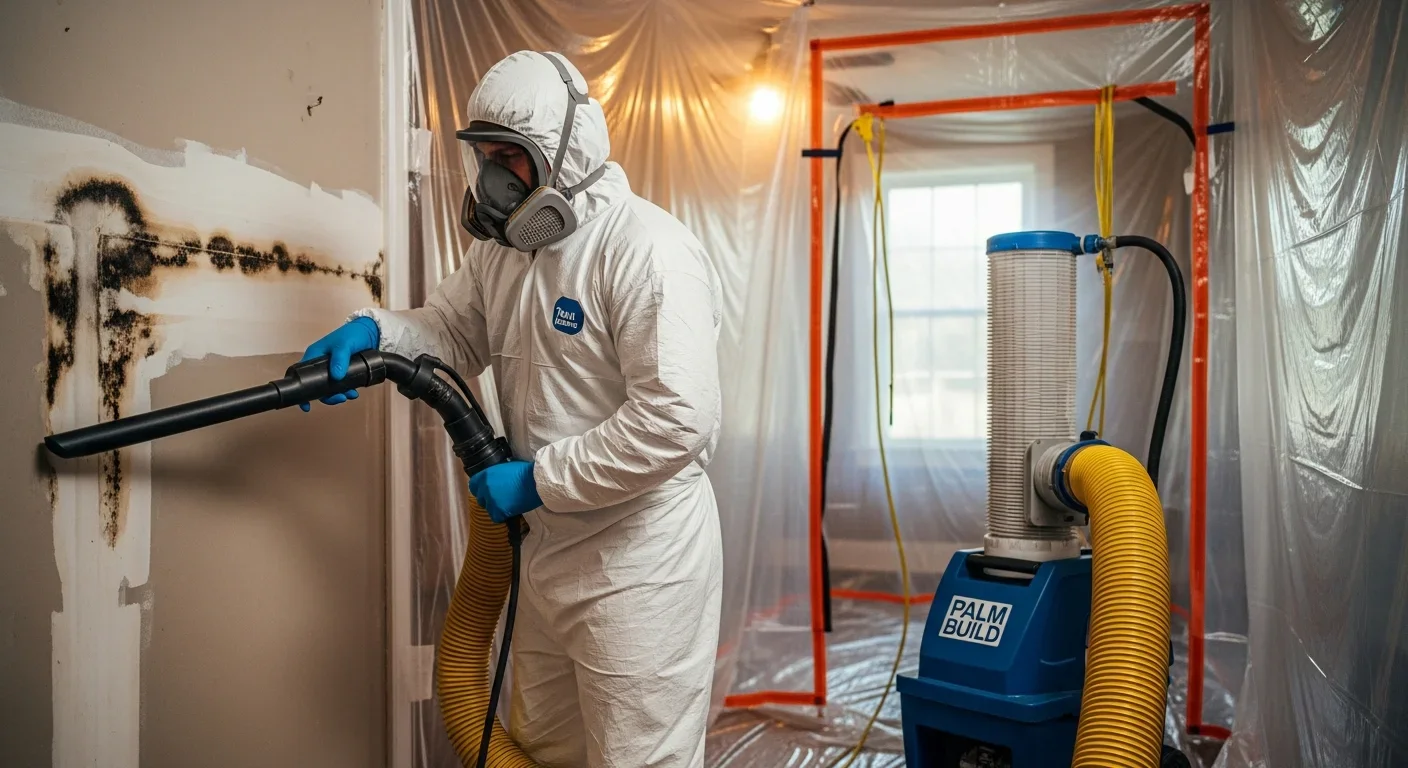
In Fort Pierce's apartment buildings and duplexes — many built in the 1960s–1980s — shared plumbing stacks mean an upstairs leak quickly becomes a downstairs mold problem. We assess the full migration path before setting containment, not just the visible unit. Missing adjacent or below-unit saturation is the most common reason mold returns after "remediation."
Property Manager Coordination
Fort Pierce's majority-renter market means most mold calls come through property managers, HOA boards, or building owners rather than owner-occupants. We work directly with management companies and provide documentation formatted for property management reporting, insurance carrier review, and tenant notification requirements.
Shared HVAC and Duct Contamination
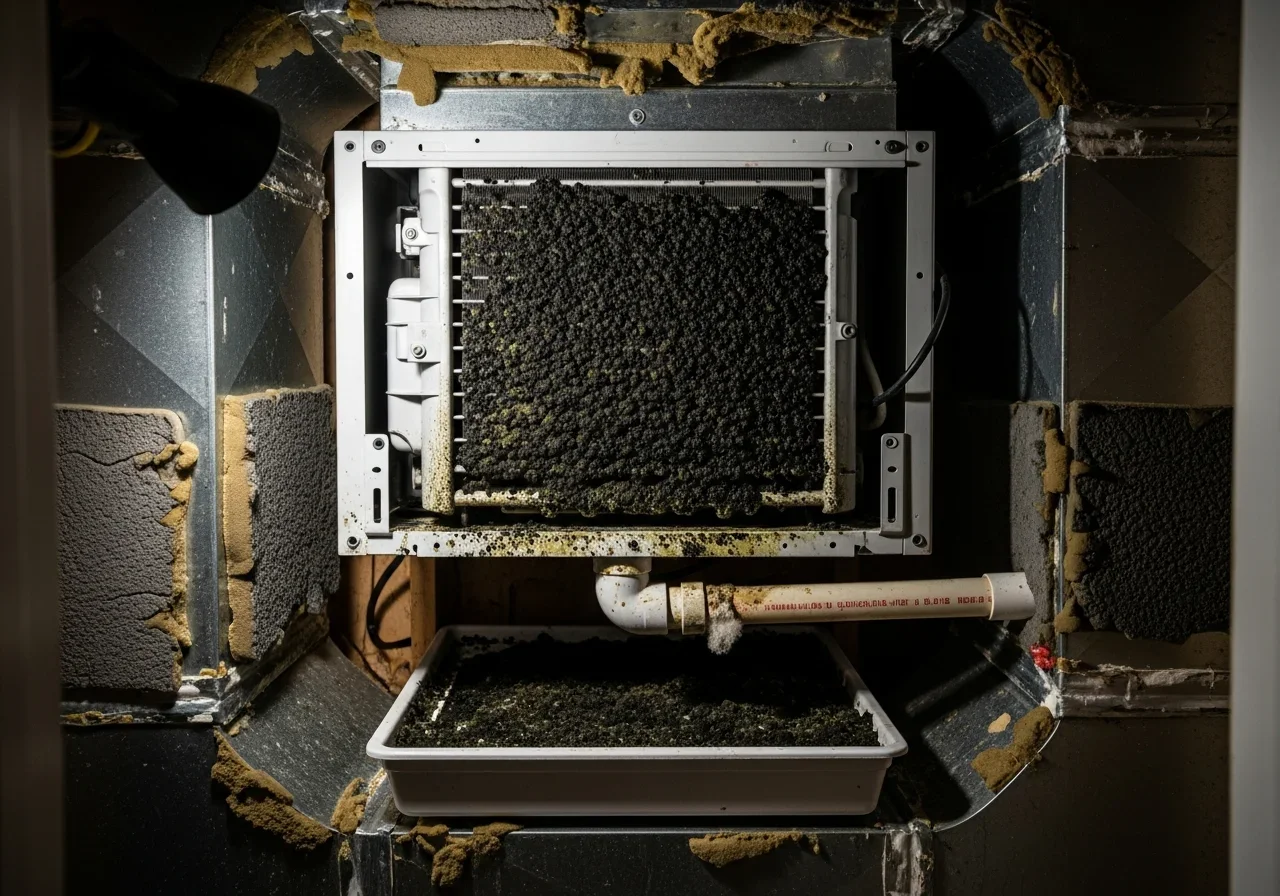
Older Fort Pierce apartment buildings with central HVAC systems face the risk of mold spreading through shared duct runs. A contaminated air handler can distribute spores to multiple units simultaneously. We assess duct systems and air handlers as part of every multi-family mold inspection — surface remediation alone is not sufficient when the HVAC is compromised.
Deferred Maintenance and Liability
In rental properties, mold often develops from deferred maintenance — delayed roof repairs, ignored HVAC service, unreported tenant leaks. Palm Build documents the moisture source independently, which protects both property owners and tenants by establishing the chain of causation for insurance and liability purposes.